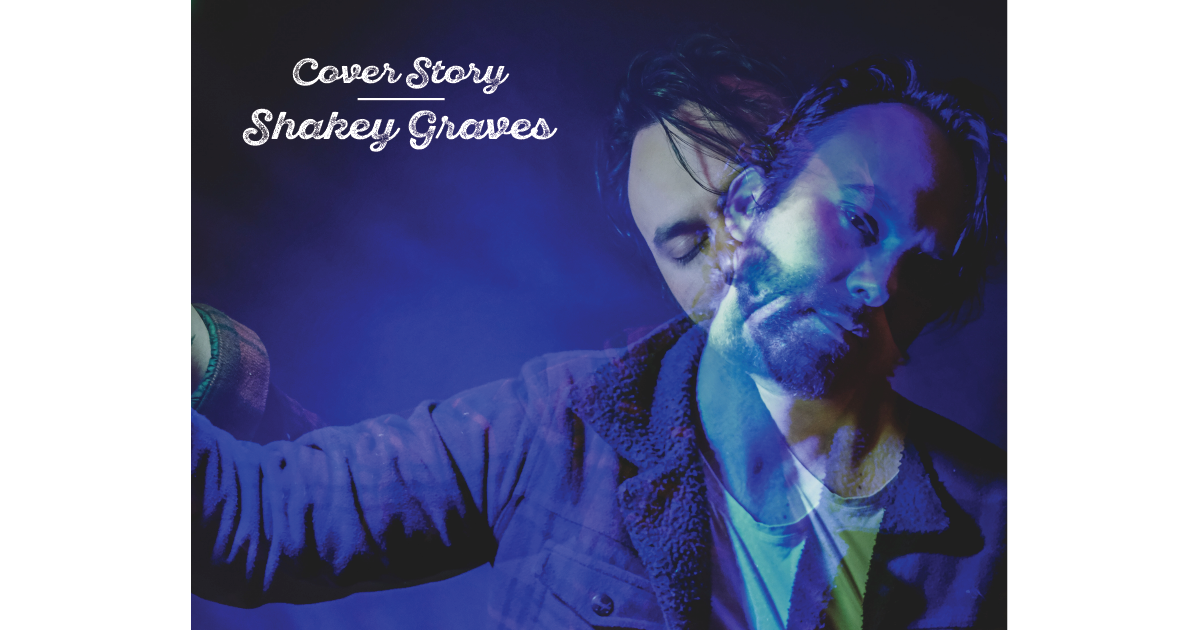
Shakey Graves Rolls Back the Clock With ‘Roll the Bones’ Deluxe Edition

The very first fans to discover Alejandro Rose-Garcia — the musical mind behind the moniker Shakey Graves — admittedly didn’t have much information to go on.

“When I first snuck this record out, it was just a photo of me with a cow head,” recalls Rose-Garcia of his self-released 2011 debut, Roll the Bones. “All it said was Shakey Graves is a gentleman from Texas. It didn’t say whether I was a band or a solo artist. I didn’t promote it. I just let it be and believed in it.”

The album’s no-frills, garage-folk sound attracted a loyal following, varying between down-tempo, ominous poetry about hunting seals in Alaska; lighter, more carefree numbers about driving through Appalachia; and even the lone cover song, an edgy take on a Springsteen classic. In the decade since Roll the Bones’ quiet release, Shakey Graves emerged from the shadows, releasing two full-length albums via Dualtone Records as he built a strong live-performance resume, first as a charismatic busker and later as top billing on festival stages around the world. Still, until recently, Roll the Bones remained available only as a pay-what-you-want release on Bandcamp, its recognition a de facto litmus test for Shakey Graves superfans even as it’s sold more than 100,000 downloads.

“I always had the backs of the people who had the back of this record,” says Rose-Garcia. “Anyone who’s like, ‘Man, I just love that first record so much,’ I’m always like, ‘Me too! We have that in common. That’s our secret we share: me as someone who made it, and you as someone who found it.’”

This month, millions of new listeners have the opportunity to share that secret as Roll the Bones X, a re-issue of those original recordings, hit streaming services and sees a proper vinyl release complete with the bonus companion LP Odds & Ends, a 15-track collection of previously unheard Shakey Graves material from the same era. BGS caught up with Rose-Garcia to talk about the impact of this release on his development as an artist, how the songs’ meanings have evolved (or not) over the years, and his most cherished online feedback.

BGS: This album has been available for years on Bandcamp. What inspired you to release Roll the Bones in this new, wider way — and with so much additional material alongside it?

Rose-Garcia: It’s been really important to me that I put the record out for pay-what-you-want just on Bandcamp for all these years. It wasn’t on any digital streaming platforms. That was a pretty stubborn point I had, but I feel like I got to hold my ground with that. Now, I want more people to be able to hear it if they want to. My time of being so precious with it has run its course. When we put out “Roll the Bones” as a single, people kept being like, “Wow! Cool remix, but I really prefer the original.” [Laughs] The first version of “Roll the Bones” people usually hear is the live Audiotree version, so it’s a pretty common thing to hear. People say, “Cool, but it doesn’t hit quite like the OG!” I’m like, “Well, this is the OG…” Still, I’m also flattered that some people think that I just recorded it — that somehow it still sounds modern enough.

At the point that I put this out, nothing had really happened for me, musically, at all. [Laughs] I believed in myself, and I really liked this record when I made it: I was very proud of it, and I still am. Of all the records that I’ve made, it’s probably the only one that I go back to and listen to every once in a while. I can hear myself not answering to anybody and kind of shouting into the void –being like, ahh, well if this doesn’t work out, then maybe I’ll just live under a bridge somewhere! Now it’s the future, and in a way, it did work out. Nothing ever works out exactly the way you think it will, for better and for worse, but this sweet little bedroom folk record seems prescient somehow. It wants to come out, so I’m just gonna go ahead and let it.

As you mentioned, you’ve recorded different versions of several of these songs over the years. Fans can see when a song evolves in how you play it: They can tell when you strip it down or tweak a lyric or add new harmonies or whatever. But is there anything on this record that has evolved in its meaning to you, over the last ten years?

I remember reading fan theories about “Roll the Bones” — random people being like, “I’m pretty sure that this is what this song is about” — and I can neither confirm nor deny anything.

When I was 17, 18 or so, I had a manic episode and went to a mental institution for a little bit. I’d basically had this big matrix moment where I was like, oh-my-God-nothing’s-real-everything’s-real-oh-shit. A lot of those things ended up not being reality, but there were other things, too. I was like, I’m gonna be a musician! I’m gonna save the world! I started drawing that skull logo, with the arrow through it. My family and friends, for a little while there, were like, “Well, maybe you’ll just be crazy forever, and you won’t do anything.” And even I was sort of like, “Maybe I’ll be crazy forever and none of this is anything.” But now, in the future, there are people who have that [skull logo] tattooed on their bodies. And when I play that song, I can still hear a little bit of the crazy and the mystery that I found, that kind of started me on this thing.
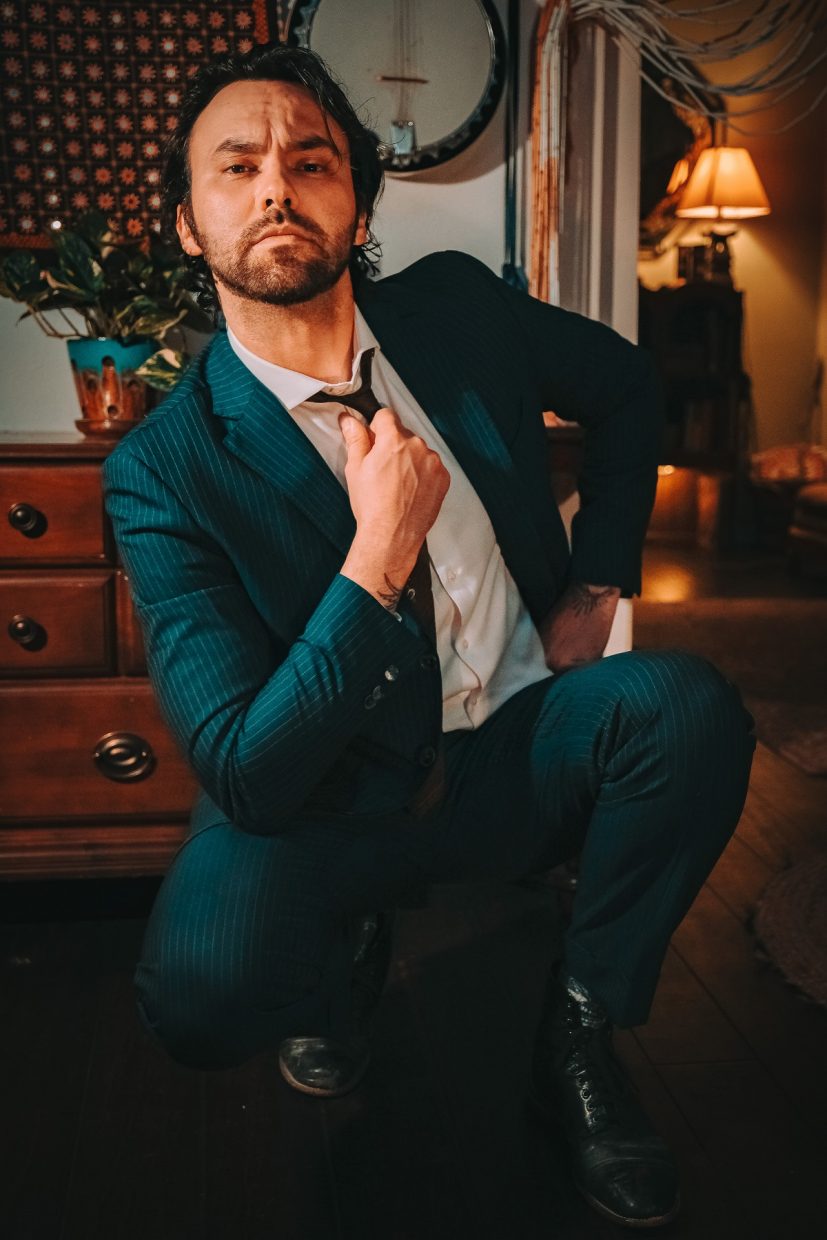
So the song is still pretty mysterious, even to you.

I feel confident as the owner of that song, but I still don’t know what it means. [Laughs] So it’s maybe the opposite of your question: That’s been a constant. But this record did freeze-frame a lot of stuff. “Built to Roam” was a song about me wanting so badly to just escape around the United States, and it was a wish that came true. That’s just what happened to me: For the rest of my life, until this whole pandemic, all I did was travel around and live my dreams. I’m almost like, is this whole record just like a big spell that I put on? Some sort of big prayer-slash-witchcraft deal? Like, this is what I want for myself — and then it came true?

Another one that maybe answers your question more directly, is “To Cure What Ails,” the last song on the [original] record. I wrote it about the first girl that I had ever been in a serious relationship with, and you know, it fell apart in the middle of the writing of it. Half the song was me being like, “You suck!” And midway through the song, I kind of started writing this fantasy: “Maybe I’ll circle back around you’ll be there. I can’t help it. Maybe this is how it’s gonna go down.”

And now when I hear that song, I mean … I haven’t seen that person in so long. She’s the last person I would want to just magically appear. [Laughs] But what I actually hear in that song is that throughout whatever the rest of the album’s talking about, in the end, all of it is just about that need we all have to be loved — by anyone, by somebody, even just for a second. Even just being loved by yourself. “All roads lead to you,” that whole thing? Sometimes I hear that and I don’t even think of another person anymore: I think of it as you finding yourself one day.

What do you hope new listeners will take away from this album?

Playing music comes hand in hand with crippling anxiety about everything: “Am I doing the right thing?” What I hope people hear is a kid who felt the same way and put something out that he didn’t ever think anybody was gonna listen to. I don’t want to overthink it. My favorite review that I’ve seen of it so far was just some dude on Bandcamp that was like, “I listened to this record while tripping on acid in the back of my friend’s van, and it changed my life.” That’s all I want you to do: Do something stupid and put this on in the background, and let it become part of the story of your life.


Photo credit: Magen Buse
The Show on the Road – Shovels & Rope

This week, The Show On The Road celebrates the newest record by Charleston’s hellion harmonizers, Shovels & Rope, with a new conversation with the married duo of Michael Trent and Cary Ann Hearst.


LISTEN: APPLE PODCASTSSPOTIFYSTITCHER

You’d be hard-pressed to find two harder working singer-songwriters than this prolific duo, even before they got together to record their honey-voiced self-titled debut over a decade ago. Thinking it was just a sonic souvenir before they split off again to pursue their barnstorming bar-band solo careers, their human hearts and some encouraging listeners had other plans, convincing them to keep creating as a team. They’ve been off to the races ever since — making five acclaimed records of originals beginning with O’ Be Joyful and following with three gritty covers albums with collaborators like Lucius, Shakey Graves, Brandi Carlile, The War & Treaty, and more.

Shovels & Rope’s newest cover project, Busted Jukebox Volume 3, which dropped on February 5 via Dualtone Records, is a new experiment. You could say it’s an angsty rock record for kids or maybe it’s an homage to the yearning, defiant, ever-hopeful teenager in all of us. With indie-darlings like Sharon Van Etten sitting in on standouts like the Beach Boys’ “In My Room” and Deer Tick joining a rollicking version of the Janis Joplin favorite “Cry Baby,” like a good Pixar animated flick, this collection has just as much to offer Mom and Dad as it does for the kiddos.

If you’ve seen Shovels & Rope live, you’ll notice that Trent and Hearst often face each other, not the audience; their eyes never seem to leave each other. Almost all their songs, like the award-winning favorite “Birmingham,” include spot-on harmony and intensely-focused unison singing. Somehow they create a blisteringly big sound despite always remaining a duo. Even on the biggest stages, from Red Rocks to their own acclaimed festival High Water Fest (set in their longtime South Carolina home base), they stick to their simple but potent formula. Switching back and forth between jangly and crunchy guitars, humming keyboards and pounding piano, hopping from sweat-strewn stripped-down drum kits to aching accordions, their joyous garage-rock Americana keeps gaining them new fans worldwide.

If you’re stuck at home and have kids running rowdily through your house like Shovels & Rope do, (this taping had to be rescheduled three times), maybe try turning on Busted Jukebox Volume 3 nice and loud and see what little ones think. Or just put them to bed and rock out yourself!

Stick around to the end of the episode to hear Shovels & Rope present the sweet campfire jam “My Little Buckaroo” featuring M. Ward.


Photo credit: Mike Crackerfarm

Bruce Robison & Kelly Willis: In Service of the Song

Although their individual careers have been moving in different directions over the last few years, Bruce Robison and Kelly Willis have circled back closer to each other and put together a group of songs — a mix of originals, carefully selected covers, and choice vintage nuggets — for their newest project, Beautiful Lie. “We were just ready to make another album,” Willis says. “Enough time and space had passed and it felt fresh, and we had all these ideas that we wanted to work on.”

On Beautiful Lie, Willis’ crystalline vocals wind around Robison’s grizzled voice and float along a river of pedal steel, piano, and guitar, creating a pure beauty that the couple is so adept at calling forth when they work together. While it’s never easy to find time to record, the two have fun and feel the joy of their union when they can come back together for a project, even though they both love their solo work, too.

Last year Willis released her first solo album in more than a decade, Back Being Blue, and she’s just come off the road from a mini-tour with Dale Watson. In 2017, Robison released Bruce Robison & the Back Porch Band, which he recorded in his own studio, The Bunker, in Lockhart, Texas, near the couple’s home base in Austin. He’s also been producing artists for his Next Waltz record label, including future singles from William Clark Green, Carrie Rodriguez, Flatland Cavalry, Shakey Graves, Wood & Wire, and Willis Alan Ramsey. “We have this core group of musicians there now,” he says, “and it’s a place where people can come to record this kind of music that you can hear on this album. We’re still growing and developing a lot.”

“For this album, we just got the machinery up and roaring,” Willis says. “It’s funny because we make music together and then go out and play solo. When we’re playing together, we miss playing solo; when we play solo, we miss playing together. We miss making music together.”

Robison and Willis have been married since 1996, but this is only their fourth album of duets, including a holiday collection. Robison observes, “It’s always been great that we had our own careers. I’ve always seen the stuff we did together as magical stuff.”

For the new album, they collected songs along the way and they “would just sit down and start singing them,” says Willis. They know when to sing, when to pull back, when to add that special verse, and when to put a song aside for another album.

“I love his instincts for me,” Willis says. “I have a hard time communicating my musicality. We’re able to enhance and understand each other. It’s sort of a natural undertaking. I’ve always really understood his music and wanted to add something to it.”

Willis isn’t credited as a songwriter on any of the album’s ten tracks but her interpretative stamp can be heard throughout Beautiful Lie. As Robison says, “Kelly and I have creative differences in a way that is helpful. Take a song you like and stick with it and give it to her. Sometimes she loves the melody, or she gets into it and changes it all up.”

Willis points out that those creative differences can sometimes be challenging, but the choices they make are ultimately in service of the song: “When we do music together, it’s different from doing a solo album. I might bring in a song I really want to do, but if it’s not working—no matter how much I try to make it work—we’ll put it aside.”

The couple’s dynamic vocals define the project, with each singer taking lead on songs that fit their own vocal approach perfectly. “We messed around with each song to see who would sing the lead,” Willis says. “Ninety-five percent of the time it sounds better for the female to sing lead. Sometimes Bruce will say, though, that for a certain song he thinks it works better with a male lead.”

The material on Beautiful Lie ranges from the aching title track (an Amazing Rhythm Aces cut) to the rollicking Robison original “Brand New Me.” Adam Wright contributed three songs including the skittering “Can’t Tell Nobody Nothin’,” written with his wife Shannon Wright. Meanwhile, Robison and Willis deliver a stunning cover of “Lost My Best” from Uncle Walt’s Band, as well as the skate-across-the-sawdust-floor Del Reeves classic “One Dime at a Time.”

Perhaps the best getting-over-a-breakup song in either artist’s sizable repertoire, the wry “Nobody’s Perfect,” also by Adam Wright, celebrates the freedom that comes with discovering just how much better it is to be with nobody than with somebody who’s always leaving. The loneliness settles in the hollow of absence at first, but not for long. With brilliant use of a mundane phrase, which cuts several ways in the song, “Nobody’s Perfect” turns the meaning of its titular phrase on its head.

A native Texan, Robison even found a muse in the Astrodome, which he’s been going to since he was 4 years old, when the Houston landmark was still new and shiny: “It was this arena where I saw demolition derbies and circuses.” Following a recent visit, he recalls the tiles dropping from the ceiling and how the once-golden palace of his memories has fallen apart – an observation that inspired a wistful song simply called “Astrodome.”

“Jack Ingram and I wrote the song,” he says. “I had fun looking back into my past and remembering going to the Astrodome. The song’s a tribute to a lost past.” The jaunty, dancehall tune belies the sadness of the song, even as the lyrics celebrate the bittersweet nature of life: “I’m gonna go on down and sit in the Astrodome/Just me and you and all of them blue and faded memories/Yeah I’m gonna go on down and sit in the Astrodome/And wonder whatever ever became of me.”

Capturing the overwhelming power of love, “Coming Down” opens with guitars floating over a subdued steel and blossoms into a straight-ahead country love ballad. Robison carries the song with an honest, plaintive vocal that’s elevated on the chorus by Willis’ harmonies. “I don’t write love songs,” Robison says. “If you went and listened to the other 200 songs in my catalog, you wouldn’t find a love song. I was [at] the songwriters’ festival in Key West a few years ago, and I wrote this song out real quick. I can’t fake the feelings in this song.”

As Willis points out, “I love his songwriting and his songs. I think the mark of a great songwriter is the ability to turn a phrase, and he is great at it.”


Photo Credit: HAAM

Best of: Austin City Limits

As the longest-running music program in television history, PBS’s Austin City Limits holds a very special place in music history. While the show was originally developed by Bill Arhos, Paul Bosner, and Bruce Scafe to feature the thriving music scene in Austin, Texas, it is now famous for bringing a wide variety of musical genres into American living rooms each week. The Rock and Roll Hall of Fame Library and Archive is busy preserving 40-plus years of ACL footage, but here are five of our favorite performances you don’t want to miss:

Willie Nelson — “Bloody Mary Morning”

Let’s start where it all began! Willie Nelson made quite an impression on viewers and PBS, when he starred in the first episode of ACL recorded back in October 1974. We have him to thank for helping the show become the staple of music television it is today.

Shovels & Rope — “Bad Luck”

Husband-and-wife duo Michael Trent and Cary Ann Hearst give their all in this high-energy performance of “Bad Luck.” We think you’ll agree that the sped-up tempo of this live version makes it even better than the original studio recording. We can’t help but move along to the driving beat!

Rhiannon Giddens — “Julie”

In this web exclusive performance of her song “Julie,” Rhiannon Giddens breathes to life a conversation between a slave and her mistress during the Civil War, demonstrating her investment in the rich and complicated history of the South, as well as her enchanting storytelling abilities.

Shakey Graves — “Roll the Bones”

Austin native Alejandro Rose-Garcia, known professionally as Shakey Graves, exemplifies the wealth of hard-working musicians coming out of the Live Music Capital of the World today. For his ACL debut, Graves took to the stage with his electric guitar, suitcase kick-drum, and gritty voice for this crowd pleasing performance of “Roll the Bones.”

Sturgill Simpson — “I’d Have to Be Crazy”

It is only fitting to end with Sturgill Simpson’s cover of Willie Nelson’s “I’d Have to Be Crazy.” Simpson’s endearing demeanor and country twang do wonders in this tribute to the ACL Hall of Famer.

Dualtone Records Reflects on 15 Years of Music

Since 2001, Nashville's Dualtone Records has established itself as a major player in the independent music scene. Over the course of their 15 years in business, the label has released albums from legends like June Carter Cash and Guy Clark, while discovering and championing new artists like the Lumineers and, most recently, new signees the Wild Reeds. To celebrate its 15th anniversary, the label recently released In Case You Missed It: 15 Years of Dualtone, a compilation featuring rare and unreleased tracks from a diverse group of artists on their roster.

"As we’ve thought about ways to commemorate the anniversary and look back on everything that’s gone down the past 15 years, we wanted to shine a light on some tracks that hadn’t necessarily gotten their fair shake in the mainstream," Dualtone President Paul Roper says. "We dug through the catalog and found some songs that we loved for one reason or another and threw them on a record together. We tried to focus on putting some unreleased content on there. You have some new tracks from Shakey Graves and the Lumineers and Ivan & Alyosha and Langhorne Slim, combined with some of our favorite songs that are in the catalog that didn’t really get heard. It was our opportunity to look at the breadth of the catalog."

In addition to the artists Roper mentions, the compilation includes cuts from June Carter Cash ("Keep on the Sunny Side"), whose Dualtone project, Wildwood Flower, would be her last before unexpectedly passing away in 2003, and Guy Clark ("My Favorite Picture of You"), who won his first Grammy for work he did with the label. "It was the first time in his career," Roper says of Clark's Grammy win. "I think he’d been nominated maybe six or seven times throughout his career and hadn’t won one until we put out My Favorite Picture of You. And that was his last album that he released. And we won a Grammy for Best Folk Album. That was a great moment for him in the twilight of his career, kind of a great bookend for his life and his career and his music."

As for that album from Carter Cash, it featured some of the last recordings between June and husband Johnny, and earned the label two additional Grammy Awards. "We took down some of the giants," Roper says. "Some of the major labels were our competition, because she won for Best Female Country Vocal Performance."

Though the David to a major label's Goliath, you also can't talk about Dualtone without talking about another musical giant — the Lumineers, the Denver indie folk band best known for their 2012 breakout single "Ho Hey." "Delivering the Lumineers the first time around was just a whirlwind, with things happening so fast," Roper says. "I don’t know if any of us had a moment to take in what was really going down. But delivering the second record, Cleopatra, and having it go number one — which was the first number one for a debut album that we’ve ever had from a sales standpoint for first week — was pretty awesome and it was great validation for the company. You hear a lot of noise about how anybody can get lucky one time, you know, but when you deliver the sophomore record and it’s received to such great acclaim from the industry and from fans and has continued to have an incredible life, that’s a great moment."

While Roper and his colleagues at Dualtone have spent a good deal of time reflecting on the label's past, they've also been looking to the future. Two recent signings include the Wild Reeds, an emerging Americana band from Los Angeles, and Chuck Berry, a household name and legendary musician who, at 90, is still putting out new music. "We have a deal going with Chuck Berry and his estate and announced on his 90th birthday that a record’s coming," Roper says. "That was a really fun moment, just to see all of the pickup from the announcement. It was everywhere. It’s been an exciting vision of what’s to come with that project. It’s a really special body of work, too. "

As for the direction of the label, Roper hopes to continue to run a company driven by a love for music and a passion for helping artists bring their work into the world. "We want to continue to be in a position to help artists build careers," he says. "That’s the underlying philosophy of the company. As the industry transitions and changes — it’s probably going to change another five different ways, at least, in the next six months — it’s always evolving and we have to be able to adapt and change with it. I think the idea of a label is constantly evolving. What we do know is that artists are going to need a team around them, whatever that looks like. We like to think of ourselves as partners with our artists and not so much the label. We try to be in the position where we add value to artists’ careers."

Finding Your Folks the Festival Way

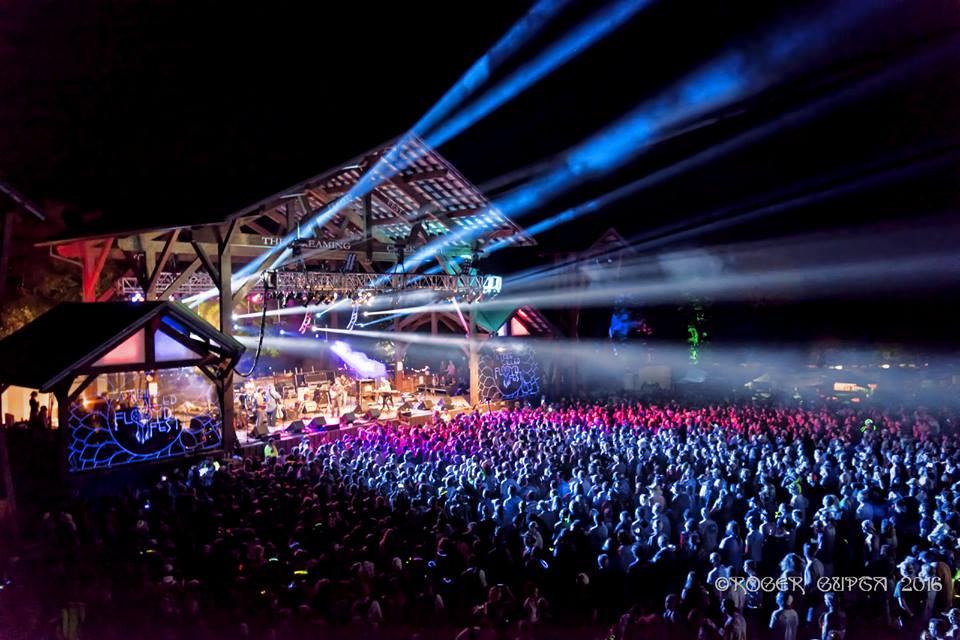
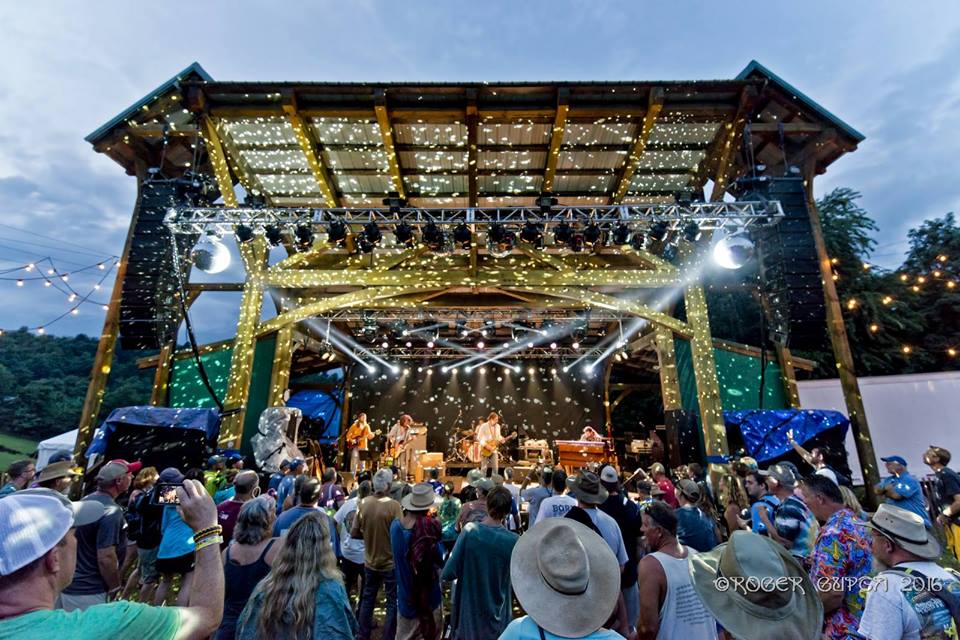
Last July, Brandi Carlile stood on a hand-built timber frame stage at the annual FloydFest music and arts festival. Before launching into the next song in her set, she pitched her guitar over her shoulder and stepped up to the microphone. “Our music wouldn’t exist without these mountains,” she announced to a roaring crowd.

Carlile’s brand of powerful folk-rock does find its origins in the bluegrass and old-time music harvested in the Blue Ridge Mountains, which encircle the festival grounds. Perched high above the crowd, they provide the backdrop for this idyllic musical playground nestled deep in the foothills of Southwest Virginia. Since the 18th century, Appalachia has been a melting pot of Native American music, spirituals, gospel music, and fiddle tunes. By tapping into the roots of the region, FloydFest co-founders Kris Hodges and Erika Johnson have cultivated a rare environment that’s all spirit and diversity.

“It's not just about, you know, throwing together the most popular bands and hoping for the best with a bunch of drugs,” Hodges says. “We wanted a more holistic lifestyle. We wanted to introduce the regular person into conscious living, and that was really the initial vision and intent behind FloydFest.”

Hodges and Johnson, along with their production company, Across the Way, have been improving upon FloydFest since its inception in 2002, finding new ways to connect with the community and pay homage to its rich heritage.

“People were saying, ‘Well you need to get this band,’ and they were just throwing out all these jam bands cause the jam band thing was really on the move. We're like, 'No. Look where we are. We're in the Appalachias,'” Hodges remembers. “And so that was always a huge part of what we were trying to create. We wanted to make an authentic event that was geographically relevant.”

Cue the Virginia Folklife Workshop Porch, which has become one of the most treasured stages of the festival. With a façade that looks like a front porch, it harkens back to the long-standing tradition of pickin’ parties. It’s where big-name acts play stripped-down versions of songs, tell stories, and host a Q&A session before their headlining set on the main stage.

“Every stage is a different experience and that's the idea,” Hodges explains. “The workshop porch definitely represents that: Let's bring it back home and let's get intimate here; let's actually truly engage with the artist. It's not just there's an artist on stage — but they're a part of the festival. We're all the same, we're all equals, and we all inspire each other so the porch is definitely a launching pad for that.”

FloydFest newcomer Shakey Graves got a taste of this homegrown feeling when he made his debut on the Workshop Porch this year.

“When it really comes down to stuff like this, the people are people and it’s really more about the community,” he said. “It’s really nice to come home to a festival like this. It’s not lost on me and it means a lot.”

Another way FloydFest promoters stay true is by making use of patron feedback. They painstakingly comb through every survey and social media comment made by attendees, doing what they can to incorporate suggestions. In 2015, they responded to patrons’ requests for more female performers by presenting a female-topped bill. In addition to Carlile, headliners included country legend Emmylou Harris and rock ‘n’ roll powerhouse Grace Potter.

“I think FloydFest really prides itself on the intimacy of the festival and the personal experience,” Potter says. “It's about feeling not like 'We built this city and we're all living in it and we're all just like ants on the anthill,' but feeling like we all have our own anthills that have all come together in this beautiful colony that is this music festival for these two or three days.”

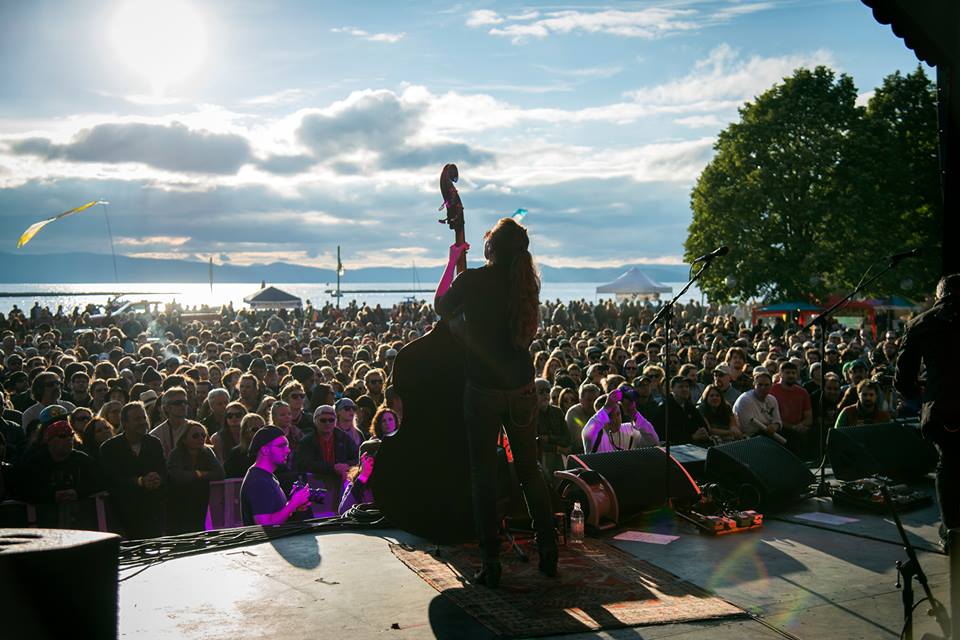
It’s the same model of audience engagement and participation that Potter brought to the table in 2011 when she launched her own festival, Grand Point North. Taking place at Burlington’s Waterfront Park in her home state of Vermont, Grand Point North was a long time coming. “I've always dreamt of starting my own music festival,” she says. “My sister and I used to sit around and draw pictures of what we thought it would look like when we were kids.”

No stranger to the festival circuit, Potter’s made the rounds for the better part of 10 years, lending a veteran perspective. “I think I have a platform and I have an individual voice. And I've seen so many music festivals: I've seen the good, the bad, and the ugly,” she says. “So I can potentially advise on this and create a really cool situation — even if it's just one weekend a year — that would be powerful for people.”

For Potter, the festival is a way to embrace social awareness. She describes how her childhood growing up in Waitsfield, Vermont, inspired her vision. “There were farmers' markets every weekend and we could go out. You'd see Phish concerts and, even as a young kid, I felt safe in those environments. I didn't feel like it was like a scene that I was wandering into the middle of,” she reminisces. “It's this feeling of 'I've arrived; I'm with my people. This is my tribe.'”

For this year’s event, Potter and her sister reached out to Vermont’s Governor’s Institute on the Arts in order to identify area youth that may be interested in getting involved. And it was through the Institute that she connected with another tribe. “We tapped into the Abenaki tribe which is actually the indigenous tribe to the Winooski River in Vermont,” Potter explains. “So we’ve been in touch with the tribe itself and we’re gonna record a woman telling the story of the land and describing the relationship between the land, the people, and the lake of Lake Champlain where the festival takes place.”

Fostering relationships and championing a region’s natural elements are key to developing the special quality that’s unique to smaller, grassroots festivals. Even FloydFest’s theme this year — “A Tribe Called FloydFest” — was accompanied by the mantra: “Find your tribe, y’all. And love them hard.”

“Our intention is definitely providing a heart space for people to enjoy each other in a diverse setting that is healthy and supportive,” FloydFest’s Kris Hodges says. “And as a rock 'n' roller, of course, you know, we wanna share that with as many people as possible.”


Photos courtesy of FloydFest and Grand Point North

Watch Chris Stapleton Perform “Nobody to Blame” on The Late Show

Stephen Colbert is early in his tenure as the new host of The Late Show, but he's already had some impressive musical guests. Perhaps the best so far has been Chris Stapleton, who took to Colbert's stage to play "Nobody to Blame" off his excellent recent album Traveller. Watch it below.

Other Roots Music News:

• We normally don't cover prog rock, but we'll make an exception in the case of THE POPE

• ICYMI: Father John Misty is a strange, amazing man

• Bob Dylan is releasing a ginormous box set

• Read Nashville Scene's cover story on Jason Isbell. 

• Rhiannon Giddens, Patty Griffin and Shakey Graves… how's that for a conversation trio

Danny Barnes won the Steve Martin Prize for Excellence in Banjo and Bluegrass.