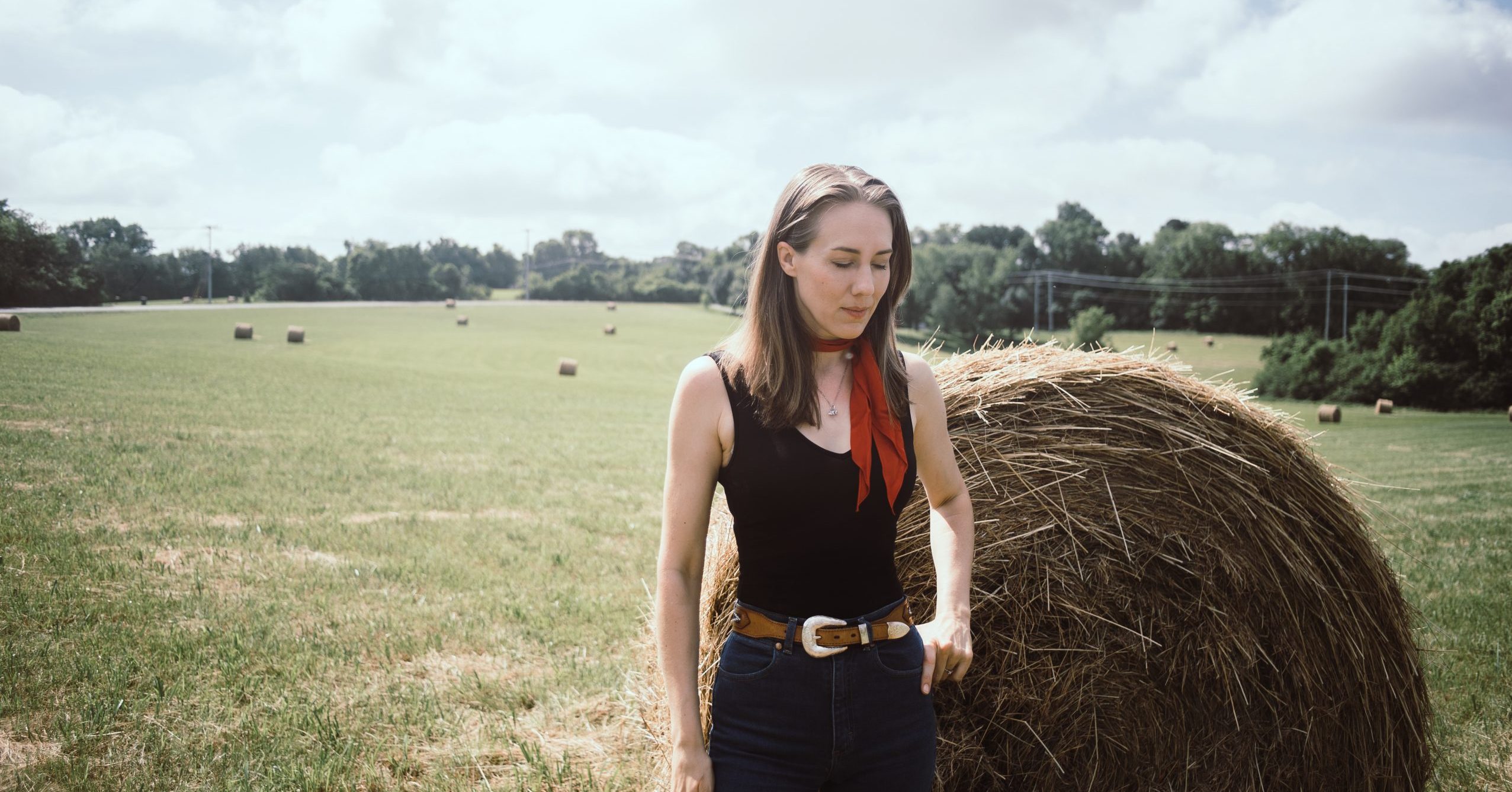
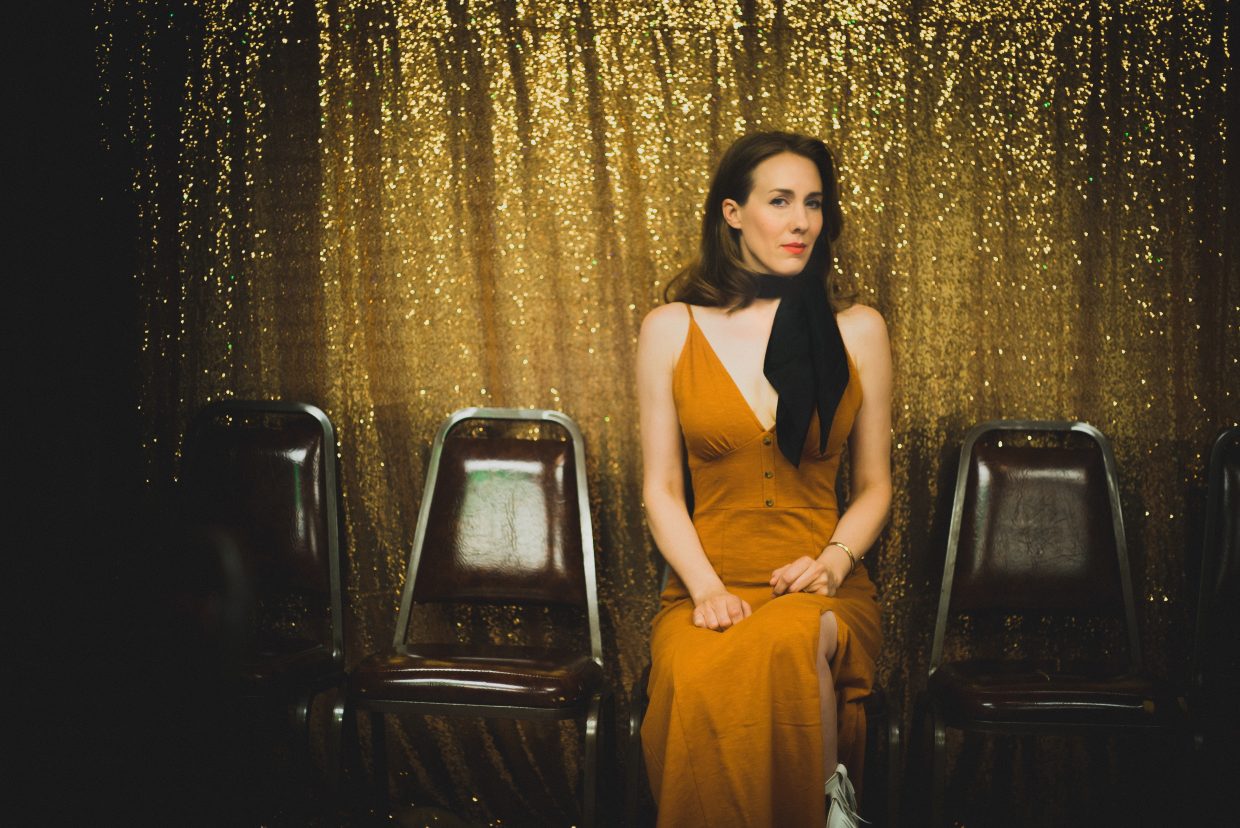
BGS 5+5: Raye Zaragoza

Artist: Raye Zaragoza
Hometown: Greenwich Village, Manhattan, NYC
Latest album: Woman In Color (Rebel River Records)
Personal nicknames (or rejected band names): Ray was my nickname for my whole life. My full name is Rayanna. I added the e when I started playing music!

What’s your favorite memory from being on stage?

My favorite memory of being on stage was when I was in the third grade and I was performing “I Can Do That” from A Chorus Line in my school’s talent show. I had my tap shoes on and everything. But I had what was probably bronchitis. I hardly had a voice and had a terrible cough. I guess my parents thought I was still ok to perform! I gargled salt water every five minutes while I waited for my turn. I got on stage and could barely get any of the song out. It was just low muffled coughs and groans and then tap dance breaks. I asked my friend how I sounded after and she said, “It was pretty bad.” Since then, I have never really had stage fright, and don’t really stress when I have to perform sick. I conquered bombing a set very early on in my stage career. I am so grateful for that!

What rituals do you have, either in the studio or before a show?

I love rituals. Before a show, I always stretch, which feels funny because I just stand there and play guitar and sing! I am not doing any dance moves or anything like that, haha. But when I was a kid, going on stage meant that I was dancing, so I feel like something is wrong if I don’t stretch before going on stage. I also always drink hot water before a show (even in the summer) and say a little prayer and land acknowledgment with my crew.

What was the first moment that you knew you wanted to be a musician?

I was always music obsessed as a kid. I always had headphones on and thought songwriting was the absolute coolest thing anyone could do. But I knew I wanted to be a career musician at my first real gig. I played House of Blues (restaurant stage) in Hollywood when I was 19 (2012). It was one of those “pay to play”-type deals that I my roll my eyes at so deeply now. I ended up selling the place out with all of my co-workers from my hostess job and got up there to play the four original songs I had written to date and some covers. It was the first time I played my own songs for people at a real performance. I had this crazy feeling during the first song. I felt like I was on the best drug trip ever. I felt happier than I’d ever felt in my life. It was a magical feeling and I’ve never stopped chasing it since.

If you had to write a mission statement for your career, what would it be?

Be the role model you wish you had as a kid. Make your ancestors proud. But don’t take yourself too seriously.

Which elements of nature do you spend the most time with and how do those impact your work?

I moved to Long Beach, California, in January and have recently become obsessed with swimming in the ocean. I honestly had very little exposure to nature as a kid growing up in New York City. Central Park was my nature. I now live three blocks from the ocean and go almost every day. The ocean calms and grounds me. It brings me to that grounded place where I can create best. And on the other extreme, I love the desert. The desert and ocean both make me feel so small and alone in a way that inspires me to create.


Photo credit: Jimmy Hines

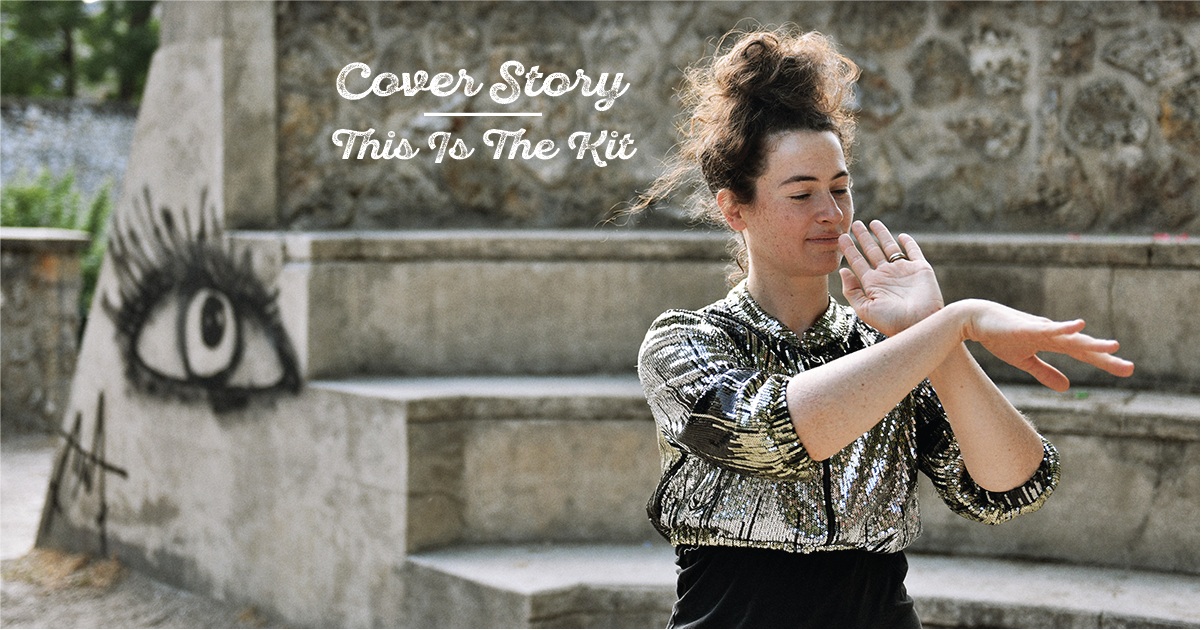
With Hard Banjo Rhythms and Striking Lyrics, This Is the Kit Offers ‘Off Off On’

Kate Stables, principal of alternative roots outfit This Is the Kit, didn’t intend to write a pandemic album to follow her acclaimed 2017 debut, Moonshine Freeze. In fact, she wrote the entirety of Off Off On well before the term “COVID-19” entered our collective consciousness.

In the way that great art often can, though, the songs Stables wrote for Off Off On anticipated the needs of our current moment. Across 12 tracks, Stables sings of growth-inspiring personal reflection, the “two steps forward, one step back” nature of processing trauma, and continuing to move forward in the face of grief, all explored with deeply felt empathy and sharp insight.

Stables and her band recorded the bulk Off Off On prior to the COVID-19 lockdown alongside producer Josh Kaufman (Bonny Light Horseman, the Hold Steady) at Real World Studios in the U.K. Sonically, the album builds atop the lush, banjo-driven alternative folk of Moonshine Freeze, with complex, often subtle arrangements that offer thoughtful soundscapes for Stables’ striking lyrics.

BGS caught up with Stables via Skype to discuss finding sources of inspiration, writing about difficult personal moments, and living as a musician during the COVID-19 lockdown.

BGS: To start us off, everyone has had their own specific difficulties resulting from the pandemic, but musicians, especially, have been dealt a tough blow. How has that affected you and how have you adjusted to being home more, and not being able to tour this record?

Stables: At first, it was kind of novel and a bit of a relief, almost. For the first summer in living memory, I didn’t have loads of festivals to do. So it was a summer I spent with my family doing family stuff instead. So that was nice, at first. Now that the time for actual touring would have been starting soon but it isn’t starting soon, it feels a bit weird. It’s the longest amount of time I’ve ever gone without playing gigs and without touring. So it feels really weird and I miss doing gigs so much. And I really miss my band. They’re in the U.K. and I’m in France. I’ve never gone this long without seeing them.

With regard to the album, you wrote and completed the majority of it before the pandemic started. What were the origins of the album and how has its meaning evolved for you since you first began plotting it?

I don’t usually have a pre-album vision. It’s normally just me writing songs as and when they come and seeing what kind of shape it all takes along the way. One of the earliest songs that was written for this album was “Started Again.” “Started Again” is almost a bit of a bridge song from the last album to this album, because I feel like it could have gone on either, in terms of what I was thinking about. It feels like it’s connected to my past life, in a way, because I feel like everyone has a new type of life now. The world has passed through this strange portal and we’re all a bit different and have to adapt to things. It’s not an obviously key song on this album… but it’s also a bit linked to my thinking about perseverance and getting through the difficulties and coming out the other side again and again. It’s funny because that’s also what the world seems to be dealing with at the moment. Those are themes that accidentally came out while writing the album, without knowing that COVID-19 was coming.

I read the track-by-track notes that you wrote for the album, and one line that stuck out to me was, “Listening through to these recordings, I hear new COVID-19 references every day.” Could you elaborate on that? I heard some myself when I was listening, but am curious as to which resonated with you.

Partly there’s the “we’ve all got to get through this” that I was dealing with in the album, which now seems like I’m talking about COVID. There are lines like, “Try not to cough.” That is too ridiculous and coincidental. There’s a song about a hospital and the breathing apparatus in the hospital; that felt spooky, now that so many people are in hospitals than ever before. Things that were written with one story in mind and now this new situation has given them another story.

I’ve talked to a few other artists who have had similar experiences. It’s interesting, because obviously no one could have predicted where we are now, but it does make you wonder if you were intuiting that we were collectively going down this road.

Yeah, are we all tuned into something that we don’t know about? It does feel weird. I think also with writing, and you may get this in your work, you do end up with funny coincidences and predicting the future accidentally sometimes. It’s just the way it goes when you’re working with words and language and storytelling, whether it’s journalism or fiction or songwriting. These weird cosmic moments do happen.

One of my favorite tracks, both sonically and lyrically, is “This Is What You Did.” How did you write that one?

Writing it was fun because it was an example of me playing with rhythm, which is my favorite thing to do. I tried to find a banjo-picking pattern that was quite hard, something I almost couldn’t do, and worked until I got it. I tried to find a pattern where I wasn’t using the same fingers every time, something as random as possible. The beats were regular but the strings I was picking were somewhat randomly generated. Then I tried to find vocal rhythms that were difficult for me to sing at the same time. I guess it was like brain gymnastics. I like it when you can’t tell where a pattern starts and finishes. … That repetitive, cyclical nature of the music lent itself to this mind-loop approach with the lyrics.

Reading through your notes about “No Such Thing,” you reference both Jack Kornfield and Jane Austen as inspirations. How do you find inspiration? Do you always have your antenna up?

Language is the material I work in and I really enjoy exploring other people’s work with language. When I hear a phrase that makes me laugh or that sounds pleasing to say out loud, I’m always noting down little quotes of things that make a spark in my brain, even if it’s something out of Bob’s Burgers or something… So I guess I do always have a bit of a radar up for rhymes, assonance alliteration; things like that make my ears prick up.

When you reach the point in your writing process when you’re ready to fully arrange a song, what does your collaboration with your band look like? They’re such fantastic players and it sounds like you’re all quite close.

Sometimes I have a bit of an idea of the vibe or the kind of pace that I was envisaging for a song, but it’s also nice to not say anything until they’ve tried something out. Quite often they’ll find something that’s better than what I had in mind. I’ve ended up with three of my favorite musicians playing in my band, which feels like a privilege and a real kind of fluke. So it’s nice to let them do their own thing as much as possible. I’d be interested to know, though, if they think that’s what I do. Maybe they think I’m really controlling. [Laughs] What I hope I do is let them have space to do their stuff.

Prior to lockdown, you got to spend a lot of time on the road with the National. How does playing as part of someone else’s project inform your work as a solo artist?

In a few ways, but it’s hard to put your finger on one. Traveling is nutritious for me in terms of writing and wellbeing and being inspired. The act of traveling, even just looking out the window while you’re going along the road, is inspiring. But also the fact that you’re going to different places and meeting new people and having these new experiences… Also just seeing how other people work. I found it fascinating to be part of this symbiotic ecosystem that’s going around on tour. Everyone plays an important part and looks out for each other and it’s really fascinating to see how other people tour.

It’s a bit tricky to look too far ahead right now, but, in addition to getting your album out, what are you looking forward to in the coming months?

Because the gigs aren’t there to be looked forward to, I think I’m looking forward to seeing what I can get done instead. There are a lot of musical projects that I’d love to get stuck into, and I hope that I just will. This time, we’re all learning how to be ready for anything and not to assume that something is going to happen, so, ideally, I’ll just be making music instead of touring. I really hope I’ll be able to make music with people, even if it’s long-distance.


Photo credit: Philippe Lebruman

LISTEN: Stephanie Lambring, “Birdsong Hollow”

Artist: Stephanie Lambring
Hometown: Seymour, Indiana
Song: “Birdsong Hollow”
Album: Autonomy
Release Date: October 23, 2020
Label: Tone Tree Music

In Their Words: “One of my favorite views in the Nashville area is from the Natchez Trace Parkway Bridge, which stretches over a breathtaking valley called Birdsong Hollow. Many summer evenings I’ve parked in the lot on the north side of the bridge, stepped out of the car, and braved my fear of heights. It’s always a little busy — pockets of flowy dresses and duck faces and drones. But amidst the eager influencers and nature enthusiasts hangs a heaviness; there’s a sign on either side of the bridge that reads ‘There is still hope. Call anytime.’ It haunted me. I knew there was a story that needed to be told.” — Stephanie Lambring


Photo credit: Brandi Potter

LISTEN: Andrew Grimm, “A Little Heat”

Artist: Andrew Grimm
Hometown: Baltimore, Maryland
Song: “A Little Heat”
Album: A Little Heat
Release Date: October 30, 2020
Label: WhistlePig Records

In Their Words: “This song is a departure from the rest. I cannot offer up dark and depressing ideas without suggesting some type of a salve or solution. That’s the deal here: when we start seeing each other as humans, when we smash our phones, when we begin to trust each other, when we thaw the frost between us, we will come out the other side of crisis, together. ‘All we need is a little heat.'” — Andrew Grimm


Photo credit: Chad Cochran

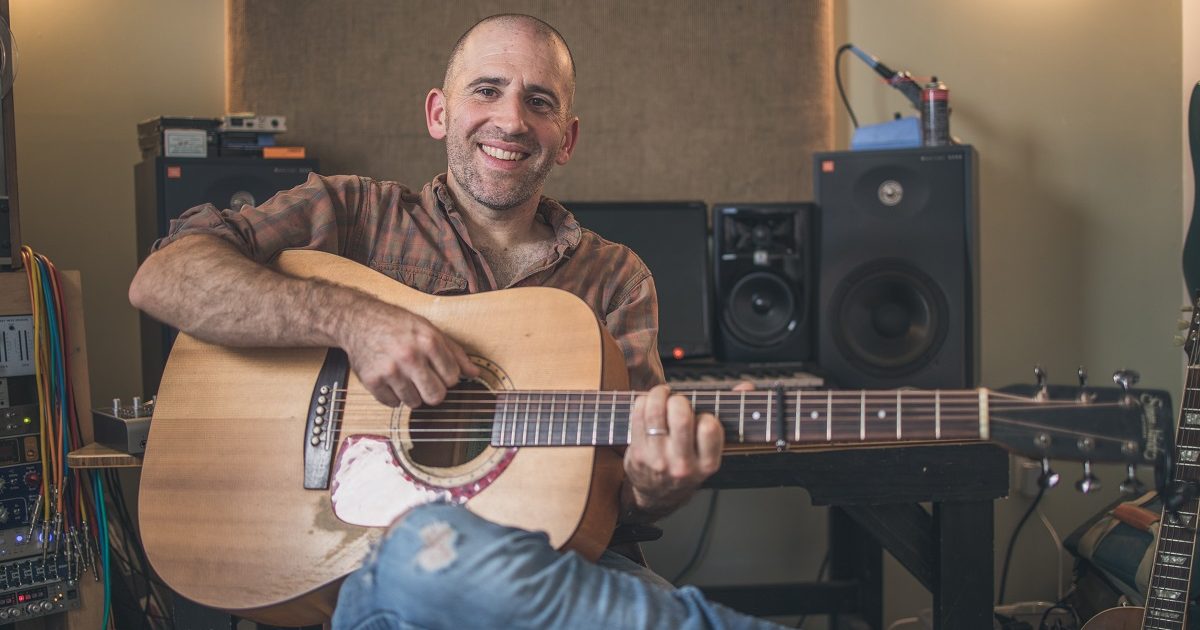
LISTEN: Justin Farren, “Fixer Upper”

Artist: Justin Farren
Hometown: Sacramento, California
Song: “Fixer Upper”
Album: Pretty Free
Release Date: October 23, 2020

In Their Words: “A reflection on the experience of building the home I currently live in with my wife and daughter. With no previous experience, we broke ground in 2004 and finished construction in late 2007. As the financial market collapsed, our janky new home was initially appraised at a value less than the cost of the materials it took to build it, let alone the three years of exhaustive labor. I felt dumb. 🙂 On the whole album, I used the only acoustic guitar I’ve ever owned. It’s a cheap Simon & Patrick I bought when I was a teenager. The electric guitar is a Les Paul Standard that a friend left at my house 12 years ago. I’m not much of a guitar nerd. I feel like they’re all pretty similar. I took an acoustic approach on this song because it’s about building a home. So a natural ‘wooden’ sound seemed right.” — Justin Farren


Photo credit: Wes Davis

LISTEN: Sarah Dooley, “Is This Heartbreak?”

Artist: Sarah Dooley
Hometown: Brooklyn, New York
Song: “Is This Heartbreak?”
Album: Is This Heartbreak?
Release Date: October 23, 2020

In Their Words: “This song is kind of the thesis statement of the album. I wrote it when I was falling for someone, and terrified. I’d been burned badly fairly recently and yet there I was, making myself vulnerable again. You feel like an idiot. Like, will I ever learn? It’s about that terrifying moment where you lose control and let emotions take over. Your brain’s instinct is always to protect your heart, and attempt to prepare for the two options that every relationship presents: ‘is this love? is this heartbreak?’ But ultimately, living a full life means taking that plunge, regardless of future pain, fully knowing the devastation that may wait for you on the other side.” — Sarah Dooley


Photo credit: Carly Hoogendyk

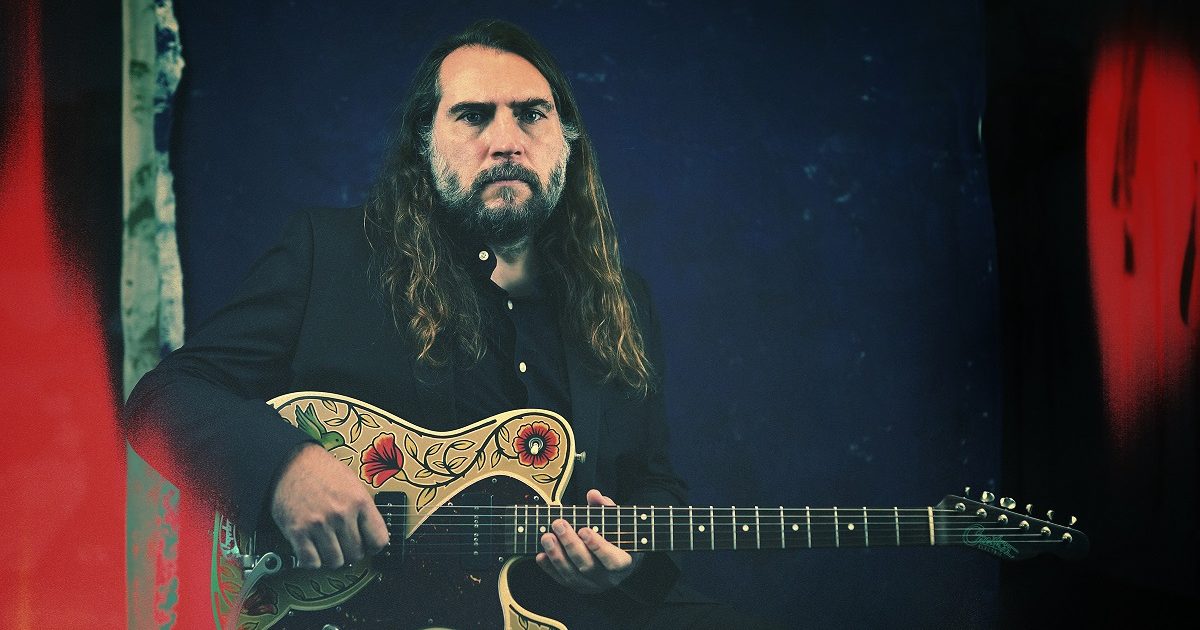
Brennen Leigh’s ‘Love Letter’ to the Musical, Magical Prairie

Nearly twenty years after leaving home, striking out to make a living in the bluegrass and country scenes first in Texas and now in Nashville, singer-songwriter Brennen Leigh is still longing for the prairie. Born in North Dakota and raised in rural Minnesota, Leigh’s brand new album, Prairie Love Letter, lives up to its name in all but the stereotypical, assumptive ways implied by its title. 

Produced by Robbie Fulks, Prairie Love Letter idealizes Leigh’s harsh, forbidding homeland — as paeans to the prairie are wont to do — but not without the nuance a nomadic, troubadour lifestyle affords, and Leigh’s perspective as a woman in 2020. It’s all underscored by the ever-growing distance between her and the grassy plains for which she pines, marked by months and years, continually ticking by.

Being that the sum of Fulks’ and Leigh’s musical comfort zones lands squarely upon the intersection of old country, bluegrass, Americana, and what we’ll call “alt-roots,” the album cheerfully denies genre ascriptions while reinforcing the Great Plains states’ propensity for birthing country music forged in the furnaces of hard living, firmly-held values (though not necessarily strictly conservative), and a desperate need for the distraction and diversion music brings. 

BGS reached Brennen Leigh by phone at her home in Nashville and began our conversation with the album’s seemingly pugnacious, yet perfectly apt lead track.

There’s something particularly resonant about the album’s opener, “Don’t You Know I’m From Here,” because you’re talking about rural life and how these authenticity signifiers are so important to rural life and identity, but they’re also really important to roots music. There’s a really interesting symmetry to “Don’t You Know I’m From Here” where it seems you’re simultaneously asking that question of the region you’re from — Minnesota, North Dakota, the plains — but also asking that question as a woman in roots music and country. What do you think?

I honestly never thought about it in that specific way, but when you put it that way, that is how I feel. Obviously, the going home, the rural element — what did you call them? Signifiers. That’s huge. We’re all in a sort of “countrier than thou” battle all the time. I try to just write what’s true to me as much as I can, and be affected by that as little as possible. When you talk about country music, it’s something I do feel secure in. I don’t need to show or tell anyone — nor have I ever been accused of lacking that authenticity. However, I’ve struggled just as much as the next independent artist. Sometimes it leaves one feeling, “Well, why has this other person been pushed to the top of the pile?” They say not to compare, but you know. Why is this other person edified, when they’re not country, so to speak? [Laughs] It’s hard not to compare yourself to others and get into that mindset.

Also what you said about women — we women, it’s like there’s only room for one at a time. We all have to fight each other. That’s not how I really feel, but your lizard-brain would make you feel like you have to fight with other women for that one slot they give us. This year, one of the silver linings of this pandemic has been that it’s given me some time to appreciate a lot of my peers in ways that I couldn’t before. Or that I didn’t take the time to before. My fellow performers, that are kind of my same age or similar level of fan base, exploring their catalogs has made me feel more like I’m part of that bigger Americana community. 

I think that’s an interesting way to get at the crux of this question, because on one hand just talking about authenticity is kind of make-believe, right? “Authenticity” is not a concrete thing, we ascribe authenticity. We perceive it. So talking about it is almost propagating the problem, and to step outside of it and look at it objectively is the real question. I think the nugget in “Don’t You Know I’m From Here” is that the speaker in the song isn’t seeking external validation in asking that question, but rather validating themselves internally. 

That’s exactly what it is. I don’t need to go home and have everyone at home validate me for being from there. It’s something that comes from inside. I know where I’m from. I know I’m a Minnesotan and I was born in North Dakota. And yet, I get questions cause my accent has changed and I’ve lived in the south now for I think eighteen years. It’s funny, when I moved to Texas I had a little bit of this fear that my music wasn’t going to be “southern” enough. [Laughs] That people were going to think I was inauthentic. But it hasn’t come into question and up north, that was one of my fears, that people would go, “Who is this person from Nashville singing about our part of the country?” That hasn’t happened either, because they’re starved for people to sing about it, because there aren’t a lot of people singing about it. 

The album is really flexible with which genre aesthetics it aligns with, it feels like the exact kind of country that comes out of the Upper Midwest. That hardscrabble, bootstraps mentality that we all are used to being attributed to the south, that’s how the plains survives, too. The album’s themes feel really similar to the way that southern country music speaks about life and work and pleasures, but it’s still different. To me, the way that’s most tangible is in how the record playfully denies any genre label. How did the bluegrassy, Americana meets old country quality come together and how is it tied to Minnesota and North Dakota’s music?

For one, we didn’t really plan it in a specific way. Robbie Fulks produced it — Robbie and I talked about how to treat each song. We both are believers in stories. The literature of stories. How do I present this little three- or four-minute story in a way that the listener is going to hear and feel what’s going on? We treated it case by case. 

As for the genre… “ambiguity” that you mention, I think it just comes from my influences. I come from old country and bluegrass. The part of the country where I grew up, it’s popular music, but not in the same sense that it is here or in Texas. It’s not as much a part of the culture. It depends on the family. In my family, bluegrass and old country is what we did. We played on the porch and we sang and we went to bluegrass festivals and we went to country music concerts when we could find them. That’s kind of always been in my roots and it came naturally. I’d be curious to see how people would classify it, because we weren’t like, “By golly we’re going to make a country album!” We just did what we knew how to do. 

A song like “Yellow Cedar Waxwing,” that one feels so bluegrassy. What was the balancing act like, with Robbie, whether to lead you to bluegrass or away from it on a song? 

I think we more or less talked about instruments and how they were appropriate to each song. That one is a very vivid memory in my imagination of being a kid and going with my grandmother to pick juneberries on a specific occasion. Here we were, on a gravel road, with buckets over our arms, and we were gonna pick juneberries. Maybe that song was written with thought of the Carter Family, that pre-bluegrass kind of feel. We thought we needed to put a little banjo and stuff on it. The story kinda had a little bit of a bluegrass thing; Grandma, picking berries, it lent itself to that. I’m comfortable with being fluid between the more classic country thing and the more modern thing and the bluegrass thing. I’m not thinking about how it’s going to be taken, I’m not even worried about it too much. But I am interested to know [what listeners think]. 

There’s a striking theatrical quality to these songs and their characters and their stories. Do you feel that as well in this set of songs? Do you see them as something of a soundtrack or a musical in their own way?

That’s an astute observation, because some of what influenced me growing up was old westerns and musicals, like Oklahoma! That western landscape, where you could just see for miles, always had a symphony and horns. Musicals are kind of in my background. I’ve even thought about writing a musical sometime about something. Originally I was thinking, “Oh maybe I can make these songs fit into a musical!” But I made a record instead. [Laughs]

It was something I kind of wanted to do for a number of years. I always thought there was something musical and something magical about that area. I used to eat up those episodes of Prairie Home Companion that had the “News from Lake Wobegon” stories. Those were my favorite part. I remember when I was painting my apartment in Nashville when I first moved here, I binge-listened to a bunch of those stories from Lake Wobegon. Then I read My Ántonia for the first time. It knocked me over. Something about Willa Cather’s writing about the prairie.

To kind of return to the ideas we began with, this record feels like, almost more than anything else, that it’s examining ideas of what it means to be an insider versus an outsider and how the line between each of those positions is often much more blurry than we think. 

I’m coming around to that now. I think in my first few years gone I felt hurt when I would come home. When someone would say, “Well you don’t sound like you’re from Minnesota.” That hurt my feelings, because I wanted to have that stamp of belonging. Now I’m older and I realize that everything that has made me who I am to this point is valid. Living in Texas for fifteen years? I’m proudly part Texan now. I can claim part-Texan. I have some of the same feelings about certain places in Texas [as places in the Upper Midwest.] 

That feeling of belonging, that’s what everybody wants. I mentioned My Ántonia, it takes place in Nebraska on the prairie. The reason I tie that book to the album and give it so much credit for inspiring me is because they do have a lot of the same themes. These characters are homesick, they just want to belong somewhere. There’s a part earlier on in the book when the main character feels blotted out. It’s his first time on the prairie and he looks out and he can’t see any mountains and he feels blotted out. What a beautiful and devastating way of putting it… The funny thing is I never really felt like I fit in that well when I lived there. 

As someone who idealizes this place and loves it and returns to it not only literally, but also with these songs and this album, what is it like to be from there, away for eighteen years, and writing about now?

When you’ve lived away, you realize there’s some beauty in it. Like my mom says, “Brennen, you just don’t remember how cold it was.” It was so cold in the winter. She’s right, I have forgotten! Putting on your long johns and two pairs of socks and snow boots every single day and freeze in a car on the way to school. I have forgotten those things and it has changed a little bit. North Dakota is very conservative, Minnesota is a swing state last I checked, but even the cultural geography of Minnesota has changed since I moved.

There are a lot more immigrants and things have changed politically. Obviously, Minneapolis — I don’t touch on Minneapolis very much [on the record] — but there’s been the unrest there. That’s pretty far from where I’m from. Where I’m from, I guess it’s kind of mixed in terms of politics. There are just a few things, like the pipeline issue, I couldn’t leave that alone. It made me so mad! [Laughs] Mostly because I knew they had chosen that area because it was worthless to them. That area is not worthless. It’s god’s country. I know a song can’t do very much, but I felt angry enough to write it.


All photos: Kaitlyn Raitz

LISTEN: Suzzy Roche & Lucy Wainwright Roche, “Jane”

Artist: Suzzy Roche & Lucy Wainwright Roche
Hometown: New York, New York
Song: “Jane”
Album: I Can Still Hear You
Release Date: October 30, 2020
Label: StorySound

In Their Words: “For my 16th birthday, my aunt Terre gave me a cassette tape of some demos that she and my aunt Maggie recorded in 1973. ‘Jane’ was one of the songs on the tape and it was immediately one of my favorites. The song had never been included on any album, and for many years I thought it would be a great song to record. It finally found a home on this album. I particularly like the line, ‘It’s like remembering rain in the sun, or remembering sun in the rain.’” — Lucy Wainwright Roche


Photo credit: Shervin Lainez

LISTEN: Thomas Csorba, “What’s Left of Mine”

Artist: Thomas Csorba
Hometown: Dallas, Texas
Song: “What’s Left of Mine”
Album: Thomas Csorba
Release Date: September 25, 2020

In Their Words: “When Beau Bedford and I sat down to write this song, we fell into a story of a man at a pivotal moment in his life. The speaker in this song is looking his lover in the eye and saying, ‘I love you, but there’s some living I need to do.’ He’s at a crossroads: Do I spend this precious time with the one I love, or do I go and find myself? The risk there is heavy, and you can hear it in every line he utters. I found a big part of myself in this character. As I’ve stepped into marriage, I’ve been thinking a lot about sacrifice. Wherever I devote my time, my love, my energy, I know that another part of me needs to be sacrificed.” — Thomas Csorba


Photo credit: Austin Leih

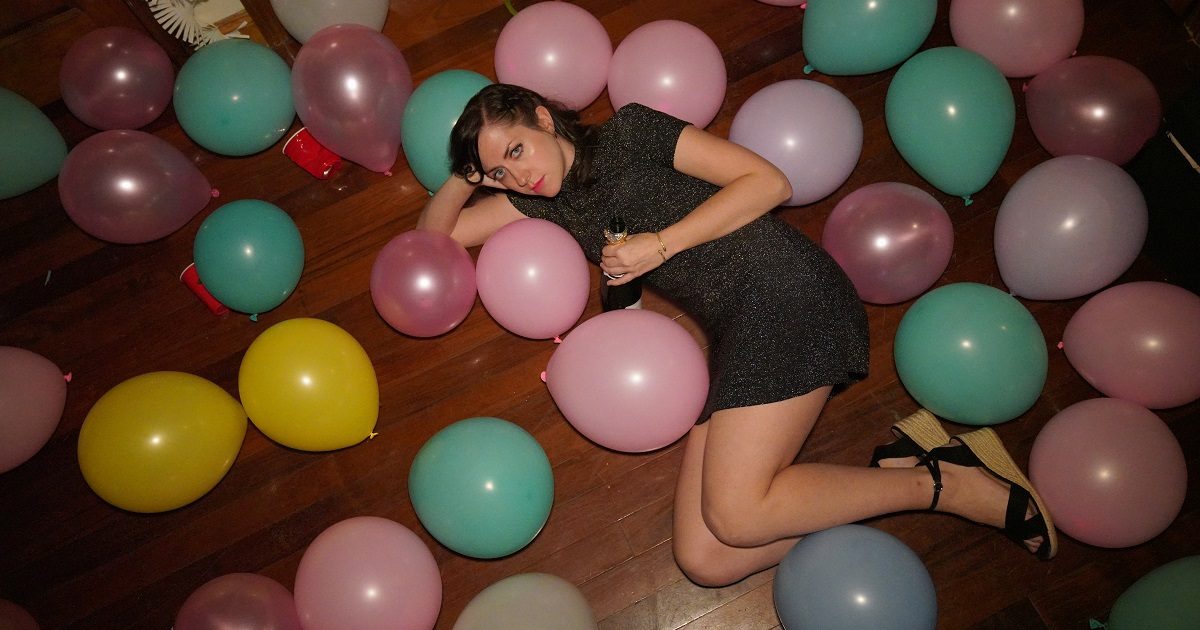
BGS 5+5: Liz Longley

Artist: Liz Longley
Hometown: Nashville, Tennessee
Latest album: Funeral For My Past

What was the first moment that you knew you wanted to be a musician?

I grew up in and around music. I was young when I started dreaming of being a singer, but I truly had no idea what it entailed. Despite being shy and introverted, I would sing solos in the middle school choir. At fourteen, I started writing my own music. When I first played an original song, I got a standing ovation from my high school body. That’s a powerful moment for a kid. I knew then that music was what I wanted to do with my life.

How often do you hide behind a character in a song or use “you” when it’s actually “me”?

When it’s about me, I sing it from my perspective. It’s harder for me to connect to it when I’m hiding in character. But, I usually have one or two songs per record written from another person’s perspective. Getting outside of my own story and my own perspective can be very liberating. On my latest record, “Long Distance” was not written about my life specifically. Using lyrics to basically design a set in which to tell a story is a great exercise in creativity.

Which artist has influenced you the most … and how?

Joni Mitchell is always my answer to that question. I was listening to Blue non-stop as I started writing my own music. Listening to Blue taught me that if you have a great song, you don’t need to dress it up much. A great song, a beautiful voice and a guitar still get me every time.

What’s your favorite memory from being on stage?

After ten straight years of touring, I have been lucky to experience so many wonderful things on stage. As far as favorite shows go, I’d probably choose one of the last shows I played pre-COVID. It was February and I was headlining The Bluebird Cafe here in Nashville, Tennessee. The show was an intimate celebration, packed with people I love who flew in from all around the country. That night kicked off a whole weekend spent with twenty Kickstarter donors who made Funeral For My Past possible. It was the kind of togetherness that I really miss these days.

What rituals do you have, either in the studio or before a show?

A good little vocal warm-up always calms me down and helps me prepare for shows/singing in the studio. The one I do now involves blowing into a straw that is in a cup of water. It’s not annoying at all for anyone who has to hear it. 😉


Photo credit: Kate Rentz