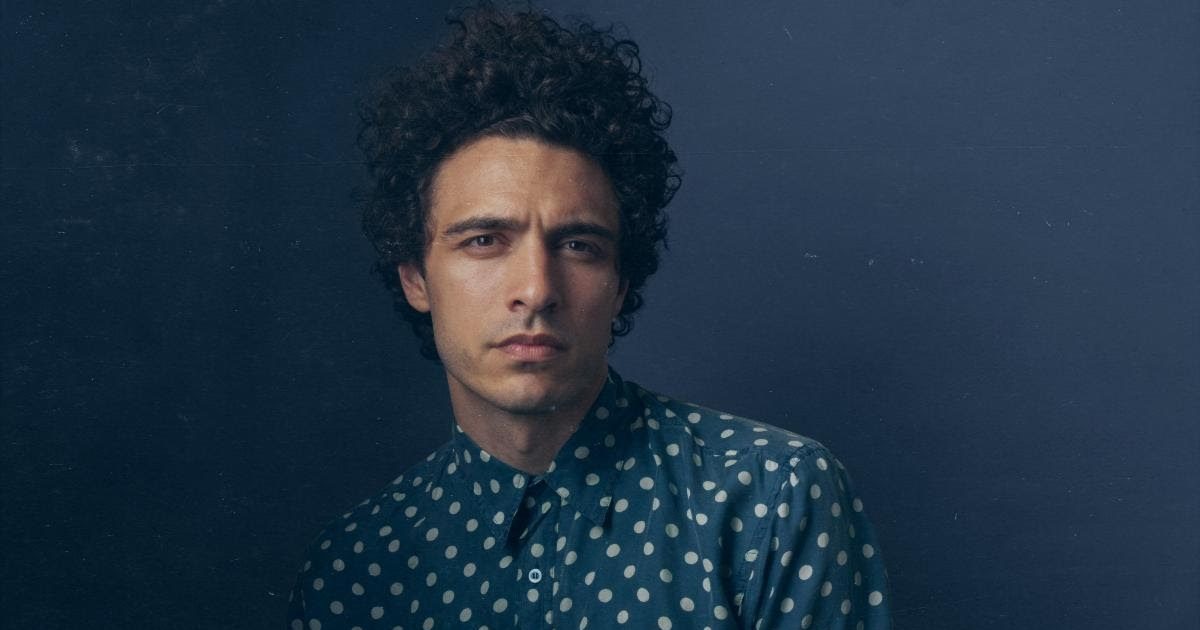
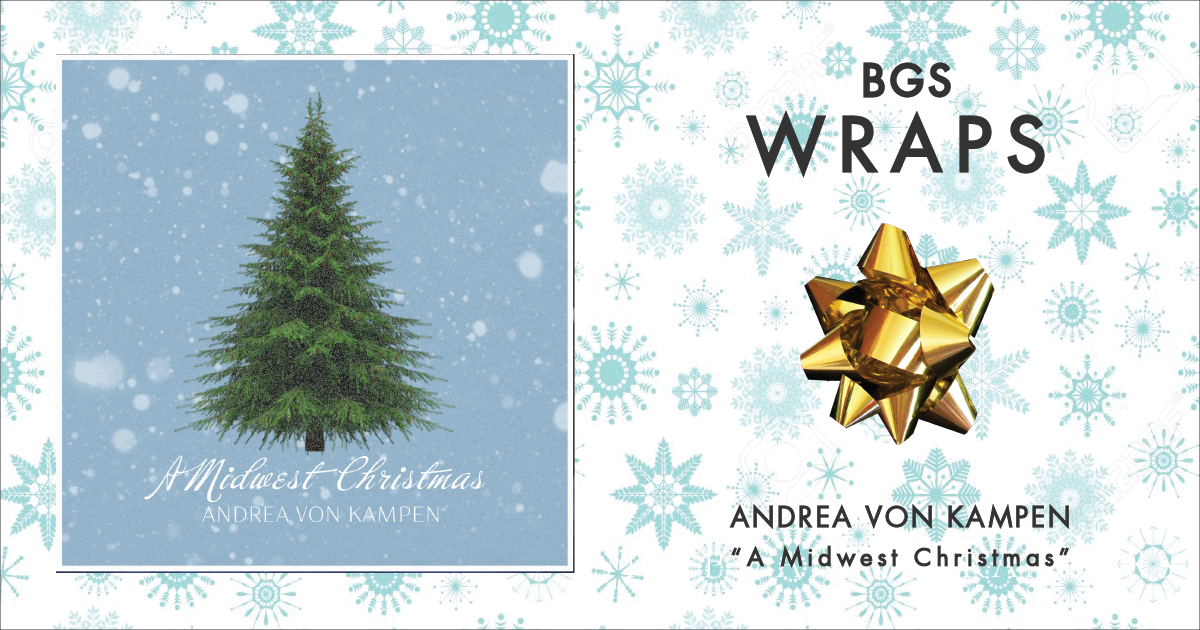
BGS Wraps: Andrea von Kampen, “A Midwest Christmas”

Artist: Andrea von Kampen
Single: “A Midwest Christmas”
Release Date: November 6, 2020

In Their Words: “When I sat down to write my first-ever original Christmas tune, I felt at a loss for what to even write about. This year has been tough and disappointing in so many ways for everyone. I wanted to lift spirits of people, but I didn’t feel like sleigh bells, ice skating, or any of the other quintessential Christmas topics were relatable right now. I started to think about what really makes me happy and feel at peace during the holidays. It hasn’t ever been the shopping or the big light displays, but the simple moments that show human kindness. That’s what ‘A Midwest Christmas’ is really all about.” — Andrea von Kampen


Enjoy more BGS Wraps here.

The BGS Radio Hour – Episode 191

We are so excited to bring to you the BGS Radio Hour podcast. Since 2017 the BGS Radio Hour has been a recap of the wonderful music, new and old, that we’ve covered here on BGS throughout the week, broadcast over the airwaves in Murfreesboro, TN, southern California, and around the country. Now you can check back in every Monday for the Radio Hour in podcast form!

APPLE PODCASTS, SPOTIFY
Appalachian Road Show – “Goin’ to Bring Her Back”

This North Carolina-based band, who just released their sophomore album Tribulation, is a supergroup of sorts – with members having formerly played with David Grisman, Mountain Heart, and Josh Turner. “Goin’ to Bring Her Back” is a recent release, in the Road Show’s own style of classic bluegrass.

Ian Foster – “Voyager”

Canadian songwriter Ian Foster first wrote this song when the famous Voyager 1 spacecraft passed into interstellar space, AKA, “the space between the stars.” A monumental moment for all humanity, it inspired this song — which is about faith in ourselves, science, and who we are.

Scythian – “Galway City”

Always a festival favorite, Scythian has a deep connection with their fans: deep enough to have taken over 600 of them along to Ireland on tours over the last seven years. The Virginia-based group brought us a song about those magical nights in Galway City.

Frank Solivan – “Have Yourself a Merry Little Christmas”

Throughout this holiday season in particular, it’s important to remember those traditions which unite us. Though many holiday reunions may hot happen this year, Frank Solivan brings us this warm reminder of how we’ll “muddle through” for BGS Wraps.

Tina Adair – “Eighteen Wheels and a Dozen Roses”
Tina Adair, lead singer of the powerhouse group Sister Sadie, delivers to us her take on an ’80s classic, originally recorded by Kathy Mattea. Adair and the rest of her bandmates in Sister Sadie are our Artist of the Month this December!

Sarah Harmer – “Little Frogs”

The story we didn’t know we needed. From her new album Are You Gone?, Sarah Harmer brings us a song crafted from summer memories and small pleasures. The video, however, gives us a glimpse into the day in the life of a “little frog.”

Deutsch & Thorn – “Scorpio Sun”

Colorado banjo guru Andy Thorn first recorded this tune with the Colorado Playboys (Travis Book, Jon Stickley, and John Frazier.) Over a decade later, the composition once again is given life in a collaboration with pianist Eric Deutsch recorded in vibrant Mexico City.

The Steel Wheels – “The Healer”

Virginia’s The Steel Wheels were recent 5+5 guests — that’s 5 questions, 5 songs. We chatted with the band about their inspirations, cherished memories of being on stage, and dream musician-meal pairings. This week on the Radio Hour, they brought us a song from their new album, Everyone a Song, Vol. 1.

Katie Oates – “Here in Gastonia”

By way of Katie Oates, this week we honor 29-year-old Ella May Wiggins, a songwriter and textile worker who was shot and killed in an infamous workers’ strike of 1929. This song, written by Si Kahn and from the album We Go On: Si Kahn’s Songs of Hope in Hard Times, reminds us of the ongoing struggle for better lives and justice, for all people.

Jesse Colin Young – “Sugar Babe”

Songwriter and folkster Jesse Colin Young (of the Youngbloods) brought us a return to his roots with his new record Highway Troubadour. The South Carolina-based artist revisits decades of his musical material while exploring a new launch into solo performance.

Ron Pope – “Christmas Where I Come From”

It’s no doubt that we’re all missing people this holiday season and Ron Pope is no exception. While there will be few big family Christmases this year, we can still sit around and sing our favorite Christmas songs, which is exactly what inspired this new release from Pope.

Gillian Welch – “Rambling Blade”

Beloved Gillian Welch and her partner David Rawlings were among the many affected by the Nashville tornados in March 2020. After saving a collection of demo recordings which were scattered amongst the wreckage, Welch has so graciously invited the rest of the world in to hear these 48 unreleased songs. On this episode of the BGS Radio Hour, we bring you “Rambling Blade.”

Sister Sadie – “900 Miles”

Like we said: Sister Sadie is a powerhouse – no ifs, ands, or buts about it. The all-female, hard-driving bluegrass band racked up multiple awards at this year’s IBMA Awards, including the highest honor: Entertainer of the Year. The group is our December Artist of the Month, so check back for tidbits all month long, as we have plenty to feature on Sister Sadie!

The Infamous Stringdusters – “Joy to the World”

One thing that bluegrass bands haven’t been slack on this year is Christmas songs. No exception, the Infamous Stringdusters bring us this classic, done Dusters-style of course, from their new album Deck the Halls.


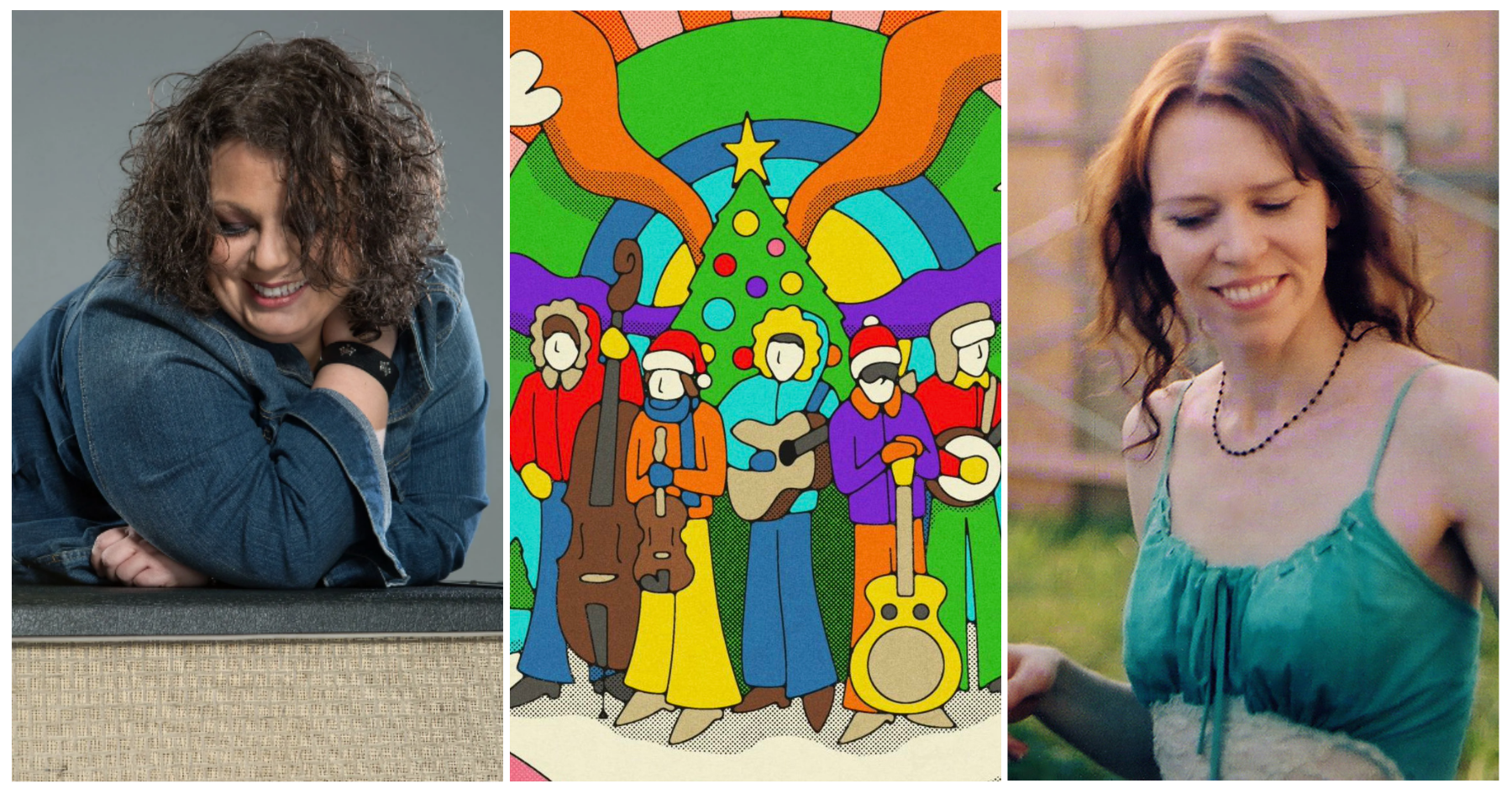
Photo credit: (L to R) Tina Adair by John Dorton; The Infamous Stringdusters, ‘Dust the Halls’; Gillian Welch by David Rawlings.

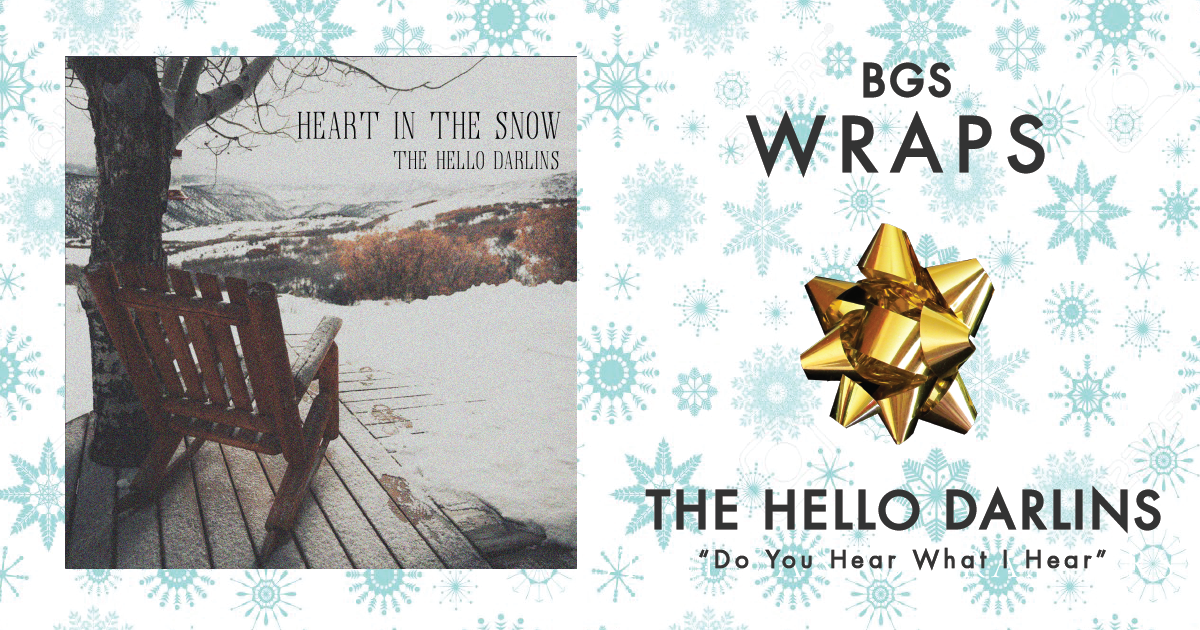
BGS Wraps: The Hello Darlins, “Do You Hear What I Hear”

Artist: The Hello Darlins
Song: “Do You Hear What I Hear”
Album: Heart in the Snow EP
Release Date: November 6, 2020

In Their Words: “To us, Christmas is about our connection with loved ones. There’s also something peaceful, comforting and familiar during this time of year. It’s a time of looking back and wishing others well, but the true magic lay in memories of experiencing everything with a child-like spirit.” — Candace Lacina, The Hello Darlins


Enjoy more BGS Wraps here.

WATCH: Sarah Harmer, “Little Frogs”

Artist: Sarah Harmer
Hometown: Burlington, Ontario, Canada
Song: “Little Frogs”
Album: Are You Gone?
Release Date: February 21, 2020
Label: Arts & Crafts Records

In Their Words: “Written from a list of summer memories and life’s small pleasures, the video takes you through a day in the life of a little frog — hoser by day, crooner by nightfall.” — Sarah Harmer

“Creating this video for Sarah was so joyful. Her music always makes my heart feel so good, so to support her art through visuals was a golden experience. As a friend, Sarah has taught me a lot about the science of nature and staying grateful inside its gifts – so our little frog friend decided to spend some quality time high-fiving that feeling.” — Ali J Eisner, director and puppeteer


Photo Credit: Vanessa Heins

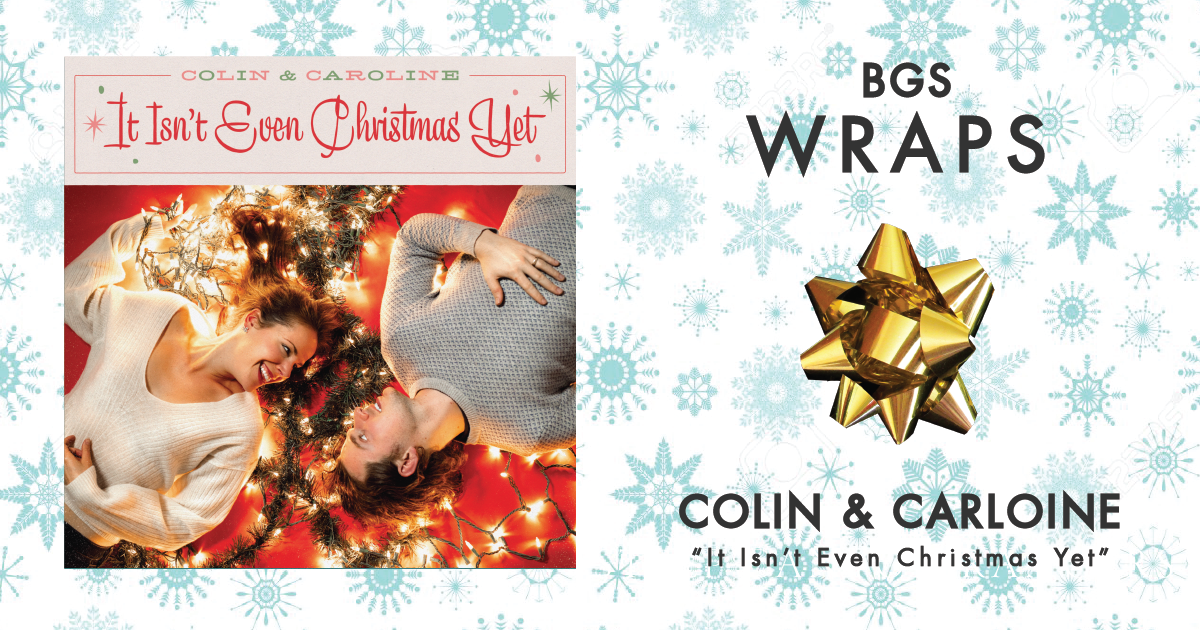
BGS Wraps: Colin & Caroline, “It Isn’t Even Christmas Yet”

Artist: Colin & Caroline
Single: “It Isn’t Even Christmas Yet”
Release Date: December 4, 2020

In Their Words: “For the two of us, the holidays have always carried with them fond memories of childhood, and growing up within our families. For me [Caroline], this meant sitting on the steps with my two brothers as Nat King Cole and Sinatra’s holiday songs filled our house, and waiting patiently to run downstairs on Christmas morning. For Colin, it meant reading ‘Twas the Night Before Christmas on Christmas Eve with his family (a tradition that still stands today)… There’s a certain nostalgia that we feel around Christmas time that is reflective of our own relationship as well as our individual upbringings. We recognize that this isn’t the case for everyone surrounding the holidays, and that we’re lucky to feel this way. 2020 has been one of the most uncertain and difficult years our world has seen in a long time, and through our Christmas music, we want to spread a message of hope, and bring our listeners a sense of comfort, joy, and some extra love during perhaps the most important holiday season yet.” — Colin & Caroline


Enjoy more BGS Wraps here.

WATCH: Ian Foster, “Voyager”

Artist: Ian Foster
Hometown: St. John’s, NL
Song: “Voyager”
Release Date: November 14, 2020

In Their Words: “I wrote this song after reading that Voyager 1 had passed into interstellar space or — as the press release noted — ‘the space between the stars.’ The song is ultimately about faith in ourselves and a faith in science, so that we might learn more about who we are. The video beautifully depicts this from another angle: the engineers who built Voyager and spent their lives steering it through the cosmos while they have been ‘down here with the walls.’” — Ian Foster


Photo credit: Chris LeDrew

BGS 5+5: Marc Scibilia

Artist: Marc Scibilia
Hometown: New York/Nashville
Latest Album: Seed of Joy

Which artist has influenced you the most … and how?

I would say Paul Simon. His lyrics are so perfect. His music is so joyful. It’s complex to create, but so easy to listen to.

What’s your favorite memory from being on stage?

The first time I played my song “Summer Clothes” live after it was released as a single. There is a lyric that says, ‘They built a new casino and they called it Little Reno, but the blinking sign’s got a busted light says Welcome to eno…’ On a whim I paused on the word ‘eno’ and the whole crowd sang it. They got the joke. It’s a good feeling when you put a lot of time into a lyric and the audience gets exactly what you were trying to do.

What other art forms — literature, film, dance, painting, etc, — inform your music?

Film would be the most direct correlation. I can’t help when I watch a Terrence Malick movie to hear melodies and lyrics. He is such an amazing director. One of his latest films, A Hidden Life, really challenged me creatively while I was finishing the album. It really encompassed all that, in my view, art can be about. The human condition.

What’s the toughest time you ever had writing a song?

Some songs come really easy, a few hours and done. Others I have mulled over and rewritten over the course of a few years. Now having a daughter… most songs are hard to write, because there’s so much going on in our house. I need concentration to really get the best out that time.

What rituals do you have, either in the studio or before a show?

In the studio I have a pretty extensive day planner. I plot out my entire day, review my big goals in life and a few other points. I can easily blow a day on Instagram, which usually just leads to anxiety, jealousy, and a sad, lost feeling. So if I have a grid I can avoid that stuff.


Photo credit: Sean Hagwell

BGS & #ComeHearNC Celebrate the Cultural Legacy of North Carolina during #NCMusicMonth

On the national music scene, North Carolina sets itself apart by blending the heritage of traditional roots music with the innovation of modern indie and Americana sounds. The bluegrass canon of North Carolina encompasses pioneers like Charlie Poole and Earl Scruggs, as well as groundbreaking musicians like Elizabeth Cotten, Alice Gerrard, and Doc Watson. Today’s spectrum of talent spans from modern favorites such as Darin & Brooke Aldridge, Balsam Range, and Steep Canyon Rangers, and the progressive perspective of the Avett Brothers, Rhiannon Giddens, Mandolin Orange, Hiss Golden Messenger, Mipso, and many more.

One example of how the state is merging past with present is the recent opening of North Carolina’s only vinyl pressing plant — Citizen Vinyl in Asheville.


View this post on Instagram


Built over 15 months in 1938-1939, The Asheville Citizen Times Building (@citizentimes) was designed by architect Anthony Lord as the grand center for the city’s two newspapers and radio station WWNC. Located at 14 O’Henry Avenue, the massive three-story building of reinforced concrete, granite and limestone, utilizing 20,000 glass bricks, is considered Asheville’s finest example of Art Moderne design. In 2019, Citizen Vinyl claimed the first floor & mezzanine of this iconic landmark as the future home of a vinyl record pressing plant, as well as a café, bar and record store – and is reviving the historic third floor radio station as a modern recording and post-production facility.

A post shared by Citizen Vinyl (@citizenvinyl) on

According to press materials, the building’s third floor played host to Asheville’s historic WWNC (“Wonderful Western North Carolina”) which was once considered the most popular radio station in the United States. In 1927, the station hosted live performances by Jimmie Rodgers and made his first recordings shortly before he went to Bristol, Tennessee.  In 1939, the station featured  the first ever live performance by Bill Monroe and the Bluegrass Boys during its Mountain Music Time segment.  Citizen Vinyl expects to keep the live music tradition alive in this former newspaper building, too.

Here at BGS, we’ve been committed to North Carolina music from our launch, notably with our Merlefest Late Night Jams, which are always worth staying up for. And how much do we love the IBMA World of Bluegrass week in Raleigh? Looking back on our archive, we gathered these songs from the artists we’ve covered over the years — and looking ahead, you’ll see all-new interviews with the Avett Brothers and Mipso, examine the classic country stars with roots in North Carolina, and spotlight some rising talent with video performances at the state’s most scenic destinations.

In the meantime, you can discover more about the North Carolina music scene through their website and on Instagram at @comehearnc


Editor’s note: This content brought to you in part by our partners at Crossroads Label Group.

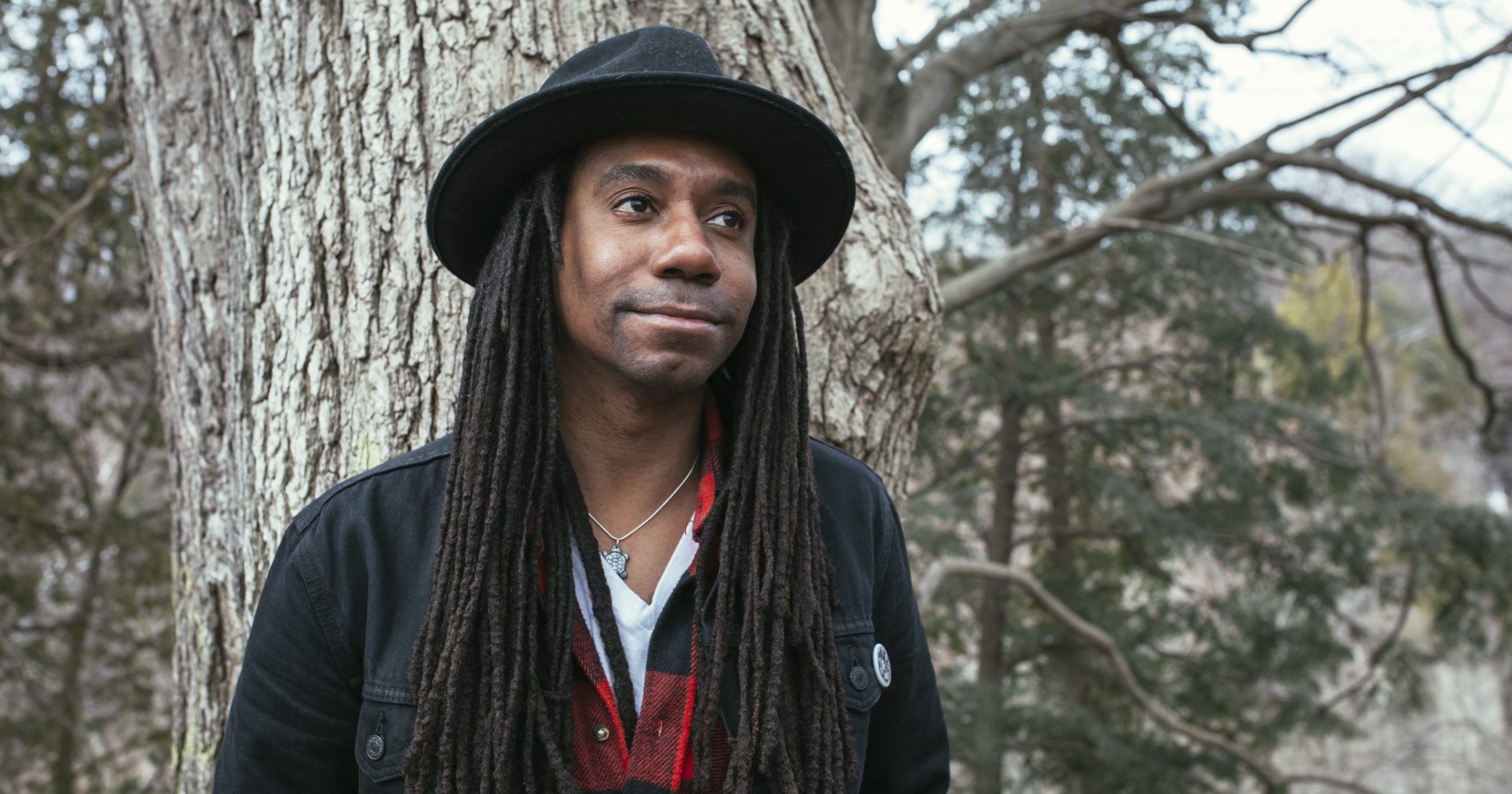
Afro-Indigenous Songwriter Julian Taylor Connects Family and Folk on ‘The Ridge’

Canadian singer-songwriter Julian Taylor didn’t set out to make a country record with The Ridge, but the album oozes with authentic tinges of the vibrant, pan-Canadian roots music scene. Based for most of his career in Toronto, it’s not surprising that the album (produced by Saam Hashemi) feels crisp, modern, and listenable, but its inextricable linkage to place — namely, the titular Maple Ridge, British Columbia, where Taylor summered on his grandparents’ farm as a child — ensures the folky, rootsy facets of the album feel entirely intuitive, raw, and perfectly placed.

Of course, Taylor is quick to point out that the pre-genre, elemental quality of The Ridge not only stems from his decades in music or geography alone, but from his family, their shared musical connections, and his Indigenous roots. His grandparents and family members feature heavily across the eight original songs’ lyrics, and cousins Gene and Barry Diabo join the band on drums and bass, respectively, literally underpinning the entire project with a sonic connection to Taylor’s Mohawk and West Indian roots. That The Ridge is a critically-acclaimed, stunning work of country-folk is due entirely to his commitment to compassion, empathy, family, and letting all of the above stand on their own merits. 

BGS connected with Taylor via phone ahead of his Shout & Shine livestream performance, available to watch live on BGS, our Facebook page, and YouTube channel on November 11 at 7pm ET / 4pm PT. 

Watch Julian Taylor’s Shout & Shine performance above.

BGS: I wanted to start by asking you about The Ridge’s connection to place, because it sounds like your story is a pretty classic, roots music/country story — spending your summers on your grandparents’ farm in British Columbia — and the title track evokes the western wild of Canada. Can you talk about the geographical spaces you’re evoking on the album and the longing I hear for them?

Taylor: When I think about Maple Ridge, BC, we’re going back now probably thirty-five years. It’s almost as if, when I close my eyes, I can see the road leading up to the house. There’s a big hill, and my grandfather used to like old cars — it’s funny, I say “old cars,” but I suppose back then they weren’t. So there’d be a big old Buick, a Mustang, and I remember taking the Buick up that hill. You’d have to get the mail way down the driveway, literally a city block’s distance, where everybody had a mailbox and you’d grab the mail, go back up the path, past these two huge trees. I don’t know if you’ve ever been to British Columbia, but I came from Toronto going to visit my grandparents, and I was always in awe of how big everything was. The trees were bigger, the mountains were there, everything was bigger. Even the slugs were bigger! [Laughs]

[My grandparents] lived in a wonderful house, a couple of wonderful places actually, one of them backed up to the Alouette River and you could see the salmon spawn. They had farmland where they had horses and a chicken coop by the horse’s stables, fields where the horses could graze, and in the basement of the house they bred boxers — the dogs. My life would’ve been composed of getting up in the morning with my grandmother, taking care of the horses, my grandfather would take me swimming because he liked to do that at the community pool in town. After that it’d be fishing, hiking, farming, and just a lot of nature. That’s what we did. 

To me, the way you’re describing it with so much imagery, it’s really clear that these memories are indelible for you. I think that comes through the music — it’s not just that you’re text-painting to check the boxes of what a country aesthetic is, you’re painting a literal picture you see in your head. 

This is true, I didn’t set out to create a country record. I didn’t, I just wrote these words and those were the melodies and arrangements that came to my mind. It was certainly, for me, more of a folk element than a country one. 

This record feels like it bridges the gap between your life in Toronto and your experiences in British Columbia, and I mean in the way it sounds, its production, its arrangements. The music is crisp and clean and feels very polished, but there’s still this raw, sort of natural element that I feel like is the mixing of rural and city. Do you agree or disagree? 

Now that you mention it, I can hear it and I know what you’re talking about. Before you had mentioned it, I didn’t. It’s a very interesting thing, because I would say the rawness of it is because these are takes that are completely right off the floor, there’s no overdubs except for when we added the fiddle, the pedal steel, and the girls’ voices. Those were the only overdubs, because we couldn’t fit everybody in the room. My cousins Gene and Barry, they’re from Kahnawake, the Indian reservation close to Montréal, so we’d go and play, jam at the campfire, jam on the back porch, jam in the garage, and we’ve been doing that for years.

So when I asked them to be part of this record, I deliberately only sent them songs that were acoustic-based, and didn’t really tell them what I wanted, because I wanted this rawness and I wanted to sing the songs as they were. That’s why I think that particular [sound is evident], it’s a family affair, there’s a conversation between the core band that’s happening anyways. Saam Hashemi, who co-produced and engineered the record, he’s from the UK originally, he’s now Canadian, and we’ve worked together before. His production style is very pristine, the way that he captured it. That’s not deliberate, but it’s a wonderful hybrid for you to pick up on it. I hope others did and after this I hope that more do!

To me, part of this record sounding so country comes out of that Western Canada, American Midwest, Great Plains tradition of Indigenous country music and country bands that come from that region. Is that a community you operate in or interact with? Was that an influence for you, pulling from the generations-long tradition of hardscrabble, garage band, Saturday-night-at-the-local-bar Indigenous country bands of the rural Canadian and American west? 

Absolutely, I wouldn’t say that it’s the West or Midwest, for me, because it directly comes from the East, actually, oddly enough! My family are East Coast Indigenous people, my mom’s family is from Kahnawake. It does come from that kitchen party, grab-your-guitar, grab-whatever-you-got — doesn’t matter if it’s a pot or a pan. It comes from that aesthetic, for sure. Absolutely! When you research that aesthetic, it’s not necessarily a country feel, either. It has elements of country and blues. Blues is very big in that, too. The way that my cousins are playing on The Ridge, there’s a gentle sort of shuffle that’s very indicative of what we’re talking about, yet it has this kind of swing to it at the same time. It’s like a country swing. That happens on a lot of the tracks where you can really feel it. On “Ballad of the Young Troubadour,” on the conga and upright bass you can feel it really strongly, as well. It’s a garage band aesthetic, for sure. 

It’s a very Indigenous thing! If you go back and watch movies like Rumble: The Indians Who Rocked the World it’s interesting because the history of American roots music — in my personal opinion, I’ve read books on this and stuff, I know others think differently — without Indigenous people and without Black people we wouldn’t have roots music at all. 

Yep. Full stop. It’s that simple. 

[Laughs] Yes! Full stop. Exactly. It’s interesting to see so many new Americana artists that are Indigenous and Black, I’m really so honored to be even considered in that group of people!

I wanted to ask you about “Human Race,” because I think that song pretty clearly lays out a framework for creating empathy and understanding and I wanted to ask you where that comes from, within you, specifically. Empathy is such an individual thing, I’m always interested in how people take it from being intensely individual and personal and turn it into something universal and relatable. What is that process like for you? Especially in writing “Human Race?” 

That empathy comes across and feels universal because I know someone who is deeply close to me that has suffered from mental disabilities and mental illness and it has affected me and my family. You learn from a very young age, even before you know exactly what it is, that you have to be quiet and patient. You have to be strong, yet at the same time very gentle. You have to allow these loved ones’ triumphs and their dreams to be bigger than anything that you can possibly imagine, just so that they have an opportunity to express themselves in a way that makes them feel important. In writing the song, my message to this particular person was that I believe in them, their strength, and their pain — and to acknowledge that I go through all of those feelings too, just like they do. That’s how that song became so universal, by allowing myself to let go and also praise someone that I absolutely adore. 

What have listeners’ or fans’ reactions to “Human Race” been like? 

When I first posted it I think people really were shocked and gravitated to it in such a way that I didn’t realize would happen. This is the song that led me to believe I had to put this record out earlier than I was intending to. It was around the time the pandemic lockdown here in Canada started, so it touched a lot of souls. I was very pleased that it did. I think the aspects of the song about inner peace and overcoming challenges resonate with people. 

It feels like “It’s Not Enough” is a song about grace, about how we all are enough, but through the opposite lens. So I wanted to ask you about the idea of applying grace to ourselves, especially right now when that feels so much more difficult. 

Applying grace to ourselves is such a difficult thing to do, but such a necessary thing to do. People who think and think a lot, other people don’t realize just how much work that is and how tiring it is to try to figure out what’s on your mind, just as simple as that. I’m a person who feels compassion for other people and myself, but I’m also extremely difficult on myself and hard on myself — as most people would say, we are our own worst critics in a lot of ways. I’m trying to be a little less critical with myself and, in turn, with others. I’m trying to accept what is. I think this song, “It’s Not Enough,” in a way is insinuating that for humans to not to believe that is kind of an insidious frame of mind. 

Can you tell me about the final track, “Ola Let’s Dance?” There’s a meditative quality to the refrain that resonates with me, the way it’s almost like a mantra, really intentional in the way you’re delivering it. Where does that song come from? 

Well, I was thinking about beats in my attic where I do a lot of my demos. The beat came first, I just held onto it forever and ever and ever and ever and ever, just sitting. When my grandmother had passed away, and my grandfather had passed years before, we had to go out and collect all of her stuff. I was the one that inherited most of it. It’s sitting in my attic as we speak. Just rummaging through memories and stuff I found poetry that was written by my grandfather. The poem I recite in “Ola Let’s Dance” was not written by me; it was written by my grandfather, John Thomas Skanks. I just loved it so much, I had to try to write it into a song. I came up with the guitar part — it was very tribal, I wanted the whole thing to feel very tribal. It’s probably the furthest thing from a country or folk song on the record, yet it comes out like that anyway. [Laughs] It’s really bizarre! 

The amalgamation of my maternal grandparents is what that song exemplifies, to me. I was trying to sing it, trying to put a melody to it, ‘til one day I just said, “Why don’t I just recite it and see what happens?” [Laughs] I did it and everyone was like, “YUP! That’s how it’s going to go.” My maternal grandmother’s name was Ola. She taught dance at the University of Buffalo for a little while. She raised four girls on her own, doing what she could to survive, and ended up teaching dance. So the song, in my heart, is both the meeting and separation of my grandparents, which brought me to life. 


Photo credit: Lisa MacIntosh

Shout & Shine is proudly supported by Preston Thompson Guitars.
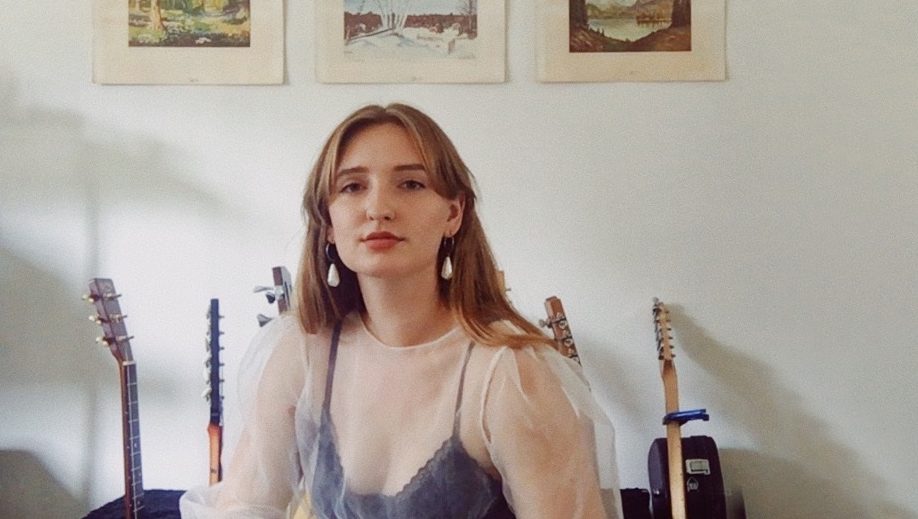
BGS 5+5: Madison Cunningham

Artist: Madison Cunningham
Hometown: Orange County, Califoria
Album: Wednesday EP

“I challenged myself at the beginning of last year to learn and post a cover song every week as a way to stay inspired both in writing and performing. What started as a fun prompt cracked something open in me and stayed for good, freeing me up in the areas I tend to be too cautious in. After weeks and weeks of this, I decided to release four of these songs as an EP of interpretations, in hopes that they would bring comfort to people in the same way they for did me during this painful year.” — Madison Cunningham

Which artist has influenced you the most … and how?

It’s hard to give credit to only one as so many artists helped me along in different phases of my life. But if there’s one artist that encompasses all forms of my deepest interests, which is singing, playing, and writing, it has to be Joni Mitchell. She taught me how to sing and how to be a free thinker. Her music cracked me open as a young shy writer.

What’s your favorite memory from being on stage?

I was in Aspen, Colorado, last year opening for Amos Lee. I’m not quite sure if it was the elevation or the drunk audience, but it holds the record for being one of the most comfortable and freeing shows that I’ve played to date. For me, if there’s one small accident or interruption during the tuning portion of a performance, it makes me feel right at home. The conversation is the fun of it and makes the music feel invincible. Without it, I feel like I opened the door to the wrong apartment.

Since food and music go so well together, what is your dream pairing of a meal and a musician?

I think the only answer to this question is to eat some sort of red pasta with red wine, while sitting across from Joni Mitchell underneath a New York veranda. Ideally at sunset. But the truth is, I’d jump at any chance, at any hour, to have such a meal.

What’s the toughest time you ever had writing a song?

Probably when writing “Something to Believe In.” It’s quite possibly my favorite song that I’ve written, but cost me most of my hair. I sat on the chorus, and verses one and two, for about six months. And on the day I decided to finish it, I was pounding my fist against the floor and standing on my head trying to come up with verse three. Even after I finished it, I wasn’t convinced this song was for me to sing. So I gave it to a friend and then ended up recording it myself later.

How often do you hide behind a character in a song or use “you” when it’s actually “me”?

I think every character is some three-dimensional form of myself. The only way you can write sincerely about someone is by relating to them, and you really only have your own experience to go by. Writing from a character’s perspective also gives you a kind of bravery to write about yourself, freeing you up to say things you’d normally feel was too forward. It’s an “I’m only the messenger” sort of a thing.


Photo credit: Claire Vogel