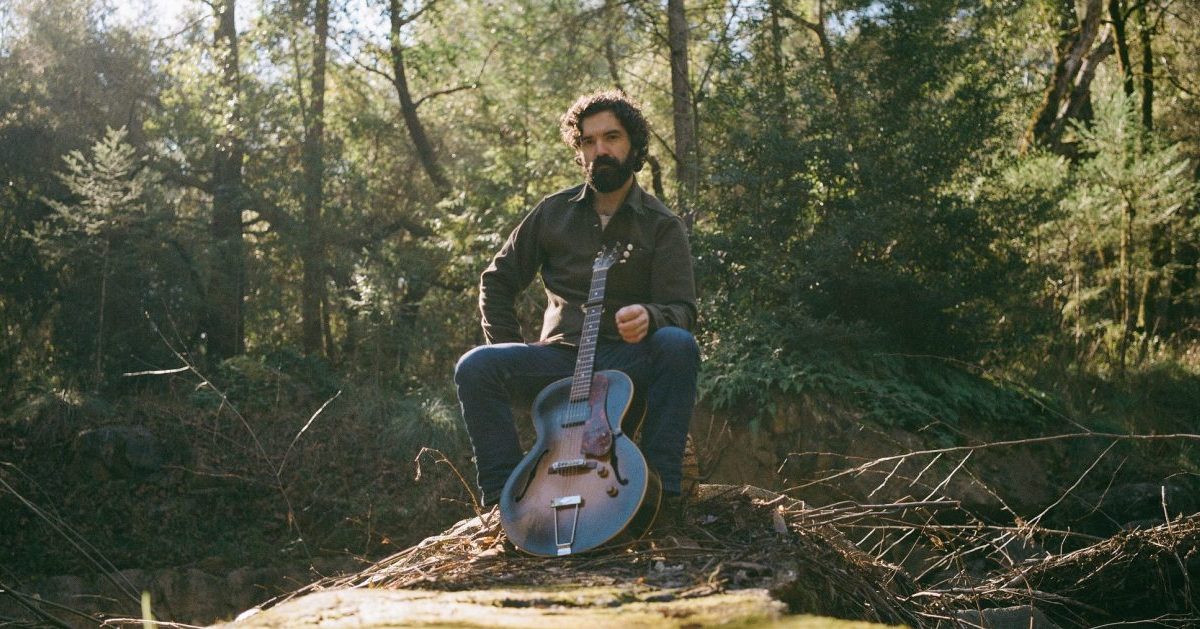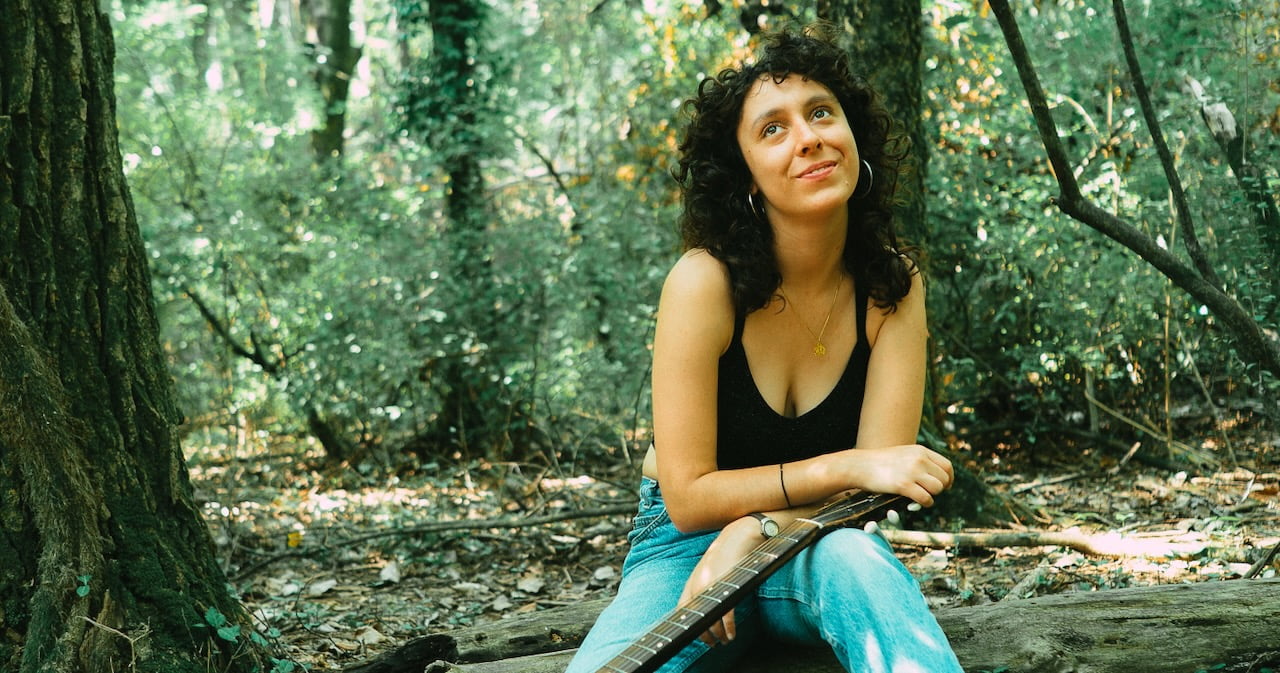
BGS 5+5: Elise Leavy

Artist: Elise Leavy
Hometown: from Monterey, California; currently living in Lafayette, Louisiana
Latest Album: A Little Longer
Personal nicknames (or rejected band names): Doodle

Which artist has influenced you the most … and how?

Of course it’s somewhere between incredibly difficult and impossible to choose one person who has influenced me the most. I grew up listening to the Beatles, the Rolling Stones, Fleetwood Mac, Bob Dylan, Norah Jones, Simon & Garfunkel, Lucinda Williams, Crosby, Stills, & Nash, Neil Young, some strange and hauntingly beautiful Indian classical music that my mother loved, and countless other things that, if I didn’t stop myself, would flow from me in the passion of remembering things you hold tenderly, because you loved them as a child.

As an adult, I discovered Joni Mitchell – who became an angel that watched over me in my songwriting hours – Townes Van Zandt, and Tom Waits as well as the whole of country music and jazz that I never heard from the stereos of my parents. It all seeps in a little at a time, and I find I can hear it in my songs; they grow up and learn things just as I do. But I think the most magical thing is to occasionally hear something in my songs of the things I listened to as a child and loved with all my heart – now, after all these years, it’s all still there under the blanket of time.

What other art forms — literature, film, dance, painting, etc. — inform your music?

All of the above! I have always been an avid reader of romance novels and watcher of romantic comedies. I am sure I can’t have escaped their influence in the way I pursue my dreams in my life and career, and surely my songs reflect the dreams I pursue as much as they do the feelings I process.

As to painting … my mother is a painter and I was very used to having beautiful oil paintings watching over me as child; small boys on giant birds, tigers and strange monsters, women lounging in the nude, a man playing the fiddle. I can’t imagine growing up without these friends that hung on the walls and were propped up in the corners, accompanying me through childhood.

And now, I live in Louisiana, where music is almost entirely for dance, and I can’t say how it will change me over the years, but I am sure it will.


What was the first moment that you knew you wanted to be a musician?

I wrote my first song when I was 7 years old with the help of my step-dad, who is a musician. I remember I was (ironically) trying to learn “Fur Elise” on the piano, and instead of playing it correctly, I came up with something new and ended up writing a song about a rainy day called, “Yesterday It Was So Rainy.” I played this song at the talent show in 3rd or 4th grade, and I was so scared to be on stage by myself, I hired two little girls to stand behind me with umbrellas so I would have company on stage. Hard to say if I knew I wanted to be a musician at this point, but I suppose it sparked something, because I continued to play my songs at talent shows until I quit going to public school after 8th grade to pursue music.

What has been the best advice you’ve received in your career so far?

“Listen to your gut.” I don’t trust anyone in the music business that tries to dissuade me from this advice! The complete confidence in my own feelings and needs being most important in the pursuit a career in music has been essential in order to effectively follow my dreams. It also doesn’t always mean I get the biggest record deals or most impressive streaming numbers, which is really hard to accept, especially with social media and the whole of the music industry barking at me all the time to appear more impressive. But it means I am continually pursuing my own happiness and continuing to have pride in and love for the music I am putting into the world – and retaining the rights to it, at least so far. The only hard thing about this particular piece of advice is knowing when it’s my gut talking and when it’s something else!

How often do you hide behind a character in a song or use “you” when it’s actually “me”?

Never, strangely! I wonder how other people answer this question? I am so honest about my feelings, I can’t imagine hiding anything in a character, or a story, or anything else. I’ve always been in awe of people who write songs from someone else’s point of view or story songs. The only thing you might say I hide behind is poetry. Metaphors are great magical beings and I am at the mercy of their magic. But really, I write songs because I have to. If I didn’t, I don’t know how I would get through all of the emotions of existence. It’s like going to therapy. I write my song, I cry (probably a lot), or sometimes I feel elated, and then I listen to it on repeat until the feeling ebbs enough to write a new one, or listen to someone else’s songs again. Maybe this is really weird. But I guess I always knew I was a weirdo.


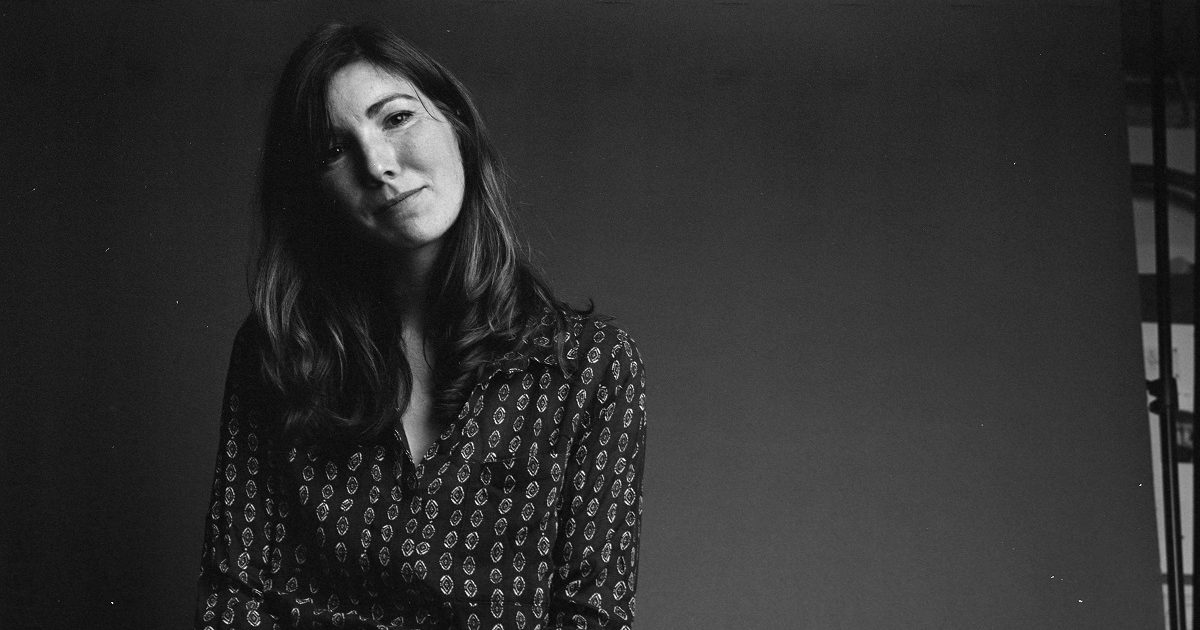
Photo Credit: Kaitlyn Raitz
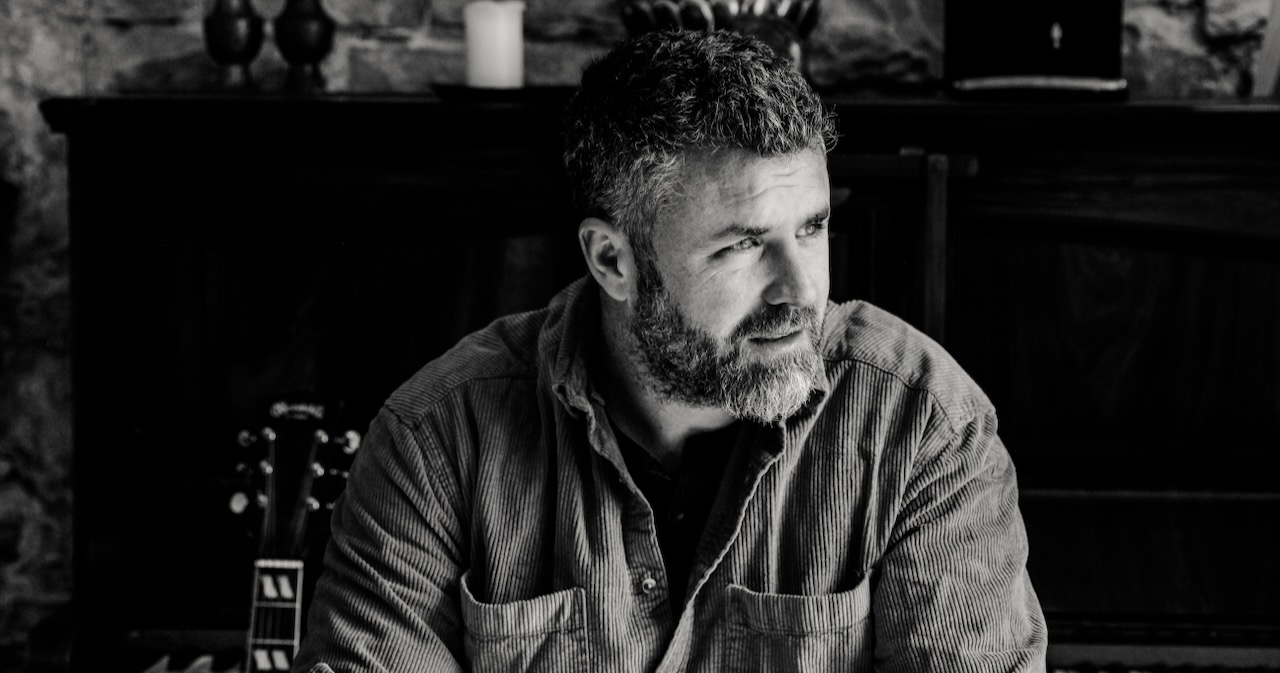
MIXTAPE: Mick Flannery on Melody and Meaning

Most songs stay in one musical scale or “key.” In this key there are 6 chords which are widely used. The 1 chord is the root chord, usually used to end the song and give a definite feeling.

Chords 2 and 3 are sad sounding minor chords in most cases. Chord 4 and 5 often give a feel of expectation to the ear, willing the melody back to the root (1) chord. The 6 chord is a relative minor to the root, often sad sounding.

In my opinion, some of the most successful moments of empathy occur when the feel of the chords and melody marry in harmony with the meaning of the lyrics. The lyrics themselves can also provide a musical feeling, the choice of vowels can marry to emotions, the consonants selected can give a nod to drum-like rhythm. I will try to give some examples here. – Mick Flannery

Bob Dylan – “Changing of the Guards”

Dylan uses a mixture of metaphors for social struggle and revolution in this epic song. The frequent use of the root chord and its relative minor at the end of phrases helps to add weight to the lines. This gives the song a definite feel, as he is ending on these strong chords as opposed to chords 4 or 5, which suggest a question unanswered.

Bob Dylan – “Baby, Stop Crying”

An example of melody marrying to feeling. The line, “Please stop crying,” is expressed with a longing in the melody concurrent with the meaning of the words. Also, “You know, I know, the sun will always shine” has a comforting feel in the melody with the word “shine” being on the root chord, helping it to sound definite and consoling.

Adele – “Someone Like You”

The top of the chorus in this song works very well between meaning and melody. The word “nevermind” is dismissed in quick order, as it would be in common parlance, giving a natural, talkative feel. The internal rhyme of “mind” and “find” gives a rhythmical feel to the line as a whole, allowing the listener to imagine a snare sound on the “I” vowels. The use of this internal rhyme makes the song universally easy on the ear, even to non-English speakers.

Lana Del Rey – “Video Games”

“It’s you, it’s you, it’s all for you, everything I do…” This whole line is placed on a 5 chord, which gives a feeling of something needing to be resolved, so the listener doesn’t know if the narrator is placing her trust in the right place.

“I tell you all the time” lands on a 4 chord – again, an expectant feel – making the listener wait for the line, “Heaven is a place on earth with you” landing on the 1 chord. This gives a definite note to the feeling, but narratively the listener is still left unsure if the feeling is requited, owing to the amount of time spent on uncertain footing in the melody.

Arctic Monkeys – “Fluorescent Adolescent”

The quick, rap-like nature of the verses are aided by the use of short vowels (“I” “E”) and short-sounding consonants like “T” and “K.” The line, “Flicking through your little book of sex tips,” almost sounds like a rhythm played on a high-hat, because of the choice of words.

Tom Waits – “Martha”

The chorus here leans on long vowels to intone nostalgia, “Those were days of roses, poetry and prose and… no tomorrow’s packed away our sorrows and we saved them for a rainy day.” The choice of words echoes a longing and almost sounds like a groan of regretful realization, as per the theme of the song.

Blaze Foley – “Clay Pigeons” 

In this soft and low intoned song, Foley utilizes “T” and “K” with short vowels to inject a spot of rhythm in the line, “Gonna get a ticket to ride.” The line, “Start talking again when I know what to say,” lands on a 4 chord which has an unresolved feel, marrying well to the meaning of the line, wherein we hear that the narrator has not yet reached a certain point.

Anna Tivel – “Riverside Hotel”

“Someday I’m gonna laugh about it, looking down from heaven’s golden plain,” moves from the 4 to the 1 and then 4 to 5. “Someday” marries nicely with the unresolved feel of the 4 chord. Ending on the 5 leaves the listener waiting for a resolve, which comes on the root chord in the line: “But for now I’ve found some piece down by the water, just to watch a building rise up in the rain.” This line uses a root chord on “for now” which gives a reassuring, steady feel concurrent with the sentiment.

Anna Tivel – “The Question”

The title of this song in itself sets the listener up for an unresolved feeling. The use of long “A” sounds (razor, saved, saving, hallelujah waiting, raise, etc.) leading up to the line, “A prayer that never mentioned,” works very well, as it sounds like an expectant chant. On the last words, “The glory of the question and the answer and the same,” the word “glory” lands strongly on the sad sounding relative minor chord, while the line ends on an expectant 5 chord. This gives a juxtaposition, the narrator has seemingly answered a question, but also left it open to further thought because of the use of this uncertain chord underneath.

Eminem – “Lose Yourself”

This song is a masterclass in internal rhyme. The lines of the verses are so phonetically intertwined that they begin to sound like the components of a drum kit. This is easy for the human ear to digest even in an unknown language. The fact that the lines make perfect sense narratively is the “icing” achievement.

Tom Waits – “Hold On”

Long vowels in the chorus marry to the meaning of patience and perseverance. In meditation, long vowels are used in calming chants, which is echoed here in the repetition of  “Hold on.” This feel is broken up slightly by the words “take my hand” where Waits accentuates the “T” and “K” to give a burst of drum-like rhythm.


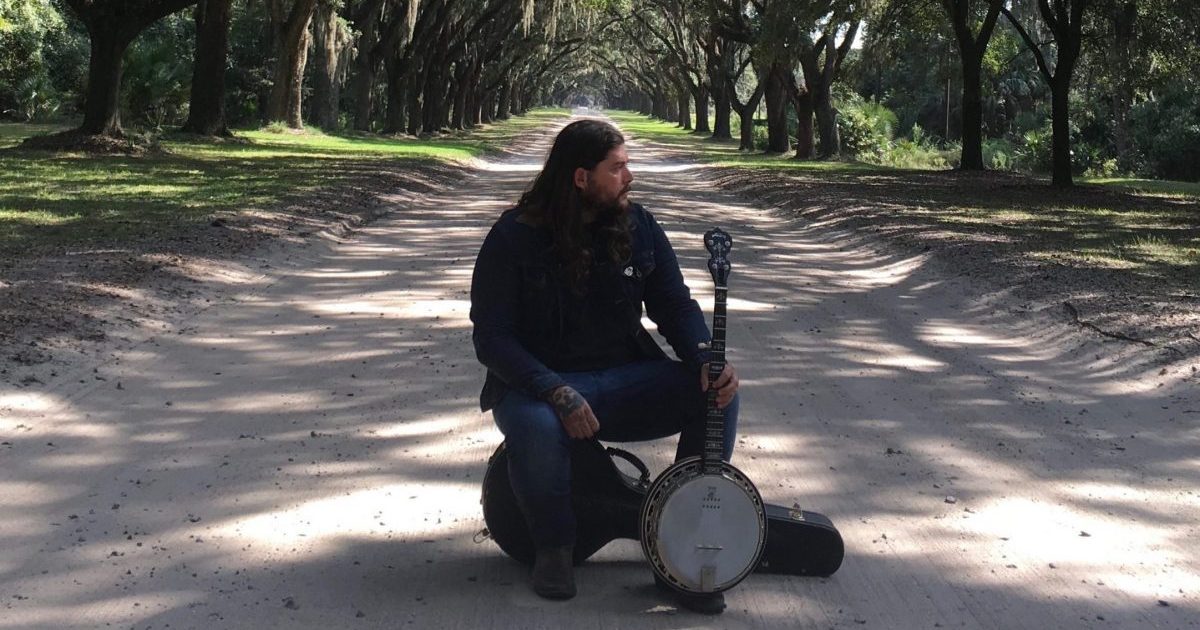
Photo Credit: Susie Conroy

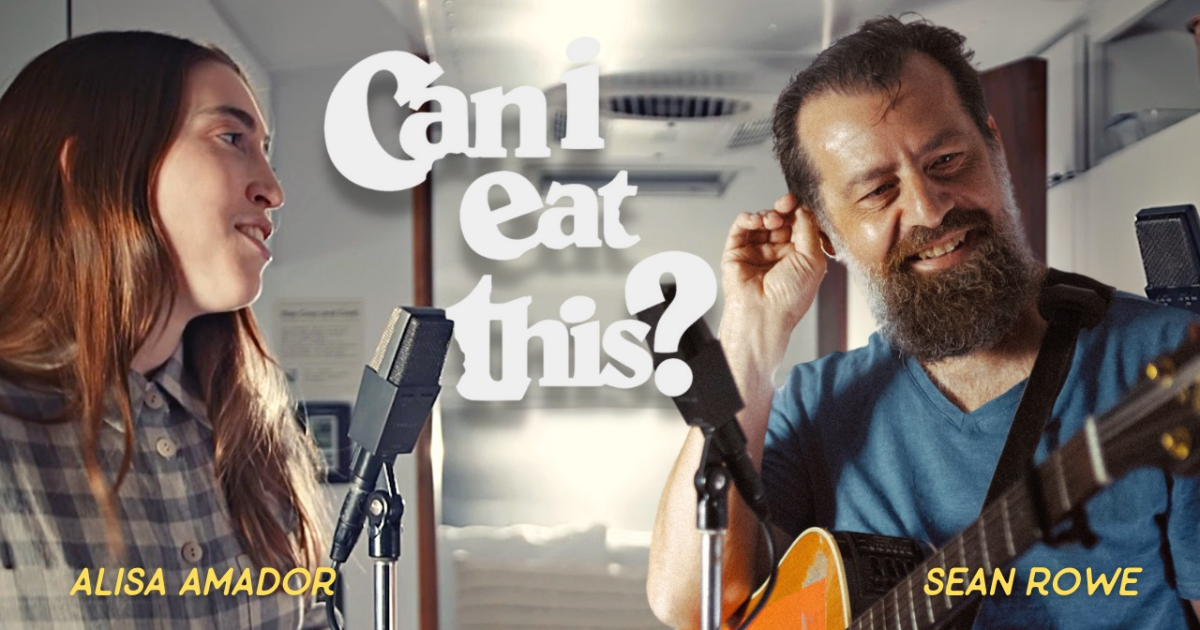
WATCH: Sean Rowe and Alisa Amador Cover Tom Waits on ‘Can I Eat This?’

In each episode of the new series Can I Eat This?, singer-songwriter and avid forager Sean Rowe is joined by a musical guest with whom he ventures out into the woods surrounding the artfully designed grounds of AutoCamp’s Catskills resort where wild food abounds. In addition to finding, harvesting, and preparing their haul, Rowe and his guest record a song together. In the second episode, he performs Tom Waits’ “Hold On” with Alisa Amador.

“You really never know what kind of chemistry you’re going to have with another artist on set,” Rowe says. “I’d never performed with Alisa before and in fact, hadn’t even met her before she showed up for the shoot! I love the risky element of improvisation where you just don’t know what to expect, but Alisa’s positive energy on the set was palpable and infectious.”

Among other wild foods-based programs, which tend to be serious in tone with an emphasis on survivalist themes, Can I Eat This? stands out. Rowe’s enthusiasm is infectious and welcoming to anyone who wants to learn more about this increasingly popular pursuit. The developing interest in foraging can be attributed to a number of factors including a flood of books and documentaries detailing the alarmingly negative health and environmental impacts of America’s fast-food/factory-farmed-based diets. Also, after more than two years spent in an emotionally-charged state of isolation, many are seeking out the space and quiet serenity of nature. Taken in combination, the series is a gentle and inviting respite from modern life and provides viewers with relatively simple methods of making positive changes in their lives.

Editor’s Note: Watch Episode 1 with musical guest Taylor Ashton.

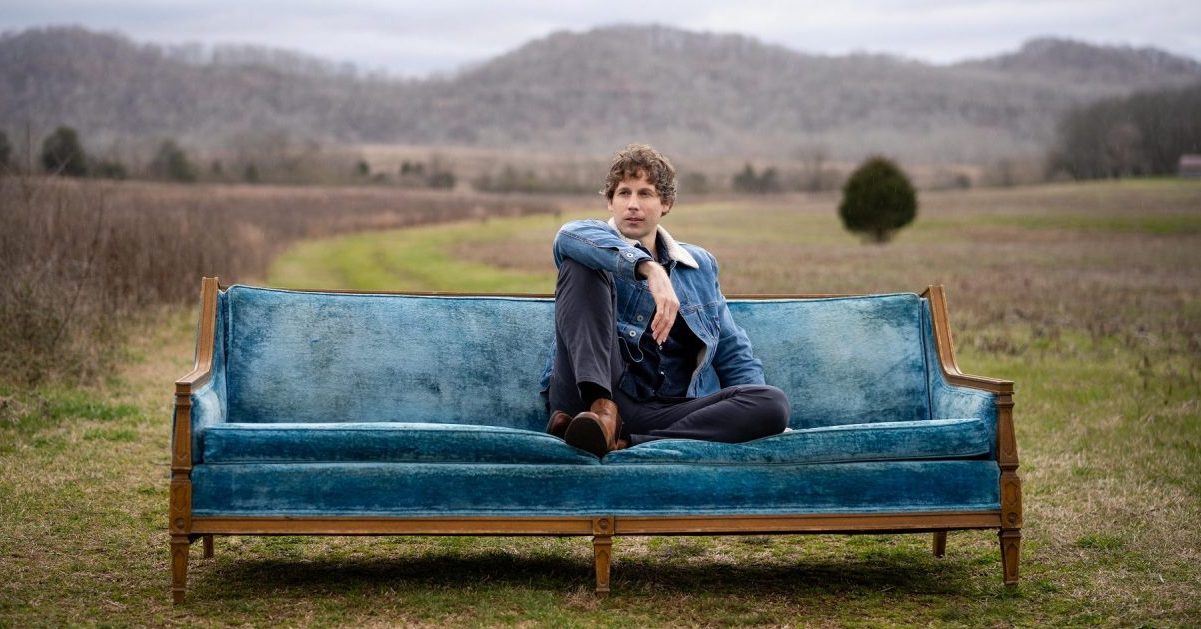
BGS 5+5: Andrew Duhon

Artist: Andrew Duhon
Hometown: New Orleans, Louisiana
Latest Album: Emerald Blue (out July 29, 2022)
Nickname: “Duhon” … (Du-yaw if you’re Cajun)

What’s your favorite memory from being on stage?

One recent moment that comes to mind was a gig on Mardi Gras day during the quarantine in New Orleans. Mardi Gras was cancelled, but folks found ways to distance and celebrate. The trio was invited to play a small outdoor gathering on the outskirts of the French Quarter at a place called Jewel of the South. It felt so good to play live and celebrate a little Mardi Gras. Now, I’m mostly an ‘eyes closed’ performer when I’m singing, but I opened my eyes for a moment, and there was this older fella right up close to me, white beard and top hat, dancing and holding a pair of old-time handmade Mardi Gras beads over my head to put on me. I skipped the next lyric to let him put the beads around my neck, my only Mardi Gras beads that year, and I got back to singing the next lyric, eyes closed. When I opened my eyes again, he was gone, like the ghost of Mardi Gras come to visit me, and I wore that pair of beads until they broke and scattered into tiny pieces.

What other art forms — literature, film, dance, painting, etc. — inform your music?

Certainly literature, short stories, poems, films, modern art, nature, anywhere someone or something tells a story. There’s a lineage in the fact that the way stories are told to me forever informs the way I decide to tell my story. You could say my stories are just a paper mache of scraps of the stories told to me, hopefully in small enough pieces that they resemble my own. To me a good story is good because it offers up some truth that we can share together, but even if that truth was what we really needed, it’s the story that causes us to gather around to hear it, to follow along, and it’s how we remember it for years. It’s not to say that ‘truth’ is the same for everyone. I’d think that’s what’s special about storytelling; it lets the listener find their own truths in a good story beautifully told.

If you had to write a mission statement for your career, what would it be?

Oh sure, here you go: “We here at Andrew Duhon Music strive to figure out what the hell it is we have to say, mostly through the tradition of song, in keeping with the clever rhymes and double entendres of all those songwritin’ heroes stuck in our head and hopefully in continuation of those very traditions. We strive to share the songs of ours in recording and in person by interweb and by van, and to remember to be a little less precious for god’s sake, and stop and give the flowers a sniff along the way, because the next song could be inspired by a whiff of something that constant grinding would pass right by.”

What has been the best advice you’ve received in your career so far?

I think the idea imparted by a fellow songwriter, “No one else can write your song” has been empowering and reassuring. I’ve heard so many songs I sure wish I’d have written, or songwriters doing something I do better than I could ever do it, but there’s always your piece and it’s carved out somehow, waiting for you. There’s always your story, and no one else knows it until you decide to figure out how to tell it to them… and hopefully when I figure out the story I’m telling, it’ll be interesting enough to gather around and hear it.

Which elements of nature do you spend the most time with and how do those impact your work?

That’d have to be a river. I think standing in a river moving past me, camping next to a river and seeing it rollin’ on by from the last light of evening and again first light of the morning makes me think of time and my tiny blip in it. I grew up next to the muddy mouth of the Mississippi, wide and treacherous, but from a plane leaving New Orleans, it looks to be doing the same thing a mountain stream is doing, slowly carving at the banks, swaying side to side at a pace my tiny space in time can’t discern. I’m spending my time writing songs and ‘making a record,’ not just the spinning vinyl one, but the one in the fossil record that maybe serves someone after I’m gone. I’d say staring at a river is my favorite way to spend a moment and to see the space it inhabits, long before me and long after me.


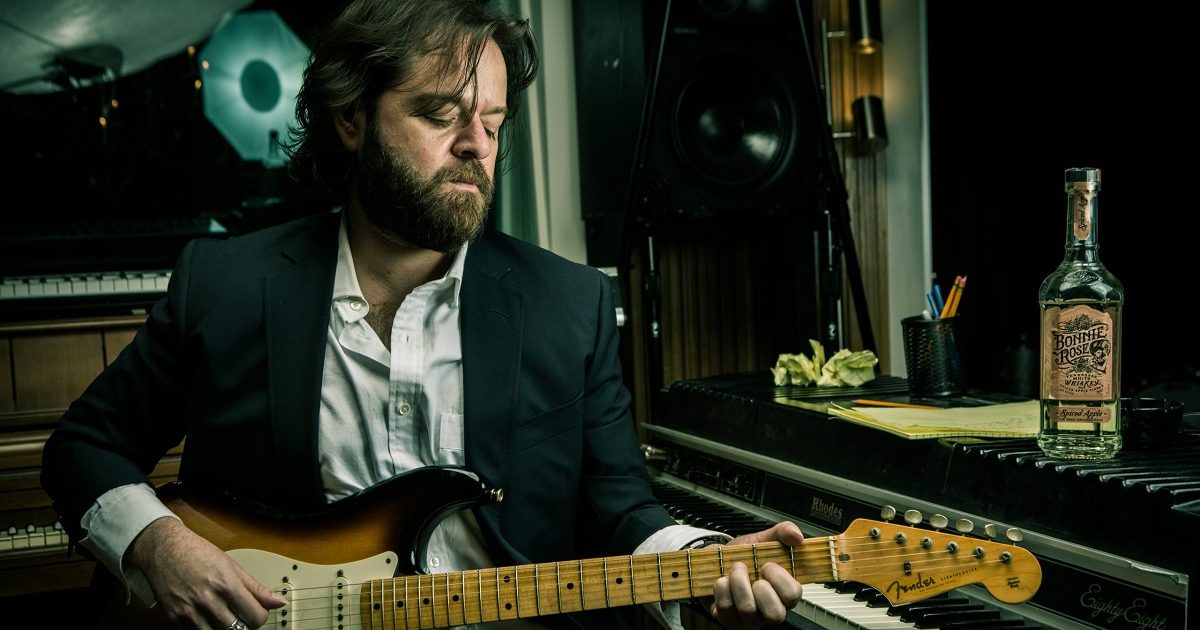
Photo Credit: Hunter Holder

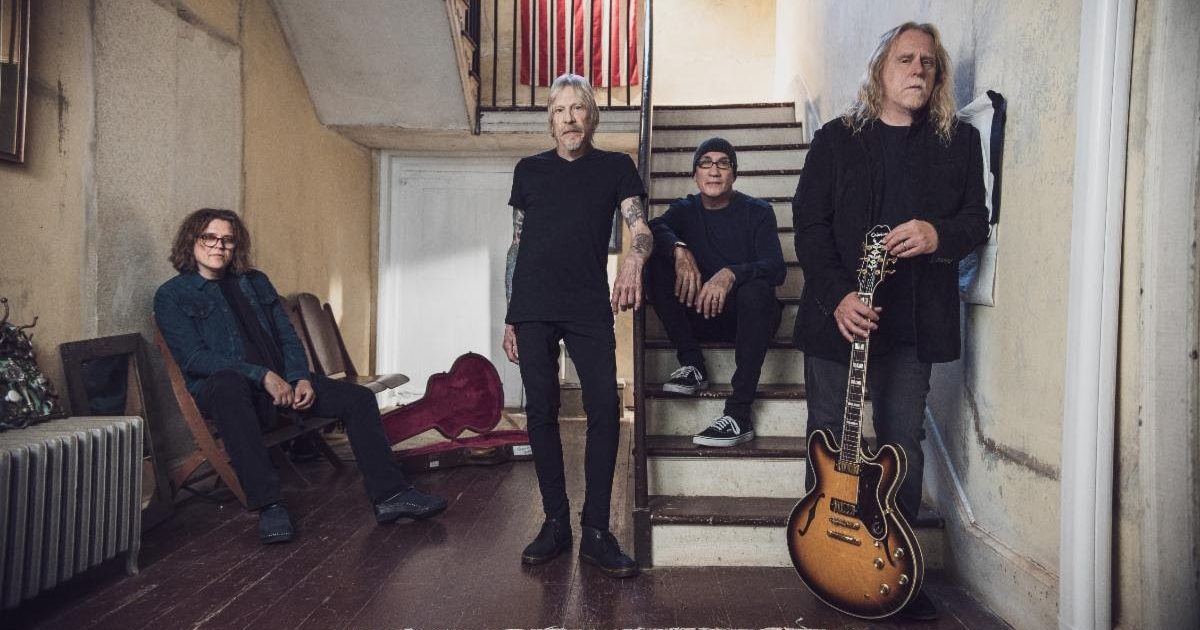
LISTEN: Gov’t Mule, “Make It Rain” (Tom Waits Cover)

Artist: Gov’t Mule
Hometown: Asheville, North Carolina.
Song: “Make It Rain” (Tom Waits cover)
Album: Heavy Load Blues
Release Date: November 12, 2021
Label: Fantasy Records

In Their Words: “When recording the album, I had brought in this old Fender spring reverb unit that I wanted to use on my guitar sound. They can be pretty finicky. If the stage isn’t solid, or somebody’s jumping up and down, it reacts by making this crazy reverb vibration that comes through the amp. I had intentionally set it up on the studio floor to make it kind of shockproof, but what we didn’t allow for was some radio frequencies that randomly interfered and set it off. So, it started making these weird sounds that sounded like thunder. We were in the middle of what turned out to be the best take of ‘Make It Rain’ and it began doing that throughout the whole thing. As it turned out, it happened in these key spots in the song. When we were finished and listened to it with engineer and co-producer John Paterno, we decided to use it. It actually sounded like we planned it that way!” — Warren Haynes, Gov’t Mule


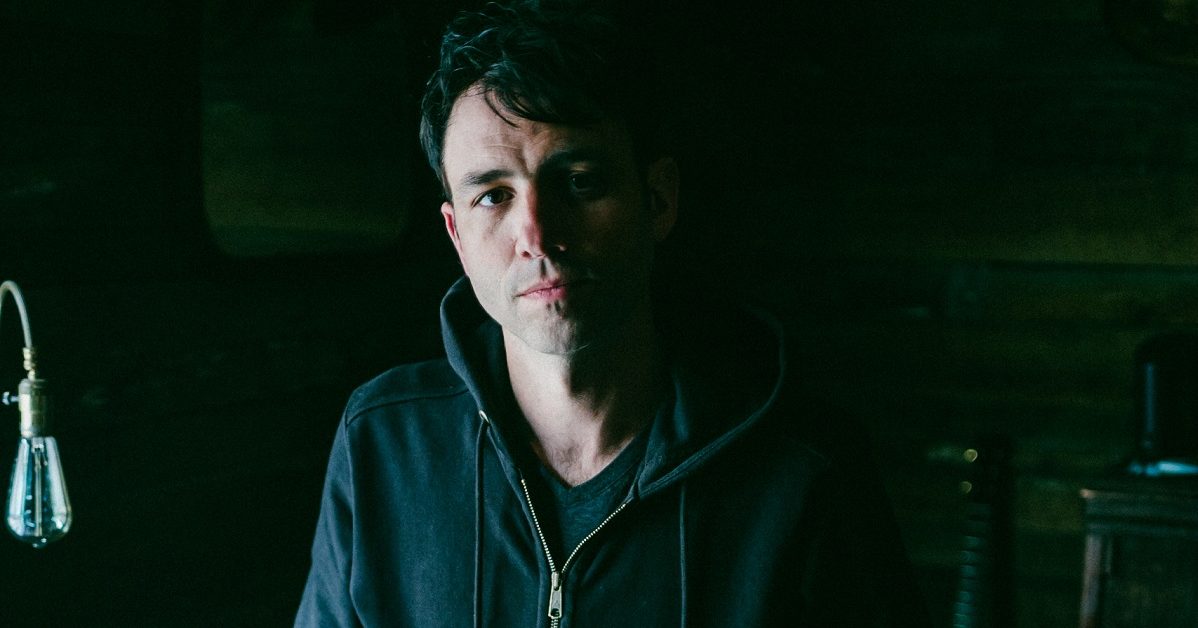
Photo Credit: Jay Sansone

MIXTAPE: Jesse Terry’s Pure Seventies Troubadour Gold

I’m not sure what it is about this era that has permanently ensnared my soul. Perhaps the raw, confessional nature of the troubadour has always reassured me that I am not alone. These are the songs that made me abandon my fine art career at the age of 18 and embark on a lifelong quest to appease the songwriting gods. The fact that all of these songs can be fully delivered with one instrument and one voice has always amazed and inspired me. It was wonderful to record a few of these classics on my current EP, Seventies Roots, part of a double album of covers that I’m releasing in February 2022 called Forget-Me-Nots. — Jesse Terry

Joni Mitchell – “A Case of You”

Was there any doubt it would start with Joni and a song off her masterpiece, Blue? I put Joni in a Jimi Hendrix-type category, where it feels like the artist was transported from outer space, in perfect revolutionary form. Her songs, chord progressions, lyrics and vocals have always been otherworldly to me. It was thrilling to record this song on my Seventies Roots EP. Actually it was intimidating, but in the end I love the song too much not to do it.

James Taylor – “Fire and Rain”

The blueprint for confessional, honest songwriting. It’s awesome to hear JT tell the story behind the song and know that he put every last personal detail into his lyrics. This inspired me to be vulnerable and completely open in my writing. Nobody sings or plays like JT. And to this day, if I’m having a rough go of it, I blast his records and let that warm voice console me.

Jackson Browne – “For a Dancer”

Another true original with an unmatched voice and sense of melody. I think Jackson is without a doubt one of the best lyricists of all time. His lyrics and melodies flow effortlessly off the tongue and never tire.

Bruce Springsteen – “Growin’ Up”

Springsteen is a legendary rocker and performer. But what really impresses me about the Boss is his songwriting. All of his anthems can be stripped down to an acoustic guitar and still deliver with the same emotion. There aren’t many songwriters that can paint pictures like Springsteen. With him, you’re not just listening to the song, you’re IN the song or maybe even one of the characters.

Carole King – “Will You Love Me Tomorrow”?

Like all of the truly great songwriters, her songs transcend and feel universal and timeless. This song feels perfect, whether you’re listening to Carole’s version or The Shirelles.

Tom Waits – “Shiver Me Timbers”

A truly masterful and utterly unique songwriter. Waits writes about characters and tells stories better than anyone. His lyrics and penchant for perfect timing are well-known, but I also adore Tom Waits’ gift for melody and harmony. His melodies break my heart and are married flawlessly to the lyrics.

Paul Simon – “American Tune”

If you created a singer-songwriter in a lab it would be Paul Simon. Some of the most endearing lyrics and melodies of all time. His songs are so perfect, it’s easy to overlook his guitar playing and singing, which are equally remarkable. Music schools often try to dissect his songs to display the craft of songwriting, but I get the sense that this magic simply flowed out of him.

Elton John – “Mona Lisas and Mad Hatters”

Over the years, some very talented folks have sent me lyrics and poetry to set to music and I’ve always been disappointed with my results. That makes me even more knocked out by Elton John’s ability to marry Bernie Taupin’s lyrics to the most perfect melodies, tempos and chord progressions. I recorded “Goodbye Yellow Brick Road” on my Seventies Roots EP, but I easily could have chosen “Mona Lisas and Mad Hatters,” or any number of tunes. Way too many great options to choose from.

Neil Young – “Comes a Time”

What songwriter list would be complete without Neil Young? Neil is raw unfiltered emotion, live to analog tape with no rewriting or editing. That makes him so special. I can’t think of another songwriter that can cover so much ground with such authenticity.

Randy Newman – “Marie”

Randy Newman is a genius. His character-based songs are on the same level as Tom Waits and his lyrics are just as evocative, biting and unique. It’s impossibly rare to find Newman’s talents as an orchestrator and arranger in the body of a singer-songwriter. “Marie” especially breaks my heart. I believe every word Randy Newman sings.

Townes Van Zandt – “No Place to Fall”

A mythical figure in songwriting, Townes wrote some of the most beautiful and enduring songs of all time. “No Place to Fall” has always spoken to me and broken my heart. Was an honor to record this one.

Bob Dylan – “Simple Twist of Fate”

I admit, as a young kid I was more seduced by the “singers” in this group — artists like Joni, James and Jackson that could sing the phone book. But eventually I became spellbound by Dylan and my affection for him has never waned since. And as I listened more in my life, I realized what an amazing singer and communicator he was. His phrasing, his lyrics, his melodies and his hooks convey the lyrics perfectly. There will never be another Dylan.

Loggins & Messina – “Danny’s Song”

Kenny Loggins went on to have a huge solo career, but the music that he released in the ‘70s with Jim Messina in Loggins & Messina will always be my favorite work. My father used to sing this song to me when I was a kid and it felt like he wrote it for me.

Stevie Wonder – “Love’s in Need of Love Today”

Admittedly my playlist is Laurel Canyon-heavy and that’s what inspired me the most. But I also remember Stevie blaring through speakers as I was growing up. Again, one of the classic singer-songwriters that will never be replaced nor imitated. One in a billion. And on top of that, one of the best, most flexible voices of all time.

Crosby, Stills, Nash & Young – “Our House”

I’ll end my playlist with this classic song that transports you to another time and place. You can almost smell the flowers blooming in this song.


Photo Credit: Alex Berger

BGS 5+5: Anna Tivel

Artist: Anna Tivel
Hometown: Portland, Oregon
Latest Album: Blue World

What other art forms — literature, film, dance, painting, etc. — inform your music?

Literature and poetry really get in my bloodstream and make me want to write, all those vivid words and ways of telling a thing. I get the itch to write the most from reading things that unravel like a song but are in much longer form. Right now I’m digging deep through the novels and short stories of Annie Proulx and finding so much inspiration. The way she spins a story, unadorned and brutally human, feels honest in this way I’m forever working toward with songs. Andre Dubus sparks a similar feeling, this gut-punch of everyday struggle told in a way that feels just like reality, but more stunningly laid out in bite-sized, brilliantly observed and relatable moments. I dream of writing songs that make people feel that way.

What was the first moment that you knew you wanted to be a musician?

Music has always been the place I felt most at home in my mind, where I could just be, work things out and communicate in a slower, more intentional way. I first found that freedom playing violin as a kid, backing people up later, learning that kind of conversation without speaking that feels so powerful. I started writing songs when I was about 23 and it was a completely magnetic force of expression that I must have been really hurting for because it took hold of me immediately and forcefully. I don’t remember consciously thinking, “This is what I want to do with my life,” just couldn’t seem to think about anything else. I’m forever grateful to be able to move through the world this way. It constantly pushes me out of my box, allows me to bump up against the world, try to see it more clearly and with more curiosity all the time, try to reflect something true.

Which elements of nature do you spend the most time with and how do those impact your work?

Seems like touring is always shaping the way nature plays out in my writing. You’re on these long expansive drives through empty country, red canyon cliffs, vultures, sun bleached sagebrush, and heat waves on the blacktop that stretch out farther than you can see. And then two days later you’re in a dense forest, lush and wet and forty shades of green darkness. And then you’re suddenly in a giant metropolis. Watching it all change for hours and hours out the window feels like a recipe of sorts, like gathering all the images that hold an emotion to draw on later when a song is forming. I love to set a scene for the emotion of a story to play out in, and this constant observing of the natural (and man-made) world through car and plane windows seems to help tie human struggle and beauty to place and landscape in a way that feels necessary.

What rituals do you have, either in the studio or before a show?

I want so badly to have pre-show and studio rituals, like vocal warmups or a three-piece show suit or something, anything. Mostly I let shows eat me alive in good and bad ways and I’m trying to work on being more intentional about that stuff. When I have time and space, I like to read something beautiful or listen to something that moves me before a show, sit somewhere all alone and take in some words and music that make me feel free and vast and inspired. It feels really good to get up on stage and get the chance to play my heart out after that. I’m going to do it more, just decided. OK I have a ritual starting now.

If you had to write a mission statement for your career, what would it be?

Write and write. And play songs for people. And try to be 90 years old someday and still loving these two things with wild abandon.


Photo credit: Matt Kennelly

BGS 5+5: Amigo the Devil

Artist: Amigo the Devil
Hometown: Austin, Texas
Latest Album: Born Against
Personal nicknames: I’ve never had any past preschool and that was only one kid who called me Daniel Cocker Spaniel. It destroyed me. I mean utterly wrecked me at the time.

What other art forms — literature, film, dance, painting, etc — inform your music?

I enjoy reading a lot, always have. Lately I’ve been trying to dive into subjects that I’m not usually interested in or genuinely don’t know much about and have been finding that, well, apparently they’re still not my thing ha ha. At least giving it a shot helps me narrow where the passion genuinely lives. Film has always been an important factor in my life, just as much as literature I would say. I’m a big fan of visual portrait films like Ashes and Snow, Baraka, Naqoyqatsi and aesthetic systems like the Cremaster series. Jodorowsky, Yorgos Lanthimos, and Takashi Miike are responsible for most of my favorite movies as actual storyline films. I also love rom-coms. I don’t care how corny they are, they wreck me and I love it. Horror used to be the go-to while growing up, but I think that’s changed quite a bit lately. Still love a classic campy experience though.

What’s the toughest time you ever had writing a song?

I always hear stories of people writing three songs in a day or dreaming up these beautiful hits in their sleep. I’ve unfortunately never had the joy of these moments. Although some songs “write themselves” more than others, I always have a hard time with every single song when it comes to finally calling it a finished product. Whether it’s my curiosity or doubt that keeps me grounded right before the final hurdle, it’s always a “tough” time. There’s actually one quote by Mark Twain that I remember shifting my confidence immensely. “The difference between the almost right word and the right word is really a large matter — it’s the difference between the lightning bug and the lightning.” Ever since that day, it’s been a brutal journey wondering which of the two I have in the lyrics I’ve written. See, not all knowledge is helpful.

Since food and music go so well together, what is your dream pairing of a meal and a musician?

I’m going to go with Ray Sawyer of Dr. Hook on this one. One, because I think they’re the #1 band I wish I was able to see live (and he’s my favorite member) and two, because I think he’d be a blast at a dinner party. I’m not saying that I would Lady and the Tramp a hot dog with him, but also not saying I wouldn’t. Dinner-wise though, I feel like Ray was as complicated an individual as he was simple. I’d start with gumbo loaded with smoked alligator (one we pulled ourselves from Lake Eufaula after a long night of mescaline)…move on to a dry-aged ribeye cooked directly on the coals and sit it in a bordelaise with a side of brown butter-sautéed endive (for health measures) and raclette over potatoes. There’s no room for dessert so we just slam some coffee and hit the town.

What rituals do you have, either in the studio or before a show?

Rituals always seemed like a guaranteed way to set yourself up for failure. Since a ritual is basically just a glorified routine, once that routine becomes psychological, both your conscious and subconscious mind depend on it…so what do you do when you don’t have access to elements you need? I feel like that’s when we see people start to freak out and convince themselves that something is going to go wrong because x, y and z didn’t happen. Granted, these are just my dumb opinions but it always seems like rituals tend to get more and more intricate with time which leads to extravagant demands and unnecessary adjustments for a superstition.

How often do you hide behind a character in a song or use “you” when it’s actually “me”?

Someone recently pointed out that I never sing from a third-person and very rarely a second-person perspective. Almost all the lyrics (that are based on people) are “me” and “I.” After thinking about it for a while, the only conclusion I can come to is that since most of the songs are stories that I’m putting myself into someone else’s shoes to write, the perspective carries over. I think there is also some level of accountability that feels more honest, especially when talking about taboo subjects. It’s too easy to shift the blame along with the perspective. It’s the “asking for a friend” complex when trying to avoid shame. When talking about topics that are hard for people to bring up, it’s important to me that there is a human element and a personal touch of admittance. That association and acceptance tends to bring the much greater reward of growth and learning. Shifting that blame will always leave you floating around a boxed-in world like a rubber duck in a hot tub.


Photo credit: Alicia Way

BGS 5+5: Mando Saenz

Artist: Mando Saenz
Hometown: Corpus Christi, Texas
New Album: All My Shame
Nickname: Mando Calrissian

What other art forms — literature, film, dance, painting, etc. — inform your music?

I’d have to say film or film/documentary informs me the most. It’s the closest thing to actual life observation there is for me. I get lost in good movies and forget it’s acting. When I write, I write scenes of movies I make up in my head. When I sing, I sing shapes and colors of movies I make up in my head. I can feel them leave my mouth. I swear it’s better than dreaming. Good movies are like good dreams. Can’t put a price on them.

How often do you hide behind a character in a song or use “you” when it’s actually “me”?

Quite often actually. I never did it consciously at first. Now I just kind of accept that when I’m singing about someone else it’s usually about me. My mom, who’s a counselor, told me years ago that I was singing about myself. Eventually I gave in and agreed. There’s a song off my new record called “Shadow Boxing” that kind of comes to terms with that: “Some say they’re better, yeah, but you’re the best. That gets the best of me.”

What was the first moment that you knew you wanted to be a musician?

I was in my last semester of graduate school in San Antonio. I was miserable so I started to write songs. The moment I finished my first song called “Rusty Steeple,” I decided that I wanted to be a singer-songwriter. That song and the next nine I wrote ended up being on my first record, Watertown.

What’s the toughest time you ever had writing a song?

Writing a song I have called “Hard Time Tennessee,” which fittingly took a couple of years to finish. Not sure why, but it was just something I had to keep coming back to. I think I was just trying to make each line as meaningful as the last. Perhaps the line I’m most proud of ever writing came out of that song though: “I wanna see what the blind man sees when he paints a picture in his mind.”

If you had to write a mission statement for your career, what would it be?

To create music that’s true to my heart. Put as many willing ears on it as possible. Collaborate with those who inspire me.


Photo credit: Chris Bickford

BGS 5+5: Matt Urmy

Artist: Matt Urmy
Hometown: New York City
Album: South of the Sky

Which artist has influenced you the most … and how?

If I had to choose one person who has had the widest impact on me and the way I approach my work, I would probably have to say, Cowboy Jack Clement. Jack was someone that I was able to get close to personally, which allowed me to be imprinted by him in a deeper way than just connecting to his art. He was also a businessman and producer, like myself, so he came at things from more than one perspective. … He was an all-around “content creator” before that term was ever even used.

For instance, Jack was vlogging before vlogging existed, he was vlogging before the internet existed! In the times I spent recording in his studio, sitting in his office and talking about art, business and life over coffee and cigarettes, or performing alongside him here in Nashville, I absorbed as much as I could from him. He had such a wide lens perspective on creativity, finding your voice, and being true to your vision. Our paths crossing was a real revelation for me.

What other art forms — literature, film, dance, painting, etc. — inform your music?

All of the above. And not just those, but business (which I consider an art form), the healing arts, and nature all have an impact on my creative process. I find myself inspired every single day (to varying degrees) by things I experience personally, things the people in my life experience and tell me about, things I see on the news or in movies… and I just allow myself to feel those feelings and then toss it on my creative compost heap to breakdown and become part of the soil that I garden in, artistically speaking.

When it comes to those other forms of expression specifically, the way they inform my process is on two levels: 1. the direct inspiration they provide (feelings, thoughts, etc.) and 2. the way they inform craft and/or process. For instance, sculpting really has informed the way I view the craft and process of songwriting. There are techniques that I can draw from and apply to my forms of expression. So, I may see someone dancing, and be moved to go home and create, but also I may learn something that inspires a new technical approach to the craft itself. I hope that makes sense.

What rituals do you have, either in the studio or before a show?

Ritual factors into my creative process across the board. One ritual is to make sure that I write at least one or two lines every day. In the studio, one ritual might be something like listening to a specific type of music or sound source before starting to work on something, just to clear the mind before beginning a session. Or, before a show, nursing a shot of tequila or mezcal for an hour or so before the show, so I slowly feel the effects of the spirit in my body before taking the stage. I find that my rituals change over time. I do believe they are important, but also that they are extremely personal. an artist has to find rituals that resonate with them and their unique processes for whatever situation they are in.

Since food and music go so well together, what is your dream pairing of a meal and a musician?

This is fun to think about. I think I would have to go with French cooking and Leonard Cohen. I choose French cooking, not just because I love it, but because it’s traditionally served over many courses, slowing the meal down and drawing things out. I choose Leonard Cohen because he was an artist who also wrote poetry, like myself, and was an artist who publicly savored drawing the creative process out over long periods of time. I would like to imagine that dinner and a bottle of wine with Leonard Cohen would yield a memorable conversation that would be an art form unto itself. I guess I’ll have to wait for another lifetime to have the chance to find out. Bummer.

How often do you hide behind a character in a song or use “you” when it’s actually “me”?

I don’t think this ever really happens to me. The reason for that is that I don’t think I’ve ever written a song that was 100% informed by my own life. Obviously, everything that I write is heavily influenced by my personal experience… however, I find that experiences or pieces of information from the outside world always find their way into my work. For example, if a dear friend is going through something in their life, witnessing them work through their life creates feelings that intertwine with my personal story. The result of this is that I don’t ever feel as if I need to hide. All of my songs are made up of elements from my personal experience, as well as things I encounter in the world around me. It actually makes me feel more connected to other people and the world around me.


Photo credit: CM Howard Photography