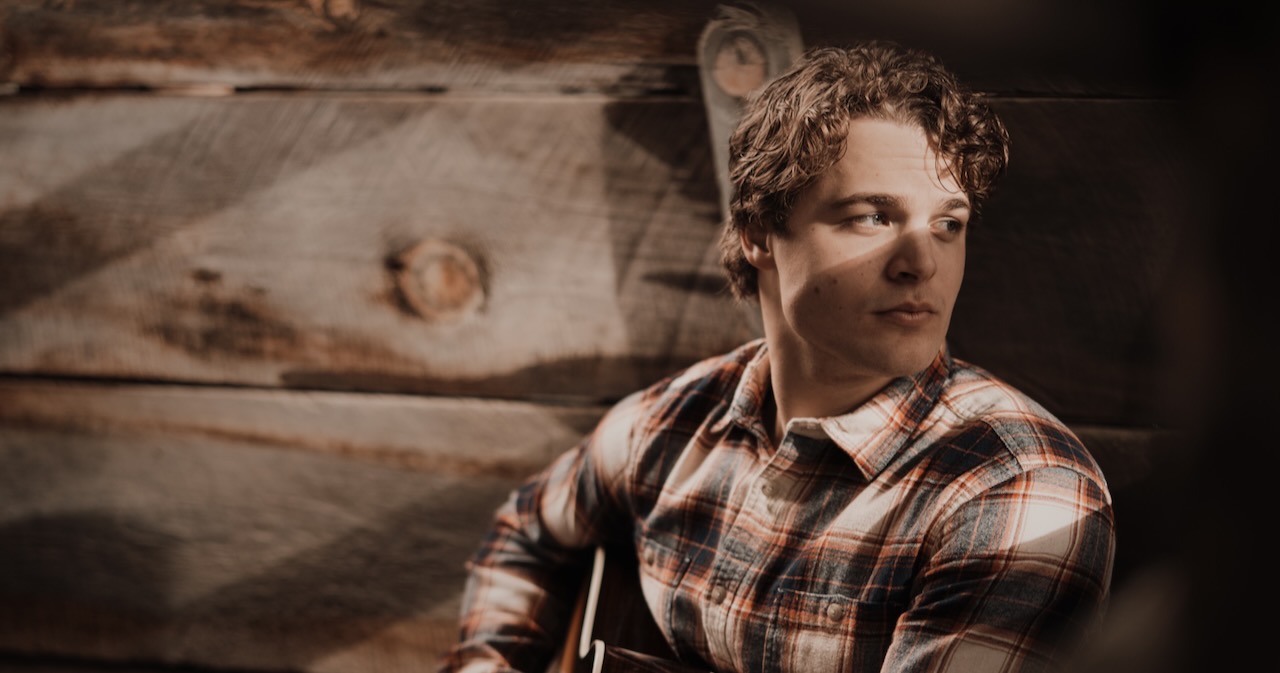
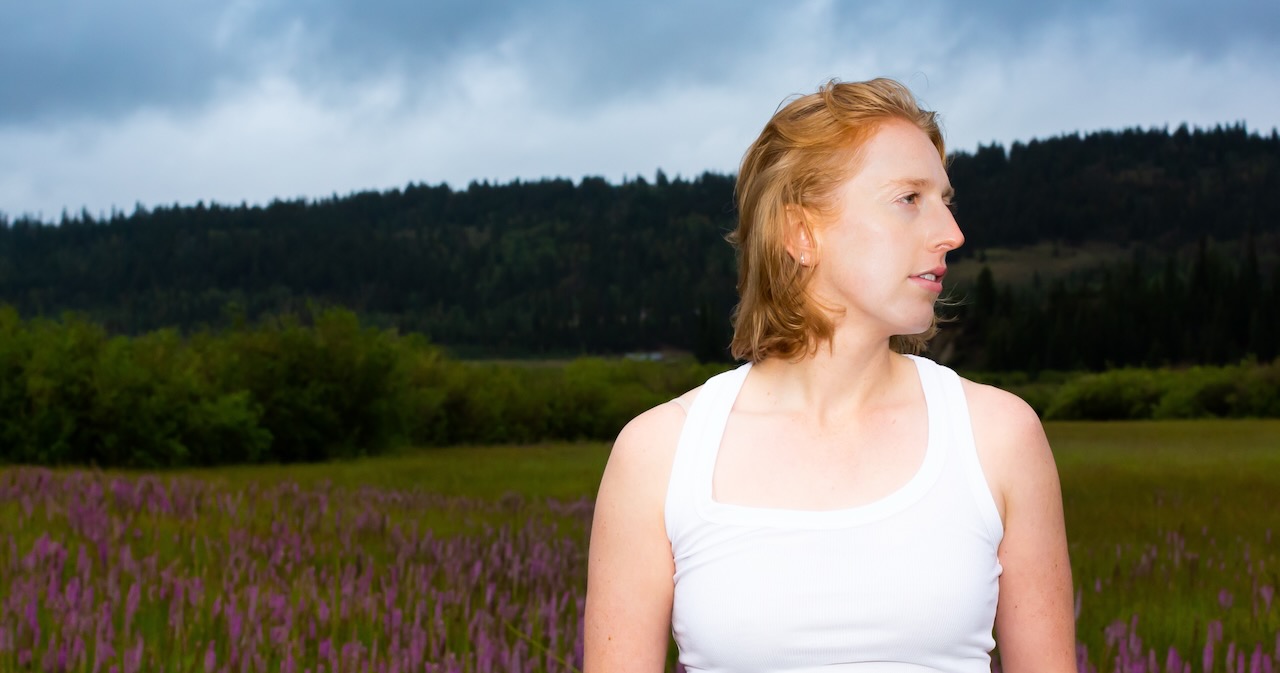
Artist:Max McNown Hometown: Bend, Oregon Latest Album:Wandering Personal Nicknames (or rejected band names): Almost went by Max Winter (Winter is my middle name)!
What rituals do you have, either in the studio or before a show?
My pre-show rituals remain somewhat consistent from show to show. I stay hydrated throughout the day leading up to soundcheck and I typically take it easy on my voice while I rehearse the songs (because I haven’t warmed up at that point). Post-soundcheck, I rest in the green room and use a steam inhaler to clear my sinuses before letting my vocal cords cool down from the heat for at least 30 minutes. After that, I kill time until around 30 minutes before I hit the stage, occupying myself with iPhone games to distract me from the pre-show nerves. At 20 minutes before the show I do a 10 minute vocal routine. At the 10 minute mark I call a circle with my band and say a prayer of thankfulness, asking that whatever happens, we impact the crowd for good. Minutes before stepping on the stage I conduct a box breathing exercise to slow my heart rate, and I’m off to the races!
If you had to write a mission statement for your career, what would it be?
Growing up, I leaned on music to get me through some of my most difficult moments. If I could summarize my “mission” it would be to return that healing… To repay what music has done for me to those who hear my own songs.
How often do you hide behind a character in a song or use “you” when it’s actually “me”?
Considering nearly all my songs are directly influenced by my own life, I hide behind characters often. I purposefully keep it vague when discussing which lines in which songs are fully “true stories.” Some of the most impactful films of my life are “based on a true story” and I take that knowledge into every writing room. Occasionally I take liberties when storytelling, but a lot of my work is pretty accurate to my own life journey.
Does pineapple really belong on pizza?
Considering Hawaiian-style pizza is one of my favorite foods, I strongly believe if you enjoy the taste, you can put whatever you want on pizza!
If you were a color, what shade would you be – and why?
If I were a color I’d have to think I’d be my favorite one, forest green… Simply because of my upbringing in the lush Oregon trees, my green eyes, and my love for nature!
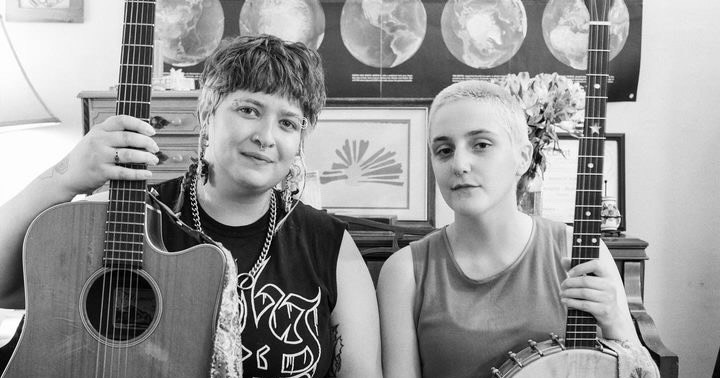
From the crosshairs of the Boston folk community and punk/DIY scene emerges Sweet Petunia, an innovative duo consisting of multi-instrumentalist songwriters Maddy Simpson and Mairead Guy. A synthesis of banjos, queerness, emotive lyricism, and life-affirming harmonies, the pair’s music explores the fluidity of futurity, even when anchored in centuries of tradition.
With two EPs and several singles under their belt, Sweet Petunia graces the ears of multitudes with an active touring schedule and their vigorous participation in the Boston music scene. The queer alt folk duo’s commitment to community and uplifting overlooked histories only deepen the resounding impact that their music inspires.
So, to start things off, how did the two of you first meet?
Maddy Simpson: We both went to Berklee College of Music and we got placed into the same ensemble, 21st Century String Band, taught by Greg Liszt, who is an incredible banjo player. One day we were supposed to have an additional rehearsal with another guy that was in the ensemble, but he stood us up (shoutout Rob with your Legends of Zelda beanie with a brim!) The two of us showed up for the rehearsal and he never came. So we just had 45 minutes to talk to each other. We ended up talking about our goals, the music we liked, and found out that we had a lot of similar likes and plans for the future. So we decided to get together and play some music. When we did, immediately we were like, “Okay, let’s be in a band.”
What does your musical chemistry with one another feel like?
MS: Well, we always joke that we’re related. I mean, we do sound very similar when we sing together. So it kind of feels like we’re like a family band even though we’re not related.
Mairead Guy: Yeah, I mean it just works – really well. Obviously we put in a lot of work into what we do. But a lot of it feels very easy when we’re playing and arranging together. We have similar intuitions about the way things should go, and that makes it really fun and special to play together.
What is your process like when you songwrite and arrange together? And what’s it like arranging with two banjos?
MG: Most of the time we come to each other with an almost-completed song. Sometimes we write together, but usually we come together once the song is pretty much finished and arrange it from there. And that’s just a lot of playing it over and over and over and over, trying different things and seeing what sticks and what pops out.
That works! How did each of you come to the genre and/or the banjo?
MS: I came to folk music through the folk revival of the ’60s. I listened to a lot of Simon & Garfunkel growing up and then when I was a little bit older, I got into the folk revival revival, so like Mumford & Sons, The Head and the Heart, The Lumineers, and that kind of stuff. I had no idea that was just the tip of a really big iceberg – I didn’t really discover true traditional music until college, when I got really into old-time music and ’50s country blues and that kind of thing.
The reason I started playing banjo is that obviously it was pretty present in the music that I was listening to like all throughout high school and my childhood, but when I got to college I had a dorm-mate who played banjo. He was a banjo principal and he would play banjo in the lounge and the laundry room – just everywhere. One day I told him that I was interested and he said, “If you buy a banjo, I’ll give you lessons.” So over Thanksgiving break I went home, bought a banjo, came back, and started taking lessons with him. And then I started taking lessons with other people at Berklee and that was it for me – it became my primary instrument.
MG: So, I grew up in Virginia. There’s a lot of traditional, old-time bluegrass around in that area and a lot of my family is pretty musical – my uncle and aunt and my great uncle and his longtime partner. We’re are all professional musicians and my great uncle was a phenomenal clawhammer banjo player. My brother plays the banjo and I’d always wanted to play it, because it’s such a beautiful instrument. When Maddy and I first started playing together, we had a lot of songs where we would trade our instruments around. When she switched to banjo I thought it was the perfect time to finally sink my teeth in and do it. Similarly to her, once I picked one up I was like, “Oh my God, why haven’t I been doing this the whole time?” Yeah, it’s an addictive instrument to play.
I noticed that the stylization of a lot of your lyrics is super unique and you have several songs with strong narratives. Can you talk a bit about the song “Quilt Too Big to Fold”? I’ve had it on repeat for weeks.
MS: Thank you. Yeah, I wrote that song for a class. We were given this assignment to write a story song. And I was thinking a lot and sort of had this refrain in my head, “All you do is sit all day and sew.” So I did some journaling about all of the things that you can sit and sew. Fiber arts are really important to me and at the time of writing that song I was really into embroidery and I was getting really into visible mending – dabbling in this world of fiber arts.
I started thinking about all of the different fiber mediums you can have. And I started to think about quotes. And then, obviously, I’m also gay. I had already seen the AIDS Memorial Quilt, so I began to look into it more deeply. The quilt was started by a lesbian and was just one of the many forms of activism that came out of the AIDS crisis. The song sort of formed around that pretty quickly. It was easy to write given the fact that I’m queer and then just creating this work of fiction where I did a lot of thinking about what it would be like to go through that, taking my own passions and interests in sort of like translating them into a historical lens. And it was really an interesting process.
Really, really amazing stuff. I also saw that you both played an integral part in Club Passim’s inaugural Pride show? Can you talk a little bit about that and what that was like?
MG: Oh it was all Maddie! Well, we played it together, but it was all Maddie.
MS: Mairead kept me sane – I was freaking out the whole time. I was given the opportunity to curate Club Passim’s first ever truly Pride-themed show. We’ve done Pride open mics and once we had a queer festival, but that was during COVID, so it was all online. So we’ve had some queer-centered events before, but this was the first ever show specifically dedicated to Pride Month.
I was given this opportunity through The Folk Collective, which is an initiative that Passim is spearheading right now. Basically, it’s a cohort of 12 artists and cultural thought leaders that live in and around Boston. Passim has invited them into the club to synthesize what the future of folk music could be like, since folk music has, in the cultural narrative, been seen as a really white-washed and male-centric genre. So it’s 12 people of varying marginalized identities and people of all ages and races and gender identities and sexual identities coming together to talk about what the future of folk music could look like.
I was given an opportunity through the Folk Collective to bring together six queer acts who are making music either directly inspired by or within the traditional genre. We had several performers who played super traditional instruments – I mean, we both played banjo and we had somebody who plays the mountain dulcimer, which was really cool. We had somebody else who did country blues and talked about gender non-conforming people in the genre. And we also had some incredible singer-songwriters as well. It ended up being a crazy night of celebrating queer identities and also celebrating the traditional music that everybody at Club Passim loves so much. It was very, very awesome.
MG: Hell yeah. Beautiful night – Maddie put so much time and effort and care into curating all of these artists and making this happen in such an important and cognitive way, and it was just such an incredible thing to ride along the coattails of.
Hopefully there are many more! In general, what does the community feel like in Boston, within the folk scene, and how do you see Sweet Petunia fitting into it?
MG: I think that Maddie and I have a particular perspective on it just because we work at Club Passim, so we see all the musicians that pass through. But I mean, as is evidenced by the event that we just had, there is a pretty wide community of queer and trans folk musicians who are drawing inspiration from traditional roots music. And even beyond tradition, things like the pedal or lap steel are becoming super popular in different genres of music. Even the banjo people are using electric banjo to get a super sick like electric guitar tone and that sort of thing.
MS: Yeah, I was just gonna say that we sit in a really weird intersection, because we’re not quite in the traditional folk scene. We’re also really established within the DIY scene as well, which is primarily indie rock and hardcore music in Boston. But because we exist in both circles we get the best of both worlds. Sometimes we get asked to play punk shows, but we also can play listening room venues like Passim.
Outside of the folk and Americana scene, what are your biggest influences right now?
MS: I love slowcore and also the huge bootgaze thing that’s happening right now. I feel like I exist in the perfect time to be 25 and into DIY music, because most of the music being made around here at this point has some bootgaze element.
Could you define bootgaze?
MS: It’s like shoegaze-inspired country music. Or country-inspired shoegaze music. Some blur into indie rock, some are just shoegaze bands that use country instrumentation or come from a place where country music is the main genre. The band Wednesday is probably the biggest right now. They sort of pioneered the genre. MJ Lenderman, Florry – there’s lots to explore if you look up bootgaze or countrygaze.
What about you, Mariead?
MG: I mean, definitely same. I’ve also really been loving a lot of hyperpop and pop music recently. Just like the energy in songs like that is so interesting. I’ve been thinking a lot about the banjo as a similar percussion to a drum machine in a super fast hyperpop song. I’ve been trying to think about ways to incorporate that because most of the songs that I write make you feel kind of bad, but I think it’d be kind of fun to write songs that made you feel kinda good.
I think you’re onto something! Do you two have any fun projects coming up?
MG: We’re working on a Dolly Parton cover EP. Every year for Halloween since 2019 (except for 2020 because of COVID) we have done a Dolly Parton cover set. And so this will be our fifth year of Dolly Parton cover sets. So we wanted to do a little something to commemorate it.
MS: Yeah, it’s gonna be really fun. That’s coming in October. There will be a bill for a cover show. So if people are local to Boston, they can come to that.
That is so exciting! So you’re our One to Watch, but who are you watching? Are there any artists, creatives, musicians, etc. that you’re appreciating especially right now?
MS: I think that my one to watch is Roman Barten-Sherman, the person from Passim’s Pride show who does traditional country blues. She’s incredible. She’s so good. She is so smart. And so well-read and knowledgeable about early American country blues. During her shows she’ll introduce every song with so much knowledge about the genre and people who play it. She knows so much about gender-nonconforming and trans individuals and Black women who have contributed to the genre. She knows everything – it’s crazy. And then she’ll play the song and it’s the best fucking thing you’ve ever heard. She’s just so good. I think she’s going to take over the world. She’s my one to watch.
MD: I definitely second that – she’s one of the people I was thinking of. I would also say Jarsch. Just absolutely incredible, visceral songwriting. Beautiful lyricism relating to both the pain and joy of queerness and gender and life itself – religious trauma, all sorts of things. Everytime I see her play I literally just cry and cry. It’s so beautiful. She’s the only person I’ve seen able to yield a guitjo in an appropriate manner, and she just has so much love for what she’s doing and the community she’s in. I feel very lucky to know her. Definitely a one to watch.
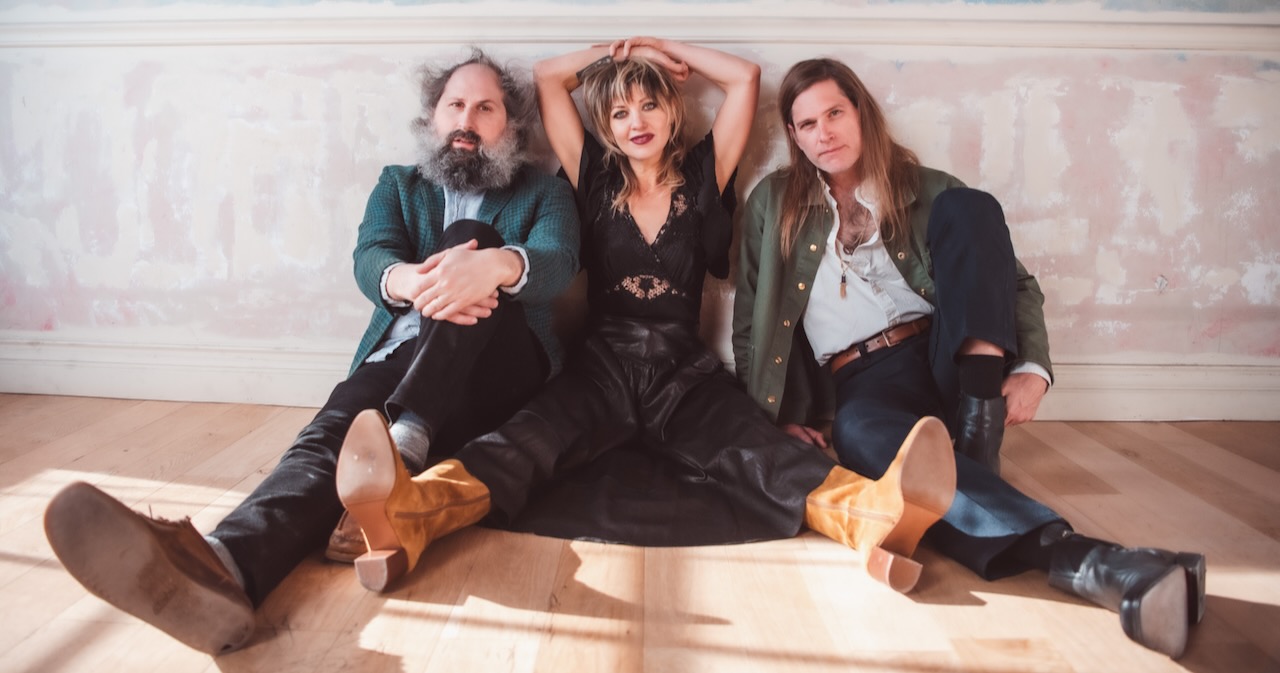
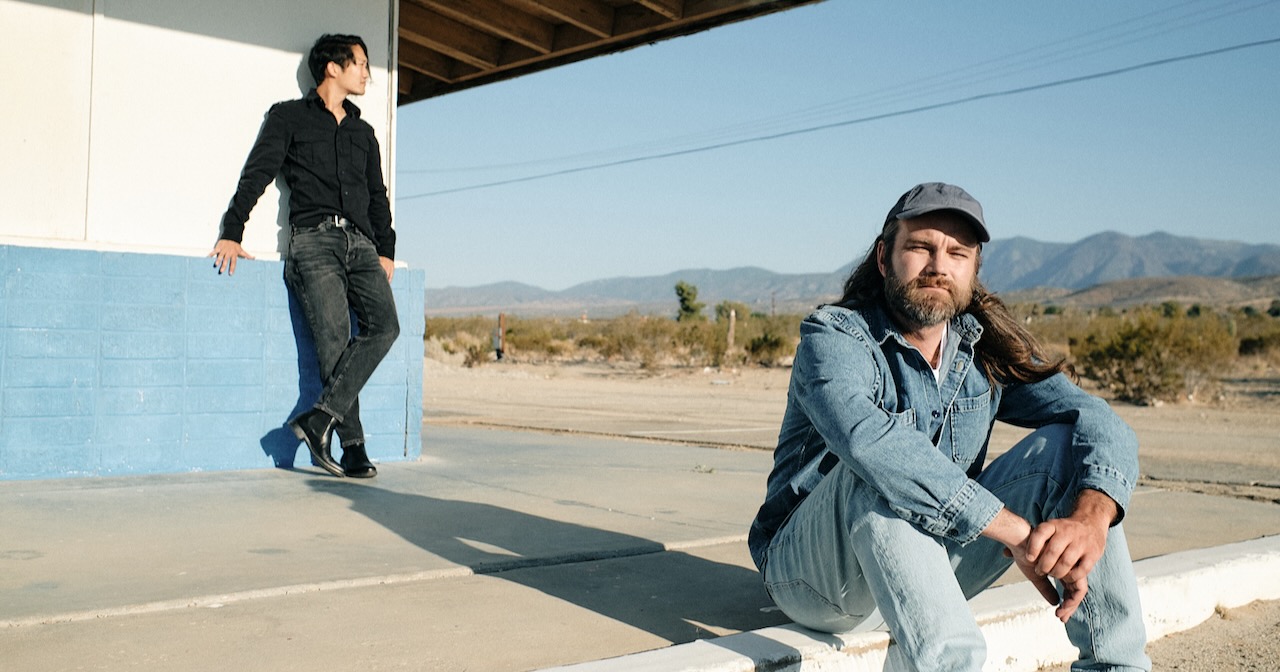
(Editor’s Note: To mark the occasion of Bonny Light Horseman’s brand new double LP, Keep Me On Your Mind/See You Free – which were released in June – we invite our readers to be as flies on the wall during a special exclusive interview, an entertaining and joyful conversation between the members of this folk supergroup, Eric D. Johnson, Josh Kaufman, and Anaïs Mitchell.
Read about the band’s memories of their first gigs played for money, about popular bands they don’t really “get,” and so much more below. Plus, dig into their deep and broad discography – together and separately – with our in-depth exploration of their catalog of recordings here.)
Eric D. Johnson: We totally love each other a lot and we spend a lot of time together and we talk about everything, and I know everything about you guys, pretty much. I got some deep shit on you guys!
But, one question that I didn’t know the answer to, because I have a really funny answer for it is, what was the first show that you ever played where you got paid money? Do you remember?
Anaïs Mitchell: Oh wow!
EDJ: Can you guys remember that?
Josh Kaufman: I can remember. I don’t know if it was the very first, but it was certainly early. I played a yogurt shop in Port Jeff. I definitely played a lot of Grateful Dead songs. I think I played “Peggy-O” and like “Friend of the Devil.” I may have tried an ambitious solo acoustic version of “St. Stephen.”
EDJ: Tell me more though, was it a band? Was it you solo? And did you go just under the name Josh Kaufman?
JK: Just me. I don’t know if I was even booked. I don’t know. I may have just shown up.
EDJ: And what was the yogurt shop?
JK: I can’t remember the name of it either. I feel like I have a couple of friends that definitely would remember and definitely were there. That was the ‘90s, that was the era of the yogurt shop. It was basically a cafe, but let’s face it, it was a yogurt shop. I don’t know what I got paid, but I did get paid. I was probably 16; at a yogurt shop playing Grateful Dead songs for money.
AM: I want to see you then, Josh!
EDJ: I totally want to see him! I want to find the bootleg of that show. How did you get hooked up with the yogurt gig?
JK: Well, I was kind of in bed with big yogurt–
EDJ: You’re a big deal going way back–
JK: Going way back now! Well, how did I know about [it]? I think my friend Kevin Jones worked there. I think this is what happened. My friend Kevin Jones worked there, who you guys will meet when we play in California, because he just moved to the Bay Area. He’s going to come to our show. I think they were looking to up their game [at the yogurt shop]. And he was like, “Let’s see what happens. Let’s bring in a professional.” It must have been such a hot mess.
EDJ: I bet you were good from the jump. That’s my guess.
JK: That’s generous.
EDJ: Anaïs, what about you?
AM: I think the first time I made money for music was [when I was] 18 years old and I took a gap year. I was going to go to school, but I took a gap year and then I moved to Boston. You guys know this. I know you know this about me.
JK: You were a waitress.
AM: I was a waitress. Right. At this diner and then later as a waitress at this Cajun/Mexican place, which really sucked. It was in Central Square and I remember I had that job, because I quit it when I realized that I could make money playing in the subway. I could make equal money to what I made as a waitress. Basically, I would go down – I want to say that I played an Ovation Guitar. I’m sorry. [Laughs]
EDJ: Classic! Love this. I’m just gonna say: Ovation Guitar; yogurt shop. Just as visuals.
AM: Totally. [Laughs] I love this. They go together.
JK: You can actually eat yogurt out of an Ovation Guitar.
EDJ: They are designed for eating yogurt out of – in the ‘90s!
AM: I had a little portable [amp], my first amp. I just started playing electric on tour with you guys, but that’s not my first amp. My first amp was a little Crate amp. Do you know what those are? It was bright yellow. And it was cool. For plugging in your Ovation Guitar when you played in the subway, they were amazing.
So I did that. And the cool thing was I was really just getting going. I had written maybe a handful of songs – that I’ve repressed [since]. Like they were really not good, but if you’re playing in the subway, the audience turns over every 10 minutes. I played the same songs. I would just play them again and again. It was mostly my new songs that I had written. And I think I played a couple of folk songs that I learned from the Rise Up Singing folk music bible.
EDJ: But were people like throwing in money? What was your haul? Not because I care that much about money, but I’m just asking, is this your first profesh gig? Do you have your case? Do you have a little hat box?
AM: You got your case open and you put a couple dollars in there. You put like a five [dollar bill] to show people that. You don’t put coins, because then that’s what people put. I actually can’t remember, with inflation, like, what was that? I want to say I would go down there for an hour or two and make fifty to a hundred bucks.
JK: Oh, that’s really good. That sounds really good to me.
AM: That’s why I quit my waitressing job! I was like, this sucks. I’m just gonna do this.
EDJ: You’re 18, what is that, the year 2000?
AM: Or something… it was ‘99. Yes.
EDJ: Okay, sick. With inflation, I think that’s good. I think you did really well
AM: I might be misremembering, might be adjusting for inflation [wrong] in my memory.
JK: I think I got paid, by the yogurt shop, like $46 or something like that, which when I think about it now it’s almost like the tooth fairy or something. I think somebody just felt bad for me. They’re like, “This is 36, 46 bucks, just take it, go.” You know that, “Here’s some gas money.”
EDJ: I like that it was $46.
JK: I don’t think it was $50. I think I’d remember it if it was $50. That would have seemed like a lot of money to me. I will say, the guitar I was playing, Eric, and Anaïs, would have been the same guitar that I still play – the Guild that we made our records with and that Eric played on our recent tour.
AM: I spent some time with that guy.
Eric, I want to hear your story.
EDJ: I got you gonna beat financially by a couple bucks. When I was like 17, my friend Steve and I decided I was going to join Steve’s band just as a singer, but I was too scared to just sing and stand there. I did not know how to play guitar. So, I got a crash course in guitar from Steve. Steve came to one of our shows last summer, I think, or two summers ago when we opened up for [Bruce] Hornsby.
Steve gave me a crash course in guitar, but I didn’t really know how to apply guitar chords to cover songs, you know? I was like, “I guess I’m going to have to write.” I immediately became a songwriter, because I was too dumb to learn how to play a Pink Floyd song or something like that.
All of a sudden we became this folk duo that played a mix of covers and originals, as I was learning chords. I learned how to play some covers. I think “Ripple” by the Grateful Dead was the first – speaking of Grateful Dead, Josh. We played at this cafe in our little downtown of our funny little suburb called Caffe Trieste. It was actually really cool. It was very ‘90s. When I remember it, it smelled like clove cigarettes in there and herbal tea. It was literally a coffee house, like from the old times where you smoke cigarettes and drink coffee at night and watch music. I’m not saying it was like Greenwich Village or something like that, but it was cool.
We would play there, but for no money. That was kind of like open mics and stuff like that. We played “Tangerine” by Led Zeppelin and we played “Ripple” by the Grateful Dead. I think we played “Wish You Were Here.” And then we played sort of a smattering of my originals, which were terrible.
But, I was at home [one day] and this is in 1993. My mom was like, “You have a phone call.” And it was some lady and she says, “My daughter, Katie, she’s turning fourteen and she’s a huge fan of your music. And will you play her birthday party?” And I was like, “What?” We don’t have a band or like fans or anything like that. But apparently this girl had seen us at a school assembly – where all we played was the Cheers theme – and she’s turning fourteen. I was like, “What type of money do you usually get for things like this?” But I sort of fumbled and before I could finish and name a price, she was like, “Would $150 be good?”
That was like an unfathomable amount of money. But she also wanted us to play two sets and play for like literally two hours in their living room. We had about 20 minutes worth of material.We went to the house. Her dad owned an automobile dealership, so the house was nice. It was a room full of thirteen and fourteen year old, she was a freshman and we were seniors. I just remember that. So maybe she was turning fifteen.
When we walked in, it was like Beatlemania. They like, screamed and stuff. There were parents, friends, and stuff who were there and they were kind of these wealthy people. My house was very unsophisticated and it felt like we had sort of stepped into this sophisticated realm of our like dumb little suburb. These were the elites! We played our show, only we had not learned more songs in order to play. So we did the Anaïs thing, but without the audience turnover. We just played things over again. And they asked us to play “Rocky Raccoon” by the Beatles. Then there was a set break and we had no more songs. We went out to Steve’s Jeep and got super high and then came back in and just played literally the same set again and doubled up on “Rocky Raccoon.” We played it four times in one night.
Anaïs Mitchell: What were you wearing? Did you dress up?
EDJ: I’m sure I was wearing something weird. I had a very schizophrenic style at the time. It was the ‘90s! I would wear plaid ‘60s golf pants, but I had this shirt that was a bread truck delivery shirt that had the name “Byron” on it like a name tag. My hair looked like Jason Priestley from 90210. I hadn’t honed my style yet, but I’m sure I just tried to dress up cool.
It was quite a first taste.
AM: That’s amazing. You might be the only band to play “Rocky Raccoon” four times in a show.
JK: The Beatles never played it one time in a show, I don’t think. So you beat the Beatles.
EDJ: Someone asked me this question recently – and you don’t have to answer with a modern band, because it could be more controversial – but what’s a band that’s iconic, that people love, that you’re like, “Not that…”
JK: Oh, Annie has a list of these they’re called like, unimpeachable bands that she doesn’t want to listen to. That she wants to impeach.
AM: I want to know her list!
JK: For instance, I think the Stones are on there. She’s like, “I mean, sure, the Stones are great or whatever, but I don’t want to listen to them.”
EDJ: For the Situation readers, by the way, this is Annie, Josh’s wife [we’re talking about]. Annie Nero.
JK: Yeah! But, for my own… let me think about that for a second.
AM: I have one, maybe. Maybe it’s going to be the same.
EDJ: Mine’s a little bit The Smiths – I actually think that the band sounds great. It’s sort of like The Doors, for me, where I’m not as into the front person [as I am the band], and I have to believe in the front person.
My other one is that I love Bob Dylan, but he’s like my 18th favorite songwriter. It’s still really high up there in the pantheon of songwriters, but probably a very low ranking as far as Dylan goes. I know Dylan’s a big one for you, Josh, but for me I have seventeen others I put above him. That’s an arbitrary number, but yeah.
AM: I was gonna say Crosby, Stills, Nash, and Young. I’d be interested in hearing Annie’s whole list, ’cause I do wanna say, I feel like it’s a gendered thing. I’m not even gonna be eloquent about it, but I do think we have deified certain male artisan bands.
Where it’s like, “Aren’t you into this?” And I’m like, “Actually no.” But I sort of feel like they’re unimpeachable. Like I’m supposed to be like, “Oh yeah, CSNY!!” But my feelings are complex about CSNY, because I love Neil Young and I love Graham Nash. I think it’s really David Crosby – rest in peace – that like, for somehow I’m [hung up on]. I read about how he produced the first Joni Mitchell record and, for me, Joni’s like the top of the totem. Reading about their dynamic, back in the day [is troubling.]
Everyone loved Crosby. She had to kind of be like, “Oh my God, it’s Cros!” You know, but she was Joni Mitchell! I couldn’t really feel that stuff. Yeah, that’s gonna be my band. It’s frustrating.
Sorry, we canceled. [Laughs]
EDJ: No, I think CSNY is a reasonable one!
JK: I was gonna say The Who, honestly. The Who are awesome and everything and certainly there’s ‘60s garage [rock] stuff that’s fun and everything.
EDJ: I think it’s okay to throw fire at those guys. Dylan can take it and be pissed. They can fucking take it!
JK: I guess I feel like that’s lazy of me.
I think Anaïs’ comment about this sort of Mount Rushmore of at the time, early 20s baby boomer white men [was well made]. When they were very young with guitars, for some reason, we’ve decided that those guys are the best.
EDJ: It’s like the Rolling Stone magazine “top 40 cool guys” list. It’s like a mural at a guitar center in suburban Atlanta that you stopped at on tour.
But also Anaïs, sidebar, in my seventeen songwriters above Dylan, Joni Mitchell is my number one, so…
JK: She’s at the top of my list for sure, but I think in the top zone. I don’t know if they’re like tiered necessarily, because since it is art and stuff, it does sort of depend on the opening that I have for it on any given day to enter my heart.
AM: I got a couple more. You guys, this is going to be wild. Well, maybe not. I mean, you guys know me pretty well, because it’s some of these things, the music is undeniable and has shaped other music, but it’s not for me, you know? I would put the Beatles in that category.
JK: I was waiting for you to say that!
AM: I would put both [CSNY and the Beatles] in there. And I sort of appreciate it when I hear it. Like when I hear it coming out of someone’s car or on the radio or whatever, but I will never put that music on myself.
EDJ: I feel like with Beatles, if it didn’t catch you at a certain moment it’s a tough, massive thing to dig into. I didn’t get into Joni until I was 30, and it was like one of the pivotal musical moments of my life.
That’s not to say, “I think you have to be 38 to get into Joni,” but I think for whatever reason, she’s so deep and cool and crazy that I think it took me having a little life behind me to sort of understand what it was about. Someone who had seen clouds from both sides now, like at that point, it hit me like super hard.
I think Beatles, talk about iconography and stuff like that! It’s like, I totally get it. But I can’t. I love the Beatles. It exists in my musical and our band’s musical DNA. I’m never not thinking about like a McCartney melody.
AM: I had some grand thought while you were just saying that, about when you encounter music and when it speaks to you. Because yes, if you’re fourteen, if you’re fifteen discovering Ani DiFranco as I was. She became like my whole raison d’etre, but then for someone discovering her later, at a different time in their life or whatever, it’s different. You had to be a certain age to get the Joni.
And, I wanted to talk about the Grateful Dead because, like the Beatles, I might’ve put them in [this category] if we had spoken a different time, but now I know and love you guys. I sort of became like a late-blooming deadhead, because of your love for the dead. I really got into it and really into the lyrics. I genuinely, really appreciate that music now, in a way that I didn’t like, ten years ago. Part of that is because I love you guys.
I kind of love how your love for people then transfers to your love for the things that they love. And that then becomes a thing that you love.
JK: I totally feel that. I’m not going to name any names here, because I feel like it could be misconstrued, but I do feel like I remember early on going out and opening up for bands with friends and at the beginning of it having already made up my mind about this music or something. But then, getting to know these people intimately over the course of a month and having these accelerated friendships as a result of being around each other every day and sort of falling for what they’re doing a little bit. Or maybe, at least being way more open to it than I ever would have been just hearing it on the radio or hearing it in a friend’s car.
So much music [from] growing up I associate with people that I love, for sure. Getting into Bob Dylan ‘cause I love my dad. At a young age like, “This guy’s obsessed with this guy!” And I guess I’m kind of obsessed with this guy who’s into this guy.
A funny one for me is They Might Be Giants. I love the songwriting of They Might Be Giants and I love that band so much, but I wouldn’t expect one of you guys to get into it now if you weren’t into it when you were fourteen. You know what I mean?
EDJ: I love the point you made Josh, about touring with bands or something, especially in the indie rock days, where you’re really like up in each other’s grills. You bond in a kind of a different way. …
You guys, we have four minutes left. What are your top three favorite foods, Josh.
JK: My top three favorite foods, um… Today I would say, I like Szechuan Chinese food. I like Greek food. And I like Italian food. You know, all the classic Northern Italian things and all the Roman pasta stuff. I mean, who am I kidding, right?
I’m going genres, not dishes, because for me, it’s definitely more about a palette than it is about a specific [dish]. You know, grilled fish and lemon and tomatoes and cucumbers. If I want something in that zone, then I want Greek food. If I want spicy, zingy Szechuan peppercorn, it doesn’t really matter what it is, it could be like shrimp or tofu or chicken, or it could just be string beans. I just get in the mood and go in that direction.
EDJ: Anaïs, what do you got?
AM: I just got so hungry when you described the fish with the lemon and then the tomatoes, Josh. Now that’s what I want. All right. The first thing I’m going to say is Josh’s food. I want not what you just said, but food that Josh Kaufman cooks. I would like the fluffy eggs that you make sometimes. And also one time you whipped up a chicken soup. Do you remember that? You just whipped it up so fast and it was the best chicken soup I’ve ever had.
JK: Oh, I love that. That’s so sweet. I love cooking for you guys.
AM: I also love and I recently had– do you remember the place Wang’s in Park Slope? It’s kind of like fried chicken, Southern stuff, but then also is it Korean?
JK: Korean fried chicken? I think, right?
AM: I had something like that with Ramona, my older daughter recently, and I was like, “Oh my God, this is very delicious.”
Eric, you tell us yours.
EDJ: Oysters, shrimp cocktail, nachos… uh, buffalo wings. And that’s it. Love you guys.
AM: Love you.
EDJ: Love you. Hopefully it’s all turned out awesome and we have so many cool things to talk about. I’ll see yous on Thursday night!
Today, critically acclaimed roots musicians Jake Blount and Mali Obomsawin (Odanak First Nation) have announced their upcoming collaborative album, symbiont. The news comes with a first listen, “My Way’s Cloudy,” featuring Joe Rainey (Red Lake Ojibwe) and an entrancing video directed by Lokotah Sanborn. (Watch and listen above.)
The album, set for release September 27 on Smithsonian Folkways, builds loosely on the storytelling of Blount’s lauded 2022 project, The New Faith, imagining a not-so-distant future world marked by climate disaster and civil unrest. Utilizing Blount’s expertise on discovering, uncovering, and showcasing vernacular music often forgotten or overlooked by folk, old-time, and the greater roots music communities, the duo look forward by looking back. “My Way’s Cloudy,” for instance, is described in a press release as “a spiritual collected from formerly enslaved Black people at the Hampton Institute – mere miles from where Jake’s family originates.”
But, as the track demonstrates, Blount and Obomsawin defy expectations and longstanding traditions of “song collection” or colonialist archiving that’s typified this type of repertoire building in the past. As they declare in the album materials:
“symbiont is a remix album,” they explain. “The works included here synthesize instruments, songs, teachings, and oratory from different traditions with modern literary, political, and compositional sensibilities (and even a dash of ‘hard’ science). The interactions between these disciplines give rise to the musical, ideological, and spiritual synergisms that undergird symbiont – and also to points of intense conflict.”
It’s clear this “genrequeer” project will be transformative and revolutionary – literally and figuratively. “My Way’s Cloudy” is ethereal, grooving, and dark, but with a glint; a slight sheen that denotes even in the proverbial (or demonstrable) end times, there’s art to be made, conversations to be had, and stories to be told, kept, and carried on. Between Blount’s curatorial and ethnomusicological knowledge, Obomsawin’s remarkable compositional and free jazz chops, and the duo’s multi-instrumentalist skills, these old-time folk remixes – made with assists from incredible collaborators and often, plants as music-makers! – symbiont will illustrate so many of the intricate ways by which music can transcend time, alter history and the future, while having a striking purpose in the present.
symbiont is impeccably described as “Indigenous and Afrofuturist folklore,” but do not mistake these songs and their inspirations for fantasy. If there’s one thing Blount and Obomsawin can accomplish together, it’s grounding such a high concept project in reality and the everyday. This will be a must-listen album, as “My Way’s Cloudy” foretells in so many ways.
In Their Words: “I wrote this song as I was having a reckoning about a sense of stagnation — in my life and personal growth. Nothing was bad, but nothing was great either, and I knew it was time to blow my life up a little and make some space for new things.
“Sonically, we all had The Beatles song ‘Two of Us’ very much in our ears when we were working on the arrangement, and Dominic Billett slipped right into that vision with his drumming. Owen’s dog gets a production credit, as he chose to ring his dog bell right as we were trying to find the perfect sound to complete the chorus. He has been immortalized in the track.” – Libby Weitnauer
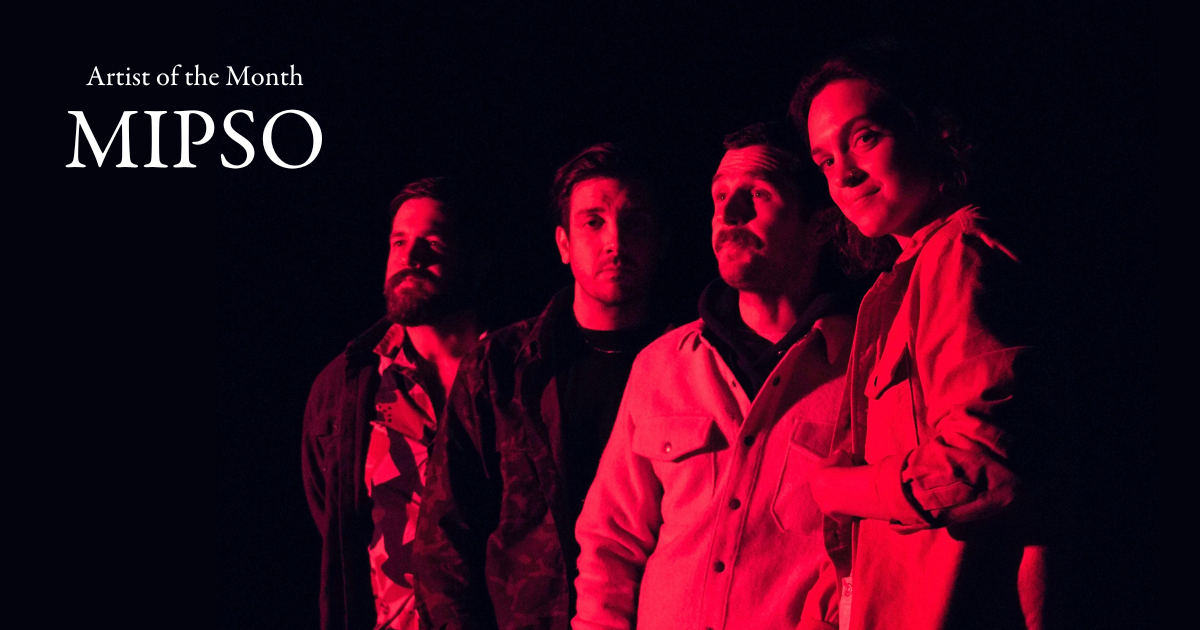
Mipso’s new album, Book of Fools, pushes and pulls away from and toward the band’s sense of home, musically and geographically. There is a kinetic energy in this collaboration that is only achieved from years (10, to be precise) of hard-won work and the evolution of four people who choose each other. Though their sonic palate has shifted from earlier folk and bluegrass influences, this is less of a sea change and more a showcase of transformation and exploration amongst a group that has purposely allowed itself the space to shift.
Speaking with members Wood Robinson, Libby Rodenbough, Jacob Sharp, and Joseph Terrell is a fresh reminder that a band, no matter how harmonious their music may be, consists of individual humans with their own needs, their own ideas of home, and their own personal evolutions. Bands that survive and thrive through the grueling work of creation to commerce are those that carve out the space for people to move and change and shapeshift.
BGS reached Wood and Jacob via Zoom in their homes – in Salt Lake City and Los Angeles, respectively – and some days later spoke with Libby and Joseph on the phone from a van in Virginia at the start of their tour.
BGS: You all clearly have so much reverence for North Carolina as home base but you’ve also shifted around a lot, geographically. How have the changes of being rooted in one place, but then shifting around affected the music and how you operate as a band?
Jacob Sharp: There was a moment there where we all intentionally spread all across the country, all four in different locations. But the Triangle is home. Almost always, even when tours don’t start in the Southeast, we meet there to regroup and rehearse before we hit the road. And it is pretty obvious that whether we are there or not, North Carolina is the centerpiece spiritually and musically, too. We look behind and see our music and a lot of our search over the first couple of albums was peeling back the layers of what we thought we were supposed to be, being from North Carolina and playing acoustic instruments. Since then it has been about taking away things and adding things that actually feel more like us. These last two albums especially feel like we are honing in on that side of it. What is the North Carolina that we are a product of and that we hope we are creating? What is the new North Carolina? It is less about reinterpreting the past.
Wood Robinson: Life kind of inevitably draws you away from the place you are originally from, where you identify as your home. Even though I live in Utah and Jacob lives in California, we still feel like North Carolina is the home that will always be home. Fortunately for me, I still get to go home about six times a year. But spreading out doesn’t make our logistical lives easier.
Joseph Terrell: It’s frustrating. I wish we lived in the same place. We’d be able to play more. We’d be able to write and practice more. But what it has given us is the ability to take time and get together really seriously and for it to feel like summer camp when writing or touring.
Libby, particularly with the song “East” off this record, I was thinking about this question and how that plays into it. How have the geographical shifts affected the music for you?
Libby Rodenbough: What’s important about the geographical changes is less about where anyone went and more that we’ve had some separation in our personal lives, which has certainly been useful, but logistically complicated. Getting together for tours or during COVID was pretty difficult. In terms of what the overall course of our lives has been over the last decade, it was pretty important that we feel like our lives can have twists and turns and changes and that the band could accommodate that. Symbolically, what it means is just as important as the actual physical space between us.
Jacob, I had the pleasure of speaking with you earlier in the year for BGS to talk about the state of touring in 2023. I wanted to hear from you all about any differences you foresee in touring this new record from past record cycles, or if you feel like it is going to be similar.
WR: We haven’t done more than 10 days at a time on the road in about a year and a half. We are all very excited about it. Before then, we had all reached a point where it just felt like going to work. Which is fine, most people do it every day, but this new tour is really exciting. We are playing a lot of really cool rooms. And for the first time in a long time, we are really trying to be intentional about every little thing. Artistically it is really exciting. Logistically, not much has changed. It is still going to be difficult. It is still going to be trying on relationships like it always has been. And there is no panacea for making it work financially other than the grind but you do all of it in spite of those realities. You find a way.
JS: It is funny, because I can imagine ways for touring to be easier, but I can’t imagine doing it because it wouldn’t feel right ethically or artistically. There was a while when we weren’t really aware we were making all those decisions for the same reasons when we were saying “No” to certain things, or looking in a different direction than what was being presented as the high growth strategy. Now it is very clear to us what we are willing to do and what we are not willing to do.
JT: I just had some boiled peanuts from a gas station in Virginia.
LR: So basically nothing has changed.
One thing that is different for us is that we are doing an acoustic pre-show event where people can pay extra money and spend more personal time with us. We’ve been noticing a lot of bands doing this and I think it is mainly because it has been harder and riskier, post-COVID, to tour. Not that tours were ever not risky. It is to pad out the tour budgets, but we are looking forward to it because it is giving more personal contact to the touring experience and helps us to feel like we are doing something new and alive every night. When you only just leave the green room to go to the stage and back again, it can be harder for it to feel that way.
JT: It is really hitting home for me more in the past couple of years that this system of touring and music making and profit generation around music is fundamentally not designed to benefit the artists. Our very first album release show in October of 2013 was, to this day, the most physical media we ever sold at a show. It didn’t make us a ton of money, but it paid for the record. It was easy to see; you make a thing that people want and they come and buy it and they have a good time together and that’s part of how you do it again. We paid ourselves back. It is so much more difficult to do that now.
LR: It is true on a general, larger scale, culturally, that everyone deserves to be able to live in the richest country in the history of the world. It’s logically obvious that that is possible. I’m not trying to propose an alternative economy myself, but it is obvious that we could do what we are doing and be comfortable and everyone could and should. That’s morally true.
There is a palpable sonic evolution on this record. What are some of your current influences as a band or as individuals (that can mean musical, literary, visual arts) that played into the shift?
WR: All of us are kind of obsessed with Kim Stanley Robinson. He’s the most important science fiction author of our time. He is not only dystopian but he also is very utopian within his visualizations of the future. You have to see the bad in the world we see today while simultaneously imagining how it can be infinitely better.
Right, otherwise what’s it for?
WR: And I think the process of making music is inherently hopeful. You have to find the light at the end of the tunnel.
JS: We all really like Big Thief and take a lot of comfort in how they eschew the industry and the model. It hasn’t cost them anything on the success side. That’s definitely a band whose music and the way they center themselves ethically within their career, we really look up to them.
LR: Another book that I’ve been thinking a lot about for the last three years is The Dawn of Everything by David Graeber and David Wengrow. It is a review of the last decade or so of advancements in understanding early human civilizations. It is a very hopeful book. It is a great time in history to be cynical, but that book allows you zoom out and remember the truth, which is that the things that are fucked up about now are not necessary or essential to human life. And it could work in a totally different way in the future and that’s really essential to believe. I would say that was an influence on some of the songs I wrote for this record, like “The Numbers” and “Book of Fools.”
JT: I’ve been thinking a lot about the feeling of playing together when something is really happening, not when you are just reciting your line but when something emergent and effervescent is taking place. In the last year or so I’ve been heavy into The Band, The Fairport Convention, and The Grateful Dead. Those are some bands that do this beautiful dance of communication on stage.
You’ve just passed the decade mark of being a band this last year. And this is in an age when so many bands fall apart because of the economic realities of music or interpersonal relationships, the extreme hardships of touring… What is the glue that keeps you together, or if you want to frame it this way, what advice would you give to bands that haven’t been around for a decade?
JS: We are acutely aware of how hard it is right now to keep it on the rails. It is something that we talk about. It is a part of the ride. We’ve made some mistakes, but the one thing that hasn’t been a mistake is that we are always willing to slow down to make room for how someone has changed and how you need time to understand that. To have ignored it would have been the end. It is crazy that we get to do this. Four really good friends continuing to find ways to share our music with each other and then to share it with this global community that we’ve built. It is so wild that it exists.
WR: I think that also, you have a limited number of years of being “Yes men.” Every “Yes” is at a cost. My worst days on the road have always been ones that end in a show where I’m not thinking about the music I’m making. And if everything else in life is getting in the way of the main thing that you are supposed to have absolute, unbridled joy in doing, then it is worth re-evaluating. I think we are at a high point now of really being able to cherish those moments together.
LR: Just like in any kind of relationship, there are certain rewards that you can only experience after years and years and years go by. I remember reading this Joni Mitchell quote about why she likes to have long-term relationships as opposed to an endless string of short affairs. She talks about how falling in love at the onset is more about falling in love with yourself. But as time goes on, you learn to actually love another person. Loving another person is a long-term pursuit, foundationally.
The work of the four of us loving each other has been some of the hardest work of my life and then some of the most rewarding. There is a lot of freedom in quitting things. Growing up I felt a pressure to never quit. That was a bad thing because it made it harder for me to understand my own internal compass. I think people should leave situations that are causing them harm, for sure. But another equal and different truth is that if you can find a way to still have enough space for yourself, working alongside people long-term is a beautiful possibility in life that not everybody gets to do.
JT: The main ingredient of love is listening and it has made me a better person to listen to these friends of mine for a long time. That is also what I love about being on stage with people that I know so well. All of us have lived a decade of huge changes in our lives. It’s one of the best things you can do with your life and the hours of the day, is to listen to somebody else.
Artist:Hallie Spoor Hometown: Denver, Colorado Song: “Julia” Album:Heart Like Thunder Release Date: August 22, 2023 (single); October 17, 2023 (album)
In Their Words: “‘Julia’ is the first song I wrote for what would eventually (three full years later) become a new record, Heart Like Thunder. I had just seen a Bonny Light Horseman show at Levon Helm Studios in Woodstock, NY, and was very inspired by the performance. Their music has a grounded and natural energy, and that was how I approached writing the song that evolved into ‘Julia.’
“‘Julia’ is a strophic song – meaning it’s a very simple, three-verse format that is a tad unusual to the way I typically approach songwriting. (Verse, chorus, verse, chorus, bridge, etc.) But I think the simplicity of the form is what allows the story to shine. ‘Julia’ is about losing your lover to their best friend. In real life, we humans can be jealous bitter creatures, but in art we get to be wise and soulful. ‘Julia’ ultimately is about forgiveness – and I hope that feeling of peace is what the listener takes away.” – Hallie Spoor
Our past albums were written very collaboratively and we sang together almost all the time, whether in harmony or unison, trying to create a unified voice where individuals were difficult to pinpoint. For our new album Everything Is Alive, we made a conscious effort to let the individual voices and minds of our four singers/writers show through. Here are some of the recorded songs by other artists that inspired us in writing and producing the album, to give you (and maybe each other?) a sense of where we were coming from and who to blame if you don’t enjoy the results! – Darlingside
“Cecilia” – Simon & Garfunkel
I enjoy how the energy of this song comes from snaps, claps, and non-traditional-drum-kit percussion — it’s uptempo, but also sparse. I referenced it a number of times while working on “Eliza I See,” whose percussion is mainly the sound of slapping my legs and banging on a desk in my bedroom. – Harris Paseltiner
“A Rose for Emily” – The Zombies
I’ve always been sweet on the key change into the chorus here combined with the entrance of the harmony vocals. I love a moment in a song where I get transported into a whole new place, even while the basic instrumentation maintains course — that’s the same basic move I tried on our song “Darkening Hour,” where the minor chord you’ve been hearing in the verse pivots to major right at the downbeat of the chorus and the harmonies drop in all at once right on top. – Don Mitchell
“King of Carrot Flowers Pt. 1” – Neutral Milk Hotel
There’s so much in this track that I love, but the two easiest things to point to are the double-tracked vocal and the louder-than-expected Uilleann pipes that come in at 0:46. “Right Friend” features both double-tracked (triple-tracked, even!) vocals and a loud, buzzy pad coming in on the second verse. – Auyon Mukharji
“I Love You Always Forever” – Donna Lewis
I heard this song for the first time in years at a friend’s wedding and was reminded of how incredible it is. A few days later I asked Don (middle name Lewis, no relation) to come up with a “Don(na) Lewis” guitar part (mimicking the guitar that comes in at 0:38) for “All the Lights In the City,” and he did, and I love it! – Dave Senft
“Simple Man” – Graham Nash
I’ve always loved the distant, nostalgic piano sound at the beginning of this song — it brings memories immediately back to life, like the sound of my brother practicing piano down the hallway in another room of the house. For our song “Sea Dogs” we decided to stick with a distant iPhone recording of the piano rather than a hi-fi recording because it had this same quality. – HP
“Santa Fe” – Beirut
I love how angular and buzzy the brass is on this track — it was definitely in the back of my head while I was putting an early, MIDI, brass-heavy demo of “Baking Soda” together. – AM
“We Did It When We Were Young” – Gaslight Anthem
We listened to this song on a loop when our band was in its early youth, and something about that insistent eighth-note pulse stayed lodged deep in our brains. A decade later, Auyon was learning guitar and sent out a voice memo with that familiar rhythmic feel which became the starting point for “Lose the Keys.” (The vocal melody doubled in octaves later in the song also points back to Gaslight origins!) – DM
“If You Could Read My Mind” – Henry Jamison, written by Gordon Lightfoot
This song was a guiding light for me while I was working on “Can’t Help Falling Apart,” and I think it influenced “All the Lights In the City” a bit as well. It feels honest and confessional and unresolved in a way that I’ve always admired and just feels like an emotional gut punch to me. I love the original, but the version I have been listening to more recently is this great cover by Henry Jamison. – DS
“Amie” – Damien Rice
There were a good few months of my early 20s wherein I was listening to this track daily. The plaintive, orchestral strings in “Down Here” can claim lineage. – AM
“Gulf War Song” – Moxy Fruvous
I think of this song as the gold standard for handling controversial/political subject matter in an effective way. “How Long Again” was very consciously informed by it from its inception. – DS
“Dancing and Blood” – Low Some songs make me feel things by sounding “real” — humans playing music in a room. This song goes the opposite direction: Everything is surreal and a little unsettling and it seems like things are about to go off the rails at any moment. I think this Low album inspired me to push the boundaries a bit with gated/distorted/off-kilter sounds around the margins of songs that still have a real human performance at the core. – DM
“Bloom” – Radiohead
This song is built on a few measures of extemporaneous piano noodling looped over and over, like an infinitely repeating moment of humanness. For our song “Green Light” we used an old voice memo of a mandocello that I was trying to learn how to play in Dave’s basement, which, when looped, resulted in the rhythmic core of the song. – HP
Artist:Handsome Ghost Hometown: Boston, Massachusetts Song: “Tonight Comes Round Again” Album:Handsome Ghost Release Date: July 14th, 2023 (single); August 25, 2023 (album) Label: Nettwerk Music Group
In Their Words: “Eddie and I were chatting through plans recently – tours, recording, etc. – and we realized that we’ve been making music together for over 10 years. Which, in band years, is more like a thousand, in my opinion. Most of the songs on our new record are about my life in music in one way or another. ‘Tonight Comes Round Again’ is about a time many years back, when we were in New York a lot. Neither one of us actually lived there, but we just kind of claimed it as our home base until there was a tour to do or a record to make. The song itself is about a brief relationship of mine during that time. She wanted casual, I wanted more – and frustration naturally ensued as we tried to make something work. It’s rich looking back on it now, given that I was hoping for something serious while I was crashing on couches every night.” – Tim Noyes
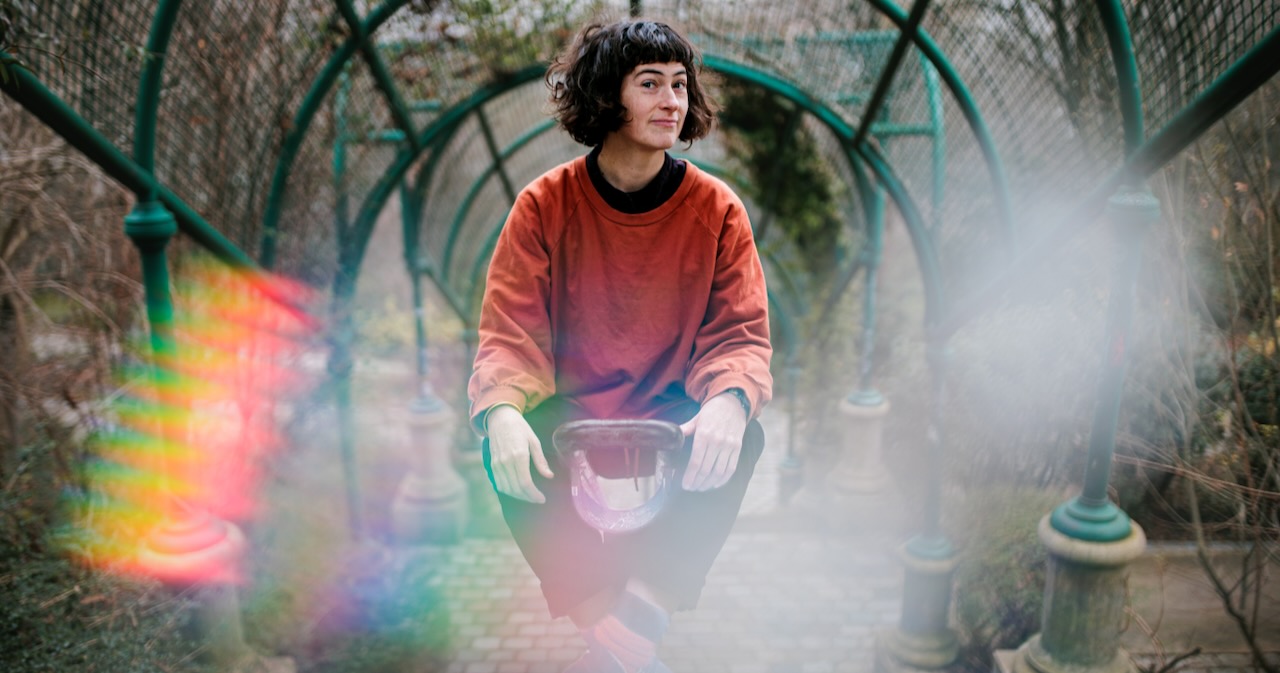
It feels like the protests are following Kate Stables around. Mere weeks ago she was in Paris, the city where she lives, when it was brought to a halt by the May Day march against pension reform, which ended in violence on the streets between police and demonstrators. Then, she arrived in the UK just as it embarked on a week-long series of national strikes against low pay and poor working conditions.
Stables does not disapprove of the disruption. “People have to remember that this is how change happens,” says the 40-year-old behind the British alt-folk outfit This Is The Kit. Whatever inconvenience Stables may face as a touring musician who currently can’t get around by public transport, she says, only helps to make the point. “It’s more inconvenient not getting paid enough and not getting treated properly.”
Since Stables relocated to France 17 years ago, the difference in national attitudes towards civil disobedience has been an eyeopener. “The UK has got a bit comfy over the decades and taken things for granted, they assume the government will look after them. In France, the slightest threat, people hit the streets and protest.”
Stables’ skills as an observer of the human experience is the golden thread that runs through her songs for This Is The Kit. Her 2018 fourth album, Moonshine Freeze, earned her a nomination for a prestigious Ivor Novello songwriting award, and her follow-up, Off Off On, saw her break further into the mainstream as critics applauded its depth and complexity.
A rarely overt but nevertheless keen political awareness is ever-present. And while Stables describes her new release, Careful Of Your Keepers, as “slightly more personal” than her previous albums, she’s aware that this is more in the way people will experience the songs than the way she necessarily intended them.
Take the track “More Change,” which was released as a single in early June. It is accompanied by an utterly delightful animated video made by her talented family friend, Benjamin Jones, in which various inanimate objects from sneakers to pieces of fruit search yearningly for connection and meaning.
“It sounds like a relationship song,” admits Stables, “But it started off with me thinking about situations in society, and people trying to decide if those are better now than 100 years ago. It’s an impossible question – there’s so much that’s worse and so much that’s better. You have to choose which one gets you through the day.”
The lyrics on the opening track, “Goodbye Bite,” include the memorable image of a “‘How shit is this?’ measuring stick” – and the question of change becomes a recurrent theme throughout the album. “I’ve been thinking about how we deal with it, how we quantify it,” says Stables, who compiled the songs over the past two years. “We make decisions by comparing things against each other… and it’s all meaningless, because any decision is a decision! You’re following your nose and hoping for the best.”
And yet, to quote a famous French writer, plus ça change, plus c’est la même chose. The hypnotic sound and elliptical lyrics that have won This Is The Kit its cult following fanbase remain their trademark and Careful of Your Keepers is a joyous example of the acoustic folk and clubby groove that Stables’ (stable) line-up has been blending over the past decade.
The opportunity to rehearse together for 10 days at a friend’s house in Cork, southern Ireland, proved the power of the band’s long-lasting relationships. “We all live in different places now, but it did us all such a lot of good to be there together, so far away from our other lives,” says Stables. “As the years go by we’ve got better at giving and taking criticism, and you’re able to communicate better which isn’t always the case, in bands or in life.”
She herself has gained a reputation as a musicians’ musician, a favorite of Elbow’s Guy Garvey, The National’s Aaron Dessner, and Gruff Rhys of the Super Furry Animals, who produced the latest album at her request. “I love his live shows, he’s so articulate and thoughtful. And in the studio he has just the right balance of sense of humour and total creative work ethic.” He also turns up in the “More Change” video, transmuted into a long-eared plasticine toy singing backing vocals.
Other influences on the album included punk-folkster Naima Bock, and Horse Lords (“the way they mess or play with rhythm and timing, it makes me so excited and alive”). At home in Paris, Stables has found creative community among a group of French and English artists that include Halo Maud, Mina Tindle, and Belvoir – a duo who, like her, hail originally from the west country of England, but now sing “really loud, super energy stuff” in their adopted French tongue. “Which is really nice, because the outside world doesn’t get exposed to enough non-Anglophone music.”
Stables herself found it slow-going to learn a new language, paralyzed by her fear of making mistakes or speaking with too English an accent. “I didn’t make any progress until I had my daughter,” she admits. “But after you’ve got over the shock of having a baby your inner punk wakes up and you don’t care what anyone thinks. So I got better quite quickly!”
She also found her new environment altered the way she made music. By her own admission, Stables is “quite a drone-y songwriter” by instinct– “I’ll have the same note all the way through,” she laughs. “But French songwriting has tons of chords in it. So now I try and write songs with more than two…”
One track from Careful Of Your Keepers offers an unusually autobiographical glimpse into her daily life. “This Is When The Sky Gets Big” was inspired by a favorite park near her home: “A rare place in the city where there’s loads of sky because there’s no immediate tall buildings.” “It’s not a classic Paris park of gravel and pollarded trees in rows,” She says. “You’re allowed on the grass which is pretty unusual.” The sight of people sharing food, playing card games or dominos – even those who live in the park, because they have no other home to go to – inspires one of the album’s most reflective tracks.
When we spoke, however, she was in Bristol, staying at the home of her friend and fellow musician Rachael Dadd ahead of a show at an open-air amphitheatre on the Cornish coast. Stables loves being on the road; her favourite touring destinations include Seattle, Hamburg, and Japan, a place she, Dadd, and her partner (the musician Jesse D Vernon) toured together in the very early days of the band. “I’d just moved to Paris at the time and I was in culture shock,” remembers Stables with a laugh. “So it was so good to be in a place where people were respectful and nice and said sorry and thank you as much as I did. I’d love to go back…”
There will just be time, before the main tour in support of the album kicks off, for a family wedding in Europe, where she and her twin sister will celebrate their birthday together. (Her two other siblings are also twins – they all spent a lot of their youth, she says, filling in questionnaires from research scientists). As someone with a teenage daughter of her own, the question of the future, and the legacy her generation will leave for the next one, is uppermost in her mind.
You can hear it in the final track of the album, “Dibs,” which ends with the apocalyptic thunder of washing machine drums and the line, “Since the beginning of time, man out of time.” Here is the real change that is coming: the music resonates with the sense of climate crisis without ever explicitly referencing it. “There’s no avoiding it,” agrees Stables. “It’s on everyone’s mind, it can’t help but dribble out into the songs we write, the worry. There’s no stopping the train.”
But as a lifelong fan of the science fiction author Ursula K Le Guin, she can, too, see a brighter future. “Her books are really reassuring, and Kim Stanley Robinson’s books have given me hope, too. Life does carry on. We’re currently living in absolute sci-fi conditions for people who were around 100 years ago. It would just be nice if we knew how to respect that, and carried on in a way that doesn’t create more suffering.”
Photo Credit: Cedric Oberlin
This website uses cookies to improve your experience. We'll assume you're ok with this, but you can opt-out if you wish.AcceptRejectRead More
Privacy & Cookies Policy
Privacy Overview
This website uses cookies to improve your experience while you navigate through the website. Out of these, the cookies that are categorized as necessary are stored on your browser as they are essential for the working of basic functionalities of the website. We also use third-party cookies that help us analyze and understand how you use this website. These cookies will be stored in your browser only with your consent. You also have the option to opt-out of these cookies. But opting out of some of these cookies may affect your browsing experience.
Necessary cookies are absolutely essential for the website to function properly. This category only includes cookies that ensures basic functionalities and security features of the website. These cookies do not store any personal information.
Any cookies that may not be particularly necessary for the website to function and is used specifically to collect user personal data via analytics, ads, other embedded contents are termed as non-necessary cookies. It is mandatory to procure user consent prior to running these cookies on your website.