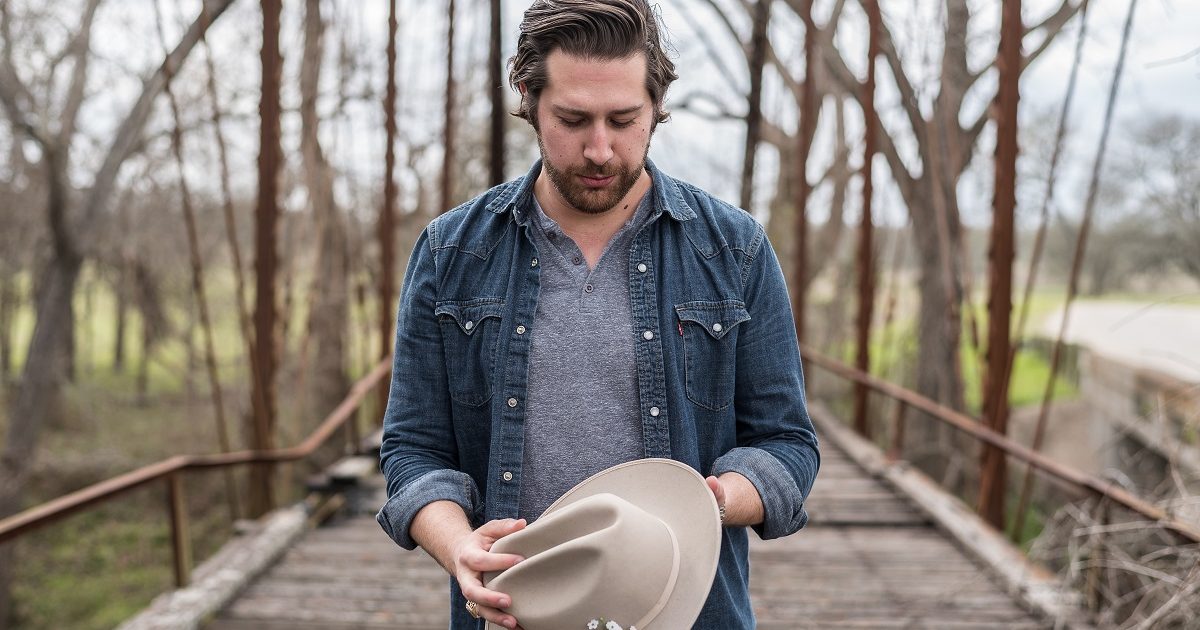
LISTEN: Evan Ogden, “These Songs and a Guitar”

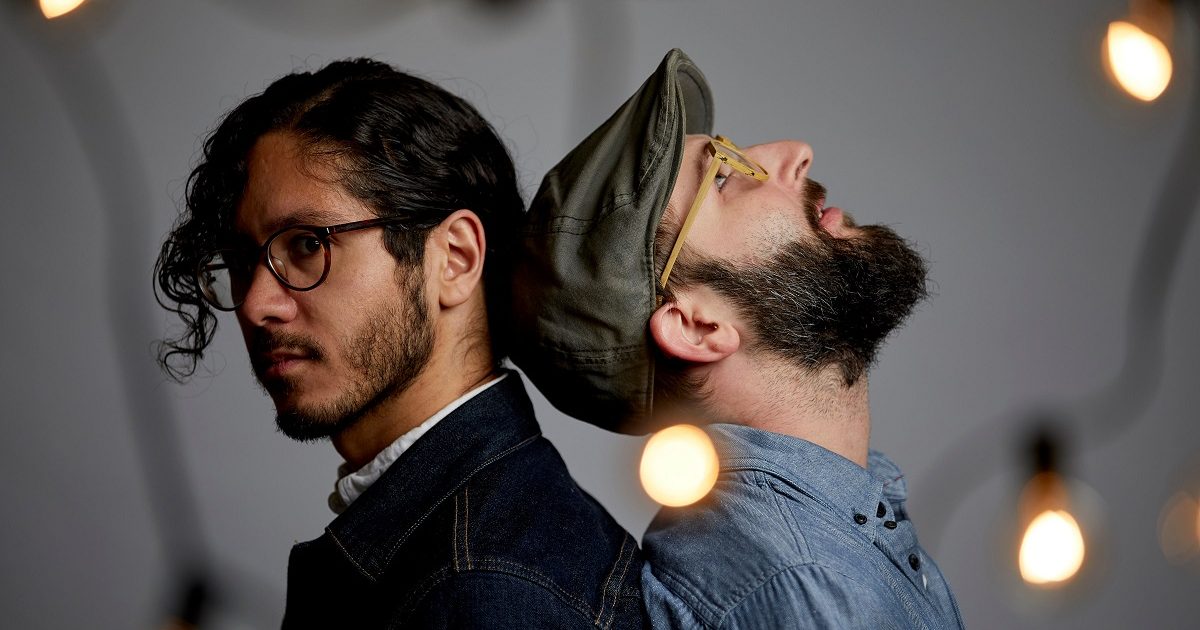
Artist: Evan Ogden
Hometown: Round Rock, Texas
Song: “These Songs and a Guitar”
Album: Undone
Release Date: July 31, 2020

In Their Words: “‘These Songs and a Guitar’ is one of the most personal songs on the album for me. It came at a point where pretty much everything in my life was falling apart. I was having to own up to the fact that the man I wanted to be and the man I was had more differences than similarities.

“There’s a passage in the Bible that weighed heavily on me for about three or four months where Jesus is addressing anxiety and worrying about tomorrow. He tells His disciples to consider the ravens and flowers of the field; He describes God taking care of their needs and claims how much more He will take care of theirs. Faith has always been a central part of my life and this passage set off a season-long struggle to find out how to come to terms with a passion I seldom understand. This song, in a lot of ways, culminates a prayer, or argument I took up with God. I was trying to work through the blessing and curse of having a passion for such an unstable gift. Admittedly, I still struggle a lot with it but this song was very cathartic in a very real sense. I hope this song gives the listener a space to be honest about the struggle we all feel when our blessings are more like anchors than feathers.” — Evan Ogden


Photo credit: Jessica Summerford

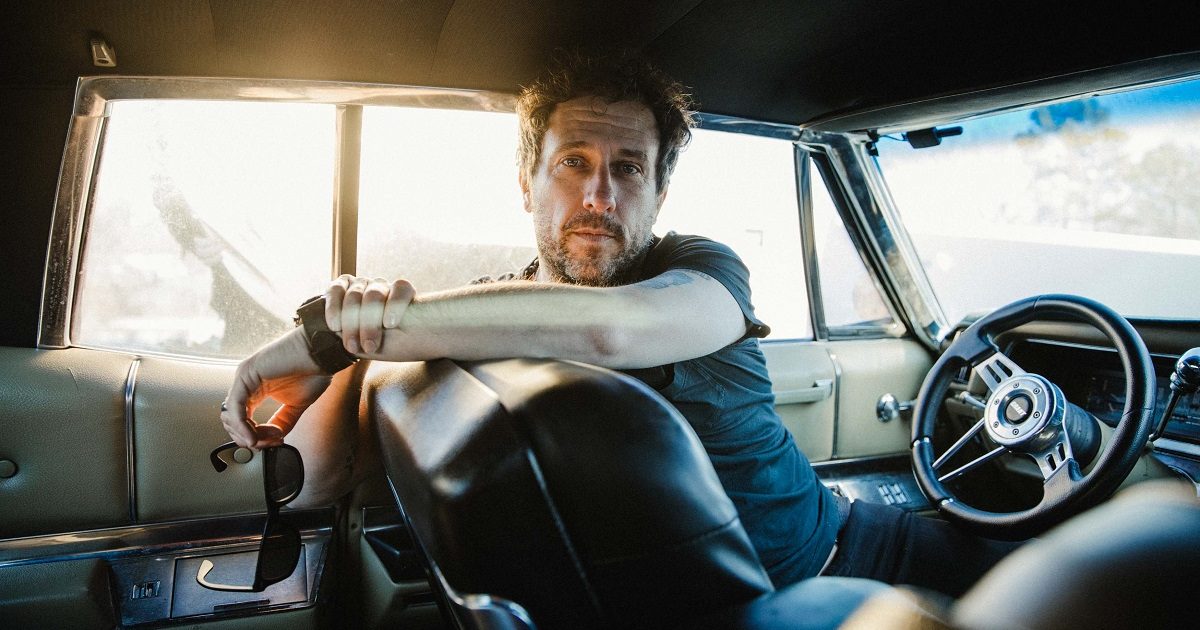
BGS 5+5: Will Hoge

Artist: Will Hoge
Hometown: Nashville, Tennessee
Latest Album: Tiny Little Movies (June 26, 2020)

Which artist has influenced you the most … and how?

My dad. He was a musician before I was born and that carried over into an incredible album collection. Every great album from 1964-1978 was at my disposal.

What’s your favorite memory from being on stage?

Shit, at this point, I’ll repeat a worst memory just to be back on stage. Also any time I get to play at the Ryman.

What was the first moment that you knew you wanted to be a musician?

My dad and my uncle snuck me into a bar to see Bo Diddley when I was about 13. My mind was totally blown. Hard to focus on much else after that.

What’s the toughest time you ever had writing a song?

“Jesus Came to Tennessee.” It had about 15 more verses. Editing that one was a journey.

Since food and music go so well together, what is your dream pairing of a meal and a musician?

Ice cream and Brandi Carlile


Photo credit: Katie Krauss

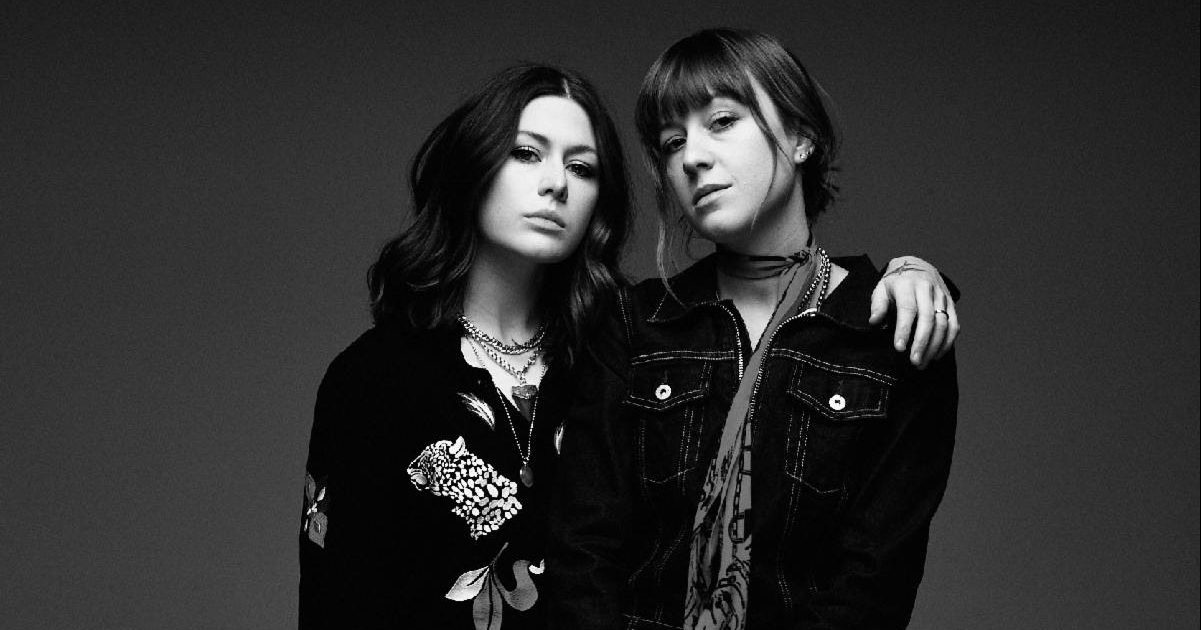
LISTEN: Larkin Poe, “Easy Street”

Artist: Larkin Poe
Hometown: Atlanta-bred, Nashville-based
Song: “Easy Street”
Album: Self Made Man
Release Date: June 12, 2020
Label: Tricki-Woo

In Their Words: “Every now and again, we all need a little dose of raw optimism to help us get through the darker days. We wrote ‘Easy Street’ direct from the heart and we hope that it’ll be a rainbow for your ears.” — Megan Lovell

“Lyrically, I think Self Made Man is our most uplifting album to date. With so much uncertainty in the world, it feels really good to unleash some unapologetic optimistic.” — Rebecca Lovell


Photo credit: Robby Klein

Americana Music Association Reveals 2020 Nominees, Expands Ballot

The Americana Music Association has revealed the nominees for its 19th annual Americana Honors & Awards, with Brandi Carlile, Brittany Howard, John Prine, Tanya Tucker, and Yola nominated for Artist of the Year. Nominees in the Duo/Group category are Black Pumas, Drive-By Truckers, The Highwomen, Buddy & Julie Miller, and Our Native Daughters. Nathaniel Rateliff and Aubrie Sellers received multiple nominations as well.

This year, the Americana Music Association expands its award categories to include five nominees instead of four, with the exception of Song of the Year, totaling six due to a nomination tie. The winners of each category will be announced during the Americana Honors & Awards on Wednesday, Sept. 16, 2020, at the Ryman Auditorium in Nashville.

However, a press release states that “the health and safety of the Americana music community is the association’s utmost concern, and the event organizers will continue to monitor the COVID-19 situation closely while following all national, state and local guidelines as they approach the scheduled ceremony date.” Ticketing information will be announced as plans unfold.

Here are the nominees for the 19th Annual Americana Honors & Awards

Artist of the Year:
Brandi Carlile
Brittany Howard
John Prine
Tanya Tucker
Yola

Duo/Group of the Year:
Black Pumas
Drive-By Truckers
The Highwomen
Buddy & Julie Miller
Our Native Daughters

Album of the Year:
And It’s Still Alright, Nathaniel Rateliff, produced by James Barone, Patrick Meese and Nathaniel Rateliff
Country Squire, Tyler Childers, produced by David Ferguson and Sturgill Simpson
The Highwomen, The Highwomen, produced by Dave Cobb
Jaime, Brittany Howard, produced by Brittany Howard
While I’m Livin’, Tanya Tucker, produced by Brandi Carlile and Shooter Jennings

Song of the Year:
“And It’s Still Alright,” Nathaniel Rateliff, written by Nathaniel Rateliff
“Bring My Flowers Now,” Tanya Tucker, written by Brandi Carlile, Phil Hanseroth, Tim Hanseroth and Tanya Tucker
“Crowded Table,” The Highwomen, written by Brandi Carlile, Natalie Hemby and Lori McKenna
“My Love Will Not Change,” Aubrie Sellers featuring Steve Earle, written by Billy Burnette and Shawn Camp
“Stay High,” Brittany Howard, written by Brittany Howard
“Thoughts and Prayers,” Drive-By Truckers, written by Patterson Hood

Emerging Act of the Year:
Black Pumas
Katie Pruitt
Aubrie Sellers
Billy Strings
Kelsey Waldon

Instrumentalist of the Year:
Ellen Angelico
Annie Clements
Brittany Haas
Zachariah Hickman
Rich Hinman


Photo credit: Brandi Carlile by Alysse Gafkjen; Brittany Howard by Danny Clinch; John Prine by Danny Clinch; Tanya Tucker by Danny Clinch; and Yola by Alysse Gafkjen.

AMA logo courtesy of the Americana Music Association.

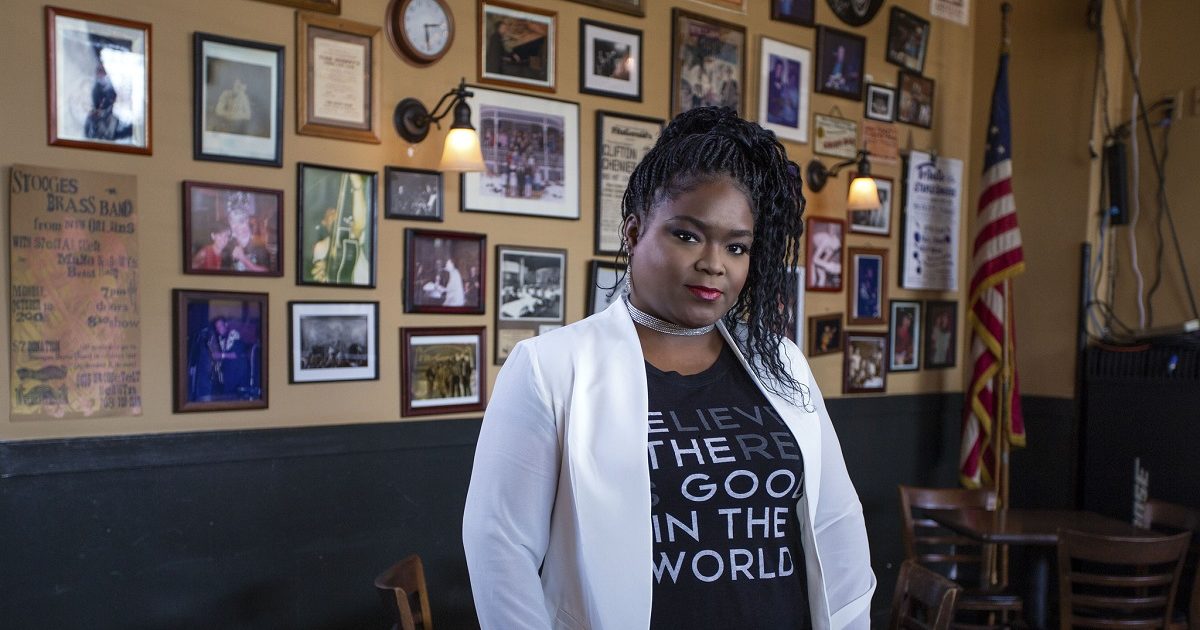
LISTEN: Shemekia Copeland, “Uncivil War” (Feat. Sam Bush, Jerry Douglas, and the Orphan Brigade)

Artist: Shemekia Copeland
Single: “Uncivil War” (feat. Sam Bush, Jerry Douglas, and the Orphan Brigade)
Release Date: June 19, 2020
Record Label: Alligator Records

In Their Words: “It’s not just a song. I’m trying to put the ‘united’ back in the United States. Like many people, I miss the days when we treated each other better. For me, this country’s all about people with differences coming together to be part of something we all love. That’s what really makes America beautiful.” — Shemekia Copeland


Photo credit: Mike White

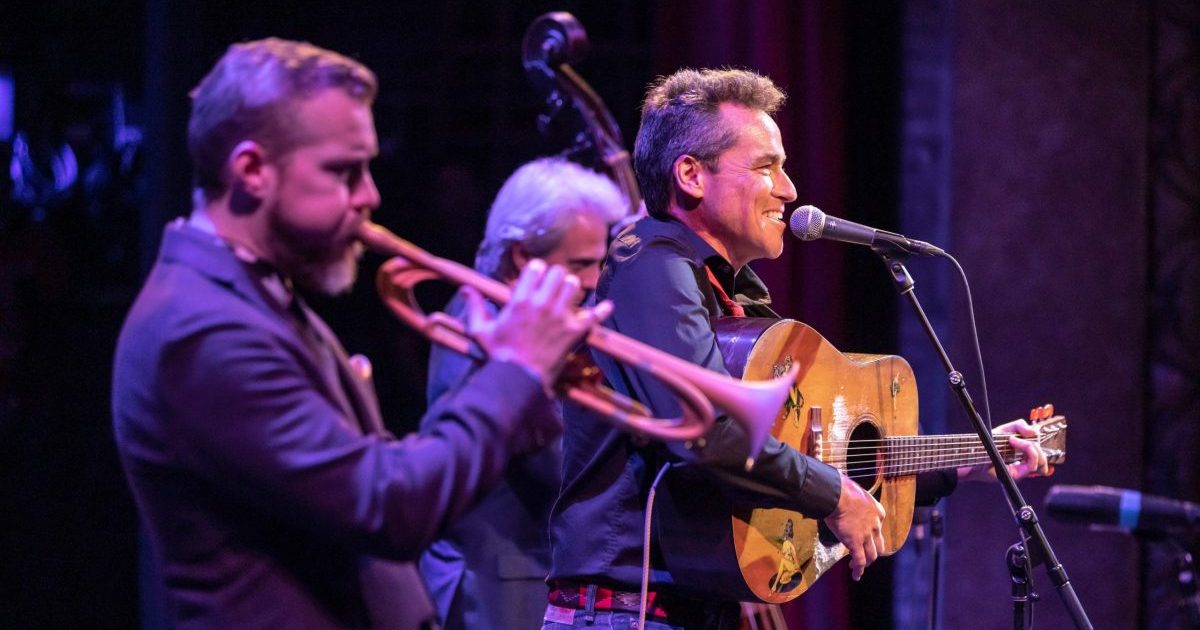
LISTEN: Monte Warden and the Dangerous Few, “Martini”

Artist name: Monte Warden and the Dangerous Few
Hometown: Austin, Texas
Song: “Martini”
Album: Monte Warden and the Dangerous Few
Release Date: June 19, 2020
Label: Break A Leg Records

In Their Words: “As we first started playing shows, new fans would come up and enthusiastically ask, ‘What do you call this music?!’ We described is as ‘martini music.’ My wife Brandi suggested we write a big, fun up-tempo ode to the martini, so we rode over to Floyd Domino’s house and all did our best to just get the hell outta this song’s way. It’s one of those rare little gems that seemed to write itself. That line ‘country club mosquitoes’ had us all goin’ nuts. I can count on this song to always deliver a musical shovel-to-the-face at any gig.” — Monte Warden


Photo credit: Sean Mathis

Sarah Jarosz Studies Her Heroes While Staying True to Herself (Part 2 of 2)

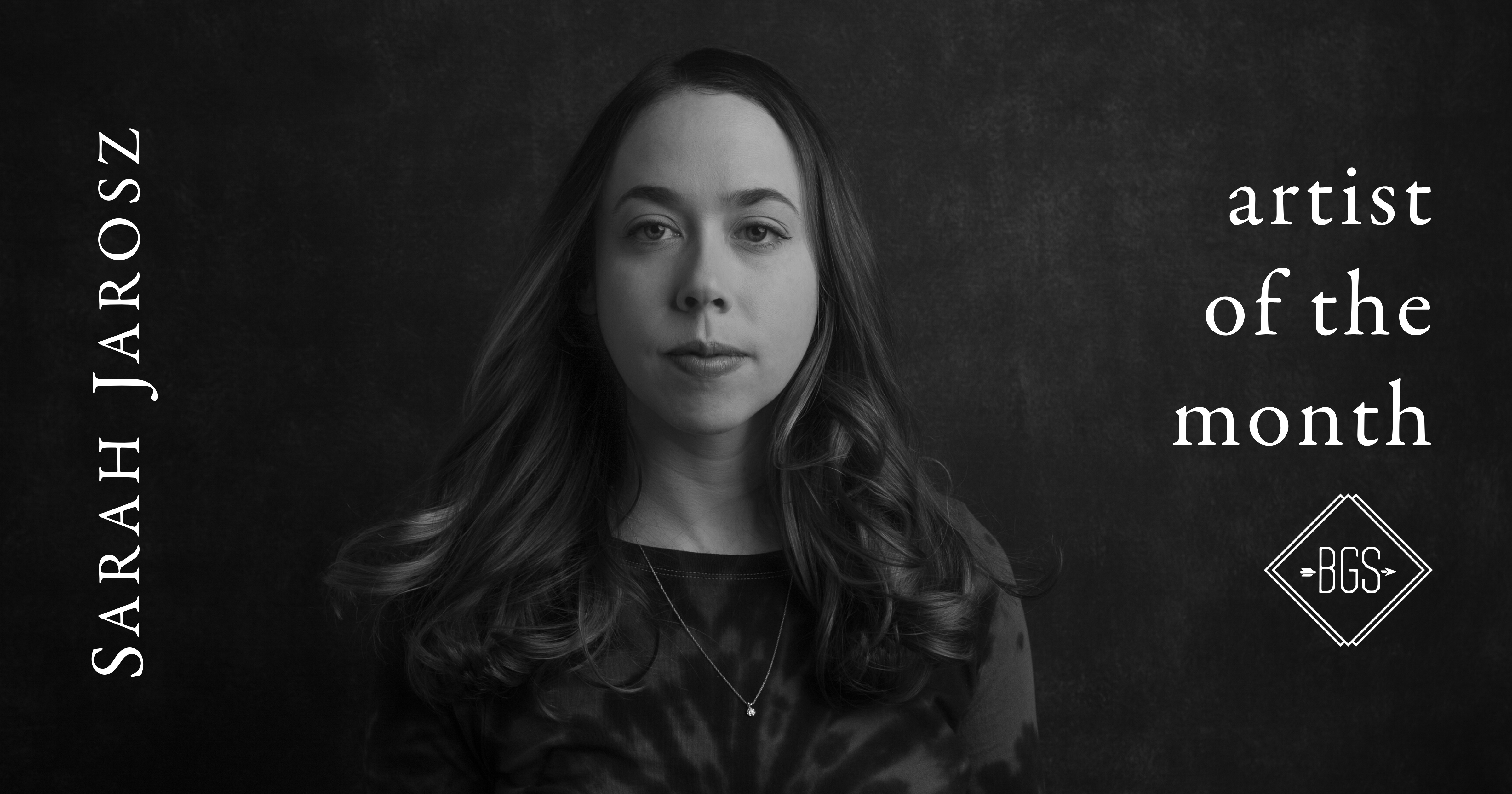
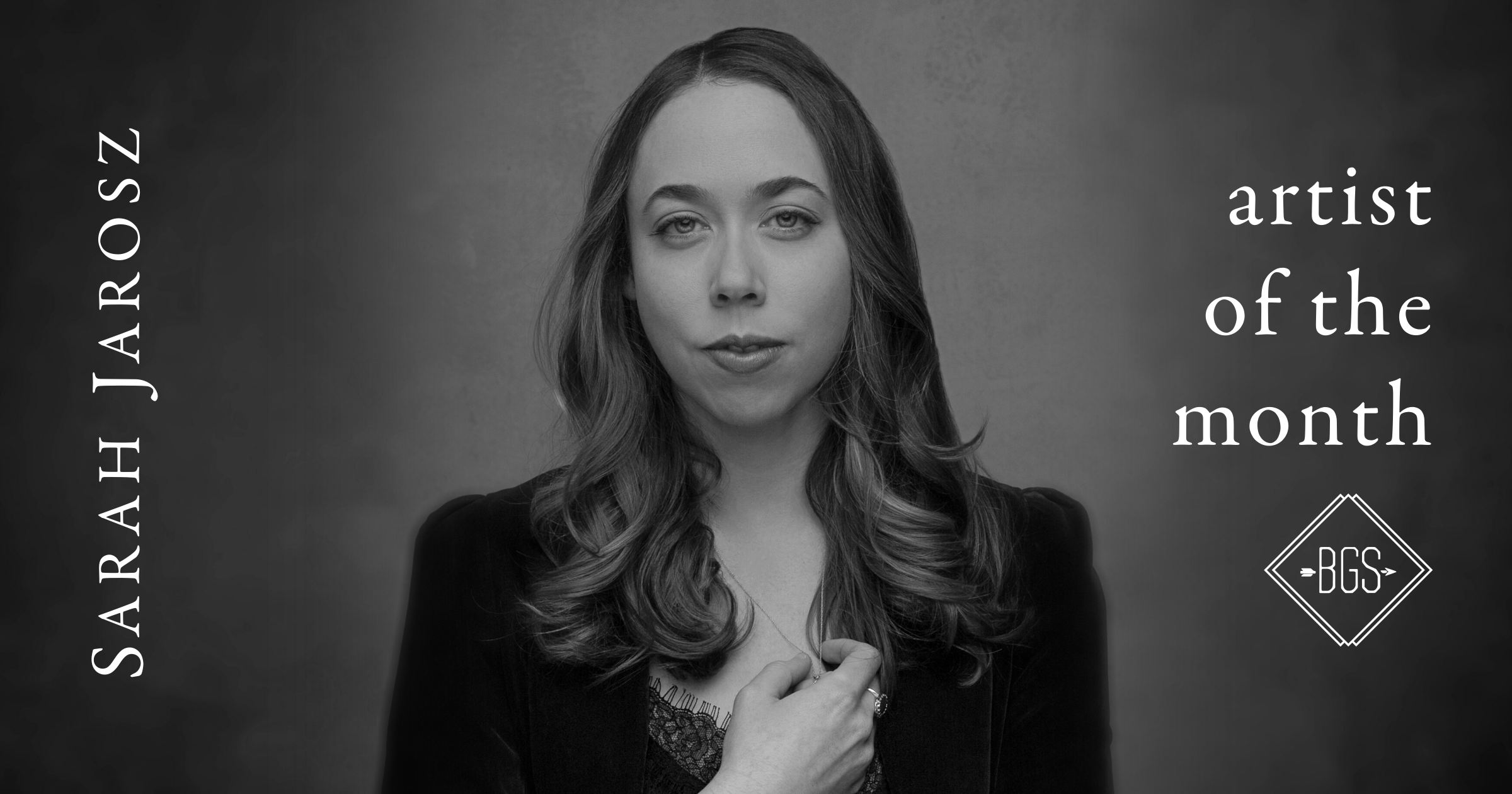
Wimberley isn’t just another “little Texas town” for Sarah Jarosz. It’s where she grew up, where she first fell in love with bluegrass, and where she found seeds of inspiration that grew into World on the Ground, her first album with producer John Leventhal and her fifth overall. From the sharp-eyed opener “Eve” to the quick-picking of closer “Little Satchel,” Jarosz gives voice to the stories of hometown life and the dreams that grow beyond it — a radically empathetic detour through her past that gives relatable depth to World on the Ground.

“Ultimately, if I’m being true to myself, if I’m moving myself within my music, then that’s the most that I can try to do as a songwriter,” she says. “That’s what has to be at the basis of any great song: a real feeling that you believe in more than anything. Even the songs where it’s written from another perspective, it’s still me in there, trying to inject what my beliefs are and what I am feeling at any given time, but in a poetic way that feels like you’re reading a story. That’s what so many great songwriters do and have done. I’m studying them and trying to honor them, but also be myself, just try to find that balance of honoring tradition and doing my own thing.”

In the second half of our two-part Artist of the Month interview, Jarosz reveals which Texas songwriters she turned to for guidance on this musical trip home, how to tackle a song about a small town, and more.

Editor’s Note: Read part one of our interview with BGS Artist of the Month Sarah Jarosz here.

The American small town is definitely well-trodden songwriting territory, and all the greats have returned to that endlessly inspirational well. Based on everything we’ve been talking about, you have different perspectives to explore, scenes to describe and a wealth of landscapes to uncover in that one place. What were you listening to when you were working on World on the Ground? Which artists did you turn to for inspiration?

Jarosz: I feel like in a way, the people I was listening to leading into this and during the recording process [were] a lot of what made me want to turn back to even writing about my Texas upbringing at all. When I was going into this, I think I had this moment. Sometimes as a writer I feel like, what should I write for the people who love my music? But I think it’s more important to say, what music do I love, and just get that zingy feeling from? How can I create that music myself? I want to write a song that I can sing and that I can believe in, because ultimately that’s all I can do.

Before John and I were locked in to work together, we met up in New York, and I played him a few ideas that I had lying around. From the get-go he was like, “Why don’t you try to change your approach and not necessarily write about your feelings and looking inward towards yourself? What if you tried to be more of a storyteller?” Just the simple act of him saying that, it changed my perspective a little bit. Simultaneously I was listening to all these Texas singer/songwriters. James McMurtry is one of my favorites of all time. I really did study his lyrics, because I think he’s one of the greatest in terms of creating these characters, but it doesn’t feel contrived — it’s like reading a novel in a song. Guy Clark, Nanci Griffith, Robert Earl Keen, Lyle Lovett — Shawn Colvin, obviously, her music was why I wanted to work with John in the first place.

I was realizing, OK, yes, so many other people have written about their hometowns — but I never have. When I started writing music as a high schooler, so much of the feeling when you’re that age is wanting to leave, writing about what you’re longing for and what’s not right in front of you. There is such a wealth of images and landscapes and memories that I have that are a part of who I am as a person, and I had never really taken the time to write about them. That’s what led to a lot of these songs. With that being said, it was never, “I want to make a concept record about my hometown.” I realized there were all these throughlines after all the songs were recorded and done.

What’s the most difficult, or moving, song for you to listen back to, or one that was hard to tackle when you were writing it?

“Maggie.” That one is based on a real person, and I don’t think that’s something that I’ve done before as a writer. Thankfully, she actually has written me since it’s been out and told me how moved she was by the song. It’s funny because there’s so much truth and honesty in a song like that, but then it’s also still being creative. The blue Ford Escape in “Maggie,” that was a car of my parents’, so it’s still songwriting and pulling images in from different inspirations but it’s not all necessary literal or the actual story.

It’s trying to pull symbols together in a way that makes the most meaning. That’s what I tried to do there. In a way, if that was the most difficult song for me to face, it’s actually turned out to be my favorite song on the record. I felt that way when we were recording it, that I was kind of hitting on something that I’ve always wanted to do and write about, but wasn’t quite ready for before. I think “Hometown” would be the other one that’s just very, very moving for me, even still, to sing — sometimes it’s hard for me to get through. Those two songs stand out in that way.

It sounds like you experienced a lot of firsts that shook up World on the Ground. How do Undercurrent and World on the Ground separate themselves in terms of the growth that went into each of them?

I think Undercurrent was a step towards wanting to just be me. The three albums prior to that were full of tons of guests on a lot of the songs. The way we made those, I would record my part, and Gary [Paczosa, who produced her first four albums] and I would invite so many of my heroes and musical friends in, and we’d just layer, layer, layer, layer with lots of different people. Undercurrent was the first album where I was like, no, this needs to be more truthful to me, and sound like that. There are four songs on that record that are literally just me and a guitar, no other instrumentation, no drums — I tried to keep things very small with that in an effort to start peeling away and finding out who I am as an artist and trying to convey that in a record format.

That felt like the beginning of that journey, and World on the Ground feels like I’m fully in that journey. I just feel like I believe in these songs more than I have in the past — nothing against my old songs, because the thing that means the most is when people say songs mean something to them, and moved them in hard and good times in their lives. I’m not trying to detract from that, but I really try to see these songs through in a lyrical way that I haven’t before. John was really key in helping me do that and trimming the fat and being really clear about what the purpose of each song, and the story that each song told. I believe in every single song so much. That’s a really kind of beautiful feeling. I’ve loved all of my records, but I haven’t felt it this strongly before.

What did World on the Ground teach you about yourself as a songwriter you didn’t already know?

It taught me that there’s always room to grow. Before I started writing this record, I had this sense of myself, where I was like, okay, these are the sorts of songs that I write, this is the vibe, and this felt like a departure from that. No matter how much you think you know or how much experience you have or whatever life has thrown your way, there’s just always more, and there’s always more to be discovered and learned. I think that was a beautiful lesson that this record taught me and sort of inspired me going forward. For me, it’s all about the songs — I think that’s also what I realized with this record. The music that I love, it all boils down to the song. That’s what I tried to focus on this time around.


Photo credit: Josh Wool

The String – Jaime Wyatt and Jesse Daniel

The timing was right to split the hour between two exceptional emerging artists making hard country music in the outlaw tradition.


LISTEN: APPLE PODCASTS

As you’ll hear, Jesse Daniel and Jaime Wyatt have lived the life, paid the price and processed their pain and redemption in song. Both are products of the West Coast and both have dug deep into their own stories. Many are sizing up Daniel’s ‘Rollin’ On’ and Wyatt’s ‘Neon Cross’ (produced by Shooter Jennings) as among the cream of 2020. These are candid, complimentary conversations.

Sarah Jarosz Looks to Her Texas Hometown for Inspiration (Part 1 of 2)

After years spent living in New York City and traveling the world on tour, Sarah Jarosz has turned to a source of inspiration she’s never mined before: her hometown.

With her fifth album, World on the Ground, the Grammy-winning artist gleaned her own folktales from the everyday rhythms of her life in Wimberley, Texas. Her time away from Friday night football games and the shadows of cypress trees allowed her to look on Wimberley’s details with fresh eyes, from the Ford Escape her parents drove and the dusty trails it kicked up to conversations about out-of-reach dreams with old friends (that she examines on “Maggie,” which came from an actual heart-to-heart she had with an old friend at her high-school reunion).

Jarosz found a breakthrough in the most familiar folds of her memory, but this perspective was also molded by the city that guided her as she retraced her steps through the Texas Hill Country in her lyrics. On “Pay It No Mind,” the single that gives World on the Ground its name, Jarosz alludes to this ability to find meaning and movement at a distance: she sings of the frightening, and often destructive, churn of life in our current moment from the point of view of a “little bird stretching her wings” who takes in the chaos from the seventh floor.

“I think being able to write and make this record mostly about my hometown, in New York, from far away, was an interesting part of the process,” she says. “It’s almost what allowed me to take on the role of the little bird on the seventh floor in a way, because I think it took leaving Wimberley and being away from it for quite awhile to be in a place where I could actually write about it in this way.”

In the first half of our two-part interview, Jarosz walks BGS through the little Texas town that became her muse, how her work with bluegrass supergroup I’m With Her left an impact on her creative process, and more.

For some people, going back to their hometown is a traumatic event, a negative, damaging experience. There’s clearly a lot of compassion for the voices you explore on World on the Ground, which was inspired by your own hometown. If you were to visit Wimberley with fresh eyes, how would you describe it?

Jarosz: One of the things that stands out about it compared to other towns of its size in Texas — and I think this would be obvious, even if you’d never been there and were taking a drive through town — it seems like it’s a little more balanced. It has one high school, and one football team, and a lot of the small town culture does revolve around that, around this sort of Friday Night Lights idea of a small Texas town.

But there’s also this incredible artsy kind of community in Wimberley. One of the big draws of Wimberley is its market days, which I think happens once a month — maybe it’s every weekend in the summer, I can’t remember. Arts and crafts and even the fact that there was a bluegrass jam every Friday night, that was why I fell in love with all this music in the first place. It feels a little more balanced in that way.

I truly feel, probably in a biased way, that it’s a very magical place. A lot of people who drive through it, if they’re driving around the hill country in Texas, would agree that it’s one of the towns that stands out from the rest. It has this kind of shimmery quality to it — that’s the word that comes to mind.

I love the contrast of “Maggie,” then, in which you’re singing from the perspective of a friend of yours from high school who can’t wait to leave the small town behind. I appreciate “Maggie” because it’s a real conversation you could be having with anyone who’s stuck where they are. The location is almost insignificant, because it’s about whatever’s holding you — it doesn’t necessarily have to be the town you’re in.

Exactly. The “football games and processed food” line definitely puts it in a place, but I feel like [the song] could also be anywhere. I purposely tried to make that happen. It was such an eye-opening thing for me to actually have this conversation with this friend — we were really close friends in childhood, then just drifted apart over the years, and ran into each other at my tenth high school reunion. She actually didn’t go to my high school, she went to a different school and that’s why we drifted apart.

She was asking me about my touring and my life and everything, and I think I was probably saying, “I wish I could be in one place more. I wish I had more of a home sense at this point in my life.” She was sort of saying, “All I want is to do what you do, travel and see the world.” It’s funny how sometimes the things that seem so obvious take just a simple moment of someone saying it to your face, and then you realize, “Oh! Duh!” That really happened for me there. That song is all about empathy and compassion for anyone who wants their circumstance to be different than it is and might not necessarily have the means to make that happen, but still having the dreams to hopefully one day change.

“What Do I Do” is a companion song to that, in a way: It’s sung by someone who wants to be home more, who wants to be still for a minute. What inspired that song?

A lot of these songs feel like gifts, in the sense that I generally feel like a very, very slow lyrical writer. The music comes more quickly to me, but that song and a lot of the songs that I wrote with John Leventhal were similar experiences. If he had the music written and sent it to me, the lyrics seemed to come very quickly. “Pay It No Mind” and “Orange and Blue” were two of those.

“What Do I Do” was another one where it almost felt like a dream to write. It’s similar to “Maggie” in the sense that it’s that same sort of longing for wanting something else than what you currently have, but then it’s also a thankfulness and acceptance in that. It almost feels like a mantra-type song where it’s repeated and it goes to a different place — very simple chords in the verses, and then it opens into this washy vibe in the, “What do I do, what do I do?” It was one of those gifts of a song.

You’ve been collaborating with your friends Sara Watkins and Aoife O’Donovan for years. Now that you’ve written albums and toured together, do you hear, or did you feel, the imprint of your time with I’m With Her going into this record in a new way?

I felt it in a creative way, personally. I think all of us were just so positively influenced by that experience [of] touring and putting out that record. What that allowed all of us — I’m speaking for myself, but I’d imagine they probably feel a similar way — was just the chance to step back and take a breath. Not in a busy sense, because we were just constantly working and on tour, but creatively.

I had never been in a band before; I had only ever put out my solo records. I think after Undercurrent, I couldn’t really imagine going straight into another solo record or album push because I just wasn’t inspired to. I had reached a point where I had wanted to experience something new. There was something so rewarding about feeling like I was a part of a team. We were all on each other’s team and carrying the load together. It was just so wonderful and magical. It definitely gave me the creative juice to just be so psyched about making this record.

With Sarah and Sean making their Watkins Family Hour duo project, and Aoife making Bull Frogs Croon, I love those projects so much because [we] all seem so inspired. I think that is because we all allowed ourselves this chance to step back from our own things, be a part of a team and give ourselves the gift of this renewed inspiration, almost. I definitely felt that. I hope they do, too. I’m so grateful for them.

Editor’s Note: Read the second half of our interview with BGS Artist of the Month Sarah Jarosz here.


Photo credit: Josh Wool
LISTEN: Cold Chocolate, “Gone”

Artist: Cold Chocolate
Hometown: Boston, Massachusetts
Song: “Gone”
Album: Down the Line
Release Date: June 26, 2020

In Their Words: “‘Gone’ was the last track we wrote for the album and will be the final track on it. Of all the songs off the new record it actually has the most similar of a vibe to our previous recordings, tapping into that high-energy bluegrass feel that we love. But we really ended up fusing a lot of genres within this short song, stretching from bluegrass and hillbilly country to disco funk. The song started out in rehearsals as an upbeat country groove with some simple, cheeky lyrics, and we immediately gravitated toward its playfulness. When we brought it into the studio, Sam Kassirer, who played keys on the record, threw this cool gospel organ on top which heightened the intrigue of the song tenfold. We’re delighted by how it all came together and psyched for its release!” — Ethan Robbins and Ariel Bernstein, Cold Chocolate

Cold Chocolate · Gone

Photo courtesy of Cold Chocolate