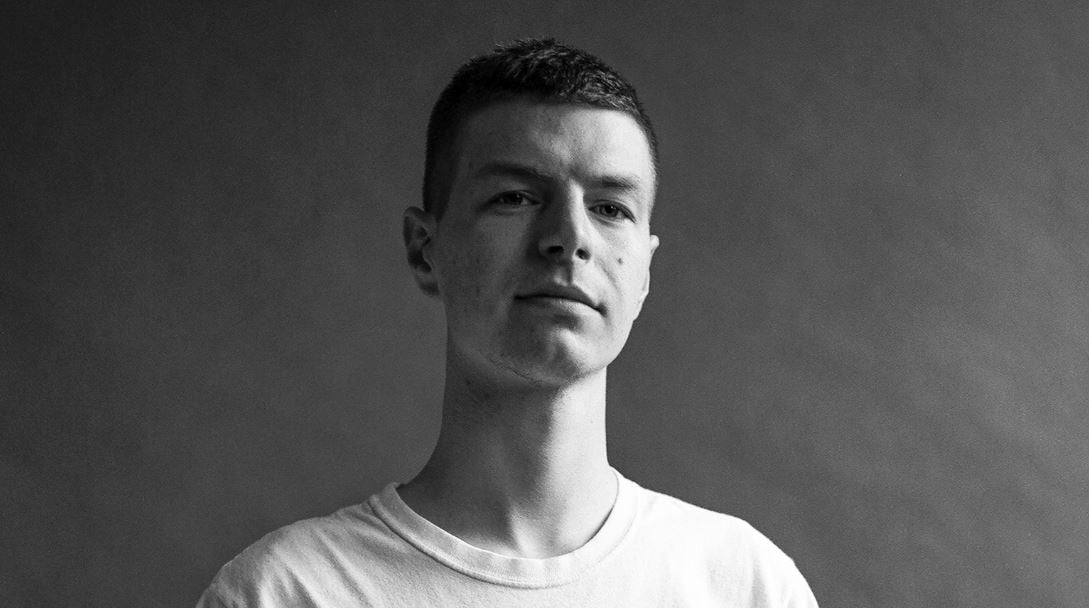
LISTEN: Beth Snapp, “Easy to Love”

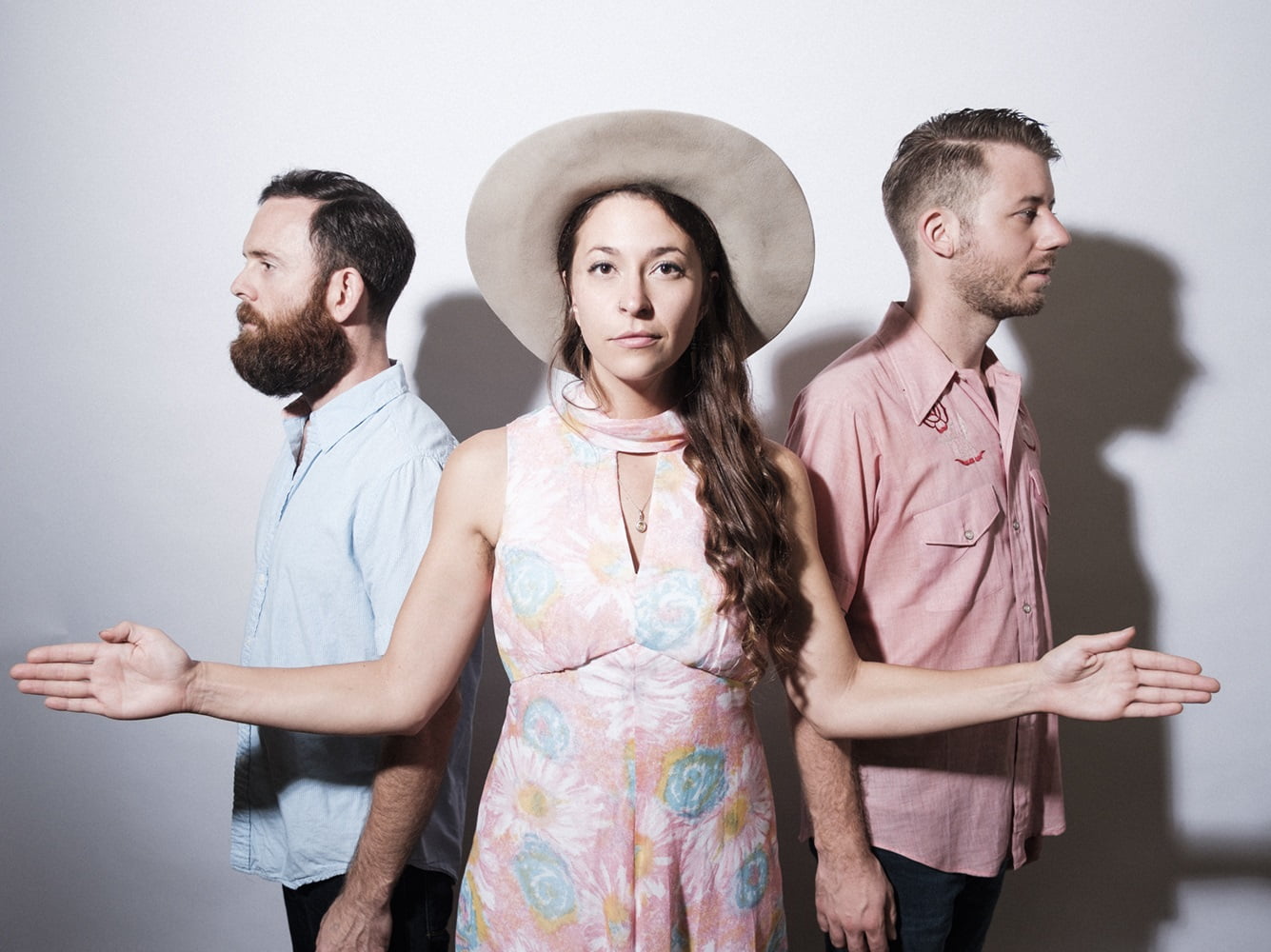
Artist: Beth Snapp
Hometown: Kingsport, Tennessee
Song: “Easy to Love”
Album: Don’t Apologize (EP)
Release Date: August 31, 2018
Label: NewSong Recordings

In Their Words: “‘Easy to Love’ is a fun song, but for me, it’s a little deeper than a ditty about some girl planning for her future soulmate. It’s about someone who has fully accepted herself in all her strengths and weaknesses. In fashion with the EP, she is not apologizing for who she is, but instead sending out a disclaimer… she likes herself, she’s proud of where she came from, and if a certain someone can accept and love her for what she is, she’s open for discussion. Otherwise, she’s fine continuing down the path that she’s currently on!” — Beth Snapp


Photo credit: Justin Thomas

Palpable Joy: Newport Folk Fest 2018 in Photographs

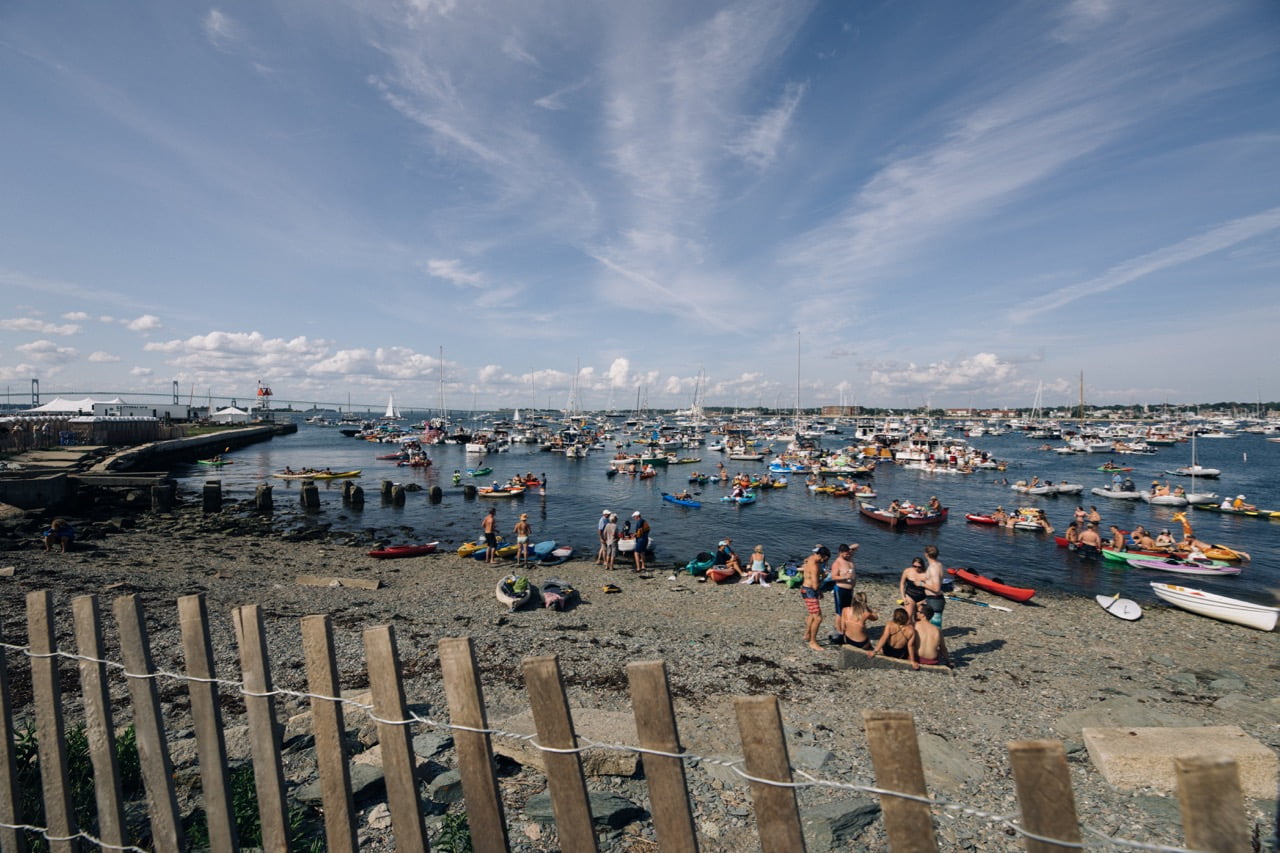
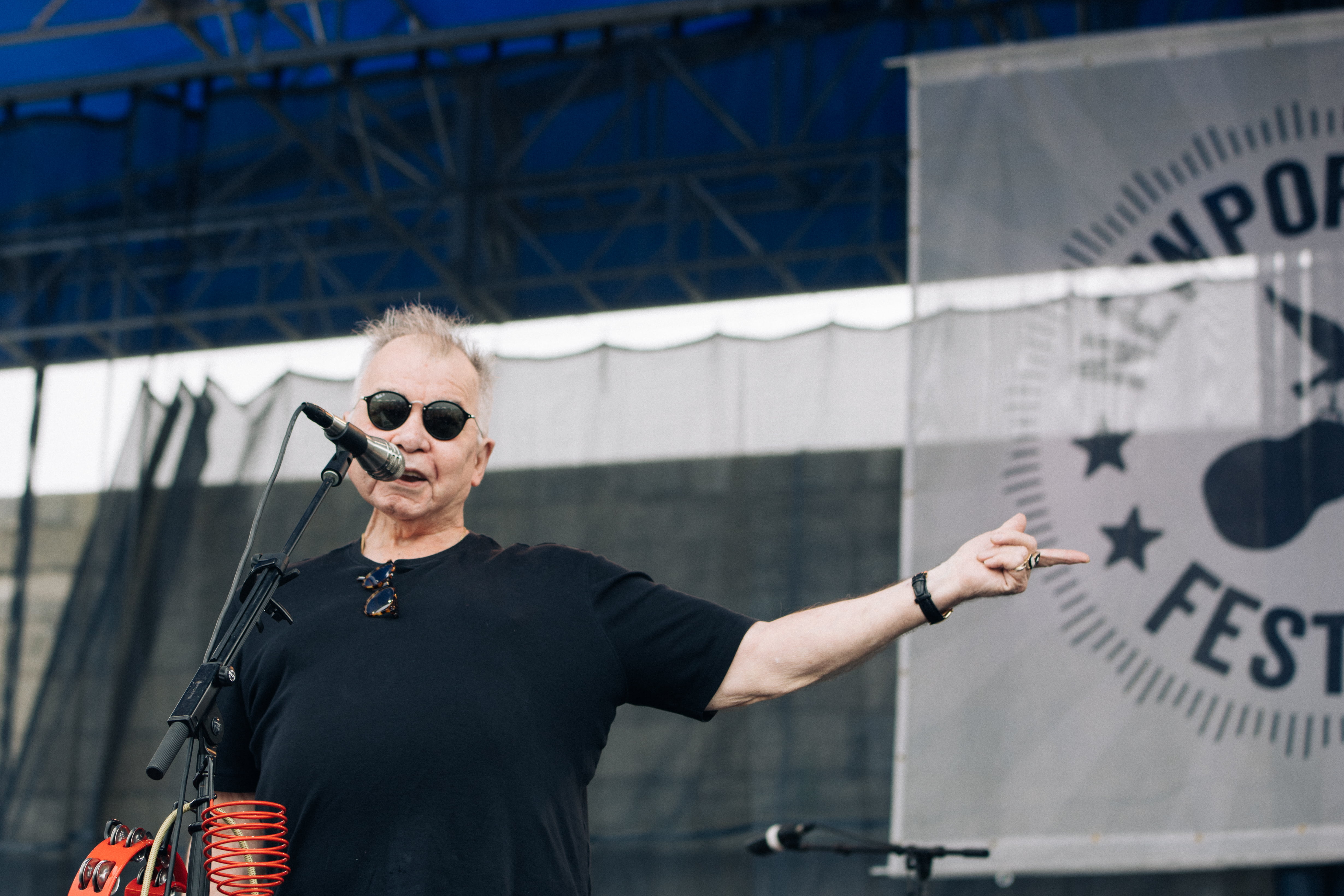
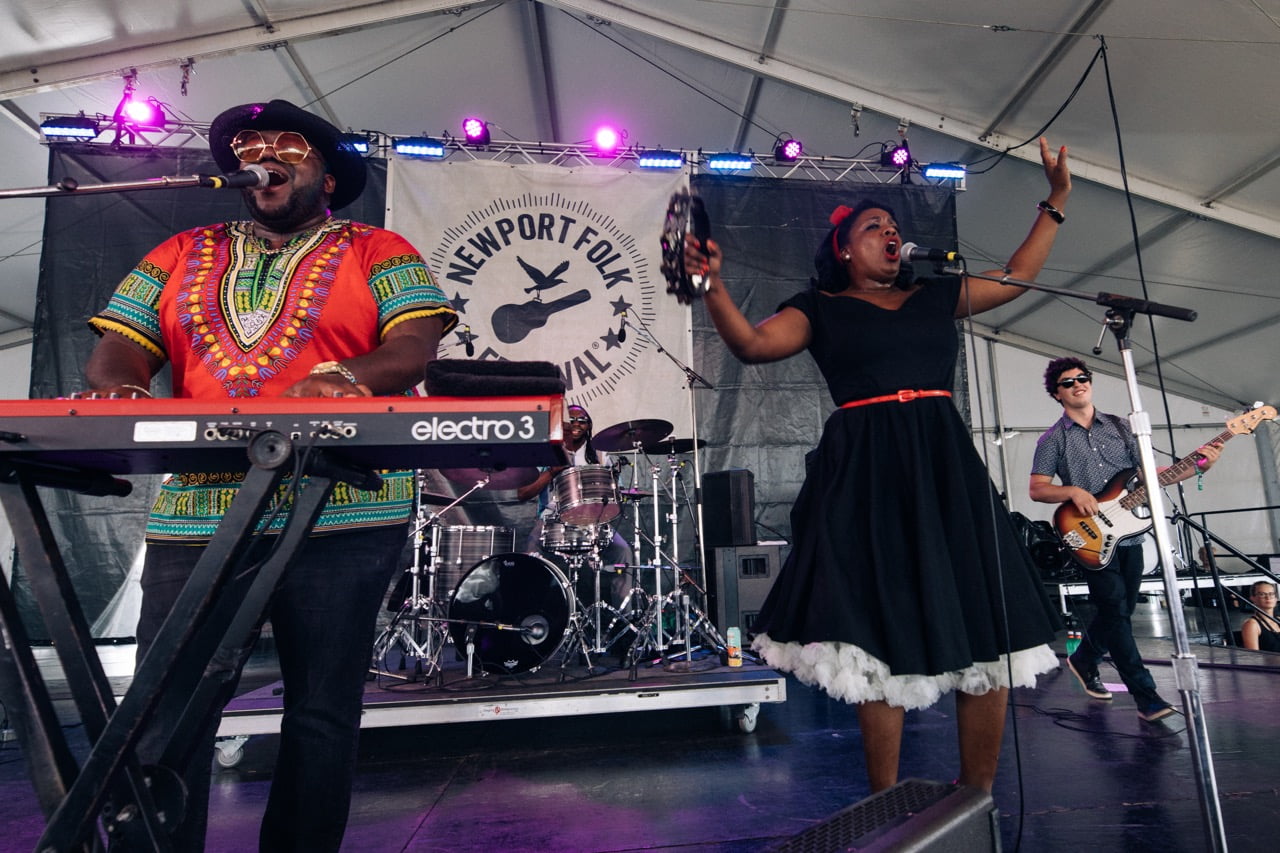
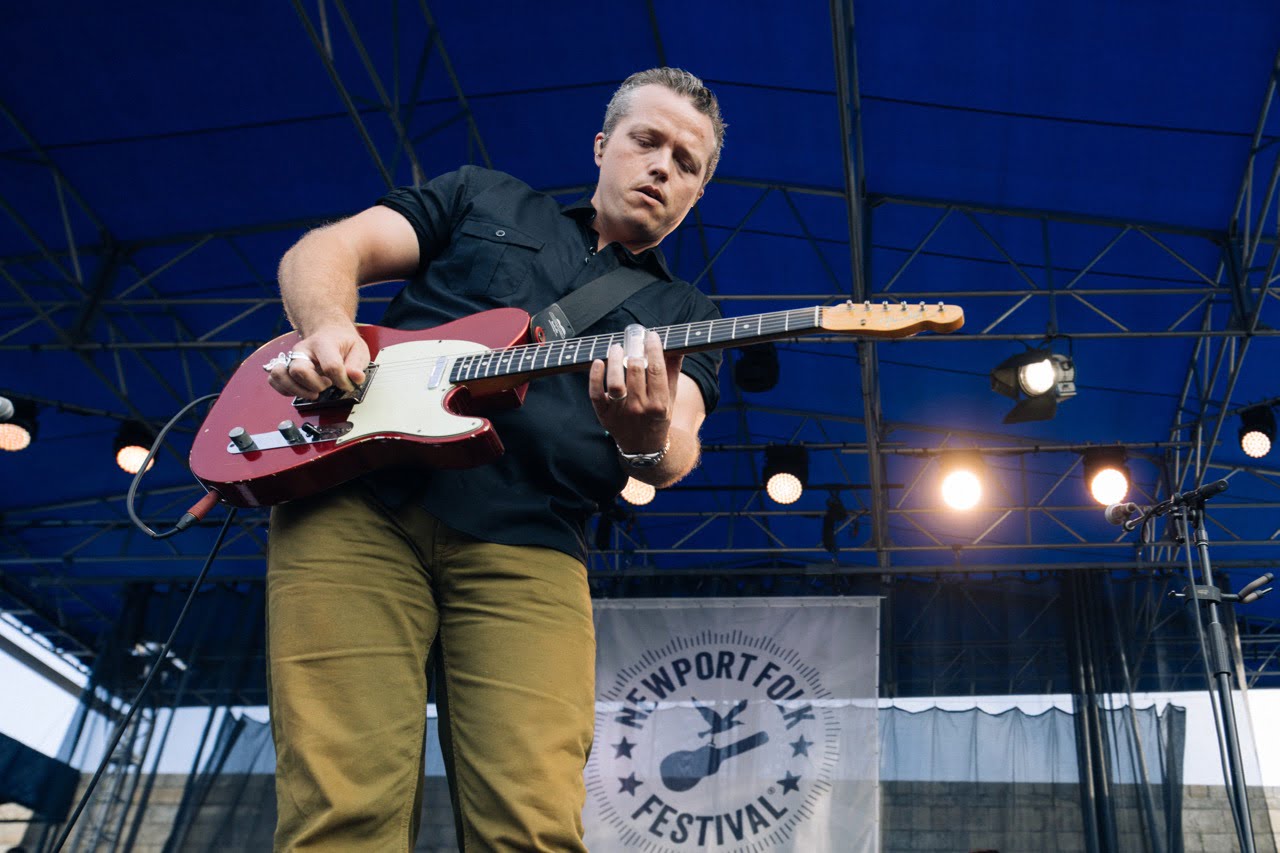
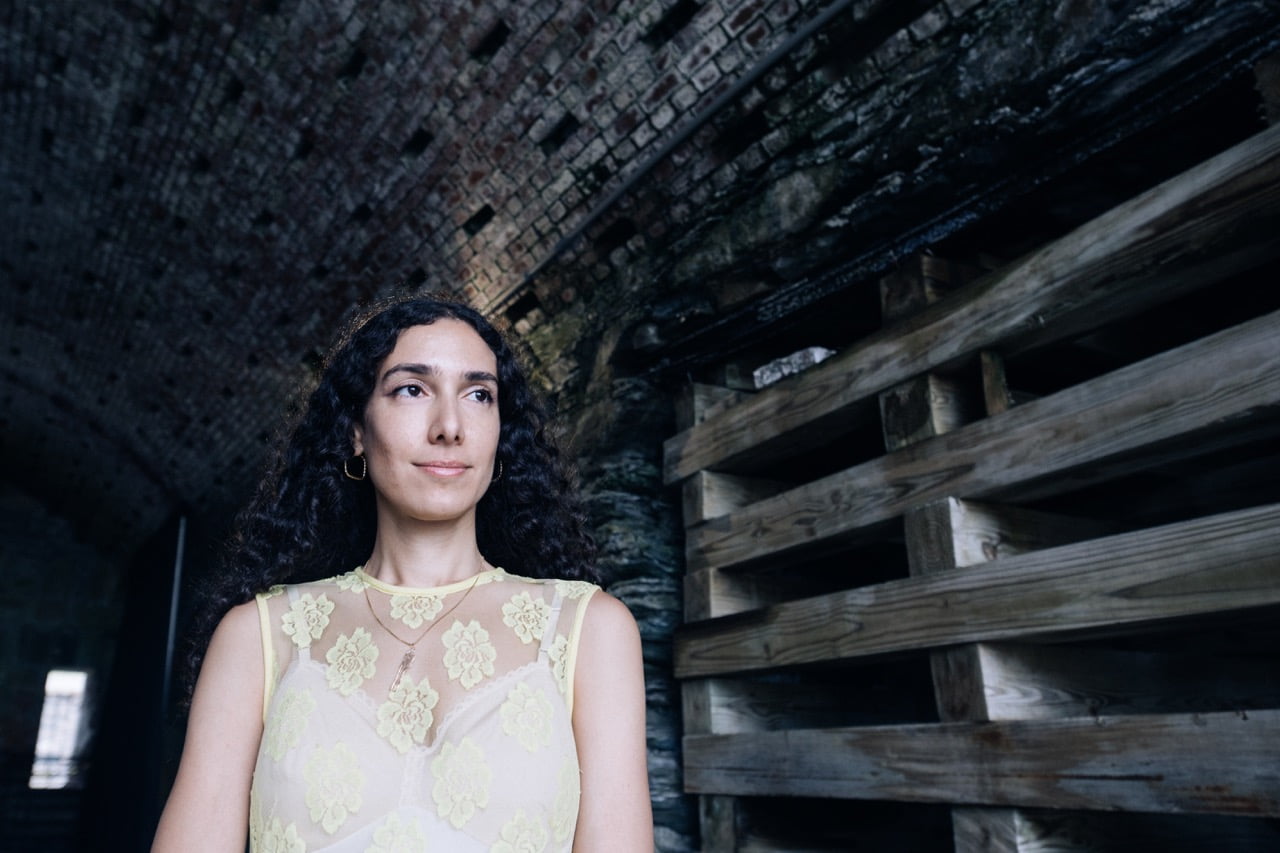
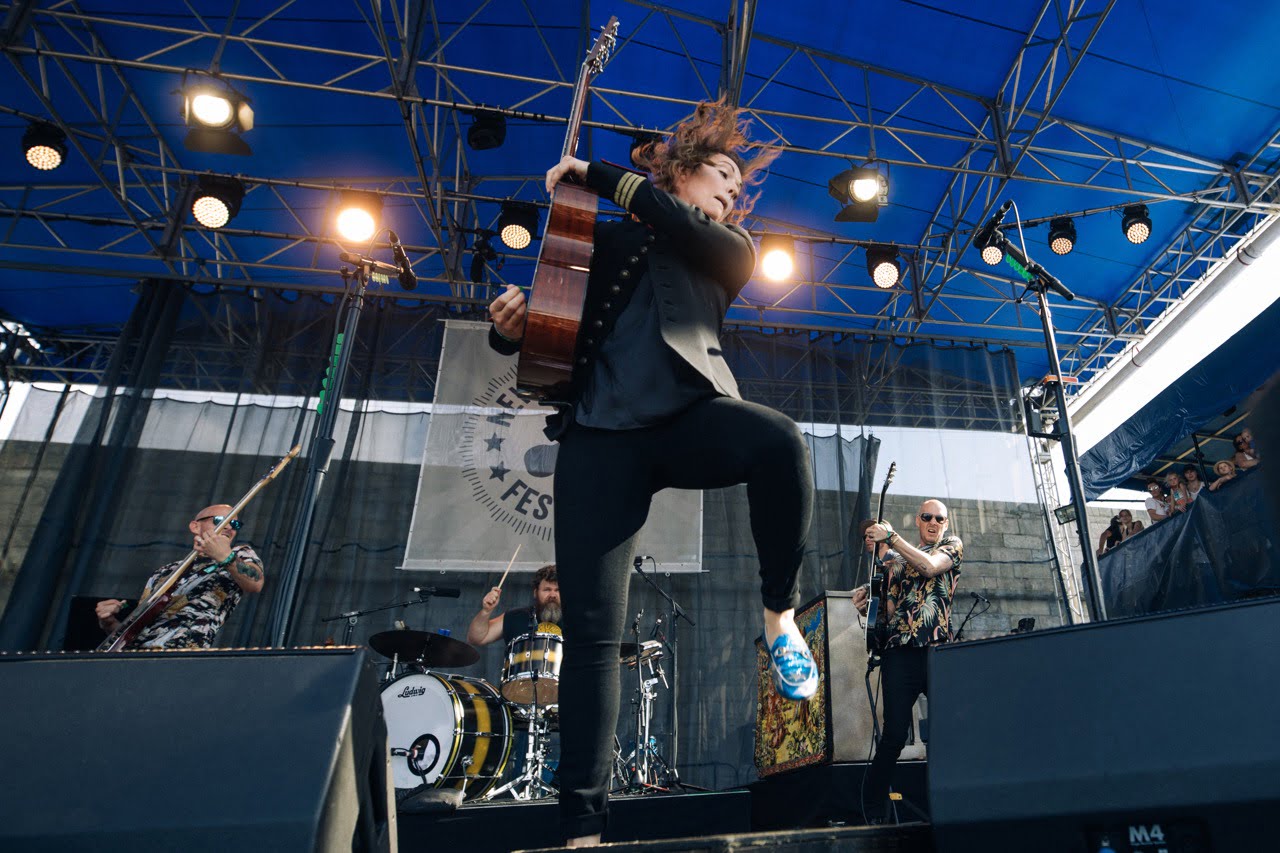
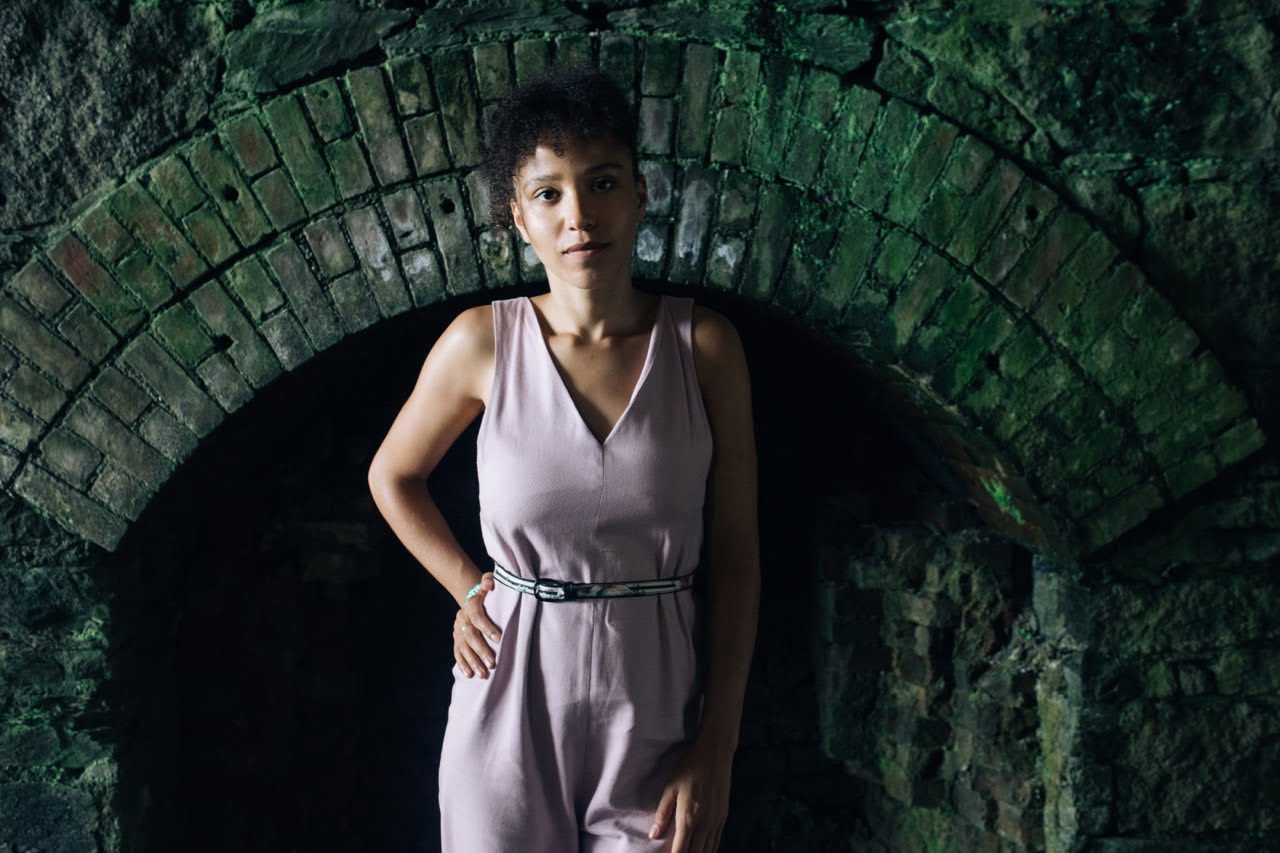
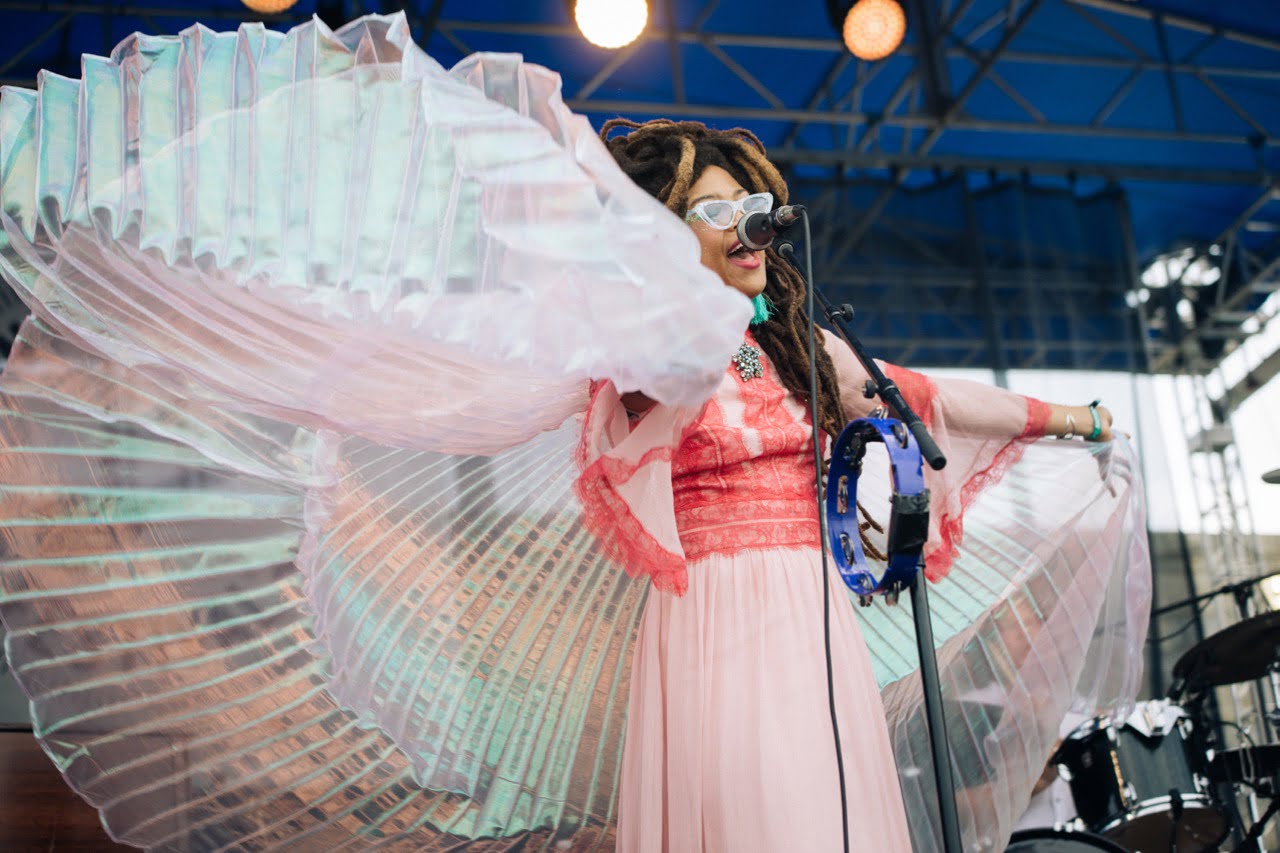
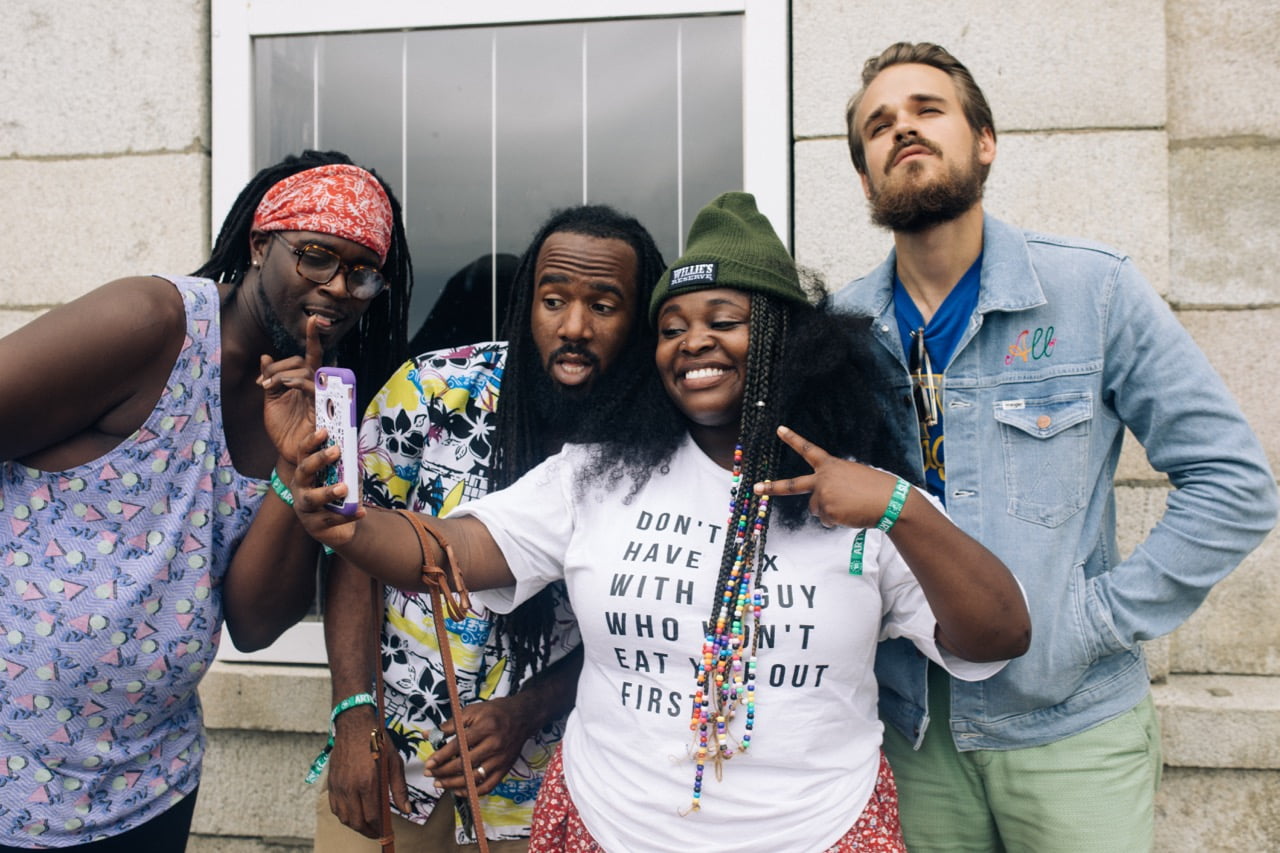
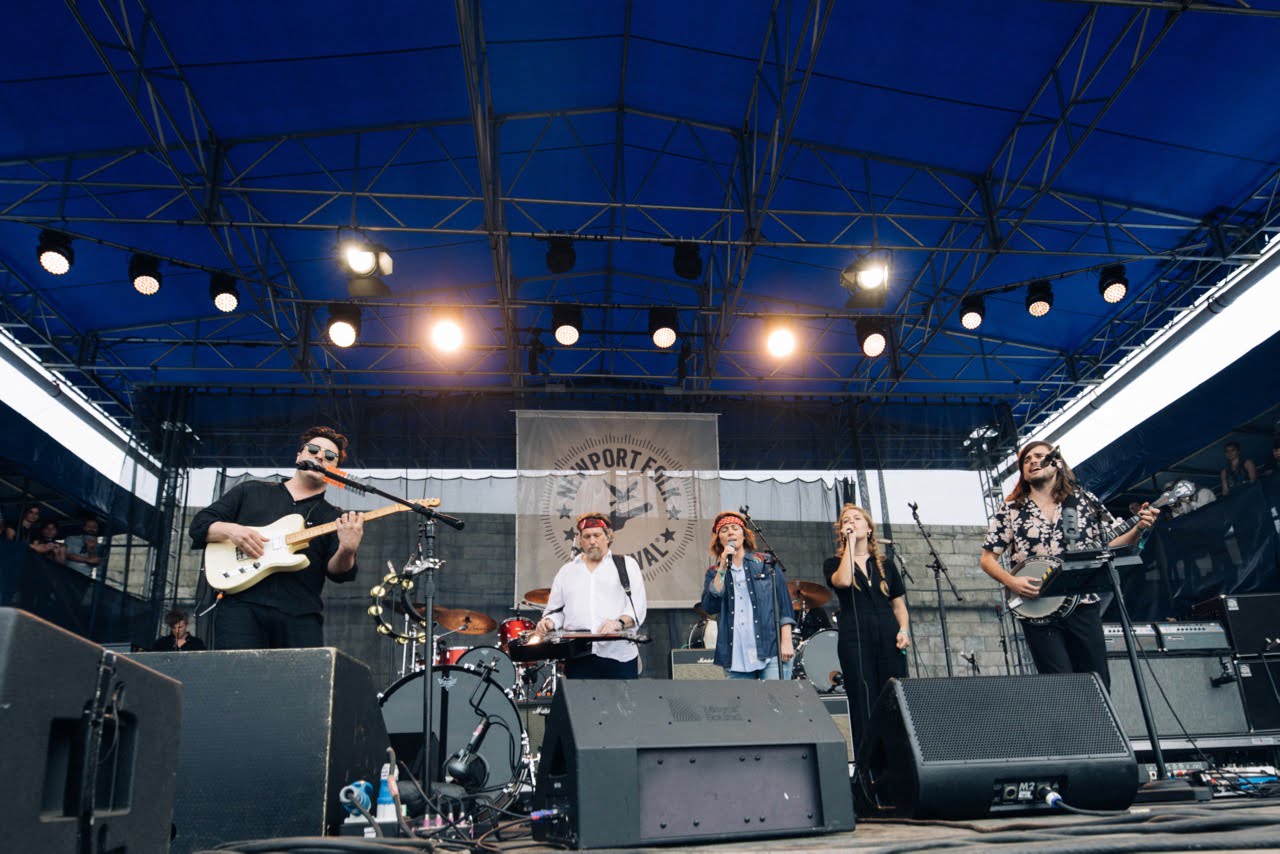
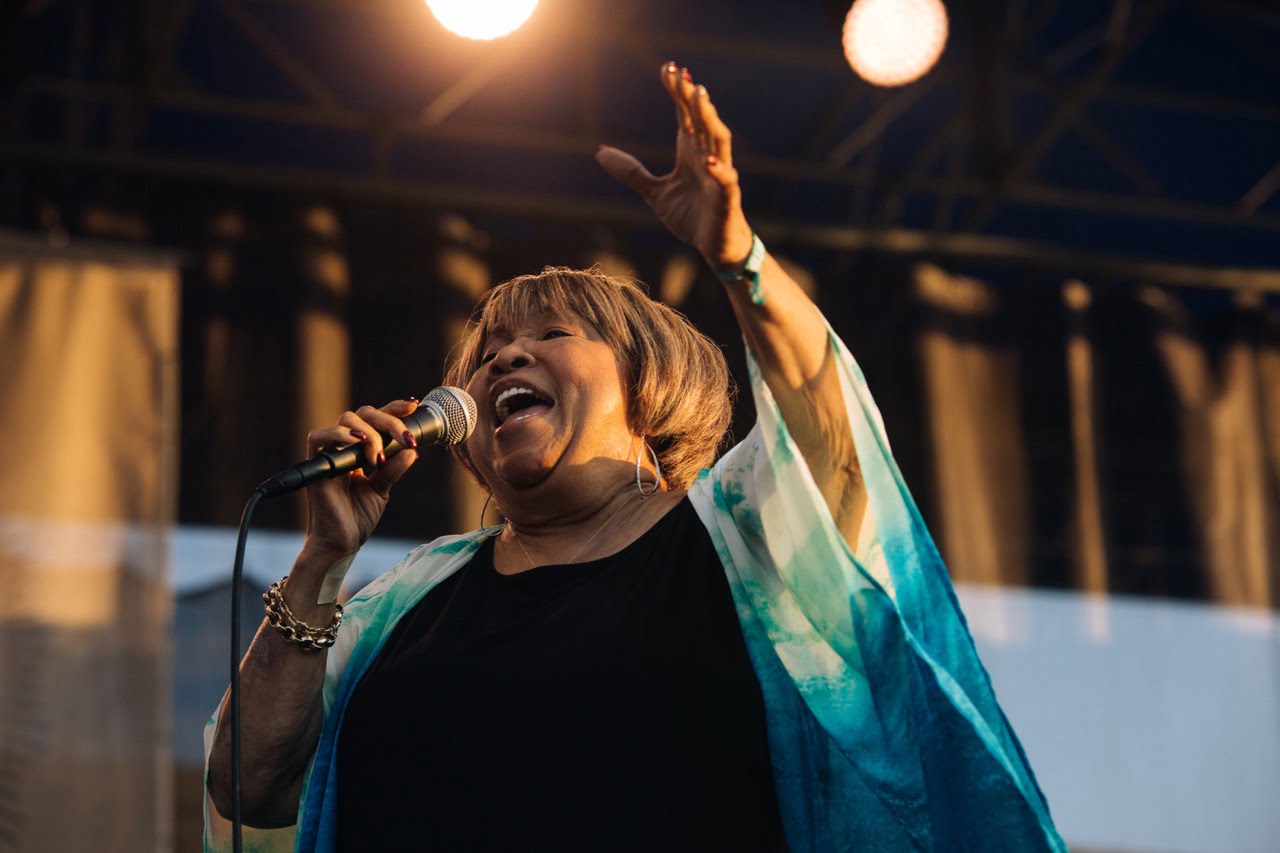
It seemed that this year’s unanimous refrain from Newport Folk Festival, from veteran attendees and newcomers alike, was a resounding, “I THINK I LOVE THIS FESTIVAL.” We think we do too. Based on these gorgeous images from NFF, we’d say each and every human being on site — on stage, in the crowd, or rocking on the waves — loves it, too. And that overwhelming love translates into palpable joy, from Mavis Staples’ first smile to Brandi Carlile’s final headbang, and in every strum, lick, and beat in between. 


Photos by Daniel Jackson

A Radical Woman: A Conversation With Lindsay Lou

Lindsay Lou had some reservations about the cover of her new album, Southland, her first not to bear the name of her backing band the Flatbellys. That much is understandable, as the photo depicts the singer/songwriter/guitarist perched on a rock in the woods, nude except for a hat and her long hair.

“We woke up at 3 a.m. and snuck into Cummins Falls State Park, just outside of Nashville,” she explains. “There’s this beautiful waterfall that draws people from all over the area, people from different political backgrounds and religious backgrounds, all sharing in this common, unifying experience of submerging into nature, cooling down in the river. Everybody takes their clothes off to swim—not to the degree that I did, but what’s the difference?”

The photo stuck with her—partly because she liked how it conveyed both strength and vulnerability, or perhaps strength through vulnerability. “The thing I love about that image is the light of the sunrise coming over the waterfall and lighting up the mist. I like seeing myself as part of that beauty, as part of something much larger than myself.” But there is still a stigma attached to the nude female body, despite it being 2018 and all. So she called up her grandmother and asked her advice. “She said, if you’re not being radical, it’s a wasted life. Don’t shy away from it, because that’s what the world needs. Love is radical.”

Nancy Timbrook ought to know. Lindsay Lou says, “In 1969, after dropping out of high school to get married, she decided she wanted to be a teacher. She got her GED and went to college, all while raising eight children.” Taking a job at a school in Detroit, she heard her students routinely dropping the f-bomb, but rather than scold them, she turned it into a lesson, even writing FUCK in big letters on the chalkboard. She spent the night in jail; later, she was the subject of a Time magazine article called “Obscenity: The English Lesson.” Grandma Timbrook remains one of Lindsay Lou’s greatest influences, musical or otherwise.

“She’s a radical woman.”

That’s what Lindsay Lou aspires to on Southland: radical in every sense of the term. The album chronicles a period of great change in her life, not just the move from Michigan to Nashville and all the mixed emotions of leaving home, but an even more remarkable change in her music. Building off the bluegrass-stained acoustic pop of 2015’s Ionia, Southland is her boldest album, her most daring, with clever interpolations of pensive folk, spry rock, twangy country, high-flying jazz, old-school R&B, swampy southern soul, even a little bit of punk. Her confident synthesis of so many different styles and sounds may be the most radical aspect of Southland.

Lindsay Lou spoke with the Bluegrass Situation from her front porch in Nashville, where she occasionally jams with her neighbors (which is all the more fun when Billy Strings live across the street). “It’s elevating to be surrounded by so many people you admire and just to be part of what’s happening in the scene. Moving here felt like coming home even though we had never lived her before.”

You’re home again after a long tour of Europe and Australia.

We did a month in the UK, and then we did our first tour of Australia for another month. That was nice. I got to spend my birthday on the northern beaches in Sydney. What I found was that they’re really happy you’re there and really eager to hear you play, and I think the kind of music we play demands a certain degree of listening. We played this outdoor festival in Dorset, in southern England, and we played to this huge crowd of mostly young people. I was really floored by how everyone was engaged and listening to us, even though they were all drinking and partying. Once we started playing, they were all really engaged. And that is encouraging.

Was that the first time you’ve played some of these songs, or did you have a chance to work these songs out before recording the new album?

Even though we just released it, this album will be two years old in November. We made it and then we thought, “Let’s hang on to this and see if we can put together a proper team to release it.” I don’t know if I’ll ever do that again. The way the music industry works now, I think it’s best to release things right after you make them, when they’re fresh and they’re still real to you. So we played these songs for a year onstage before we ever released the record. But now I’ve already got a new batch of songs.

You could pull a Kanye and create the album cover on the way to the release party.

That’s basically how we did Ionia. We recorded it in October 2014 and we had it in hand for a Germany tour by November. It was a crazy feat, but it pays homage to that moment and to the realness of the music you’ve created. That’s the way to do it. But talk to me when we start the next one and maybe I’ll have a different opinion.

Southland seems to map out a period of great change. Does that protracted release schedule change your perspective on these songs?

Totally. My relationship with my songs is always changing. I find myself singing songs that I wrote years ago and feeling like, Man, this was such a truth to me at the time and now it means something completely different. But a record is a record of time. I love that when you listen to a song that you’ve been listening to since you were 10 years old, and all of a sudden you hear the lyrics for the first time. Whatever is happening in your life, your experiences—everything gives those lyrics a new context and a new meaning. I think of a song as a baby. When I write a song, it’s like, Oh, I have a new baby. And then I get to see that baby grow up and take in influence from all of the people who were part of its upbringing. It’s exciting to see a song take for from other people who aren’t me.

The title track on the new album, “Southland,” for example. We made the record in eight days in Maine with Sam Kassirer, but we felt like it needed one more track. I sent a handful of new songs to Sam, and we whittled it down to that one, “Southland.” I went back to Maine by myself and I recorded that song. I played electric bass, acoustic guitar, electric guitar, and sang lead and all of the harmonies. That track is just a bunch of me on top of myself, like those early Joni Mitchell recordings where she’s singing all her own harmonies. But I can’t do it live. The band breathed their own life into the song, so it takes a new form.

And the band continues to change, which means the songs continue to evolve.

The band has been evolving since the beginning. What happened was, the Flatbellys was this cool, traditional bluegrass band of young college kids that I met and ended up marrying one of them. Josh [Rilko], who I married, is the only original Flatbelly left in the band. When we made that first record, it made sense to tour as Lindsay Lou and the Flatbellys, since we thought people already knew who they were. So when we were getting ready to put Southland out, we didn’t feel like that name was reflecting us anymore. We were going through another lineup shift and going out into some new territory. We couldn’t think of a better name, so we just dropped Flatbellys.

It’s not a complete change, and I’m not sure it was the right time to make that change. It might have ended up causing confusion for people, because people were coming up to me asking if I’d hired a new band. Josh got a haircut and PJ doesn’t have his beard anymore, so I guess it looked like I was with a whole new group of people. And we’ve added a drummer to our live performances, which is a huge change. But the music is what it is no matter what you call it.

But the music on Southland sounds very different from anything else you’ve done. Especially with music that might be described as traditional or acoustic, is there a risk in branching out that way? Is there a chance you might alienate a portion of your audience?

I think there definitely is. But as an artist you have to do what feels like your own truth. If it doesn’t feel like honesty, if it doesn’t feel like the art that you want to create for yourself, then it’s not going to have the elements of truth that art has to have. If you’re making it only to keep certain people in your audience, then it’s going to have a certain sense of falsity to it. But I’ve been on the other side that. I listened to a lot of punk rock when I was a kid, and I always hated when a band would start to sound more polished. It’s like they’re selling out because I love what they were and I don’t love what they’re becoming. But I’ve discovered as an artist, I have to put that aside. I have to do what feels right to me.

I was just talking to Andy Falco from the Infamous Stringdusters, and he was going on about how all of us are just trying to create art that we’re proud of. That’s what we’re all working toward. I find myself listening to a lot of my peers, like the Wood Brothers and Greensky Bluegrass and Billy Strings and the Stray Birds. When I listen to their music, I feel like I’m listening to right now. I’m listening to the world through their eyes. And that’s what I’m trying to do—create something that sounds like the world I’m living in.

I don’t think you could find a more compelling or complex subject than that, especially at this particular moment in history.

I don’t want to shy away from the ugliness. It’s a part of the truth, we’re all experiencing it, so there’s desperation and there is sadness and loss and it’s all in there right alongside the beauty and the positivity. I think on this record more than any other record I’ve embraced that sadness and instead of running away from it. In my youth I wanted to sugarcoat everything. I wanted to put a positive spin on everything. It felt like that was how you make it through a tough time: You just have to be super positive about it. But as I’ve come into myself as an adult, I’ve found that you can’t run away from it.

That reminds me of the line in “Go There Alone,” the one that goes, “All we are is blind, but if we can hear the music, we’ll be alright.”

That was a cool songwriting experience writing that song. It carries a lot of weight for me as an artist. I wrote half of it, and when I got together with the guys for a musical retreat—which we do periodically—I played them as much of that song as I had. I told them that when I stop, just say the first things that come to your mind. They did that, giving me some good words and phrases to play with. When everybody else went to bed, I stayed up all night putting it all together. That was where that line came from. And I believe that’s true. Music is a way of moving forward, but also a ways of creating beauty in the face of all the roadblocks we run into. It illuminates our blind spots. Creating beauty is a radical exercise.

Don’t miss Lindsay Lou on the Bluegrass Situation Stage at Bourbon & Beyond, held Sept. 22-23 in Louisville, Kentucky.


Photo credit: Scott Simontacchi

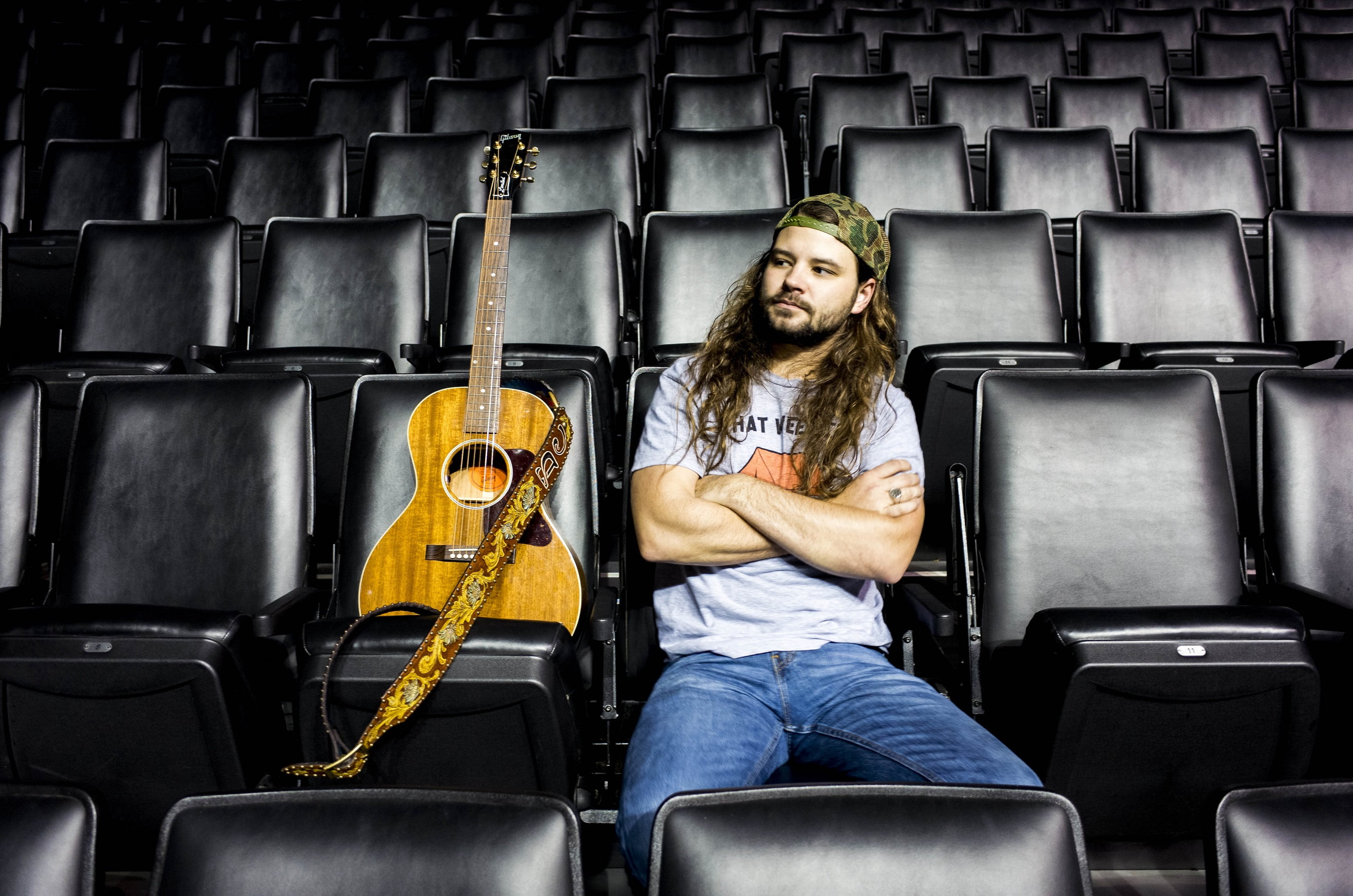
MIXTAPE: Brent Cobb’s Songs from the Road

Brent Cobb may have the coolest summer job ever – opening shows across the U.S. for Chris Stapleton and Marty Stuart. During some downtime in Oregon, the Georgia native gave the Bluegrass Situation the lowdown on 11 of his favorite songs.

“Lord, I Hope This Day Is Good” – Don Williams

I woke up today singing Don Williams’ “Lord I Hope This Day is Good.” Because it just felt that way, you know? It’s just a beautiful day, I kind of want to smell the smell of hickory smoke rollin’ around in the wind. That’s also what Don Williams makes me think of, you know? We got a little somethin’ on the smoker and a little Don Williams playin’ – it’s hard to beat that.

“New South” – Hank Williams Jr.

That kind of leads into the next one, it’s sort of the same path, but Hank Jr., “New South.” It’s on his album, The New South, his first record after he fell off the mountain. Waylon Jennings, Toy Caldwell, and Marshall Tucker — they helped him produce that record. The whole album is so good, you want to sit around a campfire sound, you know? That particular song, “New South,” it also makes me want to put something on the smoker on a beautiful sunny day, pick a guitar, and maybe throw some horseshoes.

“I Wonder Do You Think of Me” – Keith Whitley

After that, I got Keith Whitley, “I Wonder Do You Think of Me.” The other night, I was sittin’ up, a lot of times when I’m on the road it’s the only time that I have to go back to my regularly scheduled writing process program. My daughter’s not out here so I don’t have to wake up at 6 o’clock every morning like I do when I’m home, so a lot of times I’ll sit up and play music and I sat up the other night till about three in the morning listening to songs. This particular one – I had forgotten about this song, I rediscovered it and listened to it about 25 times in a row the other night. It’s just so damn well-written and the chords in that song are amazing. It seems like such a simple country song, but I can’t play it. I try to pick it out.

“Leaving Trunk” – Taj Mahal

Something we listen to every night before we go on stage is Taj Mahal, “Leaving Trunk.” It’s just got that dirty south, down south, funky, country feel that I love. You can tell that the Allman Brothers were borrowing a lot from Taj. And well obviously “Statesboro Blues,” that song particularly, it’s just got that … I don’t know, it feels funky. It also would be great on a day like today, just kind of walkin’ around and have that song playin’ in your mind and be-bopping to your own beat.

“Coming Home” – Delaney & Bonnie

That makes me start thinking of other songs you could listen to, to get in the zone. So I got Delaney & Bonnie’s “Coming Home.” That’s another one we listen to before we play. I know you probably know who that is, but for those who don’t, they would have Clapton and George Harrison and folks play on their records. They influenced a lot of their peers of that time, and Dave [Cobb, Brent’s cousin] actually turned me on to that track. I’d never heard it before. Yeah, just kind of that funky country, man, gets ya goin’.

“Ohoopee River Bottomland” – Larry Jon Wilson

Which leads us into Larry Jon Wilson. Larry Jon Wilson was from Swainsboro, Georgia. He did a couple of records in the ‘70s that were super funky country. “Ohoopee River Bottomland” is the song I’m thinkin’ of. It’s also just that pre-show jam, you know? It kind of gets you down the road a little bit, and the way Larry – especially that song – would use Southern-isms or just rural-isms. He’d talk about, “this low rent land has turned to sand and I’ve done stood ’bout all I can I’m leaving…I’m leaving,” and “I got a wore-out mule and a no ‘count tractor quit now…and this is it now.” I just love the way he talks. You really capture his South Georgia background, but then he’s able to put it to some funky music.

“Play Something We Know” – Adam Hood

Alright so after Delaney and Bonnie and Larry Jon Wilson, that made me think of my buddy Adam Hood, because those are two songs that a lot of people may not know. It made me think of my friend Adam, I do a lot of writing with him. We wrote a lot of songs with this newest album of mine. He has a song called “Play Something We Know.” It’s all about hearing “play something we can sing to and play us something we know.” It’s about that guy or girl in the bar that’s slightly belligerent at your show, and they’re like “play me some ‘Brown Eyed Girl.’” You should check it out, it’s hilarious. Adam is just a great all-around artist.

“Forever Lasts Forever” – Nikki Lane

After thinking of Adam, it made me think of some other peers that I’m into, that I love, that have been good to me. Nikki Lane took us out at the top of last year and I think, in my humble opinion, she’s about the most authentic of our time. She has a song called “Forever Lasts Forever.” If you haven’t heard it, you should really check it out. It’s inspiring to listen to anything she writes, but that song is so wonderfully written. Just a wonderful breakup song, you know? Everybody loves a good breakup song.

“Hole in the Sky” – The Steel Woods

That brought me also to some other peers and also pre-show jams. The Steel Woods did a cover of Sabbath’s “Hole in the Sky.” I don’t know if you’re familiar with them, but son of a gun… It’ll get ya goin’, man. Their whole record is great. They’re recording a new record right now. That “Hole in the Sky” song, I remember the first time I heard it, I had no idea it was an old Sabbath song. It blew my hair back, it’s incredible.

“Anyhow, I Love You” – Guy Clark

Now this is gonna take us to after-show jams….the slow jams. Made me think of Guy Clark, “Anyhow, I Love You.” Man, talk about a damn well-written song. It took me a long time to get into Guy, not because I wasn’t into him…it’s just some things you gotta live enough to really appreciate it. That was one of those songs, man, “Anyhow, I Love You.” I could listen to that one, same as “I Wonder Do You Think of Me,” over and over and over and over again.

“Open the Door” – Otis Redding

That made me think of Georgia because Guy Clark is so good at writing about Texas. It made me think of an old Georgia artist, Otis Redding. Everybody knows him. “Open the Door” by Otis Redding feels like church. It’s like being back at Antioch Baptist Church when the preacher’s talkin’ to you and then he lays it on you.


Photo credit: Don Van Cleave

Coming Around: A Conversation with Andrew Duhon

Andrew Duhon took a winding road to get to False River, his first album in five years. The New Orleans musician endured a crushing breakup that prompted the new suite of songs, then came up dry while looking for the right producer. Finally, the tide turned when he met Eric Masse, who ultimately helmed the sessions in his East Nashville studio, The Casino.

They both had a lot to live up to, as Duhon’s prior album, The Moorings, received a Grammy nomination for best engineered album. However, with touring band members Myles Week on bass and Max Zemanovic on drums, Duhon immersed himself in False River. With Masse’s guidance, the dynamics of Duhon’s voice are never drowned out. Instead, on thoughtful ballads and exuberant songs alike, his compelling baritone effortlessly converges with the band. He caught up with the Bluegrass Situation during a coffee break in Nashville.

I’m curious about the studio vibe for this record. How would you describe The Casino to somebody who’s never been in there?

Well, it is a garage recording studio, but of the finest standards. They did a good job to build it out and get some good sound in there. But as [Eric Masse] said, and I appreciated on our first phone call, he said, “You know, I call it The Casino because I gamble with artists’ careers.” He laughed immediately and I laughed. But I appreciated that because in our first phone call he made it very clear that he understood the gravity of what he was taking from me to create.

I think I could have gone much safer routes to put these songs down in their immortal form, but he helped us make a much bolder record and take some chances that I’m sure we wouldn’t have otherwise. On the first day of recording, he said, “We’re in Nashville right now and there’s 150 records being made today that are the singer-songwriter Nashville records. We can make one of those or we can make something else. We can make something different. We can try to make a cool record that’s never been made.” And there was no doubt that’s what we were there to do.

Well, that’s an interesting comment about the so-called Nashville songwriter record because that isn’t what you do at all. Have you ever lived here?

No.

No, so you wouldn’t even be that.

I did make my first record here. And you’re right, I think coming from New Orleans there’s more than osmosis from that place than from Nashville. But certainly I think I was first inspired by the stories in country songs. I would credit that as a reason why I’m trying to be a songwriter and not a poet. There’s something really special about the American songbook, so to speak.

What area of country music in particular are you thinking about?

Well, I remember that in my dad’s van, it was George Jones and Garth Brooks. Not everybody I was listening to was writing the songs, but there was an adherence to the story and they were really serving the song. So I appreciate that craft, for sure. … But I do enjoy, for the moment, only recording the songs I wrote myself. I’m open to the co-writing idea or recording other songs that just speak to you. But so far it’s been really a validating path to just figure out what I want to say.

Yeah. It seems to me that you figured it out, too.

No way, dude. I think I’m figuring out that I’m on the right path. You know, it still feels like I don’t see any rest stop up ahead or anything. It feels like, OK, if there’s two months, three months that go by where there’s not a new song to add to that path, then I start wondering what am I doing: “OK, wait, I’m out of balance, I need to go back to songwriting and stop putting on the business hat every day.”

I guess what I mean by that, it seems like you’re able to articulate after that breakup what was in your mind and that you were able to convey that on the record. Would you agree?

Oh, sure.

And I like “Comin’ Around” because it seems like you’re saying “Alright, I’m coming around to something better.” And then you explain where you’ve been, which I thought was an interesting way to structure that record. What was your frame of mind when you wrote that song?

Yeah, it has that little wordplay about the element of the spherical nature of the world, right? And this cute idea that if you walk in one direction you’ll end up back where you were, theoretically speaking. So to go away from something, but to be coming around in that physical sense, spherical sense, but also in a figurative sense like, “I didn’t like tomatoes as a kid, but I’m comin’ around.”

I love the idea that maybe coming around on that heartbreak means I’m coming around to that person – or I’m coming around to the idea that I’m just not going to be with that person. I like that there wasn’t really an answer in that song necessarily, but moving forward, what’s going to be the answer? At the time when I wrote that song, that’s what I needed. I needed to know that the only way back to her way straight ahead. I needed to go far enough away to really get an answer.

I wanted to ask you about melody. I think a lot of songwriters get asked about their lyrics so much but how much time do you spend on melody, making the songs stand apart?

I think I wander blindly through the dark when it comes to melody. I don’t think it’s innate to me, what a catchy melody is at all. I think I probably struggle to write something catchy. I will try things and especially on the road, I’ll try a lot of different interpretations. It was great for those years on the road with this band because they were always listening and I can hear them grunt with pleasure sometimes if I tried something they liked. “OK, grab that one and put that one in my pocket.”

And I think a lot of melodies were honed that way specifically, just improvising a new rendition of the same song and coming up with a new idea. … But then again, you know, the track is just another rendition that you sang. The producer picked his favorite version and I’ll sing it differently next time. I don’t always adhere to the same melody and I love the idea of writing a catchier melody, but it’s not my focus.

I think a lot of the music that I like has a sense of motion to it. That’s your life, basically, it seems like. Are you ever in one place for more than a couple months at a time?

No, that’s right. I love traveling songs myself, but not so obviously a traveling song, necessarily. But I think since getting out of college, it just started with me sleeping in my car and getting shitty shows that paid just enough to get gas and a meal and go to the next spot. But I thought that was going to introduce me to some new place that I hadn’t grown up in and I wouldn’t just be a product of my raising or the place that I grew up. I would find this new place.

And I learned two things since then. One, that I’m really lucky to be raised in New Orleans because that is a very special place. The other thing is, I think travel is more about changing everything around you while everything inside stays the same. So you really get a sense of “How do I react to all these different things?” You learn what’s in there, more than all these things that are changing, and you only get a snippet of.

It goes back to a line that I read in a homework assignment in English class in high school which was Ralph Waldo Emerson’s essay Self Reliance. And the line was, “To believe that what is true for you in your private heart is true for all men — that is genius.” And that was a new idea for me. To me it said, “Wait a minute, so if my quest in life is to go and seek out the goal, wherever it is, maybe it’s not out there. Maybe it’s in here. And that was a special moment. And I think it introduced me to my artistic will.

Yeah, well you have to have that to be an artist or a songwriter. I would think you have to believe you can say something in a way specific to you but also that someone else would enjoy.

Without a doubt, that is true. Without that theory, I’m wasting my time.


Photo credit: Hunter Holder

LISTEN: The War and Treaty, “If It’s in Your Heart”

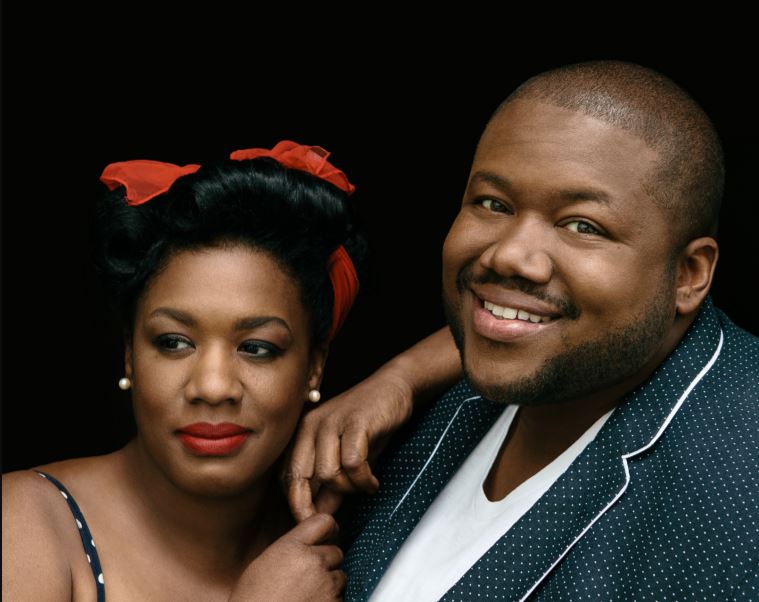
Artist: The War and Treaty (Michael Trotter Jr. and Tanya Blount-Trotter)
Hometown: Albion, Michigan
Song: “If It’s in Your Heart”
Album: Healing Tide
Release Date: August 10, 2018
Label: Strong World/Thirty Tigers

In Their Words: “I had a friend who went through a terrible ordeal. I asked if she was ok and she said ‘yes’ but the truth was that she wasn’t and I felt it but didn’t act on it. ‘If It’s in Your Heart’ is everything I should’ve said to her to let her know that I was willing to go through the rain with her. I should’ve challenged her more and that’s what the song is about.” – Michael Trotter Jr.


Photo credit: David McClister

BGS 5+5: Lera Lynn

Artist: Lera Lynn
Hometown: Nashville, Tennessee
Latest album: Plays Well With Others

What other art forms — literature, film, dance, painting, etc — inform your music?

I’ve actually been using music a lot lately to inspire visual art. When I discovered the work of Basquiat, I was so relieved by his use of words in his paintings. Somehow it had never occurred to me to mix the two. I started using my own lyrics as a gateway to visual works. It really opened the door for me. Now, I am painting more than ever and always use music to guide my hand and ideas… It’s difficult for me to answer the question the other way around. I think everything inspires my music in some way. We are all bombarded with so many images, films, songs, words… The latest challenge for me has been in turning the noise off and focusing on the stuff that’s real.

What’s your favorite memory from being on stage?

I will never forget performing Neutral Milk Hotel’s “In The Aeroplane Over The Sea” on stage outside during Athfest in Athens, Georgia. Being from Athens, NMH was sacred music and I knew it was risky to cover one of their songs. At the end of the song, on the downbeat of the very last chord, lightning struck a building 20 feet from the stage. We’re all lucky to be alive! Several people were struck by bricks falling from the building–luckily no one was badly injured. There’s a video of the whole incident floating around on the net somewhere. I swore after that to never play that song again! Whether or not the gods were for or against our cover, we’ll never top that!

What was the first moment that you knew you wanted to be a musician?

I had planned on being an astronaut up until I found out that my vision is far too poor for such risky endeavors. Music had always been a regular part of my life as a child. So, I remember sitting in front of the TV, bummed out by the fact that I’d likely never make it to space, when Star Search came on. And the thought I had was, “Well, OK, I guess I’ll just do that instead.” If only it were that easy!

What’s the toughest time you ever had writing a song?

I struggle regularly to write. I kinda hate the process of writing, but love having written. Sometimes they come easy and all is right with the world. But usually, I have to squirm my way through it. One song in particular that I remember fighting with was “Fade Into the Black.” I knew I had a great verse, melody, and lyric and just couldn’t find the right chorus. I must have written 3 or 4 choruses that I trashed before settling on the one that made the record… And over the course of months! I’d have to take breaks from it, lest risk losing my mind.

What rituals do you have, either in the studio or before a show?

I’m sure my band is tired of hearing it by now, but I always sing the jazz standard “Lover Man” backstage about 30 mins before going on. I love that song because it’s beautiful and particularly well-suited for a vocal warm-up song since it covers so much ground range-wise. I also always have Throat Coat Tea with a splash of whiskey. On the last tour, I found it really helpful for my spirit to hoot and holler at the top of my lungs just before going on stage. Wow. That looks nutty in text.

Watch Lera Lynn’s Sitch Session.


Photo credit: Alysse Gafkjen

LISTEN: Andrew Combs, “4×10”

Artist: Andrew Combs
Hometown: Nashville, Tennessee
Song: “4×10” (Loudon Wainwright III cover)
Album: 5 Covers & A Song
Release Date: July 27, 2018
Label: New West Records

In Their Words: “This song sparked the initial idea to record a collection of covers. Jordan Lehning (producer) and I had a bonding moment over this tune and how perfect we thought it was. In fact, we even thought of doing the whole EP of just Loudon songs. In my opinion he is one of the few writers who can cover the territory of familial relationships in such a shrewd and comfortable manner. It’s an important topic in life, but a hard thing to write about. He inspects, with a critical eye, the relationship of husband and wife / father and mother, what can happen when things go wrong between the two parties, and how those emotions and experiences can be ingrained in their children.

In the end, like many of us, he surrenders to the idea that he has inherited some faults of his folks, ending the last verse as he started the song, saying “its not strange, no mystery / you and I are history.” In this moment the word “history” references the end of a relationship but also how we are all continuing traditions, positive or negative, carried on from our parents. What a beautiful and cyclical way to bookend a song. I could go on and on about Loudon’s words — every line probably deserves analysis. This has become one of my favorite songs of all time.” — Andrew Combs


Photo credit: Balee Greer

Dawes’ Taylor Goldsmith, The Over-Sharing Songwriter

Taylor Goldsmith is done trying to be cool.

“I feel like there’s an aversion to sentimentality in 2018,” the Dawes frontman (pictured far right) says from his home in Los Angeles. “And I think for a long time I wanted to try to figure out a way to play by those rules. I would write the songs in a certain way; I would maybe even carry myself onstage in a certain way because I was aware of that fact. There was a coolness that had always been there I guess to varying degrees, but I feel like now more than ever it’s important that if you’re a guy in a band, you have to not mean what you say, not know what it means, you have to kind of keep your ballcap pulled down as far as it can go and just kind of recede into the shadows of coolness. And as time goes on and when I feel most myself, I find that just not who I am, and I’m never gonna be.”

That self-awareness is evident on Passwords, the band’s sixth record. It’s an outward-looking album, one that deals with modern themes ranging from the current political climate to social media’s effect on our lives, but it also sees Goldsmith stretching his wings as a songwriter by both pushing himself out of his comfort zone and leaning in to an emotionality that has always been a part of Dawes’ oeuvre.

Case in point: the lovely “Never Gonna Say Goodbye,” written for his fiancée, the actress Mandy Moore. That song poured out of him one night while he was on tour in Detroit. (“Songs typically don’t come out that fast for me,” he says. “They take a good month or two sometimes.”) It was meant as a private “I miss you,” and Goldsmith never intended for it to be heard by anyone besides Moore until she and his brother Griffin convinced him it belonged on the record.

“The main thing [I struggled with] really was the sort of lover’s language that’s really nobody’s business, like the way anyone speaks to the person they’re with when they’re going to bed at night or waking up in the morning or the way they look at each other,” Goldsmith says. “That is the most sacred, private world that I would never dream of wanting any access to. So for me, I was like, ‘Man, this is a very vulnerable moment for me, to say “I love you and I miss you.”‘ It was just a quick thing and I didn’t really want everyone to be eavesdropping, you know? But that ended up being what I liked about it. Because it was like, ‘Okay, what is art? What is music supposed to be other than sharing these personal attitudes that can resonate with someone else?'”

Producer Jonathan Wilson, who worked with the band on their first two records and reunited with them on Passwords, helped Goldsmith feel that he made the right choice about “Never Gonna Say Goodbye” when they got into the studio to record it.

“I was talking to Jonathan about it, and I was like ‘Is this song a little too…much?'” he explains. “I feel like we would all love it if Willie Nelson recorded it in 1973 maybe, but in 2018 is that acceptable now? And Jonathan was like, ‘That’s exactly why I like this song so much. That’s exactly why this should be on the record, because people don’t have the guts to go to this more vulnerable and intimate and earnest place.’ And so that’s something that I used to be scared of because I wanted to be this sort of obtuse artist that was impenetrable because that’s what I’ve always admired in songwriters, but the reality is I’m never gonna be that. The more I embrace what comes out naturally, the better it all feels.”

That approach helped him unlock the album’s themes; though Passwords is not a concept record, its songs share a commonality that make it feel cohesive and uniquely tethered to life in 2018. Goldsmith credits “Crack the Case,” a call for empathy in a time when our country is more divided than ever, with helping him find a direction for the rest of the album’s tracks.

“Oftentimes I find that the themes and ideas present themselves,” he says. “‘Most People’ and ‘Things Happen’ are pretty much about the same thing, and I think that’s pretty cool. I think that’s indicative of a certain attitude being consistent, or something that was really on my mind. Or when I listen to ‘Born to Run’ and ‘Thunder Road,’ one’s almost a continuation of the other, but it’s something that I love about those two songs and that time in Bruce Springsteen’s career, where ‘there’s a better world out there and get on my motorcycle and I’m gonna take you there.'”

He laughs. “In every Bruce Springsteen song, it becomes the identifying mark. It becomes the fingerprint. So with this album, after writing ‘Crack the Case’ and then all of a sudden writing ‘Living in the Future,’ in a way it’s like these songs are about the same thing. One of them comes from a much more paranoid place, but it’s still in the chorus like ‘we’re living in the future, so shine a little light.’ That line could be in ‘Crack the Case.’ So the way that certain songs would bleed into each other and kind of play different angles of the same conversation, that’s something I didn’t think about until it was all written.”

But his plea for entertaining other perspectives on “Crack the Case” isn’t just directed at others. As he gets older, he has challenged himself to get out of his own head and try writing more through the eyes of others, whether it’s the fear and resignation of “Stay Down” or the weariness of “Feed the Fire,” where he’s “working for attention I’ll eventually resent.” (“The song is in this mode of ‘I,’ it’s in first person, but it’s not representative of how I feel,” he says.)

“I think that as time goes on, like anything, anyone who does anything for a living, there become things where you feel like, ‘Cool, I did that and I don’t want to do it anymore because I know how to do it now. I wanna do something that I don’t know how to do,'” he explains. “And for a long time certain approaches to songwriting or to song structures became what I would go back to because that’s what I wanted to learn how to do, especially like ‘Coming Back to a Man’ or ‘That Western Skyline,’ songs that I’m very proud of but also songs that were sort of building blocks for me to take those concepts and then follow into the way I speak as an adult rather than a young guy looking to be a songwriter. There’s a lot of talk of like sunsets and mountains and rivers on our first few records.”

He laughs before continuing, “It is very songwriterly. And that’s because I was learning the language, and as time has gone on, I’ve been trying to figure out how to find the lyrical, find the song in something that otherwise wouldn’t seem like one, you know? When I wrote ‘From a Window Seat’ I was really excited, I was like, ‘This is a song about the weird, obscure metaphysical fear of flying, and it should be off-limits from a band like Dawes, but here it is.’ And I try to keep chasing that down, finding things that just seem like they’re not lyrical and they’re not up for discussing through song. But then more than that, the thing that’s important to me is trying to explore the difference—like when I listen to early music that I wrote, it’s a lot of just me, me, me.”

He adds, “And that’s still the case, and that’ll always be the case, but at the same time, I want to make sure I’m coming from a place where I can adopt attitudes that I don’t identify with….certain perspectives that are not my own, certain narratives that I’m not even a part of, that stuff I feel like is newer. That’s how my writing’s changed. I feel like it’s all as indicative to how I view the world as it ever has been, but trying to take it beyond ‘I love you and you love me, let’s not lose each other, blah blah blah.’

“Because that’s part of what it is to be in your early 20s, but now I look at these songwriters that have these long, rich careers, and a lot of it is because they know how to tackle concepts that are bigger than relationships, that are bigger than self-reflection. They might involve those qualities, but they reach for more ambitious concepts. And so that’s something that I try not to think about too much, but I know that when I sit down to write a song, if it’s going to motivate me to finish it, I want to feel like it’s terrain that I haven’t covered before.”

Even when he doesn’t necessarily agree with what he’s singing, there’s a certain sincerity at the heart of Goldsmith’s songs—perhaps stemming from his ability to place himself in someone else’s shoes sans judgment—that he’s learning to take pride in, no matter how unhip that makes him.

“There’s this coolness that exists right now, and when we come across people that stand up against it and just say how they feel and they don’t mind being emotionally available and earnest and clear and proud, it’s an inspiring attitude,” he says. “I mean, that can come from a person like Bruce Springsteen or it can come from a person like The Rock. His attitude and his sense of gratitude and the way he presents himself in this world, I think there’s something very deep and enlightened about it. He has transcended coolness, and that’s amazing because he’s not here to pretend like he’s some impenetrable artist. He’s not here to pretend like he doesn’t care. He definitely cares, and he’s definitely grateful, and he’s definitely proud, and if we all took a bit of a tip from that attitude towards life, I think it would actually edify us. It would motivate us.

“And so I think for me as a songwriter, after all this time of not knowing where I stood, like, ‘Well, how do I be the cool guy? How does David Bowie be David Bowie? How does Father John Misty be this kind of enigmatic Father John Misty?’ And the reality is that’s just who those people are. And I am the person talking to you right now; I’m the over-sharer. And me coming to terms with that has been kind of the best feeling I’ve had as a songwriter in a long time, like the more I embrace myself directly corresponds to how true I feel my music is. It should be a simple enough lesson to learn pretty early on, but it’s not. It’s really hard. There are few things harder than getting to know yourself and then committing to it. So if someone heard this new album and felt like ‘I’m more willing to be myself. I’m more willing to be open and earnest and share the way I feel,’ I dunno, it sounds cheesy saying it out loud, but I feel like if that were to be something that someone was left with, that would mean a lot.”


Photo credit: Magdalena Wosinska

WATCH: Jacob Miller, “Old, New”

Artist: Jacob Miller
Hometown: Eden, Wisconsin (based in Portland, Oregon)
Song: “Old, New”

In Their Words: “I wrote this song late one night in a NE Portland home after returning from a disco dance party. Very far from any realm that entertains the ideas of disco music–this soft, breezy tune is about love as an idea that can be both old and new. Whether you’ve been with someone for a week or as long as ten years, there is a beautiful comfort and nostalgia that is carried with the time spent together. I recorded this video in the backyard of the mentioned Portland home with Jonny Himsel, of ‘A Song Catcher’ video sessions. It was hot outside.”


Photo credit: Katie Summer