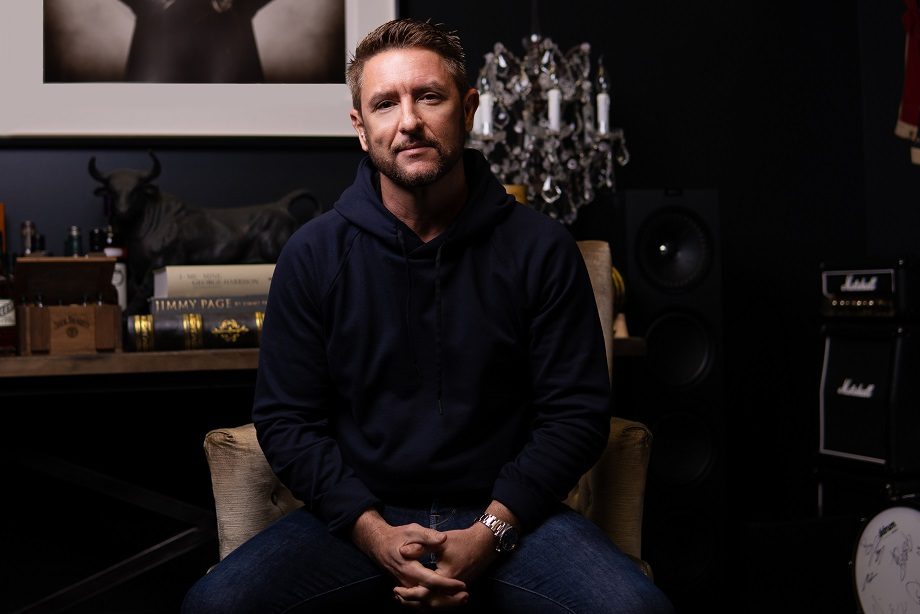
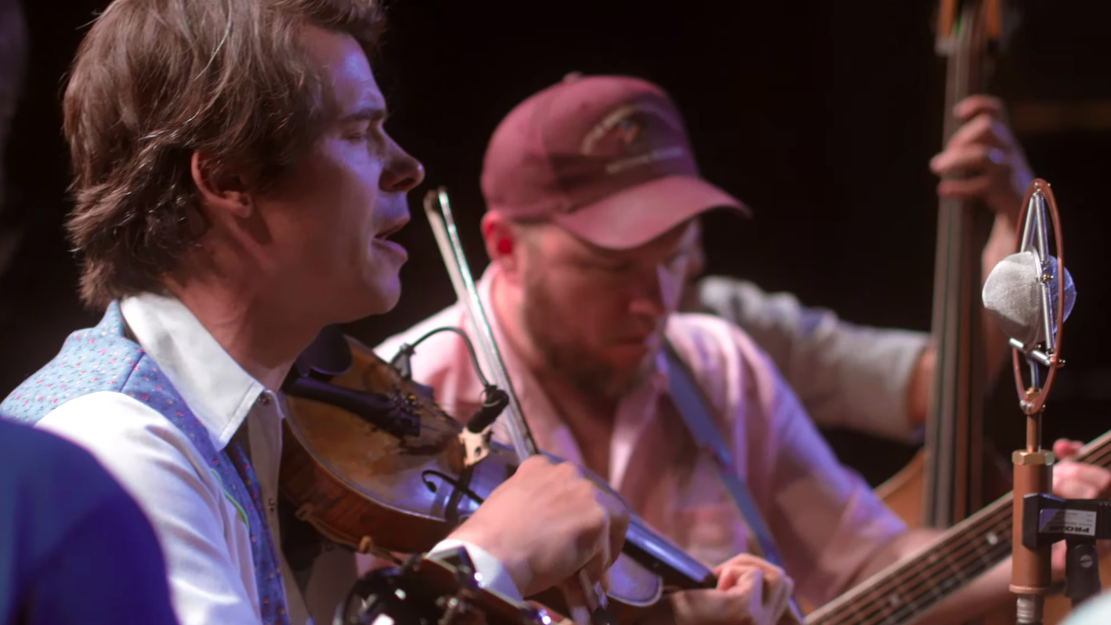
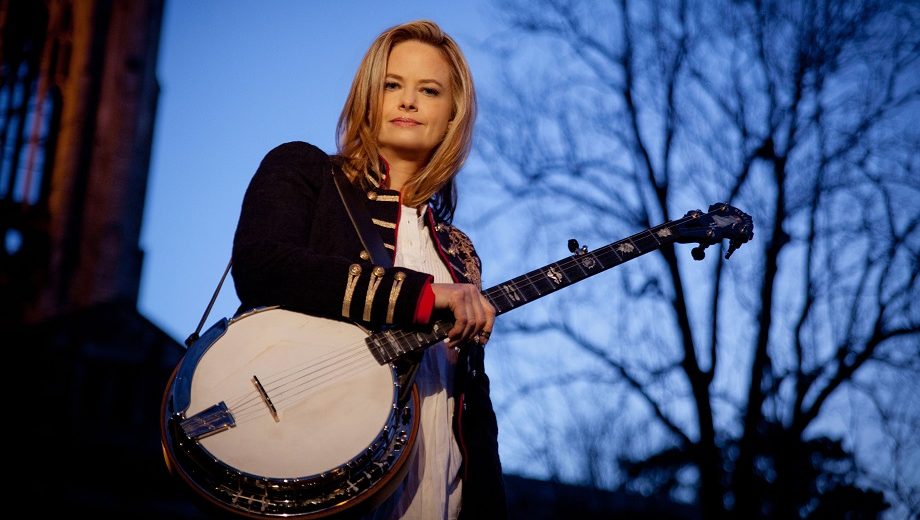
Where Business Meets Banjo, Alison Brown Prepares IBMA Keynote Address

The first time Alison Brown gave a keynote address at IBMA’s annual conference in 2002, the bluegrass industry gathering was still held in Owensboro, Kentucky. So much has changed since then, but not everything. Asked about memories from those early conferences, she replies, “Oh, it was like it is now. I always kind of think of it as a family reunion. It was just a slightly smaller family then, but no less enthusiastic or supportive, as far as I’m concerned.”

Brown is one of bluegrass’ most prominent figures, adept as an artist, a producer, and co-founder of Compass Records. She’s also won a mantle of IBMA awards in multiple categories, including Banjo Player of the Year in 1991 and a Distinguished Achievement Award in 2015.

This year she will present a new keynote address, “Four and a Half Things I’ve Learned,” on Tuesday at IBMA’s World of Bluegrass in Raleigh, North Carolina. She spoke with BGS by phone.

BGS: What was it about this opportunity to present the keynote address that appealed to you?

AB: I was thinking about the fact that this is Compass Records’ 25th anniversary, and so I thought that, personally, it would give me an opportunity to reflect a little bit on where we’ve been and what we’ve learned in the process of doing what we’ve been doing over 25 years. And maybe share a few things with folks that could be edifying for them.

You’re seeing this bluegrass world as an artist and producer, as well as a business owner. What do you hope that the creative side of the bluegrass community will take away from your presentation?

Hmmm, maybe a better understanding of the landscape that we’re all trying to navigate. And how to better position yourself for success. I think some of the idiosyncrasies of the business, from the view of the record company — I wouldn’t expect that most creatives would be as immersed in that as we are, running a record label. And so I think if you know the challenges that you’re dealing with, you’re better able to position your music and your career to take advantage of the opportunities that do exist, and stand a better chance to succeeding.

What are some of the bluegrass community’s greatest strengths right now, do you think?

I really mean this — I think that we are incredibly fortunate to have an organization like IBMA that’s kind of the centerpiece of our community, that’s looking out for all of us and keeping the community together. I really think that’s incredibly valuable, even more than people know. Other roots music genres that don’t have that are not as fortunate as our community, in my opinion.

What are some things that the bluegrass community can really take pride in?

I gave the keynote address back in 2002, so this is actually my keynote redux. You know, looking back at that keynote, a lot of what that was about was embracing diversity, and musical diversity. That was 17 years ago and that was a rallying cry at that point in time, but it’s not like it was a revolutionary idea. I’m really proud of our community for the strides that we have made. Expanding the envelope conceptually, welcoming in people whose music may be more on the fringes of bluegrass, and not exactly emulate what Earl and Lester and Bill did in 1945.

So there’s the musical aspect, but there’s also the demographic diversity, like gender diversity and racial diversity. Those are things that are community is still grappling with — but we are grappling with them and I’m proud of us for that.

One thing I’ve noticed over the last 20 years in bluegrass is that the music videos are better, the websites and album covers are modern, and the band photos are more contemporary. How important are visuals, do you think, for a bluegrass artist to get attention from press, festivals, and audiences in general?

I think visuals are more important than they’ve ever been. It’s my experience that people can’t just listen to music anymore. They have to see music. We have people in the studio all the time and you want to play them a new track, and I can just see their eyes wandering around the room, looking for the screen. “Where do I look while I listen to this?” So, I think it’s more important than ever.

I’ve also noticed that some bluegrass labels are choosing not to put their new music on Spotify. Why is it important for Compass to be represented there?

That’s where the audience is moving. Granted, the traditional bluegrass music audience is slower to adopt a new technology than a more youthful pop audience would be, but still we’re seeing our audience move there and it’s a great place for people to discover new music. It’s one of the new revenue sources for selling music. We’re seeing the music industry move more and more into the streaming arena. It would seem to be crazy not to be there, as frustrating as the economics may be.

It hasn’t really been our experience that having bluegrass on Spotify has meant that we sell less bluegrass in physical form. And it only really supports the artists’ efforts because maybe the older audience is used to consuming physically but the young audience is used to consuming through streaming and digital. So if you’re not present in that space, you’re never going to expand your audience into that younger demographic, and obviously an artist needs to grow their audience. You need to keep trying to make the average age of your audience younger, rather than older, just in terms of your own longevity as an artist.

So many bluegrass musicians are friends with each other, as well as colleagues in a sense. In bluegrass, it’s pretty rare to send a business-related email to someone you don’t know. How do you think that familiarity shapes the business side of bluegrass?

I completely agree with you but I’m not really sure how to answer the question, though. I guess I can really only answer it personally — that that is part of what gives me a lot of joy, to be in the business of the bluegrass world, because this community has meant a tremendous amount to me personally. I’ve been in the bluegrass community since I was 12, which is crazy to think about, and there are people that I see at IBMA that I have known since I was 12 years old. I think about how much others have given me as I’ve come up in this music. So to be able to have a hand in making this music stay healthy, and paying it forward, is very meaningful to me.

Looking back, is there advice you wish you’d been given in 2002 that you had to learn the hard way?

That’s an excellent question. That’s probably something I should ponder for my keynote and see if I can come up with a good answer. I guess the one thing that I would say is, big things can happen in small steps. We’ve been pedaling this bike for 25 years, building this label, and it’s amazing to look back over a quarter of a century and see how something that you literally started at the kitchen table can grow into an entity that some would consider to be a significant force in bluegrass music. I mean, I think I might have known that going into it, so it’s not really a revelation. It just takes a long time, but if you continue to do the work to the best of your ability, over that long period of time, at the end you can stand back and you will have built something that is amazing to see, and that it did really happen.


Photo courtesy of IBMA

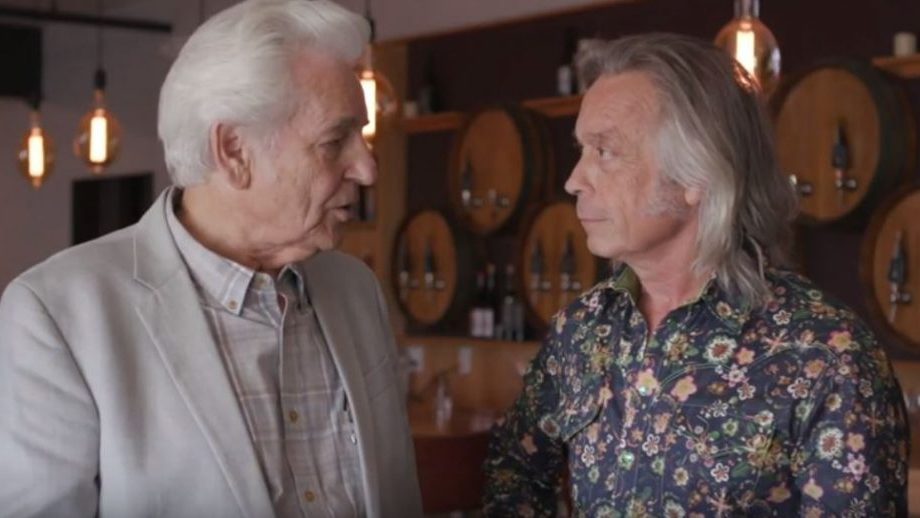
The String – Del McCoury, Jim Lauderdale and IBMA 2019

Del McCoury is a bluegrass hall of famer and repeat host of the International Bluegrass Music Association Awards. Jim Lauderdale is a beloved Nashville songwriter whose wide range of projects and songs includes Grammy Awards in bluegrass. Their personalities are as big as their resumes, so they’ll make memorable co-hosts of the 2019 IBMA Awards in Raleigh.


LISTEN: APPLE MUSIC

In a joint interview in front of a live audience, Jim and Del talk about the World of Bluegrass and their past and potential future as banjo players. You never know what might happen. Also in the hour, the next wave of the genre with Bluegrass Ramble showcase artist Jaelee Roberts. The 18-year-old is a new voice and songwriter who’s being welcomed by leading musicians into her first steps as a recording artist. IBMA’s World of Bluegrass runs Sept. 24-28 in Raleigh, NC.

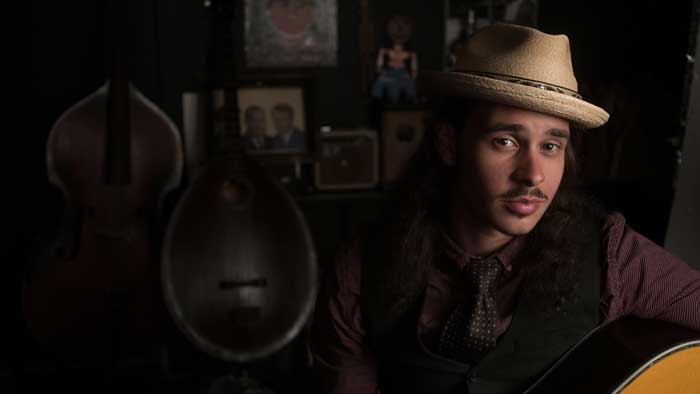
Lakota John Laces Native Lineage with North Carolina Roots

Born and raised in North Carolina, of course John Locklear (AKA Lakota John) could draw from strong regional and cultural influences to create his sound: old-timey, down home, acoustic blues. But his North Carolina roots aren’t his only connection to the Piedmont, and the vast, richly diverse musics that come from his home state. His Lumbee and Lakota lineage most certainly have an equal influence on his picking, his songs, and his style — especially given the huge impact Native and Indigenous Americans had on the creation of American roots music in general. It’s an impact that continues to this day, despite constant erasure and attempts at exclusion.

Ahead of Lakota John’s performance as part of BGS and PineCone’s fourth annual Shout & Shine: A Celebration of Diversity in Bluegrass — at IBMA’s Wide Open Bluegrass festival in Raleigh, North Carolina, on September 27 — we had a chat about why old-time blues isn’t just time capsule music and what folky magic must be in the water in North Carolina.

BGS: So many folks view this style of down home, old-time blues as antiquated music, as “throwback” music. What do you think blues, especially of the kind that you make and play, can bring to this modern era? What value is added to it if we allow it to be in the present?

Lakota John: Awareness of the genre itself and the fact that without roots music, many other types of music wouldn’t exist. Roots music is the foundation of other music and by bringing it into today’s musical conversation, younger generations can embrace its importance as a foundation and use it to innovate and create new styles of music.

What was your own entry point to this style of folky, vernacular music?

I grew up listening to the music of the ’60s and ’70s, because that’s what my parents listened to. Around 10 years old, I became curious about the earlier influences on the artists who produced music in the ’60s and ’70s, which led me back to blues, bluegrass, and roots music. I could see the correlation between the earlier music and later music in so many ways and found it really interesting how the music evolved.

Erasure is so prevalent in American society, many people — including historians, journalists, and ardent fans — don’t realize how fundamental Native and Indigenous influences were (and still are) to American roots music. Who influenced you? Who do you point to, to help reduce and eliminate that erasure?

I feel Jelly Roll Morton, Rev. Gary Davis, and Charley Patton are just a few of my influences who approached music with a percussive and syncopated style which is something Native and Indigenous people have always shared through their music and traditions. With later musicians such as Muddy Waters, Link Wray, The Allman Brothers, Jesse Ed Davis and many more, the basic structure remained but they incorporated an electric sound into the blues along with other styles to create their own unique sound.

Part of that erasure is simply because most colonizers and descendants of colonizers, immigrants, etc. do not realize that Indigenous people are still here. What do you say to folks, even the most well-intentioned and progressive among us, who have this very common blind spot when it comes to Native Americans, Indigenous peoples, and Indigenous rights? 

Native peoples walk in two worlds, the traditional and contemporary; we’ve always been here and always will be. We’re more than the stereotyped “Hollywood Indian” and definitely not museum artifacts. Hopefully to clarify this common blind spot I’d say, “I had some difficulty finding my keys and a parking space for my buffalo this morning.”

Shout & Shine returns for its fourth year at the IBMA’s Wide Open Bluegrass Festival at the end of September. What does bluegrass mean to you? What, if any, of its influences have filtered into your music and art?

That’s awesome. I grew up listening to bluegrass music and I definitely incorporate some elements of the bluegrass style into my own music. Bluegrass is an interesting art form and a very important category of roots music.

IBMA being hosted in North Carolina, in Raleigh, for the past number of years seems like a perfect fit. What is it about North Carolina that makes it such a hotbed for roots music? What do you get out of living and performing in this richly musical area? 

Man, I really think there’s something in water here. The south has always been a hotbed for roots music, possibly because of the many trials and struggles the south has been through in our country’s history. Because I’m from North Carolina, I’m connected to the community and music that has been an influential piece to what I do. This place is one of the richest musical areas where I have been fortunate enough to have access to artists and mentors who were and continue to be pioneers in the development of roots music in America.


Photo courtesy of Music Maker Relief Foundation

WATCH: Nitty Gritty Dirt Band on ‘Bluegrass Underground’

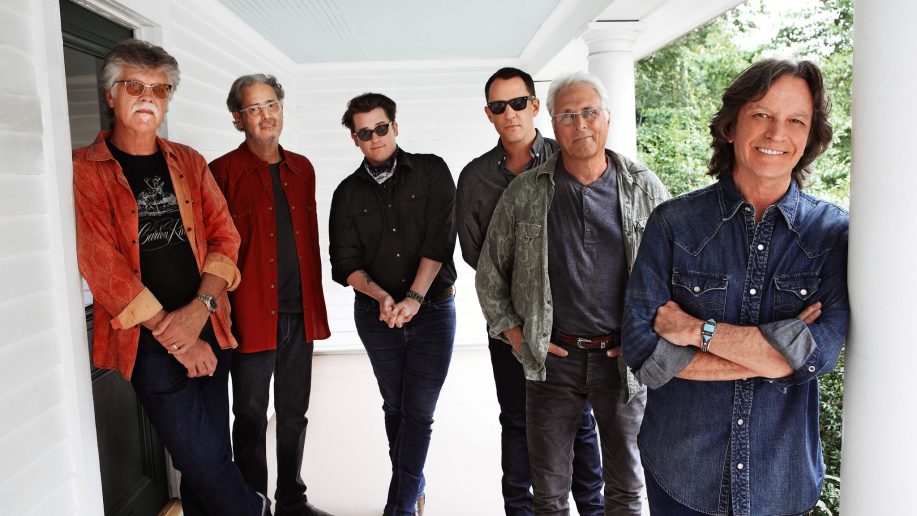
PBS has launched their ninth season of Bluegrass Underground, a television series of roots music concerts from the cavernous heart of middle Tennessee. Since the show’s launch, dozens of famous acts in bluegrass, blues, Americana, and country music have graced the stage. Now filmed at The Caverns, an awe-inspiring cave venue in Pelham, Tennessee, the upcoming season will feature acts like Keb’ Mo’, Steve Earle, the Brothers Osborne, Josh Ritter, the Devil Makes Three, and Nitty Gritty Dirt Band, whose performance was the season opener. Watch as this timeless country band commands the cave on Bluegrass Underground.


Photo credit: Glen Rose

Letting Go of Time: My Soundtrack for a Year with Cancer

Many of the facets of the music industry are the way they are simply because they are the way they are, but there is one pillar of melodic and lyrical art-making that remains extraordinarily arbitrary.

Time.

Records are released on Fridays now. Except when they aren’t. Some release days are packed with albums and others are desolate. Festival season coincides with the weather-outside-is-bearable season — except when it doesn’t. Holiday records are recorded in the summer. Lead time is inflexible, though ever-changing. Deadlines are always drop-dead… until they aren’t.

Time has gone from being regarded as something that inevitably passes to being framed as a commodity that can be “spent.” Time is money, especially in this gig economy era and in creative spaces where sentiments like “If you love what you do, you don’t work a day in your life!” rapidly devolve into a workaholic culture. We’ve seen the dissolution of boundaries between professional and personal lives, and made constant comparisons to those we perceive as more productive and ambitious.

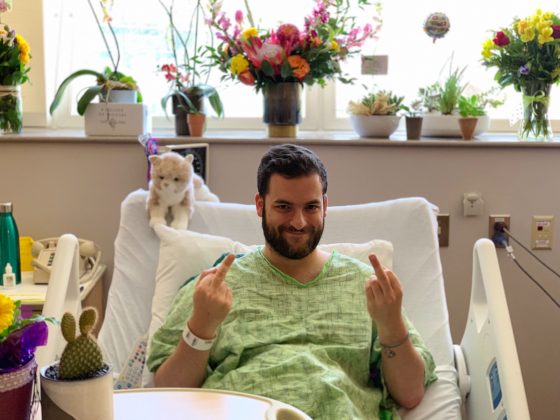
My relationship with time — from each basic, incessant twitch of the clock’s second hand to my holistic understanding of existential time — changed fundamentally and cataclysmically in August 2018 when I was diagnosed with rectal cancer. In the earliest days my doctors told me that I would “lose a year of my life” fighting the disease. Being naive, new to the realms of life-threatening illness and the omnipresent physical, mental, and spiritual alterations of such diagnoses, I believed them.

Over the months that followed, time passed not linearly, but as if it were a roller coaster operating in many more than just three dimensions, with twists, turns, and corkscrews I never considered possible. The associated cognitive impairments of cancer — from chemotherapy, an inordinate amount of prescription drugs, and the related traumas of fighting the disease — exacerbated my willy-nilly tumble through the twelve months that landed me here, writing this. Now, just over a year post-diagnosis and almost four months in remission, I am free of cancer (though not technically “cancer-free”).

Cancer is an arbitrary demon in and of itself, and as such, it’s very good at reminding: If something need not be arbitrary, perhaps it ought not to be. A rectal cancer diagnosis in an otherwise healthy 26-year-old is a perfect example. Humans cannot help trying to force such a thing to make sense, to have a direct cause and effect, but in this case and in many, many others it doesn’t. And it never will.

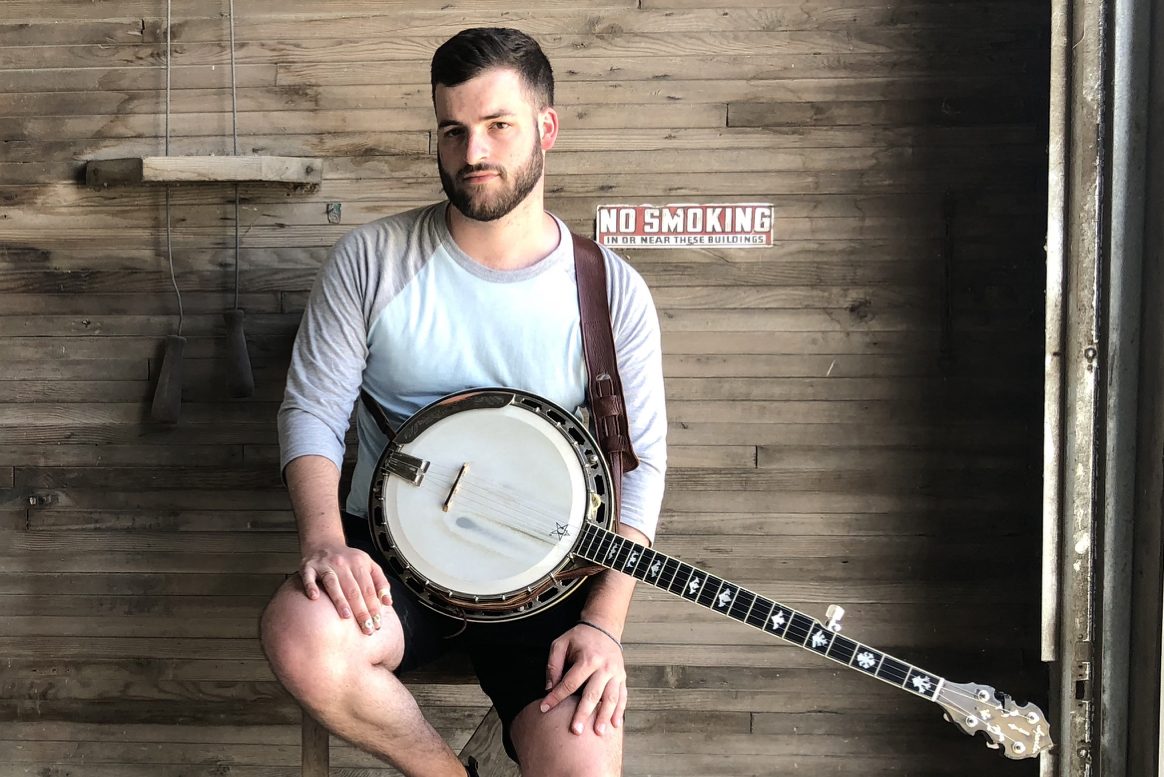
Before the final months of the 2010s elapse and we find ourselves reliving the year — and the decade — in music; while I find myself emerging from the fog of a year of pain, loss, and grief, a year fighting for my life and coming out ahead, I offer you this year-end wrap up. Not of 2019, but of a year fighting cancer. This is a soundtrack. For a few more than 365 days (and many more to come) of a queer banjo player, songwriter, and music writer holding onto life and letting go of time.

“Soon You’ll Get Better” — Taylor Swift feat. Dixie Chicks (2019)

In my eyes, the single most resonant line of any song released in the past year must be, “You’ll get better soon, ‘cause you have to.”

There’s this general, almost universal understanding of cancer, from a societal standpoint, that often does more harm than good. Almost everyone has a simplistic, rudimentary handle on what cancer is, what it means, and how to operate in relation to it. We’ve been fed countless narratives on the subject in the media, in fiction, non-fiction, through science, by the Hallmark Channel — you name it. One of the most frustrating outgrowths of this well-intentioned, though often tactless and somewhat misinformed understanding is that fighting cancer is noble. That it’s a holy war, a righteous baring of the teeth in the face of mortality and abject suffering and the quickened unraveling of existence.

But that is not how it feels. At least not to this survivor. Fighting cancer isn’t honorable. It’s necessary.

There is no choice.

It is exist or cease to exist. Because we romanticize storylines, dynamics in which “pulling the plug” seems like an actual option; because of faith systems that predicate moral truth on the existence of an afterlife; because we have heartbreaking, gut-wrenching tales of friends and family who opted for less pain, without treatment, than more time in misery with it; because there are all too many folks who shine, choosing joy against the odds, facing terminal diagnoses with bravery and aplomb, we think that the battle is wholesome, good, and virtuous.

I can tell you it is not. We get better because we have to. Sadly, there are too many who don’t. Because they can’t. Not because they are any less “noble” than those of us who “win” the fight. Not because they made a choice to give up the fight.

Choosing between being and ceasing to be is not a choice.

“The Capitalist Blues” — Leyla McCalla (2019)

Besides pain, discomfort, fear, and grief, the most present phenomenon to accompany cancer is bills. Piles and piles and piles of window envelopes. Emails. Push notifications chiming, “YOU HAVE A NEW STATEMENT.”

Each time my health insurance denied a claim on the grounds of some aspect of my care not being “medically necessary” — is the contrast used in my CT scans truly not necessary? — each time a prescription fell outside of coverage, often to the tune of hundreds and hundreds of dollars, my body and visage would grimace as if twisted from the pain of a 5cm mass in my colon.

To know, to see in plain daylight, that other human beings are getting rich off of my fight for life, causes such visceral anger and, in the wake of that anger, something that can only be described as the capitalist blues. Leyla McCalla’s wonky, off-kilter, Big Easy sound herein is a perfect wry smile in the face of a daunting, insurmountable task such as holding capitalism accountable. We’re all swimming with sharks and it’s a cold, cold world — even at the doctor’s.

“Anyone at All” — Maya de Vitry (2019)

As if to mock me, the electric guitar joins the band with a tick-tocking hook. Maya de Vitry’s narrator (however autobiographical) hasn’t been seeing anyone at all, hasn’t been drinking much at all, hasn’t been crying in the mornings, and she’s tired of hearing folks tell her it’s going to get harder.

Believe her. (Believe me.) It’s always been hard.

I spent the majority of a year at home, in my apartment, in bed, alone. Which is not to say I haven’t been supported throughout this journey by my friends, family, peers, colleagues, et cetera. It’s just that cancer is isolating in many, many more ways than one, and each of those sly, constituent methods of enforcing solitude conspire together to relegate us to these lonely spaces. Hearing de Vitry rejoice in them, embracing them, laughing in the face of what others, outsiders, might perceive as weakness and wallowing is not only redemptive, it’s liberating. I’ll see your “Have you been seeing anybody?” and raise you an “It’s been a couple of days since I’ve seen anyone at all!”

“Fixed” — Mary Bragg (2018)

The world teaches us how to regard ourselves, our bodies, our minds, our personhoods. We often don’t even realize this dictation is happening, but it is. Let me tell you, cancer brings out the worst in these tendencies, these trained reflexes. While Bragg’s message seems geared toward a childlike listener faced with society’s beauty standards, with dynamics of insiders and outsiders, cool and uncool, conformist and eccentric, I found myself returning to that refrain, “You don’t have to be fixed” over and over.

While my body image issues and low self-esteem run amok, fed on a glut of internalized ableism and materialism and superficiality and shame, the reminder in those lyrics that there is no one right way to be human, to be embodied, to be hurt or to be healed, was simply uncanny. Packaged with Bragg’s pristine, orchestrated arrangement and her powerfully tender voice, it’s a mantra in a song that we could all add to our quiver of weapons with which we face the world.

“Bad Mind” — Erin Rae (2018)

This song sounds like Ativan feels. Glossy and ethereal. The panned, double-tracked vocals, just distant enough in the mix, giving the impression that her voice is nearby, but out of reach. I was prescribed Ativan after being hospitalized due to complications from my first round of chemotherapy, namely that my nausea medications didn’t seem to be effective — until we brought Ativan on board.

That’s right, Ativan is prescribed for nausea. It’s also an effective anxiety medication, a strong benzodiazepine that’s often taken recreationally, but it’s a depressant. A strong, unyielding, psychoactive drug that guarantees dependency as a result of regular use. For months I was on an astronomical dose, without knowing it was considered high, to curb my incessant nausea.

I took two “cancer break” vacations during treatment. During the first, a country music cruise in the Caribbean, I cried myself to sleep every night. On the first night of the second trip, a solo getaway to the Bahamas, I wrote in my journal, through tears, “Perhaps I’m too depressed to enjoy an island paradise?”

As the lyrics in verse two reference indirectly, growing up gay in a conservative — and in my case, evangelical — family teaches you quite rapidly that your mind is bad. Very bad. Which, in quite a predictable turn, caused an anxiety disorder and clinical depression that I’ve been battling for more than a decade now. At times I was convinced that the problem of my erratic and burdensome mental health was simply due to my bad mind.

Ativan sank me to depths beyond those that I thought were possible. At its worst, beneath every word I spoke, beneath every layer of my thoughts, there was a constant suicidal hum. My prior struggles with suicidal ideation couldn’t even prepare me for the surprise of realizing, in some deep, hidden catacomb of my psyche, that I was fantasizing about taking my own life.

After chemo and radiation, when my nausea began to subside, I made getting off of Ativan my number one goal. I didn’t want to have a bad mind anymore. After seven months of three pills a day and after weeks of titrating, lowering my dose bit by bit to wean my dependent body and brain off of the potent, depressing, stomach-settling drug, I took my last Ativan in the hospital, after surgery to remove the mass.

It’s worth mentioning, for my sake and others’, there is no such thing as a bad mind.

“Sleepwalking” — Molly Tuttle (2019)

This year truly felt like sleepwalking. Through a world that disappeared.

In the Bahamas, after a month of daily radiation sessions and a mere handful of weeks before my operation, I walked straight into the Atlantic until the cold, steel blue water covered my head. I pleaded, I begged the sea to carry me away. To be allowed to float away with my fears. I cried into the saltwater.

Each time, as I listen to Tuttle’s voice — not angelic, no, but cosmic — grasping for the highest altitudes of her breathy vibrato, I hear my own personal flailing. My desperation to find an anchor, to not be woken up, to be left fantasizing about drifting away on the waves and the sounds of a voice that is that anchor, that is the one thing coming in clear through the static.

Another lesson learned from cancer: sometimes, you have to be your own anchor.

“Sit Here and Love Me” — Caroline Spence (2019)

My own helplessness over the last year was somewhat expected, but I was surprised that it wasn’t simply typified by the inability to help myself. There’s a deep, despairing helplessness found when you wish you could help others help you. To alleviate their helplessness. And I couldn’t. So often all I could do to help others help me was to ask them, with all of the kindness and compassion I could muster, to just sit here and love me.

I did not anticipate the hot, searing pain of telling my mother — a kind, generous, selfless woman who would admit time and time again, “If I could take your place, I would in a heartbeat” — telling her not merely once, but time and again, “This isn’t a problem you can solve. I just need you to hear me and love me.”

I know you hate to see me cry… and to hurt, and to fade into the nothingness of a round of chemotherapy, and to face doctors telling me my life and my body will be forever changed, and to know that there’s nothing you can do to step in, to interrupt the deluge pouring over me.

… But I just need you to sit here and love me.

“Keep Me Here” — Yola (2019)

Going through cancer when you’re single is difficult and complicated, but especially so as a young, gay man experiencing colorectal cancer. In the darkest moments, in the loneliest hours, when I craved physical affection, a hand to hold, a big spoon to lull me to sleep, a shoulder in which I could hide my eyes from the world — and with them, all of my worries and cares — I had nowhere to turn. Hook-up culture and the apps that have come along and monopolized queer entry to romantic and sexual relationships aren’t built for finding a security blanket for a battle with a lethal illness.

And so, in those moments, I turned to my ex. The reasons for our relationship ending notwithstanding, I think we’d both readily volunteer that we don’t think we’re a match. At least, not with a capital M. We live in that strange, queer space of happily being more familiar than platonic friends in that precipitous, somewhat intangible realm of deep connection — predicated on almost three years together — and unspoken boundaries.

He’s an entertainer, traveling the globe for work, ducking back into my life between contracts, each time leaving me with an ex-shaped chasm in my heart. My visceral yearning for closeness, for affection physical and emotional and spiritual, is a cacophony in my head each time, defiant against being denied these needs after having them finally fulfilled. Even if by someone who was not mine, nor could be, nor really should be.

Every time he left, I would love him a little more. It’s a strange thing to give love to someone so dear without being in love with them. So, I cried along with Yola, led by her expressive, assertive, grief-stricken vocals. I shouted along with Vince’s harmony in my car, trying to drown out the maximum volume. I waited a long time, for the right time to tell my ex how much I needed him, how much I wish I didn’t have to need him, I wish cancer didn’t require me to, but it did. I’m not sure the right time has happened yet, but I’ve tried — and I’m still holdin’ on.

“You’re Not Alone” — Our Native Daughters (2019)

Context matters. Circumstances matter. Privilege matters. It’s nearly impossible to listen to the stunningly timeless music of Our Native Daughters without considering these things. Songs mined from the experiences of women of color, of enslaved peoples, of folks categorically and systematically oppressed might seem like the last place a cisgender, white man like myself could seek comfort, but the salve here is twofold. First, to see and be seen. “None of us is here for long / but you’re not alone.”

Second, even in the extreme misfortune and despondency I’ve faced through my journey back to health, I ought to be reminded — I want to be reminded — of my privilege. Of how fortunate I am. Of the ample opportunities and advantages afforded to me by my race, my income level, my geography, my access to world-class medical care, my ability to work and continue working through my diagnosis and treatment, my support system, and on and on.

Yes, we all face our own trials, our own sorrows, and they are no less valid or troublesome because someone else in the world may have had it much, much worse. But the reminder is helpful, it’s cathartic, it’s therapeutic. And, while these injustices continue, while thousands and thousands of others are left in the shadows, we mustn’t take our privilege for granted.

Our Native Daughters use their platform to remind us of this, and no set of circumstances — no, not even cancer — is such that any one of us ought not hear that message. In the process, we might just uncover something limitlessly resonant that we didn’t expect to find.

“Everything’s Fine” — Jamie Drake (2018)

Maybe tomorrow we’ll find / everything’s fine.

Maybe tomorrow…

Maybe tomorrow…

Maybe tomorrow…

For 365 days. And more. Longer. And longer. And looooooonger. But you know what, the cinematic feel of this exquisite, arty folk-pop isn’t coincidental. It’s a deliberate tease. It’s dangling the carrot, leading you toward the conclusion that this is just part of the story. There is a tomorrow. You can hear the future in the sigh of the background vocals, in the whimsical harps, and it sounds good. It sounds like we might just find that everything is fine. And if we don’t (we won’t. At least not always), that’s fine too.

I hope in that future I’m able to option the rights to this story of mine and make a movie, if not for the sake of monetizing the misery I’ve endured, at least so that we can include this stunner on the literal soundtrack. Because that’s where it belongs.

Roll credits.


Photo courtesy of the author
IBMA 2019: The Top 5 Reasons to Go

It’s September. Festival season is going strong — music conference season, too! — and it seems, just about everywhere you turn, roots music is being made and enjoyed.

On September 24, the International Bluegrass Music Association’s business conference and festival will begin in Raleigh, North Carolina. Last year more than 230,000 attendees descended upon the Triangle area to take in the bluegrassy spectacle. We’ll be there once again this year. Here are the top five reasons we think you should be, too:

1. World of Bluegrass

Starting on Tuesday, the World of Bluegrass business conference kicks off the entire week of programming in Raleigh with panels and seminars, a keynote speech by Alison Brown, IBMA constituency meetings, a gig fair, a health fair, showcases, and focused business tracks for songwriters, broadcasters, talent buyers, and more. Learn about the Music Modernization Act, engage in one-on-one songwriting mentor sessions, and don’t miss the exhibit hall! It’s not just a place to stock up on strings ‘n’ Shubbs, you’ll almost undoubtedly bump elbows with the genre’s greatest pickers and artists, too. Like this moment at the Gibson booth when luthiers and musicians Dave Harvey and Brian Christianson share an impromptu tune.

2. Bluegrass Ramble

Did we mention showcases? This year, IBMA’s showcase extravaganza, the Bluegrass Ramble, will include more than 200 sets from over 30 bands all around downtown Raleigh. Don’t miss the World of Bluegrass Kickoff Party with Special Consensus at the Lincoln Theater on Tuesday night.

Need another couple suggestions to help narrow down your options? We’re excited to see acts like California bluegrass band AJ Lee & Blue Summit, banjoist Gina Furtado’s solo effort, the Gina Furtado Project, and newcomer Jaelee Roberts. Set aside time for a new band from Clinch Mountain Boys alumnus, banjo player Alex Leach, and High Fidelity, perhaps the best truly traditional bluegrass band on the scene right now, too.

3. The Awards

The 30th Annual IBMA Awards Show will be held Thursday, September 26 at the Duke Energy Center for the Performing Arts just down the block from the Raleigh Convention Center. Hosted by Del McCoury and Jim Lauderdale, bluegrass’s biggest night will see awards handed out for Gospel Performance, Collaborative Recording, Entertainer of the Year, and more — including three inductions into the Bluegrass Music Hall of Fame.

But, this is not the only awards event during the week! BGS is proud to sponsor the Momentum Awards luncheon the day before the “big” awards show, where young, up-and-coming, and just-getting-started musicians, events, and professionals are recognized for their contributions to the bluegrass community writ large. The lunchtime presentations are peppered with showcase bands, as seen here in 2016 with Loose Strings.

The IBMA Industry Awards (formerly the Special Awards), for categories such as Event of the Year, Sound Engineer of the Year, and Broadcaster of the Year — and more — will be announced during a luncheon on Thursday, as well. It’s an awards-packed week!

4. Wide Open Bluegrass

For the first time, the entirety of IBMA’s “fan fest,” Wide Open Bluegrass, is free! Yes, you can even get into the main stage at Raleigh’s Red Hat Amphitheatre for free. (Tickets for reserved seating are still available!) This year’s lineup at the main stage includes a special tribute to Hazel Dickens and Alice Gerrard and a celebration of Bluegrass Hall of Famer Del McCoury.

Don’t miss the StreetFest, too! Vendors line Fayetteville St. from the capitol to the Duke Energy Center with more than a handful of stages and a world-class lineup of bluegrass, string bands, old-time, folk, and Americana. Wide Open Bluegrass is the biggest bluegrass festival east of the Mississippi, and if you’ve been you understand why.

Also, make plans to join us for our Fourth Annual Shout & Shine: A Celebration of Diversity in Bluegrass on Friday, September 27! With our friends at PineCone we’re taking over the StreetFest’s dance tent for an entire day of dance, music, and celebrating the vast array of diverse voices and creators who love bluegrass. Music starts at noon and goes til 11:00 pm! Did we mention there’s going to be a Shout & Shine Square Dance Party?

5. THE JAMMING

If you don’t spend at LEAST two to three nights out of the week staying up ‘til dawn camped out in a hallway or a hotel room enjoying some of the best off-the-cuff music the world has to offer, you just aren’t doing IBMA right. We recommend the whole enchilada, going to the business conference, the Bluegrass Ramble, the main stage at the Red Hat — but if there’s just one thing you can muster during the week of bluegrass events at World of/Wide Open Bluegrass, it should be a mosey through the Marriott for a little bit of jamming. A lotta bit of jamming. Who knows who you’ll run into on the elevator or around the corner…


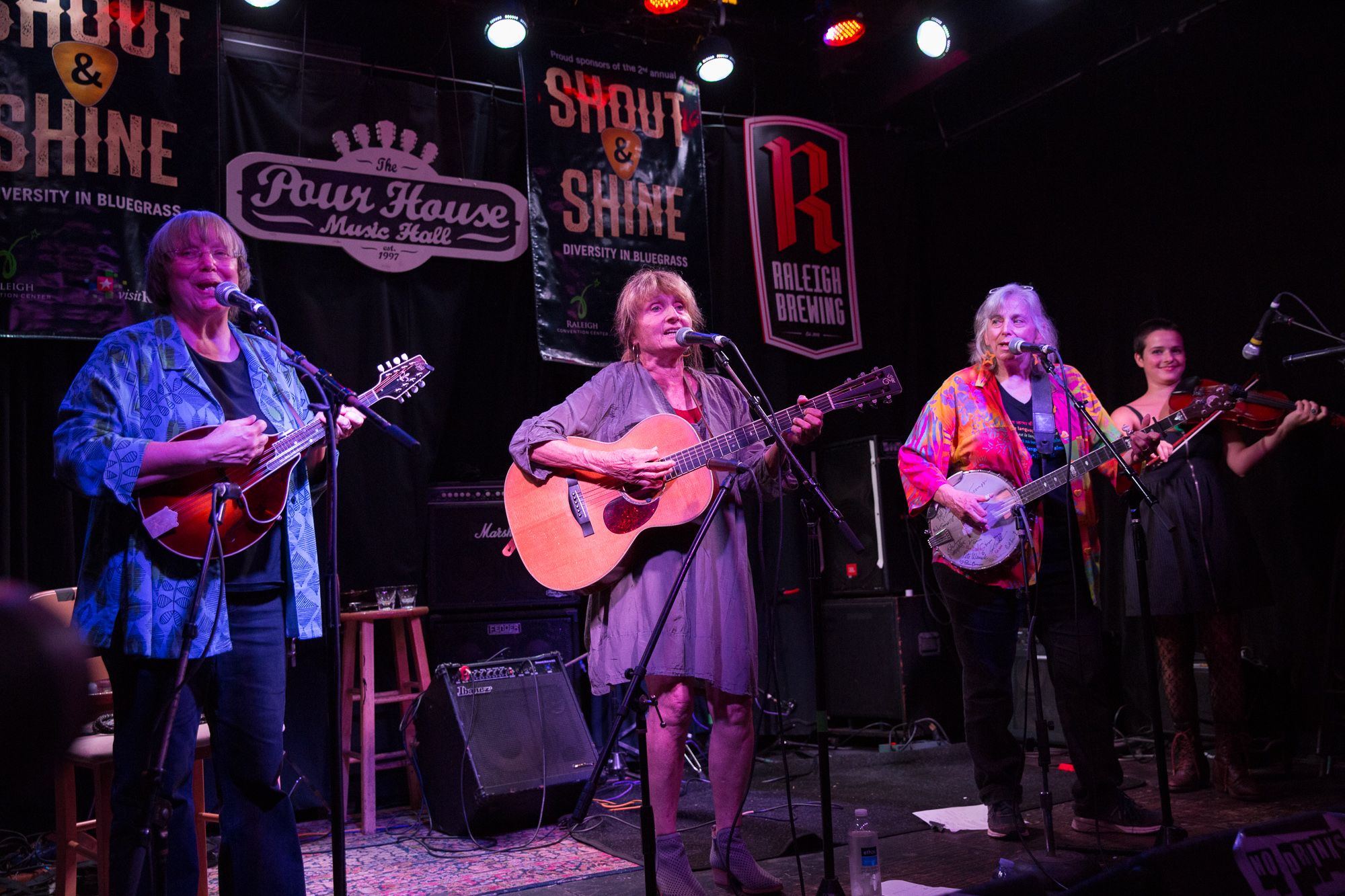
Photo of Marcy Marxer, Alice Gerrard, Cathy Fink, and Tatiana Hargreaves at Shout & Shine 2017: Willa Stein

ANNOUNCING: BGS and PineCone Present Shout & Shine 2019

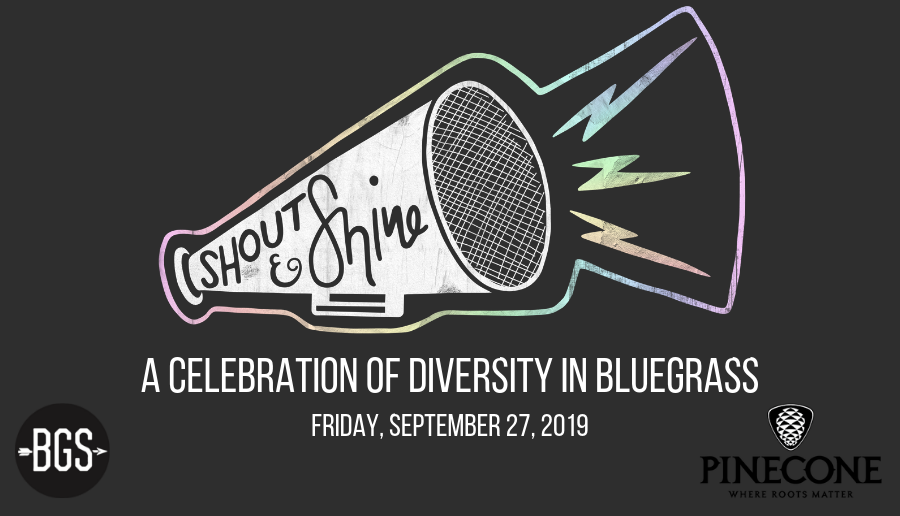
Along with our partners at PineCone, the Piedmont Council of Traditional Music, we are proud to announce our Fourth Annual Shout & Shine: A Celebration of Diversity in Bluegrass. The 2019 iteration will be the event’s biggest year yet, taking over the Dance Tent during IBMA’s Wide Open Bluegrass festival in Raleigh, North Carolina, on Friday, September 27, from 12 noon to 11pm. (See full schedule below.)

In 2016 Shout & Shine became the first event of its kind at the week-long bluegrass business conference and festival. Born as a direct response to the North Carolina General Assembly’s controversial “bathroom bill,” HB2, Shout & Shine’s fourth year continues the showcase’s growth and strengthens its mission of highlighting and reincorporating the voices and perspectives of underrepresented and marginalized artists, musicians, and performers — not only at the showcase, but throughout the convention and festival.

Headlining the year is the Shout & Shine Square Dance Party, led by banjoist and ethnomusicologist Jake Blount and jaw-dropping fiddler Tatiana Hargreaves. The dance will feature Michigan-based square dance caller Boo Radley (AKA Brad Baughman), who specializes in using gender neutral directions for dancers, opening up the square dance — traditionally regarded as a conservative, white, heteronormative space — to non-binary and non-heterosexual participants. All are welcome to participate, with no prior experience or partner required!

The day will kick off with Crying Uncle Bluegrass Band, prodigies from the Bay Area led by Asian American brothers Teo and Miles Quale, who have just returned from a tour of Finland and are fresh off an appearance on the Grand Ole Opry. Percussive dancer and ethnochoreologist Nic Gareiss will give a step dancing performance with old-time banjoist Allison de Groot, followed by a set of music from Hubby Jenkins, who is a blues and old-time multi-instrumentalist, Grammy winner, and veteran of the Carolina Chocolate Drops.

Prolific folk, children’s music, and bluegrass stalwarts Cathy Fink & Marcy Marxer bring their Grassabilly Rockets, featuring Jon Weisberger and George Jackson, to the dance tent as well, followed by their friends, compatriots, and IBMA Momentum Award nominees Cane Mill Road — North Carolina natives who will be joined by Williette Hinton, buckdancer and son of acclaimed blues musician and dancer Algia Mae Hinton.

Realizing a longtime goal of Shout & Shine’s producers, the showcase will feature an Indigenous artist for the first time, Lakota John, a local North Carolinian and his trio with deep roots in Piedmont blues and old-time, down-home acoustic music. Finally, bluegrass legend and trailblazer Laurie Lewis will headline the evening with her band, the Right Hands, before the night’s rollicking, square dance conclusion.

Shout & Shine is made possible by these partners: the Raleigh Convention Center, the Greater Raleigh Convention Center and Visitors Bureau, and IVPR. Shout & Shine 2019 presenting sponsors are Ear Trumpet Labs, Jamie Dawson of ERA Dream Living Realty, Pre-War Guitars, and Straight Up Strings. The Dance Tent is sponsored by WakeMed, FOX50, and Golden Road.

Shout & Shine 2019 is dedicated to the memory of dancer, choreographer, innovator, and roots music luminary Eileen Carson Schatz. Admission is FREE. More information can be found through IBMA at worldofbluegrass.org.

Full Schedule:

12:00-12:45pm – Crying Uncle Bluegrass Band (open dance)

1:15-2:15pm – Nic Gareiss & Allison de Groot (step dance demonstration)

2:45-3:30pm – Hubby Jenkins (open dance)

4:00-4:45pm – Cathy Fink & Marcy Marxer and the Grassabilly Rockets (open dance)

5:15-6:15pm – Cane Mill Road with Williette Hinton (open dance, buckdancing demonstration)

6:45-7:30pm – Lakota John (open dance)

8:00-9:00pm – Laurie Lewis & the Right Hands (open dance)

9:30-11:00pm – Shout & Shine Square Dance Party with Jake Blount, Tatiana Hargreaves,
Boo Radley (caller), and friends (inclusive square dance)


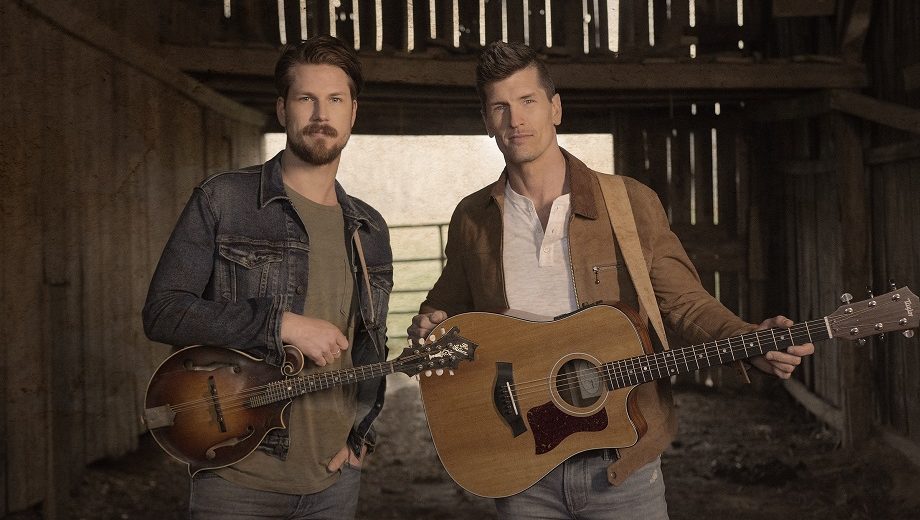
LISTEN: High Valley, “Single Man” (Bluegrass Version)

Artist: High Valley
Hometown: La Crete, Alberta, Canada
Song: “Single Man” (Bluegrass Version)
Label: Warner Music Nashville

In Their Words: “We grew up surrounded by bluegrass music. Ricky Skaggs was our hero thanks to a few records our parents introduced to us. When our town finally got a radio station, I spent a few years as a DJ hosting a bluegrass hour. Recently, Curtis and I called up a few of our friends and some of Nashville’s finest bluegrass pickers to turn them loose and let them show off! Recording this bluegrass version of ‘Single Man’ was easily the most natural moment we’ve ever had in the studio. When it came time to work on the mix and make sure everything was produced properly, it was so great to have Ricky Skaggs offer his help as the executive producer on this track. Talk about a full circle moment!” — Brad Rempel, High Valley


Photo credit: Mike Stahl

Festival Founder Danny Wimmer Infuses Bourbon & Beyond with Bluegrass

This month, Bourbon & Beyond will descend upon Louisville, Kentucky, for its third annual event, attracting tens of thousands for a weekend of music, food, and brown liquor. Alison Krauss, Greensky Bluegrass, Preservation Hall Jazz Band, and more top-notch talent are slated to grace the stages over a newly-expanded three-day stretch, but the bourbon and food lineups are just as impressive.

Bourbon aficionados can sample tastings from more than forty labels, as well as partake in workshops that range from cocktail-making to history lessons. Meanwhile, culinarians can spend an evening at supper club with acclaimed chef Edward Lee or sample local fare across the grounds.

To prepare for the weekend, BGS caught up with festival founder Danny Wimmer, whose namesake production company puts on more than a dozen annual festivals throughout North America. We spoke about how Bourbon & Beyond got its start, what makes it a must-attend event, and why he thinks the Louisville festival is here to stay.

Editor’s Note: Be sure to check out the Bluegrass Situation Stage at Bourbon & Beyond

How did Bourbon and Beyond come together in the beginning?

My love for bourbon is really where it started. About eight or nine years ago, we had the idea to start our own bourbon [label], and started meeting with master distillers. I spent a year in Louisville and I fell in love with the city — well, really, I fell in love with the community. So we put the bourbon on hold and we launched Louder Than Life, a hard rock festival. Through that, we saw an opportunity for something that centered around craft — music, culinary, spirits.

Making bourbon isn’t just something you can do overnight. It takes about four to seven years before you can even drink any of the product. It’s a true art form and it’s something that takes patience. Kentucky produces 95 percent of all bourbon, and we saw an opportunity to further connect the dots between the bourbon industry and the state. When you say “Napa Valley,” you think of wine. When you say “Kentucky” or “Louisville,” you should be instantly thinking bourbon. We wanted to create an event that incorporated bourbon, food, music, and this beautiful state.

You worked with two people who are really in touch with the bourbon and culinary scenes in Louisville — bourbon writer Fred Minnick and acclaimed chef Edward Lee, respectively. What made it important to have their involvement?

We really wanted to have a five-year festival in year one, from the way it operated to the way the community was to engage in it. When you’re talking about launching a bourbon festival in the heart of bourbon country, there’s going to be a lot of skepticism. These guys from LA. Why are they doing it?

It wasn’t like we had an idea and [Bourbon & Beyond] just happened. It took a lot of different players to bring this together and make it happen — the mayor’s office, the bourbon community. Bringing [Minnick and Lee] in as partners gave the festival the credibility it needed. They’re really our gatekeepers, between the city and the state and the bourbon and the culinary worlds.

Music-wise, what are your priorities when booking Bourbon & Beyond, and how does bluegrass fit in?

The soul of Kentucky is bluegrass, and it was very important to have the genre be a centerpiece of this festival. We wanted the respect of the [bluegrass] community, but also to put these acts in front of a whole new crowd. One of the things we hope for is that artists can use our festivals as a way to really grow their awareness — as a vehicle to come back and headline a bigger room. Bluegrass, specifically, is something I’ve fallen in love with. It’s a genre that we’re going to stay very focused on, and focused on growing. Don’t be surprised if soon we’re doing bluegrass events in other places in the country.

You said you fell in love with Louisville as a city. Of course, a bourbon event there feels like a no-brainer, but what made you think this festival, with the music and culinary elements intertwined, would work there?

The people. Listen, I’m from Jacksonville, Florida. I’m a Southern boy. Louisville is a gateway to the South. Ever since we got here, the city, the mayor’s office, and now the governor’s office, has opened their arms. There are not a lot of communities that are so welcoming to the arts. The reason we now have three festivals here is really the community.

But Louisville also sits in an area that has five or ten major cities around it. We have Indianapolis, Cincinnati, Nashville. We have St. Louis that’s six hours away, we have Chicago that’s five hours away. We’ve got some major markets that are really close by. With the explosion of the bourbon industry, a lot of people really want to come experience Louisville — we believe it’s where Austin, Texas was ten to fifteen years ago; where Nashville was ten years ago. Both of those cities started with music. And I think we have the right recipe to help this city become the next [big music and food destination].

Are there any unique advantages to producing festivals independently?

I’m in a place where I can follow my heart fast. I don’t have to get approval. Sure, I have to run a business — me and my partner have a really great relationship between business and art — but I’m in a place where I can make a decision [based on what I’m aiming for] five years from now or ten years from now. I love independent companies. They’re usually great at creating niches; they’re specialists in certain genres. I think independent promoters are very crucial to the food chain of our industry.

[For example,] I don’t like that there are three radio stations that really control the listening and the programming of our country. One of the major downfalls is that we lost localization in markets. Before the [consolidation], I loved the local aspect that radio would bring to certain markets. [On the label side,] I loved that you had records signing certain genres — they were specialists. Right now, we’re missing that, but there will be a day when you see indies rising again.


Photo credit: Sam Shapiro

WATCH: Old Crow Medicine Show Unplug for “Methamphetamine”

Have you heard? Old Crow Medicine Show has a live album in the works! Scheduled for an October 4th release, Live at the Ryman is designed to feature selections from their many shows at the mother church of country and bluegrass. As a teaser for the project, the band stopped into the Ryman to record this special performance of their 2008 song “Methamphetamine.” Watch it right here, on BGS!