Nick Hornbuckle, “Cleo Belle”

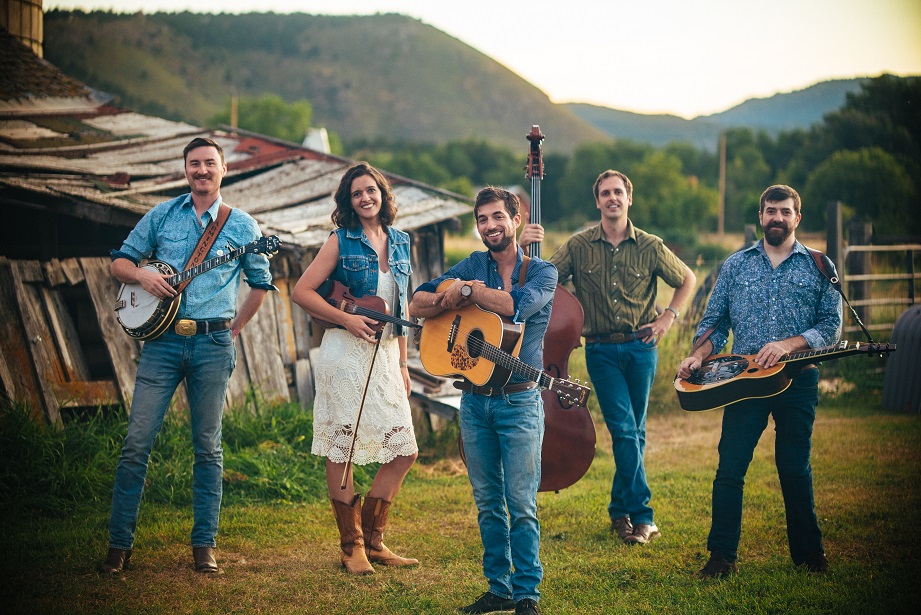
There’s a sort of primitive beauty within the patchwork techniques that have informed and filtered into each individual instrumentalist’s approach to the five-string banjo. Styles rapidly morph and change, aided by the instrument’s relative youth (when compared, in roots music, to all but perhaps the resonator guitar) and its absolute refusal to nestle into any one distinct vein of pedagogy. Scruggs-style, clawhammer and broader frailing, ragtime, picking (i.e. with plectrum), strumming, and even more avant garde approaches such as Greg Liszt’s four-finger banjo all lend themselves to the machine in their own alluring ways. 

Enter Nick Hornbuckle, banjoist at large and member of John Reischman’s Jaybirds, who’s just released his second solo album, 13 or So. Hornbuckle’s right hand method defies categorization even by the rule-eschewing standards mentioned above. His two-finger style is decidedly distinct from the eponymous Appalachian, old-time frailing approach, combining aspects of clawhammer, Scruggs-style, and the ethereal, impossible-to-replicate quirkiness of just making your hands do what the music requires without being exactly sure how that works. I.e., playing the banjo. 

The resulting aesthetic, which anchors each of the twelve original tunes on 13 or So, falls somewhere within an equilateral triangle whose vertices would be Mark Johnson (of clawgrass fame), Steve Martin, and Noam Pikelny (if he had one finger tied behind his back). “Cleo Belle,” as all of Hornbuckle’s compositions, confounds with its combination of sheer musical athleticism and acrobatics — while remaining absolutely intuitive and organic. With his crew — on “Cleo Belle” that would be Trent Freeman (fiddle), John Reischman (mandolin), Darryl Poulsen (guitar), and Patrick Metzger (bass) — Hornbuckle wholly incorporates vernacular musical vocabularies while still pushing string band boundaries into more art music or chamber music spaces. The arrangement reminds that the western-most communities of bluegrass and old-time acolytes in this country have truly, effortlessly combined the best parts of each, while retaining that rustic, back-porch timelessness that makes the banjo beguiling to all of us.

LISTEN: Kitchen Dwellers, “Driftwood”

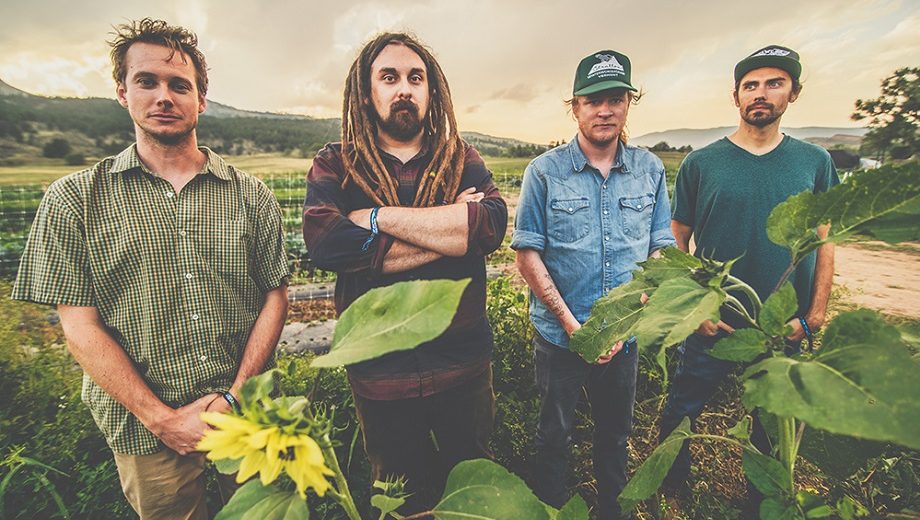
Artist: Kitchen Dwellers
Hometown: Bozeman, Montana
Song: “Driftwood”
Album: Muir Maid
Release Date: November 8, 2019

In Their Words: “I wrote ‘Driftwood’ after living out of a kayak in Alaska one summer. The trip changed my life in many ways, but one was just appreciating what you have at any given moment in time. Life isn’t perfect and comfortable and sometimes curveballs get thrown your way, but ultimately how you come out the other end is based on your perspective and resilience. We were so fortunate to have Jason Carter add a fiddle track and he did some amazing work. Once we heard it we knew it had to be the last song on the album.” — Max Davies, guitar/vocals


Photo credit: Silky Shots

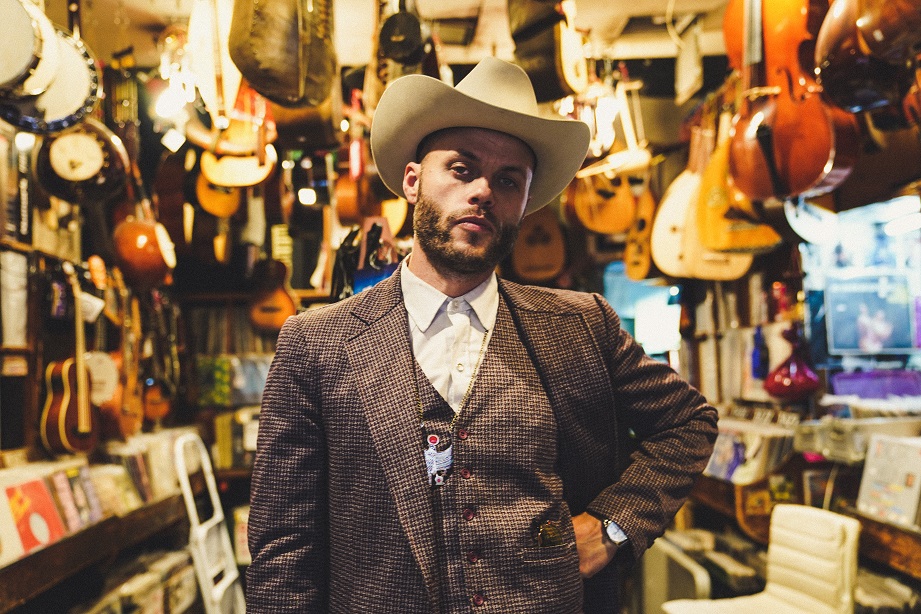
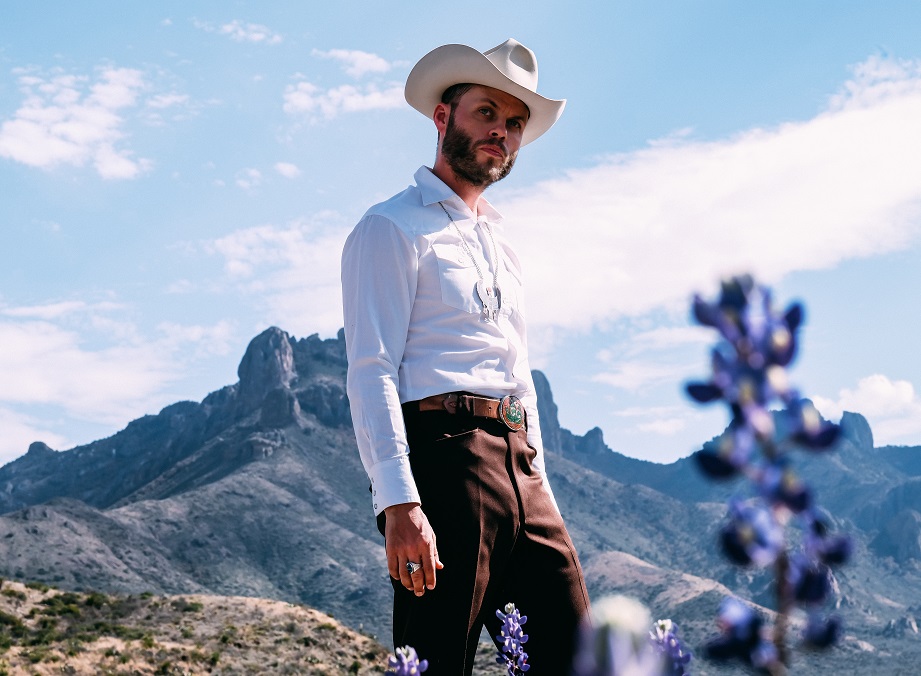
From Texas to the World, Charley Crockett Spreads Traditional Music of ‘The Valley’

“I’m from San Benito, Texas…”

That’s the first line of “The Valley,” the autobiographical title track of Charley Crockett’s newest album and perhaps the best entry point into his true-to-life twist on traditional music. Not only do those lyrics reference the rougher times of his story so far, the jaunty arrangement underscores his fascination with blues and classic country music — but without treading the same fertile ground as everybody else. BGS caught up with Crockett by phone on his way to the Pacific Northwest.

BGS: At the end of the song “The Valley,” your closing line is, “May your curse become a blessing. There ain’t nothing else to do.” Tell me about the message you were trying to convey with that line.

CC: Man, I think people are born into struggles that we don’t have a lot of control over. I know for me, I dealt with different adverse situations that I never saw them coming and got forced into at a young age. Just with my own story I had a lot of issues over the years with getting in trouble and family stuff, siblings going to prison and losing my sister to some of the vices of the modern world. My mother was struggling, working 80 hours a week, to take care of me, and that whole deal.

I parlayed all of those hardships together into making music, so quite personally I’m saying, hey, you can take those really hard things and turn them into something, because if you don’t, what’s the alternative? I had a guy tell me years ago on the street, I asked him how he was doing, and he said, “I’m doing great today. I have to be doing great ‘cause what’s the alternative?” That stuck with me for my whole life.

I thought, man, it really is all about how you see it. That line before it is, “And now you know my story, I bet you got one like it too.” I never really run across very many people that didn’t feel like they were fighting some kind of adversity. I feel like you got to take the lemons and make it into lemonade.

Do you consider yourself an optimist?

Oh, I’d say so, most definitely. I met a guy in Denmark, when I was over there recently, who had an Indian curry joint there in Copenhagen. We ended up going two days in a row. The first day I went in there and we had cowboy hats on, and he knew real quick we were doing music and the whole loud-mouthed Texan thing or whatever. We played up and had a good time in there, and he got my name and stuff, and we left.

We ended up going in the next day to eat again because we liked his curry so much. I come in there and he said, “Charley, man, I want to apologize to you. I looked you up and I read about your story.” He’s like, “I really judged you as being somebody that maybe hadn’t been through much, because you seem like you were so happy-go-lucky and so optimistic.”

I thought that was so strange, that because of my positivity, he thought that maybe I was privileged or something. I guess he read my circus of a biography and realized that I was a lot different than that. And that really struck me. It was sad to me in a way. I thought if everybody in this life wore their hardship on their sleeve and let it get the best of them, it would be really sad. But what’s really amazing about people, overall, is the resiliency in people.

Who were some of your early champions when you decided to take this music path?

Well, in the beginning, my mother was the one who got me this old Hohner guitar out of a pawn shop when I was 17, and told me that I could do this. Even when I sounded terrible. I remember saying, “Mama, I tried to write these songs. Am I any good?” Then she said, “Well, son, people will believe you when you sing.” [Laughs] She wasn’t going to lie to me and tell me I was good. She told me what I needed to hear and I understood what she was saying. She was talking about honesty. She was talking about integrity. She was talking about sincerity. That’s what I believe in.

On “The Way I’m Living (Santa Rosa),” you’re singing about Mendocino County, and that it’s taught you a few things. Was there a specific moment in California where you had an epiphany, or that something really struck you?

Yeah, man. I hitchhiked and rode trains and hoboed around for a really long time. I had hitched out there to Northern California when I was 22 or 23. I ran into cool people up there that would pick me up on the side of the road and let me sleep in their barns or in their pastures, and do work trade and all kinds of stuff. Even my record, A Stolen Jewel — my first one that I ever put out on myself — those people gave me the money to make that record and print 5000 copies of it.

I got them printed up in San Francisco, just a couple of hours south, and I drove in a truck that I’d gotten from those farmers up there that let me work their land. Then I drove back down to Texas and I handed them out on the street in DFW and Austin. That was how I first started getting my first publicity. I got written up in the Dallas Observer and the Fort Worth Star-Telegram, and I got a local guy to start booking me at Texas bars.

So yeah, the line is “Mendocino County bring me lots of joy. It’s opened up the eyes of this wanderin’ Texas boy.” And that’s exactly what happened. It was the first place that I’d ever been in my life where people said, “Man, all you got to do is help out on this farm and play music for us and you can live here in exchange. And we’ll feed you too! And we’ll take you out to the open mics at the brew pubs.”

I’d go to a gathering on people’s farm where you’d play music around the campfire and I’d never known anything like that, besides being down and out on the side of the highway in more shady situations. But then in Northern California, it was the first place where somebody in my position, my modest, kind of undeveloped artistic abandon, that people were like, “Hey, I see you as an artist and I respect you and your music. There’s something about you.” That’s why I have so much love for Mendocino County and continue to be a part-time member of that community there. Those people have always treated me like I had value.

Do you like bluegrass music?

Big time, man. Jimmy Martin, Ralph Stanley, I wear that stuff out. Actually I packed a banjo and brought it into my show. We have a bluegrass section in the show, right in the middle of the set, where we do a five-song bluegrass deal around the one mic. It’s just a lot of fun!

What do you hope people take away from the experience of coming to see you play?

I hope the people that have come out before to see me will see that I’m true to what I promised — that I’m getting better every year. I’m really about the classic stuff and I think when you’re really rooted in the tradition, you’re never going to stop growing.

When I was playing in San Antonio the other night, I played “Nine Pound Hammer” on the banjo for these kids. … This mother had her two young children at the very front of the stage and they were hollering for “Nine Pound Hammer” as I got off stage after the encore, and I ended up playing it for them sidestage, because they were so sweet. These kids were young. The little girl was probably 8 and the boy was probably 10 or 11 at the oldest, and they knew every word to “Nine Pound Hammer.” That was really cool to me to see these young kids, who had no context of how old that dang song is, excited about something out of the nineteenth century like that.

I guess that’s one thing you could say, but for me it’s like I wear tradition on my sleeve and I think what’s radical in music today is to bring tradition up front. I think that’s what people like about me. Not that I’m some kind of preservationist, but that I’m doing tradition as a man of my times. I think that people can hear the tradition and they can also hear something new in what I’m doing. I hope that’s what people hear when they come out to see me.


Photo credit: Lyza Renee

WATCH: Bowregard, “The Henrys”

Artist: Bowregard
Hometown: Boulder, Colorado
Song: “The Henrys”
Album: Debut to be released early 2020

In Their Words: “‘The Henrys’ is the tale of a desperate outlaw attempting to escape his fate in the Henry Mountains of Utah. Written by Bowregard guitarist and vocalist Max Kabat and led by a driving dobro and fiddle melody, ‘The Henrys’ is a barnburner that has become a staple of our live set ever since its debut at the 2019 Telluride Bluegrass Festival band contest, which we were honored to win.

“The video was recorded by Mineral Sound in Lyons, Colorado, live in one take around a stereo pair of mics with no edits or overdubs. We’re currently in the studio working with producer Nick Forster (of Hot Rize fame) on our debut album, which we plan to release in early 2020 and can’t wait to share with the world.” — Bowregard


Photo credit: Daniel Herman

BGS’s 15 Favorite New Emojis

If you haven’t heard by now, Apple released a host of new emojis — 398 to be exact! — with the rollout of iOS 13.2 earlier this week. Among them are soon-to-be-favorites such as an otter, a sloth, a yawning face, a bulb of garlic, and oh so many more. To take you into the weekend we thought we’d poll the BGS staff and list our favorites here. Which new additions are you most excited for? Comment below!

The Banjo

I mean, DUH!! We finally get a banjo emoji! Props to Apple for getting it right with the fifth string peg and the armrest. It’s clearly a beginner model (the tuning pegs parallel to the headstock, for instance), but this machine can clearly get the job done. An obvious fav.

The Banjo

Can you blame us? A BANJO EMOJI IS HERE, Y’ALL!!

The Banjo

No, seriously. This isn’t a “paddle faster” situation. This is a “the quintessential American instrument is finally given its due alongside a violin, stratocaster, trumpet, saxophone, and a Shure SM58” situation. Or perhaps, a Bluegrass Situation?

The Banjo (Samsung version)

Are those… are those ugly tuners!? Unfortunately, no. If you peer really closely you’ll see it’s actually a six-string banjo, which is just as important a part of American vernacular music as the five-string, to be sure. Good job, though, Samsung. The detail is spot on, even if six-string banjos don’t have headstocks like this.

The Banjo (Facebook version)

Facebook isn’t getting much of anything right these days, but damn if their banjo emoji doesn’t just almost cover a world of sin. Another six-string (forgivable), yes, and the inlays and gold plating are a nice touch.

The Banjo

We just missed it, okay? TAKE IN ITS RESPLENDENT GLORY!!

The Banjo (Google version)

Another budget model, given the flange styling, and they certainly phoned in the details — is it four-string? Five-string? Six-string? NO-STRING!? But hey, it’s a banjo. Banjomoji. (Still testing out that term. You can use it if you like.)

The Banjo

If you scrolled down this far to see if we’ve chosen any others… Nope! Still banjo.

The Banjo (Microsoft version)

It kinda feels like this one should be cut out and promptly slung around a paper doll’s neck, right? Cute as can be. But really, did any of y’all know Microsoft has their own versions of emojis? Who knew??? [Windows phone users, don’t @ us.]

The. Banjo. Damnit. 

Banjomoji! Banjomoji! Banjomoji! Banjomoji! Banjomoji!

The Banjo (Twitter version) 

The participation trophy of banjo emojis. The “nobody else in the group project turned in their work” of banjo emojis. The Nickelback of banjo emojis. Four tuners, two strings, six brackets — is this a functional instrument or a toy, Twitter? Oh right. Neither. It’s an emoji. Still a banjo, though!

The Hatchet

The only other AXE to be released in this round of emojis. Lololol. Get it?

The Banjo

You see what we’re doing here, right?

The Banjo

If only Earl Scruggs could see the magnificence he hath wrought.

The Banjo

Whether you got here the long way or scrolled right down after reading the intro, yes, this is a real thing you just read. We just love the banjo emoji, okay? We’ve waited a while. Let us have this moment.

Now to begin lobbying for a mandolin emoji! Who’s with us!?


Photo credit: Foter.com
Emojis: Apple designs / Emojipedia

WATCH: The Grascals Are “Callin’ Your Name”

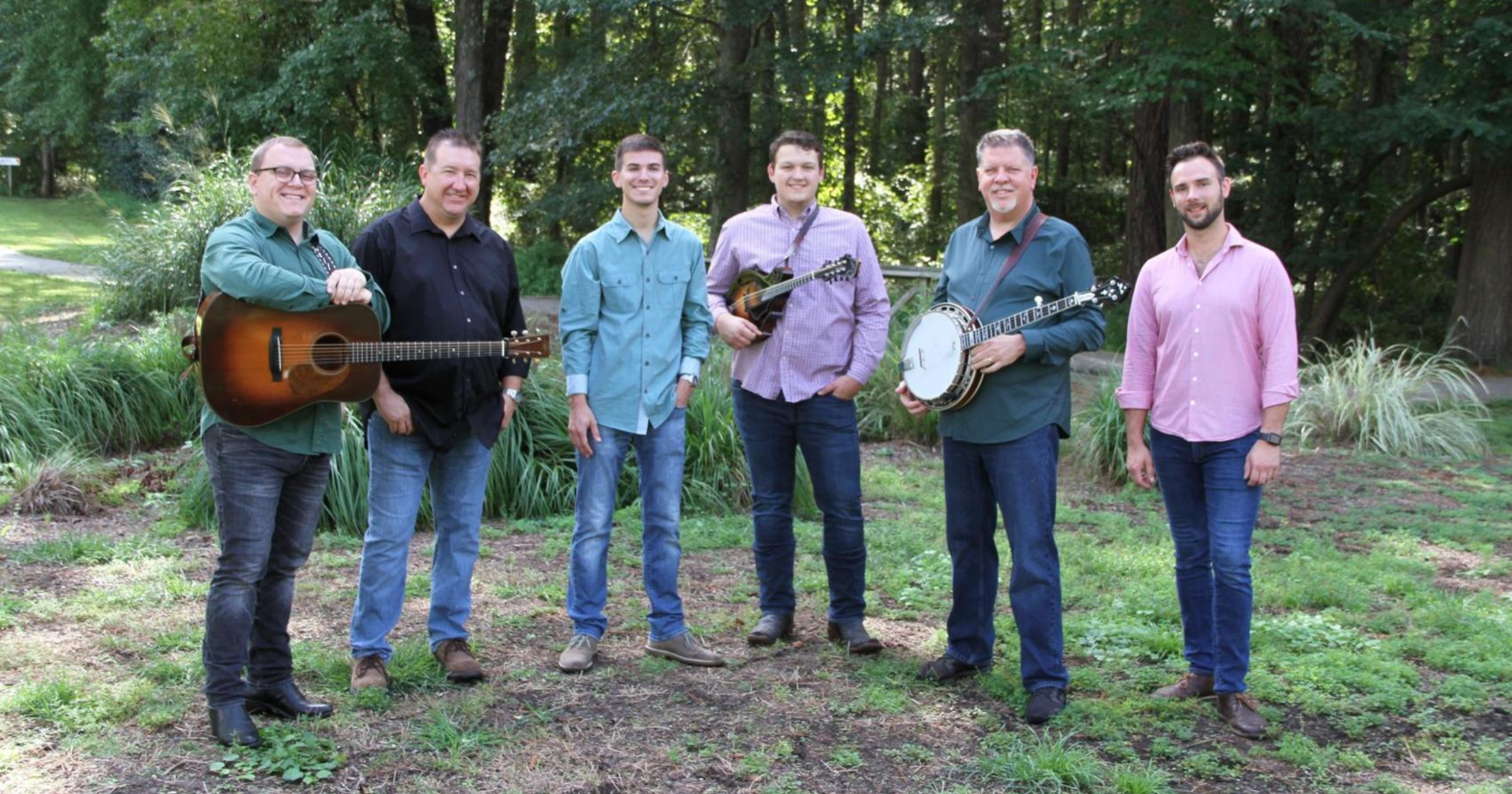
If you haven’t gotten your fix of straight up bluegrass today, stop what you’re doing and check out new music from bluegrass pillars The Grascals. In late August the band released their most recent album, Straighten the Curves, on Mountain Home Music Company.

No stranger to the bluegrass limelight, the Grascals have now released eleven full-length albums, building a reputation of excellence on their tight vocal sound and traditional writing style. Accompanying the album is the music video for “Callin’ Your Name,” a catchy number led by newcomer-to-the-band Chris Davis, who proves himself as a strong vocalist and stout lead guitar player, injecting some fine flatpicking into the Grascals’ refreshed but classic sound. 


Photo credit: Kim Lancaster Brantley

The Dead South Have a Message for Bluegrass Purists

The Dead South is actually from up north, but the Canadian band has cultivated a following in stateside circles too. With a raucous approach to roots music, they’ve been guests of SiriusXM’s Bluegrass Junction, showcased at IBMA’s World of Bluegrass, and recorded their newest album, Sugar & Joy, in Muscle Shoals, Alabama. Upon its release, they debuted at No. 1 on Billboard’s top bluegrass albums chart.

That grand entrance is setting the stage for significant touring over the winter, with West Coast dates starting in November, followed by Midwest gigs in December. They’ve already confirmed European dates for February through May 2020.

Formed in 2012, the band is back in its original lineup of Nate Hilts (vocals, guitar, mandolin), Scott Pringle (guitar, mandolin, vocals), Danny Kenyon (cello, vocals) and Colton Crawford (banjo). Maybe it’s important to note that there’s neither a fiddle player nor a drummer in this band — or you know, maybe it doesn’t matter one bit. Hilts and Crawford chatted with BGS during some downtime at IBMA’s World of Bluegrass business conference.

BGS: “Diamond Ring” but doesn’t end well for one of the characters, which is common in bluegrass. What story were you trying to tell in this song?

Nate Hilts: It’s a story of a man who’s trying to appease his partner. She finds that a diamond ring would make her happy and so he is going to do whatever he can to make sure that he gets that diamond ring for her. And it turns out to be a tragic ending, of course. Just like all of the songs I write. [Laughs]

Did you know it would end so gruesome?

NH: You know what, no! But when you’re doing a video it’s like, yeah, we need a body count!

Videos have been a crucial part of your career. Do you find that that’s been a good way to be introduced to new fans?

Colton Crawford: Yeah, I think so. We had our first big splash with the “In Hell I’ll Be In Good Company” video. So I think a lot of our fans discover us through YouTube. I think like our songs work well with music videos, too. They’re cinematic and “soundtrack-y.” We’re definitely inspired by film soundtracks and Tarantino and Spaghetti Westerns.

Are there filmmakers that inspire you or that really resonate with you?

CC: Clint Eastwood for sure. Tarantino for sure. Even those old B horror films, Wes Craven and that kind of stuff.

NH: You could give us an array of movies and we’ll find stuff that we like about it. Who did Drive?

CC: That was Nicholas Winding Refn. That movie is all about the atmosphere. I think our songs are kind of like that too.

Was there a certain encounter that triggered you to write “Blue Trash”?

CC: Lyrically, yes. [Laughs]. This one was a lot of fun for me because the verses and the chorus are the same banjo part. It’s just the choruses are played in halftime with that shuffle feel, but it’s the same thing. I do a couple of different bends and stuff like that. I came up with that slow part first and wanted to “Scruggs-ify” that slow part, so it was a lot of fun.

NH: But lyrically that song was triggered by listening to a purist group on Bluegrass Junction [that was dismissing] bands like us, who aren’t quite pure. You know, we stem from bluegrass, but we do our own thing with it. And this song we heard was basically telling us to go away.

CC: “Blue Trash” is sort of like a cheeky love letter to bluegrass. It’s a bit of a response to that.

NH: It’s not a hateful or hurtful response. It’s more like, you know what, we’re here and we love bluegrass music.

So what’s your response when someone’s like, “Well, they don’t play bluegrass…”?

NH: “Yes, you’re absolutely right, but what do you want us to do?” We’re not saying that we’re playing bluegrass. We love bluegrass. The reason that this band was started was bluegrass. And here’s what we do with bluegrass. We take our parts of it. Colton on the banjo, he’s playing better than half the folks you hear on Bluegrass Junction, and [it’s] fantastic that we can have those elements, but we’re not claiming to be the best, or to be stealing it. We’re just trying to be a part of the community and play music.

Tell me about what you mean when you say the band started because of bluegrass.

NH: Oh, when I first met Colton, I was listening to a lot of Old Crow Medicine Show and Trampled By Turtles and listening to some older bluegrass. Colton had just got a banjo, started playing.

CC: Steve Martin was the first actual banjo player that I listened to. Actually there were indie bands that I was into in high school and university, like Modest Mouse — their one record Good News For People Who Love Bad News, there’s a lot of banjo on that. I always just loved the sound of it. And then I discovered that Steve Martin was a world class picker.

I was always a metal guitarist. So there was actually a lot of crossover. I just love that fast picking style… Growing up, my guitar lessons were all classical fingerstyle guitar, but then I played in metal bands in high school. So the banjo is like the perfect middle ground between an acoustic fingerstyle guitar and metal guitar.

Colton, did you take some time off?

CC: I did, yeah. When we first started the band, we just hit the ground running with the touring and we were making no money. So we’d be on the road for a month and a half to two months at a time in a minivan, playing every single day. … I’ve always had this tough time sleeping, but I had a year of really, really bad insomnia. I think the worst part about insomnia is that you’d think at a certain point you get so exhausted that your body would just pass out and you’d have a great sleep. But the thing with insomnia is the more tired you get, the less likely you are to sleep. It’s the worst, it’s just hell.

I went through a year of that and I just said, OK, I’ve got to step away from this. And of course, like two weeks after I left, “In Hell I’ll Be In Good Company” got posted to Reddit and everything started to blow up. But I was still really good friends with Nate, kept in touch with the guys all the time, always figured that’d be part of writing the next record regardless. And then I got some help and figured it out a little bit. Then sort of approaching it a couple of years later, I just said, you know, I want to take another swing. Thankfully these guys, they could’ve told me to fuck off, but they didn’t. So I’m grateful for that.

NH: Yeah, Colton wouldn’t even look me in the eyes when he sat down with me. He was doing a lot of this [looking down]… “I’ve been thinking…” and just staring at the table and I’m like, “What’s he going to say? What’s coming?”

CC: I had no idea how you guys were going to react at all.

NH: He said, “Hey, we should go for a beer, I want to talk about something.” I was like, “I think he’s going to come back.” [Laughs]. In our minds I was like, he’s probably never coming back because we travel a lot and that was a big, big part of it. So what do you do? Unless we stop traveling as much as we focus just on writing or something.

CC: It’s not realistic.

NH: Yeah, for what we do, besides YouTube content, the way that we’re able to function so well is by touring.

CC: Yeah. Our main product is our live show. I love our records but definitely our show is what we do.

Tell me about when you’re off stage. What is your dynamic like?

CC: It’s pretty much just like this. Just hanging out and everyone gets along pretty well for the most part, which is really nice. We’ve been a band for almost seven years now and we still like being around each other, so that’s good. Yeah, it’s a lot of fun. We always say we’re friends first, a band second, and a business third, so we try and keep that in mind.

What do you hope people will take away from that experience of seeing you guys play live?

CC: I think most people show up for a really, really good time, and that’s what we’re trying to do. We’re not a political band. We don’t really have any kind of message. I think our main focus with the live show is just fun. It’s a weird thing because it’s almost frowned upon in the arts. You know, [the perception is that] if something’s fun, it can’t really be true art. We don’t agree with that at all. I don’t think there’s enough fun these days. Everything’s so serious all the time, so we just want people to come and enjoy themselves and have some fun.

It stands out when a band’s having fun, because there’s a lot of serious songwriting and sadness out there.

NH: We write tragically, but a lot of times we have humorous spins on stuff, or the song sounds super cheery but it’s actually quite sad. But we still have fun with it. We don’t take ourselves too seriously.


Photo credit: Brandon White
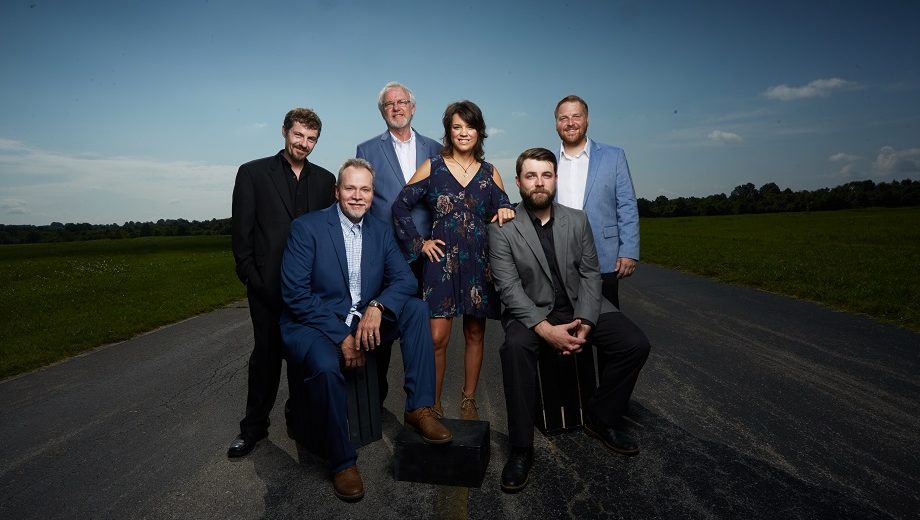
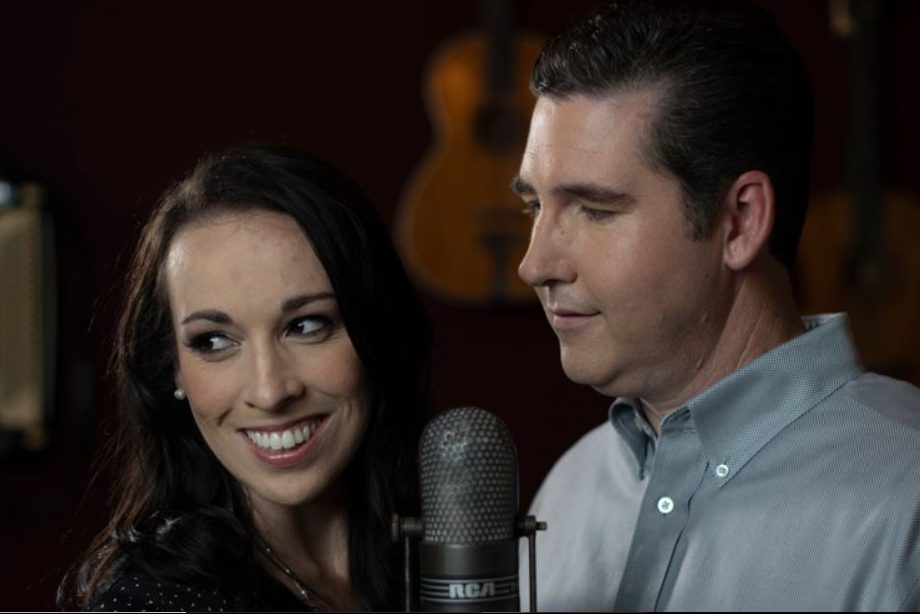
Darin & Brooke Aldridge’s ‘Inner Journey’ Always Leads Back to Bluegrass

The first time they ever sang together, Darin and Brooke Aldridge harmonized on “The Prettiest Flower,” an old hymn familiar to any Baptist church. They’ve scarcely stopped since then, with their latest album Inner Journey placing their stunning musical blend at its center on classics like “Teach Your Children Well” as well as songs written by the likes of Kasey Chambers, First Aid Kit, and Nanci Griffith.

“Brooke and I have always been trying to develop our sound. On this one, we stayed true to our bluegrass roots in some of the material,” Darin says. “We’re more of a vocal band. We can base things around Brooke’s singing and our duet style and harmonies, and we want our songs to send a message out that speaks to us.”

Versatile enough to sing a Louvin Brothers song one minute and a Bryan Adams song the next, the married couple commands a musical vocabulary that nonetheless lends itself to bluegrass. Darin Aldridge co-produced the project — their first for Rounder Records and sixth overall — with Mark Fain. And on the afternoon following this interview, Brooke Aldridge picked up her third consecutive IBMA female vocalist trophy, indicating that their audience is on this journey too.

BGS: This album begins with “I Found Love,” which has a tie to Earl Scruggs, right?

Darin: It does. I listened to that on a plane ride back from somewhere in New England and I had my iPod with me and the Earl Scruggs and Friends record was on there, with Vince Gill and Rosanne Cash singing it. I just thought, “Man, that would be a good grass-up number right there for us.” It’s a pretty good tempo and a duet and it speaks to what I was just saying – about what I want to get out there, in our life and in our history, and what we want to go forward with. Then I got to looking at the writing credits and it was Earl and Randy Scruggs and our buddy Vince. That was perfect. That’s all we needed.

Brooke: It’s one of those positive songs that we set out to do a long time ago when we first started making records. We talked about how we wanted to have a positive and uplifting message in most everything that we ever recorded. Some people have told us down through the years that we weren’t going to do very well doing that kind of thing. But I think that’s not the case at all! We’ve done very well sticking true to what we love and what we believe in, in each other.

But when you hear a good heartbreak song like “Every Time You Leave,” how do you respond?

Brooke: Oh, gosh, you just realize how true those words are. Because just like “Every Time You Leave,” we’ve all been through hard relationships or hard times in our families where we’ve lost loved ones or things haven’t worked out quite the way we wanted. I think that really speaks measures to me when we’re listening to songs like that and trying to decide what’s going to affect somebody out there listening.

Darin: The harmony speaks to us as well. We got to do that song with our buddy Jimmy Fortune. We got to tour a lot with Jimmy in the last couple of years and wanted to get a good song that represented that out there on the road for our singing together, and it just comes perfectly.

I want to ask you about “Your Lone Journey.” I learned that from a Doc Watson record.

Darin: Yeah, we did, too.

Why did you choose to include that song on here?

Darin: We got to visit Doc and become friends with him through MerleFest, through him being in North Carolina. A friend of mine took me up to visit him at his house about a year before he died. We’d been featured in Bluegrass Unlimited maybe a couple months before, and Rosa Lee brought the magazine to us when we got there. She said, “I’ve been reading about you all and glad that you all are here.”

She got to telling us the story of how she wrote that song. She was just sweeping in her kitchen, wasn’t she, Brooke?

Brooke: Yeah. And I think the words just came to her. She was sweeping and her and Doc arranged it, I guess, and made it theirs. What a great-sounding song.

Darin: Yeah, we sat there with them in the living room and talked about that, and he got to talking about Merle, and when he couldn’t wait to see him in heaven with his own eyes again. It is powerful, man. We just wanted to include that and it’s got an old-timey feel to it. Brooke’s got a really good mountain voice as well. It really fits.

Brooke: What Doc and Rosa Lee had brought to the music over the years and what they mean to us — we definitely wanted to include one by them. And it was funny because Doc kept saying that a lot of people title this song, “Your Long Journey.” And he’s like, “That’s not how Rosa Lee wrote it. It’s ‘Your Lone Journey.’” We made sure to get that right on this record.

Darin, have you been playing guitar your whole life?

Darin: I started probably 12, 13, something like that.

Never put it down?

Darin: Nah, I picked up the mandolin when I was 15 or 16. My brother and his baseball buddies had a little basement band. They’d all get around — he was a drummer – and pick on rock music and stuff like that, so I slowly learned that. I’d listen to the tunes after they’d quit playing and I’d start figuring them out, so I could sit in with them. Then the next week or two, I’d learned the tunes better than they had. Then their guitar player would ask me, “How’s that really go?”

Brooke: A little Van Halen? (laughs)

Darin: Yeah, all that stuff — ‘80s hair band stuff, I was big on [that]! Then I got to singing more in church as I grew and got into a gospel band through some buddies in the marching band. They went to church somewhere and said, “You play and sing — you got a banjo?” I actually had a banjo at the time but really hadn’t learned how to play it. I was like, “Oh, yeah, I can play banjo.” So I learned real quick, just so I could be in the band and start picking and singing. And I quickly moved to the mandolin after that. One of the guys could just play in a certain amount of keys, A and D maybe.

Ricky Skaggs has always been a huge influence and I wanted to do something I saw him do on the Opry, which was a quartet with a mandolin and guitar. Since we were singing in churches a lot, I wanted to do some of that material like Bill Monroe did. I recorded [the Opry] on a VHS tape, so I went upstairs with the mandolin and watched it. This song was in G, so I sat down and figured out the notes on the mandolin. I come down there to show it to him so he could play it, because I was the guitar player in the band. He said, “No, man, you just play mandolin.” [All laugh] So I just started playing mandolin from then on.

Brooke, did you start singing when you were around 12 or 13, too?

Brooke: Probably from the time I could talk, I started singing. My mom, my sisters and I used to sing in church. As I was getting a little bit older, my parents realized at an early age that I could pick up lyrics to a song just by hearing at one time. They started putting me in singing competitions. The school system where I was, in Avery County, used to have a yearly talent show. It would start out in the elementary schools, and if you placed first, second, or third you went onto the county-wide talent show and got to showcase your talent in front of everybody.

Those kinds of things, and doing community events and competitions all throughout my childhood, really prepared me for loving this more so when I got to adulthood. And so it’s been a neat journey. After Darin and I met, I had goals and dreams, of course, just like everybody in the music business does. We still talk about how we never imagined we’d get to do some of this stuff we’ve gotten to do. It’s been really cool to see those things become reality.

What are you looking forward to the most with this record coming out?

Darin: It’s been a few years since we put one out. I think we’ve grown a lot in those two years, and everything that’s followed, with what we’ve been doing, recording, trying to say as artists. We have grown maturely, too, in our music. And I think this record reflects that.

Brooke: I think that’s why we chose the title that we did, Inner Journey, because as kids, you imagine or dream about things that you can be when you grow up. And then, when you come into adulthood, you stop and think about where you came from, and what you’ve gotten to do, and if your heart really followed that path from a child to now. And I feel like ours definitely has. It’s been our inner journey. God has put us exactly where we needed to be at that exact moment.


WATCH: Sideline, “Return to Windy Mountain”

Artist: Sideline
Hometown: Raleigh, North Carolina
Song: “Return to Windy Mountain”
Label: Mountain Home Music Company

In Their Words: “‘Return To Windy Mountain’ has a story that any full-time entertainer can relate to. Based on the life of [Kentucky Music and West Virginia Music] Hall-of-Famer Melvin Goins, it talks of a musician that got sucked into the lifestyle at an early age. He left home and everything he’d known to follow his dream. He travels the world, propelled by his love for music, but finds that his mind keeps drifting back to his homeland and all that he loved and left. Knowing that he is destined to spend the rest of his life on the road, he still makes his goal to finally return home for his final rest.

“While we love what we do, we all sacrifice so much for this life and we couldn’t do it without the support of our families. This song definitely hits home, and I feel like it comes out in the music and the arrangement.” — Skip Cherryholmes, Sideline


Photo credit: Photo courtesy of Sideline

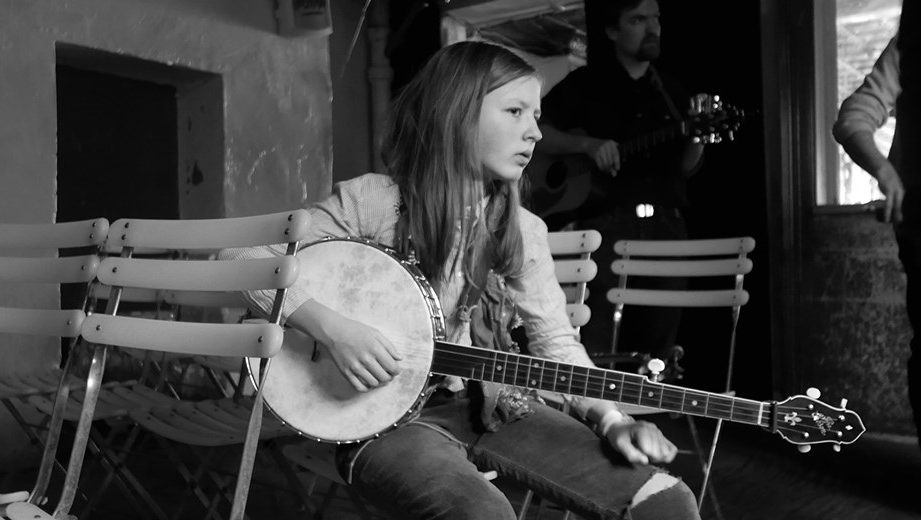
LISTEN: Nora Brown, “Buck Creek Girls”

Artist: Nora Brown
Hometown: Brooklyn, New York
Song: “Buck Creek Girls”
Album: Cinnamon Tree
Release Date: October 25, 2019
Label: Jalopy Records

In Their Words: “‘Buck Creek Girls’ is a square dance tune from Kentucky that goes by different names depending on the source you get it from. Though [it doesn’t have] many words, the tune has a driving tempo and surprises the listener with each turn of the A to the B part. I learned this tune from the late John Cohen in his living room, from his interpretation of his recording of Banjo Bill Cornett. It’s exciting to listen to this tune because it seems like every time I hear it there is some note or emphasis I missed. For me, the tune never gets old because there’s always something new about it.” — Nora Brown


Photo credit: Benton Brown