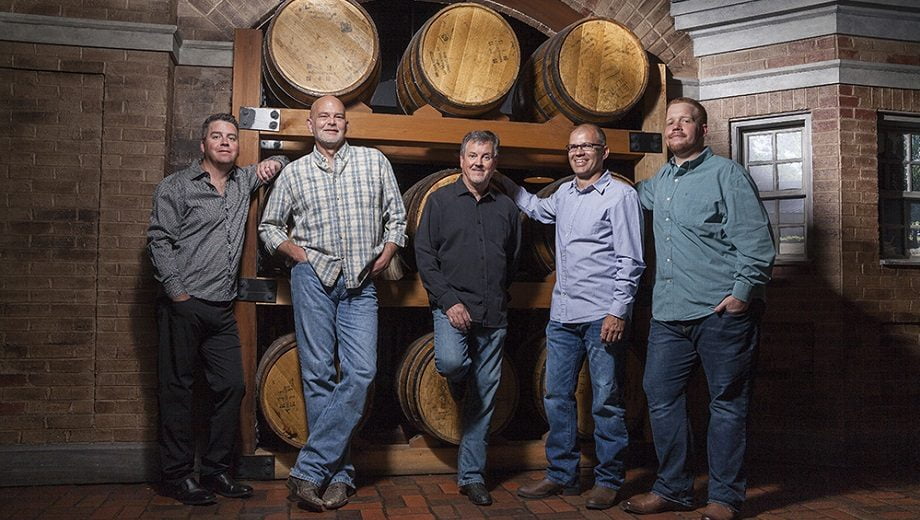
WATCH: Merle Monroe, “Dad”

Artist: Merle Monroe
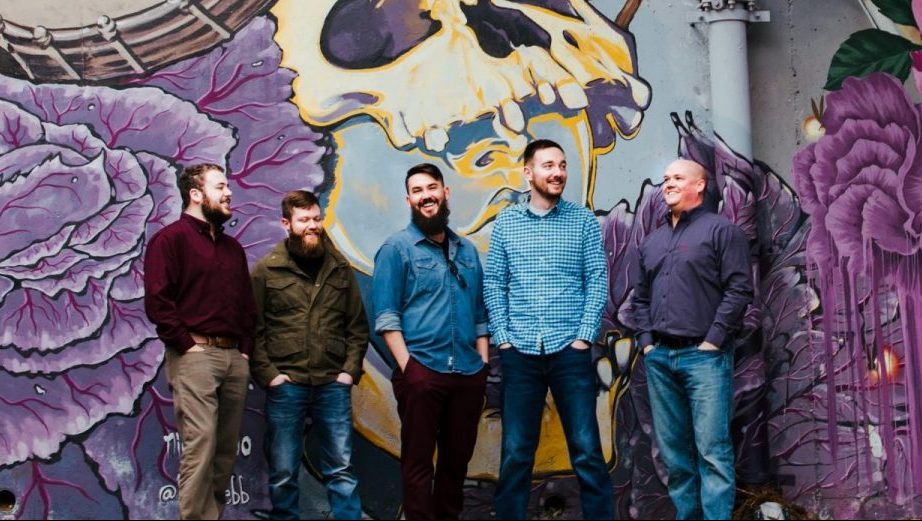
Hometown: Sanford, Florida (Tim Raybon) and Elizabethton, Tennessee (Daniel Grindstaff)
Song: “Dad”
Album: Back to the Country
Release Date: June 21, 2019
Label: Pinecastle Records

In Their Words: “Out of all the titles I have had, ‘Dad’ is the best. This song resonates with me on many levels — my own dad, the father figures I have had influence me through the years, and being a dad to my two sons. Words can’t describe how wonderful I feel when I hear ‘I love you, Dad.'” — Daniel Grindstaff

“To all the Dads who go to work everyday to provide for their family… Save a little back for a weekend fishing trip or have to buy gym shoes for their kids to play ball. Thank you Dad for all you do for us!” — Tim Raybon


Photo credit: Pinecastle Records

Béla Fleck and the Flecktones Forge Their Own Path

What’s on Béla Fleck’s mind?

Balloons.

Just the day before, his Nashville house was filled with them, as well as with a few dozen kids. It was the 6th birthday of the eldest of two children of the three-finger-style banjo maestro and his clawhammer-style counterpart, frequent recording and touring partner and wife Abigail Washburn.

But the days surrounding this have also had a party vibe. He’s been in rehearsals with his cohorts in the beloved jazz-and-way-beyond Flecktones, in preparation for a tour marking the band’s 30th birthday.

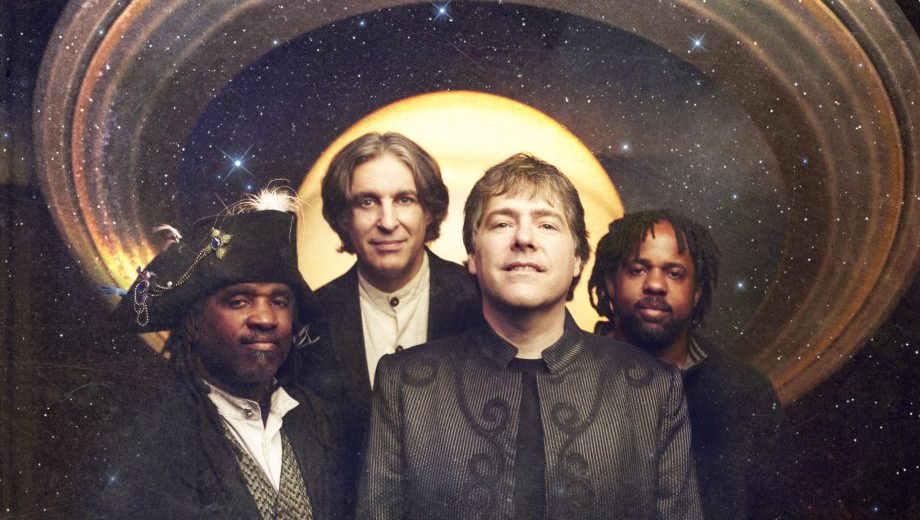
Working again with harmonica player/pianist Howard Levy, bassist Victor Wooten, and the singular electro-acoustic percussionist known as Futureman (a.k.a. Wooten’s brother Roy), digging deep into their group catalog of complex flights of fancy mixing daredevil chops, musical depth, and persistent whimsy has been a blast.

“They’re the same guys they were when I first met them,” he says, speaking from home. “Curious, interested, ever-expanding, ever-pulling me with them. There’s a very special bond we have together. I’m realizing it more and more as years go by, one of the great relationships in our lives, musically and personally.”

They’re even pulling out such rarely played and decidedly difficult gems as “Jekyll and Hyde (and Ted and Alice)” from the band’s second album, 1991’s Flight of the Cosmic Hippo. It’s challenging and exciting, enlivening the qualities that made this alchemical combo of characters special from the very start. Futureman, he says, is an “empath and enabler — musical enabler, brings consciousness underneath you.” Victor Wooten too. Levy is “the crazy ideas on top. He’s the brains of the outfit.”

Fleck’s role? “Somehow I thought I was the heart of it, limiting it but making it more understandable for the common man — I was the common man in the band, surrounded by these crazy guys.”

But with a moment to reflect on their collective history and achievements, he finds descriptions of the magic they work together to be elusive.

This is where the balloons come in.

“It has to have heart, has to have melodies, some harmonies,” says Fleck, who turns 61 in July. “Couldn’t just be a groove or a shred-fest. That’s the power of the band. The tunes are strong, good things to pour everyone’s musical power into. Like a balloon. It’s an empty piece of rubber. But these tunes I’d written, we filled them up with Futureman and Victor and Howard — the balloons get real handsome. With the balloons at the party, it occurred to me that you fill them up and they become joyful. That’s what this music is.”

They’ll be sharing that joy on the road now, including two shows of particular import. This 30th anniversary tour began with a big “Friends and Family” kickoff May 30 at Red Rocks near Denver, the friends and family here including Washburn, saxophonist Jeff Coffin, Dobro genius Jerry Douglas, and the Colorado Symphony. And on June 8 they will be taking a cherished headlining slot at the Hollywood Bowl’s vaunted Playboy Jazz Festival.

The Playboy slot is, to Fleck, a particularly meaningful recognition.

“It’s one of the neat things to being around 30 years,” he says of that booking. “From the start I was begging to play it and they said, ‘Yeah, we’ll put you on at noon’ and we’d play once every four years or so. Now we’re in the headlining slot and we’re legacy artists.”

Sure, the Flecktones have had several albums go to the top of the jazz sales and airplay charts and they have won two Grammy Awards for contemporary jazz album, with Outbound in 2000 and The Hidden Lands in 2006. And last year the band was given the prestigious Miles Davis Award by the Montreal International Jazz Festival. And Fleck has found himself partnering regularly on recordings and tours with some of the greats of jazz, one in particular in an ongoing partnership. “I’m playing with Chick Corea, which is ridiculous, on a regular basis,” he marvels, having just returned home from a tour with the ceaselessly groundbreaking pianist.

But, while belated acceptance in the jazz world is frustrating, he understands. See, banjo is pretty much standard in any jazz band… in 1919. In 2019, not so much. Even after 30 years of forging a path for banjo in modern jazz, Fleck remains singular. Asked about others doing anything comparable today, he’s kinda stumped.

He cites New Orleans’ veteran Don Vappie, but he’s generally in the mode of traditions going back to those earliest years of jazz. There’s Matt Davis, a converted jazz pianist who’s on the faculty of the University of Michigan. And there are others who use some jazz chops and sensibilities while not strictly playing that style of music, notably Tony Trischka, Noam Pikelny, Alison Brown, and Pat Cloud.

“But yeah,” he says. “They’re rare.”

Not to mention that the Flecktones as a whole is anything but standard jazz, with a truly eccentric approach and reach into a lot of styles. The 3-CD Little Worlds set from 2003 showed a boundless range that felt to some at once excitingly delightful and confounding.

On the other hand, not fitting in any category is par for the course for Fleck. He’s made a career of it, holding the record for the most categories in which he has been nominated for Grammys, 16 total. The most recent win is a best folk album trophy in 2016 for Béla Fleck & Abigail Washburn.

He’s a charter member, he quips, of the “Modern American Attention Deficit Disorder Musicians.” There are really only two others he’d put in that association: Jerry Douglas (whose fusiony Jerry Douglas Band may be the only thing out there comparable to the Flecktones) and Chris Thile (who’s resumé runs from Nickel Creek to ongoing collaborations with classical cellist Yo-Yo Ma and jazz pianist Brad Mehldau).

There’s one side of his musical hexadecagon he’s underserved for a while now, though. Ironically, it’s the one that first brought him fame when he emerged as a precocious New York City musician in the ‘70s and ‘80s.

“On the bluegrass side, people go, ‘Whatever happened to Béla Fleck? He could have been a great bluegrass player.’” he says. “Someone told me he had heard that. That was when I was at the top of my game, selling out stadiums with the Flecktones on tour with the Dave Matthews Band.”

Well, it has been 20 years since his last true bluegrass album, the on-point-titled The Bluegrass Sessions. And the one before that, the breakthrough Drive, came in 1988, a year before the Flecktones genesis. Well, as it happens, Fleck has a new bluegrass album in the works with a cast of musicians including such longtime buddies as Douglas, mandolinist Sam Bush, Jerry Douglas, bassist Mark Schatz and fiddler Stuart Duncan (all of whom were on the 1988 album) and a mix of fellow veteran stars (bassist Meyer, mandolinists David Grisman and Chris Thile) and relative newcomers (fiddlers Billy Contreras and Michael Cleveland, mandolinist Dominick Leslie, and guitarist Cody Kilby).

The timing? Just seemed right, he says.

“Now the years have gone by and I didn’t have a place for bluegrass to fit in,” he says. “But I had these tunes burning a hole in my pocket and thought I would really love to have a place for them. These sessions have been a knockout. These are hard tunes. And we’re having a blast. It’s as good as I’d hoped.”

The results will be out sometime next year. But first there’s this Flecktones balloon to float.

“One thing I will guarantee you is you will never hear anything else like it,” he says. “There is nothing else like the Flecktones in the world. I promise that. And I am very proud that were are that, and that we are back together.”

LISTEN: Breaking Grass, “Old Pharr Mounds”

Artist: Breaking Grass
Hometown: Booneville, Mississippi
Song: “Old Pharr Mounds”
Album: COLD
Release Date: June 21, 2019
Label: Mountain Fever Records

In Their Words: “‘Old Pharr Mounds’ was written about a large group of Native American burial mounds near my home in Northeast Mississippi. It’s rumored that this area is home to a Bigfoot-like creature that has been seen in the joining slough. I’ve been told about it all my life, and to my knowledge, film crews and college groups have even visited trying to capture video and sound recordings of it. It’s our local legend and makes for a fun story. I hope you all enjoy ‘Old Pharr Mounds.'” — Cody Farrar, Breaking Grass


Photo credit: Kady Carter Photography

Blue Ox Festival Stretches Bluegrass Boundaries

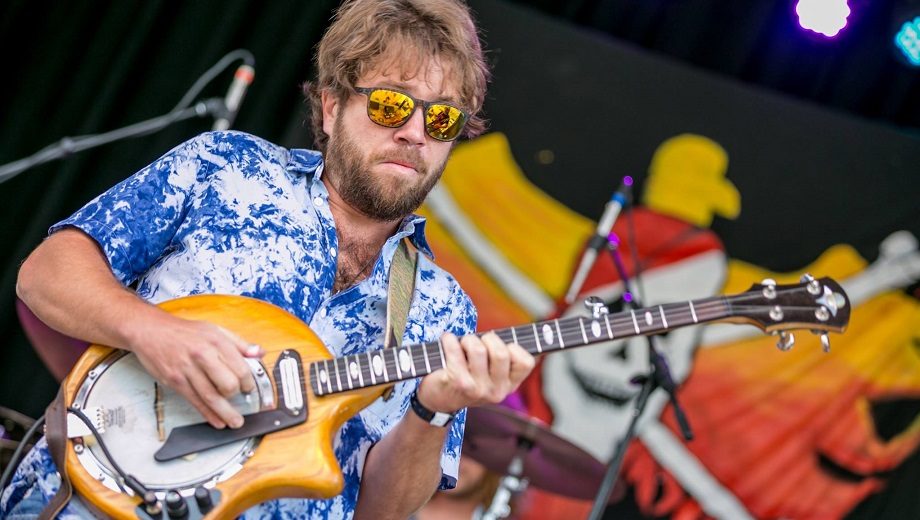
The Blue Ox Festival is bringing the good stuff to Eau Claire, Wisconsin, on June 13-15, with headliners like the Infamous Stringdusters, Trampled by Turtles, and Railroad Earth. Nearly all of the bands on the three-day lineup share a strong acoustic music influence. And while more than a few of these bands are stretching the boundaries of bluegrass, they’re also picking up thousands of new fans along the way.

Here are some highlights from this year’s lineup:

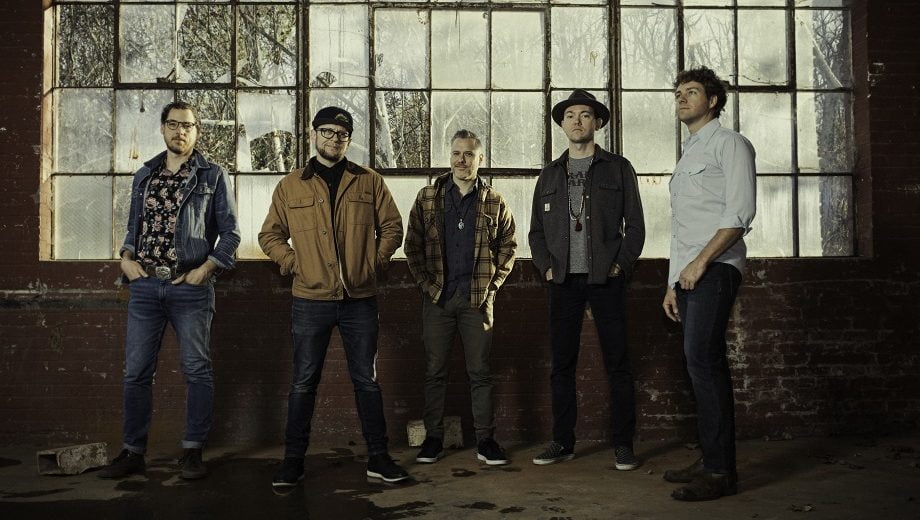
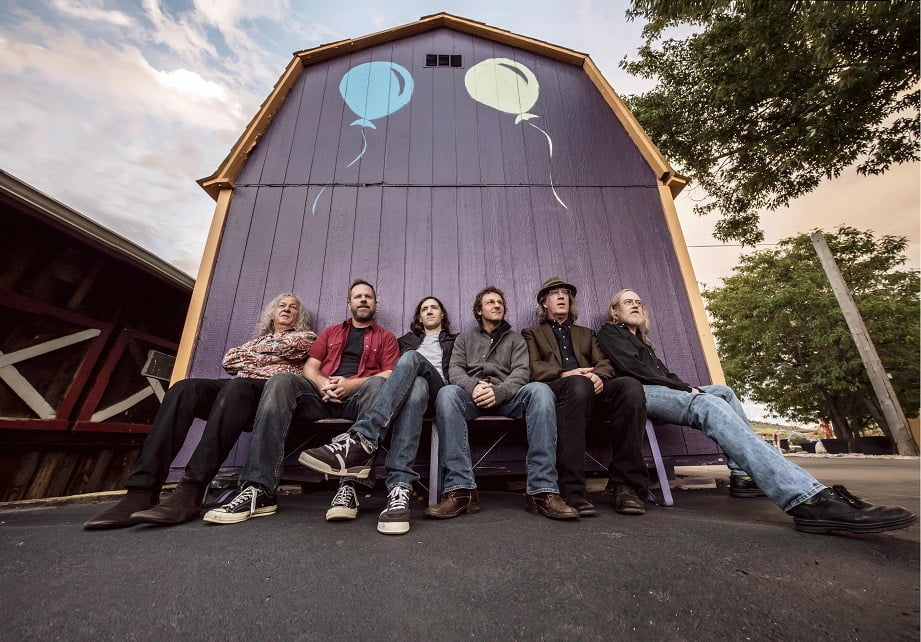
THURSDAY: The Infamous Stringdusters (pictured above) are back with Rise Sun, their first album since winning a Grammy. They’ll top off the night on Thursday, taking the stage at 10:30 pm and playing until midnight. Earlier in the night, fans can catch local favorites Horseshoes & Hand Grenades, approaching a decade together after meeting in college in Stevens Point, Wisconsin. The Lil Smokies and The Lowest Pair will also perform on the Main Stage, while Old Salt Union and Grassfed play the Side Stage. After midnight, Black River Revue and Chicken Wire Empire take on the Backwoods Stage.


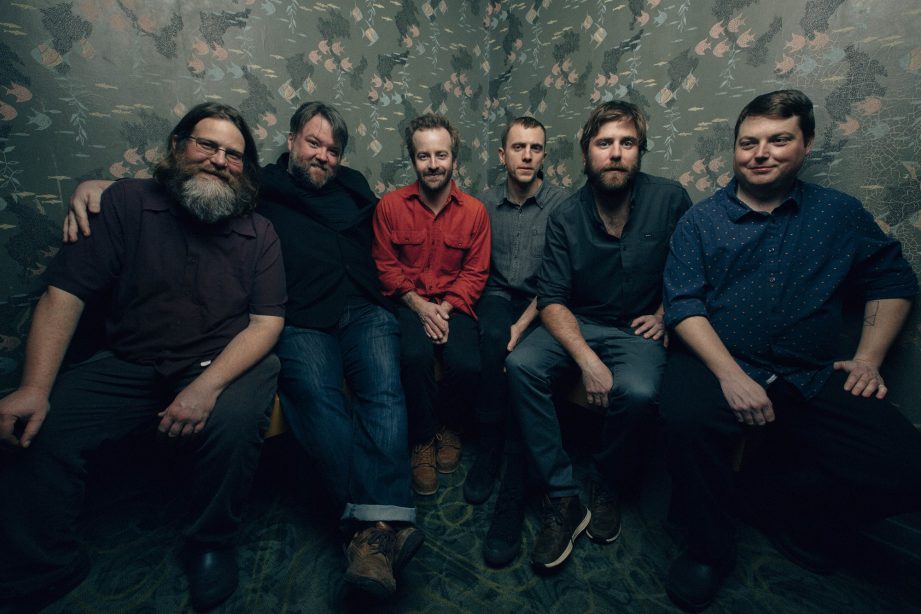
FRIDAY: Trampled by Turtles, the pride of the upper Midwest music scene, are making their first-ever appearance at Blue Ox this year, just after a set from their friends in Pert Near Sandstone. The exceptional lineup also boasts the Travelin’ McCourys, who will play a set dedicated to Sam Bush (who bowed out of the festival to recover from a recent surgery), along with their own material. The roster also features Fruition, the Del McCoury Band, and Jeff Austin Band, as well as Americana favorites Sarah Shook & the Disarmers and Pokey LaFarge. Check out the Side Stage for sets by the Larry Keel Experience, Cascade Crescendo, Barbaro, and David Huckfelt. Once again, night owls can swoop down to the Backwoods Stage for more music — this time from Horseshoes & Hand Grenades and Jeff Austin Band.


SATURDAY: One of the most entertaining bands on the festival trail, Railroad Earth effortlessly connect fans of quality songwriting, awesome jamming, and exceptional musicianship. They’ll follow Pert Near Sandstone on the main stage – but this is not the day to arrive late. The inspired afternoon lineup features the innovation of Billy Strings, the undeniable power of The Dead South, cool insight from acoustic blues artist Charlie Parr, and the straightforward bluegrass sounds of The Earls of Leicester featuring Jerry Douglas. Grab some lunch and check out Peter Rowan’s Carter Stanley’s Eyes as well as Them Coulee Boys as the festival grounds start to fill up.

The Side Stage offers a compelling roster as well, with sets by the People Brothers Band, The Wooks, Feeding Leroy, and Dusty Heart. After midnight, Armchair Boogie settles into the Backwoods Stage, along with the Blue Ox Superjam.

Even if you can’t make it to the festival, you can watch key sets from the weekend on The Bluegrass Situation via JamgrassTV!


Photo of Infamous Stringdusters: Aaron Farrington
Photo of Trampled by Turtles: David McClister
Photo of Railroad Earth: Jason Siegel

The String – Byron Berline and Andy Statman

This week’s show is split between two string instrument masters who have little in common save for a lifelong commitment to nurturing traditional music while allowing it to grow and adapt to the times.

LISTEN: APPLE PODCASTS

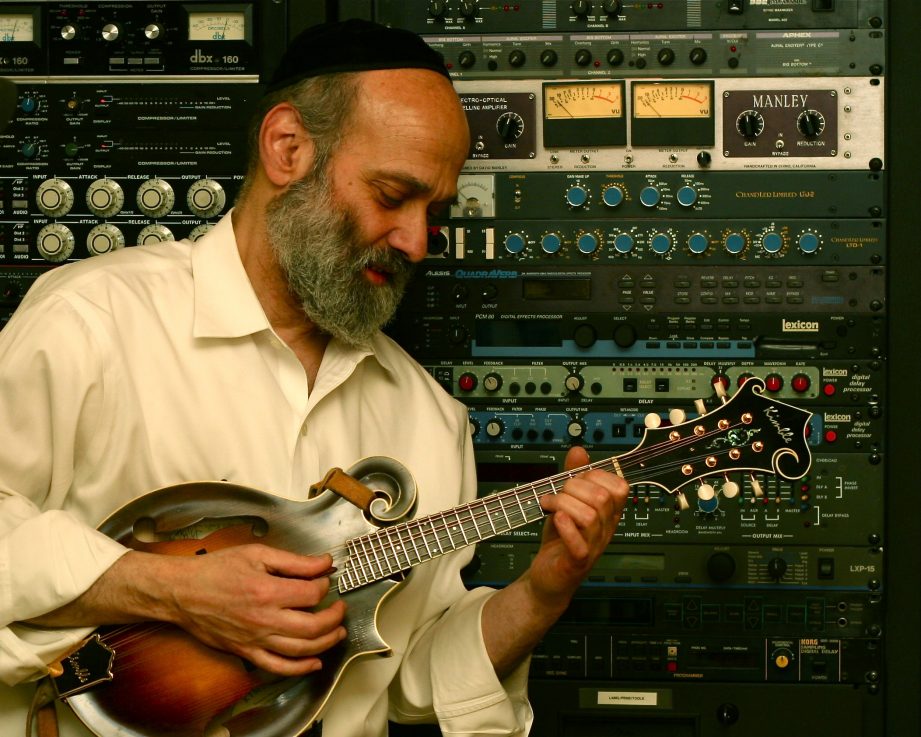
Byron Berline is an Oklahoma-based fiddler who’s a hero in bluegrass music, but who also led the way in the country-rock movement out of Los Angeles for 25 years. He recently had a setback when his famous and beloved Double Stop Fiddle Shop in Guthrie, OK burned down and with it a huge loss of valuable instruments. Also in the show, Andy Statman talks about how and why he mastered the bluegrass mandolin and the Klezmer clarinet. He’s released more than 30 exceptional albums, his latest being Monroe Bus, a tribute to Bill Monroe instrumentals that took on unexpected range and dimension.

Dale Ann Bradley Hears the Truth in ‘The Hard Way’

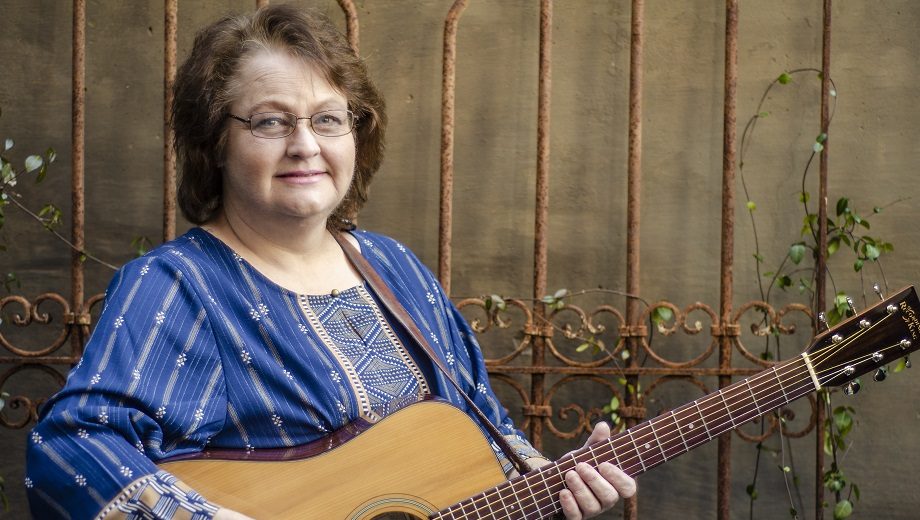
Dale Ann Bradley has made a lasting impression with bluegrass listeners as a solo artist, as well as a member of the all-female band Sister Sadie. And before that, she recorded and performed with the New Coon Creek Girls in Renfro Valley, Kentucky, where she established a foundation that would carry to her multiple performances on the Grand Ole Opry and five IBMA awards in the female vocalist category.

An approachable artist who describes her audiences as “my people,” Bradley is quick to admit that her musical path hasn’t always been easy – in fact, her new album is named The Hard Way, a nod to the Jim Croce song she covers, “The Hard Way Every Time.” But in spite of that title, it’s a beautifully subdued project that stands among the most satisfying of the Kentucky native’s long career. That’s as much due to her gentle singing as her gift for finding songs that suit her.

Bradley invited the Bluegrass Situation to chat prior to a Nashville show earlier this month at the Station Inn.

BGS: I wanted to start by asking about the production on this record, because to me it sounds very crisp. It seems like there’s a “less is more” approach.

Bradley: It is. I have learned, on some things, that’s the correct approach. This one’s more guitar-oriented than a lot of them I’ve done – since [1997’s] East Kentucky Morning. Because I had such good guitarists play, it really didn’t need to be souped up. And the lyrics are so story-telling that the song, and the great musicians that I had, found their own way and their own place to be. … This is the third one I’ve produced and I’m always scared to death! I never take that for granted because it’s just like painting a picture or having a young’un! [Laughs] You don’t know what’s going to happen.

What is it about production that makes you want to keep coming back into that role?

If I want to try something, to able to do it. Even though I know that sometimes it works and sometimes it don’t. I have the utmost respect for any producer that I’ve had because I’ve had the best there is. … From Sonny Osborne, I learned that a good performance is a lot better than everything being technically perfect. He drilled that into my head – it’s all about emotion. With Tim Austin, I learned drive and punch with the guitar, and he helped me a lot with my guitar playing. And with Alison Brown, I learned not to be afraid of creativity. Put it down, and if it works, it works. And if it don’t, then you’ll know not to do it the next time. She’s so creative. I’ve worked with three different producers with three different outlooks, and learned from all of them.

“The Hard Way Every Time” is a beautiful song, with a lot of truth in there.

It is for me. The generation that I come from, we’re all at that point where we’re looking back, and we think, “Well, I sure did that the hard way.” Kept doing it and kept doing it. I hope it reaches a young generation. It seems to be, but I think there’s something in there hopefully for everybody.

How do you find the songs you want to record?

All the memories… I may not be able to recall what I had for lunch or breakfast, but a song will stay with me. Songs that have been poignant in my life have been so much so that I’m never going to forget them. I don’t cut cover tunes just to be different. I do it because it shows how talented these musicians are. … And I want to show that in music it doesn’t really matter what genre it is. If it really breaks your heart or makes you happy, it’s all good. Then there are songs that I want to do in the bluegrass style because I didn’t want to do them in the other style.

I’ve often thought that there might not be any song that’s off limits for you. Is that true?

Well, it was close this time. I’ve never been as scared as I was with “Wheel in the Sky.” I really belabored it. Everybody was saying, “Let’s cut it,” but what do you do after Steve Perry’s cut something? Or Journey’s played it, you know? Then I got to looking at it some more. That was probably the last song that I picked. And I got to listening to those lyrics, and I thought, Bill Monroe would have wrote that: “Winter’s here again, O Lord…”

And I’ve done that with other songs, like “Summer Breeze.” The lyrics are just about life and emotions, and it’s important to me. I love novelty, funny little songs but I just really like the ones that have a message, or maybe leave one.

How did the guitar come to be your instrument?

It was probably going to be the only one that I had any possibility of getting. I would have loved to have had a banjo and mandolin, but I finally got a little ol’ cardboard, classical-style guitar that somebody ordered from a catalog. I knew I might get that one if I pressed enough. If I pressed too hard, I wasn’t going to get nothing! But I had a love for it. And still do.

I never was around anybody that played, is the thing. I had a friend who was my age, and we wrote songs together. He was very talented and he didn’t play bluegrass-style. He was a Jim Croce fan, so he would play that and I was so mesmerized, but that was the only guitar influence I had until I came to Renfro Valley. They were all seasoned Central Kentucky musicians and I learned so much from them.

You were at Renfro Valley for years, and then you became a bandleader. What do you remember most about that time? What was that transition like for you?

It was a transition that had to take place, before I would have ever gotten out of the community I was from. I learned a lot about the history. I learned Bradley Kincaid songs and who Bradley Kincaid was, and how Renfro Valley is such a treasure. I loved it and I got to perform country and gospel. I started singing traditional country there, and then the entertainment director would let me do traditional bluegrass songs with the country band. And that worked out good.

When that position with the Coon Creek Girls came open, I was tickled to death to get that. … Renfro Valley is in “The Hard Way Every Time.” Major, maybe over 50 percent! [Laughs] But I learned, and I’m thankful now that I learned those hard life lessons with good people that had hearts. I was thrilled to work there. The talent there in the late ‘80s and ‘90s – I’m telling you, it was as good as you’d hear anywhere.

And then you decided you wanted to be in front, and go on tour?

Well, what happened was, the Coon Creek Girls had been together for years and everybody got married and had babies. I still didn’t want to step completely out, so we called it Dale Ann Bradley and Coon Creek. And then things changed from there, and I signed with Compass, and then it grew its way into me totally being responsible. [Laughs] Good, bad, and indifferent!

What is some of the best business advice you’ve ever gotten.

[Laughs] Don’t spend your money! Cut corners, but not so much where you make somebody uncomfortable. But when you can, cut corners. Don’t buy what you can’t pay for. And work hard. Respect your money. I had to learn that the hard way, too — that’s the other 50 percent of The Hard Way!

Who would you say are some of your heroes?

Oh, Dolly Parton of course. I loved John Duffey and John Starling. What got me really hooked on bluegrass was that I’d hear Ralph Stanley and Bill Monroe on the radio — and Lester and Earl on The Beverly Hillbillies when I got to see that. Dolly was a hero, and the Seldom Scene, The Country Gentlemen, Charlie Waller, so many in the country field, too. Dolly could do anything. Bluegrass was naturally there, with her being 80 miles across the mountain from where I was from. And I loved Glen Campbell – he was another one that could do everything. So many that you can’t name.

So many of those artists you named have an incredible ear for a song.

They do, and it’s a gift that they can sing anything. And I adore Aretha Franklin, Stevie Wonder, and Ray Charles. You can’t stay on this earth and get any better than that.

You’ve won some IBMA Awards, and Sister Sadie earned a Grammy nomination this year. I would imagine that aspiring musicians may look to you as a role model. Do you see yourself that way?

Well, I don’t feel that I’m even worthy enough to put myself up as a role model. But if they like this style of music, I want to be somebody that makes them unafraid to express themselves. And I’ve always tried to treat people as good as I can. In those two ways, I hope that I am. In other ways, everyone’s got to walk their own journey, you know?

The IBMA Awards now have women winning the instrumental categories. As a woman in bluegrass yourself, what does an accomplishment like that mean to you?

Well, obviously it’s good that the mindset has changed, in order to really study the female musicians because some of them are quite great. The thing that worries me a little bit is that I don’t want it to matter if it’s male or female, if you’re a good player. I know so many females who are wonderful players and I don’t think we should get it just because we’re women. Let’s get it on our playing and our accomplishments. I don’t get into that (mentality of) “you’ve got to let me play because I’m a girl!” [Laughs] I’ve never been thrown out of a jam session, but I ain’t been in too many either.

Do you see a difference from when you started until now?

Definitely. I see girls cutting their gig, is what I see. Learning. And playing and singing and writing. I do see a female presence strongly coming in there. There was a time of course, I know not so very long ago: “Well… girls can’t sing bluegrass.” Now that needed to go!

I’d like to see the festival scene open those doors more.

Yeah, they’ve moved up to about two girl acts. And I didn’t really realize that was the case, because in the ‘80s and ‘90s, the Coon Creek Girls were the girl act. [Laughs] And I thought, “We’re getting hired, what’s the problem?” “Well, you’re the only girls!” [Laughs]

Going back to the title of this record for a second, I know there’s a lot of hard work that goes into a career like yours. But what would you say is the reward in that?

Oh gosh. There’s been so many. The reward was that I was able to do it. I was able to sing from the very first venue until now. I got the opportunity to sing and to write and to express myself in a musical way. I’ve met the most precious angels — and a lot of musicians have. They’re angels themselves. So many good friends that have been so good and gracious and merciful to me. And along with that, it provided a way for me to support myself and my son. That’s the reward. That right there is everything.


Photo credit: Pinecastle Records

LISTEN: Giri and Uma Peters, “The Cuckoo”

Artist: Giri and Uma Peters
Hometown: Nashville, Tennessee
Song: “The Cuckoo”
Album: Origins
Release Date: May 31, 2019

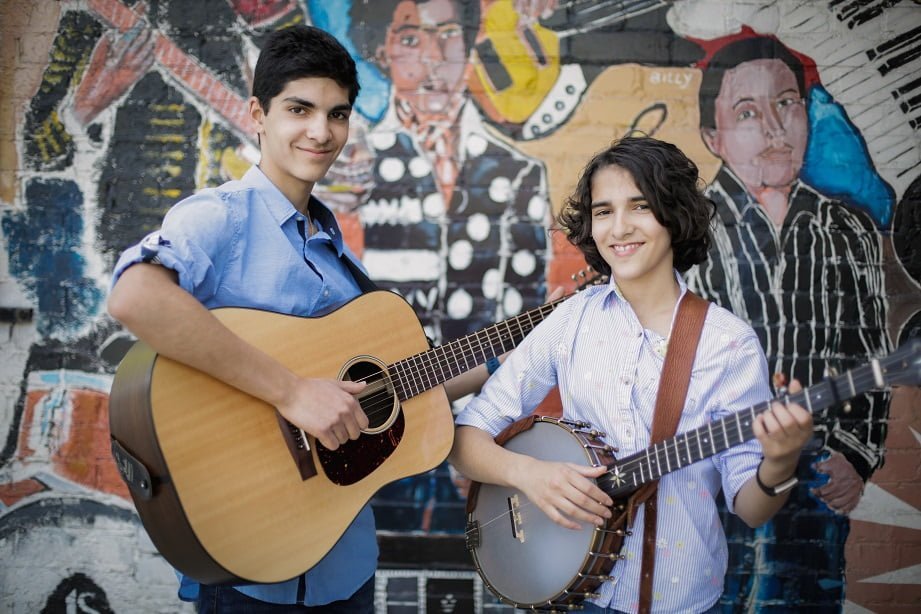
In Their Words: “We first learned this song from Rhiannon Giddens. This song is an old English folk song from a long time ago. We had a chance to hear some earlier versions of the song when visiting the Rinzler Archives at the Smithsonian Center for Folklife and Cultural Heritage in 2017. It is so interesting to see how it has evolved. This is our interpretation of ‘The Cuckoo,’ which also happens to be our dog Zoey’s personal favorite song. Zoey has memorized the melody, and comes close to where we are playing with her tail wagging and howls along.” — Giri and Uma Peters


Photo credit: Sarah Hanson

LISTEN: Andy Thorn, “Thornado”

Artist: Andy Thorn
Hometown: Boulder, Colorado
Song: “Thornado”
Album: Frontiers Like These
Release: June 21, 2019
Label: Thornpipe Music

In Their Words: “This tune came from exploring the key of A on banjo with no capo. Playing in A with no capo opens up a lot of different melodic possibilities on banjo and when I found the main riff I started basing a song around it. The tune really comes to life with the tasteful back and forth of Bobby Britt’s fiddle and Andrew Marlin’s mandolin. I love Jon Stickley’s creative use of open strings and harmonics on the jam. And Miles Andrews holds the whole thing together on his gut string bass. At just over six minutes it’s longer than your typical banjo tune, but if you give the whole track a chance it will take you on quite a ride. Enjoy ‘Thornado’!” — Andy Thorn


Photo credit: John Ryan Lockman (Show Love Media)

STREAM: Lonesome River Band, ‘Outside Looking In’

Artist: Lonesome River Band
Hometown: Floyd, Virginia
Album: Outside Looking In
Release Date: May 24, 2019
Label: Mountain Home Music Company

In Their Words: “We are so excited about this new release! It is a diverse mixture of great songs that we tried to deliver in our traditional, yet edgy approach. We feel there is something here for every listener — without changing our ‘Lonesome River Band approach.’ We hope everyone will enjoy this project as much as we enjoyed recording it.” — Lonesome River Band vocalist/guitarist Brandon Rickman


Photo credit: Anthony Ladd

The String – Ricky Skaggs

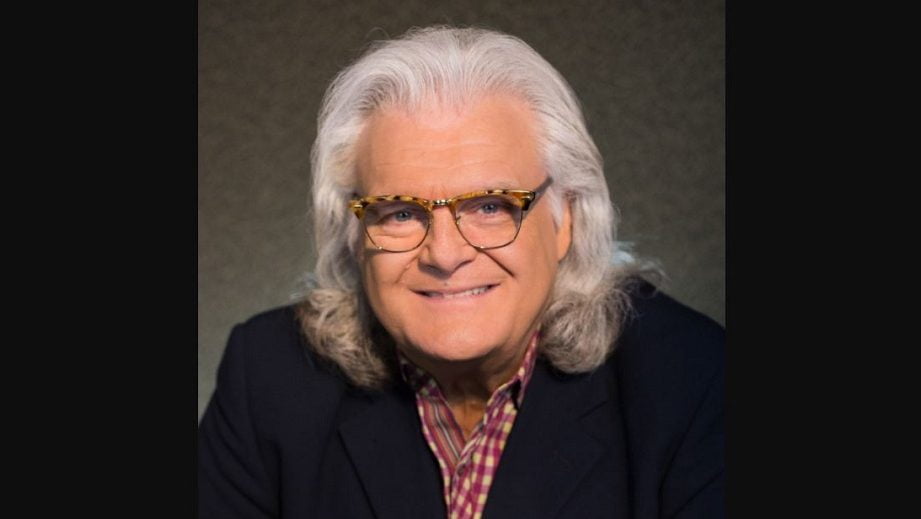
Only five artists or acts have been inducted into both the Country Music and Bluegrass Music halls of fame, and only one is actively touring and shaping the dialogue around roots music generally. And that’s 64-year-old Ricky Skaggs.

LISTEN: APPLE PODCASTS

As a fiddler, mandolinist, singer, and band leader he’s bridged the country/bluegrass divide more deftly than any artist alive, and he still does it with sets that split the difference as his band can shift gears on a dime. In a full-hour feature interview, Skaggs reflects on two key periods of his career – the 1970s when as a twentysomething he worked with epic bands like the Country Gentlemen, J.D. Crowe and the New South, and Boone Creek, which he started with a young Jerry Douglas. And we talk about the 2000s, when he turned his full attention back to bluegrass and quickly dominated the industry with awards and era-shaping records.