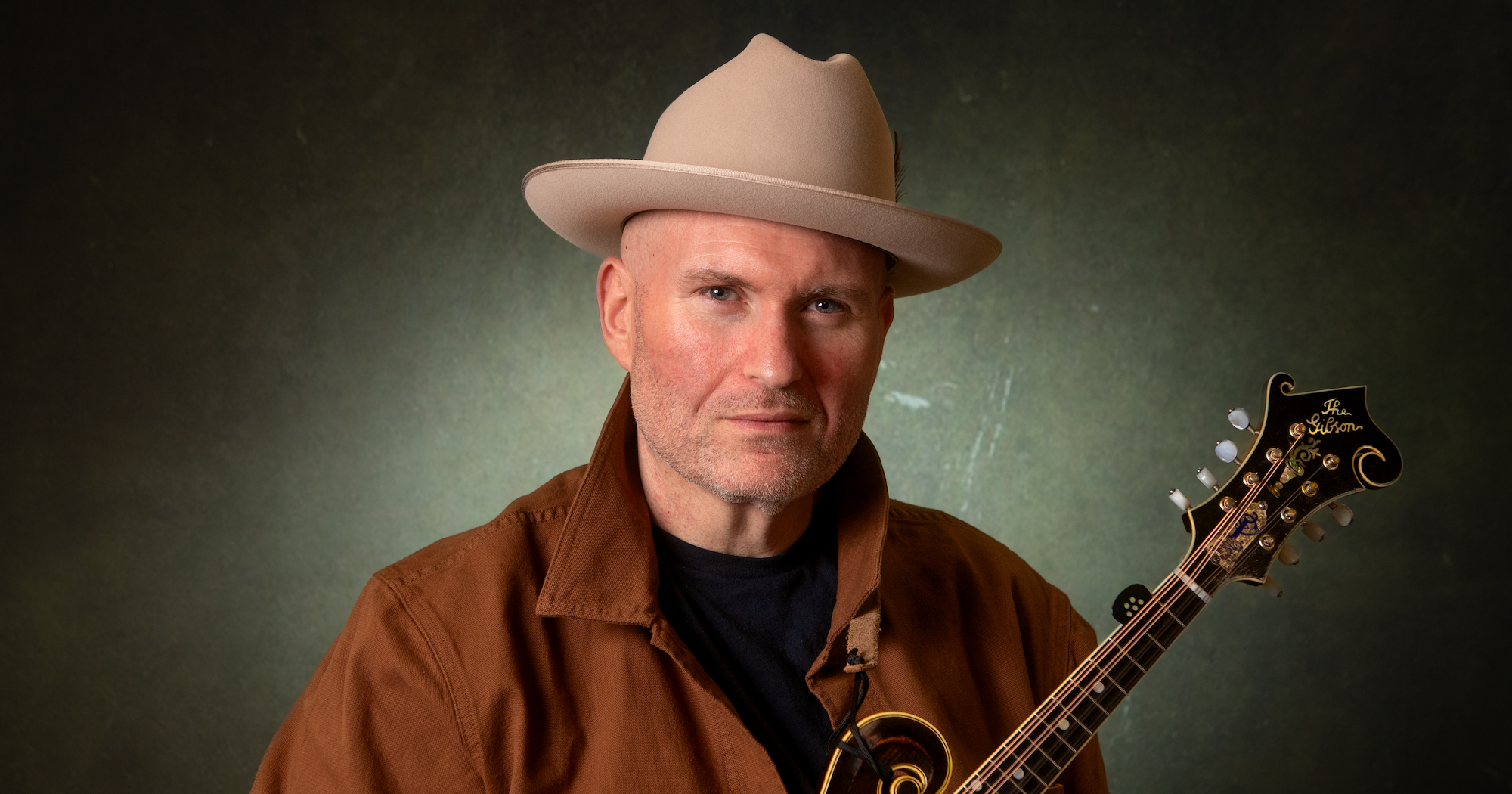
Darren Nicholson Wants His Style of Bluegrass to Sound Different

Over the past twenty-some years, Darren Nicholson has played mandolin all over the world – whether with Alecia Nugent, as a member of Balsam Range (a group he co-founded), or on his own (with or without a band). No matter where he traveled, you can be sure that Nicholson was bringing Western North Carolina with him. Nicholson was born, raised, and still lives in the area.

When BGS caught up with Nicholson, he was home in Canton, N.C., a town about 20 miles west of Asheville. It’s a region that he feels has been a bit overlooked in music history. “The oldest folk festival in the country [Mountain Dance and Folk Festival] is held in Asheville,” he shares. “There were recordings that happened in Asheville before the Bristol Sessions.”

The area he pointed out, despite its remoteness, also has been home to many significant musicians – as well as developing a dance-friendly style of bluegrass that drew from many different styles.

Nicholson’s love for the area has led to a rather unique sponsorship for his tour van and trailer. Through a friend he met with representatives of the Avalon Mountain Community, a private mountaintop neighborhood and development in the hills of Western Carolina. Nicholson calls it a “win-win” situation as he receives some financial support for touring expenses while Avalon now has a “rolling billboard.” “I even wrote a jingle for them,” he states.

Nicholson will be traveling around this year touring a fine new album, Lonesome Trails and Tall Tales. He counts it as either his fourth or sixth solo effort, depending on whether you factor in two EPs. Lonesome Trails and Tall Tales arrives after several particularly eventful years for Nicholson, including leaving his longtime band Balsam Range, getting sober, and acquiring a prized 1923 Lloyd Loar mandolin – all among the topics that he was more than willing to talk about with BGS.

How does your new album Lonesome Trails and Tall Tales tie in with your earlier albums?

Darren Nicholson: My records have a sound, you know. I’ve always been pretty much consistent – besides an electric country EP – doing the music that I consider my style of bluegrass or the bluegrass that I grew up on, which is to me the traditional bluegrass of the ’60s. Having a producer like Carl Jackson in the early days influenced how I made records, because Carl had played with Jim & Jesse and he came out of [when] an entire bluegrass movement had almost a country kind of feel to it. I love the sound of those records. And it was partly because I grew up in Western North Carolina and there’s a huge dance element here – the square dance music.

The old-timey driving style of rhythm with that light percussion – like Jimmy Martin, Flatt & Scruggs, the Osbornes – that really fits in with people who danced. And the modern kind of bluegrass – like the Alison Krauss style of bluegrass, which is amazing – does not lend itself to dancing. The modern style of bluegrass that was really kind of heavy on the one and three beat, and then the older style of bluegrass, which was very much more even, rhythmically.

And how does the new album differ from your prior ones?

What separated this particular recording from the others is just my growth as a songwriter… I was picking what I thought were the best songs I had or songs that were different from each other. A lot of times… [with] the way things are being mass produced now, if Nashville finds one song that’s a hit, they’ll write 10 more just like it for all the other artists. So they all start sounding the same.

To me, all the great artists of yesteryear, all their material was different. Their sound was different. Instead of just finding something you could mass produce, make a buck on, and then hop on to the next thing, they were actually creating art and trying to artistically be different. That was what was good about it.

So [in] the same way, I try to pick songs in my set. I don’t want to play five songs in a row that sound the same. Otherwise, it’s boring – I see bands do it all the time. They kick off in [the key of] B and they play five songs that could basically be the same song, you know? I understand why people who are non-bluegrass fans will go, “You know, all bluegrass sounds the same.”

I tried to pick six songs that were completely opposite from each other, so when you go down track by track, it’s a different journey and it doesn’t bore the listener. Every song is a different tempo, it’s a different groove, it’s a different key, it’s a different vibe, and so that’s how I put records together.

Were these songs ones that you’ve accumulated over the last couple years or are they all a recent crop of songs?

A few of them were really old and a few of them were really new. “Big Sky” has been around for a few years and I wrote it with Charles Humphrey. I thought it was “okay,” and this shows you how off-base I can be sometimes.

I’m driving to a gig one day with my buddy Kevin [Sluder]. He plays bass with us. It was a solo gig, but he was just riding with me. We’re listening to songs and Kevin goes, “That song is amazing. You’re an idiot if you don’t cut that song.” I was like, “That song? It’s okay.” He goes, “No, that song’s more than okay. That song is special. You need to cut that.” I took this batch of songs to Jeff Collins, who produced the record, and that was one of the first ones he picked. And sure enough, radio played it. Banjo Radio wore that song out. If it were up to me, I would have probably left that one on the pile of demos.

One of the newer ones was “Eager Overachiever.” I’d just written that song with Andrew Blythe. It was so fun. Every time I would sing it for somebody, they loved it. It’s a funny song about addiction.

It made me laugh, and the song also shows a lot of personality.

That’s the point, you know. That song has personality. One of my favorite artists [growing up] was Roger Miller and he would sometimes do these spoken pieces. Especially in country music, sometimes there would be recitations or things would set up songs. It was interesting and just funny, you know.

Can you talk a little about the music traditions of Western North Carolina where you grew up?

There’s a definite style. If you go across the country, there’s little pockets of bluegrass that have their own sound, for sure. But Western North Carolina and this region was so rural and cut off… If it’s 120 years ago and you’re in the mountains of Western North Carolina, people would walk for 10 miles to get to a barn dance or some place on Saturday night. And the band would be whoever showed up. It might be a banjo and guitar. It might be fiddle and banjo. But it changed the way you played. When Doc Watson plays his leads, he also plays his rhythm; he’s playing lead and rhythm at the same time. Where modern players who have a whole band behind them, they’re like playing rhythm and then when it comes time to take their solo, it’s a whole different mindset.

As [the area] grew and people got together more and more, they still played the same way. They passed it down from generation to generation, that strong sense of rhythm and timing that is a trademark for Western North Carolina. Look at Marc Pruitt and Steve Sutton; you know, Jason Burleson is from Western North Carolina. Doc Watson, Earl Scruggs, Mark Kuykendall, Tom McKinney, Mike Hunter – all of these amazing players are from Western North Carolina. Randy Davis – Bill Monroe introduced him every night for five years: “He’s the man from Asheville, North Carolina; he’s the man with perfect timing.”

At these musical gatherings in Western North Carolina, you’re describing how people frequently would bring whatever instruments they had – acoustic or electric. And it wasn’t doctrinaire about what a bluegrass instrument had to be.

Yeah, it was community. And I’m going to say this, and I don’t care to say this because I’m from here and I’m from generations and generations of people who play this music. It’s always somebody who got into bluegrass in college or they got into it older, and they’re not even from this area. It’s somebody that’s from New York or from California or from Oregon. They write articles, and they become self-proclaimed experts of bluegrass. And they say, “Well, this is bluegrass and this isn’t bluegrass.”

They didn’t come from generations of this music. They don’t know. They’re not at the epicenter of where it came from and how it started, but they’re always the ones who try to dictate. And then most of the time, they don’t even play. But that’s their way of being involved in the music somehow. It really hurts the music because any time you start segregating something, you’re just keeping somebody [out]. That’s not how this music started.

Do you think Earl Scruggs said, “I’m not going to play if there’s an electric bass here”? You know what I mean? Look at the people who created the music: Earl Scruggs, the Osborne Brothers – they had electric bass. They had drums. But there’s somebody, who’s basically a yuppie, who is trying to tell us what the music is. I do take offense to that.

That’s why the Gibson Brothers have that song called “They Called It Music.” That’s great. I love that because that’s what it was. It’s like, they just called it music. We got together and made music and everybody was welcome. And it sounded like bluegrass. It sounded like country. It sounded like old-time. And it’s just sad. It’s like bluegrass has almost tried to put too fine a point on itself. And it’s almost made itself smaller because of that.

To me, sometimes it feels like the more I write or listen to music, the less I know, in a sense – or, the more I learn, to say it another way.

That’s how we all should be. We should remain a green tomato. If we’re red, we’re done, right?

If I moved out to Seattle – I really enjoy grunge. And if after five years, I read about grunge as much as I could, all of a sudden I know more than the people who created it? But I see that happen [with bluegrass], you know. It’s almost like someone is such a fan or likes this so much that they take ownership to a point where they’re hurting it. It’s like a pet. They’re holding it and petting it so much that they’re actually hurting it.

Bluegrass can look like a lot of different things and so there’s different styles depending on the regions, too.

I was wondering who are the main musicians that have influenced your mandolin playing?

Basically, there are four guys who are on my Mount Rushmore of mandolin. Country music or bluegrass or whatever in roots music – and that’s Bill Monroe, Jesse McReynolds, Bobby Osborne, and Jethro Burns.

Every modern style has come out of those four guys or a combination of those guys. That’s where David Grisman, Ricky Skaggs, Doyle Lawson, Sam Bush, [were all] influenced by those. So, there are some songs that I try to sound like Bill Monroe and there’s some songs I cross-pick like Jesse. Then there’re some songs I play more fiddle-note stuff like Bobby and then there’re some songs that get a little swingy and jazzy and I’m channeling my Jethro, you know?

Those guys kind of set the landscape. My big influence, as far as players that I got to see and got close to, is Mike Hunter in Western North Carolina. He was a huge, huge influence. He was an incredible mandolinist.

You have said you tend to let the song guide you and not to impose a style on it. Did this approach come from someone’s advice or was it something you learned along the way?

I had a mentor named Steve Sutton. I started playing with Alecia Nugent in 2004 and Steve was the bandleader. He got me that job. During that time, musicians would come through in little waves, like in five-year clusters. A lot of my peers were Aaron Ramsey, Ashby Frank, Andy Ball, Jesse Cobb, and so there were a bunch of guys during that time. Not all of them are Adam Steffey clones, but a lot of my peers were influenced heavily by Adam Steffey.

It’s like, who can play like Adam Steffey? You can get close, but you’re not going to beat the guy. So, my mentor told me, “All of these other people are in that vein. You would be way ahead to do your own thing and just sound like yourself. You won’t mess up as much either, because instead of thinking about what somebody else did, you’re actually thinking about what you’re doing. So, your brain is actually in the moment with your hands.… Try to play what fits the song and instead of trying to settle into a style – just play what the song or the band needs.”

And, you know, I just never turned back from that. He really helped me with that. Then, all of the sudden, too, if you sound like yourself and everybody else is going after this other thing, then you’re a peacock in a room full of chickens.

A couple years back, you acquired a rare 1923 Lloyd Loar mandolin. How are you enjoying it?

Oh, it sounds incredible. It’s a hundred-year-old wood. You can’t replicate that. Ferdinand [named after the mandolin’s original owner] hadn’t really been played until I got it, but I’ve played it quite a bit. You can play that thing for just a few minutes and it’s just singing. It’s just unreal.

It gets better and better every minute that you play it. It’s balanced. It’s loud, but it’s also got these real pretty, sweet tones in it. It’s just a pretty magical instrument. It’s a life-changing instrument, for sure. It’s a rare bird amongst rare birds.

Early in the pandemic you got sober, which you’ve been quite open about. How has this changed your life?

Getting sober, I had all this time on my hands and I started getting productive. I started recording, writing songs, and all of a sudden, after all these years, I felt my creativity. I started throwing all my time into healthy things… I had my life back. I had my time. I had my energy. I had my mind, my spirit – all that came back because of sobriety.

So, I talk about it because I think talking about it is a great way to maybe touch someone who’s maybe struggling with it out there, you know? Give them a little shot in the arm and say, “You know what? If that poor bastard can do it, I can do it too.”

That was around the time you left Balsam Range too?

When I left that band, people were like, “Why would you leave a high-profile band?” And it’s like, there’s more growth over here [going solo]. The last year I was with them, we went on about 20 dates and I did about 160 dates on my own. I wasn’t stagnant anymore. A band has been together for a long time, people request the same songs and you’re playing the same songs all the time.

The pandemic also resulted in you having something of a revelation about performing music, right?

I found myself doing house concerts for 20 people, and they’re people who saw me on huge stages with Balsam Range. They would cry because they’d never experienced bluegrass like this. I’m like, “Well, this was how it was intended.” This was how it was created in these houses a hundred years ago in the mountains of Western North Carolina — community people entertaining each other.

So, there’s that. Then there’s sobriety. And then there’s like, “Wait a minute, am I doing this for my ego to get famous or am I doing this to be healthy and be part of a community?” It all goes together. Like, I talk about my sobriety to help others. I want to use my music to impact others.

If we do it with a good heart and the right intentions, all that other stuff will fall into place. We want to play anywhere. We’ll go and we’re ready. We’re road ready. We’ve got original music; we can do covers; square dances… I want to be the Bob Wills of Bluegrass.


Photo courtesy of the artist.
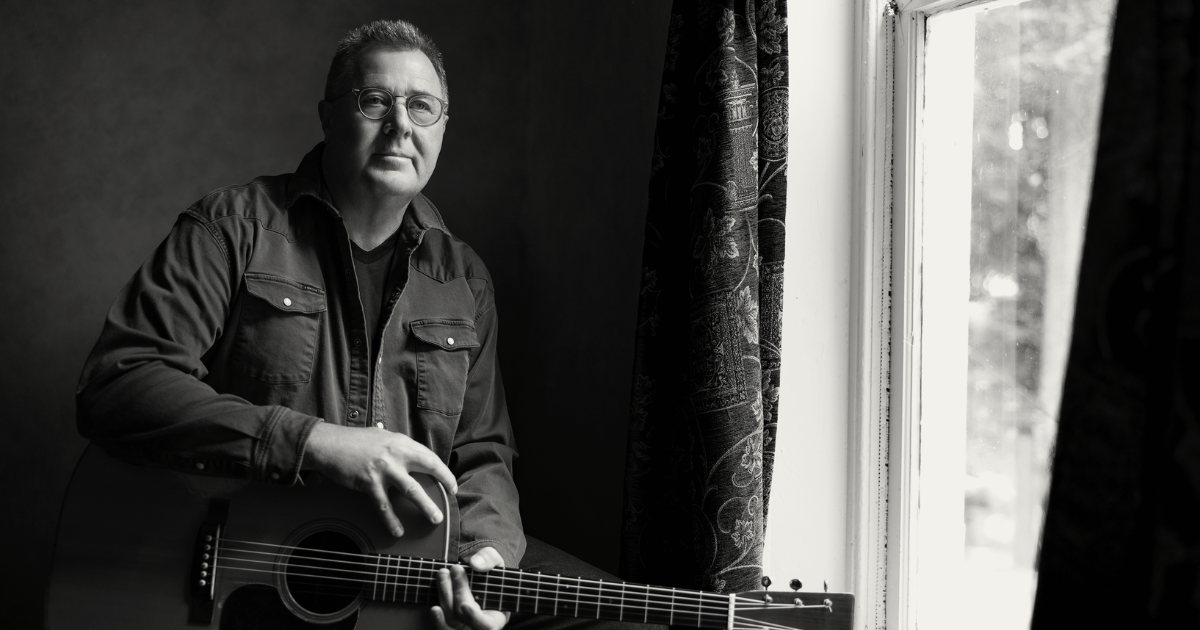
Vince Gill Has Done It All (Part 1)

Vince Gill doesn’t give interviews; he gives conversations – lengthy, engaging conversations filled with the same reflection and storytelling that make his songwriting so relatable and successful. Factor in his enviable mastery of guitar and other instruments and the result is a well-rounded artist who has won 18 CMA awards, 22 GRAMMY awards, and eight Academy of Country Music Awards.

In 2025, he was presented with the CMA Willie Nelson Lifetime Achievement Award, and this year, on May 6, he will receive the Ken Burns American Heritage Prize. He’s been a member of the Grand Ole Opry since 1991 and in 2005 was entered into the Nashville Songwriters Hall of Fame. Two years later, he was inducted into the Country Music Hall of Fame.

Over the course of 21 albums his sales exceed thirty million with 45 chart singles. Coming up is a summer tour, which will wrap with a six-night residency at the Ryman Auditorium, while continuing his ongoing schedule with the Eagles. All of this is only a cursory glance at his many accolades.

Gill’s accomplishments, and the experiences that accompany them, are at the core of his latest project, 50 Years From Home, a yearlong series of monthly EPs marking the fiftieth anniversary of his leaving home to pursue a music career. Each collection features themed new songs and revisited classics, with photos of select guitars on the covers. The EPs are introduced via detailed conversations with friend and colleague Charlie Worsham – watch all episodes on Gill’s YouTube channel.

Down At The Borderline, released February 13, is the fourth and latest EP in the series, while the next installment, Lonely’s What I Do, already arrives this Friday, March 13. A few weeks prior to the release of Down At The Borderline, Gill made himself available for more interviews and conversations, including a talk with Good Country.

At this point, it’s difficult to imagine anything Vince Gill hasn’t done. In fact, there are two key things, neither of which he cares to pursue:

“I’ve never sent a text,” he says, “because I prefer talking to people. What you find out [with texts] is how many people really don’t want to talk to you!” And, “I’ve never posted anything on the internet,” although he does have a scrolling habit, which he gladly admitted to during this discussion.

As you move through endless interviews around these EPs, is there something you’ve always wanted to talk about but have never been asked? Now’s your chance to tell the world!

Vince Gill: I wouldn’t have a clue! I never was much of a planner. I think it’s a blessing that I just live in the moment. I don’t look ahead, I don’t look back much, and there’s not a lot of regrets in my life. I figure the mistakes I made were valuable to learn something. I never planned any of this. I didn’t sit down and have a diary that I’d go, “When I’m this age, I want to have done this and this.” I just answered the phone.

You should probably give classes on that, because this is an industry of nonstop worry: What’s going to happen? Will this work? Will this not work? To move from project to project, stage to stage of your career with that mindset is impressive.

I started out with absolutely not one dollar, so money has never been the reason for any of it. I bought a guitar when I was 18 years old and I moved away from home. It was an old pre-war Martin that was perfect for bluegrass. I spent every dime I had on it and I didn’t worry. I said, “My rent’s $15 a month, I’ll make a couple hundred bucks a week when we work, so I’ll be fine.”

Amazing.

Speaking of going from stage to stage of your career, the EPs are each a chapter told with collections of songs. Tell us more.

The majority of it is fairly new. From the time I started in 1975, there was no reason to have a publishing deal for a long time. Even after I had a record deal, I didn’t see the need because I had a place for my songs to land on my own records. I never partnered up with a publisher, to give away half the money, to give a monthly draw to help pay my rent or whatever. I was able to always pay the rent somehow – my house note, whatever it was – with playing and singing.

Three or four years ago, Jody Williams, who’s a lifelong publisher in Nashville and a friend of mine for 40-something years now, called me and said, “You’ve never had a publisher. Would you consider letting me manage your songwriting for a while? I think you still have a lot to say as a songwriter.” I said, “Yeah, I’ll try that out.”

He would call great songwriters and say, “Would you like to write a song with Vince?” I was never a very good self-promoter, so I would never do that on my own. I just let it unfold with people I would meet. So it started me down this path of writing a lot of music, and over the last three or four years I’ve written twice as many songs as I’ve recorded on this new 50 Years From Home project. I think I’m writing the best songs I’ve ever written. With time you should get better, and I think I have.

I don’t want to check out someday and have all these songs lost in a desk drawer somewhere, so I’ve started recording them all. It’s a different world now, a different way. If you want to release 75 songs, you can do it. You don’t have to have one album with 10 songs on it anymore. So I started thinking about what it would be. My first conception was to release two songs a week, like an A-side and B-side of a 45. “It’s Monday, it’s time for a couple new Vince songs.” The record company came up with the idea of, “Why don’t you do a series of EPs and have six or seven songs on each one?” I said, “That sounds cool. We’ll put one out a month.”

That’s where the whole thing started. I was trying to find a way to put all this out. I realize at this point in my life, I’m almost 69, I don’t have as much time left to be creative as I’ve had to this point, obviously. How much more it matters now is palpable. It really means something to me to be creative, and if I see myself improving, I want to nurture and foster that and continue, because it’s so dear to me, being musical, being creative, coming up with an idea, coming up with a story that could potentially move somebody, touch somebody. It’s unbelievable to be able to have that gift, to be able to do that. So I’m trying to take full advantage of it.

But 68 or 69 today is not the 68 or 69 of our parents’ years. When you’re a kid, your parents turn 50 and it seems ancient.

That’s true. My mom’s a hundred years old.

See? You have many more years to go, especially if you’re still 17 in your head, which happens in this business.

Yeah, and I am. I don’t feel any different than when I pulled out of the driveway and took off. I still have the same love and I’m so drawn to playing music. It’s such a huge part of me. I tell everybody, “My mom’s a hundred and I hope I’m really her son, so I have those genes! For all I know, she might have rented me out of a yard in southern Oklahoma somewhere!” But my dad checked out early. He died at 65 – and I was afraid of being 65. There’s so many instances of people passing at the same age as their parents and whatnot.

I’ve heard from others that it’s a strange feeling when you reach the age when a parent passed.

Absolutely. But my dad drank a lot, he smoked two packs a day, and he didn’t take very good care of himself. I don’t think I have too many of those qualities. I don’t smoke and I don’t drink. I eat bad, but that’s about it.

You’ve stated many times that your goal was always to be a recording musician. With reality shows and social media, do young players have that same goal, or is a lot of it about chasing clicks and stardom? Are you concerned about the future of musicianship?

No, because there are plenty of young kids out there that can play their brains out. There’s so many of them that you don’t worry about it. I tell people all the time, “If American Idol was on in 1948, Little Jimmy Dickens would’ve been on it.” I don’t really care for those shows – and not in a bad way, because a lot of talented people go on them – but sadly, you don’t see that really bear out with a lot of artists coming from those shows that have longevity. They have that moment, but we’re so ready to slide our thumb and move on to the next scrolling thing. It’s the same way with those shows: “The season’s over. Okay, who are the new ones?” And I never like seeing creativity be a contest.

But I don’t worry too much. You see someone like Sierra Hull, who can play better than anybody in the whole world, and Michael Cleveland, and so many that come along that can completely annihilate their instruments. It’s beautiful to watch. I don’t think that’ll ever go away.

Does AI-created “music” concern you?

Of course, but when I’m asked about it, I say, “The people who create it, deep down, they know they haven’t done anything. They know they’ve done nothing.”

As a recording and performing guitarist, singer, and songwriter over a lot of years, how has your approach changed? Your technique, your picking style, your ear, your tone?

It’s a combination of all of those things. I’ve spent the latter years realizing what I don’t need, what I don’t need to do, what I don’t need to play, what I don’t need to sing, what I don’t need to say in the lyrics. To me, the beauty of it is your willingness to try to say the most with the least.

I like my singing better now than I did when I had hits. I much prefer the way I sing and play my songs today. That’s motivation enough, that I feel like I’m better now than I ever was. My ears have never lied to me, and with that, if I feel like I’m making progress, that’s all the reason in the world to keep doing it. If I start wheezing like an old woman, I probably won’t wanna go out there and sing. But, thank God, that hasn’t happened yet,

With music, the more you do it, the more you learn. The point of it is not to impress, but to move people. If you can move people with what you play and sing and write, that’s the real gift. That’s when you really get something that matters out of it, rather than a big “Woo, that was incredible! That was impressive.” That’s fleeting in a way. I like the long haul.

I could have very easily stopped working on other people’s records and being a sideman and a harmony singer and guitar player and what have you. But I love doing that so much, because I always thought it was a harder job to complement somebody and what they’re doing, more so than doing what you want and having everybody follow you. It took more talent to do that – better ears, bigger ears, that kind of stuff. So I continue to do that. I’ve worked on over a thousand artists’ records in the last 50 years. The diversity of that, the willingness to go into any kind of world of music and try, and not just be shortsighted and only do this and only do that – I love all of it. I’ll find something good in any of it. If I can play a part in making something better that’s being done, then that’s a good feeling.

Can you draw a through line from your bluegrass roots to what you’ve done and what you do now?

“When I Call Your Name” wouldn’t have sounded like it did had I not played bluegrass. That high lonesome sound was totally taken out of my love and life of bluegrass. A song on one of my new records [Secondhand Smoke, EP 2] is called “Hill People,” with [harmony vocalist] John Meador – great singer, great player, it just blows my mind how good he is. That sounds the way it does, it was written the way it was, because of my history of bluegrass.

I was never one of those guys that [would say], “I can only play bluegrass and it has to be traditional.” I loved New Grass Revival. They were different than Bill Monroe and I loved it all. If you take whatever’s great about something and cast the rest aside, then you’ve done your job. I’m not critical of young people that don’t do it the way I did it, or the way my heroes did it. That doesn’t serve anybody any good, to be critical of stuff. I remember hearing Billy Strings talk about how he would go to jam sessions and felt unwelcomed, and that killed me. I felt so bad for him.

I experienced that once when I was 17. We were playing some bluegrass festival, a hardcore traditional-minded festival. We were up there playing “Rocky Road Blues,” which is a Bill Monroe song, but we were doing it real bluesy. The promoters kicked us out of the festival and said, “You can’t be playing that kind of music!”

As they were kicking us out, Jim & Jesse were playing Chuck Berry’s “Johnny B. Goode.” I said, “Now wait a minute. We’re playing a Bill Monroe song and we’re going to get kicked out, and they’re playing ‘Johnny B. Goode’ by Chuck Berry? What’s cool about that?” They go, “Their suits match. Get outta here!”

I’ve known Sam Bush for 50-something years. The story he tells about Monroe is that he said, “What is it you call that music you play?” Sam said, “We call it New Grass.” He goes, “Yeah, I hate that.” That kills me, but it didn’t impact Sam one bit. But that hardline thing – I don’t go for it.

You’ve said that the role of the artist is to speak for others. Are there songs that speak for you, or to you, in those moments?

I like the things that are the most honest, that are not trying to be something they’re not. I’m not a fan of singers that alter the sound of their voice to make it do something it doesn’t naturally do. I heard Merle Haggard say, “Man, just tell the truth.” That’s where I’m finding the biggest inspiration in songs is being truthful. I think the truth has always been the greatest thing you can lean on.

People talk about country music, and if you could point somebody to what you think country music is, I’d say Merle Haggard’s “Mama Tried.” How it starts– “I turned 21 in prison doing life without parole.” That’s pretty dark. That’s pretty sad. And then, “No one could steer me right, but Mama tried.” There’s your hope.

One thing they’ve never taken away from me is hope. Even though they quit playing my records on radio stations and I don’t have hits anymore, I’m always hopeful that something will slide through and move people. I had hope when I made my first record at 16 or 17 years old, and lo and behold, some radio station played it and I heard it in my pickup truck. That instilled a hope in me that’s never faded. They can pass on songs, they can not play them, they can do all that, but they have never dinged my hope in my heart for what it is that I want to try to do.

Where were you in your truck when you heard yourself on the radio for the first time?

I-40, Oklahoma City. I was driving and all of a sudden they started playing “July You’re a Woman.” It’s a John Stewart song and we’d done a bluegrass version of it. I was singing lead. I think some other bluegrassers had done that same song. I’m driving and all of a sudden they started playing it on the radio station and I get on the CB radio and start screaming, “You’re not going to believe it! They’re playing our record on the radio!” Truckers were coming back saying, “Hey, you sound good, kid! Hang in there.” Wow.

The first record I ever made, I heard on the radio. It put that dose of hope in me that has never faded.


Editor’s Note: Read part two of our Good Country conversation with Vince Gill here.

Want more Good Country? Sign up to receive our monthly email newsletter – and much more music! – direct to your inbox.

Photo Credit: David McClister

Michael Daves Reconstructs R.E.M. Bluegrass Style

Although he lives in New York now, Michael Daves’ Southern roots permeate his music. That characteristic goes further than ever before on the newly released Fables, a six-song EP that reconstructs songs from fellow Georgia band R.E.M.’s 1985 album Fables of the Reconstruction.

In celebration of the record’s 40-year anniversary, Daves enlisted his longtime quartet bandmates – fiddler Alex Hargreaves (Billy Strings), mandolinist Jacob Jolliff (Béla Fleck, Yonder Mountain String Band) and Erik Alvar (Nefesh Mountain, Billy Strings) – and others to reinvent songs like “Green Grow The Rushes,” “Wendell Gee,” and of course, “Driver 8.” Together, they turn each track on its head, fully leaning into their bluegrass prowess while continuing to hold each song and their original formats in high regard. It’s something that Daves has plenty of experience with, having released the dual acoustic and electric bluegrass covers compilation Orchids and Violence in 2016 and Early Morning Sun – an EP of bluegrass and country standards from Ola Belle Reed, Dolly Parton and others – in August 2025.

“It was really important for me to try to make something that would stand on its own, even if people didn’t have any connection with R.E.M. or don’t even like them,” explains Daves. “I tried to make something that just works by its own logic as much as it’s paying homage to the original.”

During a Zoom call with BGS on release day in December, Daves spoke about his motivation for doing this cover EP, how he decided which songs to include on it, the plans for his label Wild Geranium Records, and more.

What motivated you to not only make an EP of R.E.M. covers, but to do it with songs from Fables of the Reconstruction?

Michael Daves: It’s an album I grew up with. R.E.M. was one of my first musical obsessions. I first discovered them in the late ‘80s at summer camp in Toccoa, Georgia, not too far from Athens where R.E.M. was from. All my camp counselors were [University of Georgia] kids, so I fully downloaded their musical tastes, which fortunately were pretty good.

As far as taking on the Fables thing now, there were a couple inspirations. For one, it’s the 40th anniversary of that record and it’s one that I don’t feel like a lot of younger people have heard or appreciated. People seem to know more of R.E.M.’s pop stuff from the ‘90s and beyond, but that ‘80s stuff was so good and weird. I also have this quartet I’ve led since about 2019 with Alex Hargreaves, Jacob Jolliff, and Erik Alvar in New York. They’re all incredible musicians who are very well versed in traditional bluegrass but also very adept at adapting music from outside the fold. We’d done some other projects over the years – like we did a whole mini set of Jimmy Webb songs one time including “MacArthur Park,” “Wichita Lineman,” and “Galveston” – and they learned that stuff in one rehearsal and just rendered it so beautifully. It made me realize that this is a quartet that really can handle a challenge.

The Fables idea came up because of the anniversary, but also because in August I had done a tribute along with Peter Rowan to the 1973 Muleskinner record that he was a part of. Initially he united with Bill Keith, Clarence White, David Grisman, Richard Greene, and Stuart Schulman to share a TV show with Bill Monroe, but Monroe never showed up. His bus broke down, so they ended up having the whole show to themselves and wound up getting an album deal out of it. Then they made this record that didn’t go anywhere because Clarence White died before it came out.

I taught a class about Clarence’s guitar playing on that record and through that became inspired to do a tribute to it with Peter at Vermont’s Green Mountain Bluegrass & Roots Festival this past August. When studying that Muleskinner record I discovered it had the same producer as R.E.M.’s Fables, Joe Boyd, who’s also worked with everyone from Nick Drake to Fairport Convention and Pink Floyd. That strange coincidence led to a Fables tribute show, which is then where the idea for this EP really came to life.

How’d you go about dwindling the original Fables of the Reconstruction down to the six tracks that are on this EP?

It was an interesting process choosing which songs to do. It was a combination of practical considerations, because when the quartet and I worked up this music for that one-off show in Brooklyn I initially picked songs that I thought were achievable on our tight constraints and would translate well to a bluegrass ensemble. There were definitely other songs on the original record that would have worked, but I’m feeling good about the song choices we made because the original record is sort of sprawling with a lot of digressions. There’s a lot of dreamer logic and a Faulknerian non-linearity in the writing, so to pare that down into what I think works as a distillation of the original recording that probably is more of an interesting statement on the original than if I just recorded the whole thing, you know. As my wife put it, we took it from a sprawling Faulknerian epic to more of a Flannery O’Connor gut punch.

Do you have any specific favorites of the six songs making up this project?

As far as song selection, I kept the first and the last songs from the record in their normal position. The record opens with “Feeling Gravity’s Pull” and ends with “Wendell Gee” so I kept those because the beginning and end of the story just felt right.

There’s something about the song “Good Advices” that just always just gets me with its meditations on mortality. It’s classic R.E.M. in the sense that it can be hard to parse the lyrics because they’re based more in dream logic than confessional writing. However, they still carry a lot of emotional weight and a sense of meaning that’s oftentimes hidden. For some reason, that song is the one that just always gets stuck in my head and gives me all the feels.

Part of this is due to the structure of the song, which is repetitive and drony. The bridge is basically four measures of the G chord and then it’s out, which I think is just brilliant how that works in the song. It was those repeated drone lines that Alex played over while the rest of the band had these repeated melody things going on. For me it’s the quintessential song off of the record. I don’t think it was a hit or anything at the time – that goes to “Driver 8” – which I almost didn’t include because it was the best known song off of that record.

The opening track, “Feeling Gravity’s Pull,” is one that was never my favorite track from the original record, but in rendering it I started liking it a lot more. I particularly like what Duncan [Wickel] brought to it on cello as well as the background vocals on it, especially at the end. That’s Jefferson Hamer from The Murphy Beds and Sean Cahill from The Next Great American Novelist. The parts they added took the song in this almost metal-like direction, which felt really good and different from the original, especially considering we’re all acoustic musicians. The whole experience with that song felt really cathartic. There’s an intensity that I always want out of bluegrass but don’t always hear, so I ended up being really happy with how that one came out.
This is the second release on your own label, Wild Geranium Records. What are your plans with that?

This is the second release on Wild Geranium. The first was my EP Early Morning Sun, which came out in August and was just a solo recording. The third one is coming out in March and is a full-length duo record with me and Jacob Jolliff where we’re paying tribute to Jim & Jesse, [who] are part of the first generation bluegrass legends. But most of what I do under Wild Geranium will be EPs and other shorter recordings.

Do you plan to record other folks on the label, or just your own projects?

It’s intended as a platform for various collaborations that I’ve had as well. All of the releases I’ve put out so far have zero original material, but some of that will be coming soon, too.

You’re also releasing Fables on cassette? What’s behind that decision?

The cassettes were part of the concept of Wild Geranium from the beginning. Cassettes first came back within the indie rock world almost 10 years ago, but to my knowledge isn’t something that’s been done much in the bluegrass world. I’ve had people joke with me and say, “Oh gosh, I’ve got to dust off my ‘78 Dodge Charger to play this!” [Laughs] In the age of streaming, I think having a physical item that is a little more affordable, easier to produce and keep in stock than vinyl is more important than ever.

The idea was to also include at least one song on each cassette release that’s not available digitally. On Fables that’s actually two bonus tracks – a duo version of “Green Grow The Rushes” with me and Jacob Jolliff and the other’s a live version of “Can’t Get There From Here,” which was from a full-band show back in August where we debuted the material. I just wanted to offer something unique and special to the listeners who care. If you get the cassette, you’re gonna have something that no one else is gonna have. It’s not bouncing around the internet, you have to have the physical thing. From a production standpoint, it’s an opportunity to tell a slightly different story than the digital release.

Do you have any other cover EP/album ideas up your sleeves?

Aside from the Jim & Jesse project, I also have some original material on the back burner. It’s fully demoed and is all music connected to Ponce de Leon Avenue in Atlanta where I grew up. It includes some stuff that I’ve written and co-written along with songs by family members and friends from that area and era. I’ve been performing music from that project for quite some time now, but haven’t made the record yet. So that’s something I’m hoping to make happen that would be another full-length, full band record.

What has bringing this R.E.M. covers EP to life taught you about yourself?

This R.E.M. stuff was among my first musical obsessions, so for years that’s just been baked into how I hear music in an uncritical way. So to actually get in there and break down what went into this record and think about how to render it in this other context was really interesting for me and fun to make a statement with that’s not based in nostalgia.

I also enjoyed getting to explore my feelings about how I want string band music to work. On my last full-length record Orchids and Violence I utilized a double-record concept where each disc had the same track list, but the first one was a very straightforward bluegrass record and the second disc is like all electric, experimental rock renderings of the thing. Fables was a little bit more like uniting both sides of Orchids and Violence into a string band expression, which is something I’d be open to doing more of in the future.


Photo Credit: Manish Gosalia

Peter Rowan and Sam Grisman Project Will Bring Old & In the Way to the Ryman

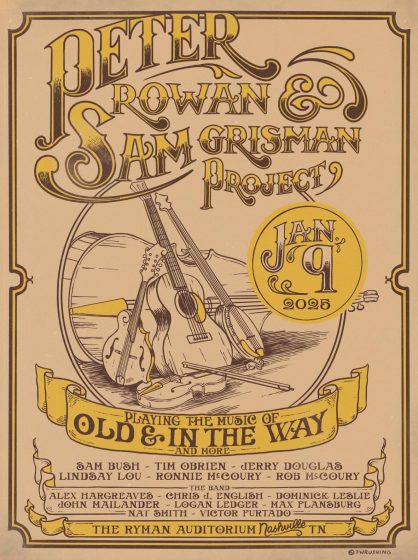
On January 9, 2025, there will be a special performance – more so a once-in-a-lifetime celebration – of the groundbreaking music of Old & In the Way at Nashville’s famed Ryman Auditorium.

Led by the “Bluegrass Buddha” himself, Peter Rowan, the legendary singer-songwriter and founding member of the group will be backed by the Sam Grisman Project. The gathering will also feature a murderers’ row of talent: Sam Bush, Tim O’Brien, Lindsay Lou, Ronnie & Rob McCoury, and more.

“In bluegrass, you just do the beautiful grace of presenting the music, being good neighbors and all that stuff,” Rowan told BGS in an exclusive 2022 interview. “But you could hear us in the band going, ‘go, man, go.’ Go for it, that’s where we came from. That’s what Old & In the Way was – the ‘go for it’ signal to everybody.”

To preface, Old & In the Way started as impromptu pickin’-n-grinnin’ sessions in the early 1970s between Rowan, his longtime friend, mandolin guru David Grisman, and Jerry Garcia, iconic guitarist for the Grateful Dead, who reached for his trusty banjo during the gatherings at Garcia’s home in Stinson Beach, California.

“We started picking every night after supper [at Jerry’s],” Rowan remembers. “We went through old song books and learned a bunch of material.”

At the time, Garcia was searching for new avenues of creative exploration, seeing as the Dead were in the midst of taking a much-needed hiatus after years of relentless touring and recording. He was also, perhaps subconsciously, trying to tap back into his roots before the Dead, this landscape of the late 1950s/early 1960s where Garcia was heavily involved in the San Francisco Bay Area folk scene.

“And you realized that Jerry was an intergalactic traveler, just dropping in on the Earth scene for a little while, but he was totally at home,” Rowan says of Garcia’s restless penchant and lifelong thirst for acoustic music.

When Old & In the Way formed in 1973, the trio recruited bassist John Kahn, as well as a revolving cast of fiddlers (Richard Greene, John Hartford, Vassar Clements). Sporadic gigs were booked around the Bay Area, with the vibe of the whole affair casual in nature – the ethos one of camaraderie and collaboration, but without expectations or boundaries.

“I remember singing the ending of ‘Land of the Navajo’ at the first rehearsal and I looked over at Jerry,” Rowan recalls. “He kept nodding his head like, ‘go.’ It was like Jack Kerouac at Allen Ginsberg’s poetry reading at City Lights Bookstore – ‘go, man, go.’ Encouragement, encouragement.”

By 1974, Old & In the Way simply vanished into the cosmic ether, but not before capturing a handful of live performances that have become melodic sacred texts of a crucial crossroads for acoustic music. To note, Old & In the Way’s 1975 self-titled debut album went on to become the bestselling bluegrass album of all-time – until it was dethroned by the O Brother, Where Art Thou? soundtrack released in 2000.

As it stands today, Rowan, now 82 years old, is the only remaining member of Old & In the Way still actively performing. Garcia, Clements, Kahn, and Hartford have all sadly passed on, with the elder Grisman and Greene retired from touring. Grisman’s son, standup bassist Sam Grisman, is now carrying his father’s bright torch.

And although the tenure of the Old & In the Way was short-lived, the ripple effects of the band’s ongoing influence and enduring legacy remains as vibrant and vital as it was those many years ago, when a handful of shaggy music freaks kicked off a jam that will perpetuate for eternity.

In preparation for the upcoming Old & In the Way showcase at the Ryman on January 9, BGS recently spoke with Sam Grisman, who talked at-length not only about his continued work with Peter Rowan and the intricacies of Jerry Garcia, but also why a band Grisman’s father started over a half-century ago still captivates the hearts and minds of music lovers the world over.

You were five years old when Jerry Garcia passed away. You were really young, but do you remember anything that you hold onto?

Sam Grisman: Yeah, I have a very vivid memory of what our house felt like, smelled like, and just what the energy was like when Jerry was around. And I remember that sort of ease, just the way that he made people feel. It seemed like my parents were at ease when he was around.

And he probably felt at ease being around them. It was probably a safe haven at that house.

Definitely. And, you know, my parents smoked weed in the house. But, my mom was pretty strict about cigarettes. [She] wouldn’t let anybody smoke cigarettes in the house. But, when Jerry was around, he smoked cigarettes in the house. So, part of this smell in my blurry five-year-old memory is the smell of cigarettes. And Jerry would sometimes wear a leather jacket, maybe the smell of leather.

I remember the sound of his laugh. I remember all that music, and some of it I remember so vividly that I just know that part of that memory is reinforced by being there as a little toddler when they were working up [music]. Because they would often work on tunes upstairs in the living room and then take them down to the studio, put them on the mics and pull them.

You just wanted to be around it all and soak it all in.

I was a really curious kid.

With the Ryman show coming up, there’s been a lot of celebration of Old & In the Way as of late, especially with you touring with Peter Rowan and the current Jerry Garcia exhibit at the Bluegrass Hall of Fame & Museum. You’ve been around those songs your whole life. But, when you think about the context of Old & In the Way, and what you’re doing at the Ryman, what really sticks out with why that was such a special time in not only bluegrass, but in the lives of those people?

I mean, what a lightning-in-the-bottle chapter of all those people’s lives, you know? I think 1973, ’73/’74, was a particularly fertile time for Jerry. He was playing a full schedule with the Dead. He had Jerry Garcia Band stuff. He was playing in Old & In the Way. He was playing pedal steel with the New Riders of the Purple Sage. It seemed like he really had an itch to go back to where his roots were, especially when you look at [the Grateful Dead album] Workingman’s Dead [that was released a] couple years prior.

For all of us, who are looking back on it 50 years in the future, it seems like this momentous, heady time that was just meant to be. But, for those guys in the moment, it was just total serendipity. And the quintessence of just going with the flow – Stinson Beach, California, vibes. They just kind of stumbled into this reality.

“Y’all wanna play?” “Sure, why not.”

Yeah, where it would just be really fun to have this bluegrass band that they didn’t take super seriously, which I think really comes across in the recordings, you know? Because there’s all this joy in that music that might not necessarily have been there if those guys were taking it super seriously or if they needed it to pay their bills. It was a very interesting circumstance.

And for them to call their hero Vassar Clements into the mix, on a sort of whim because Peter found his number on a card in his wallet. It was sort of like a fantasy camp for these guys. Like a bunch of hippies sitting around on the beach, smoking a joint, thinking: “Wouldn’t it be great if we had the world’s greatest fiddle player just show up?” “I bet you we could book a gig.” “Hey Jerry, you got these legions of people following you around, you could probably get us a gig, right?”

And that’s kind of how it happened. Those gigs were so magical, because they happened mostly for all of these Deadheads in Marin [County, California], for like 16 months or something.

So, if you really had your finger on the pulse of it and you were going to the Keystone [music club in Berkeley, California], to see [the Jerry Garcia Band] and you loved what the Dead were doing, you knew that they were going to take this time off, but you just saw Jerry the week before and he never took his guitar off. He just finished the [Jerry Garcia Band] set and walked backstage with his guitar on and was smoking a cigarette, and then you saw him 30 minutes later talking to somebody off the side of stage, still had his guitar on — you’re thinking, “Gee, this guy’s not going to stop playing music this year, so I better keep my eyes peeled for what’s next.” And they played all these little gigs mostly around the Bay Area — they kind of captured some lightning in a bottle.

With playing these Old & In the Way melodies not only throughout your life, but also extensively nowadays with Peter Rowan, what’s been your biggest takeaway on what makes those songs and the ethos/history behind them so special to you? What about in terms of musicality, technique, and approach?

It’s hard to articulate how special it is to be exploring these beloved songs that mean so much to so many folks, myself included, with Peter and a cast of some of my best friends and favorite musicians. It’s a catalog that’s got a lot of depth.

Old & In the Way would play anything from songs by bluegrass heroes like Bill Monroe, The Stanley Brothers, Reno & Smiley, and Jim & Jesse to Vassar [Clements], Jerry [Garcia], and my pop’s instrumentals, to the tunes that Peter was writing at the time, which are some of my absolute favorite songs ever written.

Songs like “Midnight Moonlight,” “High Lonesome Sound,” and “Panama Red.” Playing these tunes with Uncle Peter makes me feel connected to the times he spent with David and Jerry in Stinson Beach in the early ’70s.

I grew up in Mill Valley and loved going to Stinson Beach with my friends, so I have a pretty vivid image in my mind’s eye. They played tunes, hung out, relaxed, took in the sea breeze, smoked a bunch of great weed, and developed a highly individuated “West Coast” approach to playing and singing this bluegrass music that they all loved and respected so much.

And then, they called one of my bass heroes, John Kahn, and their fiddle hero, the inimitable Vassar Clements and gave the world about one glorious year – I think around 50 shows – of a rare and lovable breed of bluegrass.

So much of everyone’s personality comes through in the music, and you can hear their camaraderie in the recordings. I guess my biggest take away from getting to play this music with Peter is how important it is to bring your own approach to these timeless songs that we love, while still honoring what it is that makes us love them in the first place.

You’ve known Peter Rowan since you were born. But, what has this latest endeavor together meant to you, to play the Old & In the Way catalog to not only lifelong fans, but also a whole new generation of acoustic music fans and bluegrass freaks?

It means the world to me to get to spend some time out on the road sharing space and time in service of this music with Uncle Peter. Getting to meet all of these folks who care so much about this music and feeling their appreciation and gratitude for Pete has been truly special.

There are so many people from so many different ages and different walks of life for whom this music has been the soundtrack to many fond memories, and I’m honored to be one of them. It’s also been a joy to see fresh faces in the audience and some folks taking in this music with a new perspective.

In your honest opinion, what is the legacy of Old & In the Way when you place it through the prism of the history of bluegrass and the road to the here and now, especially this current juncture where the torchbearers are selling out arenas and creating this high-water mark for acoustic, traditional and bluegrass music?

For many folks who know and love the music of Jerry Garcia and the Grateful Dead, Old & In the Way has been their first exposure to bluegrass. So many people over the years have told me how listening to Old & In the Way led them to further explore bluegrass music and its roots and branches. And others have told me how it inspired them to become pickers and start bands of their own.

I think Old & In the Way has been pivotal in bringing a wider audience with a more adventurous musical palette into the bluegrass universe. The legacy of Old & In the Way is one of exploration and preservation, and they certainly paved the way for many of us to walk a similar path — honoring the music that we love, while exploring its boundaries and finding our own voices and approaches.

It’s wonderful to see my friend Billy Strings out there playing for so many folks on such a big scale simply being himself, playing his own songs with a great group of friends, and also honoring the material that made him the musician that he is — maybe that’s a part of the legacy of Old & In the Way.


Photo Credit: Elliot Siff
Poster Credit: Taylor Rushing

WATCH: High Fidelity, “Are You Lost in Sin?”

Artist: High Fidelity
Hometown: Nashville, Tennessee
Song: “Are You Lost in Sin?”
Album: Music In My Soul
Release Date: September 15, 2023
Label: Rebel Records

In Their Words: “‘Are You Lost in Sin?’ is one that Kurt Stephenson brought to the table. Collectively, we have a special affinity for the early Jim & Jesse Capitol recordings, and High Fidelity has recorded several selections from that era over the years. Here, Jeremy and Kurt even emulate Jesse’s mandolin breaks on the guitar and banjo respectively!

“Incorporating material and stylistic choices from Jim & Jesse has always been a core part of what we do in High Fidelity, and every time we have recorded one of their songs, Jeremy and I couldn’t wait to share it with Jesse McReynolds. Jesse was so supportive of us, and through the years that Jeremy and I were blessed to work with him in the Virginia Boys, he even featured us singing the Jim & Jesse songs we’d recorded on the Opry and beyond!

“This song holds extra special meaning to us as the last Jim & Jesse song we recorded while Jesse was still with us on Earth. We hope this video serves to bring to remembrance Jesse and his amazing legacy while bringing to focus the striking message behind this beautiful Jim & Jesse composition.” – Corrina Rose Logston Stephens

Track Credits: Written by Jim & Jesse McReynolds

Jeremy Stephens – Guitar and Lead Vocal
Corrina Rose Logston Stephens – Fiddle and Harmony Vocal
Kurt Stephenson – Banjo and Harmony Vocal
Daniel Amick – Mandolin
Vickie Vaughn – Bass


Photo Credit: Amy Richmond
Video Credit: Produced and filmed by Warren Swann

Bluegrass Memoirs: Visiting Rusty York (Part 1)

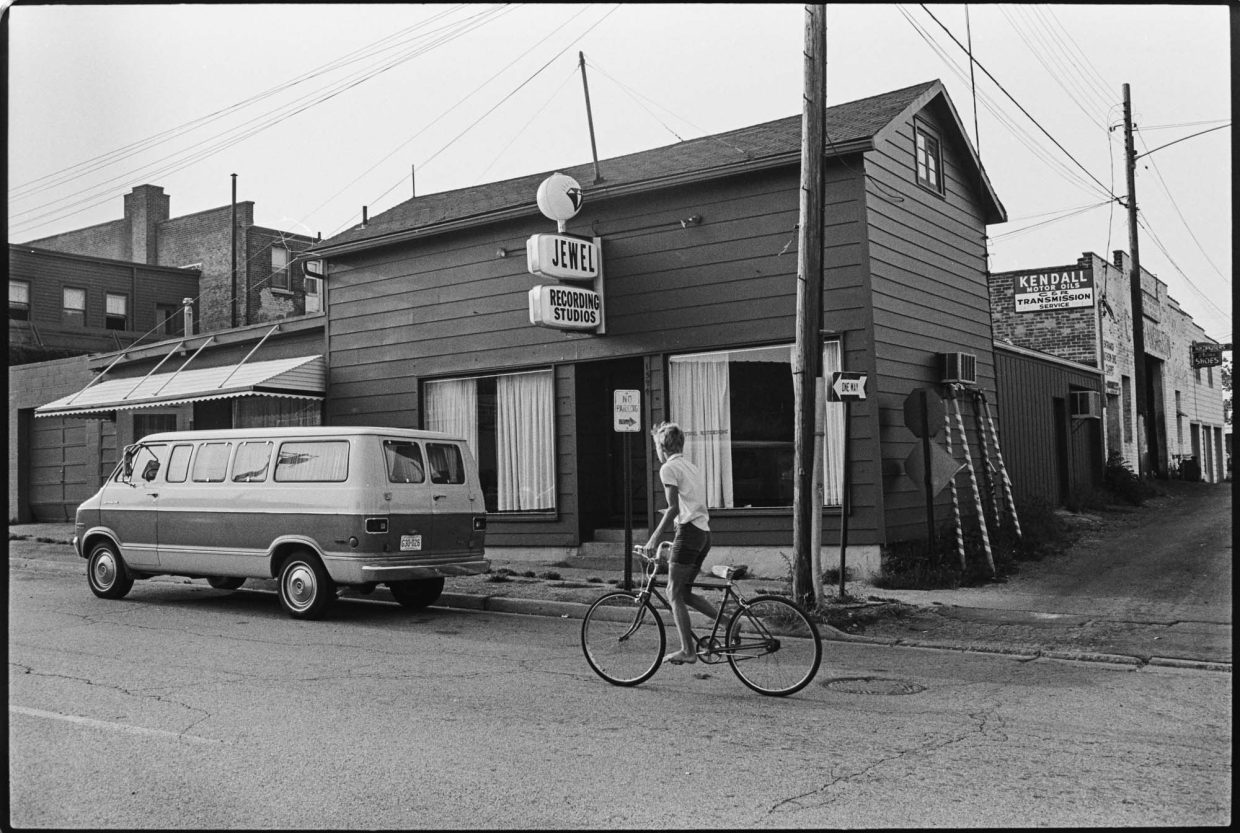
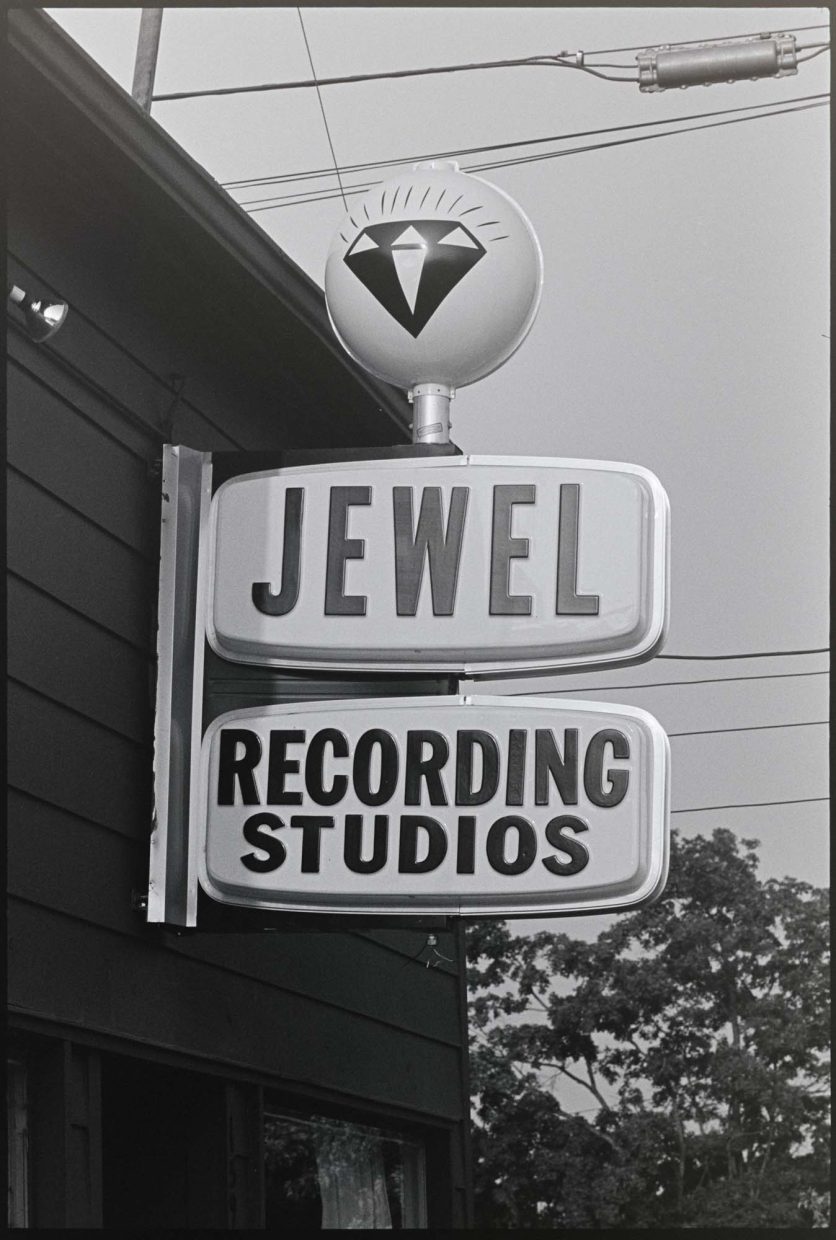
On the afternoon of Tuesday August 15, 1972, the day after Carl Fleischhauer and I interviewed J.D. Crowe in Lexington, Kentucky, we dropped in on Rusty York at his Jewel Recording Studios in Mt. Healthy, Ohio, a small city just north of Cincinnati.

The Jewel Recording Studios in the Mt. Healthy suburb of Cincinnati, Ohio, August 15, 1972. Photo by Carl Fleischhauer.

I first heard York in the fall of 1959 when Tom Barton, a new friend from Bloomington, Indiana, visited me in Oberlin and brought as a house gift a new LP by a company I’d never heard of, Starday. Banjo In The Hills (“16 Great Mountain Songs by All Star Artists 16”) included excellent numbers by bands I (a bluegrass fan since ’57) knew and liked: The Stanley Brothers, Carl Story, Bill Clifton, Jim Eanes, Jim & Jesse. It also included two tracks by a group new to me, Rusty York and Willard Hale: an instrumental, “Banjo Breakdown,” and a great cheating song, “Don’t Do It.”

I really took to that song! Our band Crooked Stovepipe put it on our first CD in 1993. We still do it at almost every show.

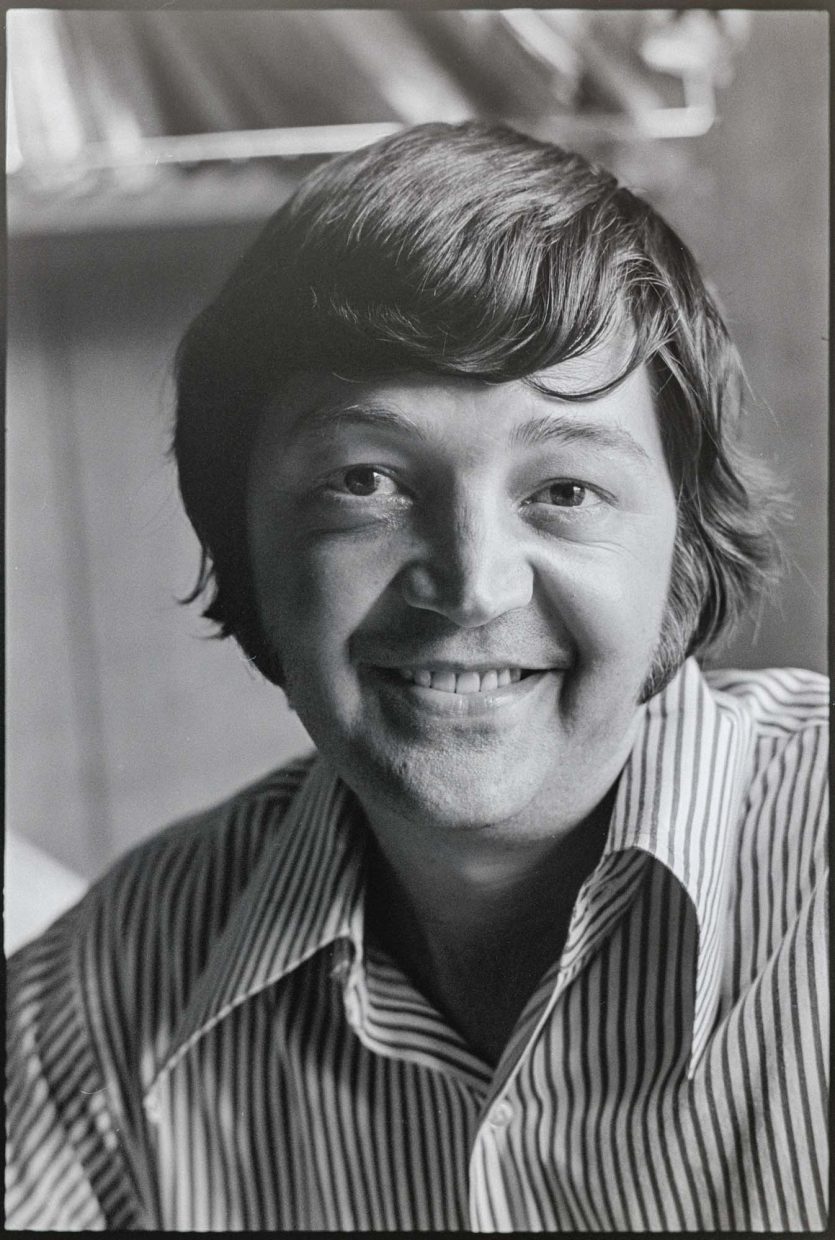
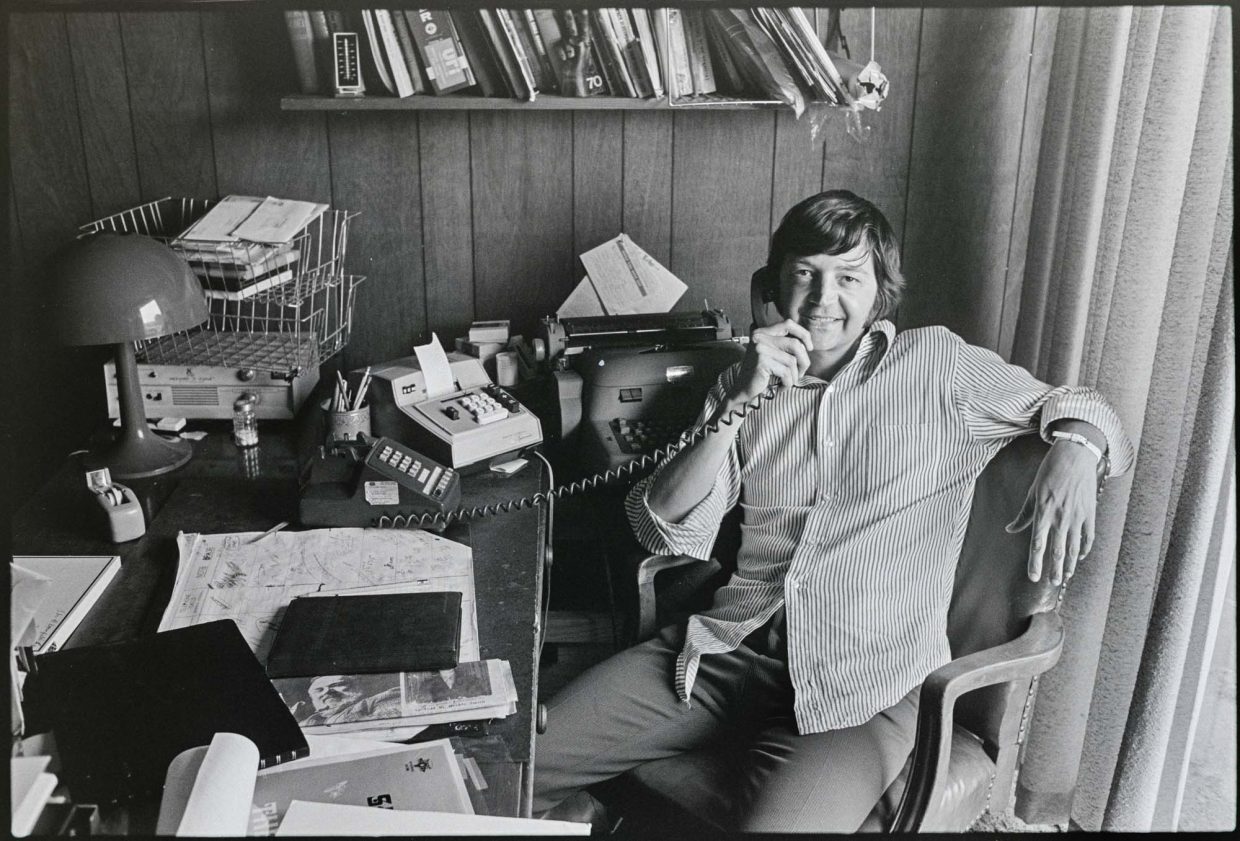
Owner and recording engineer Rusty York in the office at the Jewel Recording Studios in the Mt. Healthy suburb of Cincinnati, Ohio, August 15, 1972. Photo by Carl Fleischhauer.

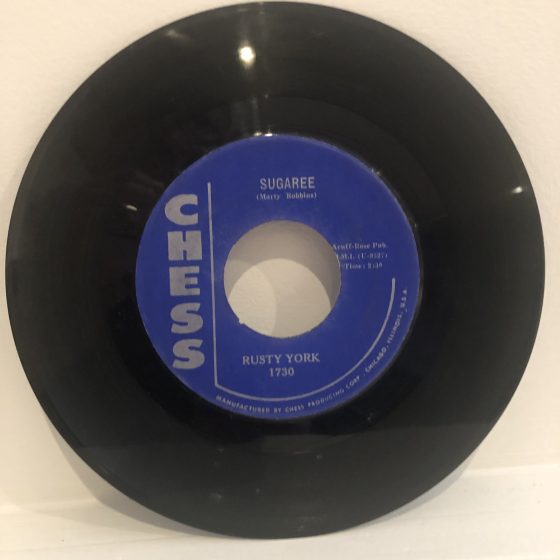
Keen to hear more of York and Hale, I added them to my mental checklist when shopping for recordings. At Oberlin, students couldn’t have cars, so we confined our shopping to a local shoe store’s sales bin of used jukebox 45s. Every once in a while, I’d snag recent singles by favorites like Monroe, Reno & Smiley, or Jimmy Reed. In 1960, not long after hearing “Don’t Do It,” I found “Sugaree,” a Chess Records single by Rusty York, in the bin. I hadn’t heard it, bought it on spec — the shoe store didn’t have a record player.

Chess Records’ 45rpm of “Sugaree,” a Marty Robbins track cut by Rusty York. Photo by Neil V. Rosenberg.

Man, was I disappointed when I got home and listened! It wasn’t bluegrass at all, it was a Marty Robbins rockabilly song, with York singing in a band fronted by sax and his electric guitar with piano, bass and drums behind:

The other side was “Red Rooster,” a rock version of “She’ll Be Comin’ Round the Mountain.” Not bad, some hot guitar licks, but pretty ho-hum, I thought. Must be a different Rusty York I figured; after all, Chess was a Chicago label, while Starday was from Nashville.

A couple years later in Bloomington, Indiana, I came across four EPs (45 rpm, big hole, six tracks each) by Rusty York and the Kentucky Mountain Boys on the Bluegrass Special label, distributed by Jimmie Skinner music in Cincinnati. What a contrast — bluegrass standards done up in proper style! The songs were all familiar bluegrass standards, like this version of the mountain folk song “Cindy”:

I didn’t hear of him again until the summer of 1967, when I was working in a southern Indiana band, the Stoney Lonesome Boys, led by fiddler Roger Smith. He was helping his friend George Brock, a Connersville-based gospel singer, put together an album and asked me if I would play banjo that fall on their recording at Rusty York’s studio in Ohio. Surprised to learn York had a studio, I accepted Roger’s invitation. We — Roger, Vernon McQueen, Vernon Bowling, Paul Hill, and I — rehearsed with Brock at Roger’s home in Columbus, Indiana, in September. On Sunday, October 1 we headed to the Cincinnati suburb of Mt. Healthy, Ohio. Accompanying us was bluegrass DJ Ervin Barrett.

Rusty’s Jewel Recording Studio was a converted two-car garage attached to his suburban home. It was a big open room. Along the back wall was a raised glassed-in platform on which the recorder and mixing board sat. The recorder was a series 300 Ampex deck, an open reel machine just like the two in the studio of Indiana University’s Archives of Traditional Music where I was then employed. This state-of-the-art monaural unit recorded everything onto a single track.

Lines from 10 microphones fed into York’s mixing board. From them, through the board, emerged a single track that was fed onto the tape. We had six instruments and four voices. Each of us stood before one or two microphones. We could see and talk to each other over low baffles. Rusty had recorded bluegrass before. He had selected specific locations in the room for instruments and voices.

George Brock had chosen 12 songs. We were to record them in the sequence on which they would appear on the LP — beginning with side one, band one, and finishing with side two, band six. We tuned up, took our places in front of the mics, and started on the first song.

While we played, Rusty was at the mixing board setting levels. By the end of several run-throughs, he knew when the vocal trio came in or the mandolin took a break, how the song kicked off and ended, and other sonic arrangement features. Where the focus of the song moved from instruments to voices, he made mental notes to adjust the microphones at the right time. Each song had its moves, like running a football play or driving a race car for a lap.

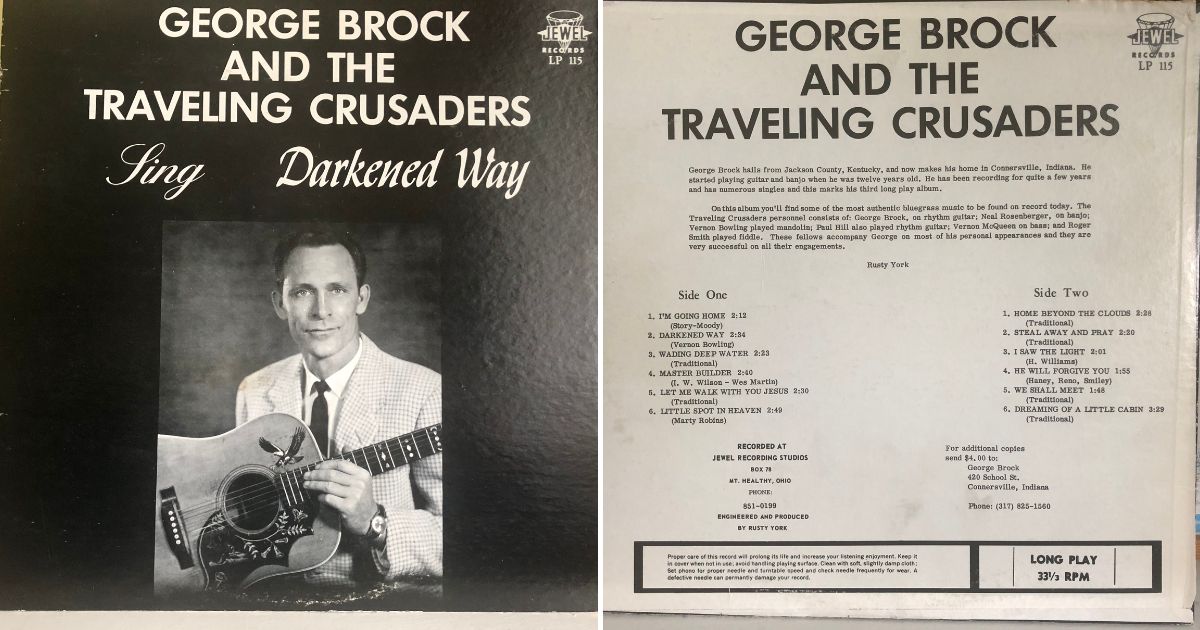
He would tape each trial run through and play it back through big speakers. It soon became clear to me that York was very adept at mixing on the fly. We were there about three hours. About a month later George sent me a copy of the album, George Brock and The Traveling Crusaders, Jewel LP 115.

George Brock and The Traveling Crusaders, ‘Sing Darkened Way’ LP cover.

York’s brief notes give George’s bio, describe the album as “some of the most authentic bluegrass music to be found on record today,” identify The Traveling Crusaders personnel (I was “Neal Rosenberger”), and close by saying: “These fellows accompany George on most of his personal appearances and they are very successful on all their engagements.” I suppose we were successful at this, our only engagement! It’s one of my favorite recordings, reminding me of both Roger Smith‘s coaching and York’s skill and vision as a producer.

When Carl and I began to plan our 1972 trip I pulled out that five-year old George Brock album and found Jewel’s PO Box and phone numbers. Before I left St. John’s, Newfoundland, I wrote Rusty at that address, told him I was planning research in Ohio and asked for an interview.

We hit the road that Tuesday in August 1972 after lunch in Louisville, and headed for Cincinnati, about 100 miles northeast along the Ohio River. My notes:

Arrived in Mt. Healthy about 3:30 as I remember. Parked across the street from a phone booth, went to call Rusty York and as it turned out the number I had was out of date.

Jewel Recording Studios in the Mt. Healthy suburb of Cincinnati, Ohio, August 15, 1972. Photo by Carl Fleischhauer.

I looked up Jewel in the phone book and found the address was just around the corner from us.

We walked over, went in. A number of people milling around, not looking surprised or impressed to see us — a secretary said Rusty was out to lunch and so I explained who we were and that I’d written, etc. She called him at home and then said he’d be back soon. When he returned, he was quite cordial, said he hadn’t had time to answer (I hadn’t expected him to), and he was booked solid with sessions and didn’t have time for an interview but if we wanted to stick around, we were welcome.

He immediately engaged Carl in conversation vis-à-vis cameras and such, pulled his cameras out of his safe, told of recording a gospel rock festival the previous weekend (a 4-track [recorder] along with other equipment, sat in a Dodge van outside the studio) at which there was a big movie outfit a la Woodstock — they used his sound. He takes all the cover photos, hence the interest in cameras.

Owner and recording engineer Rusty York in the office at the Jewel Recording Studios in the Mt. Healthy suburb of Cincinnati, Ohio, August 15, 1972. Photo by Carl Fleischhauer.

Though I’d known some of the high points of Rusty’s career (the early bluegrass, the rockabilly hit, The Bluegrass Special EPs) and had worked in his studio, I really didn’t know much about him beyond that. Born in 1935, raised in Eastern Kentucky, he’d moved to Cincinnati when he was 17. By the 1972 he’d had a long career there as a performer and a worker in the music industry. His story is told online at Hillbilly-Music.com. A more detailed account was published by the late bluegrass and county historian Ivan Tribe’s July 1998 article in Bluegrass Unlimited.

By that August 1972 afternoon, Rusty had pretty much left behind the life of performing that developed during his 20 years in Cincinnati.

He moved into Cincinnati’s “Over The Rhine” Appalachian immigrant neighborhood in 1952. He was seventeen. He didn’t finish high school, going to work right away in a restaurant. He moved next to a job as an office boy in a stockbroker’s office. In the evenings he started going to the local music clubs. He was already playing guitar and banjo. Meeting other “briars” like Willard Hale, he played in local clubs and, as he would describe to us that afternoon, mixing rock and roll beside the bluegrass. He also began working in radio. He became a familiar figure in the regional country music business.

York soon became acquainted with another Kentuckian, the leading figure in the Cincinnati country scene, Jimmie Skinner, a hillbilly singer whose recording career began in the 1930s. By the mid-’50s his Jimmie Skinner Music Center was the leading mail-order country music business in the U.S. Rusty worked on Skinner’s weekly broadcasts from the Center as engineer, DJ, and musician; and he also played in Skinner’s band. Here’s what Rusty and Jimmie sounded like, later, in 1961, on Skinner’s most famous composition, “Doin’ My Time.”

York next ventured into recording. His first sides were covers of new rock and roll hits, including a Buddy Holly tune released in 1957 on Syd Nathan’s King records. His next recordings were made the following year accompanying Kentucky-born country singer, also a Skinner employee, Connie Hall, on Mercury-Starday, and it was at this time he cut his first bluegrass sides with Hale, including “Don’t Do It.”

By 1959 York was again recording rockabilly covers, and it was in this context that “Sugaree” came about. This was his only hit, and it led to a tour sponsored by Dick Clark that began at the Hollywood Bowl where Rusty opened for a show that included Annette Funicello, Duane Eddy, and Frankie Avalon.

Rusty made further rock singles and was later inducted into the Rockabilly Hall of Fame. Although he made a few appearances with this music in rockabilly nostalgia tours, his musical career after “Sugaree” moved in the direction of country and folk.

In 1961 he returned to bluegrass, producing the Bluegrass Special EP series mentioned earlier. At this point he started his own studio. Then, in 1964 and 1965, he began a stint as the opening act for Bobby Bare.

Bare – who grew up in Ironton, Ohio, southeast of Cincinnati, just across the river from Kentucky and West Virginia – began his career in Southern Ohio, but by the time Rusty joined his operation he was a national country star, a Grammy winner with hits like “Detroit City.” Here’s what Bare’s show looked like around time Rusty joined him:

Rusty made some country recordings during his tours with Bare, which included numerous stints in Las Vegas. By 1970 he’d scaled back his performing and focused more on the studio, and in fact now owned two studios.

To be continued. Next time, Hanging Out At Jewel…


Neil V. Rosenberg is an author, scholar, historian, banjo player, Bluegrass Music Hall of Fame inductee, and co-chair of the IBMA Foundation’s Arnold Shultz Fund.

Photo of Rosenberg by Terri Thomson Rosenberg. Black and white photos by Carl Fleischhauer. Record photos by Neil V. Rosenberg.

Edited by Justin Hiltner.

From the Archives: Jesse McReynolds Shares Memories of His Grandfather’s Fiddle

(Editor’s Note: Bluegrass Hall of Fame inductee and Grand Ole Opry member Jesse McReynolds passed away on June 23, 2023 at the age of 94. In his honor, we’re re-sharing this incredible first-person video from early 2020 that features McReynolds telling stories of his grandfather’s fiddle.)

A true legend as one half of iconic brother duo Jim & Jesse, 90-year-old musician Jesse McReynolds has inspired generations of pickers. But who influenced him? In this interview clip, the Grand Ole Opry star and Bluegrass Hall of Fame member reminisces about walking through the woods to visit his grandfather in Possum Holler, Virginia, near Coeburn. About a half a mile away, the sounds of his ancestor’s fiddle would greet him.

McReynolds further explains that his grandfather played on the Bristol Sessions, which ushered in artists such as the Carter Family and Jimmie Rodgers. Now, McReynolds has inherited that treasured fiddle, which can be heard on his latest Pinecastle Records album, The Bull Mountain Moonshiners’ Way. “I don’t know how long it’s been around, but it’s sounding better all the time, I think,” he says.


(Originally published in February of 2020.)

Bluegrass Memoirs: Lexington, Kentucky and J.D. Crowe, 1972

[Editor’s note: All photos by Carl Fleischhauer, except publicity shot of Esco Hankins]

On the afternoon of Sunday, August 13, 1972, Carl Fleischhauer and I were in Jackson, Kentucky, at the finale of Bill Monroe’s Kentucky Bluegrass festival where we’d been since Friday. In my notes, I wrote:

We left after talking briefly with Monroe (I bought his new LP [Bill Monroe’s Uncle Pen] and latest single [“My Old Kentucky and You”] from him) and drove [85 miles northwest] to Lexington where we got a motel — the Flora — run by an 85-year-old lady who liked Bill Monroe and told us that Uncle Dave Macon stayed in the Flora whenever he visited Lexington. Dinner late on the [U of KY] campus or near at an Italian restaurant — snuck in leftover wine and had ravioli. Sure was good to bathe and sleep in an air-conditioned room.

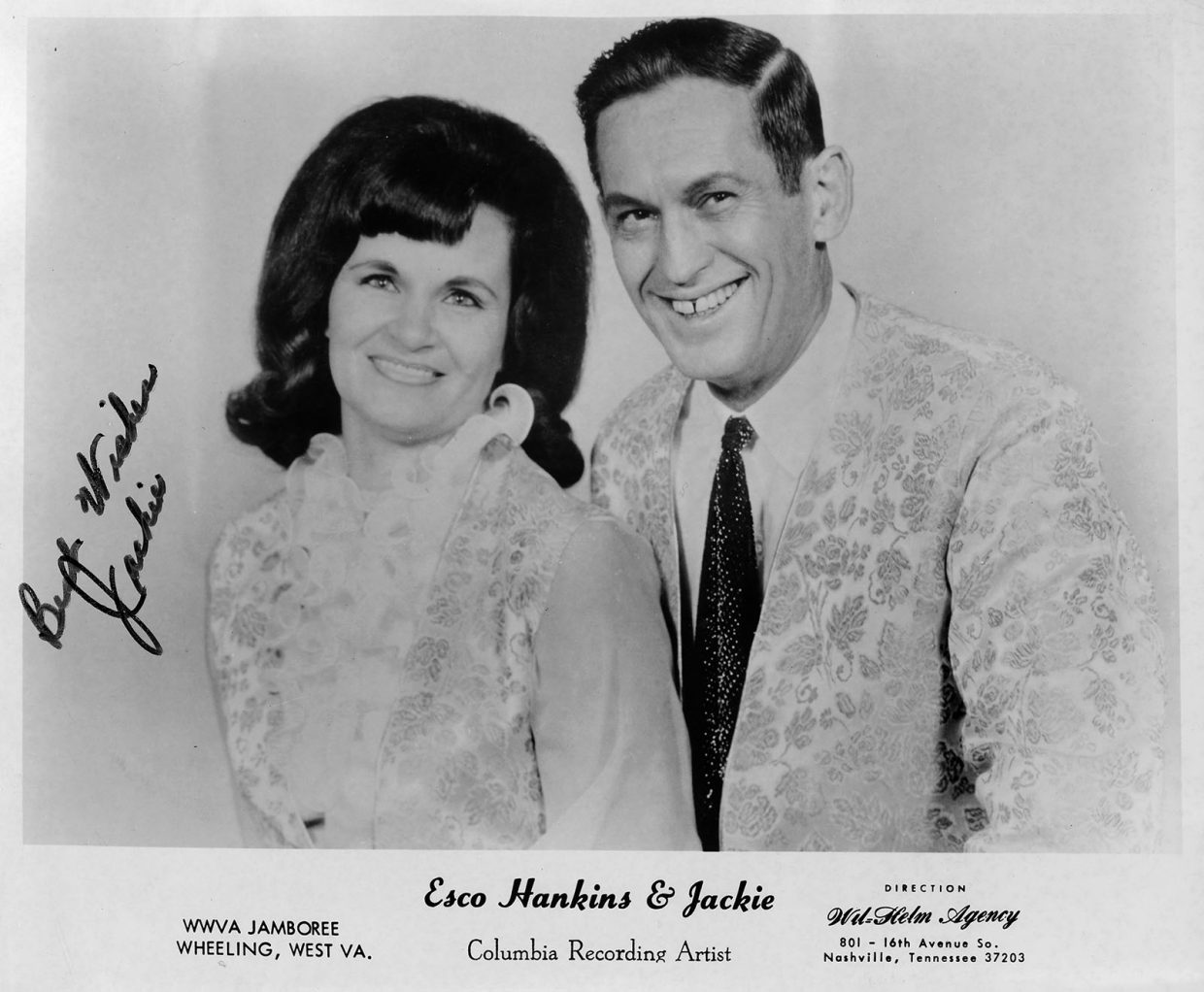
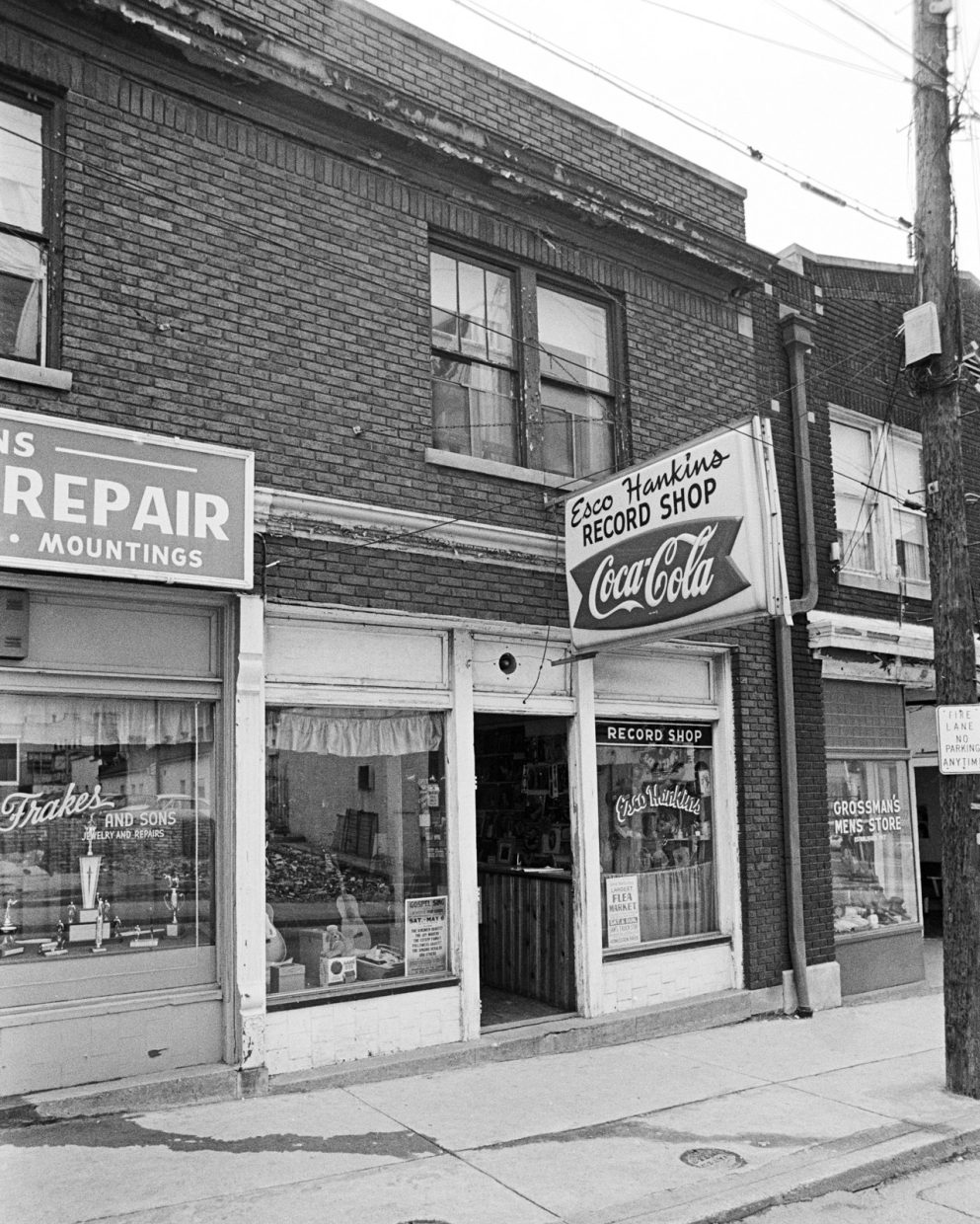
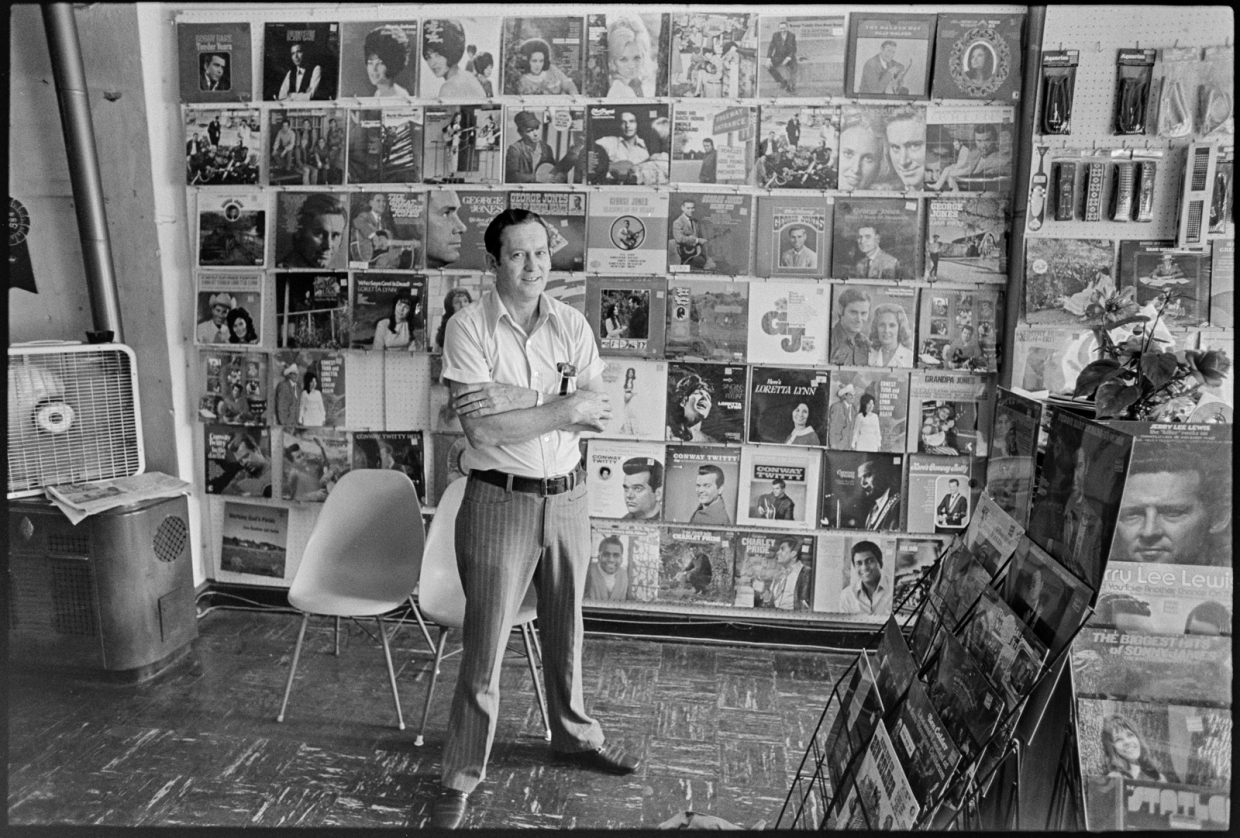
Monday morning after breakfast downtown and some cursory hunting in record cut-out bins, we headed to the Esco Hankins Record Shop. Tennessean Hankins, a Roy Acuff-style singer, began his recording career in 1947. He settled in Lexington in 1949 and performed for years on WLAP with his wife Jackie and his band, which included Dobro player Buck Graves. He also performed weekly on The Kentucky Mountain Barn Dance, which started in Lexington in 1949 and was broadcast on WVLK. 

Jackie and Esco Hankins publicity photo, original date unknown.

Flatt & Scruggs joined the Kentucky Mountain Barn Dance cast that year, influencing both Graves – to whom Earl taught his right hand, three-finger roll – and young J.D. Crowe, who was a regular in the audience and often went with his dad to observe Scruggs rehearsing with Flatt for their radio shows at WVLK. In 1950, at age 13, inspired and informally tutored by Earl, J.D. got his first banjo and began practicing what he’d seen watching Earl in action.

Esco Hankins Record Shop, Lexington, KY, April 1972.

Hankins held amateur country music contests, and at one he discovered teenager Crowe, who soon became part of his band. Marty Godbey’s Crowe On The Banjo: The Music Life of J.D. Crowe (2011) is a fascinating biography that narrates in great detail much of the story I would hear in my interview with Crowe that day in 1972. Early on, Godbey quotes from one of her interviews with J.D.: “I played for him quite a bit, it was my first paying job.” 

Esco Hankins in his record shop in Lexington, KY, August 1972.

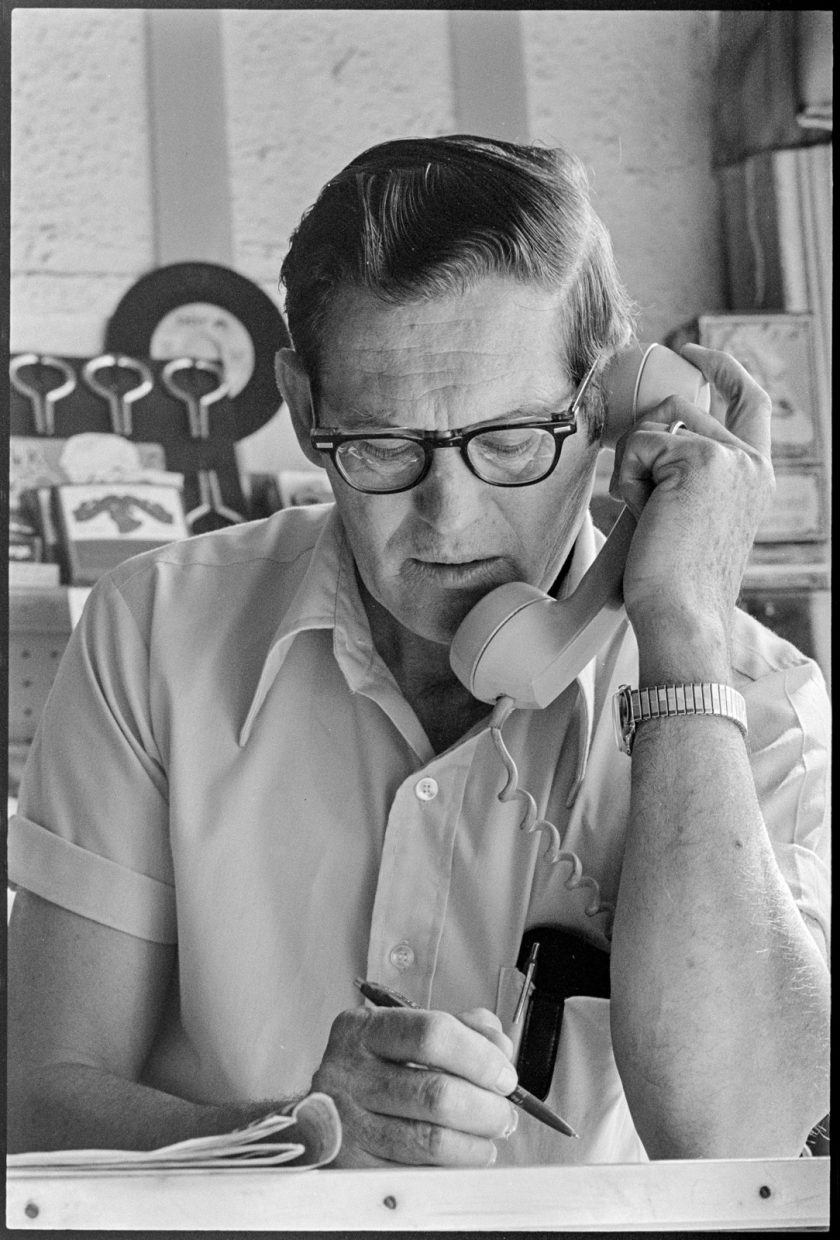
I knew nothing of Crowe’s connection with Hankins on that morning when we walked into Esco’s shop. We browsed, bought some records, and then got into a conversation with him about country music history. He generously gave me a number of old songbooks and then, when we mentioned our interest in interviewing Crowe, he phoned Lemco, the Lexington record company with whom Crowe had recently made three albums and several singles, to get J.D.’s number. My notes:

…he ended up calling first Lemco and then J.D. Crowe and then handing the phone over to me to talk with J.D. — I thought it was still Lemco and went into a long rap about my project and what I was doing and how I would appreciate if they could put me in touch with J.D. — and the voice said, “This is J.D.” and I was embarrassed but maybe it was a good thing…anyhow we made an appt. for 3:00…

Esco Hankins in his record shop in Lexington, KY, August 1972.

Today, Crowe is best remembered as the banjo picking leader of the progressive New South, whose 1975 Rounder 0044 album with Skaggs, Rice, Douglas and Slone has become a modern bluegrass icon. He also was, in 1980, a founding member of the bluegrass supergroup The Bluegrass Album band, playing solid, perfectly timed, and driving banjo based on the style of Earl Scruggs and singing the harmony parts he’d learned with Jimmy Martin. He died on Christmas Eve, 2021. 

When I interviewed him in 1972, he’d been living in Lexington, his birthplace, since returning in 1961 after a five-year stint with Jimmy Martin and the Sunny Mountain Boys. For the next seven years he’d worked day jobs (with a couple of brief stints back with Martin) while playing in local taverns with his group, The Kentucky Mountain Boys. 

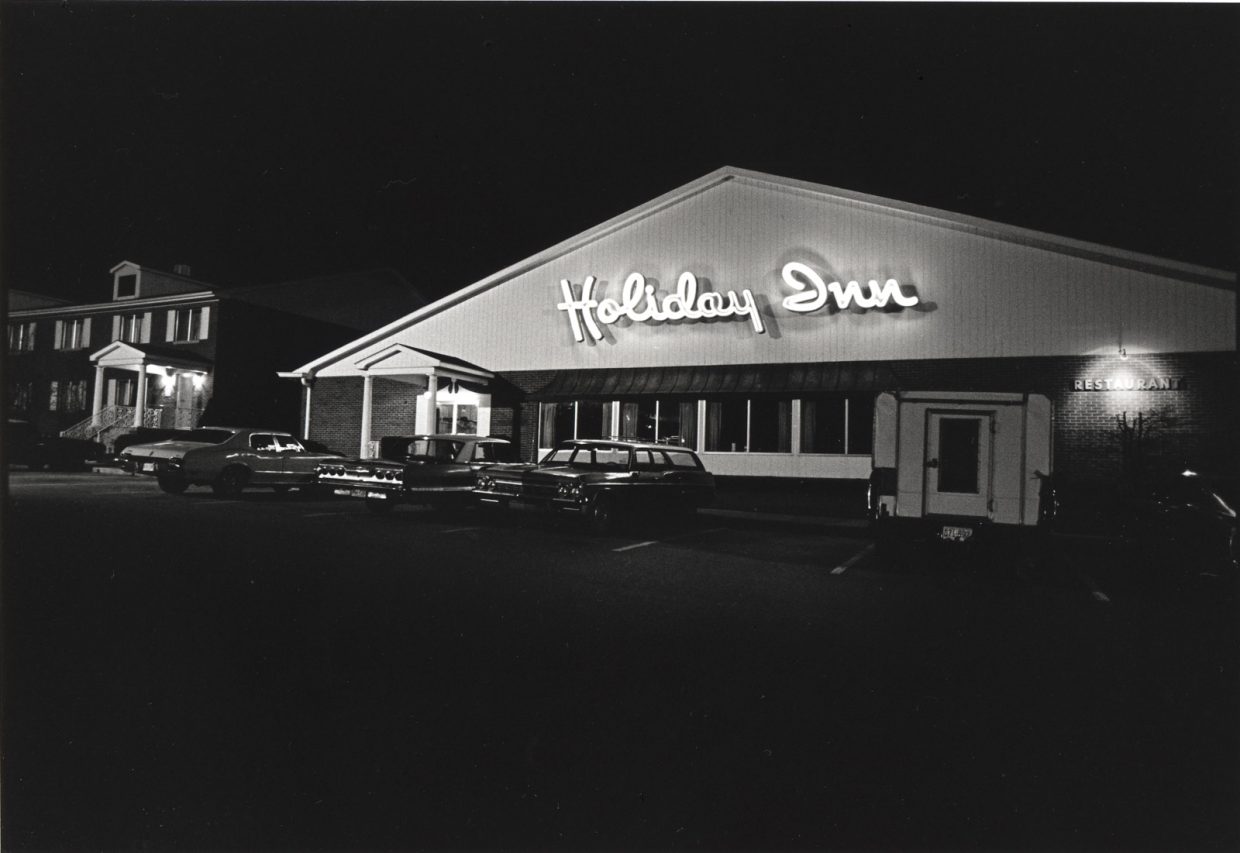
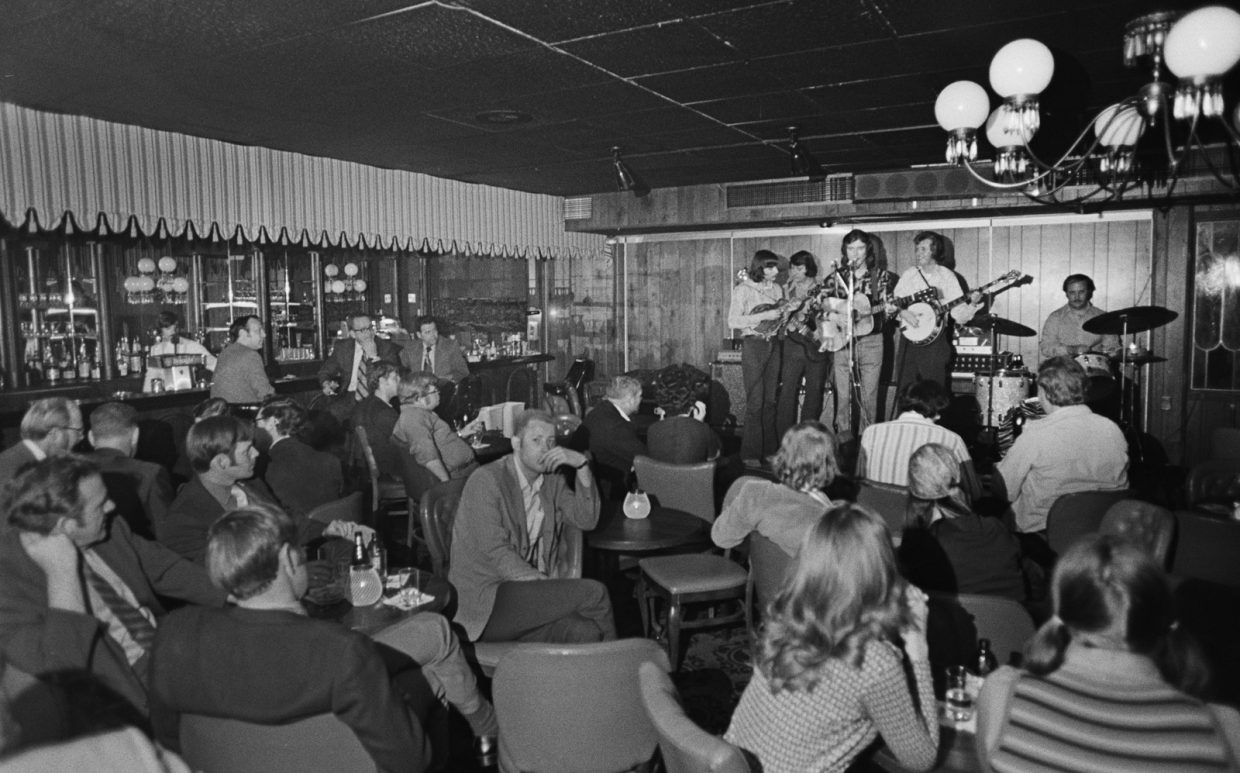
In 1968 they began appearing six nights a week at the Red Slipper Lounge in the Lexington Holiday Inn. It was a change from his former blue-collar tavern milieu – lots of young college students in the crowds. This gig was going strong when Carl and I visited him.

The Holiday Inn, Lexington, KY, April 1972. Featured at the Red Slipper Lounge at the motel that night was J.D. Crowe and Kentucky Mountain Boys.
The Holiday Inn, Lexington, KY, April 1972. Featured at the Red Slipper Lounge at the hotel that night was J.D. Crowe and the Kentucky Mountain Boys. Left to right: Larry Rice, Bobby Slone, Tony Rice, J.D. Crowe, and Donnie Combs.

J.D. was now working full-time at his music. A number of notable musicians had worked for him in The Kentucky Mountain Boys, like Doyle Lawson and Red Allen. At this point, in 1972, his band consisted of Larry Rice, mandolin, Tony Rice, guitar, Donnie combs, drums, and Bobby Slone, bass. He had just changed the name of the group to the New South

I had first seen Crowe in April 1960 when I went to Wheeling, West Virginia, with a couple of college friends. A month earlier we had opened for the Osborne Brothers at Antioch College. Bobby Osborne had urged the audience to come see them at the Wheeling Jamboree at WWVA. We took him up on it at spring vacation.

We drove down from Ohio and took a cheap room in a hotel close to the Virginia theater where the Jamboree was held. That evening we saw the Osborne Brothers as expected, but just the two of them were there. Bobby played guitar and sang “Down The Road” while Sonny picked the five. Good music, but no band! We enjoyed some of the country acts like Rusty and Doug and the fiddling of Buddy Durham. But we weren’t expecting any more bluegrass when Jimmy Martin and the Sunny Mountain Boys were introduced. It was the most memorable moment of the evening for us.

The four-piece band – Jimmy Martin, Crowe, mandolinist Paul Williams, and fiddler Johnny Dacus – bounded up to the mic from backstage and opened with Crowe’s the up-the-neck single-string banjo intro to “Hold Whatcha Got,” Martin’s latest single. 

The audience, which included a bunch of young women seated up front who had cowbells and knew how to use them, went bananas. It was a tight band, thought by many to be Martin’s best, and we were very impressed. Crowe’s banjo break was amazing. It marked him as a unique stylist.
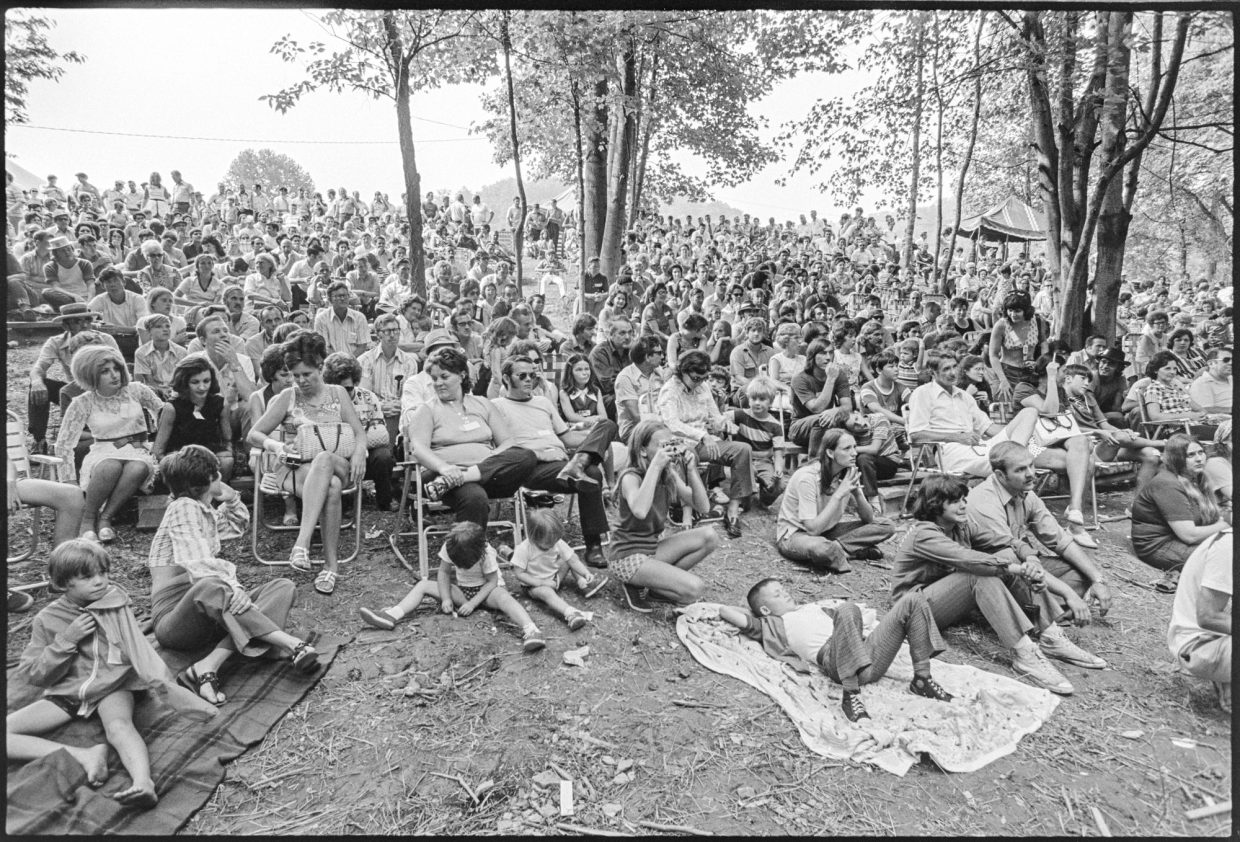
Thereafter, when talking with fellow banjo pickers, I identified this single-string work as “J.D. Crowe style.” The success of “Hold Whatcha Got” led Martin to record several more using the same rhythm and banjo break style. 

Following our experience in Wheeling, we began listening to Martin’s late Saturday night show, after the Jamboree, on WWVA. The live sound of new songs like “My Walking Shoes” – driving, up-tempo stuff with Crowe’s banjo out front – caught our ear. 

J.D. told Marty Godbey about watching Earl rehearse: “I was more interested in trying to learn the breaks to songs and backup than instrumentals.” His work on Martin’s Decca recordings was definitive; Martin’s banjoists were told to play it like J.D. 

He began to record on Lemco with the Kentucky Mountain Boys in 1969 when the band included Doyle Lawson and Red Allen. This was the most recent Crowe recording I’d heard at the time of our August 1972 interview. 

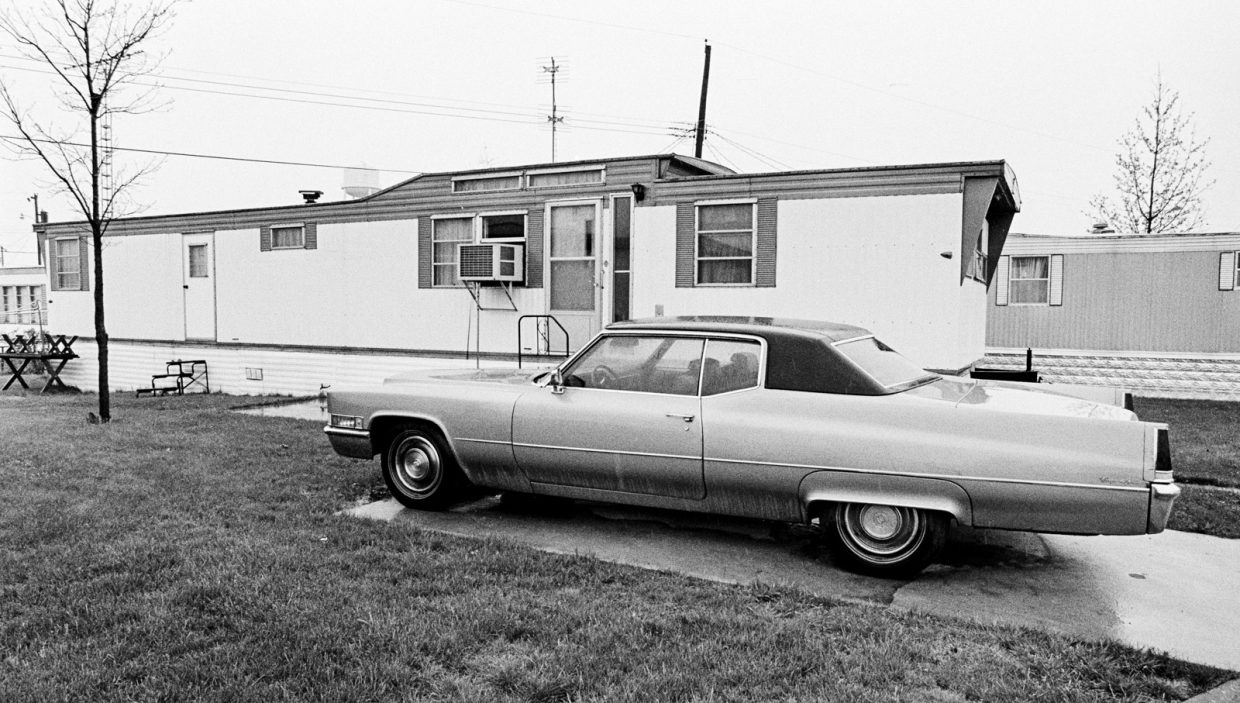
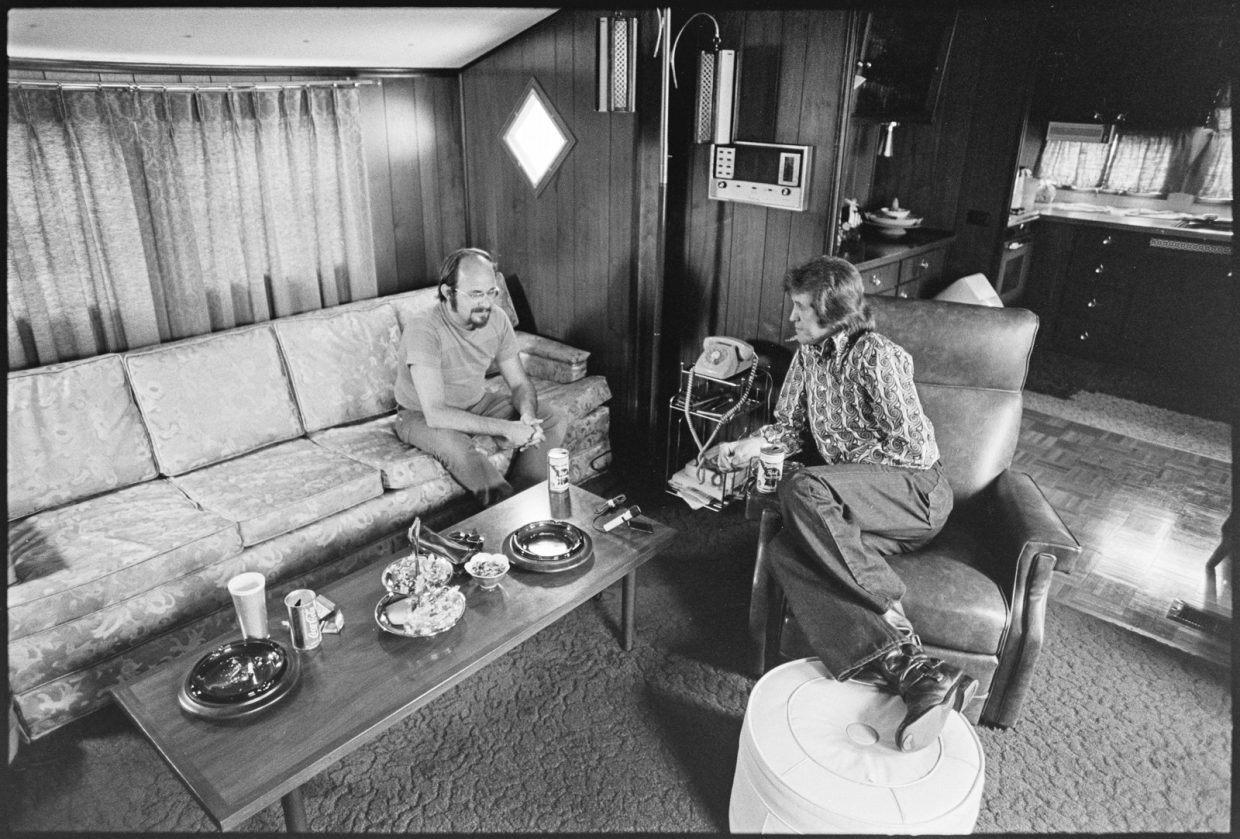
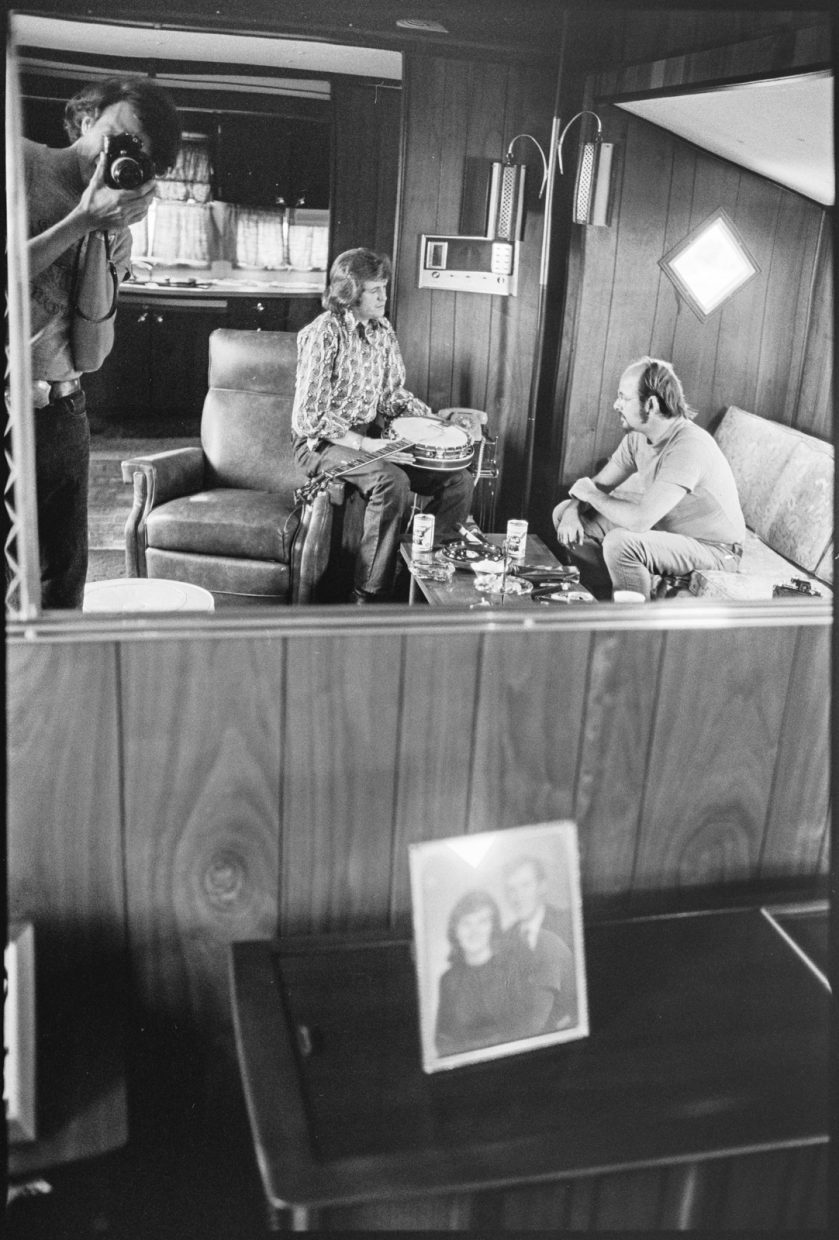
That afternoon Carl and I drove to his trailer park home. We set up my cassette recorder and mic, and I began the interview with a few ethnographic questions: “Let me ask you just some of the basic things, like how old you are and where you were born and so on.”

J.D. Crowe home, Lexington, KY, April 1972.

He was 34 and told of childhood with country music on a farm six miles outside of Lexington. Then he described how his musical calling emerged in the fall of 1949 after Lester Flatt and Earl Scruggs came to town. 

I saw them in person before I ever heard their records. Cause, the first record I heard of them was one called “Down The Road.”

“Down The Road” was Lester and Earl’s newest record release in October 1949.

His family were regulars in the audience at the Kentucky Mountain Barn Dance. 

And I saw, they came here — fact, I never heard of ‘em!

They was there one night, and they was so well received that they was hired.

His first banjo was a 39-dollar Kay, but within a year he’d moved up to a Gibson. Scruggs was his informal mentor. At fifteen he was playing dances and at sixteen Jimmy Martin hired him after hearing him playing on the radio with Hankins. “Hankins?” I asked.

Yeah, I guess that was the first person I worked with professionally.

J.D. Crowe at home in Lexington, KY, August 1972, during a visit and interview with Neil V. Rosenberg (left).

After five years working full-time in Martin’s band – in Detroit, Shreveport, and Wheeling – J.D. quit. It was 1961, he was twenty-four.
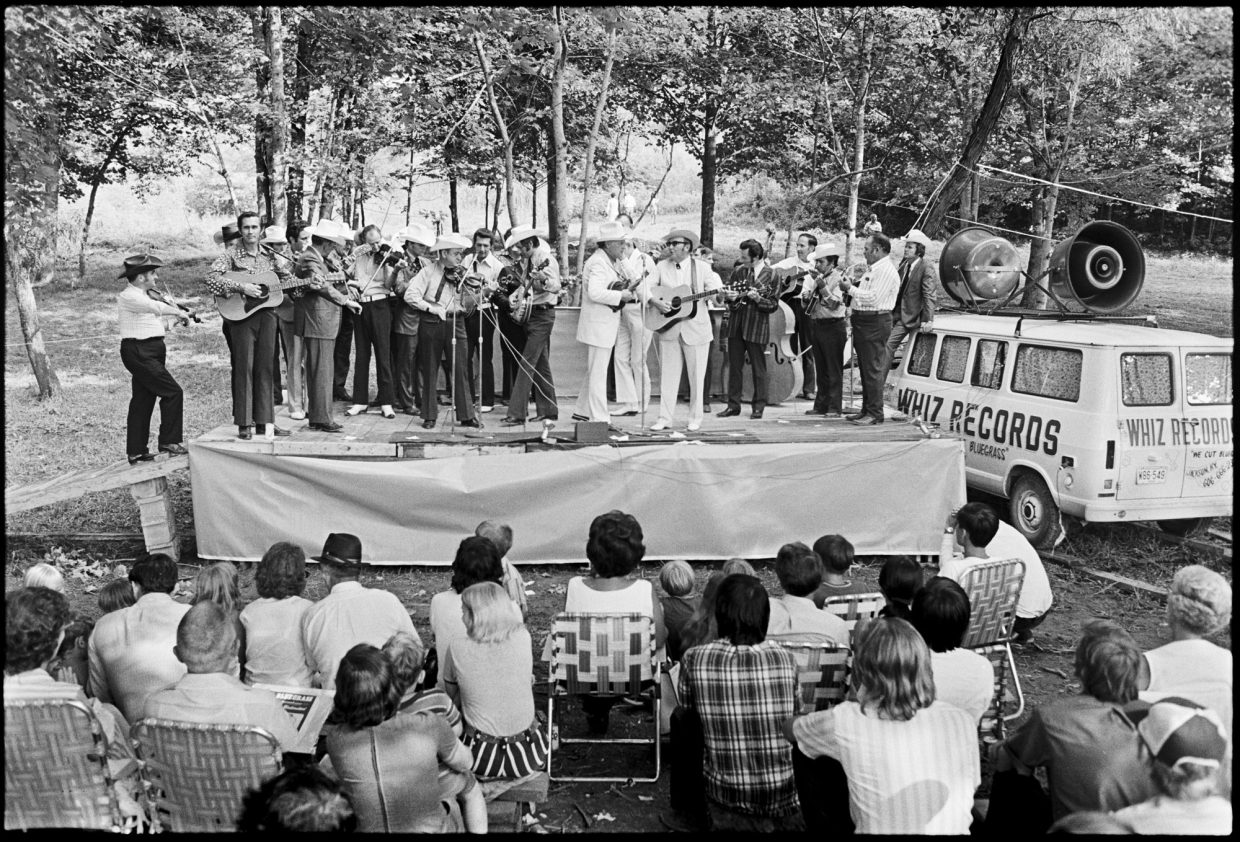
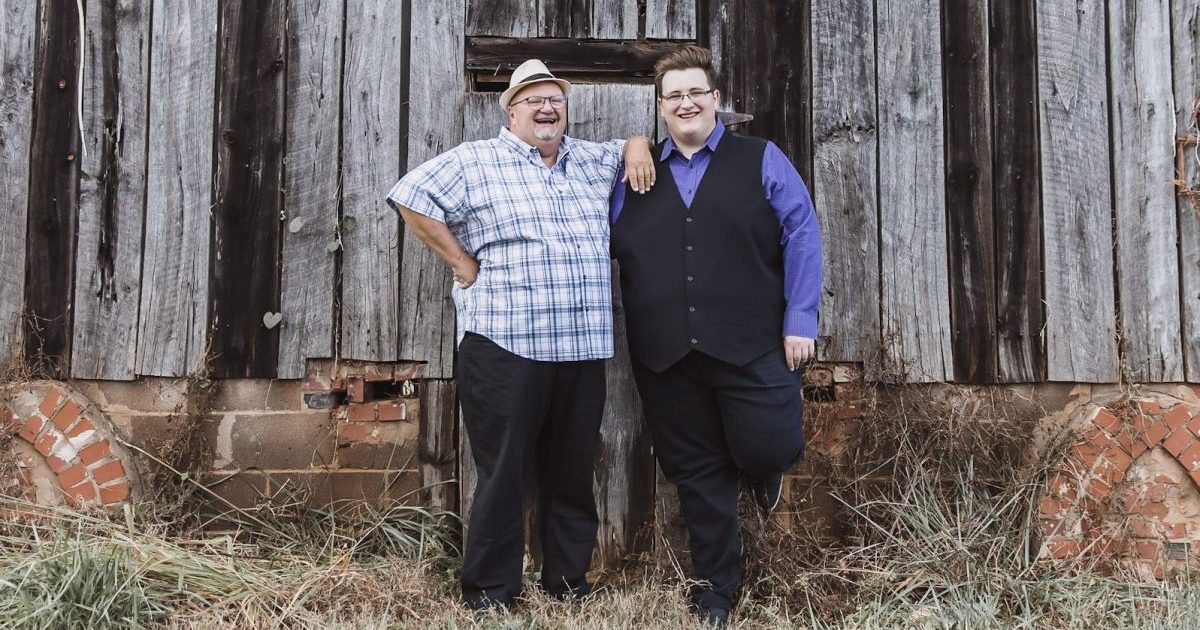
I think I just, a, kindly got tired, I mean, you know, wanted to try something different. 

This was a phrase he used several times in the interview: I just wanted to try something a little different, he said later, speaking of the band he started. Moving back to Lexington, he got a day job, and formed The Kentucky Mountain Boys, who played five nights a week in local clubs until 1968. Then the Holiday Inn gig came along:

I give up my job and I’ve been doing it full-time ever since.

As a bandleader, he stressed the hard work involved in building a career:

…you know how the music goes, unsure, you know. Which anything is, really when you get down to it. It’s just what you want to make out of it, and how hard you want to work… And a, believe me, it’s, it’s rough. A lot of people, you know, think it’s a lot of, a bowl of cherries, you know, just have a good time, but it’s not like that.

I suppose the picking is only the small part,” I said.

That’s just the smallest part of it, really.

J.D. explained how his full-time band operated – fall, winter, and spring they played six nights a week at the Holiday Inn. Then they took the summers off: 

Work road shows

He told me about his band members — mandolinist Larry Rice, his brother Tony, and Bobby Slone — and explained about the Rices’ California connection:

They were born in Danville, Virginia, but … they went to California when they were just little shavers and they lived out there I guess ten or twelve years in Los Angeles. And that’s where Larry came from, he was living there at the time… Bobby Slone, our bass player, he’s been with me I guess about six years. Well, he used to live in California also, and he had worked with them when they was growing up and so he told me about them. And of course, Tony I met after Larry joined me. He moved back to North Carolina and he came up. 

His band were all veterans of the late ’60s LA scene where folk-rock and country-rock had blended with bluegrass. That musical mindset had a kind of creative vision that Crowe could empathize with. 

I used to be, if it didn’t have a banjo in it, then I’d cut it off. But now, with the exception of rock and roll and blues. I’ve always liked it. I used to listen to blues, just all the time. I like the style of B.B. King, of course he’s still going, you know, and, a Fats Domino, Little Richard, you know … they was in the fifties. And there’s just a lot of ‘em, and of course the rock changed you know, course what they call country rock, which is good, I like that. In fact, we do quite a few numbers of that ourself.

I asked: “When you were leaving Jimmy Martin, were you thinking of putting some of that into your music?” He explained:

That wasn’t out yet … I didn’t have too much choice. You (could) only do country, do bluegrass, or you just do hard rock. But now there’s so much new stuff’s out that it’s just endless, to what you can do, and take over songs and adapt them over, your own little thing, in style.

You can take with what you had and combine it with a couple other forms of music and come up with a little different gimmick, a little different style. That’s the whole thing, that’s what you got to have. 

Perhaps the most novel aspect of the New South sound at this time was the fact that since the prior September – almost a year before – they had been playing electrified instruments.

I had the idea, you know a, maybe that might be the answer, because, like I say, like we couldn’t get any records played on country stations. 

The Osborne Brothers had gone electric in 1969; J.D. said their example had influenced him “a little bit.” Also in 1969, Earl Scruggs had begun playing an electrified banjo with his sons in the Earl Scruggs Revue. Jim & Jesse had done an electric album in 1971. I asked J.D. if he’d recorded with his electric group.

The latest single is. Course I use a steel and a piano and a drummer, the whole works on that. In fact I didn’t play too much banjo, on account, if there’s a lot of banjo, some things, they won’t even, some stations won’t play it.

At J.D. Crowe’s home in Lexington KY, August 1972, during a visit and interview with Neil V. Rosenberg (right) as reflected in a mirror that also caught photographer Carl Fleischhauer.

We’d just been at a festival; I wanted to know what he thought about festivals. Had they helped his music?

The festivals have helped to a certain extent. You know. Right now, they’re trying, they’re getting too many of them, in my opinion. Cause you can over do a good thing, you know and, which I know we worked some of ‘em that didn’t turn out so good … most of ‘em, though, we’ve worked this year have all been great big ones, I mean a lot of people. And I figure they will probably continue having that kind of a crowd. And I think that it’s, it’s helped.

“Is it a different kind of crowd than the country music crowd?” I asked.

A, not really, I’d say a people that go to bluegrass festivals would also go to see Porter Wagoner and Conway Twitty and Merle Haggard — Nashville, you know. They like it, course they like bluegrass too. A lot of your country people, you know, like other types. There’s — they like it, but they won’t come out to see it, you know, they don’t like it that good. They can take it or leave it, in other words. That’s what you got to get to, those people, the general public. You know, cause there’s a lot of people come to the festivals and — but you know if you figure, the population of the world and you know, don’t look, it’s not too good a’ odds, so…

An experienced observer of the ongoing bluegrass scene, J.D. was keenly involved in his music business. He spoke of recording studio dynamics, record company practices, broadcasting politics, fan magazine reviews, and other factors in running a band. 

At that point I turned off the recorder and asked if he would show me his electrified banjo. When I turned the recorder on again, he was giving me the history of his banjo, starting with the neck:

This, this is original here, this part as you can see was pieced from a tenor, you turn it over and it’s a great job — see, that’s been pieced.

(N:) Oh, yeah.

(J.D.:) From there up. They matched it perfect, see, you can tell, right there, it starts up on the neck, go right in there, or right here, you can see its smaller up the neck.

(N:) It’s a splendid job.

J.D. Crowe at home in Lexington KY, August 1972.

J.D. had seen a lot of old Gibson Mastertones over the years. He knew chapter and verse about wood types and design details. But I wanted to know about his electric setup. I knew nothing about electric instruments, which were anathema to the ’50s folk revival I’d grown up in. He spent some time showing and explaining the details of his still-experimental pickup system (Godbey describes it well, p. 110). Carl asked if he could take a picture, J.D. politely told him no.

He told me what it was like to be playing electric, with the strings closer to the fretboard (“low action”) than on an acoustic:

(N:) Can you do licks that you wouldn’t otherwise do?

(J.D.:) Yeah. You can do a lot of stuff that holds, you know, you can get a sustain. That’s what nice about it. 

Then he announced what he was hoping on for the future:

I’ve got a six-string ordered.

In 1970 Sonny Osborne had added a sixth bass string to his five-string; it was part of a lush sound – string sections, twin steels, etc. – on their latest recordings. J.D. liked the possibilities the added string would enable, especially because he, like Sonny, was playing an electrified instrument. He’d even had to cancel a contract for a bluegrass festival that didn’t allow electric instruments. He told them:

Hell no! We’re gonna play electric…. We played up here electric for nine month and [then] we played acoustical; I sounded like I was playing a two-dollar Kay. Cause your hearing gets accustomed to that volume. And it’d take me three or four months to get back on the acoustical route.

Our interview ended there. Afterward I evaluated it in my notes:

Interview with J.D. Crowe — nothing spectacular, your hr.’s worth of history, but attitudes and early learning gone into pretty carefully. Very friendly but reserved in a reassuring way. Carl busy snapping away.

J.D. Crowe at home in Lexington, KY, August 1972.

We left Lexington immediately, heading for Louisville, where we were to stay with friends of Carl’s. Consequently, I didn’t get a chance to see J.D. and his New South in action at the Red Slipper Lounge. 

In 1973, the electric edition of the New South recorded an album in Nashville for Starday. Titled J.D. Crowe and the New South, it was issued on CD in 1997 under the title Bluegrass Evolution. Crowe played his 6-string on two of its ten cuts. Here’s one, “You Can Have Her.

The album wasn’t released until 1977, two years after they stopped playing electric. In 1975 when Larry Rice left the group, J.D’s new mandolin player, Ricky Skaggs, had insisted on “acoustical.” By then J.D.’s vision of “something a little different” was working just fine without the extra electricity; Rounder 0044 came soon after. 

The Holiday Inn, Lexington, KY, April 1972. The Red Slipper Lounge featured J.D. Crowe and Kentucky Mountain Boys; including Tony Rice (back to camera), Larry Rice (barely visible behind Tony Rice), J.D. Crowe, Bobby Slone (hidden), and Donnie Combs, drums.
The Holiday Inn, Lexington, KY, April 1972. J.D. Crowe and the Kentucky Mountain Boys; Tony Rice (back to camera), Larry Rice, J.D. Crowe, Bobby Slone (partly hidden), and Donnie Combs, drums.

That day I wished we’d taken the time to catch the band in action, but we had only five more days for our bluegrass field trip. Kentucky was just the start; our next planned stops would take us to Ohio, Indiana, and Illinois. Recently, a recording of an evening at the Red Slipper was uploaded to YouTube. Here’s the 1972 sound of the electrified New South (with drums): 


Thanks to Tim Stafford and Carl Fleischhauer.

Neil V. Rosenberg is an author, scholar, historian, banjo player, Bluegrass Music Hall of Fame inductee, and co-chair of the IBMA Foundation’s Arnold Shultz Fund.

Photo of Rosenberg by Terri Thomson Rosenberg.

Edited by Justin Hiltner

Bluegrass Memoirs: Jackson, Kentucky Bluegrass

[Editor’s note: Photos by Carl Fleischhauer]

On Monday August 7, 1972, with fresh memories of Maritimes old-time and bluegrass, I drove from New Brunswick to New England to join my wife and kids, who were house-sitting for my in-laws in Norwich, Vermont. 

On Thursday the 10th I headed south. A fourteen-hour drive brought me to Morgantown, West Virginia, the home of my friend and partner in research, photographer and film-maker Carl Fleischhauer, then employed at West Virginia University. We’d known each other for twelve years. (Our stories are in Bluegrass Odyssey: A Documentary in Pictures and Words, 1966-86 [U of IL Press 2001]). We were about to embark on fieldwork.

During the preceding year, when I began planning for the book Bluegrass: A History, I asked Carl to help me think about photos. In addition to documenting bluegrass festivals and other venues he, with Sandy Rothman, had recently looked for traces of earlier days in a field trip to the old Monroe home in Rosine, Kentucky. Now, we made plans for our own field trip. Carl would take photos. I would make notes and do interviews. 

We spent that Friday in Morgantown looking at Carl’s photos and films and listening to LPs as we prepared for the research. At the end of the evening, my notes say,

Did some picking.

Early Saturday morning we piled in my new Toyota with our gear (cameras, tape recorder, axes, tent, sleeping bags) and headed southwest, crossing into Kentucky from Huntington, WV and snaking down through the mountains to Jackson, the seat of Breathitt County. Three hundred miles; we arrived around 2 o’clock.

There we headed just outside of town for Bill Monroe’s Second Annual Kentucky Blue Grass Festival. When I went to Canada in 1968, Bill Monroe had one festival a year at Bean Blossom in Indiana. Now he was running a bunch in other states, as were other artists. Festivals were the big news in bluegrass music in 1972. We sought to document the bluegrass festival experience.

Later others would write about this, like Bob Artis (“An Endless Festival” in Bluegrass [1975]) and Robert Owen Gardner (The Portable Community [2021]). Here’s how my notes from Jackson begin:

West of town on main hwy, down short steep road. Paid camping & Sat. fees, never did pay for Sunday. Parked & walked down to the stage area — tent set up, natural amphitheatre, uncovered stage, bad sound. Lots of cops around on Saturday.

Made contact with Pete & Marion Kuykendall, and agreed to move in next to them to camp. Set up tent, attempted to speak to Monroe but he was busy coping with the Goins Bros. problem of being hassled by the cops for drinking. Later Kuykendall said that cops had asked Monroe for $ (3 or 6 hundred) and he had refused to pay off so they were taking it out in fines. Lots of racing around on Sat. with flashing lights et al, but they stayed away on Sunday.

Listened then to IT’S A CRYING TIME, hot & exciting Japanese bluegrass band. Then back to Kuykendall’s bus/home whatall. Thunderstorm; discovery that cassette recorder didn’t work on batteries because plug distorts switch; got it running eventually. Oldest Kuykendall girl Sam/Ginger comes in with bass player of above-mentioned Japanese band, then leaves. Kuykendalls are a bit worried about this but Carl & I both notice later that a number of young girls (McLain girls, for example) are hanging around, with this group.

Dinner with Kuykendalls. Frank & Marty Godbey come in and are around for the rest of the evening. Mostly we sit & talk, though I went down to the amphitheatre to catch Jim & Jesse and the Japanese bands. Came back, then returned to catch Monroe. Afterwards listened to picking group in tent near us. Did mainly Emerson & Waldron, Newgrass Revival, Bluegrass Alliance, Gentlemen, etc. Chromatic banjo. Noisy night in Carl’s tent, as sessions went on late and busses started early. I got a spider bite.

Bill Monroe (center) and the Blue Grass Boys at the Second Annual Kentucky Bluegrass Festival, Jackson KY, Saturday, August 12, 1972. Bandmembers include Monroe Fields, bass; Jack Hicks, banjo; Joe Stuart, guitar (hidden); Monroe, mandolin; and Kenny Baker, fiddle.

I’d known the Kuykendalls since 1966. Pete, a 1996 inductee to the Bluegrass Hall of Fame, was a musician, record collector, producer, publisher, and, since 1970 owner-editor of the first and leading bluegrass monthly Bluegrass Unlimited.

Pete Kuykendall, editor of Bluegrass Unlimited, in his RV parked in the camping area at the Second Annual Kentucky Bluegrass Festival, Jackson KY, Saturday August 12, 1972.

Pete and I had already been corresponding about bluegrass history when we met on Labor Day weekend 1966 at the second Roanoke Bluegrass Festival. Subsequently, I visited the Kuykendalls in Virginia where Pete encouraged me to write for the then all-volunteer magazine he would later own. I began with a review of the festival, published the following January — the first of eight articles I did for BU in 1967.

Photo made by Pete Kuykendall’s son Billy with one of Carl Fleischhauer’s cameras. Carl is seated at left with two other cameras on the table. This photo was made at the time of Neil Rosenberg’s (top of head above stove) interview of Pete Kuykendall, editor of Bluegrass Unlimited, in his RV at the Second Annual Kentucky Bluegrass Festival, Jackson KY, Saturday, August 12, 1972. In the background, at left, is Pete’s wife and Bluegrass Unlimited co-manager Marion Kuykendall.

By 1970 Pete and Marion were running BU full-time; I’d done an article for them earlier in 1972 (eventually I would write a monthly column) so we had been in touch recently by mail and phone. Conversations with Pete were never brief! He loved to share the business scuttlebutt and he had plenty since they were selling the magazine at festivals every weekend and had just launched BU’s own annual festival. 

I think this may have been the first time I met the Godbeys. From Lexington, and before that, Columbus, Ohio, they had been following the bluegrass scene for a decade. Frank is a musician who is still performing these days. By 1972 he and Marty had begun writing and publishing photos in BU. For them, as for me, hanging out with the Kuykendalls was a good way to keep up on the bluegrass news. People were already talking about starting an industry association, though that — the IBMA — wouldn’t happen until 1986. Pete was one of its founders.

Neil Rosenberg (facing camera) interviewing Pete Kuykendall, editor of Bluegrass Unlimited, in his RV parked in the camping area at the Second Annual Kentucky Bluegrass Festival, Jackson KY, Saturday, August 12, 1972. In the background, with an air rifle, is Pete’s son Billy Kuykendall.

With the growth of the festivals came clubs, newsletters, and magazines. Bluegrass enthusiasts (many of them musicians) followed their favorites to festivals and other venues. Paths crossed; networks grew. The politics of bands was a favorite discussion topic.

Over the course of the festival, I made note of gossip about the always changing bands. Ricky Skaggs had just left Ralph Stanley — there were rumors about where he was headed next. Was Bill working to get Ralph Stanley on the Opry? Some thought so. The II Generation was said to be splitting up. Stories were told of bluegrass festival camp followers. 

At this Jackson, Kentucky festival were a bunch of bands that had been appearing at Bill Monroe’s other 1972 festivals — Monroe, Jim & Jesse, Flatt, Reno & Harrell, the Goins, Ralph Stanley — mature musicians who’d been working with this music for a substantial period of time and who stuck close to the early models of which they were, often, the authors. Classic bluegrass, one could say. 

What the audience didn’t hear was the kind of stuff we’d heard from the jammers late Saturday night, like “One Tin Soldier,” The Bluegrass Alliance’s cover of a song popularized in the film Billy Jack. Their bluegrass version, with Sam Bush’s lead voice and Tony Rice’s harmonies and guitar work, was a hit, a big step on the road to newgrass.

The Japanese bands were new to the scene. Japanese bluegrass began in the early sixties. In 1971, Bluegrass 45 came from Kobe, Japan, with the sponsorship of their label, Rebel, to tour U.S. bluegrass festivals. They made a big hit at Monroe’s Bean Blossom festival with their showmanship and musical savvy. This year they were back, along with another Japanese outfit, It’s A Crying Time.

Visiting from Japan, the band It’s a Crying Time performs at the Second Annual Kentucky Bluegrass Festival, Jackson KY, Saturday, August 12, 1972. Band members include Eiichi “Ei’ Shimizu, banjo; Kazuyoshi “Kazu” Onishi, mandolin; Satoshi “Sato” Yamaguchi, guitar; Akira “May” Katsumi, bass.

Monroe had booked the Japanese bands as a novelty, something you couldn’t see just anywhere in the bluegrass world. As I mentioned in my field notes, I found It’s A Crying Time’s music “hot & exciting,” and I was not the only one in the audience reacting this way. They came to the attention of Lester Flatt, who, after watching them rehearse, invited mandolinist Kazu Onishi to join him on stage at his final set. 

Backstage moment at the Second Annual Kentucky Bluegrass Festival, Jackson KY, Saturday, August 12, 1972. Akira Katsumi, Kazu Onishi,
Lester Flatt, and Akira Otsuka. Otsuka was Kazu’s friend from the Japanese scene, a member of the Bluegrass 45.

This video comes from the Bluegrass 45’s appearance at Carlton Haney’s Camp Springs festival:

They are announced at the beginning of the video by emcee, writer, and DJ Bill Vernon. Vernon was here at Jackson, as I learned Sunday morning when I went down to the early morning gospel show. Pete Kuykendall introduced me to Bill there, and we had a long chat about the politics of the bluegrass industry. I wrote in my notes:

A very loquacious and complex person.

At that morning’s gospel show, the music came to a stop as a fundamentalist preacher began his sermon. At that point, I noted:

Bill Vernon cut out from the morning sermon, he’d had enough…

During the preacher’s sermon at the gospel program at the Second Annual Kentucky Bluegrass Festival, Jackson KY, Sunday, August 13, 1972. Bill Monroe (wearing a black suit) is seated in the audience area at left.

I stayed and heard some good music, noting:

The gospel section’s high point was when the Goins Bros. did “Somebody Touched Me” and Eleanor Parker came on stage & started clapping hands and singing; Monroe caught on and came up to join in too.

During the gospel program at the Second Annual Kentucky Bluegrass Festival, Jackson KY, Sunday, August 13, 1972. When the Goins Brothers band performed “Somebody Touched Me,” they were joined on stage by Eleanor and Rex Parker and Bill Monroe. Eleanor and Bill joined the Goins trio at the main microphone while Rex sang and played mandolin at the “stage right” microphone.

This kind of spontaneity, which gave festivals their appeal, was not there all the time. Jim & Jesse, I wrote, had:

A good show, with Jim Brock sounding especially good, but … a cut and dried quality to it all.

Describing Lester Flatt and his Nashville Grass, I concluded:

To me the whole band sounded tired, lackluster.

But Flatt’s final set was enlivened when It’s A Crying Time mandolinist and tenor Kazu Onishi came on stage to sing “Salty Dog Blues” with him. 

During my times around the stage area, I had a chance to talk with Monroe and with some of the musicians I’d gotten to know during my years as a backstage regular at Bean Blossom, like Birch Monroe, Joe Stuart, and Roland White.

I arranged with Birch, who was busy helping Bill run the festival, for an interview, to take place later in the week at his home in Martinsville, Indiana.

Joe Stuart offstage at the Second Annual Kentucky Bluegrass Festival, Jackson KY, Saturday, August 12, 1972.

Joe told me about his experiences playing bluegrass in Canada with Charlie Bailey. He’d even appeared in Newfoundland.

Roland, whom I’d known since his days as a Blue Grass Boy, was now playing with Lester Flatt. He told me they were working solid, playing festivals every weekend.

Here’s what I wrote about the audience:

Audience — bluegrass die-hards from Ohio, Ky., D.C., Carolinas. Few freaks. Appear to be about 50% campers, 50% local people. Certainly no more than 1500-2000, on Saturday, though figure of 3000 was bandied about. Bill moved his Ky festival to Jackson from Ashland this year because the turnout at Ashland was dropping. Fact, bluegrass ain’t as popular in Kentucky as it is elsewhere — Ohio, D.C.

Audience on the hillside natural amphitheater at the Second Annual Kentucky Bluegrass Festival, Jackson KY, Saturday, August 12, 1972.

The festival closed with a finale, orchestrated by Monroe. At the first festivals in the mid-60s, which were created to honor Monroe, such events were somewhat spontaneous, but by now, seven years after the first one, these events were highly ritualistic. By the time it happened, I noticed that the Kuykendalls had left. They were not the only ones.

The finale performance at the Second Annual Kentucky Bluegrass Festival, Jackson KY, Sunday, August 13, 1972. At the center, in white suits, are Bill Monroe and Lester Flatt. Here are a few of the other performers, left to right: Curly Ray Cline (on the ramp), Melvin Goins (guitar, facing camera), Kenny Baker (fiddle, white hat, wearing a suit), Joe Stuart (just behind Baker, partly hidden), Buck Ryan (fiddle, white belt), Jack Hicks (banjo, white hat, wearing suit), Paul Warren (fiddle, white hat, at microphone), Vic Jordan (banjo, facing forward), Ralph Stanley (banjo, dark suit, hidden behind McCormick), Haskell McCormick (banjo, in profile), Monroe and Flatt with Don Reno (wearing white) partly hidden behind them, Raymond W. McLain and sister Alice McLain (hidden behind Flatt), Jesse McReynolds (mandolin, wearing striped jacket), Ruth McLain (bass, behind McReynolds), Raymond K. McLain (guitar, no hat), Roland White (mandolin, white hat), Rex Parker (mandolin, striped shirt), and Monroe Fields (leaning on van).

We packed up soon after and headed west for Lexington. I was hoping to interview J.D. Crowe.

[To be continued]


Thanks to Akira Otsuka and Carl Fleischhauer

Rosenberg is an author, scholar, historian, banjo player, Bluegrass Music Hall of Fame inductee, and co-chair of the IBMA Foundation’s Arnold Shultz Fund.

Photo of Neil V. Rosenberg by Terri Thomson Rosenberg.

Edited by Justin Hiltner

Danny Paisley & Southern Grass Find a Family Blend on ‘Bluegrass Troubadour’

After nearly 50 years in bluegrass, Danny Paisley has reached something of a breakout moment. He won Male Vocalist of the Year honors at the 2020 IBMA Bluegrass Music Awards — his second time in the past five years and his third IBMA trophy overall.

Paisley started performing bluegrass music as a teenager when he joined the Southern Mountain Boys, a band his father Bob co-founded with Ted Lundy. Lundy’s sons, TJ and Bobby, played in that group too, and now are in Southern Grass, the band Danny now leads. The lineup also features his son, Ryan, giving this traditional bluegrass group a unique two-family, three-generation legacy. Earlier this month, the band released Bluegrass Troubadour, their first album for Pinecastle Records. They recorded it last fall with producer Wes Easter, whom Paisley praises for his good ideas and good vibes, sharing that “after every session we were just happy and couldn’t wait to go back the next day.”

Speaking to BGS from his home in Landenberg, the southeastern Pennsylvania town where the singer-guitarist grew up, Paisley talks about how his not-strictly-traditional sound was shaped by that area’s rich musical history and how the new generation is rethinkng bluegrass.

BGS: You’ve been a bluegrass professional almost your entire life. When did you join your father’s band?

Paisley: I started playing with my father and traveling the rooms around 1974-75. Ted Lundy and my dad had a band for years. Ted’s sons, TJ and Bobby, started playing and I started playing, so we became a family group within the two families. Totally like a big family. Their mom is like my mom. And they call my mom “mom.” We grew up together. Basically all our lives we’ve been playing music together. That pretty much carried all the way through, because the Lundy brothers are back playing with me.

How was it being in a band where your dad was the boss?

Sometimes I would say to my dad, “I have this great idea.” Ever patient as he was, he always knew how to handle every situation. He’d always look at you and go: “That’s great, that’s great, when you get your own band you can try that.” To this day, I laugh about that. And I use that, too, on my son.

Now you have a similar situation with your son Ryan in Southern Grass. Does he bring a different generational perspective?

He wants to do more things [with technology], where I’m still old school and like to do things my way. He has good ideas and it makes me have to rethink… Young minds are sometimes way better than old minds. It’s hard for the younger generation today — for the third generation of bluegrassers to relate to the “Blue Ridge Cabin Home on the Hill.” They love the song, but not that theme of the cabin on the hill and things like that from the old days. I have heard of that from my grandparents. Now with the next generation, it is washed down even more.

The area where you grew up seems to have been a great musical influence.

I was very lucky. I grew up in a place here where there was a country music park, Sunset Park. On Sundays, they would have a major country or bluegrass artist… Bill Monroe, Mac Wiseman, Osborne Brothers… I got to see all of my heroes within five miles of my house. Down the road about 15-20 miles was another park called New River Ranch. It had the Stanley Brothers, Jim & Jesse, Reno & Smiley. Any given Sunday within 20 miles, you could go somewhere and hear some incredible music.

When I was very young, Flatt & Scruggs came and everyone was there to see Earl Scruggs. He was god to every banjo player and rightfully so. I remember that day leaving with this impression of Lester Flatt — just how calm he was and how he talked from the stage. He was in control of the whole thing so easily. … Del McCoury lived the next county over from me, so we often played shows with him. I loved his rhythm guitar playing and his voice. He could play that rhythm guitar and keep that band in time – he’d drive that band with that guitar. There was nothing like hearing him live.

Your music has been associated with “Baltimore Barroom Bluegrass” What was that scene like?

When I got older, there were all these bars and clubs in Baltimore, which is about 30 miles from home. I ended up playing in these clubs, four or five nights a week… you’d played from 9 p.m. to 2 a.m., sometimes four or five sets. You got your chops in. You had a broad repertoire and you were playing to people who knew the music because Baltimore became a hub for Southerners who moved up from Virginia, West Virginia, and Kentucky for work. They were hard-living, hard-drinking, and hard-driving bluegrass fans. There’d be fights. There’d be carrying on, but boy you could have fun!

And another regional musical influence on you was the Galax sound, right?

Galax is a town in southern Virginia, on the state line of North Carolina and Virginia, and the Old Fiddlers Convention there draws thousands from all over the world. The Galax sound features a lot of fiddle — maybe not your standard bluegrass fiddle tunes, but a lot of different fiddle tunes that made their way into bluegrass music. …

Their banjo players had a certain sound to their playing. Ted Lundy had it. He came from Galax and my dad’s family came from over the state line in Ashe County, North Carolina. So naturally they would be drawn together when they got up here. Ola Belle Reed, who wrote “High on a Mountain,” lived a few miles from where I’m at here. She was from that same region. The driving banjo — there is a certain style in their hands and in their noting. You can tell they are from the Galax area. I play [guitar] with a thumb pick where a lot of the bluegrass guys play with a flat pick. That was from my dad also.

So Southern Grass’ driving rhythms are like a handed-down legacy?

Yes, of that area and of our fathers. We keep the rhythm sort of pumping, but you’ve got to play to each song. We’ll work the song. As the singer eases off singing, the rhythm will pull back, too, and then you can build back up. We do a lot of stuff like that dynamic. That’s what I like about my style of music, knowing and feeling the song.

Bobby Lundy used to play the banjo in the band and decided he needed some time off. When he said he was able to play, I needed a bass player. I call him my utility man of bluegrass, like he could play any position on a baseball team — he’s that talented. Because he has known me for so long, he knows what I am going to do on a guitar. He knows what I am going to do singing. He can walk me right into the singing with his bass. He can lead me right into the voice. He can just push the band and keep that timing from not going too fast or too slow. He can just keep it rock steady.

How did you pick songs for your new album?

Two of them [“He Can’t Own Them” and “I Never Was Too Much”] were written by Eric Gibson of the Gibson Brothers. He’s always one of my favorite writers. He sent a gang of songs he had not recorded. Every one of them was a great song. Those were the two that fit my style. Brink Brinkman — another excellent bluegrass songwriter — told me, “I have a song that I’d like you to hear.” As soon as I heard it [“Date With an Angel”], I wrote back: “I want it!”

“May I Sleep in Your Barn, Mister,” I learned from a guy named Cullen Galyean, a banjo picker and a great mountain singer from down in the Galax, Virginia, area. “Eat at the Welcome Table” is an old-timey spiritual song. When my dad moved up here to Pennsylvania, his neighbors were an African-American farming family. They had an old-timey string band and played gospel songs. They would sing that song. We put our own spin on it.

The album has an interesting mix of songs that come from different styles and influences.

That’s how music generally works for me. I love it all, and then I make it my own. My band is rooted in traditional music and traditional ways, but that shouldn’t hamper or restrict you. So, I keep my ears open to all kinds of things. You can sometimes take an idea from a non-bluegrass artist and use it in bluegrass.

It’s that way with my singing. I listen to everything from George Jones, Jerry Lee Lewis and Vince Gill to opera singers like Pavarotti – these guys all amaze me. How they control their voice and present it with such tone. For me that was lacking in my singing and I had to work at that… I learned to sing a little different as I got older – to take the edge off the high tenor part a bit. Things like that, and I noticed that people were responding better.

Congratulations on winning your second IBMA Male Vocalist of the Year win. Was the victory sweeter the second time around?

The first time I was so shocked. Any category when you are up there with Russell Moore, Del McCoury — all these guys that I enjoy. You’re shocked that people would appreciate what you do. The second time, it was like, “Oh my goodness.” It didn’t really set in until the next day or so. I love to go out and play to make people happy. I never thought of being something like Male Vocalist of the Year. It’s always the dream for everybody. It’s always a dream to play the Grand Ole Opry, but you’ve got to keep it realistic. A life lesson early on that I got from my dad: never get to where you think you’re better than anybody else. Because as soon as you do that, you’ll realize that you’re not.


Photo of Danny Paisley and Ryan Paisley courtesy of Pinecastle Records.