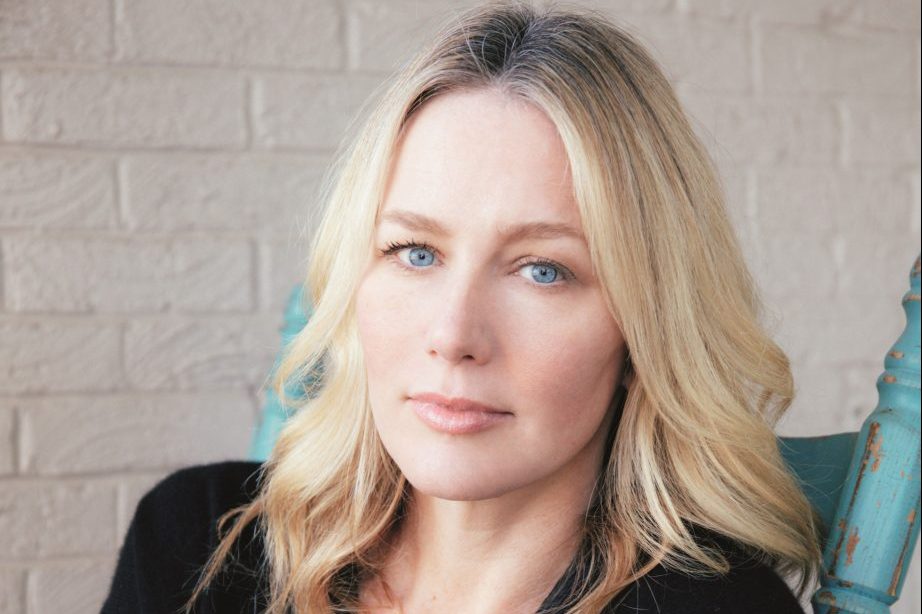
As an Author and Musician, Allison Moorer Writes About Her Tragic Past in ‘Blood’

Allison Moorer has always loved words and it shows in her new memoir, Blood. Expressed in a literary voice that’s both erudite and intimate, her writing goes well beyond the devastation of the 1986 incident where her father shot and killed her mother, and then himself. Surveying Blood as a whole, her childhood stories will be familiar to anyone who has grown up without money, who has relied on other family members to help raise them, and who has found an identity through music.

This fall, Moorer has been touring behind the book by presenting on-stage conversations with music-minded moderators, such as her sister Shelby Lynne (they affectionately call each other “Sissy”) and her husband Hayes Carll. During these events she performs music from her new album, also titled Blood. While that project is inspired by her family trauma, it is not a direct re-telling of it. Longtime producer Kenny Greenberg gives it a sonic texture that fits perfectly in a catalog that now spans two decades.

She caught up with the Bluegrass Situation by phone in between her travels.

BGS: I really admire the research you put into this project. You were willing to try to fill in some gaps. One of the passages that I thought was interesting was the email from your father’s friend, Leon, who wrote this line: “I’ve never figured out if Franklin was two people in one body or if he was one person who made a change into someone I did not know.”

AM: Yeah. That’s pretty powerful, isn’t it?

Do you remember the emotions you felt when you read that message from him?

I felt like I had been seen. Because that’s often how I felt about my father. One of the reasons I wrote to Leon in the first place was because very often I had heard about this great guy that my father was. So many people had admiration for him and the person that they described was not who I knew.

He was a teacher at Leroy High School. This was when I was very small but I remember him being the shop teacher, and he taught English. That’s how he was introduced to my mother in the first place, because he was a teacher where my aunt went to high school. He was a juvenile probation officer. His last job was overseeing the vocational school. And so he had an effect on a lot of people.

But at home, what I had in my mind was not matched up with this person that I heard people outside of our house describe. I spent probably too much time trying to reconcile that and what I know about that is we all are many things. Who we are on the outside is not always who we are on the inside, and we can be more than one thing at the time. So I think in some ways I came up with more questions than answers, but sometimes the questions are more important than the answers.

One thing I found interesting is that he seems to have passed on a love of music and a love of literature to you.

Absolutely.

Have you always been in love with words and storytelling?

Yeah. I don’t think that I knew when I was a kid that I was in love with words. I just knew I liked to read and I had an affinity for them. I somehow kind of knew how to read before I went to school. I went to first grade when I was 5 — funny thing about my momma, she decided that I didn’t need kindergarten and she forged my birth certificate and put me in first grade when I was 5.

It probably had something to do with her work schedule because kindergartners had a shorter school day I think. But they found out that, “Oh, well, Allison at age 5 goes in the advanced reading.” [Laughs] That’s a little revealing about who I am. But I definitely found solace in books and in music when I was a kid and still do, still very much do.

Your father was writing music and lyrics even before you and Shelby came along, but I didn’t know the history of “I’m the One to Blame” on your record. I heard the music before I read the book, then found out later that he wrote those lyrics. I was curious, how did the melody come about to that song?

Sissy wrote it. She found that lyric in his old briefcase, not long after they died. We were definitely in the throes of shock and grief, but I love that she was still able to go, “Hmmm, that’s pretty good. I think I’ll put tune to it.” [Laughs] She did, and she did a fantastic job. So that song’s been around all this time, and neither one of us had ever recorded it. I thought this album was a really good way to do that and to share that with the world. It was important to me that be heard and that he could finally get a song out there. I wanted to do that for him.

I think “The Ties that Bind” is one of the most eloquent songs you’ve ever written.

Thank you. I’m proud of that one, too. I think that’s something that every person asks themselves.

What was on your mind when you were writing that? Did you have to go to a certain frame of mind to get that song out?

Wrestling with the question of inheritance is a big deal for me. How do you take the good and not the bad? How do you make sense of where you come from, and from whom you come? And not drag all of the baggage with you? It’s a tough thing and it’s a never-ending question, right? It’s the theme of a lot of psychological exploration and family therapy and individual therapy. It depends on what school you come from, but a lot of things in people can be traced back to how they were raised, and by who raised them.

We inherited these qualities from our parents whether we want them or not. That’s what “All I Wanted” is about as well. It’s about that same thing – I really am sorry that I inherited your ability to argue with a fence post. But I’m really glad that I got, you know, whatever, this thing or the next thing. I think that’s something that we have to work at as people. I’m fascinated by families and by inherited traits.

There’s a passing reference in the book about how you can feel at home by putting books on the hotel nightstand. That struck a real visual with me. As you’ve moved over the years, you carried all your books with you?

Oh my God. You would not believe how much it cost to move those fuckers. Of course I did! And I’m sure you have the same problem. My books are my prized possessions in a way. I’ve got some guitars, I’ve got a kick-ass shoe collection, and my books, and my heirlooms from family and my little things… I don’t hang on to much. I’m not a hoarder of any kind. I like to keep things pretty sparse but it’s really difficult for me to get rid of a book.

You must feel very comfortable in a bookstore then.

I do. My dream job is to be a librarian.

I am curious about the book event that you just did in Mobile. Because so much of this book is set near there, what was it like for you to go back to that part of Alabama and tell the story?

Well, I played Birmingham on Wednesday night and Mobile on Thursday night, so I had family at both of them, and I have to say I was nervous about talking about this book in front of them. I didn’t ask permission from anybody, and I don’t have to, and I know that, but I still understand that some of these memories are painful. I also realize that some of the things that happened to my sister and me when we were kids might’ve still been unknown to some of our family members and our friends.

So, I’m aware of that and there’s part of me that wants to make sure everybody’s OK. But I also know that’s a trap. And taking care of people is not why I wrote this book. My desire to take care of people is not at all why I wrote this. I think that that’s worth mentioning because I think that not talking about these things is part of what perpetuates the cycle.

So I did feel very much that because I had family in the audience both nights, the instinct is to not say it, to not expose the secrets, to keep hiding because it makes everybody feel better. But what I know is that’s exactly the opposite reason of why I wrote this book. So I had to balance that with myself, and I was aware of it, and I just talked myself through it.

What caught me off guard in this book was the passage titled “What Happens When You Hit Your Daughter.” I felt that deeply.

A lot of people are feeling that.

What have people told you about that passage?

I’ve had a couple of people tell me that they’re going to hang it up in their office because they’re therapists. And I am no therapist. [Laughs] Or any sort of professional. I wrote that passage because I had done so much reading and research on the family and cyclical violence and what the effects of abuse are. On an intellectual level, it’s interesting, but on an emotional and personal level, it’s devastating to me. I have seen to varying degrees all of those things I talk about in that passage applied to my sister, I think. So I wrote it for us.

Look, it’s like this. I recognize that this book has done a lot for me in terms of me coming to terms with my childhood and in realizing what the fallout has been on us. It showed me to myself as art does. We reveal ourselves to ourselves through making art. And the wonderful thing about art and the purpose that it serves in the world is it serves as a mirror for other people. The job of the artist is to reflect the world.

And what I’m getting back from the world about this book is that it is encouraging other people to look under their own rocks and to look at themselves and look at where they came from. They want to then tell me their stories, which is a lot to absorb but I’m also honored and I’m happy about that because so much of these sorts of things are made worse by the shame that they put on us, because we’re told not to talk about Daddy’s drinking or Mama’s violence or whatever’s going on at home.

When children are told to deny what they see and hear and feel, they become distrustful of themselves. I have noticed that in myself. Because growing up we were always told, “Don’t say anything about this. Don’t say anything about that.” In essence, “This isn’t happening,” because you have to deny your feelings. I think that’s absolutely the wrong path. So if someone is able to speak their truth because I spoke mine, then it means I did a good thing.


Photo Credit: Heidi Ross
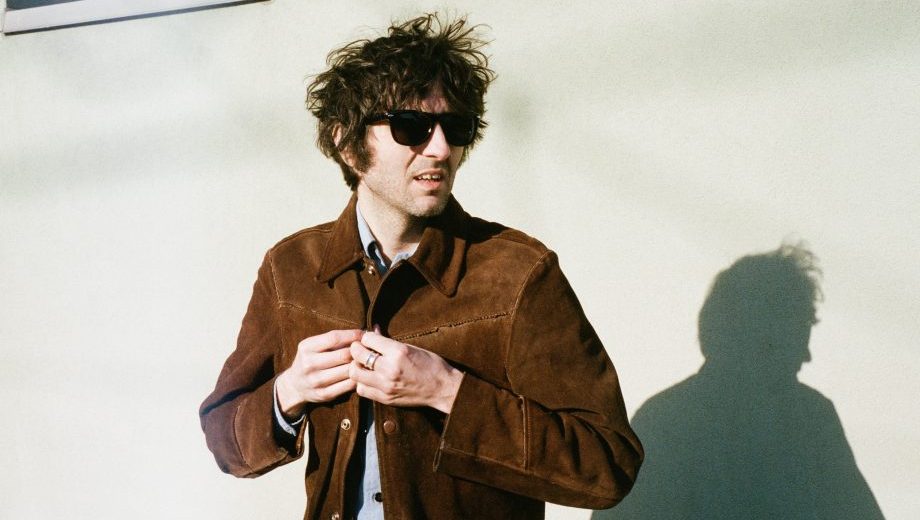
LISTEN: Jerry Leger, “Tomorrow in My Mind”

Artist name: Jerry Leger
Hometown: Toronto, Ontario
Song: “Tomorrow in My Mind”
Album: Time Out for Tomorrow
Release Date: November 8, 2019
Label: Latent Recordings

In Their Words: “‘Tomorrow in My Mind’ closes the new record, Time Out for Tomorrow. It has a feel and performance that you can only get from playing it live in the studio together, same with the vocals. No tricks, which is the way I like it. I like the playfulness in the lyrics and I love the bridge: ‘Bones are aching, emotions shaking, eyes are waking for love.’ James McKie’s guitar part reminds me something Waylon Jennings would have done. I’m not sure what the song was born out of, I don’t like to over-analyze that. It’s a favourite of producer Michael Timmins’ and the band too. I’m glad it made the cut. I wasn’t sure if it fit at first but it’s a real nice closer to an album that I’m happy folks are getting really into already.” — Jerry Leger


Photo Credit: LPPhotographs

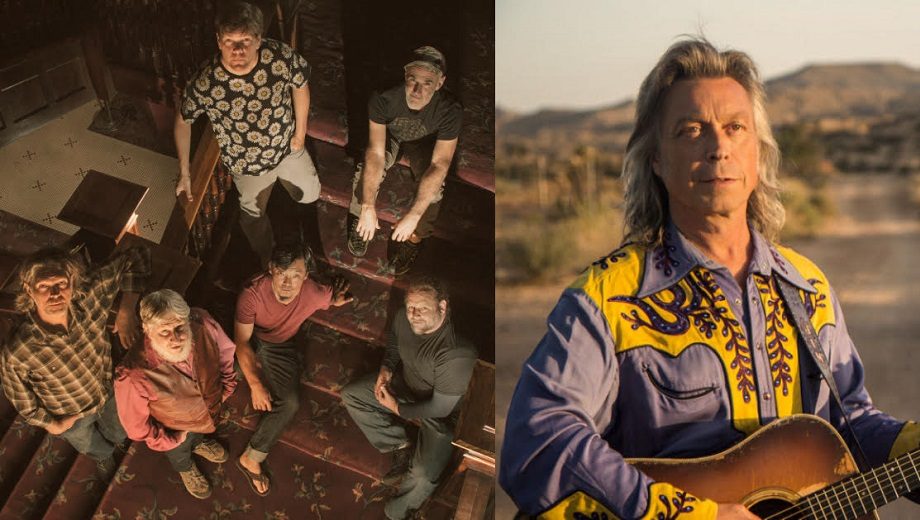
String Cheese Incident, Jim Lauderdale Share “Stories For Another Day”

Colorado-based jamgrass troupe String Cheese Incident turned 25 this year, and although they’ve already established themselves as one of the most accomplished groups in jam music, they show no signs of slowing down in the next quarter-century. The band has spent their 25th year touring the country and releasing new music on a regular basis, their most recent single featuring the country-music-great Jim Lauderdale. (See the premiere below.) We called up SCI’s lead singer Bill Nershi to discuss the history of the band, how they’ve managed to stay so productive, and more.

BGS: Thinking about the fact that you’ve been a band for a quarter of a century has got to be awe striking. How have you managed to continue doing things your own way for so long?

Bill Nershi: Ever since we started, which was really 1995, we decided we were going to actually go for it. We met and played some local shows for a while, and then we moved out here to Boulder in ’95 and really started getting after it as far as touring. All these bands used to look for record deals and when we talked about it with other bands who had been through that we heard a lot of negative stories about dealings with record labels, so that’s when we decided to start our own label.

Twenty-five years ago, that must have been a big decision to make. How did the band come to the conclusion that music is what you were going to commit to?

We’ve always been trying to achieve things and get the best results we can from playing together. We work hard on rehearsing. Trying to improve our weaknesses as a band and trying to promote the positives. But really, when we first started, we were encouraged by the audiences that we were playing to and that really motivated us.

I had been playing a long time, and other people in the band had played music with different people, but that was the first time for me that I got together with a group that clicked right away. Even before our skills were really developed musically, there was a chemistry that we could feel — mostly that the crowd had picked up on — and that encouraged us to go for it. From then it was just “How are we going to go about this?”

We’re not going to be the band that has the hit single. So, we looked at some of the bands that had paved the way for us a little bit. How did the Grateful Dead do it? They didn’t have a hit for a really long time but they developed a following. And Phish of course was already successful. So we decided we were going to have to start traveling around and playing lots of shows in lots of different areas of the country to hit all the regions. We had two years where it seemed like I was gone almost the whole time. I think we played 450 shows in two years, and that gave us a lot of momentum for developing a bigger fan base.

It sounds like you approached this very methodically and really thought about how you were going to fit into the grand scheme of music.

Yeah, it needs to be thought out. Especially when you’re out that much and making sacrifices. You know, not seeing your family, or even just not being able to be at home. The idea for us was always, “We want to make every gig count.”

We were going around the country playing these clubs. Some of them had good sound systems, some of them didn’t, but we were carrying our own sound system. Money that we were making touring, which was not a lot back then, we put back into the band. We bought a sound system. We bought a bus from Crested Butte Mountain [Resort], and it was a good transit bus. We gutted it and put in bunks, so when other people were driving around in those little vans, which were just kind of torture chambers on wheels, we had our bus that we were driving around the country with.

We had a trailer with the sound system and our back-line amps and stuff, so we were going into places and sounding a little bit better than the last band sounded, you know? Trying to make it count when you’re making a lot of sacrifices. You don’t want to be wasting shows and wasting the ears that you do get in the room.

And that hits on another point: You’re perhaps best-known for your live performances. How does performing a song live contribute to its development before you hit the studio to record it?

Sometimes you have a new song that you play the same way for months, or even a year, and then you discover a different part or a way to open up a section of a song and go a little bit of different direction. Or you decide, “Hey, this would be better if it had one more verse here.” Things happen that change the song. It’s a bit of a quandary whether that’s better, or whether it’s better to release a song, let people hear it, and then play it live, which is what we’ve been doing mainly lately.

Sitting down and arranging a song in the studio before you play it live — what does that process look like for you?

You want to try to look at the song at some different angles and play it with some different approaches to see if there’s anything there that you may have missed or you might be able to add to the song, or what parts are expendable if you want to make it a little shorter.

The thought in the back of your head is, “I hope I don’t put this out and decide that part of it would be better played a different way, because then we’ll have to change the song and it’s going to be different than what the recording is.” You’re trying to exhaust some different ideas to make sure that you’re not missing something, and at the same time thinking about what are the crucial things that make this song tick so they can be brought the forefront when you record. Build the songs around the best ideas in the songs.

Moving on to this latest single with Jim Lauderdale. I hear very clear elements of his sound along with very clear elements of your own sound. What did that collaboration process look like?

I’ve written, and other members in the band have written, with Jim Lauderdale before and we’ve always had good results. You never walk away from sitting down with Jim empty-handed. He’s like a stream of ideas. You get done with one idea and he’s already singing some melody into his recorder, or some lyric from your conversation with him. And he has this whole chain of ideas going at all times.

I like to show up when I write with Jim with some different ideas of my own. Whether it’s a chord progression, or a lyrical idea, or a concept. Just an idea for a song. So I went out to Nashville and spent a few days out there with him, and you don’t want to go into a project like that and be sitting around going, “Uh….” So you come in with some ideas.

For this song, “Stories for Another Day,” I had this melodic chord progression with all these different parts. I played with a few different ideas and I played this one thing in D minor that I had been working on. I had been trying to think about how to make it work as an instrumental, or with lyrics. I played it for him, and he picked three chords out of one of the three different sections and said, “Let’s just write a song with that chord progression right there. Those three chords.”

So I had a lot of stuff that was maybe gratuitous in this concept that I had and he plucked this one simple idea out of it. We sat down and started writing some lyrics to that. It’s great writing with Jim.

Looking at some of the artists you’ve collaborated with in the past 25 years, the list is seemingly endless. How much of your own sound has sprouted out of collaborating with so many different kinds of artists?

Everybody’s contributing, so you get this blend of different styles and you can come up with something you definitely would not come up with on your own. You also learn things from the different people that you write and play music with. They rub off on you either consciously or subconsciously. Co-writing and collaborating is really important.


Photo courtesy of the artist.

LISTEN: Joe Hott, “Sweet Loving Lies”

Artist: Joe Hott
Hometown: Augusta, West Virginia
Song: “Sweet Loving Lies”
Album: West Virginia Rail
Label: Rural Rhythm Records

In Their Words: “‘Sweet Loving Lies’ was written by Glen Duncan, Adam Engelhardt, and myself. A lot of the songs we write have a Stanley Brothers feel, but with this song, the way it was written and put together it has a strong original Carter Family feel, lyrically. I was so excited when we came up with the line ‘Spring flowers were bloomin’ when you came to me.’ It really set the tone for the song and you could just hear Sara Carter singing that line as only she could. The original Carter Family has been a big influence on me over the years and to have a song that resembles them on this new album is amazing. ‘Sweet Loving Lies’ is a great old school song that I know the fans will enjoy.” — Joe Hott


Photo credit: Stacie Huckeba

Exclusive: Bluegrass Underground Reveals Season X Lineup

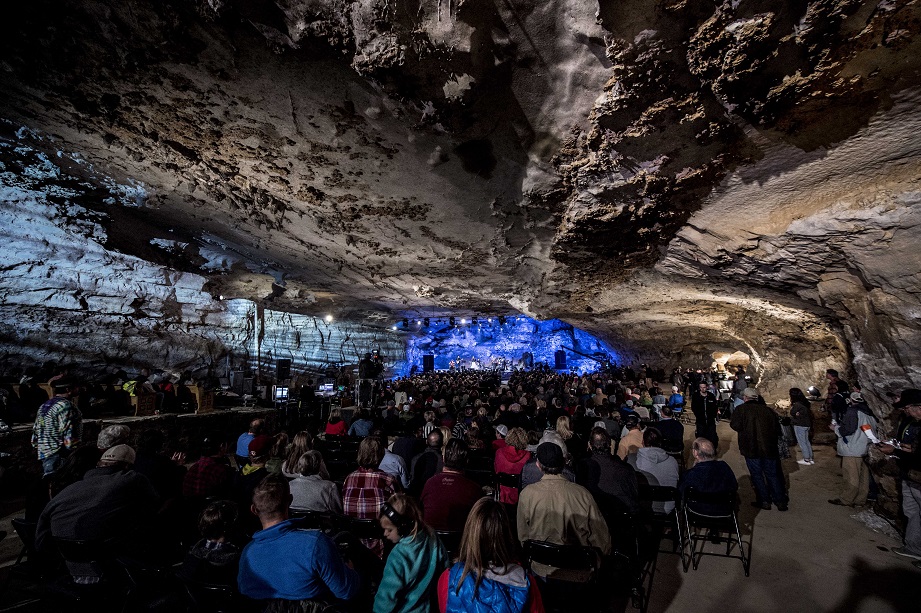
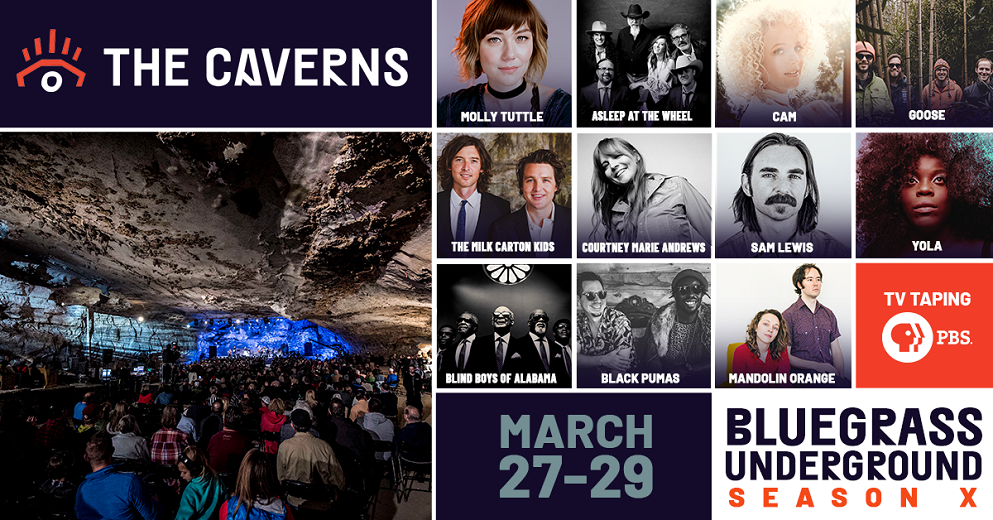
The Bluegrass Situation is pleased to announce the artists for Bluegrass Underground’s milestone Season X on PBS. From March 27 through March 29, the Bluegrass Underground TV taping from The Caverns in Pelham, Tennessee will treat music fans to performances by the finest in roots music and Americana.

This special 10th anniversary taping features cutting-edge singer-songwriters Cam, Yola, Courtney Marie Andrews, and Sam Lewis, and harmonious duos Mandolin Orange and three-time Grammy-nominated Milk Carton Kids, as well as legends like Asleep at the Wheel and Blind Boys of Alabama, and rising stars like bluegrass phenom Molly Tuttle, groove-driven jam band Goose, and psychedelic soul group Black Pumas, plus a surprise act to be announced in the coming weeks.

Jam-packed into one epic weekend of underground concerts, the performances will be captured for the 10th anniversary of the multiple Emmy Award-winning Bluegrass Underground series on PBS. To be in attendance at the 3-day live taping event is a music lover’s ultimate experience. The milestone Season X will premiere in the fall of 2020 on PBS stations nationwide.

“It’s amazing that Bluegrass Underground is the second-longest music series on American Public Television,” says Todd Mayo, Bluegrass Underground creator and co-producer. “And we look forward to the next 10 years of partnering with PBS in presenting the quality and diversity of roots music from one of the most iconic music destinations in the world, The Caverns in Grundy County, Tennessee.”

Three-Day & Single-Day Tickets go on sale on Friday, November 22 at 11 am CT at TheCaverns.com

Here’s the lineup for Bluegrass Underground Season X PBS TV Taping in The Caverns:

March 27:

● Molly Tuttle: An artist on the leading edge of bluegrass music, steeped in tradition while driving the genre forward in today’s musical landscape.

● Goose: This New England band’s mix of rock, funk, tropical grooves and extended jams will turn The Caverns into a subterranean dance party.

● Cam: From a GRAMMY nomination to headlining the Ryman Auditorium, this multi-platinum country singer-songwriter is a force to be reckoned with.

● Asleep at the Wheel: Ray Benson has now been leading a Western Swing band longer than Bob Wills, and he brings his iconic group to The Caverns for their 50th Anniversary Tour. Historic.

March 28:

● Sam Lewis: Best-known for touring and collaborating with Chris Stapleton (who helped inaugurate Bluegrass Underground in 2008), this singer-songwriter is one of the defining talents of modern Americana.

● Courtney Marie Andrews: Powerful vocals, passionate songs from one of today’s finest singer-songwriters.

● The Milk Carton Kids: One of Americana’s best live acts, the duo of singer/guitarists Kenneth Pattengale and Joey Ryan combine close harmonies, wonderful original songs and humor.

● TBA: Bluegrass Underground will be announcing the day’s fourth artist in coming weeks. Who doesn’t love a surprise?

March 29:

● Blind Boys of Alabama: A rousing Sunday in The Caverns with the five-time GRAMMY Award-winning gospel group that helped create the genre.

● Black Pumas: Austin, Texas is known for its dynamic live music scene. Black Pumas are the city’s leading soul/funk band. Enough said.

● Yola: Demolishing genre with her evocative voice and debut record Walk Through Fire, Yola establishes herself as the Queen of Country Soul from the very first note.

● Mandolin Orange: Intimate and emotional, the music of multi-instrumental duo Emily Frantz and songwriter Andrew Marlin draws you into their world with a sound that floats like a butterfly, but speaks to the heart.


While the national festival season remains in hibernation, Bluegrass Underground and The Caverns will welcome spring to the rolling hills of Tennessee with its unique, world-renowned combination of top artists, award-winning sound and lighting production, and breathtaking natural beauty, creating an underground festival experience like none other. Bluegrass Underground events feature a clean and comfortable, fan-friendly environment, complete with high-quality concessions and beverage offerings, including craft beers.

Tickets & travel packages and Stay-and-Cave hotel packages make for a perfect and easy getaway weekend. Packages include the best seats to all tapings, lodging accommodations for two, transportation to and from the venue, food, and commemorative merchandise. There is no better way to experience the Bluegrass Underground tapings than a Stay-and-Cave package. Packages and tickets will go on sale on Friday, November 22nd at 11am central at TheCaverns.com

Bluegrass Underground is underwritten on PBS by Tennessee Tourism and by Grundy County, Tennessee. The 12-episode series is presented to PBS nationally in partnership with WCTE in Cookeville, Tennessee, which serves the Upper Cumberland and Middle Tennessee.

WATCH: Darrell Scott Reminds “It’s A Great Day To Be Alive”

Song sorcerer and musical mage Darrell Scott is celebrating autumn with a refreshed rendition of his ever-popular song, “It’s A Great Day To Be Alive.” In a nod to his acoustic roots, Scott recorded a bluegrass version of the hit, which has been covered by many artists in country, Americana, and bluegrass. In October, he released the official music video — depicting fall festivities like hay rides, a corn maze, and other images of the season — which, as he tells it, was actually inspired by a surprising collaboration.

“I found that a local Nashville corn maze (Honeysuckle Hill Farms) wanted to put my image and song ‘It’s a Great Day to be Alive’ into its corn maze design this fall,” he explains. “And since I had never made a video for the song, and since the song’s message is as needed as ever, we decided to make a video with great help from family and friends. I love the result.”

Feel the warmth of autumn through this music video; watch right here on BGS.


Photo courtesy of the artist.

Don’t Be the “Second One To Know” about Chris Stapleton’s New Video

The idea of success, especially as it relates to being a musician, songwriter, and/or performer, has always been a wily, shifting idea. What are the benchmarks we use to determine someone’s level of notoriety? What are their claims to fame? Owning a tour bus? Having your first number one hit? Being the musical guest on SNL? Having a highway named after you? Or perhaps a proclamation from your local public figures designating a [Named After You] Day?

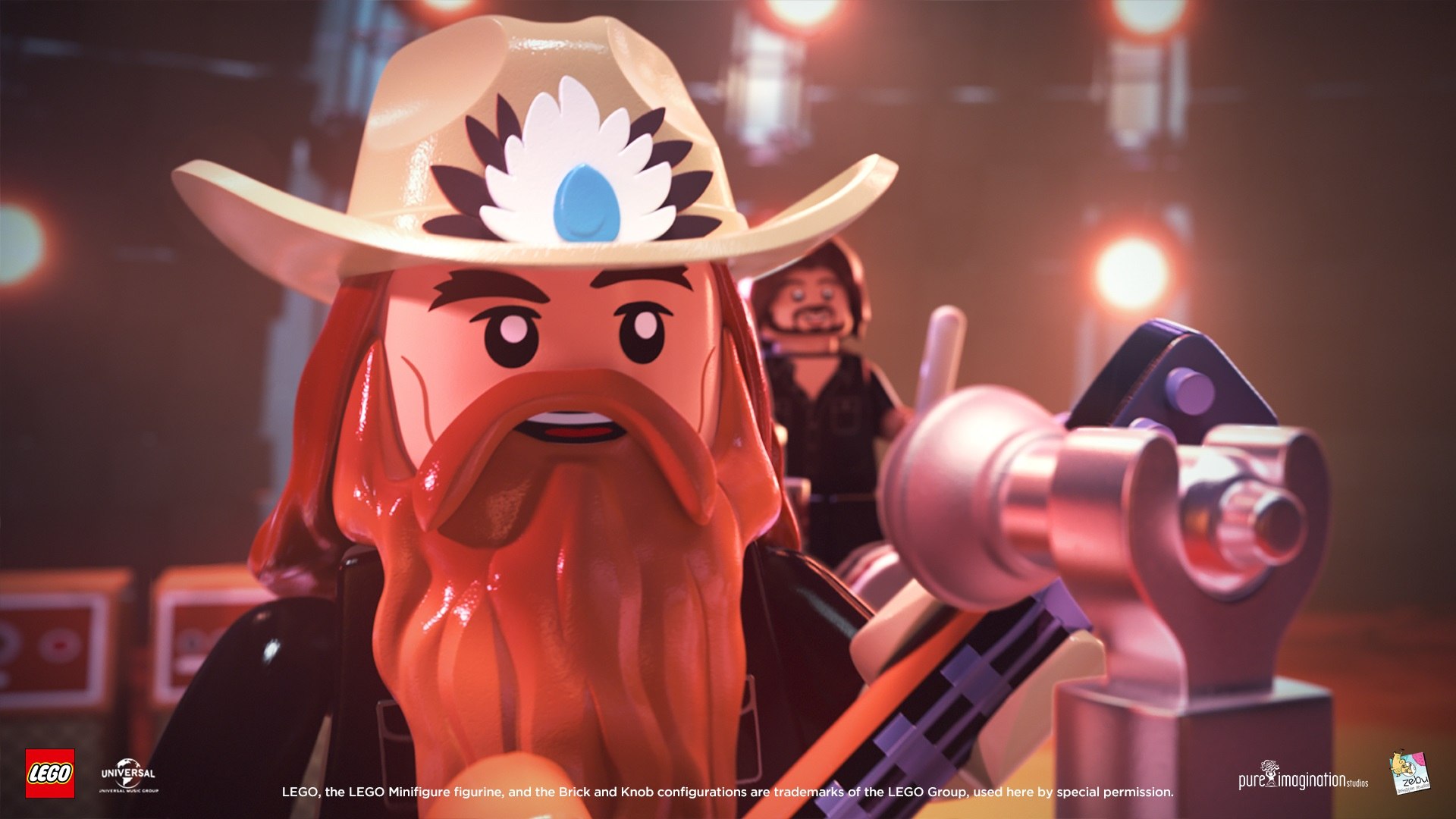
Well, for everyone’s favorite bluegrass powerhouse vocalist turned mainstream country star and global sensation Chris Stapleton, success isn’t measured only by a cameo appearance on HBO’s Game of Thrones. How about having LEGO figures modeled after you, your wife, your band, your stage set, and your otherworldly, music-hating fantastical arch-enemies?

LEGO Group and Stapleton collaborated on the brand new music video for “Second One To Know,” creating a fully realized toy brick universe replete with Stapleton’s signature hat, Morgane Stapleton’s omnipresent tambourine, strikingly accurate LEGO versions of instruments, gear, crew, family members, and even a cameo by bassist J.T. Cure’s cat! (A cat-meo? A cat-meow?)

It may seem a little off the wall for an artist who, while ceaselessly compelling, is generally reserved and counterintuitively subdued — despite his music and window-shaking voice being anything but. But the video is whimsical, painstakingly detailed, expertly crafted, and damn, it’s entertaining. Watch LEGO + Chris Stapleton’s “Second One To Know” right here, on BGS.


Still courtesy of the artist.

BGS 5+5: The Carolyn Sills Combo

Artist: The Carolyn Sills Combo
Hometown: Santa Cruz, California
Latest album: Return to El Paso
Personal nicknames (or rejected band names): None that are fit to print

What other art forms — literature, film, dance, painting, etc — inform your music?

Literature greatly influences my songwriting. I love the written word, love the endless possibilities of alliteration, puns, double entendres… it’s a thrill to craft a song that doesn’t give itself away on the first listen. I’ve written a few songs based on the work of authors that had an effect on me when I was younger. On our last album, Dime Stories, Vol. 2, we put e.e. cummings’ “Buffalo Bill’s” to music.

Our upcoming release, Return to El Paso, is a collection of songs written about the main characters of Marty Robbins’ “El Paso” off his Gunfighter Ballads and Trail Songs album. I’ve always been fascinated with back stories and motivation… those characters that play a role in an event, but aren’t the main focus. Like where did the horse come from that Marty steals as he runs out the back of Rosa’s Cantina? And who was the ranger that shot him down at the end of the song?

What rituals do you have, either in the studio or before a show?

I learned early on that the best ritual to have is no ritual. For a short time, I refused to eat before singing Patsy Cline, after enchilada-burping during “Sweet Dreams” one time… but then I learned if you don’t eat before the show, the kitchen will probably be closed after. In the past I’ve had some rituals like warming up, using the restroom, having a shot of whiskey, but life happens and each show is unique, so unless you’re willing to warm up while having a shot of whiskey on the can with two minutes until showtime, it’s best to just let it all happen, and not tie the success of your performance to any rituals.

Which elements of nature do you spend the most time with and how do those impact your work?

Can we consider my dog, Cowboy, an element of nature? He is a force to be reckoned with. I spend the most time with him, and he’s definitely impacted my songwriting. A lot of melodies and lyrics were written on our walks along the Monterey Bay or in the redwoods. I think we’re all having trouble these days allowing ourselves to get lost from time to time. It’s hard to resist wanting to fill a free moment by checking your phone, as we’re getting more and more trained to need constant stimulus. The best ideas pop into my head when I’m not distracted, not doing anything but being receptive to what’s around me. I used to have more of this time when I lived in a city, and walked a ton or took trains every day. Now that time is harder to come by, and Cowboy is my sherpa to those needed moments.

Since food and music go so well together, what is your dream pairing of a meal and a musician?

If there are no limits to this question, my dream pairing would be eating pasta “fazool” followed by a banana split while being serenaded by Dean Martin and Louis Prima.

If you had to write a mission statement for your career, what would it be?

My mission is to write as many meaningful songs as possible, that provide a welcome soundtrack for people, and are genuine to who I am; to always experience the collective enthusiasm of playing in a band setting, bouncing off others’ ideas and interpretations; to see as much of the world as possible with my wonderful combo through touring; to end up, in my 80s, playing 1940s country music every taco Tuesday in some small town with my guitarist husband, Gerard Egan.


Photo credit: RR Jones

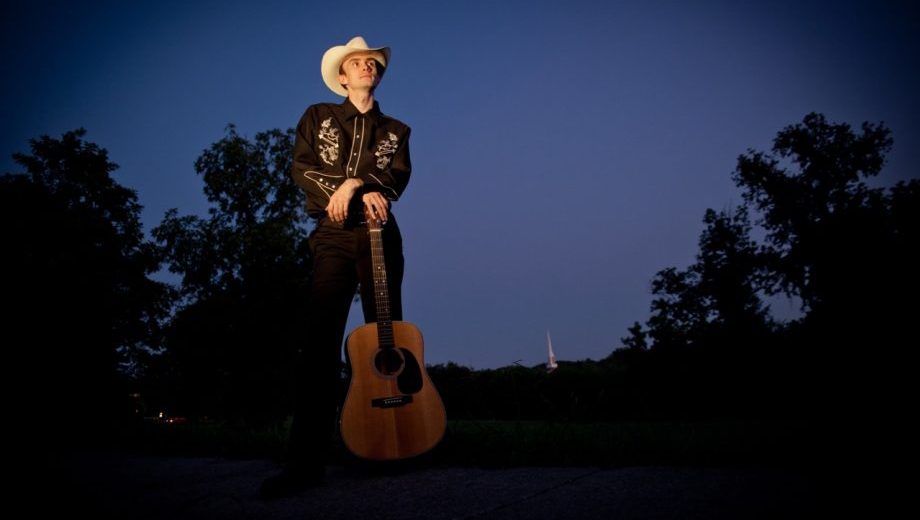
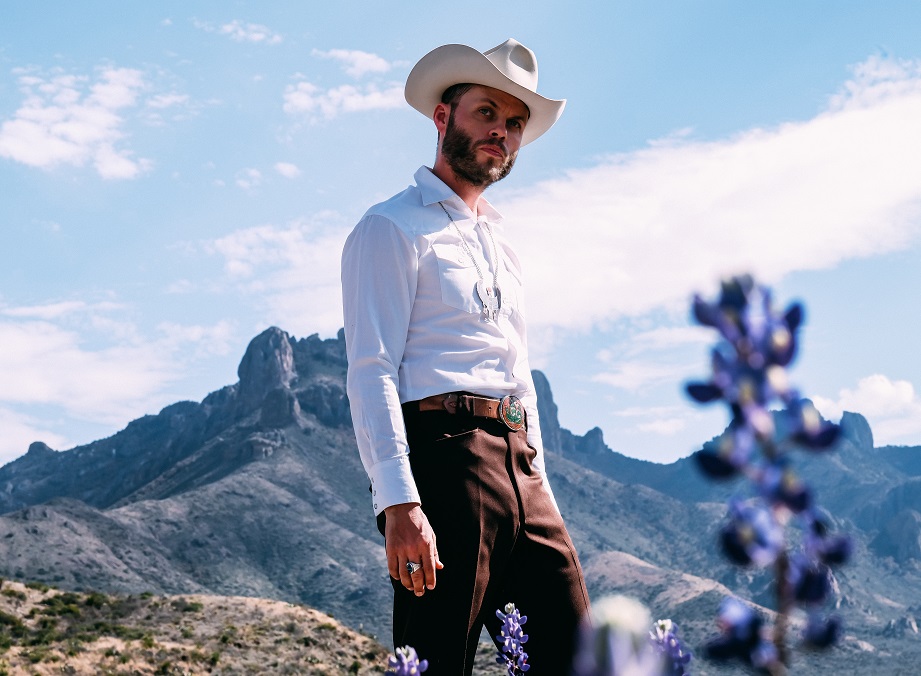
From Texas to the World, Charley Crockett Spreads Traditional Music of ‘The Valley’

“I’m from San Benito, Texas…”

That’s the first line of “The Valley,” the autobiographical title track of Charley Crockett’s newest album and perhaps the best entry point into his true-to-life twist on traditional music. Not only do those lyrics reference the rougher times of his story so far, the jaunty arrangement underscores his fascination with blues and classic country music — but without treading the same fertile ground as everybody else. BGS caught up with Crockett by phone on his way to the Pacific Northwest.

BGS: At the end of the song “The Valley,” your closing line is, “May your curse become a blessing. There ain’t nothing else to do.” Tell me about the message you were trying to convey with that line.

CC: Man, I think people are born into struggles that we don’t have a lot of control over. I know for me, I dealt with different adverse situations that I never saw them coming and got forced into at a young age. Just with my own story I had a lot of issues over the years with getting in trouble and family stuff, siblings going to prison and losing my sister to some of the vices of the modern world. My mother was struggling, working 80 hours a week, to take care of me, and that whole deal.

I parlayed all of those hardships together into making music, so quite personally I’m saying, hey, you can take those really hard things and turn them into something, because if you don’t, what’s the alternative? I had a guy tell me years ago on the street, I asked him how he was doing, and he said, “I’m doing great today. I have to be doing great ‘cause what’s the alternative?” That stuck with me for my whole life.

I thought, man, it really is all about how you see it. That line before it is, “And now you know my story, I bet you got one like it too.” I never really run across very many people that didn’t feel like they were fighting some kind of adversity. I feel like you got to take the lemons and make it into lemonade.

Do you consider yourself an optimist?

Oh, I’d say so, most definitely. I met a guy in Denmark, when I was over there recently, who had an Indian curry joint there in Copenhagen. We ended up going two days in a row. The first day I went in there and we had cowboy hats on, and he knew real quick we were doing music and the whole loud-mouthed Texan thing or whatever. We played up and had a good time in there, and he got my name and stuff, and we left.

We ended up going in the next day to eat again because we liked his curry so much. I come in there and he said, “Charley, man, I want to apologize to you. I looked you up and I read about your story.” He’s like, “I really judged you as being somebody that maybe hadn’t been through much, because you seem like you were so happy-go-lucky and so optimistic.”

I thought that was so strange, that because of my positivity, he thought that maybe I was privileged or something. I guess he read my circus of a biography and realized that I was a lot different than that. And that really struck me. It was sad to me in a way. I thought if everybody in this life wore their hardship on their sleeve and let it get the best of them, it would be really sad. But what’s really amazing about people, overall, is the resiliency in people.

Who were some of your early champions when you decided to take this music path?

Well, in the beginning, my mother was the one who got me this old Hohner guitar out of a pawn shop when I was 17, and told me that I could do this. Even when I sounded terrible. I remember saying, “Mama, I tried to write these songs. Am I any good?” Then she said, “Well, son, people will believe you when you sing.” [Laughs] She wasn’t going to lie to me and tell me I was good. She told me what I needed to hear and I understood what she was saying. She was talking about honesty. She was talking about integrity. She was talking about sincerity. That’s what I believe in.

On “The Way I’m Living (Santa Rosa),” you’re singing about Mendocino County, and that it’s taught you a few things. Was there a specific moment in California where you had an epiphany, or that something really struck you?

Yeah, man. I hitchhiked and rode trains and hoboed around for a really long time. I had hitched out there to Northern California when I was 22 or 23. I ran into cool people up there that would pick me up on the side of the road and let me sleep in their barns or in their pastures, and do work trade and all kinds of stuff. Even my record, A Stolen Jewel — my first one that I ever put out on myself — those people gave me the money to make that record and print 5000 copies of it.

I got them printed up in San Francisco, just a couple of hours south, and I drove in a truck that I’d gotten from those farmers up there that let me work their land. Then I drove back down to Texas and I handed them out on the street in DFW and Austin. That was how I first started getting my first publicity. I got written up in the Dallas Observer and the Fort Worth Star-Telegram, and I got a local guy to start booking me at Texas bars.

So yeah, the line is “Mendocino County bring me lots of joy. It’s opened up the eyes of this wanderin’ Texas boy.” And that’s exactly what happened. It was the first place that I’d ever been in my life where people said, “Man, all you got to do is help out on this farm and play music for us and you can live here in exchange. And we’ll feed you too! And we’ll take you out to the open mics at the brew pubs.”

I’d go to a gathering on people’s farm where you’d play music around the campfire and I’d never known anything like that, besides being down and out on the side of the highway in more shady situations. But then in Northern California, it was the first place where somebody in my position, my modest, kind of undeveloped artistic abandon, that people were like, “Hey, I see you as an artist and I respect you and your music. There’s something about you.” That’s why I have so much love for Mendocino County and continue to be a part-time member of that community there. Those people have always treated me like I had value.

Do you like bluegrass music?

Big time, man. Jimmy Martin, Ralph Stanley, I wear that stuff out. Actually I packed a banjo and brought it into my show. We have a bluegrass section in the show, right in the middle of the set, where we do a five-song bluegrass deal around the one mic. It’s just a lot of fun!

What do you hope people take away from the experience of coming to see you play?

I hope the people that have come out before to see me will see that I’m true to what I promised — that I’m getting better every year. I’m really about the classic stuff and I think when you’re really rooted in the tradition, you’re never going to stop growing.

When I was playing in San Antonio the other night, I played “Nine Pound Hammer” on the banjo for these kids. … This mother had her two young children at the very front of the stage and they were hollering for “Nine Pound Hammer” as I got off stage after the encore, and I ended up playing it for them sidestage, because they were so sweet. These kids were young. The little girl was probably 8 and the boy was probably 10 or 11 at the oldest, and they knew every word to “Nine Pound Hammer.” That was really cool to me to see these young kids, who had no context of how old that dang song is, excited about something out of the nineteenth century like that.

I guess that’s one thing you could say, but for me it’s like I wear tradition on my sleeve and I think what’s radical in music today is to bring tradition up front. I think that’s what people like about me. Not that I’m some kind of preservationist, but that I’m doing tradition as a man of my times. I think that people can hear the tradition and they can also hear something new in what I’m doing. I hope that’s what people hear when they come out to see me.


Photo credit: Lyza Renee

LISTEN: Stoney LaRue, “You Ought to Know Me by Now”

Artist: Stoney LaRue
Hometown: Born in Taft, Texas; raised in the Buffalo Valley in Oklahoma.
Song: “You Ought to Know Me by Now”
Album: Onward
Release Date: November 1, 2019
Label: One Chord Song/Smith Entertainment

In Their Words: “Gary Nicholson wrote this one with his writing buddy Shawn Camp and suggested it would be a good fit for the album — with which I agreed. It has gotten wonderful feedback from the live crowds and is very relatable, especially to the demographic I play to and for. Wonderful, fun tune. I hope to write some more like it with Gary.” — Stoney LaRue


Photo credit: Richard Arp-Barnett