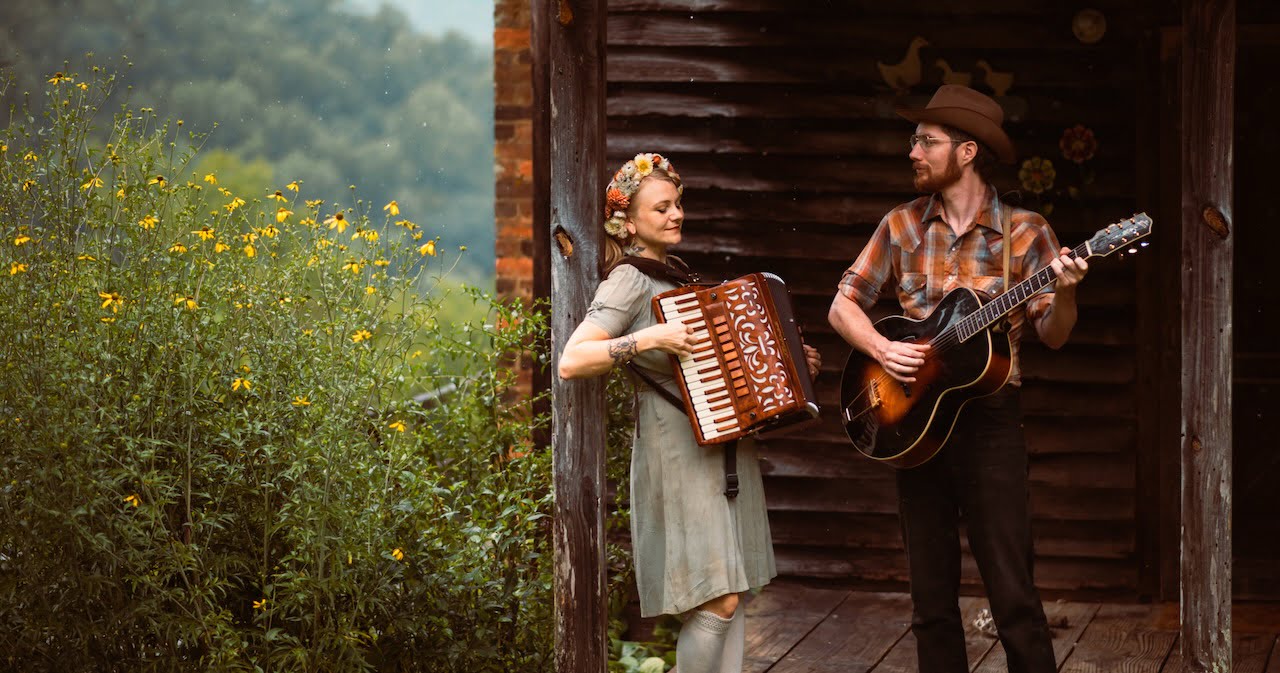
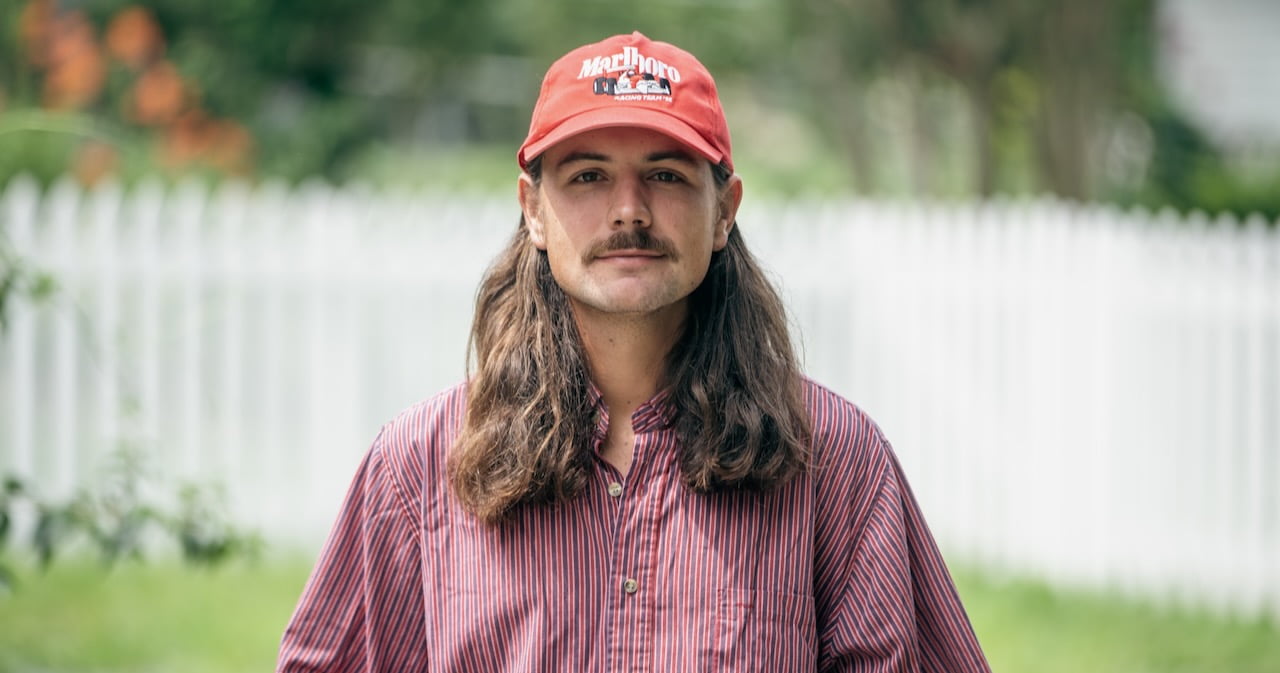
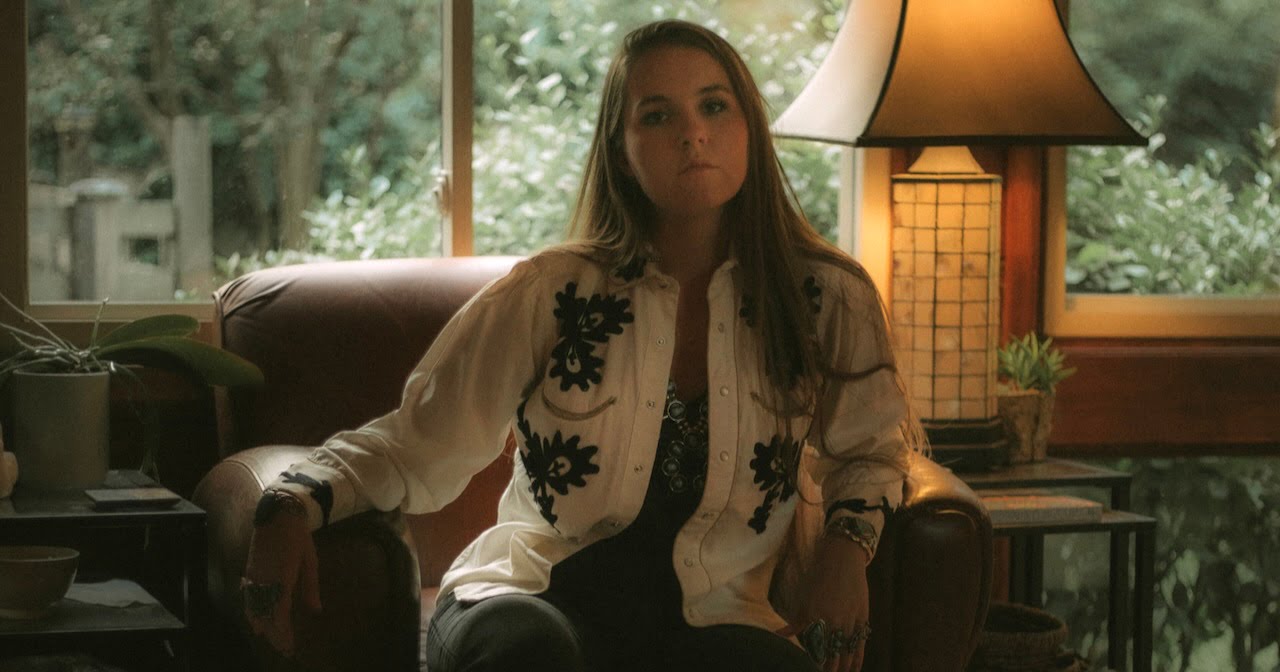
Artist:The Resonant Rogues Hometown: The Blue Ridge Mountains of Western North Carolina Song: “What Happened To That Feeling” Album:The Resonant Rogues Release Date: November 10, 2023
In Their Words: “‘What Happened To That Feeling’ is a reminder that everything goes in cycles, and sometimes the disconnect we can feel in our relationships is really just exhaustion and overwhelm. Keith and I have been together for 10 years, married for 6, and we work our asses off. Two years ago, we moved onto raw land in our short bus and started building our own house. Even the best relationships feel strain sometimes, especially during periods of stress and overwork, and sometimes I just need a beautiful, soothing melody to help me remember that I am indeed on the right path, with the right person. This is that song.” – Sparrow
Track Credits:
Sparrow – vocals, accordion, banjo, songwriting Keith Josiah Smith – vocals, guitars, songwriting Kristen Harris – fiddle Landon George – bass, drums John James Tourville – pedal steel, lap steel, dobro, guzheng, butter knives, 12 string guitar, vibraphone
Produced, recorded, & mixed at Bomb Shelter Studio by Andrija Tokic. Mastered by John Baldwin at Infrasonic Sound.
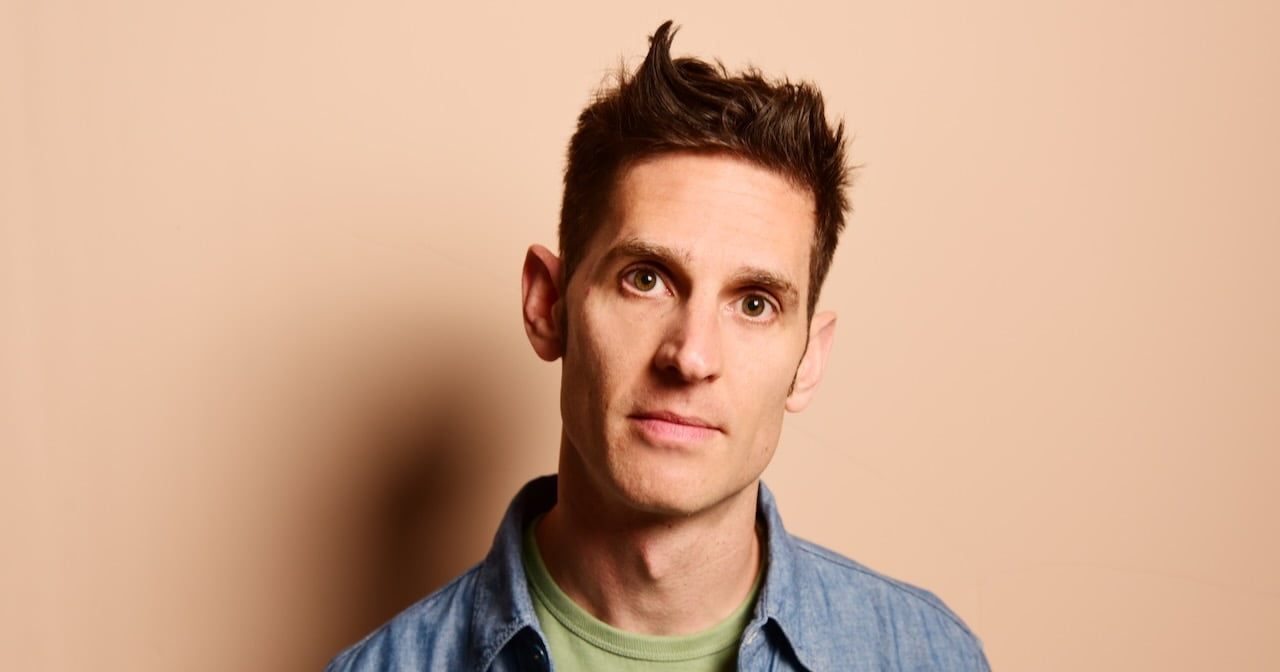
Artist:Jayme Stone Hometown: Longmont, Colorado Song: “Wreckage of the Fall” Release Date: November 10, 2023
In Their Words: “‘Wreckage of the Fall’ is a fever dream about transformation, mystical experience and emotional healing. I wrote it during a weeklong retreat at the Banff Center of the Arts. It emerged alongside a lot of tears, wild dreams, old wounds and a brief experience of clairvoyance. For a few days, I could see voices coming out my phone. I could feel the exact distance between me and other people in faraway cities like some kind of telepathic Google Earth. The song is full of witchy magic — runes, talismans, pentacles, and crystals. They started appearing and I just followed them.
“‘Wreckage’ is the first in a song cycle I’m currently calling ‘Anima,’ one the archetypes in Carl Jung’s map of the collective unconscious. I spent three years producing it — the longest I’ve ever worked on a track. There are many layers of guitar, my trusty Juno 106 from the late ’80s, an OB-6 synth and a lot of backup vocals care of Daniela Gesundheit. I programmed the drums in Abelton and then had John Hadfield play a real kit, which I then blended with the programming. The song feels like an MRI of my emotional state at the time. It’s some kind of magic to have a sonic postcard I can share now.” – Jayme Stone
Track Credits: Written by Jayme Stone.
Recorded and produced by Jayme Stone. Mixed and mastered by David Travers-Smith.
Jayme Stone – voice, guitar, synth, drum programming Emanuel Alexander – guitar, bass Daniela Gesundheit – voice John Hadfield – drums Greg Harris – synth
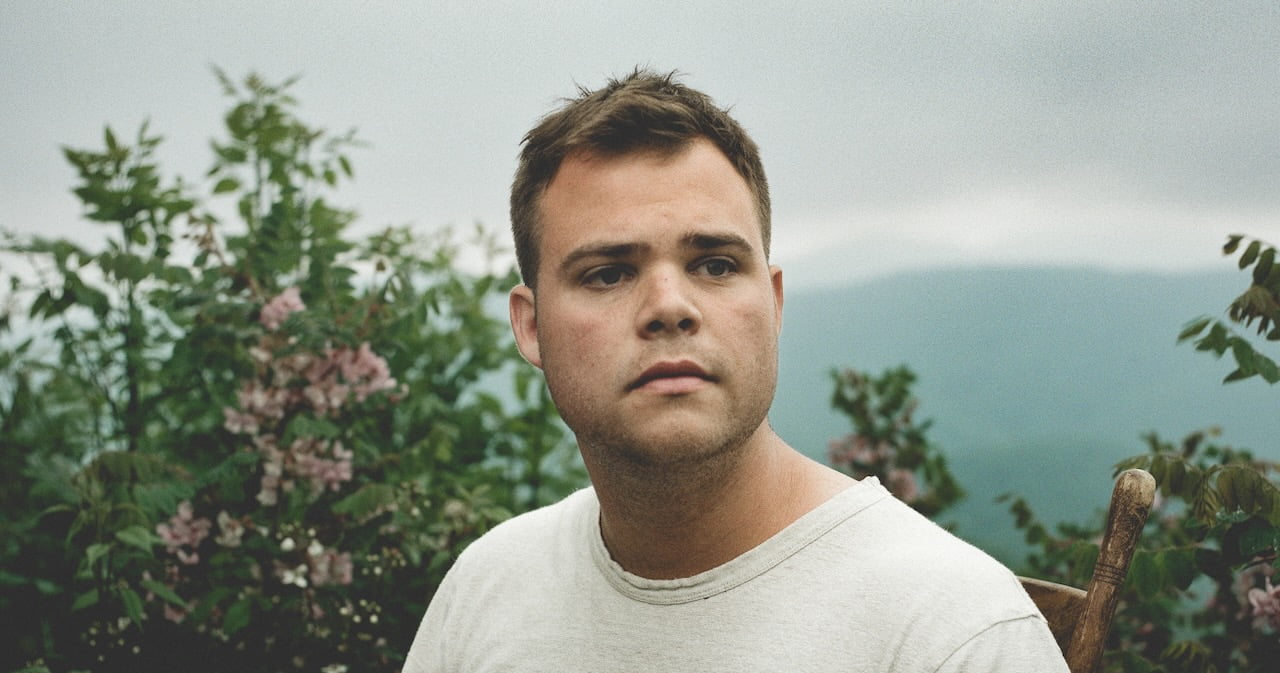
Artist:Sully Bright Hometown: Forest City, North Carolina; currently lives in Nashville, Tennessee Song: “She Left Nashville” Album:Darling, Wake Up Release Date:October 13, 2023
In Their Words: “I wrote the song ‘She Left Nashville’ over two years ago, late one cold Valentine‘s night. It was actually freezing outside; it was my first snow in Nashville. Someone I love had to leave town early and head back home to North Carolina because of the snow. This is my favorite video we captured. We recorded while driving through the Blue Ridge Mountains. It felt right to sit in the back of the car while driving through the mountains and singing my song, not to mention the beautiful green peeking through the fog as we drove further along the road. I hope you enjoy the video and check back for the next one in two weeks.” – Sully Bright
Photo Credit: Wonderfilmco Video Credit: Seth and Jenna Herlich, Wonderfilmco
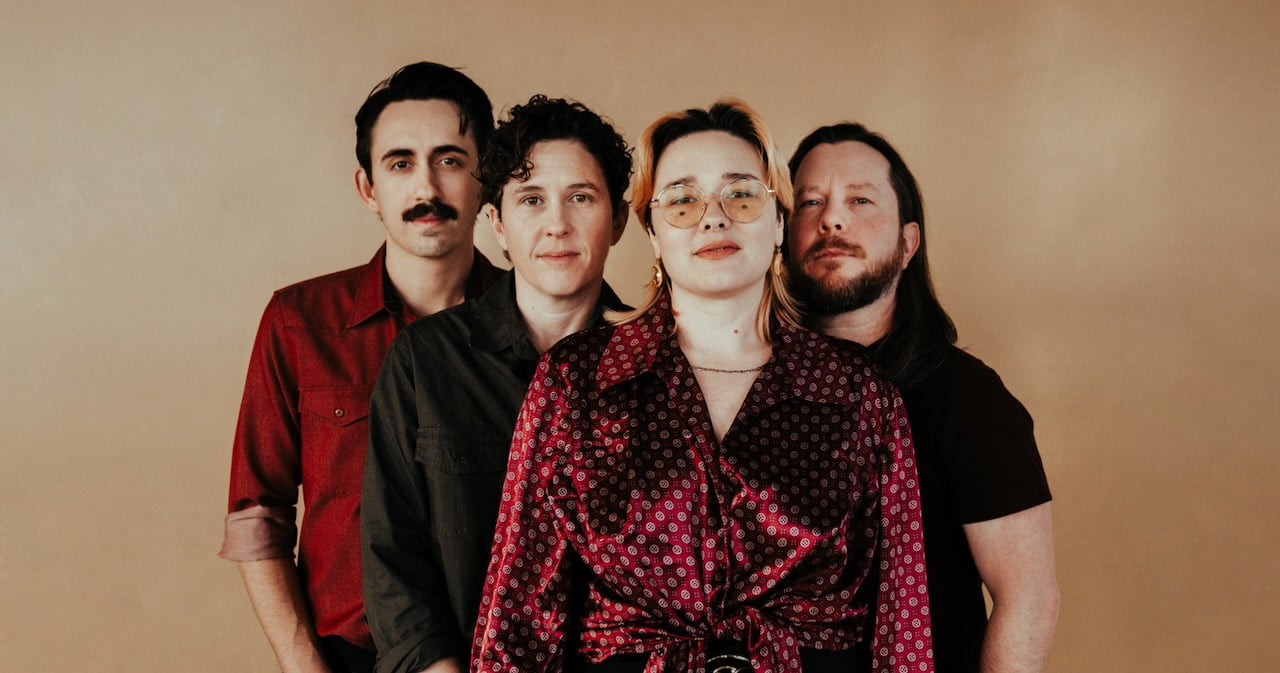
Artist:Glitterfox Hometown: Bakersfield, California (Solange); Charlotte, North Carolina (Andrea); Eugene, Oregon (Eric) Personal nicknames (or rejected band names): We definitely joke about our pretend side project punk band Litterbox and Clitterbox (not sure the genre of that one yet). “Solo,” nickname for Solange.
(Editor’s Note: Answers provided by Andrea Walker.)
What’s your favorite memory from being on stage?
When we were first getting started we were asked to play in a battle-of-the-bands called “Buskerfest” in Long Beach, California. To say we were long shots at winning the competition would be an understatement. At 8 p.m. we went out on stage for our 30-minute set in front of the biggest crowd we’d ever been in front of and all of a sudden the sound system started going haywire. My microphone stopped working. The guitar amp stopped working. It’s like everything that could go wrong with the sound system did. But at the same time, all of our friends were right there in front and just so proud and excited for us. We were up there together, just the two of us and we kept rolling with it – whatever went wrong, we just smiled and kept going. We played for the biggest crowd we’d ever been in front of that night and in the end were named the grand prize winners. That night changed the course of our lives, because it gave us the confidence and conviction that we needed to follow our hearts and quit our jobs and try to make a life for ourselves in music.
What’s the toughest time you ever had writing a song?
In 2013, I lost my mom to breast cancer. We were incredibly close and the loss was utterly devastating. I started writing a song called “Cold Steel of Night” a few weeks before she passed. The lyrics to the chorus literally came to me while I was broken down on the carpet crying uncontrollably and the verses I wrote a few months after she was gone. The whole experience of writing the song was pretty cathartic for me and helped me to process her loss, but it was also the hardest to write, because I was going through the saddest experience I’ve ever been through.
What has been the best advice you’ve received in your career so far?
Back in the summer of 2015 we decided that we were going to quit our jobs, give up our apartment, live in a van on the road, and do whatever it took to support ourselves 100% from playing music together. Before leaving Long Beach, we had lunch with a friend, Josh Fischel, who sat us down and spoke with us earnestly about the life we were embarking on. He said, “Always remember, this is a marathon – not a sprint.” That advice has proved helpful every step of the way, because it’s been a reminder to be patient, to make sustainable choices, and to try and stay grateful for wherever we are in our career. We’ve come a long way and still have a long way to go.
Which elements of nature do you spend the most time with and how do those impact your work?
Solange and I live right next to an 85-acre park in Portland and we both walk our dog, Gilly, in the park every day. The park is full of massive trees and forested paths and is just a really peaceful place to explore. Writing songs is such an intensely cerebral activity for me that it’s really helpful to step away and take a walk through the park when I’m working. A lot of times when I take a break the ideas get a chance to gel and I’ll come back to the writing process with new inspiration about how to move forward.
How often do you hide behind a character in a song or use “you” when it’s actually “me”?
Actually, never. Solange and I both write from our direct experience and point of view, so reading the lyrics of a song is almost like reading a page from one of our journals. We definitely use imagery and metaphors to tell the story and deliver emotional content, so a lot of times the true meaning of a line may be hidden in there. But all of the songs are written from a very personal, first person narrative perspective.
Artist:Matt Blake Hometown: Warren, Ohio Song: “Ohio” Album:Cheaper to Fly Release Date: February 16, 2023 Label: JTM Music
In Their Words: “My friends and I always talked about escaping Warren, Ohio, the minute we graduated high school. The night sky glowed orange from the Youngstown steel mills, the Cuyahoga River caught fire in Cleveland. That’s probably why I thought living in Los Angeles was a dream. It was exotic everyday. I didn’t appreciate Ohio until years later. Ohio felt like home and that’s a feeling I never want to escape.” – Matt Blake
(Editor’s Note: Singer-songwriter and multi-instrumentalist Rachel Baiman is also a BGS contributor. View her author archive here.)
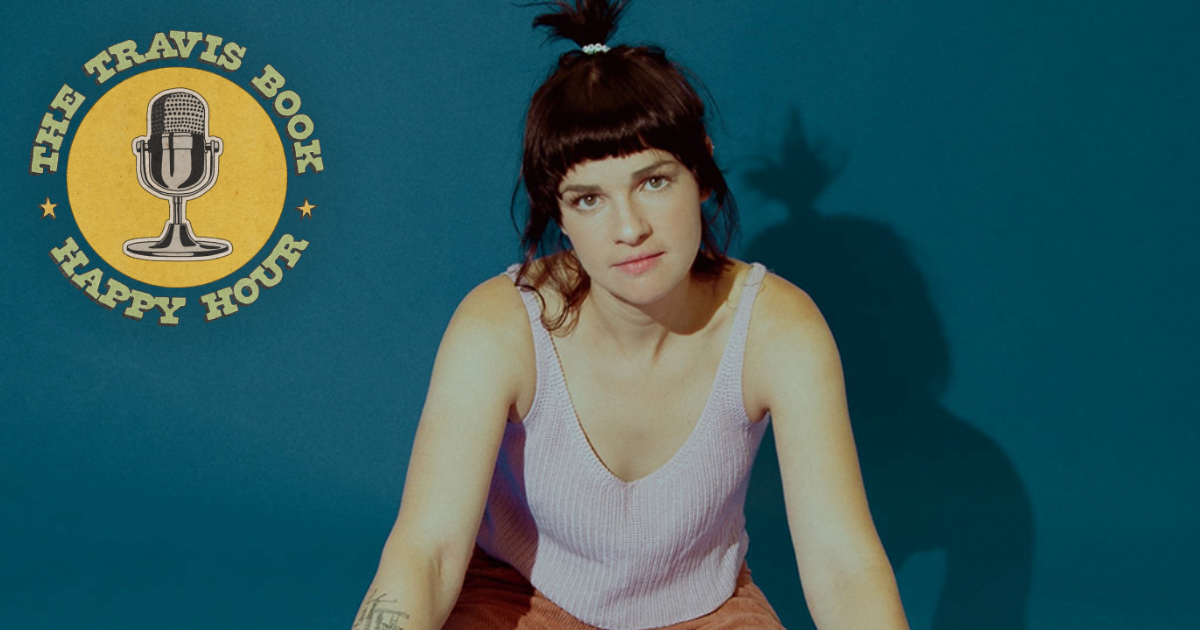
Rachel Baiman’s indie-folk and Americana vibe – rooted in Chicago and rich with fiddle tunes – unfolds as she shares her transition to singer-songwriter. Influences ranging from Courtney Barnett to John Hartford and other roots music make their way into her live performances. Rachel is part of a generational scene in Nashville that I’ve been watching with awe for the last five to 10 years. A unique voice, multi-talented and articulate, she’s not afraid to sing and speak what’s on her mind. She writes semi-regularly for BGS, shining some light into the darker corners of the music industry, addressing inequality, and challenging all of us – creators and fans – to do better, dig deeper, and expect more. In this episode we discussed everything from climate change concerns to hopes for a more equitable future. We had a great time on the happy hour and I’m sure you’ll dig it.
This episode was recorded live at 185 King St. in Brevard, North Carolina, on August 8, 2023. Huge thanks to Rachel Baiman and Riley Calcagno.
Timestamps:
0:06 – Soundbyte 0:57 – Introduction 2:09 – Bill K. introduction 2:57 – Travis introduction 3:33 – On “Bad Debt” 4:52 – “Bad Debt” 9:52 – “Shame” 12:35 – On Mullets 14:24 – “She Don’t Know What to Sing About Anymore” 18:18 – “When You Bloom (Colorado)” 22:25 – “Won’t You Come and Sing for Me” 26:10 – Interview 43:45 – “Twin Fiddles” 47:30 – “Bitter” 51:15 – “In Tall Buildings” 54:53 – Outro
Editor’s note: The Travis Book Happy Hour is hosted by Travis Book of the GRAMMY Award-winning band, The Infamous Stringdusters. The show’s focus is musical collaboration and conversation around matters of being. The podcast is the best of the interview and music from the live show recorded in Asheville and Brevard, North Carolina.
The Travis Book Happy Hour Podcast is brought to you by Thompson Guitars and is presented by Americana Vibes and The Bluegrass Situation as part of the BGS Podcast Network. You can find the Travis Book Happy Hour on Instagram and Facebook and online at thetravisbookhappyhour.com.
With the September release of her album Queen of Time, Nashville artist Lindsay Lou takes listeners beyond a creative journey – it’s more like a long, strange, and satisfying trip, where her “radical truth” conquers all.
A former bluegrass songsmith with roots in groups like her former backing band, the Flatbellys, and Sweet Water Warblers, Lou’s Queen of Time marks the start of another new solo chapter and follows a rough time in her life filled with earthquakes of change. She both lost a grandmother who was pivotal to her development and experienced the end of a marriage – all while her career picked up steam. But, through those endings came a new beginning. One where she better understood her place in the universe, both spiritually and musically.
On Queen of Time, Lou welcomes herself to that new identity (and all who care to follow), doing so with a fresh sound and some old friends. Featuring Billy Strings and Jerry Douglas, 11 thought-provoking tracks infuse her bluegrass roots with atmospheric folk, back-porch psychedelia, and more, as lyrics and voice weave together into something like a sonic dreamcatcher – snatching ethereal truths from the cosmos and translating them in ways the mind can just begin to process.
Recently, Lou spoke with BGS about this heady transformation, working with her friends, and how her “teacher-turned-Rainbow-Gathering-healer” of a grandma helped shape her radical spirituality.
BGS: Tell me how you’re feeling about music making these days? I know this album comes after a lot of change in your life, personally and professionally. Has the way you feel about making music changed, too?
Lindsay Lou: It felt like the most freeing recording endeavor that I have ever set out on. Working with [producer] Dave O’Donnell was really great. He held a ton of space for me creatively and emotionally and just in all the ways. So it was really nice. I brought in all of my friends, and what drew me to music to begin with was jams that my family would have, so feeling among my chosen family, being able to bring in the people who I’ve been jamming with in living rooms and on stages for the last several years, was really, really sweet.
Honestly, I’m feeling really inspired and just really happy about music. All of the tours have felt like they were in really good flow, and spiritually, it just feels very open and satisfying. I sort of blew up my life a few years ago, and the last three years or so I’ve been gestating and rebuilding my path. It was rebuilding on the foundation I had laid down with the Flatbellys and the Warblers, so it wasn’t out of nowhere, but it felt like there was a lot of unknown – and there were times where I felt there’s just some fear that goes into it. But now I’m on the cusp of watching all of this be born and come to life, and it feels so good. It’s like everything that I could have hoped for.
Seeing the record in the hands of people and hearing all the stories they send me about how it’s touched their lives has been very, very fulfilling. And I’m watching the album chart and watching different things on the horizon, different gigs and stuff – it’s just really inspiring, and I feel really excited to follow this new path that I’ve laid out for myself.
You don’t always get that payoff when your life blows up, so congrats! Tell me a little bit about the imagery behind the Queen of Time theme. You’re asking the listener if they know who they really are – did that come from an epiphany you had?
It definitely came from an epiphany and the ongoing question and journey of self-discovery, because it’s something you never achieve. It’s just a journey you’re always on. The imagery [for the song “Queen of Time”] was definitely from Absolem, the caterpillar from Alice in Wonderland. He challenges Alice, “Who are you?” And it was less about who she was and more about who she identified as, because we contain multitudes. So this is a broad and complex question, and as I’ve been playing it, the song has sort of come to life and revealed itself to me in new and unexpected ways. I always love that with songs.
You start the album off with this refrain saying, “I don’t need the world to hear me / I’m singing and nothing else matters.” What’s the significance of that to you?
I guess it’s just acknowledging the personal relationship. I always say that the voice is a window to the soul, but a lot of people have this horrible trauma that they carry with them – that they’re not a good singer and that they don’t have a good voice, and so they don’t ever sing. I feel so much grief thinking about people not even singing to themselves. In my darkest hour, the most soothing thing that I have found to do is to sing to myself. And it’s not because I think that I have the greatest voice, it’s because singing actually releases endorphins in your mind. It’s like a physiological truth that the experience of singing is medicinal and it’s a form of meditation.
The obvious interpretation of that is that as career musicians, you’re always wanting more people to hear you and wanting your fan base to expand. But at the end of the day, the reason that I sing and I think the reason anyone sings, is because it is a magical and medicinal way of expressing your soul, your spirit, your inner truth. So just remembering that value that I don’t need to be anywhere to let my voice ring and to connect with my own soul in that way, that’s really the most powerful thing.
I know your grandmother had a big part in influencing the record. But on top of everything else she was to you, did she also help you get into music?
I guess in a roundabout way, she did. Her greatest influence on me was spiritually. She was a preacher woman, and she lived her life the best that she could in the literal footstep of Jesus. So she took everyone in and she welcomed everyone. She was always preaching that [unless] you have not sinned, don’t cast the first stone and really strongly believed that no one will be left behind. Like if God said the greatest commandment was to love God and to love your brother, then she spent her whole life practicing that. Now, I call myself a praying atheist. I don’t necessarily connect with any institution of religion, but I do connect with the practice of spirituality and of love. Even Christianity says that God is love. So in my mind it’s like, “Well, then let’s just get right to the heart of the matter and call it love!” If we’re living in love and if we’re thinking critically and we’re following our radical truth, then we’re doing it right.
Was music a part of your childhood?
[My grandmother] had 12 children and she surrounded herself with hippies and counterculture. And her husband – the father of her 12 children – was a musician. He played the trumpet and he sang, so they always sang to their children, and the songs that she sang to them, they sang to their children. So I heard all the gospel songs that she sang to my mom, because my mom sang them to me, and there’s been various forms of family bands throughout the generations of all of her children. The older kids had a rock band, and they would get together and sing gospel songs in harmony and Beatles songs and folk songs, and the younger kids formed bands with the older cousins. There was just always music around, so I think she just held space for music.
She sounds like an amazing person. Is that her voice in the phone conversations you put on “Love Calls”?
Yeah. I played that song for a couple of my friends before she was in it. There was this long expansive jam and my girlfriends listening to it were like, “We want more Lou here.” I thought, “Well, what version of Lou makes sense to go there?” And it dawned on me that it was the version of Lou that interviewed grandma. I interviewed my grandma on the one hand to sort of preserve her radical life story for posterity. And on the other hand, as a way of knowing myself. I’ve collected about 27 hours of her telling me her life story and how she came to believe what she believes. It’s a little bit foggy now, but I had an idea of what story I wanted to put there, and once that conversation was in there, the song had the context that it was calling for.
What was the context?
The song is about someone being a guide of love for someone else. And the conversation is her telling me the story of meeting someone at a rainbow gathering who she had a conversation with, and later found out that that conversation talked them out of suicide. Many parts of this record came together in the context of me witnessing suicides in my music community, and addiction and mental health struggles. And pretty much all of my music goes back to that in some way, because of where I came from and the world that I see around me.
Other songs have that through line to it too, right? Like “Nothing’s Working”? I know you worked with Billy Strings on that one, how did it come together?
He and I get together every once in a while to write and we had gotten together and started that song. He had just been hanging out with Bryan Sutton and had this open B shape thing in his head that he started to play along with, and he was talking to me about Ionia – the town that he grew up in. He had just seen so many people get a job and try to make all the right decisions and try to always do the right thing, and just end up with nothing to show for it, because they’re stuck in a system that doesn’t support them and wasn’t built for them, or a scene that really wasn’t good for them.
We wrote the first verse, and kind of left it at that, and it sat in my voice memos for a couple years. Then I was on a plane on my way to the Jeff Austin tribute concert benefit [late member of Yonder Mountain String Band, who died in 2019], and I was just thinking about things. I think I finished it on my way home, but during that same week, I attended my cousin Emily’s funeral. She died in her 20s and was struggling with opiate addiction. I don’t mention either of them in the song necessarily, but it really got me into the headspace of thinking about people I know who are still alive, who are struggling with similar challenges. The song is about telling their story, and telling their story with compassion and honesty.
I noticed a lot of hard bluegrass influence on tracks like “Rules,” and along with Billy you have a collab with Jerry Douglas. Do you still feel like you can be creative in the bluegrass form these days? Or is it harder to do that as you grow as an artist?
Bluegrass gave me a lot of tools and a home. It gave me a place to belong and an opportunity to hone my craft, just in terms of tightening up rhythm and getting better at playing the guitar – and having an entire world of people I can get together with anytime, anywhere, and play any one of the many songs in the bluegrass canon and sing three-part harmony, like we’ve been a band our whole lives. It gave me so much, but I didn’t grow up in a family or a community that played bluegrass music. It was something I found in my early 20s. I’ve never been like people like Billy and Molly [Tuttle] – [bluegrass] is not just a part of their history, it’s like their earliest memories.
I grew up doing acoustic music, so there’s always going to be some element of that in my music. And I’m so grateful to have bluegrass now as a tool of expressing myself. But I don’t think I find it harder as I get older. I just find it easier to connect more authentically with my own voice, and bluegrass is a tool of doing that – but it’s not the only tool.
Artist:Elise Leavy Hometown: from Monterey, California; currently living in Lafayette, Louisiana Latest Album:A Little Longer Personal nicknames (or rejected band names): Doodle
Which artist has influenced you the most … and how?
Of course it’s somewhere between incredibly difficult and impossible to choose one person who has influenced me the most. I grew up listening to the Beatles, the Rolling Stones, Fleetwood Mac, Bob Dylan, Norah Jones, Simon & Garfunkel, Lucinda Williams, Crosby, Stills, & Nash, Neil Young, some strange and hauntingly beautiful Indian classical music that my mother loved, and countless other things that, if I didn’t stop myself, would flow from me in the passion of remembering things you hold tenderly, because you loved them as a child.
As an adult, I discovered Joni Mitchell – who became an angel that watched over me in my songwriting hours – Townes Van Zandt, and Tom Waits as well as the whole of country music and jazz that I never heard from the stereos of my parents. It all seeps in a little at a time, and I find I can hear it in my songs; they grow up and learn things just as I do. But I think the most magical thing is to occasionally hear something in my songs of the things I listened to as a child and loved with all my heart – now, after all these years, it’s all still there under the blanket of time.
What other art forms — literature, film, dance, painting, etc. — inform your music?
All of the above! I have always been an avid reader of romance novels and watcher of romantic comedies. I am sure I can’t have escaped their influence in the way I pursue my dreams in my life and career, and surely my songs reflect the dreams I pursue as much as they do the feelings I process.
As to painting … my mother is a painter and I was very used to having beautiful oil paintings watching over me as child; small boys on giant birds, tigers and strange monsters, women lounging in the nude, a man playing the fiddle. I can’t imagine growing up without these friends that hung on the walls and were propped up in the corners, accompanying me through childhood.
And now, I live in Louisiana, where music is almost entirely for dance, and I can’t say how it will change me over the years, but I am sure it will.
What was the first moment that you knew you wanted to be a musician?
I wrote my first song when I was 7 years old with the help of my step-dad, who is a musician. I remember I was (ironically) trying to learn “Fur Elise” on the piano, and instead of playing it correctly, I came up with something new and ended up writing a song about a rainy day called, “Yesterday It Was So Rainy.” I played this song at the talent show in 3rd or 4th grade, and I was so scared to be on stage by myself, I hired two little girls to stand behind me with umbrellas so I would have company on stage. Hard to say if I knew I wanted to be a musician at this point, but I suppose it sparked something, because I continued to play my songs at talent shows until I quit going to public school after 8th grade to pursue music. What has been the best advice you’ve received in your career so far?
“Listen to your gut.” I don’t trust anyone in the music business that tries to dissuade me from this advice! The complete confidence in my own feelings and needs being most important in the pursuit a career in music has been essential in order to effectively follow my dreams. It also doesn’t always mean I get the biggest record deals or most impressive streaming numbers, which is really hard to accept, especially with social media and the whole of the music industry barking at me all the time to appear more impressive. But it means I am continually pursuing my own happiness and continuing to have pride in and love for the music I am putting into the world – and retaining the rights to it, at least so far. The only hard thing about this particular piece of advice is knowing when it’s my gut talking and when it’s something else!
How often do you hide behind a character in a song or use “you” when it’s actually “me”?
Never, strangely! I wonder how other people answer this question? I am so honest about my feelings, I can’t imagine hiding anything in a character, or a story, or anything else. I’ve always been in awe of people who write songs from someone else’s point of view or story songs. The only thing you might say I hide behind is poetry. Metaphors are great magical beings and I am at the mercy of their magic. But really, I write songs because I have to. If I didn’t, I don’t know how I would get through all of the emotions of existence. It’s like going to therapy. I write my song, I cry (probably a lot), or sometimes I feel elated, and then I listen to it on repeat until the feeling ebbs enough to write a new one, or listen to someone else’s songs again. Maybe this is really weird. But I guess I always knew I was a weirdo.
Artist:Vinnie Paolizzi Hometown: West Chester, Pennsylvania Song: “Ahead of Me” Album:The Vinnie Paolizzi LP Release Date: November 17, 2023
In Their Words: “Ben Danaher and I have both been at this songwriting thing for a minute. Some days it feels like we’re hanging on by a thread, but we have to keep reminding ourselves that our best days are coming around the bend – and this is all going to pay off. I love old R&B music and this was my attempt to throw a few elements of that into the mix on your way out the door. ‘Ahead of Me’ was the first song we recorded and it’s the perfect way to say goodbye and thank you for listening to my debut album.” – Vinnie Paolizzi
Artist:Delaney Ramsdell Hometown: Roosevelt, Texas Album:Rambler EP Release Date: November 2, 2023 Label: North Llano Records
In Their Words: “Rambler is a full spectrum look at my life as a writer. From the dark, smoky moments from ‘Withdrawal’ and ‘Carry the Load’ to the forlorn prayers of ‘Kitchen Window’ and ‘Any Good Wife,’ this project covers every corner of my heart. I wanted to make sure that every piece of this record spoke to the rambler in all of us – the travel, the heartbreak, the fun, and the authenticity life brings as we make our way through the world.
“I hope the listener is able to journey down the roads I walked with these songs when I wrote them, and I hope they are able to pave their own way with them as well. The songs are cut and dry and they speak for themselves, but Rambler is my first real venture out into the world as an artist and I’m grateful for the space and chance to have worked with a great team of writers, producers, and players who helped me realize this dream.” – Delaney Ramsdell
Album Credits:
Writers: Delaney Ramsdell, Autumn Buysse, SJ McDonald, Mia Mantia Produced by: Grady Saxman, Jeff Armstreet at Saxman Studios
Photo Credit: Seth Hays
This website uses cookies to improve your experience. We'll assume you're ok with this, but you can opt-out if you wish.AcceptRejectRead More
Privacy & Cookies Policy
Privacy Overview
This website uses cookies to improve your experience while you navigate through the website. Out of these, the cookies that are categorized as necessary are stored on your browser as they are essential for the working of basic functionalities of the website. We also use third-party cookies that help us analyze and understand how you use this website. These cookies will be stored in your browser only with your consent. You also have the option to opt-out of these cookies. But opting out of some of these cookies may affect your browsing experience.
Necessary cookies are absolutely essential for the website to function properly. This category only includes cookies that ensures basic functionalities and security features of the website. These cookies do not store any personal information.
Any cookies that may not be particularly necessary for the website to function and is used specifically to collect user personal data via analytics, ads, other embedded contents are termed as non-necessary cookies. It is mandatory to procure user consent prior to running these cookies on your website.