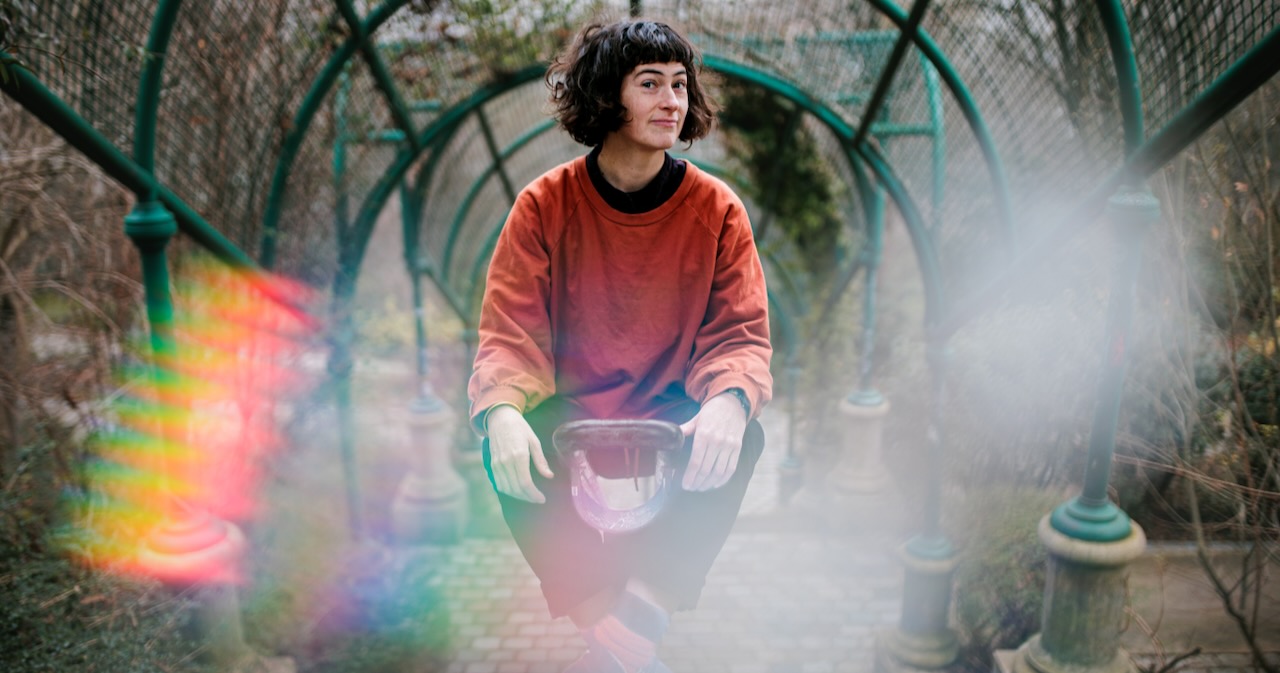
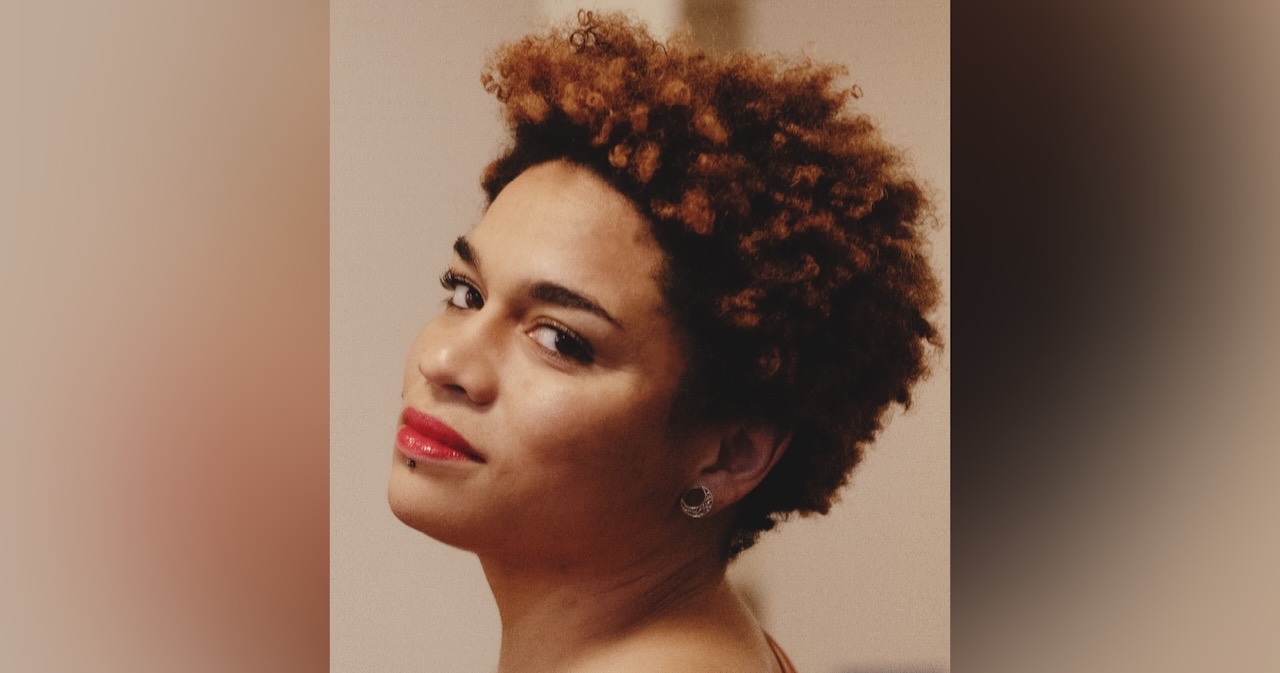
It feels like the protests are following Kate Stables around. Mere weeks ago she was in Paris, the city where she lives, when it was brought to a halt by the May Day march against pension reform, which ended in violence on the streets between police and demonstrators. Then, she arrived in the UK just as it embarked on a week-long series of national strikes against low pay and poor working conditions.
Stables does not disapprove of the disruption. “People have to remember that this is how change happens,” says the 40-year-old behind the British alt-folk outfit This Is The Kit. Whatever inconvenience Stables may face as a touring musician who currently can’t get around by public transport, she says, only helps to make the point. “It’s more inconvenient not getting paid enough and not getting treated properly.”
Since Stables relocated to France 17 years ago, the difference in national attitudes towards civil disobedience has been an eyeopener. “The UK has got a bit comfy over the decades and taken things for granted, they assume the government will look after them. In France, the slightest threat, people hit the streets and protest.”
Stables’ skills as an observer of the human experience is the golden thread that runs through her songs for This Is The Kit. Her 2018 fourth album, Moonshine Freeze, earned her a nomination for a prestigious Ivor Novello songwriting award, and her follow-up, Off Off On, saw her break further into the mainstream as critics applauded its depth and complexity.
A rarely overt but nevertheless keen political awareness is ever-present. And while Stables describes her new release, Careful Of Your Keepers, as “slightly more personal” than her previous albums, she’s aware that this is more in the way people will experience the songs than the way she necessarily intended them.
Take the track “More Change,” which was released as a single in early June. It is accompanied by an utterly delightful animated video made by her talented family friend, Benjamin Jones, in which various inanimate objects from sneakers to pieces of fruit search yearningly for connection and meaning.
“It sounds like a relationship song,” admits Stables, “But it started off with me thinking about situations in society, and people trying to decide if those are better now than 100 years ago. It’s an impossible question – there’s so much that’s worse and so much that’s better. You have to choose which one gets you through the day.”
The lyrics on the opening track, “Goodbye Bite,” include the memorable image of a “‘How shit is this?’ measuring stick” – and the question of change becomes a recurrent theme throughout the album. “I’ve been thinking about how we deal with it, how we quantify it,” says Stables, who compiled the songs over the past two years. “We make decisions by comparing things against each other… and it’s all meaningless, because any decision is a decision! You’re following your nose and hoping for the best.”
And yet, to quote a famous French writer, plus ça change, plus c’est la même chose. The hypnotic sound and elliptical lyrics that have won This Is The Kit its cult following fanbase remain their trademark and Careful of Your Keepers is a joyous example of the acoustic folk and clubby groove that Stables’ (stable) line-up has been blending over the past decade.
The opportunity to rehearse together for 10 days at a friend’s house in Cork, southern Ireland, proved the power of the band’s long-lasting relationships. “We all live in different places now, but it did us all such a lot of good to be there together, so far away from our other lives,” says Stables. “As the years go by we’ve got better at giving and taking criticism, and you’re able to communicate better which isn’t always the case, in bands or in life.”
She herself has gained a reputation as a musicians’ musician, a favorite of Elbow’s Guy Garvey, The National’s Aaron Dessner, and Gruff Rhys of the Super Furry Animals, who produced the latest album at her request. “I love his live shows, he’s so articulate and thoughtful. And in the studio he has just the right balance of sense of humour and total creative work ethic.” He also turns up in the “More Change” video, transmuted into a long-eared plasticine toy singing backing vocals.
Other influences on the album included punk-folkster Naima Bock, and Horse Lords (“the way they mess or play with rhythm and timing, it makes me so excited and alive”). At home in Paris, Stables has found creative community among a group of French and English artists that include Halo Maud, Mina Tindle, and Belvoir – a duo who, like her, hail originally from the west country of England, but now sing “really loud, super energy stuff” in their adopted French tongue. “Which is really nice, because the outside world doesn’t get exposed to enough non-Anglophone music.”
Stables herself found it slow-going to learn a new language, paralyzed by her fear of making mistakes or speaking with too English an accent. “I didn’t make any progress until I had my daughter,” she admits. “But after you’ve got over the shock of having a baby your inner punk wakes up and you don’t care what anyone thinks. So I got better quite quickly!”
She also found her new environment altered the way she made music. By her own admission, Stables is “quite a drone-y songwriter” by instinct– “I’ll have the same note all the way through,” she laughs. “But French songwriting has tons of chords in it. So now I try and write songs with more than two…”
One track from Careful Of Your Keepers offers an unusually autobiographical glimpse into her daily life. “This Is When The Sky Gets Big” was inspired by a favorite park near her home: “A rare place in the city where there’s loads of sky because there’s no immediate tall buildings.” “It’s not a classic Paris park of gravel and pollarded trees in rows,” She says. “You’re allowed on the grass which is pretty unusual.” The sight of people sharing food, playing card games or dominos – even those who live in the park, because they have no other home to go to – inspires one of the album’s most reflective tracks.
When we spoke, however, she was in Bristol, staying at the home of her friend and fellow musician Rachael Dadd ahead of a show at an open-air amphitheatre on the Cornish coast. Stables loves being on the road; her favourite touring destinations include Seattle, Hamburg, and Japan, a place she, Dadd, and her partner (the musician Jesse D Vernon) toured together in the very early days of the band. “I’d just moved to Paris at the time and I was in culture shock,” remembers Stables with a laugh. “So it was so good to be in a place where people were respectful and nice and said sorry and thank you as much as I did. I’d love to go back…”
There will just be time, before the main tour in support of the album kicks off, for a family wedding in Europe, where she and her twin sister will celebrate their birthday together. (Her two other siblings are also twins – they all spent a lot of their youth, she says, filling in questionnaires from research scientists). As someone with a teenage daughter of her own, the question of the future, and the legacy her generation will leave for the next one, is uppermost in her mind.
You can hear it in the final track of the album, “Dibs,” which ends with the apocalyptic thunder of washing machine drums and the line, “Since the beginning of time, man out of time.” Here is the real change that is coming: the music resonates with the sense of climate crisis without ever explicitly referencing it. “There’s no avoiding it,” agrees Stables. “It’s on everyone’s mind, it can’t help but dribble out into the songs we write, the worry. There’s no stopping the train.”
But as a lifelong fan of the science fiction author Ursula K Le Guin, she can, too, see a brighter future. “Her books are really reassuring, and Kim Stanley Robinson’s books have given me hope, too. Life does carry on. We’re currently living in absolute sci-fi conditions for people who were around 100 years ago. It would just be nice if we knew how to respect that, and carried on in a way that doesn’t create more suffering.”
(Editor’s Note: Find all of WXPN’s Artist to Watch Black Opry Residency podcast episodes on their website.)
Founded just two years ago, the Black Opry has a simple, but deceptively-difficult mission.
Simple in that it seems straightforward enough: To challenge the idea Black voices are only under represented in roots music because there’s little interest or talent in the black community.
But deceptive, in how hard that myth is to refute.
The truth is that Black and Brown voices have always (and continue to) contributed mightily to the pantheon of Americana music, but they are often overlooked by the very media channels needed to bring about a change.
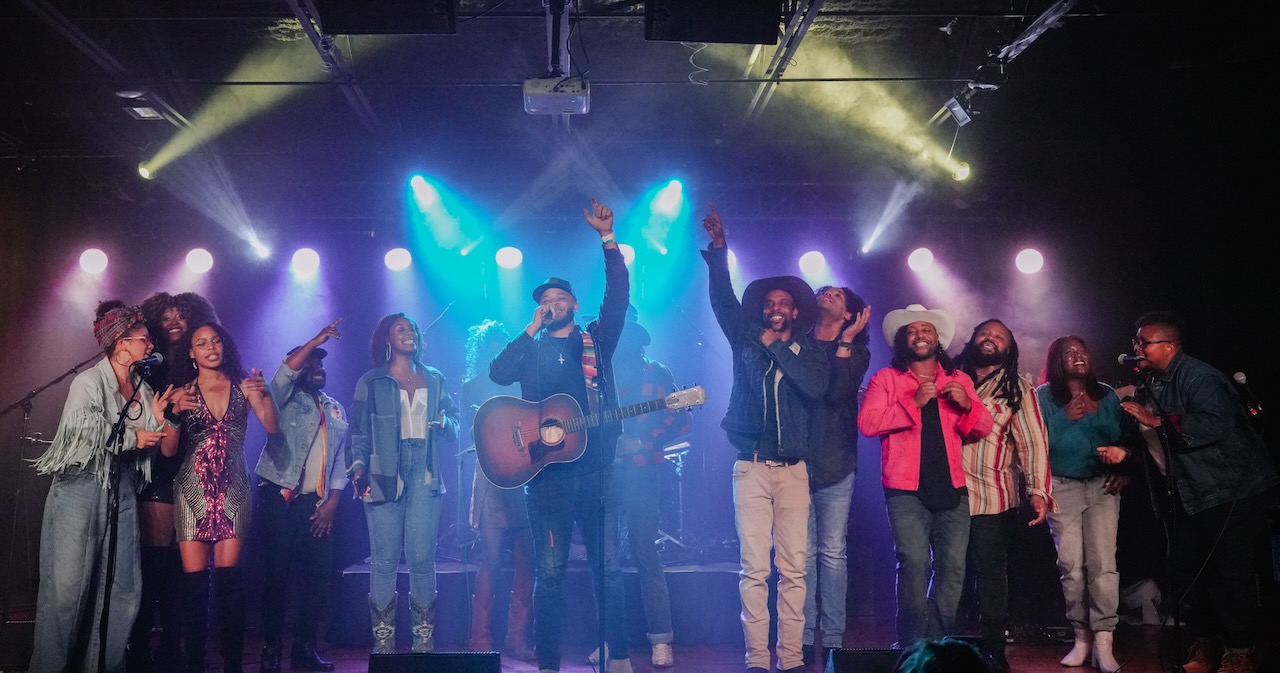
Using the Philadelphia-based public radio station’s new Artist to Watch podcast to highlight a Black Opry Residency in the City of Brotherly Love, both organizations have teamed up to celebrate and elevate current Black artists, and to educate roots music fans on what they’ve been missing.
Over five weeks, host John Morrison seeks to introduce a new generation of talent to the broader listening public, telling some truly remarkable stories in the process. And, according to Black Opry founder and co-director, Holly G, it was just the type of partnership that could create a lasting trajectory change.
“Working with WXPN was great because they really let us take the lead on what the needs were for our community,” she says.
As a journalist/artist manager and self-identified “country music disruptor,” Holly G knows those needs better than just about anyone. She’s been shining a light on this community for years, which the podcast does a good job of explaining.
Holly G founded Black Opry as a blog and artist directory back in 2021, recognizing a blind spot in the genre and working to profile Black artists in the roots space. But it quickly became something more, and has now grown into a web of inter-connected talent and supporters which even includes a nationwide touring production – the Black Opry Revue. The WXPN show helps tell that story in a broad sense, but also zooms in to introduce a handful of artists individually.
In a five part series, each weekly episode features a different Black artist or act, taking listeners on a “deep and personal dive into the real-life struggles of emerging performers.” Along the way, each gets the chance to tell their story and let listeners see the unique contours of their world – namely, trying build careers from the ground up, in a genre that has all but said they don’t exist.
It’s part of a new drive WXPN has to help develop (and actually support) talent in the pandemic’s wake, since it exposed how precarious an emerging artist’s life can be. According to Bruce Warren – Assistant GM for programming at WXPN and World Cafe’s Executive Producer – featuring Black Opry artists is a natural place to begin.
“WXPN has for a long time had a reputation as a tastemaker, and part of that has been its ability to identify and curate new and emerging artists from across the country and connect them to wider audiences,” he says in podcast’s first episode. “We wanted to give [artists] an amazing, immersive experience that will help change their careers, and at the same time showcase a deeper piece of who they are above and beyond the actual music they play to our audience.”
The Artist to Watch season profiling The Black Opry kicked off on June 8, highlighting Nashville’s Tylar Bryant. Other episodes introduce Denitia and The Kentucky Gentleman (both also out of Nashville), plus Boston’s Grace Givertz and hometown Philly talent, Samantha Rise.
As part of the show, each artist sat for an extensive interview, and also took took part in a week-long creative residency in Philadelphia, writing songs, meeting with mentors and ultimately performing their work at a live showcase.
It’s a remarkably detailed and enlightening podcast, giving some talented and deserving artists a carer boost while also expelling an outdated premise about country music and the black community. New episodes continue to air weekly on Thursday nights, and although it’s just one more step in tackling a big and complex problem, Holly G says every little bit counts.
“It was great feeling empowered to provide the artists involved with resources specifically catered to them,” she says. “Our knowledge and understanding of our community paired with the extensive industry knowledge that WXPN provided enabled us all to have a great experience that was meaningful and substantial to everyone involved.”
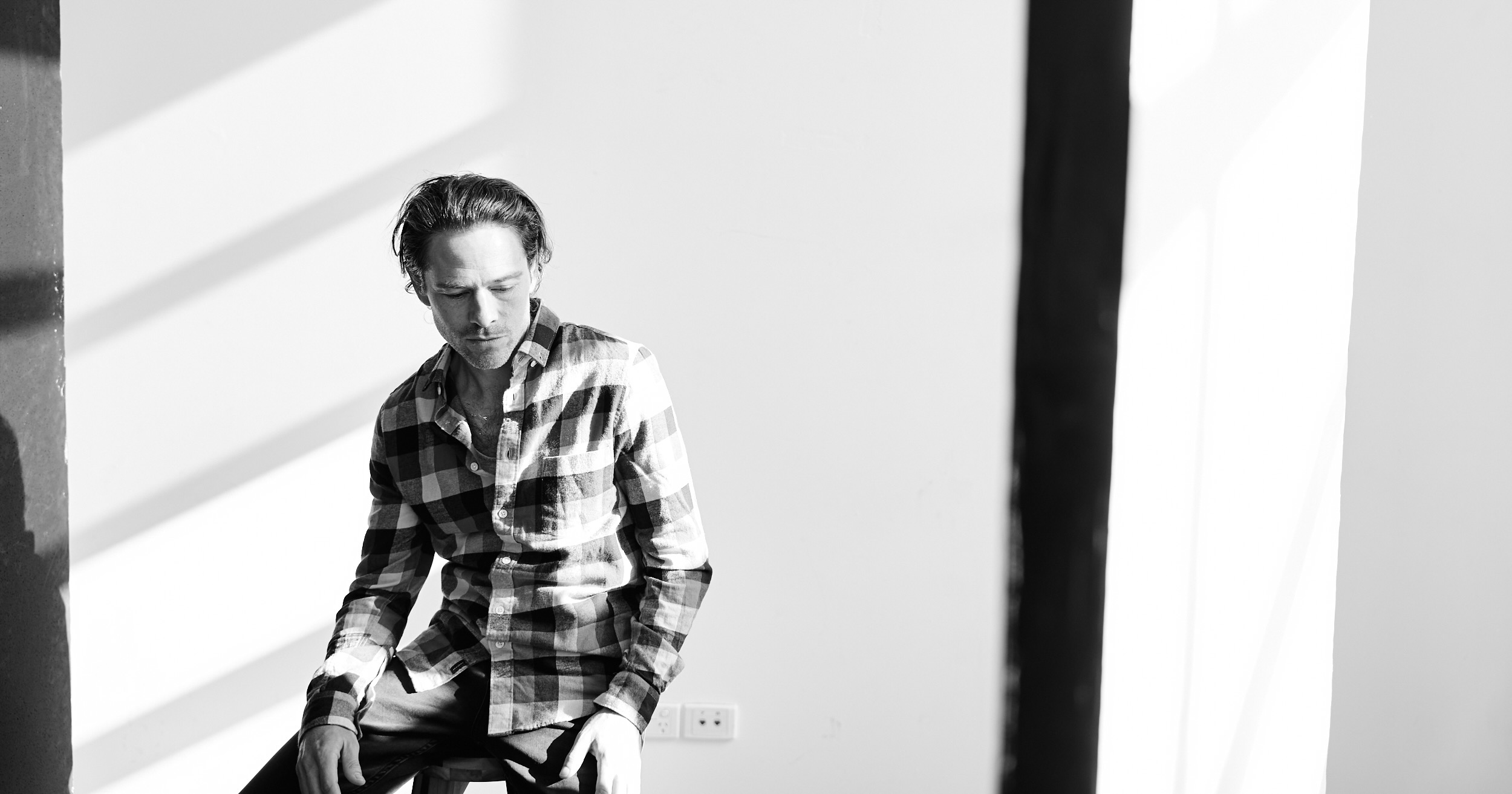
Artist:Mark Wilkinson Hometown: Sydney, Australia Song: “Taking Our Time” Album:Golden Afternoons Release Date: July 7, 2023 Label: Nettwerk Music Group
In Their Words: “I co-wrote this track with Ben Cramer from Old Sea Brigade. We wanted to write a song that carried a sense of nostalgia mixed with an optimism about the future. The song is essentially about how our lives are constantly evolving and about learning to adapt and let go of the past. It’s almost like a quiet pep talk to yourself to stop chasing history and start embracing what’s in front of you. Memories can be beautiful things, but spending too much time looking back can stop you creating something new. For me, the track is a recognition or realization of that, as it moves from reflective thoughts in the verses to a point of resolution in the bridge, culminating with the line, ‘I won’t fall into the shadows of what I intend to leave behind.'” – Mark Wilkinson
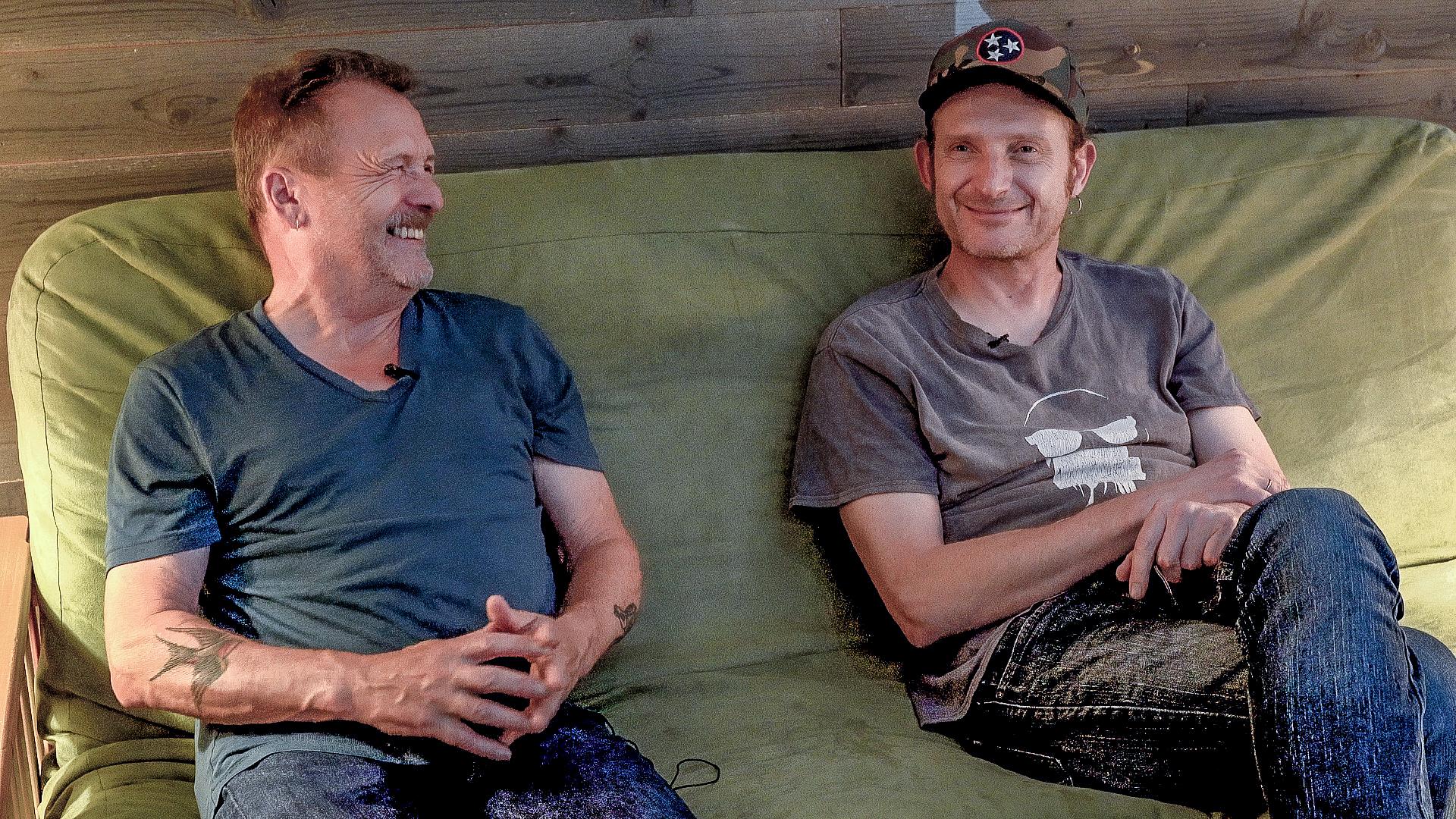
Artist:Martin Simpson & Thomm Jutz Hometown: Sheffield, England & Nashville, TN Song: “Come All You Fair And Tender Ladies” (featuring Cara Dillon) Album:Nothing But Green Willow: The Songs Of Mary Sands And Jane Gentry Release Date: September 29, 2023 Label: Topic Records
In Their Words: “‘Come All You Fair And Tender Ladies’ is one of the most hauntingly beautiful songs that I know. It is one of the better-known songs from the Sharp collection that is still sung on both sides of the Atlantic. Depending on where it is sung and by whom, different shades of meaning are illuminated – only a truly great song has this quality. We ran through this song twice in Cara’s kitchen, then headed upstairs to her studio and recorded it in one take. I have been a fan of Cara’s singing for a long time. Playing this song with her and Martin Simpson, one of the greatest guitarists on the planet, has been a highlight of my musical life.” – Thomm Jutz
“I’ve long considered that ‘Come All You Fair And Tender Ladies’ was one of the brightest jewels of Anglo-American folk songs. It has a bitter lyrical intensity and an exquisite and poignant melody which serves it so well. This setting and performance was the work of no time in recording terms, but it is three lifetimes worth of musical and personal experience, which allowed it to be captured with such ease. I loved working with Thomm on Nothing But Green Willow, and Cara Dillon is simply one of the finest singers of traditional song, as she demonstrates here.” – Martin Simpson
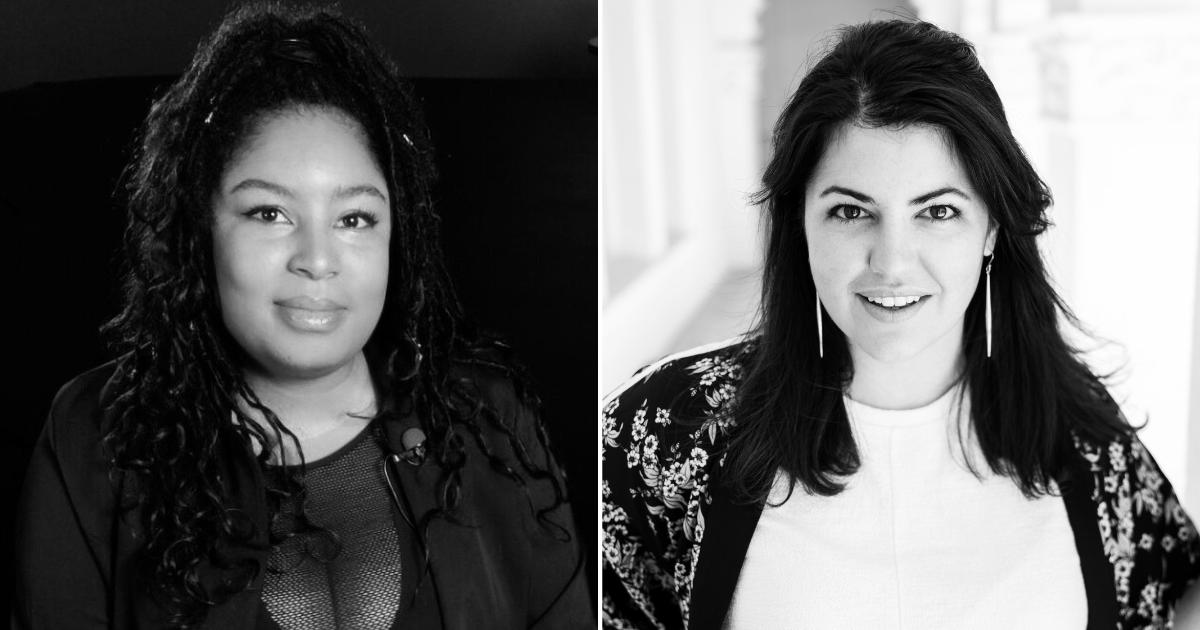
(Editor’s Note: This conversation between Black Opry co-director Holly G and BGS executive director Amy Reitnouer Jacobs was moderated by journalist Jewly Hight and marks the culmination of our Artist of the Month coverage of Black Opry. Find more on Black Opry here.)
“I just wrote this down, because I need to look at this every single day,” Amy Reitnouer Jacobs informs Holly G while scribbling on a sticky note: “Your name’s on there. You get full credit.”
Holly G, the creator of the Black Opry, has just dropped a gem of practical, principled wisdom that she’s developed through dealing with event organizers, entertainment companies, and institutions who expect her to lend them her presence, while withholding her critiques of the racial biases baked into how they operate. Her hard-line posture? “My participation is not an endorsement.”
Even in a matter as small as pinning that sentence to her wall, an act we observe on the Zoom screen, longtime BGS leader Reitnouer Jacobs knows well the importance of receiving proper credit, and compensation, as a persevering music industry dreamer and doer who’s also a woman.
These two founders of influential, community-shaping music platforms have crossed paths on plenty of occasions, but they’d never before stopped to compare notes. Their work addresses the insularity of music scenes in different ways, Holly G’s taking aim at country music’s exclusion of Black performers and Reitnouer Jacobs’ at bluegrass’ fierce protectiveness of perceived threats to its purity. Still, the similarities between what they’ve experienced, how they’ve responded and who they’ve paid attention to pile up rapidly in our Zoom conversation.
By the time we’re through, Reitnouer Jacobs signing off from her Los Angeles home office and Holly G abandoning her laptop to check on guests she’s invited to a Black Opry mixer at a rented house in Nashville, they’re feeling a significant overlap in their labor and making plans to actually, some day, do something together.
Jewly Hight: You both had careers completely outside of music and then your own fandom drove you to start blogs and put your stakes in the ground in the digital space. I was thinking back to the crossroads moment that you each must’ve reached where you were starting to get a response and see other ways that you could decide to get involved in those musical spaces. What really mattered to making the decision to expand each of your missions?
Holly G: I don’t feel like it was a decision for me. I’ve never consented to any of this. [Laughs]
I feel like it really, really shifted right after you interviewed me for the first time, and that article went up on NPR. That’s when everybody was like, “Oh, this is serious.” And because what we were actually doing was so vague, because I didn’t have a plan, people were just asking me to do everything; I had never said what I could or couldn’t do. By the time people started asking me for heavier lifts, I had already met these artists and I was so invested in the artists and seeing how hard they worked. I was like, “I’m never gonna say ‘No’ to anything. What could be good for them? What could push them forward?” A lot of it just went over my head, ‘cuz I was just saying “Yes.” And then I was like, “Oh shit, how did we get here?”
Amy Reitnouer Jacobs: That actually really resonates, when you said once you started meeting the artists that suddenly you saw where the needs were. That was a huge shift for me. I mean, I got into this as a fan, but I really didn’t think about writing about this community, this genre until I started to become friends with the artists that were involved and get to know them and become kind of part of their circles.
I think there was definitely a moment of, “Oh wait, you’re not being served? We’ll work on that. We’ll start covering that. Wait, you also are not being represented over here? Let’s cover this, too.” I’ve had to learn how to say “No” over the years, but my immediate instinct is always to say “yes” and then figure it out.
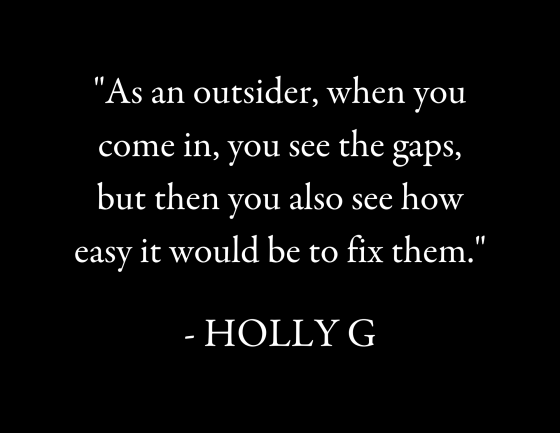
HG: My rule is if it’s not gonna negatively affect my mental health, then I say, “Yes.” That’s where I draw my line at. As an outsider, when you come in, you see the gaps, but then you also see how easy it would be to fix them. Sometimes people don’t know or they’ve just never been asked to do the right thing. But if you can have somebody [involved] that’s not an artist, they’re like, “There’s no ulterior motive.” Nobody thinks that I’m asking for Black people to get on stage so that I can go sing, ‘cuz we all know I can’t.
JH: It changed everything when you each were put in close proximity to artists who were working toward things, and had ambitions and scenes that they were part of or wanted to be a part of. What did it actually look like to turn your desire to help into strategies?
ARJ: When you’re actually given real responsibility that you have to show up for and deliver, suddenly it all becomes a lot more real. I had to go through a perspective shift.
I would say producing the IBMA Awards was a really big thing, because it was suddenly very, very real. It wasn’t just me being like, “What the fuck, IBMA? Come on, get your shit together.” It was like, “Now they’ve handed me something that I can make a change in, and I have to do it and I have to do it right. And I have to do it to not only to an industry standard, but to the personal standards with which I wanna move forward and I wanna see this industry move forward.” So that and doing a [BGS] stage at Bonnaroo, doing a lot of the curatorial stages, like what Black Opry does as well. I think when you suddenly are putting this out in a packaged way for everyone to see, it kind of makes it all a little bit more real.
HG: It’s really cool to hear your perspective, because as you know, there’s not a lot of people who have journeys that are like ours.
When you say going from yelling about it to being in the room and they’re asking you what to do about it is a very weird feeling. Especially because I wasn’t criticizing [the country music industry] with any intent for anybody to ask me any questions. It’s like going into somebody’s house and you’re like, “I hate this wall color.” And they’re like, “Okay, well paint it.” And I’m like, “Well, I’m just giving you my opinion.” You know what I mean?
JH: There’s a big difference between critiquing from a distance and being handed a thing and asked to work on changing it. That raises the stakes.
HG: I was speaking before I knew what I know now, but as a fan, you’re not thinking about how the industry works. You’re just seeing the flaws and you’re like, “Well, this doesn’t make any sense.” But you’re not ever thinking with the expectation that you’re gonna have to be the one to fix it.
When we started booking shows that we were actually getting paid for, as soon as money started coming in, I was like, “Whoa, that always feels like a big responsibility to me.” Because it wasn’t a career aspiration of mine, not in any real substantial way. Once money started coming in, I’m like, “Number one, this needs to be distributed fairly.”
It took me a long time to take money from shows. My agent would yell at me all the time. She’s like, “Why aren’t you paying yourself?” And I’m like, “Well, because I wanna make sure the artists get paid.” And she’s like, “This is a business. You’re doing work. You have to pay yourself.” Finally, after exhausting myself and realizing that the exhaustion was because of the work that I was putting into it, I’m like, “Okay, I’ll pay myself.”
ARJ: Holly, that really struck a chord with me, what you said about the money. When those stakes came in, it was like, “Oh, this isn’t just a blog anymore.” There is something on the line and there’s someone investing in me and in this idea, too, and they’re investing with the trust that I’m gonna do the good work.
It took me over five years not to start necessarily paying myself, but to start prioritizing myself and considering myself part of that package, rather than just putting everything I had into it, at the sacrifice of personal life and sometimes physical and mental health and financial choices.
HG: I wouldn’t have made it that long. But you know why, though? I got to that point so much quicker, only because a lot of the things that people were asking me to do were so emotionally draining, like to constantly go through racial trauma and explain myself. That shit is so exhausting. I very quickly was like, “What am I getting out of this?” I do not mind taking money from that at all.
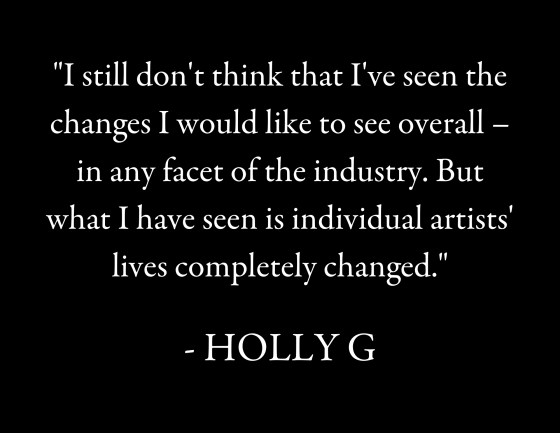
I still don’t think that I’ve seen the changes I would like to see overall – in any facet of the industry. But what I have seen is individual artists’ lives completely changed. They can tour in a different way because of the way that we tour. Our tour minimum is $400 per show. So they can go out and play a show with us for $400, and that means that they can go to that area and play a couple other bars where they might not really get paid anything, but they’ve gotten something to get up there to help them get a little bit of a leg up.
JH: You were talking about learning how things work in the industry. I imagine that part of that involved coming to understand the established pipelines that exist in country music, in bluegrass, and in roots music, how they work, who they work for, and who they don’t work for. Realizing that they are not built in a way that is meant to serve everyone. You didn’t just accept that those established models are the only options. What kind of relationship do you each have to the industry? And where do you place your trust?
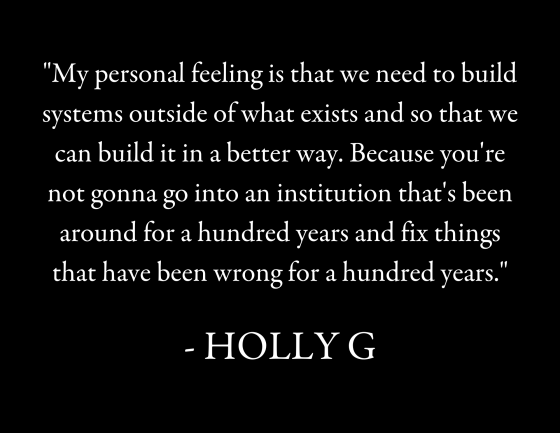
HG: I don’t trust anybody. My mission is to serve the artists. My personal feeling is that we need to build systems outside of what exists and so that we can build it in a better way. Because you’re not gonna go into an institution that’s been around for a hundred years and fix things that have been wrong for a hundred years. It’s not gonna happen, especially not gonna happen quickly.
However, it is not my right or privilege to tell an artist that they shouldn’t participate in the industry. So that being said, I have to work in parallel. Yes, I’m building things, but I also have to interact with the industry in a way that I can advocate for the artists that wanna participate in that.
And so when I do interact with the industry, it’s basically like, “What can I get out of you?” Because I know this is how they look at me. And so my first thing is, “What do you have that I can get that will serve me, that will serve my artists, that will serve my mission and my brand?” If what I can get from you feels like it’ll be worth whatever it is that you want to take from me, then I do it. But if I can’t get something back, that’s gonna make that exploitation worth it–because that’s what the whole industry is, exploitation–then I just move on.
ARJ: It took me a while to realize that, when I was talking about not prioritizing myself and not paying or taking care of myself, that in doing so I was actually falling into the trap that so many of these institutions had established of not paying women the same amount, not paying us what we’re worth.
I know that there are industry standards of not paying Black women what they’re worth, even less. I thought for a while that just by being part of this panel or whatever, I’m doing the right thing, ‘cuz I’m there and I’m representing something new and different and fresh and modern.
But by accepting an honorarium that I would find out later was less than some of the male names also appearing at a conference, I was falling into the same trap. It still enrages me, still gets me mad and so I feel like now I can be in, but not of a lot of these institutions. I’m happy to work with them if they’re gonna pay up and have us there for a reason, but I’m not going to serve them. I am not going to help, assist or fix what is institutionally wrong.
That’s partially why I’m really proud that BGS has continued to be independently run and owned this whole time, because we don’t answer to anybody, and nor do I plan to.
HG: I’ve pissed quite a few people off, ‘cuz I’ll work with them, but then after it’s over, they do something else. Then I criticize them and they’re like, “But wait, you came and did a panel for us.” And I’m like, “My participation is not an endorsement.” My presence does not mean you are off the hook for everything that you have done or going to do in the future. And so it has been interesting to watch them fall apart as I continue to criticize them and to see which ones come back after that. And that’s how I can tell whether or not they actually wanna do the work. If I criticize you and you come back for more, that tells me how you wanna do the work. That’s been a really good filtering tool for me.
JH: Even with the healthy skepticism that you’re each describing, you’ve managed to execute really massive events and partnerships. How do you make those decisions about what powerful people or institutions are worth partnering with?
HG: There’s no science to it, I feel like, because the other thing is there’s good people at bad places and that’s across the board. If I can find the good people at the bad place, then I’ll work with those people. And that’s just kind of how I do it.
I’ve gotten to the point now where I tell them that part up front: “This does not absolve you from anything that you do. I’m still gonna speak up.” One of the things that I’m afraid of happening is for people to look at what I’m doing and be like, “Okay, well she got in the room now, so I guess everything’s fine. She’s not speaking out anymore.” I don’t want it to look like I’ve closed the door behind me. If you can’t handle that, then we don’t have any business together. And as long as you find those good people, they’re gonna understand that and they’re gonna push forward anyway.
And sometimes because of that, I’ve had people tell me, “Please continue to criticize us, because that’s the only way I can get my bosses to do [anything] is when you won’t shut the fuck up on Twitter.”
ARJ: For the most part, I find that there are really good people on the ground, doing the work and for me, a lot of it just comes down to – I don’t know – intuition. It’s not necessarily a financial thing. It’s not necessarily a visibility thing. I think that’s kind of my unofficial business strategy, which is probably not something that they teach you to do when you have an MBA. But I never planned to get into this job to begin with, so I just go on intuition and I work with people I love. I return to things that I love and places that take care of our artists and take care of our community and take care of us. Those are the people that I will continue to invest in and go back to.
JH: Bluegrass, Americana, roots, and country are so often spoken of as though they are strongholds of authenticity insulated from commerce, to an extent. But we know that all of these spaces are inherently commercial if anyone’s trying to make a living off of them. So as people who are very invested in building community where it doesn’t exist in the ways that it needs to, how do you hold those two things next to each other?
HG: I do not. I think that also the whole conversation about authenticity is bullshit. It’s a way to move the goalpost, so that they can keep the people they want in and keep the people they want out out: “That’s not real country. That’s not real Americana.” It doesn’t fucking matter, because what makes it real is usually who makes it. If they look at somebody and they recognize that person as somebody that they want in that space, they’ll accept anything. It doesn’t matter what it sounds like if it comes from the right person. It’s a tool that they use so that if somebody comes along that they don’t feel like fits in because of their gender, their sexuality, their color, whatever it is, they can then say, “Oh, well then it’s not real X, Y, Z,” and they can get away with it.
JH: I also want to get at how you’re acknowledging that this is commercial, but also insisting that building community matters. How do you do both at the same time?
HG: Very easily. ‘Cuz you do things where you bring people together behind the scenes when you know everybody’s in town. That’s what we do. We get a house and we make sure everybody has somewhere to come together. But when you ask me to show up at the thing, I’m gonna ask you for a check. You’re gonna pay me to have official participation, but behind the scenes, we do things that build community. I feel like that’s all relative, right? So I’m not gonna go to a festival that’s just starting up and be like, “We need $20,000.” But if you’re paying everybody, make sure you pay us what’s fair in relation to what you have. So it’s just figuring that part out, but also always making sure you’re asking for it. I’ve learned to ask upfront, “What’s your budget?” Because that way I know where the conversation is gonna go.
JH: That’s sort of like reverse gatekeeping, in a sense. When you put together events or decide to gather artists to participate under the name of Black Opry, some of those things are for the public, outward-facing performances. Then there are things you do, like rent this house and invite who you want to be here, where you’re creating a safe, private space.
HG: The way that I curate the shows is more community driven. I try to pair up artists, especially if they’re traveling for a tour, that I feel like their personalities either mesh or there’s something in their story that I know would [connect] with each other or like things like that. It doesn’t matter if two artists’ music would sound great on the same bill, if those people don’t connect. I mean, I can put people together that sound completely different. I’ve had Jake Blount and Kentucky Gentlemen on a show together before, and they all were so excited to be with each other. The best part of our shows is usually the green room. That’s kind of a private, intimate space.
ARJ: You keep saying a lot of parallel things to what we do. I didn’t realize how parallel some of our experiences have been, and it just makes me love you more, Holly.
So much of what we’ve done over the years, it will never be public facing and the public will never even know about, because it’s not why we do it. And I think it’s what makes artists continue to come back to BGS events or wanna be covered on the site. Artists that, 10 years ago, I would’ve never thought I’d ever get the time of day from will say “Yes” to things because we put them first and we have given them a safe and fun and communal space to be together.
When I started BGLA originally, and then BGS, I wanted it to be this place for modern fans, for younger fans, for all fans that I didn’t think were being served or represented. I think for a while I was really susceptible to this yarn that they were spinning of, “There’s just not enough women in bluegrass. There’s just no Black people in bluegrass.” And I’m like, “Wait, I don’t know if that’s right.” And then the more you dig and the more you get involved, you’re like, “These communities have been here the whole time.” This is not only about creating community, this is about connecting community. This is about bringing communities together, representing them, and, and connecting the dots, whether it’s a digital community or artists in a green room or in a house to hang out for a jam.
HG: It’s so funny, like how the parallels keep coming up. Cause people have asked me a lot recently in interviews, “How do you feel about this revolution in country music?” And I’m like, “It’s not a revolution. It’s recognition.” This has been here the whole fucking time.
JH: There are deeply entrenched perceptions about what the country fan base looks like that are based on the continual and artificial segregation of the industry. And there are equally entrenched perceptions of what a bluegrass fan base looks like, based on the fervent reverence for the models laid down by the first generations of musicians. How have you developed ways of speaking to audiences within audiences, those that have gone unseen and overlooked?
HG: I’m telling you, I thought I was the only one when I started Black Opry. It was more like a search and explore mission than it was like an intentional, “I’m gonna find these people.” Because as a Black person that loves country music, I promise you, anytime you tell somebody that, you get looked at like you just fell out of a UFO.
I was equally surprised when I found artists. I didn’t think there were more than five artists. I was like, “We got Mickey, Jimmie, Kane and Darius.”
There was so much passionate relief when people started seeing you and feeling seen. It still surprises me. And I’ll be honest: We still haven’t gotten to where we need to be as far as the fan base with country music. There are a lot more queer fans simply because there are a lot more white, queer people that like country music. So we’ve built up a really, really big white, queer fan base.
A big priority for me this year is how do we connect with Black fans? Because the Black publications and the places that Black people go to for music typically don’t interact with country music.
But I will say, every show that we’ve had that I’ve been to, there’s at least one Black person that comes up to me and goes, “I thought I hated country music, but I saw the word Black in front of it, so I came just to see what it was. ‘Cuz it sounded weird. And I loved all of this. If I knew country music was like this, I would’ve known I liked it.” We’re trying really hard to figure out how we get to those people in a more broad way and get more of them. We need our audiences to look like what we want our stages to look like.
A lot of the places I’ve been to, regardless of how kind the organizers have been, it doesn’t always feel safe. And so there’s no part of me that wants to advocate for Black people to come into some of these spaces, because I can’t guarantee they’re gonna feel good. At Newport [Folk Festival], we felt good, even with being all white people. It’s just the type of people that they attract; they’re good people. And so we’ve really, really been interested in seeing how we can figure that piece of it out, where we get more Black people to these spaces. But, I can’t consciously advocate for too much of that yet, because I need to see the institutions doing the work to make it safe.
JH: So it’s still very much an open question of how you find, reach, and speak to Black country fans.
ARJ: Something that we asked ourselves very early on was not how do we reach other Bluegrass fans or where do we look for other Bluegrass fans, but where are we not looking? Who are we not reaching? What’s gonna be unexpected in that crossover Venn diagram of fandom?
Because like you were saying, you felt like you were the only one. I felt like I was in a minority of young, urban dwelling, West Coast, female fans that didn’t grow up in the South, you know? I started the whole thing from a need to connect with other people. I mean, it really stemmed out of loneliness. But I realized that my online demographics wouldn’t have made me a targeted fan if I were launching BGS. Like, any advertising or any kind of targeting we would’ve been doing, I myself wouldn’t have been found.
I think we just realized within our first three, four years, we have to turn ourselves outwards and reject everything that we’ve been told of who fans are and who communities are. And we have to be looking elsewhere, and we’re continuing to do that. It’s a question that we’re constantly asking ourselves, and I think it’s something that you’re never done searching for because there’s always someone else who feels like they have been excluded or that they are alone in this, whether they’re a fan or a player, or they don’t know what they are yet.
I remember one of the first meetings that I had with some IBMA folks. They were like, “You keep putting up all this like modern stuff and this isn’t real bluegrass.” And I’m like, “You’re gonna tell me if a kid walks in to McCabe’s guitar shop in Santa Monica and wants to buy a Deering banjo and pick up a banjo for the first time ever because he watched a Mumford and Sons video, that you’re gonna tell him ‘No’? That you’re gonna say ‘No’ because that’s not bluegrass?” Fine, we don’t have to put a label on it. Why don’t you open up that door and introduce ’em to Earl Scruggs. Let’s take them down that rabbit hole and connect the dots once again for that person. How about we take their hand and help guide them through this expanse of everything?
JH: Since you mentioned a first-generation bluegrass icon, something that’s baked into country, bluegrass and roots music is venerating elders and creating canons. And that’s just as much about excluding people as it is about who belongs in the canon.
You each make elders very present in what you do. Holly, you recently advocated for the Country Music Hall of Fame exhibit that includes the Black Opry to also include its predecessors, Frankie Staton and the Black Country Music Association. Amy, you make decisions about meaningful coverage of multiple generations of performers all the time, and BGS just published an appreciation of an underappreciated first-generation picker, Gloria Belle. How do you think about ways of doing that better than you’ve seen it done?
HG: I don’t wanna make it seem like I strong-armed [the Country Music Hall of Fame and Museum]. I would not have had a problem strong-arming them, but they were gonna do it anyway. So they said, “We’ve already sent a letter to [Frankie]. Calm down.” And I was like, “Oh, okay.”
I don’t really think of it so much in that light that you’re describing as I do that we don’t have a record of Black country music history. For me, it’s about building that record. There’s so many people – like Wendy Moten. Wendy’s been singing with Faith Hill and Tim McGraw and Vince Gill for years and years and years. She’s part of Black country music history to me, and we have no record of that. Nobody’s ever talked about it. It’s about finding those people from the other generations that have been doing this long before it was something I ever thought about, and making sure they’re included in this narrative so that whoever comes up after us doesn’t have to work so hard to find these things out.
There’s no reason I shouldn’t have known the things that I’m finding out now until I had to literally dig for them — and I get access to a lot of it, ‘cuz people see what I’m doing and will bring stuff to me. But it’s not out there and ready for the public.
ARJ: Building that history is such an important part. And because we have a platform, because we have this online record that we are building, that’s part of our responsibility, is to help maintain that.
Gloria Belle, like we heard about her passing and then we waited and there were no obits. And we were like, “Who’s, who’s gonna cover this? Oh wait, it’s us. We have to be the ones to cover it.” I should know that 10 years on. But I still get reminded time and time again, we still have to do the work.
I am not one to venerate folks who maybe don’t deserve it. But I do think it’s the same idea of you’ve gotta know the rules in order to break them. You have to know the history in order to figure out where you’re going and how to break out of that and how to change it.
JH: You both are continually adapting how you present and position what you’re doing. Do you feel like you have come up against the limitations of genre? And have you looked for ways to free your efforts up from those limitations?
HG: Yeah, that one’s been tough. I know what kind of music I personally like, and I like music that would be described as Country music by literally anybody who heard it. It’s usually not a gray area, the things that I like personally, and that’s what brought me to where I am.
But also, all of the artists that I talk to across the board say that genre is a harmful concept to their careers. And so it’s deconstructing that concept, but also realizing too that the advocacy, everybody needs all of this stuff. It’s not just people in this space. So it’s like, “Where do I fit into that?” Regardless of how I feel about anything, there’s enough people in [all parts of] the industry telling Black people “No.” And so if a Black artist comes to me and wants to work with us, I really don’t give a shit what they sound like. The answer is gonna be “Yes.” I’m never gonna turn anybody away. Right now where I’ve kind of settled is anybody can come and play with us with any style, but the advocacy work that I do is going to focus on country music spaces and institutions, just because that’s where my passion is and that’s where I see the greatest need for it. I do acknowledge that there’s problems across the board. If you look at the work that the Black Music Action Coalition does, they’re doing it across all genres.
I’m sure you get this too, Amy, where it’s like you want to work on the things that you care about and you like, but also once you have this level of responsibility, that really doesn’t matter anymore. It’s out the window. It should never be about what personal taste is. It should be about what’s best for the group at large.
ARJ: It was very confusing, I think, for folks to initially come to the site and realize that it wasn’t just Bluegrass. And our whole point was like, “This is pulling from the traditions of the genre that is called Bluegrass.” But that has taken on different incarnations and iterations over the years since it was established. I guess you could say, by the IBMA standards of 1945, you know, Bill Monroe. For a while it was about bucking people’s expectations when they would get to the site of what they thought they were gonna get versus what they were given on the website.
Then we made a very conscious shift to be called BGS. We still use the Bluegrass Situation. A lot of people still know us as that, but we have really made a conscious effort to switch over to BGS, in the long tradition of things like CBGB, or NME Magazine. After a while, it just becomes those letters. So that’s always been my hope, that it becomes more of an umbrella organization and that it’s not limited. I still lean on genre when I feel like it’s advantageous. Because at the end of the day, I’m not going to stop it from existing. It exists. It’s how certain people can identify what they want to listen to or how we search for a playlist, even. It’s just how things are organized, whether we like it or not.
So when I can be disruptive within those structures, I will utilize it. I know that I can make certain calls, or I can show up to certain conferences and I can make an impact within this community and I can have some kind of small change within this community. And that is what drives me, and that is when I’m willing to use genre, if it means that I can insert myself and continue to be a part of that and enact change.
HG: A lot of artists tell me that they feel like genre is weaponized against them. I feel like we have an opportunity to take that and then weaponize it back against the industry itself. Because it’s literally just a marketing tool, so you just have to figure out how to play the game so that it helps the artist more than it hurts him.
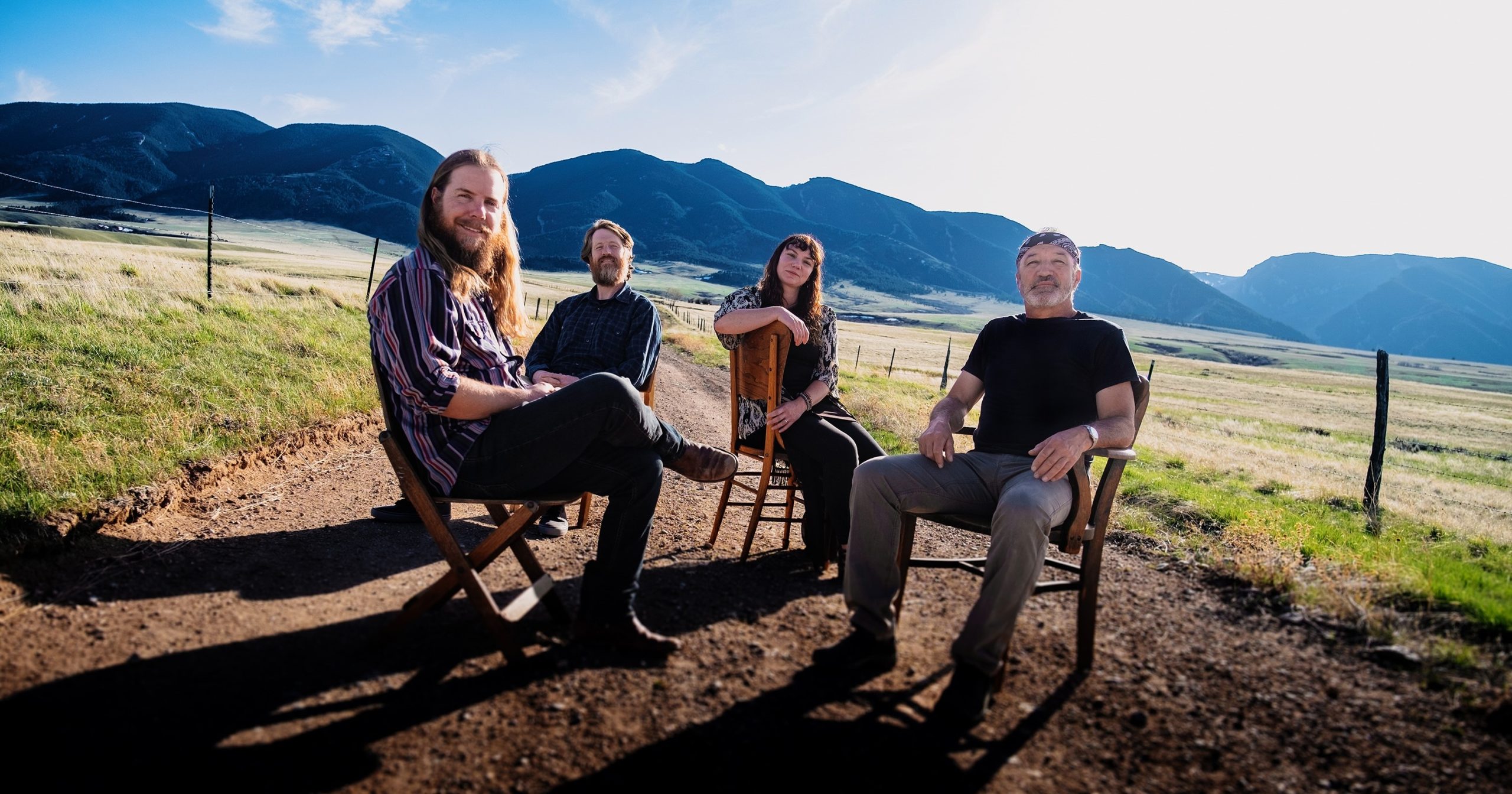
Artist: The Two Tracks Hometown: Sheridan, Wyoming Song: “Canyon Wren” Album: It’s a Complicated Life Release Date: August 25, 2023
In Their Words: “I started writing ‘Canyon Wren’ as a series of two poetic pieces inspired by pictures from our place in Baja, Mexico, one of which is the cover of the single. From our place there, the sun rises over distant mountains and shines right into the faces of breaking waves along the Pacific coast. You check the surf while the arroyos and hillsides buzz with the sound of birds. The canyon wren is one of those birds. Often there can be fog, or dew hanging in the air – an elusive hint of moisture in this otherwise dry place. We love the calm, quiet, empty feel of those mornings as the landscape wakes up and I tried to capture a bit of that scene, and our time spent down there. Julie and I love empty, wild places as much as we love the busy life of performing music. I was musically inspired by the laid back, chill vibes of early J.J. Cale records, which I’ve listened to a lot over the years while driving through Baja, and tried to channel that sound into this track.” – Dave Huebner
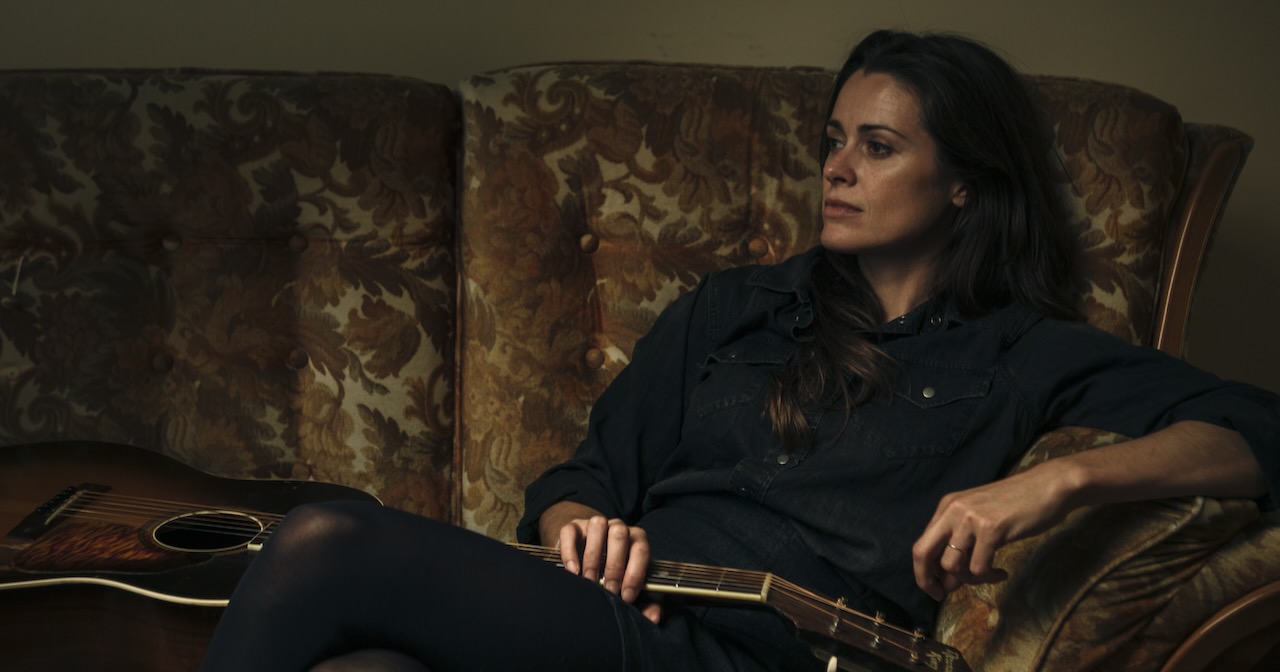
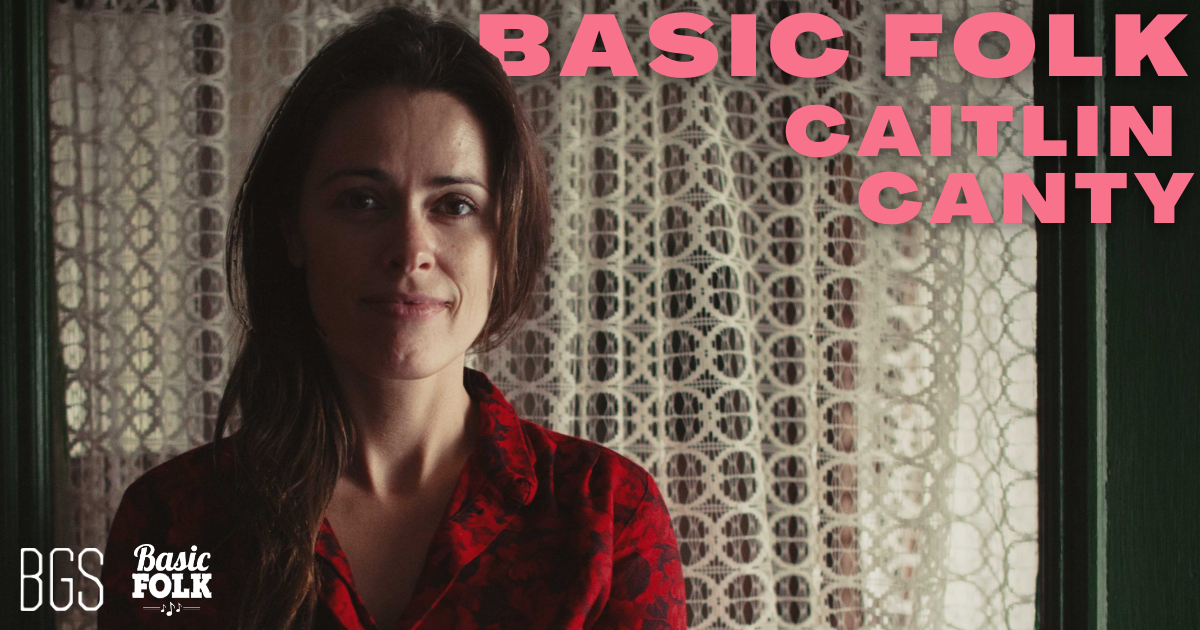
Caitlin Canty is in the middle — in the middle of moving houses (behind her when we connected on Zoom this spring is a Jenga tower of bankers boxes) and in the middle of prepping an album release, which we’re in the middle of talking about when she isn’t in the middle of pushing a pair of overeager dogs from her lap (“These dogs!”), all of which is taking place in the middle of her toddler’s nap.
The moving, the music, and the motherhood are taking place in the middle of her life (Canty turned forty-one in January) and the middle of her career: Quiet Flame, her latest record, is her fourth.
Oceans of ink have been spilled on beginnings and endings, on best new artists, and lifetime achievements. We rarely think about the middle, write about it, or sing about it. But Caitlin Canty does.
Quiet Flame is a dispatch from — and a celebration of — the middle; it is a testament to the in-between, to the precious spaces between day and night, birth and death, here and home. It is also a rallying cry, a call not to run from middle moments, but to revel in them. “Breakneck boy goes speeding by / In a hell-bent race to some finish line,” Canty sings on the album’s opening track, “Blue Sky Moon.” “I ain’t going with him… Gonna take my time in the middle of the road.”
This is a new message for Canty, one that asks the listener not to “get up before the road pulls you under,” as Canty sang on 2015’s Reckless Skyline, but to accept the road as it is, accept that it may pull us under, and enjoy the ride. “If the pandemic and [2020 Nashville] tornado taught me anything,” Canty says, “It’s all the things I thought I could control are out of my control. The natural world is beautiful. It’s also terrifying,” she exclaims with a half laugh, “it can just crush you in a second.” (That tornado missed her house by thirty feet.)
This new vision, however, hasn’t diminished Canty’s optimism. With a heightened sense of all that is lost and lose-able, Canty offers not less hope, but more. “Let it roll, let it ride / Let your sweet heart open wide,” she sings on “Pull the Moon.”
“I let go of a lot of things I thought were my fault, or my responsibility, things I thought I could do everything about, or take care of, or succeed at,” she explains. “And what I found was an ability to be happy in devastating moments in time. Even when it gets dark and troubled, to find a way not to ignore that — to address it — but to stay buoyant.”
It is this clear-sighted courage — what amounts to Canty’s profound musical and lyrical authenticity — that not only sets Canty apart, but draws so many of the acoustic world’s greatest artists into her corner. “Caitlin just has such a magnificent view of the world,” Grammy Award-winning guitarist and Quiet Flame producer Chris Eldridge says. “It’s so strong and true and clear and honest. You just believe it.”
Among those drawn to Canty’s vision — to her clarity, honesty, believability — are some of the greatest artists in contemporary music, making the Quiet Flame band a bona-fide acoustic supergroup: on banjo, mandolin, and harmony vocals you have singer-songwriter Sarah Jarosz (another Grammy winner); on bass, Paul Kowert of Punch Brothers and Hawktail (yet another Grammy winner); and on fiddle, Brittany Haas (also of Hawktail and the newest member of Punch Brothers), who is widely considered the greatest fiddler of her generation.
“Every artist has a vision,” Kowert says, “But I specifically would say I believe Caitlin. I believe her about what she’s seeing in the songs.”
“There’s such conviction,” Haas adds. “It’s so clearly from the heart.”
For Jarosz, Canty’s super-distinction is the totality of her authenticity and an unusual ability for Canty to “sound like herself” in every domain of her artistry. “Her ability to be herself within her songs has always been very obvious to me, before I even knew her,” Jarosz says. “My favorite singers sound like themselves when they’re talking — their singing voice is a genuine extension of them, their personality. Tim O’Brien has that, Gillian Welch has that, Caitlin has that. It’s almost like Caitlin’s voice is so true —it’s like it’s not an option for her to be anyone but herself. And the songs are also that way.”
The songs of Quiet Flame mark not only a musical achievement, but an achievement of spirit. “It takes a very self-assured, fully realized human being to be able to make a record that’s this exposed,” Jarosz continues. “The record takes its time. It takes a very mature musician — and person — to have the courage to let these songs unfold the way they do.”
It is no small feat that Canty manages to make this deliberately slow journey, this taking our time in the middle of the road, so arresting. Such is a testament, of course, to the music as music; to Canty’s voice (“Caitlin, in her way, is as good a singer as exists,” Eldridge says); to her effortless melodic sensibility; to what Haas calls the unusual “variety and diversity of what [her] songs are like, what they allow and make room for texturally.” It is also a testament to the production vision of Eldridge, who Canty calls the perfect “co-pilot,” and to his attention to the “big picture.”
Each member of Canty’s bandoffers a tour de force on their instruments. In Canty’s words, Kowert is a “Multi-instrumentalist on his instrument… essential, the strongest foundation… my favorite bass player I’ve ever played with”; Haas is a “Flamethrower! Her fiddle is an electric guitar! It’s grit and mournfulness — not sad, defiant; not sorrowful, defiant”; Jarosz is “Just insanely good — insanely good singer, insanely beautiful instrumentalist — the most solid partner; she held it down!”
In turn, the band is quick to praise the rare musical freedom Canty affords them. “She makes so much space for other musicians in her music,” Haas says. “She’s really good at being like, ‘I hired you to be you,’ instead of, ‘I want you to do this very specific thing that involves only playing these four notes.’”
The result? The band gets to see their true selves in the work — even their best selves. “‘Odds of Getting Even’ is one of my favorite performances I’ve ever played,” Kowert remarks. “My playing on that song is really exemplary of something that I am uniquely able to do, which is bowing the bass that way, driving the rhythm with the bow.” Multi-instrumentalist Noam Pikelny (still another Grammy winner), who is featured on “I Don’t Think of You,” says much the same: “[It’s] easily one of my favorite examples of my playing captured on record.”
Most of all, however, the success of Quiet Flame’s slow burn is owed to the trust Canty engenders in her audience. It is a trust natural to Canty, but made all the more affecting by her decision, for the first time in her career, to make an entirely acoustic record. “Intimacy is just kind of baked into the nature of acoustic music,” Eldridge explains. “You just intuitively understand that what you’re hearing is what can happen in somebody’s living room. So when you commit to doing a string band record, you’re committing to a certain kind of intimacy. It casts the artist, and the songs, in a different light—in a light that asks the listener to lean in a little bit more, asks the listener to be a part of a moment.”
It is with the listener leaning in close, grounded in the moment with Quiet Flame, that Canty offers a vision both audacious and convincing, that she shares the unmistakable and unshakeable sense that all will be well; that even in the face of so many black holes, we too will be okay; that we, like Canty, will arrive “by the highway home” – a lyric after Robert Frost.
“They all told me love could feel this way,” she sings. “I never thought I would see the day.”
It is the peculiar gift of Caitlin Canty that when she says love can feel “this way” – or even that “nothing’s gone, only changed” – one can’t help but think she’s right.
Urgency and patience are the two poles of New England songwriter Caitlin Canty’s magnetism. Her music invites you to quiet moments of reflection with unhurried confidence. When I first heard her song “Get Up” in 2015 I felt like I was receiving a very important magical message. Canty’s subsequent releases have further revealed her uncanny talents for grooving at the right tempo, describing the memorable image, leaning into elegant arrangements, and letting delicate moods hang in the air.
Canty’s new album, Quiet Flame, was recorded live with a string band and no drums. Live tracking has become her signature over the years, and this new record shows the authentic and powerful moments that can only be created in that setting. Produced by Chris Eldridge of the Punch Brothers and featuring collaborators like Sarah Jarosz, Brittany Haas, and Paul Kowert, Quiet Flame is not only a showcase for Canty’s unmistakable voice and songwriting, but also a celebration of her impressive artistic community.
Caitlin knows a thing or two about teamwork after many years of team sports. She was a soccer player and heptathlete through her college years, and I have a hunch that her athlete-brain and her musician-brain share a particular wisdom. Pacing, collaboration, focus, and graceful movement characterize her unique body of work. It was a true delight to talk about writing, friendship, family, touring, humility, and self-belief with this gem of a musician.
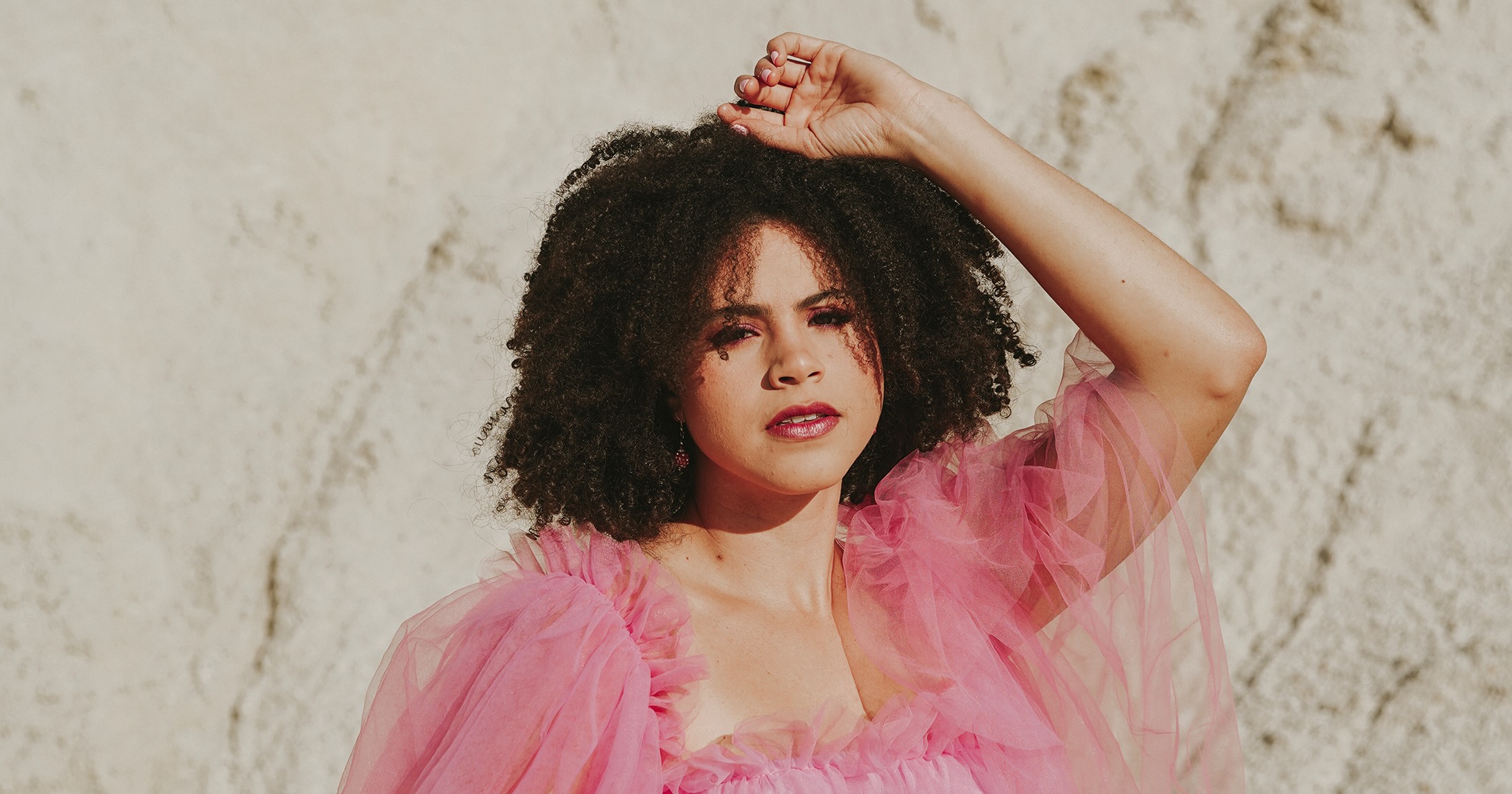
With her warm, agile voice and potent lyricism, Julie Williams is taking the country music world by storm. On June 2 she released her self-titled EP containing 6 original, remarkable tracks. Through her narrative lyrics and captivating melodies, Williams’ songs discuss a wide palate of her lived experience — as a Black woman living in the South, as a navigator of harmful sexual encounters, as someone who has loved, and as someone who has lost. Her record will take listeners on an evocative journey through her emotional landscapes, with peaks and troughs and everything in between.
Currently based in Nashville, Williams’ robust and radiant presence is enlivening the Music City landscape and beyond. Earlier this year, she was selected as one of CMT’s Next Women of Country, where she joins other major talent alumni of the Next Women of Country such as Margo Price, Kacey Musgraves, Lainey Wilson, Brittney Spencer, Lauren Alaina, Madeline Edwards, Maren Morris, Morgan Wade, and many more.
Williams is also a seasoned member of the Black Opry Revue, a collective based in Nashville that features Black artists in country, Americana, blues, and folk music. Her current solo tour is in full-swing as she enchants summertime audiences across the country.
BGS: Can you tell me a little bit about your personal history with music? Do you come from a line of musicians? Or did you find this path on your own?
JW: Neither of my parents play music or sing. There was always this joke in my family that I would listen to what my parents did and do the opposite. … There’s definitely a history of musicians in my extended family, but it wasn’t necessarily something where I grew up with everybody playing an instrument around me.
My parents always joked that I told them, “I can sing.” Ever since I was little, it was my way to relieve stress when on an airplane or a car ride or something. I was singing songs, making up songs, singing Barney songs. And I think for them, it wasn’t until they went to an elementary school play of mine, and saw me compared to some of the other kids, that they realized I actually could sing a little bit better. When I was in middle school I started singing national anthems and then I would sing at beach bars and restaurants and weddings. That was kind of my early start into professional singing. Then, when I got to college, I started songwriting and turned into the artist that I am now, but I’ve always been making some sort of noise.
You knew from the very start! On your EP, you share a lot of really beautiful narrative songs, and I’m wondering about your creative process. When does it become clear to you which of your stories needs to become a song?
I do write a lot of narrative songs. That’s what I love. I always write lyrics first. Usually, it’s just a dump, like a poem, that comes out. Sometimes [it’s] not even a really good and properly formatted poem, but then I kind of piece that together and turn it into a song, or I bring it to somebody that I really trust to help me bring the story to life, and together we turn it into the song.
I started with my creative process after I took a songwriting class when I first moved to Nashville with this amazing professor at Vanderbilt, Deanna Walker. She made the point that good lyrics should be able to stand on their own. The best songs can make you feel something from just reading. It really stuck with me.
That question of knowing which stories ultimately make it into song — I ask myself that same question all the time. Because sometimes I think, “Oh, I’m gonna write a song about that.” Then I sit and I try to conjure up something and nothing comes, or nothing that I feel is worth putting out into the world. But I don’t like to push things in my songwriting. Sometimes, if I just have a word, or I just have a phrase, or maybe a few lines about a story, I will leave it and wait. Because, six months later, something else has happened. I begin to process whatever that moment was a little bit differently, and all of a sudden, it just begins to flow.
I really like to write songs that make somebody really feel something or see themselves in a certain way or something that has a kind of unique twist, even if it’s a love song or a breakup song. Sometimes I have to wait until I can find that perspective in an everyday moment before it turns into a song.
You do that so beautifully! I’d like to ask more about those collaborators you mentioned—can you tell me a bit about your work with the Black Opry and how you became involved?
I was in Pigeon Forge, actually, to play a show at the Listening Room there with a friend of mine named Bonner. I think there were only like five people there, so we were kind of down in the dumps a bit. But I posted, “We’re here in Pigeon Forge,” and Holly G of the Black Opry, who I’d never met in person, messaged me on Instagram. She said they were having a Black Opry show at Dollywood, and we should come by after our show. We went and caught the last song of the show. [Afterward] everyone was hanging at the hotel and I got to meet Holly G, Tanner D, Aaron Vance, Roberta Lea, Crys Matthews, Virginia Prater, who is my booking agent now — a lot of the people that became part of my family. We all hung out in this hotel room, passing around a guitar, singing songs.
I just immediately felt so comfortable and at home. These people felt like my cousins! I told Holly, “Look, I would love to be involved with Black Opry. I’m single, I have no responsibility right now, just put me on the road! I will play any show, any place, any time.” She put me on a few Black Opry runs; before those runs were happening I was thinking that I was done in Nashville. I wasn’t feeling like my career was moving forward. I really felt kind of lost, creatively. I hadn’t yet found those creative collaborators. And when I did that first Black Opry run, everything just clicked and I knew I needed to be a part of it because it just felt like magic.
Wow, it sounds like your whole world expanded. Is there any advice you would give to aspiring Black artists looking to break into the country music scene?
I think my advice would be that it’s hard to do this alone. It can feel like you’re on an island. But it’s so much easier to do this work when you have other people around you that really support and uplift you. Reach out to the Black Opry, or the NSAI chapter near you. Set aside some of that energy that you’re putting towards your own individual projects into building community — even if that’s an online community at first. That’s how I met a lot of people during COVID time and after the murder of George Floyd, that’s when so many Black artists were coming out.
It just makes it so much easier to be in spaces where there are people around you who just get it, and who really believe in you and care for you and support you. Why build a car that only one person can get into and make it just a few miles down the road? Why don’t we instead all build a bus together that has space for everyone and we can all get there together? It’s just so much more fulfilling and honestly so much more fun.
What a beautiful metaphor, thank you for sharing that. Speaking of communal support and inspiration, you’re being featured as “One to Watch,” but do you have any ones you’re watching? Who is inspiring you these days?
I have this Spotify playlist called “Big Blue House and Her Sisters” of songs that feel like musical sisters of “Big Blue House.” There are a lot of artists on there that really inspire me. I would also say Denitia, a Black Opry artist who was named CMT Equal Access Artist — an incredible singer, songwriter, producer — just a powerhouse. We met at a Black Opry show in September and have become best friends. Also, you can’t be following what’s happening in Black music and queer music right now and not know the force that is Autumn Nicholas. Their performance at Love Rising had everyone in that room, thousands of people including myself, in tears. Lastly, Raye Zaragoza is an amazing Asian, Indigenous, and Latinx artist. I had the honor of meeting her on the Cayamo Cruise. She has been such an inspiration to me as a songwriter in the ways that she incorporates all of her identity into everything she makes, and her songs have such resonance and power that really make you feel. There’s no way you can listen to her songs and not feel moved and inspired by them, which is everything I’m trying to do in my songwriting, and I think she does it flawlessly.
Artist:Rachel Maxann Hometown: Memphis, Tennessee Latest Album: Black Fae Personal nicknames (or rejected band names): Fickle Hellcat, I ended up making it my last album name instead.
What rituals do you have, either in the studio or before a show?
I absolutely adore my producer and although this isn’t necessarily a ritual, we tend to fall into a pattern when recording. We sit and talk about our lives for a while and generally catch up as friends while I sit in his massage chair. Sometimes I’ll have a glass of wine while he drinks his favorite new cocktail concoction. Then we’ll dim the lights in his studio and we’ll proceed to record whatever we want to work on that day. I’m excited for the next round of songs that we do! I don’t think it would be the same result if we didn’t have such a good friendship.
What has been the best advice you’ve received in your career so far?
Putting my own name on my music first and foremost. I’ve had a fairly long career with many different formats, some of those being bands. In the past, I would be insistent in creating a new band every time I got new players. An old friend gave me the advice of putting my name out there first, because while different players come and go I’ll always have myself and my songs. It really changed the way I presented myself.
Which elements of nature do you spend the most time with and how do those impact your work?
Wood and the water have a profound effect on my mental health. The album cover of Black Fae is actually at my favorite park in Memphis that is close to my house. On good weather days, I’ll take a run or walk with my dog and just enjoy the shady greenery. Though I love water in all its forms, I feel most relaxed at the beach, and if the ocean is not available I spend time by the lake. “Remember the Stars”was written on a month-long solo trip with my dog in Mexico. Every day I would pack my guitar, a book, and my notebook and sit by the beach and just be.
Since food and music go so well together, what is your dream pairing of a meal and a musician?
I would love to pair my music with comfort foods. The lyrics have a lot of difficult topics and emotions, I would want the listener to be in a warm, safe space in case they are triggered by any of the songs. I have a history as a therapist, and whenever I had a client face an especially difficult feeling I would encourage them to have their loved ones nearby as well as their favorite comfort items. It can ease someone in and out of the process. If it were for myself, I would pick up a vegan oxtail meal from my favorite local Memphis chef, Camri McNary AKA The Vegan Goddess.
How often do you hide behind a character in a song or use “you” when it’s actually “me”?
I wouldn’t describe it as hiding behind it, but rather morphing my experience into a way that is more relatable to the listener. In some cases in the process of writing the song, it becomes more of a message to others rather than about myself, because often what I’m writing about is universal experiences even though they’re deeply personal. With “Last Cut”I first wrote it when I was in a dark place and having suicidal ideations. Shortly after having completed the original version, I lost a friend to an overdose which shifted my focus from my own grief to those of my friends and his family. When I sang it later, it naturally evolved into a story of my sadness into a message of awareness as well as encouragement to those that may be having similar feelings.
Photo Credit: Lucia Lombardo
This website uses cookies to improve your experience. We'll assume you're ok with this, but you can opt-out if you wish.AcceptRejectRead More
Privacy & Cookies Policy
Privacy Overview
This website uses cookies to improve your experience while you navigate through the website. Out of these, the cookies that are categorized as necessary are stored on your browser as they are essential for the working of basic functionalities of the website. We also use third-party cookies that help us analyze and understand how you use this website. These cookies will be stored in your browser only with your consent. You also have the option to opt-out of these cookies. But opting out of some of these cookies may affect your browsing experience.
Necessary cookies are absolutely essential for the website to function properly. This category only includes cookies that ensures basic functionalities and security features of the website. These cookies do not store any personal information.
Any cookies that may not be particularly necessary for the website to function and is used specifically to collect user personal data via analytics, ads, other embedded contents are termed as non-necessary cookies. It is mandatory to procure user consent prior to running these cookies on your website.