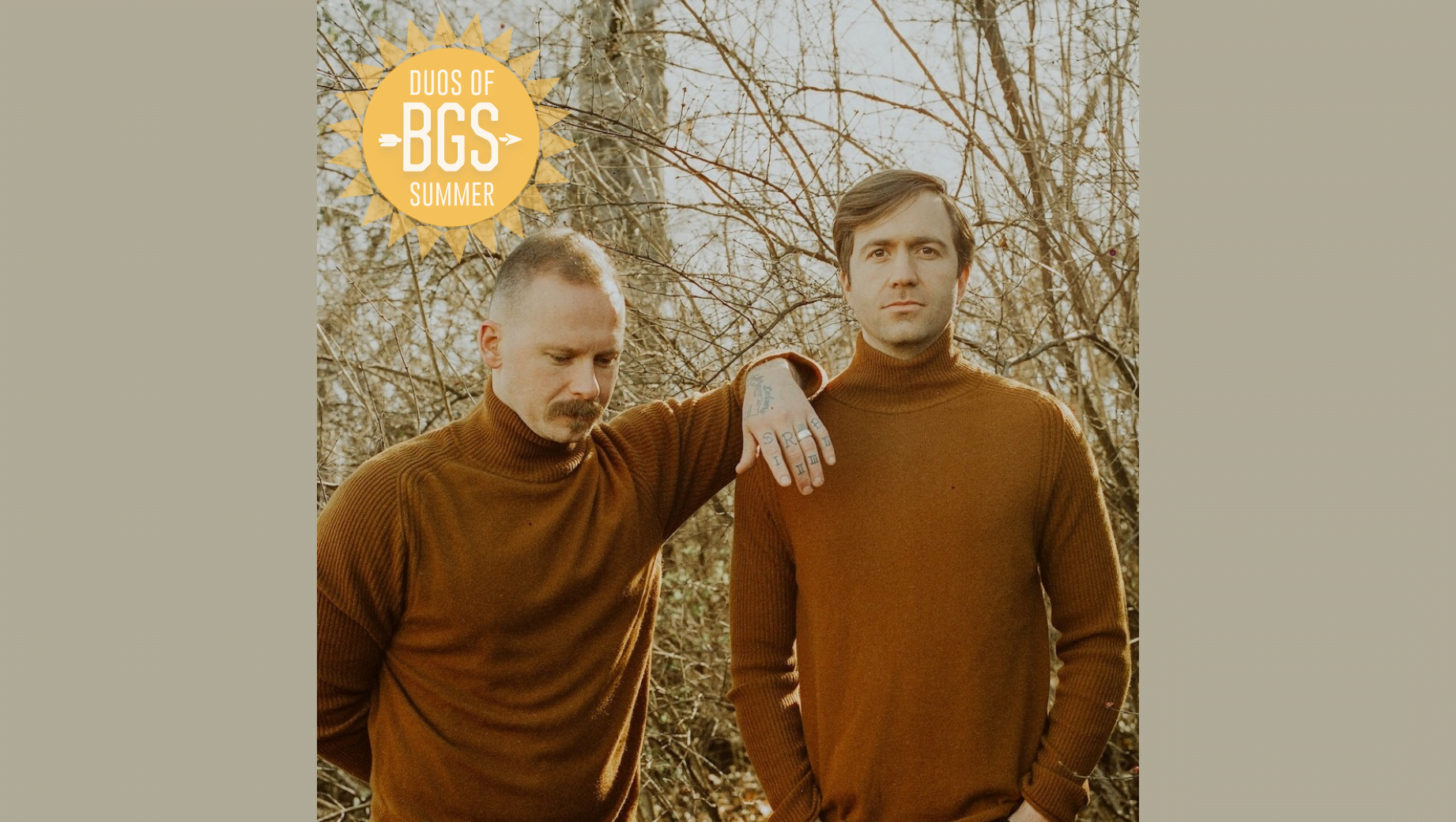
BGS 5+5: Ferris & Sylvester

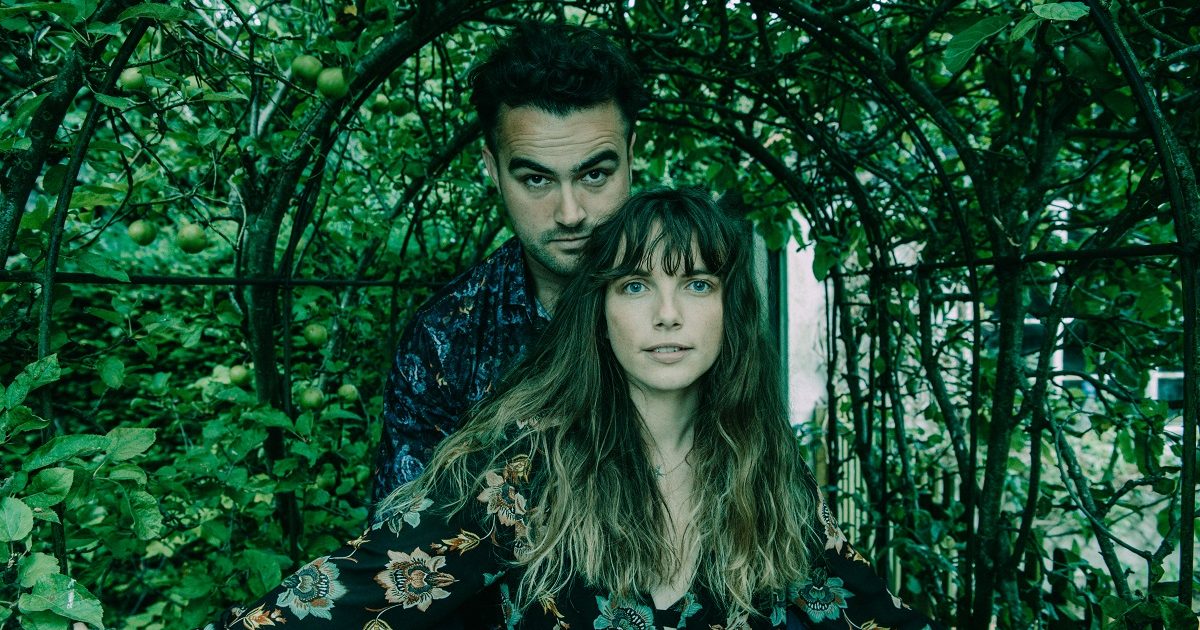
Artist: Ferris & Sylvester
Hometowns: Somerset, England & Warwickshire, England
Latest Album: I Should Be on a Train
Personal nicknames: Ducky and Didi. Proudly named by Archie’s nephew, Buzz.

What’s your favorite memory from being on stage?

We’ve toured a lot over the past two years and have been lucky enough to see a lot of the world, from rooftops in Austin, Texas, to a hidden cove in The Faroe Islands. We’ve played to crowds of 12,000 and crowds of 12 and everything in-between. Probably one of our favourite moments on stage was playing Glastonbury last year. We played five sets across the weekend, one of which was in a weird, wonderful tent quite called The Rabbit Hole late on the Friday night. Naturally when you’re playing a big show, we had loads of technical problems and Archie’s kick drum pedal broke… Issy did a sing-along with the crowd whilst Archie got out a screwdriver to fix it. Archie then jumped off the stage, broke down the fence and went into the audience for his guitar solo. Meanwhile a man dressed as the mad hatter jumped up onto the stage and scared the hell out of Issy by pretending to chop her head off with an inflatable axe. THIS IS A TRUE STORY. Best show ever.

What rituals do you have, either in the studio or before a show?

We’ve really loved spending more time in our studio this year. Our studio is a small room, full of wonder with wallpaper covering the walls — no day in it is the same. One day, we’ll have the drums set up to record, the next day they’ll be replaced by a 1963 Hammond organ or a comfy red futon giving us space to write. Every corner is filled with something obscure. We love it in there. It’s where we’ve spent all of our days in the recent months and where our songs find their feet. Rituals include endless cups of tea, writing with pencils on yellow paper and recording dozens of voice notes on our phones. If we think a song is good, we’ll then spend hours crafting it and going over structure, melody and meaning. We’ll develop it in its simplest form, usually one guitar and our vocals. We’ll then work up the demo, experimenting with different instruments and sounds. This can take days. We sometimes get through five or six demos before record it properly. Other times, we stick with the first demo, knowing we captured something special and irreplaceable. It’s a lengthy process and we put everything into it.

We always warm up before a show, singing in harmony and getting in tune with each other. Lemon and ginger tea is a must. We then do a huddle with our band and sing “Cold Beer Conversation” by George Strait really out of tune. We don’t know why.

Since food and music go so well together, what is your dream pairing of a meal and a musician?

Ooh. Our two favourite things. For Archie (Sylvester), the dream pairing would be Django Reinhardt with Steak Frites sitting by the river in Samois-Sur-Seine (where Django used to live)… For Issy (Ferris), a plate of fried chicken and Little Feat. In Dixie Land.

How often do you hide behind a character in a song or use “you” when it’s actually “me”?

We try to be as honest as we can in our writing. We don’t so much “hide” behind characters, though we sometimes work from a place of reality and then play with it and make it something different, until only shadows of ourselves are recognisable in it. For instance, our song “I Should Be on a Train” isn’t really about us, but we definitely put our own frustrations as a couple into it. Getting caught up in the same toxic cycles with each other over and over again, mainly caused by stress or pressure that we put on one another. The song takes you through an imaginary scenario of a relationship ending, but concludes that it is just a thought and not a reality. We’ve never done a proper storm out on each other, never boarded a train… maybe a few slamming doors. But we worked with what we had, and took it somewhere else. We also play around with perspectives a lot. We can shift from “I” and “we” to “her,” “him” or “they” in a song, giving it layers and opinions. Again, we wouldn’t say we’re hiding, merely playing around within the story. It can be hard to expose your inner self in your songwriting, sometimes it can feel too revealing. But we always try and opt for truth.

What’s the toughest time you ever had writing a song?

Every writing experience is different and each song faces its own challenges. Probably the song which has existed in the most forms and been rewritten time and time again is “Sickness,” a song we released last year. It’s our favourite ever recording and we consider it to be one of our strongest songs. But it took over a year to get right. It first existed as a poem, then we recorded a very early demo which didn’t sit right. It didn’t have a structure and sounded so far away from the rest of our stuff at the time. We parked it and returned to it months later. We got a lot closer with next few demos, but it took a lot of time to develop it. When we took it into the studio, we were confident we’d got it right. But we had a change of heart in the session and decided it needed an extra verse and a new middle 8. We hid in Manze’s Eel and Pie House over the road from The Pool Studios in Bermondsey and wrote new lyrics, filling in the gaps. Ironically after such a lengthy writing process, we recorded it quickly on the last day of the session. Everything came together. Archie’s slide solo was recorded in one take, the vocals were recorded late into the night and were done in a few takes. It felt effortless, after all that struggle. We’re very proud of it.


Photo credit: Felix Bartlett

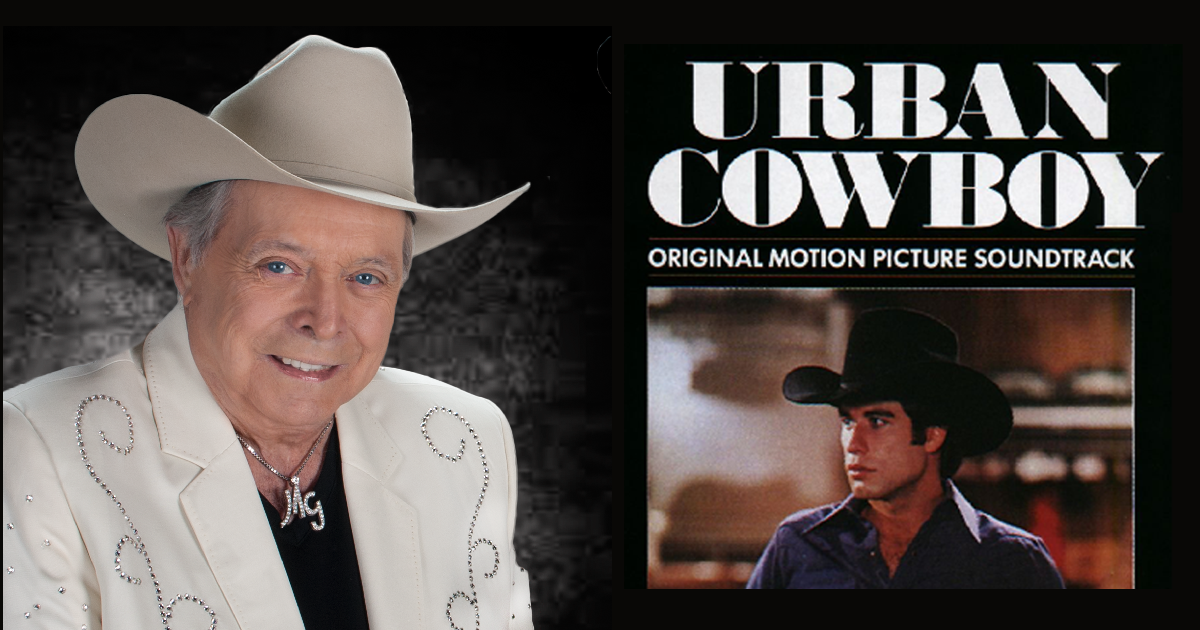
‘Urban Cowboy’ at 40: How a Mechanical Bull Changed Mickey Gilley’s Life

Mickey Gilley admits he wasn’t keen on the idea of installing a mechanical bull at his namesake honky-tonk on the outskirts of Houston, Texas. Nor is he shy about admitting just how wrong he was. That rodeo training device transformed Gilley’s Club into a cultural force. “The mechanical bull was never meant to be in an entertainment establishment like ours,” says the 84-year-old country star. “I thought it was a mistake, but it turned out to be a blessing. Without the mechanical bull, we never would have gotten that film with John Travolta.”

Every night there was a line for the mechanical bull. Demand was so high they installed a second bull and briefly considered buying the rights to the device in order to market it to honky-tonks around the country. Those would-be cowboys — called Gilleyrats after their favorite gathering spot — would compete to see who could stay on the bucking bull the longest, and that contest became the centerpiece of James Bridges’ 1980 film Urban Cowboy, featuring John Travolta in his follow-up to Saturday Night Fever. Exchanging the New York City discos for this dusty, Lone Star honky-tonk, he stars as Bud Davis, a small-town kid who moves to the big city and becomes a master of the mechanical bull.

The film culminates in a showdown with his nemesis, played by Scott Glenn, over the affections of a scene-stealing Debra Winger. As drama goes, this test of saddle skill is anticlimactic, as there is nothing at stake beyond macho pride. Bud isn’t fighting to escape his life (as his character in Fever did) nor to stay at Gilley’s. He’s just fighting. Though never quite satisfying as drama, Urban Cowboy is still fascinating 40 years later as a documentary about Gilley’s and the particular culture that grew up around it.

Gilley and his business partner, Sherwood Cryer, opened the place in 1970. At the time Gilley was only a regional star, with his own TV show in Houston and enough name recognition to open a club. (Being cousins with both Jerry Lee Lewis and Jimmy Swaggart didn’t hurt, either.) In 1974 he had a surprise hit with “Room Full of Roses,” which only brought more attention to his honky-tonk. He played there regularly and invited friends to fill in for him when he was on the road. The place grew into something like a theme park, with a dance floor roughly the size of a football field, several bars, tons of games, even a rodeo arena. “This place is bigger than my whole hometown,” Travolta’s character says when he first steps foot in the place.

Urban Cowboy captures the energy of Gilley’s Club in frenetic long takes that put you right at the bar or out on the dance floor. You can almost smell the sawdust and beer. Gilley even performs during a couple of scenes, as does Charlie Daniels, and the shots of couples shuffling across the floor in tight, fluid choreography are among the film’s highlights.

By the time a suspicious fire destroyed Gilley’s in 1990, the place and the film had already left a deep impression in popular culture. It introduced western wear as high fashion: tight jeans and big hats worn by guys who never rode the range (or a bull, for that matter), but still bought into the mythos of the American cowboy. And its soundtrack, featuring Bonnie Raitt, Boz Scaggs, and Kenny Rogers, peaked at No. 3 on the Billboard Hot 100 and produced chart-topping country singles such as “Lookin’ for Love” by Johnny Lee, “Could I Have This Dance” by Anne Murray, and “Stand by Me” by Gilley himself.

For our latest Roots on Screen column, we chatted with the club’s namesake about accidentally recording a hit single, flying with Travolta, and assaulting the sausage king.

BGS: How did you get to a point where you could open a massive honky-tonk with your name on it?

Gilley: I grew up in Louisiana and got two famous cousins, Jerry Lee Lewis and Rev. Jimmy Swaggart. Jerry Lee was my hero, because without him I probably wouldn’t have gotten in the music business. He came to Houston in ’57 and I saw how well he was doing. I was working construction making $1.25 an hour and that’s when I threw my hat in the ring. Seventeen years later I cut “Room Full of Roses” by mistake and it turned out to be my first No. 1 song. After that I got to tour with Conway and Loretta and next thing I knew John Travolta came knocking on my door. Everything broke loose.

How does somebody cut a hit single by accident?

I had a little TV show in the Houston market. One night I walked into Gilley’s and the lady who had the jukebox called me over and says, “Today on your TV show you did my favorite song, ‘She Called Me Baby All Night Long.’” It’s a Harlan Howard tune. She told me she’s in the jukebox business and if I would record that song, she’d put it on every one of her jukeboxes. I said, “Ma’am, I ain’t made a record in probably three years. The show is doing well. The club is doing well. I don’t really make records anymore.” She said, “Just make that one song for me.”

Well, as you know, back then they had 45s and you had to have an A side and a B side. I went in to cut “She Called Me Baby All Night Long” and for the flip side, I picked “Room Full of Roses.” It’s an old George Morgan song from the late ‘40s or early ‘50s. Lorrie Morgan’s father. I started the arpeggio on the piano and got maybe 30 seconds into it and then stopped. My bass guitar player looked over and said, “What’d you quit for?” I told him it sounded too much like Jerry Lee. And he says, “Who cares? Nobody’s going to hear it. It’s a B side!” So I recorded it. Didn’t think anything about it.

I took the record around to radio stations where we were buying time to advertise the club — “Gilley’s! 4500 Spencer Highway! Pasadena, Texas!” — and I asked if they would play the record when they did the spot on the club. I remember Bruce Nelson at WKNR asked me which side I wanted him to play. I said, “Either side you want. Doesn’t matter to me.” He looked at both sides and said, “I think I like that flower song.” He played it and it shot up the charts. Playboy Records picked it up and took it national for me in 1974.

What was a typical night like at Gilley’s during its heyday?

After the film Urban Cowboy came out, it was packed every night. I never seen anything like it in my life. It went on for about three and a half years. It was totally jam-packed, seven nights a week. People wanted to be a part of what it was all about. They just came out to have a good time. We had a lot of things in the club you could do, too. We had the two mechanical bulls, plus we had quite a few pool tables spread out through the club. Pinball. Punching bags… you know, things of that nature that people would get a kick out of.

How many stages did you have?

We had just the one big stage for music. Of course, my business partner built a rodeo arena back in ’85 or ’86 and hitched it onto the club, because he wanted to stay ahead of Billy Bob’s down in Fort Worth. The concerts we had in there worked out pretty good, because we had Willie Nelson, Waylon Jennings, George Jones, George Strait. People like that do real good in a rodeo arena, but other than that, it was just a big building that we didn’t need.

How often were you playing the regular stage?

I worked the club up until 1985. But I got into a squabble with him about the way the club was running and what was going on, and we got in a lawsuit. I got the club closed down, I got my name off of it, and later it was set on fire and burned. It was arson, but I don’t know who did it, you know? It went up in flames and no more Gilley’s in Pasadena, Texas. But we have a Gilley’s in Treasure Island in Vegas. We have two in Oklahoma and one in Dallas.

What do you remember about filming at Gilley’s?

The main thing I remember was that we had to do it during the day, daylight hours, because we operated the club at night as the regular nightclub. They closed all the doors and tried to make it as dark as they could. I remember the director hollering, “More smoke! More smoke!” to make it look more like a night at the club. They’d start early in the morning and go all day, shooting the parts they had to have. I never had been in a film of that caliber before, so it was different for me. But it was fun.

Was the Urban Cowboy Band something you put together especially for the film?

We had a band there that was playing the club, but I took them on the road with me and renamed them the Urban Cowboy Band when the film came out. Paramount Pictures told me it was OK to use it, so that’s what we did. We were awarded a Grammy for the song “Orange Blossom Special,” which I played piano on. But there were some great songs in the film. “Hello Texas” was written by a Texas guy by the name of Brian Collins and sung by Jimmy Buffett. That’s a great song. We also had Charlie Daniels doing “The Devil Went Down to Georgia” in the film.

Your version of “Stand by Me” was a big hit as well.

It was originally recorded by Ben E. King and written by Leiber and Stoller. The song was brought in by the producer, who was wanting to do what he called a “grudge dance” in the film. They picked “Stand by Me” and asked me to do the song. I was a little reluctant but the arrangement they put on it made it a different song than the Ben E. King version. When we got the song recorded, people were raving about it, and it turned out to be a hit. Now I close my shows with it.

What was it like having someone like John Travolta in your club every day? What was he like to work with?

Well, the one thing that John and I had in common was we both loved aviation. At the time, he was working on his pilot’s license, and I got to fly with him. I was so excited about the fact that I was getting to fly with the star of Urban Cowboy. He had just come off of Saturday Night Fever and Grease, so I’m in awe. I’m just an old country boy that’s had quite a few No. 1 songs, but I never had the popularity John Travolta had. He was working on his pilot’s license at the time, so I went up with him a few times. He went on to fly the big jets, which I’m sure is exciting for him. I never got that far in my career. I got to fly some jets, but they were like the LearJet and the Citation — nothing like the 747 he was flying.

How did the success of that movie and the soundtrack change your career?

It changed my life, because the record company put me with a different producer and he started picking songs like “You Don’t Know Me,” “That’s All That Matters to Me,” “Headache Tomorrow (Heartache Tonight),” and “Put Your Dreams Away.” They were all hits for me and opened more doors for me, as far as casino dates in Reno, Vegas, and Atlantic City. I wasn’t just known as a honky-tonk piano player anymore. I was known as a country performer and it gave me a little more clout. I got to play for two presidents. They gave me a star on the Hollywood Walk of Fame, invited me to come to Hollywood and do some acting roles, and I did The Fall Guy, Fantasy Island, The Dukes of Hazzard, and Murder, She Wrote. I had a scene in Murder, She Wrote where I grab Jimmy Dean, the sausage king! I grab him by the collar and shake him. Sometimes I show that clip in my show and say, “Look at that! I’m trying to shake the sausage out of Jimmy Dean!”

You’re still playing a lot of those songs from Urban Cowboy on tour, right?

Johnny Lee and I have done well by doing the music from that soundtrack and we called it the Urban Cowboy Reunion Tour. I wish we could have gotten more people involved, maybe Charlie Daniels or Bonnie Raitt. But we did pretty good just the two of us. I remember playing a casino down in Louisiana, and at the end of the show I looked at Johnny and said, “Do you realize those people out there dancing wasn’t even born when we did the film?” I think they come out here to see if we’re still alive!


Photo credit: Courtesy of 117 Entertainment
MIXTAPE: Penny & Sparrow’s Songs Begging to Be Covered

From Joe Cocker covering The Beatles, Bon Iver covering Bonnie Raitt, Glen Hansard covering The Pixies, and many, many more, WE LOVE COVER SONGS. In fact, one of the most commonly had tour van conversations is “What should we cover next?” (And we deliberate that almost daily.) The art of taking someone else’s song and making it your own is difficult and praise-worthy. … THUS, when The Bluegrass Situation asked us to cultivate a playlist, we knew exactly where to go. So here it is, dear friend!! A list of songs — in our opinion — that are begging to be covered.” — Andy Baxter and Kyle Jahnke, Penny and Sparrow

Eagles – “New Kid in Town”

Like a lot of Eagles tunes, “New Kid in Town” manages to have emotional depth WITH a hook that’s catchy as hell. Not a lot of folks can do that. They did it over and over again. It reminds me of “Fun Times in Babylon” and for that reason I must have Father John Misty cover this as soon as possible. Please make that happen for me, FJM. You would sound delightful. (Andy)

Willie Nelson – “Buddy”

This song was on Parks and Recreation and it made the reconciliation of Leslie and Ron one of the most iconic scenes in TV history. For the month after, I listened to it over and over and over again. After 30 days of it I started to imagine who I wanted to hear cover it. I landed on one of two extremely recognizable (and lovely) voices: Ashley Monroe or Anaïs Mitchell. Please Universe, hear my cry. (Andy)

John Denver – “Sunshine on My Shoulders”

I would love to hear this covered by someone like Daniel Caesar. The melody with some R&B voicing would sound insane. (Kyle)

Miya Folick – “Thingamajig”

This song is admittedly new for me and (before it came along) it had been more than a year since a song made me cry on first listen. This one undid me. Eight straight listens and now I might die unless I hear I’M WITH HER cover this damn song in three-part harmony. (Andy)

Ace of Base – “Don’t Turn Around”

I love a good ‘80s/’90s jam saddened by some sad indie folk. Thinking if James Vincent McMorrow took this and pitched it to his gorgeous falsetto I would listen on every rainy morning and cry just a little. Maybe give it to Jason Isbell and let him turn it into an Americana masterpiece. (Kyle)

Alvvays – “Archie, Marry Me”

A friend of ours called this song a “We’ll be young forever” anthem. It toes some strange line between the grunge pop of “Cherry Bomb” and the new age sad rock of Phoebe Bridgers. I love it and really really wanna hear a slickly crooned version by Sam Smith. Take all my money Sam, just get it done. (Andy)

George Strait – “Lovesick Blues”

I love the yodeling in this one. Basically I want Miley Cyrus to imitate Dolly Parton imitating a ‘90s George Strait. I love this track. (Kyle)

Slim Whitman – “Rose Marie”

This one feels unfairly unknown. How this song got lost in the shuffle of history is beyond us but I damn sure wanna hear The Kernal or Robert Ellis do a version! (Andy)

All-4-One – “So Much in Love”

This could either be an Ariana Grande acapella jam, or in my wildest dreams a Simon & Garfunkel reunion where they folk harmonize it to perfection and the world is happy since they are friends again and that’s all I really want. (Kyle)

Anaïs Mitchell – “He Did”

Lyrically this song is masterful and angst ridden and haunting. As I think about it now, it would be an incredibly tall order to cover this monster, but I genuinely think a blues/soul rendition could be badass. The lyrics of the song mourn and bleed and I kinda wanna hear Cedric Burnside or Leon Bridges take it on. (Andy)

Cutting Crew – “(I Just) Died In Your Arms”

GIVE ME HAIM SINGING THIS SONG AND IT WILL BE THE RESURRECTION OF AN ‘80S POP RELIC!!!! It would also stream millions of times in a matter of days. It’s a jam and they’re the maestros I wanna hear introduce it to the next generation. (Andy)


Photo credit: Noah Tidmore

22 Top Country Duos

Country music was made for duets. Not only because those tight, tasty harmonies are a foundational aspect of the music, but also because country accomplishes heartbreak — and every other make and model of love song — better than almost any other genre. (Thought quite possibly better than all other genres.) It just makes sense to have two singers, one to play each role in a lost, soon-to-be-lost, or (rarely) divine, never-perishing romance. But the format isn’t restricted to lovers or their placeholders, it can just as seamlessly fit heroes and acolytes, parents and children, siblings, peers, fellow pot smokers, and on and on.

Take a scroll through these twenty-two country twosomes:

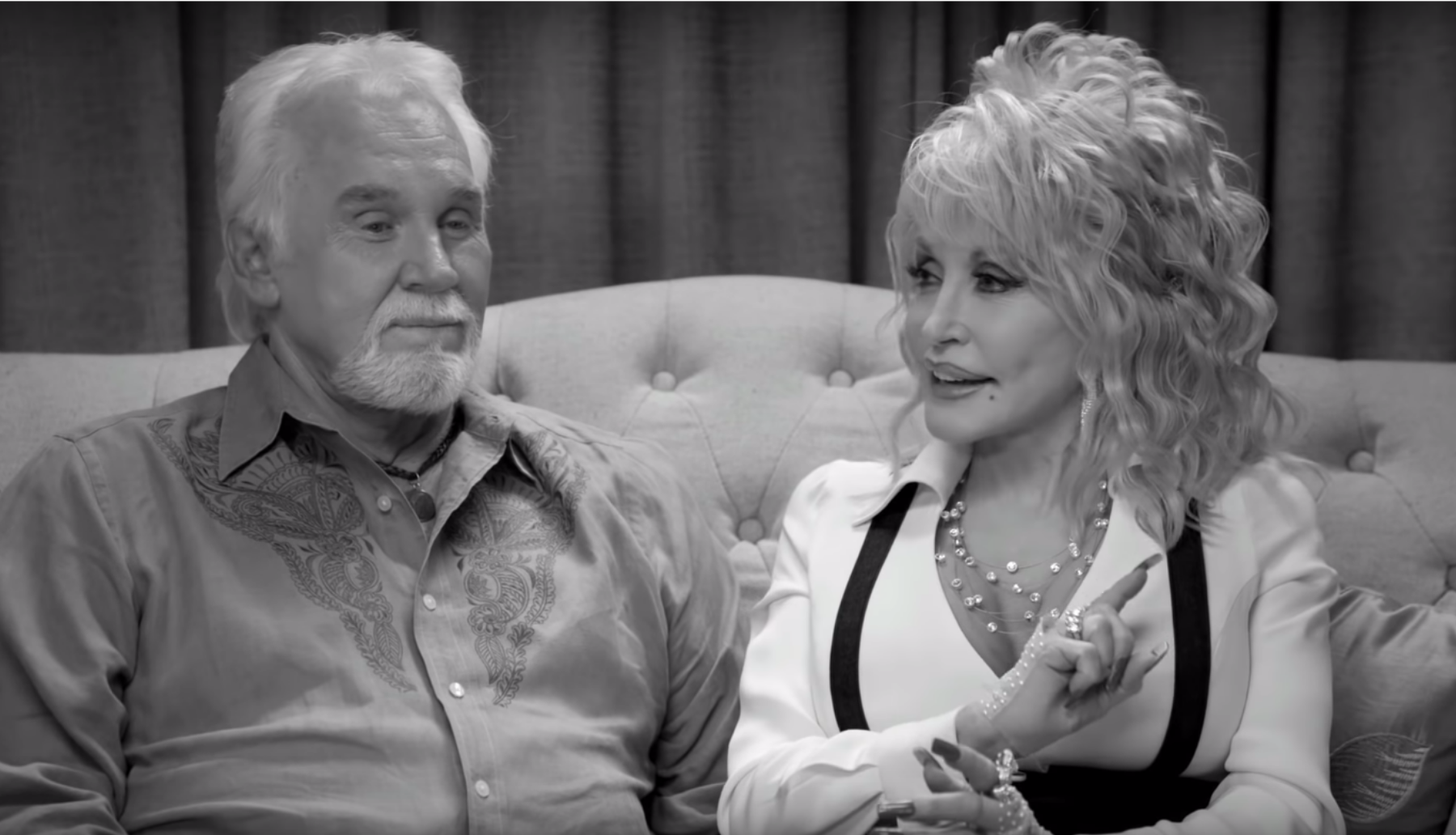
Kenny Rogers & Dolly Parton

We couldn’t have this list without these two. They should be the start, middle, and end of any definitive list of country duos. So we’ll just make the easy choice and kick it all off with Kenny and Dolly — that extra intro about their friendship and the years they’ve known each other? Swoon.

Loretta Lynn & Conway Twitty

After saying what we did about Kenny & Dolly we knew this pair needed to come next — so as to not rile anyone. Out of countless duets we could have chosen, how could any top “You’re The Reason Our Kids Are Ugly?”

Willie Nelson & Ray Charles

For inexplicable reasons people tend to forget Ray Charles’ incredible forays into country. His collaborations with Willie are stunning for the extreme juxtaposition of their voices and styles — they feel and swing so distinctly and differently, but all while perfectly complementary. “Seven Spanish Angels” ranked a very close second to this number in our selection process.

Glen Campbell & John Hartford

The most-recorded song in the history of recording? It’s said “Gentle On My Mind” holds that honor. And goodness gracious of course it does. Here’s its writer and its popularizer and hitmaker together.

Lee Ann Womack & George Strait

Together, Lee Ann and George were beacons of the trad country duet form, especially in the ’90s and early 2000s. This one from the jewel in the crown of Lee Ann’s discography, Call Me Crazy, is crisply modern, but with decidedly timeless vocals.

George Jones & Tammy Wynette

A broken, country fairy tale of a love story, George and Tammy’s relationship was infamously fraught, but damn if that didn’t just make their duets ever more… ethereal. Which doesn’t justify that Tammy Wynette kinda pain, to be sure, but it does remind us that if country can do anything better than all other genres, it can be sad.

Reba McEntire & Linda Davis

One of the best country songs, duets, and music videos EVER MADE. Theatrical and epic and a little silly and downright catchy and Rob Reiner and… we could go on forever.

Tanya Tucker & Delbert McClinton

Tanya is back with a brand new album and its well-deserved level of attention has been helping to re-shine the spotlight on her expansive career. Forty top ten hits across three decades. Who does that? Here she duets with Delbert McClinton on their 1993 hit, “Tell Me About It.”

Alan Jackson & Jimmy Buffett

Hey, if this has to be stuck in our heads for the rest of the month, it should be stuck in yours, too. Fair’s fair. It’s only half past [whatever time it is], but we don’t care.

Johnny Cash & June Carter Cash

One of the most recognizable duos in the history of the genre, immortalized not only in their discography but in a film adaptation of their love as well, Walk the Line. We all know “Jackson” as familiarly as the ABC’s, so here’s a slightly lesser-known beaut. (Keep watching til the last verse for an adorable bit from June.)

Eric Church & Rhiannon Giddens

Country is at its best when it surprises us. This collaboration is certainly, on the surface, unexpected, but the message of the song isn’t the only way these two artists can relate to each other. Over the course of their careers they’ve both fought their way from the fringes to the centers of their respective scenes. More of this, please.

Dolly Parton & Porter Wagoner

Dolly got her start with Porter Wagoner on his television show in the 1960s. They can certainly be credited with pioneering, popularizing, and epitomizing the country duet format. One of her most famous hits, “I Will Always Love You,” was written for Porter as she lamented leaving their act to go totally solo. (We’re a little glad she did.) You can tell they sang this song just a few gajillion times together, give or take.

Pam Tillis & Mel Tillis

Father/daughter duos in country aren’t as common, but they certainly aren’t unheard of. Pam and Mel are a perfect example. (The Kendalls are another.)

Patty Loveless & Ralph Stanley

Patty Loveless received the first ever Ralph Stanley Mountain Music Memorial Legacy Award in 2017 at Ralph’s home festival, Hills of Home, in Wise County, Virginia. Patty and Ralph were longtime friends and collaborators during his lifetime and even through her mainstream country success she referenced bluegrass and Ralph as influences — and she cut a few bluegrass records as well.

Alison Krauss & James Taylor

It’s. Just. Too. Good. Like butter. Like a warm bubble bath. Like floating on a cloud. Two voices that were meant to intertwine.

Charley Pride & Glen Campbell

These two were made to sing Latin-inflected harmonies together, weren’t they? Charley Pride gets overlooked by these sorts of lists all too often. But dang if he didn’t crank out some stellar collaborations, too!

Gram Parsons & Emmylou Harris

“Love Hurts” and boy, if Gram and Emmylou don’t make you believe it heart and soul and body and being. The definitive version of this Boudleaux Bryant song? Perhaps.

Willie Nelson & Merle Haggard

Icons being icons. And friends. And amazingly talented, ceaselessly musical comrades. You love to see it. (We could’ve/should’ve chosen “Pancho & Lefty.” We did not.)

Vince Gill & Amy Grant

There are quite a few reasons why the Ryman Auditorium basically hands this husband and wife duo the keys to the place each December. Basically all of those reasons are evident in this one. It’s fitting that this video came from one of those Christmas shows, too.

Dolly Parton & Sia

Dolly literally outdoes herself, re-recording “Here I Am” for the original soundtrack for her Netflix film, Dumplin’, after she first cut the Top 40 country single in 1971. Clearly she and Sia have much more in common than an affinity for wigs; their soaring, acrobatic voices seem so disparate in style and form until you hear them together. Listen on repeat for the best therapeutic results.

Robert Plant & Alison Krauss

[Insert entire Raising Sand album here, because how could we ever choose?] Lol jk, here’s “Killing the Blues.”

Carrie Underwood & Randy Travis

Cross-generational, meet-your-hero magic right here. Little did we know what was in store for Carrie Underwood then. But the way Randy looks at her up there, you can tell he knows she’s goin’ places.

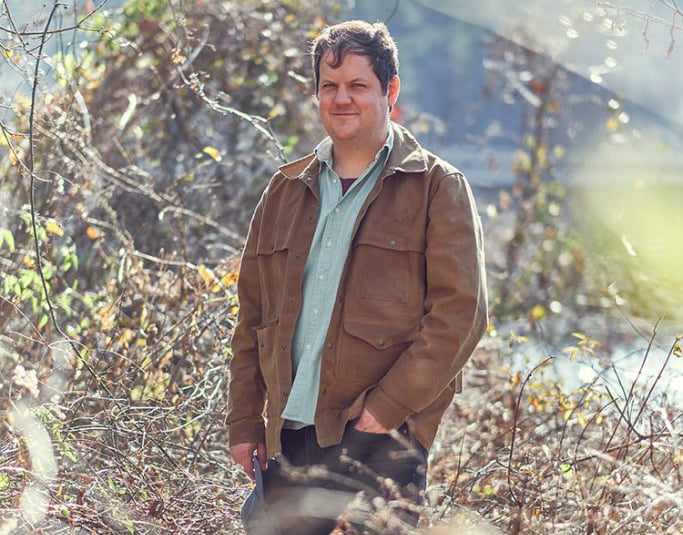
3×3: Jake Xerxes Fussell on Cheese & Crackers, Gin & Tonic, and Sacred Harp Songwriter Rounds

Artist: Jake Xerxes Fussell
Hometown: Columbus, GA
Latest Album: What in the Natural World
Personal Nicknames: When I first moved to Mississippi, my friend Randy hired me to play a happy hour at his restaurant and he called the local weekly to take out a print ad for the show. I was standing there when he made the call … we were in the alley behind the restaurant and there was a lot of noise coming from the kitchen and Randy had a cigarette hanging out the corner of his mouth while he spoke. It was all very quick … Randy had to get back to work. So later that week when the ad came out it read, “Happy Hour with Jack Fissell.” I’d just moved to town, so that one stuck. What else? Oh yeah, “Sexrex.” That’s my middle name spelled backwards … my older sister discovered that one a long time ago. Last weekend, a stranger on the street in Washington D.C. told me I look like Bob the Builder. Some of my friends were present, so that one’s been hanging around lately.

What song do you wish you had written?

“Ocean Front Property” by George Strait, which probably wasn’t written by George Strait. I also like “Ida Red,” but who even “wrote” that, anyway?

Who would be in your dream songwriter round?

Have you ever been to a songwriter round? In my experience, they’re kind of a disaster. I like songwriters, though! Maybe my dream songwriter round would be a bunch of those 19th-century Sacred Harp composers together, which would probably just wind up looking like a Sacred Harp singing.

If the After-Life exists, what song will be playing when you arrive?

“If You Don’t Know Me by Now” — Simply Red

How often do you do laundry?

Fairly often because I have like three things that I wear over and over again. But there are many shirts, and there always will be.

What was the last movie that you really loved?

I liked Certain Women a lot. I also recently watched a documentary by the folklorist Tom Davenport called Thoughts on Beagling. It’s gorgeous, and I can’t stop thinking about it. Does YouTube count as a “movie”?

If you could re-live one year of your life, which would it be and why?

It’d probably be kind of interesting to re-live that first year.

What’s your go-to comfort food?

CHEESE & CRACKERS FOREVER

Which Whiskey is your favorite — Scotch, Tennessee, Myers, Shivers, or Gentry?

I’m a gin & tonic dude.

Mustard or mayo?

I like both! Seems like they’ve both changed a lot over the years, though, haven’t they?


Photo credit: Brad Bunyea