The Performance of Rodeo, Music, and Country & Western

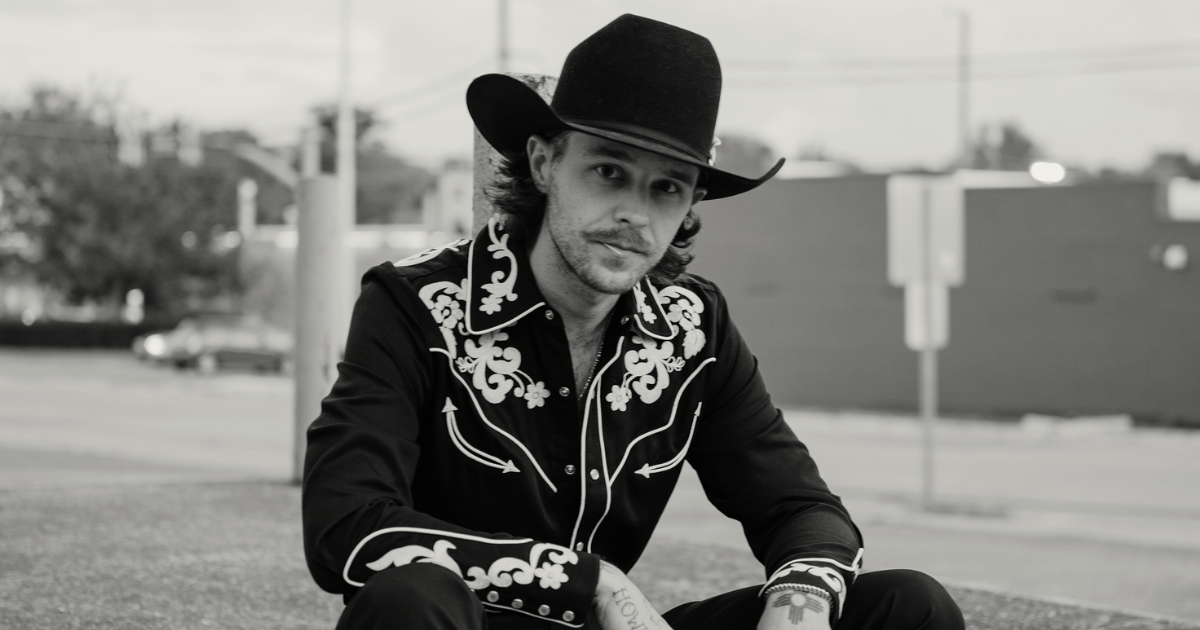
A few years ago, Tyler Halverson had a near-breakthrough hit with his track “Mac Miller,” a song more spoken than sung about the too-soon-departed hip-hop star and how Halverson felt about him. It was a modest song, and a discreet one, a mumbled ode to a kind of masculinity, arguing in favor of a wide and expansive country aesthetic. When he sings about the cowboy killer in the first verse of the song, there is some ambivalence there: Is it the cowboy doing the killing or the cowboy being killed? And, is it an actual cowboy or the larger myth of the West?

The West here is a distinct category from back when country used to be C&W, before the W for western was dropped. Halverson knows more about that W than most other twentysomethings. He grew up in a small town in South Dakota, surrounded by farmland and ranchland. Basically anything that could be done with cattle in the Dakotas, Halverson or his family have likely done. There might be some dissonance here, that ode to Mac Miller perhaps at expense to these country bona fides, but his parents loved listening to music as much as they loved working with cattle. He tells stories about driving around in a truck with his folks playing rock, rap, and country in their truck and making sure that he saw live shows in all those genres.

Music and rodeo are two kinds of performance, two ways of big action, and both boast big audiences – but songs about rodeo are often about the idea of the West. There are songs about small towns by people who haven’t lived in small towns for decades, or whose ideas of small towns are more about commuter suburbs an hour from Atlanta.

The small town is reflected in a kind of fascist excess lately and the rodeo has been stripped of any of its working class parts. What’s left is a kind of stadium tour. If local and small rodeos abstract the actual tasks of ranch hands (roping, tying, cutting cattle, breaking broncos), the overtaking of the Professional Bull Riders Tour made spectacle of that abstraction. Halverson has noted that middle ground between the rodeo and the cattle lots – and has also noted where the music business overlaps with these concerns, though he has not reached PBR or stadium tour levels himself. Yet.

Listening to Halverson’s many songs about the rodeo on his brand new album, In Defense of Drinking (released February 13, 2026 via CmdShft), they are another kind of cowboy killer. One of the best things about his song about Mac Miller was how artful it was displaying the boredom of driving around a small town, the anomie of a blank Saturday night, of being on the aux cord flipping through songs, trying to find something to listen to, trying to find something to do.

So, when Halverson returns to the cowboy killer idea in “Fort Worth Losing,” a song about heartbreak in the stockyards that slices through the myth of the West with a surgical precision, the song bucks, guitars roaring. Then, almost instead of a chorus, a guitar break arrives sounding like an outtake of “Ghost Riders of the Sky.” The mix of failure, heartbreak, heartland rock, and cowboy songs adds to the great tradition of Texas-shaped heartbreak. (It’s less goofy than George Strait’s “All My Exes” and more serious than Mark Chesnutt’s “Going Through the Big D,” but you could two-step to all three.)

“Forth Worth Losing” is one of three rodeo songs on the album; there is a reprise of “Beer Garden Baby,” this time with Parker McCollum – a rollicking and tender song which reminds a potential hookup of the differences between those who ride and those who play music for those riders. The musicians get paid, never out of the money. For all of its joviality, there is an undercurrent of playful cruelty. The musician asks the barrel racer, “Who’s going to pay for your Coors tonight, honey?” They still have tonight – to drink, to smoke dope, to fuck, to play music, and play at being a cowgirl or a cowboy.

The carpe diem nature of these dual performances is made even clearer with “Eight Second Ride,” a tense ballad which notes that “the time between is a long comedown.” Describing the comedown, about “rodeo queens, go around dreams,” and then eventually noting that the lack of money and the melancholy of that comedown doesn’t matter as much as the “eight second high.” His point punctuated with a squall of harmonica.

If “Beer Garden Baby” is a gender-reversed argument about the intersections of musicians and riders, the idea is made deeper and sadder on the heartbreaking “Like the Rodeo,” where Halverson asks, “Could she ever love me, like the rodeo?” He’s telling the listener that the musician and the rider have the same kind of itinerant circuit, one which might never develop into any kind of permanence. Though, on the next song, he makes the suggestion that wanting “cows and cowboy babies” might result in that Dakota grassland. That the cattle of the rodeo might lead to the cattle of the range, in a personal song made more poignant when realising this might be what his parents have done.

These rodeo songs have a kind of modesty, a small softness, that could be considered sober. And though at least one of them is about drinking, the soberness of the sound could also mark a move away from the partying done by the rowdy boys who sing about the events which Halverson sings.

In the ballad “In Defense of Drinking,” which rests on a double entendre that would make ‘70s countrypolitan singers proud, the narrator’s lover leaves him because he’s an asshole who drinks. It’s not the booze’s fault, but the fault of the person who drinks. The soberness continues on the last song of the album, “Son, Brother, Believer.” He sells the cliché from the first line, “I know these hands are made for praying,” but there is a lovely line about rolling joints with the Book of James. The song is about not wanting to disappoint his mother and not wanting to go to Hell, but there is a weariness and a sadness about the realization. Like how his rodeo songs strip away the large-scale spectacle for the one-on-one intimacy of after the show; this Jesus song is about giving up everything for the Lord. The number is threaded by a poignant, almost weeping harmonica, correcting the raucous instrumentation of “Eight Second Ride.”

The modesty of the record, especially the ballads, marks the conversation I had with Halverson for Good Country, a back-and-forth where the silences are as telling as the insights – and where Halverson is only willing to speak for himself. If In Defense of Drinking kills that cowboy, it’s one where the cowboy can’t speak for anyone but their own experience, and also one which foregrounds the eight second ride, the dance after, and the smoke at the back of the chutes.

I know that you have talked about listening to the radio in your parents’ truck and how that can help explain the eclecticism of your work, but I am wondering also about where you first heard Mac Miller. Does his work still influence this album?

Tyler Halverson: Me and my parents were like big concert junkies. They were going to everything… and were kind of just around music a lot. And then we would show cattle all over the country and that’d be at kind of fairs and festivals and stuff like that. So there would always be concerts going on there as well. I feel like it was just [that] we’re kind of always around it.

What was it like working with Wade Forster – you’ve mentioned that touring the rodeo and touring music are similar, can you talk a little bit about that? I love how smart the rodeo songs are on this album, and how careful they are in their metaphors. I know you rode for a while, how directly does the riding undergird the writing?

I mean, I think the rodeo and the music hustle is kind of the same thing, just in the sense of you’re not making no money sitting still. You got to keep going to the next one. Kind of the fun part of it, too, is that it’s like singing, starting out. You’re playing every shithole bar that you can find that lets you sing for four hours for a couple hundred bucks. It’s the same thing for rodeo in some small town that’s not paying out, too. Well, it’s the same kind of progression and build up, I think. I think just being around that – like my dad’s side was all horses and rodeo. My mom’s was all cattle and farming – the whole thing on both sides of that. It’s just a whole big gamble. If you’re gonna ride, you don’t know if that show is going to sell out, or if anyone’s gonna come. I think it’s all that.

There are two drinking songs on this album or perhaps anti-drinking songs [“In Defense of Drinking” and “Son, Brother, Believer”], but they are also in some ways about sobriety. Do you think there is a reconsideration of what drinking means in country right now or do the songs function as a kind of reconsideration?

Yeah, I mean, I think I can’t really speak for anybody else, and what’s going on right now, but I think for myself, you know, when you’re playing, we’ve played 115, 120 shows the last couple years, and you can get a little carried away [with] the party… every damn night.

And then that trickles right back home to me, so I think it was just a little like, I don’t know, sober enough, and a little realization. But it’s not all one big party, you know. Take care of yourself a little bit when you’re off the road.

Marissa Moss and Natalie Weiner of Don’t Rock the Inbox have talked about you as connecting to a revived Texas scene, and I know that you spent a year there, not in Nashville. How was that time? Do you consider yourself part of that scene, and also how was the Bob Wills festival?

Yeah, it was like a year or two. [It] was good for me to kind of reset and, I mean, at the time, we put “Beer Garden Baby.” That was kind of going off in Texas. So it was nice. It was a good timing for that, to be there, to play … I think I was just a little upset and fighting with Nashville at the time. I think Texas was great for just kind of reassuring me that we’re … doing it all right and we’re on the right track. It was a good little pressure, breath, fresh air, I think.

That town [Turkey, Texas] itself was just like 300 people. The dogs that get dropped off at the Allsup’s gas station by random truckers and shit like that, like there is nobody there. My phone didn’t work. I lived a block away from… Hotel Turkey [which] was owned by Bob Wills. There’s a huge history and music scene there in itself. That hotel’s got music every weekend, year-round.

So there’s always this kind of like, little transient hippie hole, people stopping in and out. It’s cool for that, just meeting people and then getting out of Nashville and being around people that were just having normal everyday conversations. …You can’t meet a stranger in Turkey, Texas. Whoever’s at the bar that night you’re sitting by, you’re gonna be friends with them. It’s gonna be just fine, but it was refreshing to kind of hear people with real jobs, real problems, and real things going on in life and collecting from that.

You grew up in Canton, South Dakota, right? About 30 minutes from Sioux Falls?

30, 40 minutes south of Sioux Falls.

How was growing up in Canton?

I grew up in a small town. Like, my family, my mom and dad were probably about the only ones living in town. Everybody else was out in the country… So I kind of grew up with the best of both worlds, I guess. I mean, during the week, I’d be hanging out in town skateboarding with my friends and all that and causing trouble. Then we’d go out to the farm on the weekends and we were just out there working cattle or going to a cattle show.

It’s kind of nice being able to have both, and I think that kind of helped frame a lot of music – like my taste and my phrasing. The things that I have just by hanging out with the kids in town and a bunch of my friends. Like my neighbor was in this punk band for a long time. So I didn’t pick up an acoustic guitar. How about my skateboard, electric guitar, and I had a mohawk? And then I’d show up at a cattle chute with that. I was just a misfit the whole time.

Thinking about working with members of Muscadline Bloodline [as producers] – I always think of them as a little outsider, too. How did that process work? How did you get them involved in the album?

Well, Gary Stanton, he found a clip of “Beer Garden Baby” way back in the day when I was [sending it] ‘round and he’s actually the one that reached out and said we should make a record. That’s where the first record came from. And then we made another one with Eddie Spear. I was kind of missing the sound that was going on with the first record, I guess, after that, and decided to go back with them.

I just think that they’re great, Gary and Ryan [Youmans] as the other producers. We’ve just always been pretty collaborative on sound and what we’re trying to go towards. I think they understand my crowd and what I’m trying to do, maybe sometimes a little better than I do. It was an easy choice to go with them. I look up to Muscadine a lot and what they’re doing independently. I just really trust Gary with the sound of what we’re trying to do. They’re doing it all on their own and busting their asses and making it happen.


Photo Credit: Ben Christensen
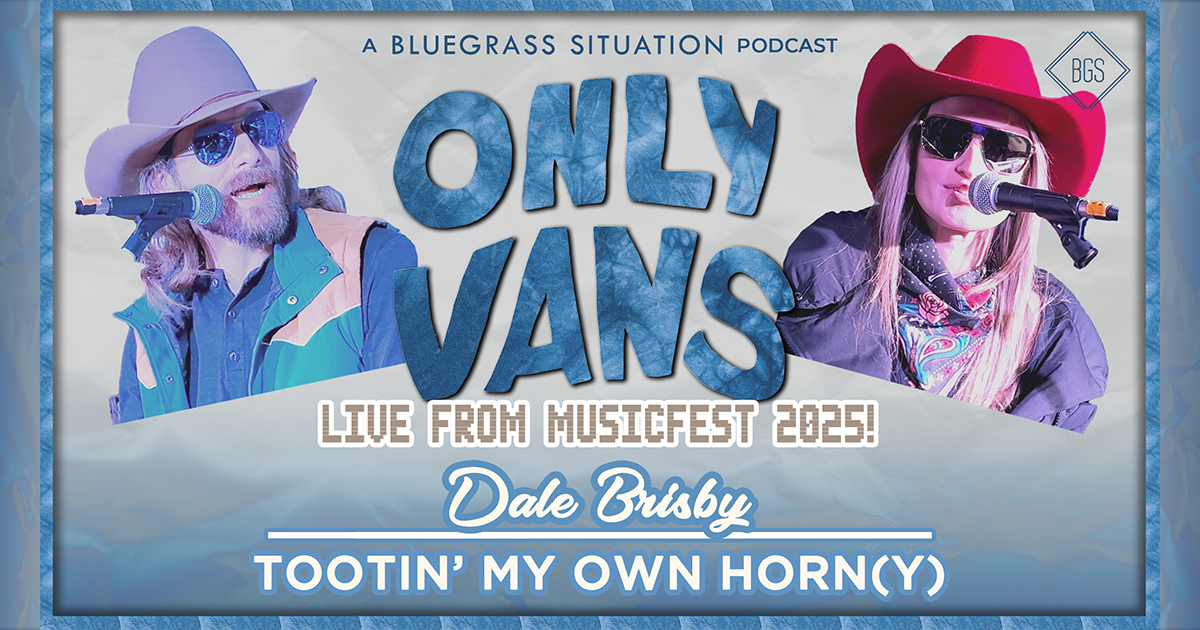
Dale Brisby on Only Vans with Bri Bagwell

Dale Brisby is a one-of-a-kind personality, entrepreneur, and real-life (actual) cowboy. In this episode of Only Vans – that was filmed live at The MusicFest at Steamboat 2025 – we talk about when Dale and I used to date, about haters, documentary-making, attitudes, and all things rodeo.

LISTEN: APPLE • SPOTIFY • AMAZON • MP3

Dale Brisby is a force of nature when it comes to building a brand and he is a master at creating fun and unique content. Dale wears sunglasses all the time and if you can’t tell, I pause to join him in sunglass-wearing for this super fun chat with a man that can not walk five feet at MusicFest (or probably anywhere) without being stopped and recognized. Dale was a hired emcee at MusicFest in Steamboat, Colorado, where we recorded this episode in front of a large live audience. (Thanks John Dickson!)

It’s hard to give a description of Dale, so I highly recommend checking out his Instagram and his YouTube channel if you’re one of the few who are not yet a fan. Also, I really loved his How To Be a Cowboy series on Netflix. You get a sense of who Dale is when he says he’s the man who invented bull riding with one hand.

When preparing for this Only Vans episode, I was wondering if I would be interviewing the character of Dale Brisby or the man behind him. Are they the same person? Could I carry on an hour-long interview with someone who claims to be the best bull rider in the world while wearing a giant fake belt buckle, but also in reality is a really amazing cowboy….? Bottom line, and you’ll see, Dale is hilarious, but also a genuine person, a good man, and actually a real cowboy. Don’t forget to check out his Rodeo Time podcasts.

I want to apologize to Amy Reitnouer Jacobs and Cindy Howes for not giving them a shoutout at the intro of this podcast, because they’re also the true force behind our partnership with BGS, Good Country, and the BGS Podcast Network! Love y’all.

Enjoy!


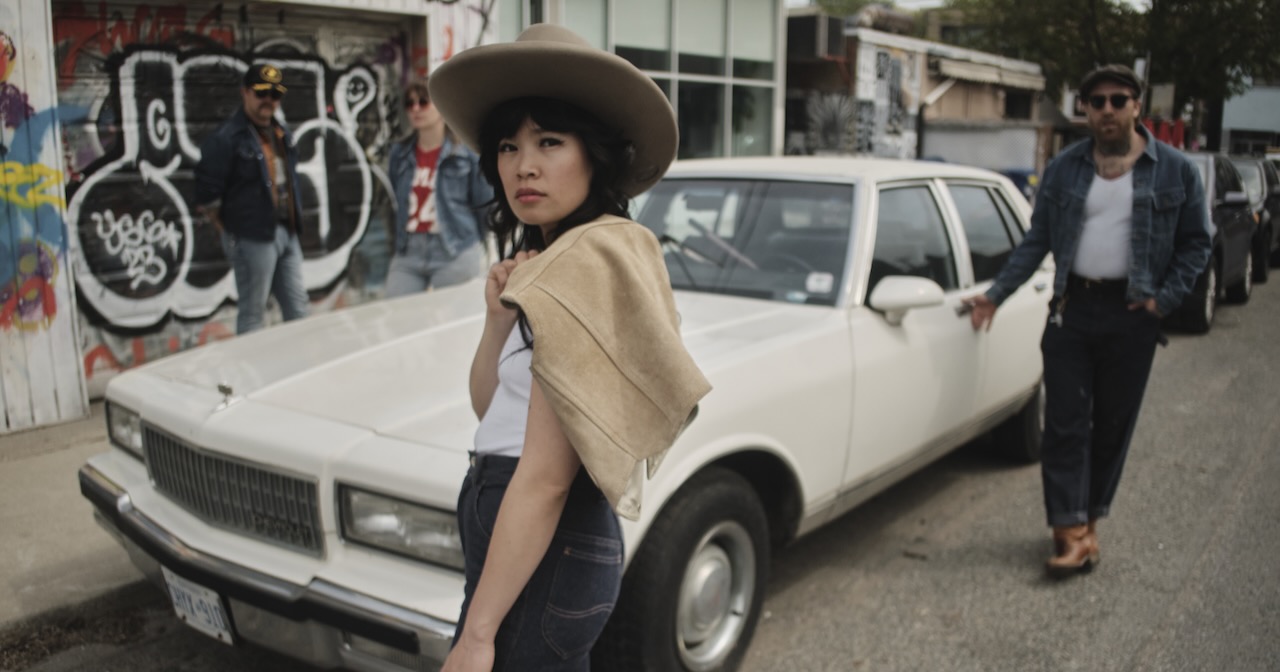
WATCH: Nicolette & The Nobodies, “Rodeo”

Artist: Nicolette & The Nobodies
Hometown: Guelph, Ontario, Canada
Song: “Rodeo”
Release Date: August 24, 2023
Label: Art Haus

In Their Words: “I gave up on being a musician a long time ago. I let some negative thoughts knock me down and keep me down. That if I wasn’t good enough then, I’d never be. ‘Rodeo,’ the song and video, is about how I got back up again. The night I walked into that karaoke, sang some songs and met my band – that was the first step to bringing me back to doing something I truly loved.” – Nicolette Hoang


Photo Credit: Dzesika Devic

The BGS Radio Hour – Episode 203

Welcome to the BGS Radio Hour! Since 2017, the Radio Hour has been our weekly recap of all the great music, new and old, featured on the pages of BGS. This week, we’ve got music from CeeLo Green to Loretta Lynn! Remember to check back every week for a new episode.

APPLE PODCASTS, SPOTIFY

Loretta Lynn feat. Margo Price – “One’s On The Way”

Loretta Lynn’s original cut of this song made it to No. 1 on the charts in 1971. When Margo Price teamed up with Lynn to celebrate the latter’s 50th anniversary of “Coal Miner’s Daughter,” Price chose this song specifically, suggesting how legendary it was for Lynn to have sung about women’s rights and birth control in the country music of the ’70s. It’s still legendary today.

Todd Snider – “Turn Me Loose (I’ll Never Be the Same)”

“Turn me loose, I’ll never be the same!” is a phrase that rodeo cowboys used to yell when they were ready – something Snider first heard from Jerry Jeff Walker, but fitting himself perfectly. He asked the cosmos to provide a rock to put is foot on, and so the story goes, the new album from Todd Snider: First Agnostic Church of Hope and Wonder. 

DL Rossi – “Tumbling”

From Grand Rapids, Michigan, DL Rossi brings us a song from his upcoming album, Lonesome Kind. It’s a kind of youthful innocence, warming up to the harsher realities of life. And while we can’t opt out of our hurtful experiences, as Rossi suggests, we can share them to encourage one another.

Aaron Burdett – “Arlo”

North Carolina-based singer and songwriter Aaron Burdett compiled this song by noting quotes that his friend Arlo would say, collecting them for over 10 years. Arlo isn’t necessarily the character in the song, Burdett says, but character, someone who always has a bold thing to say.

CeeLo Green – “Slow Down”

CeeLo Green brings us a video for “Slow Down” from his latest album, CeeLo Green is… Thomas Calloway. From the writing of the song, to the recording and then making of the video, it was a completely expressive process for Green, who called it an “out of body experience.” Ironically titled, the song pulls the listener even closer into the climactic height of the record.

Natalie D-Napoleon – “Gasoline & Liquor”

Driving through the rural Mojave, D-Napoleon passed a sign that read “Gasoline and Liquor.” While she knew it would be a song, she thought it sounded like a man’s song, one written via passing lines back and forth with her husband. The video reflects the landscape of the “Wild Wests” of both the American desert and Western Australia, the places between which this artist splits her time.

Danny Paisley and the Southern Grass – “Date With an Angel”

Danny Paisley is the current reigning prince of Baltimore-D.C.-area bluegrass, a scene with rich history dating back to the 1950s. This week, Paisley and his band the Southern Grass bring us a song from their upcoming release, Bluegrass Troubadour. 

Aoife O’Donovan feat. Kris Drever – “Transatlantic”

Aoife O’Donovan is no stranger here at BGS, or anywhere in the roots community for that matter! Her work with artists like Crooked Still, I’m With Her, and the Goat Rodeo Sessions proves why that is. This week on BGS, she teams up with Scottish artist Kris Drever to bring us a message that we’ll all be together again.

Brigitte DeMeyer – “Salt of the Earth”

BGS caught up with Brigitte DeMeyer from San Francisco this week on a 5+5 – that is, 5 questions, 5 songs. We talked musical inspirations, songwriting techniques, and her mission statement: being herself.

Will Orchard – “Rita”

For Boston-based Will Orchard, this song is about trusting impulses, and the constant questioning of whether or not those feelings are valid. Written on tour in two parts separated by almost year, Orchard was able to combine them with the perspective of time, earning a place on his newly released album, I Reached My Hand Out. 

Helena Rose – “What’s Killing You is Killing Me”

Helena Rose wrote this song while struggling to tell a loved one how she felt about their addiction. Rose offers this song to others who have loved ones battling addiction, giving hope to the struggle, and showing that there is a light at the end of the tunnel.

Valerie June – “Smile”

As March has slipped away and we welcome April, we bid farewell to our March Artist of the Month, Valerie June. This song comes from her latest album, The Moon and the Stars: Prescriptions for Dreamers.

The Bones of J.R. Jones – “Bad Moves”

In celebration of his latest album, A Celebration, we caught up with the Bones of J.R. Jones for a 5+5, talking about performance memories, art forms, and songwriting techniques. Jones’ curated playlist brings us everything from Nina Simone to Bruce Springsteen to the White Stripes.

John Smith – “Friends”

The pandemic was hard on us all, no doubt, but for Wales-based John Smith, it just kept bringing the punches. Trying to make sense of it all, Smith brings us The Fray, his latest album in a 15-year career, teaming up with artists and friends like Sarah Jarosz and Bill Frisell.


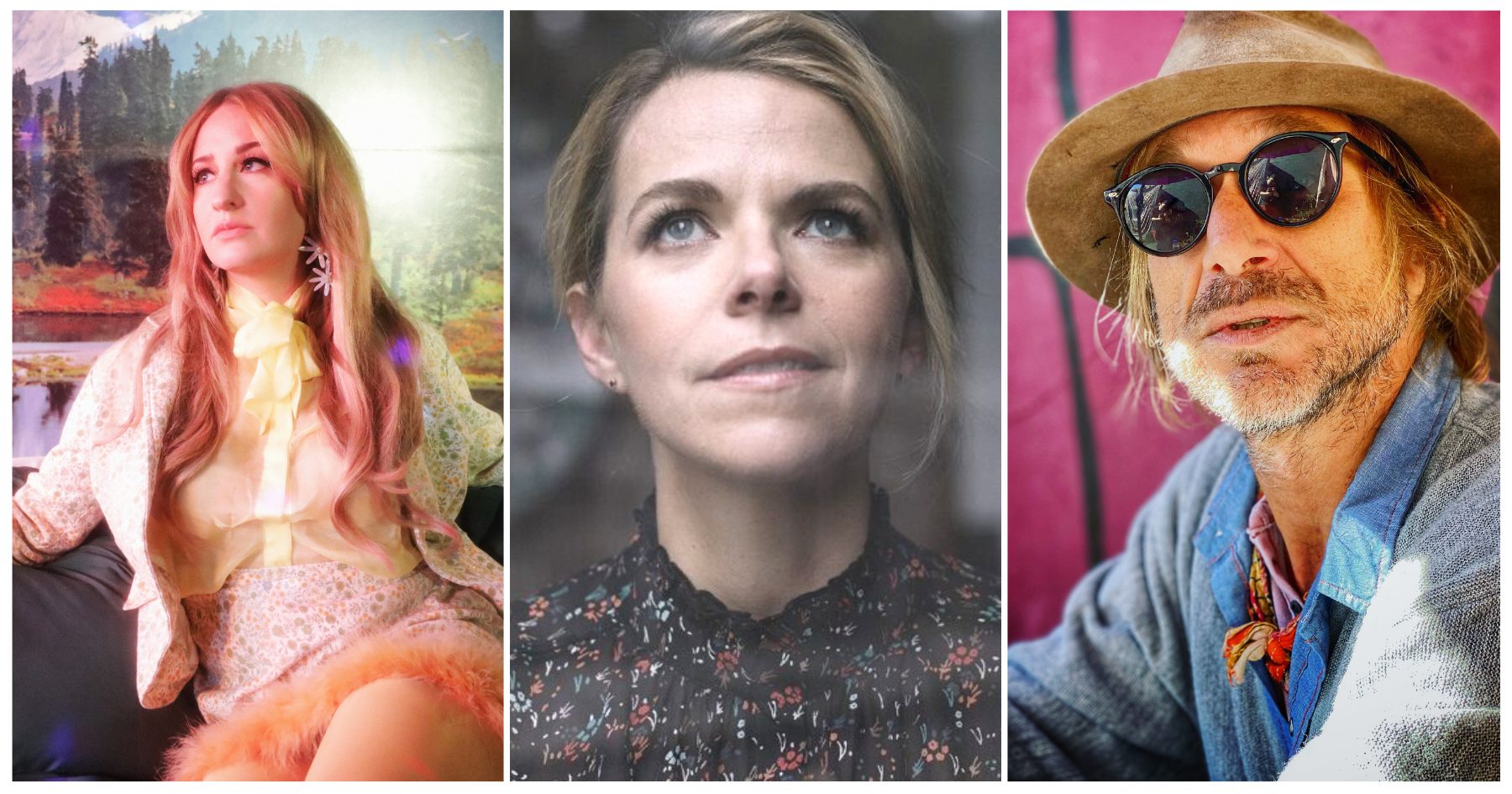
Photos: (L to R) Margo Price by Bobbi Rich; Aoife O’Donovan by Rich Gilligan; Todd Snider by Stacie Huckeba

WATCH: Colter Wall, “High & Mighty”

Artist: Colter Wall
Hometown: Swift Current, Saskatchewan
Song: “High & Mighty”
Album: Western Swing & Waltzes and Other Punchy Songs
Release Date: August 28, 2020
Label: La Honda Records/Thirty Tigers

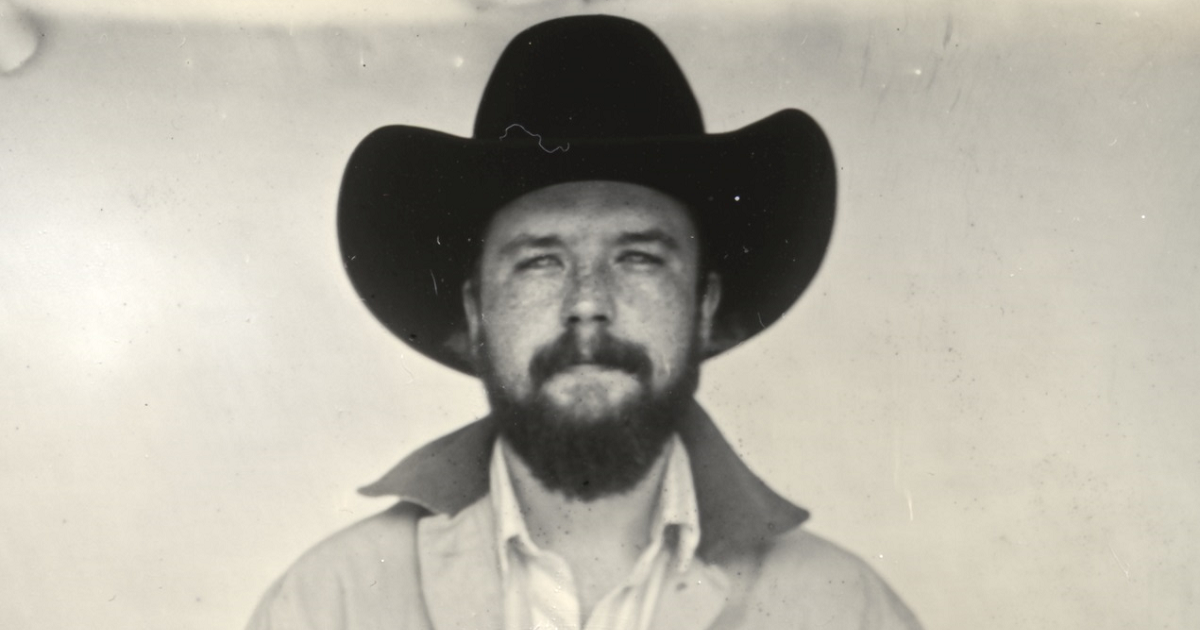
In Their Words: “’High & Mighty’ is a Saskatchewan saddle bronc song written by Lewis Martin Pederson III. LMP hails from around Abbey, Saskatchewan, not far from where I grew up. He’s known for rodeoing, his poetry, and in the ’70s he put out three great records (that I know of). Saddle bronc riding is my favourite rodeo event and upon hearing Pederson’s album Rodeo No.1 Sport, I immediately knew I wanted to cut it on a record.” — Colter Wall


Photo credit: Robert Stilwell

‘Urban Cowboy’ at 40: How a Mechanical Bull Changed Mickey Gilley’s Life

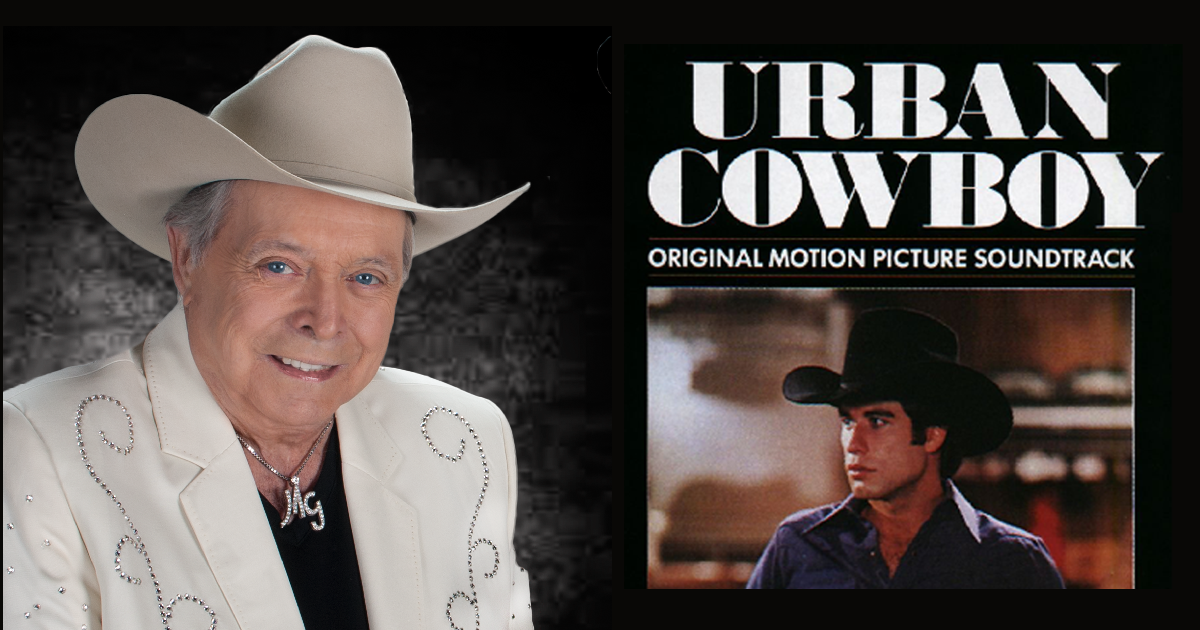
Mickey Gilley admits he wasn’t keen on the idea of installing a mechanical bull at his namesake honky-tonk on the outskirts of Houston, Texas. Nor is he shy about admitting just how wrong he was. That rodeo training device transformed Gilley’s Club into a cultural force. “The mechanical bull was never meant to be in an entertainment establishment like ours,” says the 84-year-old country star. “I thought it was a mistake, but it turned out to be a blessing. Without the mechanical bull, we never would have gotten that film with John Travolta.”

Every night there was a line for the mechanical bull. Demand was so high they installed a second bull and briefly considered buying the rights to the device in order to market it to honky-tonks around the country. Those would-be cowboys — called Gilleyrats after their favorite gathering spot — would compete to see who could stay on the bucking bull the longest, and that contest became the centerpiece of James Bridges’ 1980 film Urban Cowboy, featuring John Travolta in his follow-up to Saturday Night Fever. Exchanging the New York City discos for this dusty, Lone Star honky-tonk, he stars as Bud Davis, a small-town kid who moves to the big city and becomes a master of the mechanical bull.

The film culminates in a showdown with his nemesis, played by Scott Glenn, over the affections of a scene-stealing Debra Winger. As drama goes, this test of saddle skill is anticlimactic, as there is nothing at stake beyond macho pride. Bud isn’t fighting to escape his life (as his character in Fever did) nor to stay at Gilley’s. He’s just fighting. Though never quite satisfying as drama, Urban Cowboy is still fascinating 40 years later as a documentary about Gilley’s and the particular culture that grew up around it.

Gilley and his business partner, Sherwood Cryer, opened the place in 1970. At the time Gilley was only a regional star, with his own TV show in Houston and enough name recognition to open a club. (Being cousins with both Jerry Lee Lewis and Jimmy Swaggart didn’t hurt, either.) In 1974 he had a surprise hit with “Room Full of Roses,” which only brought more attention to his honky-tonk. He played there regularly and invited friends to fill in for him when he was on the road. The place grew into something like a theme park, with a dance floor roughly the size of a football field, several bars, tons of games, even a rodeo arena. “This place is bigger than my whole hometown,” Travolta’s character says when he first steps foot in the place.

Urban Cowboy captures the energy of Gilley’s Club in frenetic long takes that put you right at the bar or out on the dance floor. You can almost smell the sawdust and beer. Gilley even performs during a couple of scenes, as does Charlie Daniels, and the shots of couples shuffling across the floor in tight, fluid choreography are among the film’s highlights.

By the time a suspicious fire destroyed Gilley’s in 1990, the place and the film had already left a deep impression in popular culture. It introduced western wear as high fashion: tight jeans and big hats worn by guys who never rode the range (or a bull, for that matter), but still bought into the mythos of the American cowboy. And its soundtrack, featuring Bonnie Raitt, Boz Scaggs, and Kenny Rogers, peaked at No. 3 on the Billboard Hot 100 and produced chart-topping country singles such as “Lookin’ for Love” by Johnny Lee, “Could I Have This Dance” by Anne Murray, and “Stand by Me” by Gilley himself.

For our latest Roots on Screen column, we chatted with the club’s namesake about accidentally recording a hit single, flying with Travolta, and assaulting the sausage king.

BGS: How did you get to a point where you could open a massive honky-tonk with your name on it?

Gilley: I grew up in Louisiana and got two famous cousins, Jerry Lee Lewis and Rev. Jimmy Swaggart. Jerry Lee was my hero, because without him I probably wouldn’t have gotten in the music business. He came to Houston in ’57 and I saw how well he was doing. I was working construction making $1.25 an hour and that’s when I threw my hat in the ring. Seventeen years later I cut “Room Full of Roses” by mistake and it turned out to be my first No. 1 song. After that I got to tour with Conway and Loretta and next thing I knew John Travolta came knocking on my door. Everything broke loose.

How does somebody cut a hit single by accident?

I had a little TV show in the Houston market. One night I walked into Gilley’s and the lady who had the jukebox called me over and says, “Today on your TV show you did my favorite song, ‘She Called Me Baby All Night Long.’” It’s a Harlan Howard tune. She told me she’s in the jukebox business and if I would record that song, she’d put it on every one of her jukeboxes. I said, “Ma’am, I ain’t made a record in probably three years. The show is doing well. The club is doing well. I don’t really make records anymore.” She said, “Just make that one song for me.”

Well, as you know, back then they had 45s and you had to have an A side and a B side. I went in to cut “She Called Me Baby All Night Long” and for the flip side, I picked “Room Full of Roses.” It’s an old George Morgan song from the late ‘40s or early ‘50s. Lorrie Morgan’s father. I started the arpeggio on the piano and got maybe 30 seconds into it and then stopped. My bass guitar player looked over and said, “What’d you quit for?” I told him it sounded too much like Jerry Lee. And he says, “Who cares? Nobody’s going to hear it. It’s a B side!” So I recorded it. Didn’t think anything about it.

I took the record around to radio stations where we were buying time to advertise the club — “Gilley’s! 4500 Spencer Highway! Pasadena, Texas!” — and I asked if they would play the record when they did the spot on the club. I remember Bruce Nelson at WKNR asked me which side I wanted him to play. I said, “Either side you want. Doesn’t matter to me.” He looked at both sides and said, “I think I like that flower song.” He played it and it shot up the charts. Playboy Records picked it up and took it national for me in 1974.

What was a typical night like at Gilley’s during its heyday?

After the film Urban Cowboy came out, it was packed every night. I never seen anything like it in my life. It went on for about three and a half years. It was totally jam-packed, seven nights a week. People wanted to be a part of what it was all about. They just came out to have a good time. We had a lot of things in the club you could do, too. We had the two mechanical bulls, plus we had quite a few pool tables spread out through the club. Pinball. Punching bags… you know, things of that nature that people would get a kick out of.

How many stages did you have?

We had just the one big stage for music. Of course, my business partner built a rodeo arena back in ’85 or ’86 and hitched it onto the club, because he wanted to stay ahead of Billy Bob’s down in Fort Worth. The concerts we had in there worked out pretty good, because we had Willie Nelson, Waylon Jennings, George Jones, George Strait. People like that do real good in a rodeo arena, but other than that, it was just a big building that we didn’t need.

How often were you playing the regular stage?

I worked the club up until 1985. But I got into a squabble with him about the way the club was running and what was going on, and we got in a lawsuit. I got the club closed down, I got my name off of it, and later it was set on fire and burned. It was arson, but I don’t know who did it, you know? It went up in flames and no more Gilley’s in Pasadena, Texas. But we have a Gilley’s in Treasure Island in Vegas. We have two in Oklahoma and one in Dallas.

What do you remember about filming at Gilley’s?

The main thing I remember was that we had to do it during the day, daylight hours, because we operated the club at night as the regular nightclub. They closed all the doors and tried to make it as dark as they could. I remember the director hollering, “More smoke! More smoke!” to make it look more like a night at the club. They’d start early in the morning and go all day, shooting the parts they had to have. I never had been in a film of that caliber before, so it was different for me. But it was fun.

Was the Urban Cowboy Band something you put together especially for the film?

We had a band there that was playing the club, but I took them on the road with me and renamed them the Urban Cowboy Band when the film came out. Paramount Pictures told me it was OK to use it, so that’s what we did. We were awarded a Grammy for the song “Orange Blossom Special,” which I played piano on. But there were some great songs in the film. “Hello Texas” was written by a Texas guy by the name of Brian Collins and sung by Jimmy Buffett. That’s a great song. We also had Charlie Daniels doing “The Devil Went Down to Georgia” in the film.

Your version of “Stand by Me” was a big hit as well.

It was originally recorded by Ben E. King and written by Leiber and Stoller. The song was brought in by the producer, who was wanting to do what he called a “grudge dance” in the film. They picked “Stand by Me” and asked me to do the song. I was a little reluctant but the arrangement they put on it made it a different song than the Ben E. King version. When we got the song recorded, people were raving about it, and it turned out to be a hit. Now I close my shows with it.

What was it like having someone like John Travolta in your club every day? What was he like to work with?

Well, the one thing that John and I had in common was we both loved aviation. At the time, he was working on his pilot’s license, and I got to fly with him. I was so excited about the fact that I was getting to fly with the star of Urban Cowboy. He had just come off of Saturday Night Fever and Grease, so I’m in awe. I’m just an old country boy that’s had quite a few No. 1 songs, but I never had the popularity John Travolta had. He was working on his pilot’s license at the time, so I went up with him a few times. He went on to fly the big jets, which I’m sure is exciting for him. I never got that far in my career. I got to fly some jets, but they were like the LearJet and the Citation — nothing like the 747 he was flying.

How did the success of that movie and the soundtrack change your career?

It changed my life, because the record company put me with a different producer and he started picking songs like “You Don’t Know Me,” “That’s All That Matters to Me,” “Headache Tomorrow (Heartache Tonight),” and “Put Your Dreams Away.” They were all hits for me and opened more doors for me, as far as casino dates in Reno, Vegas, and Atlantic City. I wasn’t just known as a honky-tonk piano player anymore. I was known as a country performer and it gave me a little more clout. I got to play for two presidents. They gave me a star on the Hollywood Walk of Fame, invited me to come to Hollywood and do some acting roles, and I did The Fall Guy, Fantasy Island, The Dukes of Hazzard, and Murder, She Wrote. I had a scene in Murder, She Wrote where I grab Jimmy Dean, the sausage king! I grab him by the collar and shake him. Sometimes I show that clip in my show and say, “Look at that! I’m trying to shake the sausage out of Jimmy Dean!”

You’re still playing a lot of those songs from Urban Cowboy on tour, right?

Johnny Lee and I have done well by doing the music from that soundtrack and we called it the Urban Cowboy Reunion Tour. I wish we could have gotten more people involved, maybe Charlie Daniels or Bonnie Raitt. But we did pretty good just the two of us. I remember playing a casino down in Louisiana, and at the end of the show I looked at Johnny and said, “Do you realize those people out there dancing wasn’t even born when we did the film?” I think they come out here to see if we’re still alive!


Photo credit: Courtesy of 117 Entertainment

WATCH: Julie Mintz, ‘The Reason’

Artist: Julie Mintz
Hometown: Corpus Christi, TX
Song: "The Reason"
Album: The Thin Veil
Label: Manimal

In Their Words: "Love is so unreasonable that one person can be both our reason to have hope and, almost simultaneously, our reason to despair. So the song is an expression of the extremes to which love takes us. At least that’s how I’ve experienced love … maybe i’m doing it wrong!

Speaking of love (or lack thereof), I met the director/cinematographer of this music video under romantic pretenses. Although we never made it past our first date, a friendship and working relationship endured, and he shot this magical video for me on a horse ranch in Acton, California. The rider in the video is a seasoned rodeo cowboy who insisted on addressing me as 'ma’am' during the entire shoot (no matter how many times I asked him to call me Julie) which sort of made me feel old, but mostly made me long to move home to Texas and fall in love with a real-life cowboy." — Julie Mintz


Photo credit: Oden Roberts