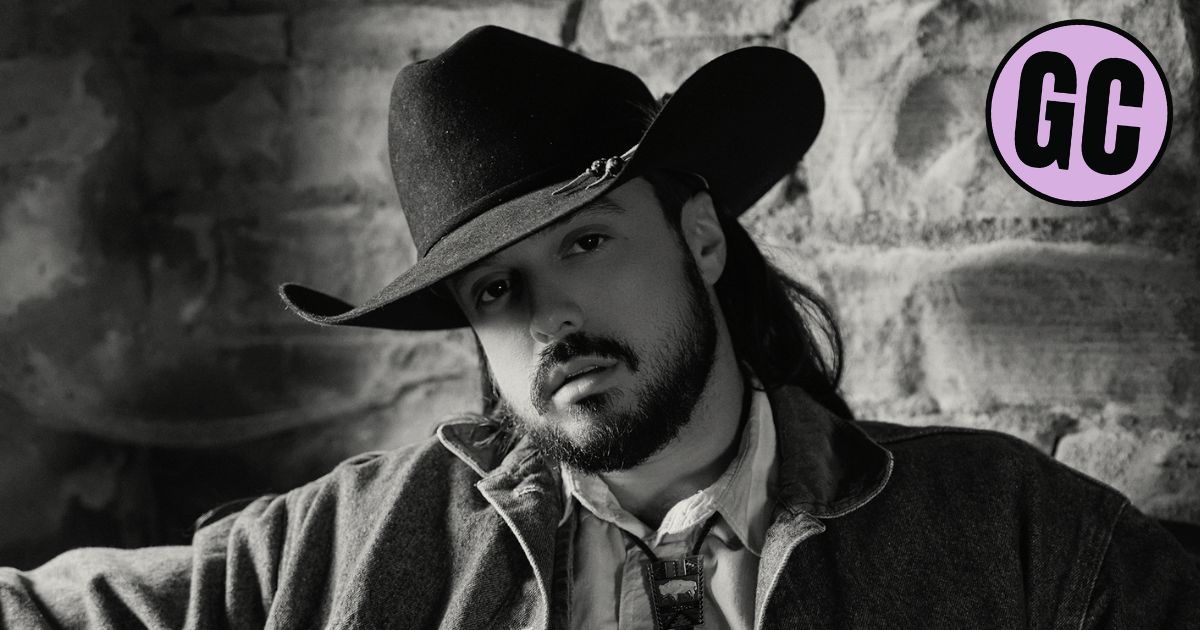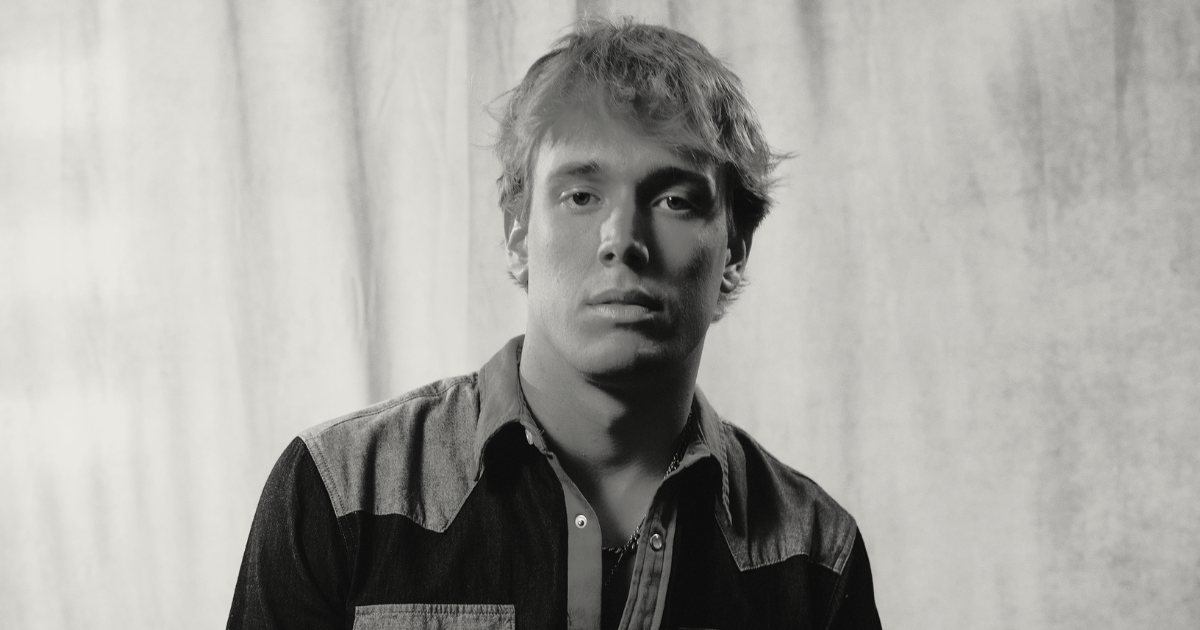
Hudson Westbrook Is Ready for What’s Next

It was not so long ago that Hudson Westbrook was in college at Texas Tech. But today, he’s one of the most promising and hard-to-pin-down young acts in country, helping pull Texan artistic independence into the mainstream.

Joining trailblazing stars like Cody Johnson and Parker McCollum, Westbrook celebrated his first Number One in February after finding a home for “House Again” on the Mediabase country radio chart. Also certified Platinum by the RIAA, it’s more evidence of a shift away from cookie-cutter tailgate anthems: an emotionally complex ballad rooted in the experience of a kid watching the fallout of their parents’ divorce.

Westbrook paired raw lyrical nerve with a soulful, tender touch, helping the newcomer tally one billion streams in 18 months, with an exponential growing profile – and then he switched things up.

His recently released Exclusive EP features five tracks awash in rootsy R&B, proving the 21-year-old won’t be held to a narrow interpretation of Red Dirt musicality. But he’s not satisfied there, either. His new radio single “Painted You Pretty” (from the debut album Texas Forever) matches country simplicity with an earnest romantic hook, and this summer he’ll tour arenas and stadiums with Bailey Zimmerman, Morgan Wallen, and one of his heroes, George Strait.

Speaking with Good Country at an East Nashville coffeeshop – just one day after meeting a pig on the podcast of his other hero, Tracy Lawrence – the fresh-faced star looks ahead to new music and shares his impression on what’s driving the Texas-and-traditional country resurgence. Barely two years into a rocket ride of a professional career, he’s still learning the ropes, and sometimes, the lingo. But Hudson Westbrook has all the artistic confidence he’ll ever need.

We last talked in 2024 and at the time you were just out of college. The only thing you had released was “Take It Slow,” and then “House Again” came out. How have things changed?

Yeah, I was working at that feed store and it wasn’t that long ago. I’d written “House Again” and then I just remember I was so confused as to what was going on. Now I look up and I’m like, “I was blowing up the whole time.” I didn’t realize how big it was getting. It’s hard to feel it. I’d be like “Hey y’all, is 5,000 tickets good here?” And they’re like, “Do you realize what you just did?” And I’m always like “… No.” [Laughs]

I’m getting bigger and bigger and bigger and bigger. I want to keep getting bigger, but I want to keep it small. So [lately] it’s just really been focusing on doing that. Not losing yourself. Focusing on grounding myself right now, making sure I’m calling my family and whatever it might be. And then also it’s celebrating it, too.

You just had the Number One [with “House Again”]. What’d you do to celebrate?

We were in Hawaii, so we drank – I don’t know – 15 margaritas? [Laughs] The coolest part about that song is it was my second co-write and I was like, “Yo, I don’t know what I’m doing.” [Co-writers Dan Alley and Neil Medley] said, “Well, what’s your hook?” I said, “What’s a hook?” And they started laughing. I’m like, “Bro, I don’t know what the hell that is, but I had this idea.” …

So it just blew up. And I was so scared, just because it’s saying goodbye to a lot of stuff, honestly. It all happened so fast. If anyone had to have someone explain to them how to deal with a fast moment, I’d say if their songs are working, slow down.

Really? What do you mean?

Because that was a song that was for me. I was like, “I’m writing these songs I love and they’re ready by the time that we need them, so throw them out there.” And, “I’m already in Nashville, so let’s film the music video.” We never really planned on dropping anything, which is kind of crazy. I wish I would’ve slowed down a little bit and then realized what was happening so I could soak it in. It’s still happening. It’s still great. But I would just tell people, maybe slow down if it’s happening that fast. I feel like a lot of times I didn’t know who Hudson Westbrook was when I put songs out. And now I’ve sat down and we recorded four songs on Monday and I’m like, “This is the vibe. This is what we’re doing.” It’s so refreshing.

You’re going to be sharing a stadium stage with George Strait [at Jones AT&T Stadium in Lubbock, Texas on April 25]. That’s a homecoming show and I know he means a lot to you, so how does that make you feel?

That’s where I went to college. I sat on the 50-yard line since I was 7 years old, watched every single football game at [Texas] Tech, watched every single concert, listened to George Strait since I was in the womb. It was “Check Yes or No.” It was “Troubadour.” It was “The Fireman.” All that was in my house from an early age. So I don’t know, it’s just crazy. It’s a little nerve-wracking, like who knows what’s going to happen? I’ve also never played a stadium yet. All my friends are going to be there. It’s just going to be weird.

I would say there are some similarities between you and George Strait and maybe that’s just because of your background. You’ve been traveling around, have you noticed a difference in country music depending on where you are?

I go to Florida and [the fans are] screaming the most Texas country song I have. And Texas country just means that production. It’s a view of writing and it’s a perspective. I use real drums. The biggest country music artists in the world don’t use real drums right now. That changes everything. And so now we got to be like, “How can we be different than everything else?” I think that’s by being natural, in a sense.

There’s definitely a moment happening for Texas country, bluegrass, and traditional roots, with Zach Top and some more of your peers. Is it just perfect timing for you?

I think we’re pushing it into that direction because I think we’re trying to get back what we wanted to hear. I know if I talk to Zach, he’d be like, “Yeah, dude, I want acoustic and drums and a shaker and I want it all to be in there.” I feel like we make country music and it sounds like the show. You could literally put a band on stage and play it with no auto tune, no tracks. And that’s what makes it unique for us, because it’s like no one’s ever going to play the same thing twice.

What’s coming next, though? The Exclusive EP is out now and it’s definitely different than Texas Forever.

To be honest, I was like, “I want to try a bigger sound, something more mainstream.” And so I chased it – but I did not give up on the songwriting. My songwriting was very intentional and it was very love story-based [on Exclusive].

I love them, but I’m going back to my Texas country sound. We just recorded a song called “Hey Dallas,” which is really cool. Then we did a song called “Backwards,” which is really cool. And then I don’t know, I’m leaning in to John Mayer production a bit – but no crazy guitar solo. [Laughs] I was like, I ain’t doing none of that.

I can say, definitely some more soul and a bit of R&B in there, for sure. It’s electric guitars driving the whole thing – and I love electrics and baritones. I want that to drive all my stuff from now on. My voice just sounds better with it to me.

So it’s going to be like a whole new fresh album?

Totally new. I have like 120 songs and a lot of them are pretty good. I’m not saying they’re all for me, but I finally did what I should have done and that was sit back, find my key, find the way I like to write, really be intentional about what I’m writing. I wrote a song called “Nowhere Bound” that is probably one of my favorite songs. It’s like, I never stop in any city and don’t ever slow down.

When are you all going to be sharing new stuff?

Next month. I’m dropping “Slow Hand” by Conway Twitty [on Gavin Adcock’s Country Never Dies project, March 13]. His voice is incredible. I ain’t going to lie. It was not easy to cover that shit. [Laughs] He’s got just some weird things and then you’re like holding this note out for 10 minutes. [Laughs]

To be honest, dude, even if none of that stuff [I wrote] is usable, my goal this year is to do something that no one’s ever done and create a freaking path so far into my own lane that’s nothing like anybody else that … it’s undeniable, because I’m going to do what I want.

I feel like right now I’m growing and I’m learning and I’m doing whatever, but now it’s like, “How do I take it to the next level?” I think the way you take it to the next level is just getting deeper into yourself and telling [the fans] more.


Photo Credit: Peyton Dollar
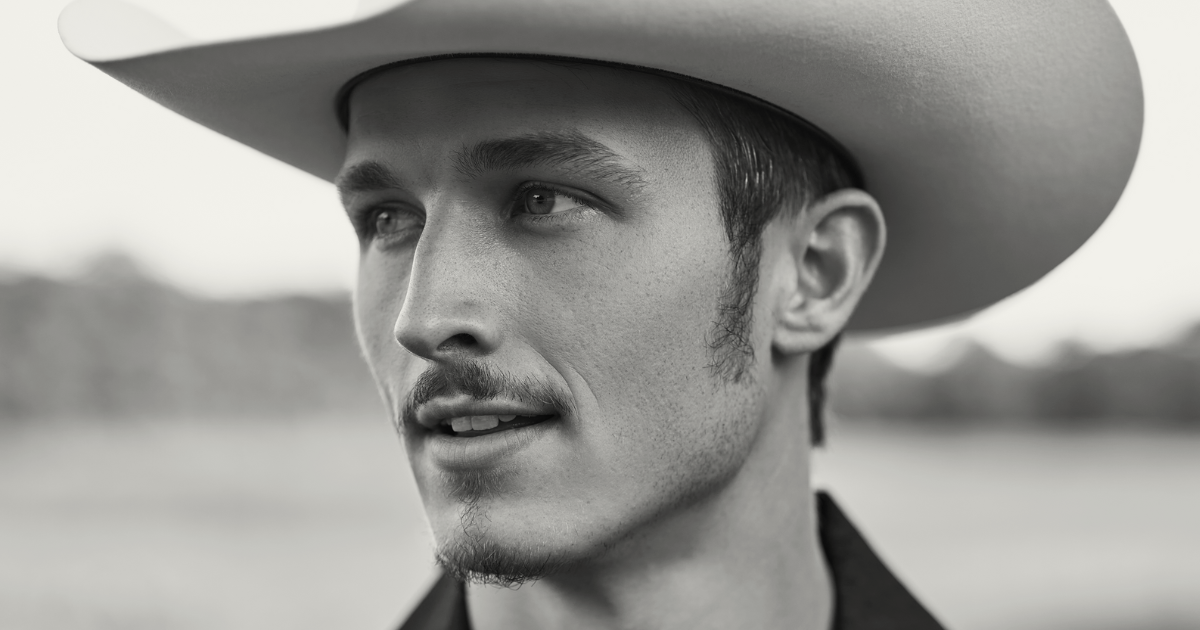
Honky-Tonkin’ Country with a Bluegrass Approach

For anyone cheering on the mainstream country return of classic roots musicianship, Spencer Hatcher is a name to remember. Joining the likes of Zach Top and even Billy Strings, he’s a new country artist with some decidedly old-school tendencies and a deep foundation in bluegrass.

Having dropped his debut EP, Honky Tonk Hideaway, in November 2025, the Virginia native planted his flag for two-stepping rhythms and hot-blooded twang. Hatcher got his start in a family bluegrass band; over six tracks, his rich Shenandoah Valley vocal stands center stage, flanked by boundless barn-dance energy and timeless emotional heft. But with a thriving TikTok fanbase and a steamy, slow-dancing debut at country radio (“When She Calls Me Cowboy”), his style goes beyond nostalgia. It marks a shift in possibility, with room for roots artists in the commercial country space.

Speaking with Good Country a few weeks into his first promotional radio tour, Hatcher filled us in on his bluegrass beginnings and why they will always be his baseline. Plus, he opens up about the mainstream return of roots country, TikTok-ing back when it was “a dancing app,” and where he sees his music evolving.

Lately it seems like the foundational stuff from bluegrass and classic country is making a mainstream comeback, and you’re part of that. Do you have any sense of what is driving it?

Spencer Hatcher: I think that it’s like anything, I do believe in a full-circle moment – everything comes back into style. In this case, I’m overjoyed that the traditional sound is coming back. I’ve always called that “real country music,” and that’s just the stuff that all my heroes played. Growing up, I didn’t even know what modern country music was. I thought George Jones was modern. I thought that Johnny Cash and Waylon Jennings were modern, and then I found out that stuff was 30 years old 20 years ago.

You grew up on a farm in Virginia, right? Shenandoah Valley?

Yes, sir.

How did you get your country education?

A lot of it was just literally how I was raised. It’s what I lived by. I don’t know if everybody lives by what they sing, but I certainly do. I remember at a very early age, probably 6 or 7 years old, I learned how to drive a tractor and I’d be out in the fields every day working with my dad and running cows, and we had some goats. That’s just been my lifestyle. It’s what I love, still today. Growing up on a farm in the Shenandoah Valley right there at the Blue Ridge Mountains, and coming from a small town, that’s what home is to me. I had a lot of bluegrass around me, of course, in the Blue Ridge Mountains, and a lot of old-style country music. So that’s what we listened to, and sang, and jammed to on Friday nights.

You had a family bluegrass band. What drew you all into that music? I mean, this would’ve been in the 2000s. It wasn’t really in fashion.

It’s a fair statement to say that, in the 2000s, bluegrass was probably at an all-time low as far as popularity goes. But in my hometown, you wouldn’t really know that. There were jams, and what attracted me to it was definitely my dad. I can remember my dad sitting there watching me and my brothers play, and he’d be either playing the guitar or playing the banjo and singing. Growing up, I wanted to be like my dad, and so I picked up the banjo at 12 years old and started playing that, and I was just absorbed in it. That was the moment that music really took me over.

I just wanted to play the banjo, and so that’s what I did for three years straight. Friday night wasn’t spent with my friends at football games. It was at the local jam session where the average age was probably 75 years old. … Then my younger brother Connor decided to pick up the bass fiddle and that was history. From there, we started a band and we started playing everywhere we could.

@spencerhatcher Burnt It! #foryou #foryoupage #country #bluegrass #music #brother @connor_hatcher00 ♬ original sound – Spencer

Early on, you and Connor made bluegrass and country life seem fun on TikTok and you ended up with a pretty big following. What made you want to start posting?

I’d seen some friends do it in college and I admired their confidence. I was never into social media. I had it, but I didn’t post. It wasn’t an interest I had. But after I graduated college in 2019, I decided to move back home in March as COVID had hit, and I said, “I’m going to go back home and see about just playing country music.” I didn’t really know what I was going to do. I had a business degree. I was maybe going to be a financial advisor or something, but music was what I wanted to do. It’s what I did all through college, too. I was in four bands in college, and I just had this infatuation with becoming a country performer. I wanted to add that into my bluegrass shows.

So, I did the only thing I thought I could, and I decided to turn on a camera and sing a song. It took about six weeks for me to work up the courage to finally post that video. … And the fifth one is the one that went viral. It only took five videos and it was insane.

Wow, that’s pretty fast. And I think it’s cool that something so modern as TikTok can have so much fiddle playing and traditional lifestyle on there.

Back then in 2020, TikTok was still a dancing app, and I hadn’t seen any [country lifestyle] stuff on there yet. I was like, “Well, I’m going to show people how we live around here and just be myself.” I would oftentimes just turn the camera on and just let it roll.

Let’s talk about where you’re at now. You’ve got this country career going and it’s a little different from the bluegrass stuff, right? I mean, do you see a difference?

Yes, sir. There definitely is. But I guess you could say [I take] a very bluegrass, old-fashioned approach. I play as many shows as I can, just like the guys in bluegrass do and always have. … Of course, yes, the music is different, but I do believe that you can hear some bluegrass influence in my country music. It’s real country music. What we do in the studio, we can directly replicate on stage, and that’s how it is in bluegrass music. That’s how I wanted my country music to be.

I’ve got a fiddle, I’ve got a pedal steel, I’ve got guitars. Every single show I still play bluegrass. And maybe the difference between country music and bluegrass is that country is a little bit more polished, a little bit more produced. But I don’t like a tremendous amount of production. I don’t have anything faking my songs like bass loops or autotune or anything like that. If you come to a show, you get what you hear online.

Honky Tonk Hideaway is your debut EP. What did you want it to be like?

There was definitely a lot of thought and planning that went into the EP. And the song itself, “Honky Tonk Hideaway,” was a very exciting song. I’ve been calling it a barn burner. It’s one that makes you want to get up and dance, and that’s one thing that I hold pretty highly at my shows. I want people to just have fun and dance and have a good time. They did back in the day – you watch Urban Cowboy and everybody’s dancing, everybody’s cutting up and having fun. I don’t know if that’s been lost over the years, but I know that at my shows, a lot of people feel like they can get up and be themselves.

Did you have much of a hand in the songwriting, or are these outside cuts that you fell in love with?

All of these songs right now have been outside cuts, because basically I came to [Nashville in] July of 2024 and it was immediately like, “We need to get to the studio, let’s start getting some music.” There have been songs floating around Nashville for 30 years and they’re just stacked up – things people wrote years and years ago. There’s a song that I’ve not released yet, but it was written in 2009, so for 16 years it’s just been laying in a folder and nobody’s cut it until I came to town. And I’m like, “Man, I love this. This is country music.”

That’s a lot of what these first couple songs that people are getting to hear are. But since I’ve been in town, I’ve been doing a lot of writing and we’re very excited about the songs that I’ve gotten to write. I think we’re going to see a lot more Spencer Hatcher songs coming in the future.

There’s a lot of gold out there that’s still yet to be mined, I suppose.

Yeah, I mean, it was amazing. My producers would reach out to some of the really big companies and say, “Hey, we’ve got a new artist in town that’s looking for songs like George Strait would cut, or Joe Diffie or Keith Whitley or Merle Haggard, so send us what you got.” And we would get these folders of 50 songs and you just go through it and listen and listen.

Tell me about the single, “When She Calls Me Cowboy.” It’s got some of that Keith Whitley thing going on, in my opinion. Why did you want that to be the first single at country radio?

To me, that’s a very special song. … If anything, I compare it to maybe a Conway Twitty song, because it’s pretty intimate, but it certainly isn’t a Conway Twitty song. … It’s very country, very traditional. I love the melody, I love the words, and it’s relatable. I would say a lot of people can relate to a song like that.

I was thinking the same about “Cold Beer and Common Sense.” I feel like everybody has been saying they wish for more of that these days. What’s the sentiment behind the song?

Man, that message is just so powerful and it’s one I wish the entire world could listen to and live by – and not necessarily the cold beer part. As far as common sense and everybody getting along, regardless of what side of the fence you stand on, regardless of your political party, that’s one thing a lot of people want – to make it about politics. It’s like, “This is not a political song.” You’ve got to listen to the words. It’s about no matter what your beliefs are, everybody should be able to sit at a table and laugh and have fun and get along. I’ve always believed that there needs to be so much more of that in the world. And that’s honestly why I’m in music, is because music spreads joy. It spreads smiles.


Want more Good Country? Sign up to receive our monthly email newsletter – and much more music! – direct to your inbox.

Photo Credit: Riker Brothers

Way Too Many Trees

Ian Munsick carries Wyoming with him wherever he goes. Though he’s now based in Nashville, Munsick consistently documents his affection for the Cowboy State through his music. For example, he named his new album Eagle Feather, a title that alludes to a gift he received at his honorary Crow Native American tribal adoption last year.

The closing track on that 20-song collection, “The Gate,” is bookended by the voices of his father and his son, underscoring the life lessons within the poignant lyrics. He even enlisted Buck Brannaman, an inspiration for Nicholas Evans’ 1995 novel, The Horse Whisperer, to appear in the music video for “Horses, Not Hearts.”

On a rare break from touring, Munsick chatted with Good Country about moving to Nashville as an 18-year-old, his admiration for bluegrass musicians, and his most reliable piece of advice.

Let’s start by talking about the video for “Horses, Not Hearts.” Why did you like the treatment for that video?

Ian Munsick: When it comes to everything for the eyes, my wife has a huge part in that. She’s also my manager and she’s very good at branding. The majority of my imagery comes from her, and she had that idea of going back home to Wyoming. There’s an old cowboy in Wyoming that’s one of the best horsemen in the world named Buck Brannaman. We always try to incorporate and feature real people in the West that are very good at what they do. This is a common theme for us, and he was one that we hadn’t included yet. We’re from Sheridan, and his wife is best friends with my mom, and we go way, way back. Before I was even born, they knew me, so it was cool getting to work with him and his daughter and his wife.

We’re really trying to portray an accurate picture of the real West. That’s always been my goal as an artist, and there’s no better way of doing that than to have world class horsemen and cowboys.

I think you’re a visual songwriter, too. “Too Many Trees” has a lot of visuals in it, and it’s a love song, but there’s also that issue of where to settle down. Is that something you and your wife talk about – thirty years in the future, where you want to be?

Oh yeah, all the time. I lucked out in that my wife loves Wyoming and I knew that that was going to have to be a precursor, because that’s where I belong. That’s where I feel most at home. She’s from North Carolina and there’s a lot of trees and hills there. I started to think to myself, “What if she didn’t like Wyoming?” That’s how that song came about. Being from Wyoming, there’s no trees there. They’re only on the mountains and by the rivers and that’s it. So, moving to Nashville when I was 18, it was a pretty dramatic geographical change.

I always had that idea and that title and then I picked up my three-year-old nephew from the airport. He flew in a couple years ago with his parents and we were riding back home in the truck back to our house in Nashville. I don’t think that he had ever left Wyoming, so it was his first time out. The first thing that he told me in the truck on the way home was, “Man, there’s so many trees out here.” I was like, “I’ve got to write that song!” That’s what sparked it.

When you thought, “All right, I’m moving to Nashville,” what was your goal?

I didn’t really have a big goal. My main goal was to play music for a living. I knew that if I was making music, then I was gonna be happy. It didn’t matter if I was writing songs or if I was playing in a band, or if I was producing songs, or if I was being an artist. I just knew that I wanted to be playing music all the time. Then slowly after I got here, I started to realize everybody that’s an artist right now is from the same area. They’re from Georgia or Tennessee or Texas and that’s it. So it’s like, maybe I have a unique outlook on what country is. That’s what inspired my whole artistry.


Photo Credit: Raul Esparza

Did you get a lot of radio stations where you grew up?

No, man! As you can imagine. There were three stations, two of them were country and one was rock. That’s it.

Wow. Did you listen to rock and roll coming up as a kid? Did you like it?

Yeah, my dad – he’s just a very good musical mind. He plays a bunch of instruments, writes his own music, so he turned me and my two older brothers on to all kinds of music when we were young. So honestly, I didn’t really listen to country radio very much, just because my dad hated it. He’s like, “Oh, this isn’t real country music.” That’s always what he would say. So we didn’t really listen to much radio country. It was like old tapes of Merle Haggard and George Jones – and the Beach Boys, Fleetwood Mac, Chris Ledoux, all kinds of music.

Did you get up on stage a lot as a kid and play with your dad?

Yeah, my dad taught my two brothers and me how to play music at a young age. By the time I was about 10 years old, we were on stage all together as a family band. That’s how I started. We’d play rodeos and after-parties, dances, just whoever would have us. That’s how I came up playing music, learning through them.

From the videos I’ve seen, and looking at your videos on social media, it seems to me like you don’t have stage fright. Did you lose that early as a kid?

Yeah, my dad knows how to engage an audience very well, so I got to learn that at a really young age. And my two older brothers already knew, from him, how to engage a crowd. So I had three people I looked up to that were already really good at that and I definitely learned from them.

I found one of your songs on Spotify called “Me Against the Mountain” and I was surprised to hear banjo on there. What was on your mind as that song was taking shape?

Like most writers, I have my voice memos on my iPhone, just hundreds of them on there. During COVID, I was writing with two people that I had never written with that would quickly become two of my favorite people to write with, Jeremy Spillman and Randy Montana. I had this little thing that was just like [imitates twangy licks] and it felt very backwoods mountain bluegrass. So I just picked up my banjo and started to play that. I did have the word “mountain,” and Randy was like, “Man, that’s just a really cool vibe. I wonder if it’s ‘me against the mountain?’” The mountain could be an actual mountain, or it could be a metaphor for an obstacle that’s between you and the one you love. So that’s how it came to be.

I recorded the whole thing in my studio and I mixed it right there. My wife and I were about to get married and I played it for her in the car. She’s like, “This needs to be our wedding song.” I was like, “All right, sweet.” So we made that music video around our wedding, which is something I feel like only happens when your wife is your manager. [Laughs]

How did you acquire a banjo?

For that one, that might have been a ganjo. Right after I made that track, I was like, “Man, you have no idea how long it took me to get that thing to sound good.” Like all ganjos do! But after that, for my birthday, my wife went to Carter Vintage and bought me a Deering banjo. It’s a beautiful banjo! It’s honestly one of the nicest instruments that I own. I just keep that bad boy in my studio. I can play “Cripple Creek” and that’s about it. But when you’re in the studio, you have the advantage of tuning it weird and making weird noises with it and fooling around until it’s good. What a cool instrument that just immediately puts you in a vibe. The acoustic guitar obviously can do a lot of things, but when you hear a banjo, it’s like you’re there. It just takes you to that place. It’s a very special instrument.

Do you remember when you got introduced to bluegrass or learned about it?

Yeah, my dad’s primary instrument is fiddle. I remember him playing all those old fiddle tunes when I was growing up. He gave me my granddad’s mandolin at a young age and he would teach me how to play those old fiddle tunes on the mandolin. So that’s my first real intro to old traditional bluegrass music.

But then, through people like Yonder Mountain String Band, Steep Canyon Rangers, Doc Watson, and Ricky Skaggs & Kentucky Thunder, I really started to navigate my own [path through] bluegrass music. I fell in love with harmonies, number one. Those were the main things that drew me in. I’ve always been a huge harmony guy. I love the Beach Boys. I love The Beatles. And bluegrass was that other thing that really played on those three-part harmonies. Being the youngest of the three brothers, that was our thing – to sing harmonies. That’s probably what drew me in, right out of the gate as a kid. And the older I get, the more I appreciate the playing. Those are some of the best musicians in the world playing bluegrass music.

On “Cheyenne,” you’re putting yourself out there with just a guitar and not much else. What stands out about that song for you?

Lyrically I really love that one. You probably know a little bit about that town, but Frontier Days obviously is when everyone comes to Cheyenne. People think that’s the big hot spot of Wyoming, through that rodeo, but really that’s the only two weeks that anything ever happens there. Other than that, it’s a total ghost town. Not a lot of action. Even though it is the state capital, nothing goes on there. I thought it was a cool idea, lyrically. I had that guitar riff going into the write and I’ve always been a huge believer in four-chord or five-chord change, back and forth, like Fleetwood Mac’s “Dreams.” How it never goes to the one, how it never resolves. That’s the vibe for that one.

I produced that with Jeremy Spillman, and him being older and much wiser than me, he’s like, “Man, this song doesn’t need much. It doesn’t need a kick drum. Just throw a little snare in there and maybe a steel guitar, and that’s it.” That’s what I’ve been liking, too. The older I get, the more I don’t like a bunch of noise, which is probably the human experience! [Laughs] I feel like overdoing it is pretty easy for producing music, and I think it can speak more if there’s less in it, and it allows the audience to have a little bit of room to imagine things.

When I was in college, I loved the song “I Can Still Make Cheyenne.” Do you like that one?

Man, I’ll tell you what. Dude, I heard that maybe not for the first time in high school, but that’s the first time I remember hearing it. It was my freshman year. Holy shit, dude, it rocked my world. I listened to it on repeat on iTunes for two weeks straight. It was like, “I can’t get enough of this.” To this day, that’s probably my favorite country song of all time. So good.

There’s a lot of life lessons in your song, “The Gate.” You probably learned some of those lessons the hard way. Especially in the music business, no doubt. When people approach you for advice, how do you handle that?

I’m always really inspired to try and help people as much as I can through my experiences. First thing I tell them is that I’m a ranch dude from Wyoming. So if I can do this, you can do whatever you want. There’s no world that’s more opposite than ranching in Wyoming to the entertainment industry. That’s as opposite as it gets. So if I can do it, then they can do it.

Man, I just try and use my mistakes, so that hopefully they don’t have to make those mistakes. I’m still young, I still have plenty more mistakes to be made. But what the main thing is, growing up in Wyoming, you’ve got to work your ass off and you want to be around people that are good people. It’s great if they can help you, or if you can profit with them, but the number one thing is just making sure you’re with good people that have your back.


Photo Credit: Cam Mackey

You Gotta Hear This: New Music From BEATrio, Graham Sharp, and More

From banjo geniuses to borderless country and folk, this time, our weekly new music and premiere roundup has a little bit of everything!

Kicking us off, BGS Podcast Network host and singer-songwriter Bri Bagwell, who’s behind the Only Vans podcast, brings us a lovely fresh country track called “Border Girl.” It’s about how close we all really are to each other, and how the culture, communities, and music of our neighbors really do rub off on all of us. From across the state line in Texas, Jack Barksdale accomplishes the complex through simplicity with “A Funny Song,” which is equal parts satirical and contemplative in an ethereal indie-folk package.

Virginian Jesse Smathers offers up his version of a Randall Hyton number, “Good Time Get Together,” and with the roster of bluegrass pickers he had join him in the studio for the recording, it surely must have been the titular good time get together just to make the single. Plus, Kenny Feinstein steps away from his band Water Tower for just a moment to release a bluegrass single under his own name, “Old Richmond Prison,” a “fast waltz” about mistakes, consequences, and redemption.

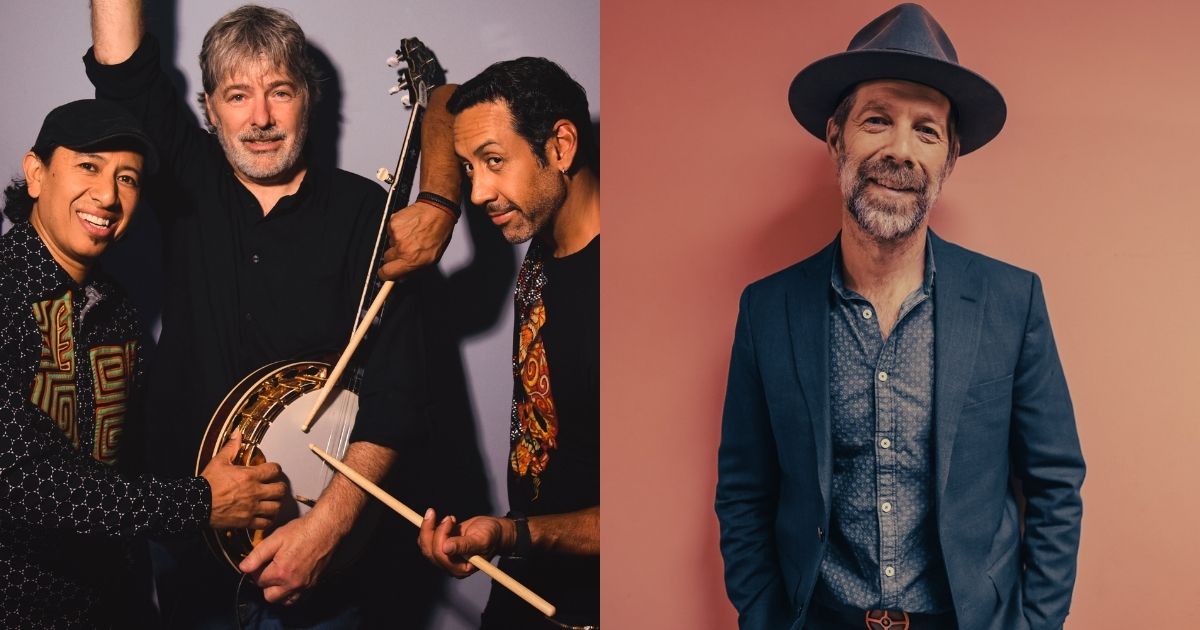
Banjo virtuosity brings us home, first with BEATrio featuring Béla Fleck, Edmar Castañeda, and Antonio Sánchez blending styles, sonics, and banjo, harp, and percussion on “Walnut and Western.” Not quite jazz, folk, jam band, or string band alone, the instrumental draws from seemingly endless inspirations, combining each with expertise and ease. The track is, of course, infinitely charming, raucous, and fascinating. Five-string aficionado Graham Sharp (who you’ll know from Steep Canyon Rangers) releases his brand new solo album today, How Did We Do It. We’re sharing “Living Like Thieves” from that project, an original which features Jerry Douglas, Lyndsay Pruett, Michael Ashworth, and more trotting towards a getaway while having a good time and with a vacation in mind.

It’s all worth a spin, that’s for sure! You know what we’re going to say– You Gotta Hear This!

Bri Bagwell, “Border Girl”

Artist: Bri Bagwell
Hometown: Las Cruces, New Mexico
Song: “Border Girl”
Release Date: April 18, 2025

In Their Words: “I am from the border of New Mexico, Mexico, and Texas. My hometown of Las Cruces, New Mexico, is a very beautiful blend of people and cultures. I believe a lot of people feel that they ‘belong’ to different places, straddling a line between ethnicities and geographical influences that shape who they are. Instead of wrestling with the idea of feeling very deeply rooted in Hispanic culture without having it in my blood, I always have embraced the idea that where I am from seeped into the fiber of my being, and that is a beautiful thing. Being from the border of all of these places created a girl who sings in Spanish every night, loves both Selena and George Strait, and knows that the Rio Grande is just a divider for map (and not for a heart).

“My boyfriend Paul Eason really took to this song after I wrote it and recorded all of the instruments and my vocals in our home studio in New Braunfels, Texas. It features harmonies by Lyndon Hughes from The Wilder Blue, and receives a big reaction at shows when I play it live. I think people really relate to the idea of loving where you are from and embracing all of your geographical and cultural influences!” – Bri Bagwell


Jack Barksdale, “A Funny Song”

Artist: Jack Barksdale
Hometown: Fort Worth, Texas
Song: “A Funny Song”
Album: Voices
Release Date: April 25, 2025 (single); June 13, 2025 (album)
Label: Truly Handmade Records

In Their Words: “I’m really interested in ways to inspire nuance and complexity with songwriting, which can be a surprisingly tough task. Somewhat counterintuitively, the way I tried to achieve that complexity in ‘A Funny Song’ is through simplicity. Sometimes if you strip something back to its simplest form and try to understand it through that point of view, you can gain a deeper understanding of it or, at least, a good foundation for future understanding. It’s not the final destination, but it’s good start. In this song, I used that same framework to try and understand some of, what you might call ‘the big questions.’

“This song borders on satire and works in pretty much the same way as satire, where the substance isn’t really in what’s being said, but in the listener’s reaction to what’s being said. Ultimately, I’m not trying to simplify ‘the big questions’ by telling a black-and-white story. I’m trying to create more nuanced thought around these questions in the minds of listeners, whether they agree or disagree with what the song has to say.” – Jack Barksdale

Track Credits:
Jack Barksdale – Vocals, acoustic guitar, songwriter
Diana Burgess – Cello
Jared Reynolds – Uke Bass


BEATrio (Béla Fleck, Edmar Castañeda, Antonio Sánchez), “Walnut and Western”

Artist: BEATrio (Béla Fleck, banjo; Edmar Castañeda, harp; and Antonio Sánchez, drums)
Hometown: Nashville, Tennessee
Song:Walnut and Western
Album: BEATrio
Release Date: April 16, 2025 (single); May 16, 2025 (album)
Label: Béla Fleck Productions

In Their Words: “Here’s a tune I have had for many years that’s been looking for a home and the right band. I am positive that this is the best setting it could have, and thrilled that I waited! Antonio and Edmar knew exactly what to do. This project kind of reminds me of the early days of the Flecktones, when audiences would go, ‘How is this supposed to work?’” – Béla Fleck


Kenny Feinstein, “Old Richmond Prison”

Artist: Kenny Feinstein
Hometown: Los Angeles, California
Song: “Old Richmond Prison”
Album: Kenny Feinstein
Release Date: April 18, 2025 (single); TBA (album)

In Their Words: “There’s something magical about siblings making music together. The way Jake and Carter work together reminds me of Ralph and Carter Stanley – it’s like they share a musical language that only brothers can understand.

“The song is about mistakes, consequences, and redemption – themes I’ve grappled with in my own life. There’s a universality to the story that I think anyone can relate to, whether it’s the weight of regret or the hope for a second chance. Water Tower will always be my home base, but this album is a chance to explore the music that shaped me as an artist. It’s a love letter to the sounds and stories that have been with me through every high and low.” – Kenny Feinstein


Graham Sharp, “Living Like Thieves”

Artist: Graham Sharp
Hometown: Asheville, North Carolina
Song: “Living Like Thieves”
Album: How Did We Do It
Release Date: April 18, 2025
Label: Enchanted Barn

In Their Words: “For me, this tune is about being in tune with the moment, paying attention to the magic when you find it. I was sitting at friend’s one afternoon thumbing through this melody and it seemed to capture the time and place (‘The prettiest thing that I know right now/ Is these little chords and the way they move/ The only place that I wanna be/ Is where I’m playing them for you”). I leaned on a recollection of an afternoon several years ago on vacation with my sweetie for the first verse. I’ve always loved Earl Scruggs’ banjo style in open D Reuben tuning and it happened to fit this song really well. Having Flux and this group of Western NC all stars on the track brought the whole thing together and made it sing!” – Graham Sharp

Track Credits:
Graham Sharp – Banjo, vocals
Ryan Stigmon – Guitar
Michael Ashworth – Bass
Jerry Douglas – Dobro
Lyndsay Pruett – Fiddle
Drew Matiluch – Mandolin


Jesse Smathers, “Good Time Get Together”

Artist: Jesse Smathers
Hometown: Floyd, Virginia
Song: “Good Time Get Together”
Release Date: April 18, 2025
Label: Mountain Home Music Company

In Their Words: “When I first ran across this old Randall Hylton tune, I knew it was something that I wanted to record. I sought out the lyrics and Wanda Dalton, Randall’s sister, wrote them out for me. I truly cherish this tune and its uplifting melody and message. When I think of my friends, loved ones, and heroes that have gone on, it is a beautiful and consoling thought to think of the music making that will happen once we get to heaven. It will truly be a ‘Good Time Get Together’!” – Jesse Smathers

Track Credits:
Jesse Smathers – Guitar, lead vocal
Hunter Berry – Fiddle
Corbin Hayslett – Banjo
Nick Goad – Mandolin, harmony vocal
Joe Hannabach – Upright bass
Patrick Robertson – Harmony vocal
Dale Perry – Harmony vocal


Photo Credit: BEATrio (Béla Fleck, Edmar Castañeda, Antonio Sánchez) by Shervin Lainez; Graham Sharp by Nathan Golub.

Loretta Lynn Receives a CMT Tribute by Brandi Carlile, Keith Urban, and More

One of the most beloved performers in country music history earned an eloquent and emotional tribute in a live CMT taping titled Coal Miner’s Daughter: A Celebration of the Life & Music of Loretta Lynn. Presented without commercials at the Grand Ole Opry House in Nashville on Sunday night (October 30), the broadcast offered tributes from Little Big Town, Darius Rucker, and many other artists who admired her. Enjoy a few musical highlights below.

Editor’s Note: Two additional CMT commercial-free encore airings on Wed., Nov. 2 at 8p/7c & Sun., Nov. 6 at 11a/10c.

Brandi Carlile sings “She’s Got You,” which Loretta Lynn also recorded as a 1977 tribute to her late friend, Patsy Cline. Carlile returned to the stage to perform “Coal Miner’s Daughter” with The Highwomen and guest Brittney Spencer.


Alan Jackson sings “Where Her Heart Has Always Been,” a song he originally composed for his mother. He told the audience that Lynn always reminded him of his own mother, and that he felt the song’s message applied to Lynn, too.


Margo Price is one of many female artists who admired Loretta Lynn for her songwriting ability and tell-it-like-it-is approach to lyricism. With a pure country delivery, she sang one of Lynn’s most controversial hits, “The Pill.”


Lynn’s granddaughter Emmy Russell joined Lukas Nelson for “Lay Me Down.” Lynn recorded the ballad with Lukas’ dad, Willie Nelson, in 2016. Russell also recalled how Lynn would often bring her from side stage to sing a few songs.


George Strait, the King of Country Music, saluted a fellow member of country music royalty with “Don’t Come Home A-Drinkin’ (With Lovin’ on Your Mind).” The feisty single, which Lynn co-wrote, became her first No. 1 country hit in 1967.


Tanya Tucker kept it country for her homage to Loretta Lynn, singing “Blue Kentucky Girl.” Although Lynn didn’t write the song, it perfectly captured her own Kentucky roots, and became one of her earliest hits on Decca Records in 1965.


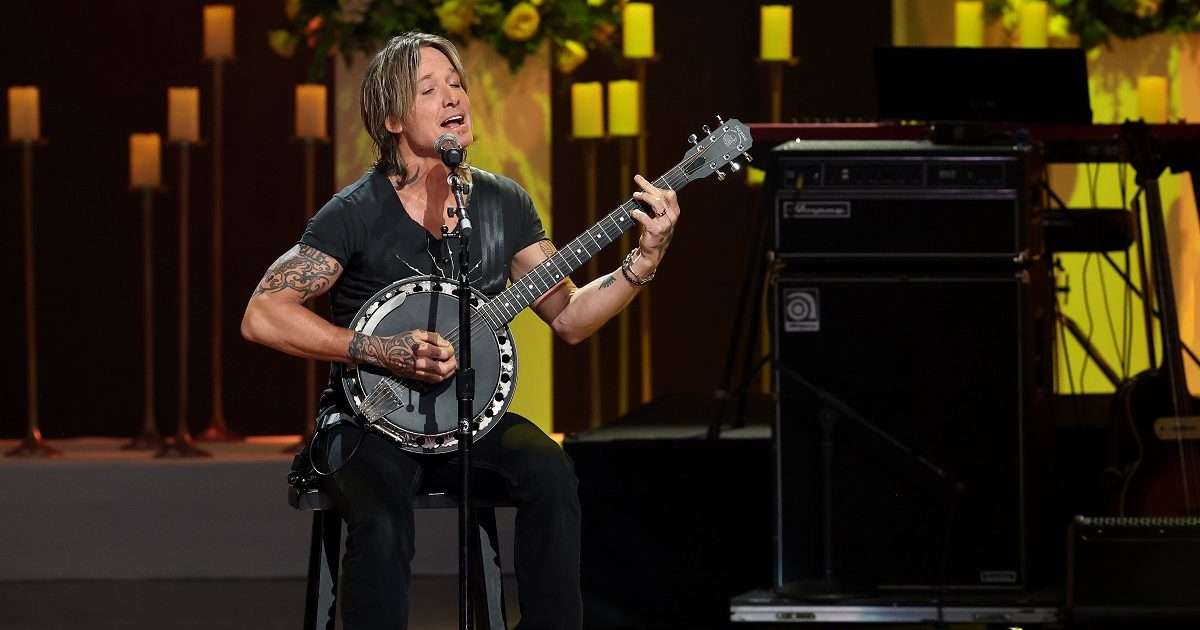
Keith Urban carried his Ganjo to the Grand Ole Opry stage to deliver a charming rendition of her 1971 hit, “You’re Lookin’ at Country.” Urban also shared a playful voicemail and reminisced about being her date at an awards show.


Jack White revived the title track of Van Lear Rose, one of Lynn’s best-loved and most acclaimed albums. As the 2005 project’s producer, White helped bring Lynn back into the spotlight and shared the Grammy for Best Country Album.


Photo Credit: Terry Wyatt/Getty Images for CMT

Asleep at the Wheel Turns 50, But Ray Benson Didn’t Know If It Would Last

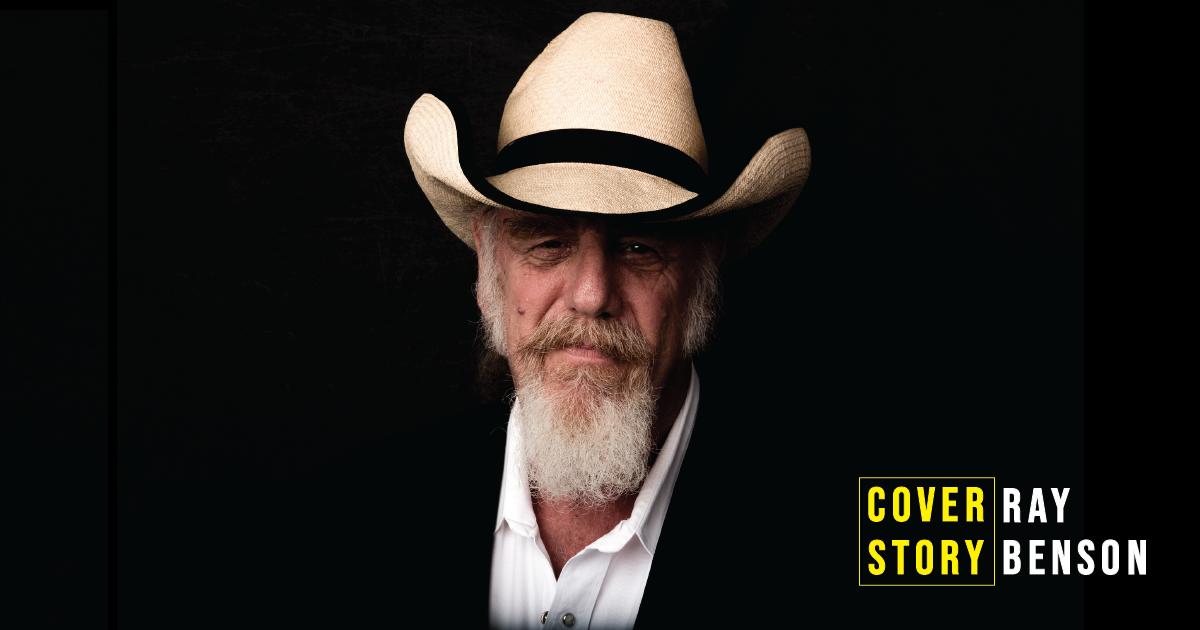
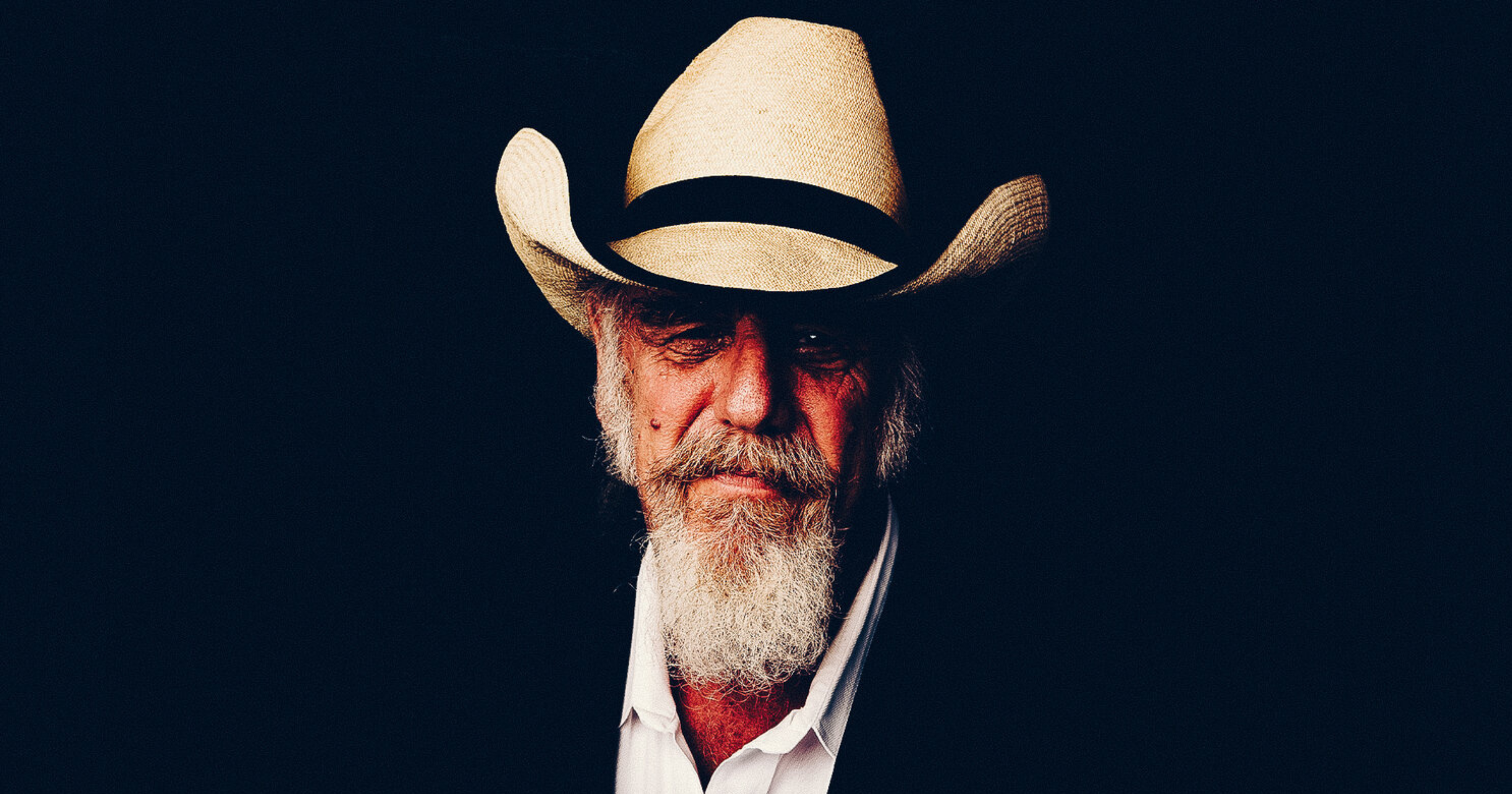
The term eclectic hardly seems broad enough to accurately describe either the approach of the marvelous band Asleep at the Wheel, or the energetic and fluid style of its lead vocalist and guitarist Ray Benson. The band he formed along with Lucky Oceans and Leroy Preston while farm-sitting in Paw Paw, West Virginia, 50 years ago is now an American cultural institution, although things didn’t really explode for them until they relocated to Austin.

Their latest release, Half a Hundred Years, pays homage to Asleep at the Wheel’s diverse and impressive legacy, although it’s one Benson freely admits he never seriously thought would continue for 50 years.

“Well, when you’re a 19-year-old kid, you don’t even know if the band will be around for 10 years,” he tells BGS with a laugh. “It really wasn’t something at the time that I had any notions about, things about legacy or impact. We were a band that wanted to play a lot of different types of music and enjoyed being around each other. That’s kind of been the trademark ever since.”

Country and Western swing are the foundational genres of their music, but the ensemble is hardly restricted or limited by them. Over their tenure Asleep at the Wheel’s repertoire has also included R&B, blues, jazz, rock and pop, while their albums and live shows feature a constantly evolving blend of originals and inspired covers. In addition, the band seamlessly maintained its trademark sound through numerous personnel changes, while navigating shifts in audience tastes and music industry practices.

“I’ve always been a real music lover, and that’s what’s driven the band all these years,” Benson continues. “Of course, the music business today is so different from the way it was when we started out. Hell, when we started they didn’t even have fax machines. You really thought in terms of radio and marketing a song, and you were trying to get your album played and then that would be the springboard for having it sold in the stores. Today, there’s such a focus on streaming. Vinyl’s made a bit of a comeback, but that’s because CDs are doing so poorly. Then the technology changed so dramatically, with the ability to sonically do things in the studio that we didn’t even dream about back in the ’70s.”

Indeed, Benson’s entire career — inside and outside the band — has been one of variety and experimentation. He taught himself to play the guitar as a 9-year-old. The first song he ever played completely came from a beer commercial he heard during broadcasts of his hometown Philadelphia Phillies. Benson teamed with his sister in a folk group The Four G’s at 11, then while in college he encountered a group whose concept he utilized (with variations) upon forming Asleep at the Wheel. It was that Commander Cody & His Lost Planet Airmen concert in Washington, D.C., where Benson saw and heard a band brilliantly mixing multiple genres in a free-flowing performance mode.

Following their time in West Virginia, Asleep at the Wheel relocated out west in the early ‘70s, playing in various East Bay clubs in California. A show where they shared the stage with Van Morrison, followed by his raving about them in Rolling Stone, began to open some doors. They toured with Black country vocalist Stoney Edwards in 1971, cut a debut LP that did well in the Southwest, then moved to Austin in 1973 after being encouraged by Doug Sahm and Willie Nelson. Upon their arrival in Texas, their second LP was issued by Epic.

However it was after their third LP, with the Top 10 country hit “The Letter That Johnny Walker Read,” that Asleep at the Wheel emerged as a top attraction. By 1978 they were winning the first of their 10 Grammys. They survived a lean period in the ’80s, then bounced back in the ’90s. Benson made another savvy decision that helped sustain the band’s success, recruiting several top country artists to cut two Bob Wills tribute LPs. Then came another hit in 2000, “Roly Poly,” with the [Dixie] Chicks. As a result, Asleep at the Wheel became one of the few country acts that’s managed to have chart records across four consecutive decades.

Their journey is duly reflected in Half a Hundred Years. “I looked at this album as a way to kind of look back and ahead at the same time,” Benson continues. “It covers everything that we’ve done and are doing.” Besides including such heavyweight guest stars as Lyle Lovett, George Strait, Lee Ann Womack, Willie Nelson and Emmylou Harris, the CD is sequenced in an intriguing fashion. The first 11 songs are new tracks featuring original band members. Songs 12-16 (with the exception of 14) feature the current band teaming with various band alumni. Cuts 17-19 are previously unreleased material, while track 14 combines the current band with two of Asleep at the Wheel’s former female singers. “We’re putting this out pretty much every way (configuration) that you can,” Benson adds.

Despite the pandemic, Asleep at the Wheel’s already done several shows and plans more in the near future. Benson has also branched out over the years to do things outside the band arena, among them being on the board of Austin City Limits, a role that led to his hosting the regional TV series Texas Music Scene for several years. He’s also been a prolific producer on LPs by Dale Watson, Suzy Bogguss, Aaron Watson, James Hand and Carolyn Wonderland, plus singles for Willie Nelson, Aaron Neville, Brad Paisley, Pam Tillis, Trace Adkins, Merle Haggard, and Vince Gill. Benson even cut a solo LP, Beyond Time, in 2003 and his autobiography Comin’ Right at Ya was published in 2015. In addition, he’s a founding member of the Rhythm & Blues Foundation, and the owner of a recording studio and label (Bismeaux Studios/Bismeaux Records).

Though it doesn’t seem possible that there are things in the music world Benson hasn’t done yet, he’s quick to list a few people he’d love to work with. “Well, I always wanted to record with Tony Bennett, but he’s retired now,” Benson says. “I’ve sung with Boz Scaggs, but have never done a whole album with him. I’d really enjoy doing that. Also, Billy Gibbons of ZZ Top. He’s someone else I’ve sung with, but really would like to do a complete project.”

He concludes, “At this point I really don’t even think about how much longer Asleep at the Wheel will go on because who would ever have given us 50 years? But I can say that I’m still really enjoying it, and this latest project and going out and playing to support it, and the reaction of the people even with everything that’s going on now… well, that tells me we’ve still got a lot of folks out there who enjoy what we do.”


Photo credit: Mike Shore

LISTEN: Josh Grider, “Life’s a Party”

Artist: Josh Grider
Hometown: New Braunfels, Texas
Song: “Life’s a Party”
Album: Long Way From Las Cruces
Release Date: November 12, 2021

In Their Words: “Bobby Hamrick, Jamie Floyd, and I wrote ‘Life’s a Party’ a couple years ago. Jamie brought the idea in and it struck a nerve with everyone in the room, and we knew it was special as soon as we’d finished it. The song has been in and out of the hands of George Strait, Reba McEntire, and Randy Rogers Band. For whatever reason it just didn’t end up getting cut, so when it came time to make Long Way From Las Cruces it was a no-brainer. (Jamie also released a beautiful version of this tune in 2020.) We didn’t track the initial session with steel, but the song was just begging for it, so Adam Odor (engineer) made a call to Zach Moulton (Mike and the Moonpies) and he came in and just nailed it. I think ‘Life’s a Party’ is one of the best examples in my career of song and production coming together to make something greater than the sum of its parts.” — Josh Grider


Photo credit: Chris Compton

The BGS Radio Hour – Episode 221

Welcome to the BGS Radio Hour! For the past five years, this weekly radio show and podcast has been a recap of all the great music, new and old, featured on the digital pages of BGS. And this week, we say a bittersweet goodbye to the airwaves with our final episode. We want to give a special thank you to our partner station, WMOT Roots Radio 89.5 FM in Murfreesboro / Nashville, and all the stations that have aired our show over the years! And of course, a huge thank you to our readers and listeners for following along as well.

For this final week of the BGS Radio Hour, we have a recap of last week’s IBMA Awards, brand new music from our Artist of the Month — and newly crowned IBMA Entertainer and Guitar Player of the Year — Billy Strings, and much more.

APPLE PODCASTS, SPOTIFY

Billy Strings – “Secrets”

With a brand new album, Renewal, and his win this past week of IBMA’s highest honor, Entertainer of the Year, there’s no one else we’d rather have as our October Artist of the Month than Billy Strings. Check out our Essential Billy Strings playlist and stay tuned for more Billy content all month long.

RC & the Ambers – “Gravy and Biscuits”

Oklahoma-based RC & the Ambers spoke on their biggest musical influence, watching The Golden Girls as a pre-show ritual, kayaking on the Illinois River, and more in a recent edition of 5+5.

Asleep at the Wheel (feat. George Strait and Willie Nelson) – “Take Me Back to Tulsa”

On the latest episode of The Show on the Road, we bring you a conversation with Ray Benson: ringleader of the Grammy-winning, half-century-spanning group, and one of American roots music’s most durable and iconic bands, Asleep at the Wheel.

High Fidelity – “Banjo Player’s Blues”

This song from traditional bluegrass group High Fidelity was nominated for Song of the Year at last week’s IBMA Awards. Hard to have the “Banjo Player’s Blues” when you have news like that to share!

Haunted Like Human – “Ohio”

Americana duo Haunted Like Human wrote “Ohio” inspired by a true story, and the end result is a tale told through letters of a man wanting to do right by his family while also wanting to get back home to them.

Single Girl, Married Girl – “Wreck Cut Loose”

Single Girl, Married Girl has always loved torch songs and big weepy ballads — especially country ones! “Wreck Cut Loose” is placed in a more modern aesthetic and setting, but the lineage — and ties to the likes of Patsy Cline — should be obvious.

Patrick Dethlefs – “If You Listen”

The title track for Patrick Dethlefs’ brand new album explores the idea of still feeling connected to loved ones who have passed on. Patrick tells us, “[It’s] maybe even asking the question, ‘Is this person with me now more than they have ever been?'”

Balsam Range – “Richest Man”

Balsam Range, hailing from Haywood County, North Carolina, are no strangers to the IBMA Awards, having won the 2014 and 2018 award for Entertainer of the Year, among other accolades and awards over the years. And now in 2021, they’ve won Song of the Year for “Richest Man.”

Fireside Collective – “And The Rain Came Down”

Asheville bluegrass band Fireside Collective wrote “And the Rain Came Down” inspired by the many “storms” of COVID and the Great Flood tale from the Old Testament. But, despite the song’s somber overtones and the uncertainty of the story, there is still a message of hope.

Kris Gruen – “Pictures Of”

Alt-folk singer-songwriter Kris Gruen wrote “Pictures Of” about his daughter, as a tribute to her maturation and readiness for the world. In different words “Pictures Of” says, “Be excited for and in love with the world! Regardless of our collective fear in the unknown…”

James McMurtry – “Canola Fields”

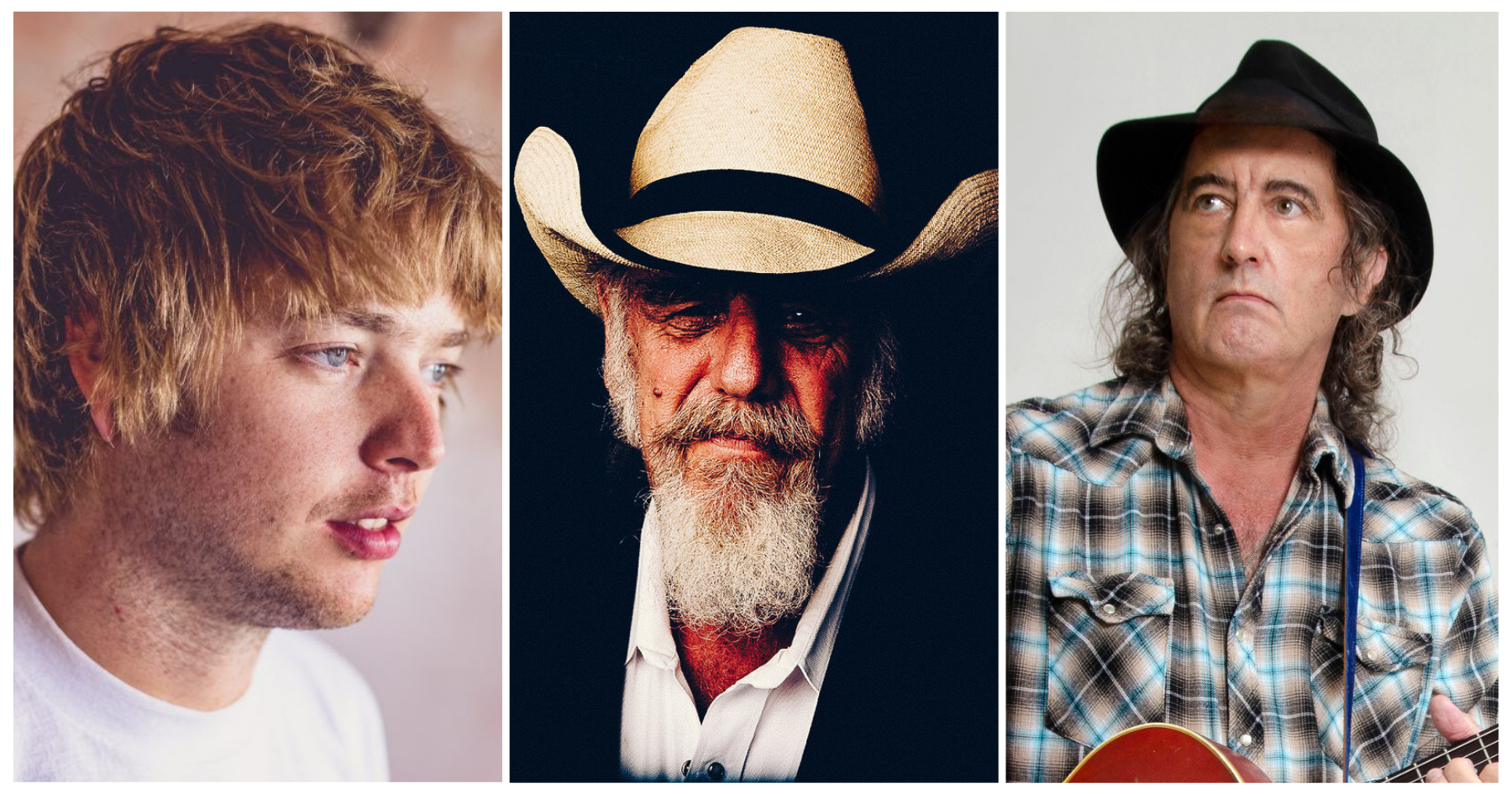
Holding a conversation with James McMurtry is similar to experiencing his music. He is frank, eloquent, and gets to the heart of the matter with few words. On The Horses and the Hounds, his first album of new material in nearly seven years, he tells sometimes complicated emotional stories through his fictional characters, crafted within the limits of rhyme and meter. His deft chronicling of human nature woven with descriptions of place and scene give the listener context beyond the experience, almost like each song is the essence of a short story or novel. Listen to “Canola Fields” and read our conversation with McMurtry.

Appalachian Road Show – “The Appalachian Road”

At this year’s IBMA Awards, Appalachian Road Show was the second most nominated group, and they were awarded the honors of Instrumental Group of the Year and New Artist of the Year. On top of those wins, this tune, “The Appalachian Road,” was nominated for Instrumental Recording of the Year.

Clinton Davis – “Curly Headed Woman”

Old-time musician Clinton Davis has recorded his own version of “Curly Headed Woman,” a rare rendition of one of the most common American folk songs: “The Hesitation Blues” or “If the River Was Whisky” as most people call it.

Sideline – “Old Guitar Case”

Sideline reminisces on how they became a band, the importance of teamwork, prioritizing having fun every time they step out on stage, and more in a recent 5+5.


Photos: (L to R) Billy Strings by Jesse Faatz; Ray Benson by Mike Shore; James McMurtry by Mary Keating-Bruton

The Show on the Road – Asleep at the Wheel (Ray Benson)

This week on The Show On The Road, we bring you a talk with the half-century-spanning, Grammy-winning ringleader of one of American roots music’s most durable and iconic bands, Ray Benson of Asleep at the Wheel. The episode is a celebration of their fifty years of diligent song collecting, Western swing camaraderie, and epic genre-spanning collaboration — and features first listens of their new record, Half a Hundred Years, which drops on October 1. The record covers old classics and tells new stories, with spritely cameos from fellow Texans Lyle Lovett and Willie Nelson.

LISTEN: APPLE PODCASTSSPOTIFYSTITCHER

Aligning behind Benson’s commanding, deep voice and impeccable song-historian’s taste, Asleep at the Wheel has managed what few bands in country music — or any genre — have: Keeping a talented, rotating band of mostly-acoustic players together from 1972 on, with little break from the road. Willie Nelson and others have long championed their work, and indeed the band has had fans in even higher places: on September 11, 2001, the group was set to perform at The White House.

Asleep at the Wheel’s story is really one of perseverance and transformation. How did a Jewish kid from the the Philly suburbs end up as a Texas cowboy music icon who toured with Bob Dylan and George Strait (just ask Bob about changing identities), wrote songs and acted in movies with Dolly Parton and Blondie, and became the foremost interpreter of the rollicking music of Bob Wills & His Texas Playboys? Only in America, you could say, but Benson would just tell you that he loves the music deep in his bones, and it’s what he wakes up every day to create and save.

One of the most forward-thinking things Benson did from the very beginning was share the mic with a myriad of talented female vocalists, which maybe confused some radio programmers (“Who is leader of this outfit?”), but made their road shows eternally entertaining and unique. That tradition continues. Also featured on the new record are lovely collabs with Lee Ann Womack and Emmylou Harris.


Photo credit: Mike Shore

BGS 5+5: Mike and the Moonpies

Artist: Mike and the Moonpies
Hometown: Austin, Texas
Latest Album: One to Grow On
Personal nicknames: The Moonpies

All answers by Mike Harmeier

Which artist has influenced you the most … and how?

It would be impossible for me to narrow it down to just one artist. Early on, I was heavily influenced by George Strait and ’80s/’90s country artists, in general. I really thought that was the path I would take — a very commercial approach to country music. I would later gain a new perspective when I started listening to more songwriters like Guy Clark and John Prine. It was then that I wanted to add more depth and sincerity to my music. When I moved to Austin in 2002, I started to get more into the art of record making and that process was heavily influenced by bands like Wilco and Radiohead. Lately, I’ve kind of melded all that into an approach that’s more along the lines of Jerry Jeff Walker. Freewheeling records with thoughtful lyrics and just having fun playing music with my friends.

What’s your favorite memory from being on stage?

I’ve had countless moments that stick out in my memory from being on stage. Most of them include our artist friends joining us on stage. From the big jams we usually host at Mile 0 Fest in Key West, to our encores with the opening bands joining us for a cover song to end the night. Most recently, Jerry Jeff Walker’s son Django joined us on stage in Alpine, Texas, for our rendition of “London Homesick Blues.” It’s a song written and performed by Gary P. Nunn and made famous on Jerry Jeff’s Viva Terlingua record. We cut it in London at Abbey Road Studios for our Cheap Silver and Solid Country Gold record. That was a very special moment and felt like a culmination of a lot of things for us. You never know who will join you or when, and that excitement always makes for a memorable show.

What other art forms — literature, film, dance, painting, etc. — inform your music?

I’ve always found a lot of inspiration in film. Especially when that film uses the right music for a particular scene. I can’t tell you how many times I’ve hit pause on a movie to write a song. Some songs can take on a whole new meaning when you put them behind the right scene or character and I will sometimes use those character’s emotions to inspire a new subject to write about. I’ve written quite a few songs just off one line I heard in a movie or TV show.

What’s the toughest time you ever had writing a song?

I actually had a lot of tough moments writing songs for this record. I had more time than normal to write and rewrite these songs. There were countless edits and rewrites and versions of the songs that we just scrapped and then started over. While I think these are some of the best songs I’ve written, it really took much longer to get to a place where I was happy with them. I think if you spend too much time on one thought it can be a dangerous game to play. I’m still learning when to put the pen down and be satisfied with what came naturally. It’s a fine line.

How often do you hide behind a character in a song or use “you” when it’s actually “me”?

I think I have subconsciously done this a lot with many songs in our catalogue. Not until this record have I made the conscious decision to write from a character’s perspective. While I was experiencing or have experienced a lot of the feelings and virtues of the character on this album, I tried to take myself out of it as much as I could. I wanted to broaden the scope and viewpoint beyond my own personal experience so I strayed away from talking too much about road life or really much to do with my personal experience with my work as a musician. I wanted to project a world view from the perspective of an everyday nine-to-fiver and play with how that intersected in my own personal experience. While there is a lot of myself in these songs, I think it translates to the everyman in a very relatable and accessible way. At least to anyone that works hard to get where they want to be.


Photo credit: Lyza Renee Photography