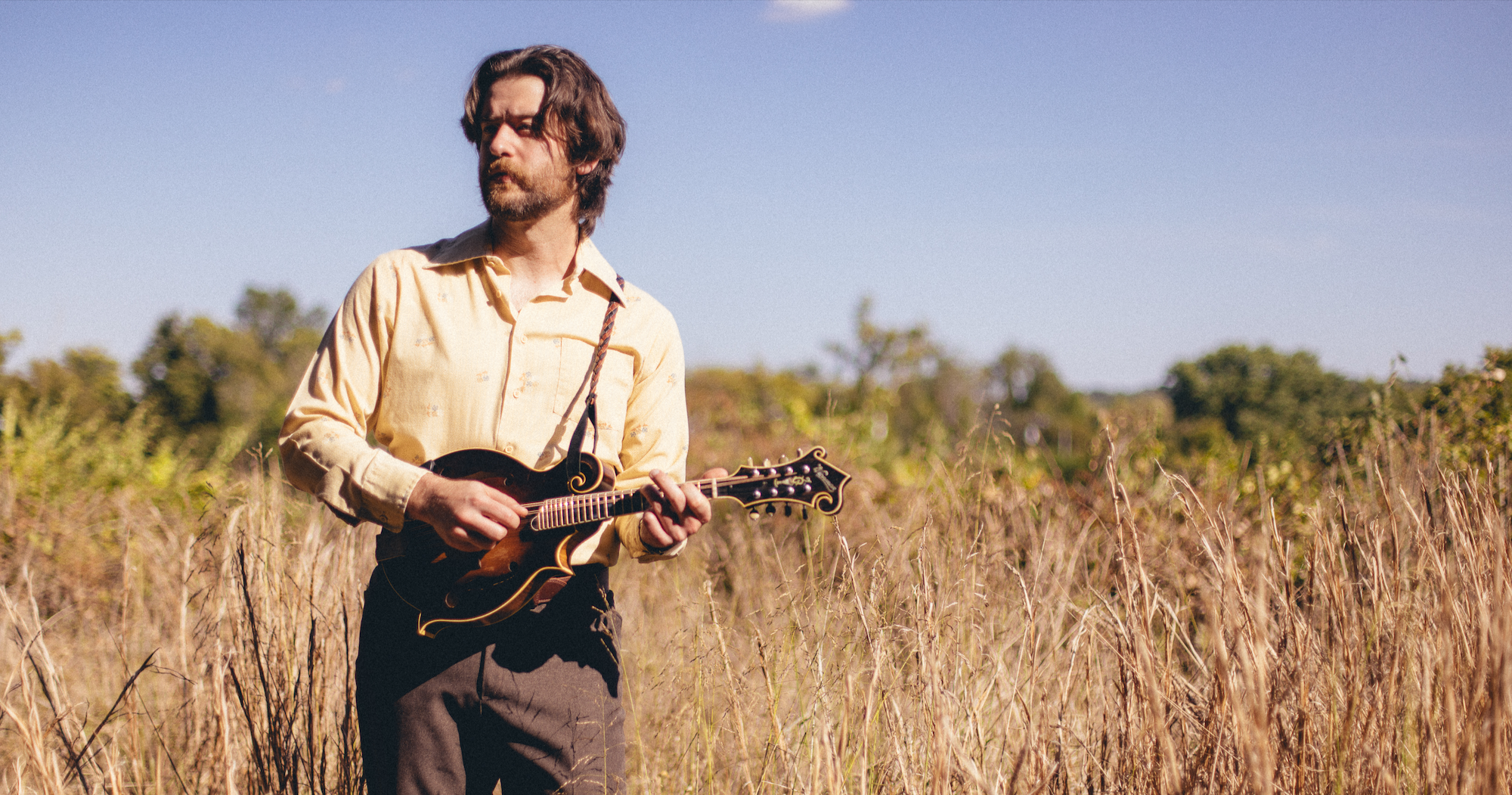
Jarrod Walker is Much More Than Just a Sideman

You know Jarrod Walker because for nearly 10 years he’s been Billy Strings’ mandolinist. But within the tight-knit bluegrass community, Walker has been a well-known and sought-after sideman for much longer. Before going on the road with Strings, he did stints touring with Claire Lynch, Missy Raines, Rebecca Frazier, and more, and he got his start in the rich bluegrass landscape of Florida, gigging with his brothers – including East Nash Grass banjoist Cory Walker – in a family band, the Walker Brothers.

Beloved for his taste, virtuosity, and a cleanliness to his picking unparalleled in modern bluegrass mandolin – except perhaps by his childhood friend and peer Sierra Hull – Walker enjoyed a reputation pre-Billy Strings that holds strong now, as he’s gone from being a humble bluegrass sideman and session player to having nearly 50,000 followers on Instagram and a niche fandom of his own within the greater Billy Strings Cinematic Universe. His song “Red Daisy,” recorded and performed by Strings and co-written with longtime friend and fiddler Christian Ward, has garnered more than 10 million streams and was awarded IBMA Song of the Year in 2022. (Though, shockingly, Walker has still never even been nominated for Mandolin Player of the Year by IBMA.)

Earlier this month, Walker took yet another step toward the limelight and away from the increasingly reductive “sideman” title. He released Nighthawk, his debut solo album, a fascinating and artful collection of bluegrass and string band-centered Americana that demonstrates the incredible depth and breadth of skills he has developed since his Lynch and Raines touring days. All but one of the 13 tracks are Walker originals – many co-written with Ward, who also plays fiddle on the project – and all but the two instrumental tracks are sung by Walker, as well. His vocals are thoughtful and intricate; he’s clearly put in plenty of time and energy into crafting an equal level of virtuosity with his voice as an instrument.

For a picker who’s remained booked, busy, blessed, and performing on stage hundreds of times a year on average for the greater part of two decades, it’s notable that Walker has launched Nighthawk and, with it, shown the remarkable level of growth and development he’s undertaken simultaneously, right under our noses. An impeccable sideman has blossomed into a fully-fledged, intentional, and multi-faceted artist. Even if, like me, you’ve been fortunate enough to call Walker your friend and a collaborator over those years, this is a revelatory, infinitely expressive body of work – surprising if not at all unexpected.

This isn’t an album meant to capitalize on Strings’ rabid audiences and pick up some extra spending money at the merch booth. This isn’t a vanity project or simply a mandolin record – or a hobby with which to spend time and keep him occupied when he’s not on the road with his main gig. No, it’s clear that with Nighthawk Jarrod Walker is telling the world exactly who he is, what he does, how he thinks, and what he sounds like. And it sounds damn good.

I wanted to start by talking about how you kick off the album with “Miles on My Shoes” and how the first single released was “Nighthawk,” the title track. Both of those tracks, to me, feel like straight-ahead, traditional bluegrass. I was curious about this being the audio “swatch” that fans and listeners first get of this album and about what you’re trying to communicate to them by the first track and the first single being pretty much straight-down-the-middle trad bluegrass.

Jarrod Walker: It took a long time to decide what to put forth as the first single, and same goes for the first track on the album. But I did feel like there was a certain expectation of me putting out a record and there being bluegrass elements to it. I wanted to reassure people that there would be some bluegrass elements. And, like you said, those two tracks are probably the most straight-ahead bluegrass tracks on the album. But the rest of the album is very different. The second single, [“Cordova Street Blues”] is very different from the first track or the first single. I think it was somewhat a conscious decision, but also just listening to people around me and seeing what they thought.

For no particular reason both of the singles that came out wound up being the two songs that Billy Strings sang background vocals on. It just worked out that way. We decided not to do the whole “featuring Billy Strings” route, because then that puts such an emphasis on [what’s] really just background vocals. But of course you could put “featuring Jake Stargel” or “featuring Christian Ward” [on it] by the same regard, ‘cause it’s not a true feature or whatnot.

But yeah, Cordova Street is a street in St. Augustine, [Florida] where I’ve spent a lot of time. I have some family who still live down there and some deep family roots going back to a store in the main part of town, which is now the historic district, called Denmark Furniture. It was probably very misleading to people, because I don’t think they sold Danish furniture. [Laughs] I think it was just American furniture with my mom’s maiden name, which is Denmark – and it’s my middle name. I’ve spent a lot of time down there and it’s inevitable that some St. Augustine imagery would make it into one of these songs. “Cordova Street Blues” is more of a dreamscape, ethereal kind of track, which is entirely different than the first single, “Nighthawk,” which is more or less just a Stanley Brothers-style bluegrass song.

It’s funny that you say “dreamscape,” because I was already drawing parallels here between single one “Nighthawk” and single two “Cordova Street” and track one “Miles on My Shoes” and track two “Leaving Canaan’s Land.” What I wrote in my notes for “Leaving Canaan’s Land” is “it’s like an Americana dreamscape” – especially with that groove and its pacing. So I see this parallel with the singles and also with the sequence: “here’s what you’re expecting, here’s where we’re going eventually.” Bluegrass, then beyond. You’re immediately showing people the continuum on which you’re creating music, sonically.

The groove differences between “Nighthawk” and “Cordova” or “Miles on My Shoes” and “Leaving Canaan’s Land” are incredible, too. It’s the best kind of whiplash from barn-burning, leaning-forward bluegrass to this sort of languid, lazy river, chill, floating vibes. Can you talk a little bit about that?

I’ve always liked the contrast and the juxtaposition between something, like you said, very bluegrass and something that offsets that. It’s like sometimes I wear camouflage and then I wear a tie-dye T-shirt. “Who the hell is this person?” I like to do that musically sometimes, too.

There are a lot of songs on the record that I wrote with just a guitar. It was more of a folky kind of approach. But then I decided to get drums and percussion and pedal steel on nearly the entire record and that really shaped these songs into something that I hadn’t imagined before – in a very positive way. I think it’s turned out how I would’ve wanted it to, ultimately. But it wasn’t necessarily a conscious decision. I think I just have that mentality throughout a lot of aspects of my daily life.

The variety also makes the album listen by really quickly. You have so many different textures and so many different style points and references. But, when I listen through the whole thing, to me it still feels like a bluegrass album. It reminds me of Jim & Jesse when they had pedal steel and drums in the band. Or a lot of those bluegrass bands from that golden age of bluegrass where they still were calling themselves country – the Osborne Brothers, Ricky Skaggs, J.D. Crowe and the New South.

Oh, for sure. I feel like I have never been afraid to introduce some drums or exterior, non-traditional bluegrass instruments into the mix. Like you said, I think it just adds some texture. And I love the early bluegrass where they were still figuring out and shaping the sound. There’s so much snare drum in Jimmy Martin music. And like you said, the Osborne Brothers, Jim & Jesse – and listen to J.D. Crowe and the New South’s first record. There’s steel, there’s piano, there’s drums and percussion. By that definition a lot of people, on paper, would consider it not a bluegrass record. But of course it’s one of the classics that everybody thinks of.

I think it was the reason that I put drums on nearly everything. But I made the decision after things started shaping up and I heard the songs that were more folk-oriented coming together. They would’ve been incomplete without drums. I wanted to use drums as glue for the record and to offer some cohesion. The pedal steel served that same purpose, too. Spencer Cullum is a fantastic steel player. And Jamie Dick is playing drums on this. They’re both coming from a different musical background, so it kinda makes everybody else think on their toes. Everybody has to adjust a little bit in order to accommodate each other, and I think everybody being a little bit out of their element gives it a certain freshness that it might not have had otherwise.

I was struck by how your voice sounds so good and confident. You’ve always been a singer, but on this record I hear so much more personality in your voice and I hear more of your musical point of view – in your voice as an instrument, instead of your voice just being something you also do. How did you feel in the process of getting to the point where you’re singing on all but two of these tracks? Your voice sounds really dynamic, even when you’re shifting between trad bluegrass and those slower, grooving songs. It doesn’t sound like you’re intimidated by the space that’s left for your voice to inhabit. It really feels confident and self-possessed.

Oh, thank you. I think you’re right, most people see me playing on stage and think of me more or less as a sideman. That’s what I have done for years. But behind the scenes, I have been writing a lot of songs, and when I have written those songs oftentimes they are sung by Billy Strings. So the outlet was not necessarily available to me.

A lot of these were songs that I threw into the mix over the years with Billy and they wound up getting passed on for one reason or another. For some of them that’s the case, others I was holding onto for a record. But this was really just an opportunity to work that muscle. And myself, if I’m going to listen to a record, most of the time I prefer to listen to lyrical music in some shape or form. Having written all these songs, it was like, “I’m not gonna get somebody else to sing these songs.”

So, over the years it has been something that I’ve worked on, and I guess somewhat behind the scenes. This project was very informative. I might have died a thousand ego deaths in the vocal booth. [Laughs] … It’s been just like playing an instrument. You learn things about it over the years. Now I listen to some of the singing [on the record] and I’m like, “Oh, I wish I would’ve done this differently,” but that’s the name of the game. I think, ideally, I will not look back 20 years from now and be like, “This is the best thing I ever did.” ‘Cause hopefully I continue to improve, love it for what it is, and move on from it. …

We tried to leave everything as live as possible, which– emphasis on “live as possible.” Because sometimes you hear something and it’s so wrong you have to change it. There are some moments where I could have probably taken a better mandolin solo than what I left on the record. But you just start going down a very deep, dark rabbit hole when you start chasing the perfect solo. If I can live with what I played in the moment, it’s probably gonna come across as a more real representation anyway. There’s something that you lose when you try to perfect things.

I want to talk about the songwriting, because in a similar way to noticing the development of your vocals I think your songwriting is really great. It doesn’t feel “try-hard” or contrived. So many of these songs are about movement, traveling, covering ground, putting miles underneath your feet. That’s not entirely surprising, given the last eight to 10 years of your life being you doing exactly that. Can you talk a little bit about the songwriting process and the inspirations for the songs? And that sort of overarching theme of movement and traveling – and that sort of loneliness and longing that comes with that?

Most of the songs that I’ve written in the past 10 years have been with Christian Ward, who’s playing fiddle on the album. Early on we would just get together and spend the entire day trying to just come up with a verse. We would work on things maybe to a fault. Extensively. But through doing that I think we found a rhythm where we were able to get things done a little faster. He and I both like and hate many of the same things.

I don’t think it was a conscious decision to write songs that are involving movement, but like you said, it does make sense. That’s how they turned out. Oftentimes I’ll just see a pond and I’ll say, “Oh, I could make a chorus using the word pond.” And then, “What rhymes with pond?” That’s how it takes shape. Generally I don’t start with, “I wanna write a song about leaving home on the next train” and that’s what it turns into. Most of the time when I start writing something it turns into something vastly different than what I originally imagined.

For me at least, I’ve only written one song – as far as I remember – where I wrote the music before I wrote the lyrics. … Almost always it’s just an object or a singular thought that winds up turning into a song. That song that I wrote with Christian called “Red Daisy” was kinda the same way. It’s a very simple song, melodically and lyrically, but it more or less sprung from that.

So maybe you knew this question was coming, but we gotta talk about “Nighthawk,” not just from the perspective of it being a song about longing, existential dread in the middle of the night. But also, to me, nighthawks – as a group of birds – I always equate them with Florida. Florida’s one of the only places you see them during the day when they’re migrating; it’s where I’ve had some of my favorite experiences with whip-poor-wills or chuck-will’s-widows, out in the middle of the Everglades and you hear them booming their song in the middle of the night.

When I saw the lead single/title track come out I immediately drew a line from that song to Florida – I have a feeling I’m making that connection up, but I wanted to ask you about that song, the inspiration of it, and if there is any reference here to all the nightjars – nighthawks – in Florida. [Laughs]

When I lived in Florida, I didn’t know different bird species – other than maybe a Bald Eagle and a turkey. [Laughs] So unfortunately, I probably have seen a bunch of them and didn’t realize that I was looking at them. I probably wrote it off as something else. But the way that I found out about nighthawks was through this book called The Dictionary of Obscure Sorrows. Little did I know these were made-up definitions [in the book]. When I first was thumbing through this book I was just like, “Oh, this could make a good bluegrass song.” Nighthawk – it sounds a little macabre, a little gothic. One of the pillars of my songwriting is that I can’t write a joyful song. So I was like, “This is perfect.”

When I first started writing that song, I was trying to make it more of a vibey song. Eventually, I was just like, “This works better just as a bluegrass song.” Sometimes I want to expand my horizons and try to do something entirely different, but ultimately, the world that I know the best is bluegrass and a lot of times it’s very difficult to write a good bluegrass song. It can be very challenging and there’s also such a precedent and such a box that you seemingly – at least from my experience – have to write within. You can’t talk about modern technology or you have to pretend a little bit. It’s a little bit of cosplay.

With those kinda songs, I try to make them as authentic as I possibly can. Which oftentimes is just being a little bit more ambiguous and not as direct in the songwriting. These lyrics – “nighthawk, just an old memory” – that’s very vague. But I come to find out the word nighthawk was associated more or less with that famous painting. I was writing with somebody one day and I was like, “I just wrote this song called ‘Nighthawk.’” He was like, “Oh yeah, like the painting.” I totally had seen the painting, but didn’t know the name of it. It’s called Nighthawks.

I probably should have done some research before completing the song. [Laughs] Truth be told, I thought it was just a hawk. Which is very logical of me to assume, right? But then I found out it’s its own species of bird. I had to make sure when I was having all the artwork drawn – I was like, “Hey guys, just want you to know a nighthawk is not a hawk. Don’t draw a hawk. Here is the silhouette of a nighthawk. Let’s do something like this.” ‘Cause I knew somebody like you would be out there and would catch it instantaneously!

Oh man, I would’ve been so happy to “Um, actually…” you. It would’ve been the first thing I said on this interview! [Laughs]

That’s what keeps me honest! [Laughs] I just downloaded the Merlin app [for identifying birds by song and call], which I had never heard of. It’s great! …

It’s so hard for me to try to write a song without including either a bird or a flower or trees. I want to get to a point where I can write about any given subject and just talk about that thing. But once you put birds or trees or flowers or mountains into a song, it’s like, “Okay, now we’re getting somewhere.”

I think my favorite track on the album is “Cold Daylight.” I love the groove of it, I love the feel of it. I love the long, extended vocals. But the thing that jumped out at me is that this must really be a bluegrass record, because you reference a bluegrass song in one of the songs!

Which is against the rules. [Laughs]

Since when?! You sing about “True Life Blues” – again you’re talking about lonesomeness and that same sort of existential feeling, sitting around a fire, singing “True Life Blues.” Can you talk to me a little bit about that song and where it came from?

Jarrod Walker: That particular song was maybe the best example of a song that I just wrote in more or less typical, boom-chuck, medium tempo bluegrass, folky, singer-songwriter [style]. It bored me at first, just the way that the chords were, the way that they laid, didn’t resonate with me. I revisited the song and tried to imagine it with drums – this was a couple weeks before actually going into the studio – then I fell in love with that song again.

I think the idea for this was just another example of some word association. Like, daylight is generally warm, but what if you call it cold? That’s where that came from. It was a challenging one to get the groove of [right], but it wound up being one of my favorite tracks on the record, too. It was probably the toughest vocal to lay down.

It feels pretty exposed vocally.

Yeah, it is. Like I said, being in that vocal booth is no joke. Singing the line that’s, “Pass the bottle around the fire and sing those ‘True Life Blues,'” I was a little hesitant to reference another bluegrass song within a bluegrass song – to do the bluegrass inception thing. But I was like… “Gillian Welch does it. I gotta give myself a pass to do that.” It adds another dimension, another layer. If you just said “singing those blues” it wouldn’t have the same effect. And most people don’t even know what the song “True Life Blues” is. It also just works as a phrase. it doesn’t necessarily have to be a song, so it kinda works on a couple levels.


Photo Credit: Jesse Faatz
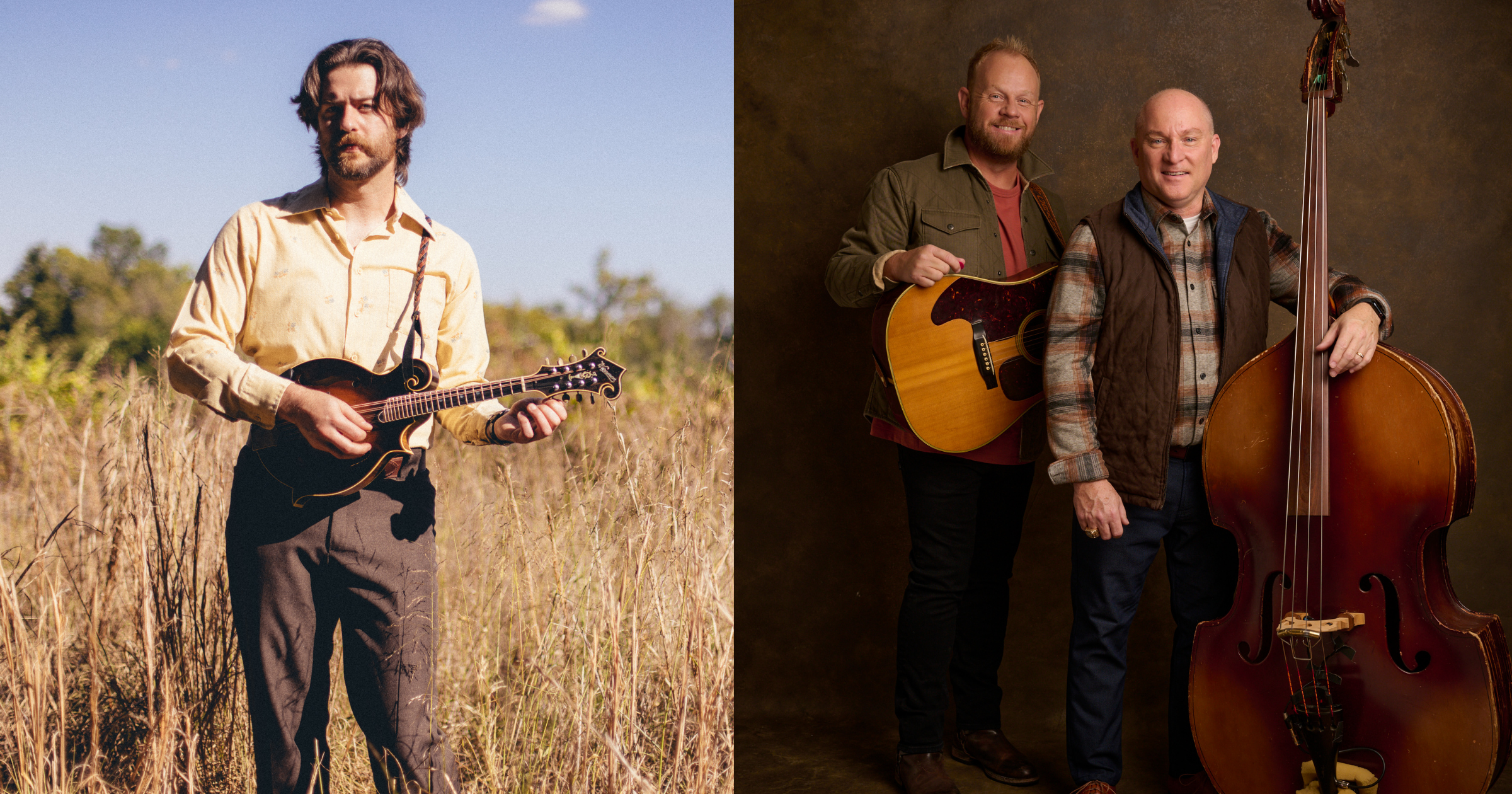
You Gotta Hear This: New Music From Jarrod Walker, Dailey & Vincent, and More

Welcome to another edition of our weekly round-up of new roots music! You Gotta Hear This…

To get us started this week, Dailey & Vincent continue to tease tracks from their upcoming album, A Beautiful Life, which will arrive on June 12. In the meantime, they’re sharing a music video for “Moon Shines on the Still,” another delightfully bluegrassy number for the country-and-gospel-and-bluegrass powerhouse duo. The fresh single’s breakneck tempo doesn’t stymie any of the fine pickers who shred throughout the feisty song about moonshine running and that good ol’ mountain dew. For another bluegrass duo, check out fiddlers Deanie Richardson & Kimber Ludiker launching their new track, “Rutland’s Reel.” It’s an acrobatic and challenging tune by Howdy Forrester with several complicated parts, but these two turned it into a stellar twin fiddle number anyway. What, like it’s hard?

From Asheville, North Carolina, Appalachian string band TANASI infuse their songs and tunes with influences from around the world. “Give Me Love (Give Me Peace On Earth)” is their timely rendition of a George Harrison song, on which Dobroist and multi-instrumentalist Billy Cardine plays a chaturangui, a slide instrument that draws from Indian classical music traditions. Watch a performance video for their cover below. Singer-songwriter Maisy Owen has shared a new music video today, too. “Dark On A Sunny Day” is lush indie folk wrapped in a sonic dreamscape, with a slightly dark and gritty tinge to pair perfecdtly with her evocative lyrics. The beat pulses forward, pushing and pulling the track ahead.

Plus, mandolinist Jarrod Walker – who you may know from Billy Strings’ band – just this week announced an upcoming solo album, Nighthawk, his first release as an artist in his own right. Prior to the album announcement Wednesday, Walker unveiled an upcoming tour in May. Now the lead single/title track from his debut LP is available everywhere, and we’re sharing the lyric video visualizer for the remarkably straight-ahead bluegrass number below. Nighthawk arrives in full on May 8.

Bluegrass, folk, and indie; mandolins, fiddles, and banjos; moonshine, darkness, and emotions – there’s something for everyone to enjoy. You Gotta Hear This:

Dailey & Vincent, “Moon Shines on the Still”

Artist: Dailey & Vincent
Hometown: Nashville, Tennessee
Song: “Moon Shines on the Still”
Album: A Beautiful Life
Release Date: April 10, 2026 (single); June 12, 2026 (album)
Label: Pillar Stone Records

In Their Words: “‘Moon Shines on the Still’ is a fun, up-tempo song with a lot of personality. It’s the kind of record that makes you want to roll the windows down and enjoy the ride.” – Jamie Dailey

“We had a blast recording this one. ‘Moon Shines on the Still’ has energy, heart, and a sound that feels both fresh and true to who we are.” – Darrin Vincent


Maisy Owen, “Dark On A Sunny Day”

Artist: Maisy Owen
Hometown: Nashville, Tennessee
Song: “Dark On A Sunny Day”
Album: Dark On A Sunny Day
Release Date: April 10, 2026 (single); May 1, 2026 (album)
Label: Tompkins Square

In Their Words: “There was a period of time two years ago in the summer when I was writing almost every night. ‘Dark On A Sunny Day’ was one of the first songs I kept. There’s a kind of honesty that comes with someone’s early work, something I always look for when I deep dive into a new musical obsession. Something early is something pure. This is the only song on the album with a full band arrangement. The instrumentation is dark and unceasing. There is no metaphor or veil regarding the lyrics, they are candid.” – Maisy Owen


Deanie Richardson & Kimber Ludiker, “Rutland’s Reel”

Artist: Deanie Richardson & Kimber Ludiker
Song: “Rutland’s Reel”
Release Date: April 10, 2026
Label: Mountain Home Music Company

In Their Words: “‘Rutland’s Reel’ was written by one of my ultimate fiddle heroes, Howdy Forrester. In typical Howdy fashion, it’s got several parts and is challenging to play. It was a lot to take this one on as a twin fiddle piece and Kimber took on the challenge of learning the harmony part. She nailed it! I’m so proud to have this tune on our record honoring the great Howdy Forrester.” – Deanie Richardson

Track Credits:
Deanie Richardson – Fiddle
Kimber Ludiker – Fiddle
Cody Kilby – Acoustic guitar
Hasee Ciaccio – Upright bass
Tristan Scroggins – Mandolin
Kristin Scott Benson – Banjo


TANASI, “Give Me Love (Give Me Peace On Earth)”

Artist: TANASI
Hometown: Asheville, North Carolina
Song: “Give Me Love (Give Me Peace On Earth)”
Album: TANASI
Release Date: April 9, 2026 (single); May 8, 2026 (album)

In Their Words: “This song by George Harrison feels especially relevant right now – we need as many songs about peace and love as possible in difficult times. It echoes both backward and forward, carrying layers of meaning that resonate personally and globally. In addition to honoring the song itself, we wanted to pay tribute to Harrison’s influence – particularly his role in bringing classical Indian instruments like the sitar into popular music. Alongside his signature Dobro, Billy Cardine plays the chaturangui, a slide instrument developed by his teacher in India, Debashish Bhattacharya. With its 22 strings, it creates a rich, shimmering tone reminiscent of the textures heard in many of Harrison’s recordings. Mary Lucey and Anya Hinkle share the lead throughout, trading lines and weaving their voices together in sister-like harmony.” – TANASI

Track Credits:
Billy Cardine – Dobro, chaturangui
Mary Lucey – Bass, vocals
Anya Hinkle – Guitar, vocals


Jarrod Walker, “Nighthawk”

Artist: Jarrod Walker
Hometown: Lithia, Florida
Song: Nighthawk
Album: Nighthawk
Release Date: April 8, 2026 (single); May 8, 2026 (album)

In Their Words: “A few years back, I stumbled upon the word ‘Nighthawk’ in The Dictionary of Obscure Sorrows, a collection of definitions for newly invented words that describe unnamed emotions, feelings, and experiences. Initially, ‘Nighthawk’ began as a moody, vibey track, but Christian Ward and I soon realized it worked better as a straight up bluegrass song. Once we committed to that approach we were able to lock down a couple verses, a chorus, and everything started to take shape. One of the trickest parts of songwriting is revisiting an unfinished song, returning to that headspace to add final touches Eventually we added a third verse which tied it all together with a big ribbon and bow. Now I couldn’t imagine it without it. I find that with trad bluegrass it’s best to keep things close to home or else you risk losing the essence of the song. I say that now, but ask me how I feel next year. The band knocked this one out in a few takes and later Billy [Strings] added a killer tenor harmony. Ultimately, ‘Nighthawk’ wound up being by far one of the grassiest tracks on the record.” – Jarrod Walker

Track Credits:
Jarrod Walker – Vocals, mandolin
Cory Walker – Banjo
Jamie Dick – Drums
Christian Ward – Fiddle
Jake Stargel – Guitar
Royal Masat – Upright bass
Billy Strings – Background vocals


Photo Credit: Jarrod Walker by Jesse Faatz; Dailey & Vincent by Gregg Roth.

Watch Billy Strings Perform His First Ever Tiny Desk Concert

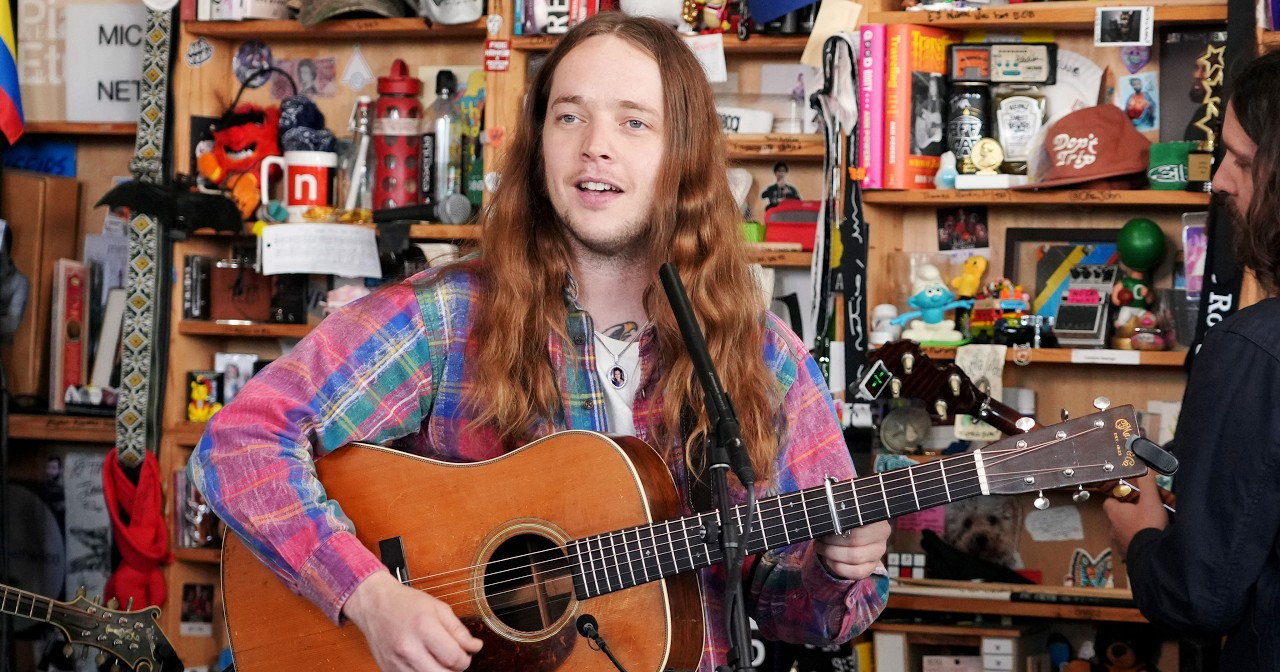
NPR Music brought all of us an early holiday gift – skipping placing it under the tree entirely – when they released Billy Strings’ first ever Tiny Desk Concert on December 10. With his touring band of Jarrod Walker (mandolin), Royal Masat (bass), Alex Hargreaves (fiddle), and Billy Failing (banjo) circled up around him, Strings performed three tracks from his GRAMMY-nominated 2024 album Highway Prayers as well as a fan favorite, “Red Daisy,” from 2021’s Renewal, which kicked off the set. Watch above.

Bluegrass is perfectly suited to the stripped-down, acoustic Tiny Desk setting of course, the genre seemingly designed for just these sorts of informal contexts, with listeners gathered around and that high lonesome sound cutting above. Still, the NPR Music staff gush in their post of the concert about Strings’ sonic instincts in the space. “It’s rare these days for an artist to ask for fewer microphones,” they write in their description of the mini set, “but after warming up in our space, Billy Strings did just that.”

Strings and his band routinely step away from their pedal boards, pick ups, and instrument and vocal mics even on the biggest arena stages in the country, so it’s no surprise they leaned further into the cozy and informal vibes of NPR’s Tiny Desk, dancing around the single center microphone while certain instruments are augmented slightly by clip-on condensers.

No matter the heights to which this group ascends, they never forget their unassuming bluegrass roots. Strings is noticeably excited and humbled to take his turn behind the Tiny Desk. “We’ve been lucky to play a lot of cool venues,” Strings says during his set. “But this one’s different. It has that same soul to it because — I’ve seen so many amazing performances that happened right here and I kind of believe that love and spirit kind of soaks into this environment, so just standing here feels like a special thing.”

Though, like all Tiny Desk performers, they only perform a handful of tracks, Billy Strings and his band did indeed accomplish a very special thing with their debut Tiny Desk Concert.

Highway Prayers is nominated for a GRAMMY for Best Bluegrass Album at the 2026 GRAMMY Awards to be held in February in Los Angeles. We spoke to Strings around the release of the project in 2024, when he was our Artist of the Month.


Watch Billy Strings Perform on The Late Show with Stephen Colbert

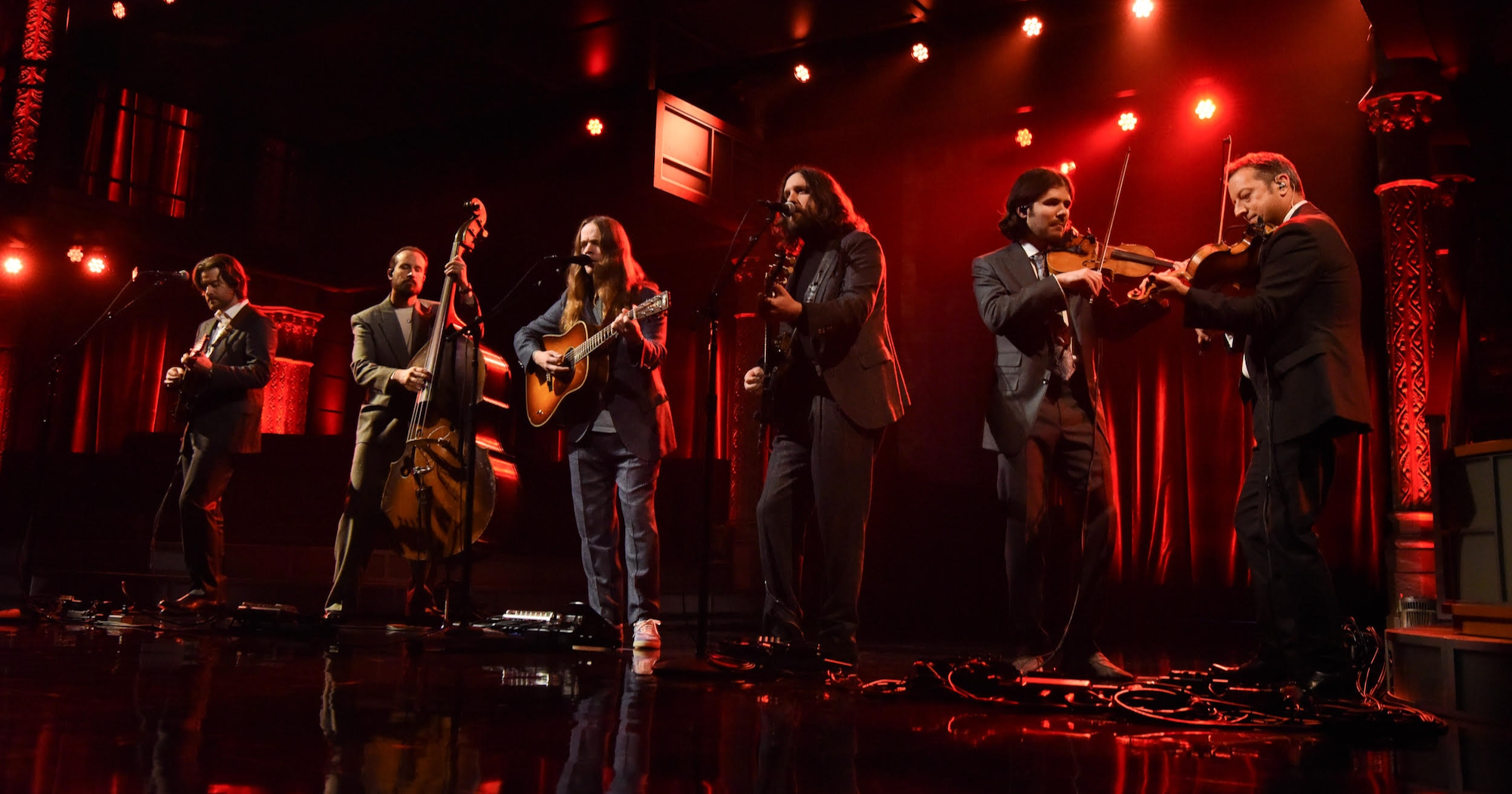
On Thursday, November 20, 2025, Billy Strings and his band returned to The Late Show with Stephen Colbert for another exciting bluegrass performance broadcast over the television airwaves. Strings’ 2024 album, Highway Prayers, was recently announced as a GRAMMY nominee for the Best Bluegrass Album award at the upcoming 2026 GRAMMY Awards, which will be held in early February. On Colbert, the group performed “Leaning on a Travelin’ Song” off the project to celebrate the LP’s nomination. (Watch above.) It’s Strings’ eighth GRAMMY nomination since 2020 and, if he wins in 2026, will be his third trophy for Best Bluegrass Album.

The band, which includes Jarrod Walker (mandolin), Royal Masat (bass), Billy Failing (banjo), and Alex Hargreaves (fiddle), were joined by fellow Best Bluegrass Album nominee Jason Carter for a twin-fiddle arrangement of “Leaning on a Travelin’ Song.” (Carter is GRAMMY-nominated with Michael Cleveland for their debut duo album, Carter & Cleveland.) Carter guested on the track on Highway Prayers, as well, supplying delicious twin fiddle and reprises his album role on the Colbert stage. The song begins with mournful a cappella three-part vocals and dramatic guitar strums before kicking into time with the lush, burning fiddling of Hargreaves and Carter.

As Nickel Creek’s Sara Watkins put it in a comment on Instagram, “Yes sirs!! Nothing like some singin’ twin fiddles on National Television!” We and the many other commenters and viewers on the internet agree. Strings and his cohort sound excellent, offering warm, lively, and crisp, fresh-sounding bluegrass to millions over the television airwaves. The world could always use more twin fiddle, and it certainly always craves more Billy Strings.

We spoke to Billy Strings about Highway Prayers while celebrating the album’s release last fall when he was BGS Artist of the Month. Check out that interview here.


Photo Credit: Scott Kowalchyk for The Late Show with Stephen Colbert.

50 Years of 0044: JD Crowe & The New South’s Landmark Album

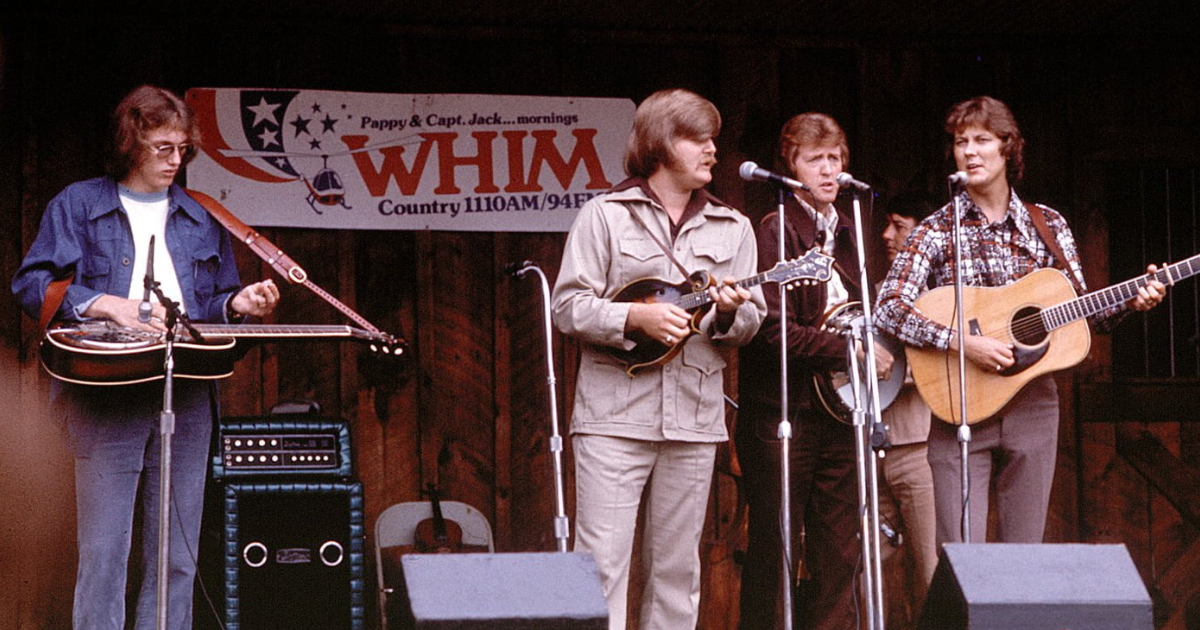
Writer Marty Godby called it “The convergence of 1975.”

The elements: a band that would only be together for 10 months, a benevolent venture capitalist who loved bluegrass, and an upstart record label from Boston. The resulting product was unprecedented and unforgettable: The New South, Rounder Records 0044. Bluegrass fans know it simply as “0044.”

The New South of this recording was J.D. Crowe on banjo; Tony Rice on guitar; Ricky Skaggs on mandolin; Bobby Slone on bass; and Jerry Douglas on Dobro. The impact of that configuration and the album were stunning. Yet, within a year of the recording, Rice would leave to become a founding member of the David Grisman Quintet. Skaggs and Douglas formed Boone Creek. Crowe and Slone continued performing together for years.

Rounder 0044 was influential enough to be preserved in the Library of Congress’ National Recording Registry in 2024 and was awarded induction into the GRAMMY Hall of Fame this year. This month, Real Gone Music will re-release the album on vinyl, as will Craft Recordings later this year on compact disc.

Both the origin story and legacy of 0044 have inspired great narratives, probably more than any other bluegrass album. Bill Nowlin, one of the three founders of Rounder Records, wrote three articles for BGS on the album’s 40th anniversary. They offer a step-by-step look at what happened in 1974 and 75, plus hilarious and poignant anecdotes and quotes.

David Menconi dedicated a chapter of his excellent book, Oh, Didn’t They Ramble: Rounder Records and the Transformation of American Roots Music, to 0044. In 2016, radio host Daniel Mullins focused his college history capstone project on the album. Of course, it was 44 pages.

THE SHORT VERSION


J.D. Crowe, already revered for his banjo playing and baritone singing, led a band called The Kentucky Mountain Boys. From 1968, they had a six-nights-a-week gig at the Red Slipper Lounge in a Lexington, Kentucky Holiday Inn. Crowe added non-traditional bluegrass instruments and songs to the Holiday Inn repertoire. This was as much to please a diverse audience as it was to keep the musicians from getting bored. In 1971, Crowe changed the band’s name to The New South.

Of the name change, Rounder’s Marian Leighton Levy said, “It was obvious that this was a new kind of bluegrass.” From a broader view, “It was an era when the South was, in a way, trying to self-consciously reinvent itself as a new, modern place. And they [The New South] were kind of the musical representation of that wider political context.”

It was the ’70s, and change was brewing – even in the tightly controlled world of country music, Levy noted. Around the same time, Willie Nelson and his Outlaw Country compatriots were reaching out to new songwriters and moving away, physically and musically, from “the factory system of Nashville publishing companies.”

In 1974, lead singer Larry Rice left the New South and brother Tony took over singing lead. Ricky Skaggs’ pure tenor mixed with Rice’s unmistakable mid-range voice, creating a new, dynamic tension for their duets and trios. In the summer of that year, Crowe and the band toured without any product to sell. At the annual Gettysburg Blue Grass Festival, Crowe, his friend and manager, venture capitalist Hugh Sturgill, and the young founders of Rounder Records initiated “The Great Convergence” – an agreement for a studio recording. An innovative contract led to the first New South album.

THE BLUEGRASS WORLD EXPLODED


As soon as they heard the test pressing, the Rounder founders knew they had something remarkable on their hands. “Jack Tottle [who, along with John Hartford, wrote liner notes for the album] was stunned, and he kept saying, ‘This is one of the most amazing records ever made.’ And he was not given to exaggerating,” Levy said.

“It was clear. It was crisp … and the more you played it, the more you wanted to hear it.”

0044 came out in the spring of 1975. Levy said by festival season, other bands were playing the tunes from the record “pretty much note for note.” One observer said that at one festival, almost every band on stage played “Old Home Place.”

So, what is it about that record? Let’s start with the musicians. Skip Heller, who initiated the 0044 Real Gone Music reissue, said everyone in that group of players “would talk about it like it was high school prom and their first love … they had all been in good bands before, but this was the first time they had been in a band that was as great as anything in bluegrass music had ever been.”

Levy said, “They absolutely knocked each other out. … And I think that long before anybody heard the record, they knew the band would stand the test of time – because of all of them, not just one person.”

The record’s title was The New South. Only after the first printing sold out, three band members had moved on, and it was time to redo the cover (read about the cover photo – a great story in itself), was it retitled J.D. Crowe & the New South. Crowe, born in 1937, was the venerated elder and a banjo icon. After entering Jimmy Martin’s boot-camp-of-a-band at age 18, he developed impeccable timing, his own take on Scruggs-style banjo, and excellence as a baritone singer. And he knew how to pick his band members.

The influences of Tony Rice (age 24 at the time) on bluegrass and related music are limitless – from cementing the role of guitar as a lead bluegrass instrument, to modeling impeccable rhythm playing and singing, to excelling in so many genres outside the bluegrass boundaries. At 21, Skaggs had the instrumental chops, a stunning voice and the instincts to become successful in both country and bluegrass. Rounder’s Ken Irwin attributes much of 0044’s innovation to Skaggs, including bringing a teenaged Douglas into the mix.

Douglas is to Dobro what Rice is to lead guitar. Fifty years later, after 14 GRAMMY awards and countless other honors, he continues to inspire and encourage musicality and creativity in Dobro playing. Touring with Alison Krauss since 1998, it’s likely that he has been heard live by more people than any other resophonic guitar player. Of the veteran, Bobby Slone, Mullins said, “Everyone in the band wanted to make sure that Bobby got a lot of credit. … He was such a rock solid force on that band, not just on bass, but as far as camaraderie was concerned.”

By the time The New South entered the studio, Crowe, Slone, and Rice, later joined by Skaggs, had spent hundreds of hours performing together at the Holiday Inn. Individually, they were superb musicians. Together, they were as tight as a band could be.

THE SONGS


Long before 0044, Crowe had blasted out from under bluegrass constraints, incorporating songs like Fats Domino’s “I’m Walkin,” and at Larry Rice’s suggestion, The Flying Burrito Brothers’ “Sin City.” The songs on 0044 were just a small set of a huge repertoire. While the unconventional musical choices sparked controversy among traditionalists, they also sparked a flame of excitement that spread quickly and widely.

In 1975, Mullins said, Ralph Stanley & the Clinch Mountain Boys, Jimmy Martin, and Bill Monroe were still “killing it” at festivals with their first generation bluegrass sound. “On the other end of the spectrum, Seldom Scene recorded Live at the Cellar Door,” an immensely popular recording, that year. Like the Country Gentlemen, the Scene had been recording songs totally out of the bluegrass box, using bluegrass instrumentation, but with an emphasis on rich melodies and harmonies, rather than just the drive of traditional bluegrass.

Mullins said, “You go to Crowe, who’s got the street cred from all his records with Martin, but he’s also looking ahead, and so he’s able to get it all in there. A lot of bands were playing to one side or the other … but to have one that hit right in the middle, right at that time, was unreal.”

“When they saw J.D. Crowe’s name up front, and they knew that he had played banjo with Jimmy Martin on all those records they had loved for 20 years, it probably made some of those hard-edged fans pay more attention,” he said.

Whatever the dynamics of the time, The New South became synonymous with great bluegrass. And 0044 made Ian Tyson’s songs forever acceptable in bluegrass jams.

ON AND ON


Kristin Scott Benson, six-time IBMA Banjo Player of the Year, was born the year after 0044 came out. Benson said she was about nine the first time she saw J.D. Crowe. He was playing with the Bluegrass Album Band, “and that was a formative experience. That band was so explosive, and the crowd had an air of chaos, because everybody was so excited to hear the band. Every time Tony Rice ended a solo, you couldn’t hear any music.” (Because of the crowd noise.)

It would be four years until she picked up the banjo, and two more years until she learned about The New South album – and what it meant to a banjo player.

On 0044, she says, “If you just talk quintessential banjo solos, you’ve got ‘I’m Walkin’ and ‘You Are What I Am.’ His tone is aggressive. It’s just such confident, groovy, greasy, pristine banjo. It’s impossible to overstate how good it is and how influential it is.”

“But I think you should listen to his contributions on the less banjo-friendly songs [‘Home Sweet Home Revisited,’ ’10 Degrees’], because Crowe was great at that. He was a magical backup player.”

Billy Failing, who currently plays banjo with Billy Strings, agrees. Failing started out his banjo life drawn to more progressive players like Béla Fleck. But, he said, “As time goes on, the more I circle back to J.D. Crowe. I think of how much of a gold standard he is for bluegrass banjo, and how interesting his playing is.”

“He’s considered a traditional player,” Failing continued, “but then I’m always hearing some lick that surprises me. It’s been a gradual thing, but it becomes more meaningful as time goes on. I was just listening to The New South album, and on ‘Cryin’ Holy’ – it’s just so slamming! He’s turned it up to 11 constantly on that one.” And, like Benson, he points out what he calls Crowe’s “intricate touch” on banjo.

“It’s such a cool kind of push and pull between whether he’s out front or whether he’s playing backup … it catches your attention in such a cool way.”

Benson said, “It’s easy just to be drawn to those obvious picks [like ‘Old Home Place’] but the album is so much deeper than that. This particular band presented a tightness and a level of execution that was new – I don’t think there had been a bluegrass record up until that point that was so well done.”

“The vocals, the arrangements are so well thought out. Everybody’s playing so well together. It was just a special moment and a special group of people, and I think it raised the bar for bluegrass albums,” she said, and made an imprint on so many contemporary musicians.

Benson poses the question, “Who’s the most influential modern bluegrass guy? It would have to be Tony Rice, because he affected the genre with his rhythm guitar playing, which is phenomenal. And that type of rhythm playing affects the entire groove of the band. It became the new standard, what most people go for.”

“Never discount the importance of his rhythm,” she continued, “and then obviously his lead playing, but also his singing and his material choice … so if someone pinned me down and I could only name one, he might be the guy.”

Failing, speaking of his bandmates, said, “Everybody’s inspired by The New South. I hear Billy [Strings] constantly talking about his inspiration by Tony Rice, and Jarrod [Walker] by Ricky Skaggs.” (Walker wrote liner notes for the Real Gone Music re-release.)

Mullins noted that the Rice/Skaggs blend – a lead singer with a baritone-range voice coupled with a high tenor – established a hair-tingling blend that continues to be emulated, from Ronnie Bowman and Don Rigsby in Lonesome River Band through Alison Krauss’ duets with Dan Tyminski and Russell Moore.

Benson said, “It’s an important record for the genre as a whole, and it’s also an important record to me, personally, and really, to any banjo player who is serious about learning. It’s one of those essential albums.”

UNANSWERED QUESTIONS


First, how did it come to be widely known as 0044? Well, nobody’s sure. Irwin and Levy remember being in the very early stages of their operations at the time – with both a new label and a new distribution company. All three Rounders had been totally immersed in music, but they were learning the business as they went, developing it on their own terms.

Levy speculated, “It is possible that it went back to when we were just calling records by their numbers,” when there just weren’t that many products. “So, it may have been something we started when we were talking, and other people picked up on it, not intentionally. And we thought it was sort of humorous.”

And how did members of Emmylou Harris’ Angel Band get left off the credits, as well as the fact that J.D. played guitar on it? John Lawless goes into depth in his fascinating Bluegrass Today article.

HAPPY 50TH BIRTHDAY


As the liner notes to the Real Gone Music re-release say, “Virtually no other album anywhere in history is known to its audience by its label number. Not Kind of Blue, nor Pet Sounds, Glenn Gould’s Goldberg Variations, none.”

That says quite a bit about the recording’s importance. So does the fact that two labels are issuing re-releases this year.

The Real Gone Music edition is pressed on gold-colored vinyl for its golden anniversary. Both re-releases contain two cuts not included on the original product: “Why Don’t You Tell Me So?” and a version of “Cryin Holy” with Emmylou’s voice in the mix.

Failing sums up what 0044, J.D. Crowe, and the musicians he surrounded himself with mean to him and to many of the pickers making the best music today.

“Every time I circle back to the Bluegrass Album Band, The New South, and J.D. Crowe, I’m reminded, ‘that’s how it’s done!’”


Photo Credit: Phil Zimmerman

Wear your love for 0044! Shop our exclusive RR 0044 tee on the BGS Mercantile here

Two Women on the Cutting Edge of Bluegrass’s Future

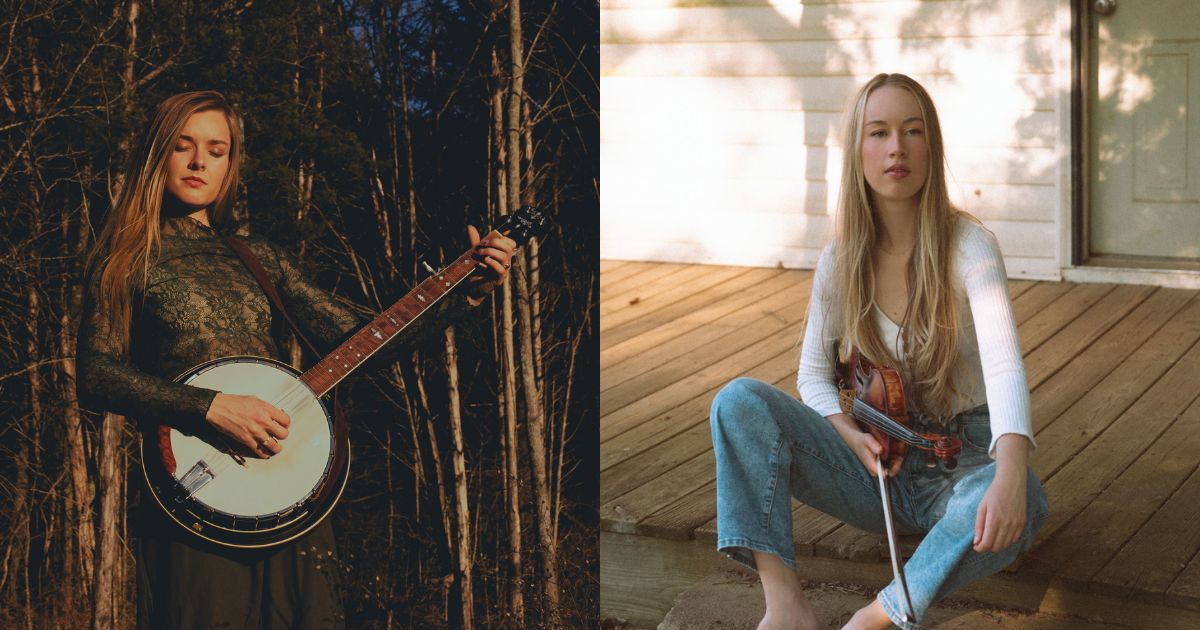
At whatever level you may be plugged into the online bluegrass scene, you have surely heard, seen, or scrolled into content by Bronwyn Keith-Hynes and Brenna MacMillan. These two young, talented pickers are part of a vibrant and blossoming community of traditional musicians and folk artists that includes folks like Cristina Vane, Victor Furtado, Hilary Klug, Wyatt Ellis, and many more.

What makes these creators stand apart, especially Keith-Hynes and MacMillan, is that they aren’t just shoehorning social media into their art-making and creative processes to move up Music City ladders and check abstract music industry boxes. Instead, they’ve intentionally demonstrated how powerful, engaging, and charming content can be when it’s made with art, creativity, tradition, and joyful, cooperative generation as its focal points. Instead of bending over backward to construct virality and lean into transient socials trends, they let their talent, their songs, and their communities do all the talking.

In May, Keith-Hynes released her second solo album, I Built a World, her first project to center songs and her recently-developed, impressive vocals. Drawing on musicians and pickers from her immediate circle and her main gig – Molly Tuttle & Golden Highway – as well as tapping notable country stars and bluegrass legends, the project finds Keith-Hynes at her most confident and unbothered. This is a fiddler-singer-front woman who has found her voice – literally, through work, practice, and vocal lessons as well as figuratively, not satisfied to craft a career on bowing the fiddle alone.

@bronwynmusic Somehow Tonight [Earl Scruggs] SPBGMA stairwell jam!!! Our favorite acoustics for sweet harmonies 😇 🎻: Bronwyn Keith-Hynes 🪕: Brenna @Brenna MacMillan 🎸: Danielle Yother #spgbma #bluegrass #indoor #festival #nashville #harmonies #womeninmusic #banjo #guitar #fiddle #fridaynights #weekend #fyp #stairwellsinging #explore #foryou #bluegrasstiktok ♬ original sound – Bronwyn Keith-Hynes

Later this year, MacMillan will release her debut solo album. Its lead single, “What’s to Come,” features Ronnie McCoury and is indeed a harbinger for the superb album to follow. This project, which highlights MacMillan’s prolific songwriting and features her musical community fleshing out the band, is built directly upon the successes she, Keith-Hynes, and others have found on the internet. Eschewing labels, management, or traditional roll outs, MacMillan will release the project herself, with funds raised on GoFundMe, bringing the music directly to her consumers on her own website and socials channels without “middle men.”

So, not only are MacMillan and Keith-Hynes innovating on ideas around what it means to be a side person, a career picker, and multi-hyphenate, professional traditional musicians, they’re taking all of their expertise as online brands and businesswomen to find success for themselves, on their own terms. They’re focusing on what matters, centering their communities, and making incredible, superlative music at the same time.

BGS connected with MacMillan and Keith-Hynes together via video chat to talk about their unique approaches to making albums, content, and music, while highlighting the deep and tight-knit “bluegrass influencer” circle they’ve each helped create since moving to Nashville and putting their all into bluegrass.

I wanted to start by talking about community and musical community – one of the reasons why I wanted to have you both in conversation with each other is how you each rely on, draw from, and center your musical communities in what you create. It may look like these are solo projects that you’re making, but they’re clearly not solitary projects – and they don’t really feel like vanity projects, either. from the outside looking in either. It really feels you’re making music with other people so you can make music with other people. Could you talk about your work, your solo albums, and working in your communities?

Bronwyn Keith-Hynes: Yeah, I think first and foremost, me and Brenna are good friends and we just ended up being drawn together. We both moved to Nashville around the same time and ended up doing a lot of things together and had a lot of similar interests. That’s cool to find. I haven’t found that many women who have my same interests until I moved to Nashville and then all of a sudden I felt like there was a whole bunch. It’s been really awesome to find that.

First of all, I’m just such a fan of so many people, and I wouldn’t want to make music any other way. My project was based around songs from my community, which was really special to me. It was like a little nerve wracking reaching out to friends and people I respected to be like, “Do you have a song that you’re not going to record that I could record?” But, thankfully, a lot of people did – including Brenna – and I ended up recording one of her songs. And, she sang on it and it was awesome!

I feel like I couldn’t do it alone. I know my strengths and then I know other people’s strengths and I want to make sure we’re all [drawing on our strenghts]. I don’t know if singing is my strength, but it’s something I feel passionate about and feel driven to do for whatever reason. I know the things that I want to put out in the world; I want to make sure the music I’m making has the best parts of myself, but then the best parts of everyone else who’s playing on it.

I think that folks who aren’t just straight white men in this industry, we realize from the get-go that we have to have others with us. We have to do it together. Otherwise we’re not going to go the distance. I feel that in both of your music, as well. But Brenna, I wonder what that question brings up for you, as you’re thinking about and positioning your album to release as well?

Brenna MacMillan: It’s funny, because when Bronwyn asked about songs that I had, I had like a bunch and at that time I wasn’t even thinking about [making] an album at all. I think it was maybe like a couple months later that I decided, based on my friends that kept being like, “You should record some of these songs!” And I was like, “I guess…” I wasn’t thinking about it at all whatsoever.

Then that’s another way like to get my songwriting out there, too. And why wait for someone to come to me for songs if they don’t even know that there are songs? Besides my friends, which is who I first would want to do my songs anyway. It’s funny, because obviously it’s really cool putting out your own music, but I still get more excited when “Riddle” comes on than when “What’s to Come” comes on. [Laughs] That is so cool!

Someone else’s vision for your song, it’s like the coolest thing ever to me. Because, I know what my brain comes up with so it’s not shocking, but someone else’s ideas around something that you wrote – it’s like the coolest thing ever, and I guess that’s why I love the community. I feel like community is like the word that I say way too much, but I do I love it. For Bronwyn, Cristina [Vane], Hilary [Klug], Emily, and Mallory, to some extent back in 2018, we all were moving to town around that time and then 2020 hit and I think that’s when we all got a little closer, because we were all bored and wandering around. I took a lot of walks with my friends, individually, we tried to stay across the path from each other, but I think those bonding moments brought us closer. We were like, “Let’s get coffee” or “let’s get dinner,” and then we ended up making a video or something and it all evolved into great friendship, plus people online being like, “Oh, we like to hear you guys play together!”

@brennamacbanjo Friday night with Lester Flatt! #bluegrass #harmonies #sisters #womeninmusic #fyp #banjo #fiddle #musicians #foryou #friday #weekend #vibes #flatt #scruggs @bronwynkeithhynes @cvanemusic ♬ original sound – brennamacbanjo

One of the things I love most about that whole community of content creators – you’re talking about Cristina Vane and a lot of these other folks you create with here in Nashville – it never feels like you’re trying to shoehorn bluegrass into contemporary content creation. It really seems that making bluegrass music and making roots music with your friends is the impetus, and then you made it fit into social media – instead of vice versa. Like, it’s happened organically and from a community standpoint first, and not just from “I have a social strategy. I have a five year plan.” Do you agree or disagree?

BM: Oh yeah, I agree. There’s not much strategy that’s happened in here. There’s not a lot of that going on. [Laughs]

And yet, I can tell you objectively from the outside looking in, y’all are still operating with 110% more strategy in mind than most of bluegrass. [Laughs]

BKH: I feel like Brenna and I have both talked about – correct me if I’m not saying this right, Brenna – wanting social media to serve us, rather than for us to serve social media. The end goal, for at least for both of us, is not like to become a social media star, it’s to have it serve us, to get our names and our music out to more people.

BM: Yeah! And it felt like it was very random that social media took off for me. I was just like, “Where are you guys coming from? Why do you want to hear me kick off a J.D. Crowe song like every day?” But at the same time, it has its own frustrations and that’s when me – and I think a bunch of the other girls that do this side by side with their music careers – we’re like, “We’re going to have this, but only if it makes sense for helping promote our live gigs and any projects we’re doing.” But as soon as I get nasty comments, or this, or that I’m like, “Oh, I will literally just get off of this app if it’s going to go this direction.” I just block people and then keep going.

I want an audience who will appreciate the things that I want them to appreciate. I think that I’ve trained my audience, too. Basically I shoved it in there, “You are going to listen to this slow song and try to enjoy that. And if you don’t, then I’m going to take you [out of my following]…” Because there have been some people who think that I am a content creator on there, and I’m like, “No, I play music and I took an hour out of my day and posted this video and we’re lucky that happened. Now I’m on my way to a gig and I don’t need some [negative] comment.” But you could come to a live gig and request a song!

Brenna, one of the things I love about your upcoming album and the messaging around it is that you’re really doing  a direct-to-consumer business model and roll out. You’re being like, “Y’all can come to me. You already know how to find me, so this is where you can find the music, too.” I think it’s amazing and again, it’s the cutting edge of what the future of bluegrass will be while it’s also so fucking trad. It’s like back in the day, when bluegrass music required taking the car battery out of the car to play a show in the high school auditorium and then putting the battery back in to drive to the next high school auditorium.

It’s like you’re doing that in the 21st century. You’re being a DIY bluegrass musician, but in 2024. Can you talk a little bit about the direct to consumer model you’re using with your album roll out?

BM: I was like, I need to build a website so that there’s everything in one place – I remember why I did it, too, because there are a bunch of fake accounts. I knew I needed something out there to be authentic and to have all of my official links. That was literally my number one goal with the website. So now, here’s the link to my website, you can find my YouTube channel, my Facebook, my Instagram, my TikTok from there. And you’re going to know you’re in the right place. I’ve basically just started to try to push everything to my website and go from there to everything else, even if it’s taking you back to Instagram. Because [the website is] where everything’s going to happen, so that you know that it’s me instead of some person scamming you. I guess with that in mind, I started trying to link everything, like in my stories, when I’m talking about anything coming up, I just say, “Go to my website!”

Bronwyn, I wanted to ask you again about community and about bringing your circle, your scene into your album. I love all of the features on your album and I also love that it doesn’t just feel like you’re reaching for a Collaborative Recording of the Year nomination. 

[All laugh]

But I wanted to know how it felt to you, as you were thinking about who you wanted to have on the record and why you wanted to have them on the record?

BKH: I’m glad to hear you say that it feels like it’s in service of the music, because that was definitely my intent. It was the funnest part of [recording the album], for me. I did kind of make those decisions after the tracks were done and I’d done my vocals. I just didn’t know how it was going to turn out until I heard it. Then I would brainstorm with Brent [Truitt], and Jason [Carter], and whoever about who to get on it. Dudley Connell was somebody I was really excited about and I’d never met him. I didn’t know him. Someone just gave me his number, I called him up and left him a nervous voicemail. But yeah, he turned out to be the sweetest guy ever – and he’s a bluegrass hero, I love all those Johnson Mountain Boys records.

It’s crazy especially being a new singer, I haven’t heard my voice recorded much ever. Then to hear my voice with all these other voices that I know and I’ve heard a lot – to hear like that combination for the first time – it was like very surreal!

What was it like working with Dierks [Bentley]? We all know his bluegrass pedigree and his connections to the Station Inn and to the McCourys and that he’s always had one foot so solidly in bluegrass, but y’all would have gotten to know him and got to spend some time with him on the road with Molly Tuttle & Golden Highway, too. I wondered how how that conversation happened and also what it felt like to you to have someone who has gold records and platinum records collaborating with you on your record?

BKH: I grew with his Up On The Ridge album, it was literally one of the first bluegrass albums I heard around my college years.
I was obsessed with it and I thought it was so cool. It got me into listening to the more trad stuff, but I’d always loved his music and then being Jason [Carter’s] partner, and Jason and he were friends even before he was famous. So they’ve been friends from the get go.

I’d met him a few times through Jason and then again when we were on tour [opening for him], that was cool. ‘Cause I felt like we could meet [more as peers], not just because I’m somebody’s partner. But now, this is my gig and this is your gig. And you’re asking us to sit in every night. I felt a little bit more comfortable to make that ask. He just came into Brent’s studio one day and tracked it in under an hour. He’s great! Very quick.

Brenna, talk to me a little bit and if you have features on your upcoming album – and if you can’t talk about them yet, that’s totally fine.

BM: I know, I was trying to think of what I should say – I don’t know, I’m the one in charge! But let me check, I don’t know if Brenna wants to tell all that yet. [Laughs]

At the very least, we can talk about Ronnie [McCoury] and “What’s to Come.” Ronnie’s one of my favorites. Talk a bit about, again, bringing in community and bringing in the scene that already surrounds you.

BM: The core band in the studio was [Mike] Bub on bass and Jake Stargel on guitar. Me, I played banjo on four or five of the tracks, but I have been writing a lot on clawhammer lately and I know that I’m not good at it, so I had Frank Evans come in for those and then I had Cory [Walker] play on a couple very last minute. I was thinking, it’s just going to be better if he does it.

When the special guests ideas popped in my brain, I was thinking, “Do I want special guests to be like my friends, my age, or like people that I really are like heroes of mine? Is this the time to ask them? I don’t know.” Nobody knows who I am, but that’s okay. I had met Ronnie a handful of times in kind of settings where it was like, “I’m here with so and so” and I’m just a little curmudgeon. [Laughs]

“What’s to Come,” it’s like a reflective life song. I know that I sound like a small baby when I sing, and I was thinking of someone with an older sounding voice. Like wanting ancient, lonesome vibes so that there could be old and young together, pondering about life. If you’re young or if you’re old, you still ask all the same questions about life.

Also, [Ronnie’s] gritty mandolin playing. I love it so much. Jarrod Walker played on most of the core mandolin stuff, but he happened to be out of the country that session. I was like, this is perfect! But it’s funny, because I didn’t even know if Ronnie was going to bring his mandolin! [Laughs]

To wrap up, here’s a question I had for both of you, because you’re both musical shape shifters. You move in and out of musical contexts so easily; you’re both side people, you’re both front people, you’re both social media brands. How do you maintain your senses of self?

BKH: I feel like I can’t get away from myself! I don’t feel like I ever even think about that. The only way I’ve struggled with that a little bit, or thought about that more, is doing the solo projects. That’s where I’m like, “Wow. OK. What would Bronwyn do next?” But I think I know what I like and I know what I want to do. I’m just like, “How am I going to do that? I need to figure that out.

BM: I think similarly, I don’t really think about it that much. I think I know what I like, too. And I know what I don’t like. From the get go, I’ve very much just been myself online. I come home from the lab job and do a video with dark circles [under my eyes] and grunge and smelling like hemp trash. That’s what I established from the beginning. So now, I feel comfortable being myself.

Pretty much everything has been my own ideas and, it’s funny, because ten of my eleven songs are originals on the album, three of which are co writes, but hearing it come to life in the studio with other people, it still ended up being what I thought it should be. Which is weird, because there’s no way that I could bring some of these musicians into the studio who are eons beyond what I could imagine, but they knew exactly what the track needed. It does sound like me still and what my vision would have been if I had expressed it [all myself].

BKH: I feel like I’m like more myself these days than I’ve ever been. I feel like for a while, starting out in bluegrass, I had a lot of ideas of what a woman in bluegrass needed to look like, or be, or act like. In the last couple years, maybe inspired by being with Molly in Golden Highway, I feel like I’ve been able to let a lot of that stuff go – about how I should dress and whatever. Now, I embrace the things I actually like.


Photo Credit: Brenna MacMillan by Sophie Clark; Bronwyn Keith-Hynes by Alexa King Stone.

LISTEN: East Nash Grass, “Magic City Grey”

Artist: East Nash Grass
Hometown: Madison, Tennessee
Song: “Magic City Grey”
Album: Last Chance to Win
Release Date: August 18, 2023
Label: Mountain Fever Records

In Their Words: “When our buddy Christian Ward and my brother Jarrod wrote this one, we couldn’t help but think of our beautiful home, Madison. They wrote it about Magic City (Birmingham, Alabama) but THEY WROTE IT IN MADISON. Madison IS Magic City to us, and we love the song. This was the first song we recorded that morning at the Tractor Shed. We’re so excited for people to hear our new album, Last Chance to Win, available August 2023.” — Cory Walker, East Nash Grass


Photo Credit: Aaron Fishbein

Artist of the Month: Billy Strings

Billy Strings takes things up a notch for Renewal, a long-awaited collection of original songs produced by Jonathan Wilson. But is it bluegrass? Or is it rock ‘n’ roll? Perhaps more on the psychedelic side? Truly there’s no right (or wrong) answer to these questions. As Strings himself puts it, “I’ve learned, you’ve just got to let the song do its thing. So that’s what I try to do — write songs and let them come out however they do.”

Billy Strings is no stranger to the festival circuit, bluegrass or otherwise. His career trajectory over the last few years has netted him international acclaim, a handful of IBMA Awards — including Entertainer of the Year at this year’s IBMA Awards show — and even a Grammy for his 2019 album, Home. A Michigan native who now lives in Nashville, Strings says, “I called my last record Home, and then a few months later that’s where we all got stuck. Right now, we’re heading back into opening back up, and doing some more touring with real concerts and real shows. Hopefully we can renew everything. I think it’s an interesting word. It reminds me of how every morning is a renewed day and another chance.”

With Renewal, Strings seizes upon the opportunity to surprise his listeners and to expand his own musical horizons. By winning the Grammy, he discovered a newfound confidence to consider every creative path that presented itself. Because he’s bringing in his touring bandmates Billy Failing (banjo, vocals, piano), Royal Masat (bass, vocals), and Jarrod Walker (mandolin, vocals, guitar), as well as guests John Mailander (violin), Spencer Cullum Jr. (pedal steel) and Grant Millikem (synth), Renewal is far more than just a singer-songwriter record, even if it exposes his own mindset more than any of his material to date.

“I listen to this album now and it’s emotional,” he says. “I could sit there and tweak it forever, but there’s a point where it’s like building a house of cards. Yeah, I could add an extra tower on top, but it might collapse. I’ve always doubted myself, and I still do, but this album makes me think, ‘Hey, you’re doing all right, kid. You just need to keep going.’”

Read our exclusive two-part interview with Billy Strings here, and enjoy our BGS Essentials playlist below.


Photo credit: Jesse Faatz