LISTEN: Beta Radio, “I Need My Prayers”

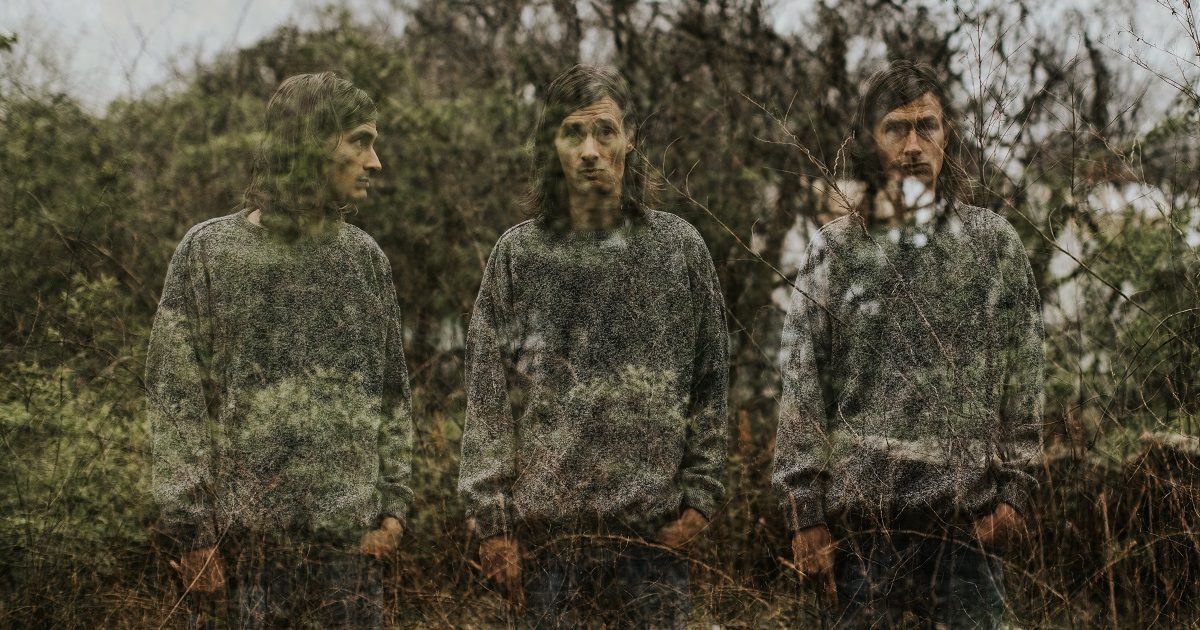
Artist: Beta Radio
Hometown: Wilmington, North Carolina
Song: “I Need My Prayers”
Album: Year of Love
Release Date: June 11, 2021
Label: Nettwerk Music Group

In Their Words: “It usually takes us long stretches of time to write songs, we normally feel great if we can write and record a whole record in a year, so ‘I Need My Prayers’ was a real surprise when it came about. When writing, Brent and I will usually share audio files back and forth, so he sent me a lyric-less guitar demo… I listened to it once, and then played it again while recording on my phone, and then the song lyrics just came out. I think it was all done within 15 minutes maybe. I was in a mental and spiritual place of needing something to hold onto, I felt like I had lost all my footing in the world and didn’t know where to turn. And a lot of personal things felt like they were falling apart. So… I guess I just needed my prayers.” — Benjamin Mabry, Beta Radio


Photo credit: Amanda Holloman

WATCH: T. Hardy Morris, “Shopping Center Sunsets”

Artist: T. Hardy Morris
Hometown: Athens, Georgia
Song: “Shopping Center Sunsets”
Album: The Digital Age of Rome
Release Date: June 25, 2021
Label: Normaltown Records

In Their Words: “There is a run-down shopping center not far from my house that is one of the best places in Athens to see the sunset. It’s just this big expanse of irony to me at that time of day. I go to the liquor store there and my wife and I sometimes take our kids there for mediocre tacos and cheese dip. One evening I was pulling in when there was an especially pretty sunset and I just sang out ‘shopping center sunsets!…’ in the exact melody of the song… and that became the song. I think I still have the a cappella version recorded on my phone.

“The song is supposed to be darkly funny and entertaining like a shopping center sunset. There is this big, beautiful neon sign of God in the background, but the foreground is man’s attempt at commercialization (which only ever results in urban decay). Nature overpowers every time. We filmed the video there in the shopping center and just tried to have fun and capture some of that irony. Like trying to enjoy nature in this very unnatural setting that we take for granted as this very normal place. The American shopping center.” — T. Hardy Morris


Photo credit: Alec Stanley

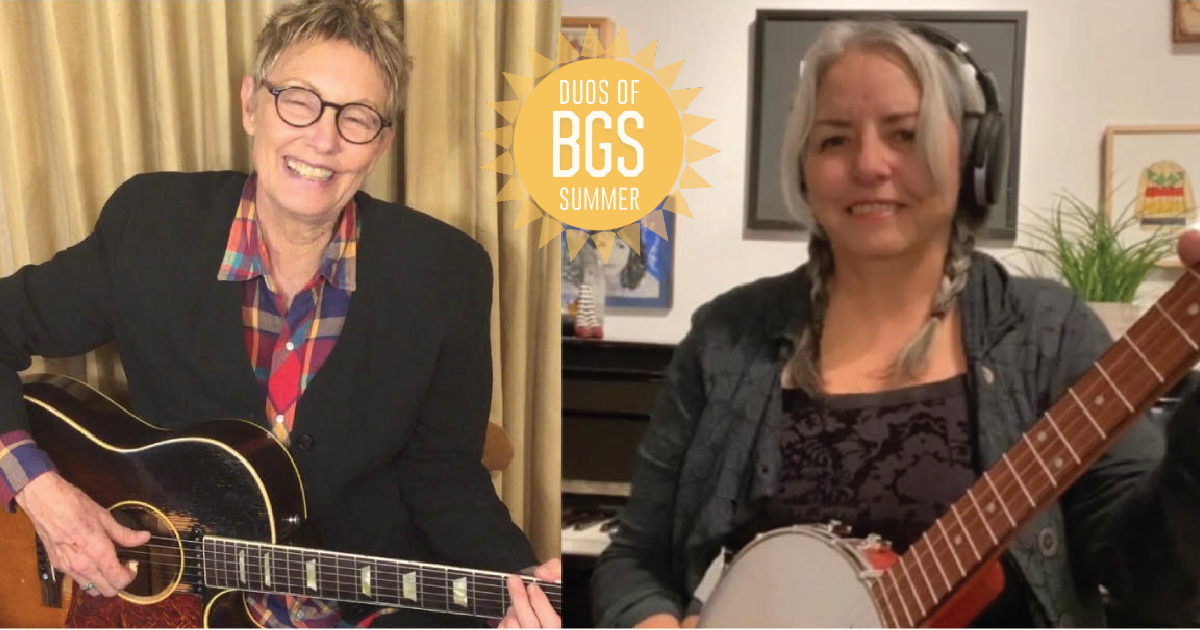
WATCH: Eliza Gilkyson & Lynn Miles, “What If We”

Artist: Eliza Gilkyson & Lynn Miles
Hometown: Eliza: Taos, New Mexico; Lynn: Ottawa, Ontario, Canada
Song: “What If We” from Folk Alliance‘s Artists In (Their) Residences program
Release Date: June 14, 2021

In Their Words: “When Aengus Finnan first approached me about a co-write I was leaning towards not doing it due to my sort of Covid Contraction State of Being last year, but as soon as he suggested Lynn Miles as my co-writer all the doors and windows swung wide open. I am such a fan of Lynn’s music and she also happens to be a great friend. The whole process was as easy and as fun as I imagined it could be. Lynn had a song idea already percolating so she sent me some rough thoughts and it totally triggered ideas from me, so we just traded back and forth and I think gave each other space to do our thing and respect during the process. She also challenged me on some lyrics at one point and I just went with her thoughts and actually learned something different in my writing process. Never too old to learn something new! So it was a positive experience all around and I look forward to playing the song out at some point.” — Eliza Gilkyson

“Eliza is one of my songwriter heroes so I’m thrilled that we wrote this song together!” — Lynn Miles


LISTEN: Hannah Juanita, “Hard Hearted Woman”

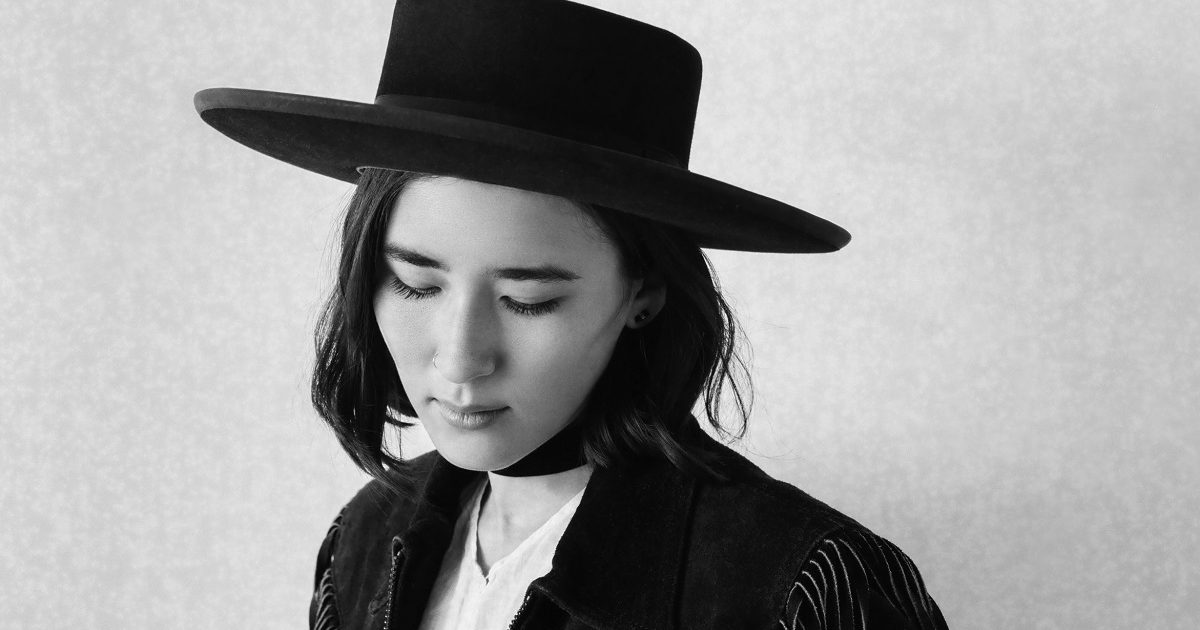
Artist: Hannah Juanita
Hometown: Chattanooga, Tennessee
Song: “Hard Hearted Woman”
Album: Hardliner
Release Date: June 11, 2021

In Their Words: “Well, I’m glad I don’t feel like a ‘Hard Hearted Woman’ anymore! But that is how I felt coming out of my last relationship. Turning 30, moving back to Tennessee, and leaving the life I had built out West behind definitely had me feeling alone… but it was the good kind of alone. I may have felt hardened to love, but I was so ready and excited to do my own thing and make music. I remember well the night I wrote this song. All my friends were out honky-tonkin’ around Nashville, but I felt heavy-hearted and went home because it was time to sit down with my guitar and get this song written. It had been rolling around in my head for too long.” — Hannah Juanita


Photo credit: Jody Domingue

WATCH: Lea Thomas, “Hummingbird”

Artist: Lea Thomas
Hometown: Born in Hawaii, based in Brooklyn
Song: “Hummingbird”
Release Date: May 26, 2021
Label: Spirit House Records

In Their Words: “‘Hummingbird’ was inspired by a dream I had in which I shape-shifted into a white wolf and ran like the wind across a mountainside, overwhelmed with the beauty and the interconnectedness of all life. I knew from the start that I wanted the song and the video to feel similarly ecstatic, like a celebration of life and a reminder of how psychedelic and magical everyday life can be. I’m especially in love with the way the horn and slide guitar duets turned out for that reason. This is the first record I’ve arranged for horns and that instrumental section still gets me so excited every time I hear it!” — Lea Thomas


Photo credit: Hannah Rosa Lewis Lopes

WATCH: Michigan Rattlers, “The Storm”

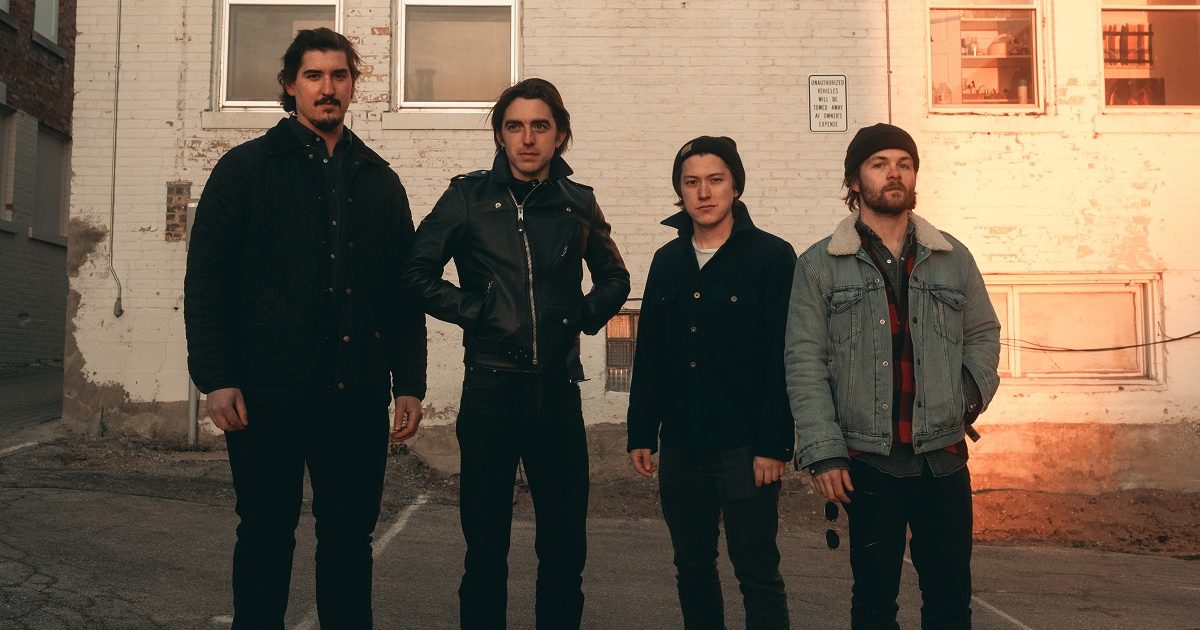
Artist: Michigan Rattlers
Hometown: Petoskey, Michigan
Song: “The Storm”
Album: That Kind of Life
Release Date: May 19, 2021
Label: Massasauga Records

In Their Words: “‘The Storm’ was the first song written for this new record, and in a lot of ways it set the tone for the songs that would follow. The storm is a beginning. I wanted to write about that feeling of encountering something that you know will change you forever. ‘It’s hard not to think I was born right there’ is the touchstone line of the song for me. There’s everything before and there’s everything after. As far as the construction of the song, this is a good example of how we were much more deliberate in our approach to arranging and recording this record. The songs on Evergreen are very loosely arranged and we approached those songs in the studio as we had been playing them live. On That Kind of Life, we spent considerable time on arranging and writing our parts. We never played these songs live before recording them which gave us freedom and the ability to really craft these songs in the studio.

“When it came to the video, we wanted to showcase a relationship, but not give away the whole story. We wanted to show snapshots of two people coming together and coming apart, the ebb and flow of a relationship. It feels like you’re waiting for something happen. You’re waiting for that storm to come. And I think when you hear or read the words ‘the storm’ you’re anticipating something bad will happen. But we approached the storm as love itself. Love is everything at once and that’s how I thought of the storm when writing the song and how we wanted to interpret it in the video. The video was directed by Allyson Bernstein, shot by Andrew Gulledge, and assisted by Ramie Cronkhite. It was the first project we did after the height of COVID and was a real collaborative effort.” — Graham Young, Michigan Rattlers


Photo credit: Andrew Gulledge

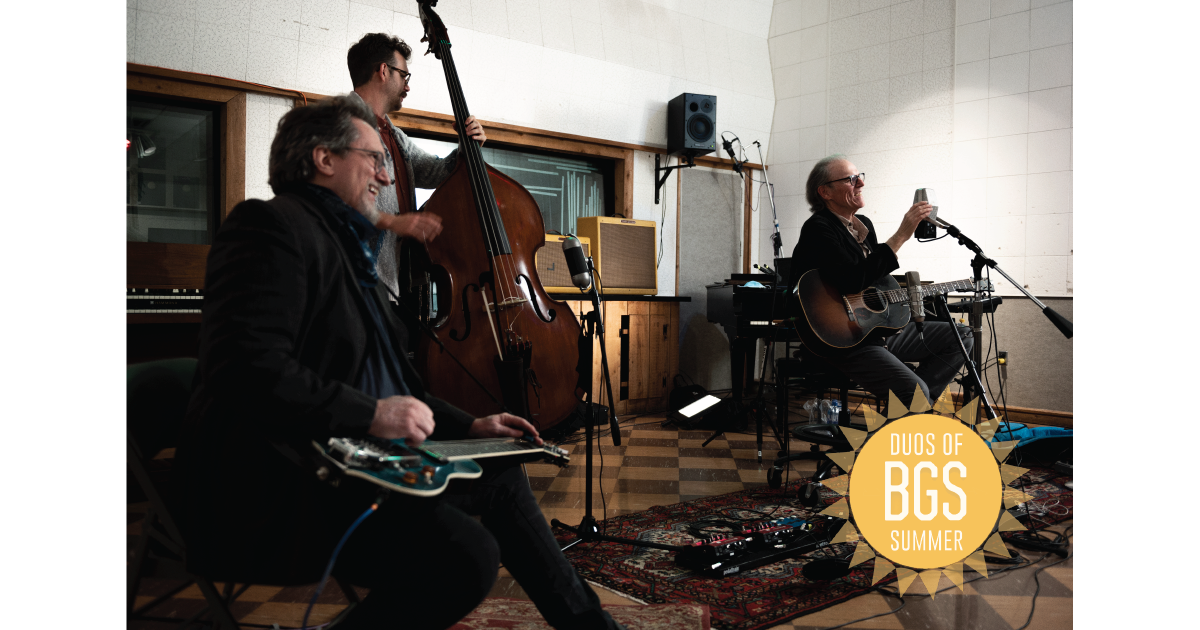
John Hiatt, Jerry Douglas Band Dial It In on “Mississippi Phone Booth”

For his new album, accomplished singer-songwriter John Hiatt is partnering with an all-time great of the bluegrass and folk music world — none other than Jerry Douglas. Hiatt’s raucous style and bluesy inclinations marry perfectly with the natural grit and soulful voice that Douglas pulls from the dobro.

Recorded in RCA Studio B in Nashville, Leftover Feelings returned Hiatt to his earliest days in town when he lived in a $15-a-week rented room on Music Row. “I was immediately taken back to 1970, when I got to Nashville. You can’t not be aware of the records that were made there… Elvis, the Everly Brothers, Waylon Jennings doing ‘Only Daddy That’ll Walk the Line.’ But that history wasn’t intimidating, because it’s such a comfortable place to make music.”

Their captured performances are truly spontaneous instances of creation and expression, not bogged down by the weight of calculation or correctness. For example, “Mississippi Phone Booth” struts completely on its own, with the same grease as classic blues records. Watch the new music video from John Hiatt with the Jerry Douglas Band below.


Photo credit: Patrick Sheehan

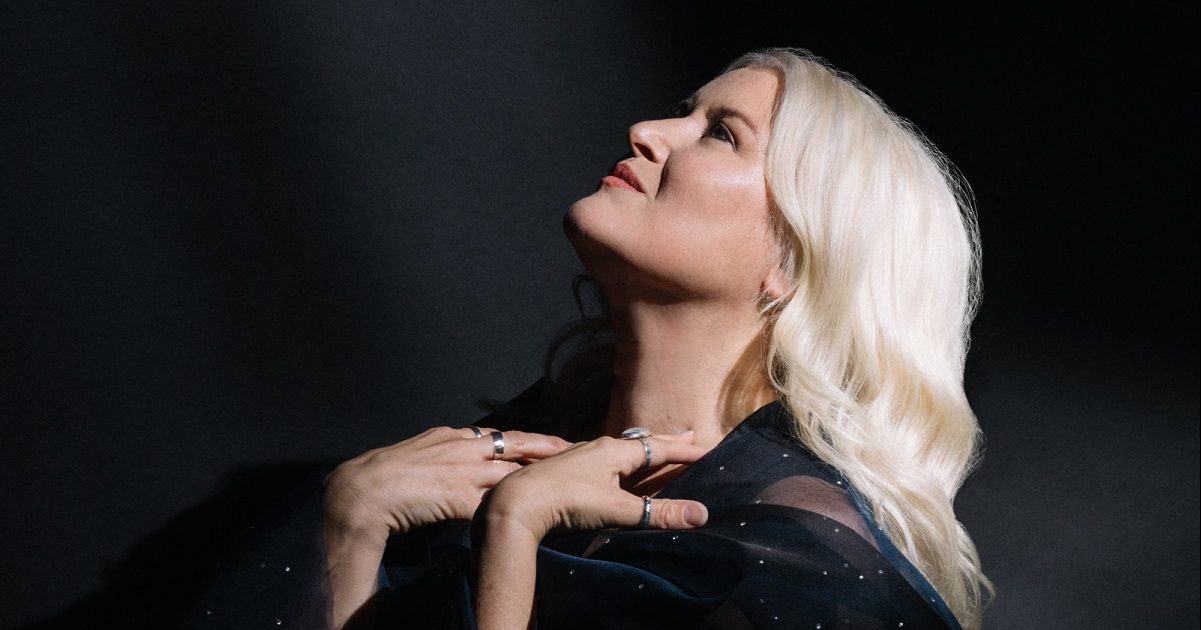
On ‘American Quilt,’ Paula Cole Wraps Herself in Music That Reflects Her Life

Paula Cole has long explored the musical territories that inform her work, making it nearly impossible to define her. Singer-songwriter? Yes. Pop star? Yes. Interpreter of jazz standards? Yes. She’s collaborated with country legends, toured with internationally acclaimed artists, and occasionally dropped completely out of sight. Because she’s so hard to pin down creatively, Cole has managed to transcend her commercial zenith of the ’90s, when songs like “Where Have All the Cowboys Gone” and “I Don’t Want to Wait” were inescapable.

Twenty-five years later, Cole is in the spotlight again with American Quilt, which sets her impressive vocal range to standards like “Bye Bye Blackbird” and “You Don’t Know What Love Is.” It isn’t quite a jazz album, and although her writing skills are on display in “Steal Away/Hidden in Plain Sight,” it isn’t quite a folk record either. Instead it’s a reflection of the influences that shaped her musical direction early on.

“Even when I explore jazz, I like it to be a little more raggedy and raw and rootsy,” she says. “I just wanted the album to reflect all that I am, and I realized, gosh, all of these songs are different from another. How do I unify it? That’s when I remembered my mom, who is a visual artist and she’s a quilter. And I realized that the quilt is the perfect metaphor for the album, that they’re all patches of an American quilt. That’s how the title was born.”

The metaphor works for the spectrum of songs on the album, yet it’s also appropriate for the warmth and comfort it provides. Some songs are more familiar than others – and her rendition of “Shenandoah” is particularly exquisite – but it’s an album best enjoyed as a whole. By dismissing the expectations of how long a song should be, and by showing reverence without replicating what everybody else has already done, Cole has produced a sweeping and immersive listening experience. She called in to BGS from the music room in her Massachusetts home, with a photo of Dolly Parton smiling over her shoulder.

BGS: Your version of “Wayfaring Stranger” is beautiful. What made you want to record it for this album?

Paula Cole: I learned of it through listening to Emmylou Harris, and loving and adoring her. Her Roses in the Snow album was really important to me developmentally. We were on Lilith Fair together in the ‘90s and would sing on each other’s sets. And I’ve been on a few benefit concerts that she’s asked me to play. I love her so dearly. I think she’s an important American voice and we should all be talking about her much more. She kind of saves music because she brings it back to the traditional aspect of it. She keeps us whole and she keeps us real by bringing integrity back to the music.

The song came to me very intuitively and I thought, “A ha!” I can reveal some of my influences and also bow to someone who was important to me. Also I was so fed up and traumatized by the music business and it was Emmylou who told me, “Don’t quit.” You know, I took a seven-and-a-half year hiatus and thought about leaving the music business, but she was the one who said, “Hang in there.” It just happened too fast. She had this motherly wisdom for me and it made sense, and I’ve thought of her so much over my life. I love her very much.

Roses in the Snow is a familiar bluegrass album for a lot of our readers. Are you a bluegrass fan?

I just love music. So, if you asked me, “Do you like jazz?” I would say, “I love music.” [Laughs] My dad played bass in a polka band on weekends when I was little, then he would go home and play Duke Ellington on the piano or he would play obscure folk songs on banjo in my house growing up. It was always a mixture. I love all music. I love bluegrass. I love acoustic music. I love music where musicians are playing real instruments, so that’s one defining factor to me — real instruments! I’ve been touring with upright bass now for several years and I can’t go back.

Did your dad teach you how to play banjo?

No, darn it! [Laughs] I guess I could have picked it up. I mean, he played everything. He could do hambone and play nose flute and upright bass and guitar and banjo and piano. Just really a renaissance man. He exposed me to all music and there were no classifications. That was something more that non-musicians did. Musicians would fluidly move from music to music and just find the joy in all of it. He taught me that.

When I was listening to “Nobody Knows You (When You’re Down and Out),” I was curious, does that mirror your own experience to some degree? Like, you’re living the good life as a millionaire, then you find that your friends vanish when the circumstances change.

Oh sure, I’ve known that. False friends, false fans, false everybody comes to you when you’re successful. They’re flattering and they’re obsequious. They have ulterior motives, so it’s hard, and of course I’ve experienced that because I’ve been up and down and side to side…. [Laughs] All over the business! And I wanted to come back home and have a personal life and have truth and family and let the trappings fall, and to be honest.

So, I chose to walk away in a sense from that shiny pop world because it wasn’t me. I was introverted and shy. I didn’t feel like this big pop star. I was very much a musician of integrity that wanted to have a long career and a rich catalog. I had to walk away to reset and reinvent myself. So, yes, of course I relate to that song. Also I relate to Bessie Smith, and so many fantastic singers are coming from the river of Bessie Smith. You hear Billie Holiday and Janis Joplin — Bessie Smith was their favorite singer. She combines all of that beautiful roots music. And the songs from the Prohibition era speak to me, those hard times, they speak to me.

Sometimes I will ask musicians about their first guitar, but for you, I’m wondering, do you remember your first piano?

Yeah, I remember the first piano, oh my gosh. It was covered in chipped, baby blue paint. I grew up in Rockport, Massachusetts, and my dad was a teacher at a state college, and we did not have much money. I wore hand-me-downs and we got things at Goodwill. In New England — freezing cold New England — we would really skimp on the heat to save money, and they put the piano in what they called the cold room. It was like a mud room. You walk into that room and take off your coat, and the piano was in the back. And it was cold! It was cold-ass cold! And there’s my first piano.

I was quite dedicated to music, to be playing in a freezing cold room in New England. Literally, we had some fish at one point and they froze! That’s how cold our house was. We had a potbelly stove and it was just hard. We were looking for ways to save money. It wasn’t always that hard. My dad ended up changing jobs and doing better, but my childhood was formative for me. I started working at a really young age. I was waitressing at 14 and I’ve always worked. It’s not nice, struggling like that, but that piano is indelibly etched in my mind with the back of the cold room. The chipped blue piano, out of tune! [Laughs]

Did you grow up with a lot of songbooks around?

Yes, and one of my missions while my father is still alive on the planet is to comb through his fake books and real books, especially of his folk standards. He has some really interesting, cryptic and eclectic, folk books that I would love to go through. That’s on one of my do lists of life.

To me, “Good Morning Heartache” sounds like it could be a sad country song, but it was made famous by jazz singers. How did you learn that one?

It’s in the real book of standards. Those books were around, and I have a real book of standards on my piano now. Even when I was touring, or had hits, or didn’t have hits, or mothering and not being in music, I would go back to the real book just for comfort and learning. I’d let my hands go on the piano and the shapes of the chords and learn songs. I first learned “Good Morning Heartache” by reading it out of a book but then I heard Billie Holiday and even modern singers do it. A lot of people have done it. But I love it because it feels to me like one of those songs that crosses genre, just like you said. It feels to me like it could be a jazz ballad, a country ballad, a soul ballad – and often it’s recorded by R&B singers. I love that it’s universal, and I love sad music. I’m not very good at happy music. [Laughs]

You close this album with “What a Wonderful World,” which offers a lovely and optimistic message. Was that an intentional decision for you to wrap up the album with that song?

Sequence is extremely important to me, so I probably spent at least a month listening to heads and tails of the songs, and all the different possibilities and combinations. And yes, it is the perfect punctuation of the journey of an album format. I love albums – I think in albums. I don’t think I’ll ever be a singles releaser. I’ll always be an album writer and album producer. I love the art of sequence.

Again, this is a song that transpires over genre and it appeals to all audiences. It unifies people. And it was written specifically for Louis Armstrong because he unified Black and white audiences. He was a genius if ever there were one. His ability to improvise within chord changes was profound. He was joyful and elevating. I play it in a somber way, and I hear sadness in my voice, and I think it’s melancholic and ironic in a way, but yeah, we must hold on to hope. We must hold on to that thread of hope for our children and our grandchildren to make this world better.


Photo credit: Ebru Yildiz
WATCH: Pilgrim, “Darkness Of The Bar”

Artist: Pilgrim
Hometown: Tulsa, Oklahoma
Song: “Darkness Of The Bar”
Album: No Offense, Nevermind, Sorry
Release Date: June 25, 2021
Label: Horton Records

In Their Words: “The song is about the dark struggles of life, and trying see the light in those dark times. My friends Phil Clarkin, Greg Bollinger, and Todd Ruffin put the video together. It was a real hoot and good chance to get some old friends together. Most of the video was shot at a venue called The Vanguard in Tulsa. The main character was played by another songwriter, Justin Bloss, and the character of “Marie” was played by our good friend Jaime Tovar. The live footage was shot at The Mercury Lounge, where we hold a weekly residence and just a really great space to work your craft. My hope is that everyone who listens can find something in the song they can relate to.” — Beau Roberson, Pilgrim


Photo credit: Phil Clarkin

The BGS Radio Hour – Episode 208

Welcome to the BGS Radio Hour! Since 2017, this weekly radio show and podcast has been a recap of all the great music, new and old, featured on the digital pages of BGS. This week, we bring you new music from both our Artist of the Month, Allison Russell, off of her brand new album Outside Child, and from the late Tony Joe White, too — plus much more! Remember to check back every week for a new episode of the BGS Radio Hour.

APPLE PODCASTS, SPOTIFY

Maia Sharp – “Things to Fix”

Moving across the country is stressful enough on its own. At the end of a 21-year marriage, Maia Sharp put her energy directly into working on her new Nashville home — painting one room, then another, and another. She took the idea to her co-writer on “Things to Fix,” relating the things that could have been fixed in her relationship to what she was fixing in the house.

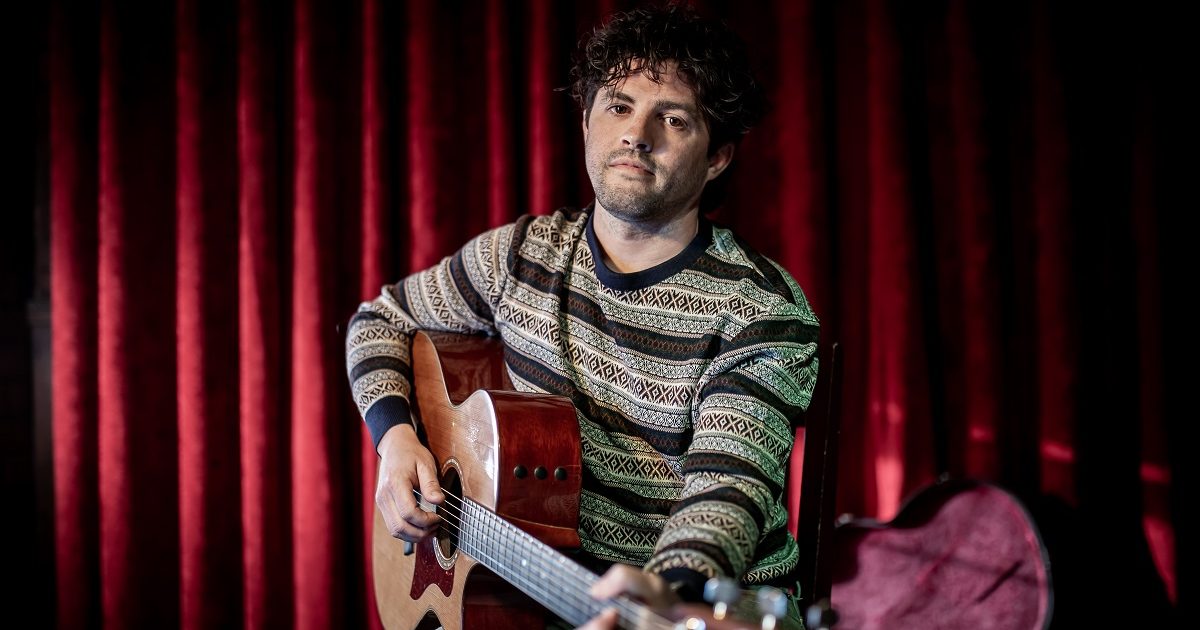
Last Year’s Man – “Still Be Here”

Singer-songwriter Last Year’s Man (Tyler Fortier) explained his new track “Still Be Here” to BGS, relating, “I think we’re all eager for life to get back to what it was in some way or another and this is a love song built out of the idea that it will.”

Casey Driessen featuring Taro Inoue – “Little Cabin Home on the Hill”

Casey Driessen’s recent project Otherlands: A Global Music Exploration, is a self-produced travelogue of on-location recordings, short films, and essays that documents collaborations with masters of regional music in Spain, Ireland, Scotland, India, Finland, and Japan, where he recorded this bluegrass standard with his friend and mandolinist Taro Inoue.

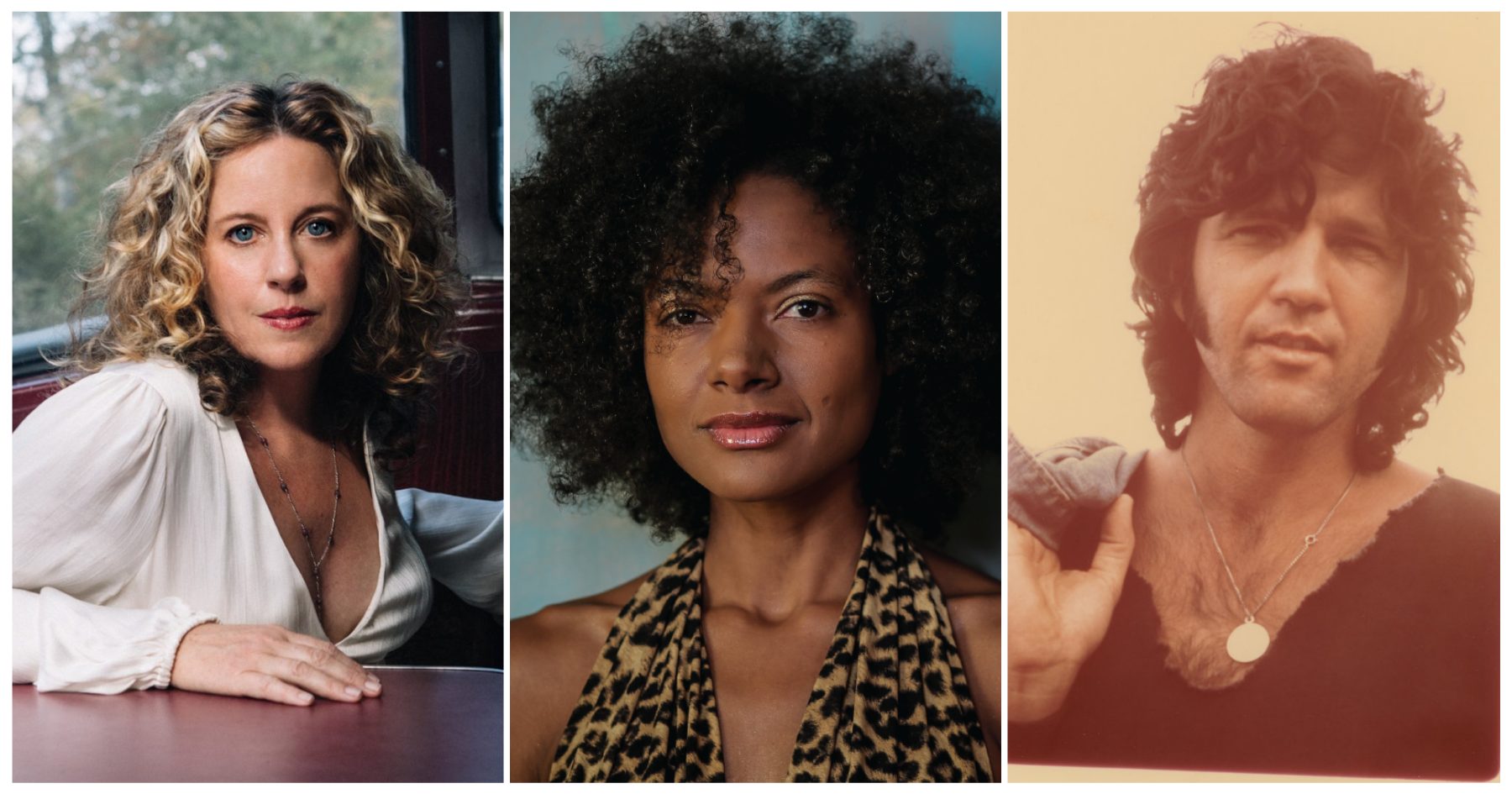
Tony Joe White – “Smoke From the Chimney”

Legendary country singer and songwriter Tony Joe White, who penned hits like “Polk Salad Annie” and “Rainy Night in Georgia,” passed away in 2018, leaving behind quite a legacy of music. However, the material didn’t quite stop after he died. His new posthumous record, Smoke From the Chimney, was recorded a year later in 2019, as producer Dan Auerbach built the music around voice and guitar demos that White had left behind.

Carsie Blanton – “Mercy”

Carsie Blanton wrote “Mercy” for her husband Jon, who helped her find out that love can be a gentle force that allows us to become more ourselves: “Once I discovered that, I was able to envision a whole world of love; a world that’s less about control and more about compassion.”

Angela Autumn – “Sowin’ Seeds”

“Sowin’ Seeds,” the latest track from Americana singer-songwriter Angela Autumn, explores the could-be life of a musician, one of imagined ease and free from sacrifice.

Danny Paisley and the Southern Grass – “Date With an Angel”

Up next is Baltimore bluegrass royalty Danny Paisley with a track off of his newest record, Bluegrass Troubadour. Paisley started out performing in the Southern Mountain Boys with his father, Bob Paisley, and Ted Lundy. Years later, Danny formed the Southern Grass and performs with his own son as well as the sons of Ted Lundy. They’re a two-family, three generation band! Paisley is the most recent IBMA Male Vocalist of the Year, an award he’s received more than once. Listening to Bluegrass Troubadour, you can see why.

Beth Whitney – “I Go”

Singer-songwriter Beth Whitney wrote “I Go” inspired by her family’s tradition of taking backpacking trips and her favorite Wendell Berry poem, “The Peace of the Wild Things.” While she’ll be the first to admit that she doesn’t backpack gracefully, though as blisters and bug bites take hold, “as the wilderness takes me in, it starts to heal me somehow and I come into focus.”

Amy Helm – “Sweet Mama”

“Sweet Mama” is a rock and roll track made with love in Woodstock, NY by Amy Helm with one and only Phil Cook on harmonica!

Allison Russell – “Montreal”

Our current Artist of the Month, Allison Russell, has just released her stunning solo debut, Outside Child, an album that delves deeply into the extreme trauma she experienced in her youth spent in Montreal. We recently spoke with Russell about her experience making the record and the relief that songwriting, music and art can bring.

Mike Barnett featuring Alex Hargreaves – “Piece O’Shrimp”

Mike Barnett, a Nashville-based fiddle player who recently released +1, an album of duets with friends and heroes, had originally slated the album for release in late summer 2020, but was delayed when he suffered a cerebral hemorrhage, putting his career and life on hold. Undergoing extensive rehabilitation, he posted a welcome update in February on his GoFundMe (support here) that a full recovery is still possible and likely! While we’re wishing Mike the best, and supporting his recovery through his GoFundMe, we’re also enjoying a “Piece O’ Shrimp” from his new album, featuring Alex Hargreaves.

Christina Alden & Alex Patterson – “Hunter”

UK-based folk duo Christina Alden & Alex Patterson wrote “Hunter” inspired by an unlikely friendship between a grey wolf and a brown bear, as captured by Finnish photographer Lassi Rautiainen.

Charlie Marie – “El Paso”

Country singer-songwriter Charlie Marie recently joined BGS for a 5+5, that is 5 questions and 5 songs. She talks growing up listening to Patsy Cline, meditating before “big” shows, listening to Frank Sinatra at old school Italian restaurants, and more.


Photos: (L to R) Amy Helm by Ebru Yildiz; Allison Russell by Marc Baptiste; Tony Joe White by Leann White