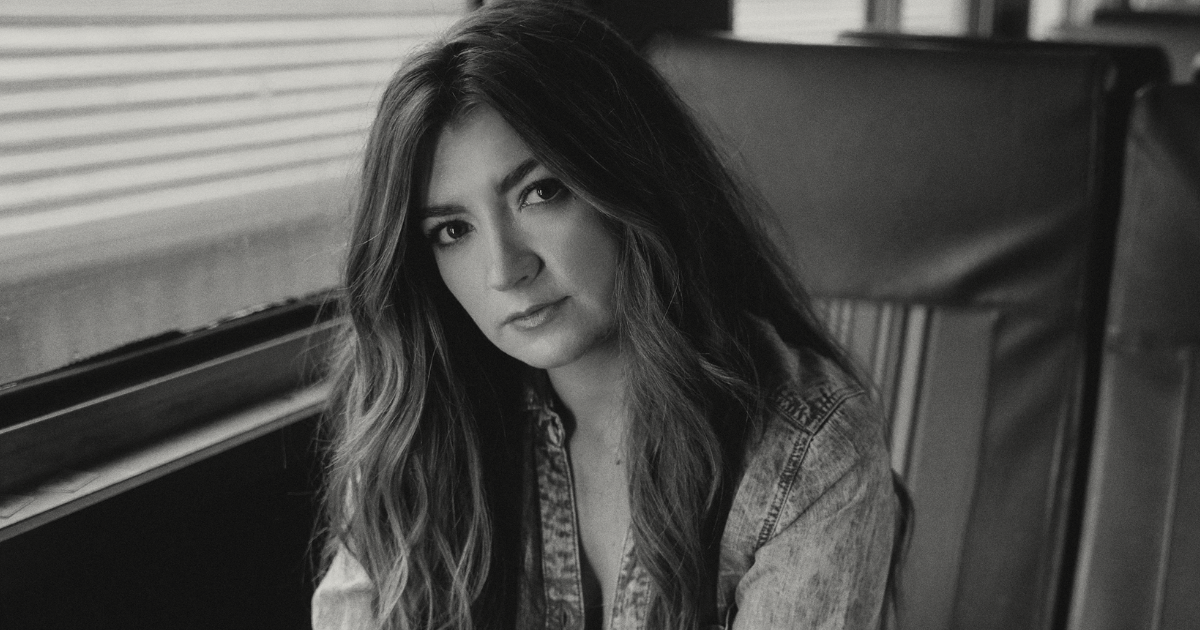
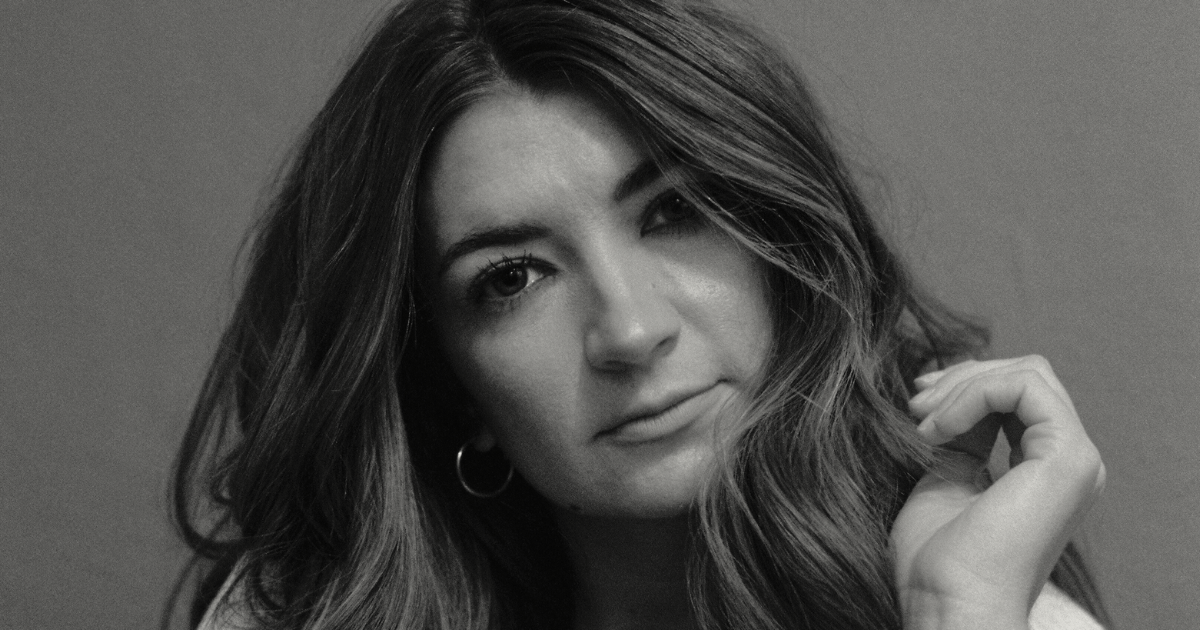
Tenille Townes:
In Her Own Words

Editor’s Note: Earlier this month, we shared our exclusive Artist of the Month interview with Tenille Townes exploring the many factors and creative processes that brought about her excellent new album, The Acrobat.

That interview, with BGS contributor Alison Richter, included many more golden moments and special tidbits that ended up cut for length, so we’re excited to share portions of those edits here as a bonus follow-up to our feature conversation. Below, enjoy Townes’ insight, wisdom, and feelings about her songwriting methods, collaborating with Lori McKenna, trusting herself at the helm of her new album, and more.

And, continue exploring all of our Artist of the Month coverage of Tenille Townes – and our Essentials Playlist – right here, on Good Country and BGS.

Songwriting

I have a notes thing on my phone that I’m always picking at. I also have random voice notes in my phone from airplane windows. There’s something about the perspective of zooming out. I think about songs differently up there, so there’s plenty of voice memos of me singing into the window seat with the hum of the engine.

Songwriting is so interesting because it calls you to be present in the moment. When I’m more present, I notice songs around me anywhere. It’s the gift of paying attention. I push myself to keep working on that, striving to notice what’s happening around me and how I feel about it. That’s what inspires me to keep writing.

Working with Lori McKenna

I love Lori so much. Talk about somebody with lived experience, and also she has this way of completely disarming any sort of fear. Obviously she’s a legend. She’s a hero to me. She’s been that forever. When I first moved to Nashville, I saw her play a round at the Bluebird [Cafe] and I was like, “I want to write songs like that someday.” I dove into her whole catalog and learned so much from studying her work. There’s such vulnerability to her writing and there’s so much she isn’t afraid to say. She’s paved the way for so many writers. We’ve all learned from her.

I’ll never forget when we got to write for the first time. I was so nervous, but she made me feel at home and listened to and valued all the things. I had the best day. A lot of times people will say, “Be careful about meeting your heroes.” That could be the farthest thing from the truth about Lori. She’s over and beyond what you would expect. From that, we struck up a friendship and have gotten to write a ton of songs through the years.

She invited me to Boston and I got to spend a few days with her, writing in her music room. I loved every second of that trip. A lot of the songs on this record came from that time with the two of us together. She was always so encouraging about my work tapes. She was like, “You should really make a record of that someday.” So it’s full circle to me to have some of our songs together on this project.

It made sense to extend the invitation, in case she was up for singing on “the acrobat,” and she ever so graciously said yes. It was such a great experience getting to work on that with her. She starts singing as the fortune teller in the song. She enters around that line, which is such a timely entrance because she’s got this perspective of wisdom that comes from lived experience and from somebody who’s a complete master of the craft. I respect her so much, and I’m so glad to call her a friend.

The Work Tapes Were the Album

@tenilletownes anybody else feel this with me? This song is gonna be yours on Friday… thanks for pre-saving!! #newmusic #indiemusic #theacrobat #canadiancountrymusic #folkmusic ♬ original sound – Tenille Townes

I was maybe four or five songs in. Honestly, if I’d sat down at the beginning of it and gone, “I’m gonna produce a record,” I’m not sure I’d have ever started. I had so much fear and anxiety at that time – that plan never would have worked. But it’s like this record guided me along its way.

I got a few songs done and sent it to a producer friend I’ve worked with in the past. I was like, “This is something I’m excited about. Who should I get to mix this or would you want to maybe guide the rest?” He was like, “I don’t think you need anybody. You should see this through. This sounds wonderful. Just follow your gut and enjoy the ride.” That was so encouraging to hear in that pivotal moment. I kept going and I really enjoyed the process beyond that point.

I think I’m hardwired … in my family system and everything I was always the peacekeeper, and it’s in my nature to make sure everybody else is okay. It was really strengthening to not have to check on anybody else in this process and to trust my own compass again. I’m glad I gave myself permission to do that, but it was never the initial plan.

The Challenges of Self-Producing

Once I decided I was doing it, I had reached the part in my healing, my mental health journey, where I was starting to recognize that the imperfections of this project were actually where the magic was. I think the music guiding me [toward] that was a little bit of a spiritual letting go. That’s the practice.

One of the themes in this record is letting go. Even making it was a practice of that and going, “I could do that fifty more times and get it perfect, or I could accept that I think it sounds beautiful and human just like that,” and that’s what I did.

“she plays the piano”

This song is so special to me and it’s been a special one to me for years. I wrote it with Lori McKenna, Alex Stacey, and Amy Wadge over Zoom during the pandemic. I remember finishing it and going, “This song is so special. I don’t know when its moment is going to be,” because it wasn’t quite in the vibe of what I was releasing at that time. But I knew the song would tell me when it was time and I’m so glad the time is now.

The idea came from visiting my great-grandmother at her nursing home. She was there for close to 10 years and was on the Alzheimer’s and dementia ward. It was so tough, especially watching my grandmother. She went all the time, and watching her with her mom in that space was devastating. The fact that she didn’t recognize any of us or know where she was, that she was always time traveling, that was heartbreaking to have a front row seat to.

We went to visit and have lunch one day and there was this woman, this other patient, in the cafeteria. They had a keyboard, and at lunchtime she would sit and play this polka over and over. This sweet woman couldn’t tell us her name, she had no idea where she was, but she could play that polka like nobody’s business. She’d play the song and then glance around her shoulder and wait for us to clap. We’d cheer every time. It was like she played Carnegie Hall or something. We would applaud her and then she’d turn and face the piano and start the song over again.

I sat there, as a teenager, thinking how music can remember who we are even more than our mind can sometimes. That’s such a powerful thing. I’ll never forget witnessing that. I’ve wanted to write that song for a lot of years, so I’m glad it’s a part of this project. I think of that sweet woman and my great-grandmother every time I play it.


Want more? Dive into our Artist of the Month coverage of Tenille Townes here.

Photo Credit: Robert Chavers

With The Acrobat, Tenille Townes Has Reached the Other Side

When Good Country spoke with award-winning singer-songwriter Tenille Townes in 2024, she had severed ties with Columbia Nashville and claimed her autonomy as a recording artist. It was a tremendous, liberating step into the unknown.

This month, Townes releases her first independent project, The Acrobat. Over the course of its 10 songs, she transparently and hauntingly channels the healing journey of the past two years – one that intertwined heartache, isolation, a plunge into depression, and the long road back.

She recorded The Acrobat at home, in the company of her beloved dog Sam, played all the instruments, and produced and mixed the tracks. This wasn’t the original plan, but as the work tapes progressed, she found catharsis in the honesty of the stripped-down vocals and guitar. This, she decided, was the album, and the best way to bring it to audiences was to perform it the way it was recorded.

She is now on The Living Room Tour, again with just her vocals and guitar, for intimate performances across the U.S. and her native Canada – with one exception: two dates with the Calgary Philharmonic Orchestra on April 23 and 25.

“I’m working with Dave Pierce, who’s arranging the shows,” she says. “He has written musical interludes between the songs that will accompany the storytelling pieces of what I’m doing and connect it all together. Hearing these songs in a completely different light has inspired me. Thinking about the magnitude of that many people onstage, it’s going to be emotional hearing that wall of sound all around me. It’s unlike anything I’ve ever done.”

You moved from Alberta to Nashville in 2013. Who were you then and who are you now? How has Nashville changed over 13 years and how has Nashville changed you?

Tenille Townes: I still feel that the spark for music, the love for it, the complete joy is intact, and I’m grateful for that. Nashville, as a community, has obviously grown so much and taken on lots of different lives in those 13 years, but the heart of the community feels the same to me.

What drew me to Nashville initially was the creative community, the writers, the songs that are created there every day, and this group of people that creatively have each other’s backs. I still love the heartbeat of that town so much. It’s a little harder to get in to see rounds at the Bluebird [Cafe] these days, or things like that, but the spirit’s the same.

When I first got to town, I was so wide-eyed and just [full of] complete optimism. I had this belief that anything’s possible, everything to prove and nothing to lose, and that tenacious… maybe naivete helped me kick down some doors and get things going.

A lot of the dreamer’s expectation is to show up in town, get the deal, and try to find a tribe of people who believe in what you’re doing. I had such an amazing experience finding wonderful people who believed in it with me, and we had a great run. But the deal is not the finish line. It’s where the whole new page of the dream begins, and I feel like a different person now experiencing the other side of that.

There were a lot of beautiful highs and a lot of hard parts in that journey and losing myself for a while. I feel this return to that same “everything to prove, nothing to lose” situation I started with 13 years ago. So it feels good to be getting back to that feisty energy.

How did the cumulative effect of those years and experiences bring you to this point professionally and personally?

I think it’s just life lived. It’s the experiences of finding out that sometimes the picture we paint in our minds of how we think it’s going to be is completely different than how it turns out. Sometimes that’s for the better and sometimes that’s way harder.

Also I think about cumulative experiences, and about the places I got to travel because of music. Touring around the world, playing shows for people in the U.K. and Australia, and they know the second verses to songs I’ve written. That’s such a crazy thing to think about. My experiences on the road have definitely grown my capacity for seeing a community of music that’s bigger than your own backyard, and I love looking at music like that. It makes the world feel smaller in the best way.

It’s been a lot of experiences. It shaped this record I’ve just made, because for a while I lost my footing a little bit in going, “What artistically is my vision, and what do I want to say in these songs and talk about?” I had certain expectations that were like a moving bull’s-eye, and I got a little lost for a while. When I let that rest, I got back to the art of the truth of the matter, just songs I love that tell stories that are important to me.

I ended up making this record sitting in this spare room of my house, next to my dog. It’s this return to creatively tuning out all the noise around me and getting back to the truth underneath. All the experiences led to my hunger for that sparseness and return to self and that feels good.

You pursued every artist’s dream of a record deal, captured the dream, and walked away from the dream – which can be done in this DIY era. Still, it’s a breakup of sorts. Two years later, what are the lessons learned from being signed and from now being independent?

It really is a breakup of sorts. It’s this group of people that were working towards the same common goal beside me. We had such great experiences together and we moved a lot of mountains in our time together. But it got to this point of, “I think I’m losing myself in this.” It is such a unique opportunity right now, the power being back to the people, and being able to post something and have people get excited about it. There is the opportunity to have that freedom to make my own green lights for releasing music anytime it feels creatively right for me.

It took me a few years of unwinding from that structure and that system of how things used to be. There was a lot of heartache in that, a lot of feelings of failure for a while, and eventually busting out of that. I feel like I’ve gotten to this other side, where it is freedom and liberation and, “I get to do whatever I want now.”

With the label, we’d done vinyl before, but never this way. We launched this album online and I had this feeling in my gut that it needed to be a vinyl project. People got excited about it and it blew past all my expectations. I had planned to try to sell 300, which would have beaten my past goals. We launched it and I told the fans, “I’m doing this independently. Make this leap with me. You guys have been believing beside me for so long.” They totally embraced it. They took the leap and we sold over a thousand copies in one weekend of announcing the record. Feeling that support, I was like, “Wow, I feel so much more capable and able to take the leap into the unknown without the safety net of that system.” Feeling this supportive community behind what I’m doing, it was incredibly encouraging.

The Acrobat is obviously a deeply personal album, as are all your albums. You’ve spoken openly about your battles with mental health challenges, but as relates to this album, how was your mental health going into the creative process, during the process, and now?

I made this record in the heart of the mess and a lot of these songs were written in a really dark place. But I do feel, even though it’s a cliché to say this, the more I worked on this project, and the more I felt the liberating side of the freedom coming back to me, the better my mental health got.

This record was quite healing for me and the fact that I produced this myself and played everything on it was a moment of going, “I’m capable of doing this. I got this.” That feeling was really helpful in my mental health space. I didn’t seek out producing my own record and doing it this way. I started just making guitar vocals of some of my favorite songs that had never seen the light of day, so I could decide which ones to take into the studio for the next record. I got a handful done and I was like, “Wait. I really love these just like this. What if I did this myself? What if I recorded it here and made a record that’s really sparse and vulnerable and messy?”

I’ve never done that before. I’m not a master engineer of any sorts. A lot of the imperfections of this record, the truth that people can hear through it, are due to my limitations. None of these vocals are tuned, because I don’t know how to do that. It was a lesson in letting things be not perfect and that was helpful for my mental health, too. Coming to this place of, “I like this as it is,” and finding that strength on my own two feet again to be okay with that.

All in all, this record was a healing experience. I finished it and had this feeling of an exhale. So much of what I’ve walked through in the past few years is very much in the theme of these songs. There’s also this passage of time that I have a new appreciation for. Stepping back and looking at things from a different way and getting back to more vulnerability helped me see. I think that through line thematically is connected to being in a better state of mind as well.

Whatever happens to this record, I’m excited that people will get to hear it, and hopefully these songs will take on entirely different lives and meanings to other people. What I love about music is it’s so open for everyone’s own experiences, but the thread of emotion that runs through them is the same, and that’s something we can all hold on to together. I’m excited for the invitation of that, and whatever life it takes on beyond is great, but just the experience of making this record was so healing for me. That is a victory in itself, and I’m really grateful for that.

Is it paramount to find co-writers who understand your work from lived experience? What is your vetting process for opening up this way to someone who is going to have their input in your material?

Lived experience is so much a part of that, but also I have to feel safe around those people, to show up and be exactly who I am. There’s something disarming about a great co-writer who’s happy to sit with you in whatever you’re processing, and vice versa. Being a good co-writer means being a great listener. A lot of empathy has to be present, to me, in co-writers.

I’ve gotten to write songs with so many people through the years, and I’ve learned something new from every person. I’m always trying to be a sponge and soak in what somebody’s habits are, how they get past the little blocks that pop up in your mind, or how they keep diving in and not settling until you have complete peace about a line. Everybody’s got their own ways of doing that.

But, to me, it’s just feeling safe to really share the truth. That’s the vetting process. Sometimes that takes a few times and sometimes it happens on the first time. Music is such a magical mystery to me. I could sit with someone I’ve never had a conversation with before, but there’s something unspoken in the room, where you’re like, “Here’s what I’m going through,” and the other person is like, “Yeah, I’ve been there. Let’s talk about this. How can we unpack it?”

The song has its own agenda in the room, too. It’s this thing you can’t quite articulate, but when a song is supposed to be written, I believe it will be. I love getting to find out the characters that will help me pull out those songs. Sometimes it’s trusted friends and sometimes it’s complete strangers. It’s all such a magical thing.

On the Bobby Bones Show in 2024, you said every full record gets a new “time capsule” guitar. What’s your newest?

This album is an LG-2, and I love it. I’ve not had a Gibson before and it’s been so fun to play. I got this guitar a couple years ago, thinking that new music was a lot closer than it ended up being, so this guitar has been waiting in the wings for its moment. I wrote a lot of these songs on this guitar because it was on standby.

After I got to the point of “I think this is an album,” I was like, “I need to tattoo this guitar. It’s a match.” I met up with my friend Lewis Lavoie, who’s an incredible muralist painter in Alberta. I brought it to him and shared the different symbols and themes of the record. It was like, “There needs to be hands letting go.” There’s some azaleas from one of the lyric lines. “The Acrobat” is represented by a petal that turns into a bird, and that leads into “In Love With The Sky.” Every song has its moment on the guitar canvas. It’s a trilogy of the guitar time capsules I’ve made. I’m excited to take that one on the road.

How many guitars do you have?

I have two Martins that are tattooed as well. One was for The Lemonade Stand and one was for Masquerades, and the back was for Train Track Worktapes. I also have a Gibson electric that I love to play, an old D-28 that I love playing at home, and a Taylor 912ce that I got for my high school graduation. My family all wrote their names on little pieces of paper and tucked them into the case and I felt like I headed out into the world with this guitar in hand and all their love and support with it. My grandparents bought me my first guitar. It was a parlor size, not a Sears catalog guitar, but something close to that. It’s at my parents’ place in Canada. That was the first guitar I ever played. The stories that come with the guitars mean so much to me.

Does the guitar play as much a part as the lyrics in terms of expression and what you need to say?

Yeah. It’s really hard for me to separate the two. A lot of people will write the music and then write the lyrics. I respect that process, and I’ve written a couple songs that way, but to me, they really feed each other. I can’t hear the space for the melody and how many words need to make sense for it without the guitar laying that out. They’re like threads completely woven together. I enjoy taking away all the noise to leave space to hear how the guitar and vocal would interpret a song. That’s always the truest form to me. That’s the way I started as a kid, just playing songs in my room.

How do you protect yourself mentally and emotionally when you perform these songs?

There’s an exhale once the song has been recorded, and in the live experience it becomes so much more communal. I feel like my job up there is to hold open doors. Songs have ways of helping us sit inside the rooms in our hearts that are terrifying to go into alone, and the live experience is very much part of the exhale. It doesn’t hurt to relive it onstage as much as I might think it would, because it’s a part of something bigger.

I’m very nervous for these shows because there’s nothing else to fall back on. I’ll miss my band very much. I love those guys, so it’s going to be very different. But it feels timely for this creative season I’m in right now, and I think it will help me continue to build that intuition back even stronger. These shows are more of a living, breathing thing because it is just me up there. It’s going to be a two-way street with the audience and it will be a way for us to maybe chat a little bit, take some requests, and be less locked to a grid that five or six people are working towards the same goal on. It’s just me and the audience, so I’m pretty excited for that.

You posted a video last year in tandem with Mental Health Awareness Month, in which you said that you “came to a whole different low” the previous year and “depression doesn’t care how much you had a grip on positivity and gratitude.” What was different about that low, and how did you claw your way out?

It’s a process. There were a lot of personal changes in relationships for me, career shifts, and feeling a different kind of alone. The unending joy that music has always given me – it was such an indication that something was off, because that light was really dimmed. That was scary, because that has never gone away.

I consider myself a pretty positive person. I grew up learning tools of how to stay looking on the sunny side and all those things. But there’s also an avoidance of the truth that builds up over time, and that all caught up to me in that space, a lot of the people-pleasing tendencies and this realization that I was taking matters into my own hands again.

There’s such waves to it. Everybody’s experience with depression is different, but it’s this big scary thing to talk about because it is really scary. It’s dark. It’s so lonely and isolating and hard. I love when I see other people talk about it. It’s like, “Oh, I’m not the only one. Okay, good.” This is a part of the human experience, and we have to lean on each other to be able to know that it’s okay to feel that low sometimes and you’re not the only one.

I tried medication that helped and got me to a base level where I could go, “How else can I keep chipping away at this?” It’s not easy. It was an incredibly slow return of every day waking up and trying to have the right intention to take a step in a better direction for myself. So going for walks, trying to hit a certain amount of steps every day to keep my body moving, eating healthier foods, and being able to have friends that I force myself to check in with and be honest with.

Those things are not easy for me at all, but it’s part of the process and it definitely helps get me to this place. At that time I wasn’t creatively doing anything. Once I got a little bit better, I was able to start working on this record, and that really helped me continue the mental health journey.

How long were you in that dark place?

It was probably six to eight months of really dark. But I think it had been brewing for a long time and I had been denying its existence and covering it up. So it was a buildup, and then a slow, gradual return from there.

Was this your first experience with depression?

It was my first time acknowledging it for what it was. I think I’d experienced it before, but I hadn’t given myself permission for that to be okay, to be the truth.

Was it tough to record that video and say it publicly?

It was tough, for sure, but it also was part of the exhale. It was scary to make the video and press the button to post it. I didn’t want to do that, but after I did, the encouragement from the community and people reaching out going, “I have dealt with the same thing,” or “This helped me because I have been feeling the same way,” or whatever the responses, it’s like we give each other permission, and that encouraged me to do it, because I do love the community of people. It’s been a long ride, and I felt like I needed to be honest with what I was dealing with. It was powerful and encouraging to see that other people felt the same. It made a really lonely and isolating time feel a little less lonely.

Your awareness of and empathy for youth shelters, food banks, homelessness, the ills of the world, and now mental health, goes back to your school days, when you wrote a song from the perspective of a daughter whose father was in Afghanistan. Feeling so deeply for so many about so much, it’s easy to overload and spiral when you’re carrying everybody else’s struggles along with your own. How do you take care of yourself and find balance?

I don’t think I balance that very well at all, which is why I struggled for a long time. To me, it’s always keeping a connection to something greater than all of us. There’s different phases of what that’s looked like in my life, but that is what intuition is, just listening to that guiding force. If I keep that in check, then my compass tells me what to hold on to and what to let go of. When that “check engine” light is on, I know I’ve got to pay attention and get back to that.

I’m still learning what that balance is, and I don’t have all the answers at all, because I do feel things quite deeply. Maybe that’s an empath thing. I think that’s also part of being a creative and part of being a writer. You have to soak things in and feel them to a certain degree for it to become real in your own interpretation, so that you can write about it. Keeping those channels open is important to me, but I’m still learning ways to protect my own heart in that process.

Music is a big part of your healing, but dog lovers also understand canine therapy. Tell us about Sam.

Sam is 6. He is a pandemic baby. I found him on Petfinder and got him from a rescue in Illinois. He’s been my buddy ever since. He’s coming with me on tour. Because it’s an acoustic show, it’s a smaller crew – just my tour manager, my sound guy, and Sam and I – so Sam’s able to come on his first tour. I’m pretty excited about it.

Sam gets an unwritten executive producer role on this project, for sure, an emotional support credit. I’d be lost without this little guy. He brings me so much joy, but also a dog will force you to be present and in the moment. They need to go outside right now. They need to go for a walk. They need to get out of bed in the morning because they’re hungry. This beautiful creature is a constant reminder of showing up as your most authentic self in every moment. Sam is the perfect example of that.

They’re also such intuitive creatures. In some of those really dark times, he just knew. He would come snuggle right up beside me and put his little chin on my knee like, “Hey, I got you.” I’m so grateful to know and experience that kind of unconditional love from this beautiful little guy. There’s nothing like it.

When people listen to The Acrobat, what do you hope they learn about you, and maybe also about themselves, through your songs?

I hope they hear the courage it took to get to this sort of honesty, and that they feel permission to stand on their own two feet as well. This returning to autonomy, and this ability to let things go and embrace change, even when it’s hard and feels like the worst thing in the world, I hope they feel comforted that somebody else knows what that feels like and that they’re not alone.

That’s always the greatest mission of my music. I hope it helps people feel a little less alone, and that’s definitely one of my hopes with this record. I think there’s a lot more humanness when we talk about these things. That’s what I love about music. It opens the door for those conversations.


Continue exploring our Artist of the Month coverage of Tenille Townes here.

Photo Credit: Madison Rensing.
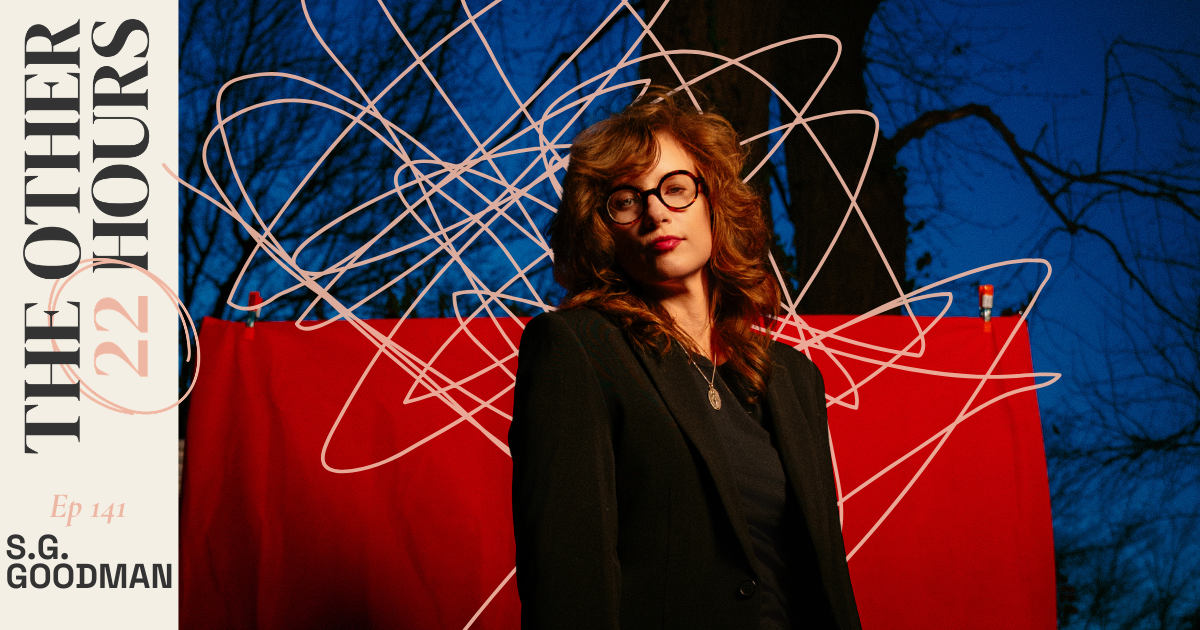
The Other 22 Hours: S.G. Goodman

Singer-songwriter S.G. Goodman has earned critical acclaim, award nominations, and has worked with legends like Tyler Childers, Jason Isbell, and Jim James of My Morning Jacket. In this episode of the Other 22 Hours, we discuss the grueling physical and mental requirements of “making it.” From working manual labor to stay afloat while not on the road to navigating the complex realities of running a bona fide business, S.G. opens up about scarcity, OCD, and the hard-won wisdom of learning to drive the lawnmower instead of letting it drive you.

LISTEN: APPLE • SPOTIFY • AMAZON • MP3

In This Episode:

SG Goodman
Mas Tacos
Madison Cunningham
Jesse Welles

Go Deeper:

Watch: View this entire conversation on YouTube.
Explore: Find similar conversations in these themed playlists.
Connect: Join the conversation on Instagram.

The Other 22 Hours is hosted by Aaron Shafer-Haiss (producer, mixer, musician) and Michaela Anne (songwriter, artist, creative coach). More about Aaron’s workMore about Michaela Anne’s work.


Produced by Aaron Shafer-Haiss. Original music written, performed and produced by Aaron Shafer-Haiss.

Photo Credit: Ryan Hartley

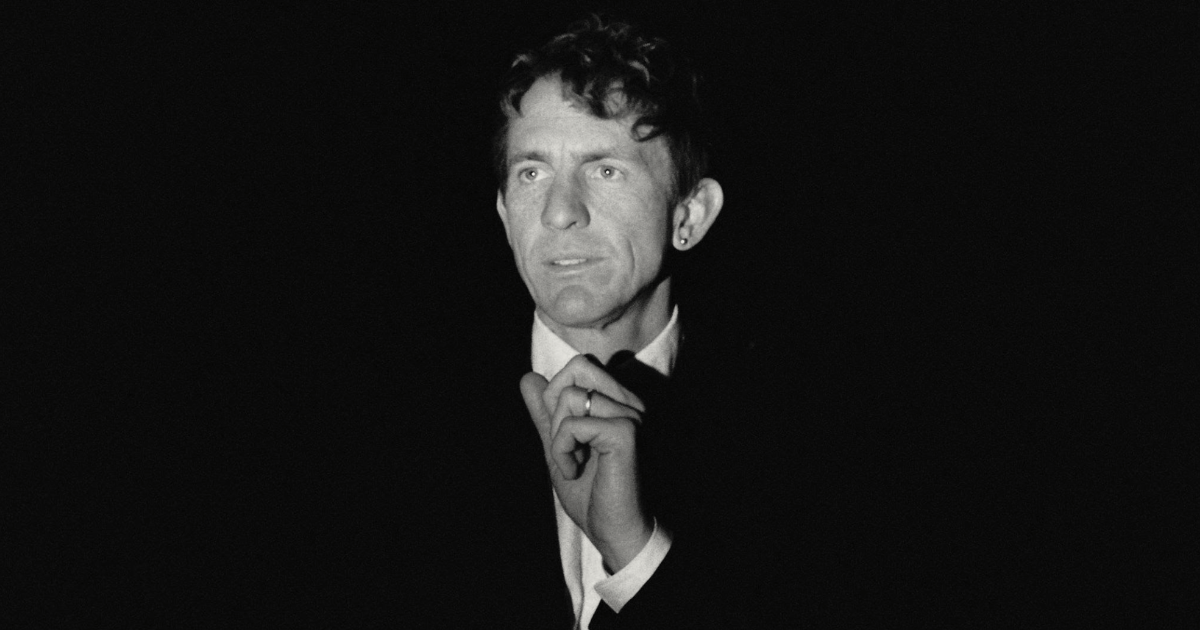
Buck Meek’s Musical Worlds Collide

Buck Meek doesn’t give the whole game away. It’s not guaranteed he’ll tell you exactly what his songs are about. However, he will expound, in detail no less, on how he gets himself in alignment to write them and what the mechanics of his songwriting process look and feel like. After six albums with Big Thief and four solo albums, most recently The Mirror, he has more than earned the right to hold back in some ways while sharing deeply in others.

Born and raised in Wimberley, Texas, Meek grew up playing guitar, singing, and writing songs surrounded by a community of old-guard outlaw songwriters, western swing players, and barrelhouse blues musicians who took him under their wing at a young age, taught him how to play it how he felt it, and gave him his first gigs around the Texas Hill Country. At the same time, annual trips to the nearby Kerrville Folk Festival introduced him to the rich traditions of Texan folk music.

As the grandson of scholars who studied the two Williams – Shakespeare and Faulkner – and the son of a child psychologist and a glass sculptor, it’s easy to surmise he was never short on literature and art. His depth of influence and fluency come through in how he speaks about his musical practice and his commitment to it.

When he was 17, Meek left Texas for Boston, where he studied jazz at Berklee College of Music before finding community with a generation of young musicians who wanted to write their own songs and play sweaty rock shows in basements. Later, he moved to New York, where he began performing with Adrianne Lenker. The two musicians lived in a van, singing their songs across the country before forming Big Thief. Fourteen years later, the East Coast’s long-standing punk and rock traditions are as much a part of his musical DNA as the Americana, country, folk, and blues he was raised on. The eureka moment came when he let his two worlds collide musically.

Produced by Big Thief drummer James Krivchenia, The Mirror features a stunning cast of family and friends turned collaborators, including his brother Dylan, Lenker, the hauntological harpist Mary Lattimore, Adam Brisbane, Germaine Dunes, Staci Foster, and the Avant-Americana icon and former BGS advice columnist Jolie Holland.

Opening with the range-roving rhythms and bittersweetly sung melodies of “Gasoline,” Meek digs into the intricacies of relationships and communication throughout the album, rendering them in a traditionalist alt-country and western style, underpinned by modular synthesis and subtle electronic textures from Krivchenia and engineer Adrian Olsen.

On “Can I Mend It,” he describes a deeply regrettable moment where raw emotions crystallize, before shattering into a million potentially irreparable fragments. As he laments on the chorus, “Can I mend it?/ Can I make it whole?/ Now that you’ve seen into the dark side of my soul.” Later, when Meek looks in the mirror on “Demon,” Olsen’s modular synthesis briefly overpowers the band with a not-so-subtle squelch. As with all parts of the album, there’s a reason for this.

By the time The Mirror closes with the summery, sunset shuffle of “Outta Body,” we’ve lived with Meek for a spell. Although, as he argues in this interview, we never really fully know anyone else, or even ourselves for that matter. Sometimes, when you look at someone from that right angle, or let our communication move beyond words, we achieve brief but precious moments of understanding.

On a Wednesday morning in early March, Meek spoke with Good Country by video call about all of the above and more.

How are you doing? What do your days look like at the moment?

Buck Meek: I just moved to Los Angeles. I got this big old yard, but the fence is kind of patchy. My little dog keeps running away. I’ve just been chasing my dog around every day. She keeps escaping and there are peacocks everywhere in my neighborhood. So my dog is just chasing peacocks all day long. I’ve also been trying to learn how to garden a little bit, planting some plants, and doing lots of interviews.

It’s one thing to be in a band that succeeds, but it’s a whole other thing to be able to have a solo career as well. What’s the difference between how things have played out for you and the future you imagined when you were younger?

I grew up playing blues, ragtime, and jazz manouche with some local cats, Django Porter and Brandon Gist, and playing in icehouses around the Texas Hill Country. I felt really happy when I played the guitar, and that was enough. I didn’t really have any idea what it even meant to be a musician in the world. When you’re a kid, you don’t know how any of that works. Of course, I idolized Jimmy Page and the like, but that felt completely out of reach.

Do you think what you’re describing was a common experience for musicians your age growing up in Texas?

I think the bar bands of the world are the modern folk musicians. Really, the people who are keeping the songs alive are the ones who have never made an album, or nobody’s ever heard of. The people who play in bars around the world in small towns. They’re the ones who keep the spirit of music alive. There is this incredible relationship between the elders at the bars and the little kids coming up as guitar students. Inevitably, the star kid, the kid who works the hardest, gets taken under the wing by the old-timer as their protege. There are these beautiful relationships that pass down knowledge. I think you find that pretty much everywhere.

I’ve gone on to have bands with names and travel around the world, but when I’m on stage playing guitar, it still feels the same as it did back then. It’s just me and my guitar. It’s a very simple form of happiness. It’s very fulfilling, whether people show up or not. There’s a life cycle to attention, but as long as I have my guitar, I don’t care.

At the heart of it, it’s about your relationship with your instruments and the musicians you play with, right?

Totally. In the words of Tom Sachs, the reward for good work is more work. As long as I get to do it again the next day, I’m good.

When you think about your career in Big Thief and as a solo artist, do you feel like you’ve mostly been able to do it on your own terms?

Yes, for the most part, but we’ve done it collectively. Everyone in Big Thief is very uncompromising in our own ways, but we all have blind spots. Because we’re a group of people, we’re able to call each other out on our blind spots, maintain our collective lack of compromise, and never sell out, never sell our souls. I’ve been lucky to be surrounded by people who have a perspective on that. We’ve done it on our own terms. I’ve definitely learned the power of that over the years.

Do you ever feel like you were born in the wrong era?

No, I don’t feel that way. I’m stoked.

What do you think the era you emerged within has afforded you that a previous era might not have?

Of course, it’s a two-headed monster, but access to communication, for example, how we’re talking now, helps so much. Not being beholden to a record label giving you a budget, and being able to record your own music at home is huge as well. Now, people are able to hear that music on Bandcamp or the like, which allows you to go and play shows around the world. That’s a very new phenomenon. It’s been a huge part of building my career.

When we started booking tours, we recorded our first album at our friend’s house. We were burning copies to CD-R, putting them in brown paper bags, and passing them out to anyone we could think of. We basically asked all our friends in Brooklyn if they had friends in other towns and got their email addresses. We’d email them our record and ask if we could play a show in the town where they lived. We just kind of pieced this tour together around the country.

We used the internet as a tool to get started, but we’d drive to these towns, meet these people, shake their hands, and become friends. Eventually, we moved out of our apartments, bought a crappy van, hit the road, and played a lot of shows: parties, basements, whatever. Getting in a room with people was essential.

How do you feel about going on the road by yourself?

Lately, I really enjoy traveling with a band. I’ve had some really good solo tours, especially down in the desert and around the Southwest. My friend Tony Presley, who runs the label Keeled Scales, released my first two solo records. He’s an Austin kid. He’s a booking agent as well, but he primarily books small towns and DIY venues. He booked a few tours for me around the Southwest. Taos in New Mexico, out in the desert, El Paso and Santa Fe. Little towns in Arizona, and out in the Hill Country of Texas, stuff like that. That’s always a lot of fun.

How much impact do you think the people you meet through these experiences have had on your music?

I think they’ve made me who I am, which has a big impact on my music. I mostly think of songwriting as the time I spend away from my guitar and my songs. I really try to put it down and just go out into the world and live my life. That’s the real work, living your life as a person in the world.

How close do you think we can get to truly knowing another person?

We never fully get there. I think the closest we can often get is by looking at them sideways or trying to find oblique solutions to communication. I think language is really powerful, but it’s limited. The space between words and conversations, and unspoken communication, often adds up to more of an understanding. The truth is, we never fully know ourselves either. So how can we know someone else? Often, I feel like it’s easier to understand someone else than to understand yourself. I think it’s just shifting constantly. There are moments of understanding, but there’s never any kind of permanence.

Tell me about the conditions under which your new album came together.

I spent a couple of years just living my life. I was living in a log cabin in Topanga and booked a recording date with my band about six months in advance. I sat on the porch every day for eight hours and wrote these songs. I’m blessed to have the resources to do that thanks to my label, 4AD. I put in the time to write the tunes, and then I brought the band together in the cabin.

We set up the big living room with the drums. I stood on the front porch and recorded the vocals outside with a big window into the living room. So there was enough isolation for the drums. Our producer, James Krivchenia, had this setup of electronic instruments and modular synths in the control room with our engineer, Adrian Olsen. They were using the live band as triggers for modular synths and some electronic synthesis feedback in the mix. The album was made live with my band. We moved pretty quickly. There was about a week and a half of tracking.

The other thing I’m the proudest of is how much fun we had making it. It was a great group of people. We had a blast cooking good meals, playing cards, and running around the woods. The music was just a small part of it. I’m glad I can share it as an artifact, but the experience was really the best part.

I thought it was interesting how subtle the use of modular synthesis was.

The entry point for the idea was to be pretty bold, but in practice, the band held a lot of space for the songs. James wanted to focus on the songs as the primary force. There were certain moments where the modular synth took the lead. At one point in the song “Demon,” it kind of takes over and swallows the band for a second. There’s this battle between the two worlds.

For the most part, it’s pretty subtle. For me, it represents the subconscious. The band is the conscious world – a structured, acoustic-instrument world. The electronic elements represent the subconscious. I speak about this in the lyrics of these songs, this kind of play between the conscious and subconscious, intention and intuition, and all these things. It’s subtle, but if you were to remove the electronics, the impact would be great.

It’s like Ernest Hemingway’s iceberg theory. You only ever see the 20% of the iceberg that floats above the surface.

I think having a nod to this limitless space, this ambient world where there’s no grid, no structure, not as much transient energy, this textural, abstract, liquid aspect of the album, opens up the subconscious a little bit in the listening experience.

While listening to The Mirror, I thought about how no one has a monopoly on interiority. Just because someone doesn’t say much in a conversation doesn’t mean they don’t have a lot going on upstairs.

I like playing with that in songwriting. I feel this pressure to be precise and create a very clear map and logic for people to follow. My ideas have to be very concrete, but that’s a rule I’ve imposed on myself. It’s exciting to be able to, to some degree, reveal an abstract inner world amid structure and logic.

I know that pressure is self-imposed or has been projected onto me by society at large. It’s something I try to push back against, while still honoring the medium. There’s a reason that people want some form of relativity or underlying structure. There is always a need for a starting point in communication, but I think we must know when to depart from that structure to express the full spectrum of our ideas and truth. There’s a balance. It’s important to honor it, because otherwise you’re just isolating yourself.

When did you start thinking about songwriting in the sort of terms you’ve just articulated?

I started writing songs in high school as a confession to my high school crush. I just wrote a love song for love’s sake. It was no more complicated than that. I think that’s really the heart of a song. Ideally, for me, a song has a reason to be. It comes from some form of compulsion, or a need to articulate something or to create an artifact, to be able to pull something out of your body and observe it as some form of catharsis. To me, those are the best songs, but there are no rules for the context.

How did you develop your approach to it all?

As I started writing, my self-education was mining the world for songs that, for lack of a better term, felt good. I was trying to find songs that really moved me. Intuitively, I started trying to understand why a song makes me feel something. I’d unpack every word and learn the song and the melody while trying to understand the relationship between them. I wanted to understand how the melody sanctified the lyric and what the rhythm had to do with it.

Let’s talk about taste. There’s a constructed taste you can use as a tool to help people understand where you are. Then, there are those songs that you might not even think you like, but they make the hairs stand up on your neck.

The older I get, the more willing I am to accept those things for myself and really listen to that intuition. As a young kid, I was obsessed with pop country. In my teenage years, I rejected it. When I listen now, it still hits me in the same way it did when I was six. I’ve learned to embrace that. Sometimes, you’ve got to be able to come home. I think with this album, I was thinking about moments when my body wanted to say something, but my mind would kick in and say, “Oh, the critics won’t think that is cool, hip, or smart enough.” I had to lean into those lines and say them twice, say them louder. If you can do that, no one can touch you.

Have you ever thought about how lakes and streams were the original mirrors?

Yeah, ponds and lakes and puddles and things. Good point. They’re still enough to provide a reflection, but also fluid enough that you can throw a rock in and diffuse them. There’s still a relativity to it, which is more true to what a reflection really is. There’s some form of objectivity, but to some degree, it’s just a construct.


Photo Credit: Germaine van der Sanden

The Working Songwriter: Yung Lan

Welcome to The Working Songwriter, the show where today’s best songwriters come to talk shop. Each episode we host a distinguished guest and we ask them to go deep on their inspiration, their process, and the general ups and downs of making a life in music. Whether you’re a grizzled veteran picking out custom chrome trim for your tour bus or a scrappy upstart, trying to determine whether your Toyota Tercel can make it through a three thousand mile tour, this is your show. Because, ultimately, it is what every writer seeks most. An ironclad excuse to put off actually writing.

Our guest this week on the Working Songwriter originally hails from Virginia, but made his bones in the bustling hip-hop scene of Atlanta. Yung Lan began producing tracks on his laptop as a novice with no ties to the formal music business. Signing a modest publishing deal got him in the room with some hip-hop luminaries, and he seized the opportunity. His first success came when one of his songs made it onto Fetty Wap’s self-titled album, which went platinum. He has since gone on to work with Nicki Minaj, Lil Wayne, Kevin Gates, and many others.

LISTEN: APPLE • SPOTIFY • LIBSYN • MP3

Yung Lan’s work on Morgan Wallen’s song “Cowgirls” won him a BMI Country Award. All told, his songs placed with different artists have amassed over 6 billion streams and he’s contributed to 30 albums with RIAA certifications. I got a chance to catch up with Yung Lan a few months back to hear about his musical journey so far.


Photo courtesy of the artist.

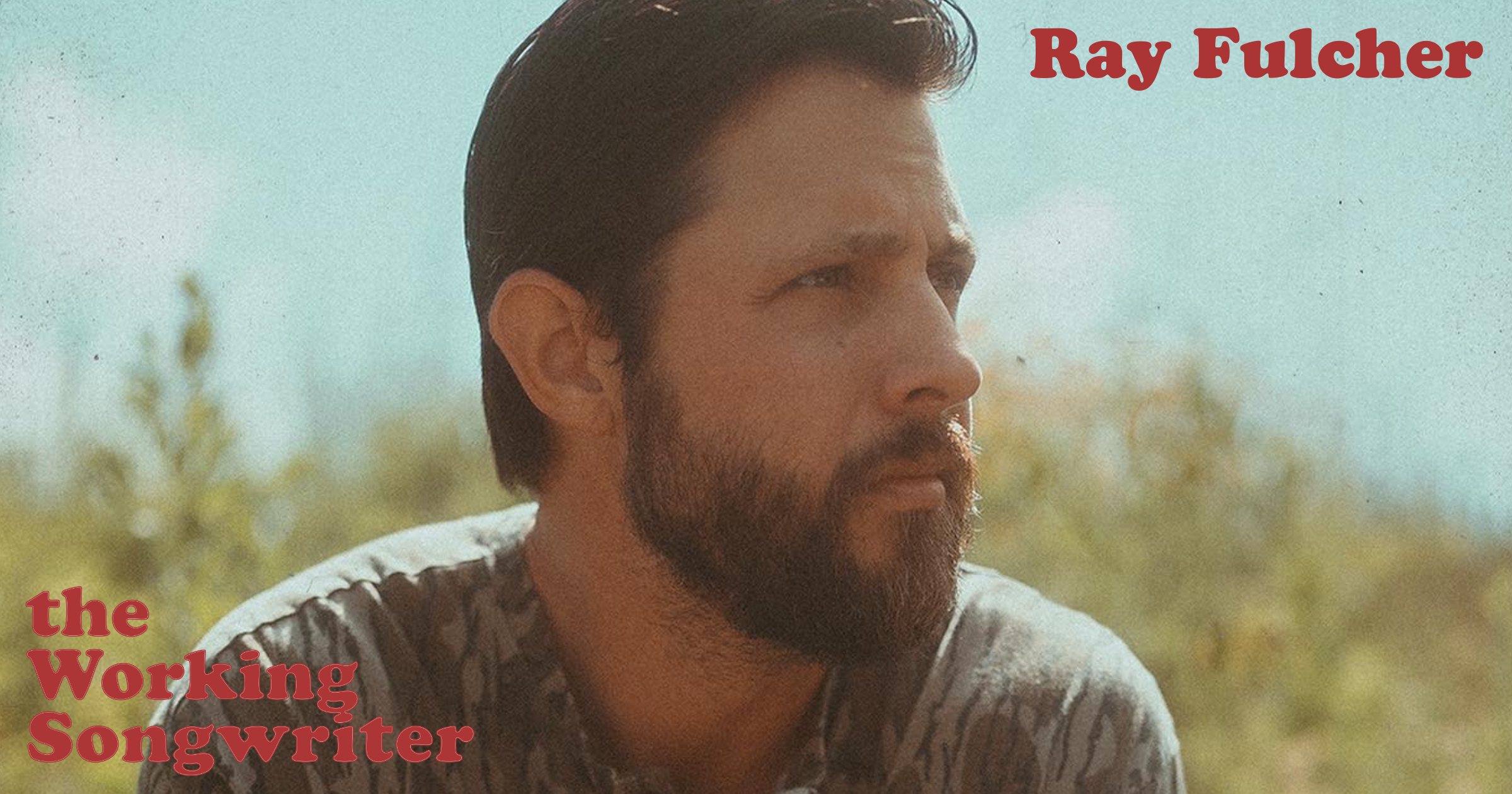
The Working Songwriter: Ray Fulcher

Welcome to The Working Songwriter, the show where today’s best songwriters come to talk shop. Each episode we host a distinguished guest and we ask them to go deep on their inspiration, their process, and the general ups and downs of making a life in music. Whether you’re a grizzled veteran picking out custom chrome trim for your tour bus or a scrappy upstart, trying to determine whether your Toyota Tercel can make it through a three thousand mile tour, this is your show. Because, ultimately, it is what every writer seeks most. An ironclad excuse to put off actually writing.

Our guest this week hails from Harlem, Georgia. Ray Fulcher is one of Nashville’s most sought-after modern country songwriters. He first broke through co-writing a string of chart-topping hits for Luke Combs – including the multi-platinum “When It Rains It Pours” – before stepping into the spotlight with his own recordings on his 2022 debut album, Spray Painted Line.

LISTEN: APPLE • SPOTIFY • LIBSYN • MP3

Fulcher has toured extensively, sharing stages with Luke Combs, Ashley McBryde, and Matt Stell, and his songs have been streamed hundreds of millions of times across platforms. He has written for artists like Riley Green and Cody Johnson, including Johnson’s recent hit “The Fall.” Billboard highlights his “unmistakable narrative grit,” while Holler celebrates his “clean-cut melodies and lived-in honesty.” Taste of Country notes his “ability to turn small-town details into widescreen emotion.” I caught up with him recently on The Working Songwriter to hear about his musical journey so far.


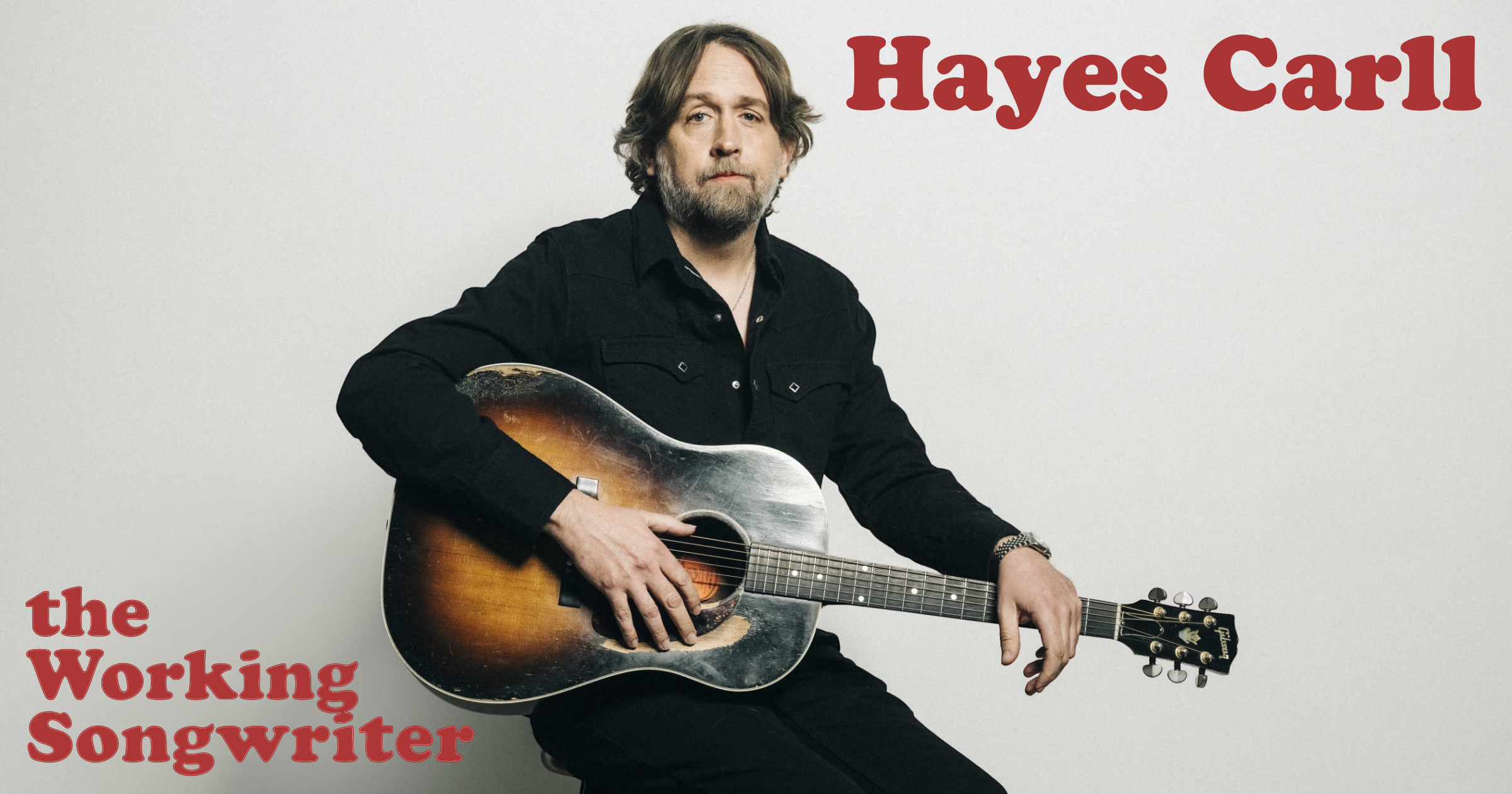
The Working Songwriter: Hayes Carll

Welcome to The Working Songwriter, the show where today’s best songwriters come to talk shop. Each episode we host a distinguished guest and we ask them to go deep on their inspiration, their process, and the general ups and downs of making a life in music. Whether you’re a grizzled veteran picking out custom chrome trim for your tour bus or a scrappy upstart, trying to determine whether your Toyota Tercel can make it through a three thousand mile tour, this is your show. Because, ultimately, it is what every writer seeks most. An ironclad excuse to put off actually writing.

Our guest this week on The Working Songwriter hails from The Woodlands, Texas. Hayes Carll is a singer, songwriter, and storyteller whose sharp wit and plainspoken poetry first broke through with his 2002 debut, Flowers & Liquor. That was followed by 2008’s Trouble in Mind, which delivered the hit “She Left Me for Jesus” and cemented his place among the genre’s most distinctive voices.

LISTEN: APPLE • SPOTIFY • LIBSYN • MP3

Carll has toured with artists like Old Crow Medicine Show, Todd Snider, and Alison Krauss and his songs have been covered by Miranda Lambert, Lee Ann Womack, and Kenny Chesney. He’s recorded for Lost Highway, Dualtone, and Thirty Tigers and he’s performed on stages from Newport Folk Festival to Austin City Limits and the Grand Ole Opry.

Rolling Stone praises his work for its “razor-sharp wit and lived-in warmth,” while NPR notes his “keen eye for the human condition wrapped in disarming charm.” American Songwriter calls him “one of Americana’s most reliable truth-tellers.”


Photo courtesy of the artist.

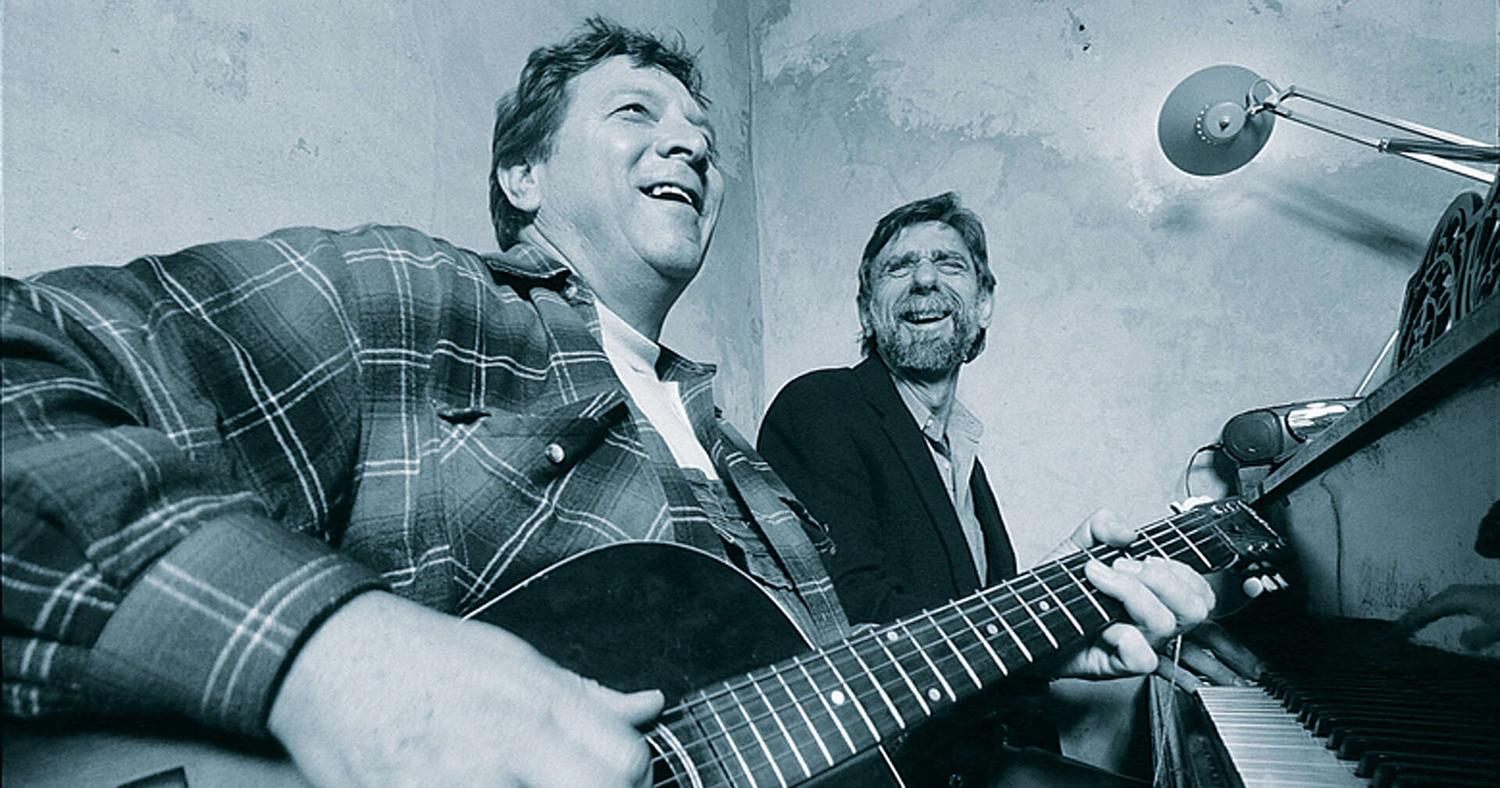
The Mighty Résumés of
Dan Penn and Spooner Oldham

The duo of Dan Penn and Spooner Oldham have amassed an astonishing set of credentials, not only as exceptional soul, pop, rock, and country songwriters, but also as vocalists, producer (Penn), and session musician/sideman (Oldham). Both Alabama natives, they’ve maintained a successful professional relationship and close personal friendship since meeting in the late ’50s as teens. They’ve always characterized themselves as “country boys who love Black music.”

Penn initially viewed himself primarily as a singer. He was the lead vocalist for two local Alabama bands, the R&B group the Mark V Combo and a later one, Dan Penn and the Pallbearers. But he began to shift his focus in 1960, after his tune “Is A Bluebird Blue?” became an early hit for Conway Twitty. That song also reflected the joint musical influences that have always permeated the tunes co-written by Penn and Oldham. It’s country’s powerful storytelling edge combined with soul’s passionate energy and quest for personal salvation. Once the Twitty tune made it big, things changed in Penn’s mind. “That’s when I first decided that maybe this songwriting thing might work out,” he added. “After I saw some of the checks that were coming in, I decided to just keep going with it.”

Penn had already been working at SPAR Music studio, a place co-founded by Rick Hall and Billy Sherrill above a drugstore in Florence, Alabama. When Hall decided to open his own studio titled FAME (Florence Alabama Music Enterprises), Penn became their first resident songwriter. He and Oldham began writing together at FAME, and both say they had a chemistry from the very beginning.

“Back in those days, co-writing wasn’t quite what it is today,” Penn continued. “But just from hanging out with Spooner and getting to know him, we had real good rapport from the beginning. I got to know and like him, and then things just kind of took off from there.”

“What Dan says is pretty much how it happened,” Oldham added. “We got a rhythm going and it’s never been one of those things where we’ve had any problems or issues.”

Interestingly, Oldham views himself as a musician first, then a songwriter. A prolific organist and keyboardist, he got his start playing in a traditional jazz band while in high school. The extensive list of top musicians he’s played with over the years includes Arlo Guthrie, Jim Croce, Gram Parsons, The Everly Brothers, Jackson Browne, Linda Ronstadt, Gene Clark, Ry Cooder, The Flying Burrito Brothers, Delaney and Bonnie Bramlett, Bob Seger, Maria Muldaur, Rita Coolidge, Bobby Womack, Albert King, Helen Reddy, Harry Nilsson, Stephen Stills, J.J. Cale, and Neil Young. But in his earlier days, he also made his way to the FAME studios and had the first of many collaborations with Penn. Among their notable FAME triumphs were Percy Sledge’s “It Tears Me Up,” James and Bobby Purify’s “I’m Your Puppet,” and Joe Simon’s “Let’s Do It Over.”

But Penn wanted to produce as well as write and he left FAME for Memphis in the late ’60s, moving to Chips Moman’s American Studios. Oldham would later follow him there. Penn and Moman would craft their own set of soul classics, notably “Dark End of the Street” for James Carr, and “Do Right Woman, Do Right Man” for Aretha Franklin. Penn got his first major production opportunity in 1967, with the Box Tops and then 16-year-old lead vocalist Alex Chilton. Penn produced their number one hit “The Letter,” then joined forces with Oldham to co-write the group’s second smash “Cry Like A Baby,” and the Sweet Inspirations’ “Sweet Inspiration.”

Oldham would eventually depart for Los Angeles and a prolific career as a session musician and sideman. He played keyboards on Young’s 1978 album Comes a Time, and continued to work with him on such other albums as Old Ways, Harvest Moon, Silver & Gold, and Prairie Wind. Oldham joined Bob Dylan during his Christian era, contributing to Dylan’s Saved album, the Saved Tour and the Shot of Love Tour. With Dylan, he played 79 shows, appeared on Saturday Night Live, and on the GRAMMY Awards telecast. Oldham also partnered with John Prine for the 1984 album Aimless Love and appeared on the 1994 release, A John Prine Christmas.

When Crosby, Stills, Nash & Young reunited for their Freedom of Speech Tour, Oldham played keyboards. He also worked as a sideman and collaborated with Steve Wariner through the ’80s. They teamed on the song “Lonely Women Make Good Lovers.” During the ’90s, Oldham was featured on Jewel’s album Pieces of You, which produced the hit “Who Will Save Your Soul.” In the 2000s, he appeared on a pair of Frank Black albums, joined the Drive-By Truckers for their 2007 The Dirt Underneath tour, and played with Amos Lee, Aaron Neville, Bettye LaVette and Cat Power in 2008. He contributed to Keith Richards’ 2015 album Crosseyed Heart and Sheryl Crow’s Threads in 2019, as well as the Mountain Goats Dark In Here in 2021.

Penn established his own Memphis studio, then subsequently relocated to Nashville in the ’70s. He would have some country success with songs written for Ronnie Milsap and Johnny Rodriguez, and he’d also produce a pair of Milsap LPs – his debut album Ronnie Milsap, and co-producing A Rose By Any Other Name with Moman. He contributed the song “A Woman Left Lonely” to Janis Joplin’s album Pearl (later covered by Charlie Rich) and he’d cut an acclaimed solo album, Nobody’s Fool.

Penn and Oldham had another reunion in 1991 at New York’s Bottom Line, appearing in the songwriter series “In Their Own Words.” They also contributed to Arthur Alexander’s 1993 album Lonely Just Like Me. Later the duo made an acoustic tour throughout parts of the U.S., Europe, Australia, and Japan. It yielded the live album, Moments From This Theater, that was released in 1999. Penn also made another critically praised solo LP, Do Right Man, in 1994. Both Penn and Oldham are members of the Alabama Music Hall of Fame. Oldham is also in the Rock and Roll Hall of Fame as a sideman, as well as the Musicians Hall of Fame in Nashville and the Birmingham Record Collectors Hall of Fame.

Both men currently remain busy. Penn’s Christmas tune “One Blue Light” was released last November and it was a message of “remembrance and hope” to highlight the holiday season. It’s the first single from Penn’s upcoming album, Smoke Filled Room, which is scheduled for release later this year. “There’s a song on there that I worked on for 20 years and I finally got it right this time,” he said in discussing the upcoming album. “Billy Lawson mixed it and we finally got it sounding the way that we wanted.”

Smoke Filled Room was recorded at Penn’s home studio and will be available on various streaming sites. “When I started out as a singer in the studios I’d always pay attention to what they were doing on the boards, the engineering, mixing, all of it,” Penn added. “So it wasn’t that much of a shift for me to go to production.”

Besides playing dates last year with Neil Young, Oldham also played with the Scottish band Texas on the 2024 release The Muscle Shoals Sessions, a collection of soul covers that the group recorded at FAME studios. He will be playing on an upcoming Robert Cray LP, with the sessions set to begin the week after our interview. Together, Penn and Oldham are doing some select dates this year in both the United States and United Kingdom.

Unfortunately, Oldham suffered an injury early in his recent appearances with Young. “The first week out I fell playing basketball and just tore myself up,” Oldham said. “But I’ve moved from a wheelchair to a walker to a cane, so I’m doing alright.”

Neither man will commit to claiming any one of their classics as their favorite, nor will they cite any one artist as the greatest that has covered their songs. But Penn mentions some names he was particularly happy he worked with as either a producer or songwriter. “Alex Chilton, Aretha Franklin, Joe Simon – so many I can’t really name them all.”

“I’ll just say I’m grateful to all the wonderful singers that did our songs,” Oldham added. “I really saw myself starting out – and still do – as a musician first, and I approached songwriting from that perspective. Dan would work on getting the words right, if there was a problem, and I’d work on fixing the music if anything went wrong on that end.”

Penn added the name of one singer who’s not recorded one of his songs that he’d enjoy having cut one: “Tom Jones,” Penn said. “I doubt if that’s ever going to happen, but I’d love for him to do one of them. He’s got a hell of a voice.”

Their opinions on the phenomenon of streaming aren’t as tinged with anger as some of their contemporaries, though they acknowledge that the compensation end has its problems. “Well, this generation has really gotten accustomed to getting its music that way, and you’ve got to be willing to adjust to that reality,” Penn said. “I don’t really have anything against it, but really, as a songwriter, [you] aren’t going to make a lot of money off it.”

“They definitely need to address the payment side of it,” Oldham said. “It’s definitely a way to get the music out to the public, but the musicians themselves aren’t really getting the benefits from it. That’s the area that they need to address.”


The exploits of Dan Penn and Spooner Oldham are chronicled as part of the “Muscle Shoals: Low Rhythm Rising” exhibit at the Country Music Hall of Fame and Museum in Nashville. They will be appearing in concert at City Winery Nashville on January 18, 2026.

Photo Credit: Richard G. Mann

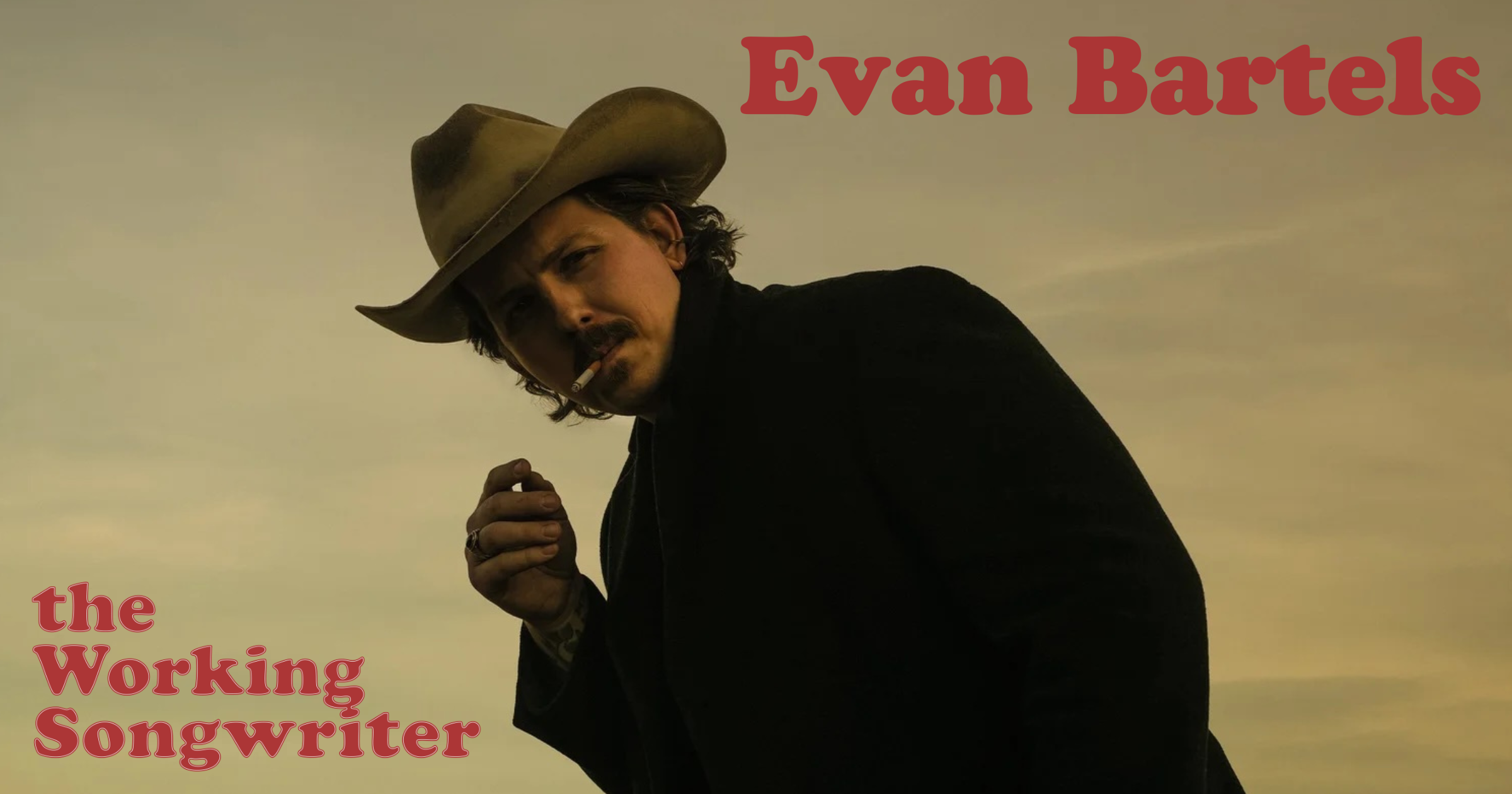
The Working Songwriter: Evan Bartels

Welcome to The Working Songwriter, the show where today’s best songwriters come to talk shop. Each episode we host a distinguished guest and we ask them to go deep on their inspiration, their process, and the general ups and downs of making a life in music. Whether you’re a grizzled veteran picking out custom chrome trim for your tour bus or a scrappy upstart, trying to determine whether your Toyota Tercel can make it through a three thousand mile tour, this is your show. Because, ultimately, it is what every writer seeks most. An ironclad excuse to put off actually writing.

Our guest this week on The Working Songwriter hails from Tobias, Nebraska, a town of about 100 people. Evan Bartels is a singer-songwriter who with his 2017 debut, The Devil, God & Me, burst onto the national scene. More recently, Bartels has expanded his audience with the release of his EP, To Make You Cry, recorded after relocating to Nashville and reflecting on a period of personal upheaval and renewal.

LISTEN: APPLE • SPOTIFYLIBSYNMP3

Bartels has toured with American Aquarium, The White Buffalo, and John Moreland; he records for MCA/Universal; and he’s performed at Mile of Music, Americanafest, and the C2C Festival. No Depression calls him “a haunting new presence in Americana,” while Americana Highways praises his “unvarnished, soul-bearing songwriting.” Glide Magazine notes his “ability to turn bruised experience into stark, resonant beauty.”

I caught up with Evan Bartels a few months ago for The Working Songwriter to hear about his musical journey so far.


Joe Pug’s The Working Songwriter Joins BGS Podcast Network

The BGS Podcast Network is proud to announce our first addition of a new (to us) show in 2026, bringing artist and singer-songwriter Joe Pug‘s hit podcast, The Working Songwriter, on board. Beginning January 9, the Working Songwriter will be distributed exclusively through BGS and available wherever you stream podcasts.

“After ten years and over three hundred episode of doing this podcast independently, we’ve decided to go pro!” Pug says. “[BGS] is the perfect home for our show. They focus on American roots music, but ultimately they celebrate any kind of songwriting as long as it’s of a very high quality. I think that’s pretty similar to the ethos of The Working Songwriter.”

SUBSCRIBE: APPLE • SPOTIFYLIBSYN

Over a decade of work and hundreds of episodes, Pug has explored songwriting, music-making, artfulness, and creative practices with some of the most thoughtful and entrancing voices in Americana, country, roots music, and songwriting as a whole. Over the years, guests have included such luminaries as Jerry Douglas, Charlie Peacock, John Hiatt, ERNEST, Chuck Prophet, Kim Richey, Bonny Light Horseman, Hunter Hayes, Iris Dement, Del McCoury, Keb’ Mo’, Darrell Scott, and countless others. Alongside these songcraft heavy-hitters are just as many fresh discoveries, newcomers, and essential-yet-underrated voices in the space, too.

The overlap between our rootsy BGS purview and Pug’s roster of guests is vast and varied, illustrating how perfect a fit the show will be for the BGS Podcast Network. “With their network,” Pug continues, “we’re gonna be able to get guests that we’ve never had before. We’re gonna be able to produce more content and we’re gonna be able to lean into video quite a bit more. I’d like to thank Cindy Howes and Amy Reitnouer Jacobs for believing in our show and helping to shepherd it to the next level.”

“The Working Songwriter has set the standard for long-form interviews with our favorite songwriters in the roots music world and beyond,” responded Cindy Howes, director of the BGS Podcast Network. “Joe’s ability to open up his guests in relaxing conversations on the craft of writing is endlessly impressive. The fact that a podcast of this caliber that legitimizes the best working songwriters is joining our roster is an honor. We are beyond excited to work with Joe and his team on this wonderful show.”

The latest season of the Working Songwriter will premiere this Friday, January 9, with guest Evan Bartels. Bartels, a singer-songwriter, burst onto the national scene with his 2017 debut, The Devil, God & Me. He has toured with American Aquarium, The White Buffalo, and John Moreland; he records for MCA/Universal; and he’s performed at Mile of Music, Americanafest, and the C2C Festival. We’re looking forward to beginning this new era for The Working Songwriter with Joe Pug, Evan Bartels, and all of you, right here on BGS.

To celebrate the announcement and the upcoming season premiere, listeners can subscribe to the Working Songwriter wherever they listen to podcasts. While you do, revisit and enjoy all past episodes of The Working Songwriter – including these five of our favorite selections below, chosen from over 10 years of superlative work.

Remembering Todd Snider (March 2020, rereleased November 2025)

Joe originally sat down with The Bard of East Nashville back in March of 2020, but after his untimely passing in November 2025 at the age of 59, TWS reissued this beautiful episode in his honor.


Jerry Douglas (June 2025)

An artist who needs little introduction to BGS audiences, GRAMMY-award winner Jerry Douglas is considered the contemporary master of the Dobro. Joe talks to Jerry about his long and storied career, playing alongside everyone from Ray Charles to Billy Strings.


Ashe (September 2024)

TWS covers songwriters of all backgrounds and genres, as demonstrated in this 2024 episode with Ashe.  The Berklee College of Music grad discusses her years writing songs for other artists such as Demi Lovato, only to find her own distinct voice (and a legion of obsessive fans, including the late Diane Keaton) in the last five years.


The Swell Season (October 2025)

The Oscar-winning and decades-spanning musical partnership of Glen Hansard and Marketa Irglová has captivated worldwide audiences, but this conversation with Joe from 2025 celebrated their first album together since 2009 (Forward), and showed their connection and chemistry was as deep as ever.


Bonny Light Horseman (February 2023)

Each member of the folk supergroup trio of Anaïs Mitchell (Hadestown), Eric D. Johnson (Fruit Bats), and Josh Kaufman (The National, Bob Weir, Josh Ritter) could easily deserve their own deep-dive episodes, but put together it’s clear that they are greater than the sum of their parts. Joe digs in with the three GRAMMY nominees to peek behind their magical music-making curtain.


Lead image courtesy of New Frontier Touring.