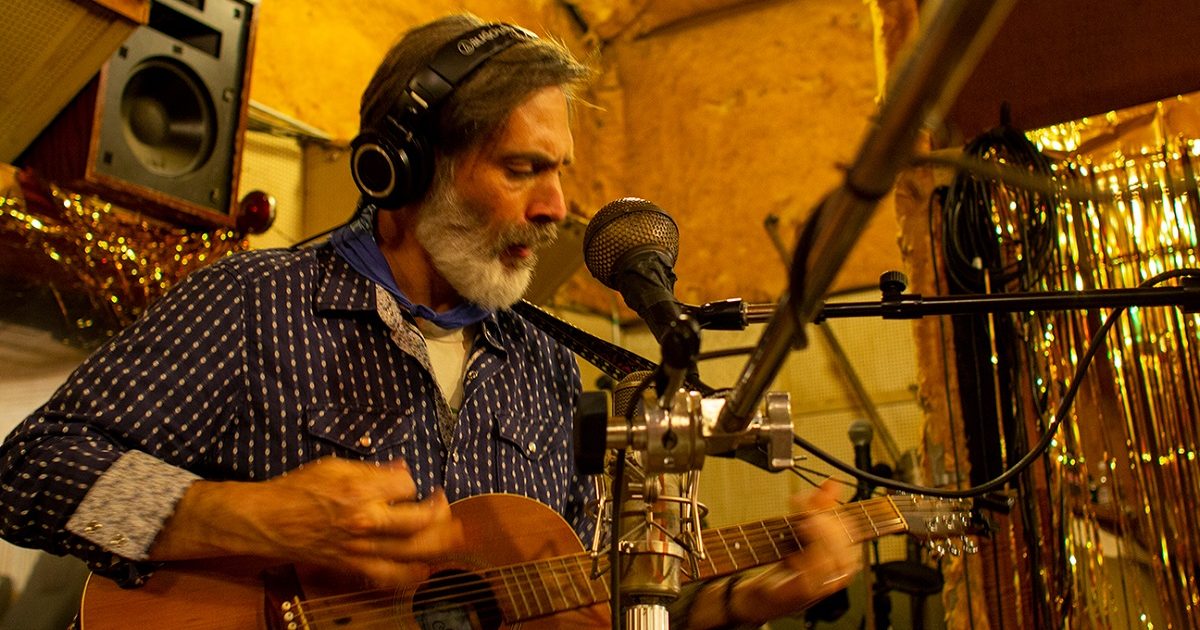
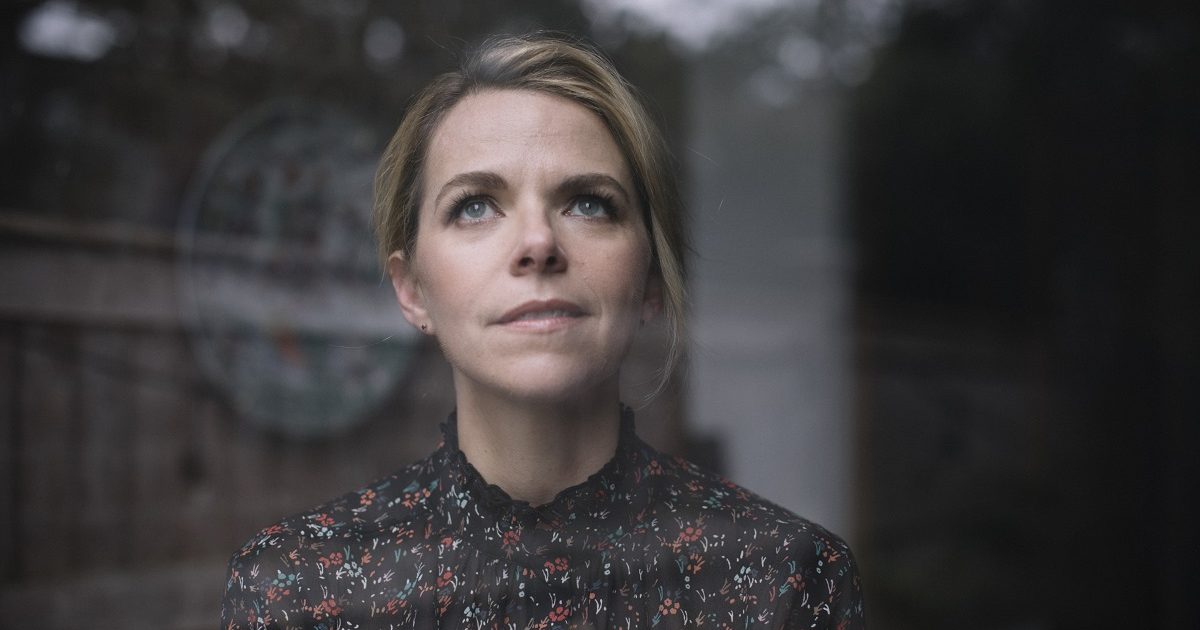
Artist:Bendigo Fletcher Hometown: Louisville, Kentucky Song: “Sugar in the Creek” (Blackacre Barn Session) Album:Fits of Laughter Release Date: August 13, 2021 Label: Elektra Records
In Their Words: “Playing ‘Sugar in the Creek’ live feels like floating compared to some of our other songs that probably require more attention to recreate. There are a few key and tempo fluctuations that we sort of arrive at and navigate as the song continues, and we just have to rely on staying in the moment together to hit those transitions naturally. Looking back, I think it was written under the spell of a band called Relatively Clean Rivers, whose only known album consists of those types of songs that just kind of start and end before you remember again that you’re in a human body.” — Ryan Anderson, Bendigo Fletcher
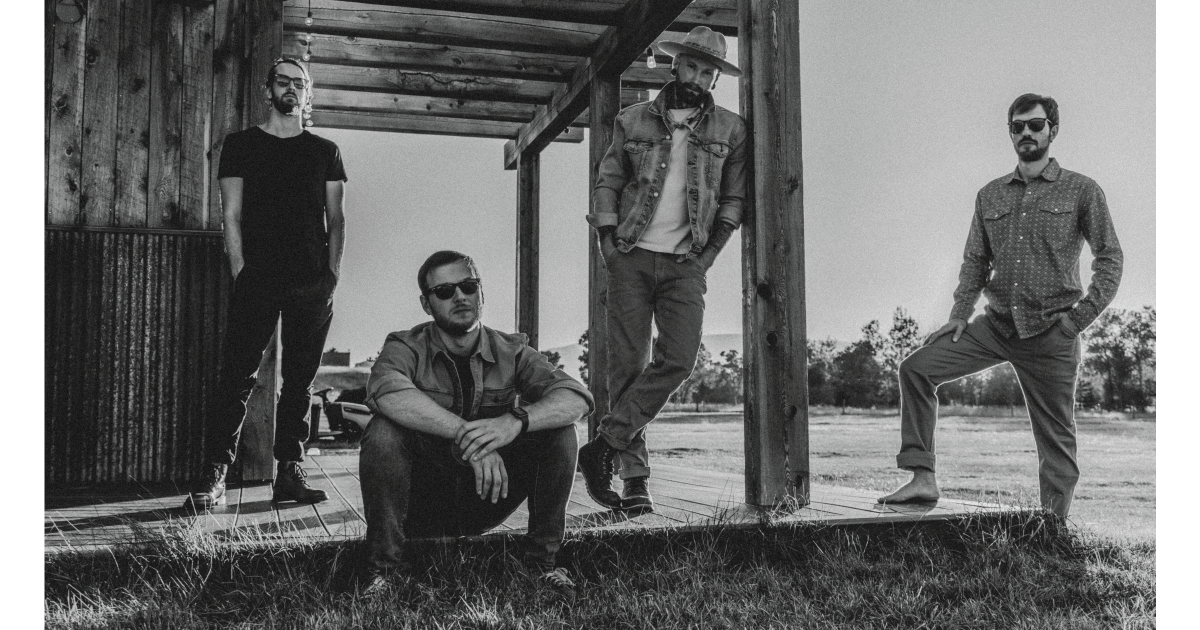
Artist:Satsang Hometown: Red Lodge, Montana Song: “Malachi” Album:‘All. Right. Now.’ Release Date: June 4, 2021 Label: SideOneDummy Records
In Their Words: “The day my son Malachi was born, they said his bilirubin count was bad and they suggested we keep him under this crazy blue light throughout the night. My wife and I couldn’t do it. While my wife slept, I held him on my chest overcome with joy and thinking about what he could be and what I could be to him. His mom woke up in the middle of the night and I handed him over, and as they slept I just watched the two of them. I pulled out my notebook and wrote down what would become this song.” — Drew McManus, Satsang
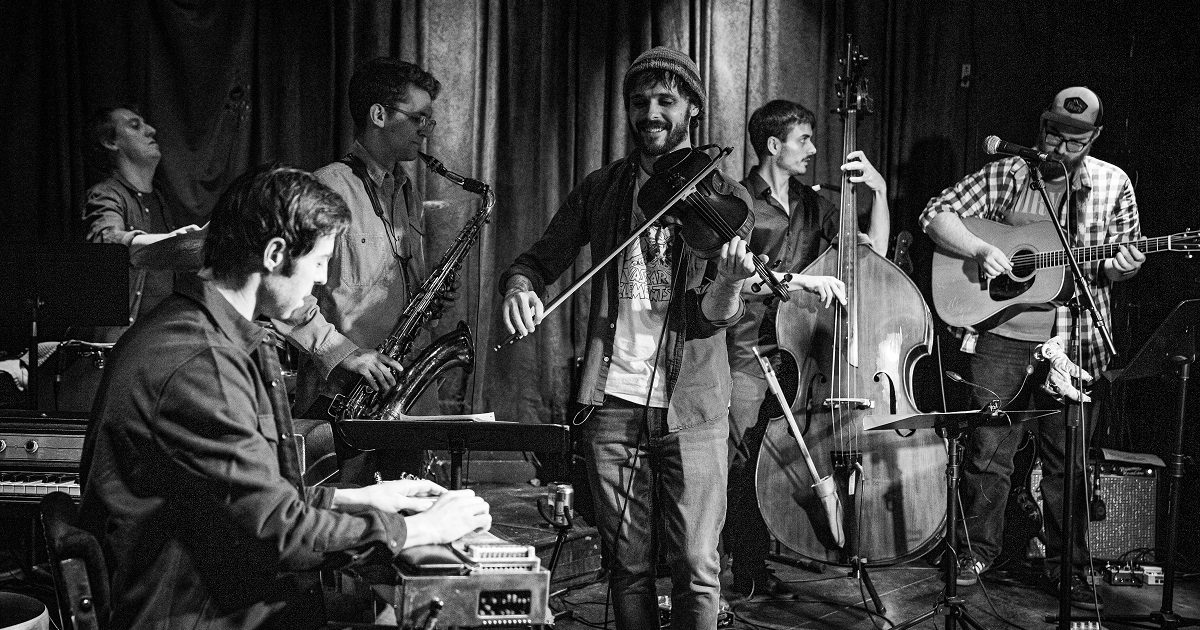
In Their Words: “‘Your Body’s Border’ is a meditation on boundaries in song. From the pensive bouzouki that opens the tune to the first couplet, ‘you’re as old as the crow, fresh as an embryo,’ one can tell this song isn’t supposed to make linear sense and acts more like poetry than storytelling. The voyage is one of discovery — and the discovery is about the joys of being in love, working through stereotypes and clichés (‘if you get sweet and sour with me’), the lengths we go to find love, the transitory nature of national identity, and the repurposing of influence (notice the John Donne homage, ‘my love, my new found land’). Fiddle, banjo, mandolin, two guitars, bouzouki, and upright all play it cool, rather than hot as expected, letting the song take center stage.” — Graber Gryass
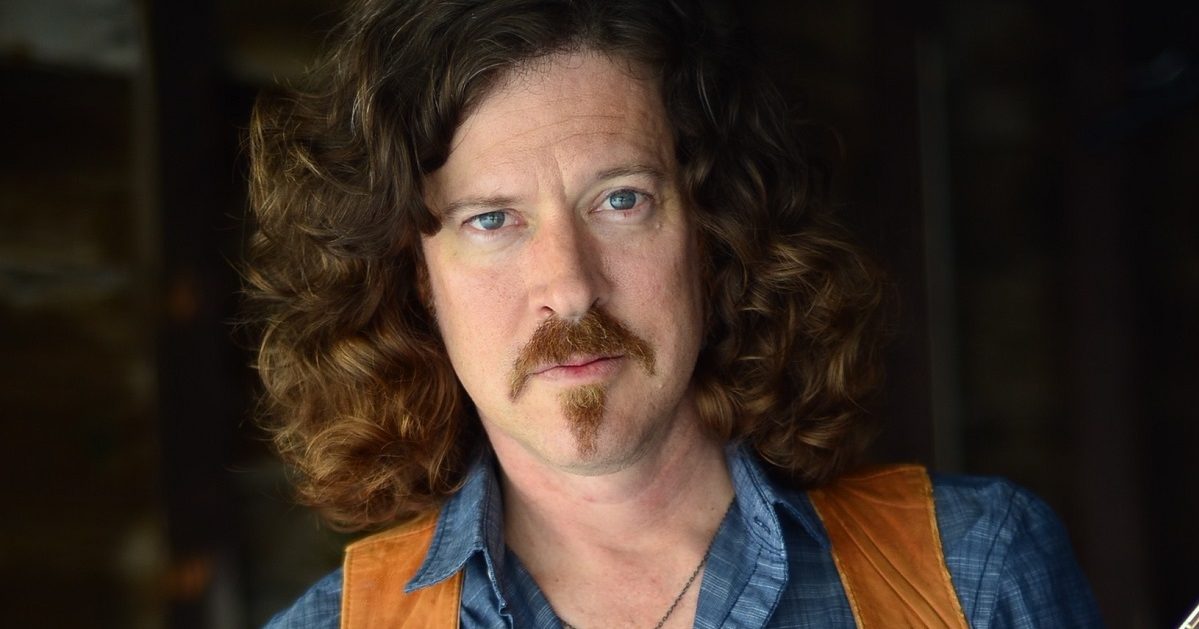
Artist:Ted Russell Kamp Hometown: Los Angeles, California Song: “Lightning Strikes Twice ” Album:Solitaire Release Date: May 7, 2021 Label: PoMo Records
In Their Words: “I wrote this one in Nashville last year while I was on tour with Duff McKagan. We had a day and a half off so we got together and started talking about Billy Joe Shaver and wrote this one in his style. I started out with the cool intro riff and we wrote a cool classic story song. It was originally going to be a honky-tonk song but as I got thinking about the record I decided to rework and make it the first bluegrass song on any record of mine. I played all the instruments and then sent it to Don Gallardo and he added his harmony vocal.” — Ted Russell Kamp
Artist:John Mailander’s Forecast Hometown: San Diego, California Song: “Returning” Album:Look Closer Release Date: May 7, 2021 Label: 9 Athens Music
In Their Words: “‘Returning’, the first track on our new album, came together on the first day of our session. To me, the track reflects some of what we were collectively feeling, playing in the same room together after so many months of isolation. We were all masked and spaced out the whole time, but the rediscovery of that connection and joy shined through. This track is kind of loosely a continuation of where our last album, Forecast, left off, but it also feels like a new beginning as each musician’s voice enters one at a time and joins together again. The animation was made by Anna Jane Lester. I think it’s a perfect visual accompaniment to the song, the way it moves forward with persistence through the changing seasons.” — John Mailander
My diary for Saturday September 26, 1987 — Earl Scruggs Celebration day at Gardner-Webb College in Boiling Springs, North Carolina — begins with an entry on foodways:
I meet Tom (Hanchett) and Carol (Sawyer) at 7:30 and we walk to the Snack Shop. As Joe had predicted the night before there were lots of pickups outside and quite a few people inside having breakfast. I asked the waitress for livermush and she told me they didn’t have it, that sometimes they did but today they were out of it. It wasn’t on the menu.
After breakfast we walked over to G-W’s Dover Library, Celebration headquarters. Horace Scruggs was there.
Outside Horace took me over to meet his banjo player, and he asked me to play a tune or two. I did “Cumberland Gap” and some other simple tune. The picker then played a lot of fancy stuff and told me about his two banjos.
Inside, people were setting up displays in preparation for the 10:00 opening. It was part museum, part market.
… various people were doing crafts; [an] instrument maker was there with his wife, who played guitar, and his young son (maybe 10) who was a good Scruggs-style banjo picker and played non-stop all afternoon long. They were selling cassettes of him.
Horace had brought in two banjos which Earl had loaned him to be displayed at the Celebration. One was a new Gibson Earl Scruggs model, and the other was the old banjo which had belonged to their father and which Earl had had repaired back in the fifties in Nashville.
Later, Tom would be installing storyboards about the connection between country music and the textiles industry in the Piedmont.
After Horace had set up his display Joe suggested he take us on a tour of the area where the Scruggses grew up. So, Tom, Carol, Joe, and I set out in Horace’s Fury.
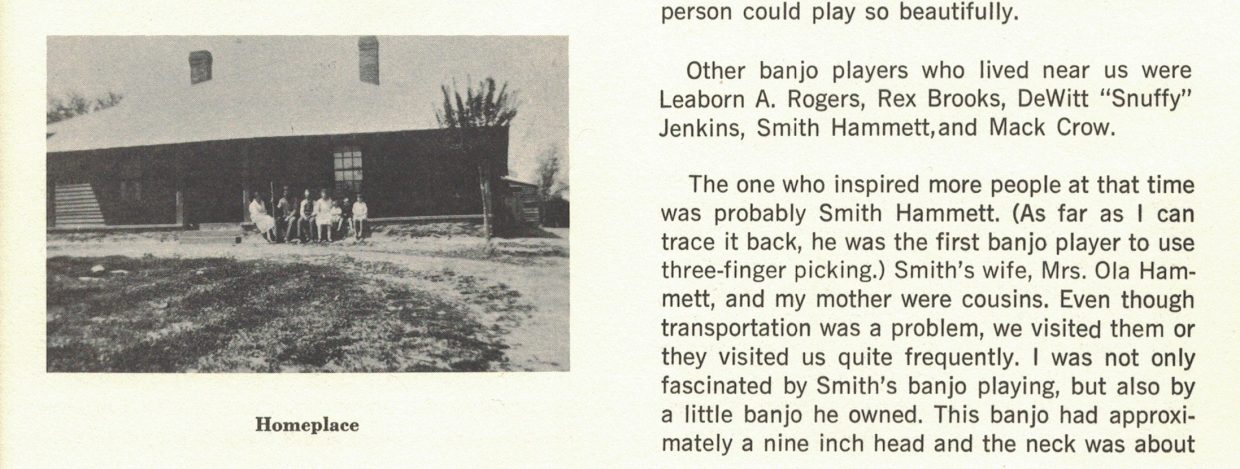
‘Earl Scruggs and the 5-String Banjo’ page 147 shows the Scruggs homeplace
He took us past the Flint Hill Church, their birthplace (depicted in the above photo from p. 147 of Earl Scruggs and the Five-String Banjo), and the house they’d moved to after their father’s death in 1930 (seen below, from p. 150).
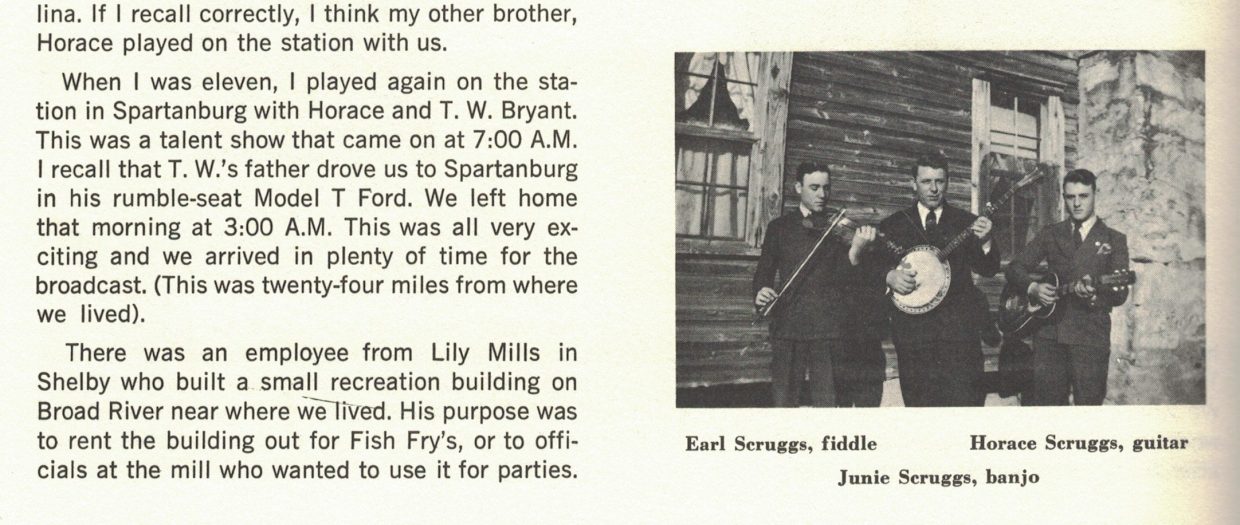
The house has the same chimney as in the picture, but the upper part has been rebuilt with brick. A “beware dogs & keep out” sign was posted. Horace said that the family had decided to get rid of the house, but he wished they had kept it. This is the house he and Earl would walk around when practicing time — they would start a tune and each would walk in a different direction playing softly, to see if they could keep their time so they would be together when they met at the back. The right front room, visible from the road, was the one Earl went in when he figured out how to use the third finger in his banjo style.
‘Earl Scruggs and the 5-String Banjo’ page 150 shows three Scruggs brothers, posing in front of their home
Then Horace took us down to the nearby Broad River to point out the site of Earl’s first professional gig, Ollie Moore’s fish camp.
At 10:00 the Celebration began out in front of the Library. Inoted: A beautiful sunny day which was to get up into the low 80s by the feel of it. The president opened the festivities and then Horace and his bandmates in Riverbend performed a few songs.
At last night’s dinner I’d gotten to know a couple from Raleigh, Margaret and Wayne Martin.
Both were old-time musicians. In 1984 they’d joined with two others to found PineCone, the Piedmont Council of Traditional Music, “an organization that would help support traditional roots artists and present their music to the public in a professional and respectful manner.”
An experienced teacher and performer, Margaret was scheduled to workshop with Etta Baker. This was one of the high points of the Celebration.
At 10:30 Margaret Martin set up with Mrs. Etta Baker in the Library lobby and did an hour-long workshop which was very nice. Mrs. B. played banjo some of the time, showing how her daddy picked 2-finger style; then she played the guitar, a D-18 with a built-in pickup, and did her “hits” like “Railroad Bill” and “John Henry” and also some nice Piedmont-style blues like, she said, her sons played. She was low-key but relaxed and effective as a performer, and Martin ran a good workshop, assisting musically but not getting in the way.
In the middle of this Snuffy Jenkins, Pappy Sherrill and the Hired Hands arrived and were standing at the back of the crowd in the lobby. I had a good talk with both of them, trying to give some idea of what I wanted on the workshop.
Banjoist Jenkins and fiddler Sherrill began their careers in the ’30s playing a blend of old-time and country. Snuffy played 3-finger style even before Earl, who acknowledged his influence. Still active after nearly fifty years, they were living history. They’d watched bluegrass develop. What could they say about that? Also, I was particularly interested in having them demonstrate the kind of shows they’d done in their early years — the radio pitches and Snuffy’s baggy-pants comedy.
Unfortunately, Snuffy hadn’t brought along his rig for the full comedy routine but they said they would do some comedy.
I pursued a bit of tune research, wondering about a tune Earl Scruggs had played in his 1945 audition for Monroe. I’d heard that Earl learned it from Snuffy.
I asked Snuffy about “Dear Old Dixie,” which he did play. He told me he learned from a Rutherford County fiddle band, the Barrett Brothers — a group they always beat in contests, he said.
It was noon; Carol and Tom and I took a lunch break. As the afternoon began:
We sat out on the campus green, a broad sloping lawn with a stage at the lower end, and listened to Snuffy Jenkins and Pappy Sherrill along with their band.
The Hired Hands, all younger South Carolinians, included guitarist Harold Lucas; his son Randy, who played banjo and guitar; and Frank Hartley on bass. After a 10-song set, a young guest, Philip Jenkins, was introduced. Philip’s father Hoke was Snuffy’s nephew, a good banjoist who’d recorded with Jim & Jesse in the early ’50s. Philip, playing his dad’s fancy old Gibson, did “Train 45” and “Sally Goodin.”
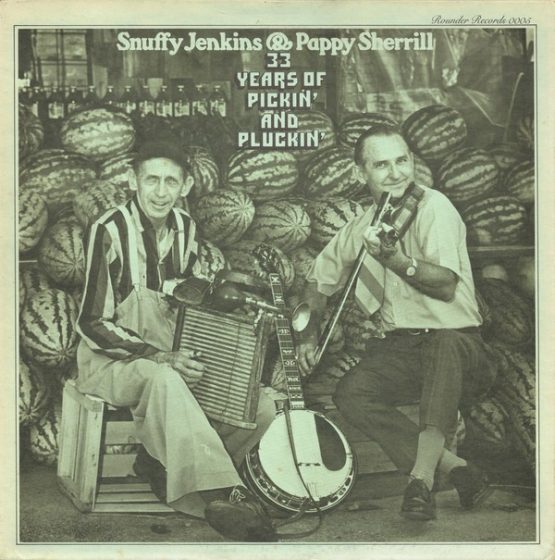
Snuffy closed out the show by bringing out his “confounded contraption,” a washboard fitted with cowbell, frying pan, wooden block, and an old bicycle horn, on which he played rhythm with eight sewing thimbles as Pappy fiddled “Chicken Reel” and “Alabama Jubilee.”
Snuffy Jenkins & Pappy Sherrill on the cover of their Rounder release, ’33 Years of Pickin’ and Pluckin”
Other bands followed. I wandered around at the back of the crowd, taking in the music from different perspectives and meeting fans. Around two I went back to my room, picked up the tape recorder and headed for the seminar room in the library where the workshop was to be held.
I used the recorder, a Sony Walkman Pro cassette machine with an external mike and a C90 cassette, to record the workshop. What follows is based on a table of contents drafted soon after the event. The tape itself, like most of my research materials, is now in Memorial’s archives, out of reach at the moment.
We began at 3:00 with an introduction by Dr. Brown and a speech of welcome from G-W’s Vice President for Academic Affairs. The band opened up with their theme tune, the old fiddle tune “Twinkle Little Star.” Dr. Brown introduced me and I began in emcee style to introduce the band, a leisurely process involving a bit of humor and local place names. Although this was a workshop, Pappy and Snuffy treated it as a show, offering comic relief and virtuoso instrumentals at regular intervals.
I spoke briefly about the band as living history, mentioning that Pat Ahrens, a writer from Columbia, South Carolina, their base of operations, had written a nice little book about them, with photos, and a discography.
I told how the word “bluegrass” had taken on a musical meaning following Earl Scruggs’ years with Bill Monroe and his Blue Grass Boys, and then asked Snuffy to talk about his early history. It was a question he’d been asked before. He and Homer were prepared. Their response was pretty much like the one on this YouTube clip, recorded in 1988 at the Tennessee Banjo Institute:
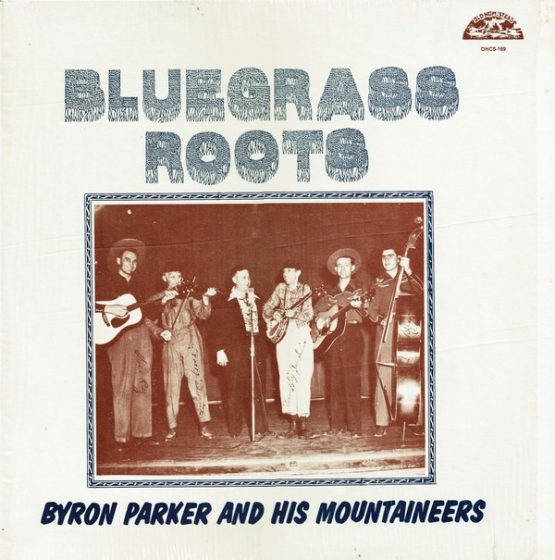
In 1939 Jenkins and Sherrill came together at a radio station in Columbia, South Carolina, as members of the WIS Hillbillies, a band led by Byron Parker, formerly the Monroe Brothers’ emcee and bass singer. Byron Parker and His Mountaineers, a lineup that included Pappy and Snuffy.
Their regular radio shows enabled them to make the bookings that sustained their early career at the small rural schools dotting the countryside around Columbia. Sponsored on the radio by Crazy Water Crystals, a laxative, they recorded 16 tunes and songs — eight 78s — for RCA Victor in 1940 as Byron Parker and His Mountaineers, with fiddle, guitars, mandolin, banjo and Parker’s bass vocal on the hymns. Their broad repertoire included “Up Jumped The Devil” on which Snuffy took banjo breaks which today sound very bluegrassy:
After Parker’s death in 1948, Pappy and Snuffy took over the band and changed the name to The Hired Hands.
Pappy Sherrill was the band’s emcee. He told the history of the band, calling their records “old timey stuff, no extra notes.” Many of their songs and tunes would find their way into bluegrass repertoires. I asked Homer for an example; he played “Carroll County Blues,” the fiddle classic from Mississippians Narmour and Smith that they’d recorded in 1940:
After demonstrating Snuffy’s banjo work, the band did several songs. Here’s how they sounded doing “Long Journey Home” in 1990:
On this song, Snuffy takes all the lead breaks and can also be seen playing clawhammer backup. Regrettably, Homer’s fiddle is in the background here; he usually played lead breaks. Randy Lucas brings in the fingerstyle guitar demonstrated earlier by in the day by Etta Baker. After they’d played four pieces, I posed a question to the band members — what’s the difference between old-time and bluegrass?
Lead singer Harold Lucas began with a joke: “there’s a fine line between old-time and not being able to play at all.” Then, referring to his son Randy, a master of new styles, he described the interplay between old and new generations.
Pappy spoke about growing up listening to the radio. To him, old-time is easier. Bluegrass is fast, with high-pitched singing — not the same. He stressed the importance of duets in old-time.
Randy said “it takes old fellows to play old-time music” and that he got his inspiration from Pappy & Snuffy — “they make music fun.”
As far as he was concerned, said Snuffy, “Ain’t no difference — slow and fast.” He joked about his own “mellow voice — over ripe, almost rotten.”
Returning to the question I’d posed, Pappy and Randy Lucas, now playing banjo, demonstrated the differences between old-time and bluegrass. Pappy fiddled the venerable “Leather Britches” as an example of old-time. Then Randy demonstrated bluegrass with a recent, fancy banjo piece, Don Reno’s “Dixie Breakdown.” Fluent in both styles, each took breaks on both tunes.
I asked about comedy. Pappy described the skits that were an integral part of the Hired Hands show. He said they had a writer, Billy F. Jones, who scripted their comedy pieces, making parts for each member of the band. They weren’t set up to do a skit today, but they did an old traditional musical comic dialogue that originated in 19th century theater, “Arkansas Traveler.” In 1960 the Stanley Brothers had a big record hit with a version that combined the traditional dialogue with new music, titled “How Far to Little Rock”:
Afterward Snuffy and Pappy spoke of their comedy work in the early years — making up, getting into costume, pratfalls, and so on.
Then, after Randy had played “There’s An Old Spinning Wheel in the Parlor” demonstrating his mastery of contemporary banjo styles, Snuffy responded to a request and brought out his “confounded contraption,” the washboard, to play along with Pappy on the popular fiddle favorite, “Down Yonder.” Here’s how Snuffy looked playing washboard on another fiddle favorite, “Alabama Jubilee,” at a festival in 1989:
Pappy reminded the audience that they had mostly played as small local schools with audiences all ages. Their show was for the whole family. “No smut.”
Nearing the end of the workshop, I called for questions. A number came in from the audience — asking about their sponsor, the history of Snuffy’s washboard, other touring bands, and their Columbia, South Carolina, base.
Finally, Pappy explained that their shows always included hymns; he had a box full of Stamps-Baxter and Vaughn gospel quartet songbooks, and taught the parts to the group from them. They were complex, responsorial. Here’s an example from their 1940 RCA sessions, “We Shall Rise,” with Byron Parker singing bass.
On this afternoon, Pappy closed with a simpler hymn, “What a Friend We Have in Jesus” played on the fiddle.
Afterwards he thanked the audience. I concluded with remarks about the band’s role in the change from old to new in folk traditions, and the transition from home and neighborhood to stage and radio.
Just before Dr. Brown formally ended the workshop, well-known local banjoist Dan X Padgett presented a gift — a hat — to Snuffy. I did not note what the hat looked like, and that detail has escaped my memory. But there’s more coming about Dan X Padgett and the rest of the Celebration in Part 3 of this memoir.
Artist:Cole Quest and The City Pickers Hometown: Brooklyn, New York Song: “The Bitcoin Gambler” Album Title:Self [En]Titled EP Release Date: April 16, 2021 Label: Omnivore
In Their Words: “As a software engineer by day, a folk musician by night, and someone who lost a chunk of money in the Bitcoin crash of 2018, I felt I had a unique connection to this modern day dilemma. I wanted to write a song that would show the parallels of this moment to the gambling sagas folks have been telling for hundreds of years. First came the melody line written on guitar, and the rest of the song wrote itself in a matter of minutes. As the band laid down the tracks, I fell in love with the ending of the recording. You can hear how each musician found their own wonderfully unique voicing to this melody. As I was writing the song, I found myself reflecting on things that are important. Surely, gambling a few dollars was nothing to worry about, especially in contrast to the problems created by an ill-equipped fool in the White House.” — Cole Quest
Artist:Aoife O’Donovan (featuring Kris Drever) Hometown: Newton, Massachusetts Single: “Transatlantic” Release Date: March 17, 2021 Label: Yep Roc Records
In Their Words: “I started writing ‘Transatlantic’ many years ago after one of my frequent trips across the pond. The lyric started as a classic love song, but when I dusted it off to complete it for this project with the Irish Arts Center, it became something different. I felt strangely moved by the nostalgia and longing for camaraderie, innocently described by my pre-pandemic self. As I finished the tune in January of this year — feeling certain of nothing but the uncertainty of these times — I immediately began to hear the voice of Kris Drever, a friend based in Glasgow. Kris enlisted his trio mates Euan Burton and Louis Abbott to be the rhythm section, and layered the recording with the inimitable strings of Jeremy Kittel. The refrain references the old classic ‘Loch Lomond,’ a ‘song from another time.’ Raise a glass. We will be together again.” — Aoife O’Donovan
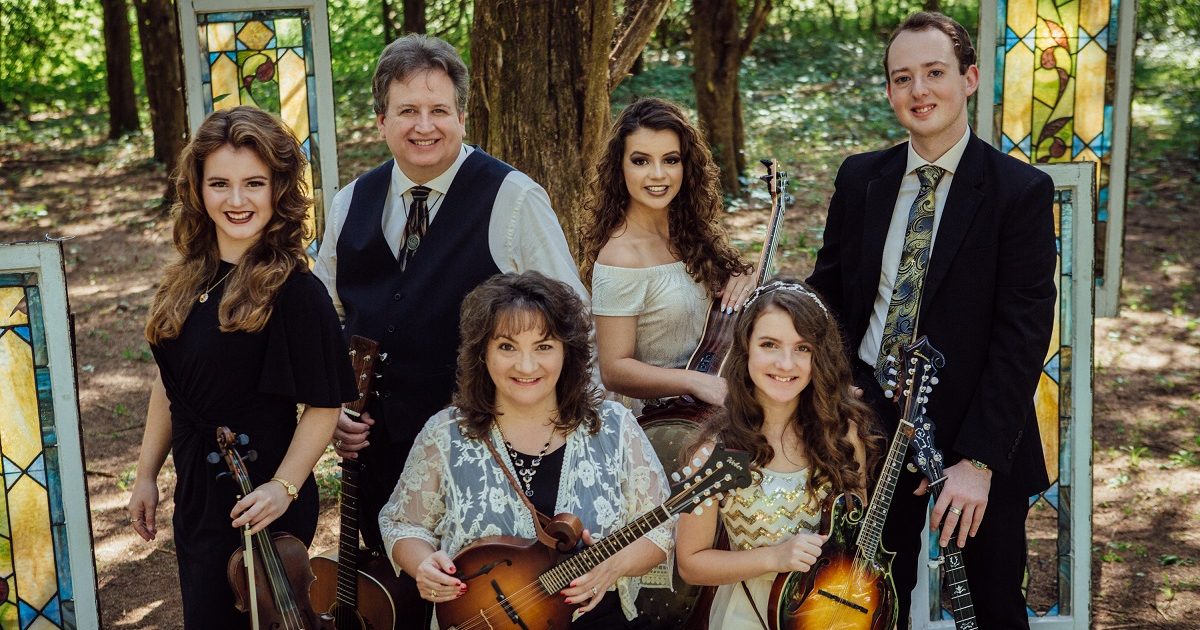
Artist:Williamson Branch Hometown: Murfreesboro, Tennessee Song: “Which Train” Album:Heritage & Hope Release Date: March 12, 2021 Label: Pinecastle Records
In Their Words: “At our first writing appointment, my co-writer Michelle Canning presented the idea for ‘Which Train’ — and from that moment, I was hooked! The result was a mournful, almost haunting tune. As the rest of the band and I prepared to record Heritage & Hope, this song came to life! The unique blend of all-female harmonies singing the train whistles and a driving rhythm in drop D give ‘Which Train’ a classic bluegrass feel. It reminds each of us that we have an eternal destination to choose. Two trains are pulling into the station: One leads to life, the other to death. ‘Which Train’ are you gonna take?” — Melody Williamson
We were both old-time music festival kids, showing up at our parents’ jams with dirt-covered feet, stopping for a moment to listen to the tunes and songs that would undoubtedly carry on late into the night. When we met and first played music, it wasn’t to write or sing songs, but to stay up all night playing fiddle tunes, thrilled by the parallel experiences we shared that allowed playing together to feel effortless. Though the songs on our upcoming duo record aren’t traditional and draw a wide net of inspiration, we aimed to have the groove and groundedness of string band music woven into the feeling of the album.
This playlist includes some of our favorite (deep) cuts of old-time music, at least the ones that have been published for streaming and don’t linger on a cassette or family archive. We selected these to give you a sense of how each song or tune has spun a web of connection that somehow wound its way in our direction. We chose many songs that are somehow close to us and the people we know. We chose some that, by their very existence, make clear the injustice that this music and the people who make it are grappling with and/or trying to overcome.
Old-time music isn’t any one particular thing, but is instead filled with contradictions. Even its name feels odd to write and at odds with how we view it. Yet, it is the music that feels like home to us. Come and join our tragic and raging old-time party. – Vivian Leva and Riley Calcagno
Dirk Powell – “Three Forks of Cumberland”
This is one of our favorite recorded instances of old-time music and its unique, reckless drive. This twisty tune is a rare occurrence of a melody that came from sheet music, off the Hamblon family manuscripts. Dirk Powell is joined here by the original members of Foghorn Stringband, recorded live in Eugene, Oregon. You can hear us play this tune live during a jam at the Appalachian String Band Music Festival in Clifftop, West Virginia, on this Bandcamp release.
The Renegades – “Chilly Winds”
In the ‘90s, Vivian’s parents, Carol Elizabeth Jones and James Leva, played in The Renegades with Richie Stearns and June Drucker. Their combination of old-time string band music, harmony singing, and original songs are unique and well-crafted. Riley discovered this band in his dad’s iTunes library in high school before ever meeting Viv and was instantly hooked. Here, they play a song from the Round Peak region of North Carolina called “Chilly Winds.”
Lily May Ledford – “White Oak Mountain”
Lily May Ledford of Powell County, Kentucky sings this song of a woman who has been betrayed and seeks revenge. Ledford was the leader of the Coon Creek Girls, a widely recognized string band from the ‘30s to ‘50s. Viv’s mom Carol Elizabeth Jones sings this song (with the name “44 Gun”) on the recently re-released 1991 cassette, Rambling & Wandering, by the Wandering Ramblers.
Tara Nevins – “Rocky Island”
This record from Tara Nevins is one of our favorite traditional/original fusion projects. Check out that bouncy electric guitar… wowza. This one is sung by Jim Miller, now one of our label-mates with Western Centuries.
Hazel Dickens & Alice Gerrard – “Let Me Fall”
Hazel Dickens and Alice Gerrard sing this Round Peak classic on this practice tape, recorded live in Alice’s kitchen and released by Free Dirt Records.
Tommy Jarrell – “God Gave Noah the Rainbow Sign”
The musician who arguably had the most influence on today’s old-time music scene is Tommy Jarrell of Surry County, North Carolina. Tommy welcomed younger visitors in the 1970s and ‘80s (including Viv’s dad, James, on many occasions) to his house to learn tunes, swap stories, and pass on ideas about the music. Inspiration from Tommy’s playing, especially his bowing, has spread throughout the old-time scene. For more of Tommy, check out this video of Tommy and his frequent musical partner Fred Cockerham playing on a porch in 1971.
Paul Brown – “Red Clay Country”
Paul Brown beautifully picks the banjo and sings this old song on his record of the same name. He learned it from his mom, Louise Dichman Brown, who learned it in the 1920s from two brothers, John and Harry Calloway of Bedford County, Virginia. Paul told us that there are some early recordings of this song on so-called “race records,” the name given to records released featuring Black musicians in the highly segregated and exploitative record industry. This song in particular was a work song, sung by workers on the railroads. These laborers were often wrongly convicted Black people working dangerous and sometimes deadly jobs. Kevin Kehrberg and Jeffrey A. Keith write about this in their research on Swannanoa Tunnel (both the song and construction of the tunnel), a song that is similar to “Red Clay Country.”
Plank Road String Band – “Sail Away / George Booker”
This band came out of Vivian’s home county, Rockbridge County, Virginia, in the 1980s and features her dad James Leva. This track was featured on The Young Fogies, a compilation of the old-time music community during the ’80s revival era. The fabulously frenetic cello, played by Michael Kott, is unique for old-time music, as is the tenor banjo played by Al Tharp. The band had a few successful and influential tours in Scandinavia.
Bruce Molsky – “Last of Harris”
John Morgan Salyer of Magoffin County, Kentucky, was a fiddler who lived from 1882-1952. Though music was never his career, he played unique, often “crooked” (meaning an unexpected number of beats in each part) versions of fiddle tunes. His family recorded him at home in the 1940s, but these recordings weren’t made publicly available until nearly 50 years later thanks in large part to the work of Vivian’s grandfather, Loyal Jones. Here is one of our favorite Salyer tunes, played by one of our favorite fiddlers, Bruce Molsky (along with his partner, Audrey Molsky) on his 1993 Yodel-Ay-Hee cassette, Warring Cats.
Foghorn Stringband – “Best Timber”
Riley grew up around the band Foghorn Stringband and absorbed their uniquely driving sound at Stickerville in Weiser, Idaho, at the Portland Old-Time Music Gathering, and in lively kitchen parties around the Pacific Northwest. They learned this tune from the great Midwestern fiddler, Garry Harrison.
Gribble, Lusk, and York – “Rolling River: Country Dance”
Murphy Gribble, John Lusk, and Albert York of Warren County, Tennessee, were one of the best string bands of the 20th century. Even so, they were never commercially recorded because they were a Black string band at a time when record companies wouldn’t record such a band. (Black musicians were essentially barred from recording string band music and their recordings were segregated into “race records” which we mention above.) Murphy Gribble’s banjo playing in this recording is especially notable as creative and exceptional three-finger picking. More resources on Black string band music is on our friend, spectacular musician, and labelmate Jake Blount’s website. More writing on Gribble, Lusk, and York in an article by Linda L. Henry here.
Roscoe Holcomb – “Hills of Mexico”
Speaking of divine picked banjo, Roscoe Holcomb of the town of Daisy in Perry County, Kentucky, sings this story, “Hills of Mexico.” Mike Seeger, at a performance at Holcomb’s nursing home in Hazard, Kentucky, said that what set him apart is “that he had that real drive, like he really meant it… he had real conviction to his playing, and of course he sing with that high voice, and he’d take a lot of those old mountain songs and make them real special.” Viv’s mom, Carol Elizabeth Jones, also sings this song on a recording with The Renegades.
Bigfoot – “The Dying Cowboy”
Susie Goehring of Northeastern Ohio sings this heartbreaker on the great album by elusive string band Bigfoot. Rhys Jones plays some appropriately mournful fiddle lines under the vocal on the recording. We aren’t entirely sure where Susie learned it but Vivian sings a version from Sloan Matthews, recorded in Pecos, Texas, in 1942.
The Onlies – “Look Up, Look Down”
We also play in an old-time string band called The Onlies that Riley started with his friends Sami Braman and Leo Shannon when they were seven years old. Viv joined in 2017 after a chance meeting during the days between Centrum’s Voice Works and Fiddle Tunes workshops in Port Townsend, Washington. This track is sung by Leo on The Onlies newest record. We learned this version from the great Gaither Carlton.
The Humdingers – “Cumberland Gap”
There is something difficult about capturing the distinct energy of a string band on a recording. Often the best music happens late at night, far off in a field, and certainly never gets uploaded to Spotify. Here is a recorded instance of a band finding the center of the groove on one of the best fiddle tunes there is, “Cumberland Gap.” This recording is of the band The Humdingers with Brad Leftwich on the fiddle, Linda Higginbotham on the banjo uke, Bob Herring on guitar, Ray Alden on banjo, and Dirk Powell on bass.
Photo credit: Brendon Burton
This website uses cookies to improve your experience. We'll assume you're ok with this, but you can opt-out if you wish.AcceptRejectRead More
Privacy & Cookies Policy
Privacy Overview
This website uses cookies to improve your experience while you navigate through the website. Out of these, the cookies that are categorized as necessary are stored on your browser as they are essential for the working of basic functionalities of the website. We also use third-party cookies that help us analyze and understand how you use this website. These cookies will be stored in your browser only with your consent. You also have the option to opt-out of these cookies. But opting out of some of these cookies may affect your browsing experience.
Necessary cookies are absolutely essential for the website to function properly. This category only includes cookies that ensures basic functionalities and security features of the website. These cookies do not store any personal information.
Any cookies that may not be particularly necessary for the website to function and is used specifically to collect user personal data via analytics, ads, other embedded contents are termed as non-necessary cookies. It is mandatory to procure user consent prior to running these cookies on your website.