MIXTAPE: Marie Miller’s Quiet Hope From Home

“Music has always been a source of hope in the most difficult seasons of life. It possesses that strange quality to make mosaics out of even the most broken places and emotions. As we face this pandemic as a world community, I pray this music fills your heart and gives you quiet hope from home.” — Marie Miller

The Collection – “Becoming My Own Home”

I remember the first time I heard this whole album, and I honestly gasped in joy! This song is about finding home within yourself. I think it speaks to this time as many of us are reconnecting with ourselves in our homes.

Brandi Carlile – “The Mother”

We have all lost something in this pandemic, but we haven’t lost who we are. Brandi Carlile I will love you forever.

Marie Miller – “Little Dreams”

I’m going to be super awkward and put myself on here for two reasons. 1. This song is about believing in your dream when EVERYTHING is falling apart. 2. I just want to be near Brandi in any way I can.

Lowland Hum – “I Will”

I can’t count how many nights I have looked at the sky and listened to this with wonder at the dark sky and bright stars. It just makes me feel like we are going to be OK.

Kelly Hunt – “Across the Great Divide”

Speaking of soothing music, Kelly Hunt makes truly lovely and peaceful music. Also I have yet to meet her, but I imagine she would be the kindest person in the world.

Punch Brothers – “Soon or Never”

I don’t think I will ever get tired of this song. It’s almost hauntingly beautiful. It breaks my heart, but puts it back together before the end of the song.

Joy Williams – “Front Porch”

Going with theme, I feel like I am at the front porch of forgiving myself and loving myself and that’s still home even if its not quite inside. “The light is on. Whatcha waiting for?”

Josh Ritter – “Change of Time”

As we all let go of what we thought this year would be, I am allowing Josh Ritter to serenade me and remind me all will be well.

Fleet Foxes – “White Winter Hymnal”

The first time I heard this song I was in love with this boy, and I felt like he might like me. I don’t know that boy anymore, but I feel that hope every time I hear it.

Robby Hecht and Caroline Spence – “I’ll Keep You”

I think Robby Hecht could fill any heart with hope. This song is about keeping things that matter, and I think it’s a great song for today.

The Wailin’ Jennys – “Glory Bound”

This song is about heaven, and the Wailin’ Jennys sing like angels. It would be hard to find something more hopeful and beautiful.

Michelle Mandico – “1,000 Feet”

The world needs to braver and kinder than its ever before to make beauty out of this sorrow. I believe we are far kinder and braver than we know. This song reminds us of just that.


BGS Podcast Network: Weekly Roundup // April 10

Anyone else’s sanity being held together by a thread spun from music and podcasts? Here’s our roundup of the latest episodes released via the BGS Podcast Network – to help keep everything safe, sane, and running smoothly.

Make sure to follow along on our social media [Facebook, Twitter, and Instagram] and right here, where we’ll consistently gather our new releases, as well as some past favorites:

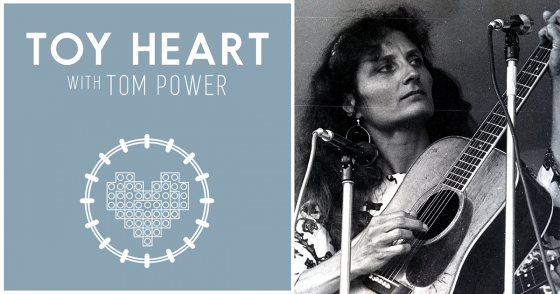
Toy Heart – Alice Gerrard

Old-time legend and Bluegrass Hall of Fame member Alice Gerrard sits down with Tom Power at her kitchen table in North Carolina. She tells stories of how she and other college students from the northern U.S. found bluegrass and old-time, meeting her Hall of Fame partner Hazel Dickens and making some of the greatest records in the genre.

She goes on to describe her split from Hazel, her work since, and in tender moments, she shares the last time she ever spoke with Hazel and what she sang to “sing her back home.”


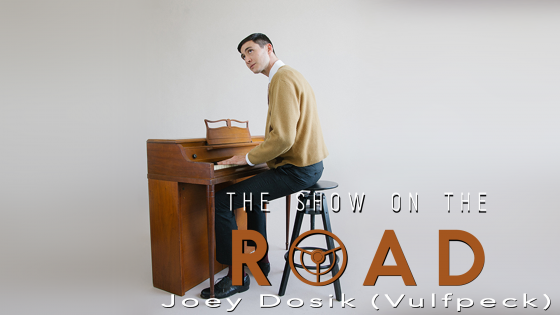
The Show On the Road – Joey Dosik (Vulfpeck)

Host Z. Lupetin talks with Joey Dosik, a silky-voiced songwriter and freaky-talented multi-instrumentalist who writes lush, romantic jams that transport listeners to R&B-tinted, old school FM radio gold. Some may have learned of Dosik’s talents with DIY, future-funk ensemble Vulfpeck, who went from recording an album of complete silence to a sold-out show at Madison Square Garden – with no record label in sight.

As we honor and celebrate two lost musical greats this week, it’s comforting to remember that we have constant new waves of amazing artists like Dosik coming up who can honor and further their message, whose songs in many ways combine the honest earnestness of John Prine’s best early work with Bill Withers’ deep, church-flavored, down-home groove.


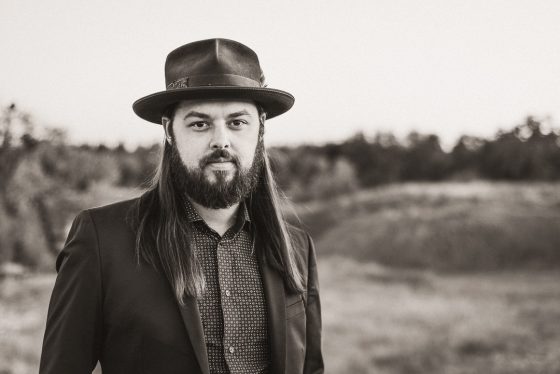
The String – Caleb Caudle

Caleb Caudle’s childhood musical fascinations (English punk, folk, and Bob Dylan, to name a few) went far beyond anything his school peers in rural North Carolina cared about. Since entering the music industry fray as a singer/songwriter in the mid-200s, Caudle has released seven studio albums, with his latest, Better Hurry Up, cut in 2019 at the Cash Cabin in Hendersonville, TN – surrounded by the spirit of Johnny and June – just days after he and his wife made their move to Nashville.

Craig Havighurst sits down with Caudle – as well as bass playing sideman turned impressive singer/songwriter, Adam Chaffins – in the most recent installment of The String.


The Show on the Road – Theo Katzman (Vulfpeck)

Adhering to strict stay-at-home pandemic orders, host Z. Lupetin records an intimate phone conversation with Theo Katzman, the Cheshire Cat of soulful pop-rock and one of the most visible members of the mysterious funk supergroup, Vulfpeck.

In January, he celebrated the release of his cheeky, super catchy, unabashedly romantic, and pop-driven new solo album Modern Johnny Sings: Songs in the Age of Vibe, and his expertly-crafted songs and lifting falsetto vocals have that rare spark that can brighten anybody’s dull quarantine in no time.


BGS Long Reads of the Week // April 10

Butterfly in the sky… I can go twice as high…

Let’s all read more together, how about it?! For a month now, our #longreadoftheday series has been looking back into the BGS archives for some of our favorite reporting, videos, interviews, and more — featured every day throughout each work week. You can follow along on social media [on FacebookTwitter, and Instagram] and right here, where we’ll wrap up each week’s stories in one place.

Our long reads this week are wise, comforting, thoughtful, illuminating, and more than a touch heartbreaking, as we say goodbye to one of the most poetic and cosmically poignant songwriters to ever live: John Prine.

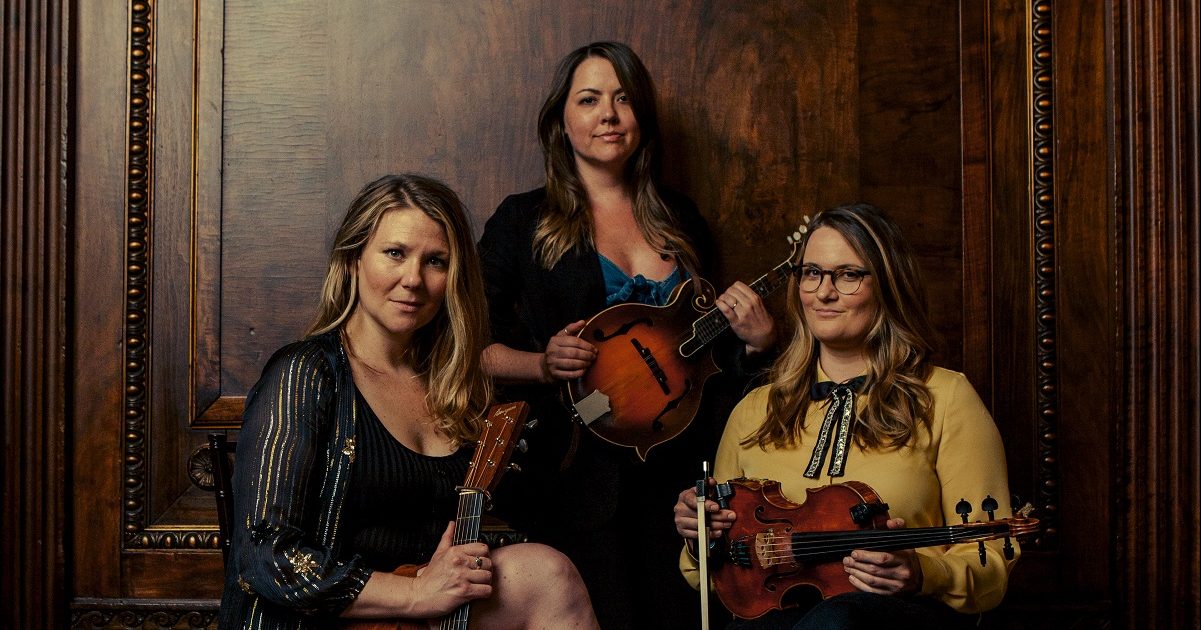
Della Mae Offer Encouragement and Illumination on Headlight

Now nearly a decade into redefining what it means to be an all-woman band in bluegrass, Della Mae has learned a major lesson over the years: That you don’t need to care what everyone thinks about you all of the time. In fact, you don’t need to care what anyone thinks about you at all. Album after album the women behind Della Mae reinforce this message, musically, lyrically, and then some. [Read our interview]


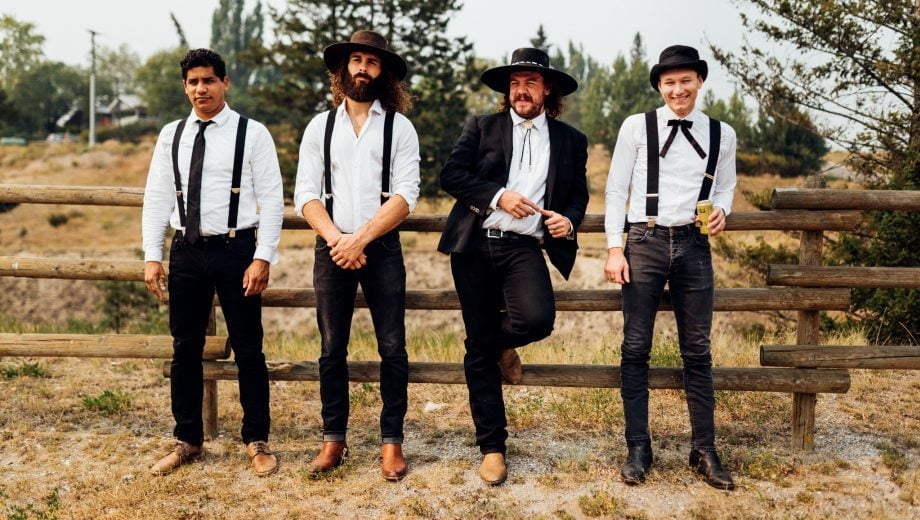
The Dead South Have A Message for Bluegrass Purists

It’s not meant to be combative, The Dead South know they push the boundaries of what traditionalists would consider bluegrass, but that’s not the point. They’re not claiming to be the best, they’re not trying to “steal” anything, they’re just trying to have fun and be part of the community. They sat down and described their music making process and mission with us last year. [Read the full conversation]


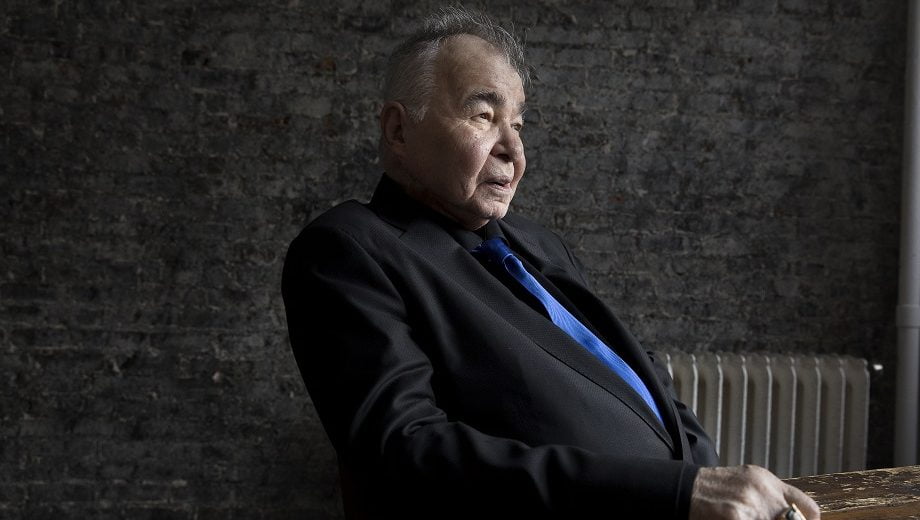
John Prine: The Difficulty of Forgiveness

This week, it felt like we all woke up one day in a duller universe, without one of the greatest singer/songwriters to ever walk this earth: John Prine. He was our Artist of the Month in May 2018. His new album at that time, The Tree of Forgiveness — it would be his last release — wasn’t a “victory lap” for the legend. It was one of his greatest works.

So this week, we re-shared that feature in memory of and honoring a man who changed the lives and the music of each and every one of us, whether we knew it or not. [Read]


The Georgia Sea Island Singers: Kept Alive by Song

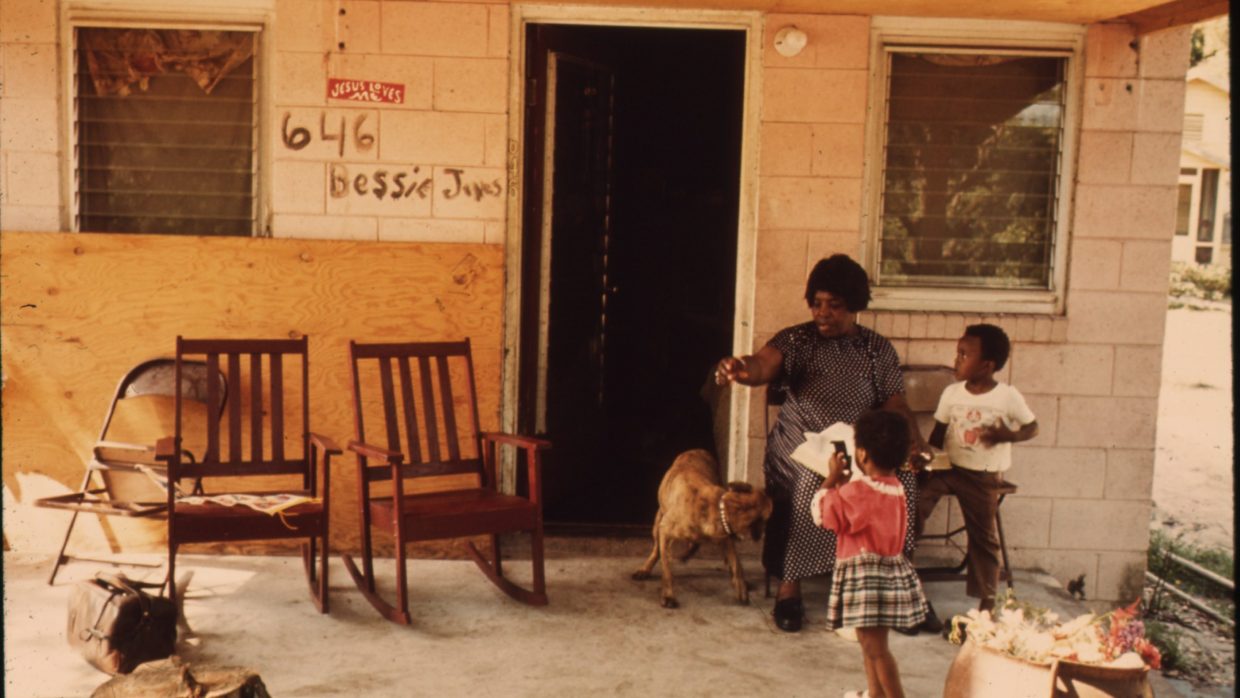
Are you familiar with the Georgia Sea Island Singers? Bessie Jones was one of the more famous singers among them. Song collector and folklorist Alan Lomax documented their slave songs, sharecropping narratives, children’s play songs, gospel tunes, and old folk dances during his time on Georgia’s St. Simons Island — first in the ’30s and again in the ’60s. It’s another example of this country’s vast and diverse musical traditions, many of which go forgotten or undervalued. [Read more about the music of the region]


I Am A Poor Wayfaring Stranger: 20 Versions of an American Classic

To wrap up the week, we chose a long read of the day that’s more of a long listen of the day. A truly unparalleled song in western folk traditions, “Wayfaring Stranger” has been covered and recorded by so many artists. In this post from the BGS archives we collected quite a few notable versions, by many of our favorites and some of the biggest stars on the planet. Who sings your go-to rendition? Let us know in the comments. [Check out the full list]


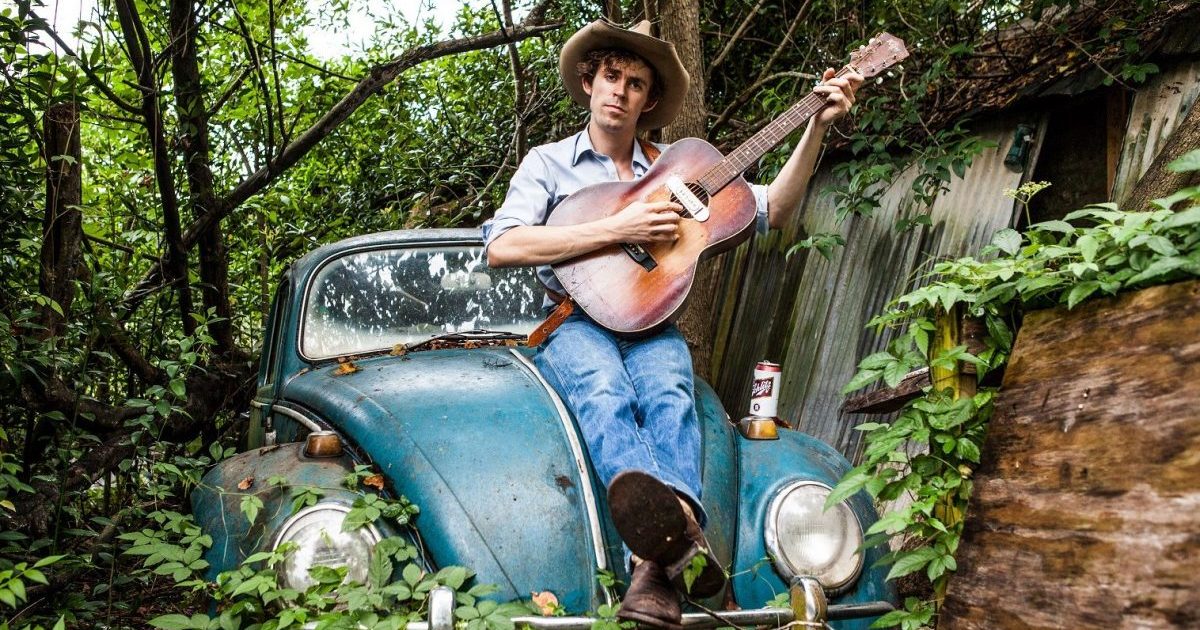
BGS 5+5: Pokey LaFarge

Artist: Pokey LaFarge
Hometown: Normal, Illinois
Latest album: Rock Bottom Rhapsody

What was the first moment that you knew you wanted to be a musician?

When I heard Bill Monroe’s voice and mandolin. No one around me was doing it and I knew that was a way of being different and getting noticed. It was the most ballsy and exotic thing I’d heard up in [my] first fourteen years on earth.

What other art forms — literature, film, dance, painting, etc — inform your music?

I love to dance with my buddies and with ladies, I am an avid reader of fiction, such as novels, and non-fiction, too — usually, WWI, WWII, Mafia, and artist biographies.

Which elements of nature do you spend the most time with and how do those impact your work?

Well, any and all… but my preferences are water or forests over mountains and desert. I like to go to local parks and run or hike. I like long walks anywhere I can. But I actually spend a lot of time in the gym, specifically the boxing gym. I have tons of energy and need to exert that physically or my mind gets overworked. An easy mind and a fit body makes Pokey a peaceful boy.

Since food and music go so well together, what is your dream pairing of a meal and a musician?

Steak and potatoes and wine with Tom Waits, a piano, a guitar, and an orchestra.

How often do you hide behind a character in a song or use “you” when it’s actually “me”?

I almost always write in first person, or so I think.


Photo credit: Larry Niehues

LISTEN: James Elkington, “Sleeping Me Awake”

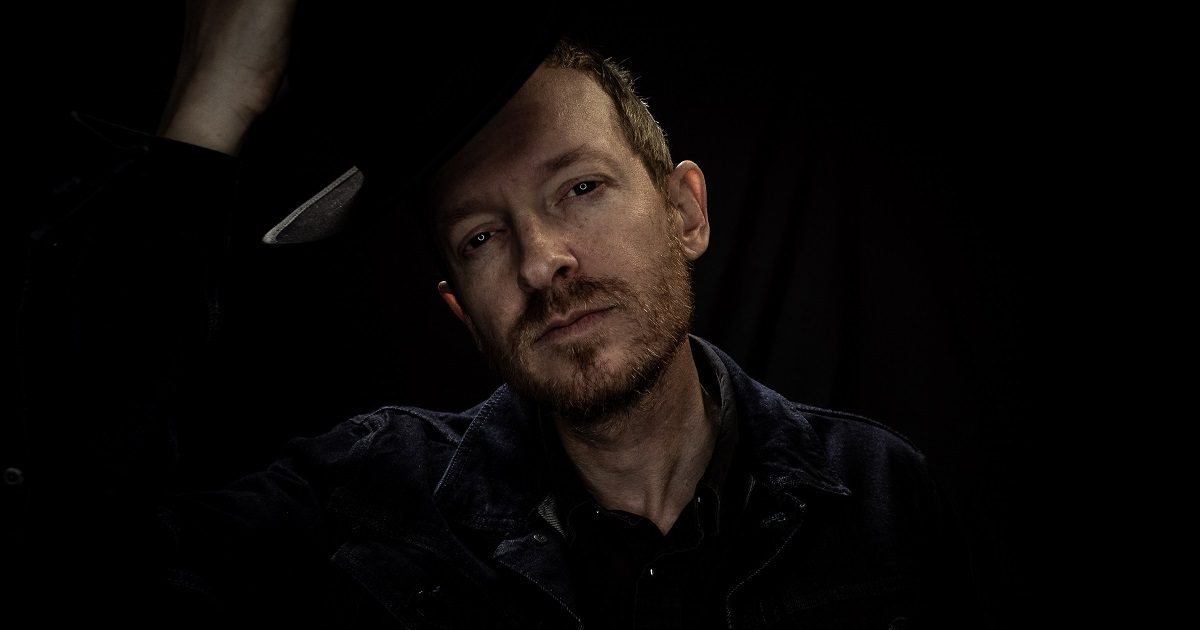
Artist: James Elkington
Hometown: Chicago, Illinois
Song: “Sleeping Me Awake”
Album: Ever-Roving Eye
Release Date: April 3, 2020
Label: Paradise of Bachelors

In Their Words: “The lyrics of this song have to do with that moment in the middle of the night where you’re briefly awake, but trying to bat conscious thoughts away in the hopes of getting back to sleep. In my case, these thoughts can usually be collected under the heading ‘What should I be worried about right now?’ Some of these concerns are real, some are imagined, and some are a combination of the two. I accidentally sang the wrong backing vocals on the second chorus and it’s one of my favorite parts of the whole record.” — James Elkington


Photo credit: Timothy Musho

LISTEN: Heather Anne Lomax, “Heart Don’t Lie”

Artist: Heather Anne Lomax
Hometown: Los Angeles, California
Song: “Heart Don’t Lie”
Album: All This Time
Release Date: May 1, 2020

In Their Words: “This is a song about love and longing. It is a song of yearning and of the unseen ties that bind two souls, regardless of space and time. It’s about ‘memories, pressed between the pages of of my mind.’ I think I wrote this song in ten to fifteen minutes while up late at night, probably around two or three in the morning.” — Heather Anne Lomax


Photo credit: Neil Kremer

For First Solo Album, Sam Doores Opens the Map of Musical Influences

Sam Doores cut his teeth as a Bay Area-born teen troubadour busking around the U.S. before he got his first real break with a steady gig at an Irish pub in New Orleans. In that same city he co-created some of the last decade’s most arresting socially-conscious anthems with Hurray for the Riff Raff and made sparkling folk- and country-derived excursions with his own band, the Deslondes.

And now he’s got his first solo album, Sam Doores, recorded primarily in Berlin and filled with echoes of everything from Tin Pan Alley to the Mississippi hill country, from French Quarter jazz to California psychedelic-folk-rock.

So, let’s talk about Cambodian rock ’n’ roll. “Cambodian Rock n’ Roll” is, in fact, the title of one of the songs on the album.

“No one’s asked me about that!” he says, excitedly, on the phone from New Orleans, where he’s lived now for 14 years. “Do you know the compilation, Cambodian Rocks?”

It’s a 1996 collection of recordings made by a wealth of artists in Cambodia who embraced American surf, garage-rock and psychedelic styles and gave them scintillating Southeast Asian twists, before the brutal reign of the Khmer Rouge, in which many of those performers were killed or imprisoned.

“A friend played it for me one time on a road trip and I fell in love with the style and sound,” he says, adding that he then watched Never Forget, a documentary about that time. “So heartbreaking, and after watching it the music hits on a deeper level.”

Now to be clear, the song doesn’t sound like Cambodian rock ’n’ roll, but rather is a “tip of the cap” to it, in a somber reminiscence about listening to it with the friend who introduced him to that music. The songs on Sam Doores aren’t tinged with that tragedy, yet there is a wistful, muted melancholy and sadness throughout. “There’s some darkness, for sure,” he says.

Well, there’s going to be. It’s a breakup record, after all, largely coming from the end of a long-term relationship. The album explores various shades of that darkness, of unsettling loss and longing. There’s often light shining through, with residual and resurgent hope and joy. To some extent it all comes together, brutally, midway through the album with the song “Had a Dream,” born out of two losses that happened in his life over the four years in which the material on the album came together.

“That came to me when I knew I was losing someone who had been one of the closest people in my whole life, and I knew I wasn’t going to be able to get that person back,” he says. “And a friend of mine was dying. It’s about eventual letting go. For a long time I thought my friend was going to pull through, beat his sickness, and I thought I was not going to lose my love. Both ended up getting lost. I wrote about that time. Wanted the music to have the frantic, desperate feeling on the verses, but also the melancholy of the choruses.”

The sensibilities tie together seemingly disparate emotions, and disparate musical tones. On one end is the upbeat, generous and genuine “Wish You Well,” one of several songs featuring members of Tuba Skinny, a leader of a vibrant wave of young bands enlivening traditional New Orleans jazz. On the other, the very downcast acoustic guitar “Red Leaf Rag,” evoking a “dark dream world” that he says really should have been called a “drag” rather than a “rag,” or maybe a “dirge.” It’s all no less a factor on songs occupying the middle ground, including “Other Side of Town,” co-written with and featuring lead vocals of Doores’ longtime musical partner, Hurray for the Riff Raff’s dynamic leader, Alynda Segarra.

They also tie together, or perhaps are tied together by, the two cities in which the songs were shaped: New Orleans and Berlin. In many ways the album is the story of his 14 years in the former, having arrived when he was just 19.

“I was hitchhiking on my way [here] when Hurricane Katrina hit [in August 2005] and ended up in Austin for a while” he says. “Met some New Orleans musicians who had relocated there and they talked me into coming to JazzFest in 2006. I felt like I’d left the country. By far the most exciting place I’d been. Been to Havana, Cuba, once before. My high school jazz band went there. Reminded me more of that than anywhere. Was just going to be here one weekend.”

New Orleans has a way of changing people’s plans. That first day he stumbled upon an unannounced small-stage set by Elvis Costello and Allen Toussaint warming up for their later big-stage show, and later saw the incredibly powerful performance in which Bruce Springsteen debuted his folky, New Orleans-esque Seeger Sessions Band, a show that had tens of thousands in the devastated city shedding tears of both sorrow and hope — and turned Doores from a Bruce doubter to a fan. He also had his first encounter with the colorful, beaded-and-feathered Mardi Gras Indian troupes, and he was smitten with it all.

“It totally felt like the beginning of the rest of my life that day,” he says.

Having spent all of his money, he went to busk on Bourbon Street, the owner of the now-gone Kelly’s Irish pub saw him and hired him for a regular gig. “He said, ‘Want to try your luck on a real stage?’” Doores says. “I thought, ‘Wow! Playing inside?’”

Soon he met Segarra and formed a musical partnership that evolved into Hurray for the Riff Raff. As that band took off, he launched the Deslondes (named after the street on which he was living) as a second creative outlet. Through it all, the love and loss captured in Sam Doores took place.

It was in Berlin that he found the environment in which he could shape that into the album; that took place over the course of four years in a studio built by producer Anders Christopherson.

“I actually didn’t know Anders until we started recording,” he says. “He wrote me and Alynda one time out of the blue. Had heard a record of a band we were in together, Sundown Songs. Wrote and said if you are ever coming through Berlin I’d love to record you.”

Not long after, as it happened, the Deslondes were doing the band’s first European tour, so he arranged to spend a week in Berlin and by the end of that time he determined to make a full record there, though it would have to be done in four different stretches over several years. Christopherson put together a “house” band to bring Doores’ ideas to life, primarily himself and a Spanish keyboardist named, yes, Carlos Santana. A lot of experimentation happened with combinations of instruments — vibes, autoharp, an electronic “disc” organ, glockenspiel, and so on. And realizing Doores’ long-standing ambition, strings were added to some songs in arrangements by Manon Parent.

Somehow, it all works as an integrated whole.

“I think there are some core instruments we tended to use in the arrangements that sonically thread the record together,” he says. “In terms of influences, a lot of different tones. Some old New Orleans R&B, some of the opposite — psychedelic folk experimental soundtrack music.”

In some places it might remind of the “vintage” touches associated with such figures as Harry Nilsson and Van Dyke Parks. Doores loves those comparisons, then observes, “We listened to a lot of Nina Simone and early reggae — a lot of Upsetters, early Studio One stuff, early Wailers. Anders has an incredible record collection. Wherever we weren’t recording, we were in his kitchen listening to that stuff. We didn’t do any straight up reggae, but it influenced us in some ways, the bass lines and the organ.”

That was just part of the musical and personal oasis he found there, a space that let him find the full expression for his New Orleans stories. The importance of that is so profound that he wrote an instrumental impression of that environment, “Tempelhofer Dawn,” a gentle, muted, nostalgic waltz — and ultimately chose it to open the album, to serve as a curtain-raiser on the song cycle that follows.

“Tempelhofer is the name of the street the studio is on,” he says. “A lot of moments after late nights going out, or early mornings waking up, I spent a lot of time there with the birds or children playing and that gave a feeling that matched the song.”

He recorded it live in studio, with himself on piano joined by Santana on organ and Parent and Mia Bodet on violins. “It’s a nice way to ease into the record,” he says.

In many ways, given the breakup at the heart of the album, it sounds like both a beginning and an ending.

“It felt like the first track,” he says. “Or the last track.”


Photo credit: Sarrah Danzinger
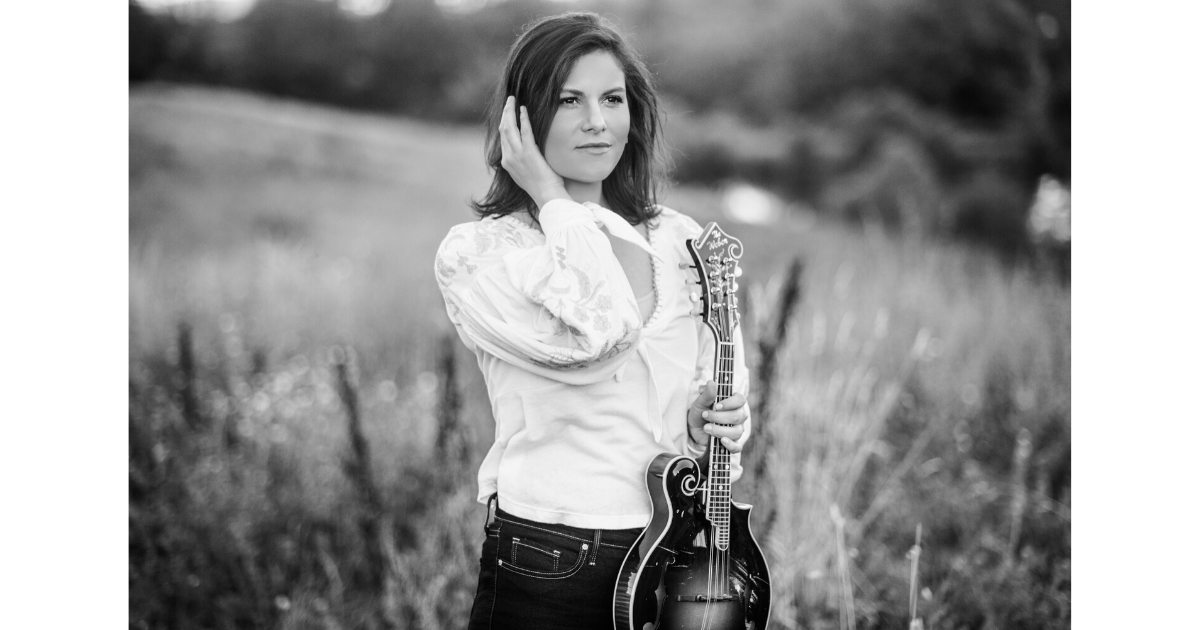
LISTEN: James Hyland, “Ghost”

Artist: James Hyland
Hometown: Austin, Texas
Song: “Ghost”
Album: Western
Release Date: May 1, 2020
Label: James Hyland Music

In Their Words: “‘Ghost’ is about how strong the past can influence our emotions that drive us to make the decisions that shape our future. This song is about writing and creating songs that my dead heroes would enjoy. I imagine they’re in the room with me as I’m writing and if the line isn’t good enough for the imaginary people there in my room, how could I possibly keep it and play it for the people who are alive? Every couplet counts. The character in the song is haunted by their dead heroes, whose unwritten songs manifest in the writings of the one they influence.” — James Hyland


Photo credit: Ty Hudgins

LISTEN: Ruthie Collins, “Wish You Were Here”

Artist: Ruthie Collins
Hometown: Originally from Fredonia, New York; now based in Nashville
Song: “Wish You Were Here”
Album: Cold Comfort
Release Date: April 3, 2020
Label: Sidewalk/Curb Records

In Their Words: “I decided to take myself on a solo vacation to my favorite beach, a place just outside New Orleans called Pass Christian. I was trying to get over this guy, so the idea was to do whatever I wanted, eat whatever I wanted, just have some quality alone time. But instead, it felt like the guy was haunting me and I was thinking about him all the time. I thought I get over him by leaving town, but instead I was sitting by the beach drinking wine and writing songs about him.” — Ruthie Collins


Photo credit: Cal + Aly

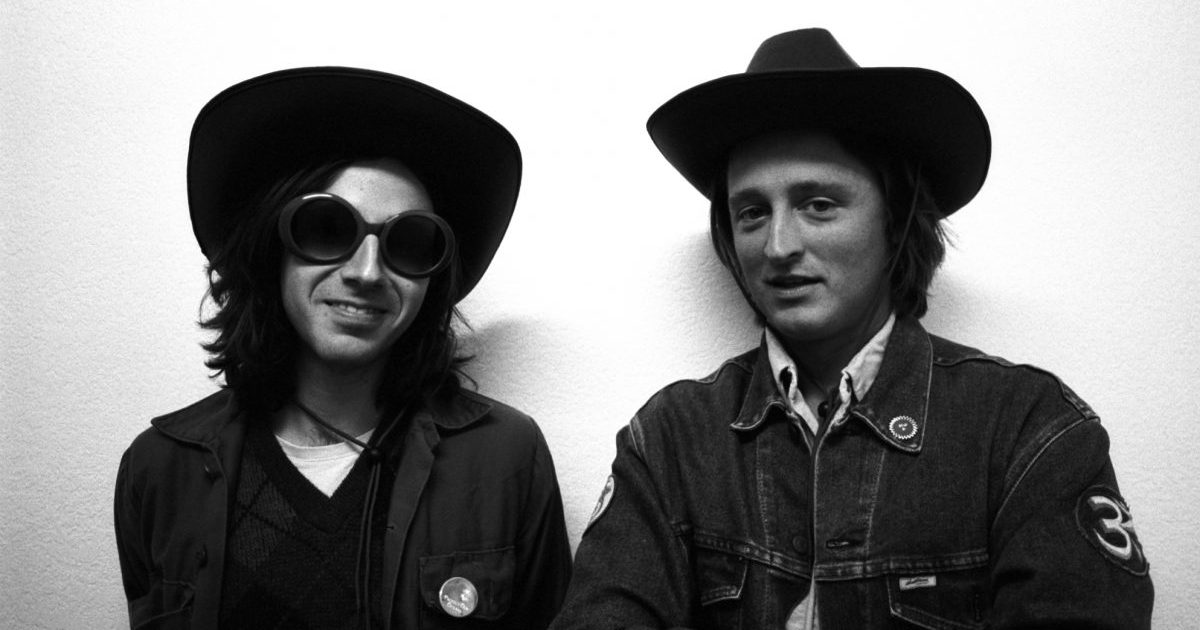
BGS 5+5: Mapache

Artist: Mapache (Sam Blasucci and Clay Finch)
Hometown: Glendale, California
Latest Album: From Liberty Street
Rejected band names: La Cabañita, Sam & Clay, Clam. Not sure why we thought Mapache was any better than the rest.

What other art forms — literature, film, dance, painting, etc — inform your music?

All of the above really. Everything going in and out of the psyche is what we tend to be writing in our songs. The books we read play a big role in what we write, things like Sy Montgomery’s The Soul of an Octopus, Kon-Tiki, Charlotte’s Web, Christian Wiman’s Joy anthology. Lots of films, too, like young Kiefer Sutherland in The Lost Boys, Wim Wenders’ Paris, Texas, Frozen II, The Umbrellas of Cherbourg, Seems Like Old Times, and lots of others.

Other art forms like gardening and painting as well. I’ve only recently started painting and I know that it looks dreadful to anyone else who sees my finished products, but they look nice to me and allow me to open up in other ways that eventually come back around in their turn to our music as well. — Sam

What was the first moment that you knew you wanted to be a musician?

Not until after our second record was recorded and we had been traveling and playing music for about four years. It’s a lot of questioning constantly of whether or not this is really what I want to do and I’m happy about that. I think it has taken time for me to realize that it is actually something I can do. I feel like now I’m committed to it and that I really do want to do it because it feels right. But I won’t ever really stop wondering. I think the wondering is what gives you the reason to do it anyway.

Many musical moments in the past have lead me to love music the way I do now. Raffi in my crib, hearing my dad’s guitar solos, our first battle of the bands in high school, our first time recording anything or trying to learn how to sing harmonies — those are all growing pains for me musically. Painful in some ways looking at the level of our talent back then but definitely key in figuring out our taste and what we want to do with music. — Sam

What’s your favorite memory from being on stage?

I think my favorite moment on stage happens fairly often: It’s when Sam and I look at each other and start laughing, usually mid-song, and I think it’s because in the same weird moment we sort of realize how strange and funny and awesome playing music on a stage is. Some other favorite moments were playing in Spain and having the crowd sing along to our songs in Spanish, having Jonathan Richman watch us play a set, sharing the stage with Beachwood Sparks, and anytime we get to play in Big Sur. — Clay

Which elements of nature do you spend the most time with and how do those impact your work?

I spend a lot of time in the ocean. This leaves me pretty sunburned and sleepy a lot of the time, and when it’s really good I see waves rolling when I close my eyes. Feeling like this and playing music is the best. — Clay

Since food and music go so well together, what is your dream pairing of a meal and a musician?

The best pairing of food and music is at El Compadre in Echo Park where you can watch Trio Los Principes and eat beans and chips and drink flaming margaritas. The trio is truly one of the most badass bands in LA. Sam and I like to go like to meet up with our buddy Tim Hill there and plot world domination and watch Dodgers games. — Clay


Photo courtesy of Mapache