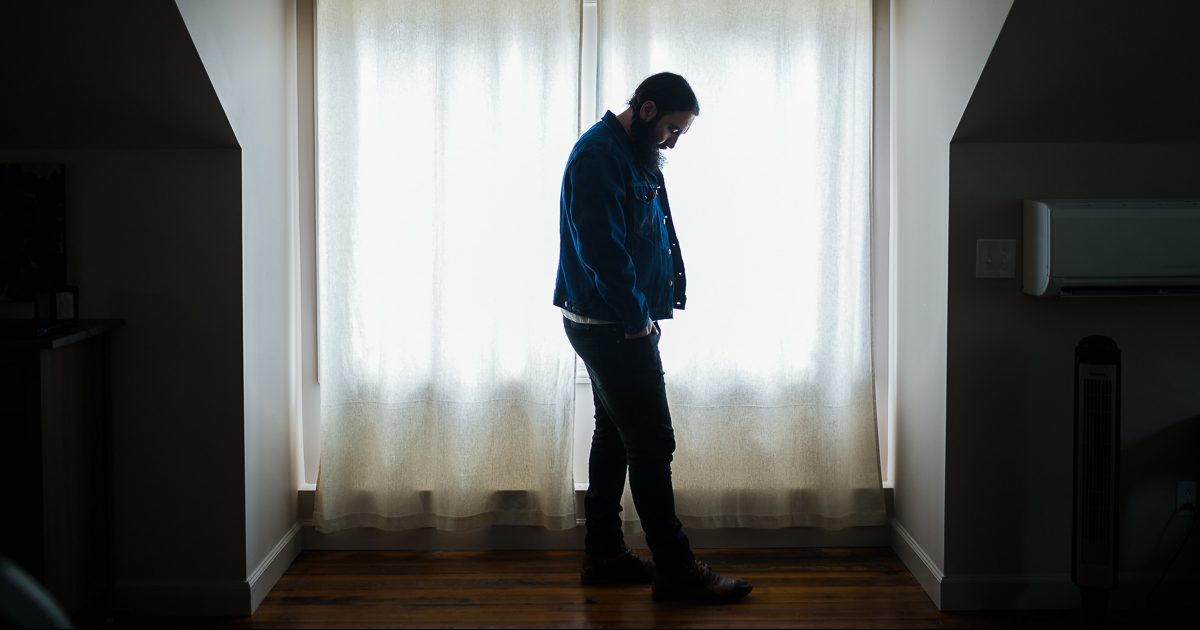
LISTEN: The Mastersons, “Eyes Open Wide”

Artist: The Mastersons
Hometown: Los Angeles, California
Song: “Eyes Open Wide”
Album: No Time for Love Songs
Release Date: March 6, 2020
Label: Red House Records

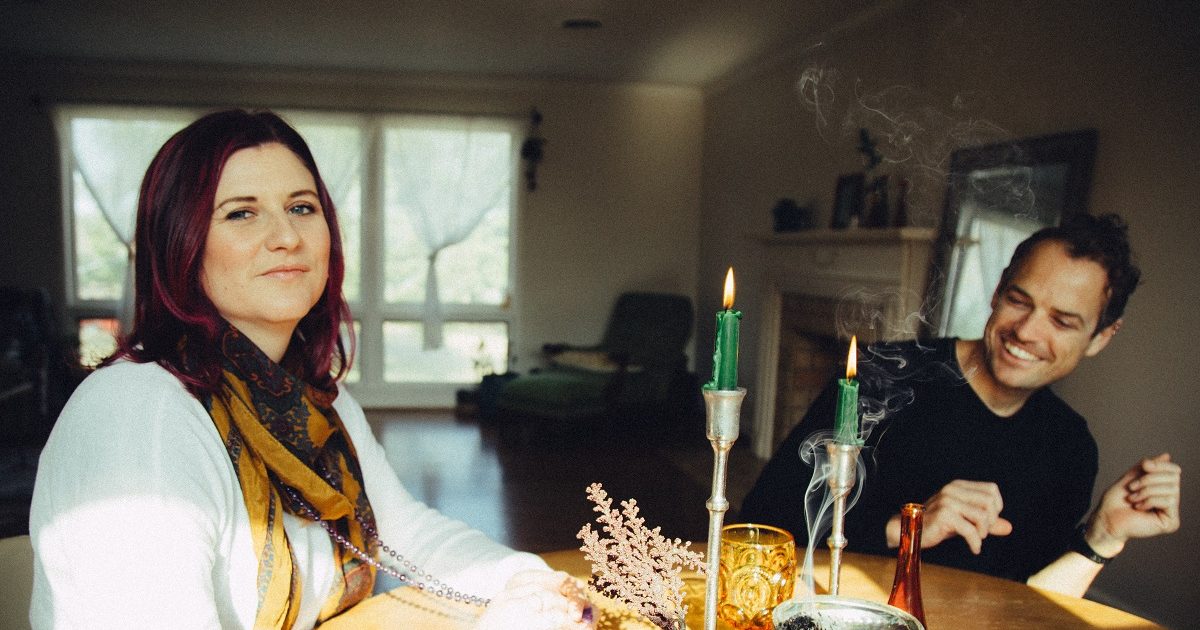
In Their Words: “‘Eyes Open Wide’ was one of the first tunes we wrote for the record. It took on a Byrds/Gene Clark feel the moment the Rickenbacker 12 string came out, which seemed apropos for a record cut in LA at Sunset Sound. Once Shooter Jennings had Bonnie Whitmore and Mark Stepro add their harmonies it added a Fleetwood Mac vibe and turned into a pretty fun track. It also feels like a song for the times as we can’t bury our heads in the sand with so much going on in the world. It’s tempting to check out with so much bad news every day, but it’s time for all hands on deck.” — The Mastersons


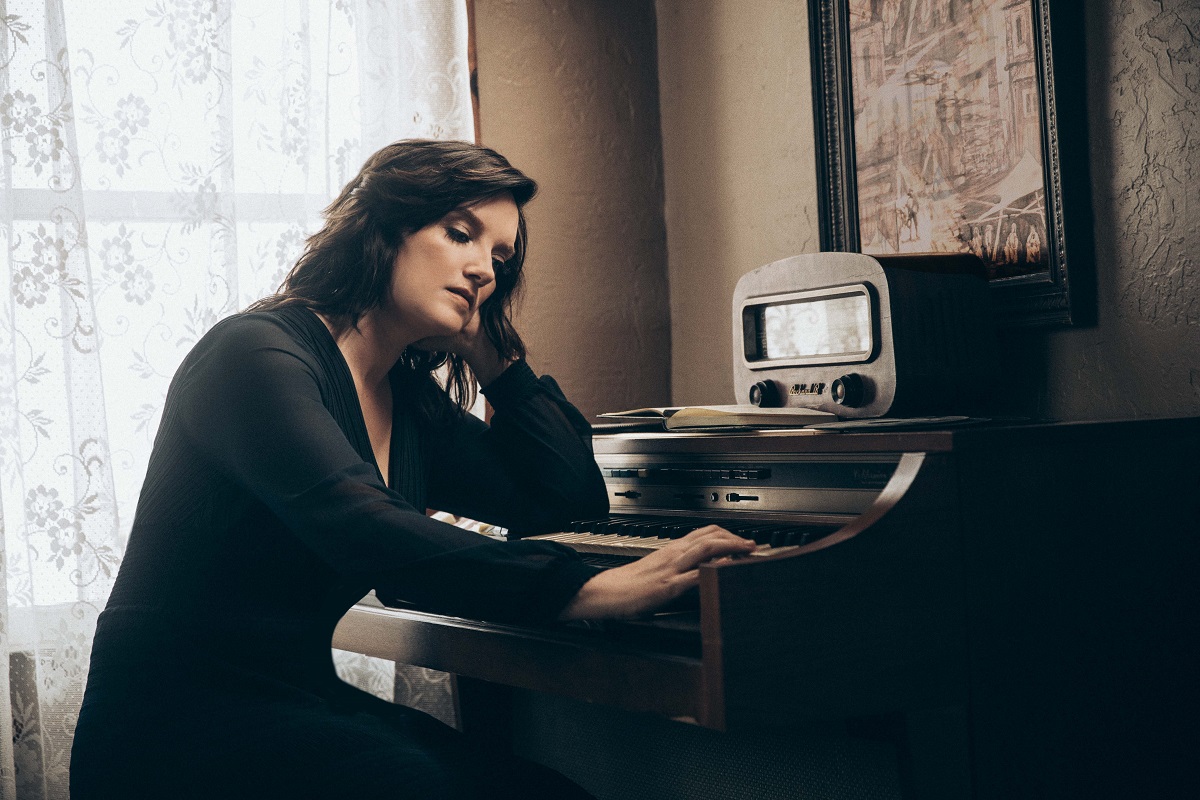
Photo credit: Curtis Wayne Millard

BGS 5+5: Tattletale Saints

Artist: Tattletale Saints
Hometown: Nashville, Tennessee via Auckland, New Zealand
Latest album: Dancing Under the Dogwoods (January 24, 2020)
Personal nicknames (or rejected band names): Broken Bells (rejected name). Cy is trying to nurture the nickname “Big Daddy C,” but it’s struggling to catch on.

Answers by Cy Winstanley

Which artist has influenced you the most … and how?

It’s no secret, but I love the music and lyrics of Paul Simon. As a jazz kid growing up, his use of varied harmony and its tasteful symbiosis with vivid and often impressionistic, poetic lyrics just blew my mind. His themes too, there are so many dimensions to them — I just get lost in his stories.

What other art forms — literature, film, dance, painting, etc. — inform your music?

I’m an avid reader and like to start my day with non-fiction and close my day with fiction. The more regular I am with that, the more those colors run through my writing. I tend to go through phases with the kind of books too: one of my fav authors is Roberto Bolano; after I read his oeuvre, I cycled through his contemporaries, influences, and other South American authors.

What was the first moment that you knew you wanted to be a musician?

I think as soon as I started playing guitar as a 13-year-old I just loved it so much that I knew it would be a big part of my life. But it wasn’t until later when I developed carpal tunnel in my hands that I had to stop playing guitar, then it was songwriting that became the focus.

What’s the toughest time you ever had writing a song?

Every song feels like the toughest time! It’s very rare that they just ‘fall out’. But perhaps those that are directly about my life are the hardest, because I want to be as faithful to the memory as possible and am constantly fighting with myself over what I want to present.

Which elements of nature do you spend the most time with and how do those impact your work?

Being from New Zealand and also being a long distance runner have given me a pretty strong connection to being outside. When I’m in nature, there is a calmness, and sense of earthly perspective and belonging that pervades my every waking moment.


Photo credit: Natia Cinco

WATCH: Twisted Pine, “Papaya”

Artist: Twisted Pine
Hometown: Boston, Massachusetts
Song: “Papaya”
Release Date: July 10, 2020 (album)
Label: Signature Sounds

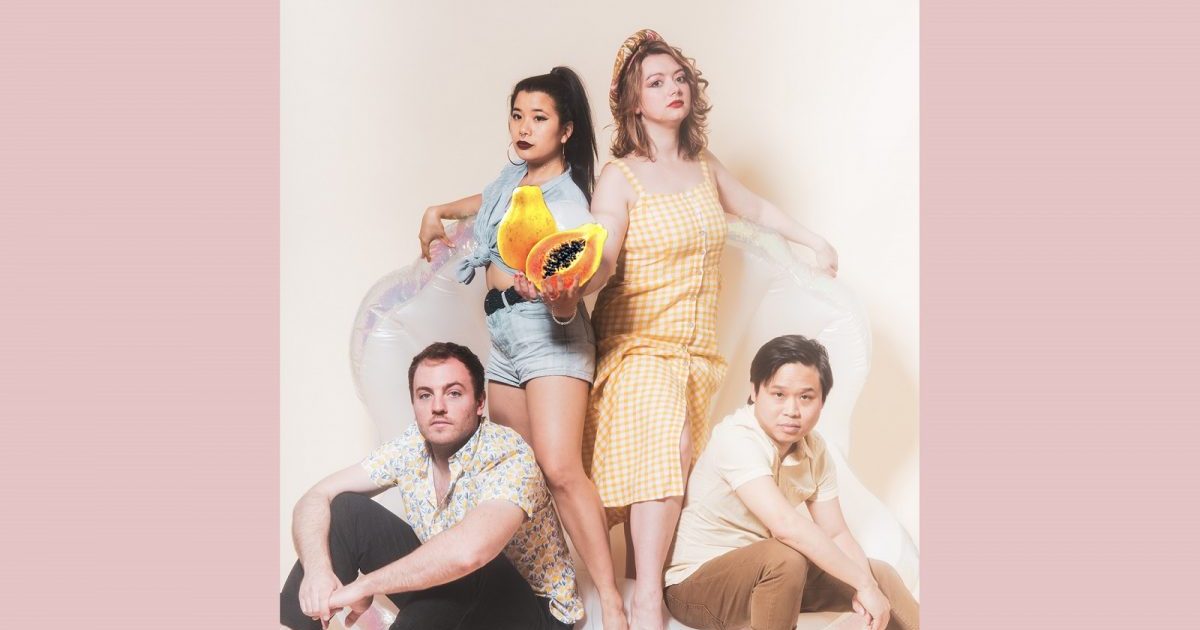
In Their Words: “We call this Americana funk. Chris [Sartori, bass & vocals] was playing this groove in NYC one time during a sound check, and then later at a gig in California when the chorus melody came flying out of me. We decided the song would be about a papaya. We figured, ‘Everybody loves a good fruit song, right?’ The song’s about the chase for someone, the wait. The idea that they won’t give into the fact that you two are a natural fit.

“I wasn’t really writing about love. You know how when you’re waiting for an avocado, you just want to eat it right now, but it’s not ready? That annoyed feeling, the fear of someone else getting to it first. Another day and this thing isn’t ready?! By the time it’s ripe, it’s already gone or you have to toss it out. It’s about a fruit relationship and the perfect timing for love. Don’t tell anybody, but I’ve never had a papaya. We’re putting it on the rider. I just hope I’m not allergic.” — Kathleen Parks, fiddle and vocals, Twisted Pine


Photo credit: Joanna Chattman

Della Mae Offer Encouragement and Illumination on ‘Headlight’

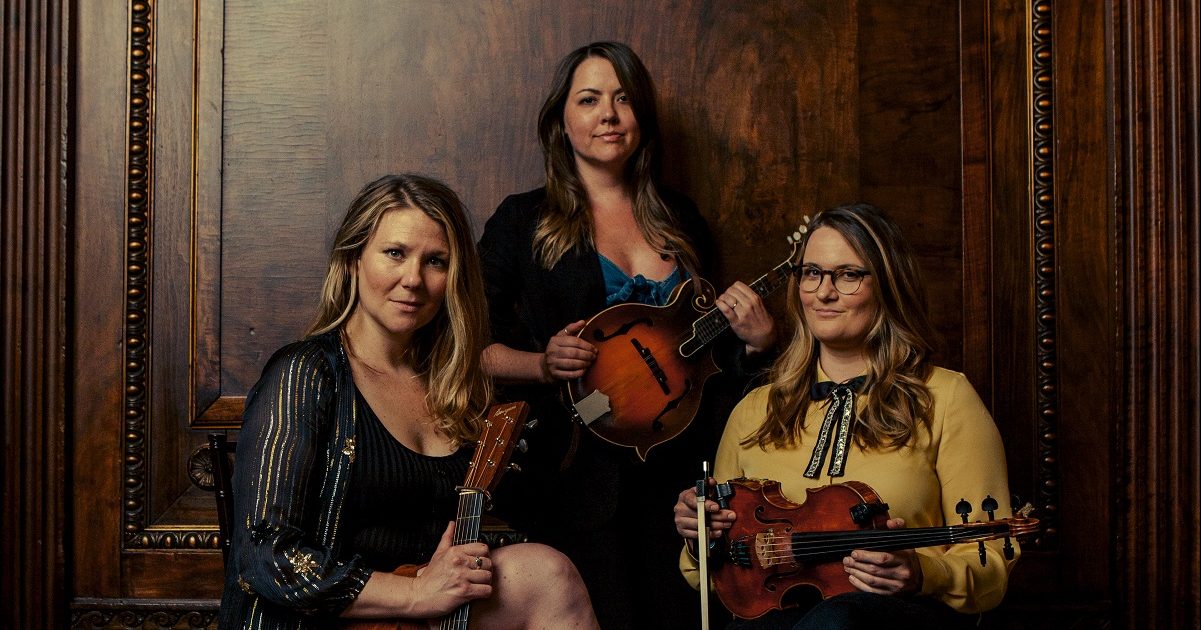
Della Mae have shaken up bluegrass and old-time stages for the better part of the last decade, with a mile-long resume that even includes a stint as cultural diplomats with the U.S. State Department. With Headlight, the Boston band’s first full-length album in five years, they’re providing their most powerful statement yet.

Written primarily on retreat at MOXE, a women-owned creative retreat outside of Nashville, the band taps into a more overt kind of activism than we’ve seen from them before, with lyrics that lift up victims of abuse, lend solace to the weary, and offer a single directive in the fight for change: to always keep moving forward.

Produced by Dan Knobler and recorded at Sound Emporium Studios in Nashville, the album features vocal powerhouses like the McCrary Sisters alongside instrumental heavyweights such as keyboardist Jen Gunderman and guitarist Molly Tuttle. Its tracks boast the fast picking and sublime harmonies that Della Mae fans have come to expect. BGS caught up with lead singer and songwriter Celia Woodsmith, discussing the new music and the band’s long record of working for equality in bluegrass and beyond.

BGS: The album opens with “Headlight,” a powerful song about standing up in the face of abuse. What drove you to write it?

Woodsmith: “Headlight” was definitely a hard one to write but it came out really quickly. I had been trying to write a song that could capture this feeling, the #MeToo movement feeling, and nothing was coming out. It really was after Christine Blasey Ford testified in front of Congress that it happened — the song came out in about twenty minutes, a very quick thing. I think I’d finally just had it.

As we [the band] have gotten older and more mature as human beings and as women and as musicians, it’s been easier and easier to not really care what other people think of us. [Laughs] It’s easier to say what we want to say, without fear that we might “ruin our career” or that the backlash will be too hard to handle. Truly, I didn’t write it as a political song, and I didn’t write it as something to divide people. I wrote it as an anthem, an ode to all the women in my life and the women I’ve seen all over the world who have stood up and been brave and been ridiculed for it.

Are there ways that you feel like your fans and your listeners could be “headlights” in their communities?

One of the lyrics is, “No need to be rude, just sit back and listen.” I think right now, especially, we really don’t listen to one another; we don’t want to listen to one another. There are a lot of takeaways that I hope people can grab from this song, but if standing up for women’s rights is beyond them, then I hope that they can just get through the song, just listen to it, just think about it. That’s all I can hope for.

As a listener yourself, what’s something in music in the last year or two that has made you particularly hopeful about what’s to come?

The first thing that comes to mind is the album by The Highwomen — Brandi Carlile, Maren Morris, Amanda Shires, and Natalie Hemby. That album, that project, really made me happy. First of all, that these women were badass enough to stand up and say, ‘This is a problem in country music. You don’t play our songs and you don’t play our albums, and we are absolutely going to stick this in your face.”

You have people constantly, your whole life, telling you that you’re “pretty good for a girl.” Believe me, Della Mae has gotten plenty of that. And it’s so frustrating. But when these high-profile women stand up for the rest of us, it elevates all of our voices. To have an album like The Highwomen do so well, be so well done — and by these four powerhouses — made me so hopeful for the future, hopeful that other young women are going to see this same thing and say, yeah, you know what? You should play our music. We are good enough.

Della Mae has been a presence like that for women all over the world, working with the State Department, performing in countries where women might not always see other women on stage. In your travels, were there times when you encountered a bluegrass community in places where people might not expect to find it?

Yeah, absolutely. We have found really amazing bluegrass musicians in Russia, and we’ve found them in the Czech Republic, and we’ve found them in France. Bluegrass is everywhere. It’s quite amazing to me, actually. We met a really amazing three-finger-style banjo player in Uzbekistan. This woman just learned how to do it from YouTube, and we were the first bluegrass musicians she’d ever jammed with.

Another time, these young Russian bluegrass musicians we sat down to pick with asked us to play [one of our songs] “Sweet Verona,” and they played right along with us. It was truly astonishing. That goes to show how small the world is. If you have an internet connection, you can listen to just about whatever you want, and you can learn. Bluegrass is a global thing, it’s everywhere. But it’s everywhere because it’s folk music, and I think that people can really relate to it.

I’ve seen quotes where Della Mae describe Headlight as the album you’ve always wanted to make. What were you enabled or empowered to do here that you haven’t been able to do in the past?

I think that kind of ties back into the “not-giving-a-crap-anymore” thing. We had always been afraid to have drums on an album, we’d always been afraid to plug in, use effects. [Because] we were in bluegrass, and kind of cornered into that genre, it felt like we couldn’t expand our musicianship, because we didn’t want to anger our fans.

We obviously care a lot about our fans, but [now] we think that we can take our fans with us, take them along for the ride. We’ve been playing for ten years. Our fans know that we can play a fiddle tune, and that we can play bluegrass standards. But we can also plug in and rock out and really perform songs that have meaning behind them, and do it with a lot of flair.

Do you think the pressure to adhere to tradition can be an obstacle for bluegrass musicians today?

I think that’s a problem being faced by bluegrass musicians, I think especially young musicians, but I think it’s getting better. Alison Brown, an absolute legend on the banjo, said it last year in her IBMA keynote speech: Change is coming to bluegrass, whether or not they want it. We have to start opening our arms more to different expressions of bluegrass.

There can be traditional bluegrass — that’s fine — but if someone has drums, or someone plugs in, or someone plays in an untraditional way, that doesn’t mean that we have to eliminate them completely from the genre. If we do that, then bluegrass music will slowly start to die. People won’t want to play it when they can’t play around with it, when they can’t give to it their own expression and their own creativity.

Recently I think there’s more openness to what bluegrass is, as opposed to what it isn’t. People will always say, “Well, that’s not bluegrass, they don’t have a fiddle,” or, “That’s not bluegrass, they don’t have a banjo.” More often lately, though, it’s been more like, “Oh, these musicians can play bluegrass, but they can also play a bunch of other stuff.” It’s better to celebrate that than to distance yourself.

Your new song “The Long Game” tackles the idea of temporary sacrifice for an ultimate goal. What are some of your challenges in playing the long game, and what keeps you looking forward?

We’re very lucky that this is our career, that we can travel around the world, meet people, write songs. But the day-to-day stuff is really hard. You’re kind of coaching yourself — “Just drink another cup of coffee and you’ll be fine.” When you’ve been a band for ten years, a lot of interpersonal stuff comes up. You may lose members over the years. We’ve had members turn over, and each time it’s difficult. It’s always the closing of a chapter, and then moving on a new way of thinking about Della Mae.

I love this band, and I love the women I play with, and I feel so grateful that we’re able to do this together. We’re really a family and a team, so I think that’s part of the long game, too — accepting change and learning to deal with it in a positive way, as opposed to a negative way. You’re always going to have surprises along the road, and you’ve just got to, well, keep playing the long game.


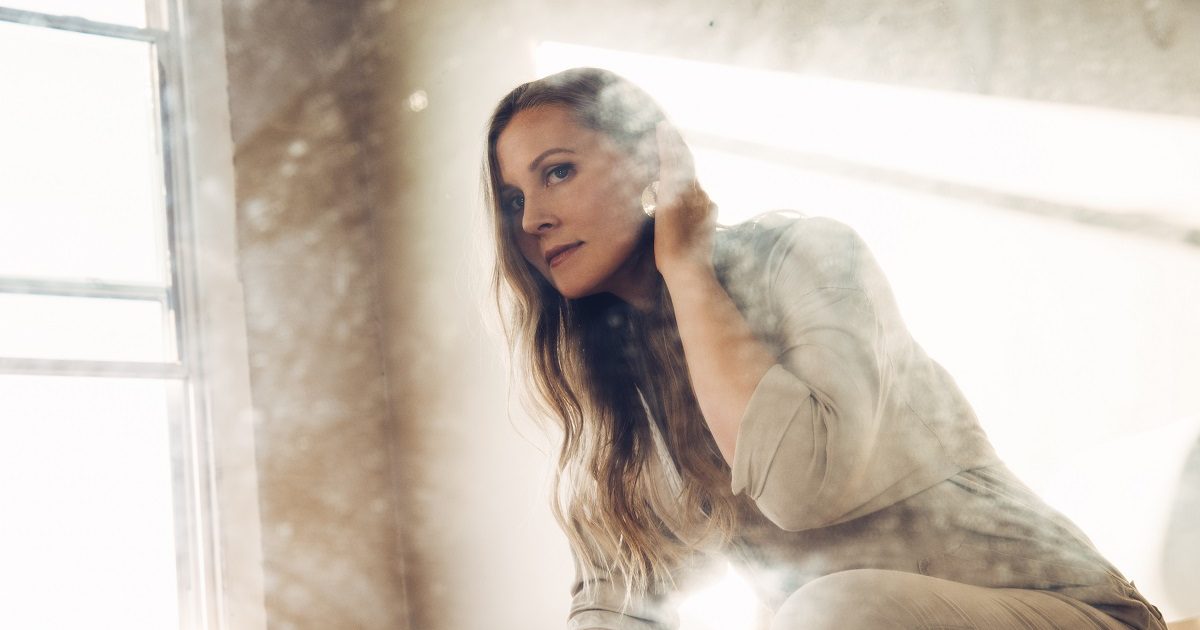
Photo credit: David McLister
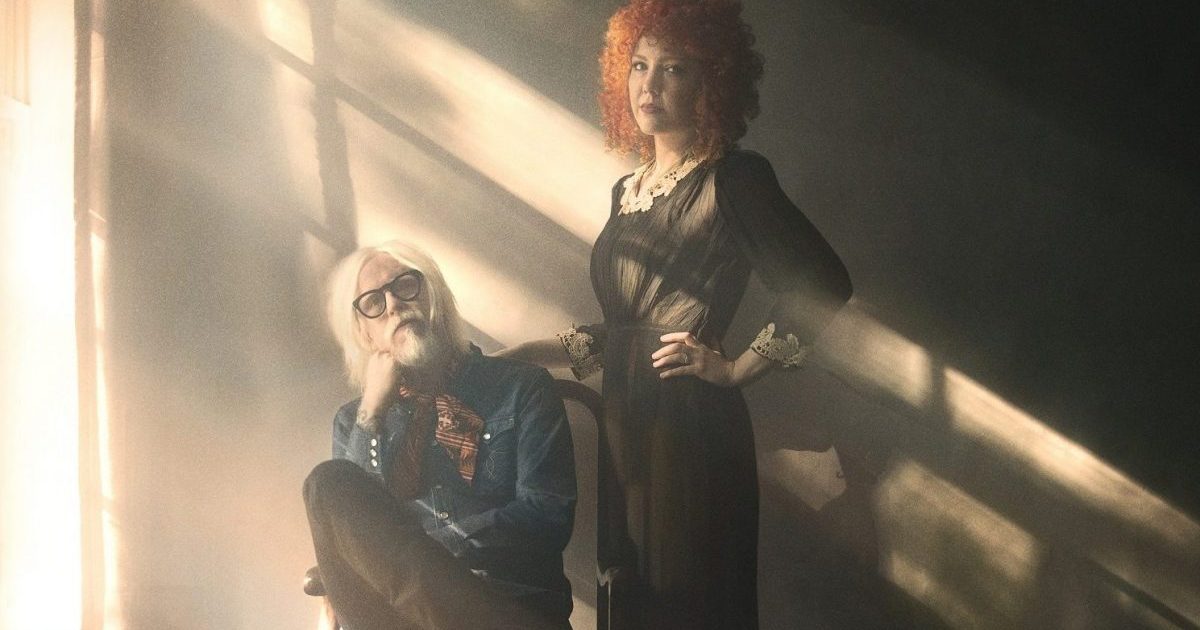
BGS 5+5: Christopher Paul Stelling

Artist: Christopher Paul Stelling
Hometown: Asheville, North Carolina (lately)
Latest album: Best of Luck (February 7, 2020 on Anti-)
Personal nicknames (or rejected band names): Chris, CP, CPS, CP Stelling, Dude

What’s your favorite memory from being on stage?

Proposing to my partner Julia at the end of my Newport Folk Fest set in 2015, that was wild. So much love at NPFF.

What other art forms — literature, film, dance, painting, etc — inform your music?

I really rely on the other art forms sometimes more than music for my inspiration, so I’m glad you asked… all of the above, really. I try to read as much as possible. I see all creative pursuits as having more in common than not.

What rituals do you have, either in the studio or before a show?

I have rituals when I write. Less so in the studio or before a show, but since writing is what takes me to the studio or the show, I think it’s fair to answer this way… I just make myself available, try to turn off my defenses, try to be honest, and try to listen. It’s a feeling, the process, it’s less methodical than maybe one might expect, but for me I just try to show up, be honest, play my instrument, and sing words improvisationally, and then work those raw materials into something when I find a thread. I’m no expert, but I’m certain that there’s no right or wrong way to write a song.

If you had to write a mission statement for your career, what would it be?

Keep going. I’ve kept going. I just gotta keep going. It’s not always easy. Sometimes it gets really difficult. Sometimes it’s the most natural thing in all the world. I’m so lucky to even be able to make a living at this — that I owe it to my luck to keep it up.

How often do you hide behind a character in a song or use “you” when it’s actually “me”?

Typically not characters (with names) per se, but “you” and “me” are almost always interchangeable. I try my best not to hide in songs. I try to find the similarities in things… friends/enemy, good/bad, ugly/beautiful, maybe I’m at odds with duality and concerned with mending differences — I hadn’t really considered that before. Thanks for asking.


Photo credit: Chris Phelps

WATCH: Brandy Clark, “Who You Thought I Was”

Artist: Brandy Clark
Song: “Who You Thought I Was”
Album: Your Life Is a Record
Release Date: March 6, 2020
Label: Warner Records

In Their Words: “The seed of the song came from something that John Prine said a couple of years ago at the Americana Awards. He walked out onstage at the Ryman and everyone stood up and clapped for what felt like five minutes. When everyone sat down, he said with a little laugh, ‘Well, I’m John Prine, but I’d like to go back to being who you thought I was.’ Man… that hit me. The songwriter in me instantly knew it was a song and the heart in me knew it was how I had felt in my own life many times. I mean who of us hasn’t let somebody down or wanted to be the version of ourselves that someone who loved us thought we were?” — Brandy Clark


Photo credit: Chris Phelps

WATCH: Nora Jane Struthers, “Nice to Be Back Home”

Artist: Nora Jane Struthers
Hometown: Nashville via New Jersey
Song: “Nice To Be Back Home”
Album: Bright Lights, Long Drives, First Words
Release Date: February 21

In Their Words: “Neilson [Hubbard] produced Bright Lights, Long Drives, First Words as well as my previous album, Champion. Josh [Britt, who filmed and directed the video] has also worked with us before, so there was already a comfort level there. It made it easy for me to have fun and feel relaxed, especially since I was in a room full of people I love! I think the video shows off our drummer Drew Lawhorn really well, which is fitting. This was actually a finger-picking, soft and mellow love song when I wrote it. Then Drew took it in a new direction.” — Nora Jane Struthers


Photo credit: Joseph Llanes

WATCH: Nathaniel Rateliff, “And It’s Still Alright”

Artist: Nathaniel Rateliff
Song: “And It’s Still Alright”
Album: And It’s Still Alright
Release Date: February 14, 2020
Label: Stax Records

In Their Words: “I think I always want to see hope in the darkness, and I like to try to share that. … I always try to write from a perspective of trying to approach everything very honestly, even if it leaves me vulnerable. But overall, it’s almost like I’m a different character when I’m writing for myself. … I think this album is a reminder that we all go through hardship, but regardless of the hardship everything ends up where it’s supposed to. I still continue to live and I still continue to find joy. I think that’s the theme of the record.” — Nathaniel Rateliff


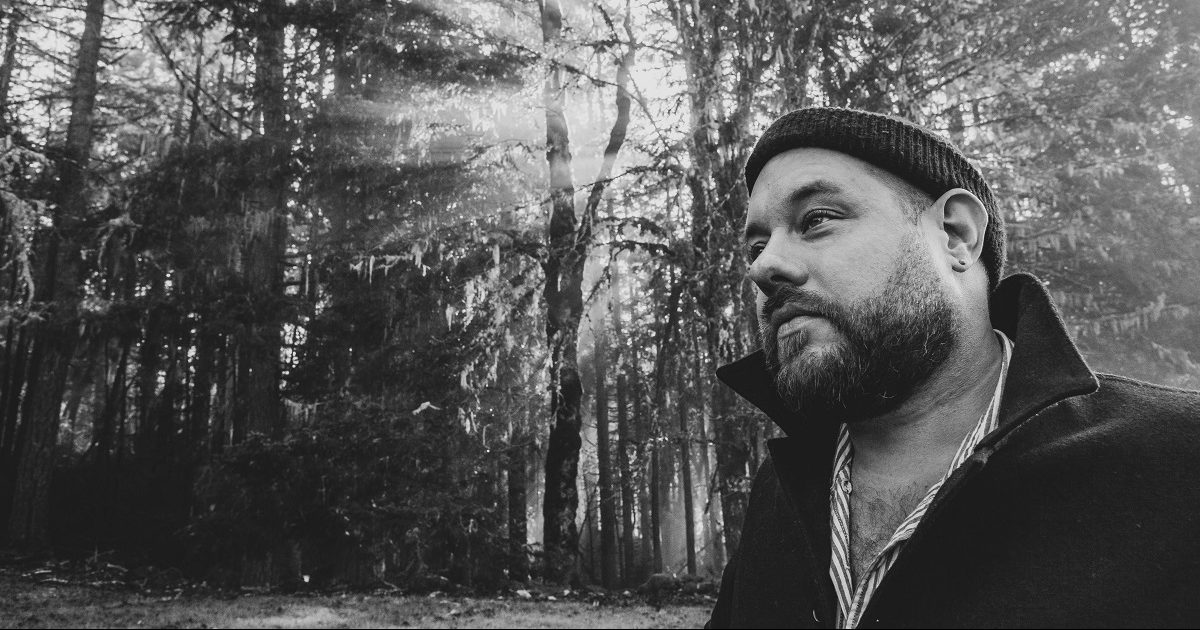
Photo credit: Rett Rogers

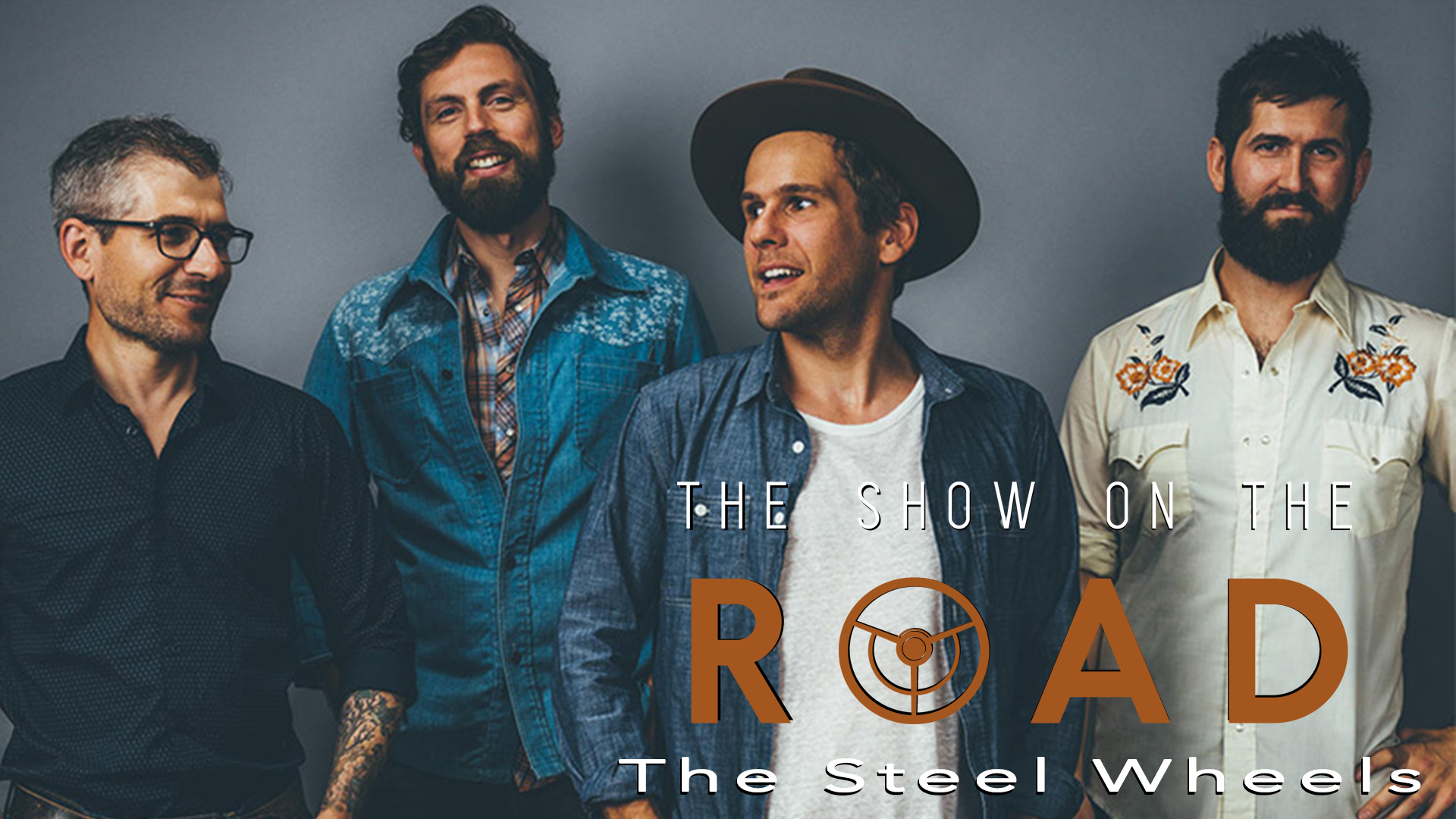
The Show On The Road – The Steel Wheels

This week on the very first episode of The Show On The Road in 2020, we welcome The Steel Wheels, a Virginia-based band of harmony masters and savvy string band experimenters who have quietly put together an impressive body of work over the last decade, corkscrewing their way across the country supporting seven diverse, acoustic-based albums. Along the way they’ve gained gangs of devoted fans of their big-hearted, peace-promoting songs.

LISTEN: APPLE PODCASTS • MP3

Taped live at historic Mccabe’s Guitar Shop in Los Angeles, Z. Lupetin gathered the boys around the mic to dive into their boundary-pushing 2019 release, Over The Trees, how they once toured on bicycles to spread climate change awareness, and how they survive 15-hour drives to strange shows in Iowa. They end the episode with their gorgeous acapella song, “This Year”.

BGS 5+5: Ron Pope

Artist: Ron Pope
Hometown: Nashville, Tennessee
Latest album: Bone Structure (March 6, 2020)

Which artist has influenced you most and how?

Springsteen has always been my North Star. First of all, he’s a band guy in solo artist’s clothes. I’ve always felt the same way; I meant to be in a band of equal partners (and that’s how I started), but in the end, I was unwilling to cede the control necessary to do that forever if I was going to have to do the lion’s share of the work. That was a tough thing for me to admit to myself, but I figured it couldn’t be that wrong if Bruce did it.

I guess it was also coming from that same kind of blue-collar background and trying to tell the stories of how real people around me were living their lives. Bruce showed me that a songwriter could reflect the world they came from and represent those who would otherwise go unrepresented. I never had to learn that, because he was doing it before I was born; I’ve always known that was possible.

What’s your favorite memory from being onstage?

The first time we played at Irving Plaza in New York my grandparents happened to be in town. They hadn’t seen me play in years. The last show they’d attended was at a shady club in Miami where there were maybe six paying customers and we’d been instructed by the management to pay some tweaker named “Speedy” to watch our van. At this sold-out show in New York with over a thousand people in attendance, my grandparents were pretty wide-eyed. At some point during the show, I called them out and had a spotlight thrown into the balcony. The whole crowd went wild. I’ll never forget my grandmother standing up there waving down at the crowd like the queen. My grandpa (who is not an easy man to impress) was very stoked. I’ve never been happier on stage than in that moment.

What other art forms inform your music?

I am constantly reading. I can’t imagine attempting to be a writer if you’re not an avid reader. I have to put words in to get words out. Recently, I’ve been on an autobiography kick. I just finished Elton’s. Now I’m reading Presidents of War. Thinking about rereading On The Road next.

If you had to write a mission statement for your career, what would it be?

My philosophy is simple: Just don’t stop. When everyone around you quits, just keep on going and eventually, you’ll get where you’re hoping to go. When I was starting out, I wasn’t the best musician in my social circle (not by a mile), but as each of them decided it was too hard to keep going, I refused to surrender. That’s what made the difference.

What is your dream pairing of a meal and a musician?

My wife and I do a silly cooking show on Instagram that we’ve dubbed “Frankie’s Test Kitchen.” (In theory, we’re teaching Frankie, our twenty-month old, how to cook; in practice, she just tries to eat fistfuls of flour and chases the dog.) We always want to have our musician friends over, but it’s rare that any of us are in town at the same time. In 2020, I’d like to find one day where I can get everyone to the house all at once and do a big Sunday supper like my grandma used to do, with my homemade meatballs and red sauce.

Everyone who’s ever gotten a dinner invite to my house could come (including Lilly Hiatt, Lauren Morrow, Michaela Anne, Katie Schecter, Kirby Brown, the Trotters from The War and Treaty, Struggle Jennings, Caroline Spence, Alanna Royale… I could do this all day; I’m forever inviting people to dinner at the house). So rather than some dream pairing where I make coq au vin for Jimi Hendrix, I just want all these people who I know and like to come eat a dish that usually makes people smile. And if you happen to talk to them, somebody tell Bruce and Patti we’re saving them two seats!