WATCH: Brew Davis, “Another Scarecrow Learning How to Fly”

Artist: Brew Davis
Hometown: Asheville, North Carolina
Song: “Another Scarecrow Learning How to Fly”
Album: Another Scarecrow Learning How to Fly
Release Date: February 28, 2020
Label: Hellbender Records

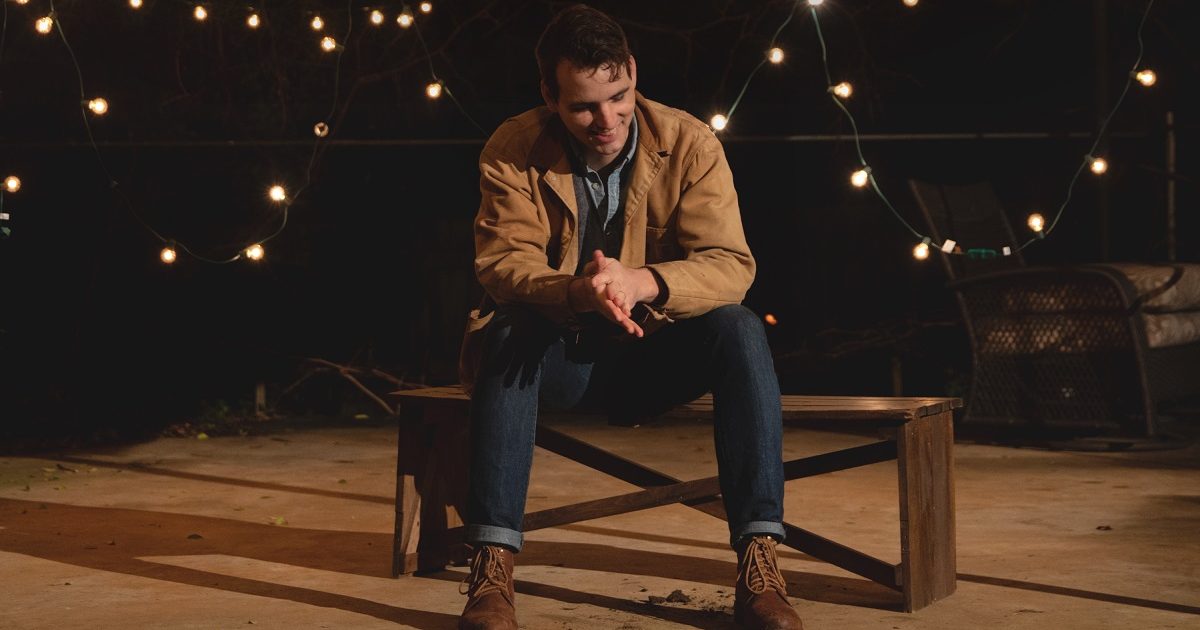
In Their Words: “This song is about transcendence and trying to get beyond the ruts we get stuck in, especially in ‘middle age,’ which is where I find myself these days. The opening line came to me in church, actually, and the verses just flowed out from there. I wrote the chorus later but it was clear to me what I wanted to say about life — how we get tempted by the stuff the world tells us is important when really the most important things are the people and things (i.e., music) that we love and that make us happy. One fun tidbit is that the shirt I’m wearing was my granddad’s. He died several years ago at 93 and is one of the ones I talk about in the chorus who’s ‘calling to me from the other side.'” — Brew Davis


Photo credit: Andrew Kornylak, FourMile Media

BGS 5+5: Kerry Hart

Artist: Kerry Hart
Hometown: Los Angeles, California
Latest album: I Know a Gun
Personal nicknames (or rejected band names): KerBear

Which artist has influenced you the most … and how?

I have been most influenced musically by Peter Gabriel. The record I first burned into my brain was So. Each song dances, a lush landscape of emotion and movement and melody. The sounds painted visuals for me, the percussion is ever present but gentle, structural and textured, the layers of melody and counter melody, the sense of time and place. His voice is used not just to tell the story, but to give it depth and color. The significance of the lyrics, a feeling of humanness, and a lack of perfectionism. These are all things I took into my expression of my experience of the world.

What other art forms — literature, film, dance, painting, etc. — inform your music?

I was fortunate to grow up in New Jersey, just outside of New York City, and I was exposed early in my life to live theater, to actors and plays, to paintings by the masters, to poetry and to poets and to live jazz. I always possessed a love for novels and I really tend to think that each of my songs happens in a time and place to a “someone,” a character if you will, and I can see clearly that my expression in music has been absolutely altered by my exposure to artists in real time, expressing themselves right before my eyes. My live performance aesthetic is definitely inspired by the sensation that what you are about to share with us will only ever happen now, in this time and space. It’s ephemeral. You have to be there or you will miss the bolt of lightening in our hands.

What rituals do you have, either in the studio or before a show?

I have a very consistent meditation practice that is the basis of my well-being. Before any musical work, writing, rehearsing, vocalizing, tracking, or a performance for an audience, I do my meditation to really drop into my center column and root into the Earth and awaken my breath and my vision. I sort of leave myself to a degree, I leave the me that is bound to my story, bound to my life’s joys and burdens, and I breathe into more of an everyman space. I like to move in music from a place of high compassion and passion, so I come to the work both more awake and more in a dream. In music, there is incredible latitude to welcome the truth. I really try and honor that, as I believe it serves the songs.

What’s the toughest time you ever had writing a song?

I think each and every song has a moment where there is something tough about it, except for those gems that land fully formed like gifts. There is no room for playing small with songs. The song and the audience need me in humility and in power to properly honor taking up their sweet time with my creation. I think living in that resonance is a challenge, staying positive against life’s lesser fortunes – and that is before you get to the heavy lifting of crafting a verse, refining your hook, editing out what is superfluous to the flow of the thing. But wow, I love the hard days as much as the best ones. Song life is a trip.

How often do you hide behind a character in a song or use “you” when it’s actually “me”?

I never feel like I am hiding when I play the character that is the singer of the song. Each one is me, thru different colors of the kaleidoscope. Which is not to say my songs are autobiographical. Most are not, but in each one I find the kernel of truth where I can align with the narrator of the song’s tale, and then I leap from there with total abandon. There are single lines in the work that are right from my direct experiences but truly most often, the blend of my emotions from life with the way others move through time and space is where the magic tends to happen. Writing for me is a sacred process. What I need to come through usually does, for me and for the characters in each composition. I love to meet the pieces of the puzzle.


Photo credit: Lauren Dukoff

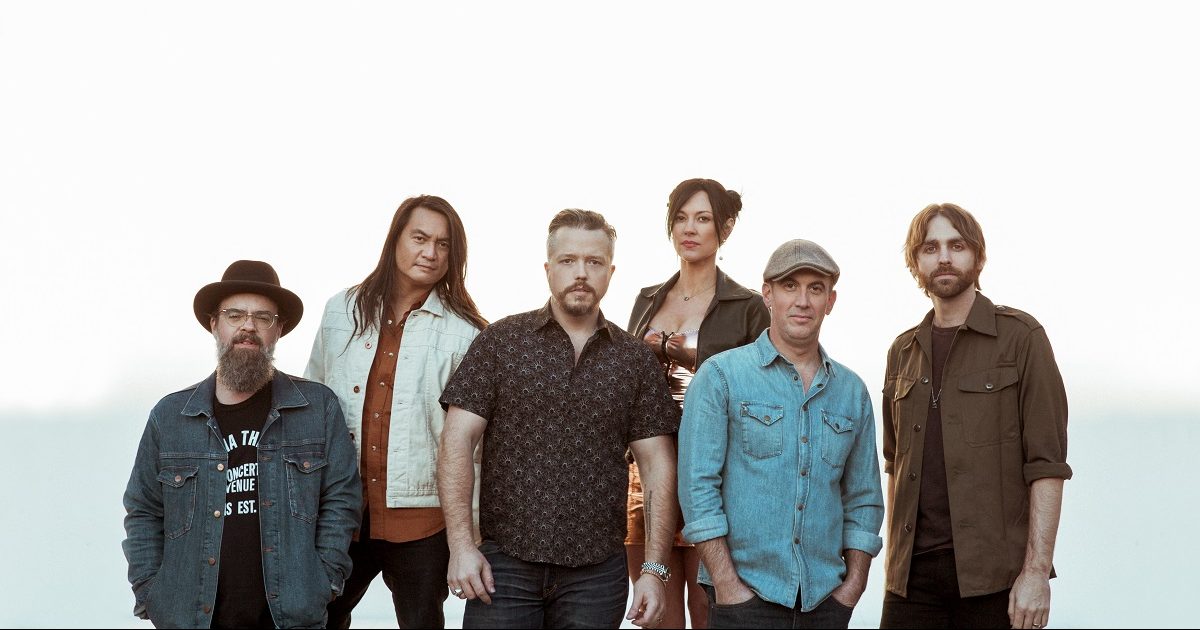
LISTEN: Jason Isbell & the 400 Unit, “Be Afraid”

Artist: Jason Isbell & the 400 Unit
Hometown: Nashville, Tennessee
Song: “Be Afraid”
Album: Reunions
Release Date: May 15, 2020
Label: Southeastern Records/Thirty Tigers

In Their Words: “There are a lot of ghosts on this album. Sometimes the songs are about the ghosts of people who aren’t around anymore, but they’re also about who I used to be, the ghost of myself. I found myself writing songs that I wanted to write fifteen years ago, but in those days, I hadn’t written enough songs to know how to do it yet. Just now have I been able to pull it off to my own satisfaction. In that sense it’s a reunion with the me I was back then.” — Jason Isbell


Photo credit: Alysse Gafkjen

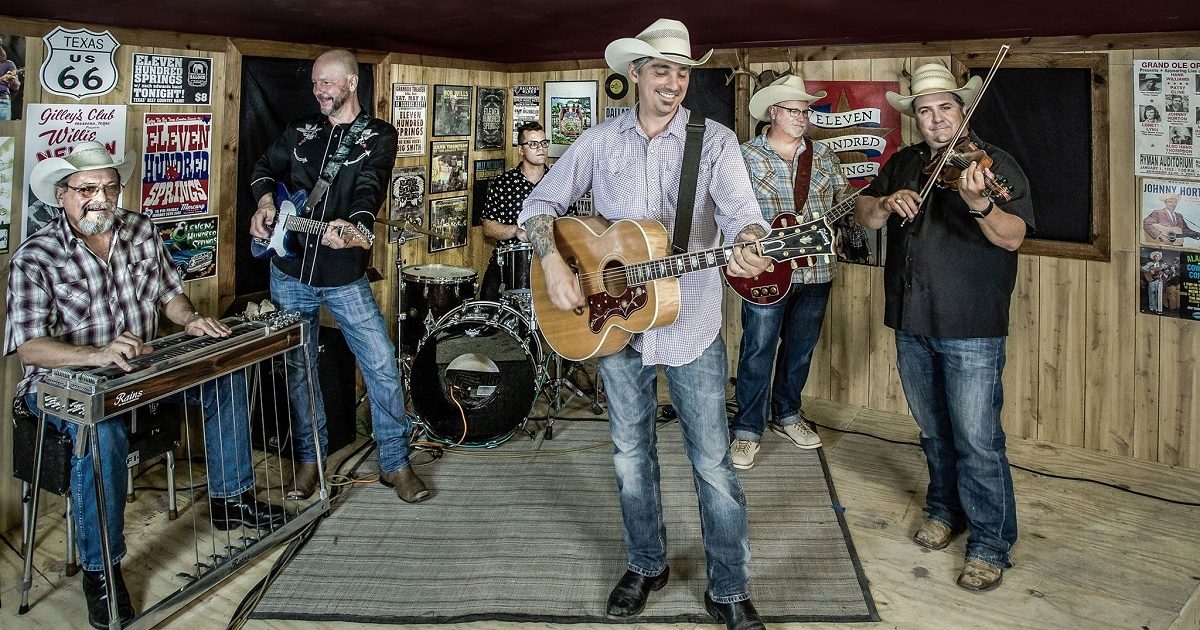
MIXTAPE: Eleven Hundred Springs’ Songs by Talented Friends

I have always maintained that whatever you do as a career, the great takeaway is the relationships you make along the way. That’s certainly been my experience in music. I have had the opportunity to get to know and share stages with so many talented people that play many different styles of music. This Mixtape is just a taste of the long list of friends who blow me away regularly with their songs, live shows, and friendship. — Matt Hillyer, Eleven Hundred Springs

Brennen Leigh & Noel McKay – “Breaking Up Is Easy”

I have been a fan of each of these folks independently of each other before they started making music together. Both of them sing and write so well. I chose this song because I really dig the groove and the way they sing together on it. There’s a moment when Brennen is singing underneath Noel while he’s singing the lead that is just so great. Truly though, I’m a fan of everything they’ve done. Separate or together.

Courtney Patton – “So This Is Life”

Courtney is like my sister. We have a lot of fun together. This song is just about as perfect an example as I’ve ever heard of an honest accounting of witnessing love coming together and falling apart. Being that honest is so difficult and she nailed it.

Max Stalling – “Blue Eyes”

Max is one of my best friends in “the biz.” We both kinda got our start at the same time and place, and he’s super great guy. He’s also able to paint a picture with words like no one else. This song I love because it’s a testament to his abilities as a poet, but also with melody. It’s a straight ahead danceable country love song.

The Wagoneers – “Sit A Little Closer”

When I started playing in bands I was 13 and into rockabilly. Through some twist of fate I crossed paths with this band and they took me under their wing. They were my introduction to so much great country music. They have such a great live show. Their frontman, Monte Warden, taught me so much about how to write songs.

The Derailers – “100% Pure Fool”

When Eleven Hundred Springs was beginning, The Derailers were a real example to us. The band was so tight. Their love of all things traditional country, particularly the Bakersfield sound meant a lot to us. They had roots in the rockabilly world. They were our kind of band. They were also very kind to us every time we got the chance to share the stage. This song was always a barn burner at their shows.

Mike & The Moonpies – “Steak Night at the Prairie Rose”

In the same way that I think the Derailers felt good about a young band coming up behind them that cared about traditional country music when they looked at Eleven Hundred Springs, that’s how we feel about the Moonpies. They’re great and they give a damn. They work their asses off and write great songs. I feel like they’re just getting better and better. The Steak Night record felt like a real turning point for them though.

Jason Eady – “Wishful Drinking”

Jason’s A.M. Country Heaven record is one of my favorites of all time. It’s a solid collection of great country songs. It’s hard for me to narrow down any one favorite, but this may be it.

The Tejas Brothers – “Don’t Be So Mean”

The music of the Texas Tornados and Doug Sahm have always been so influential to Eleven Hundred Springs. The first time we played with The Tejas Brothers, it was a natural match. Their connection to that sound was something we loved. We became friends instantly and found as many ways to collaborate as we could and we remain close to this day.

Joshua Ray Walker – “Canyon”

When we discover new artists on the scene that are doing really great things, it’s so exciting. Joshua Ray Walker is someone who’s topping that list right now. He’s such a great writer, singer, and guitar picker. Our friendship is just beginning, but I look forward to a lot of fun collaborations with him.

Reverend Horton Heat – “We Belong Forever”

Jim Heath has been one of my biggest mentors since I was 12. He’s always been like a big brother. Not only is his talent and voice one of a kind, but his work ethic has been a huge example. He and his band are truly self-made. This song isn’t the typical loud rocking tune the band is known for, but it showcases their ability to take it down to something quiet and also play something beautiful. I love the way the guitar melody on the high strings go along with the walking bass on the low strings. Not everybody can do that.

Tommy Alverson – “My Hometown”

Over the years Tommy and I’s relationship has evolved from him being a mentor to friendship. I have learned a lot playing shows with him, and I always feel like family when I’m with him and his son Justin, who is also a dear friend.

Walt Wilkins – “When It Was Country”

When spending time with Walt, I always hope some of his cool will rub off. This song makes the hair on the back of my neck stand up every time.

Aubrie Sellers Lets Her Music Breathe in ‘Far From Home’

With her new album Far From Home, Aubrie Sellers is living up to its title. Raised in Nashville as the daughter of musicians (Jason Sellers and Lee Ann Womack) and now living in Los Angeles, she absorbed bluegrass and country while still exploring genres with a harder edge. That spectrum of influences is apparent in her new music, which ranges from the softer sounds of the title track to the electrified vibe of “My Love Will Not Change,” a duet with Steve Earle.

Adding another meaning to “Far From Home,” Sellers wrote much of the album in Texas, and she’ll launch her national tour by opening for Tanya Tucker in New York City. BGS caught up with her just before she hit the road.

BGS: You recorded Far From Home at Sonic Ranch in Texas. What made you interested in working there?

Sellers: I was listening to a lot of what I call “desert music.” Tarantino soundtracks and The Ventures and stuff like that. I had taken my camper out to Marfa, Texas, and wrote some of the songs on this record there. I was very inspired by that vibe. My whole family is from Texas, so that kind of feels like my home.

Also I wanted to get outside of Nashville and I loved that idea that the whole band stays there while you’re recording. You immerse yourself in the making of the music. It’s really important for me to focus on making a record and having a cohesive experience. I feel like all that stuff tied together.

Why did you feel like you needed to get out of Nashville, do you think?

It’s nice to have no distractions. It’s nice to have a new environment. Your environment affects what you’re doing and I felt like it was important to have that vibe, since that’s what was in my brain already. It’s just nice to escape and make sure that you’re really focusing on making the record, and focusing on the music, and doing something different.

Is that the reason you moved to L.A. as well?

Yeah, I grew up in Nashville and I’ve been around that scene my whole life. It felt important for me to get out of there and experience some new things, and surround myself with a totally fresh energy. Also I went to acting school growing up and I’ve always wanted to do that. I find the film industry here really inspiring. I tried to come here when I was younger and I wasn’t quite ready, so this time it stuck.

You draw on a lot of influences and genres in your sound, but where do you think country music comes into your musical vision?

For sure I think my songwriting is country. I think it’s a little of that personal touch — and you don’t find that as much in other genres. There’s a simplicity to it, in a good way hopefully! And then sonically, steel guitar is one of my favorite instruments. I don’t want to make a record without steel guitar on it.

I listen to a lot of traditional country but I also really love that era of country with Steve Earle and Dwight Yoakam and Lucinda Williams. I love Buddy Miller — he’s kind of on the fringe of country. Buddy and Julie Miller have been a huge influence on me. All of those, and of course, classic country like George Jones and Merle Haggard. Those were my biggest country influences.

Are you a fan of bluegrass?

Yeah, I play the banjo! I thought for a while when I was in high school that that’s what I was going to do. I love bluegrass. Ralph Stanley is my favorite singer. My dad grew up playing with Ricky Skaggs so I was around it a lot. I’m really inspired by bluegrass. On this record, I did “My Love Will Not Change,” which was written by Shawn Camp, but I knew the Del McCoury version. For me, there’s just a similarity in the intensity and the drive behind some bluegrass and rock and blues music. It’s got a simple, emotional feel to it, to me. All of those things connect in my brain and my heart. I love bluegrass.

What was your entrance point to Ralph Stanley? That’s a big catalog to navigate.

I guess just listening to old Stanley Brothers records. Fortunately I grew up in an era where I could explore all music on the internet, you know? So I would go into a bluegrass rabbit hole and listen to that. And then of course, I love the banjo. I think it’s like the electric guitar of bluegrass.

You co-produced this record, too [with Frank Liddell]. What kind of textures did you hope to capture?

I don’t bring in references or anything like that when I’m making music. I think it’s more important to have a vision in your head and make sure you’re bringing in the right players, putting them in the right environment, and having the right songs. Let it evolve, take your time, and let it breathe.

It’s the same with writing and choosing songs. I try not to make it like a factory. I try to let it happen organically. I think it’s making sure you’re putting together the right people in the right environment. You know, I had four guitar players on this record! Sometime it’s about having someone sit out for a song. Letting everything have room to breathe is my philosophy.


Photo credit: Chloé Aktas

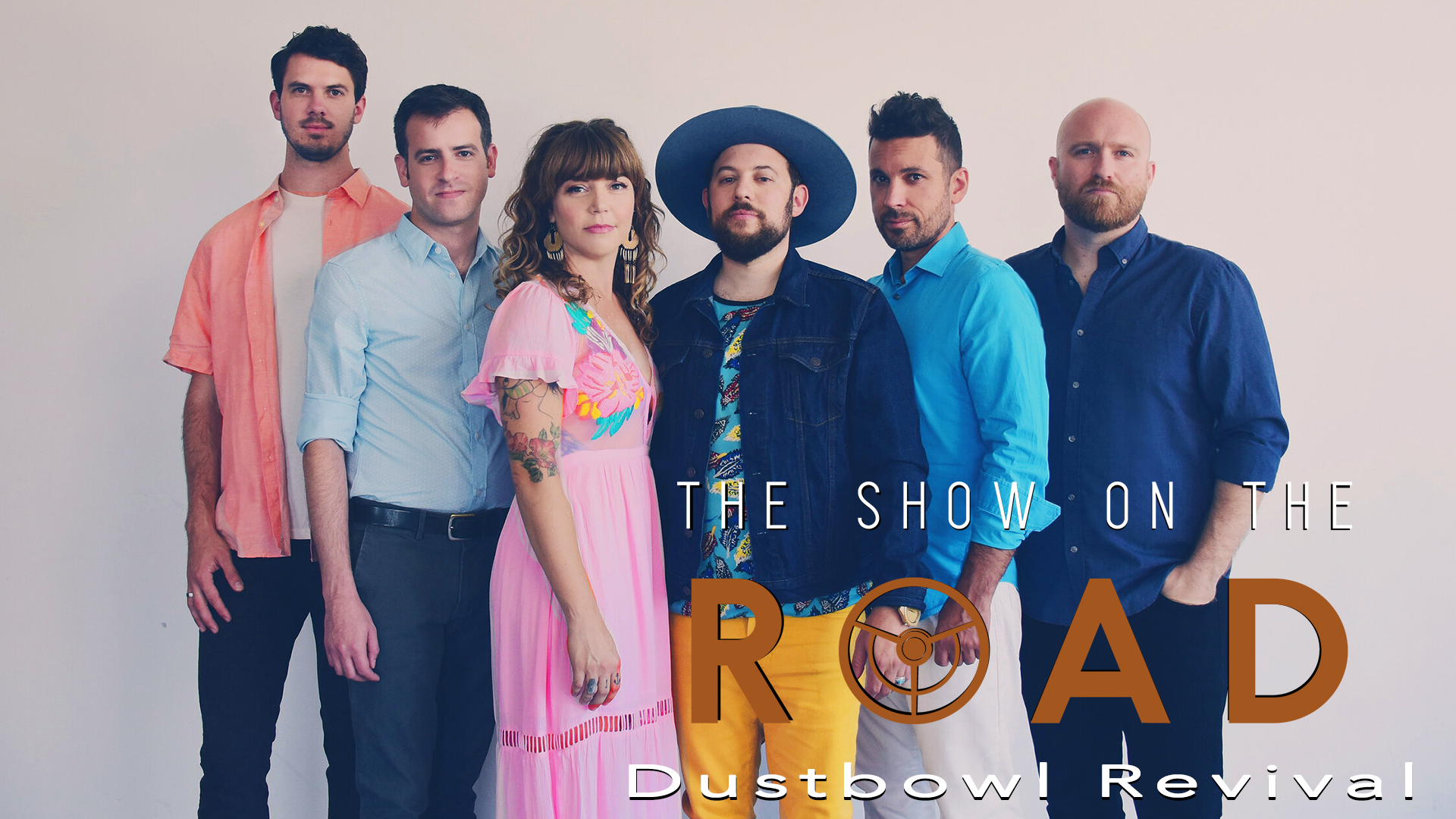
The Show On The Road – Dustbowl Revival

This week on the show, a very special finale to our winter season, featuring a group of world-traveling, folk-funk adventurers that have been catapulting American roots music into the 21st century with their exuberant melding of string and brass band traditions and their white knuckle, award-winning live shows. It’s Dustbowl Revival.

LISTEN: APPLE PODCASTS • MP3

To say today’s episode is personal would be an understatement. Your host Z. Lupetin founded Dustbowl Revival in Venice Beach, CA over ten years ago with a lucky Craigslist ad that started it all. What began as a clandestine jam group with as many as ten instruments going full blast at an after-hours advertising office soon moved to speakeasies and small venues around LA, with the band eventually recording their beloved live album With A Lampshade On at the famed Troubadour in LA and the Great American Music Hall in San Francisco.

In 2013 Liz Beebe joined the group as they began touring full time, becoming a powerhouse eight-piece band that wowed festivals and stages in over a dozen countries, playing over a hundred and fifty shows a year. They’ve released a total of seven full-length records along the way, including their soul-dipped, self-titled work from 2017, which was produced by Grammy-winner Ted Hutt, co-founder of Flogging Molly.

This week celebrates the release of their most daring work to date, Is It You, Is It Me, produced by Sam Kassirer (Lake Street Dive, Josh Ritter) and engineered by Brian Joseph (Bon Iver, Sufjan Stevens). Z. was able to gather the whole band around the mic while on the road in New Hampshire. Make sure you stick around to the end of the episode as the band shares their intimate acoustic single “Let It Go.”

LISTEN: Nathan Evans Fox, “Cigarettes and Moon Pies”

Artist: Nathan Evans Fox
Hometown: Glen Alpine, North Carolina
Song: “Cigarettes and Moon Pies”
Album: Kindness
Release Date: February 20, 2020

In Their Words: “I wanted to write a love song that’s equal parts cultural idiosyncrasy, self-reflection, and just kinda manic. Some of my favorite places in the world are small, local gas stations in the Carolinas. They’re such an interesting cultural intersection; there’s goods from local growers alongside industrially manufactured, shrink-wrapped foods, and old relics of legendary NASCAR racers next to brand new vinyl banners promoting strange, cheap beer spin-offs. You’re left with a big cultural mish-mash that’s really complex and rich, and I think there’s something really romantic about these small drive-by spots. They’re a true reflection of all the strangeness and complexity of growing up in a place like North Carolina. They just seem like a good place to fall in love.” — Nathan Evans Fox


Photo credit: Zach Wolfe

WATCH: The Lone Bellow, “Count On Me”

Artist: The Lone Bellow
Song: “Count On Me”
Album: Half Moon Light
Release Date: February 7, 2020
Label: Dualtone Records

In Their Words: “After singing ‘Count On Me’ together in the studio we walked outside and couldn’t help but think about the sense of camaraderie and kindness that seems to happen at our shows. Like strangers becoming neighbors wrapping their arms ‘round each others necks and saying ‘I got ya.’

“[For the lyric video] I had this vision of a figure skating routine, but we wanted to bring it a little closer to home. Instead of a poised athlete on ice, we hopped into a dirty old muscle car and while doing donuts in a field, we got to be Burt Reynolds for a day! I’m so thankful I was finally able to reap some of the skills from my redneck upbringing.” — Zach Williams, The Lone Bellow


Photo credit: Shervin Lainez

The Lil Smokies Tighten Their Bond with ‘Tornillo’

The Lil Smokies’ long-awaited album Tornillo reflects the vast openness of the Texas desert town in which it was recorded, possessing all of the energy that comes with a renewed creative spirit. In a phone interview with lead singer Andy Dunnigan, BGS discussed rule-bending, burnout, and how recording at Sonic Ranch in Tornillo, Texas revitalized the Montana-based band.

BGS: It sounds like this album is really special to you. Can you tell me about the process of making it? What’s memorable about this one?

AD: Yeah, this is a special one. We were coming off of two or three solid years of extensive touring. We were pretty road-worn and dare I say a little burnt out. When we came into this session we needed to become a little more unified than we had been while on the road. We were looking for somewhere that we could go and get outside of the box creatively.

Texas was somewhere we had never spent a lot of time. We wanted to go down to the desert and we wanted to be able to live on the compound. These were all [realities] that Sonic Ranch in Tornillo was able to provide us, so when we got down there we didn’t really leave for ten days.

We lived a stone’s throw away from the studio. We’d wake up and eat huevos rancheros and then head over to the studio. We were kind of autonomous in the fact that we could make our own hours. It really brought us back to life. We were really unified in our work and the production of this album, and I think that’s really ostensible throughout the songs.

How much does a new album like this, where you have brand-new material and are fresh off the experience of recording, help motivate you to keep going out on the road?

I think it’s just that we toured the last album for a couple years and got a little tired of some of those songs. We were playing so much that we didn’t have all that much time for writing. I found myself trying to juggle between writing, being on the road, solitude, hobbies, and having a girlfriend. I was thinking, “Man, there’s just not a lot of time.”

So now that we were able to hammer out some new songs, getting back out on the road seems so much more enjoyable. I think when we’re having fun on stage there’s a direct correlation to the audience. They’re feeding off us and the pillars of reciprocity are strong.

This album definitely sounds like you’re having fun and doing things your way. You sort of bend the rules of bluegrass, but always in a way that adds something to the music. How do you keep an open mind about trying new things without being gratuitous about it?

We wanted to think outside the box for this record, but we didn’t want to do it in a contrived way where we say, “OK, this is going to be a weird album, so we’ll just make it intentionally weird.” We wanted to cater to the songs and adhere to what each song needs.

On the title track, “Tornillo,” we had originally worked up our traditional way of doing it with the bluegrass ensemble, but when we started playing it, it sounded like something that should be on the soundtrack of Ken Burns’ Civil War documentary. We were thinking, “This just isn’t going to work.”

Then Rev, our guitar player, worked up a piano arrangement and brought it to us towards the latter part of the session and we were like, “Oh man, this is so awesome. We have to use this.” We were just serving the song, and that was the ethos. Once we had the piano foundation, we started experimenting with drums and horns and some baritone guitar.

It was really fun for us. We intentionally gave ourselves a surplus amount of time in the studio so we could tinker around a little bit. We wanted to experiment sonically, and I think the results are really fun. It opened our minds to what you can accomplish in the studio if you have enough time and patience.

This album has a clear overall sound. Big, open, and full of space. Is that something you went into the studio wanting to accomplish, or did it develop more on the fly?

It’s a little bit of both. We wanted to create something big from the get-go, but we weren’t sure how we were going to do that. We knew we wanted to record live because that adds a little more energy, we had it in mind to drench a lot of it in reverb to create sort of a Fleet Foxes vibe or something a little more alt. That’s the kind of music that a lot of us have been listening to and getting inspired by for the last few years. We’re all listening to a lot of different music and we wanted to expand outside of the bluegrass domain in the production at least.

In your bio it’s mentioned that you “draw on the energy of a rock band and the Laurel Canyon songwriting of the 1970s.” How did bluegrass become the avenue that you express those influences?

Well, I think we all started out playing bluegrass. I came to it in my latter years of high school. I went down to the Telluride Bluegrass Festival. I had gotten an electric guitar from my dad. He plays music for a living, so he gifted me a Strat, and then a lap steel. I listened to a lot of David Lindley and Ben Harper. Those were kind of the gateway into bluegrass music. Then when I went down to Telluride it blew my head open.

I think we all have our pioneer stories of how we got into the music. That’s how you meet the community of players. There’s this whole vocabulary attached to it but as you get older you expand your musical library. I think we listen to a lot of songwriters and a lot of rock. We still happen to play these bluegrass instruments, and we love bluegrass, but we’re just trying to express what we want to say while wielding bluegrass instruments.

Do you find that you’re an introduction to bluegrass music for a lot of your fans?

I do, and it’s one of my favorite remarks after shows. People say, “Man, I hate bluegrass, but I love you guys.” I hear that a lot and I think it’s funny and ironic, but it’s cool because I think there has to be somebody to pull you in and make you realize that you’ve been wrong about the stigma perhaps. I know I was that person at one time. I thought, “Man, bluegrass music? My dad plays the banjo. This is really lame.”

I think we’re seeing bluegrass kind of blossom into its adolescence and beyond, because for a while I think it was restricted by the staunch purists who were slapping everyone’s wrists for playing minor chords. Now we’re seeing Punch Brothers, Greensky Bluegrass, Infamous Stringdusters, and of course now Billy Strings, who all have obviously done their homework religiously and can pay homage to the traditional godfathers, but they’re also putting their spin on it. It’s really cool and it’s getting people excited. I think to be included in that group is really awesome and I think it’s an exciting time to be riding the wave.

How much do you rely on melody, texture, and other instrumental factors to further the meaning or story within a song?

A lot of it happens in the arranging as well, but a lot of times when I’m writing a song there will be a hook line, and that’s sort of from a rock standpoint. You have your verse-chorus and then there’s a riff or something. You know, this band was almost an instrumental band for a short period in the beginning. We were listening to a lot of David Grisman, Strength In Numbers, and a lot of that music.

We loved writing instrumental music, and then when I started singing and writing songs we kind of fused the two worlds together. Those little melody parts and arrangement parts are still so fun to incorporate in songs. In a tune like “Giant” on this album, we wanted something kind of spacy to create a dream-like state, so we tried to write something that sounded kind of spacey and sleepy.

Some of these songs are intentionally ambiguous in their origins. What is the intent behind that ambiguity?

I went to school at the University of Montana for creative writing and poetry and I love the way words sound together as much as I love melody. Sometimes the words and just the assonance, what they sound like, will dictate the melody and vice versa. Once I have a word in my head and I’m kind of ad-libbing on the guitar I try to steer away from some words and how they sound.

I like to write stories and have some ostensible narratives, but I also just love words and how they sound. “World’s On Fire” has a couple meanings in there but I also like to keep it intentionally ambiguous because I think it’s fun for people to create their own story.

You’ve said your time at Sonic Ranch “encapsulates all of the good things about being in a band and making music.” How did the band grow from the experience of making this album?

To circle back on what I said in the beginning, it’s a huge a sacrifice to be in a band. There’s the greatest ups and the greatest downs, kind of married to each other. Coming off of those past three years of touring we were all a little tired and burnt out, and maybe questioning if we were on the right path. During our studio session in Tornillo I think we were all realizing that this is why we do it.

When you make an album it’s like setting a bug in amber. It’s this fossilized preservation of your life at that point. The word tornillo literally means “to fasten” and refers to a screw. We named it after that place. The place really tightened us up together as friends and as a band. I remember leaving there and feeling really proud of what we had accomplished. I think it’s the most unified we’ve ever been as a band.


Photo credit: Bill Reynolds
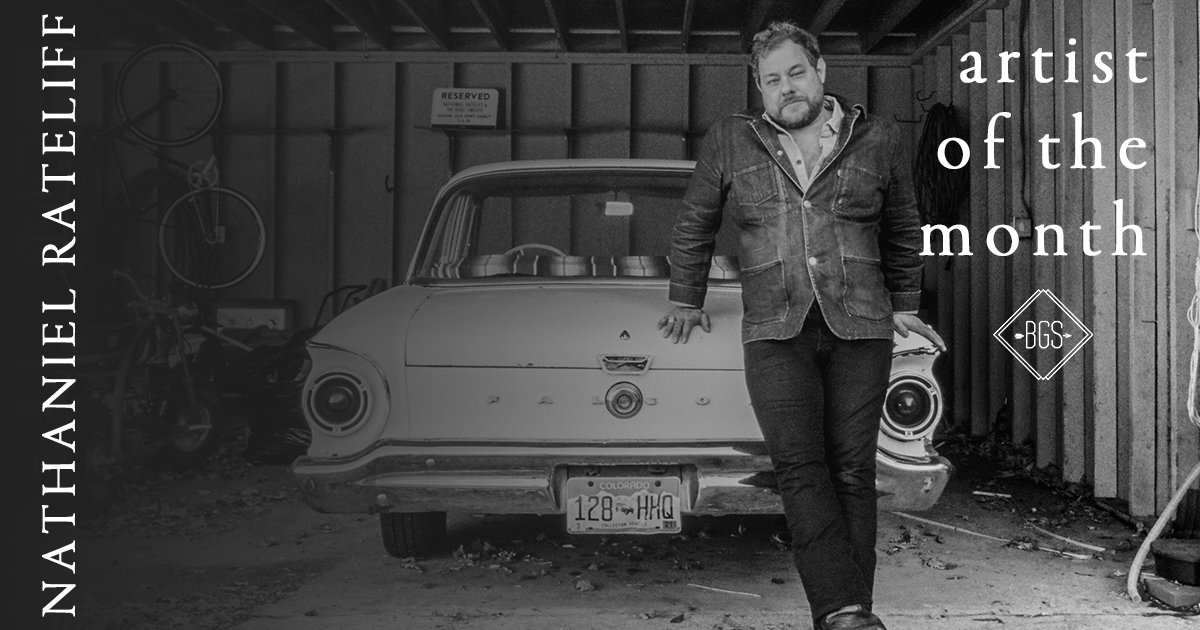
Artist of the Month: Nathaniel Rateliff

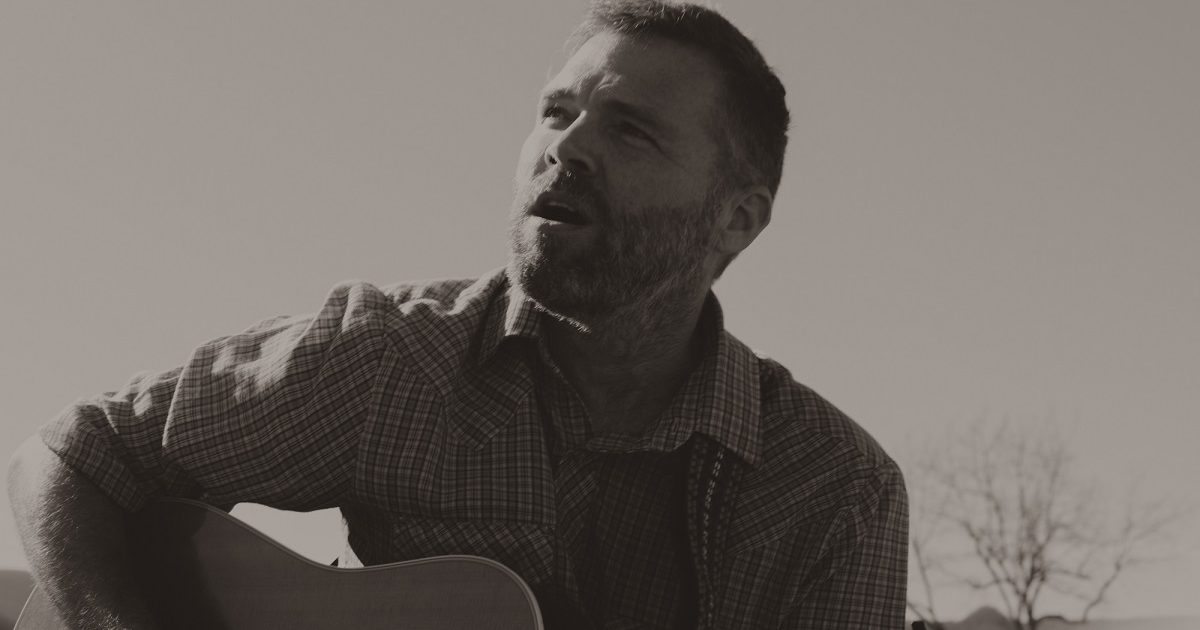
One of the most powerful artists in roots music, Nathaniel Rateliff has a solo album coming out in just a couple weeks, and as a preview, he’s released a music video for the title track. The evocative video mirrors a song with a lot of weight and meaning behind it, a trademark of Rateliff’s style. A simple song — voice accompanied by galloping guitar and a swirl of ambient textures — “And It’s Still Alright” has a beckoning quality that is matched with a grainy film aesthetic, shot in black and white with a splash of washed-out color.

In 2019, Nathaniel Rateliff and the Night Sweats scored a platinum single with “S.O.B.” and a gold record for their self-titled album. Now the pieces are in place for the next installment of Rateliff’s music as And It’s Still Alright is slated for a Valentine’s Day release. Tour dates are filling in, including a stop at the Ryman Auditorium in Nashville, as well as multiple shows in New York City, Los Angeles, San Francisco, Toronto, and Minneapolis. His European tour kicks off in April.

To hold over the anticipation for the new record and our upcoming Artist of the Month coverage, enjoy our BGS Essentials playlist.


Photo credit: Rett Rogers