BGS Top Moments of 2018

Ah, to truly live in the moment. These past twelve months often felt like myriad moments were perpetually fighting for our attention all at the same… moment. So at those junctures that did allow — or perhaps they mandated or beseeched or coaxed or compelled — us to take pause and truly be present, we found some of our favorite musical landmarks of the year, each one unified by their arresting message: Stop. Inhabit this moment. You’ll be glad you did.

Mandy Barnett Refreshes “The Fool”
A versatile vocalist who’s mostly known in classic country circles, Mandy Barnett made her newest album in Muscle Shoals, trading out the Nashville Sound for a slow-burn vibe that works particularly well on “The Fool.” This cool Lee Hazlewood/Naomi Ford tune has been kicking around since the late ‘50s when Sanford Clark gave it a rockabilly whirl. Since then it’s been covered by stylists such as Don Gibson, Robert Gordon with Link Ray, Elvis Presley, and Mac Wiseman – and like these guys, Barnett’s persuasive phrasing gives a sizzling guitar riff a run for its money. — Craig Shelburne


Mary Gauthier Joins Forces Against an Empathy Crisis

After decades upon decades of structural and systemic discrimination against LGBTQ+ service members in the U.S. armed forces, it might surprise one to encounter a queer, progressive singer-songwriter like Mary Gauthier releasing such a project as Rifles & Rosary Beads — an album populated entirely by songs crafted and co-written by military veterans and Gauthier herself. These songs are as harrowing as they are illuminating. And heartbreaking. And devastating. The beautiful, raw humanity exposed herein was captured simply by sitting across from another human being, no matter who they may be, and allowing oneself to see the other, and be seen. “The way I know how to create empathy is through song,” Gauthier describes in our Shout & Shine Q&A from early 2018. “Not preachy songs, not songs that tell people what to think, but songs that tell the story of what people are going through, so that we can see inside and know how they feel.” Clearly, Gauthier’s own life experiences — and the empathy (or, at times, lack thereof) she has experienced throughout — have enabled her to be a voice and a vessel for the tantamount importance of these soldiers, these stories, and these songs. — Justin Hiltner


Dead Horses Give “Turntable” a Surprising Spin
During this year’s AmericanaFest, I opted to go see only the bands I’d never heard of. Fortunately for me, that included Dead Horses, a Wisconsin band that caught me off-guard with their striking vocal blend and deep songwriting. Sarah Vos interprets a tumultuous upbringing in a way that even a stranger can relate to. At her side is upright bass player Daniel Wolff, propelling the set along with a steady beat. One of their standout songs, “Turntable,” already had millions of spins on Spotify, but it still felt like a discovery to me. That night also served as a polite reminder to check out the newcomers, because you never know. — Craig Shelburne


Bobbie Gentry Bridges the Generations
Bobbie Gentry’s entire catalog — eight albums in just four years — was remastered and repackaged in what may be the best reissue of 2018. The Girl from Chickasaw County spans 1967 breakthrough Ode to Billie Joe to her 1971 swan song Patchwork, each album transporting you to the fondly remembered South of Gentry’s childhood. She doesn’t just sing about growing up in rural Mississippi; she makes music that conjures up the people and the place, the humidity and the fried food, the mosquitos and the music. It’s a sprawling that presents her as a true visionary, one who used pop and country music to craft a world of her own even when the real world — and the music industry in particular — didn’t know what to do with her. — Stephen Deusner


Hawktail Goes With the Flow
It was a strong year for instrumental string band music, with projects as daring as The Hit Points (see below), which arranged classic video game music for a bluegrass ensemble, and as intimate as Simon Chrisman and Wes Corbett’s banjo/dulcimer music. But nobody brought more of today’s top talent and compositional intelligence together than Hawktail. Established as a trio with fiddler Brittany Haas, guitarist Jordan Tice, and bassist Paul Kowert, the friends brought in mandolinist Dominick Leslie to round out both the rhythmic structure and the improvisational daring of the band. The all-original album, Unless, is more about a flowing ensemble sound than a jam showcase, but the picking is state of the art. Recorded in the grandeur of Nashville’s historic Downtown Presbyterian Church, the album meditates and celebrates in equal measure. — Craig Havighurst


The Hit Points Get in the Game
The Hit Points, an ensemble of like-minded bluegrass virtuosos and video game music nerds, built themselves an album concept that, despite possibly being the most counter-intuitive vision for a record, ended up not only being aurally, aesthetically, and mentally astounding, it actually just works. Flawlessly. Fiddler Eli Bishop and banjoist Matt Menefee assembled a group of friends that would be up for the sometimes mind-numbing task of translating video game music from across the eras and consoles into bits and pieces and parts playable by a bluegrass band, bringing in bassist Royal Masat, mandolinist Sierra Hull, and engineer/guitarist Jake Stargel, among others, to deliver us a perfect nostalgia mash-up of bluegrass’ fiery, impeccable picking with the most iconic and familiar video game themes of the past couple of decades. Against the odds and intuition, it’s a truly stunning testament to the beautiful nerdy minds of bluegrass pickers and their common belief that there is no such thing as “biting off more than one can chew.” — Justin Hiltner


Kathy Mattea Rediscovers Her Voice
For the last few years, Kathy Mattea felt worried that her singing voice had essentially abandoned her. However, with medical guidance and patience, her warm alto returned. And it’s worth a nod to Pretty Bird producer Tim O’Brien, who knew how to make it shine. The folk-focused album offers beautiful songs like Dougie McLean’s “This Love Will Carry” and Mary Gauthier’s “Mercy Now,” while the Wood Brothers’ “Chocolate on My Tongue” brings a sweet perspective to looking for the meaning of life. Closing out the album, her reverential reading of Hazel & Alice’s “Pretty Bird” illuminates Mattea’s rediscovered voice with quiet power. –Craig Shelburne


Michigan Rattlers Deliver a Strong Debut
After hearing one track by Michigan Rattlers a year ago, I wondered when more music would be coming – because it gave me the same feeling as when I listened to Reckless Kelly and Turnpike Troubadours for the first time. This Midwestern band’s debut album, Evergreen, arrived in September, and proved to be a consistently compelling and well-written project. Guitarist Graham Young has just a hint of sadness in his voice, although Evergreen is by no means a sad record. With Adam Reed on upright bass and Christian Wilder on piano, the music falls somewhere between a bar band and a songwriter night, which is right where I live. Check out “Didn’t You Know” and “Baseball” for starters. — Craig Shelburne


Ricky Skaggs Shows ‘Em How It’s Done
A new member of the Bluegrass, Country, and National Fiddle Halls of Fame this year, Ricky Skaggs has been recovering from shoulder problems, but you wouldn’t know it from this fantastic performance — three songs performed with three bands, including his own Kentucky Thunder. Recapping a rich — and ongoing! — career, the medley featured several generations of musicians, from old band members like Bruce Bouton (pedal steel guitar) to guitar-picking country superstars (Keith Urban, Brad Paisley) to bluegrassers like Sierra Hull and teenaged fiddler Carson Peters. If the best lessons are taught by example rather than lecture, this one was a graduate level course. – Jon Weisberger


Chris Thile Establishes a New Radio Classic
It’s been two and a half years since mandolin virtuoso Chris Thile took the helm of the long-running public radio show A Prairie Home Companion. But it’s been a year since he fully made it his own, rechristening the program as Live From Here. In these twelve months, Thile’s show has become a powerhouse music showcase for acoustic music and far beyond: a place where St Vincent or Vulfpeck can play the same stage as I’m With Her, Brandi Carlile, and Jeff Tweedy. The host himself churns out a brand new song for each episode (an impressive feat in itself), and surrounds himself with a house band and writing staff that’s a who’s who of modern roots: Chris Eldridge, Sarah Jarosz, Joey Ryan, Brittany Haas, amongst others. It’s as if he’s been doing such a show forever, and something we can only hope will continue long into the future. –Amy Reitnouer Jacobs


Colter Wall Captures the Prairie Wilderness
Of course country music isn’t limited to the American South, but it’s been so well established in that specific locale it sometimes feels as if anything else needs an asterisk. Canadian singer-songwriter Colter Wall sets about erasing that mark with his sophomore album, Songs of the Plains. Telling tales about truck drivers, cowboys, and blue collar types at the mercy of automation, Wall uses traditional country influences to sing of his prairie homeland. Working with Nashville’s Dave Cobb, he blends an array of original songs and covers, each of which provides a formidable stage for his voice. Wall’s baritone growl feels like a barroom throwback, the kind of sound you stumble across at dusk when the jukebox finally falls silent and the guy keeping to himself in the corner finally opens his mouth. I put this on when I want to actually feel Canada’s vast prairie wilderness, and think about the ever-widening world of country music. — Amanda Wicks


The War and Treaty Share Their Love Story
In 2010 Tanya Blount and Michael Trotter fell in love after performing, separately, at a Maryland event known as, yes, the Love Festival. In 2018 many fell in love with the Michigan-based duo, now known as the War and Treaty, with the release of their Buddy Miller-produced debut album, The Healing Tide, and even more so from their concerts. Their boundless joy alone is irresistible, but the songs and performances are elevating. “I’m singing with my wife, songs I wrote for us, and we’re on the road helping bridge humanity in our way,” Michael said in an August BGS profile, Tanya adding, “This project is an act of love.” – Steve Hochman
2018: The Year of Ricky Skaggs

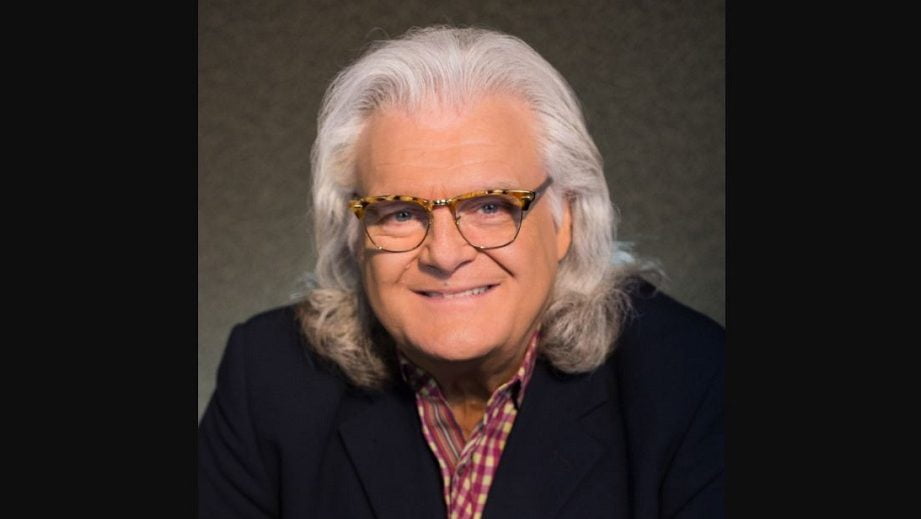
Though he’s just now hitting nominal retirement age, Ricky Skaggs has been a virtuosic presence in the worlds of bluegrass, country, and Americana music for close to 50 years. With his childhood friend, Keith Whitley, he began touring and recording with Ralph Stanley while still in high school; by the time he turned 21, he had done a stint with the Country Gentlemen and become a member of the J. D. Crowe & The New South lineup whose eponymous 1975 album was (and is!) so influential that it’s been known for more than 40 years simply by its catalog number, Rounder 0044.

From there he moved on to intensive studio work; partnering with Jerry Douglas in Boone Creek; a stretch with Emmylou Harris’s Hot Band; and then, in 1981, launching a country career so meteoric that he earned, within four years of his debut recording, the Country Music Association’s top Entertainer of the Year award. Fifteen years later, he returned to bluegrass in spectacular fashion with the album Bluegrass Rules!

It’s no wonder, then, that he’s a newly minted member of the Country Music Hall of Fame and the Bluegrass Music Hall of Fame, though it’s a nifty kind of surprise that he was inducted into both this year — and, while it’s less widely known, he hit the trifecta when he was inducted into the Fiddlers Hall of Fame, too. In short, if you were to call 2018 the Year of Ricky Skaggs, it would be hard to mount a real counter-argument.

A conversation with Skaggs is always a journey through a myriad of subjects, and this one was no exception; we touched on many topics, from his nearly complete recovery from shoulder troubles to his recollection of a conversation with Art Satherly, the legendary producer who worked with Bob Wills, Bill Monroe, and many others. Still, a couple of themes emerged, and it’s fitting that one began with an examination of his under-appreciated role as a fiddle player.

It occurred to me that there are fiddle players in the Bluegrass Hall of Fame already—Chubby Wise, Paul Warren, Kenny Baker, Benny Martin, Bobby Hicks—but there are some other members, like John Hartford, who folks might not think of first as a fiddler but who were players, and that led me to you. I think there’s a whole generation of fans and musicians who might not realize how much you’ve done on the fiddle. Is that something you still do from time to time?

When we went out on the Cooder-White-Skaggs tour, I played quite a bit of fiddle, because we were doing so many country things, like Hank Snow’s “Now And Then (There’s A Fool Such As I),” that Chubby Wise played on, and Ry wanted that fiddle. Sharon did songs that I’d play on, and I played swing fiddle on “Sweet Temptation.” So I played quite a bit on that tour. But I haven’t taken it as seriously as I should have, especially in the last 20 years; I just haven’t kept up on it. And you know, when you do pick one up and it sounds like a cat killing, you start thinking, maybe my days are over on this.

But I’ll tell you, when I was just a kid, and I decided I wanted to play another instrument besides the mandolin, my dad got a guy named Santford Kelly to come over to our house, and he recorded him playing—because especially when it came to playing fiddle, he wanted me to sit at the feet of some old cats that he knew. And now, I’ll play something by Santford Kelly for Andy [Leftwich], or now for Mike [Barnett], and their eyes are as big as silver dollars, and they say, “Oh, my god, will you please teach me how to play that? That doesn’t need to die with you—that sound and that bowing style, and that stuff from the mountains of Appalachia, that’s got to live on.”

When that happened a couple of times, I started really seeing how important it was. I’m always thinking maybe too much about perfection, and I’ve gotta tell you, when I heard Santford Kelly—he was 84 or 85 at the time, and he was scratchy. But it didn’t bother me that he was a little flat and sharp here and there, and a little scratchy on the bow. It was what was coming out of him that went into my heart, that moved me deeply. I thought, this is like Elijah coming off the mountain. This man is carrying something.

So I’ve kind of been saying, well, I’m not really up on it, but I need to shut that crap up. I just do need to play more of that.

You’ve entered three halls of fame this year, so maybe this is a good time to look back. One of the things I’d like to get your impression on is the idea that tradition is not a style, but a way of learning. And you did that, learning directly from older guys like Santford Kelly and Ralph Stanley, but it seems like there’s less of that these days. From the beginning of your return to bluegrass, you’ve made having young people in your band a priority. When you talk about Mike or [banjo player] Russ [Carson] hearing these things, is that something you feel is important — to mentor young musicians, be an active transmitter?

It absolutely is. To me, it’s vital — it’s necessary for the journey, it truly is. It’s manna, it’s food. In the tabernacle of David, where there were four thousand musicians and two thousand singers, you didn’t just fall off a turnip truck and then decide, hey, I’m going to be a musician. No! King David said, “My fingers are trained for battle.” To me, there is training that goes into perfection, goes into your craft. There is something that is really spiritual about this; it’s part of our spirit, it’s part of our nature to be trained.

And that’s truly part of what makes my heart beat, is to train up and to pour into young musicians — and not just men. Like Sarah Jarosz told me one time, “Thank you for letting me get up on stage and play with you when I was 12 years old in Austin.” Or Sierra Hull, or how my music affected Alison [Krauss] in her teenaged years — listening to J. D. [Crowe]’s records, and Boone Creek, and my early country stuff, the harmony singing and just the musicianship, how that encouraged her. I was talking to Becky Buller at the IBMA Red Hat [Amphitheatre], and she talked about how influential the music has been, too.

One of the things that I learned from Ralph was to play it like it was recorded. I remember one time, I’d been listening to Jimmy Gaudreau and some of the other mandolin players of that time a little bit, and one night I played a solo that was a little bit out of the ballpark for the Stanley sound. And I caught Ralph’s face move just slightly over toward me. He didn’t eyeball me, he just kind of turned to the right and listened to me. And when we got off he said, “Rick, you know what I do, when I take breaks, I play it just like I sing it. I want them people to know that when I played that break, they didn’t have to hear me sing, they knowed what that song was. That’s the way I do it.” He didn’t say, the way you did it was not cool, or out of bounds. He did not teach that way; it was so soft, and so nurturing.

And now, I’m always showing Mike stuff — even from the first time I met him, when he auditioned. We sat down and I played him the Stanley Brothers’ Starday recording of “Little Maggie”— one lick, one phrase, after [fiddler] Ralph Mayo’s first solo. Ralph kicks it off, sings one verse, and then Ralph Mayo takes a solo. Well, it’s that next verse, on the line “pretty women are made for lovin’,” on the word “lovin,” Mayo plays this counter-note that’s not even in B, where Ralph’s at. That thing came out of him, and that one note just spoke so loudly right there for me. When I really heard that, I thought “What did he just play!?” and it just lifted my heart to such a place. It was something. And I played it for Mike, and he said “play it again,” and I thought, all right, he’s going to get this job, I know. He’s hearing what I heard, so I knew he was the right one for the job. He heard what Mayo was playing, and he heard my passion for it. And those are the kind of things I want to teach.

Looking at your career, the frequency of your record releases seems to have slowed down. And it seems to me that the recorded end of the business is almost going back to the 50s. Are you just too busy to get into the studio, or is it a lower priority because the business is heading away from that?

Well, as a record company owner, it’s become a financial issue. Having a studio of my own, you’d think that I could do records so much cheaper, but it’s just a fact that the numbers just don’t work when I look at putting $30,00 or $40,000 into a CD and the chances of getting it back in the next three or four years. And I’ve got a big name! I don’t know how, well I guess I do know how, a lot of these record companies do them for $10,000. I would feel really bad about having to do a Kickstarter for Ricky Skaggs. But there’s so much music in my heart that I really want to go in the studio and make, and make it with this incredible band.

But here’s what we’re thinking: I guess I’ve probably got nearly every show that I’ve done in the last four or five years—and recorded on separate tracks, where they could be remixed. So I’ve got a ton of stuff. We’ve got Cooder-White-Skaggs, we’ve got Skaggs and Hornsby stuff, we’ve got Ricky Skaggs with Cody Kilby, Bryan Sutton, all kinds of guests that we’ve had. We’ve got all that recorded. So I really do believe there’s ways of doing it, and I don’t have to own everything; I could just have part ownership.

And I just want to get the music out. I want the world to be able to hear Mike Barnett and Jake Workman, Jeff Picker and Russ Carson. And of course Andy, or hearing Jake playing mandolin or banjo. We’ve got all that stuff, and maybe perfection doesn’t matter so much. I can get stuck in thinking about what used to happen in my life, and what used to be—and here again, I’m figuring out it doesn’t have to be that way. There’s a feel thing that we can miss by having endless tracks on ProTools, endless chances to go back and get another take; usually the first thought that comes into your mind on almost anything is the right one. It’s our stinking thinking that gets involved, and we get to overanalyzing stuff when the spirit is saying, “This is the right way, this is what I put in your mind at that time.” Sometimes you’re better off to just go with that.

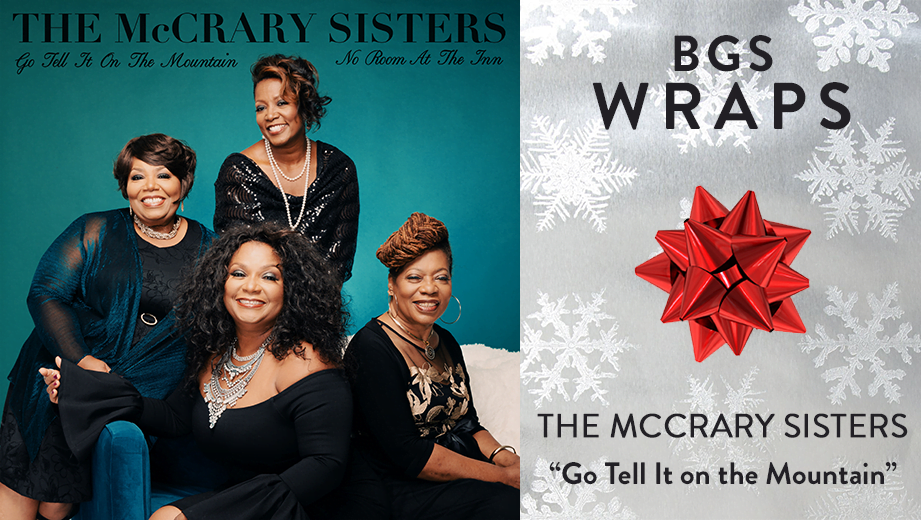
BGS WRAPS: The McCrary Sisters, “Go Tell It on the Mountain”

Artist: The McCrary Sisters
Song: “Go Tell It on the Mountain”
Album: Go Tell It on the Mountain/No Room at the Inn

In Their Words: “I have always loved the Staple Singers, so when our producer Scott Billington at Rounder Records shared his idea of using the song ‘Respect Yourself’ for the groove of this song and put ‘Go Tell It On the Mountain’ to that feel, we jumped all over that opportunity. I love it, I pray — and yet I know — you will love it too. So join us on the highest mountain and lowest street corner to proclaim the message of love, joy, peace, and happiness!” – Regina McCrary

Enjoy more BGS Wraps music.

BGS Top Albums of 2018

This year, as we revisit the albums that resonated with each of us, we may not find a tidy, overarching message. However, the diversity herein — of style, content, aesthetic, format, genre, perspective, and background — demonstrates that our strength as a musical community, or zoomed-out even further, simply as humans, indeed comes from our differences. To us, these 10 albums are testaments to the beauty, inspiration, and perseverance we found in 2018.

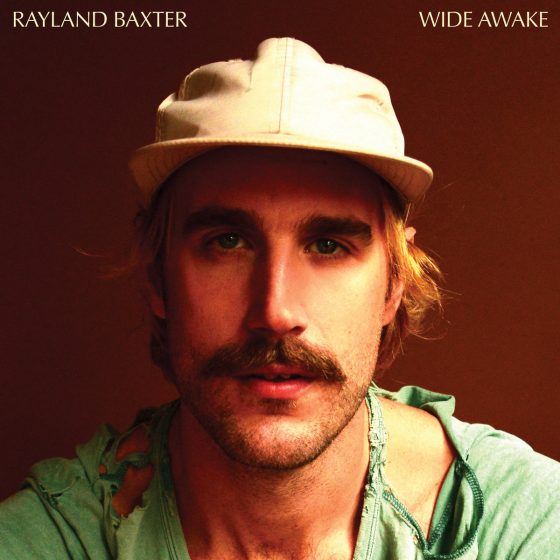
Rayland Baxter, Wide Awake
His career-launching musical epiphanies happened on a retreat in Israel some years ago, so Rayland Baxter’s decision to isolate himself in a contemplative space to write Wide Awake had precedent. The venue this time was an abandoned rubber band factory in rural Kentucky where a friend was installing a new recording studio. In that quiet, Baxter wrote songs about the noisy world beyond the cornfields, with perspective on its tenderness and absurdity. Later in the studio, his posse set the deft verses to enveloping, neo-psychedelic, Americana rock. Social commentary doesn’t have to plod, as the Beatles proved, and Baxter is farming similar terrain with vibrant melodies, saucy beats and a voice that’s entirely his own. – Craig Havighurst


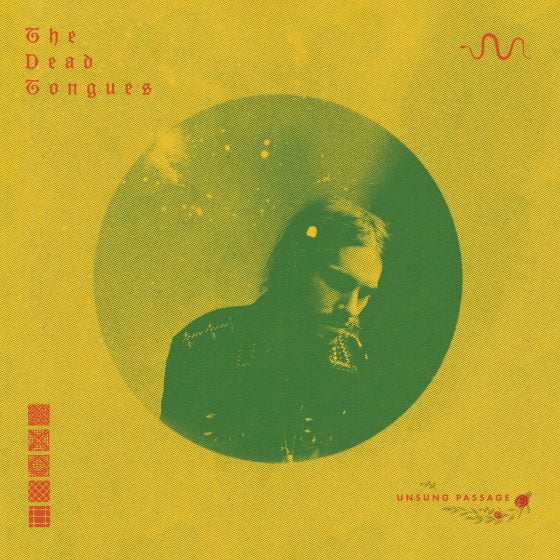
The Dead Tongues, Unsung Passage
I didn’t expect The Dead Tongues (aka Ryan Gustafson, guitarist for Hiss Golden Messenger and Phil Cook) to be my most-listened-to record of the year. But Unsung Passage is an album I find myself returning to again and again. The ten songs form a sort of travelogue for Gustafson, and you can hear the influences and rhythms of other cultures drifting throughout. It’s the rare record that’s both comforting and complex. –Amy Reitnouer Jacobs


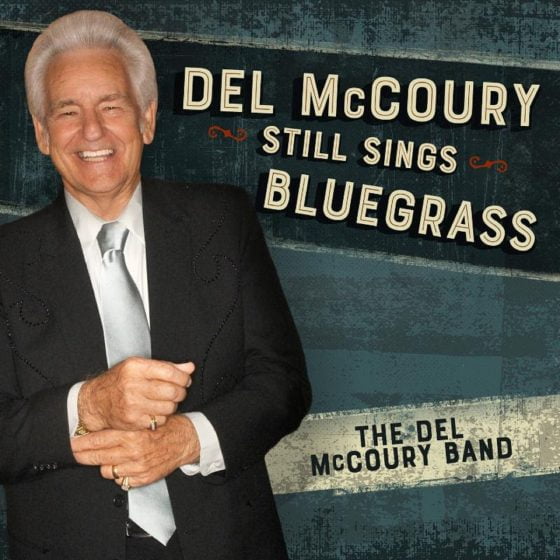
Del McCoury Band, Del McCoury Still Sings Bluegrass
Named after his debut record, which was released fifty years prior, Del McCoury Still Sings Bluegrass seems like a painfully obvious, on the nose title for a record, but upon deeper inspection we realize that, because the album was built on his signature ear for songs and his unfaltering trust in his own taste, it is an immediately digestible statement of McCoury’s worldview. At this point in his long, diverse, uniquely successful career, most listeners would give Del a bluegrass authenticity “hall pass,” letting the more innovative, less bluegrass-normative moments herein by without a blink, but Del, from the outset, avoids letting himself fall into that paradigm. He chooses songs because, well, he likes them, and he doesn’t concern himself with what is or isn’t bluegrass, he just creates music that he enjoys to make with people he enjoys making it with. It’s a simple approach that may border on simplistic, but the result is a resoundingly bluegrass album that doesn’t concern itself with the validity of that genre designation at all. Which, after all, is bluegrass to a T. — Justin Hiltner


Jason Eady, I Travel On

Jason Eady, I Travel On
A fixture on the Texas touring scene, Jason Eady offered his most satisfying album yet with I Travel On. First off, he enlisted Rob Ickes and Trey Hensley for these sessions, giving the project a bluegrass groove with plenty of cool Dobro licks and guitar runs. Second, Eady wrote from the perspective of a man with some miles on him – the album title isn’t a coincidence, after all. His expressive country baritone is made for slice-of-life story songs like “Calaveras County” and “She Had to Run.” At other times, Eady looks inward, drawing on themes like mortality, gratitude and contentment. I Travel On may not be the most obvious album for a road trip but it’s certainly a worthwhile one. – Craig Shelburne


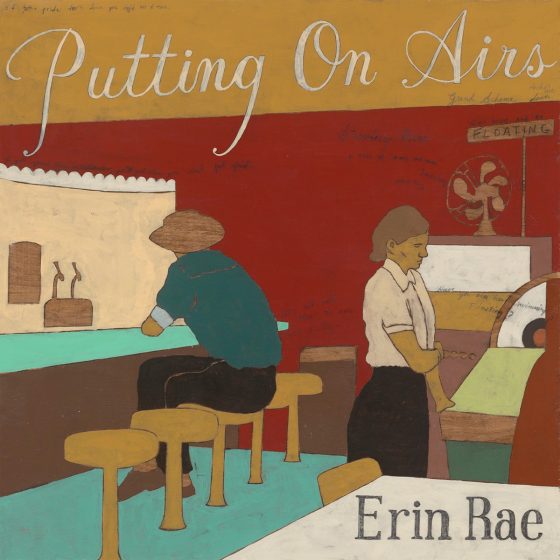
Erin Rae, Putting on Airs
Her velvety, maternal vocals and the subtle, understated alt-folk production vibes of Erin Rae’s Putting on Airs might initially disguise the millennial-reckoning being wrought through these songs and their topics; from top to bottom Rae’s brand, her musical identity, defies comparisons with any one era of music making and songwriting. Her talent oozes through her writing, her melodic hooks, and her musical and rhetorical fascinations, which together in this song sequence feel like they epitomize a microcosm that contains all of our generation’s — and this particular historical moment’s — angst, but without feeling simply capitalistic, opportunistic, or “on trend.” Instead, her viewpoint is decidedly personal, giving us a window into her own individual reckonings — with her own identity, with mental health, with family relationships, with being a young southerner in this modern era; the list is potentially endless, determined only by each listener’s willingness to curl up inside these songs and reckon along with Rae. Which is the recommended Putting on Airs listening strategy espoused by this writer. — Justin Hiltner


High Fidelity, Hills And Home
It’s in the nature of bluegrass to forever be casting backward looks at the giants of the music’s early years; nothing wrong with that, but when those who do it get aggressive about how they’re playing “real” bluegrass, well, that’s another story. High Fidelity’s eyes are firmly fixed on the musical past, but they’re also a modern, mixed-gender band who aren’t afraid to let their music do the talking — and what it says is that there’s a lot more variety, not to mention pure joy, in the under-appreciated gems of old than you might think. – Jon Weisberger


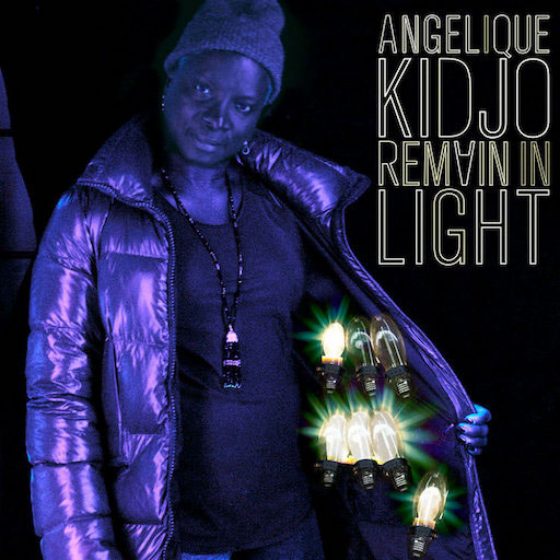
Angelique Kidjo, Remain in Light
It’s not simply a remake of the Talking Heads’ 1980 landmark, but a stunning reimagining by the visionary Benin-born artist Kidjo. She doesn’t merely repatriate (er, rematriate) the African influences that fueled TH’s revolutionary stream-of-consciousness masterpiece — which opened the door for many to discover the wealth of those inspirations — she considers and explores the worlds that have emerged in African music in the time since, all brought together via her singular talents and sensibilities. Remain in Light was arguably the album of the year for ’80, and so it may be again for ’18. – Steve Hochman


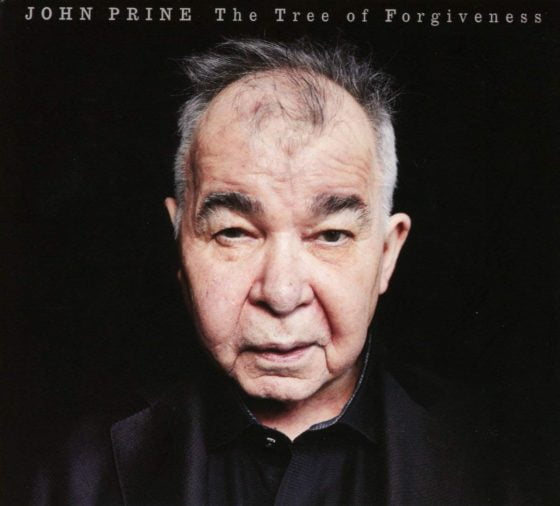
John Prine, The Tree of Forgiveness
No album this year brought me as much pure joy as John Prine’s latest. His first collection of new material in over a decade —which is way too long — The Tree of Forgiveness shows him in fine form, tossing out clever phrases and humorous asides that add to, rather than distract from, the low-level sadness thrumming through these songs. From the Buddy Holly bop of “I Have Met My Love Today” to the percolating existentialism of “Lonesome Friends of Science,” from the rapscallion reminiscences of “Egg & Daughter Nite, Lincoln, Nebraska, 1967 (Crazy Bone)” to the almost unbearable heartache of “Summer’s End,” every line and every word sounds purposeful and poignant, culminating with “When I Get to Heaven.” Prine sings about nine-mile-long cigarettes and bars filled with everyone you’ve ever loved, and it’s one of the most inviting visions of the afterlife set to tape. I hope he’ll save me a barstool. – Stephen Deusner


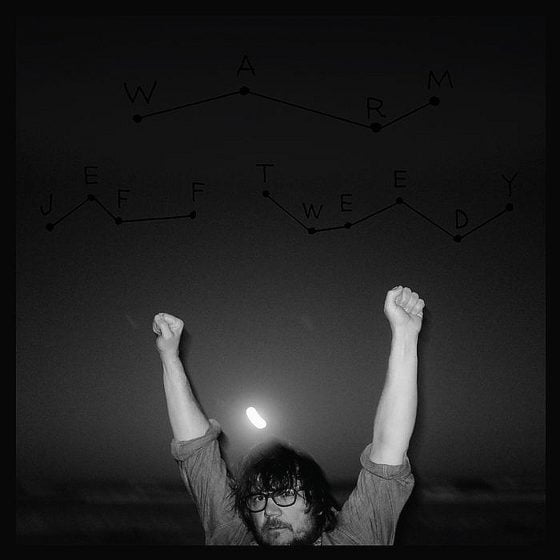
Jeff Tweedy, WARM
The album lives up to its name. Following last year’s quieter Together at Last project, Tweedy now hearkens back to his country punk roots from Uncle Tupelo, and makes a perfect accompaniment to his must-read autobiography, Let’s Go (So We Can Get Back). The new music reminds of his strength as a master songwriter and his place as one of the most tender and raw performers of a generation. It might have almost slid under the radar with its release at the end of November, but it definitely belongs on our year-end list. — Chris Jacobs


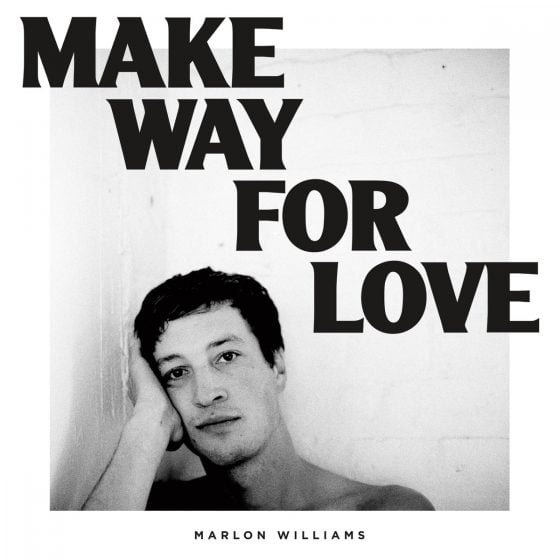
Marlon Williams, Make Way for Love
Mere seconds into hearing Marlon Williams croon the opening greeting of his song “Hello Miss Lonesome” in 2016, I knew I’d found a euphoric talent. After poring over his debut Dark Child, my greedy ears immediately wanted more, and this year finally brought that much-awaited second helping. On Make Way for Love, Williams moves away from the rootsy Americana that defined his first album, and leans into darker, baroque explorations that nod to Scott Walker and Roy Orbison in equal measure. Exploring heartbreak — from the puerile but pacing “Party Boy,” to the seething “I Know a Jeweller,” to the pitious “Love is a Terrible Thing”— Williams dips into the jagged crevices that naturally appear when the heart cracks wide open. – Amanda Wicks


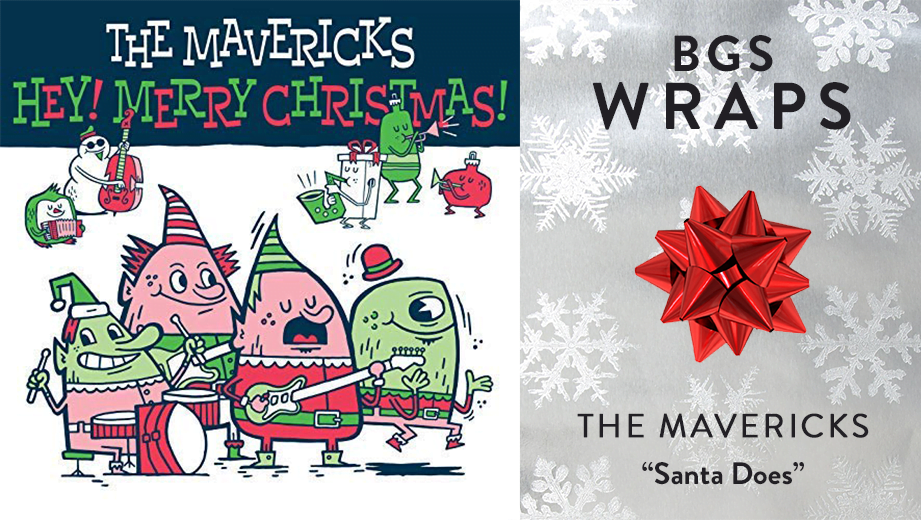
BGS WRAPS: The Mavericks, “Santa Does”

Artist: The Mavericks
Song: “Santa Does”
Album: Hey! Merry Christmas!

In Their Words: “‘Santa Does’ came to me in a dream. I woke and scribbled it down. Dreamed the whole thing from top to bottom. It became the genesis for the whole album and spawned a whole batch of new Christmas songs. In the spirit of giving, I let my friends Raul Malo and Allan Miller have writing credit, because you know…that’s what Santa Does!” — Jerry Dale McFadden, The Mavericks


Enjoy more BGS Wraps music.

BGS Top Songs of 2018

Here at the Bluegrass Situation, we’re always eager to hear a new song. This year it’s likely that thousands of them drifted by, each with their own charms. Yet, rather than ranking our favorites, we decided simply to pick 10 tunes that grabbed our attention — listed here in alphabetical order. Take a look.

Rachel Baiman, “Tent City” 
Written with long, tongue-twisting lines and a laconic melody reminiscent of John Hartford’s “Gentle on My Mind,” “Tent City” replaces the former’s voluntary rambler and train yard denizen with a man down on his luck and reflecting on the ease of his descent into homelessness. It’s a strong song, elevated to greatness through spirited, flawlessly idiomatic performances by Baiman and her specially-assembled posse: Justin Hiltner (banjo), Shelby Means (bass), Tristan Scroggins (mandolin) and Molly Tuttle (guitar). “Tent City” isn’t bluegrass-flavored social commentary, it’s a socially conscious and thoroughly bluegrass song. –Jon Weisberger


Birdtalker, “Be Where You Are”
Nashville’s Birdtalker took flight when husband and wife Zack and Dani Green started writing songs more for enjoyment than with career plans. But they’ve got a career now as a breakout band with an intuitive, joyful flavor of folk rock that brings listeners into a comforting fold. “Be Where You Are” is a lushly arranged meditation on staying in the moment, a rebuke to both brooding nostalgia or anxious speculation, not to mention the great screen hole. From getting the reverb just right on the opening guitar figures to the juicy intervals in the vocal harmonies, this is among the most enchanting and centering tracks of the year. –Craig Havighurst


I’m With Her, “Hannah Hunt”
It’s been a big year for I’m With Her, the supergroup comprised of Sara Watkins, Sara Jarosz, and Aoife O’Donovan. Their album was an expert blend of harmonies and modern roots craftsmanship, but it’s this single (recorded at Spotify Studios) that takes their art to a whole other level. Their cover of “Hannah Hunt” will make you forget that the original Vampire Weekend version ever existed. —Amy Reitnouer Jacobs


Loretta Lynn, “I’m Dying for Someone to Live For”
Loretta Lynn and co-writer Shawn Camp go straight to the heartache on “I’m Dying for Someone to Live For,” a highlight of Lynn’s Grammy-nominated album, Wouldn’t It Be Great. By now, the lonesome whippoorwills and the weeping willows in these lyrics are as entrenched in country music history as the Coal Miner’s Daughter herself. Contributing to the pedigree: Lynn recorded the album in Johnny Cash’s former cabin, with John Carter Cash and Loretta’s daughter, Patsy Lynn Russell, handling production. For those days when nothing but a sad country song will do, you can still count on Loretta Lynn. –Craig Shelburne


John Prine, “Summer’s End”
At 72, John Prine is churning out some of the best work of his already genius-level career. Of all the tracks from The Tree of Forgiveness, however, “Summers End” is Pure Prine Perfection. It’ll make you laugh, then cry, then want to listen to it all over again. –Amy Reitnouer Jacobs


Missy Raines, “Swept Away”
Raines and producer/banjoist Alison Brown brought in the strong-women-of-bluegrass cavalry as the backing band for 2018’s International Bluegrass Music Association Song of the Year, showcasing each woman who was first to win in her respective instrumentalist category at IBMA: Becky Buller, Molly Tuttle, Sierra Hull, and Raines and Brown themselves. Still, the song itself supersedes its virtuosic, socially-important trappings. Written and first recorded by bluegrass legend Laurie Lewis, “Swept Away” is a stunning reminder of Lewis’ artistic ingenuity, constantly creating music that all at once sounds unfathomably brand new and comfortingly timeless. Raines tipping her hat to Lewis, in this context, and then to each of her fellow first-women-to-win, is the cherry-on-top of a song that will always be a testament to the amazing women of bluegrass, in whatever form it may take. –Justin Hiltner


Moira Smiley, “Refugee”
Smiley wasn’t merely inspired by news reports to write “Refugee,” a highlight of her sparkling Unzip the Horizon album. The Vermont native drew on her global interactions with people and cultures shaped by migration and refugee experiences — particularly her experiences in refugee camps in Europe as a volunteer with the Expressive Arts Refuge organization. She even enlisted refugee residents of the so-called Calais Jungle and referenced music of medieval expulsions. “So here we are again, in a different, but related era of diaspora,” she told BGS in March. “What can we learn from the past? How can we be compassionate to each other as these big forces are hurting our brothers and sisters?” –Steve Hochman


Stick in the Wheel, “Follow Them True”
This London band may be one of the unruliest acts in the contemporary English folk scene, finding inspiration in centuries-old work songs that speak to present-day issues of class and marrying acoustic instruments with dance production techniques. Perhaps their boldest move yet is the title track to their second album: “Follow Them True” is a new song that sounds old, with a lilting, quietly majestic melody and a set of lyrics that might serve as the band’s mission statement. But it’s less about what Nicola Kearey sings and more about the way she sings it. She filters her voice through an effects pedal that she manipulates in real time, twisting and bending her voice as though the song is echoing across hundreds of years. The effect is both old and new, conjuring the past to point toward the future. –Stephen Deusner


Aaron Lee Tasjan, “If Not Now When”
I saw ALT perform previews of the songs that ultimately came out on Karma For Cheap at Nashville’s Basement East and didn’t realize how much I needed these weird guitar riffs. Led by “If Not Now When,” the recorded version of this album doesn’t disappoint. Tasjan steps away from his more countrified roots and takes it in a more cosmic, gritty direction and the results are glorious. –Chris Jacobs


Anna Vaus, “The Ground”
The first winner of the Miranda Lambert Creative Fund—which the singer-songwriter created to support women in the arts—Anna Vaus promised to be a formidable songwriter. After all, if she garnered Lady Lambert’s approval, she must have a way with words. Vaus’ debut California Kid showcases her exacting lyrical prowess, leaning into honest moments that aren’t exactly pretty, but she saves her best for last. Closing song “The Ground” opens with ponderous guitar while Vaus’ voice stretches her major moment of self-reflection taut. Laden with grace, she lays bare her penchant for messing up a good thing. “Love sure feels like flying on the way down,” she sings, twisting the final moment with a guitar riff that underscores the weight of her realization. “It ain’t the fall that hurts, it’s the ground.” –Amanda Wicks

MIXTAPE: Jonathan Byrd’s Songwriters That Bluegrass Fans Will Love

Bluegrass is known for hair-raising instrumentals, traditional gospel songs, and harmony singing. People who play bluegrass work hard on their performance and often don’t have the time or skill set to write new songs. However, great original material can set an act apart. Fortunately, we are in a golden age of songwriting. Who is today’s John Hartford or Hazel Dickens? Who is writing music that works in a bluegrass setting and speaks to its audience? Allow me to introduce you to a few songwriters I’ve met at festivals and conferences who have great songs that bluegrass bands, and bluegrass fans, will love. — Jonathan Byrd

“When I Find All of You” – J Wagner

Every J Wagner song is a bluegrass jam waiting to happen. “When I Find All of You” is a pure and simple love song — maybe the hardest song of all to write.

“Desdemona” – Raina Rose

A campfire song if there ever was one, Desdemona brings to mind the magical realist storytelling of John Hartford, a frenetic road trip through the landscape of young love.

“Oklahoma” – Mark Erelli

Mark Erelli is a world to be discovered. This lonesome traveling song is a great fit for a voice and a fiddle and a quiet moment in between barn-burners.

“Graveyard Train” – Wild Ponies

Do I have to say anything about a song called “Graveyard Train?” A good bluegrass band would take this over the edge. Wild Ponies have a bunch of great songs that would work well in the bluegrass genre.

“Primer Gray” – Rod Picott

A song about a man’s love for his car. Turn up the tempo on this one and put it on the racetrack. Rod is another country to be explored.

“The Come Heres & The Been Heres” – Chuck Brodsky

Everybody knows this story. It’s funny and tragic and the God’s honest truth. Chuck is one of the best storytellers working today.

Coming Down” – Anaïs Mitchell

Simple and perfect. A great song to end the night with, at a festival or around a campfire. Anaïs is a deep well of song, almost entirely unknown in the bluegrass world.

“Natural Child” – Greg Humphreys

One-chord wonder with a great bluesy melody. Jam this one into outer space.

“Bound to Love” – Jess Klein

A beautiful sentiment. This would be beautiful in an acoustic setting.

“Wakey Bakey” – Dennis McGregor

It’s hard to believe that John Hartford didn’t already write this.

“Front Porch to the Moon” – Dennis McGregor

Oh man. The only songwriter I’ve mentioned twice, it’s worth digging into Dennis’s catalog. This is a sentiment that will resonate with anyone who has lived in the country.

“Go Without Fear” – Mary Rocap

It’s hard to find a good new gospel song. Mary is a deeply spiritual writer.


Photo credit: Rodney Bursiel

BGS WRAPS: Rodney Crowell, “Christmas for the Blues”

Artist: Rodney Crowell
Song: “Christmas for the Blues”
Album: Christmas Everywhere

In Their Words: “‘Christmas for the Blues’ is an idea I carried around in my notebook for years. Once I got serious about writing an entire album of original Christmas songs, this one came fast. I was looking for the tone and arranging style that I associate with record production in late ‘50s Nashville. It is a straightforward performance with Opry-style backing vocals. No muss, no fuss.” — Rodney Crowell

Enjoy more BGS Wraps music.

Kaia Kater’s Banjo Carves a Space and Opens Doors on ‘Grenades’

Sometimes self-exploration doesn’t yield the answers we seek. For those patient enough to keep prodding, the real truths emerge in the process, rather than the culmination of examining who we are. Kaia Kater learned as much on her third album, Grenades, which stretches across generations, hemispheres, and textures, and left the singer-songwriter “swimming in her own shadow.”

Born in Canada, Kater grew up hearing about her father’s life in Grenada before he fled at age 14 when the United States invaded the small island country in 1983. As a result, a part of her always existed in a land that lay far away. With the banjo as her guiding force on Grenades, Kater strings a tightrope between her Canadian sense of self and her Grenadian heritage, in order to find a balance between those two poles.

Why did it feel like the right time not only to turn inwards, but to seek a connection back through the generations?

I think it was a multitude of things. I’d been two years out of school, and I found I had more time and space. I’d also had more conversations with my dad, and at a certain point he was like, “You’ve got to go back. You can’t keep putting it off. You’ve got to do it.” I came to agree with him. What started this whole thing is last Christmas I interviewed him in the basement of his house about growing up in Grenada and coming to Canada as a refugee.

And at the age of 14.

I know! It’s kind of crazy. I was 24 at the time I was interviewing him, so just to think about where I was at 14 — it’s kind of terrifying to think about becoming an adult that quickly. It’s kind of unbelievable. But he didn’t really talk about it a lot. I think that’s the thing, people do extraordinary things in order to lead very normal lives.

That’s a beautiful way to put it.

Yes, it’s the story of immigration and the story of refugees. I don’t think my dad ever hid his story, but I don’t think he ever thought it was an extraordinary story. He thought it was his path on the way to doing what he wants to.

It’s fantastic, then, that in addition to fitting your own voice into this musical genealogy you were able to include his voice three times on this album.

Those were from those interviews at Christmas. So much of the music and the emotion was born from that conversation that it felt like an imperative for me to include them. They were not only contextualizing the music, but they were also serving as these light posts for a pretty complicated storyline.

You’ve described Grenades as a lifeline to the South, and yet you grew up in the North. North and South have long existed as such stark dichotomies. Do you think, speaking about your identity, reconciliation is possible, or have you come to accept that there will always be a tension?

I do think it’s like being a hyphenated Canadian. I think there’s a certain cognitive dissonance that happens. This album is really great because it’s given me the space and the time to start to talk to more first and second generation Canadians about “What does being Canadian mean?” In comparison to Grenada, which is 95 percent black, Canada is a multi-ethnic place. It is richer for that. We acknowledge the richness that comes with diversity, but I think it also creates these problems of identity.

I have a friend whose parents are Ghanaian. She’s black and she grew up going to a Ghanaian church in Toronto, and then she went back to Ghana after she got her journalism degree. She was faced with this thing of like, “I have Ghanaian roots, but there’s a part of me that…my accent and the words I use are very Canadian.” I feel a little bit all over the place. Even the nature of exploring all these things is how I feel about it, which is like, I haven’t particularly arrived to a conclusion.

Nor should you. That’s the beauty of any creative form—it allows you to keep exploring. Turning to the album itself, you said you wrote the songs across winter and summer?

I started writing this album really in earnest after I’d had that conversation with my dad at Christmas. Then I went to Grenada in April, and obviously it’s very warm and it’s very beautiful, so it did feel, more than the natural course of the seasons in Canada, like I went suddenly from winter — this gray March — to summer. That’s why I feel it as this change between seasons, but also like we’ve been talking about, it’s a change in hemisphere too.

When it came time to stitch those halves together, what was the process like?

I challenged myself to write all original music on this album. I knew that in order to do that, I would have to push myself and get really analytical with my work. Just changing my environment and going to Grenada was a great help because it brought out different words and melodies and expressions. If all the songs were color-coded in my head, and one is blue for winter and yellow for summer, I can see them that way.

Of the arrangements on the entire album the three that most stand out are “Canyonland,” “The Right One,” and “Poets Be Buried.” Speaking of the latter, the beautiful slow-burn brass is exquisite. How did that unfold?

At this point, I should really credit my wonderful producer, Erin Costello. She is an artist herself; she’s actually releasing a record right around the same time as me. Keyboard is her main instrument, so she works mainly in R&B and soul, but she dabbled a lot in electronic music, and has a Master’s in composition. I feel like her musical tastes are really broad, and she really doesn’t shy away from a challenge, which is why I enjoyed working with her. And it’s also nice to be working with a woman.

I was going to say!

So many of them are men, so it’s nice to have a change of energy. She lives in Halifax. We recorded the album in Toronto, and the next day we flew to Halifax with the hard drive and mixed it there. I’d expressed that “Poets Be Buried” needed something more, and so the brass was actually the last musical piece that we added to the entire album before we mixed it. It was amazing. She had these players come in for an afternoon, and she wrote up the parts in 15 minutes. It sounded beautiful. It’s just French horn and trombone.

If you had to define the banjo’s power as an instrument and storyteller, what would it be?

The banjo has a very ancient quality, and I think especially when it’s played percussively like the clawhammer style, it can bring you into this trancelike, dreamlike state. I’ve found that with traditional music a lot, especially in a jam situation. It’s everybody playing the melody and chording all of the time — it’s not solo-based. When you’re in a jam, you get this trancelike quality where you’re playing this A/B pattern 50 or 60 times. I think the banjo lends itself well to this trance of storytelling. It brings me this inner peace that’s pretty indescribable. I think that’s why I was so attracted to it and why I’ve written on it for so many years.

I read that you play two or three banjos, but your grandpa made one for you?

Yeah, I’m looking at it now on my wall.

If we’re talking about generations, and how your new album encompasses all these different stories, that connection to your grandfather brings it to a whole other visceral level.

I hadn’t thought about that; that is a good point. It’s funny, at the risk of sounding too cheesy, it’s been a guiding light in my life. It’s opened the doors to so many things — not only studying in Appalachia, but also writing things that I may have been too scared to say openly. It’s a really beautiful instrument and a powerful one.

In the liner notes, you remark, “Here’s to swimming in your own shadow.” In dealing with your father’s voice and other generations, how did you create the space for your voice in the midst of intertwining these other narratives?

I think I still am. In the same way when we were talking about northern and southern hemispheres, I think that’s an ever-evolving question for me. For a long time, I’ve had an existential anxiety about having two sides to my family who both have very strong people and very strong narratives, and thinking, “Where do I fit in this picture?” That’s why I create albums, so I can give myself the time and space to explore that.

I’ve put Grenades out, and now I’m going to get to know what it’s about. The “swimming in your own shadow” thing is about getting comfortable essentially with being uncomfortable, and with having a lot of conflicting narratives, and trauma that comes from war or from being biracial, or from being a woman in the world, which people are really starting to talk about. It’s my own way of dealing with that. The album is me carving out that space for myself.


Photo credit: Raez Argulla

LISTEN: Daniel Rodriguez, “Johnny”

Artist: Daniel Rodriguez
Hometown: In His Van, USA
Song: “Johnny”
Release Date: December 14, 2018 (Single); February 15, 2019 (New Album)

In Their Words: “‘Johnny’ was recorded live with everybody in the same room, so we were able to achieve a big room sound. We fell into a fun Latin groove and went with it. The story in the song follows Johnny, who steps outside the box of society, the neighborhood block, the bounds of pavement, electric wires and cell phone towers. It’s a getting lost is being found kind of song. Featuring Tyler Thompson and Jeff Leonard of Fruition, Darren Garvey of Elephant Revival, Sam Trump of Sidewalk Chalk and Lewi Longmire.” — Daniel Rodriguez


Photo credit: Meleah Shavon Photography