Closer to Self-Acceptance: A Conversation with River Whyless

Bands grow. Styles evolve. Lineups shift. Genre identifiers morph to accept those changes while the music industry holds certain expectations for reinventions and reimaginations. It’s refreshing, then, when you happen across a band that isn’t bogged down by those precedents, choosing to just follow their songs and their true selves wherever they may lead.

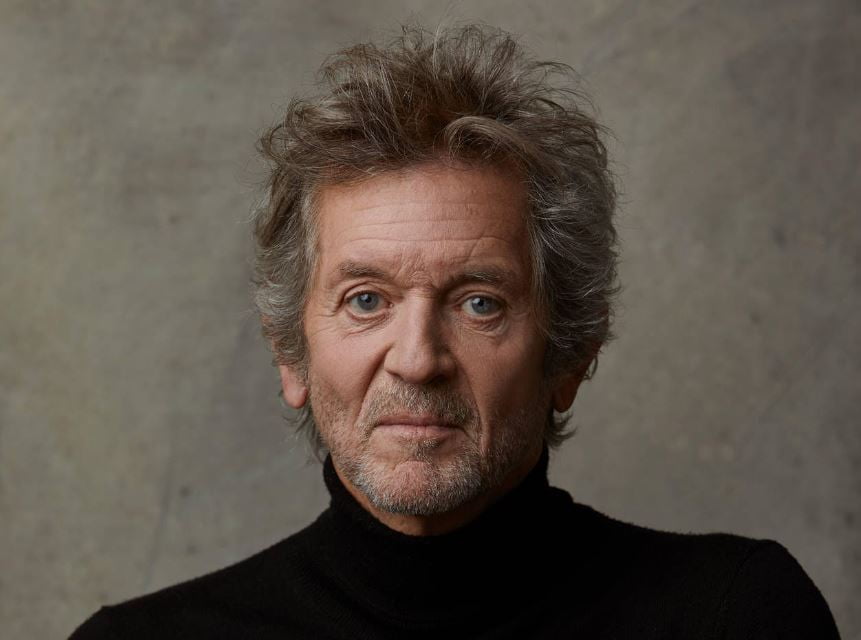
The folk-pop outfit River Whyless finds themselves on this trajectory with their third album, Kindness, A Rebel. The product is not gratuitous, heavy-handed, or obvious, and it never stumbles or attempts to assert that “the old River Whyless is dead,” because true reinvention is never about demolition and rebuilding. It’s about finding the skeletal structure that was already there and allowing it to shine on its own, set apart. Drummer Alex Walters jumped on the phone to unpack the integral aspects of self-acceptance and self-celebration that blossomed on this beautiful testament to allowing oneself to just be.

This record seems to be as much about personal growth for each of you individually as it is about changes for the band as a whole. Why do you think those two things coincided here?

Alex McWalters: I think those things are always connected in some way. Whenever you make a piece of art, your life is always factored into that, there’s always growth. [It’s partly] because we’re now in our early 30s and feeling really lucky that we’re still able to make music and be a band. With that, there are a lot of adjustments you have to make as you head into the next phase of life. Ryan [O’Keefe] just got married, my girlfriend and I just bought some property and we’re working on building a house, and Halli [Anderson] moved to Oregon with her sweetheart. A lot of big life things are happening.

I guess this is a record about grappling with how to be a band in a different phase of your life. It’s honestly a little more challenging when you have more responsibilities outside of a band. Whereas, when we were in our 20s, it was like we were homeless. We lived on the road. Our whole lives were the band. It’s a much different way of operating professionally and creatively than it was 10 years ago. It’s exciting, but also challenging to continue doing it in this way.

How do you all feel that growth comes through the music, overtly? I hear it in “The Feeling of Freedom” and I hear it in “Another Shitty Party” — which I feel echoes my own personal growth through young adulthood — but how do you feel that perspective comes through?

I think “Another Shitty Party” is a great example. I hold this new record up against the one we did before, two years ago, in terms of the way it feels — I sort of have an inside view as to how it was made, so it’s a little hard to convey to someone who wasn’t there. It feels like we sort of embraced whatever came out of us this time and didn’t try quite so hard to be a certain way or accomplish a certain thing with the music. There were a lot more growing pains in the last record, as far as figuring out how to make three or four songwriters coherent.

This time we just went with it. We just let the songs be the songs. With that, the idea of “Another Shitty Party” is sort of connected to a bigger idea of coming a little bit closer to self-acceptance and trying to be honest with who you are in the world. The idea of going to a party and walking away from that feeling like, “There’s no reason I had to be there!” is a metaphor for the larger feeling of being in a band and trying to be cool. Let’s just stop trying to be cool and just be us.

Something that we aren’t necessarily taught as kids or teenagers is that sort of self-acceptance, that acknowledgement, is such an integral part of what we refer to as “maturity.” It’s getting to a point of being able to accept yourself as whomever you are, having been morphed by all of the factors of our lives. What brought that to the surface for you?

I’m not sure if it was conscious. Maybe it was also having reached some level of, I guess, gratification in terms like, “Oh, the last tour we did went really well.” I think part of maturity is you have to learn what works and what doesn’t. Some people aren’t as lucky to reach that point of self-acceptance to where you can say, “No, I don’t want to partake in this.” Or, “I don’t agree with that and I’m not going to do it.” It can sometimes require a lot of work to get to the point where you’re able to be mature. Some of that was just us being a little more confident than we were before.

Also, it’s just hard to avoid the elephant in the room as far as the current political situation and feeling like we didn’t say or do enough. Not that we could have done anything [specific], or that we even knew what to do, or maybe we shouldn’t have done anything, but we had that sense of, “Oh man, what just happened and how do we go forward?”

Taking responsibility of that and taking it onto ourselves is also a very mature idea.

Precisely.

And kindness really is a rebellious act right now. I think that was one of my biggest takeaways from the album. Like, “Oh shit, yeah, being just a kind human being at this point in this weird political, divisive period, is rebellious.”

Absolutely. You hit that right on the head.

I hear you reckoning with that on “Born in the Right Country.” This is something that I think about a lot right now, about how we can address these sort of personal perspectives we have while we also acknowledge our own privilege and our own complicity, too. How did you reconcile that conflict with yourselves and through that song?

The song was written by Ryan and I think it’s interesting, because, like I said, we all had a very intense reaction to the election. There’s a lot to have to work through once you realize that Donald Trump is your president. We are four white people in a band and our life has been pretty peachy and, for the most part, is continuing to be pretty peachy, so anything we say about Donald Trump or the people who voted for Donald Trump has to be self-aware. You have to go through a process of recognizing where you’re coming from when you speak and how you sound and what your actions actually say without you realizing you’re saying it.

There was a point at which that song was introduced to the band and we all wondered if we even wanted to go there. What does this mean? How will it be interpreted? What good does it really do? What is this song really going to accomplish besides sounding like four white people complaining about Donald Trump? And maybe it still does, but I think an important part of it was trying to get into that three-minute song a part about us having a certain responsibility that we have to figure out how to own, as far as being who we are and what we could or could not have done more of.

Personally, I thought 100 percent that he was going to lose, so I was very complacent and complicit in terms of the whole thing. That alone says to me that I was kind of blind. There was a whole lot I wasn’t seeing or that I was refusing to see. And what does that say about my situation and how removed I am from the pain that people are feeling?

Talking about growth and maturity as a band, there’s an expected trajectory in these roots genres for bands to go from string band into more pop-influenced sounds. You guys seem to be on that track. But your music seems to be on this trajectory because it feels like this music is song-driven first. Why do you think that is?

I don’t know if I have a very concrete answer, but I think some of it has to do with the organic evolution. On our first record, we had a different bass player, so we introduced a new player to the band and that inevitably has an effect on how it sounds. With that, there’s also a shift in the power dynamic of the band, for lack of a better way of putting it, where one lead songwriter’s vision isn’t steering the ship anymore — at least not totally. That has a lot to do with how the evolution has happened.

Again, also just letting go. Just letting what comes out come out and not trying to steer it any direction, genre-wise or sound-wise. We obviously have influences and things we’re into and that’s what influences the sound of the moment we’re in, but outside of that I think we just kind of let go of what we want to be and just let it be what it is. It’s so much easier said than done.

Another outgrowth of self-acceptance.

I would say so. I never really thought of it like that, but now that you say it…


Photo credit: Shervin Lainez

Ben Glover: The Restless Spirit Finds His Shore

With one foot in his native Ireland and another in his adopted Nashville, Ben Glover has exhibited a restless spirit in the ten years since he released his debut album. But with his new album Shorebound, the singer-songwriter has reached a new kind of land. “I feel I know myself better and know my place better within the world,” he says over the phone from Nashville.

Glover’s newfound stability arose from major life events like getting married and turning the big 4-0, but also from investing in the kinds of creative relationships that can themselves become homes—at least for the wandering troubadours of the world. He largely co-wrote Shorebound with songwriters on both sides of the Atlantic, fusing together the geography that formed him with the creative path that has taken him far afield. With contributions from Gretchen Peters (who co-wrote the Americana Music Association UK’s 2017 International Song of the Year “Blackbirds” with Glover), Irish artists Malojian and Matt McGinn, and many others, Glover has found a port in the storm.

If we look at Shorebound as a truth you’re heading towards, what would you say that is?

It’s the inner sense of knowing that I’m on a path, that I’m heading towards a direction. There’s nothing more frightening in life than when you feel completely untethered and rudderless; that’s when the fear comes in, that’s when the doubt comes in. But at least if you feel you’re on a path or on a direction to something, it allows you to trust the process, and that’s all we can do is trust.

Honestly, I’m not even sure what the shore actually is. I know what it feels like. It’s the feeling of belonging ultimately to myself, and connection—connecting to myself and to the people around me. Knowing that we’re heading somewhere and trusting that we’re getting somewhere.

So many of these songs involve other voices, but on the title track—a solo effort—the piano offers this compelling call and response in absence of someone else joining you on the song. How did you see it functioning?

You’re right that it is a kind of call and response.

It works in the way that voices do in other songs—as a dialogue.

I guess it wasn’t planned.

One of those happy accidents?

You know! I played the song for the boys in the band, and they just fell into that part right away. It’s interesting that you say that because I like the idea that there’s a call and response, because it’s the shore calling. When I wrote that song, it felt very important to me personally because it’s the first time I’ve ever written a song that felt so open and vulnerable.

Basically it’s about my wife. It’s a strange song because if all the songs were people in a room, that probably wouldn’t be the most brass person. It’d probably be standing over in the corner. But of course the album takes its title from that. A lot of people may pass it by, but I like the subtlety of it and there’s a sweetness to it.

It’s a beautiful song. There’s a soft rippling effect that you would get as you approach the shore and you hear the water lapping closer to the land.

That’s really beautiful that you say that. I hadn’t even picked that up in the way that you did, but I’m actually going to tell people that was intended.

Go for it! Getting back to this idea of shores and truths, I love “Northern Stars” for a similar reason. Your imagery about being blinded and losing your way feels so pertinent in this day and age. What do “northern stars” symbolize for you?

The stars are what we map our way with. Well, I guess the ancients did–we’re not so good at doing now.

But it’s nice to think back to that kind of primal connection to the earth, because there’s something inherent there.

I think instinct is vitally important and that all comes from an internal force. Wife, location, all those things are my northern star—they’re all part of it. As well as my instinct. The two guys I wrote it with, Matt McGuinn and Malojian, they’re both from Northern Ireland; I wrote the first verse and I wrote the chorus and I sent it to them.

Even mentioning the word “northern” was deliberate on my part because I wanted to convey the sense of Northern Ireland. Ultimately the message of that song is that sometimes it is so easy to lose your way, and sometimes all we want to do is lay our head down and be at ease in a moment of peace. Ultimately feeling that ease with yourself and with somebody else.

Speaking of ease, restlessness and searching and themes of movement have been pretty predominant in your catalogue. Shorebound, however, radiates a greater sense of stability. How did you cultivate that internally? Or was the process more exterior at first?  

Well, it’s ongoing. That’s for sure. Certainly, when I started writing the record—probably two years ago—my thought was not, “I’m at ease now, let me write a record.” It often happens that you write a bunch of songs, and the theme only becomes apparent after you write those songs. As I say, I moved to Nashville 10 years ago, and I still have one foot either side of the Atlantic.

It can be hard in terms of an identity at times.

It can but I think when you’re in that position you have to dig deep to find your identity. It can be very unsettling. It makes you feel ill at ease sometimes because you love two places. Sometimes you feel your heart can’t cope with being connected to two places. I think overall it’s a benefit because you have to really explore that unease and explore what causes it, and how you deal with it. When I look back at my last record, The Emigrant, I was in the process of getting my immigration stuff sorted; my move between countries was very much at the forefront. I think I have two homes, but it’s the people that ultimately make that. My family in Ireland, that’s who I miss most when I’m away. When I’m away from America, it’s my wife and my friends I miss most. It’s the people at the end of the day.

Are you always in a state of missing somebody?

You know, it’s kind of tragic, but I guess I’m always missing somebody. I don’t mean this to sound depressing or sad at all, but my life the past ten years is a series of farewells and hellos. Every time you leave somewhere there’s a little bit of grief. Every time you land somewhere, there’s that joy that comes with it.

Also the older it gets, the harder it gets. You would think the more you say goodbye to people and leave home or whatever that it gets easier, but my experience is that it actually gets harder. There’s that inner thing where the older you get and the older your parents get, you’re more aware of the fragility of life. When you’re younger, you don’t think about that. You just do it. I guess there’s always that lament inside of me, for a place, for people, but I don’t see that as a negative thing.

I was struck by the imagery you used to describe co-writing—it’s a process of excavation so better to have more hands digging than fewer. Are those discoveries more poignant when they take place with another person rather than by yourself?

I think the shared experience is very important because if you find a song or a thought with somebody, you know at least it connects with one other person. It validates that thought a little more. If you’re writing on your own, you can be in a cocoon, you don’t really know the parameter of the thought, if that makes sense.

There’s a real power in sharing vulnerability with another writer. It’s not necessarily easier to be vulnerable with someone else in a creative aspect, but there’s something pretty deep with that because you’re exposing yourself with another human being, another spirit. When it happens on a deep level, it’s incredibly empowering, and that’s the thing that makes me go back and do it more. Ultimately, what I’m trying to do here is express the personal in the hope that it connects with the universal.

It does, and not to get too starry-eyed about it, but for those of us who lack one singular geographic home, our connections with people can become a new kind of home.

Absolutely. It’s difficult because once you start talking like that, you run the risk of sounding like magical surrealism, but it’s true though. You end up creating this concrete unit you live in as your creative home and that knows no borders. That’s what I love about how Shorebound turned out—the collaborations were from both sides of the Atlantic. When I write a song with somebody and there’s a real connection, I feel really at home, really at ease, really at peace. Also very, very excited. That’s ultimately what it’s all about. We’re all trying to connect—with ourselves, with other people, with the world around us.


Photo credit: Jim Demain

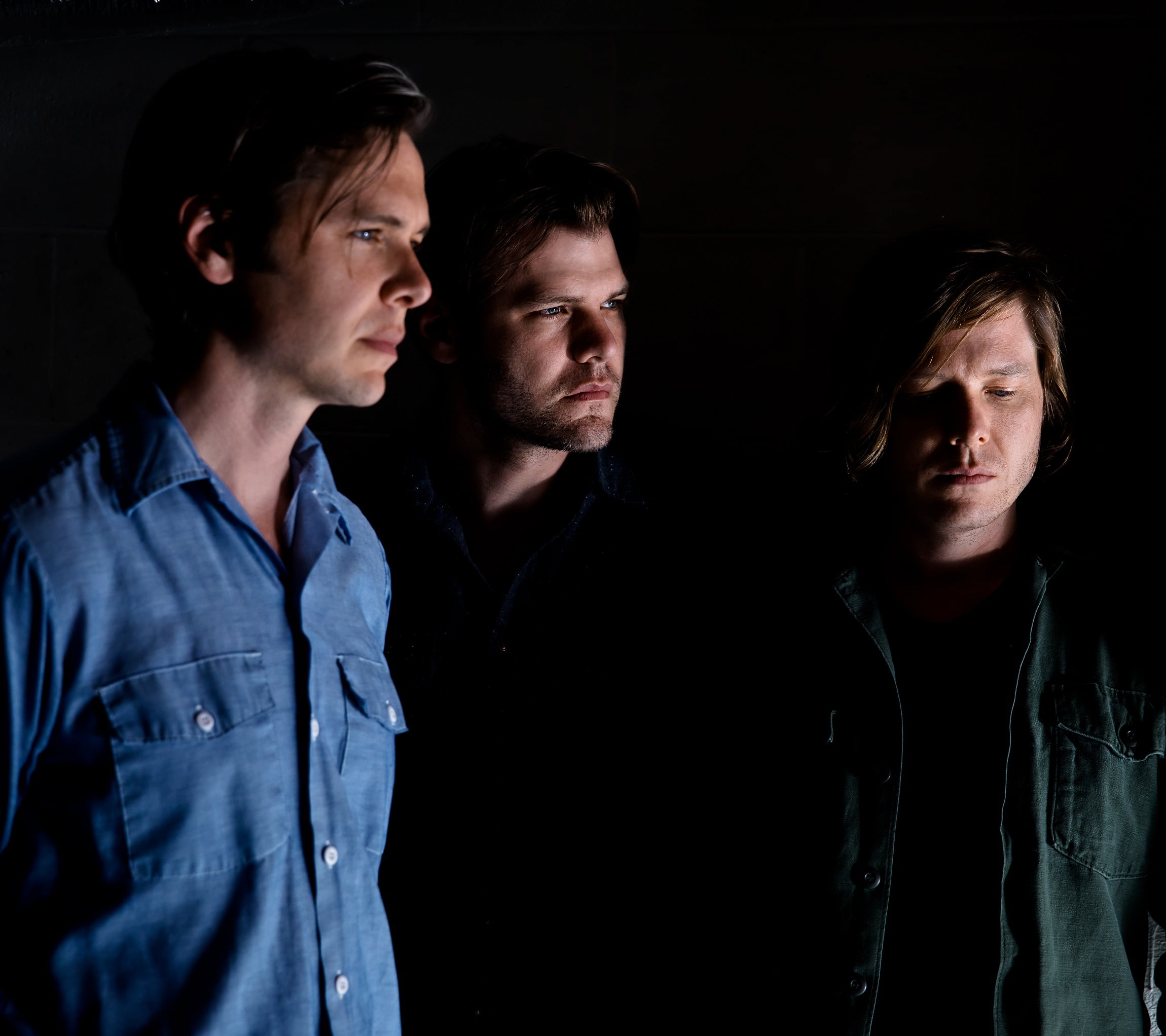
Baylen’s Brit Pick: Bennett Wilson Poole

Artist: Bennett Wilson Poole
Hometown: Rural Oxfordshire. Well, that’s where the group was dreamed up but two-thirds are from South London and one-third from Oxford proper.
Latest Album: Bennett Wilson Poole

Sounds Like: Hard to pin down but at a push I’d say Crosby, Stills, Nash & Young but there’s something of the Tom Petty about these guys and a little Schoolhouse Rock. Maybe a bit of Belle and Sebastian…. As you can tell they are pretty eclectic.

Why You Should Listen: Here’s the thing, I’m writing this in a pub. Try not to judge me, I’ve just moved and my broadband hasn’t been installed yet. However, even if I had Wi-Fi in the studio, I might be writing this in a pub anyway because: A) We do a lot of important things in pubs in the UK; and B) I can think of no finer three fellas to spend the afternoon in the pub with.

Individually each of these guys are musical heavyweights in the UK. Danny Wilson is the mighty leader of Danny and The Champions of The World and formerly Grand Drive, who has been moving and grooving since before Americana was even a word in the UK. Robin Bennett is one half of the swoony brother group Dreaming Spires and Saint Etienne. Tony Poole is from Starry Eyed and Laughing (a.k.a. the English Byrds), all-around wizard of a producer, and master on the electric 12-string Rickenbacker.

Listen to any of these guys individually and you’re already having a great day, all together and you’re looking at a great week if not month. The three work wonderfully together, leaving egos at the door, each taking turns on lead vocals but joining in on perfect harmonies when the song calls for it.

Sonically the album is varied, rich and layered with echoes and mirrored sounds. Lyrically it’s just as deep with songs inspired by the murder of UK politician Jo Cox (“Hate Won’t Win”) and harrowing photos of refugee boats in the Mediterranean (“Lifeboat”). I hope I’m not damning them with faint praise when I say this is a well-rounded album in every sense of the word. An album for our times. Some say trio, I say UK Americana supergroup


As a radio and TV host, Baylen Leonard has presented country and Americana shows, specials, and commentary for BBC Radio 2, Chris Country Radio, BBC Radio London, BBC Radio 2 Country, BBC Radio 4, BBC Scotland, Monocle 24, and British Airways, as well as promoting artists through his work with the Americana Music Association UK, the Nashville Meets London Festival, and the Long Road (the UK’s newest outdoor country, Americana, and roots festival). Follow him on Twitter: @HeyBaylen

Photo credit: John Morgan

Gig Bag: Joshua Hedley

Welcome to Gig Bag, a BGS feature that peeks into the touring essentials of some of our favorite artists. With a guest appearance from his cat, Possum, Joshua Hedley details the items he always has nearby when out on the road.

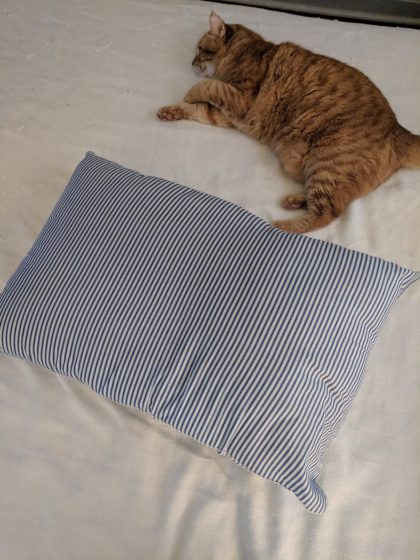
Truck stop pillow: It’s cheap, it doesn’t need a pillow case, and it’s more comfortable than a van seat headrest.

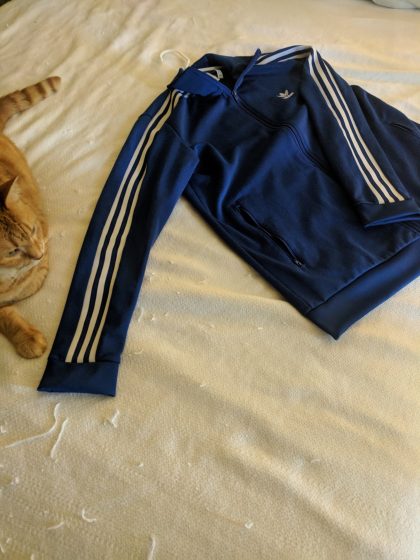
Adidas Tracksuit: It takes up less room than a blanket because you’re wearing it.

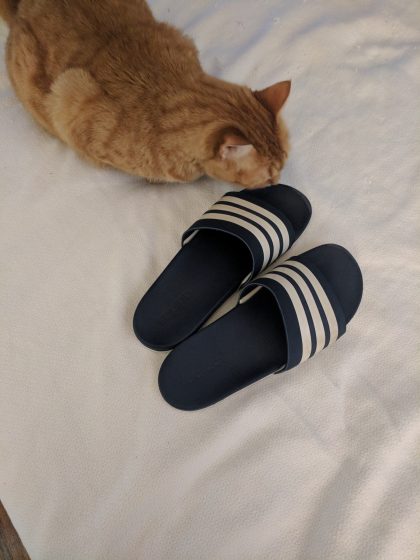
Adidas Adilette Cloudfoam Plus slides: Just get a pair. You’ll see. P.S. definitely wear with socks.

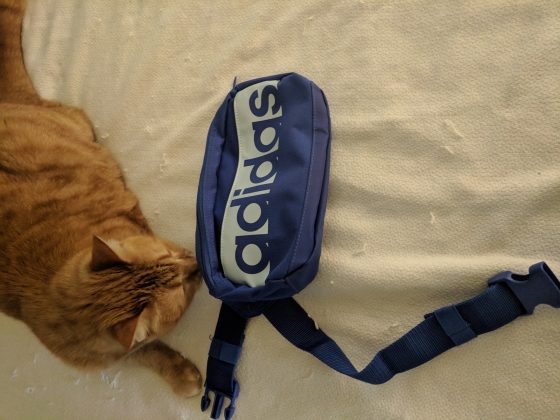
Fanny Pack: It doesn’t matter what brand, I just like Adidas. Anyway you can keep all your stuff in it and it takes up less room than a backpack. It gets cramped easily in the van so minimizing clutter is key.

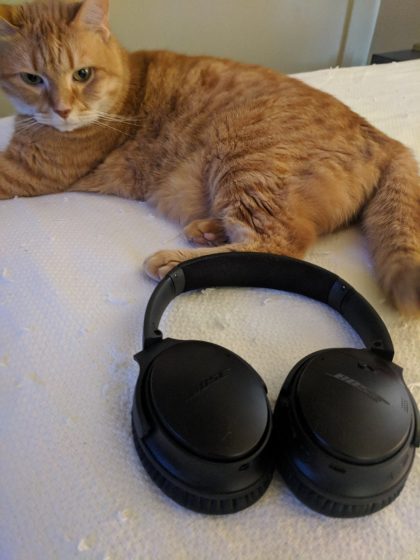
Bose QuietComfort 35 II headphones: I fly to Australia twice a year. That’s a long ass flight and the batteries in these things last FOREVER. They’re not cheap but they’re worth every penny.

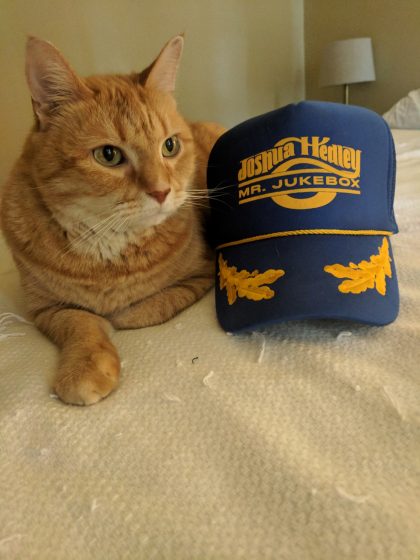
My own hat: Idk, it’s a free hat.


Photo of Joshua Hedley: Jamie Goodsell

STREAM: Oliver the Crow’s Self-Titled Album

Artist: Oliver the Crow
Hometown: Nashville, TN
Album: Oliver the Crow
Release date: June 22, 2018

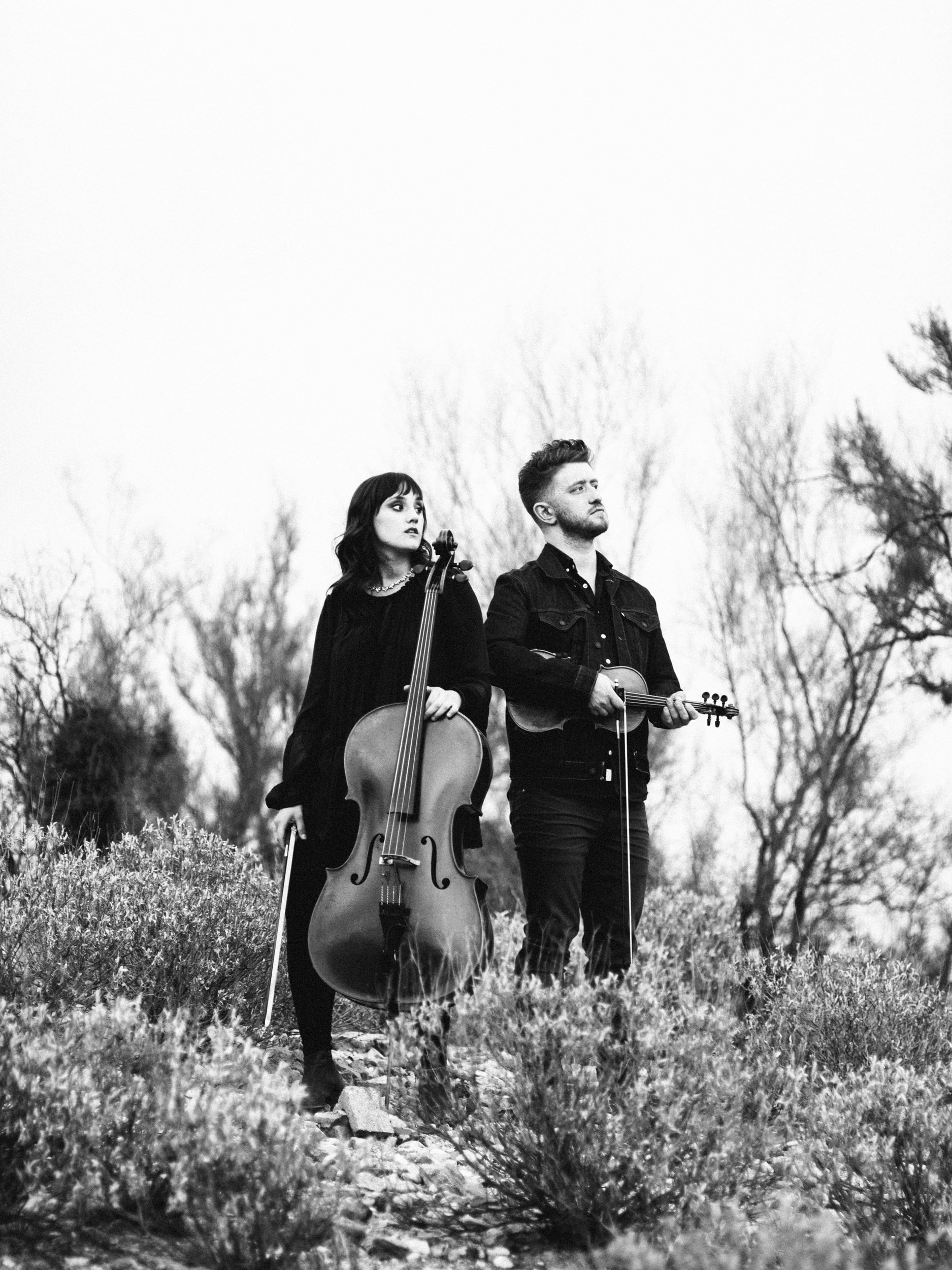
In Their Words: “This first album feels like a meeting of the future and the past for us. It is informed by the styles of music that make up both our personal pasts — a rogue classical cellist and a fiddle-jazz gun for hire — as well as the styles of music we have always so adored. Although it feels nostalgic, it also feels new. It has a modern sound of its own and we find it hard to describe its genre. Whatever it ends up being defined as, we are certainly proud of it. Oliver the Crow grew out of a love of us playing together and an urge to get outside of our comfort zone — this record is the first real product of that. When we listen to it, we smile. We hope others do, too.” -Kaitlyn Raitz


Photo credit: Taylor Noel Photography

LISTEN: Rodney Crowell, “Lovin’ All Night”

Artist: Rodney Crowell
Hometown: Nashville, TN
Song: “Lovin’ All Night”
Album: Acoustic Classics
Release Date: July 13, 2018

In His Words: “From time to time I am what you’d call lighthearted. The title of the song is, of course, hyperbole. However, I met my wife on the video shoot for the song back in ’92, and the sparks have been flying ever since.” – Rodney Crowell


Photo credit: Austin Lord

STREAM: The Slocan Ramblers, ‘Queen City Jubilee’

Artist: The Slocan Ramblers
Hometown: Toronto, Ontario
Album: Queen City Jubilee
Release Date: June 15, 2018

In their words: “My favourite music comes from watching ‘working bands,’ bands that play all the time—they get tight musically and stay loose in spirit and approach. The music presented is a deliberate statement but there’s a real spontaneity in the details. Therein lies the aesthetic for Queen City Jubilee, the culmination of three years on the road since Coffee Creek came out. We had a ball putting this record together, writing a lot of new songs, unearthing old obscure gems, and generally trying to stay out of the way of the music. And check out the artwork! Done by our very own Frank Evans, it offers a rare glimpse into the dark mind of the contemporary bluegrass banjo player.” — Adrian Gross


Photo credit: Jen Squires

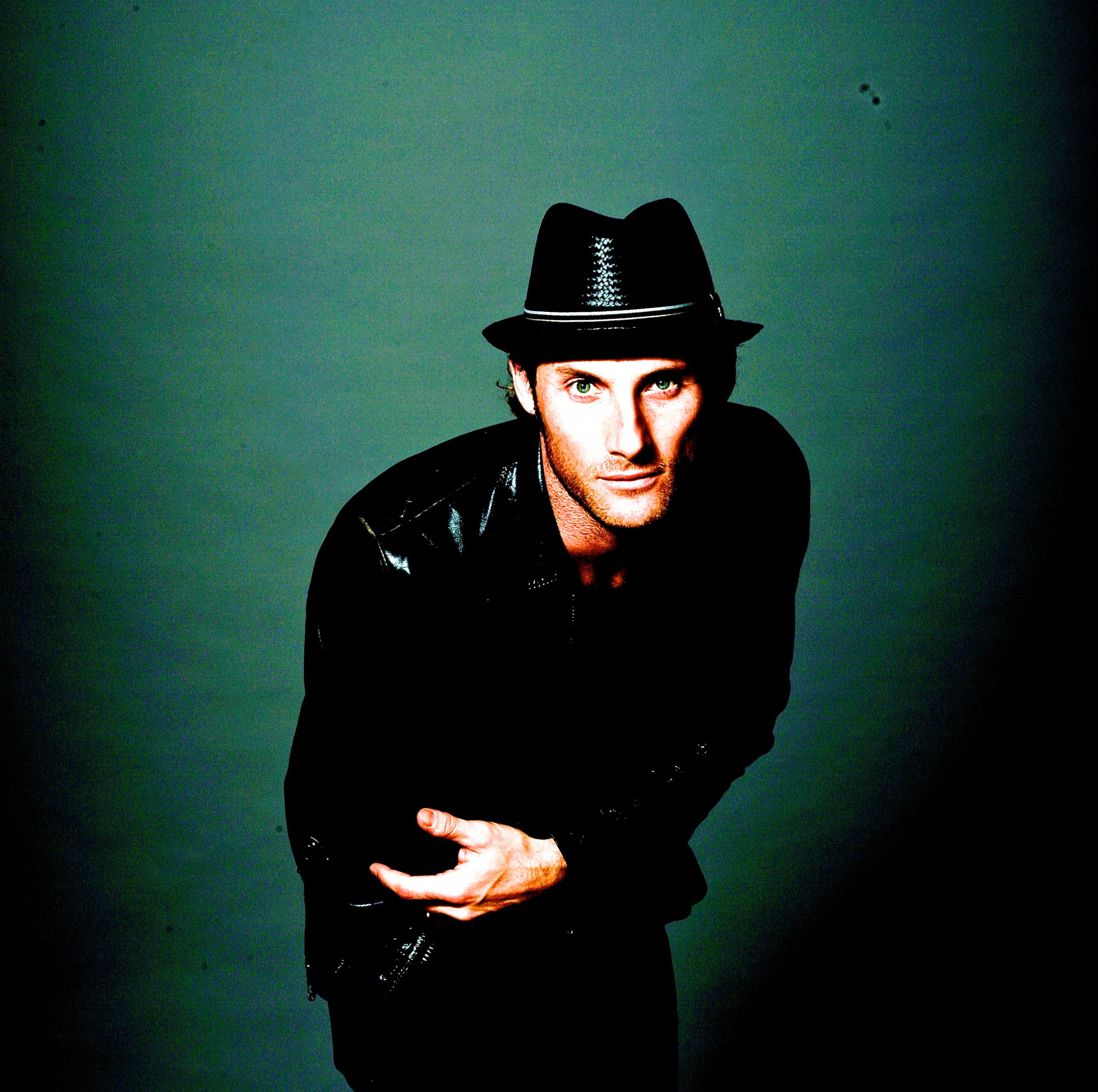
BGS 5+5: Chris Stills

Artist: Chris Stills
Hometown: Los Angeles, California
Latest Album: Don’t Be Afraid
Personal Nicknames: Stillsy

How do other art forms – literature, film, dance, painting, and so on – inform your music?

My favorite way to get inspired is to go see other people play, because you see the human being on stage with their songs and not just the music. There is a depth there that informs you with so much more information on what the artist is about – the nature of their style, the way they wield that style and talent on stage and in front of their audience. I mean, you can get the record and listen to production, but to really get an artist, you see ’em live. It’s all about the banter which, to me, is actually the hardest part of playing in front of people.

Movies and docs are cool … paintings and poetry … I like watching people speak at readings. Anything can strike a chord, inspire a thought … it’s up to you to seize upon it and write it down, record it, spend time with it, honor it. It’s like a laser beam from the universe – not to sound too hokey but it’s true. You gotta put yourself in the position to not just receive it, but to translate and interpret it.

What was the first moment that you knew you wanted to be a musician?

I heard “Little Wing” on the radio when I was about 10 years old. That song changed the way I listened to music forever and, from then on, I started to dive into playing more and wanting to recreate the magic that I was suddenly privy to.

If you could spend 10 minutes with John Lennon, Dolly Parton, Hank Williams, Joni Mitchell, Sister Rosetta, or Merle Haggard how would it go?

Truth is, I have spent time with others like them and, when I was younger, I’d want to hide in a corner and just observe. I never thought I had anything important enough to say, or that they would ever want to hear what I had to say. Now, with age, I realize that it’s not about being important; it’s about being yourself. It’s that thing where you realize that your existence is no different than theirs and you just need to go with yourself. Be your badass self, no matter who you’re in the room with. That actually can be enough to attract the best of them. And with a cast like that, anything could happen. How would it go? Well, dinner would be nice.

What’s the toughest time you ever had writing a song?

The toughest time, for me, is mostly getting my shit together to actually finish them. There is a finality to songs that can sometimes fuck with me. Like I’m going to ruin it. I’m going to miss its potential. Dealing with some unrealistic fear that there will be no songs after that. Like when you don’t want your kids to grow up. Because when they grow up, they’re not yours anymore. I’m still finishing songs I started 20 years ago. Sounds crazy and stupid, but that’s my self-inflicted cross to bear. Still working on that one.

As you travel around the world, what is the overriding sense you get of the people?

When you start out, every crowd is different. They present different difficulties but every one is an opportunity. You learn to take the right chances at the right time to grab them and win them over. What’s funny is, when you come back around, those crowds are more than likely the same as they were when you were last there. Just more of them! I love the humanity in that. And it plays into local traditions, and local credence to music, and their understanding and love of it.


Photo credit: Laurence Laborie

MIXTAPE: Sons of Bill’s Songs by Other Brothers (and Sisters)

“What is it like to be in a band with your brothers?” is always the introductory question we’re asked in interviews. Sadly, I never really have any salacious stories of drama or rivalry. I just love, trust, and respect my brothers, and we share a deep history. There’s just no one I’d rather be in a band with. — James Wilson

The Louvin Brothers – “The Great Atomic Power”

The Louvin brothers made such terrifying and beautiful music. They are the first band that comes to mind when I think of the famous Tom Waits quote – “beautiful melodies telling me terrible things.” Their gospel music can seem so superficially brimstone Baptist but that’s all just a front for brothers who really knew the depths. You can hear it in their voices. Ira was a wild man – his wife shot him four times. Their gospel music still gives me chills and strangely seems to increase in depth and staying power with the passing decades.

The Beach Boys – “Warmth of the Sun”

This is band that definitively kept us from laying claim to “The Wilson Brothers.” We grew up with their music from my mom’s record collection. I know the term genius is thrown about too often, but Brian Wilson deserves it. He did all of the writing, all of the elaborate vocal and instrumental arrangements, and yet completely abandoned the glory of performing live at the height of their careers. Such a pop music purist.

The Replacements – “Left of the Dial”

We don’t often think of the Replacements as a brother band, since Paul Westerberg is considered the main artistic force of the group, but I think that Bobby and Tommy Stinson are a big part of what made this band so legendarily great. They gave the band this shambolic-fearless-Midwestern-blue collar front which Paul wore like a mask, giving him the courage to be the face of the Replacements. It always seemed that the Replacements “thing” — the drinking, the self-defeating “fuck you” attitude — was all some sort of elaborate defense mechanism for a guy who was probably much too existentially sensitive to handle life without it. It’s this strange combination of ennui and bone-head rock and roll that made me fall in love with this band.

Lamb of God – “Walk With Me in Hell”

As Virginians we’ve got to give it up for Richmond’s Lamb of God. The Adler brothers manage to make virtuosic angry music that is completely free of pretension. We’re taking a band field trip to see them again this summer with Slayer on their farewell tour.

The Jesus and Mary Chain – “April Skies”

I just love this band. You could say they were the brothers that made me want to start a band but it’s more accurate to say they’re the band that made me want to have brothers.

The Stanley Brothers – “Are You Afraid to Die”

My dad loved the Stanley Brothers and we grew up with their songs long before I heard their recordings when bluegrass music came back into fashion in the early 2000s. Individually the Stanley Brothers voices are so raw and honest but when they sing together something altogether different happens—their voices take on this angelic purity. We learned how to sing harmony from a lot of these songs.

The National – “Fake Empire”

Matt Beringer is often the face and spokesman for this group, but I think it’s the two sets of brothers that make them one of my generation’s greatest rock bands, instead of a summer art project. The depth of compositions and chemistry between the brothers is so compelling. You’ve got to experience it live.

The Everly Brothers – “Bye Bye Love”

We grew up with the songs from the Everly Brothers and it’s still some of the best pop music ever recorded. I find myself listening to the Everly Brothers when I want to listen to the Louvin Brothers, but don’t want to hear so much about Satan. It’s a rare occurrence but it does happen.

AC/DC – “Thunderstruck”

Angus got most of the air time but Malcolm held it all together. Everything you could ever possibly want from two guitars.

Dawes – “That Western Skyline”

When you see this band live you can really detect a special chemistry between Taylor and Griffin Goldsmith. It’s such a cool thing to see a band whose primary trust and chemistry is between the drums and vocals. It anchors the song and creates such a cool space and freedom.

Radiohead – “The National Anthem”

Jonny and Colin greenwood are such masters of their respective instruments. So much of what breaks up bands with brothers is ego, but all of their parts feel so perfectly and completely egoless. They are both of one mind in simply serving the music.

Haim – “Falling”

This band gives me faith in modern pop music. It’s so important to be reminded in 2018 that pop music doesn’t have to be terrible.


Sons of Bill’s new album, Oh God Ma’am, will be released on June 29. Photo credit: Anna Webber

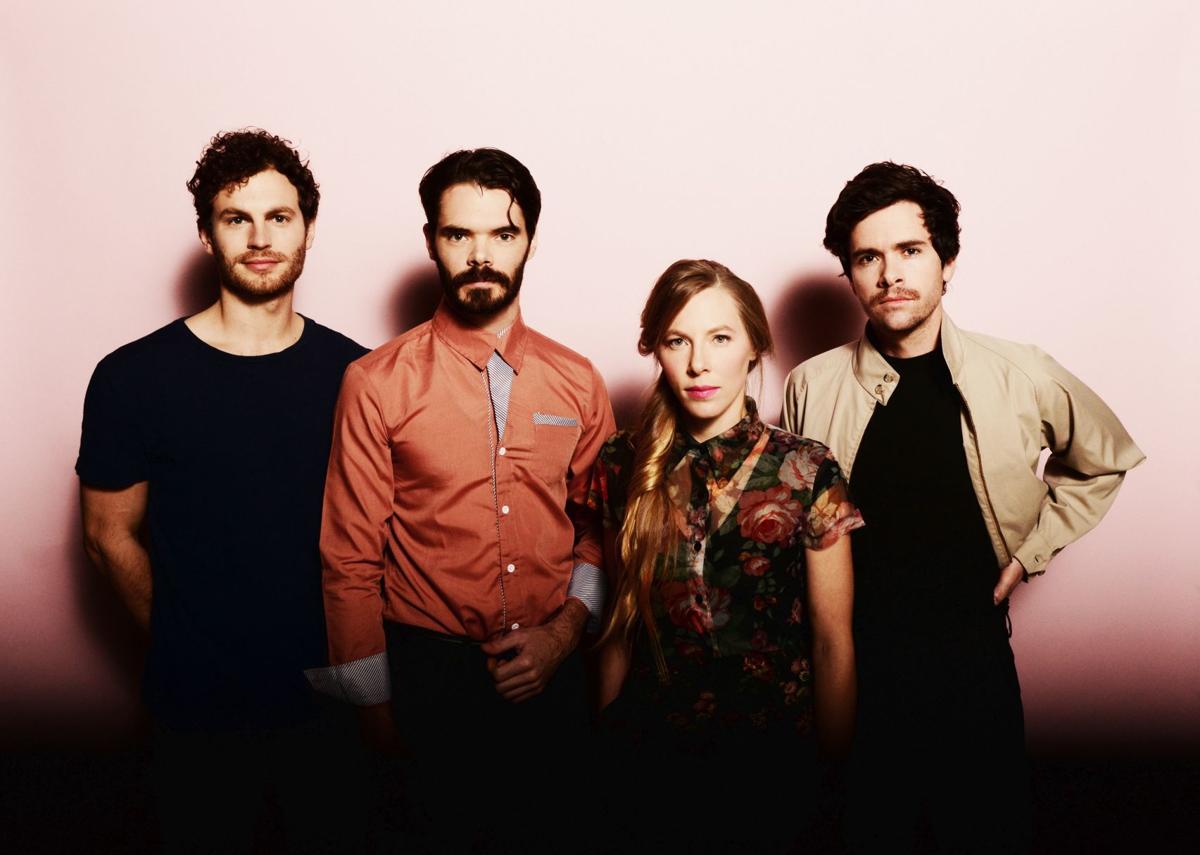
STREAM: Twisted Pine, ‘Dreams’

Artist: Twisted Pine
Hometown: Boston, MA
Album: Dreams
Release Date: June 8, 2018

In Their Words: “As a band, we have a diverse range of influences in many genres of music. Dreams is an experiment in stretching our stylistic boundaries, mixing bluegrass instruments with some of our favorite pop music, and represents just a glimpse of the many artists we are inspired by.”