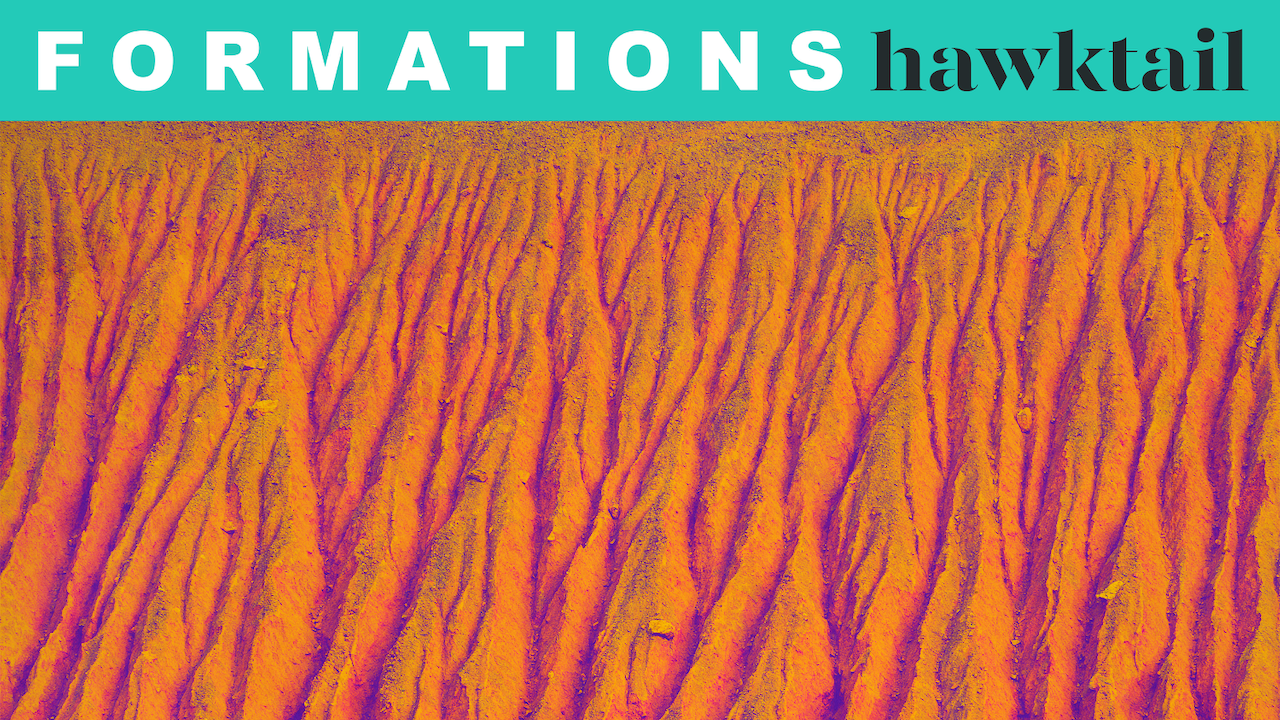
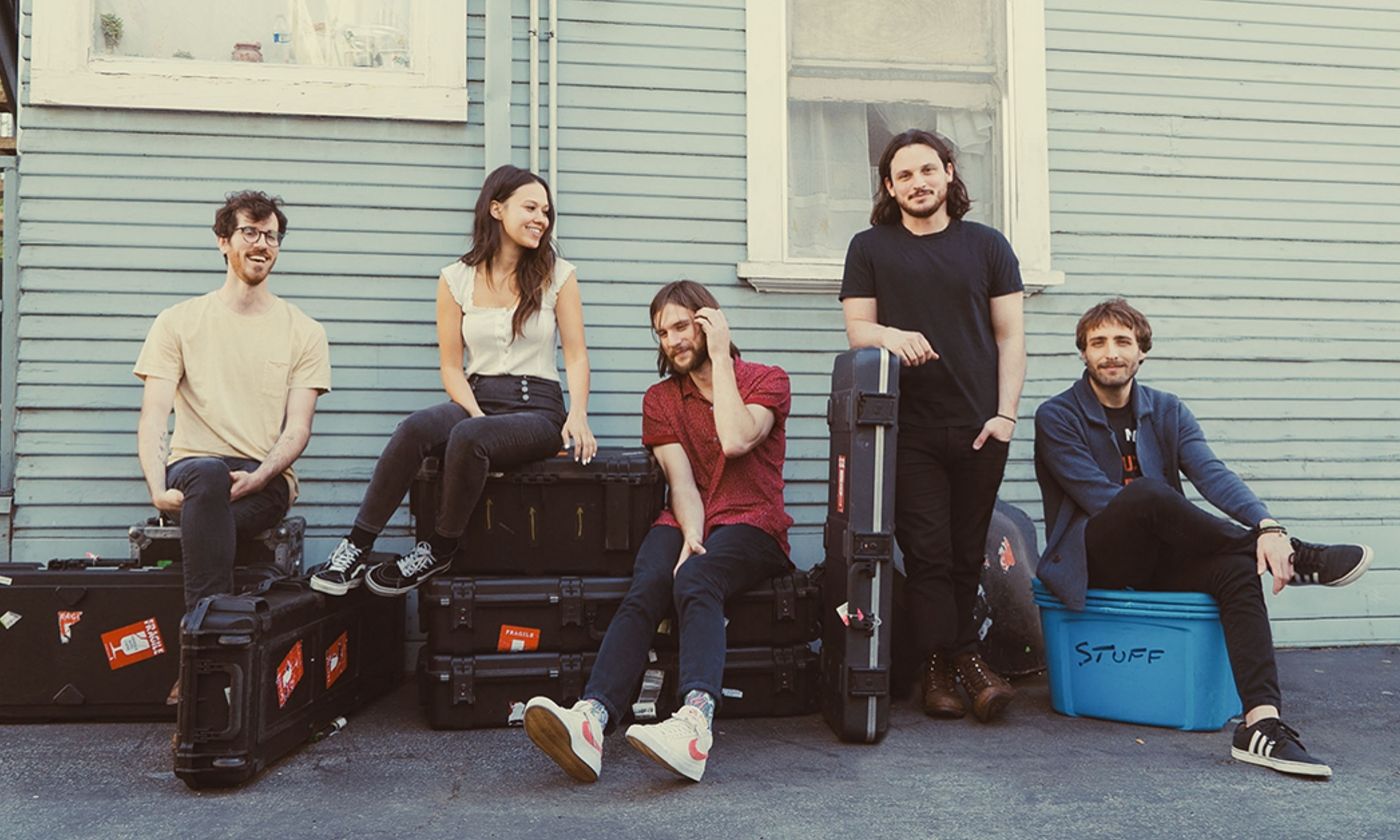
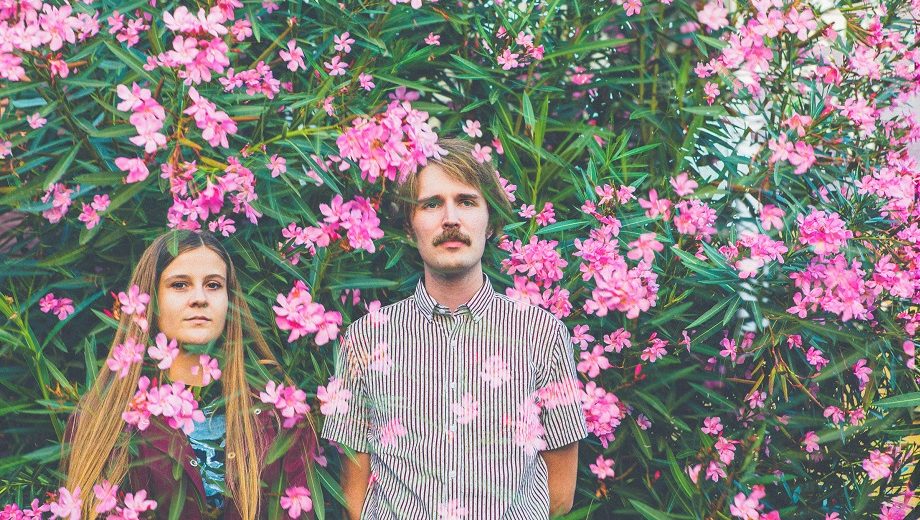
Impossible combinations. Hawktail makes them seamlessly, time and again, with their effortless-while-labyrinthine brand of instrumental string band music. Their brand new album, Formations, is their first conceived and executed wholly as a four-piece. Mandolinist Dominick Leslie joined the lineup of Paul Kowert on bass, Brittany Haas on fiddle, and Jordan Tice on guitar after Hawktail developed most of Unless, their debut, as a trio. Confidence and ease permeate the new record, along with a palpable sense of intense listening and a feeling of space, openness, and synchronization. With virtuosos such as these it’s hard to imagine that they could possibly grow closer, become tighter, more enmeshed — but it would seem after little more than a year these four certainly have.
Tice introduces “Padiddle,” Formations’ penultimate track, combining a bouncy, folk-rock inflected melodic hook with a smoldering, bluegrass-born conviction. An all too rare pairing in string band music, these modern, impetuous musical ideas don’t always emulsify with age-old, dyed-in-the-wool techniques. With each of the six originals on the record (and, of course, the Väsen cover, too) Hawktail are, as always, daringly inventive. But on Formations they’re distinctly proud to be catchy as well, flirting playfully with pop while still constantly reinforcing the deep roots of their collective pedigrees in fiddle music, old-time, bluegrass, and plain ol’ pickin’. An overarching impossible combination coloring the entire collection of tunes must be this: That something so timeless is also remarkably contemporary.
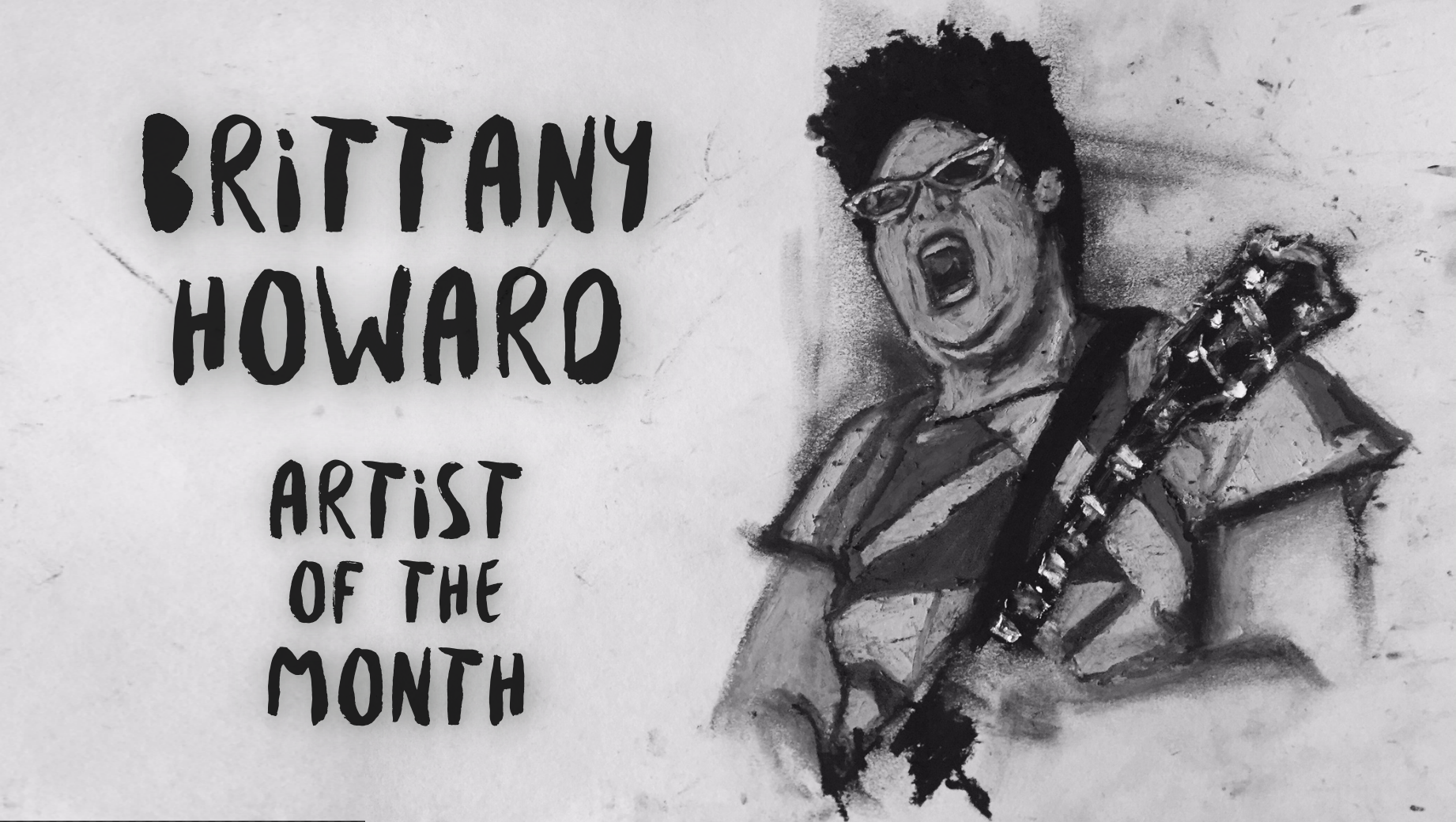
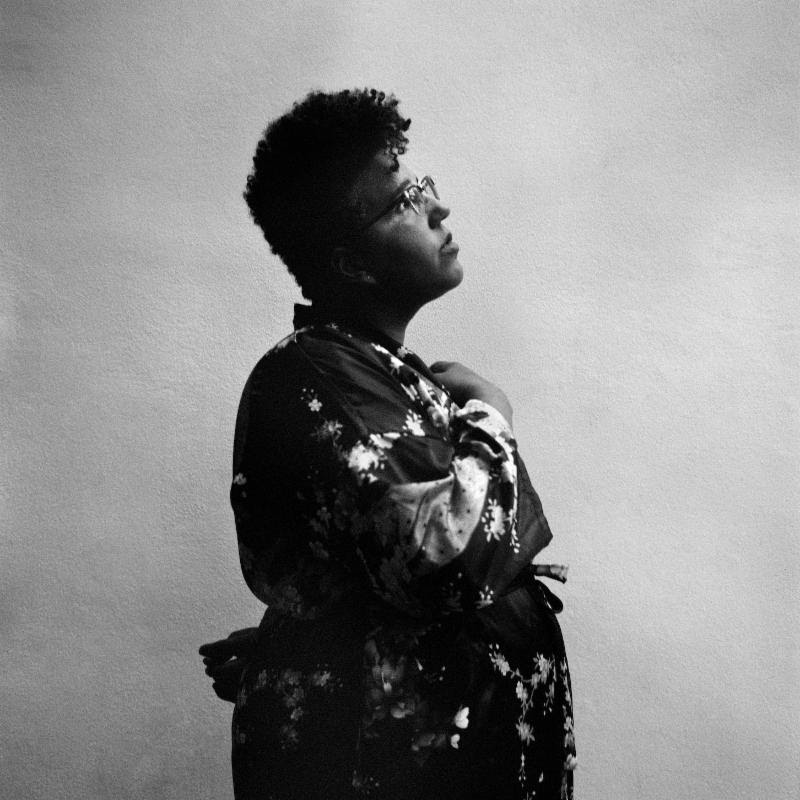
Hardly escapable with a presence everywhere from car commercials to the drugstore checkout line, Brittany Howard’s deeply expressive voice permeates our culture. It is a storytelling voice, capable of inimitable gymnastics and invoking multiple emotions simultaneously. Howard’s first solo project, Jaime, shines a floodlight on the fact that she’s the woman responsible for the vision and the creation of this carefully crafted universe.
Named for her late sister, Jaime speaks to Howard’s own family experiences growing up in Alabama and addresses the cultural imprints of the region’s complexity, rife with some of the deepest pockmarks in human history. The album doesn’t so much feel like she’s grappling with that past. More so, it is a comprehension of the impact that it has all had on her own life, like a summit’s view of a past on which she’s built a mountain of a career.
Howard has won four Grammy Awards as a founding member of Alabama Shakes. In January, she’ll compete for two more with “History Repeats,” her latest single from Jaime. Howard spoke to BGS by phone from San Francisco.
BGS: Not only did you write a very personal narrative on this record, but you also controlled it through the production. Were there differences with the recording process from other projects that you’ve done?
BH: I wouldn’t say it is that different from the Shakes just because usually when I was making the music I would just use my laptop to orchestrate everything. Then I’d show the guys and say, “Ok I’ve got this idea. What do y’all like about it? What don’t y’all like about it?” It was the same process except at the end of it, I just didn’t ask anybody what they thought about it.
Was there a difference in the anticipation of the release of this project because of that?
You know, I was really excited to put it out into the world because it was my baby. I didn’t really know what anyone was gonna think. And I honestly didn’t care or pay much mind to it. I was just happy to do something on my own and have that to show for it. It’s just one of those things.
How did the band come together for this? Did you know when you were writing these songs that you wanted some jazz players as collaborators?
I just wanted to play with people I looked up to and had a lot of respect for. Everybody I’m playing with right now, it is just people I’ve always wanted to play with. Nate Smith is my favorite drummer. He’s been my favorite drummer for several years so I reached out to him and asked if he’d play with me. With Robert (Glasper) it was the same thing. It was a level of respect for how they played and why they play and that’s why I got them on the project.
What was the recording process like? Was it experimental or did you have it mapped out?
It was pretty well mapped out. I use Logic to compose a lot of my songs so I just showed up with that. We used a lot of the guitar parts I had pre-recorded and put some new drums on it. Nate came in with drums and Robert came in with keys. It was mostly stuff I had already put down.
What guitars did you play on this record? Similar to what you’ve played in the past?
I just used this old Japanese Teisco guitar that I found at the pawnshop. It looked cool, felt cool. I just stuck to that.
It is widely known that there are astoundingly few female producers. What do you think the biggest barriers are to women in this field in 2019, and did you experience those barriers yourself?
I think probably the biggest barrier is not seeing enough female producers. We know of the most famous female producers. We know of Bjork and we know of Missy Elliot but there are so many other producers out there like Georgia Ann Muldrow that create beautiful music for all of these, especially, R&B artists that we look up to like Erykah Badu. You know there’s always somebody behind the “somebody.”
I think this is the hugest issue. We don’t know about them because they aren’t the ones going up and accepting Best Engineered Album. That’s part of it. And then giving props whenever you can to people like that, because this is our platform, doing interviews like this, to speak the word about people we look up to and are also inspired by. I love being a producer of my own work because when I was growing up I didn’t see enough of it. Still to this day, when I run into female producers and female engineers, I’m just like, “Wow, wow, wow!”
Would you ever produce other acts?
Maybe when I’m older. Right now I don’t really know how to do that. But I never say never.
What do you think it is about that Muscle Shoals, Alabama, area that yields so many artists?
Hmmm. You know, I don’t know. It’s got a colorful history and maybe because it is next to the water. I don’t know.
I’ve asked my dad that question about Mississippi and he says it is because they had so much spare time.
That could literally be it in the south. You finish work and what else you got to do? I think your dad’s got a good point. That’s why I got into music in the first place because I was bored.
Is that how you learned to play guitar?
Yep. I’ve been making up songs since I was itty bitty. Like 5 years old. I first got hold of an instrument when I was 11. I just stayed in my room and learned how to play it. And then when I got bored of that instrument, I’d pick up another instrument and learn how to play that. It was fun. Instant gratification.
Did you start on guitar?
No, drums were my first instrument and then bass guitar. And then keys and then I picked up guitar.
Were your parents supportive of that?
Yeah, they were pretty supportive. They are really supportive now. I think back then they were just like, “Man, what is she doing?” My rehearsal room was right next to my dad’s bedroom. I’d be playing the same thing over and over again for hours. He wouldn’t complain until like 11 p.m. and then he’d be like, “All right, that’s enough. You gotta cut the amps off.” I definitely don’t think they expected all this.
Who were some of your heroes when you were 11 and just starting to play?
When I first started playing, I liked that popular stuff, like anything and everything. I think one of my greatest inspirations was Chuck Berry. He was such a cool guitar player the way he played. And I really liked Bonn Scott from AC/DC. I thought he was a really good frontman, really entertaining and had really good energy. I liked anything I could get a hold of when I was 11. I’d play anything really. I even tried to play metal. Couldn’t do it but I tried. I was just so curious.
When you go from writing back then — when you were a child or when you were still an anonymous citizen — to writing now for an audience that you know is there, does it change the way that you approach writing?
Whenever I start getting bugged out, I just change what I’m doing. Once I think too much about what I’m going to make, that’s when I gotta get out of that headspace. I think the best thing to do is change instead of thinking about, “What am I gonna write about today?” Or “how do I write a song about this?” The best thing for me, in my opinion, is don’t try too hard. Just show up.
Did you approach the process of writing this record differently than you have in the past?
No. Here’s the thing. When you first start a record, well for me anyway…Boys and Girls [Alabama Shakes’ 2012 debut album] was different because we had all the time in the world to make the first record, like they say. But then the second record I was panicked because I was like, “Oh shoot. What if this is a fluke and I can’t do it no more.” There is always this panic.
So then with this record, I was panicking, because I was like, “What am I gonna write about? What’s it gonna sound like?” But I was less worried because I had been there before. So I would just say, I just sat down and quit thinking so much, and then that begat this record.
What would you as a young child growing up in Alabama think of this record?
Oh man, I would have loved it. I would have thought it was so dope when I was younger. But then I’m pretty biased, you know. I would have loved hearing something like that and knowing that a woman made all of it. Just like when I heard those Missy Elliott records and she made all those beats. It was like her child. Timbaland would leave the studio and she would finish the song. Knowing she did all that. Also Bjork. I think it would have been so cool to know.
Do you feel a sense of responsibility with that at all, like you need to be out there talking about that for the next generation?
I think it only helps everybody to talk about it. Like, “Hey, I made this and if you are a young woman that wants to make music how she hears it, don’t let nobody tell you different.” Everybody can have ideas but when it comes to creativity, it’s subjective. It is like everything else, it’s just about how you feel and how you wanna move people. I would say, no searching for perfection. Just search for the best way to talk about your experience and what makes you unique and your individual self. I think that the more you talk about that, the more interested in the music they will be.
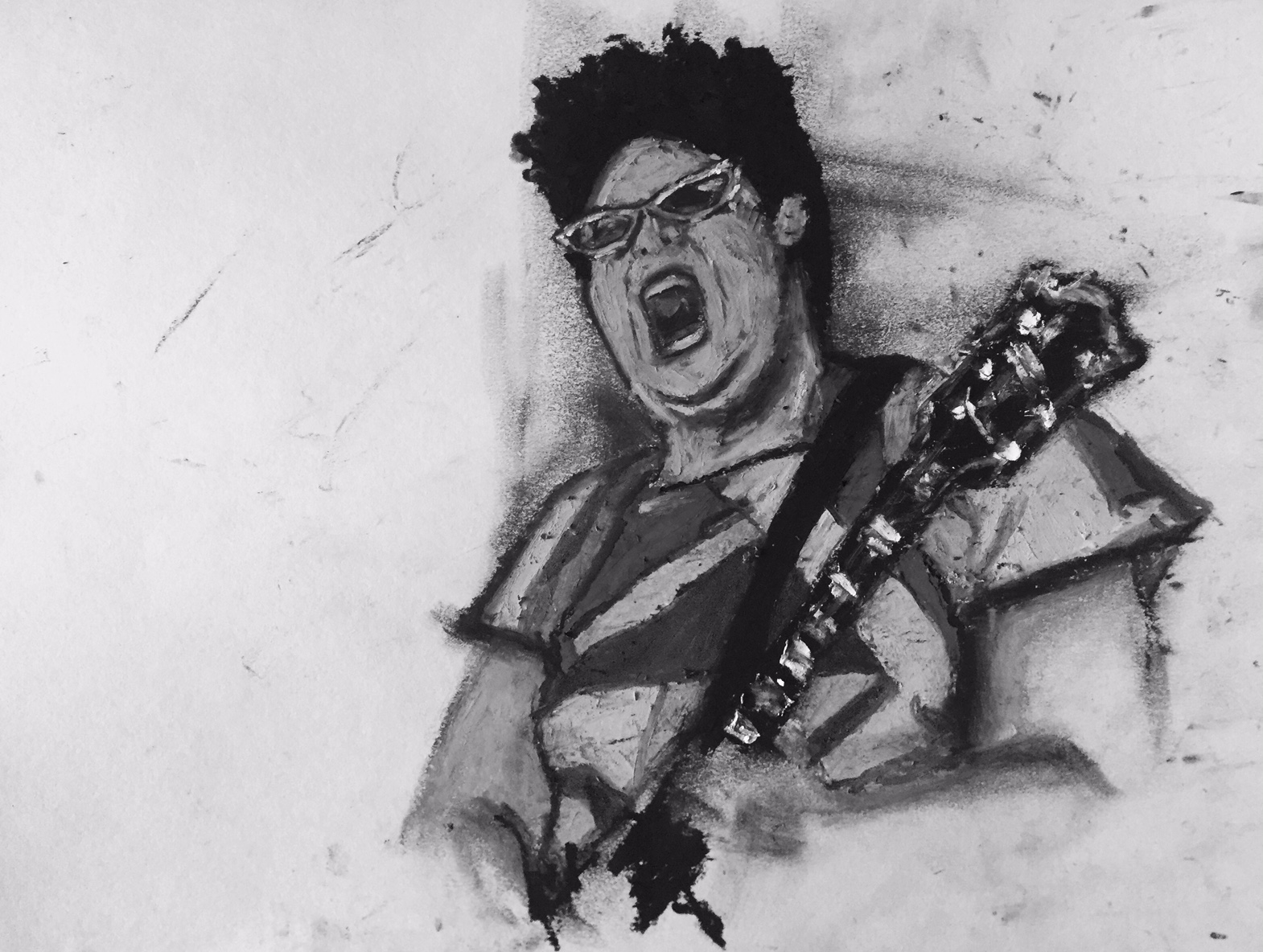
Photo credit: Danny Clinch Illustration: Zachary Johnson
Brittany Howard embarked on a road trip to recalibrate after stepping away from Alabama Shakes, the Grammy award-winning band known for anthems like “Hold On.” Those relentless highway miles gave her time to rest before roaring back with Jaime, one of the year’s most compelling new albums — and her first as a solo artist.
The acclaimed project is named for Howard’s late sister, who died as a teenager from a rare cancer, but these songs are all about Brittany Howard, and namely her experiences with racism, sexuality, religion, and other touchy topics that are rarely addressed by artists at the peak of their mainstream popularity.
Not to say it’s all heavy — for example, the breathtaking “Stay High” may be the album’s sweetest moment. The production, which is also credited to Howard, is especially remarkable, as Jaime feels like a unified statement, even as the inspirations run the musical gamut. And of course her electric guitar prowess is ceaselessly stunning.
In her first tour dates behind the record, the Alabama native skipped the Shakes catalog in favor of material on Jaime, along with tracks from her other bands. But for our BGS Essentials, we put ’em all in there. Enjoy this hand-picked playlist from our BGS Artist of the Month, Brittany Howard.
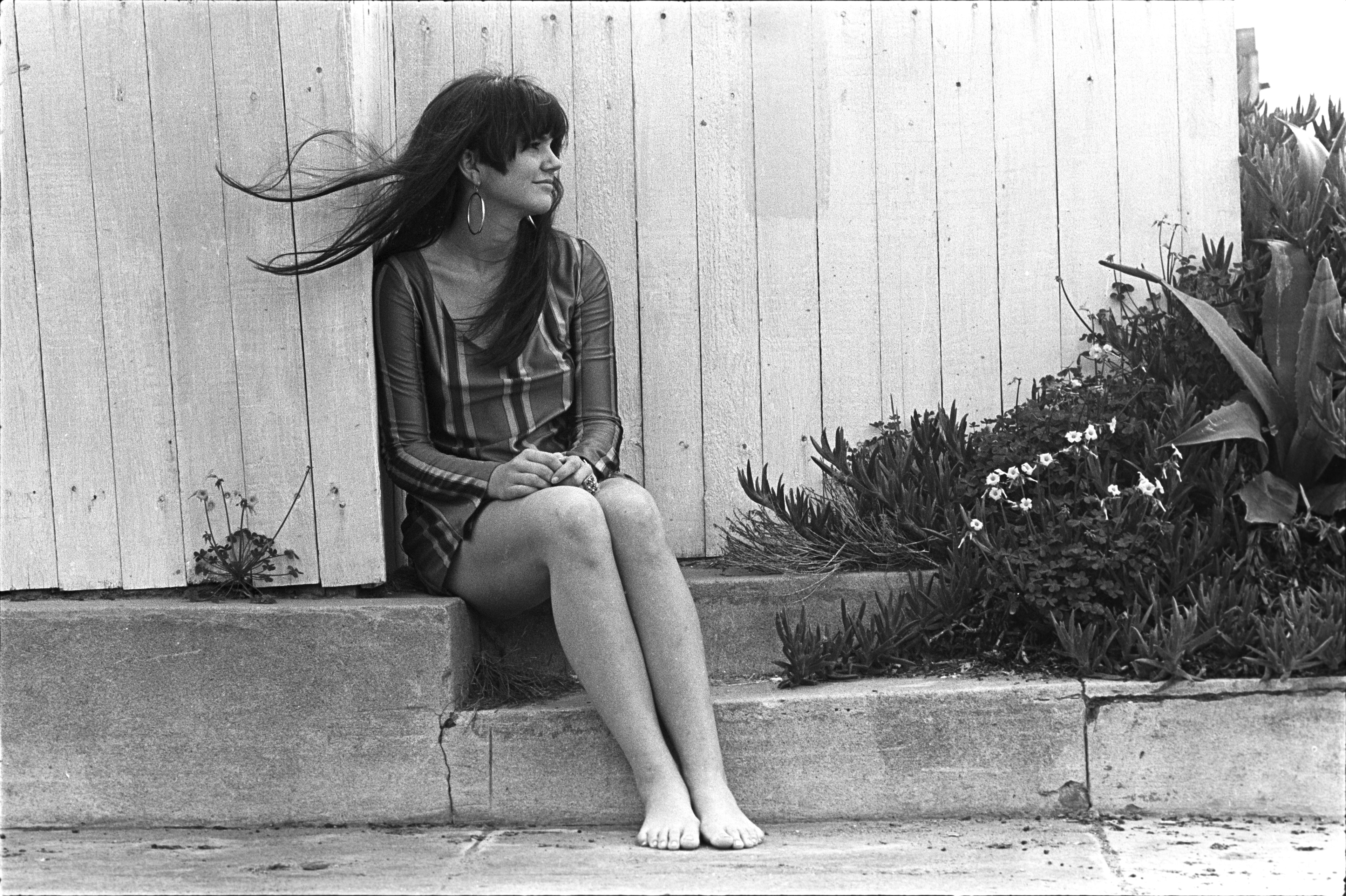
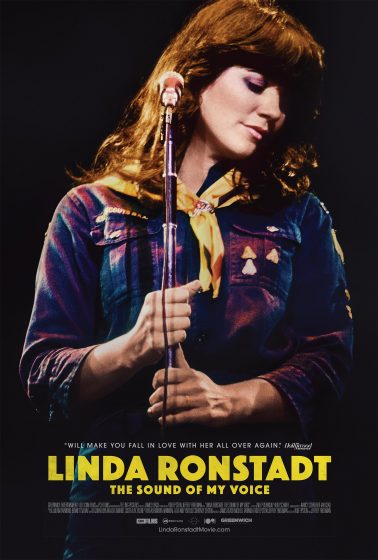
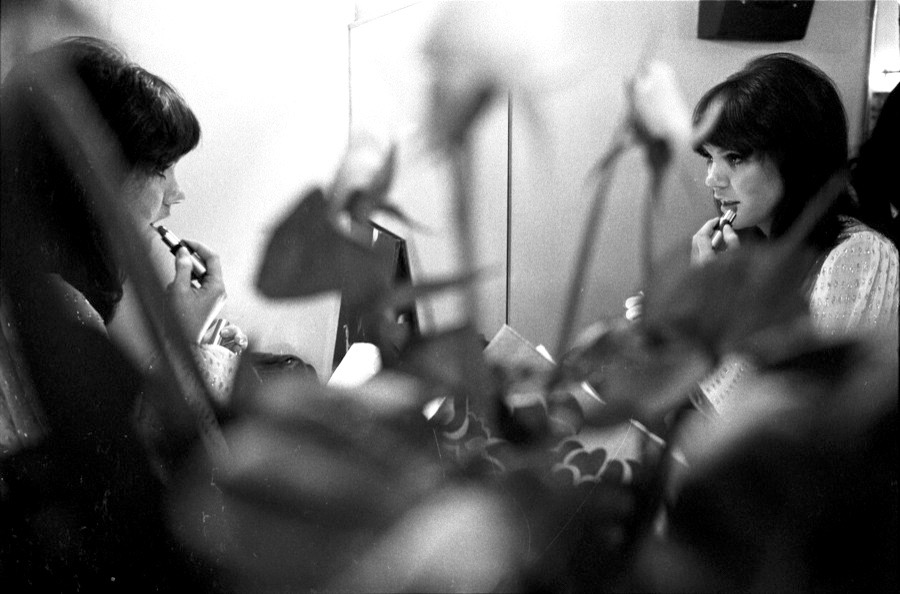
In honor of the new documentary film, Linda Ronstadt: The Sound of My Voice, and in appreciation of her connection to bluegrass — and in an attempt to shout it from the proverbial rooftops! — we’re reprinting Dan Mazer’s 1996 Bluegrass Unlimited interview with Ronstadt split into two parts, but in its entirety on BGS. Special thanks to the team at Bluegrass Unlimited for partnering with BGS to spotlight how bluegrass has touched one of the most important and truly iconic voices to ever grace this planet.
“Linda Ronstadt Talks Bluegrass” By Dan Mazer. Bluegrass Unlimited, June 1996
…Our conversation moved to a discussion of Alison Krauss’ musicianship. Krauss seems to have an incredible variety of influences, which come out when she wants them to. “And in an appropriate manner,” Ronstadt continued. “There seems to be a general agreement among all the people that I know – whose various subjectivities are very strict and very demanding – that Alison has the best taste of any of those people.
“Every fiddle player that I’ve ever worked with will be tempted to play sound(s) like donkeys braying; or just play too much – play ‘flash’ licks in an inappropriate manner. (I call it) ‘The Paganini Syndrome.’ And Alison never is.
“Her pitch is completely stunning! I’m a pitch nazi, and she’s even a little more strict than I am, in terms of pitch. And the thing that I like the very best about her playing is her rhythm. She’s got that great, easy, loping sense of the groove that bluegrass players generally don’t have. When it’s right, of course, it’s got a great swing to it. But bluegrass players have a tendency to get a little stiff and a little on top of the groove. And she never does! I don’t think she’s played with drummers that much, but we put her together with Jim Keltner, and it was just an amazing thing. She’s got the same sense of the groove that he does, and he has the effortless pocket. I consider her as good as any musician I’ve ever worked with. My cousin (David Lindley) said she was his favorite fiddle player ever. And I love her. And also, she owns Maria Callas’ bed! (Laughter) I don’t know why, or how she managed to get her hands on it, but she did. I was jealous. I wanted to be the one to get it. Emmylou Harris and I are both Maria Callas fans. Slobbering, drooling Maria Callas fans!”
When asked to comment on other bluegrass acts, Ronstadt confessed that she doesn’t listen to any modern music of any style. In fact, she was unfamiliar with many of the major country acts. Nor had she ever heard of the IBMA. “Honestly, the only ones I know (are) Ricky Skaggs, Alison, and (the) Seldom Scene,” she said. “But before that, it really was those original guys (Flatt and Scruggs and Monroe). I mean, it was such a short-lived era. And before that, the Blue Sky Boys, which wasn’t really bluegrass, but which really sorta fed right into it. I love those guys, and I listen to the Louvin Brothers a lot. So I listen to all the stuff that led right up to it.
“I know very little of any kind of contemporary music. I just don’t. I listen to NPR, and I listen to Maria Callas and them, and I listen to a lot of Mexican music, and that’s about it. And if it penetrates through that it’s usually because Emmy calls me up, or John Starling calls me up, or Quint Davis. Quint Davis is the guy that runs the New Orleans Jazz and Heritage Festival, and he put on that thing on the Mall for the inauguration. That’s where I saw Alison. I was just blown away by her!
“I don’t know modern stuff. I haven’t a clue. It seems like when we did the ‘Trio’ record, nobody was interested in traditional music. And then that record was pretty successful, and at that point, Ricky Skaggs was extremely successful, but all of a sudden, I don’t know. I don’t watch this type of stuff on television. I haven’t got the vaguest idea, and I don’t listen to the radio. I have a great respect for anything that anybody does. I mean, I think it’s just so hard to make a record – any record – that I don’t like to put myself in the position of, ‘This is good, and that’s not good,’ like a bean-counter. But I have to say that (modern country fails) to capture my interest.
“There’s always music in front of my face. If I was gonna sit and listen to Mozart, (and) someone said, ‘OK, this is gonna be it (you can only listen to Mozart) forever,’ I’d go, ‘OK.’ And if someone was playing me some Mexican traditional music, and they said, ‘This is gonna be it forever,’ I’d go, ‘OK.’ Because there’s enough in any of those things, to (keep me interested).
“Somebody came over to my house the other day with some musicians from Madagascar. They sit down in my kitchen and played this Malagassi music, and it just blew me through the wall! So, if they had said at that point, ‘Well, you’re gonna have to sing a little Malagassi now,’ I would’ve said, ‘Well, OK. Fine!’ I could’ve got right down and sung with them, and had no problem at all. But I can only concentrate on one thing at a time, and if that thin is interesting, I just don’t have any particular need to shift my attention.
“When John Starling comes out to visit me, he sits down at my kitchen table with his guitar, and we start singing. I get pried back to English. But I’d really rather sing in Spanish or Italian. Because all that stuff (bluegrass and country) is based on rural southern pronunciation. And in Spanish – if I’m singing a Latin jazz thing that’s a Caribbean base, I have to push myself from my northern Mexican rural accent into a Caribbean accent, which is painful for me. I find it an unpleasant way to pronounce the language, but I have to do it in order to get the rhythms right. So I do it. I really push myself into that other accent. But I prefer singing in my own accent – the accent of my family’s region. I can just get so much more sound out of my voice in that language.”
Over the course of a career, an artist makes many decisions based upon the age-old dilemma of commercialism versus artistic merit. What the public wants to buy is not always what the artists likes [sic] to paint, play, or sing. Ms. Ronstadt has lately recorded opera, Big Band and Mexican music, none of which usually sells platinum in today’s market. It seems that she has reached a point in which she doesn’t have to worry about selling a certain number of records; her musical decisions are now totally artistic. “Well, they were to start with, too. It’s just that I wasn’t as good at executing them!” She protested with a laugh. “And I find that now. I’m making my choices based on an artistic thing, but I am also finding that my choices were made for me when I was a baby. It’s getting harder, though. I do find that the record companies have a tendency to stick their oar in a lot more now. It’s very nervous-making. Although, the one person that I’ve allowed to submit material and give advice – I don’t always take it, but I always consider it – is (Asylum Records President) Kyle Lehning. He’s an amazing guy! He really, genuinely likes music, first of all, which is rare for a record person. Second of all, he’s extremely knowledgeable, and he has great taste in songs. And he seems dedicated to the idea of trying to save what he can that’s quality, and nurture it.
“(The latest project) started with several nagging phone calls from John Starling!” She laughed. “John Starling doesn’t get down behind traditional Mexican music! And then Emmy calling me, because Emmy and I are such fans of the McGarrigle Sisters. We were talking about doing some television stuff. We were just trying to think of how we could get in the living room together again with John Starling. So we started working on tunes, like the Carter Family songs that only Emmy and I would be interested in. And maybe John Starling or Claire Lynch, or somebody. John had, a long time ago, sent us Claire Lynch records, saying, ‘You really gotta sing with this girl. She’s real wonderful.’ So claire and Emmy and I have done some stuff together.
“And then, I’ve been working with Valerie Carter. She put a record out in the ‘70s. Everybody in Hollywood was after her. She’s an extraordinary singer, and she was exceptionally beautiful. She was about 19, I think, then. Lowell George and Mick Jagger and Jackson Browne and J.D. Souther and Danny Kortchmar – everybody wanted to work with her. Everybody tried to, and then George Massenberg, who is my production partner – who I met through John Starling – did produce a record from her, and so did Lowell George. I sang on it. Then she just had some problems, and she dropped out of sight for about 15 years, which was really a tragedy for us. ‘Cause she’s one of those girls that can sing as well as Whitney Houston. She’s got that kind of chops. But it doesn’t sound like her. It’s a very distinctive voice. But that kind of ability. It was too bad, ‘cause she was (a) really interesting singer. So she’s now been singing on the road with James Taylor a lot. I used her to sing a lot on my last record, that I put out. The blend between her and me and Emmy was just really magical! So we’ve done some stuff together, the three of us.
“But what Emmy and I wanted to do was just explore. See what we could go find out there. We wanted to push the limits a little bit, and see what we could find in terms of texture, combining styles, of things that we liked that don’t always fit in one little (category). Like the McGarrigle Sisters. Where do you put that? It’s not really traditional folk music, and it’s got traditional roots. It certainly isn’t bluegrass. And the sentiment is too unbridled for current pop, ‘cool’ standards. But it’s very intelligent music.
“There’s other stuff that is kind of like that; that’s kind of ‘out there.’ And there’s some stuff that’s just real, real traditional. So we’ve just been fooling around with various singers. And then I sang with Claire Lynch and my cousin John, who’s got a wonderful voice – on two songs.”
Although she maintains that after a project is finished she doesn’t care what happens, Ronstadt is intensely involved in its creation. “Oh, I mix everything! I do every single thing,” she declared. “I make the record, I do the arrangements, I do the harmony arrangements, I do a lot of the instrumental arrangements. Nothing is done on the record without me being there. But when it’s finished, I never listen to it again. You can take it and throw it off a cliff, for all I care. I’ve heard it and I’ve done it, and that’s the experience; and now I go on to something else. So at that point, I surrender it to the record company, and they do whatever. They can shoot it with a gun if they want to. I don’t care what they do. Long as they don’t shoot me.”
Returning to the topic of bluegrass, Ronstadt commented, “I understand what [the banjo] does, rhythmically. And I appreciate what it does – that syncopated thing; the difference in all those accents.
“I think of the banjo kinda like I think of the trumpet in mariachi, which is: trumpet was brought in about the same time that the resonator was added onto the back of the banjo. It was a ‘radio’ event, and a good one. It was a really good thing; it needed that high end to cut through. But if somebody came to bed and blew a trumpet in my ear, I’d get annoyed! If somebody came to bed with me and started plucking a banjo, I would probably jump right up to the ceiling! But it’s a great instrument in the orchestral blend. It’s really got a great place. And I don’t think the banjo will ever go out of style.
“Those other instruments are a lot more flexible. They can bear a lot more. I’ve really become a complete mandolin fan, ‘cause I’ve been working with David Grisman. I just think he’s a genius. I knew his playing. I knew he was considered a ‘hot chops’ player. I think he plays bluegrass sometimes, but he really predates and transcends all of that stuff completely. I mean, he can play like a classical player. I’ve never heard anybody with dynamics like that, and I’ve never played with anybody that could play with a vocalist; and play little internal harmonies. He just flits around like a little hummingbird – all around the vocal line – and plays a beautiful little harmony for a while, and then he goes off to a rhythm pattern, then he comes back. He has great ideas for voicings, and he has very, very good rhythm ideas. I just love to work with him. I think he’s brilliant.
“You know what I think is missing from bluegrass at this point? And from all that kind of traditional music? Dancing. That’s what I discovered with Mexican music, was that it is dance music. Period. I think, as is fiddle (music). As soon as you uncouple it from (dancing), the music changes. It’s the same way with pop music. As soon as it became recorded music – people started dancing in discos to recorded music – the music stopped being alive, and it stopped changing in a real vital way. Started changing in a more static, strange, mechanized way.
“So my suggestion, to the bluegrass world would be, one should never uncouple that music from dancing. There should always be dancers involved with bluegrass music.”
The author commented that singing is also something that’s been taken away from most people and given only to professionals. “Yeah, it’s an outrage! In Mexican culture, everyone sings,” she responded. “Everyone knows all the words, and they all sing. We sing at the dinner table. Whatever you’re doing, you sing. You sing in a funeral, you sing at a birthday, you sing at a wedding. You sing if you’re happy, you sing if you’re sad. It’s a thing you get to do to help you along with your life. Everyone should sing. It’s a biological necessity. Even little babies sing. I mean, even when they’re pre-verbal, you hear them kind of leaning into a sound.”
Artist:Kacy & Clayton Hometown: Wood Mountain, Saskatchewan Album:Carrying On (produced by Jeff Tweedy and recorded by Tom Schick.) Release Date: October 4, 2019 Label: New West Records
In Their Words: “Jeff and Tom have taught us a lasting lesson on what’s important and not important when making music. I can recall moments when their suggestions caused me to feel panicky and vulnerable, but I can see now that they were encouraging us to let go of unnecessary fixations. And those moments have all ended up being my favourite parts of the two records we’ve made with them. It’s easy to cling to your own ideas out of insecurity but trusting someone else’s judgment can allow you to be very free.” — Clayton Linthicum
“Making this record felt purposeful. The songs came together nicely and we integrated them into our live set with Mike Silverman and Andy Beisel leading up to recording. Returning at The Loft in Chicago seemed like, ‘Hey guys! We’re back again and we’ve been practicing so let’s make a better record now.’ It was three or four days and the whole thing was tracked and marked with a B. Working with Jeff Tweedy has been a mystical and Midwestern experience for Clayton, Mike, Andy and I. He shies away from seeming authoritative and that style of leadership has strongly resonated with us.” — Kacy Anderson
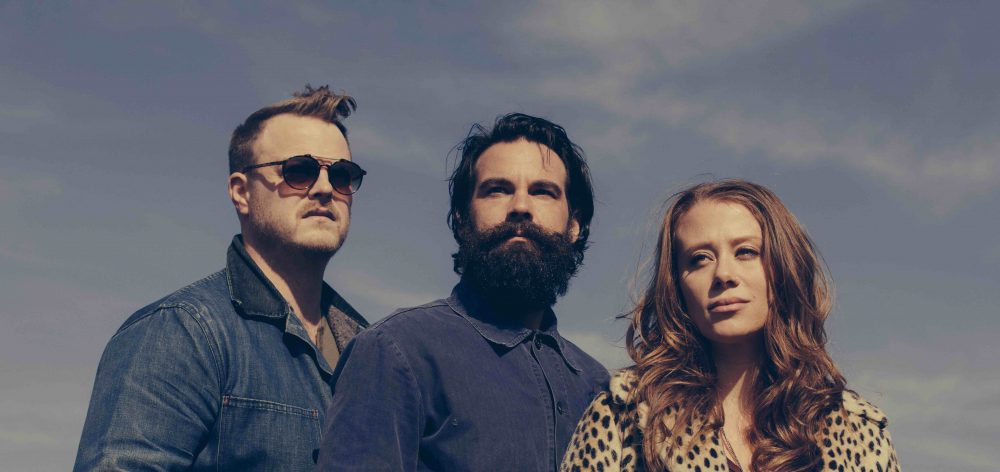
Their hedonistically heavenly harmonies have lifted them from playing tiny bars around their founding home base of Brooklyn, New York to adoring audiences at venerable venues like Red Rocks Amphitheatre, the Apollo, and The Ryman Auditorium, in their new home of Nashville, Tennessee. The Lone Bellow have a rapport that is intimate, hilarious, and — when it calls for it — deadly serious. The band is full of so much heart and genuine insight that you can’t help but lean in and listen.
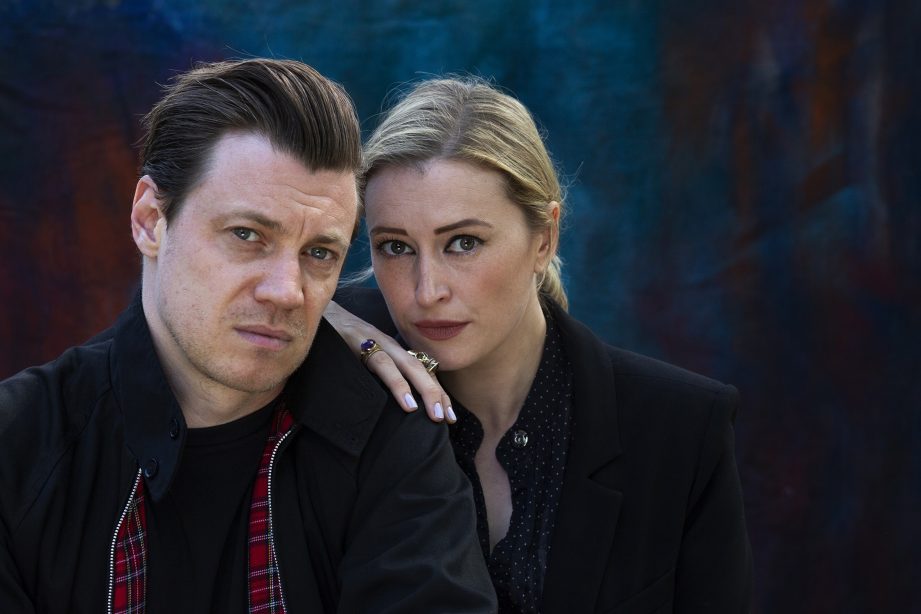
Couples don’t get more folk-rock than The Rails. On one side of the hyphen you have Kami Thompson, whose parents are Richard and Linda, one of the most famous couples on the British folk scene in the 1970s. On the other, you have James Walbourne, who has been guitarist to rock ‘n’ rollers from Jerry Lee Lewis to Shane McGowan to Chrissie Hynde. They have been playing together ever since first becoming an item, and the now-married couple brought out their first album, Fair Warning, in 2014. Now Cancel the Sun, their new record, is showing their fans exactly who they are.
BGS: Your latest album couldn’t be more different from your first. That one was stripped back, bare, traditional — this one’s absolutely rocking out! What’s behind the evolution in your sound?
Kami Thompson: With Fair Warning we set out to make a folk record within certain parameters, because we really liked the ‘70s folk sound. We were writing to that, and using traditional songs…
James Walbourne: My rock ’n’ roll background and Kami’s folk backgrounds have melded together on this one. All our influences came together and this time we weren’t trying to be anything — it was just a true representation of what we are.
Kami: I think of it as us at our noisy best, playing the music we like to listen to.
So what kind of music do you listen to together?
Kami: Well, we don’t listen together. We’ve got quite different tastes. But we both grew up with the same music around us as teenagers, that inescapable ‘90s alt rock and Americana and Britpop. I listen to mainstream pop — PJ Harvey and Elliott Smith were my faves growing up. James is more the tastemakers’ tastemaker…
James: I don’t know why she keeps saying that! I was just a music fanatic really.
Kami: His dad took him to see Link Wray when he was, like, 8.
James: He’d take me to see everyone from Frank Sinatra to Johnny Cash and Miles Davis and Jerry Lee Lewis. That was the biggest influence for me, and his huge record collection. My big hero was Elvis and that’s who I wanted to be. Who doesn’t? So I never thought about doing anything else but be a musician. And now I’m screwed because I can’t…
Kami, your biological parents are Richard and Linda Thompson – were you always destined to express yourself musically?
Kami: My father left my mother when she was pregnant with me, and they didn’t speak to each other until I was much older. So I was raised by my mum and a fantastic stepfather and our house was actually music-free. I would go to festivals with my father when I saw him on holidays and on the odd weekend. That was where I experienced live music, but it was the ‘80s and folk was so uncool to me then. My stepfather is an old-school Hollywood agent from Beverly Hills who used to represent Peter O’Toole and Omar Sharif and Richard Harris, so as a kid I went to film sets and I thought that was the coolest part of show business.
Talking of cool… James, you’ve played with Jerry Lee Lewis, The Pogues, and you’re currently Chrissie Hynde’s lead guitarist in the Pretenders. Which of those gigs has been the wildest ride?
They were all wild in their different ways. The Pogues was probably the wildest because you never knew what was going to happen, ever. But I feel very lucky to have been able to play with all these legends.
And the pair of you owe a debt to novelist and music critic Nick Hornby, for introducing you…
Kami: We have to make sure we send him our records whenever one comes out as due deference!
Did you feel any nervousness about making music together?
Kami: Not really. When we were in the early days of going out we’d drink too much and get our guitars out and noodle. It just seemed an obvious thing to do. We were both looking for a creative partner as well as a romantic partner so those two fell into place simultaneously really well.
James, you previously had a band with your brother – who’s it easier working with, a brother or a wife?
That’s a good question! My brother lives in Connecticut but he’s visiting the UK right now so I’ve got to be careful… but it’s pretty similar. You learn what to say and what to leave out. When to shut your mouth, really. Being in a touring band is like that – it can be hard to not fight. We’ve come up with a solution for now, we have to separate the work from the relationship to a point. Otherwise it takes over. We did that with the songwriting as well… we had to figure out a way to make it work, we weren’t very good at it before.
Kami: The last record we made we weren’t getting on professionally and relationships were frayed. We had to find a different way to work this time and we thought and talked about it a lot. James quit drinking a year and a half ago which has had an incredibly beneficial effect on how we get on. We found a way of writing lyrics and tunes independently from each other, then hashing out what we had in properly delineated office hours.
Are you ever tempted to take holidays alone?
Kami: Oh god yes! We’re both difficult to live with, if we take a big step back and a truth pill. We have to work at finding time apart the way other couples have to put work into spend time together.
James: She just went to New Orleans only this year! And I’ve been away with the Pretenders a hell of a lot in the last three years, a couple of months at a time.
What about the mood of this album? There’s a common theme to a lot of your writing, a world weariness, a pessimism…
Kami: Yeah, we’re a right laugh to go to the pub with! James is more of a storyteller, more of a narrative writer, but I can have a dark view of things. It’s not my only view but my positive thoughts don’t always make for good music, it’s so hard to write a cheerful song that doesn’t sound trite. It’s easier to be grumpy.
James: The same things irritate us, I think. We have a kinship over the world’s irritating stuff! But our singing together, too, is telepathic now. We don’t even have to think about it, which makes things a lot easier.
And which of the songs on the album are you current favourites?
Kami: I love “Cancel the Sun” because it’s that tip towards the psychedelic rock and James’s wigged-out guitar solo at the end makes me really happy.
James: I think it hints towards a different direction, a bit chamber pop Beatles. It points to more possibilities down the road. The other song I really like is “Ball and Chain” because it was one that came straight down from the heavens. It was very quick to write and to finish, and that’s always a good feeling.
Dalton Domino had pretty much ticked off everybody he knew, prompting one friend to remark, “Looks like you’ve been exiled.” That off-the-cuff comment inspired the title of Texas musician’s rugged new album, Songs from the Exile, which he wrote in a year fueled by anger, addiction, and a desire to figure out exactly why he was making so many bad decisions.
“I have a really good knack of shooting myself in the foot, talking shit when I shouldn’t talk shit. It’s one of my biggest character flaws that I have,” he admits. “I’ve driven off a lot of people because I think that I’m right sometimes. And what that does, some people just stopped answering the phone.”
Disconnected from all but a few friends and striving to sort out his worst demons, Domino resurfaced with the autobiographical material that comprises Songs from the Exile. Surrounded by highly-regarded roots musicians chosen by producer Justin Pollard, Domino placed these hard-won songs against a live, in-the-room arrangement, which stands in stark contrast to the orchestration of his prior album, Corners. Not long after wrapping the sessions at Dauphin Street Sound in Mobile, Alabama, Domino checked himself into rehab — again.
More than once, his sobriety has helped him reconnect with his family, whose strong presence is felt throughout Songs from the Exile, particularly on tracks like “Half Blood” and “Hush Puppy.” His grandmother even kept him company as he drove from Dallas, where he lives, to Memphis, where she stopped off to see her son. Domino then detoured to Huntsville, Alabama, to catch up with his dad before swinging through Nashville for a gig and a chat with BGS.
BGS: There was a whole lot that happened leading up to this record, it sounds like.
DD: It was, man. It was a lot of falling off. I was sober for a little while and hitting meetings, and I just got in this rut. I don’t know what happened. I wasn’t paying attention and started drinking again. I thought I was fine and started drinking a little bit, and started doing some other stuff. It just started snowballing.
I cut this record and I was really confused and I had a lot of questions. And it was knee-deep in self-medication with questions. There were moments of clarity and then moments of, “What the fuck is going on?” I don’t know, it was like a quarter-life crisis. But yeah, it was a weird spot. That week getting away [to Mobile], it was nice to do that. It was nice to clear my head a little bit.
So you were using these songs to sort out what was going on with you?
Yeah, man. I was just angry at stuff. In hindsight, I thought I knew what I was angry about. In the same breath, in hindsight now, the stuff I was mad about wasn’t stuff you should be mad about.
It seemed like there was a breakup that threw you way off.
There was a breakup, then it was like, “Well, looking back in my life, they always leave this way. So what did I do?” And then it led to, “It’s me. I was the problem.” I was the asshole in the situation. Not them. I always place blame on them, then that led to, “Well, why do I act this way?” And then that looped into all these other questions I had about myself. That’s where a lot of the songs came from.
“Half Blood” seems like it was ripped from a page of your life. Is that pretty much how it went, where you were in the driveway going, “This is my fault that this is all falling apart”?
I think that every child of divorce at some point thinks that the reason that their family split up is because of them. I think it’s because that always happens with everybody. But that specific story, I set out wanting to write a song about my sister. We have different moms, that’s my half-blood sister. But I took it into a friend of mine, and she was tinkering around with the idea. She goes, “You know, you guys don’t really have too much to complain about, because your family does love you despite their flaws.”
These songs are very introspective, but it seems like you wrote them with an audience in mind, or at least produced them that way.
Yeah. That’s Pollard. I was trying to work on melody a little bit more, in the actual writing process of it. I know I needed to work on melody a little bit more. So, going into sitting down and writing the songs, I knew that I wanted them to be more melodic. I think that you can say whatever you want to say and you can put a good melody on it. At least for me, whenever I sit down to write a song it’s always to share with other people. It’s never just like, “This is mine. I wrote this for me to get off my chest.”
I wanted to ask about “Hush Puppy.” Is that based on something you overheard as a songwriter?
That’s a true story. That’s about my grandfather. He had this hush puppy recipe and he would never let anybody in the kitchen while he cooked it. And we thought he was always going to be around forever. We never did think to have it. But I made sure after writing that song, I sat down and got my grandmother’s cornbread recipe because I don’t want that want that to go the way of the buffalo. But, yeah, it’s a true story. It’s about how he died. He died alone in a V.A. hospital in Memphis.
What was the response when you played that song for your family?
My grandma liked it. You know, they all liked it. Yeah, they thought it was funny. I always tell a story about him. He was a character of his own, man. He was funny. I wish he was still around. He would enjoy all of this because he loved country music. He would enjoy coming up to Nashville and seeing stuff about Johnny Cash and Hank Williams. When he was alive, I wasn’t into country music. I just kind of ignored it. I loved punk music and I still love it, really hard stuff. My grandfather would love all this.
What was it like to see your dad again?
Dude, it was awesome, man. I hadn’t seen him in about a year and a half, or two years, and it was cool seeing him again. We talk on the phone and stuff but I hadn’t seen him in person in forever. He still is the same. I’ve got to drive back to go sign papers because I bought a car. He’s a car salesman. I asked him about a certain car and he was like, “Well, let me show you one. Why don’t we just go ahead and put you in this one?” And, “You know you’re qualified for a trade-in right?” I was like, “Goddamn it.” He said, “Go to your show, I’ll have the paperwork ready.” So I got to go back down there.
He made a sale.
Yeah, he made a sale, man! He’s the finance guy though. But, man, it’s always good seeing him. I saw my little brother last night, but I’m flying him out for a big show out in Lubbock on the 31st. So he’s going to come out there. The show’s 18 and up, and he just turned 18. So I’m going to show him Lubbock. Lubbock is my stomping grounds. That’s the place where I picked out to move to, so I consider Lubbock home. It’s his first time out there, and his first time at one of our shows.
I’ve not been to Lubbock.
Goddamn, it’s a blast!
So for those who read about what you went through, and they’re curious about how you’re doing now, what would you say about your frame of mind and how things are going?
I feel a lot better than what I did this time last year. This time last year, I was miserable. It was weird when we started this record, a friend of mine passed away. And I had a lot more questions. This time last year it wasn’t okay. It wasn’t good, but I still just kept digging in. And finally, this past year, this January, I asked for help with all those questions that I still had from writing the record, and what I thought about over the past year. I sought treatment and got help. I guess what I’m saying is, if somebody comes across this and hears this story, all I can say is, if you’re going through some shit, it’s OK to ask questions. It’s OK to feel bad, but go get some help. Help is out there. Help works.
Folk rocker Ian Noe captures both beauty and ugliness on his debut album, Between the Country, populating his isolated Eastern Kentucky home with vivid portraits of human carnage.
Heavily influenced by John Prine, the 29-year-old writes with insight and deep compassion for what some might describe as the dregs of society. Meth-addled junkies, alcoholic drifters, and the gangs that prey on them dominate his songs, but he says shock and awe has never been his real goal. Instead, it’s to write songs reflecting the hardscrabble truth of his hometown. It’s a great place to grow up, he explains, but there’s no denying the dark reality which lurks down almost every holler.
“I guess it’s just the environment and the stuff you see growing up in Eastern Kentucky,” Noe says of his inspiration. “There’s a vibe to it. I hate to be so vague, but there’s a definite vibe.”
Noe has articulated that vibe so well he was invited to serenade Prine during a pre-Grammy Awards tribute at Los Angeles’ iconic Troubadour in February, and this summer he’ll open a series of shows for the legend in Europe. But for now he’s touring the U.S. with a batch of tunes that make traditional murder ballads sound like lullabies.
Noe spoke with The Bluegrass Situation about his admiration for Prine’s work and how it led to Between the Country, as well as his connection to the doomed souls of his songs and producer Dave Cobb’s help in creating a full-band sound.
BGS: Your vocal and the literary quality of the lyrics remind me of John Prine, which I’m sure you get a lot. How big of an influence was he on you?
Noe: Oh, he was huge. I would have to say he’s definitely the biggest influence for me. I started out wanting to be Chuck Berry on guitar, but it didn’t take me long to realize I wasn’t Chuck Berry. [Laughs] Then I heard John Prine through my dad, who would play his songs all the time in between Merle Haggard and Neil Young. But when he went to Prine songs, they would stick out … and I was just obsessed ever since.
What was it that stuck out about Prine?
He can just take simple things and make them profound. He’s the best at that. He can look at a sidewalk and write a song about it, make you laugh and think at the same time.
You’ve done something similar with Between the Country, but there’s a lot of dark themes – songs about substance abuse and self-destructive behavior. Why are those topics given so much prominence in your own writing?
I imagine it would have to be all the stories and people I know, as well as people I didn’t know but heard stories about. Just stuff that you hear happening in a town of six or seven thousand. Lee County is not that big, and it’s a cliché, but you hear everything that goes on in a small town.
Were you exposed to that stuff personally?
Not really, to be honest. I never did go to a meth house or anything like that, or even see anybody using it. But it’s one of those not-really secrets. Everybody knows it’s around.
I think that’s interesting because you seem so good at getting into these characters’ skin. How do you make that happen without first-hand knowledge?
I just think about them. Just think about it and picture in my head how it might be to live that way. It starts with a melody. I like to get the melody going in my head and if it’s a good one, try to see what’s going on with it.
I guess what I’m getting at is even though there’s bad stuff going on, it never seems like you’re judging anyone, or the area, for it.
Yeah, I tried to be real careful not to do that or come off as holier than thou. “Meth Head” is harsh, but I just wanted to be as extreme as I could be because it’s such an extreme drug, you know?
Tell me about coming up with that song. It’s really specific, I mean the imagery of this guy hunting for scrap metal and the woman covered in sores is chilling.
That song used to be about a war hero who was coming home, or at least the melody did anyway. I thought I was wasting the melody because I had already written some songs about battlefields and stuff like that, so I scrapped all of that and started again with the melody. I came up with that first verse pretty quick and just kept going.
How did you get so vivid with it?
It just comes with there being an actual junkyard in Lee County and thinking about the sound of the junkyard, thinking about the rest area that’s down the road and all the smells and sounds, things like that, just trying to get as descriptive as I could be.
Tell me about the title track. What does that phrase, “Between the Country,” mean to you?
Just being in the country, and everything that’s going on in between it. In between this hill or mountain, or what’s going on up in this holler, that’s what it means.
Why did you decide on that for the title track?
My grandmother used to say stuff like “If you treat your parents well, your days will be long on this earth,” which I’m not saying right but it’s from the Bible. She used to say stuff like that all the time, and I got to thinking about it, like “On down between the country, where deer lay along the road / On down between the country, where a long life’s a blessed one, I’m told.” It was like some people don’t make it past 40, you know? And that’s everywhere, it’s not just in a small town. But I didn’t grow up everywhere. I grew up in Lee County.
“Irene (Raving Bomb)” is about an alcoholic who’s not hiding it so well, even though she seems to think she is. How hard is it for you to find compassion for a character like that?
Not hard at all. We’ve all had our issues with this or that or the other, and I grew up seeing a lot of things like that. It wasn’t hard to have compassion for somebody whose disposition turns them to something like that.
How about “Letter to Madeline”? It’s about this guy who’s on the run and he’s carrying a letter he never mailed. What’s his backstory?
I was and still am a big fan of [the FX series] Justified, and I think it’s season two or three where there’s a story arc about the Detroit Mafia. I wanted to make it sound as if it was older. “A Detroit general” just meant a Detroit Mafia boss, and then his company just refers to his gang. It just came from that and people like D.B. Cooper — thinking about somebody robbing this guy and him trying to make it back to Kentucky.
Tell me a little about the sound here. It’s got this mix of folk rock and even a touch of ‘70s psychedelia at times. I know you’ve mostly worked solo in the past but teamed up with Dave Cobb for the album. Did he have a big impact?
It was pretty natural and easy. We were going back and putting in some of the electric lead you hear on “Dead on the River,” and he had bought a specific amp from Carter Vintage [Guitars in Nashville] the day we were mixing and overdubbing, and I believe he said he’d been listening to The Byrds that week. It was off the cuff, but the tone fit the themes, if that makes sense. … I like that there’s not a whole lot of crazy guitar solos, but every one of them suits the song. We don’t have congas or whatever, and it just has enough to breathe. Anything we overdubbed didn’t get in the way of any of the stories.
What do you hope people will take away from this first record?
Like everybody always says, when you make an album you just want people to appreciate it as much as you appreciate it. You want them to listen from track one all the way to the last track, and not everybody does that, which is all right. But the subject matter is all a common theme through the whole thing, and the cohesiveness is important. That’s what I love about all my favorite albums.
Photo credit: Kyler Clark
This website uses cookies to improve your experience. We'll assume you're ok with this, but you can opt-out if you wish.AcceptRejectRead More
Privacy & Cookies Policy
Privacy Overview
This website uses cookies to improve your experience while you navigate through the website. Out of these, the cookies that are categorized as necessary are stored on your browser as they are essential for the working of basic functionalities of the website. We also use third-party cookies that help us analyze and understand how you use this website. These cookies will be stored in your browser only with your consent. You also have the option to opt-out of these cookies. But opting out of some of these cookies may affect your browsing experience.
Necessary cookies are absolutely essential for the website to function properly. This category only includes cookies that ensures basic functionalities and security features of the website. These cookies do not store any personal information.
Any cookies that may not be particularly necessary for the website to function and is used specifically to collect user personal data via analytics, ads, other embedded contents are termed as non-necessary cookies. It is mandatory to procure user consent prior to running these cookies on your website.