Watch Willi Carlisle’s Brand New Video for “When the Pills Wear Off”

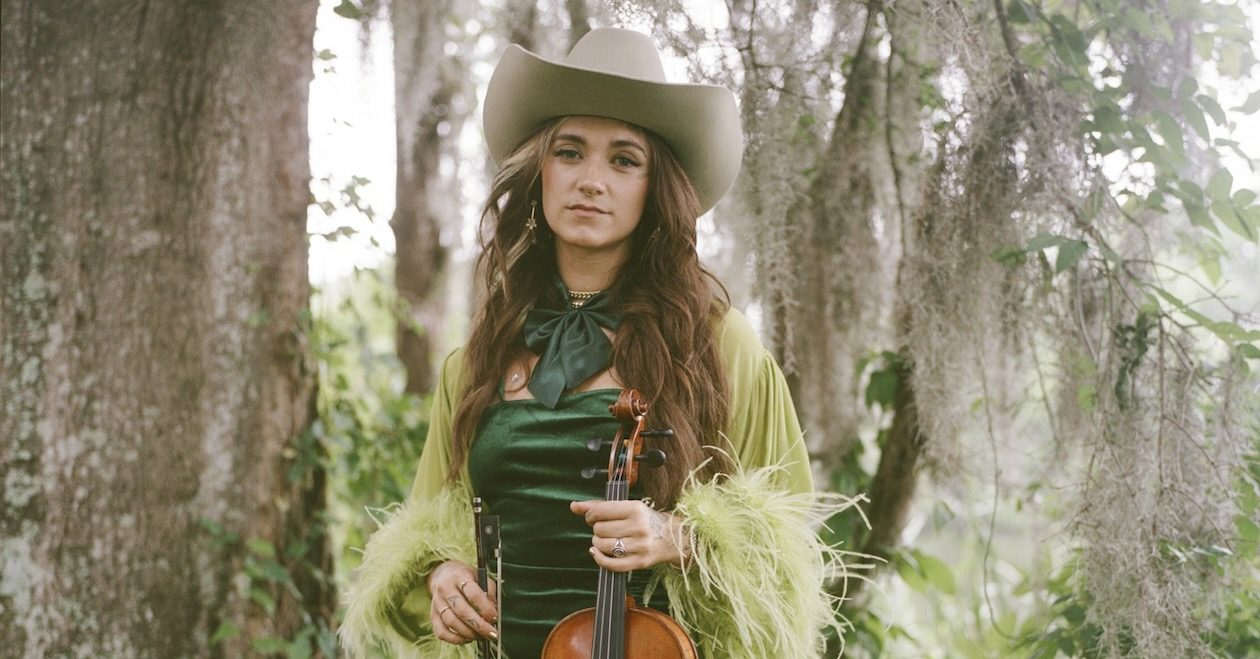
On an auspicious Leap Day and the final day of February we want to bid adieu to our Artist of the Month, Willi Carlisle – and as it happens, he’s dropped a brand new music video as if to celebrate the occasion. Shot by Mike Vanata of the hugely popular series Western AF, the performance is tender and haunted, finding redemption – as his entire new album, Critterland, does – in the dark shadows under which so many marginalized and oppressed people and their stories are willfully hidden by our society. He sings:

“Oh I lost friends to heroin
Plenty more to loving them
Strung out on the highway like we couldn’t read the signs
Now that I am older 
And burn a little colder
I know how to read between the lines…”

Carlisle doesn’t just know how to read between the lines, he knows how to locate and place entire universes in their gray, amorphous no-man’s-lands – territories all too familiar to the kind of folks who have faced the social and political issues he sings about. Critterland is a gorgeous, cattywampus, hodge-podge of songs, subjects, and stories, pinned together with whimsy and Carlisle’s poetic way of viewing the world. As BGS contributor Steacy Easton put it in their Artist of the Month feature on Carlisle and Critterland, “Carlisle is at his best when limning complex networks of historical figures, news, what is called ‘traditional music,’ contemporary poetics, and the natural world. He is a lyric poet, in the most classical sense.”

On “When the Pills Where Off,” those skills are on full display. Carlisle takes a well-worn country music trope – the genre’s everlasting relationship to substances and their abuse and misuse – and grounds it not only in reality, but in the working class, in the very real, embodied human beings whom he references throughout the song’s lyrics. This is not a song venerating or valorizing drugs as a signifier of authenticity, of “outlaw” country, of legitimacy, whether artifice or genuine. It decries the titular pills, but more than that, it decries the society and culture that requires them.

Carlisle’s music is complicated, nuanced, and resplendent. It offers as deep an intellectual reckoning as its listeners are willing to engage in. Still, there’s an ease to Critterland and its songs. No matter how powerful or indelible these songs’ stories or messages are, they are each, first and foremost, excellent, singable, lovable songs. That they offer so much insight and so much heart, wrapped up in intelligence, subversiveness, and thoughtfulness is simply a bonus.


Photo Credit: Madison Hurley

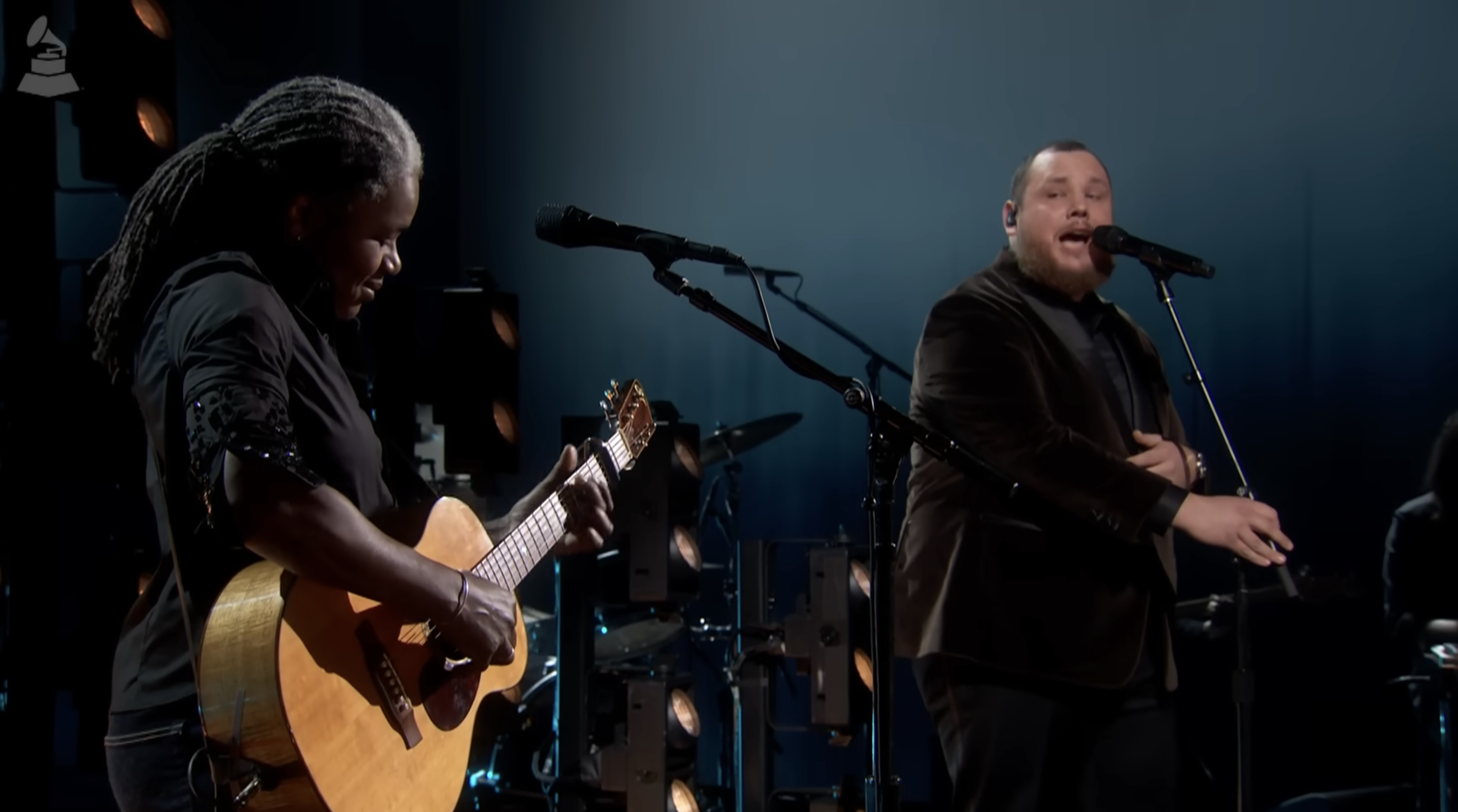
Watch Tracy Chapman and Luke Combs’ Stunning Performance of “Fast Car”

Since the Grammy Awards ceremony on February 4, the country and folk music worlds have waited with bated breath for the Recording Academy to share a stand-alone video of Tracy Chapman and Luke Combs’ stunning collaboration on their mutual, cross-generational hit, “Fast Car.” Late last week, the Academy made our dreams come true – you can now watch the performance in its entirety. (View above.)

The song was a highlight of the Grammys’ primetime telecast and, to its global audience and more than one commentator, signaled a sense of unity and come-togetherness that many feel is woefully lacking in the current zeitgeist, news cycle, and pop culture content machines. Chapman seemed to glow while Combs quite obviously basked in her limelight, content in sharing the stage and the iconic song with one of his childhood heroes. Chapman, something of a recluse in the past two decades, occupied the enormous Crypto.com Arena stage with a quiet confidence and an undercurrent of joy. An electric energy emanated from her guitar strings as she picked the unmistakable melodic hook. Then, on the song’s soaring chorus, the two sang in unison, finding power and common ground in a lyric that has now been sung, heard, and enjoyed by millions more – and entirely new generations.

In the audience, celebrities and musicians like Taylor Swift, Michael Trotter of the War and Treaty, Brandi Carlile, and many more sang along boisterously, indicating the staying power of the song and its lyrics – and the long-lasting adoration held by so many for Chapman.

“Fast Car” will continue to resonate long into the future – and not just on road trip playlists. It’s a perfect, sonic example of the angst endemic to the American dream, of queer placemaking and history-telling, and of all the ways a story so specific, granular, and microscopic could feel entirely universal and relatable. There’s a reason why so many listeners have needed reminding that Combs didn’t, in fact, write the song himself – no matter who we are, where we come from, or who we love, we all so easily see ourselves reflected in “Fast Car.” We’re each hungry for that reflection; “Fast Car” is satiating and then some.

For a brief moment during the Grammys’ 66th Awards Ceremony, we were all contented, joyful passengers in Chapman and Combs’ cosmic “Fast Car.” Let’s each take time to continue to inhabit that moment, as we navigate the traffic of our busy, distinct, distracting, and often divided lives.


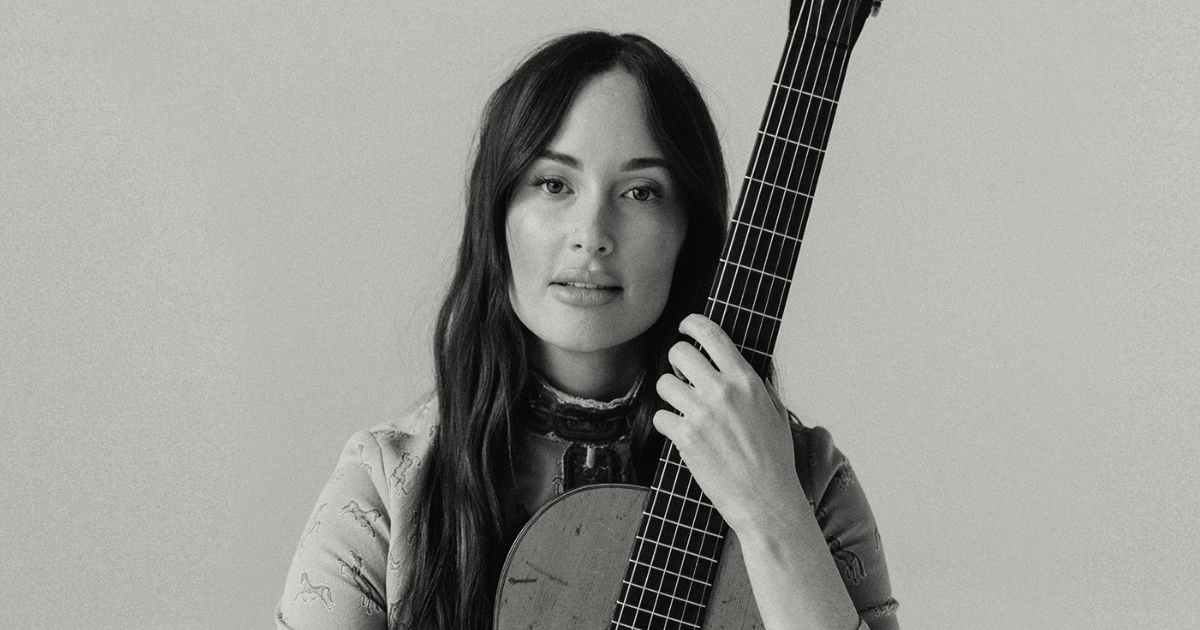
Hear the Title Track of Kacey Musgraves’ Next Album, Deeper Well

During the primetime Grammy Awards broadcast on February 4, country experimenter/challenger and singer-songwriter Kacey Musgraves announced her next full-length album with a 30-second ad that dripped with pastoral, “cottage core” imagery. Among more than a handful of recent, high profile album announcements – Lana Del Rey announced her upcoming country album just prior to the Grammys; Taylor Swift announced her next album during the ceremony; Beyoncé teased and confirmed her own country foray during the Super Bowl – Musgraves’ messaging felt very pointed, direct, and a bit disaffected. Given her track record and the lyrical content of the album’s title track, “Deeper Well,” it’s not surprising that Musgraves continues to follow her own arrow, wherever it points.

“I’m saying goodbye / To the people that I feel / Are real good at wasting my time…” she sings, and yes, it’s another free and unconcerned middle finger to Music Row, Nashville, and their puritanical country gatekeeping, but it’s so much more than that, too.

In the music video for “Deeper Well” (watch above), which seems pulled directly from a recent Star Wars film or a modernist, fantastic adaptation of Brontë or Austen, Musgraves inhabits a cozy and fearsome solitude. It’s reflected in the lyrics, as well, as the notorious stoner speaks of giving up on “wake and bakes” and giving up all of the flotsam and jetsam that’s gathered in her life since her enormously popular and successful album, Golden Hour, her prominent divorce, and the “controversy” that swirled around genre designations for her critically-acclaimed though nearly universally snubbed follow-up to Golden Hour, 2021’s star-crossed.

It seems that Musgraves is making music with even more intention, even more of herself, and even less concern with industry gatekeepers and mile markers. It also seems that, sonically and otherwise, Deeper Well will draw on the devil-may-care attitude of Same Trailer, Different Park and Pageant Material, while still guiding her audience and fans – by reaching them, directly – toward the same redemption and rebirth that she’s clearly found while making these songs. The production here listens like a combination of boygenius, Nickel Creek, and more of East Nashville and Madison than of Music Row and Broadway. But of course! This is Kacey Musgraves, after all.

There’s a slowing down apparent here, not only in the time that’s elapsed since star-crossed, not only in the imagery of the announcement and the first video, but also in Musgraves’ ambitions and how they fit into the overarching constellation of her work. Ambition has never been the focal point of her music, but it’s always been present; Musgraves is as deliberate and strategic as any woman (is required to be) in country music – like Swift, or Brittany Howard, or Ashley Monroe, or Maren Morris – but she’s leveraging her agency and her position as the CEO of her own outfit to continue to step away, bit by bit, block by block, mile by mile, from the parts of the music industry she’s never cared for.

As it turns out, her fans have never cared for the industry either, whether they know it or not. So, Deeper Well, is poised to – yet again – further broaden and expand the universe of Kacey Musgraves, even while her own, personal world seems to have deliberately shrunk… for the time being.


Photo Credit: Kelly Christine Sutton

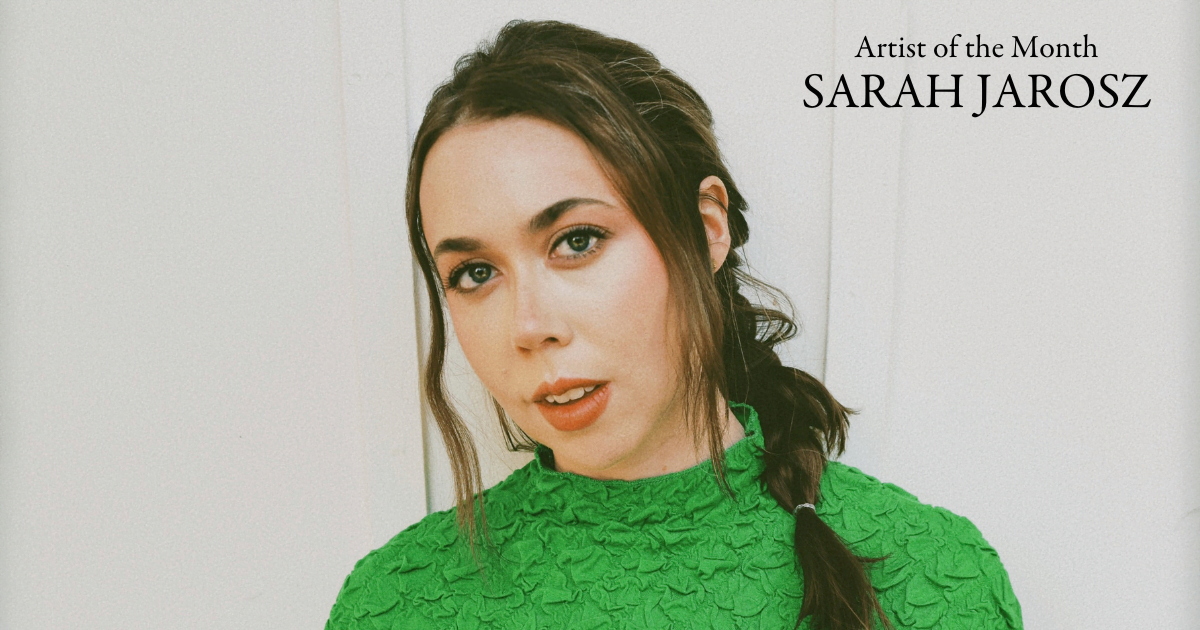
WATCH: Sarah Jarosz Performs on CBS Saturday Morning

In December, our current Artist of the Month, Sarah Jarosz, appeared on CBS Saturday Morning with her band to perform three tracks from her upcoming album, Polaroid Lovers (out January 26). Watch all three performances right here, on BGS.

The octave mandolin in her arms is the most “traditional” touch of each of these songs. The full band sound, which is ripe with influences from Jarosz’ new home base of Nashville, Tennessee, shines under the stage lights – vibey electric guitars mingling with energetic keys and the low-end, buzzy hum of her mando.

From “Jealous Moon” to her subtle, love-laden paean to New York, “Columbus & 89th,” to the slow burning and erotic “When the Lights Go Out,” Jarosz demonstrates an ease at this point in her career, a sly smile that says she knows exactly what she’s doing, even when she’s out on a limb. It’s a confidence born of living her entire adult life in the spotlight – after all, she won her first Grammy Award when she was merely eighteen.

As NYC did on past albums, Nashville certainly oozes from the songs on Polaroid Lovers, but never in pedestrian or predictable ways, as evidenced by these gorgeous performances from CBS’ Saturday Sessions. Jarosz uses Music Row sounds, textures, and professionals – Daniel Tashian produced the album and quite a few in-demand Music Row songwriters have co-write credits on the project – not as molds in which she fits her music, but each as springboards launching her into new sonic territory, which still hearkens back to songs and tracks we now view as classic Jarosz.

Enjoy these three performances while you look forward to Polaroid Lovers’ release on January 26th – and to our upcoming Artist of the Month feature, coming later in the month. Read more about our AOTM and explore our Essential Sarah Jarosz Playlist here.


Photo Credit: Shervin Lainez

You Have to Hear Tray Wellington Band Cover Kid Cudi

It’s that time, when music writers everywhere are thinking and writing about the best of the year’s music, blurbing away for year-end round ups. (Speaking of, our BGS year-end picks will be unveiled next week.) While it’s right to view ranking, commodifying, and objectifying music with a degree of skepticism, there is certainly something constructive and generative about reflecting on the songs, albums, and performances that have stuck with us throughout a year. It’s especially illuminating when certain music immediately jumps out from the rest, requiring no particular organization or intention to be a constant presence throughout a year or to be remembered among the cream of the crop.

Tray Wellington Band’s cover of Kid Cudi’s “Pursuit of Happiness” is one such song. When the group performed it earlier this year at FWAAMFest in Texas, it wasn’t the first time I had heard their rendition, but it was the first time I noticed an audience hearing it themselves for the first time. I was struck by the reactions, in a non-bluegrass audience they varied from utter shock to outright glee – even other bands and artists on the lineup were beside themselves, as Tray Wellington Band laid out their one-of-a-kind cover of such a recognizable melody. Later this year, I saw TWB perform again at Earl Scruggs Music Festival in Tryon, North Carolina, and yet again, down the road a handful of weeks later at IBMA’s Bluegrass Live! festival and conference in Raleigh. Each time, regardless of the audience’s starting point or their baseline understanding of bluegrass, of the banjo, of cover songs such as this, “Pursuit of Happiness” would generate electricity in the crowd.

There’s a reason why hearing a North Carolina-born, Raleigh-based (via east Tennessee) Scruggs-style banjo player’s take on “Pursuit of Happiness” reminds of Reno & Smiley performing Johnny Cash and Elvis hits and Flatt & Scruggs recording buckets of Bob Dylan songs. This is a tradition in bluegrass as old as the genre itself. Executed as artfully as this, it has the potential to bring countless new fans of string band music into the fold. That “Pursuit of Happiness” retains its impact, no matter the audience – thanks, in large part, to this band’s remarkable musicality as an ensemble – at bluegrass festivals, African American music festivals, or even in Earl Scruggs’ home county, speaks to that ineffable quality of this music that we all hold so dear. Sometimes, a bluegrass song just grabs you and it won’t let go. “Pursuit of Happiness” is destined to grab more than its own share of ears, and Tray Wellington and band deserve it and then some, for bringing this track to the world.


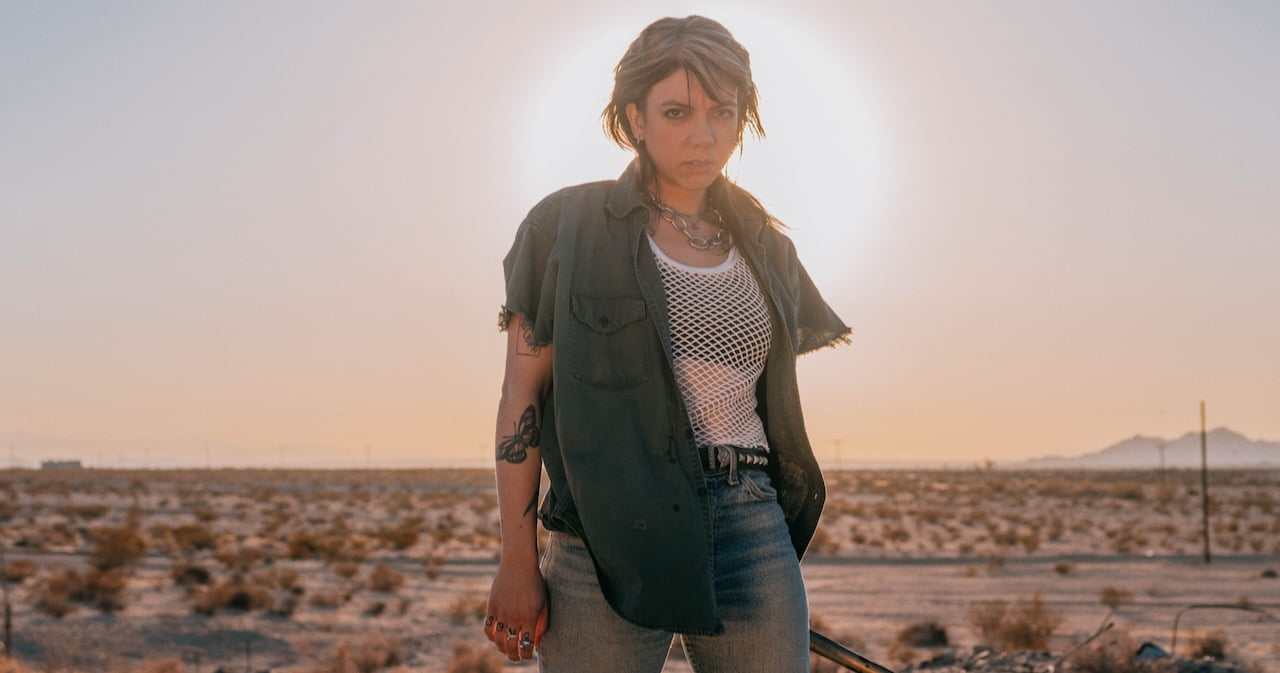
Hurray for the Riff Raff Announce New Album, ‘The Past Is Still Alive,’ with Music Video

Alynda Segarra, creative and frontperson extraordinaire of Hurray for the Riff Raff, has announced a brand new album for the Americana/indie folk-rock group that they have spearheaded for now more than 15 years. The Past Is Still Alive (out February 23, 2024 on Nonesuch Records) was heralded last week with a new music video – watch above. “Alibi” showcases a tender, more subdued, and more country-fied sound following the anger and passion of 2022’s LIFE ON EARTH. Segarra has always made their home directly in American roots music, even while they and their ensemble have played most often in its fringes and margins. The Past Is Still Alive feels a bit like a return to the bread-and-butter genre aesthetics that first launched HFTRR into the upper, superlative reaches of indie Americana.

The Past Is Still Alive also showcases Segarra’s incredible talent for processing and displaying all of the beautiful and hideous facets of grief and loss – this time, losses and griefs much more personal than those highlighted on recent albums and songs.

The Past Is Still Alive is an album grappling with time, memory, love and loss, recorded in Durham, NC a month after losing my father,” Segarra explains via press release. “‘Alibi’ is a plea, a last ditch effort to get through to someone you already know you’re gonna lose. It’s a song to myself, to my father, almost fooling myself because I know what’s done is done. But it feels good to beg. A reckoning with time and memory. The song is exhausted with loving someone so much it hurts. Addiction separates us. With memories of the Lower East Side in the early 2000s of my childhood, mixed with imagery of the endless West that calls to artists and wanderers.”

Even with subject matter as heart-stopping and human as this, it’s difficult to anticipate this new album with anything other than excitement. Segarra is a master of transparent vulnerability, painting and evoking with their queerness, their identity, their cultural background in ways that complicate internalized narratives and stereotypes – while also contextualizing all of these intellectual explorations in a down-to-earth, everyday fashion. That The Past Is Still Alive will engage this sort of exploration within country, Americana, and string band sounds – however experimental or mainstream or “normative” or genre-blending – adds up perfectly.


Photo Credit: Tommy Kha

WATCH & LISTEN: Two Tracks from John Leventhal’s “Debut” Album

Earlier this week renowned guitarist, producer, and engineer John Leventhal announced his debut album, Rumble Strip, to be released on RumbleStrip Records, a label founded with his wife and collaborator Rosanne Cash that will be distributed by Thirty Tigers. Yes, you read that right, a man known for his nearly 50-year, multi-hyphenate career in roots music is releasing his first ever proper solo album. Leventhal made the announcement with the release of two tracks, an instrumental guitar piece entitled “JL’s Hymn No. 2” and a gritty, rockin’ Americana duet with Cash called “That’s All I Know About Arkansas.”

“JL’s Hymn No. 2” showcases the guitar prowess that has made Leventhal such an in-demand sideman and session player across his entire career. On both of these tracks, his playing reminds of such country and roots renaissance men as Marty Stuart, Buddy Miller, David Bromberg, and Larry Williams with each of his constituent musical skills – as engineer, producer, and picker – on full display. “That’s All I Know About Arkansas” is like a post-modern “brother” duet, with Cash stepping into the role of Buddy’s Julie Miller, or Larry’s Theresa Williams, bolstering and supporting her musical- and life-partner in a touching and artistically successful role reversal for the pair. You can hear the passion they have for each other’s music, for each being members of each other’s “bands.”

With a resume and career as exhaustive and expansive as Leventhal’s, it’s remarkable that he’s only reached this pivotal, “debut” milestone at this late-stage point. And, more remarkable still, is that Rumble Strip is clearly another opportunity for Leventhal to challenge himself, break new ground, experiment with new sounds and textures, and continue to grow, morph, and develop as a quintessential musician-producer. It’s engaging and exciting to hear him turn his studio control room magnifying glass onto his own music, his own record.

Rumble Strip will be released on January 26. Enjoy these two tracks from the project now, right here on BGS.


Photo Credit: Wes Bender

Watch a Brand New Video From Americana Firebrand Sierra Ferrell

With a brand new, to-be-announced album coming in 2024, Americana singer, songwriter, and “musical vagabond” Sierra Ferrell has released “Fox Hunt,” a galloping, gothic track with a storybook-style animated video. (Watch above.) It’s one of her most sonically mainstream single releases to date, reminding of groups like the Lumineers — a shimmering polish on the deeply patina-ed, gritty sounds drawn from her West Virginia raising.

Ferrell is one of the fastest rising stars in American roots music, with a tour schedule and dance card filled to bursting. Listeners place her in musical constellations with such high energy and “back to basics” artists like Billy Strings, Molly Tuttle, Zach Bryan, Margo Price, and more – many of whom she calls friends and collaborators. But Ferrell, in a twist of homophonics, brings a feral and untethered mastery into her music, a quality that continually has fans begging for more. Her performance of femininity – and as often, her subversion of it – recalls other mountain music mavens like Dolly Parton, Ola Belle Reed, Wilma Lee Cooper, and Loretta Lynn, but with their often aspirational facades – qualities of each of their professional brands – exchanged for a devil-may-care attitude that’s just as deliberate and intentional. It’s as much an extension of Ferrell’s agency as any of the women who came before her donned their own rhinestones, big hair, and striking make-up as representations of their individuality.

2024 will undoubtedly find Sierra Ferrell notching many more career milestones as her ever-growing audience will be hanging on for every rollicking, frolicking note.


Photo Credit: Bobbi Rich

Watch the Zany Music Video for Willi Carlisle’s Just-Announced Album, ‘Critterland’

Arkansas-based country and old-time troubadour Willi Carlisle has announced his upcoming, Darrell Scott-produced album, Critterland, with a delightful stop-motion music video. (Watch above.) Set for release January 26, 2024 on Signature Sounds, the collection once again draws on Carlisle’s apt self-positioning as a sort of rural, countercultural, folklorist guru, crafting poetic yet down-to-earth songs that feel all at once fantastic, resplendent, whimsical, and– well, trashy. It’s a dichotomy not unknown to American roots musics, but rarely is this paradoxical construct inhabited so intentionally and subverted so artfully. It’s a language Carlisle isn’t just fluent in, it oozes from his spirit and lives in his bones.

On “Critterland,” Carlisle positions himself not as an omniscient narrator, but well within his own communities – musical and otherwise – as he examines how the “big tent” of his prior album, Peculiar, Missouri, could be put into action. And, in doing so, he demonstrates how varied, broad, deep – and sometimes ugly – open arm, open heart policies can be. But in that mundane, in that bittersweet, there is endless beauty.

With that thought in mind, Darrell Scott as producer and collaborator here isn’t merely a solid choice, but a nearly perfect one. You hear his touches in the confidence Carlisle has stepped into – with hundreds and hundreds of shows under his belt – with his soaring, passionate vocal on “Critterland,” raising its possums and raccoons and armadillos to saint-like status. Because, after all, aren’t all living beings divine? Don’t we all have something to contribute to our own, particular critterlands? Carlisle says so, and makes a compelling case.

This 2024 album will be a must-listen.


Photo Credit: Madison Hurley

WATCH: Nat Myers Brings the Healing Power of the Blues to PBS News Hour

On the heels of his critically-acclaimed Easy Eye Sound release, Yellow Peril, Korean-American blues musician Nat Myers made his national television debut on PBS News Hour last month, channeling the healing power of the blues. Born in Kansas and raised in Tennessee and Kentucky, Myers found the guitar and developed his right hand technique as a youngster. The aspiring poet developed his chops, his lyrical style, and his songwriting perspective as many blues musicians do: Busking and performing for his own enjoyment and entertainment.

Yellow Peril, a stand out among Easy Eye’s and Dan Auerbach’s now expansive catalog of first-rate recordings, finds Myers superseding the stardom of his collaborators – like Yola, another Easy Eye alumnus, did before him – with a collection of songs that capitalize on blues’ unique ability to consume, digest, and engage with complex and divisive issues. Race, justice, equality and equity, class, consumerism, and many more hot-button issues permeate this album. But overall, this is still a rollicking, enjoyable, danceable collection of songs, striking a deft balance that feels inherent to a genre through which Myers expresses himself so well.

Watch Nat Myers’ PBS New Hour appearance above and don’t miss his recent Grand Ole Opry debut, as well. Myers will continue to tour Yellow Peril through the end of 2023 and into 2024 – don’t miss this singular voice among the current American roots music scene.


Photo Credit: Jim Herrington