LISTEN: Bella White, “All I Gave to You”

Artist: Bella White
Hometown: Calgary, Alberta, Canada; now living in Nashville
Song: “All I Gave to You”
Album: Just Like Leaving
Release Date: September 25, 2020

In Their Words: “‘All I Gave To You’ feels explicitly gentle to me. However, underneath all that sweetness, there is definitely a tinge of heat. A little fire burning in 18-year-old Bella. I wrote it about being far away from something that I wanted so badly and for all I know, irrationally. A puppy love interest. It talks about wanting to be wanted, or better yet wondering if you’re wanted… a common theme in songwriting. Something I believe to be extremely human. Wanting to feel revered and liked. Especially by those that you’re fond of. In retrospect, I wrote ‘All I Gave To You’ when I was 18 and liked a boy, wasn’t sure if he liked me back, and then tried to be a poet about it.” — Bella White


Photo credit: Sheena Zillinski

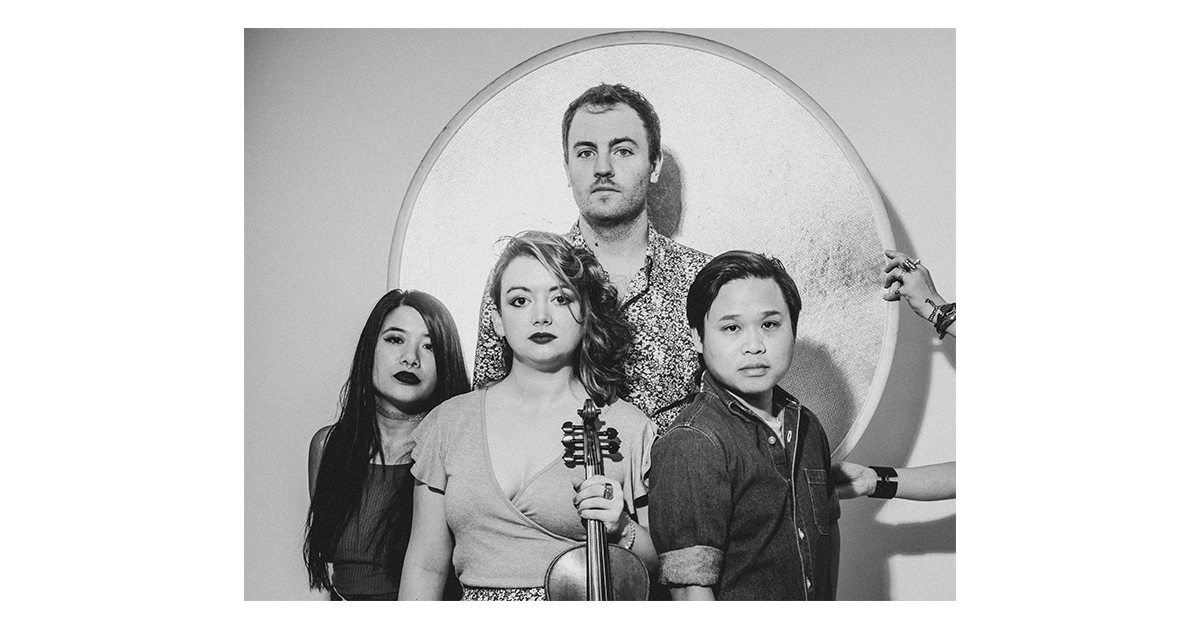
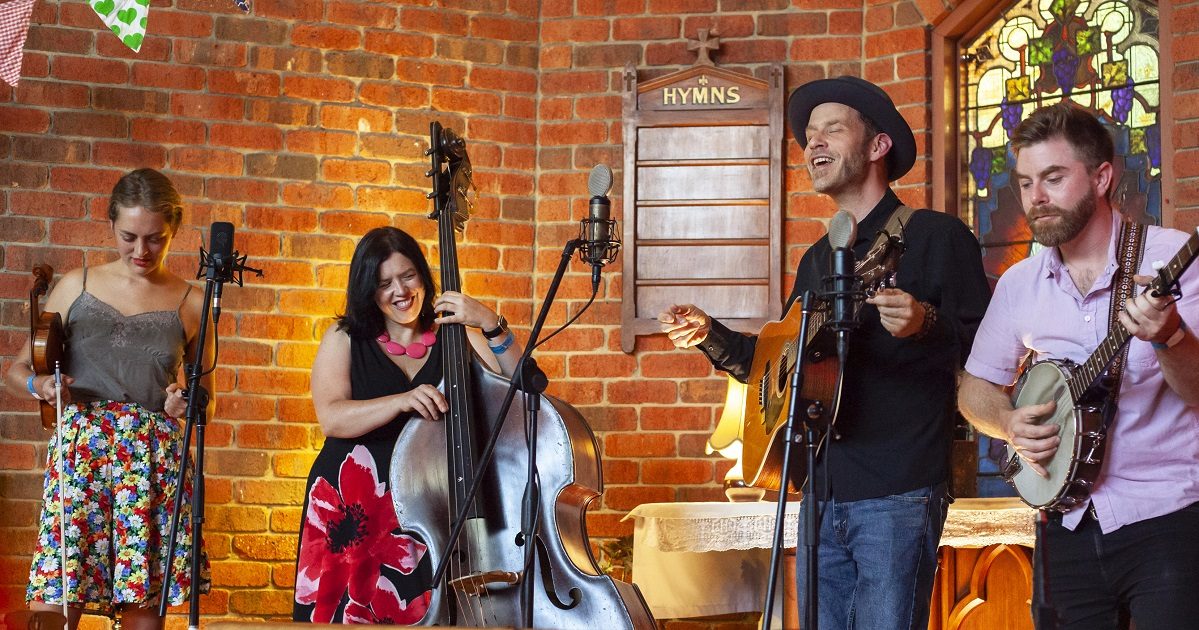
BGS 5+5: Twisted Pine

Artist: Twisted Pine
Hometown: Boston, Massachusetts
Latest album: Right Now (August 14, 2020)
Personal nicknames: Kathleen Parks is KP or Kat. Dan Bui is Fireball or Bu Nasty. Anh Phung is Lil Phungus. Chris Sartori is Moose.

What other art forms — literature, film, dance, painting, etc — inform your music?

I would definitely say dance has had a big influence on how I hear, feel, and listen to music. I started out as an Irish dancer before I picked up the violin and I studied dance up until the year before I had to pick what kind of art school I would apply for. Would I study music or dance? I guess you can figure out the outcome, but I’m thankful to have studied it for so long because it definitely has influenced my groove, and feel. Anh is a great dancer too! Who knows, maybe one of these days we’ll work up some moves for a TWP set! — Kat

What was the first moment that you knew you wanted to be a musician?

I grew up with classical music lessons: first on piano and then violin. I wasn’t super passionate about it, but I didn’t hate it either. One Saturday, I happened to see Sam Bush playing on PBS, and knew I wanted a mandolin. As soon as I got it, a Fender A-Style with a pickup, a couple of friends came over with drums and electric bass. We jammed for hours and that’s when I knew I wanted to be a musician. — Dan

What’s your favorite memory from being on stage?

There’s obviously too many to choose from but maybe one of the more ridiculous ones was a 5 minute appearance in a choir singing “B*tches Ain’t Sh*t” by Dr. Dre on the “Just for a Laughs” live television special, “XXX: The Nasty Show,” accompanied by Ben Folds and hosted by Bob Saget. What a hoot! — Anh

Since food and music go so well together, what is your dream pairing of a meal and a musician?

I would take Prince to the Highland Kitchen in Somerville (Mass.) for brunch. We have a shared passion for breakfast; I wonder what he would think about their pancakes (they are the best ever). — Chris

Which elements of nature do you spend the most time with and how do those impact your work?

Growing up in New York’s Hudson Valley I had pretty direct access to little mountains, trails, and the Hudson River. I always feel grounded after going for a hike, and being able to view a sunset, and a clear night sky really seems to impact my lyrics and how I get musically inspired. What I love most is when the band can stay in a cabin during tour, I feel cozy and comfy and I love being able to hear the sound of crickets nearby. That’s the stuff! — Kat


Photo credit: Joanna Chattman

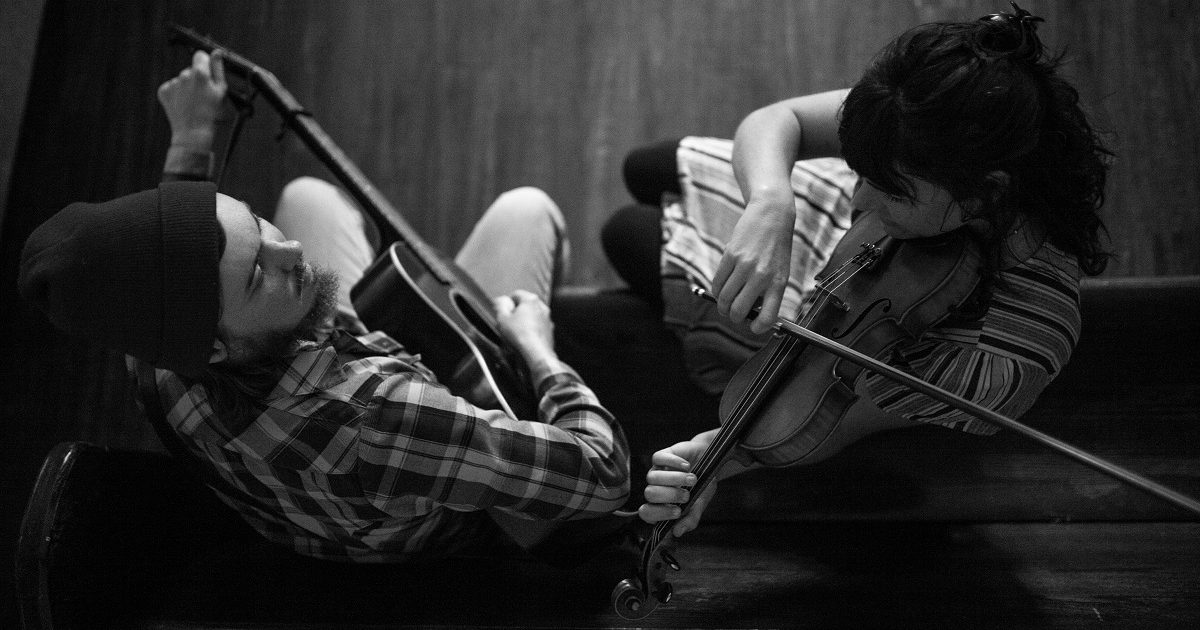
LISTEN: Golden Shoals, “Old Buffalo”

Artist: Golden Shoals
Hometown: Nashville, Tennessee
Song: “Old Buffalo”
Album: Golden Shoals
Release Date: August 7, 2020
Label: Self-released, distributed by Free Dirt

In Their Words: “This one fits in a genre I like to call Cowboy Existentialism. You’ve got imagery like buffalo, coyotes, hobos, and trains. The cheerful mood of the song belies themes of economic inequality, and the burden of worldly possessions, summed up in lines like ‘it’s mighty hard to catch your meal when you ain’t had enough to eat.’ The melodies and cadences of this song are derived, intentionally or not, from old American fiddle tunes like ‘Roll Boys Roll’ and ‘Booth Shot Lincoln.’

“I originally wrote it with clawhammer banjo as the accompaniment, but I had really been searching for a song to do with two guitars as a faster breakdown to showcase the style of flatpicking I love to do. We’re really emulating the two-guitar style of Norman and Nancy Blake here. They have always been a major influence on us. Norman is one of my favorite guitar players, along with Doc Watson and Michael Daves. I’m not a big fan of the more modern bluegrass guitar players; I gravitate toward those whose playing is more rooted in the old-time square dance fiddle style — very rhythmic, very driving, a little dirty.

“Playing a ’33 Gibson L-00 helps me get the sound I want too. Nothing like the growl a well-loved Gibson has to it. This guitar also fits my body better. I’m not a large person, and although I love dreadnaughts, a 00 body size is way more comfortable for me.” — Mark Kilianski, Golden Shoals


Photo credit: Kyle Wolff

MIXTAPE: An Organic, Mountain Home Playlist

There’s never been a time when working people haven’t needed to lean on one another — and to look beyond the present day — just to get by, but the present moment often seems especially fraught. Nothing speaks better to each present moment than music, whether it’s making space for respite and healing or providing encouragement and inspiration for the struggle.

Here at Mountain Home Music Company and Organic Records, our artists speak in unique, distinctive voices, yet each of these mostly southern artists have been unafraid to offer up songs that address the universal themes and social challenges of our times— whether they’re looking inward or to the outside world. — Ty Gilpin

(Editor’s Note: Find the entire playlist below)

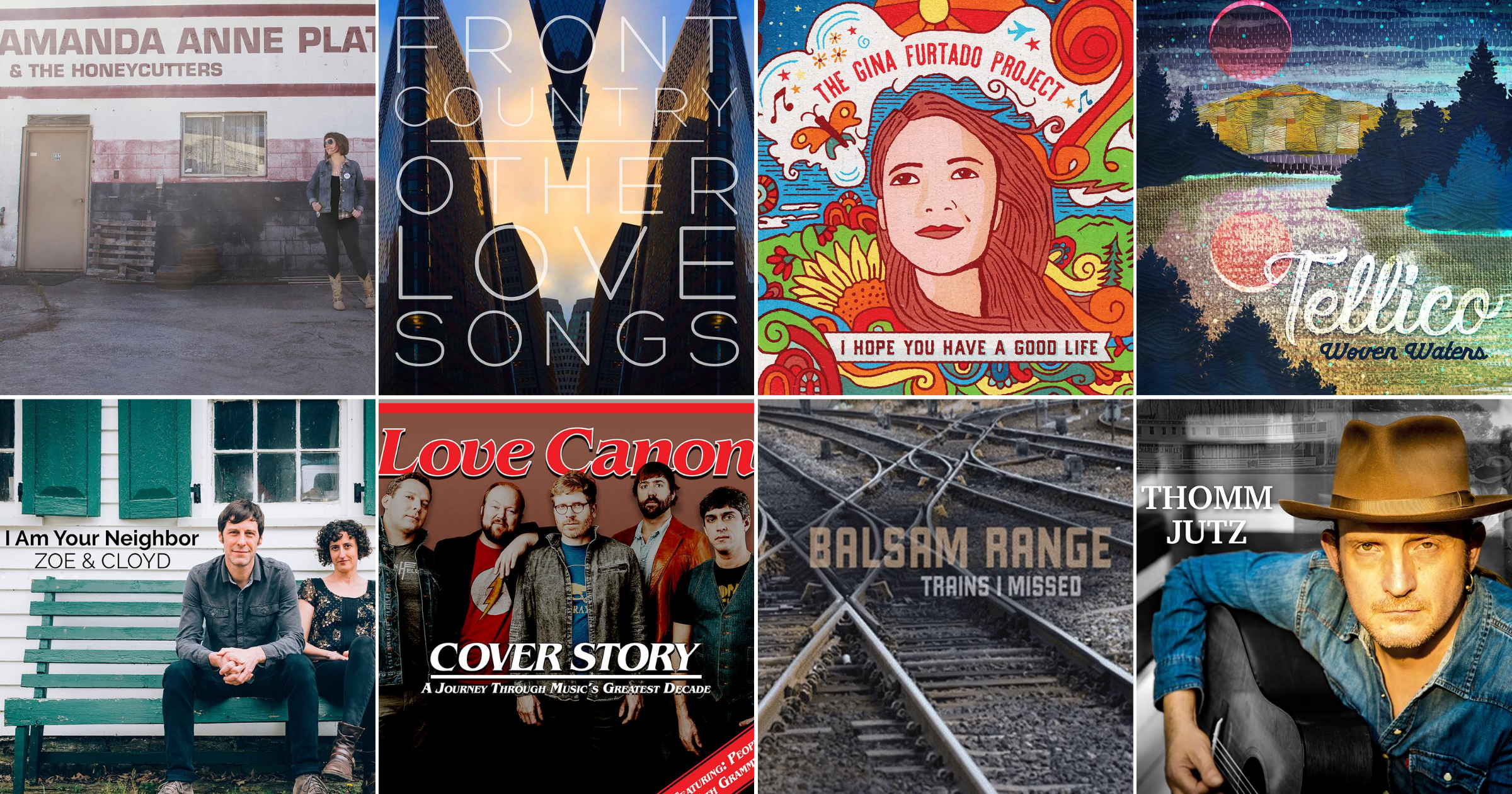
Aaron Burdett — “Echoes”

“Echoes” is a product of this era, a processing of my own thoughts and feelings. I have questions about my surroundings and myself. It’s about current conditions but also about elements of our humanity that are centuries old. Uncertainty defines much of life in the year 2020 and I believe in recognizing and honoring it. Answers will not arrive until the right questions are asked. — Aaron Burdett

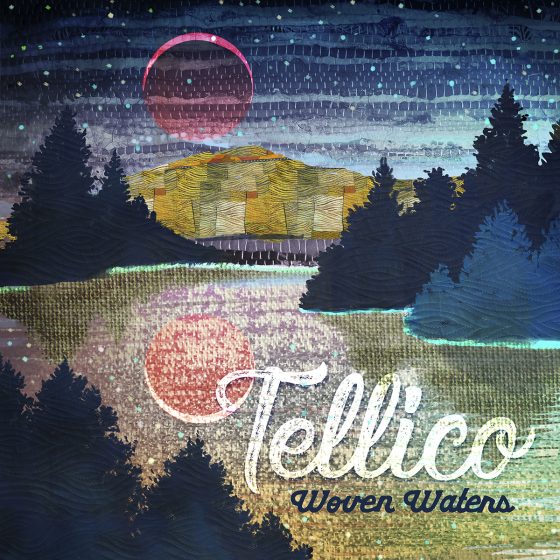
Tellico — “Courage for the Morning”

I was thinking about how people’s actions can inspire others, from the great revolutionary leaders to the everyday efforts of ordinary people. So, if you sing along to this song, you will be saying to yourself “I will walk, I will sing, I will bring a little courage for the morning.” That is something each one of us can take to heart and really think about: What is it that I can do to help another person in this world? — Anya Hinkle, Tellico

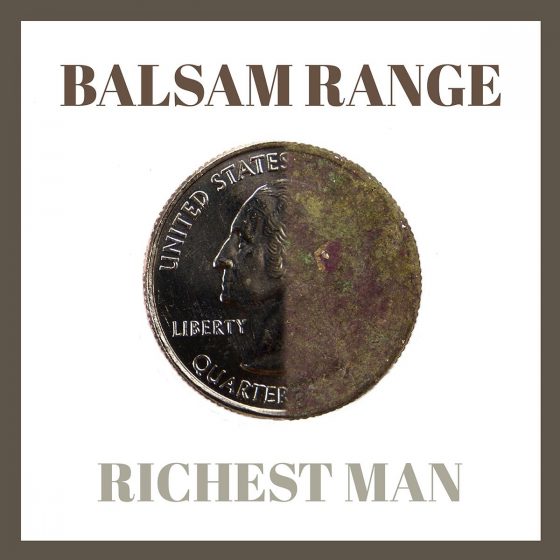
Balsam Range — “Richest Man”

Who has not thought about being the Richest Man? But what defines being rich? To have a life without regrets is easier said than done. The sacrifices made for gain can seldom be undone. The things lost and those won will only show with time. — Buddy Melton, Balsam Range

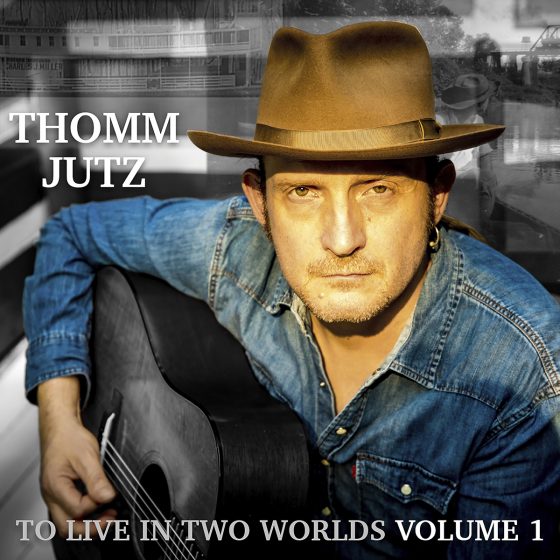
Thomm Jutz — “What’ll They Think Up Last”

When you enter John Hadley’s Fiddle Back Shack you are immediately in the moment and in a different world. I can’t think of any other house like his. Hadley is one of the most stunningly great creative minds I know — so is Peter Cooper. We gathered at Hadley’s funky Madison, Tennessee home one Sunday morning, talking over coffee. Hadley said something like “I wonder what they’ll think up last…” yeah, me too. — Thomm Jutz

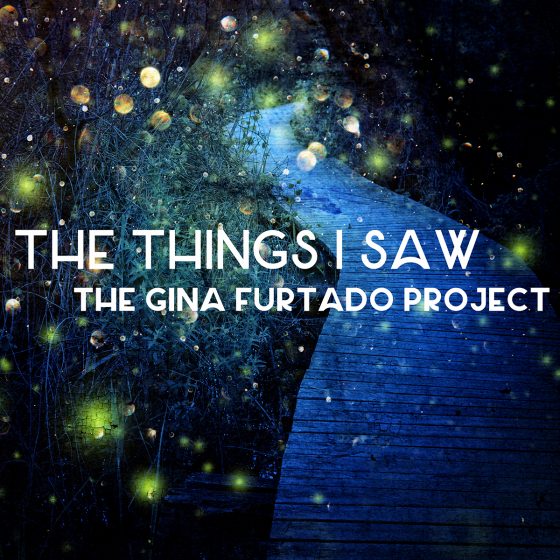
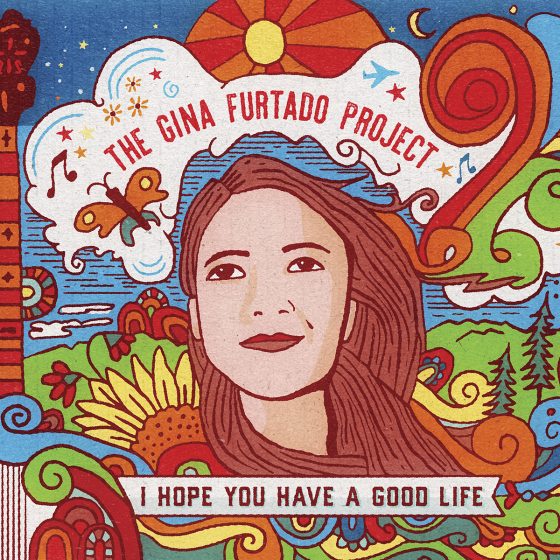
The Gina Furtado Project — “The Things I Saw”

All throughout my childhood, I went to the river when I needed comfort of any kind. No matter what happened in my life, good or bad, the river was always the same. The plants and critters and smells and sounds became like old friends; always welcoming and beautiful in every way. I imagined a secret society whose mission was to fight hatred with love.

I’ve taken that little vision into my adult life, and enjoy trying to spot members of this secret society (and trying to be one myself!) They can be flowers, animals, sunsets, people you pass on the street — any person or thing that refuses to let darkness and negativity take over, and instead chooses to exude pure and unstoppable love. — Gina Furtado

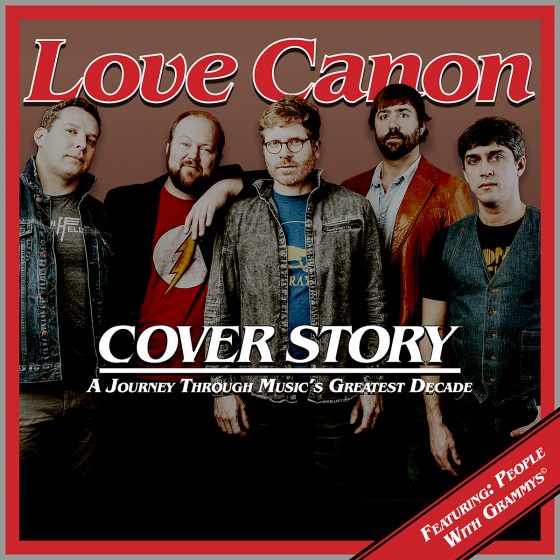
Love Canon — “Things Can Only Get Better”

Love Canon has made a career from expertly covering classic ’70s and ’80s pop songs with acoustic instruments. In this Howard Jones hit, they found an anthem for trying times. — Ty Gilpin

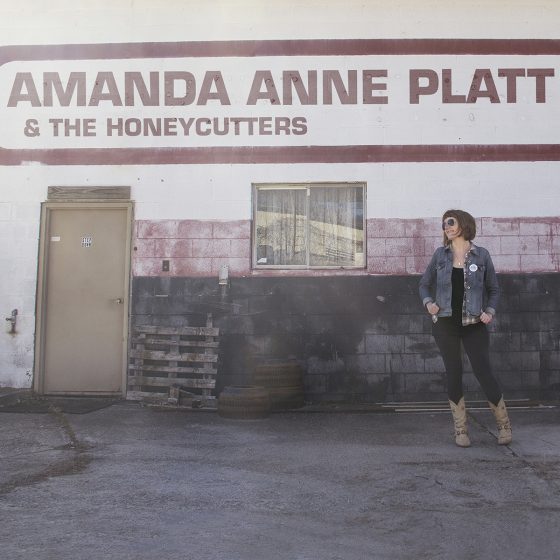
Amanda Anne Platt & the Honeycutters — “Brand New Start”

Asheville-based, Americana-leaning outfit the Honeycutters have built an increasingly storied career through their sensitive, skilled musicianship and the distinctive songwriting and voice of Amanda Platt. “Brand New Start” is about a scenario we could all use right about now. — Ty Gilpin

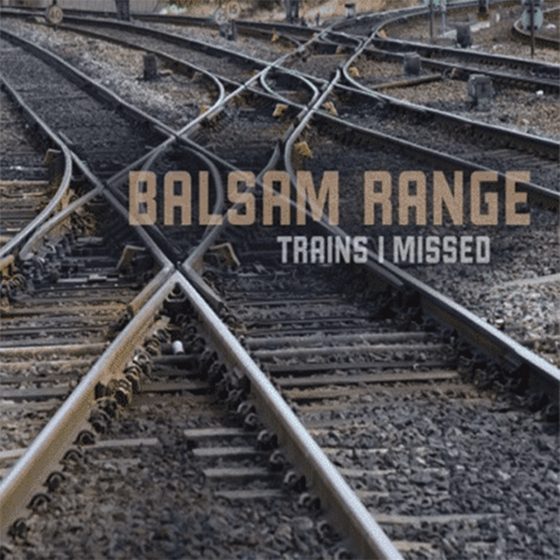
Balsam Range — “Trains I Missed”

Do we recognize when opportunities missed are really fate taking us in a better direction? How many times have you found yourself missing one train and taking another to right where you’re supposed to be? — Ty Gilpin

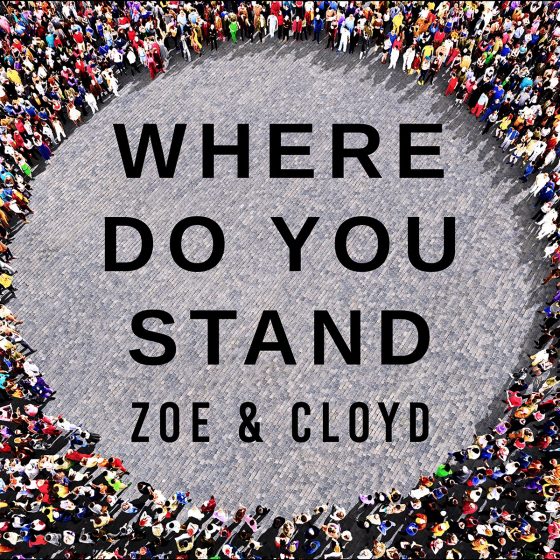
Zoe & Cloyd — “Where Do You Stand”

“Where Do You Stand” is a commentary on the state of our national discourse. Often, it’s the farthest ends of the political spectrum that make the news and it seems like inflammatory rhetoric is the only thing that gets heard these days. I’d like for us to remember that we’re all connected and are more alike than we are different, no matter who tries to convince us otherwise. For us to move forward, we have to find common ground on which to build a path toward a sustainable future. — John Cloyd Miller, Zoe & Cloyd

Jeremy Garrett — “Circles;” “What Would We Find?”

“Circles” is a song I feel like many people can relate to. Sometimes you feel like you’re going in circles, but there is always light on the other side if you can just keep going and perhaps change your vantage point.

For “What Would We Find?” we were riding out through the Black Hills and it struck me how it looked as though, if you could take all the timber away and expose just the rocks and barren land, what would you find? It seemed as though there were hidden layers of possible treasures in the rocks under the timber — perhaps like relationships can be sometimes. I only had the idea and a basic melody, and had the opportunity to write with one of my heroes, Darrell Scott.  — Jeremy Garrett

Front Country — “Good Side”

Almost a capella from a group that has never shied from issues of social justice. Hailing from the west coast but now residing in Nashville, Front Country has consistently campaigned for marginalized members of our community. This powerful message is both personal and universal. — Ty Gilpin

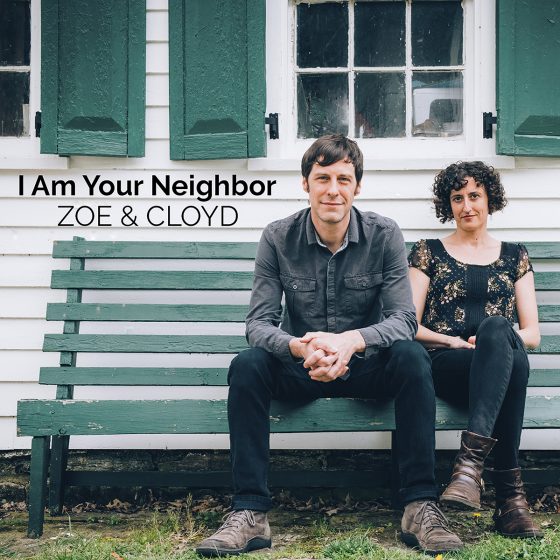
Zoe & Cloyd — “Neighbor”

“Neighbor” is a song meant to inspire us to act with empathy, and to remember our shared humanity. It’s important to recognize our similarities rather than fear our differences. — Natalya Zoe Weinstein, Zoe & Cloyd

Aaron Burdett — “Rockefeller”

“Rockefeller” is, on the surface, just a fun song about wishing for more than you have and being envious of others. Dig a little deeper though, and the song brings in hints of income and economic inequality. But then the chorus is all about making do and being content with what you do have. So it’s a song with a few layers to jump back and forth between. — Aaron Burdett

The Gina Furtado Project — “Try”

The societal pressure to be a certain way can be overwhelming. ‘Try’ just came to me one day when I felt particularly defeated. We win some, we lose some; we do admirable things and less than admirable things. That is what it is to be a human, and as long as you know you try, it’s not a big deal either way. — Gina Furtado


SPONSORED CONTENT: Occasionally, BGS brings you content curated by featured partners and sponsors.

LISTEN: Scott Cook, “Rollin’ to You”

Artist: Scott Cook
Hometown: Edmonton, Alberta, Canada
Song: “Rollin’ to You”
Album: Tangle of Souls
Release Date: August 7, 2020

In Their Words: “On August 7, I’ll be releasing my seventh album, Tangle of Souls. It comes packaged in a 240-page, clothbound hardcover book, the apotheosis of a long-running, possibly unhealthy obsession with liner notes. This is the first of those songs I wrote — yodeling and laughing to myself in a rented room in Chicago — and it planted the seed of an idea that led to making a string band record. The aesthetic is often the first thing I have in mind, before I even know what the album wants to be about, and this time around I wanted a string band, with a fiddle, because the fiddle is the electric guitar of acoustic music.

“I’d been touring a fair bit in Australia with Liz Frencham, a killer upright bass player with a studio in her backyard, and on one of those tours we got to talking about making a record. I brought over fellow Albertan and longtime collaborator Bramwell Park to play banjo and mandolin, and Liz connected with an Aussie fiddler named Esther Henderson, who I’d never met. I named the band ‘Scott Cook and the She’ll Be Rights’ after an Aussie expression meaning ‘it’ll be OK’ or ‘don’t worry about it.’ (You might say it’s somewhere on the spectrum between nonchalance and negligence.) We arranged the songs along that tour and cut the record at the end of it, then I spent the next year or so writing the liner notes. 🙂 ” — Scott Cook


Photo credit: Kate Baker

WATCH: Zoe & Cloyd, “Where Do You Stand”

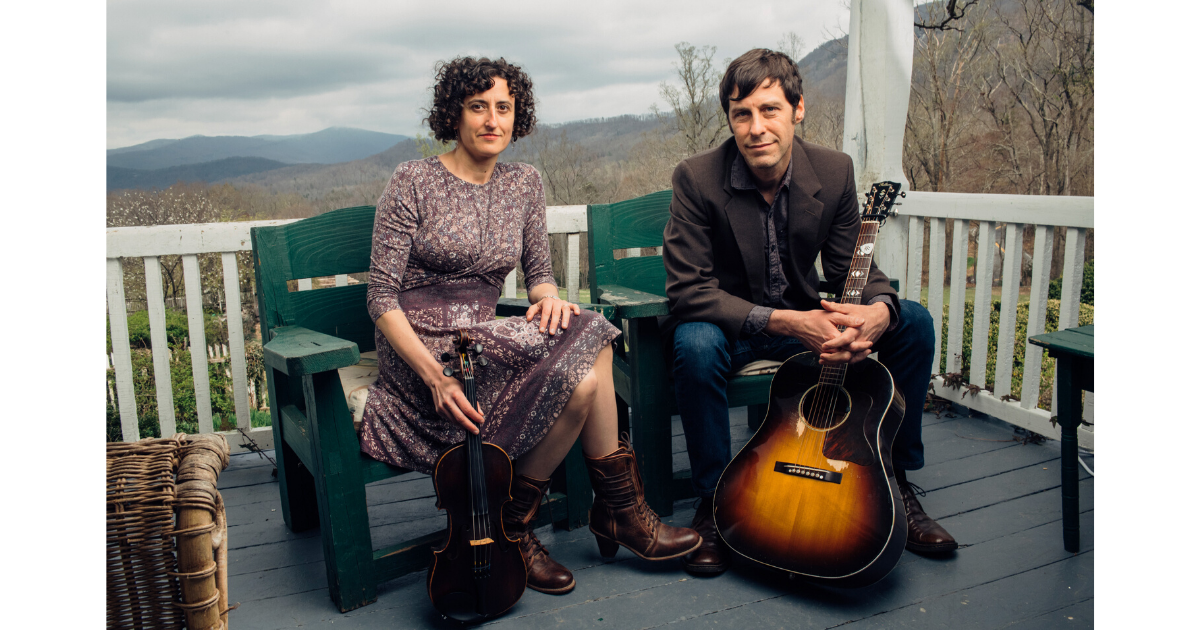
Artist: Zoe & Cloyd
Hometown: Asheville, North Carolina
Song: “Where Do You Stand”
Label: Organic Records

In Their Words: “‘Where Do You Stand’ is a commentary on the state of our national discourse. We had the idea for the line, ‘When all that’s left is left, right, or wrong’ in regards to the hyper-polarization we’ve been seeing for a while and we built the song from there. We wanted the song and video to be thought provoking and a call to action. Some people will always attempt to pit us against one another for personal and political gain but we can’t let divisive, inflammatory rhetoric win the day. For us to move forward, we must find common ground on which to build a path toward a just and sustainable future.

“We filmed the video not far from our house in Fairview, North Carolina, outside of Asheville. The old building with the painted tree is right along the road and we thought it was a quirky rural spot that contrasted nicely with the political imagery. The other location was an abandoned ball court that had some interesting delineated grass with a sort of ‘line in the sand’ vibe. It also looked a bit post-apocalyptic. The fence shots represent several concerns such as the border wall, the lack of voice and access in certain communities, and feelings of powerlessness to change the status quo.” — John Cloyd Miller


Photo credit: Sandlin Gaither

The Show On The Road – Rising Appalachia

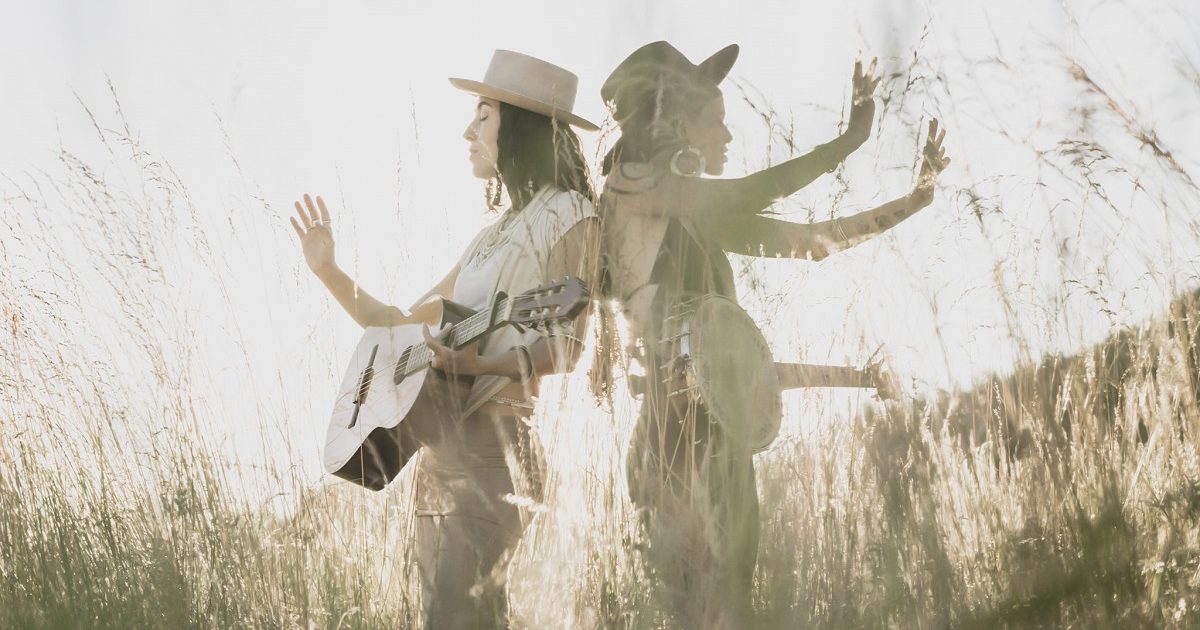
This week on the Show On The Road, a conversation with Chloe Smith of Rising Appalachia. In 2005 she founded this unique partnership with her sister Leah after their relentless world travels finally intersected in southern Mexico, where Leah had started mastering the banjo.

LISTEN: APPLE PODCASTS • MP3

Growing up in a musical family of traditional string-band players and contra-dance leaders near Atlanta, Rising Appalachia’s latest release, Leylines, mixes the rustic front porch sound of their childhood family jam sessions with a neon-tinted modern backbeat of dancehall electronics and mystical protest. That could have felt incongruous, but somehow these influences mix beautifully with their ethereal, intertwined vocals and darting fiddle-and-banjo runs.

While our host, Z. Lupetin, was able to catch up with Chloe for this cross-country conversation, Leah has been marooned in Costa Rica since the world shut down in March and continues to work from there. The sisters and their talented six-piece band have become a beloved fixture at music festivals throughout the United States, but have also played stages in Colombia, Costa Rica, India, Italy, Hungary, Bulgaria, The Czech Republic, Ireland, Scotland, and more. 

Always looking to challenge the traditional carbon-hungry touring routine, Leah dubbed their group as part of a growing “slow music movement”, and in this episode, Z. talks with Chloe about the time they toured remote Canadian farming islands via sailboat. It’s that kind of intimate and innovative traveling that Chloe would like to return to whenever the COVID-19 shutdown lifts in the coming years.

Stick around to the end of the episode for an acoustic version of “Harmonize” from Leylines, and check out Rising Appalachia’s newest single “Pulse,” featuring Dirtwire.

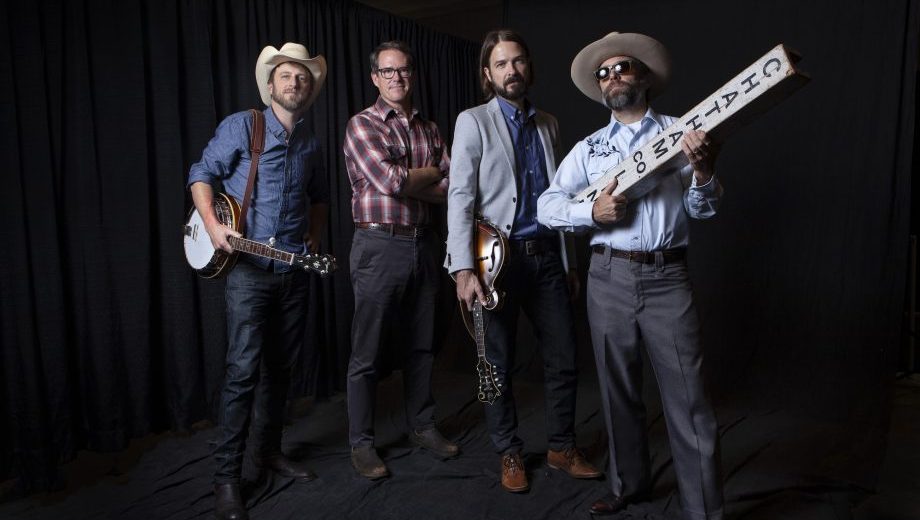
The String – Chatham County Line

With an old-school look and feel, Raleigh, North Carolina’s Chatham County Line started at the dawn of the new millennium in a surge of passion for bluegrass music. Now at 20 years old, they’ve made only one very recent personnel change and refreshed their concept as a post-modern string band with drums.


LISTEN: APPLE PODCASTS

Their new album, Strange Fascination, displays far-reaching vision and a warm, cohesive sound, riding on the unique songwriting voice of Dave Wilson. Wilson and co-founding multi-instrumentalist John Teer join host Craig Havighurst for a retrospective conversation, featuring music from their past and present.

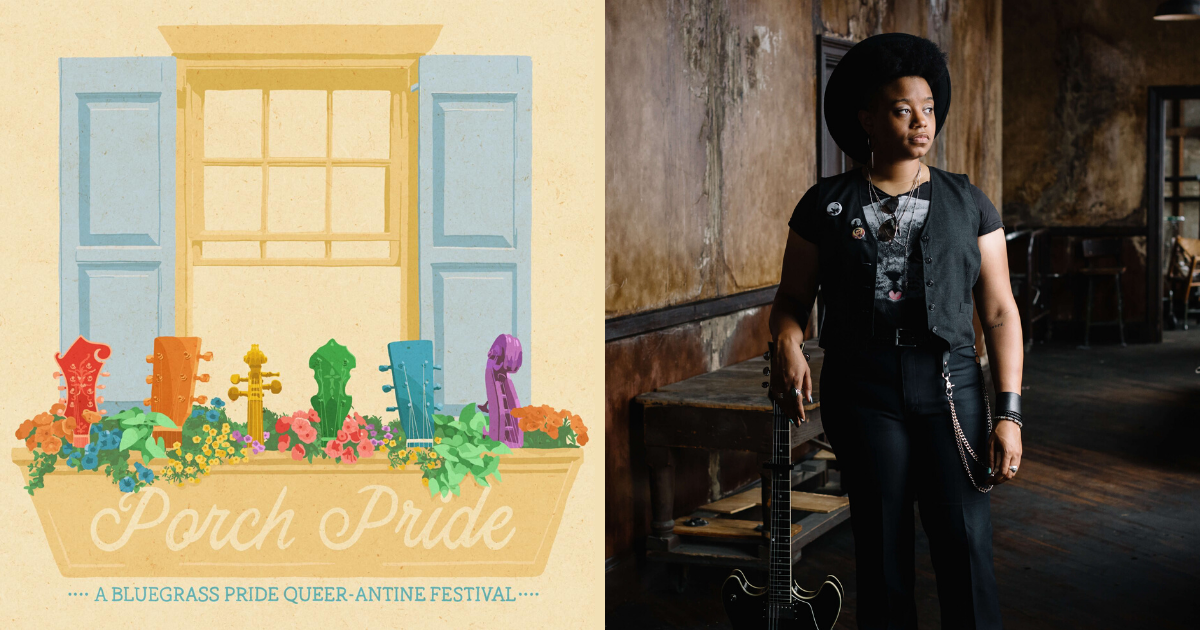
Bluegrass Pride Invites LGBTQ+ Roots Music Fans to Porch Pride Festival

Out of 270 floats, companies, and queer associations, a roots music organization’s marching contingent was crowned “Best of the Best” at San Francisco’s world-famous Pride parade in 2017. And they did it on their very first try — the only organization to ever achieve such a feat. Who was that overalls-and-rainbow-glitter-clad crew of more than a hundred bluegrass fans, pickers, and professionals? Bluegrass Pride.

The Bluegrass Situation has been proud to support Bluegrass Pride since 2017, with our logo emblazoned on the inaugural float that carried three bluegrass and old-time bands down Market Street to the cheers of thousands of brand new “Foggy Mountain Breakdown” fans. In 2020, the nonprofit organization had planned its biggest Pride celebrations yet (in San Francisco; Portland, Oregon; Raleigh, North Carolina; and Nashville, Tennessee) while still welcoming the rural and non-metropolitan LGBTQ+ folks who love and make these musics, too.

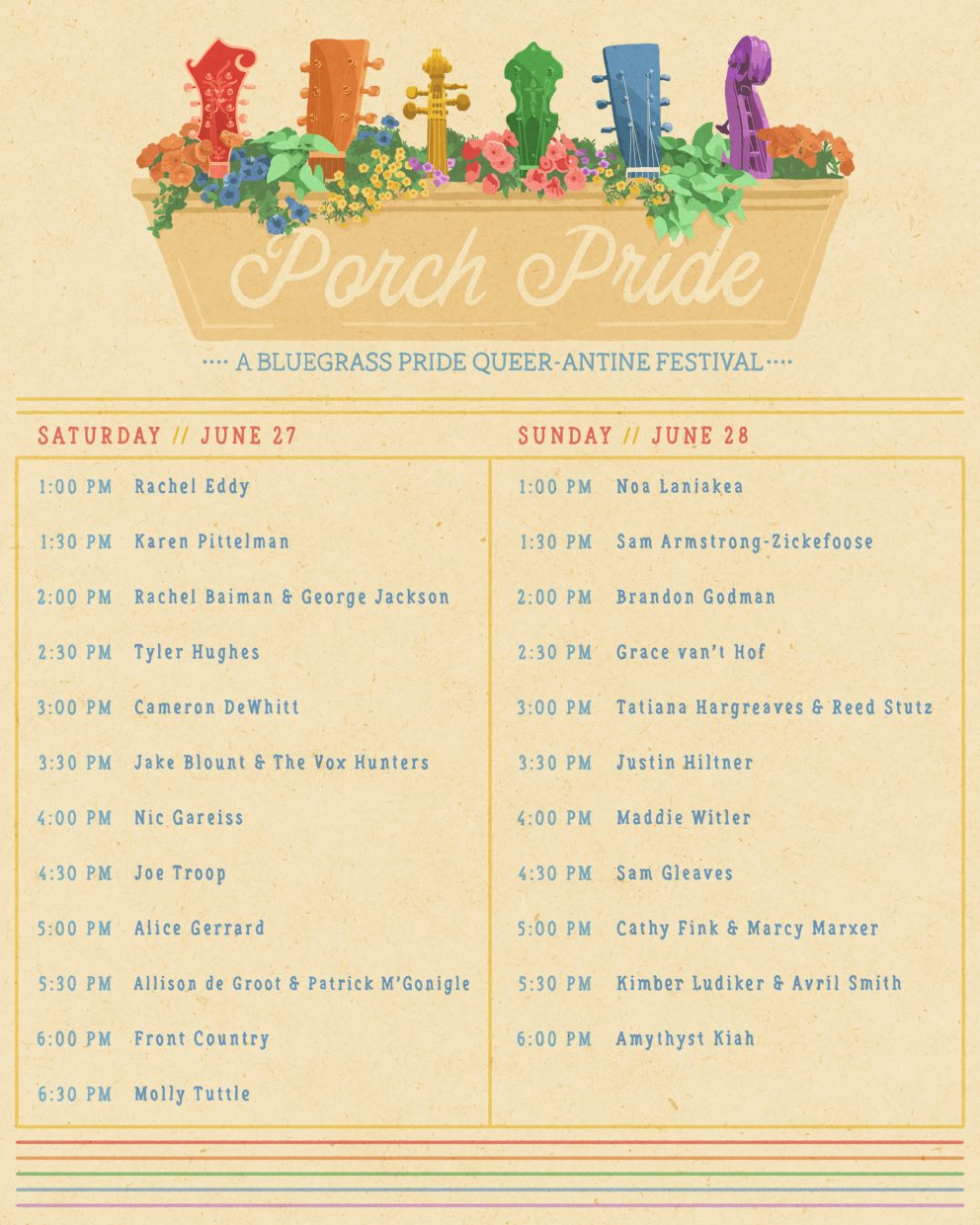
Enter our most familiar villain, COVID-19. In response, Bluegrass Pride has shifted to a new concept, Porch Pride: A Bluegrass Pride Queer-antine Festival. Featuring more than ten hours of music by queer and allied artists such as Cathy Fink & Marcy Marxer, Molly Tuttle, Sam Gleaves, Jake Blount, Rachel Baiman, and more, the livestream event will air June 27 and 28 on Bluegrass Pride’s website, YouTube channel, and Facebook and Instagram pages. Porch Pride will raise money for Bluegrass Pride and all of the musicians on the bill. Fans and followers are encouraged to donate now.

To celebrate Porch Pride with our longtime friends at Bluegrass Pride, we connected with Executive Director Kara Kundert and powerhouse singer/songwriter and the digital festival’s “headliner” Amythyst Kiah.

BGS: For those unfamiliar with Bluegrass Pride, how would you describe it?

Kara Kundert: Oh, what a big question. In a purely statutory sense, I would say that Bluegrass Pride is a nonprofit organization devoted to the advancement of LGBTQ+ people within the bluegrass, old-time, and broader roots music traditions. To get a little bit more descriptive, we work every day to make bluegrass a more welcoming place for people of all backgrounds. Our mission is to show the world that bluegrass is for everyone, so we try to create programs that serve all kinds of people who love and participate in American traditional music. We put on local beginner-friendly jams and create introductory video content to help people get involved with the community even as they’re just starting out, and we host concerts and showcases to create paid opportunities for professional musicians.

Amythyst Kiah: …Simply, my idea of what something like Bluegrass Pride represents: It is about accepting all forms of identity and expression in a style of music that is known for having a more traditional culture, and it’s also an outlet for queer people who don’t fit the stereotype of gay club culture. As iconic and important gay club culture is historically, it isn’t everyone’s experience.

How did the idea for Porch Pride come to you? 

Kundert: Via the incredibly talented Jake Blount! Jake is on the Bluegrass Pride board of directors and he came to me back in March (just as everything was starting to shut down and we were holing up for quarantine) to suggest that Bluegrass Pride host a digital festival to support artists in the face of the first round of gig cancellations. He had participated in the first iteration of the Stay At Home Festival and had seen how much energy and support there were for these artists, and thought that it was a natural fit for Bluegrass Pride and our mission.

At that point in time, it was still really unclear how long and how bad the COVID pandemic was going to be — we still believed that SF Pride was going to march down Market Street in June — so I was a little nervous to take on the project. I was worried that we wouldn’t have the resources to do everything and do it well. We started discussing smaller-scale projects, like weekly concert series or short little weekend showcases, things that we would have the budget to do in addition to our regular programming.

But within a couple of weeks, it became pretty clear that our whole season was going to change dramatically, and that was when the plan shifted from being “maybe we’ll host a couple of digital concerts to keep momentum before Pride” to creating Porch Pride and really making it the center of our entire year.

People don’t tend to think of bluegrass or roots music when it comes to Pride celebrations, and obviously y’all think that needs to change! Why? What does bluegrass and string band music bring to the greater LGBTQ+ community? 

Kiah: I see this event and organization as a way to formally recognize that LGBTQ+ have always been present in the communities where bluegrass and other roots-based music originated from. Historically, media has projected many ideas of what being queer looks and sounds like, and it’s high time to recognize and celebrate other ways of being and doing when it comes to music.

Kundert: I think that there’s a problem whenever people aren’t being represented. So it was a problem for bluegrass that LGBTQ+ stories and music weren’t being heard onstage. It was a problem when queer folks were being excluded from jams and from gigs just because of their identity. And it’s a problem for the LGBTQ+ community that this portion of our family isn’t being included in the conversation about what “gayness” is. We as a culture have this extremely metropolitan, white, male-centric idea of what the LGBTQ+ community is, which is what you really see on display on these corporate floats at the major cities’ Pride parades, and it leaves out so many people. There are as many ways to be queer as there are colors under the sun, and that’s something that we as a [bluegrass] community need to do more to embrace in order to support and uplift every single person in the LGBTQ+ community.

Amythyst, with your songwriting and your work with Our Native Daughters you’ve been a powerful voice, lifting up Black songs and stories. How does that perspective as a Black woman complement Bluegrass Pride for you? What do these two movements have in common, and what do they combine?

Kiah: Both movements involve recognizing and uplifting marginalized voices, due to the continued generational trauma that both have had to endure. Being Black, a woman, typically gender-nonconformant, and queer, I have experienced some form of questionable actions, treated as if I was invisible, and [received] looks of contempt by other people. I am fortunate that I haven’t experienced much worse, but that being said, I was terrified of my own shadow for years before I really started to embrace myself and be myself. So Bluegrass Pride is about recognizing that we all have value, just as Songs of Our Natives is about.

Kara, planning a Pride event can be a major undertaking. What is the reward for you, on a personal level, after putting in so many hours to prepare?

Kundert: Creating and running these events is always such an emotional rollercoaster. There’s so much anxiety and energy in the planning: Are people going to show up? Is it going to go well? Are people going to connect with it, or are they just not going to care at all? But then in the moment, you get to listen to this wonderful music by talented people, and be with a crowd of people that want to support Bluegrass Pride, and it’s euphoric. So far, I haven’t been let down by that moment of standing in a crowd and experiencing that kind of threefold-payoff of enjoying the music as an audience member, enjoying the crowd and energy as someone standing on stage, and enjoying the sheer relief of not totally fucking up as a producer.

But beyond that very selfish gratification, I also know how much these events mean to people. I know there are people who play bluegrass right now — people who are showing up at jams and forming bands and going to festivals — because Bluegrass Pride made them feel welcome and safe to be there. There are people who found Bluegrass Pride and realized that maybe they could come out after all. I know that these events — our parade float in San Francisco, our LGBTQ+ Musician Showcase in Raleigh, our beginner-friendly jams — they mean something to people. So when I get to stand in the crowd and see people’s smiles and feel people’s energy, both on- and off-stage, it makes me feel like what we’re doing matters to people. That all of the work and the hours and the stress: they add up to something bigger than just myself or my own feelings of relief and exhaustion. And that’s what keeps me going after four years of being a part of Bluegrass Pride.

What are you most looking forward to during Porch Pride? 

Kundert: I know this is a cliche to say, but I’m looking forward to all of it — I put together the lineup after all! We have so many talented artists, I’m just looking forward to hearing all of their great music and seeing how people come together to celebrate Pride with us this year.

Kiah: I am looking forward to (hopefully) finding a quiet place outside to share some stories and music! If only it could be done in person, but I’ll take what I can get! Being safe [is a] top priority.

How can we all celebrate Pride “better” this year? 

Kiah: I think one thing to keep in mind is that not everyone can safely be out of the closet, and that we should always keep those folks in our thoughts and to remember that [there is] more than one way to live out our truths in a way that we see most fit. Whenever we are waving our rainbow flags or wearing our rainbow suspenders, we’re also wearing them for the ones that can’t be with us.

Kundert: I think the key to best celebrating Pride — and to best doing most things in life — is to take a page from the author John Green and put energy into imagining people more complexly. If we imagine Pride more complexly, we see beyond the metronormative, white, cis, corporate stereotypes of Pride and begin to see new possibilities — for a Pride without all the weird classist, toxic binarism and gate-keeping. If we imagine bluegrass more complexly, we can break out of these same tired tropes that we’ve been falling into years and start telling new stories — using this art form as a way to create authentic and fresh connections with people.

We must do everything we can to see and honor people in all of their nuance. By forming connections with people, we are able to glimpse outside of our own lives. To do so enables us to generate empathy for each other, to see each other as family rather than strangers, or worse, as adversaries. To expand our circles and grow our vision of humanity will help us to better fight for justice for all, rather than justice for a few.


Photo credit: Anna Hedges
Artwork: Courtesy of Bluegrass Pride
Jake Blount Looks Deeper into the Black Traditions of Old-Time Music

It is long known that Black artists in the twentieth century who spoke out against white supremacy often paid for it with their lives. As a Black man and a queer person, Jake Blount is intimately familiar with this history. In the liner notes of his new album Spider Tales, Blount predicts “escalating patterns of violence and ecological crises that threaten the survival of our species.” In the same breath he urges us to remember the ancestors who felt “the same grief, powerlessness, and fury” — and found a way to survive through wit and wisdom.

Spider Tales features a band of mostly queer artists, with Blount on banjo and fiddle. His tune and song choices introduce us to musicians long ignored. Familiar songs are reinterpreted, their fangs reinstated. Through this process, he takes us on a journey of rage, revolution and muffled voices made louder. We are the better for it.

BGS spoke with Blount, who grew up in Washington, D.C., but is now based in Rhode Island, about Spider Tales and his focus on the marginalized among us.

BGS: The title of Spider Tales is a nod to the trickster of Akan mythology, Anansi, who as you stated in your liner notes, weaponizes his wit and wisdom against oppressors more powerful than himself. And that’s what Black folks have had to do since the Middle Passage. Everything had to be subversive as a matter of survival. Can you speak about your process and musical choices in bringing that subversion to the forefront on this album?

Blount: For me the tricky part of bringing out these kinds of hidden meanings, and the mass significance of a lot of these songs, was that I had to pick songs that spoke in metaphors but put them together in a way that the metaphors became obvious. Finding a way to be loyal to the art form and not just be totally explicit with what was being said, but still make the message apparent to people, was really difficult.

I think a lot of that came down to how I framed things in the liner notes, but also the songs that I picked. Picking some things that were more familiar, some things that were not…some things that are more explicit and more direct and some things that are not. Being mindful of the track order helped tie things together and, I would hope, clarify the common thread between all the songs.

I want to ask you about your arrangement of “Where Did You Sleep Last Night” by Leadbelly. I hear this song a lot at jams. Some people refer to it as “In the Pines” and it’s often framed as being from one embittered lover to another. Your version of the song has this kind of bereft energy, almost frightening. What drew you to interpret this song in the way you did?

It’s partially an artifact of the fact that I first heard the song from hearing Kurt Cobain play it… I’m sure there’s some Nirvana energy lingering from middle school Jake in this recording. [Laughs] But even aside from that, when I listened to the Leadbelly version, I heard that song in a vacuum before I was ever involved in traditional music in any particular depth. I never really thought of it as a love song. It’s spoken, ostensibly, from one romantic partner to another sure, but it seems like it’s about disappearing and dying.

To me, you’re losing somebody — somebody is going away from you. That resonated because I grew up hearing stories from my dad about how there were people who just disappeared. I think we have this picture in our heads of racial violence in the south as lynchings; that of course did happen, but also there’s this other narrative of people just vanishing in the woods, and everyone would kind of have to assume what had happened.

I wound up connecting to that strongly because I came up during high school and college working with LGBTQ advocacy groups, volunteering my time and organizing with other youth. Doing that, you see a lot of people lose their homes, get kicked out of their houses, get incarcerated. You see a lot of people die. That song spoke to me on that level of “these are people who are just going away.” It reminds me of all the times that a friend would just drop off the map. A week or two later, you realize “Oh, I haven’t seen this person.” That kind of thing happened frequently when I was younger. It definitely still happens to people in that age group now, so that’s where my interpretation of the song comes out of.

This version of “Boll Weevil” is one of the best I’ve heard. I always knew it as coming from Tommy Jarrell, but I read in your liner notes that he learned the tune from a Black woman at a festival backstage. He never saw fit to credit her, which is why she’s still unnamed today. Reading that made me feel some type of way about the manner in which Black people — and Black women — have been forgotten by history, forgotten now. I wonder if it was a similar feeling for you. How did you deal with emotionally processing what you were learning while you were researching these tunes?

I think I’ve been so immersed in the ephemera of old-time fiddle music for long enough that it almost doesn’t surprise me anymore, which is sad, but Tommy Jarrell is someone who has a pattern of doing that. I feel like there are multiple older source musicians from that generation who would reference having learned from Black people but wouldn’t name them or wouldn’t give a complete name.

“Brown Skin Baby” is another tune like that on the album. Jabe Dillon learned it from an older Black fiddler and the only name he gave was Old Dennis. You can’t Google “Old Dennis.” There’s very specific information that oftentimes [white musicians] give with other white sources. But Black sources don’t get treated the same way.

Part of the reason I was so meticulous about the liner notes here is to avoid doing that a second time, because it still sometimes happens where people don’t credit the sources or sometimes don’t look up the sources. I’ll be the first to say that you don’t have to learn everything from a source recording — that’s not necessarily honest to the way the tradition has worked throughout history either. But I think it’s important to have a relationship with the musicians who cultivated the music we are now enjoying.

Yeah, I think especially with people like Cecil Sharpe and [John] Lomax, it’s like, Cecil Sharpe made his way through West Virginia. In his diaries he was so obsessed with this purity of old-time music, and white people, and actively refusing to record anyone else. It must have been such a sliver of what was going on at the time and of the knowledge that could have been passed down.

Exactly. Even like the later folks, there are folks who made a lot of recordings of Black people and were like “I need to find the Blackest music that I can so I’m going to go to prisons!” and it’s like, “You’re only really Black if you’re in jail for it.” [Laughs incredulously] That’s the mentality that carries through in that sort of scholarship and even today.

I always think it’s best to focus on the most marginalized among us and it’s really important that the working-class traditions be emphasized and accepted and made part of the canon. But I also think it’s really important for today’s Black people to know that there was prosperity in our communities going back that far. The Black middle class, which was ascendant at the time many of these first recordings were being made, never got examined by the folks making the recordings. It’s a tremendous loss to me because you would get to hear from people who were maybe articulating the experience of navigating how to become, in a capitalist sense, successful for a Black person in the late 1800s and early 1900s.

What would have been the songs about the Greenwood District in Tulsa? There are all of these really incredible things that happened and these really horrifying ways that white supremacists would crack down on Black people for attaining that level of success that are part of the story and ought to be told. Because we focused so narrowly for so long on Black musical traditions that were coming out of super rural country places, even though a lot of Black people had moved to the city by that time — I feel your pain that there is a great deal that is lost when we focus so narrowly on this thing that fulfills our stereotype notion of what we should be looking for.

I love the last song on the album, “Mad Mama’s Blues,” which comes from Josie Miles. That first line, “I want to set the world on fire,” is so great, the melody is flirtatious, but the lyrics are furious. Can you talk about why you chose that song as the album closer?

I feel like the album couldn’t have been timed better if we’d known about what was going to happen in Minneapolis. My whole mission with this album was to show people that this has been coming for hundreds of years. There’ve been warnings and people have been trying to speak on it and they haven’t been heard. I think putting [this song] as the closing note on the album felt perfect to me because it is very explicit in its emotional expression and what it gets across to the listener — but at the same time, it is masked in this jumpy upbeat, sort of silly presentation. It’s like the 1920s “Hey Ya!” [Both laugh] It’s like a bop, and you’re like “Yes Queen!” and then you’re like “Oh, he’s killing people.”

I think that’s a really valuable part of the Black musical tradition. To me it provides us an interesting lens to look back on the fiddle tunes. For so many people when they hear fiddle and banjo, they’re like “Oh this is a happy song! I’m going to start dancing now” and really there can be so much hidden inside of that.

People are sometimes more concerned with their expectations for what a piece of music is going to be than what it actually is. Putting this song at the close is saying: “Your musical assumptions about the content here would not be correct.” You then have to go back and examine the other [songs] with the idea in mind that perhaps you need to look more deeply than you otherwise might in order to understand what’s being said.


Editor’s Note: Blount will be featured in the Bluegrass Situation Presents: A St. Patrick’s Day Festival at New York’s New Irish Arts Center, participating in an opening night jam session with clawhammer banjoist Allison de Groot, fiddler Tatiana Hargreaves, and traditional dancer Nic Gareiss on March 17 as well as a headlining performance with Gareiss on March 18.

All photos: Michelle Lotker