Hello, Darling: The Dillards’ Rodney Dillard Brings New Music to ‘Old Road’

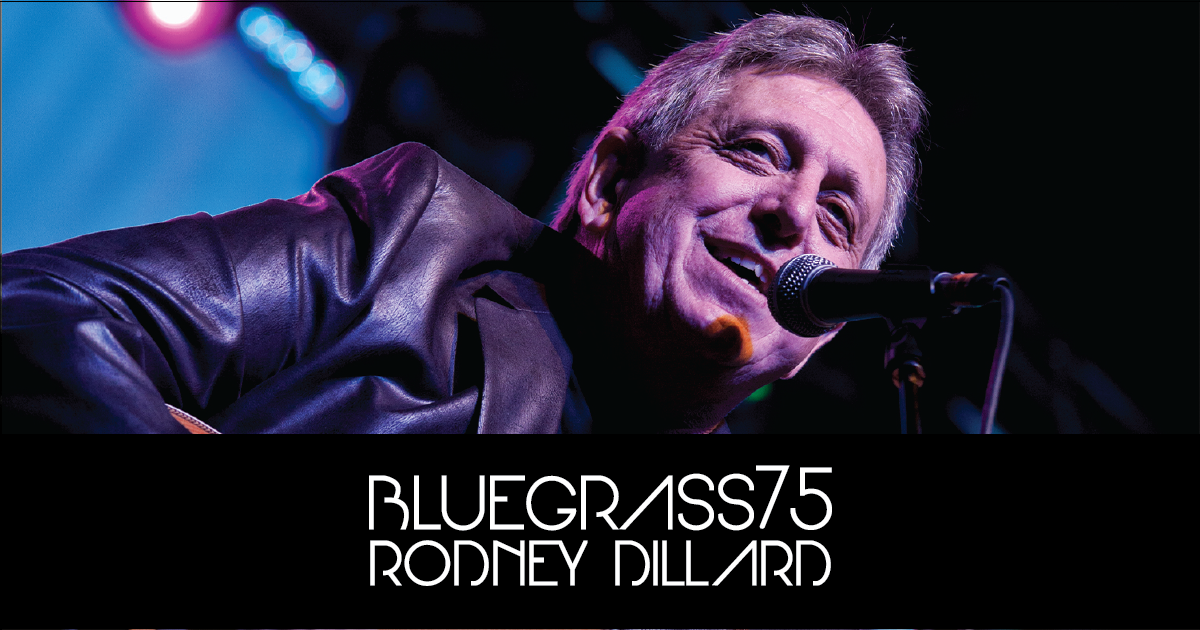
With their landmark 1968 release, Wheatstraw Suite, The Dillards opened the doors for the progressive bluegrass and country-rock movements. In August, Rodney Dillard, the band’s sole surviving original member, released a new album by the Dillards, Old Road New Again, that he describes being a “bookend” to Wheatstraw. Although not as artistically groundbreaking as its predecessor, Old Road still features non-traditional bluegrass instrumentation and, probably more importantly, it finds the 78-year-old musician in a reflective mood about how he sees the world today as well as the Dillards’ legacy.

Talking from his home outside of Branson, Missouri, Dillard shares that “before I was just trying to reflect what rural life was like, but I grew up in it. This one, more or less, is more reflecting an old person’s perspective on life.” It’s a point-of-view that can be heard on “Tearing Our Liberty Down” and “Take Me Along for the Ride,” which offer non-partisan statements on the state of the world, while “Earthlink,” “Common Man,” and “My Last Sunset” find a man taking stock of his life.

“My Last Sunset,” with its vocal nod to the Eagles’ “Already Gone,” also represents the album’s full-circle theme; however, the theme is best epitomized on the title track, a rousing telling of the Dillards’ story. The tune also features several guest artists pertinent to that era: Don Henley (a friend and neighbor from Rodney’s L.A. days), Bernie Leadon (who played in Dillard & Clark with Rodney’s brother Doug), and Herb Pedersen (who joined the Dillards on Wheatstraw and has played with Rodney on and off since).

Adding to Old Roads’ ties to the past are appearances by Sam Bush (founder of the game-changing New Grass Revival) and Ricky Skaggs (who went from bluegrass traditionalist to progressive during the ‘70s) as well as Sharon and Cheryl White. In the past, Rodney had been hesitant about having an album feature lots of big-name guests. “I didn’t want to make it like I was trying to make an event out of it,” he explains. “I did it because I was able to have Henley, Ricky, Herb and Sam Bush with me… people who I truly respected before they were stars.”

Rodney offers some especially kind words for Skaggs for appearing on “Tearing Our Liberty Down,” which makes some pointed statements about America without pointing out particular political parties. “He took a big risk, I think, standing his ground with ‘Liberty Down,’” Rodney relates. “I’m just overwhelmed that he would consider doing it. He could have refused to do it, but he didn’t because he stands his ground.”

He also credits Pederson, who plays on most of Old Road’s tracks, with being a key factor in the Dillards’ breakout sound on Wheatstraw, which was Pedersen’s first album with the band. “When Herb came in, he added his harmonies.” Rodney reveals, “It became a different thing. It became Wheatstraw Suite.”

Featuring full orchestration, drums, and electric instruments, Wheatstraw Suite shook up bluegrass traditions while also being an important touchstone in the burgeoning country-rock scene. The album’s innovative sound was a creative decision, not a commercial one.

“It wasn’t about selling toothpaste. It was music,” Rodney shares. “We were selling what we believed in. It was what we thought was fun, creative and maybe had something to say that no one had said (before).” Don Henley, who covered the Dillards’ “She Sang Hymns Out of Tune” on his Cass County album in 2015, and Elton John, who picked the Dillards as his opening act in 1972, have cited Wheatstraw as a highly influential album. In considering the impact of the album and his band, Rodney says, “I’m just very grateful and thankful that I could play just a small part in the history of what music was in the ‘60s.”

One curious thing about Wheatstraw Suite is that it marked the Dillards’ return to Elektra Records, who released their first three albums, after an abbreviated stint at Capitol Records. The band had left Elektra originally because the label didn’t understand the direction that they wanted to pursue on a single entitled “Hey Mr. Five-Strings.” A cover of a ‘50s hit called “Hey Mr. Banjo,” the Dillards’ interpretation, as Rodney described it, “added knitting needles for rhythm played on a fiddle.”

Capitol was supposed to be greener pastures for the group; however, the label proved to be a worse fit for the Dillards than Elektra. “They assigned us this producer Ken Nelson, who was doing country, but he didn’t understand what we were doing. Then they gave us this guy who produced ‘Danke Schoen’ for Wayne Newton. That’s when Mitch and I looked at each other in a conference with this guy and said we wanted out. And we walked out.”

Rodney readily admits that the band should have never left Elektra. He also is very thankful for the help that Elektra’s founder Jac Holzman provided then and ever since. “If it hadn’t been for Elektra I don’t know what would have happened [with the Dillards]. I’m just grateful to have had that label,” Rodney proclaims, adding Jac “has been instrumental in getting [Old Road] off the ground,” as well as contributing to the album’s liner notes.

Los Angeles in the ‘60s was home to a vibrant, highly synergistic music scene, which Rodney remembers as being spearheaded by people with a passion for what they were doing. Peers like Linda Ronstadt, Leadon, and Henley, he mentions, were “all these guys who just loved music.” One popular musician hangout was the Troubadour’s foyer, which was just a folk room with instruments on the wall and people drinking tea.

“We would sit around, and we would just sing. We had a wonderful time… (people) would come up to the house that Doug, Dean (Webb, the Dillards’ mandolin player) and I had together in Topanga, where we’d pick and played music… Gosh, Herb and I would sit in with Clarence White and the guys down in the King’s Lounge,” he says, remembering a venue in Palmdale, outside of L.A.

The Dillards — Rodney and Doug Dillard, Dean Webb and upright bassist Mitch Jayne — left Salem, Missouri, and headed west to Los Angeles in 1962. Rodney says they chose L.A. because they felt Nashville didn’t respect bluegrass music and country music had a sameness to it back then. They also thought people might be more open-minded in Los Angeles. The drive took three months because they had to stop along the way to make money to continue on.

Once in L.A., however, their story resembled a Hollywood movie. They went to the legendary club, The Ash Grove, which Rodney humorously describes as the “petri dish for folk culture.” Setting up in the club’s lobby, the group started an impromptu performance. When club owner Ed Pearl came over, Rodney thought he was going to kick them out. Instead, they were invited to play that night. In the audience at that show were Jim Dickson, who later produced the Byrds, and an agent from William Morris Agency, which represented Andy Griffith and his TV show.

Within a week or so, the band had secured a deal with Elektra Records as well as an audition for The Andy Griffith Show. When Griffith stopped their audition short, Rodney says he told his brother, “They’re kicking us out.” So he was surprised when Griffith said, “You got the job!” They were hired to portray a hillbilly band, The Darlings, for an episode, but proved so popular that they wound up appearing on the show several more times over the years.

Because Andy Griffith was such a hit TV show then (and has remained in reruns ever since), the Dillards — as the Darlings — became quite well-known and brought bluegrass into millions of homes. Rodney praises Griffith not only for having given the group this big opportunity but also for letting them play their own music on the show.

The Darlings’ fame also got the Dillards booked on network TV programs like The Judy Garland Show and The Tennessee Ernie Ford Show. During a Playboy After Dark appearance, the band intentionally played fast to see if the dancers could keep up, according to Rodney: “So you’ll see those people are busting their chops just trying to look like professional dancers, and they just look people eradicating cockroaches.”

Although they played comical hillbillies on The Andy Griffith Show, the Dillards resisted perpetrating Hollywood’s country bumpkins on TV shows. “If they had haybales and painted freckles on the dancers and everybody looked like Daisy Duke,” Rodney states, “we said, ‘Nope, we’re not standing in front of that.’” The band, particularly in their early days, were known for their humor, but it was more sophisticated than typical hayseed variety. Their Live!!! Almost!!! provides a good example of their comedy style, and it’s referenced a bit on Old Road with Beverly Cotton-Dillard’s comical banjo ditty “Funky Ole Hen.”

While Rodney has always pushed the boundaries of bluegrass, he has great reverence for its traditions too. In 2009, the Dillards were inducted into the Bluegrass Music Hall of Fame. “I love that music,” he states. “I don’t want to see bluegrass die.” But he also says that the music can’t live in the past. “As far as Bill Monroe, the Stanley Brothers, the Blue Sky Boys — all those folks — they did what they did. Any of us who imitate them are just being pastels of what they did.”

Rodney talks excitedly about seeing two kids on YouTube playing old-time music with a contemporary feel. He is happy that younger musicians are interested in bluegrass and roots music and happy, too, that they don’t seem rigid over how to play it. “People now have their own free will over their creativity,” he exclaims.

He references an old Dillards’ tune, “Music Is Music” before talking about how he loves all sorts of music — “if it’s real…if it’s not manufactured.” He mentions how Earl Scruggs, a man he greatly admired, “had no rules. He loved good music; he was not judgmental at all.” Keeping it real and making it good is the type of approach Rodney brought to Wheatstraw Suite back in the day and Old Road now.

Rodney admits that the Dillards have had a rather bizarre career, with people familiar with them from The Andy Griffith Show and those who know them from the band’s work, particularly their trailblazing music on Wheatstraw Suite, along with Copperfields and Roots and Branches. Although the Dillards didn’t have the commercial success achieved by acts like the Eagles, the Nitty Gritty Dirt Band, and New Grass Revival that followed after them, Rodney is quick to note, “I didn’t miss out on being on television and being in somebody’s room every day for 60 years.”

Old Road New Again, which is the Dillard’s first album of new material since 1991, represents Rodney’s long-desired bookend to the Wheatstraw album. And while the title can be interpreted as taking a look back into the past, he also sees a positive, forward-looking sentiment — “I’m an old road but I can still be new again” — in the title’s meaning. The road he’s taken has given him an interesting ride, Rodney says, and he is grateful that Old Road has been attracting some attention because the album “may be my swan song.”

“I’m not trying to be pathetic,” he confides with a spry sense of humor, “but I am 78 years old.”
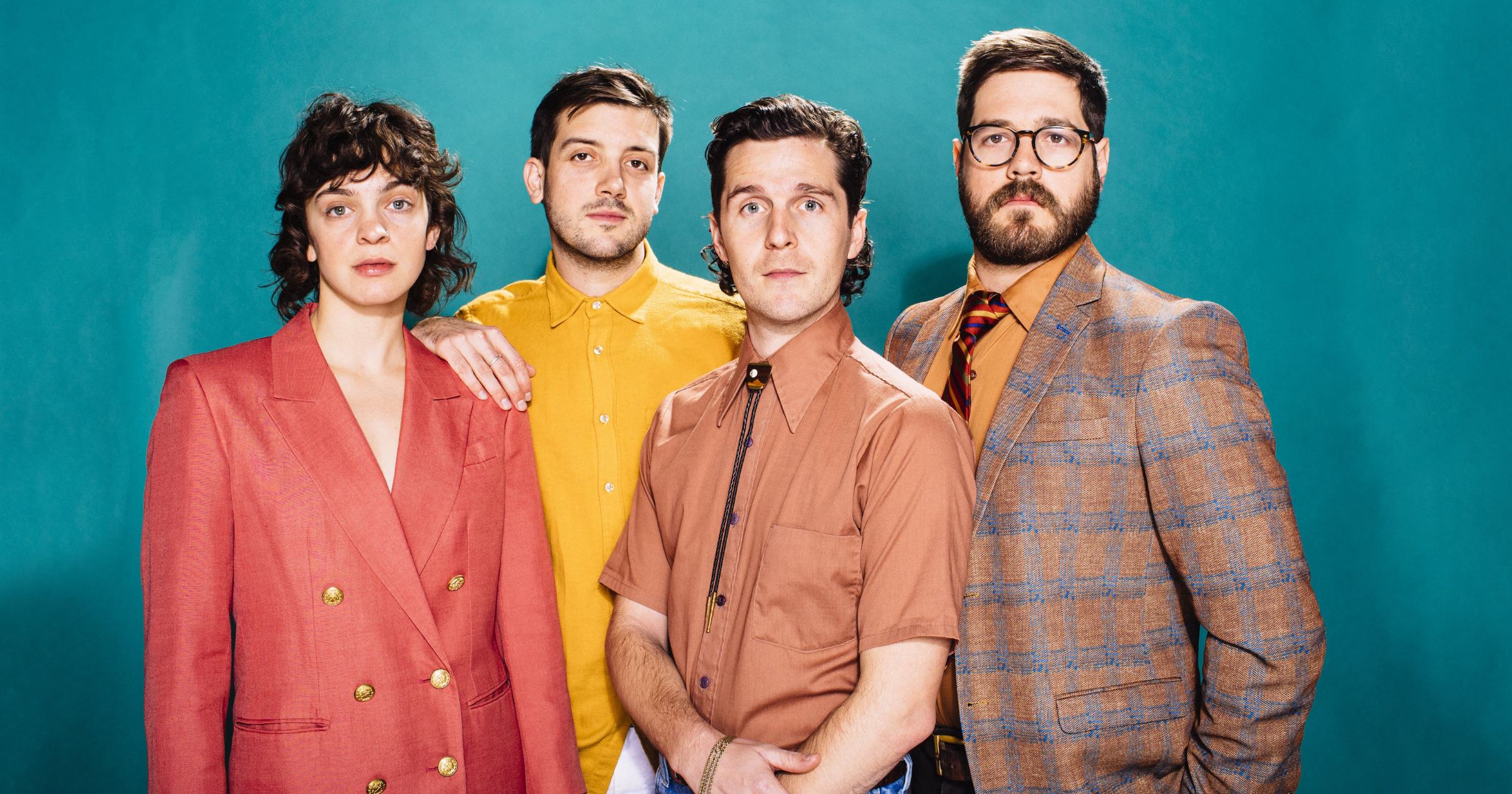
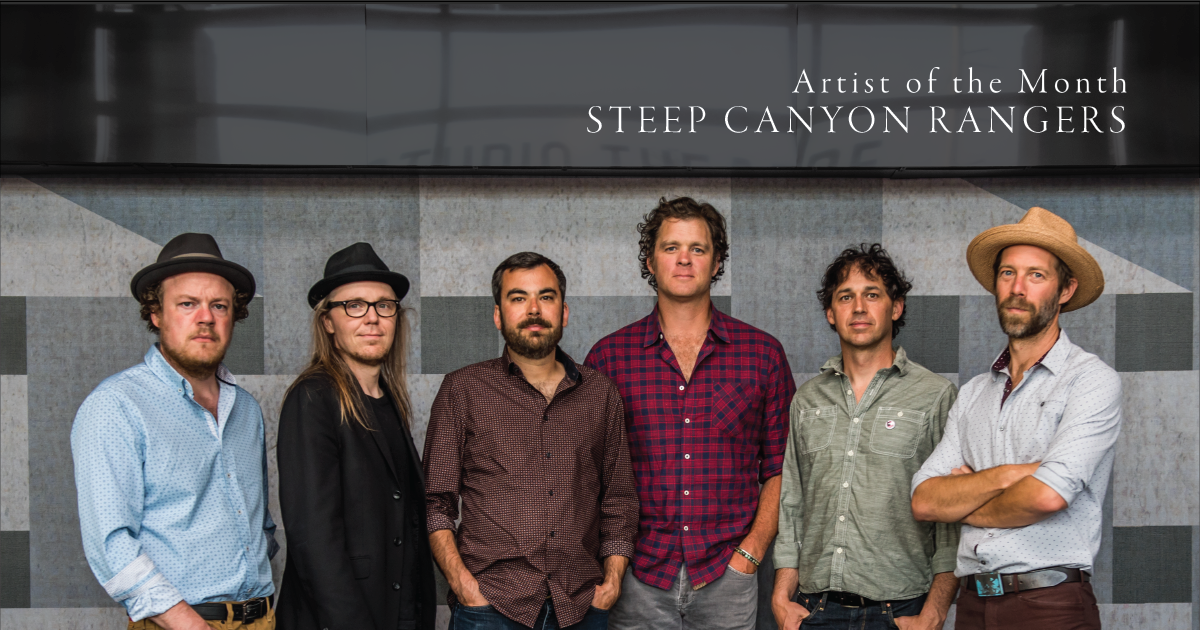
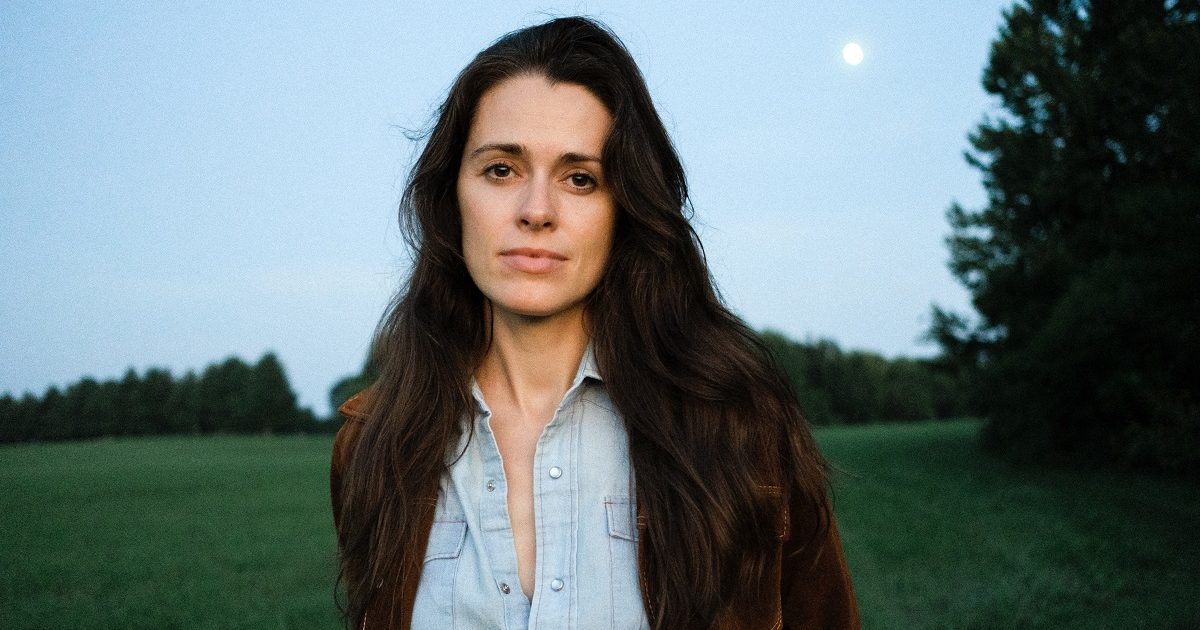
 

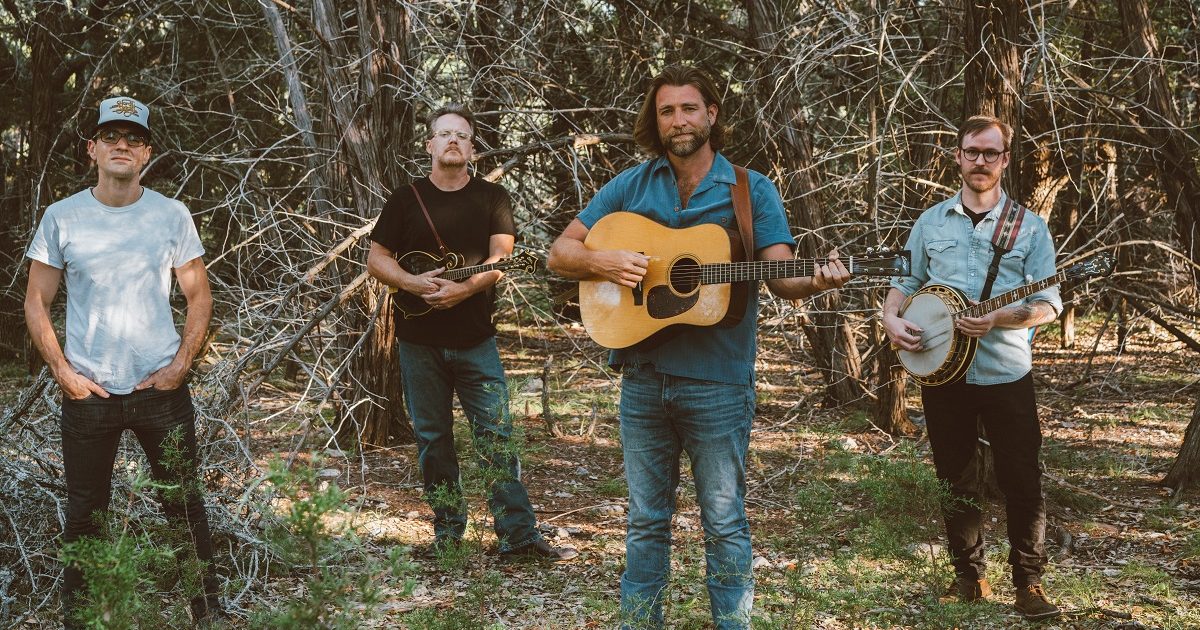
BGS 5+5: Wood & Wire

Artist: Wood & Wire
Hometown: Austin, Texas
Latest album: No Matter Where It Goes From Here

Answers by Tony Kamel and Billy Bright

Which elements of nature do you spend the most time with and how do those impact your work?

Water, for sure. I mean there’s so many metaphors available there. When writing I tend to lean towards the rivers, but it’s all the same water. We are all just part of the water cycle. — BB

Growing up on the Gulf Coast, the ocean has always been a consistent theme in my writing. I essentially learned to swim in the Gulf of Mexico. A lot of unique characters down there that are easy to tell stories about and put them into song. “John” on the new record is about a friend of mine that split time in Galveston as an artist and Alaska as a salmon fisherman. — TK

What other art forms — literature, film, dance, painting, etc. — inform your music?

Stand-up comedians and the way they work material out on stage. Maybe they don’t inform the music itself, but certainly the idea of putting your art out there, trying things out, adjusting to the audience, making yourself vulnerable, and developing swagger and confidence (especially) when things are going south. Being comfortable being uncomfortable is quite the asset and the best stand-up comedians have that mastered. Recently I’ve listened to all of Tig Notaro’s recorded material. She’s absolutely brilliant. There’s a video of her on Conan where she just pushes around a stool because it makes a funny noise… sounds ridiculous. It is. You should watch it. — TK

Since food and music go so well together, what is your dream pairing of a meal and a musician?

Music and food do pair well. Like if you’re eating a meal and there’s music in the background, or a band, that can be dreamy. Musicians and meals, not as dreamy. Too frequently, they’ll disappear when the bill comes, or are checking their Instagram page the whole meal. All that aside, Trevor has been talking about Sonoran Dogs in Tucson and we have never been able to check that box. So I’d have to say Sonoran Dogs with Trevor Smith. — BB

Definitely Sonoran Dogs in Tucson with Trevor Smith… or maybe Machaca at Lucy’s Cafe in Kings X in El Paso, Texas, with Billy Bright. Oh wait…..I’ve checked that box and it was every bit as dreamy as I could have imagined. (see “My Hometown” on the new record for El Paso references). — TK

What was the first moment that you knew you wanted to be a musician?

I knew from about 10 years old I wanted to create. I didn’t know I wanted to make it the way I (tried to) make a living until I was working a sales job and it came down to doing one or the other full-time. At this point, no matter what I do for living, it’ll have to be on my own terms. Like my bandmates, I’ve never been good at doing what I’m told — and that certainly isn’t getting better with age. — TK

My first band ‘practice’ ca. 1987. But those moments happen all the time. I still want to be a musician someday. I fell down the acoustic music hole for good when I saw The Bad Livers live in 1992. First time I ever saw a banjo played in real life, or ever, like that. — BB

How often do you hide behind a character in a song or use “you” when it’s actually “I”?

I’m not an intentional songwriter, they just come out sometimes and sometimes end up being recorded. I can’t think of a single song I’ve written where I doesn’t mean I. I should try that though. So should you…. — BB

Agreed. I’m not super intentional either. Kinda speaks to the relationship I have with songwriting. I don’t always enjoy it — it’s not always fun. For me personally, if I’m not feeling creative, or I’m not inspired, I don’t even try. It comes in waves. When the wave comes, I really buckle down, let it flow however it comes out, and ride it to the bitter end. And by I, I mean you. — TK


Photo credit: Alison Narro

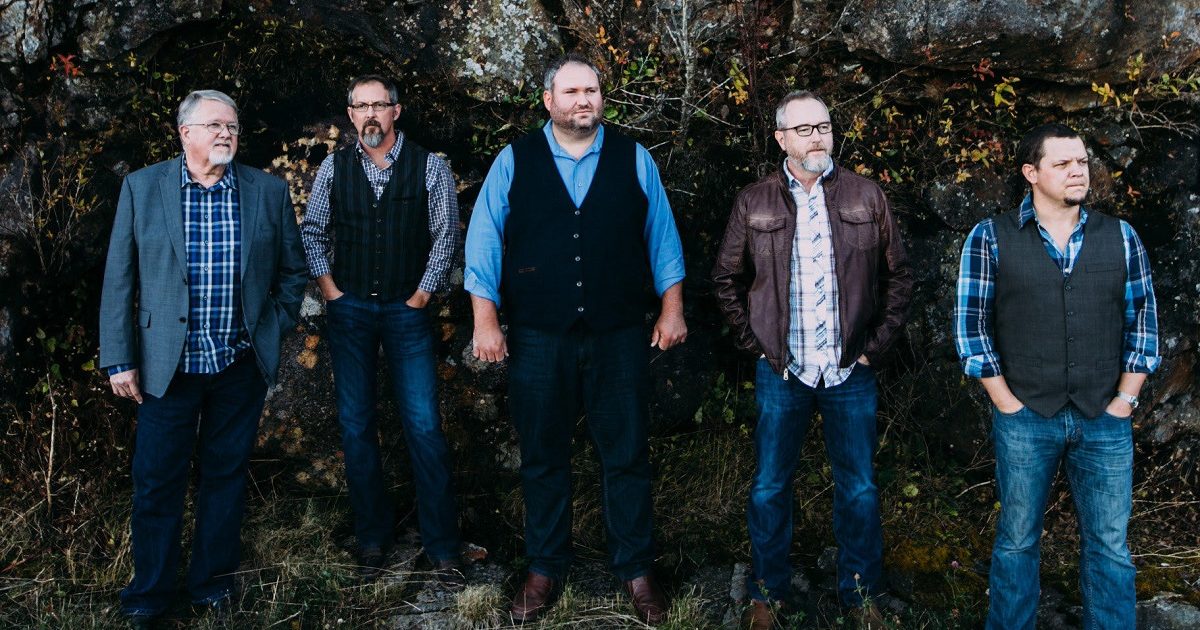
LISTEN: Balsam Range, “Grit and Grace”

Artist: Balsam Range
Hometown: Haywood County, North Carolina
Song: “Grit and Grace”
Release Date: September 4, 2020
Label: Mountain Home Music Company

In Their Words: “’Grit and Grace’ is the kind of song that every single person who walks this earth can or will likely relate to at some point during their journey. But with determination, courage, faith, and finding the inner grit to overcome struggles, we live to tell another story. One that has a happy ending for us. My desire is that this song provides encouragement and strength to anyone who may be suffering. That they may find peace in knowing they are not alone.

“The inspiration for ‘Grit and Grace’ came from a man who served his country, walked the Bataan Death March, and was a prisoner of war for 3½ years, Walter Middleton. When my mom asked him how he got through it, his answer was simply, ‘I provided the grit and God provided the grace.’ He later in life wrote a book about his time spent as a prisoner of war and he signed the book to my mother with, ‘For folks like you I would gladly do it again.’ It is hard to comprehend the willingness to suffer that greatly for others but many before us have. Life is about learning, teaching, sharing, and helping those along our journey that are experiencing what we may have already experienced and by grace overcame.” — Buddy Melton, Balsam Range (vocalist and fiddler)


Photo credit: David Simchok

Bluegrass Turns 75

We’re taking a different approach to the Artist of the Month concept this September, as we acknowledge the upcoming 75th anniversary of bluegrass music. Many historians consider its origin to be that December night in 1945, as bandleader and mandolin master Bill Monroe established guitarist Lester Flatt and banjo picker Earl Scruggs as part of the Blue Grass Boys lineup during a Grand Ole Opry show at the Ryman Auditorium. At that pivotal moment, a new American art form was born.

https://www.instagram.com/p/BzLtd0NAoJE/

Although bluegrass is unquestionably rich in history, it is still evolving to this day. In an effort to cover all the decades since then, BGS will offer five posts this month about the evolution of bluegrass, from that indispensable first generation to the newest class of talented pickers. [Read about the first generation.] [Read about Rodney Dillard and the Dillards.] [Read part one of our New Grass Revival oral history. Read part two here.] [Read about 10 women who made bluegrass better in the ’80s and ’90s.] [Listen to our 21st Century Bluegrass playlist.]

Our staff has also collected our personal favorites from the immense bluegrass canon in the playlist below. We owe a lot to Monroe, Flatt & Scruggs, and all the musicians who have led us to this milestone, and we’re proud to reveal our theme this month as Bluegrass 75.


LISTEN: Rhiannon Giddens, “Don’t Call Me Names”

Artist: Rhiannon Giddens
Hometown: Greensboro, North Carolina
Song: “Don’t Call Me Names”
Release Date: August 23, 2020
Label: Nonesuch

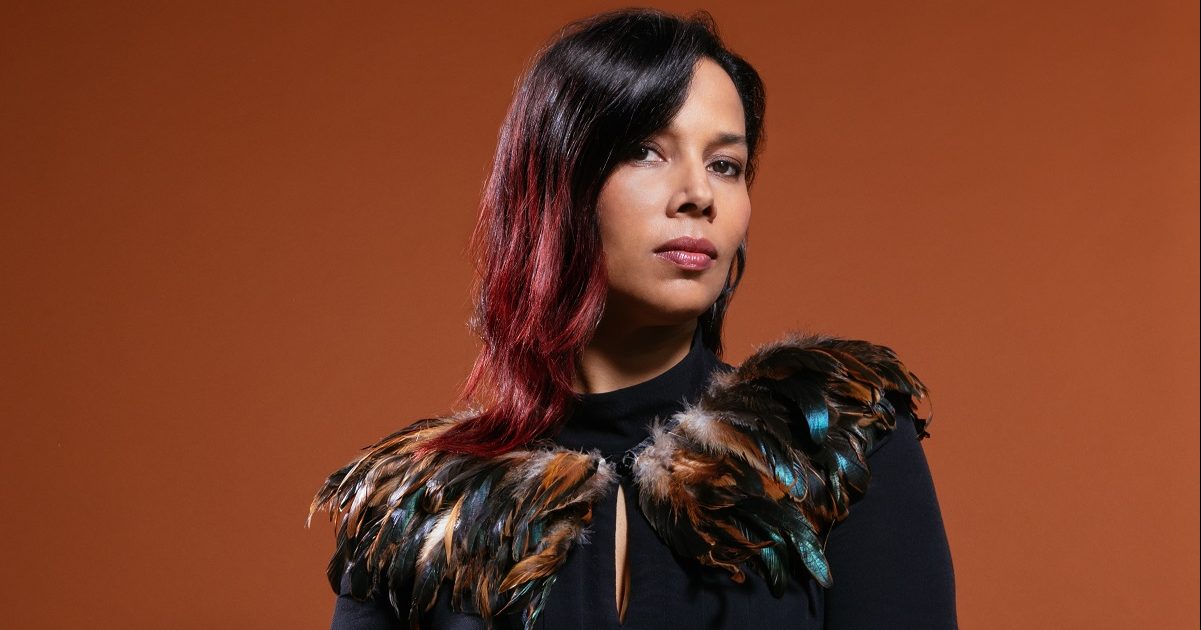
In Their Words: “The framework in the song is a love affair, but it can happen in any kind of connection. The real story was accepting my inner strength and refusing to continue being gaslit and held back; and refusing to keep sacrificing my mental health for the sake of anything or anyone.

“I don’t often write personal songs but this one has stayed with me — it poured out then and has just sat there waiting for the right time. I got a chance to do it with some incredible musicians and a fabulous producer and I’m thrilled it’s going to be out in the world; when I listen to it, the anger that I felt then is the anger I feel [now] at my entire country being gaslit, held back, and sacrificed. We have to keep saying NO to toxic behavior, no matter how small or large the stage, and keep saying it nice and loud.” — Rhiannon Giddens


Photo credit: Ebru Yildiz

LISTEN: Bella White, “All I Gave to You”

Artist: Bella White
Hometown: Calgary, Alberta, Canada; now living in Nashville
Song: “All I Gave to You”
Album: Just Like Leaving
Release Date: September 25, 2020

In Their Words: “‘All I Gave To You’ feels explicitly gentle to me. However, underneath all that sweetness, there is definitely a tinge of heat. A little fire burning in 18-year-old Bella. I wrote it about being far away from something that I wanted so badly and for all I know, irrationally. A puppy love interest. It talks about wanting to be wanted, or better yet wondering if you’re wanted… a common theme in songwriting. Something I believe to be extremely human. Wanting to feel revered and liked. Especially by those that you’re fond of. In retrospect, I wrote ‘All I Gave To You’ when I was 18 and liked a boy, wasn’t sure if he liked me back, and then tried to be a poet about it.” — Bella White


Photo credit: Sheena Zillinski

BGS 5+5: Twisted Pine

Artist: Twisted Pine
Hometown: Boston, Massachusetts
Latest album: Right Now (August 14, 2020)
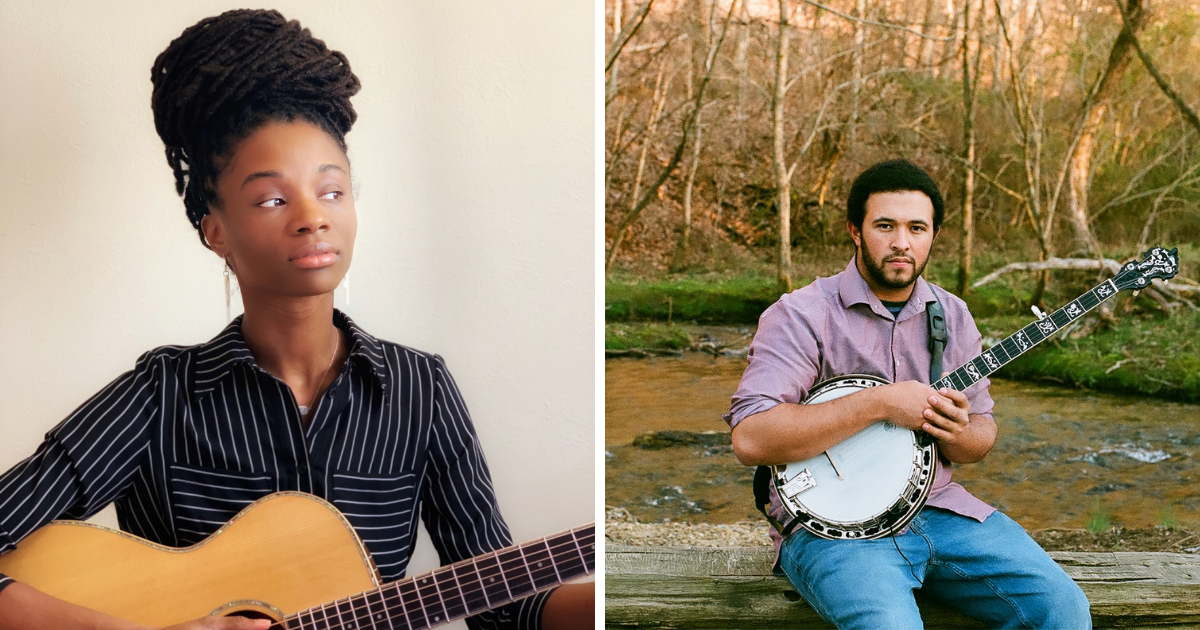
Personal nicknames: Kathleen Parks is KP or Kat. Dan Bui is Fireball or Bu Nasty. Anh Phung is Lil Phungus. Chris Sartori is Moose.

What other art forms — literature, film, dance, painting, etc — inform your music?

I would definitely say dance has had a big influence on how I hear, feel, and listen to music. I started out as an Irish dancer before I picked up the violin and I studied dance up until the year before I had to pick what kind of art school I would apply for. Would I study music or dance? I guess you can figure out the outcome, but I’m thankful to have studied it for so long because it definitely has influenced my groove, and feel. Anh is a great dancer too! Who knows, maybe one of these days we’ll work up some moves for a TWP set! — Kat

What was the first moment that you knew you wanted to be a musician?

I grew up with classical music lessons: first on piano and then violin. I wasn’t super passionate about it, but I didn’t hate it either. One Saturday, I happened to see Sam Bush playing on PBS, and knew I wanted a mandolin. As soon as I got it, a Fender A-Style with a pickup, a couple of friends came over with drums and electric bass. We jammed for hours and that’s when I knew I wanted to be a musician. — Dan

What’s your favorite memory from being on stage?

There’s obviously too many to choose from but maybe one of the more ridiculous ones was a 5 minute appearance in a choir singing “B*tches Ain’t Sh*t” by Dr. Dre on the “Just for a Laughs” live television special, “XXX: The Nasty Show,” accompanied by Ben Folds and hosted by Bob Saget. What a hoot! — Anh

Since food and music go so well together, what is your dream pairing of a meal and a musician?

I would take Prince to the Highland Kitchen in Somerville (Mass.) for brunch. We have a shared passion for breakfast; I wonder what he would think about their pancakes (they are the best ever). — Chris

Which elements of nature do you spend the most time with and how do those impact your work?

Growing up in New York’s Hudson Valley I had pretty direct access to little mountains, trails, and the Hudson River. I always feel grounded after going for a hike, and being able to view a sunset, and a clear night sky really seems to impact my lyrics and how I get musically inspired. What I love most is when the band can stay in a cabin during tour, I feel cozy and comfy and I love being able to hear the sound of crickets nearby. That’s the stuff! — Kat


Photo credit: Joanna Chattman

LISTEN: Golden Shoals, “Old Buffalo”

Artist: Golden Shoals
Hometown: Nashville, Tennessee
Song: “Old Buffalo”
Album: Golden Shoals
Release Date: August 7, 2020
Label: Self-released, distributed by Free Dirt

In Their Words: “This one fits in a genre I like to call Cowboy Existentialism. You’ve got imagery like buffalo, coyotes, hobos, and trains. The cheerful mood of the song belies themes of economic inequality, and the burden of worldly possessions, summed up in lines like ‘it’s mighty hard to catch your meal when you ain’t had enough to eat.’ The melodies and cadences of this song are derived, intentionally or not, from old American fiddle tunes like ‘Roll Boys Roll’ and ‘Booth Shot Lincoln.’

“I originally wrote it with clawhammer banjo as the accompaniment, but I had really been searching for a song to do with two guitars as a faster breakdown to showcase the style of flatpicking I love to do. We’re really emulating the two-guitar style of Norman and Nancy Blake here. They have always been a major influence on us. Norman is one of my favorite guitar players, along with Doc Watson and Michael Daves. I’m not a big fan of the more modern bluegrass guitar players; I gravitate toward those whose playing is more rooted in the old-time square dance fiddle style — very rhythmic, very driving, a little dirty.

“Playing a ’33 Gibson L-00 helps me get the sound I want too. Nothing like the growl a well-loved Gibson has to it. This guitar also fits my body better. I’m not a large person, and although I love dreadnaughts, a 00 body size is way more comfortable for me.” — Mark Kilianski, Golden Shoals


Photo credit: Kyle Wolff

MIXTAPE: An Organic, Mountain Home Playlist

There’s never been a time when working people haven’t needed to lean on one another — and to look beyond the present day — just to get by, but the present moment often seems especially fraught. Nothing speaks better to each present moment than music, whether it’s making space for respite and healing or providing encouragement and inspiration for the struggle.

Here at Mountain Home Music Company and Organic Records, our artists speak in unique, distinctive voices, yet each of these mostly southern artists have been unafraid to offer up songs that address the universal themes and social challenges of our times— whether they’re looking inward or to the outside world. — Ty Gilpin

(Editor’s Note: Find the entire playlist below)

Aaron Burdett — “Echoes”

“Echoes” is a product of this era, a processing of my own thoughts and feelings. I have questions about my surroundings and myself. It’s about current conditions but also about elements of our humanity that are centuries old. Uncertainty defines much of life in the year 2020 and I believe in recognizing and honoring it. Answers will not arrive until the right questions are asked. — Aaron Burdett

Tellico — “Courage for the Morning”

I was thinking about how people’s actions can inspire others, from the great revolutionary leaders to the everyday efforts of ordinary people. So, if you sing along to this song, you will be saying to yourself “I will walk, I will sing, I will bring a little courage for the morning.” That is something each one of us can take to heart and really think about: What is it that I can do to help another person in this world? — Anya Hinkle, Tellico

Balsam Range — “Richest Man”

Who has not thought about being the Richest Man? But what defines being rich? To have a life without regrets is easier said than done. The sacrifices made for gain can seldom be undone. The things lost and those won will only show with time. — Buddy Melton, Balsam Range

Thomm Jutz — “What’ll They Think Up Last”

When you enter John Hadley’s Fiddle Back Shack you are immediately in the moment and in a different world. I can’t think of any other house like his. Hadley is one of the most stunningly great creative minds I know — so is Peter Cooper. We gathered at Hadley’s funky Madison, Tennessee home one Sunday morning, talking over coffee. Hadley said something like “I wonder what they’ll think up last…” yeah, me too. — Thomm Jutz

The Gina Furtado Project — “The Things I Saw”

All throughout my childhood, I went to the river when I needed comfort of any kind. No matter what happened in my life, good or bad, the river was always the same. The plants and critters and smells and sounds became like old friends; always welcoming and beautiful in every way. I imagined a secret society whose mission was to fight hatred with love.

I’ve taken that little vision into my adult life, and enjoy trying to spot members of this secret society (and trying to be one myself!) They can be flowers, animals, sunsets, people you pass on the street — any person or thing that refuses to let darkness and negativity take over, and instead chooses to exude pure and unstoppable love. — Gina Furtado

Love Canon — “Things Can Only Get Better”

Love Canon has made a career from expertly covering classic ’70s and ’80s pop songs with acoustic instruments. In this Howard Jones hit, they found an anthem for trying times. — Ty Gilpin

Amanda Anne Platt & the Honeycutters — “Brand New Start”

Asheville-based, Americana-leaning outfit the Honeycutters have built an increasingly storied career through their sensitive, skilled musicianship and the distinctive songwriting and voice of Amanda Platt. “Brand New Start” is about a scenario we could all use right about now. — Ty Gilpin

Balsam Range — “Trains I Missed”

Do we recognize when opportunities missed are really fate taking us in a better direction? How many times have you found yourself missing one train and taking another to right where you’re supposed to be? — Ty Gilpin

Zoe & Cloyd — “Where Do You Stand”

“Where Do You Stand” is a commentary on the state of our national discourse. Often, it’s the farthest ends of the political spectrum that make the news and it seems like inflammatory rhetoric is the only thing that gets heard these days. I’d like for us to remember that we’re all connected and are more alike than we are different, no matter who tries to convince us otherwise. For us to move forward, we have to find common ground on which to build a path toward a sustainable future. — John Cloyd Miller, Zoe & Cloyd

Jeremy Garrett — “Circles;” “What Would We Find?”

“Circles” is a song I feel like many people can relate to. Sometimes you feel like you’re going in circles, but there is always light on the other side if you can just keep going and perhaps change your vantage point.

For “What Would We Find?” we were riding out through the Black Hills and it struck me how it looked as though, if you could take all the timber away and expose just the rocks and barren land, what would you find? It seemed as though there were hidden layers of possible treasures in the rocks under the timber — perhaps like relationships can be sometimes. I only had the idea and a basic melody, and had the opportunity to write with one of my heroes, Darrell Scott.  — Jeremy Garrett

Front Country — “Good Side”

Almost a capella from a group that has never shied from issues of social justice. Hailing from the west coast but now residing in Nashville, Front Country has consistently campaigned for marginalized members of our community. This powerful message is both personal and universal. — Ty Gilpin

Zoe & Cloyd — “Neighbor”

“Neighbor” is a song meant to inspire us to act with empathy, and to remember our shared humanity. It’s important to recognize our similarities rather than fear our differences. — Natalya Zoe Weinstein, Zoe & Cloyd

Aaron Burdett — “Rockefeller”

“Rockefeller” is, on the surface, just a fun song about wishing for more than you have and being envious of others. Dig a little deeper though, and the song brings in hints of income and economic inequality. But then the chorus is all about making do and being content with what you do have. So it’s a song with a few layers to jump back and forth between. — Aaron Burdett

The Gina Furtado Project — “Try”

The societal pressure to be a certain way can be overwhelming. ‘Try’ just came to me one day when I felt particularly defeated. We win some, we lose some; we do admirable things and less than admirable things. That is what it is to be a human, and as long as you know you try, it’s not a big deal either way. — Gina Furtado


SPONSORED CONTENT: Occasionally, BGS brings you content curated by featured partners and sponsors.