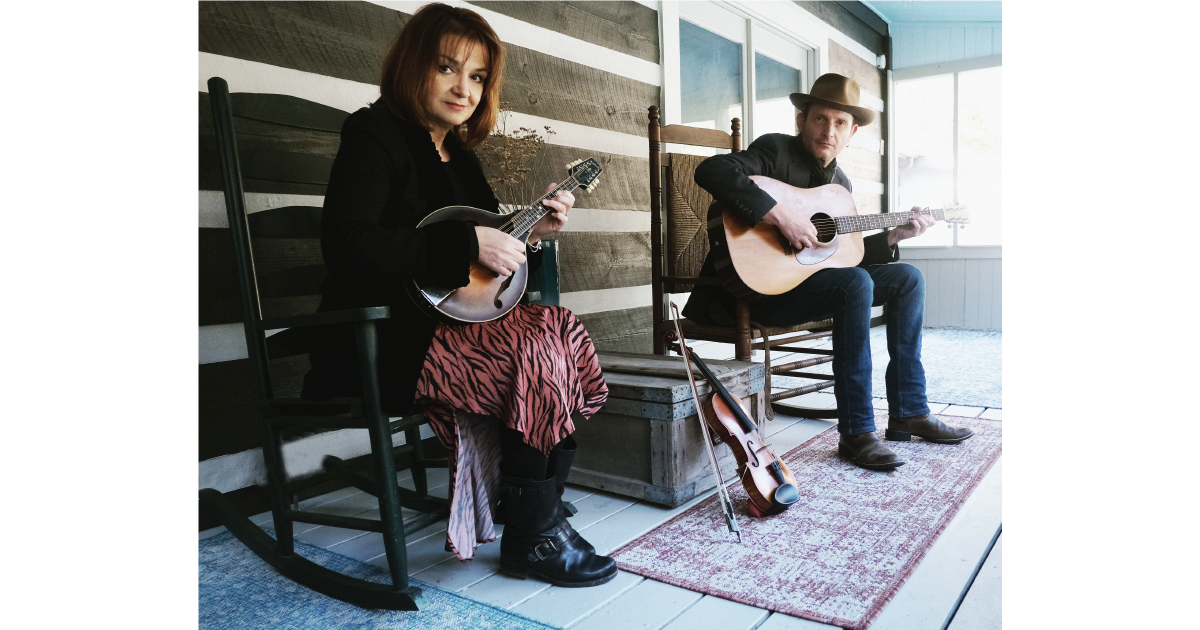
LISTEN: Tammy Rogers & Thomm Jutz, “I Surely Will Be Singing”

Artist: Tammy Rogers & Thomm Jutz
Hometown: Nashville, Tennessee
Song: “I Surely Will Be Singing”
Album: Surely Will Be Singing
Release Date: September 21, 2021
Label: Mountain Fever Records

In their Words: “We wrote this song at the beginning of the pandemic. We both noticed how much more we paid attention to bird life when everything slowed down. We also talked about the fact that while music is a career choice, it is important to continuously find joy in making music, without the need for outside approval — like a bird that sings to himself, with no regard for applause. This is a hymn to nature, and to the spirit of human resilience in the face of adversity.” — Tammy Rogers & Thomm Jutz


Photo credit: Anthony Scarlatti

Tim Stafford Shares Memories of Steve Gulley, Alison Krauss, and Tony Rice

Tim Stafford could be renowned for any one of his many contributions to bluegrass music over his prolific career, his talents as a musician and writer having been showcased in so many of its important creations. He is perhaps most well-known as a founding member of Blue Highway, one of the most influential and decorated bands in bluegrass. Prior to that, he formed Dusty Miller in the late 1980s, and Alison Krauss hired him in 1990 as part of her band, Union Station, with whom he recorded the Grammy-winning album, Every Time You Say Goodbye.

Stafford is also an accomplished author. In 2010 with Caroline Wright, Stafford issued Still Inside: The Tony Rice Story, the authorized biography of the flatpicking icon and Bluegrass Music Hall of Fame member. As a songwriter, Tim has placed more than 250 cuts and was named IBMA’s Songwriter of the Year in 2014 and 2017. He notably co-wrote IBMA’s 2008 Song of the Year, Blue Highway’s “Through the Window of a Train,” with Steve Gulley. Tim and Steve were frequent collaborators and released a duo album in 2010 called Dogwood. Ten years later, they created another album of co-written material, but Gulley passed away suddenly from cancer soon after it was completed, making the title, Still Here, all the more meaningful.

BGS: How does it feel to release this record? With Steve’s unexpected passing I imagine it must be a more heavy feeling than a typical record release.

TS: Yeah, I’m really glad it’s finally out. Steve was really looking forward to this record coming out. We were both excited about the songs and it ended up being his last recording, which was hard on all of us. And now it’s part of his legacy. After Steve passed, I talked to the label about maybe coming up with a different title besides Still Here, but we decided it was a very appropriate title because his music is still here. He would have been proud of it. I know that for sure.

How long had you known Steve?

I didn’t know him when I was younger, although he was around and playing. He was mainly playing up at Renfro Valley in Kentucky and he didn’t travel much until he joined Doyle Lawson & Quicksilver which would have been in the late ‘90s or around 2000. I was playing a festival somewhere with Blue Highway and he came up to the record table and we started talking like we’d known each other forever because we knew a lot of the same people. We just hit it off. He was the one that first suggested we write and it was either the first or second time we got together we wrote four songs in one day. And all four of them got cut. I felt like at that point we had something special. We seemed to have a wavelength that we could touch off of each other. That’s really rare. You don’t get that with a lot of people.

The subject matter in the songs on this record seems very personal, and often about people you know. I would imagine that it’s sort of therapeutic, maybe in the same way that journaling might be, to write about personal things like that. Is that how you feel about it?

That’s a good way to put it and I did used to journal. Some of them, like “Back When It Was Easy,” are just about general topics that we know about. Whereas “Long Way Around the Mountain” and “She Threw Herself Away” are about things that actually happened that we chronicled about friends. And sometimes they are big stories that you just can’t stay away from. “She Comes Back to Me When We Sing” is a story we’d both seen on Facebook about this guy’s mother who was in advanced stages of Alzheimer’s and didn’t know anybody until she sang with her son. And when that happened, she remembered all the words and she could remember everything. We thought that was a really inspirational story and deserved to be a song.

You’ve been writing for so long that it seems like you’ve been able to build the skill of telling a story through song, rather than narrating a timeline to music.

Yes, that’s where it’s at. That’s where the craft comes in that you only develop by doing it. I really didn’t know how to write a song when I started. But you learn little things along the way through trial and error. It’s like anything but it’s really difficult to learn how to do something like write a song out of a book — although I have a whole collection of them here. I have lots of books about songwriting like Jimmy Webb’s Tunesmith and Sheila Davis’ The Craft of Lyric Writing which is really good. You can learn tips, but you’re not going to learn how to write from a book. So it’s a matter of doing it.

I don’t remember exactly where I heard it, but I think I remember Jimmy Webb talking about writing “Wichita Lineman” and him saying that it was fully fictitious. But that he felt like, as a songwriter, he should be able to write about people he didn’t know. That he should be able to understand people well enough to write a story that was convincing without it having to be true. I could be misremembering that, though.

You may not be. I think that there’s actually a book out about that song, “Wichita Lineman,” that I finished here last year and I believe you’re right and he’s right. I think that being able to tell a story about somebody you don’t know is important. There’s a song that I wrote really early on called “Midwestern Town” that Ronnie Bowman recorded. That song is totally fictional. I didn’t know anybody like the character in that song. But I’ve had a lot of people come up and say that they did know someone like that or that it could have been them and that song made a big difference to them. It was a comforting song. You’ve got to be able to get inside people’s heads and think the way that they would. You have to know what your character might do in any given scenario. I can’t remember all the times I’ve been co-writing and said, “What would this guy do?”

Have you written songs as long as you’ve been playing guitar? When did you started writing songs?

I guess I wrote all the way back when I first started playing guitar, but I wasn’t really serious about it. I had written some songs before I played with Alison in the early ‘90s and we actually recorded one of them, but it never came out which was my fault. She wanted to put an instrumental I’d written called “Canadian Bacon” on Every Time You Say Goodbye, but I talked her out of it. I told her we needed to record “Cluck Old Hen” because we were so psyched about Ron [Block] being in the band and his playing on that. And I don’t regret that though it probably would have meant more money.

You were in Union Station from 1990 to ‘92, right? That was a very cool lineup of that band. How did you feel about it at the time?

I was blown away by it. I loved it and it was really cool that it worked out because the first time she talked to me about playing with her, it was back when I was in a group called The Boys in the Band. We played at SPBGMA and her band was there but her guitar player, Dave Denman, was leaving. She called me a few weeks after that and asked if I’d be interested. At that point, she had only recorded Too Late to Cry and I was really impressed with the songs, with John Pennell’s writing, and her singing. I had already committed to playing with a different group though so I had to decline.

About two or three years later I had started a group called Dusty Miller that she was a fan of. That band had Barry Bales and Adam Steffey in it. The three of us kind of grew up together playing music. We’re all from Kingsport, Tennessee. I actually gave Adam his first mandolin lesson, which is such a joke. [Laughs] Adam didn’t know anything about the instrument at all at the time. I tried to show him some stuff and I just kept thinking, “That guy’s never gonna get it.” And I barely knew how to play myself but I tried to show him “Bluegrass Breakdown” and he just couldn’t get it. He got with a different teacher after that and got real serious about it. The next time I saw him play, I was like, “What happened here?” [Laughs] It was like the most amazing thing I’ve ever seen in my life. I take absolutely no credit for that whatsoever.

Barry Bales was a student of James Alan Shelton. And James and I both taught at the Guitar Shop in Kingsport. That’s where I met Adam and gave him that lesson, and I met Barry down there, too. We all three ended up playing in The Boys in the Band. And then we started Dusty Miller. Alison liked that rhythm section so she offered the job to all three of us at the same time, and we took it. This was early 1990 and we played our first show in May — I think it was at the Station Inn. It was just incredible. We played some amazing places, but it was during the period of the band when we were all traveling in a van and staying in one hotel room.

I was playing with Alison when I met Tony Rice. We ended up playing a lot of shows together because he and Alison had the same agent and were on the same label. I never will forget the first time I really ever talked to Tony much. We were playing right before him at Winterhawk (which is now Grey Fox) and I broke a string on the last song we played. We got a standing ovation so I was backstage digging around, trying to find a string so we could do an encore. And Tony walks over with “the antique” and says, “Hey, man, here, play this.” I had a smile from ear-to-ear and Alison was smiling too.

What was it like getting to put that biography of Tony together? What led to that?

Well, a few years after that, after I left Union Station and started Blue Highway, I was still playing shows with Tony because Blue Highway had signed with Rounder, too. We were at a show with Tony and I said, “Man, have you ever thought about a biography?” And he said, “Well, actually, yeah, I have thought of that. But I’ll tell you what,” he said, “I think you’d be the ideal person to write it.” I said OK and started on it. That was about 2000 and it took 10 years to finish.

Three years into it, Caroline Wright came on board through Pam [Rice, Tony’s wife]. Caroline is a journalist and her mom was a member of the bluegrass community from New York state. Caroline lived in Hawaii at that time and had written a really well-done article about Tony in Listener magazine. I had started Tony’s book, but I was bogged down with it and wasn’t making a lot of progress and Pam suggested that Caroline come on board. We did four or five major, huge interviews with Tony that could have each been a book by themselves. And when we started transcribing them, we realized that Tony was so eloquent that we had to put it in Tony’s words. We couldn’t make it a narrative biography. That’s why it’s laid out the way it is. It’s chronological but in Tony’s words.

I’m really glad that we got to do it. Somebody would have done a book on him eventually, but I’m really glad that it came out before he left us. He’s one of those generational talents. I just don’t know that there’s going to be many people ever come along again who have an impact like that. He’s in the same league as Earl Scruggs, a top talent who created a language on the instrument.

So, it’s been a weird year, obviously. What have you been doing during this time?

I’ve been doing a lot of co-writing over Zoom. The other day I wrote my one-hundred-and-fourteenth song since the pandemic started.

Whoa!

Thomm Jutz and I’ve written 40 or so, just the two of us and, you know, you just get into the habit of doing it every week. I feel like Zoom is going to stick around and be the standard after the pandemic. I think it’s changed the way a lot of people think about co-writing. It makes you more disciplined and more productive. The technology just makes it easy. There’s no reason now for me to make a trip to Nashville, which is like four and a half hours, and get a hotel and all that when I can do all of it from home on my computer.

When you’re writing or doing work, are you the sort of person that has to change into regular people’s clothes to feel productive, or can you stay in your pajamas and be productive?

I think I’ve written at least a hundred of those 114 songs in my pajamas. [Laughs] I’m not going to dress up, I just want to be comfortable.


Photo credit: Ben Bateson

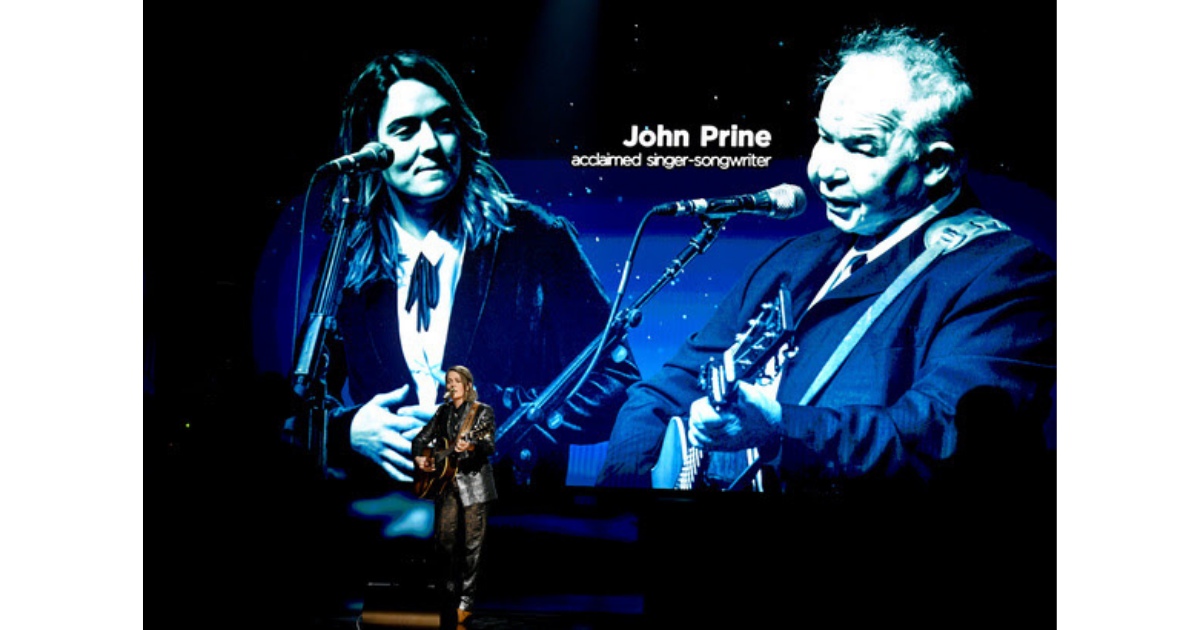
John Prine, Brittany Howard, Sarah Jarosz Among Winners at 63rd Annual Grammy Awards

The 63rd Annual Grammy Awards were held yesterday afternoon and evening, Sunday March 14, 2021. Here are the nominees and winners in the American Roots Music fields:

Best American Roots Performance

Black Pumas, “Colors”

Bonny Light Horseman, “Deep in Love”

Brittany Howard, “Short and Sweet”

Norah Jones & Mavis Staples, “I’ll Be Gone”

John Prine, “I Remember Everything”


Best American Roots Song

“Cabin,” Laura Rogers & Lydia Rogers, songwriters (The Secret Sisters)

“Ceiling to the Floor,” Sierra Hull & Kai Welch, songwriters (Sierra Hull)

“Hometown,” Sarah Jarosz, songwriter (Sarah Jarosz)

“I Remember Everything,” Pat McLaughlin & John Prine, songwriters (John Prine)

“Man Without a Soul,” Tom Overby & Lucinda Williams, songwriters (Lucinda Williams)


Best Americana Album

Courtney Marie Andrews, Old Flowers

Hiss Golden Messenger, Terms of Surrender

Sarah Jarosz, World on the Ground

Marcus King, El Dorado

Lucinda Williams, Good Souls Better Angels


Best Bluegrass Album

Danny Barnes, Man on Fire

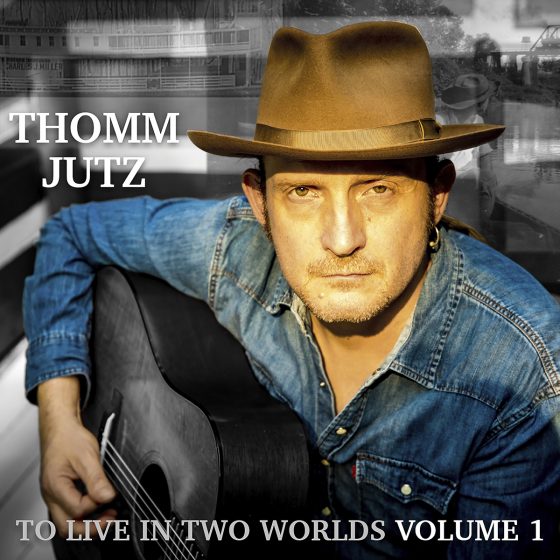
Thomm Jutz, To Live in Two Worlds, Vol. 1

Steep Canyon Rangers, North Carolina Songbook

Billy Strings, Home

Various Artists, The John Hartford Fiddle Tune Project, Vol. 1


Best Traditional Blues Album

Frank Bey, All My Dues are Paid

Don Bryant, You Make Me Feel

Robert Cray Band, That’s What I Heard

Jimmy “Duck” Holmes, Cypress Grove

Bobby Rush, Rawer Than Raw


Best Contemporary Blues Album

Fantastic Negrito, Have You Lost Your Mind Yet?

Ruthie Foster Big Band, Live at the Paramount

G. Love, The Juice

Bettye LaVette, Blackbirds

North Mississippi Allstars, Up and Rolling


Best Folk Album

Bonny Light Horseman, Bonny Light Horseman

Leonard Cohen, Thanks for the Dance

Laura Marling, Song for Our Daughter

The Secret Sisters, Saturn Return

Gillian Welch & David Rawlings, All the Good Times


Best Regional Roots Music Album

Black Lodge Singers, My Relatives “Nikso Kowaiks”

Cameron Dupuy and the Cajun Troubadours, Cameron Dupuy and the Cajun Troubadours

Nā Wai ʽEhā, Lovely Sunrise

New Orleans Nightcrawlers, Atmosphere

Sweet Cecilia, A Tribute to Al Berard


Also, note these Americana winners in other categories:

Best Rock Song

“Kyoto,” Phoebe Bridgers, Morgan Nagler & Marshall Vore, songwriters (Phoebe Bridgers)

“Lost in Yesterday,” Kevin Parker, songwriter (Tame Impala)

“Not,” Adrianne Lenker, songwriter (Big Thief)

“Shameika,” Fiona Apple, songwriter (Fiona Apple)

“Stay High,” Brittany Howard, songwriter (Brittany Howard)


Best Country Solo Performance

“Black Like Me,” Mickey Guyton

“Bluebird,” Miranda Lambert

“Stick That In Your Country Song,” Eric Church

“When My Amy Prays,” Vince Gill

“Who You Thought I Was,” Brandy Clark


Best Country Song

“Bluebird,” Luke Dick, Natalie Hemby & Miranda Lambert, songwriters (Miranda Lambert)

“The Bones,” Maren Morris, Jimmy Robbins & Laura Veltz, songwriters (Maren Morris)

“Crowded Table,” Brandi Carlile, Natalie Hemby & Lori McKenna, songwriters (The Highwomen)

“More Hearts Than Mine,” Ingrid Andress, Sam Ellis & Derrick Southerland, songwriters (Ingrid Andress)

“Some People Do,” Jesse Frasure, Shane McAnally, Matthew Ramsey & Thomas Rhett, songwriters (Old Dominion)


Best Roots Gospel Album

Fisk Jubilee Singers, Celebrating Fisk! (The 150th Anniversary Album)

Mark Bishop, Beautiful Day

The Crabb Family, 20/20

The Erwins, What Christmas Really Means

Ernie Haase & Signature Sound, Something Beautiful


Photo by Kevin Winter/Getty Images for The Recording Academy
2021 Grammy Awards: See Nominees in American Roots Field

The 2021 Grammy Awards finalists were revealed on Thursday, November 24. Here are the nominations in the American Roots field:


Best American Roots Performance

Black Pumas, “Colors”

Bonny Light Horseman, “Deep in Love”

Brittany Howard, “Short and Sweet”

Norah Jones & Mavis Staples, “I’ll Be Gone”

John Prine, “I Remember Everything”


Best American Roots Song

“Cabin,” Laura Rogers & Lydia Rogers, songwriters (The Secret Sisters)

“Ceiling to the Floor,” Sierra Hull & Kai Welch, songwriters (Sierra Hull)

“Hometown,” Sarah Jarosz, songwriter (Sarah Jarosz)

“I Remember Everything,” Pat McLaughlin & John Prine, songwriters (John Prine)

“Man Without a Soul,” Tom Overby & Lucinda Williams, songwriters (Lucinda Williams)


Best Americana Album

Courtney Marie Andrews, Old Flowers

Hiss Golden Messenger, Terms of Surrender

Sarah Jarosz, World on the Ground

Marcus King, El Dorado

Lucinda Williams, Good Souls Better Angels


Best Bluegrass Album

Danny Barnes, Man on Fire

Thomm Jutz, To Live in Two Worlds, Vol. 1

Steep Canyon Rangers, North Carolina Songbook

Billy Strings, Home

Various Artists, The John Hartford Fiddle Tune Project, Vol. 1


Best Traditional Blues Album

Frank Bey, All My Dues are Paid

Don Bryant, You Make Me Feel

Robert Cray Band, That’s What I Heard

Jimmy “Duck” Holmes, Cypress Grove

Bobby Rush, Rawer Than Raw


Best Contemporary Blues Album

Fantastic Negrito, Have You Lost Your Mind Yet?

Ruthie Foster Big Band, Live at the Paramount

G. Love, The Juice

Bettye LaVette, Blackbirds

North Mississippi Allstars, Up and Rolling


Best Folk Album

Bonny Light Horseman, Bonny Light Horseman

Leonard Cohen, Thanks for the Dance

Laura Marling, Song for Our Daughter

The Secret Sisters, Saturn Return

Gillian Welch & David Rawlings, All the Good Times


Best Regional Roots Music Album

Black Lodge Singers, My Relatives “Nikso Kowaiks”

Cameron Dupuy and the Cajun Troubadours, Cameron Dupuy and the Cajun Troubadours

Nā Wai ʽEhā, Lovely Sunrise

New Orleans Nightcrawlers, Atmosphere

Sweet Cecilia, A Tribute to Al Berard


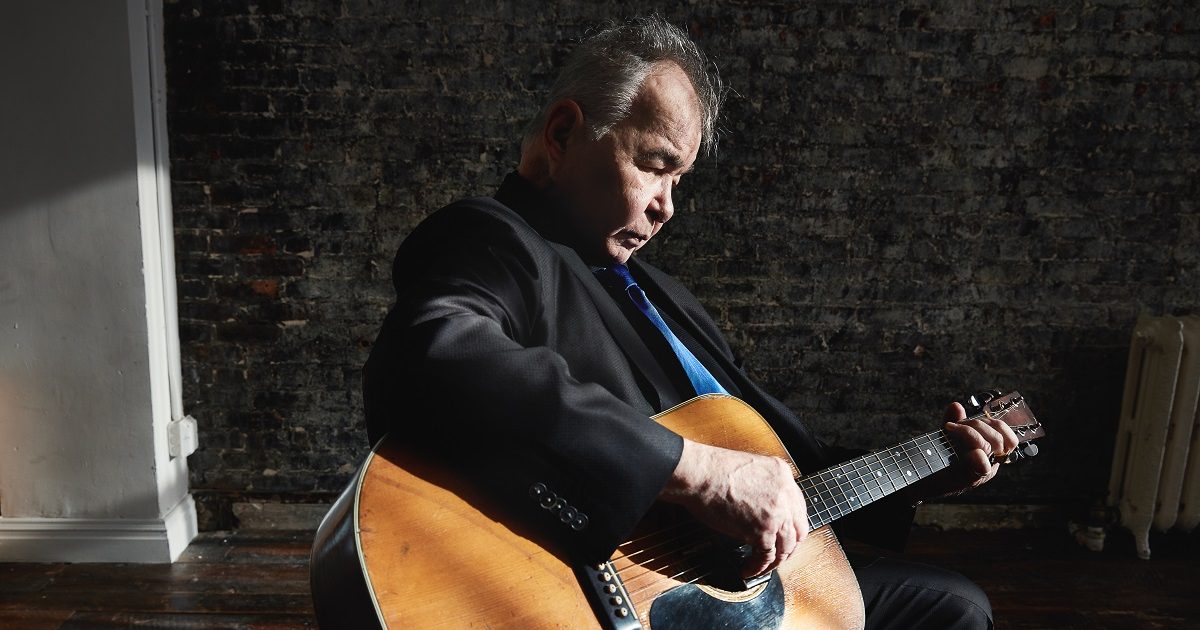
Photo of John Prine by Danny Clinch

BGS 5+5: Thomm Jutz

Artist: Thomm Jutz
Hometown: born in Neusatz/Germany, living in Nashville, TN
Latest album: To Live in Two Worlds Vol.2
Personal nicknames: TJ

Which artist has influenced you the most … and how?

At this point in my life, I’d have to say that Norman Blake has influenced me the most. Not just as an instrumentalist, but also as a songwriter. When he started writing original material in the early ’70s he came out of the shoot with a distinctive songwriter’s voice. Unlike Kristofferson, Hartford, and Dylan, all of whom he had worked with, Blake’s focus was not on his inner world but on the old rural America that he’d grown up in. He applied his huge knowledge of railroad history to his writing. His songs were based on local characters that he’d grown up with or places that were meaningful to him. I like to write about historic events or characters from the past and I owe the inspiration for that to a large part to the great Norman Blake.

What other art forms — literature, film, dance, painting, etc — inform your music?

Literature has a great influence on my music. I read all the time. I try to keep something historical, a story and something philosophical or inspirational going at all times. The more I read, the more I write. Sometimes images from books come to me after years and I start writing about them. I also love to read cookbooks. In recent years I’ve really been into the novels of North Carolina writers Ron Rash and John Ehle.

What was the first moment that you knew you wanted to be a musician?

When I was eleven years old I saw Bobby Bare on TV. He hit me square between the eyes with his singing, the way he held the guitar and his cooler than cool attitude. My soul connected with the archetype of the wandering minstrel at that moment and has not let me go since. I never felt like I wanted to do anything but a musician and songwriter. I got to work with Bare a couple of times. He was every bit as great as I wanted him to be.

What’s the toughest time you ever had writing a song?

I can’t say that I struggle too much with songwriting. I believe that if you have a good idea and put in the time and co-write with the right people, your craft should make it possible for you to at the very least come up with something decent every time. One song idea that I had and didn’t know how to approach for over a year was for a song called “Help Me to Hold On” that I co-wrote with Milan Miller and that was recorded by Balsam Range. Every morning when I walked with my dog that idea was in my head, but I couldn’t some up with an angle to approach it. I still remember where I was out here by Percy Priest Lake when all the pieces came together. We wrote it the following Saturday and it didn’t take more than an hour to get it done.

Since food and music go so well together, what is your dream pairing of a meal and a musician?

I listen to a whole lot of Norman Blake’s music when I’m cooking dinner with my wife every night. Another really good pairing is when my friend and fellow songwriter Jefferson Ross comes to visit from Atlanta. We stand around the kitchen or the grill with a beer, cook together and talk about books, music and vintage guitars.


Photo credit: Jefferson Ross

MIXTAPE: An Organic, Mountain Home Playlist

There’s never been a time when working people haven’t needed to lean on one another — and to look beyond the present day — just to get by, but the present moment often seems especially fraught. Nothing speaks better to each present moment than music, whether it’s making space for respite and healing or providing encouragement and inspiration for the struggle.

Here at Mountain Home Music Company and Organic Records, our artists speak in unique, distinctive voices, yet each of these mostly southern artists have been unafraid to offer up songs that address the universal themes and social challenges of our times— whether they’re looking inward or to the outside world. — Ty Gilpin

(Editor’s Note: Find the entire playlist below)

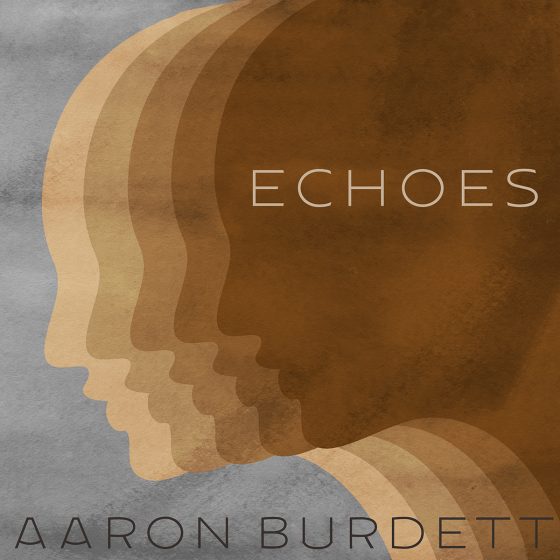
Aaron Burdett — “Echoes”

“Echoes” is a product of this era, a processing of my own thoughts and feelings. I have questions about my surroundings and myself. It’s about current conditions but also about elements of our humanity that are centuries old. Uncertainty defines much of life in the year 2020 and I believe in recognizing and honoring it. Answers will not arrive until the right questions are asked. — Aaron Burdett

Tellico — “Courage for the Morning”

I was thinking about how people’s actions can inspire others, from the great revolutionary leaders to the everyday efforts of ordinary people. So, if you sing along to this song, you will be saying to yourself “I will walk, I will sing, I will bring a little courage for the morning.” That is something each one of us can take to heart and really think about: What is it that I can do to help another person in this world? — Anya Hinkle, Tellico

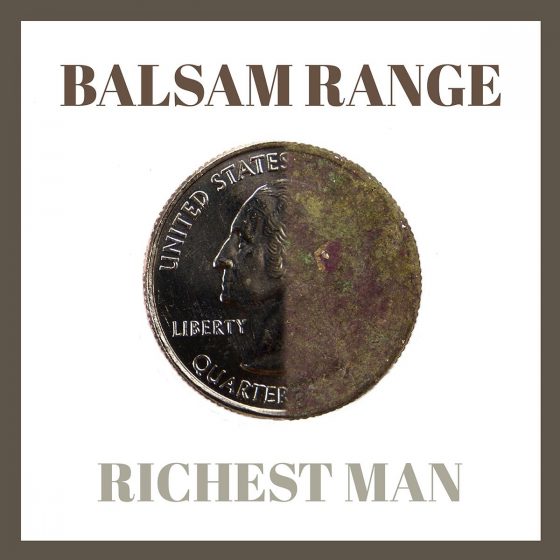
Balsam Range — “Richest Man”

Who has not thought about being the Richest Man? But what defines being rich? To have a life without regrets is easier said than done. The sacrifices made for gain can seldom be undone. The things lost and those won will only show with time. — Buddy Melton, Balsam Range

Thomm Jutz — “What’ll They Think Up Last”

When you enter John Hadley’s Fiddle Back Shack you are immediately in the moment and in a different world. I can’t think of any other house like his. Hadley is one of the most stunningly great creative minds I know — so is Peter Cooper. We gathered at Hadley’s funky Madison, Tennessee home one Sunday morning, talking over coffee. Hadley said something like “I wonder what they’ll think up last…” yeah, me too. — Thomm Jutz

The Gina Furtado Project — “The Things I Saw”

All throughout my childhood, I went to the river when I needed comfort of any kind. No matter what happened in my life, good or bad, the river was always the same. The plants and critters and smells and sounds became like old friends; always welcoming and beautiful in every way. I imagined a secret society whose mission was to fight hatred with love.

I’ve taken that little vision into my adult life, and enjoy trying to spot members of this secret society (and trying to be one myself!) They can be flowers, animals, sunsets, people you pass on the street — any person or thing that refuses to let darkness and negativity take over, and instead chooses to exude pure and unstoppable love. — Gina Furtado

Love Canon — “Things Can Only Get Better”

Love Canon has made a career from expertly covering classic ’70s and ’80s pop songs with acoustic instruments. In this Howard Jones hit, they found an anthem for trying times. — Ty Gilpin

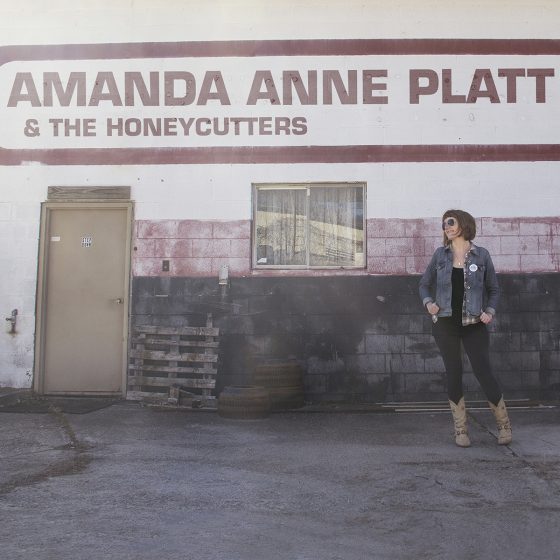
Amanda Anne Platt & the Honeycutters — “Brand New Start”

Asheville-based, Americana-leaning outfit the Honeycutters have built an increasingly storied career through their sensitive, skilled musicianship and the distinctive songwriting and voice of Amanda Platt. “Brand New Start” is about a scenario we could all use right about now. — Ty Gilpin

Balsam Range — “Trains I Missed”

Do we recognize when opportunities missed are really fate taking us in a better direction? How many times have you found yourself missing one train and taking another to right where you’re supposed to be? — Ty Gilpin

Zoe & Cloyd — “Where Do You Stand”

“Where Do You Stand” is a commentary on the state of our national discourse. Often, it’s the farthest ends of the political spectrum that make the news and it seems like inflammatory rhetoric is the only thing that gets heard these days. I’d like for us to remember that we’re all connected and are more alike than we are different, no matter who tries to convince us otherwise. For us to move forward, we have to find common ground on which to build a path toward a sustainable future. — John Cloyd Miller, Zoe & Cloyd

Jeremy Garrett — “Circles;” “What Would We Find?”

“Circles” is a song I feel like many people can relate to. Sometimes you feel like you’re going in circles, but there is always light on the other side if you can just keep going and perhaps change your vantage point.

For “What Would We Find?” we were riding out through the Black Hills and it struck me how it looked as though, if you could take all the timber away and expose just the rocks and barren land, what would you find? It seemed as though there were hidden layers of possible treasures in the rocks under the timber — perhaps like relationships can be sometimes. I only had the idea and a basic melody, and had the opportunity to write with one of my heroes, Darrell Scott.  — Jeremy Garrett

Front Country — “Good Side”

Almost a capella from a group that has never shied from issues of social justice. Hailing from the west coast but now residing in Nashville, Front Country has consistently campaigned for marginalized members of our community. This powerful message is both personal and universal. — Ty Gilpin

Zoe & Cloyd — “Neighbor”

“Neighbor” is a song meant to inspire us to act with empathy, and to remember our shared humanity. It’s important to recognize our similarities rather than fear our differences. — Natalya Zoe Weinstein, Zoe & Cloyd

Aaron Burdett — “Rockefeller”

“Rockefeller” is, on the surface, just a fun song about wishing for more than you have and being envious of others. Dig a little deeper though, and the song brings in hints of income and economic inequality. But then the chorus is all about making do and being content with what you do have. So it’s a song with a few layers to jump back and forth between. — Aaron Burdett

The Gina Furtado Project — “Try”

The societal pressure to be a certain way can be overwhelming. ‘Try’ just came to me one day when I felt particularly defeated. We win some, we lose some; we do admirable things and less than admirable things. That is what it is to be a human, and as long as you know you try, it’s not a big deal either way. — Gina Furtado


SPONSORED CONTENT: Occasionally, BGS brings you content curated by featured partners and sponsors.

BGS Podcast Roundup // May 8

In this week’s podcasts, we take you everywhere from Nashville’s Lower Broadway, to Compass Records, to the culinary scene in Montreal, and even back to a time when touring was a thing.

If you enjoy spending your weekend with the BGS Podcast Network, make sure to follow along on our social media [Facebook, Twitter, and Instagram] and right here, where we’ll consistently gather our new episodes, as well as some past favorites:

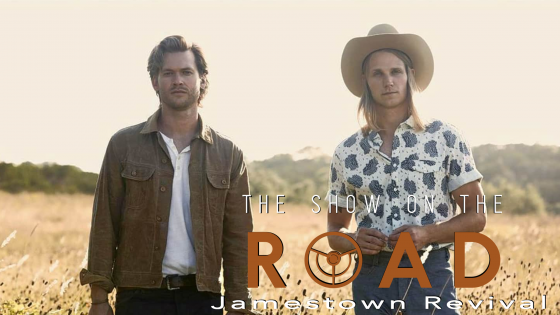
The Show on the Road – Jamestown Revival

On the latest episode of The Show On The Road, we feature Jonathan Clay and Zach Chance, two Texans and expert harmonizers who for the last decade have toured the world as Jamestown Revival.

Right before all tours got sent home, host Z. Lupetin was able to hop on the Jamestown Revival tour bus to discuss their intimate new record, San Isabel. While their previous record, The Education of a Wandering Man, saw them harnessing the muscular roots-rock that can be heard at their powerful live shows, San Isabel strips everything back to their intimate two-voices-around-one-mic, “southern and Garfunkel” sound that brought them together in the first place — and has rightfully won them hordes of fans coast to coast.

They say sibling harmony can’t be compared and we’ve had several sets of twin bands on the podcast, but what about soul-brother harmony? If one thing is clear just sitting on the bus and listening to them weave their stories and songs together, it’s that Clay and Chance were born to sing together.

San Isabel was laid down at Ward Lodge Studios overlooking the San Isabel National Forest in Buena Vista, Colorado and often includes the natural sounds of the nature all around them. Give it a listen — it’s peaceful and powerful and raw and maybe just what we all need right now.


Toy Heart – Alison Brown

Banjoist and record label head Alison Brown speaks with host Tom Power from her studio at Compass Records headquarters in Nashville, Tennessee. They begin with her early records made with Stuart Duncan, “finding her people,” and winning the Canadian National Banjo Championship (as an American), then on to her time at Harvard, where playing banjo became “something you’d talk about at cocktail parties.”

She describes the moment she decided to leave investment banking and commit to music full time, her cocktail napkin dream, and the two talk women in bluegrass, women in banjo, and the First Ladies of Bluegrass. The story they dive into together is ultimately about figuring out what makes you happy, and pursuing it bravely, against all odds.


The Shift List – Chef Dyan Solomon (Olive et Gourmando, Foxy) – Montreal

This week, The Shift List closes out its miniseries focusing on the food of Montreal with chef, restaurateur, and cookbook author Dyan Solomon. If you’re from Montreal, Dyan Solomon needs no introduction. She’s the co-owner of multiple restaurants there, including Foxy, one of the city’s essential fine dining establishments. Back in November 2019 she released the Olive + Gourmando cookbook, a collection of 150 recipes from the namesake cafe that put Solomon on Montreal’s culinary map when it opened back in 1999.

Host Chris Jacobs checked in with Chef Dyan via email the other week to see how her restaurants have been affected by the stay-at-home orders in Canada. She replied with cautious optimism, saying that while all of her restaurants are closed until further notice, they are surviving and trying to remain positive about the future.

If you’ve listened to the last two episodes of The Shift List with Chef John Winter Russell of Restaurant Candide, you’ll know that he highlighted the work that’s being done to help support the Montreal Restaurant Workers Relief Fund, an organization set up to provide emergency relief to restaurant employees who are facing economic hardship due to COVID-19. Coincidentally, the fund was set up by Kaitlin Doucette, the Sommelier at Solomon’s fine dining restaurant Foxy, and donations are still being accepted at mtlrestorelieffund.org.


The String – Paul Burch, Thomm Jutz

Paul Burch moved from Indiana to Nashville in 1995 when his friend Jay McDowell (BR549) told him about the burgeoning indie country music scene on sleepy Lower Broadway.

In the 25 years since then, Burch has made uncompromising and original music with shades of classic honky tonk and timeless rock and soul. On the latest episode of The String, we talk with Burch about his role in the fascinating band Lambchop, the evolution of his band the WPA Ball Club and his new album Light Sensitive. Also in the hour, German-born bluegrass songwriting star Thomm Jutz.


The String – Paul Burch, Thomm Jutz

Paul Burch moved from Indiana to Nashville in 1995 when his friend Jay McDowell (BR549) told him about the burgeoning indie country music scene on sleepy Lower Broadway.


LISTEN: APPLE PODCASTS

In the 25 years since then, Burch has made uncompromising and original music with shades of classic honky tonk and timeless rock and soul. Here we talk about his role in the fascinating band Lambchop, the evolution of his band the WPA Ball Club and his new album Light Sensitive. Also in the hour, German-born bluegrass songwriting star Thomm Jutz.

LISTEN: Thomm Jutz, “Where The Bluebirds Call”

Artist: Thomm Jutz
Hometown: Nashville, Tennessee
Song: “Where The Bluebirds Call”
Album: To Live In Two Worlds, Volume 1
Release Date: March 27, 2020
Label: Mountain Home Music Company

In Their Words: “Englishman Cecil Sharp travelled all over Appalachia in search of ancient British verse and melody thought lost in England. He travelled extensively through the mountains of Virginia, North Carolina, Kentucky, and Tennessee to find these songs. They are documented in his collection English Folk Songs From The Southern Appalachians, which, as my friend and co-writer Tim Stafford says, is ‘as close to the horse’s mouth as you can get.’ I feel Cecil’s fascination with these songs in my bones. It is the essence of what keeps my musical world turning, and it’s always calling me home.” — Thomm Jutz


Photo credit: Jefferson Ross

New Singer, Same Edge: The SteelDrivers Deliver on ‘Bad For You’

The SteelDrivers’ new lead singer, Kelvin Damrell, already grasps the driving force behind the band, which is marking its 12th year with a brand new album, Bad For You.

“You couldn’t play our songs if you weren’t passionate about what you were doing,” the Berea, Kentucky, native believes. “It wouldn’t sound right at all, in any position in the band. From the mid-range harmony part to the hardest-playing guitar riffs, to the hardest-playing fiddle, it wouldn’t sound nearly as good as it does if you didn’t love what you were doing, and playing with as much passion as you could.”

On Bad For You, Damrell steps into a role once filled by Gary Nichols and Chris Stapleton for the group’s first album since winning a Grammy with 2015’s The Muscle Shoals Recordings. All five of the SteelDrivers — Richard Bailey, Damrell, Mike Fleming, Tammy Rogers (whose daughter discovered Damrell on YouTube), and Brent Truitt — invited BGS over for a chat.

Kelvin, how long had you been in the band by the time you went into the studio?

Kelvin: Goodness, how long has it been now? I joined in October 2017. I was just so looking forward to the release date of the album that I’d forgotten when we went in.

Mike: He had to go to boot camp first. [Laughs] Bluegrass boot camp! We had to take him out of Kentucky. He had his first airplane flight. You saw the ocean for the first time, right? You left a lot of things laying around. [All laugh] You went through airports with knives when you shouldn’t have. But listen, it was good! We all got comfortable with each other, and we needed some time just to feel that, and it got to that point.

Kelvin: When I joined the band, I was really unsure about what was going on, about my position. I had made the cut as far as getting to be in the band, but Brent kept telling me we needed a couple of months to see how we jibe together. I thought that was just him saying that, but it was the truth. We switched vehicles pretty regularly and I rode with different people. We really saw how we jibed together before we made a full decision on whether we were going to keep me, or if I was going to go back to sweeping chimneys.

The song “Bad For You” has such a cool groove. You sent it out as your first single and you named the album after it. What is it about that song that is special to you?

Brent: To me it was the perfect fit for this band. It was the song that hit me right out of the chute. It encapsulates the sound. It’s really edgy, and we’re a little bit on the edgy side of bluegrass.

Mike: It was one of the strongest songs, as far as that kind of feel. It’s like a “Here we are!” kind of song. You know, “Look out!” The way Kelvin sang it, Tammy told him, “Sing it like a rock ‘n’ roll singer.”

Kelvin: I almost got emotional when we played it for the very first time. I really did, that’s the truth. The first night we debuted it, after we hit that last big note, I almost did get a little emotional because it’s like something is finally coming to fruition with my position in the band. I’d done all this other stuff that vocally belonged to Gary and vocally belonged to Chris, and now this one vocally belongs with me at the lead. And man, that three-part harmony! Everything about it was good, and it really did make me emotional.

I’m glad you mentioned harmony because that’s a really important component of this band that doesn’t get talked about enough — how well you can stack those voices.

Tammy: Thank you. But you’re exactly right, I think that’s always been a really strong facet of the band. It’s this rock ‘n’ roll lead singer with this really strong three-part harmony coming in on the chorus. From a writer’s perspective on this album, I thought about that a lot, and how that was still a big part of the sound, and to keep that consistent because I think that does set us apart.

Brent: In our live set, I’m thinking of one or two songs that end with the vocal trio by itself, doing the swell and bending into a note, and the crowd loves it every time. It’s a big part of bluegrass, period, but it’s a big part of our music too.

Brent, how would you describe the SteelDrivers’ sound?

Brent: For me, personally? It’s gritty, grind-y bluegrass. With a lot of soul.

Tammy: Think about the Rolling Stones if they were to play with bluegrass instruments. That’s us.

Mike: With a blues/rock ‘n’ roll singer. … It’s intense! I’m tired after our set. It’s a workout. We keep the emotion and the intensity going quite a bit, but we let up occasionally and do a nice song.

On this record, you do have that slower moment on “I Choose You,” which brings out another side of the band.

Tammy: Yeah, we’ve always had a song or two like that. On the first record, “Heaven Sent” has always been one of our most-requested and popular songs, and it has that great, easy, rolling feel to it. We call it the hippie dance. And when Thomm Jutz and I wrote “I Choose You,” that was definitely musically where I wanted to go with that, to have that feel to it. But it’s still a very serious lyric, even though it has a positive message, in a way. It has a lot of depth and meaning to it.

Richard, do you have a favorite track on this album?

Richard: Umm… “Forgive.”

What do you like about that one?

Richard: I like what I played on it. [All laugh]

Tammy: See, it’s all about the banjo! We joke about it but people love the banjo!

Mike: It’s got a great groove.

Brent: It’s one of my favorite songs too.

Kelvin: It’s funky. It’s like “Bad For You” is rock ‘n’ roll and “Forgive” is funky!

Kelvin, what were you listening to about three years ago, before joining the band?

Kelvin: Three years ago I was on a really big Cinderella kick. [All laugh] I’m still on the kick. I still listen to mainly rock ‘n’ roll when it’s just me in my truck, driving for hours on end.

Did the band prepare you for the honesty of bluegrass fans, and how they’ll tell you what they think?

Kelvin: I was ready for it before I started! I knew how much of a following they had. I know how much people loved Gary. I know how much people loved Chris. And I was ready for it – I prepared myself for people saying, “This guy sucks. You need to get somebody else.” [I’ve heard that] twice, I think, the whole time I’ve been with the band. It’s been great — because I was expecting it at every show!

Tammy, do you have young women coming up and telling how cool it is to see a woman on stage?

Tammy: Yeah, it’s really awesome and I appreciate it a lot. Because when I was growing up there were very few women playing, and the ones that did were usually bass players. Mama might be back there thumping on the bass or whatever. There were very few women role models for me, of that generation. There were a couple — I remember Lynn Morris was playing and Laurie Lewis was playing a few years ahead of me in those circles. Not many in the country world. I was a huge Mother Maybelle fan and part of that was because she played the guitar. That was fascinating for me as a kid.

And now in the generation after me, there’s just unbelievably talented women – not just singers, but instrumentalists. It’s phenomenal, the jump from mine and Alison Brown’s ages, to Sierra Hull, who is a genius on the mandolin, and Kimber Ludiker and all the Della Mae girls we love, and Molly Tuttle is absolutely slaying it on guitar. Sara Watkins, I’m With Her, Sarah Jarosz … it’s just on and on and on. If I in any way influenced any of those players, I am deeply honored.

What would you want bluegrass fans to know about this new record?

Tammy: We’re excited this year to get out and we’ll be playing a lot of different kinds of venues. We don’t play that many traditional bluegrass festivals anymore, but it’s my hope that people hear the music and still see the thread that’s in there. The subject matter that we choose to sing about is not as cleaned up as some other stuff, but to me it’s just another facet of the music, and I think we’re hopefully carrying it forward and carrying a torch.


Photo credit: Anthony Scarlatti