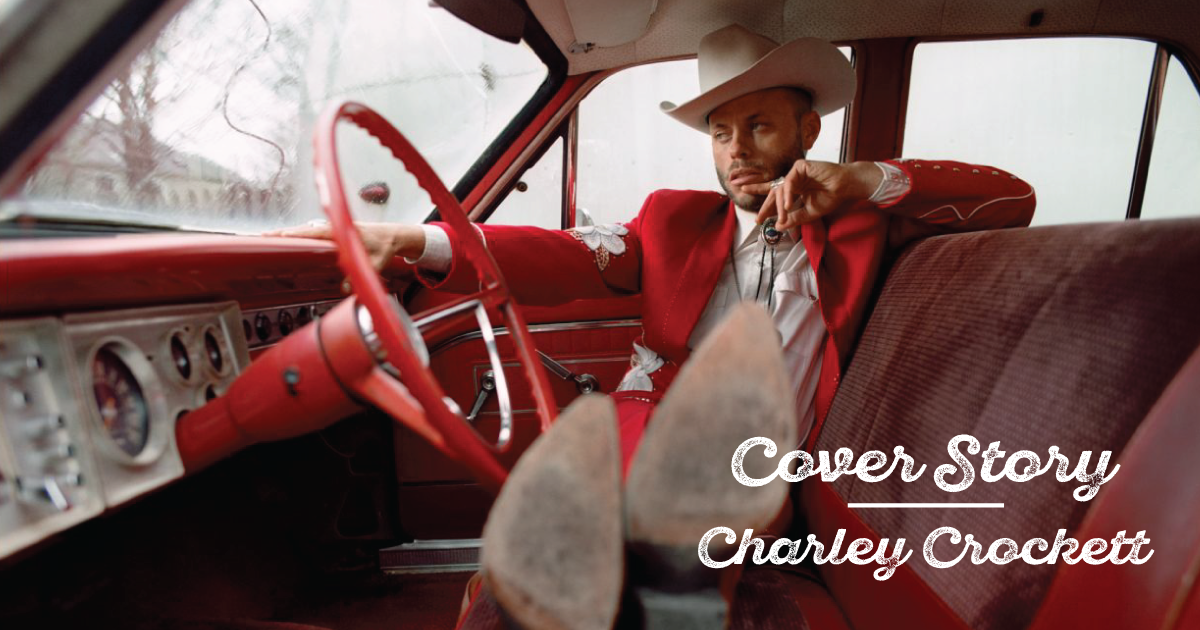
Through His Music, Charley Crockett Speaks to ‘Hard Times’ We’re All Facing

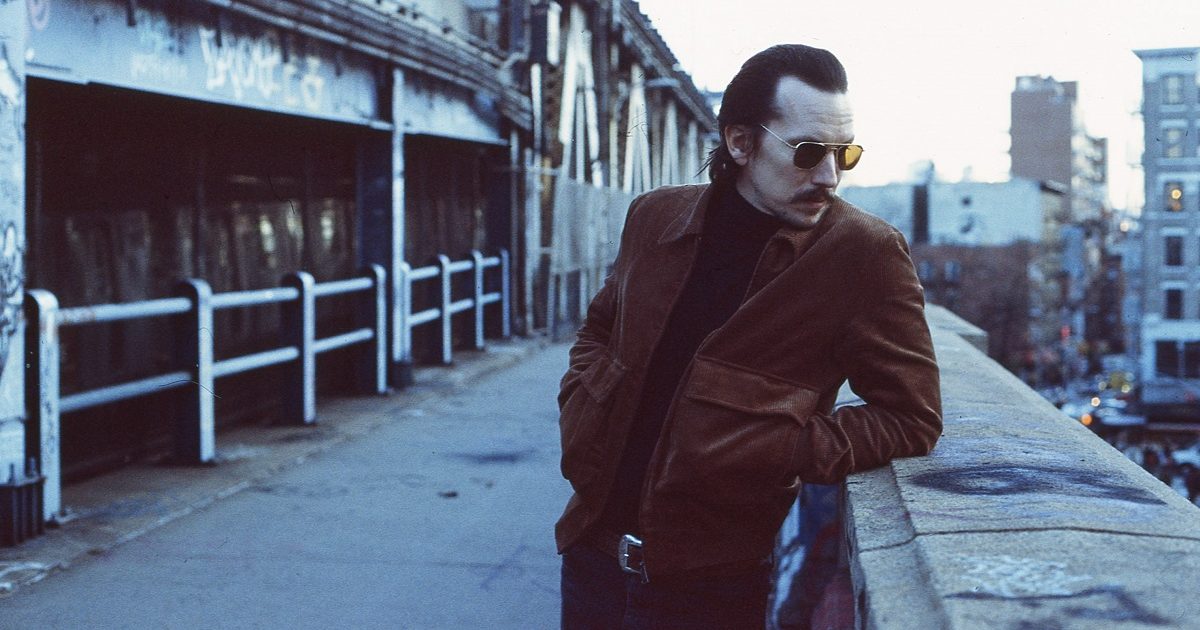
“Welcome to Hard Times,” the opening and title track from country crooner Charley Crockett’s eighth album is Crockett at his finest. He is pensive and pitch perfect, relevant and retro. “The dice are loaded, and everything’s fixed,” he sings. “Even a hobo would tell you this.”

It’s hard to tell if the 36-year-old Crockett is the hobo he references in that line, though it’s entirely plausible. As contemporaries cut their teeth at Belmont and Berklee, Crockett was busking on the streets of New Orleans and New York. While there, he learned how to entertain an audience in pursuit of a tip; perhaps more importantly, he learned the ways of this world, how we’ve all been ushered into a 24/7 casino where the house is telling lies and the gamblers are predestined to sin.

Welcome to Hard Times, comprised of 13 tracks of searing anguish set to slick, ’60s-style, country-western production, culminates with the particularly sorrowful “The Poplar Tree.” It’s a song that Crockett says has been received differently by different audiences, even as he — a man living somewhere between Black and white, privileged and not — feels that his message is obvious. “I have, many times, on this album cycle, said to press folks, ‘Yes, we’re all oppressed folks, but some folks just have it harder,’” he says. “And you have to recognize that.”

By phone, we talked to Crockett about his album, the role of artist as activist, and, of course, these very hard times.

Welcome to Hard Times sounds like you wrote it for this moment — in the midst of a pandemic, with widespread racial unrest — but you actually wrote it before everything went down. What inspired you?

You didn’t need this shit going on this year to know about these problems that we’re talking about. I don’t know how you could travel this world as an artist and not see it. I think that says everything about the nature of people. I recognize people are in different positions, but there are a lot of people who are in positions to not see what’s going on, and there are no consequences for them. Then there’s everybody else who’s forced to see it, who deals with it and suffers for it.

You’ve definitely been vocal in interviews and in your music. But even as you speak now, I get this sense that there’s a push and pull, or a toeing of some line that you’re subconsciously doing.

I’m trying to walk this line that is strange because I have been identified by a lot of my audiences as just a regular white man. Then there are a lot of people that look at me strangely as the complete opposite, as African-American. But I can’t speak for the Black community and I don’t really feel like I’m speaking on behalf of the white community either. I never saw myself as Black but I never liked my whiteness.

What does it mean when you say that you never liked your whiteness?

I dreamt of myself and viewed myself as not white from probably 5 years old. And then I look at myself now in videos and stuff, and I just… I feel like I look strange.

I guess what I’m saying to you is: My issues with my own identity tie to the kind of James Baldwin viewpoint that whiteness is just a metaphor for power, and that my identity as somebody who is uncomfortable in my whiteness says a lot about the relationship between Europeans in America and African-Americans and Natives. The romanticization of genocide is an unbelievable crime, but I think what is probably more savage and brutal is the assimilation through rape, through bondage, through [people like] my grandmother [who was mixed].

The easy thing for somebody to do is say, “Well, you can’t skip white responsibility for institutional and structural privilege.” I see that, so I’m not saying, “Hey, whiteness isn’t real, therefore nothing that’s happening to you is valid.” I’m saying you have to recognize that it’s happening, and then, if you truly wanna change it, at what point in the future do whites need to stop looking at whiteness as meaning anything? That’s the step that I feel is completely absent in the national conversation.

There are conversations happening though, right? And white people, at least some of them, appear to be really listening.

There’s a combination of white consciousness, and then there’s this other, fake, white virtue signaling. I just can’t stand some of that stuff ‘cause I see a lot of these people playing politics with their public image who are not doing anything in their life about shit. It’s whites signaling to other whites, and that’s what Martin Luther King was talking about at the end, you know? He really was. I think Malcolm X saw it at the end; I think James Baldwin, because he was so intellectual, was saying it to everyone, but he managed to get away with it because I think he seemed like he was mostly speaking within that kind of elite, intellectual world.

“Blackjack County Chain” is a song written in the ‘60s about a Black chain gang in Georgia that kills their supervising sheriff. Word on the street is that Red Lane, the writer, offered it to Charley Pride, but he passed on it because he didn’t want to stir up controversy. You covered it on Welcome to Hard Times, and it’s the only song on the album that you didn’t write. Why’d you decide to cut it?

I sung that song mostly ‘cause I listened to the words and identified with it. I feel like I’m dragging chains, you know? I just do. I always have. I think that that’s the other weird thing about America that is really hard to recognize, for a lot of us. It’s, like, no matter how much better a lot of these people have it, the insane thing that I’ve seen about America is, even among all these people in positions of power and privilege, they all view themselves as discriminated against and oppressed.

Your song “Poplar Tree” discusses lynching. Was there a concern about going too far when you wrote it?

I don’t know. I wasn’t thinking a whole lot about where that song was gonna go. It just went there.

Right, because you said this stuff dominates your mind.

It just does. And it’s who I am. I am in the public eye on some level and people got all kinds of crazy shit to say about that. And it is not lost on me that, for whatever reason, these people saying the crazy shit that they’re saying about me, they got nothing like that to say about these people that I’m getting compared to in the independent, Americana country scene. Even if I can sing ‘em under the table, they don’t criticize how they sound, but they criticize me up and down. And I’m not blaming them; I’m not mad at ‘em, I’m asking for it, in a way. I know that I’m asking for it, ‘cause I can just pack up and stop doing this shit.


Like, let’s talk about folk music. Let’s talk about blues, back in the day. When these guys were singing about their situation, it was all code. It had to be code because if it wasn’t, that might mean your life. So I’m stepping up and down to say this shit loudly, but I’m trying to build my audience to a place beyond where it is now. I’m just saying, I don’t exactly know who I’m speaking for, really, because of how completely outside of this society that I feel.
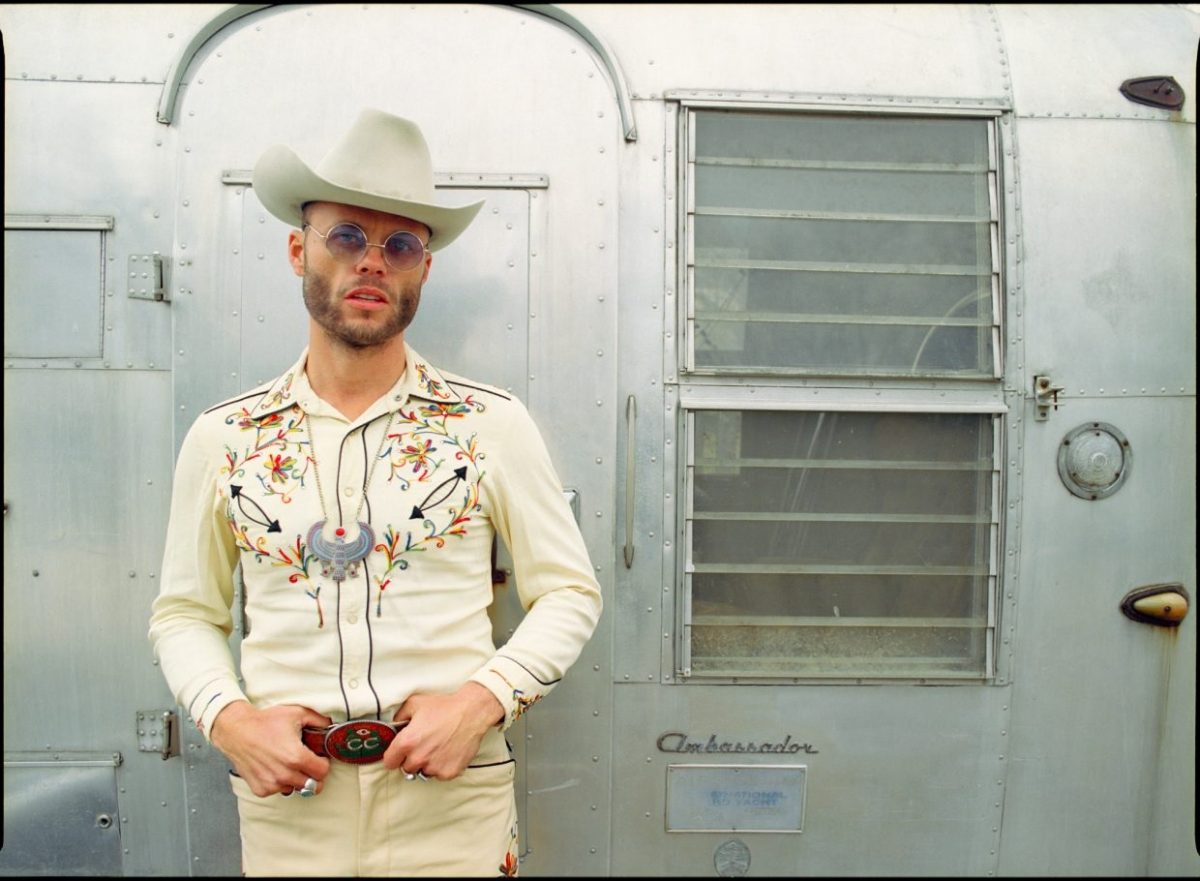
How did playing on the streets for so long shape you as an artist?

To me, that’s the best education I could’ve ever gotten in my life. It was unfortunate circumstances and difficult living that brought me there, but I would never wanna go another direction. It’s informed what I’ve done, and I learned about folk music, hip-hop, and everything else. I just absorbed it all on the street, and I made it into what it is now.

I have people in country who look at me like, “This guy’s an imposter! Look at this video of him on the subway train ten years ago! He’s wearing a beanie and tight pants; he’s not a real cowboy! He’s not country music!” And I’m like, who is more authentic than me? I never got a leg up in the business, period. I never opened up for anybody of note. I built my career out of the most unlikely of circumstances.

Do you think artists have a responsibility to speak up about social issues?

It’s like this: If your art isn’t saying shit, I don’t care about your political opinion. Like, if your art isn’t making an impact, your political opinion, to me, is little more than you trying to get ahead. And I mean that about white people; I mean that about everybody. If the art isn’t doing anything, then what’s the point?


Photo credit: Laura E. Partain. See the full photo story.

WATCH: Raye Zaragoza, “They Say” (Featuring Colin Meloy & Laura Veirs)

Artist: Raye Zaragoza (feat. Colin Meloy on harmonica and Laura Veirs on banjo)
Hometown: New York City
Song: “They Say”
Album: Woman in Color (produced by Tucker Martine)
Release Date: October 23, 2020
Label: Rebel River Records

In Their Words: “This song is about the dysfunction of American power structures. It’s about how the systems built to support the people don’t support all people. Especially during a pandemic, it’s been exposed how those lower on the socio-economic ladder are left without the basic resources everyone deserves.” — Raye Zaragoza


Photo credit: Cultivate Consulting

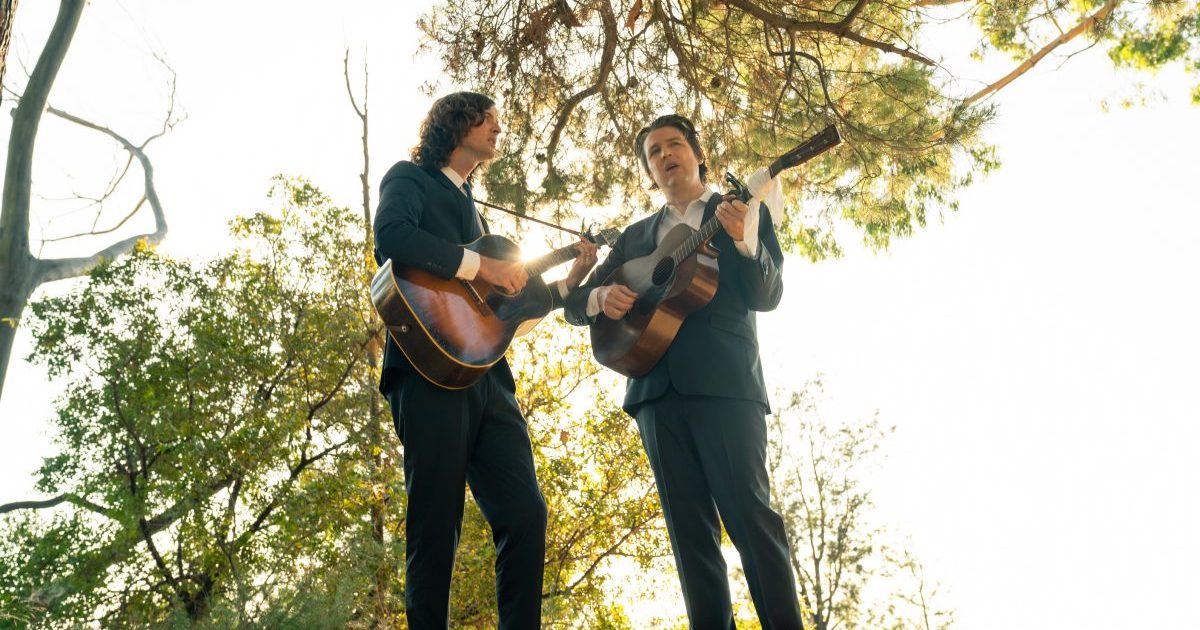
WATCH: The Milk Carton Kids, ‘Live From Lincoln Theatre’

Artist: The Milk Carton Kids
Album: Live From Lincoln Theatre
Release Date: Released on video in 2014; released on streaming services in 2020
Label: ANTI- Records

Editor’s Note: The Milk Carton Kids both filmed and recorded Live From Lincoln Center in Columbus, Ohio, in October 2013 during a tour in support of their Grammy-nominated album The Ash & Clay. Originally the video was edited and the audio mixed by band member Kenneth Pattengale in the band’s Sprinter van in the days following the show. Now it has been remastered by Kim Rosen, one of the band’s favorite collaborators.

In Their Words: “Live From Lincoln Theatre is the truest representation of what Joey and I have been up to for the last decade. The set list is like a greatest hits album of Milk Carton Kids songs. I’ve never played guitar in the studio quite the way that it comes together on stage. Our voices also communicate something extra for the occasion. And, of course, Joey doesn’t ramble about our master recordings, but there’s no stopping him once the lights are dim and the mics are hot. … In Columbus everything came together the way that it does when audience and performer are in fine form, the energy coalescing into the mystery that drives us musicians to do EVERYTHING we do.” — Kenneth Pattengale


Photo credit: Jessica Perez

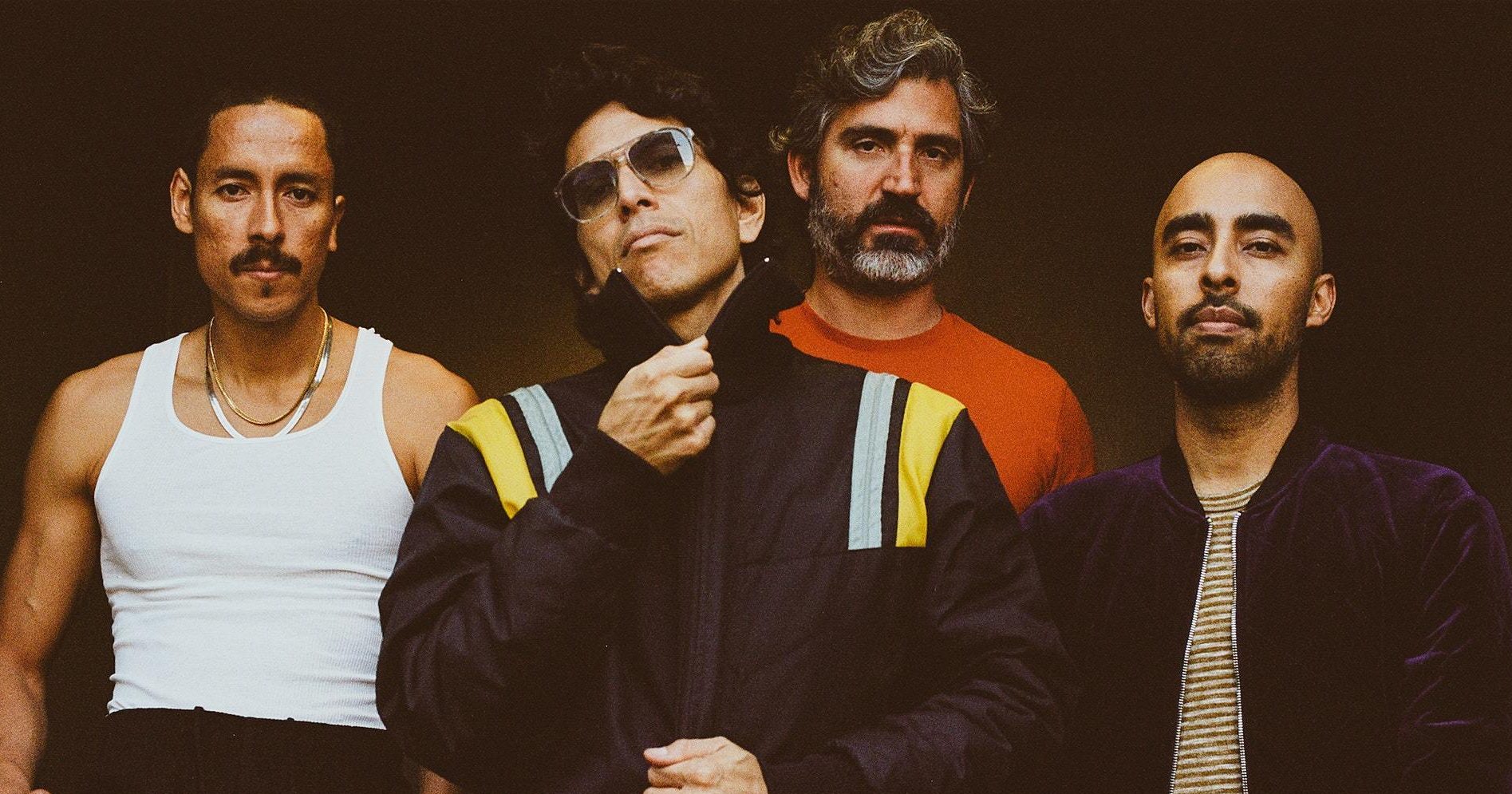
The Show On The Road – Chicano Batman

This week, The Show On The Road features a conversation with members of LA’s Latin roots-rock heroes Chicano Batman. The band came together in 2008 and is comprised of Eduardo Arenas (bass, guitar, vocals), Carlos Arévalo (guitars), Bardo Martinez (lead vocals, keyboards, guitar) and Gabriel Villa (drums).

LISTEN: APPLE PODCASTS • STITCHER • SPOTIFY • MP3

Host Z. Lupetin was able to catch up with Bardo Martinez and Eduardo Arenas while they sheltered in place at home in LA. In the past you may have seen Chicano Batman at music festivals like Coachella dressing up in matching Mariachi outfits or crooning in a colorful mashup of Spanish and English on previous standout records like the dreamy Cycles of Existential Rhyme and the rebellious Freedom Is Free.  

Their newest work, Invisible People, is their most personal, political, and downright danceable release to date. The traditional Mariachi outfits may be tucked away in storage, but their playful vibe remains, even as the musicianship and pop-tightness took a big jump forward.

After twelve years of expanding and fine-tuning their sound and finding a devoted national audience, Chicano Batman is no longer the oddball, upstart band. While they now focus mainly on English lyrics, they know as songwriters and performers that they’ve become role models for Los Angeles’s vibrant Latin-roots rock renaissance, acting as springboards to a whole new scene that may not have a genre or name yet.


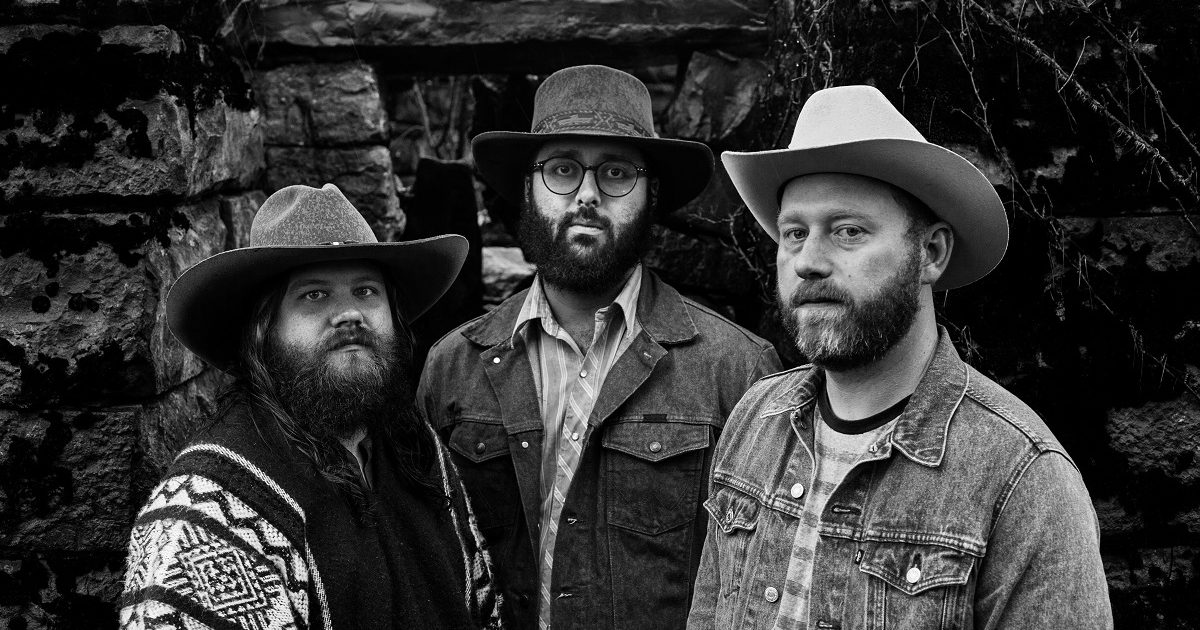
LISTEN: Great Peacock, “Heavy Load”

Artist: Great Peacock
Hometown: Nashville, Tennessee
Song: “Heavy Load”
Album: Forever Better Worse
Release Date: October 9, 2020
Label: Soundly Music

In Their Words: “I don’t totally know what this song means or is about. I just know that it makes me feel a lot of different emotions. We love so many things throughout the course of our life. Love is experienced and given and received in so many different ways for all manner of experiences, memories, places, things, and people. I think the real message of this song is that love isn’t always an easy thing, but you can’t give up on it. You have to give and receive it. I’m telling myself that in this song. I’m not singing to anyone else. I’m singing to me.” — Andrew Nelson, Great Peacock


Photo credit: Harrison Hudson

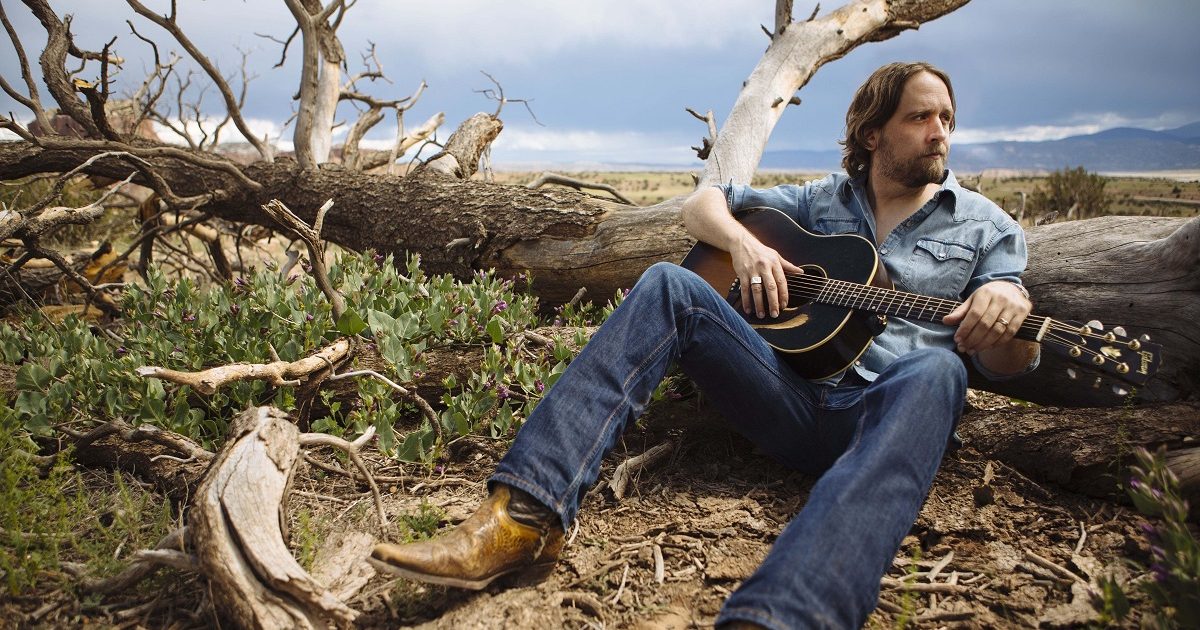
LISTEN: Hayes Carll, “Beaumont” (Acoustic)

Artist: Hayes Carll
Hometown: Woodlands, Texas; currently resides in Nashville, Tennessee
Song: “Beaumont” (Acoustic)
Album: Alone Together Sessions
Release Date: September 4, 2020
Label: Dualtone

In Their Words: “I started out singing on the southeast coast of Texas. Beaumont was just an hour up the road from where I was living. I had a few gigs there. A few friends too. The town just kept finding its way into my work. Its physical proximity to Houston, combined with the cultural differences, made it an interesting origin point for the narrator in this song. He’s in the city but the perspective comes from a simpler place. I’m thinking about all the folks down there right now dealing with yet another hurricane.” — Hayes Carll


Photo credit: David McClister

BGS 5+5: Zephaniah OHora

Artist: Zephaniah OHora
Hometown: Brooklyn, New York
Latest album: Listening to the Music
Personal nicknames (or rejected band names): Zeph

What was the first moment that you knew you wanted to be a musician?

I must have been 5 or 6 years old the first time I saw a Zildjian cymbal. A drummer named Ed Nicholas who played in the house band on Sundays at the church I grew up in preferred that brand. I was drawn to it because it had a big Z on it. I thought he was just the coolest. He always wore a pressed shirt tucked in and a nice pair of slacks. He had that hip easygoing, cool jazz drummer presence about him, and that’s when I decided that music was it.

What’s your favorite memory from being on stage?

One of the more recent memories on stage is when I performed at Neal Casal’s ‘There’s a Reward’ Memorial show at The Capitol Theatre in Port Chester, N.Y. It’s a stage that so many incredible bands and artists have performed on. Legendary shows that have gone down in history. And it’s a beautiful old theatre. So thinking about all those people who’d been on that stage and singing a tune to honor my friend Neal in front of a packed house was really something else.

What’s the toughest time you ever had writing a song? I’ve had a few tough times.

Some songs just can’t be written down fast enough. And other songs you labor over for weeks or months. In most recent memory is the song “All American Singer” off my new record. It was to me one of the most important songs I’ve written. There’s a couple ways to interpret that tune and it was important to me that it said what I felt needed to be said. Unlike a righteous Twitter post that you often see these days, it’s a recorded song. There’s no way to delete it or alter your ideas. It’s permanent. So it was important to make sure my thoughts were coherent within the song.

Which elements of nature do you spend the most time with and how do those impact your work?

I haven’t been spending a lot of time in nature. Sadly. I live in New York City so nature is scarce. However I am around an incredible amount of architectural history and beauty. There’s so much to see here, and so much you could walk right past and never pay any mind to. And then one day you finally stop to admire something you’ve passed by many times and realize there are so many stories within that building or space. I think that’s also simultaneously an analogy for life. I’m always trying to tap into some collective shared experience in my writing. I think architecture is a reflection or expression of human experiences and history so it directly shapes my work.

If you had to write a mission statement for your career, what would it be?

The mission I’m on is to create those moments in music live or recorded when you get chills or feel as though the narrator in the song is singing about your own life experience. It’s a lofty goal and one that’s pursued by many. That’s part of my greater goal of connecting with people and understanding my own unique experience in this life. And music is a great vehicle for that.


Photo credit: Jammi York

‘Harmonics with Beth Behrs’ Debuts on BGS Podcast Network on September 8

The Bluegrass Situation is thrilled to announce the newest addition to the BGS Podcast Network: Harmonics With Beth Behrs. The eight-episode podcast explores the intersections of music, creativity, wellness, and healing. (Subscribe here.)

Hosted and produced by actress, comedian, and banjo lover Beth Behrs (The Neighborhood, 2 Broke Girls) each episode features a deep dive conversation into topics such as mental health, sound healing, songwriting as therapy, ancient musical traditions, and the power of the creative process on our physical bodies and emotional selves.

The first two episodes of the series premiere on Tuesday, September 8, kicking off with guests Glennon Doyle (New York Times bestselling author of Untamed) and renowned sound healer Geeta Novotny. Other featured season one guests include Brandi Carlile, Mary Gauthier, Mickey Guyton, Tichina Arnold, and Allison Russell.

Behrs says, “Songs are simple ways of telling stories, you can find a song to fit any mood you’re in. That’s because music bypasses the intellect and goes straight to the heart. I’ve always felt that healing is creative and creativity is healing. Maybe it’s magic? I want to feel closer to the magic. I want all of you to feel closer to the magic. Harmonics was born so we could explore the intersection between music, healing, creativity, and spirituality- and in doing so, makes ourselves feel a part of something bigger. Less alone. More connected.”

Amy Reitnouer Jacobs, co-founder and executive director of BGS, says, “Developing this show with Beth was a dream — we’ve wanted to do something together for a long time. During this time when we’re all refocusing our lives and constantly assessing the state of the world, creating a space where women could be honest and vulnerable about so many topics — such as maintaining creative processes under stress and maintaining mental and physical health at home — seemed more relevant and necessary than ever before. We’re honored to feature so many incredible talents from the roots music world, but I think the breadth of our guests will show our audience that so many of these themes are universal and relevant across the creative spectrum.”


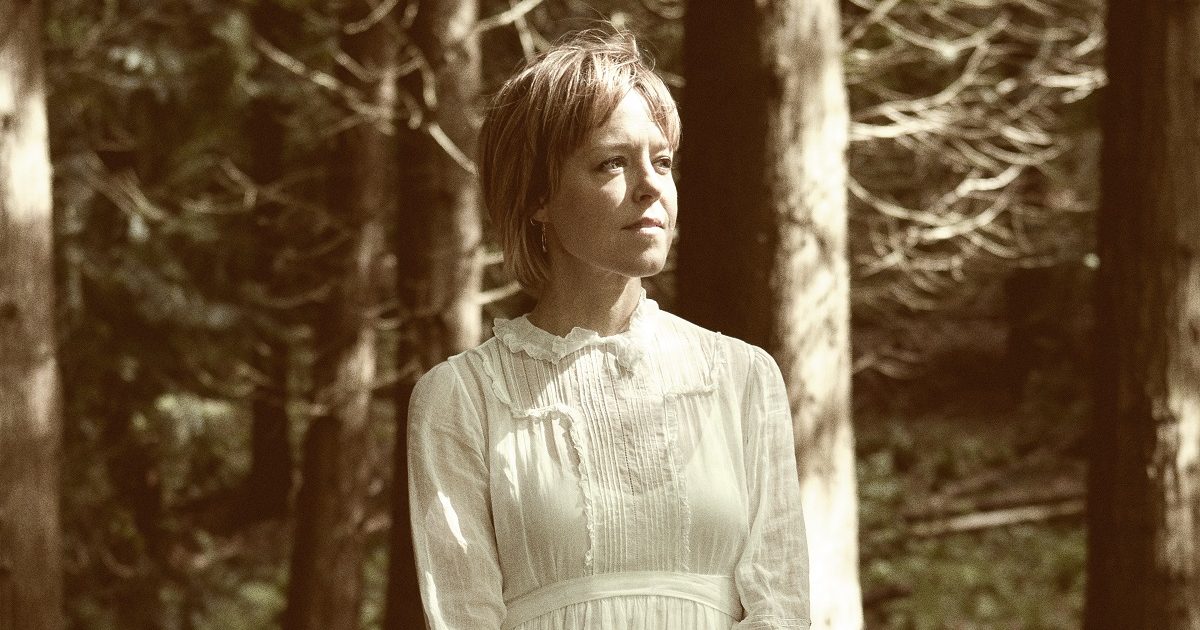
Amid Climate Crisis, Emily Barker Brings ‘A Dark Murmuration of Words’ to Light

Emily Barker is sitting at home in the southwest of England, as the country sweats through its worst heat wave in 60 years. There’s something not quite right about temperatures of 90 degrees F and tropical downpours flooding the sleepy villages. It’s that kind of creeping unease that’s reflected in her new album, A Dark Murmuration of Words — a moving meditation on the state of the world today, in which climate change is a recurring theme.

Barker, who recorded the songs last November, worried whether it might be too much for an audience reeling from the pandemic. “Before the album came out I was wondering: are people going to want to hear these difficult songs at a time like this? Or do they just want escapism?” In the end, she decided to release them anyway. “I know myself I’ve been needing the hard stuff as a source of comfort to feel that collective experience of all the emotions we’re going through.”

In fact, her music achieves the perfect tone for the many unsettling feelings that COVID-19 has forced us to confront. Barker’s wistful melodies bear the listener along even as her evocative lyrics take you into uncomfortable territory. “Strange Weather” grapples with the real-life conversations she has had with her musician husband Lucas about whether to bring a child into a world under threat. “Any More Goodbyes” sounds like a breakup song, says Barker, but is actually a hymn of love to vanishing species. And “Where Have the Sparrows Gone,” with its haunting chorus (“they’re where the woods were once”), takes us into a not-so-distant future where birds have abandoned London, and the city is in lockdown.

The album captures the emotions of anyone struggling to take in the frightening predictions of climate scientists and witnessing the desperate fight of environmentalists like Greta Thunberg to bring humanity to its senses before it’s too late. “Last year the climate crisis was very much at the forefront of all of our conversations and thoughts, wondering what we can do to adapt, and feeling helpless and guilty and angry and upset and all these things,” says Barker, who admits she that even as an optimistic person, she had moments, in 2019, of feeling “really, really pessimistic about it.”

Her response was to try and change her perspective to focus on her closer community. “Sometimes that’s how we cope,” she says. “I have to focus on my immediate community and the things I can change, the conversations I can have, because I can’t fix the world.” Hence the presence on this album of a tribute to Wangari Maathai, “The Woman Who Planted Trees.” The Kenyan activist’s simple individual acts of tree-planting grew an entire movement, empowering the women around her with forestry and beekeeping skills, and educating thousands of people on ecology.

Barker’s new community focus manifested in all aspects of the album’s production. “I wanted to bring in as many local artists as I could,” says Barker, whose band was made up of good friends from the UK’s thriving South West scene, including her husband. “And not only the musicians but the painter who did the art cover and the filmmakers who did the music videos. That fit with the ethos of the album but also with lockdown — we’ve got limitations now and it’s a good reason to make the work happen here.”

Stroud, the town where she lives, sits in a beautiful landscape surrounded by rivers, lakes and rolling hills. She and Lucas have just moved into a new house, and are being visited by electricians and workmen when we talk. The theme of home has been a recurrent one throughout her work, prompted by the fact that she left her country of birth 20 years ago. Having grown up in a small country town in Western Australia, she came to the UK as a backpacker in 2000, and has made her life there.

Several songs in the new album remain redolent of her love for her homeland, from the vast night skies she conjures in “When Stars Cannot Be Found” to the nostalgia of “Return Me” and “Geography,” the music to which she wrote with English rock band 10cc’s Graham Gouldman. “Eucalyptus after rain remind me who I am again,” she sings, and it makes you wonder whether having two homes rather than one is a blessing or a burden.

“It’s less easy in some ways,” Barker agrees, “because I always have this constant question of where should I be. I’m always missing at least one place. Sometimes two places! You can feel quite fragmented.” Every year she escapes the English winter to spend 10 weeks with her family down under. She had just returned before the pandemic hit.

Barker wasted no time, when lockdown began, in reaching out to her neighbours. She saw the “viral kindness” forms that Extinction Rebellion had created and posted help slips through doors on her street, asking if anyone needed someone to talk to, or their errands done. “We had five vulnerable people who were living on their own give me a call and we started doing a weekly shop for them. It was such a good way of meeting people and gave us a sense of purpose, especially with festivals and gigs being cancelled seemingly every hour.”

Purpose and mission are clearly important to Barker. At university, aware that her Australian education had celebrated colonialist settlers and taught her nothing of the oppression and injustice they had brought with them, she sought out a course taught by Indigenous historians. “That was the trigger for me looking into structural racism,” she says. “I never understood growing up why in my country town there were so few Aboriginal people — we never learned about that.”

Recent years touring the US with her friend and mentor Mary Chapin Carpenter led her to research more widely. It was Ava DuVernay’s film The 13th, about the Constitutional amendment that abolished slavery, but allowed it to continue in prisons, which inspired her song “Machine.” Written before the killing of George Floyd, her lyrics prove uncannily timely, sung from the point of view of one of the architects of a system that has oppressed Black people for centuries.

“I covered all my tracks in books on history, justified my actions through anthropology,” she sings. And then, as if anticipating the Black Lives Matter protests that have since taken hold, “a crack has appeared, it keeps me up at night… I’ve been a bully and a sinner now I’m on the way out.”

She has seen, in Australia, how the arts have influenced politics by bringing untold stories and narratives to light. Some of her favourites are Indigenous singer/songwriters Archie Roach and Gurrumul. “I feel like the story of how Australia was settled is really well-known now among your average citizen,” she says.

So there remains hope in her outlook, however challenging times may appear. As she changes her own behaviour — flying less, taking trains when on European tours — she looks for ways to help others confront theirs. “Environment and equality are very important to me,” she says. “And it’s finding the right perspective to write that from and being respectful of the people in society who are suffering.”


Photo credit: Emma John

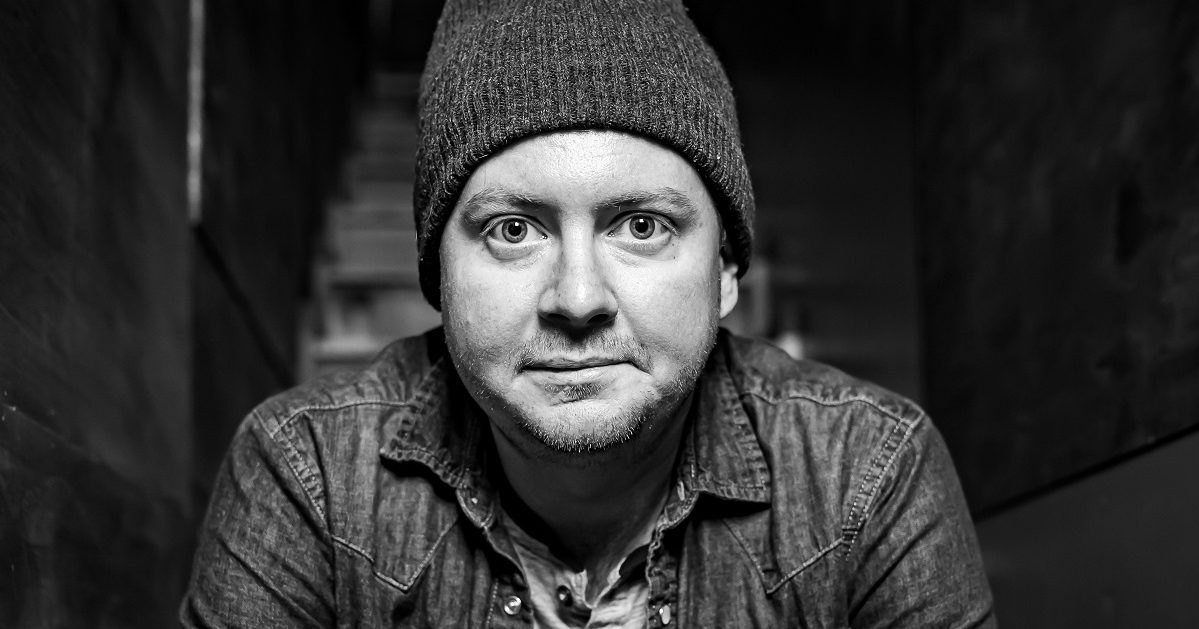
LISTEN: John Fullbright, “Crossing Over”

Artist: John Fullbright
Hometown: Born in Bearden, Oklahoma; lives in Tulsa, Oklahoma
Song: “Crossing Over” (written by Steve Ripley)
Album: Back to Paradise: A Tulsa Tribute to Okie Music
Release Date: August 28, 2020
Label: Horton Records

In Their Words: “I played various keyboards and acoustic guitar, percussion, and sang a bunch of stuff — I was all over the map on the record. I picked out ‘If the Shoe Fits’ by Leon Russell because I’m pretty sure that song was recorded at Paradise Studio and it’s about that place. I did an audible at the last minute and recorded a Hoyt Axton song called ‘Jealous Man.’ We wound up doing it in one take, which always feels nice. I thought the selection was great — we went from the obscure to stuff that everybody knows.

“I also recorded a song called ‘Crossing Over’ by Steve Ripley. Yeah, it’s my buddy, Steve. It’s literally a song about him going on to the next thing, and right after, he went on to the next thing. There was a tape glitch sound when we were recording it that was just subtle enough that everyone just turned and looked at each other. It was so subtle that it wouldn’t mess up everything else. It was just a little ‘Hey guys,’ ‘Hey kids.’ That was Steve.

“I’d heard about Leon’s Grand Lake Studio for a long time. It was a lot cooler and vibier than I had expected. I didn’t know that so many of the records that I really like were recorded there. So, walking around the place, and just kinda feeling it out, it was almost as good as being there back in the day. This is a snapshot in time of the Tulsa music scene that is very eclectic and very talented. And it’s a city that obviously doesn’t forget its roots, its past, and celebrates it and builds on it.” — John Fullbright


Photo credit: Phil Clarkin