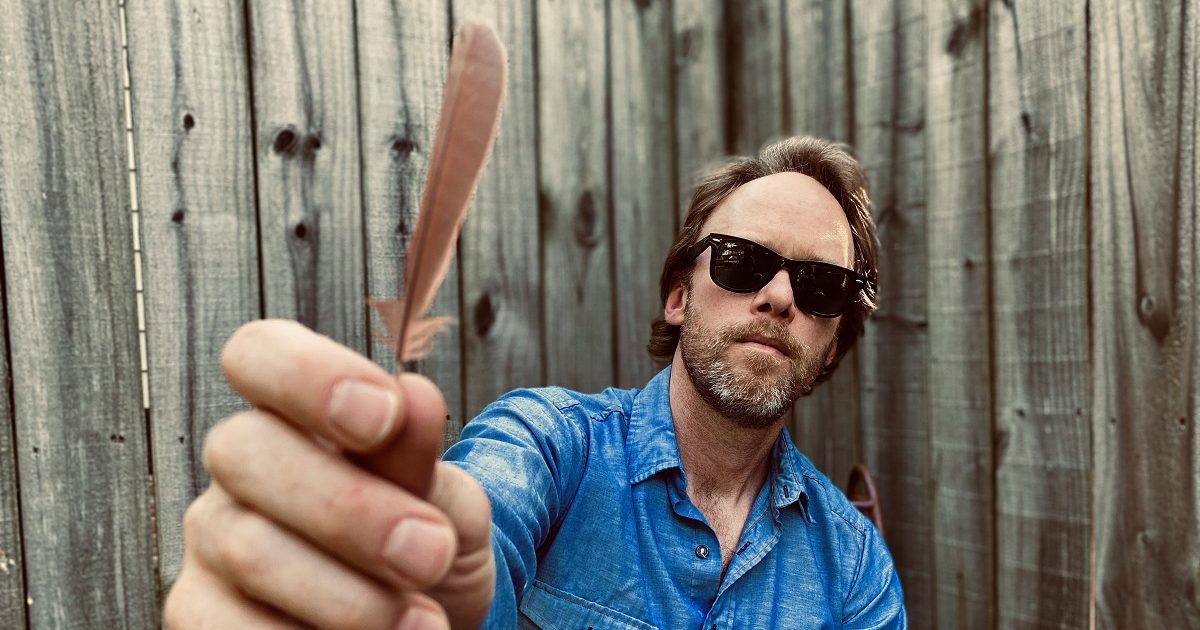
LISTEN: Adam Wright, “Darlene”

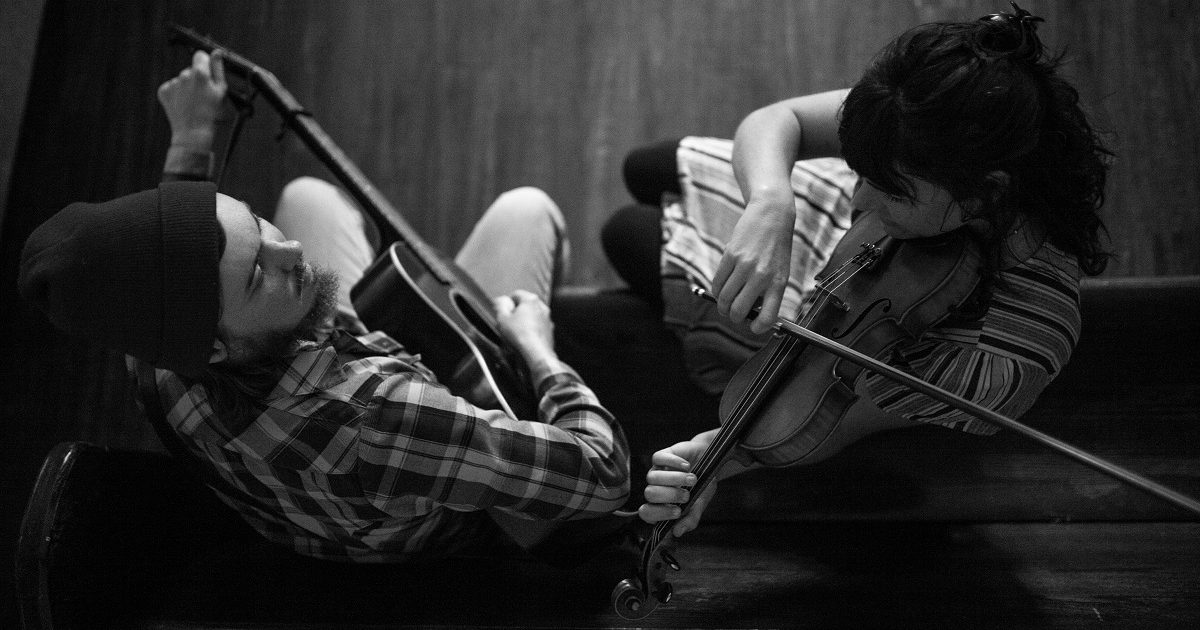
Artist: Adam Wright
Hometown: Newnan, Georgia
Song: “Darlene”
Album: I Win
Release Date: October 9, 2020
Label: De Casa

In Their Words: I don’t really remember how this song started. Most of my character songs come from something I see or hear and then develop in the notebook later. My grandfather was a mechanic and I guess I have a bit of an affinity for them. I have several songs where the character works on cars. I just like this guy’s attitude. He badly needs this girl to make him feel better. He’s just had it with everything. I can relate. ” — Adam Wright


Photo credit: Shannon Wright

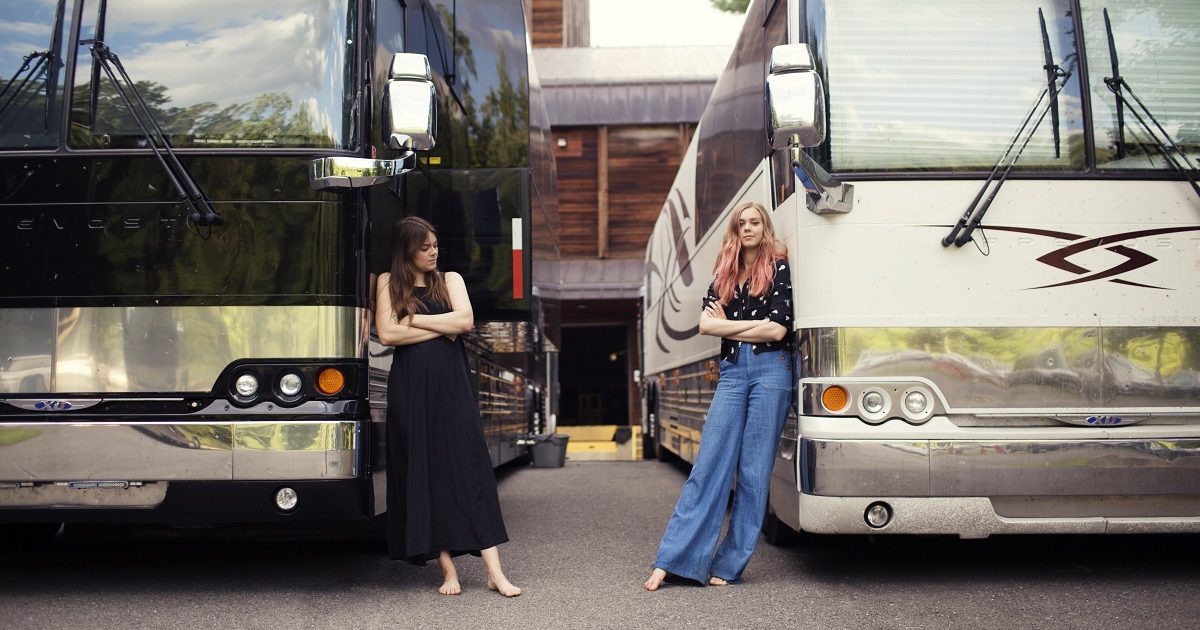
WATCH: First Aid Kit, “On the Road Again”

Artist: First Aid Kit
Hometown: Stockholm, Sweden
Song: “On the Road Again”
Release Date: August 14, 2020

In Their Words: “We’re excited to release our version of ‘On the Road Again’ by Willie Nelson. We recorded this cover a couple of years ago and recently found it while digging through the archives. The song is a country classic, it feels like we’ve known it forever. Because of the situation with COVID, sadly, the theme of the song has never felt more relevant than it does today.

“We made a video for the song using cellphone footage from our tours throughout the years. Going through all those videos made us emotional. It made us realize how much we appreciate being able to roam freely around the world. How much we love the feeling of playing live for people, in the flesh. How much we miss our incredible band and crew.

“All the proceeds from the streaming of the song will go to Crew Nation. So much of the magic happens behind the stage. It’s easily taken for granted, but without our touring and venue crew live music wouldn’t be possible. It’s important that we help them out right now. Oh, how we wish we could get back on the road again! Hopefully we’ll see you down the road sometime soon.” — Johanna and Klara Söderberg, First Aid Kit


Photo credit: Nirrimi Firebrace

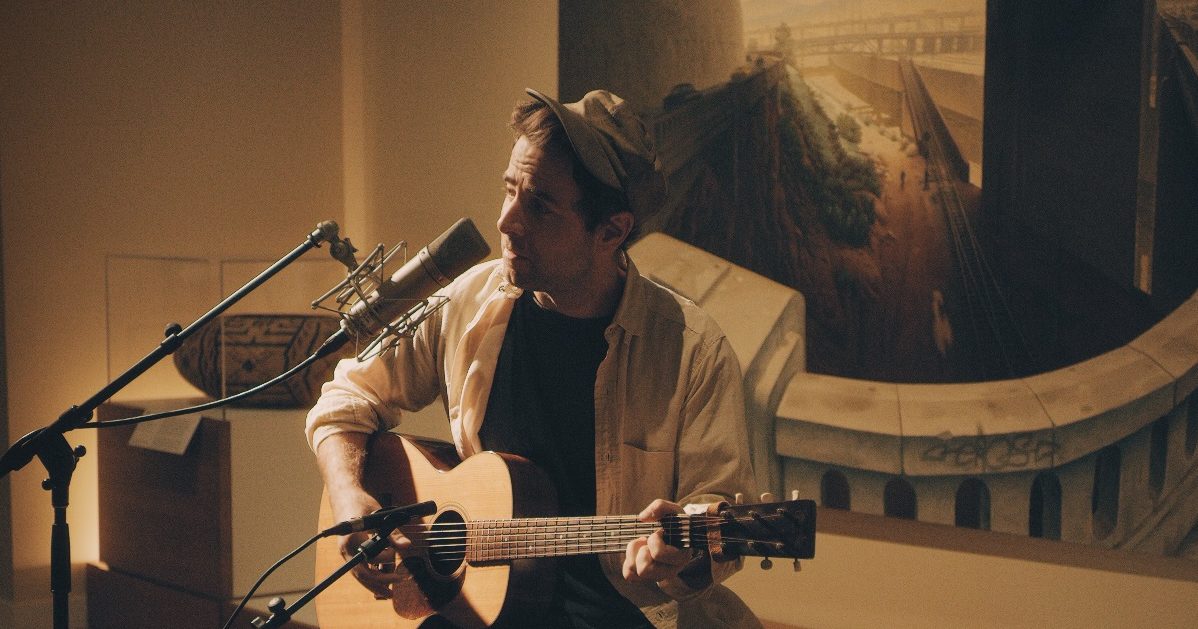
WATCH: Taylor Goldsmith of Dawes Performs at the Autry Museum in L.A.

In an effort to support the visual and musical arts, especially during a time when we can’t visit museums or concert venues, The Autry Museum of the American West is presenting a music video series featuring intimate, acoustic performances by some of L.A.’s best musical artists, all filmed live on location. The Autry will be unveiling a new performance every two weeks.

The Autry Presents: The Best of Los Angeles, produced by Gia Hughes and filmed by Emmy-winning filmmaker Austin Straub, will feature 20+ minute sets by Los Angeles-based artists Taylor Goldsmith, Gaby Moreno, Aubrie Sellers and Chris Pierce. The musicians will perform alongside artwork and objects on display at The Autry including Bridges by James Doolin, War Music II by Mateo Romero, and a Concord Mail Stage Coach made by Lewis Downing.

Hughes tells BGS, “We’re excited that the first video in the series features the prolific songwriter Taylor Goldsmith, of LA’s hometown heroes Dawes. I’ve been fortunate enough to have seen them in countless live settings over the years, and getting to share this particular performance with Taylor is just as special. You feel like you’re in the room with him and get to hear just how unique and special his songwriting is.”

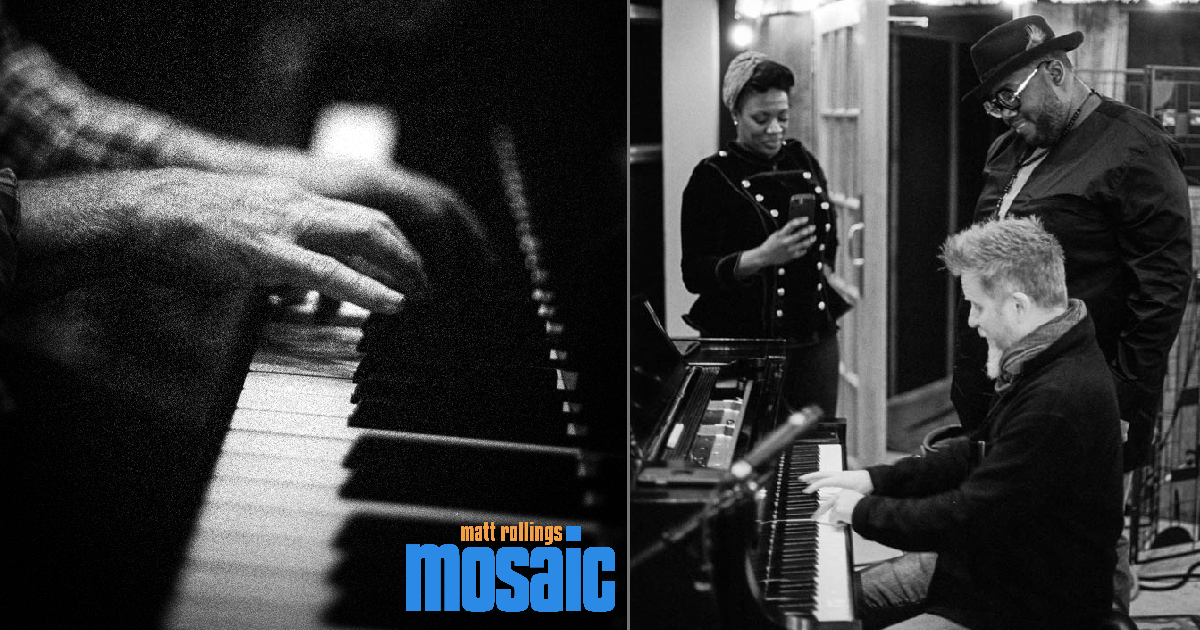
WATCH: Matt Rollings, “Wade in the Water” (Featuring The War and Treaty & The Blind Boys of Alabama)

Artist: Matt Rollings
Hometown: Nashville, Tennessee
Song: “Wade in the Water” (Featuring The War and Treaty and The Blind Boys of Alabama)
Album: Matt Rollings Mosaic
Release Date: August 14, 2020
Label: Dualtone Records

In Their Words: “Michael and Tanya [of The War and Treaty] and I had decided to record ‘Take Me to the Mardi Gras,’ the Paul Simon classic, for the record. We spent a few hours — Michael, Tanya, Jay Bellerose and I — and wound up with an amazing take of the song and I was thrilled. After listening to the playback of ‘Take Me to the Mardi Gras,’ I spontaneously asked if they’d be willing to try something else. I had been nursing an idea about the old spiritual, ‘Wade in the Water.’ My first real jazz piano influence, Ramsey Lewis, recorded it on his 1966 album of the same name, and I’ve always loved it. After hearing what Michael and Tanya had done with the Paul Simon song, I was dying to hear them sing it.

“I printed the lyrics out and we went for it. This is the first and only take we did of the song. It was so good that we didn’t even try it a second time. After adding acoustic bass, it still didn’t feel quite complete… some background vocals were needed. I thought, ‘Who would the ultimate singer(s) be for this?’ It occurred to me that a real-deal gospel quartet would be perfect and The Blind Boys of Alabama would be the ideal candidate. Somehow I was able to catch them while they were in Muscle Shoals, recording on another project. So I drove down there from Nashville on the appointed day and recorded them on the track. They brought just the magic that was needed. The way they blended with Michael and Tanya is amazing… like they were in the same room singing together. After that, the song was done.” — Matt Rollings


Photo credit: Michael Wilson

LISTEN: Golden Shoals, “Old Buffalo”

Artist: Golden Shoals
Hometown: Nashville, Tennessee
Song: “Old Buffalo”
Album: Golden Shoals
Release Date: August 7, 2020
Label: Self-released, distributed by Free Dirt

In Their Words: “This one fits in a genre I like to call Cowboy Existentialism. You’ve got imagery like buffalo, coyotes, hobos, and trains. The cheerful mood of the song belies themes of economic inequality, and the burden of worldly possessions, summed up in lines like ‘it’s mighty hard to catch your meal when you ain’t had enough to eat.’ The melodies and cadences of this song are derived, intentionally or not, from old American fiddle tunes like ‘Roll Boys Roll’ and ‘Booth Shot Lincoln.’

“I originally wrote it with clawhammer banjo as the accompaniment, but I had really been searching for a song to do with two guitars as a faster breakdown to showcase the style of flatpicking I love to do. We’re really emulating the two-guitar style of Norman and Nancy Blake here. They have always been a major influence on us. Norman is one of my favorite guitar players, along with Doc Watson and Michael Daves. I’m not a big fan of the more modern bluegrass guitar players; I gravitate toward those whose playing is more rooted in the old-time square dance fiddle style — very rhythmic, very driving, a little dirty.

“Playing a ’33 Gibson L-00 helps me get the sound I want too. Nothing like the growl a well-loved Gibson has to it. This guitar also fits my body better. I’m not a large person, and although I love dreadnaughts, a 00 body size is way more comfortable for me.” — Mark Kilianski, Golden Shoals


Photo credit: Kyle Wolff

LISTEN: Bettye LaVette, “Blues for the Weepers”

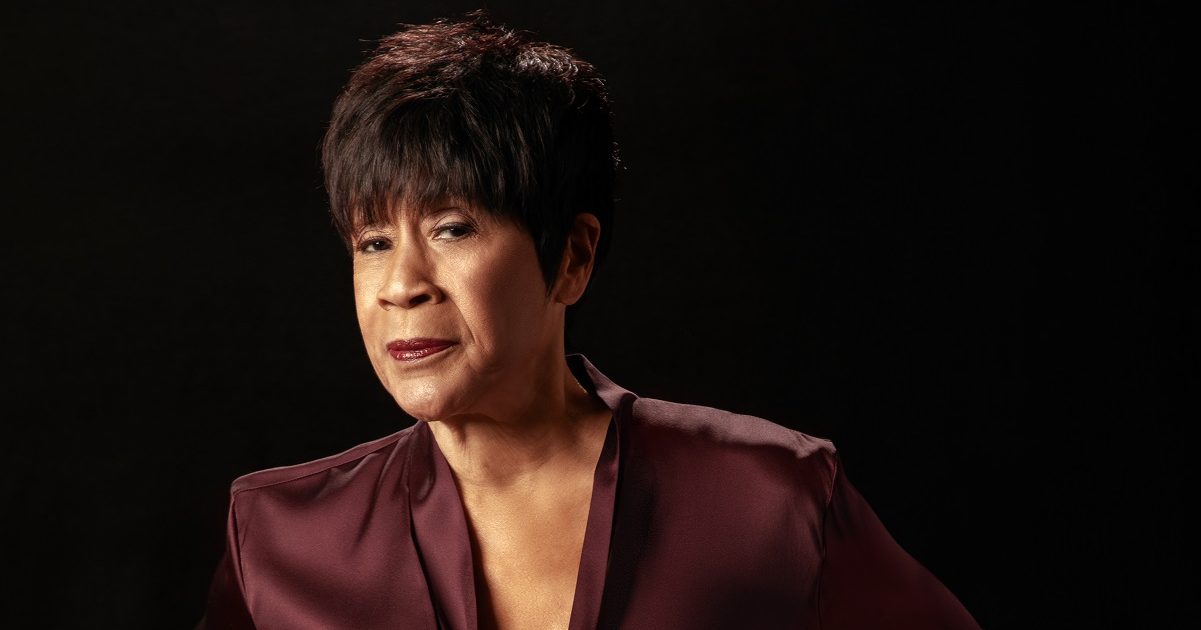
Artist: Bettye LaVette
Hometown: Detroit, Michigan; now lives in West Orange, New Jersey
Song: “Blues for the Weepers” (originally sung by Della Reese in 1965)
Album: Blackbirds
Release Date: August 28, 2020
Label: Verve Records

In Their Words: “I’ve performed at a lot of places. I’ve sung at all types of venues, but I’ve also sung at a bingo game and a Chinese restaurant and performed for all types of people. But I’ve been one of the weeping ones because of the career and ups and downs. But I’m still here.” — Bettye LaVette


Photo credit: Joseph A. Rosen

LISTEN: Darlingside, “A Light on in the Dark”

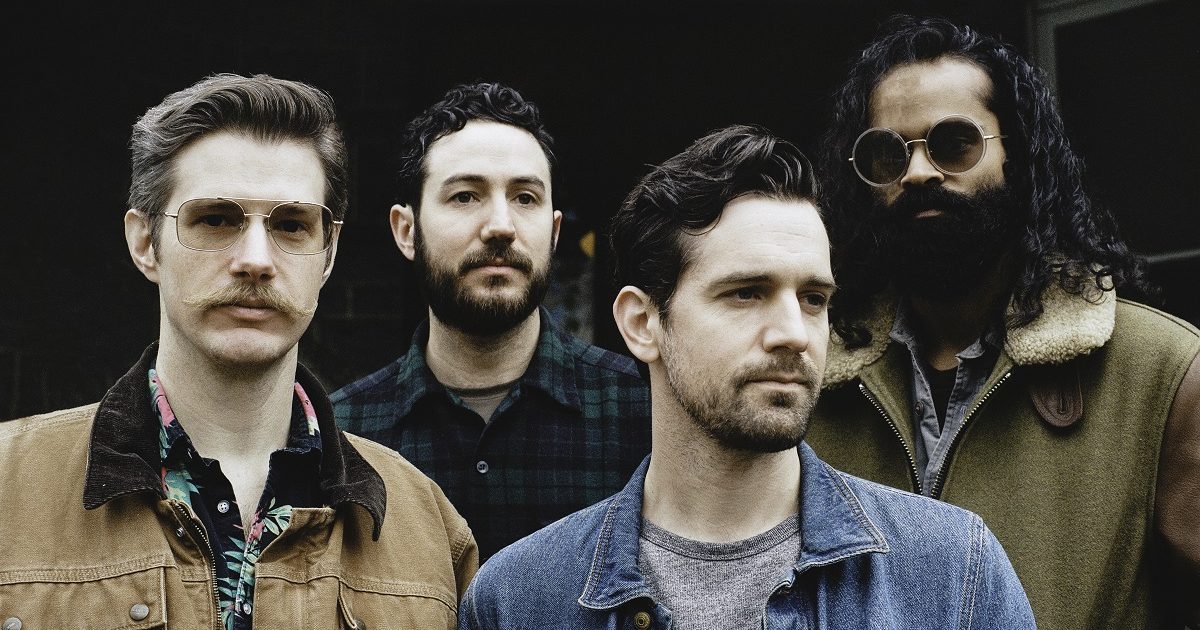
Artist: Darlingside
Hometown: Cambridge, Massachusetts
Song: “A Light on in the Dark”
Album: Fish Pond Fish
Release Date: October 9, 2020
Label: Thirty Tigers

In Their Words: “The lyrics open with the question, ‘Are you swimming with the fish pond fish, looking for oceans in the saltlessness?’ When we wrote that, we were thinking about social atomization and the idea that people become trapped in these false enclosures — fish ponds of our own making. The world outside one’s home or even outside one’s self can become a darkness to be warded off and shut out, and I’ve certainly been guilty of turning inward and making the world even darker as a result. But I’m desperate to break that cycle and I think a lot of people are; a light can’t shine only on itself. When the pandemic started, suddenly that idea of shutting out the world became in one sense much more real, and we really did become trapped in our own physical little fish ponds — but I think it also heightened our desperation and willingness to turn outward, to really connect with one another wholeheartedly.

“The second verse pulls some ideas from a writing exercise in which I was given a prompt to write about being a ‘cellar master’ and so I wrote a sort of open love letter to my plumber, who embodies a number of traits and competences that I lack. The tune itself has been around since 2016 and was originally sung over an arpeggiating line from a little synthesizer called a Septavox. We ended up stripping away that synth part in favor of more traditional instruments, with the exception of one section where Auyon meticulously recreated the synth line using sped-up, plucked violin.” — Dave Senft, Darlingside


Photo credit: Robb Stey

LISTEN: Shovels & Rope, “C’mon Utah” (Acoustic)

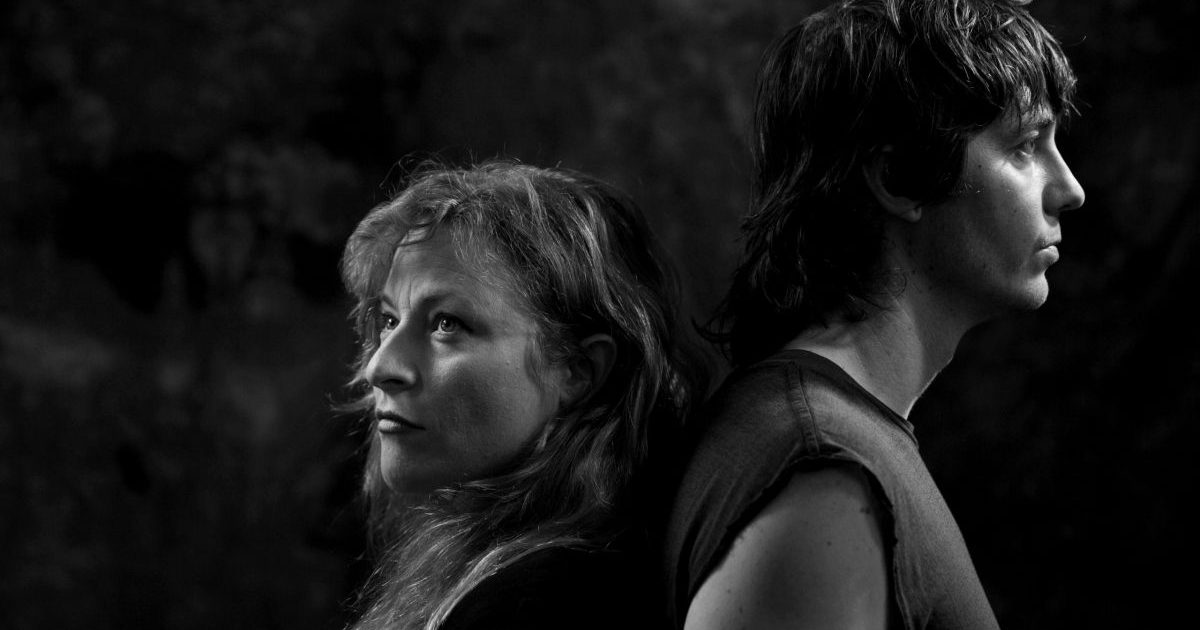
Artist: Shovels & Rope
Hometown: Charleston, South Carolina
Song: “C’mon Utah” (Acoustic Version)
Album: By Blood Deluxe Edition
Release Date: August 28, 2020
Label: Dualtone

In Their Words: “Presenting the campfire version of this traveler’s journey atop a magical horse named Utah, who leads him on a quest through the southern Midwest back to his family from whom he’s been separated by a heinous, authoritarian evildoer.” —Michael Trent & Cary Ann Hearst, Shovels & Rope


Photo credit: Mike Crackerfarm

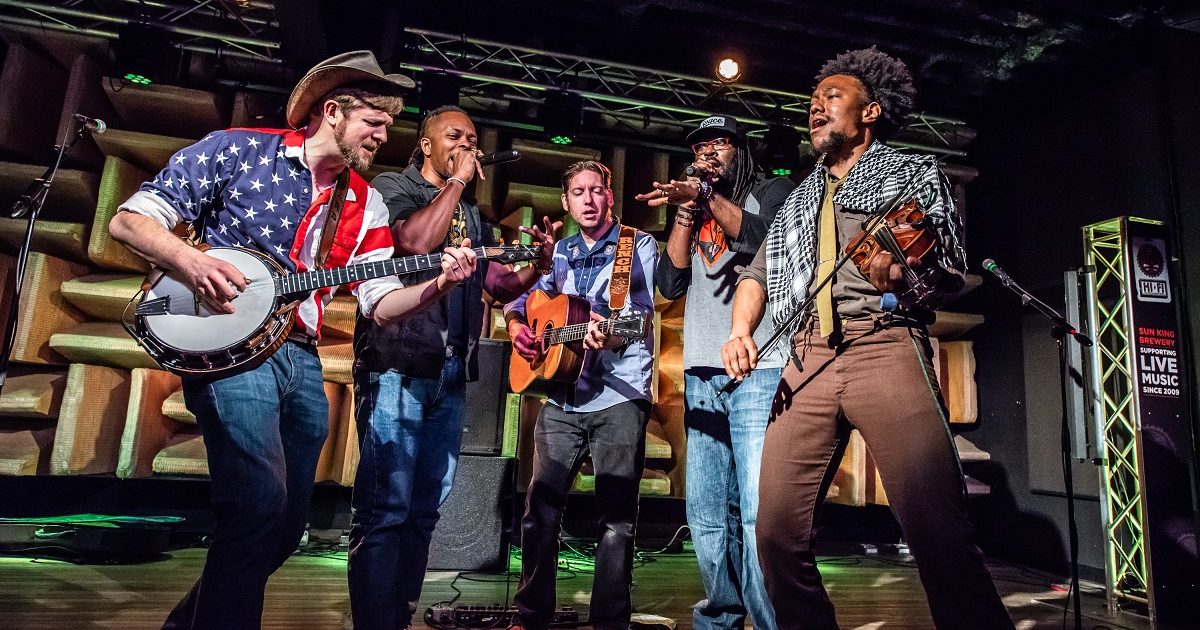
BGS 5+5: Gangstagrass

Artist: Gangstagrass
Homebase: Brooklyn, New York
Latest album: No Time for Enemies
Personal nicknames: Rench the Mastermind, Dolio the Sleuth, R-SON the Voice of Reason, Danjo, B.E. Farrow

What rituals do you have, either in the studio or before a show?

Back in the Before Time when we were on tour, before getting on stage we huddle up and put our fists in the center, and one of us will start giving a pump-up speech — equal parts church revival preaching and championship game coach pep talk, with some swearing thrown in, and then shout “Gangstagrass!” while we lift our fists up, very much like a little league team huddling before a game. Before that, Dolio the Sleuth does 300 push ups to get the adrenaline going, R-SON creates an R2-D2 replica out of toothpicks and glue, and I set up a poison capsule triggered by a Geiger counter next to a radioactive atom so that we play the entire set in a quantum state. But our huddle is always a good little energy focuser to bring us together for a moment before we step on stage. — Rench

Which elements of nature do you spend the most time with and how do those impact your work?

Earth. I’m a country boy, born and raised in a tradition of pulling nourishment from and communing with the outdoors, so I spend a lot of time in my garden. It helps to keep me grounded and centered, and serves as a sacred space, a place where I can take the gifts of sunlight, soil, and water to raise and enjoy my private Eden. That spiritual centering allows me to focus my pen into channeling the energy I want to deliver unto others … and whenever I can: water. Because I’m from a place on the Gulf, I feel my most comfortable when near a body of water. I tune in to the rhythm of the waves or the trickle of the currents and it turns to music in my mind. — Dolio the Sleuth

What other art forms — literature, film, dance, painting, etc — inform your music?

Comic books. All day. It’s rare to find a verse of mine that doesn’t have at least one comics reference. The comics universe is full of interesting characters and references that allow for it to fit and be used a hundred different ways for a hundred different meanings. The best part is when someone in an audience catches one of those references. It makes me know that they’re paying attention and digging what I’m saying. — R-SON the Voice of Reason

What was the first moment that you knew you wanted to be a musician?

I grew up listening to my dad play in a bluegrass band, so music was always in the house. I think I wanted to be a musician as early as I could want anything. — Danjo

If you had to write a mission statement for your career, what would it be?

Special butterflies fly to special places so always follow the oddest path. — Farrow


Photo credit: Melodie Yvonne

The Way She Talks: S.G. Goodman on Weirdos, Writing, and Western Kentucky

S.G. Goodman has a lot on her mind. That much is immediately clear in the Kentucky musician’s voice, her songwriting, and throughout her new Verve Forecast debut, Old Time Feeling. Produced by Jim James of My Morning Jacket, the confessional album encapsulates her experiences on a personal level as well as the environment that’s influenced her.

Growing up a farmer’s daughter in rural Western Kentucky may not be the most common background for a musician who finds their community in a college town post-punk scene. Yet, Goodman is proof that where you come from has not much to do with fitting in. In a time where so much of our world seems polarized, Goodman — despite the way she talks — found her place in a post-punk “Mecca for weirdos.” BGS sat down with Goodman to talk about her hometown, how she encountered her tribe, and her defense of Southern people and culture.

BGS: For someone who’s never been to your Kentucky hometown, how would you describe it?

Goodman: My hometown is Hickman, Kentucky, and it’s a river town. Mark Twain described it as “a pretty town, perched on a handsome hill.” I’d say he’s right on the money. But, at the time Mark Twain was passing through, Hickman was a lot different. Now it’s a bit of a ghost town with a lot of soul. There’s no stop lights, one convenience store… it’s a beautiful place. Less than 3,000 people, but no place like home.

How did you find your community in music?

Well, I don’t live in my hometown anymore. I live in Murray, Kentucky, which is a college town, so there’s an influence of people from all over. I kinda got plugged in hanging out at a local record store in college and met some of my best friends that way. Murray is an interesting place, because a lot of people don’t think of Western Kentucky as having a thriving post-punk scene. Probably around 2010, 2011, there were a lot more shows, a lot more bands passing through. We have a really conveniently-located record store called Terrapin Station. We pass around an offering plate — bands get taken care of really well for such a small community — it’s like a true listening environment. It’s just kind of a Mecca for weirdos, where everybody is welcome. It’s not pretentious at all, perfect place to cut your teeth.

Were you already playing music at that point?

Yeah, I was. By the time I was just about to turn 19 years old I made a record, it was pop. I dropped off a bunch of copies to the record store and said, “Put one in every bag that leaves here.” That’s how I met my good friend Tim Peyton, who’s managed that store and worked at that store since he was 14 years old. Probably two years from that point, we’d be best friends, going to house shows together.

When I was 15 — I was a big athlete in school — I convinced my mother to let me not play basketball anymore so I could take music lessons. And I did for over a year, but I had to drive an hour away to take them, plus I found out I was teaching myself more than what I was learning in the classes. You know, I’d say my biggest musical influence was probably just being raised in church. I’m not a churchgoer anymore, but I could never deny the fact that going to three concerts a week was highly influential to how I view melodies and lyrics.

The opening song, “Space and Time,” seems to be saying something that’s important to you. What was on your mind as you wrote it?

That’s a special song. Being very point blank in my lyrics — when I first wrote those lyrics, I was a little unsettled by that. A friend asked me once, “Did you say everything you needed to say?” So I look at songs like that a lot now. I don’t think there’s anything wrong with letting people know how you feel about them and what they mean to you, just really contemplating what makes a life.

While a song like “Space & Time” is so personal, the very next track, “Old Time Feeling” is a call to action. How do those two sides of your songwriting work together and compliment each other?

A lot of people ask if I conceptualized this album before I wrote it, but I just write songs as they come to me, and try to respect them enough to see them through. If people look at this album as a moment in time over the course of my life, then they shouldn’t be shocked for me to have some political thoughts. I’m bound to walk around with my eyes open. There’s a lot of people who paved the way for artists to not just write songs about getting their heart broken. Artists are supposed to comment. How could you not? If I want to write a song about a red Corvette or something, I’ll do my best to make it a good one. But at the end of the day, I do wonder why so many artists these days aren’t commenting through their art on what’s going on in the world.

What do you remember about the recording sessions?

We did this in April 2019. The studio — it’s in Louisville, Kentucky — is called La La Land. It had been owned for years and started by a Kentucky guy named Kevin Ratterman, who’s on a lot of people’s records. He’s an amazing person, a total beam of light when he walks through the door. It was really important for me to make sure that this music was made in Kentucky, because so much of my music is about this place.

What do you want people to understand about the way it really is in the South?

I can’t speak for the South — as a writer I’m speaking from my POV — but I would say, don’t write off the South for its regressive policies. That does nothing for those who are working daily to change that. There are progressive pockets all through the South and through Kentucky who are devoting their time and their lives to make sure that their neighbors are safe and taken care of. In my opinion, America, for a very long time, has used the South as a scapegoat for a lot of its backwards problems.

Now that the album is out in the wild, what goes through your mind when you hear it?

I’m proud of it. There’s little moments — at the end of my last track (“Big Girl Now”) you can hear my drummer and friend for nearly 10 years talk at the end of the track. I’m so glad that we were all represented, and our friends were all represented, in that music. I’m not sick of listening to it. It’s not like I go out and listen to it every day, but you have to keep in mind I’m gonna be playing these songs for years. So, I better love ‘em!


Photo credit: Michael Wilson