BGS Top 50 Moments: Newport Folk Festival

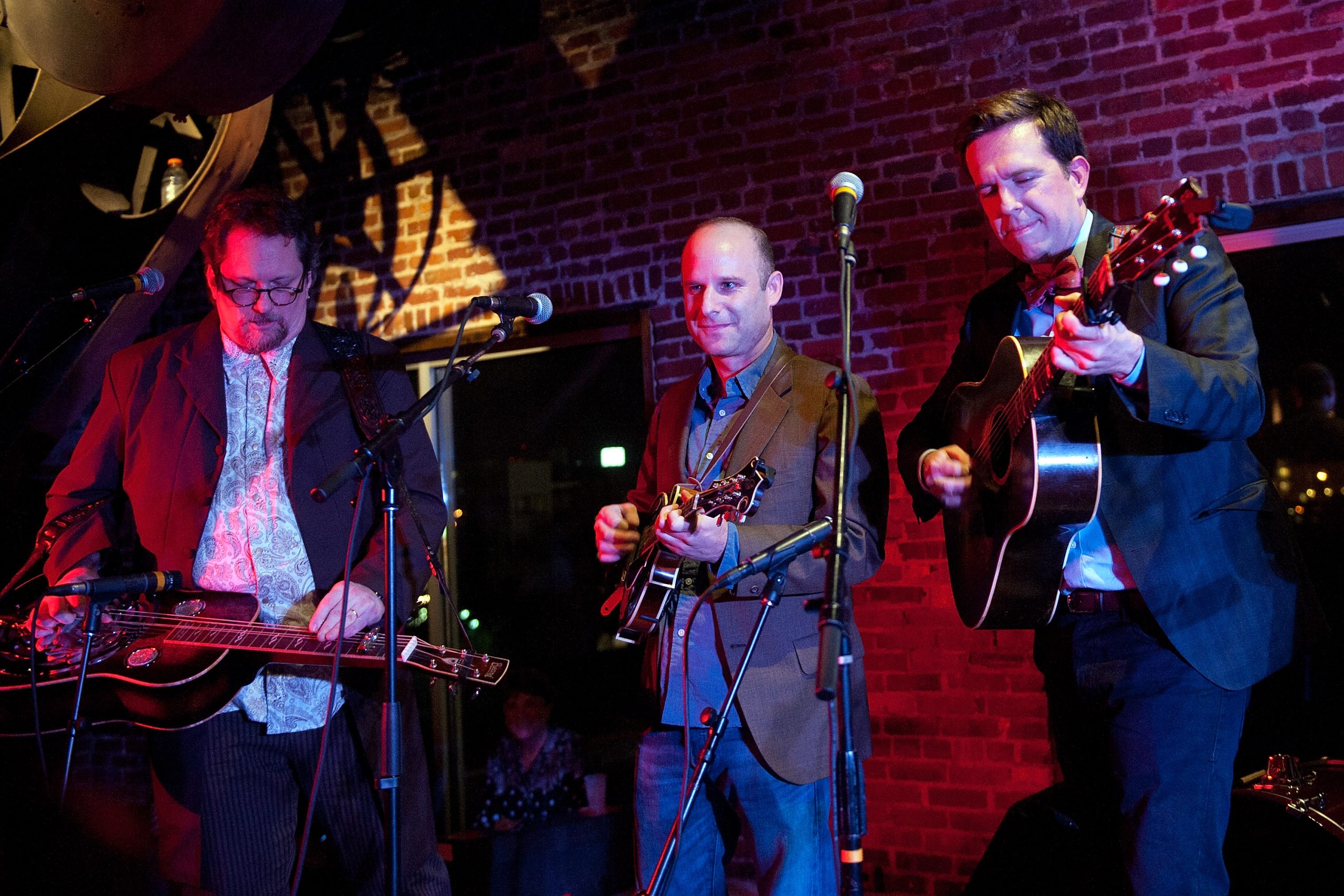
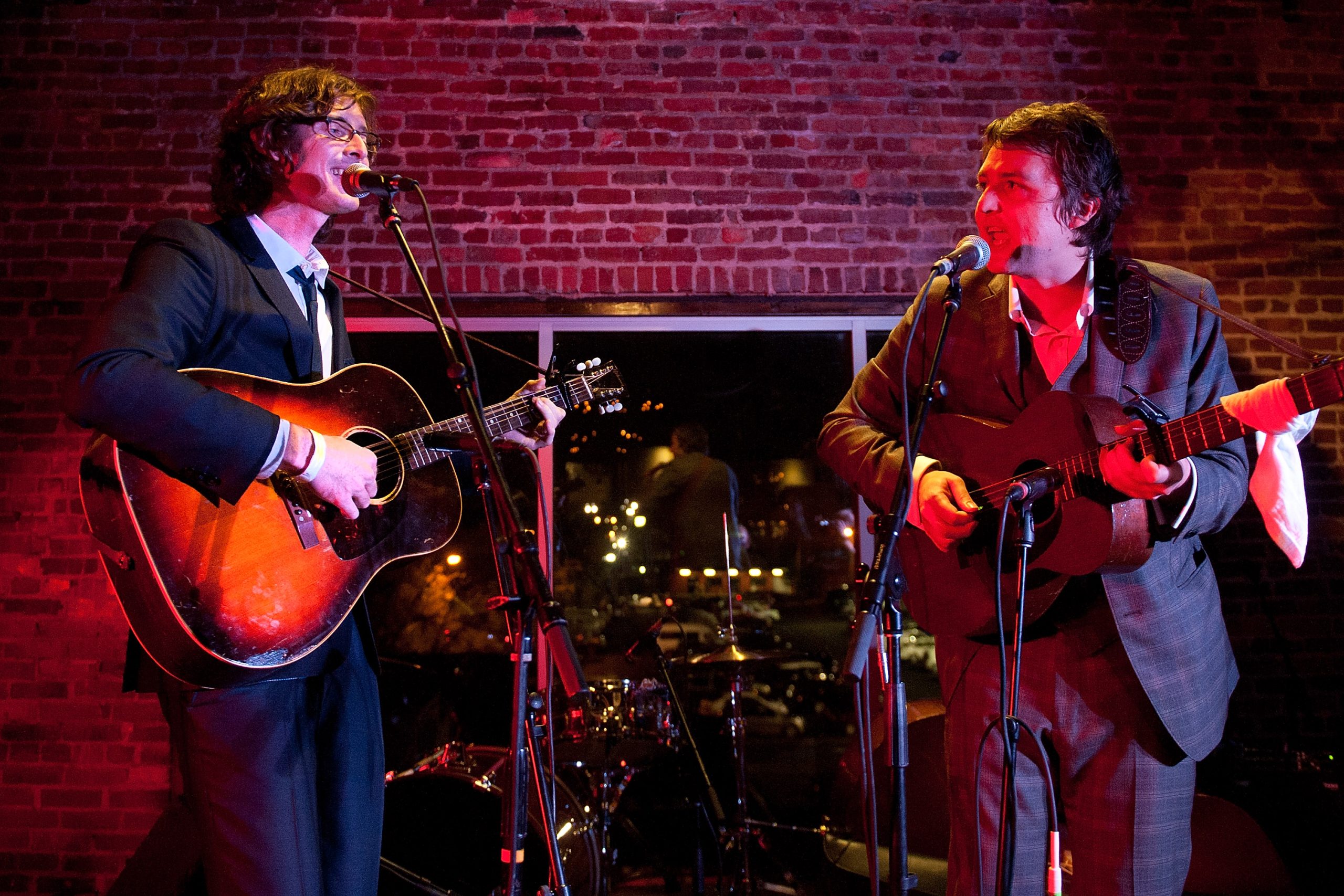
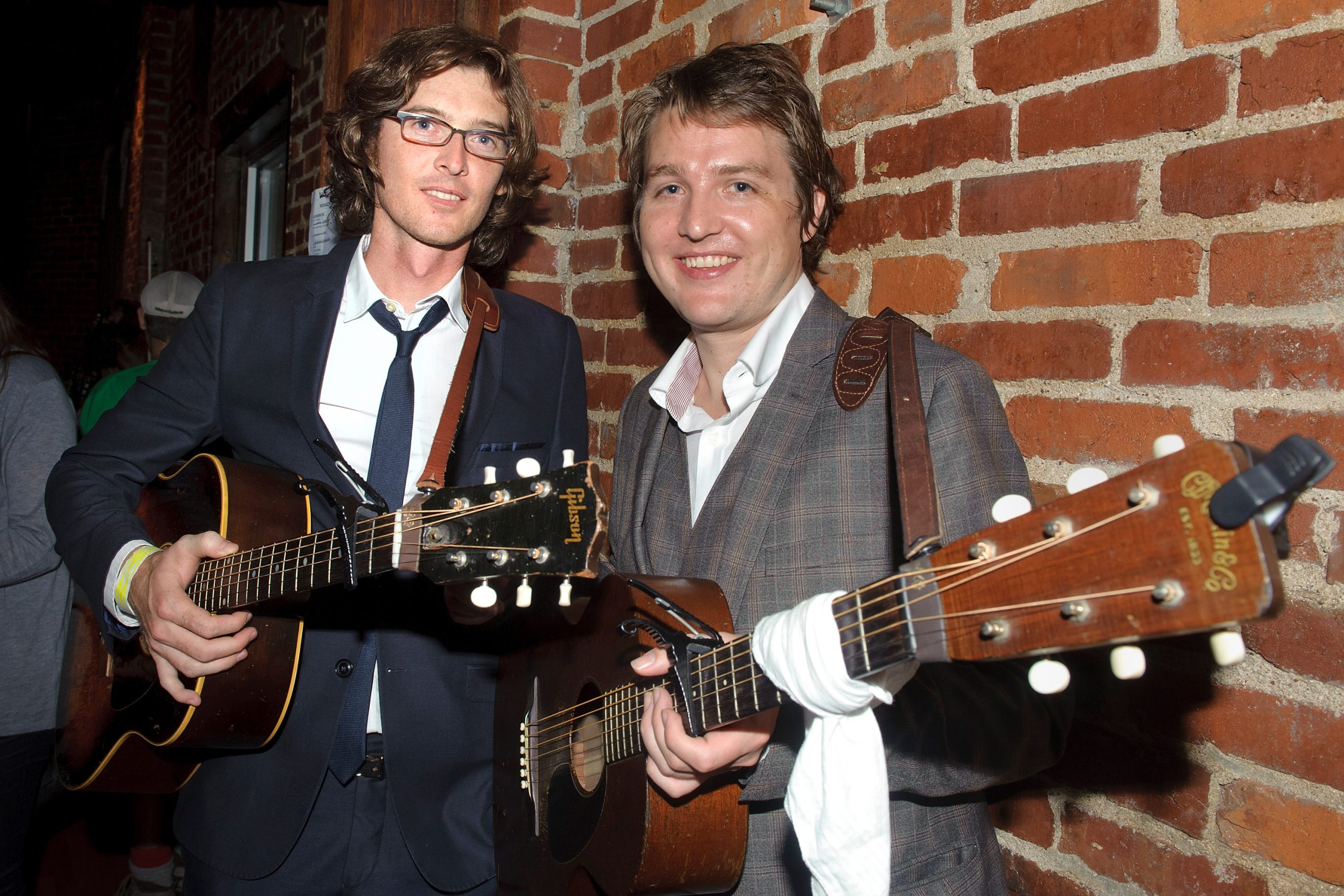
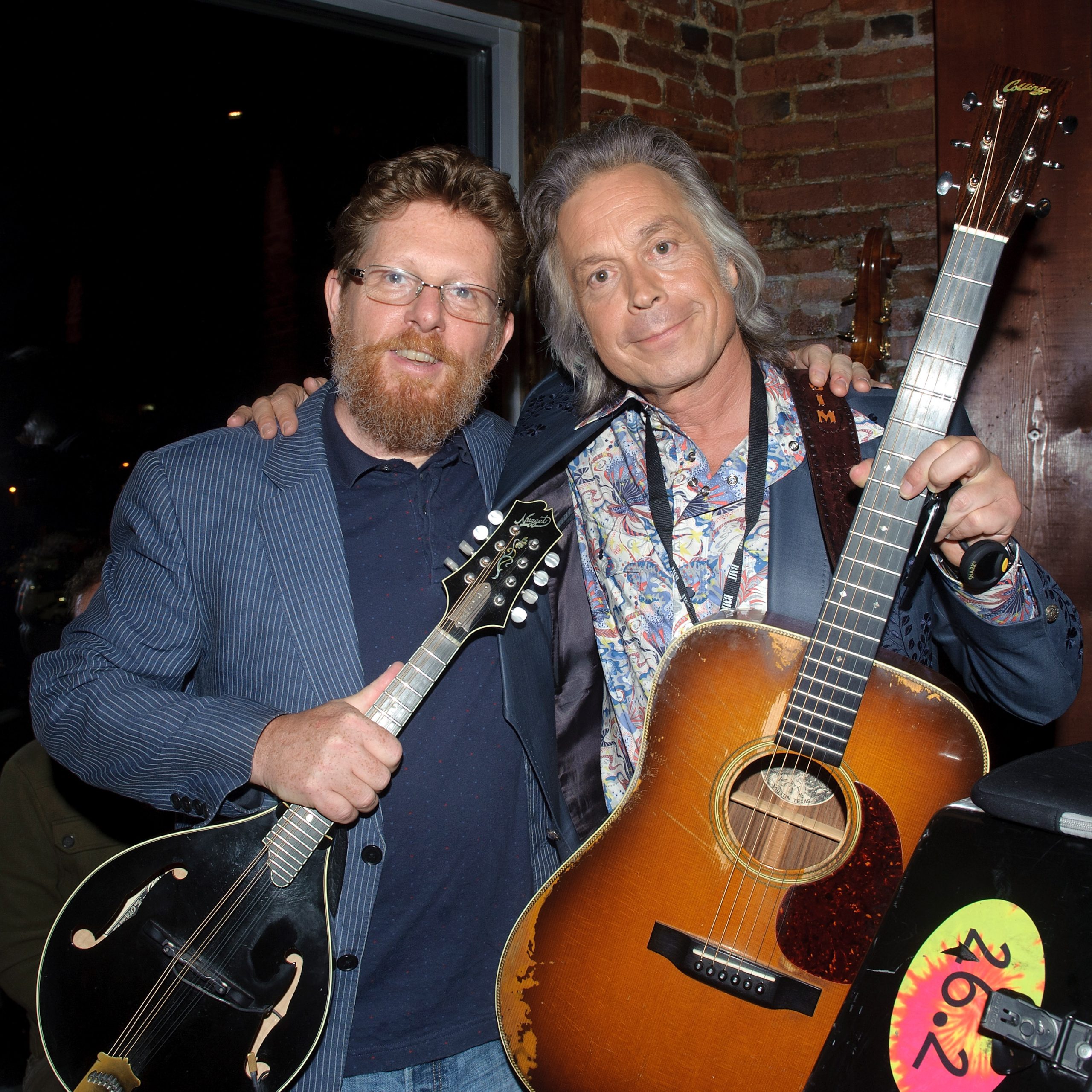
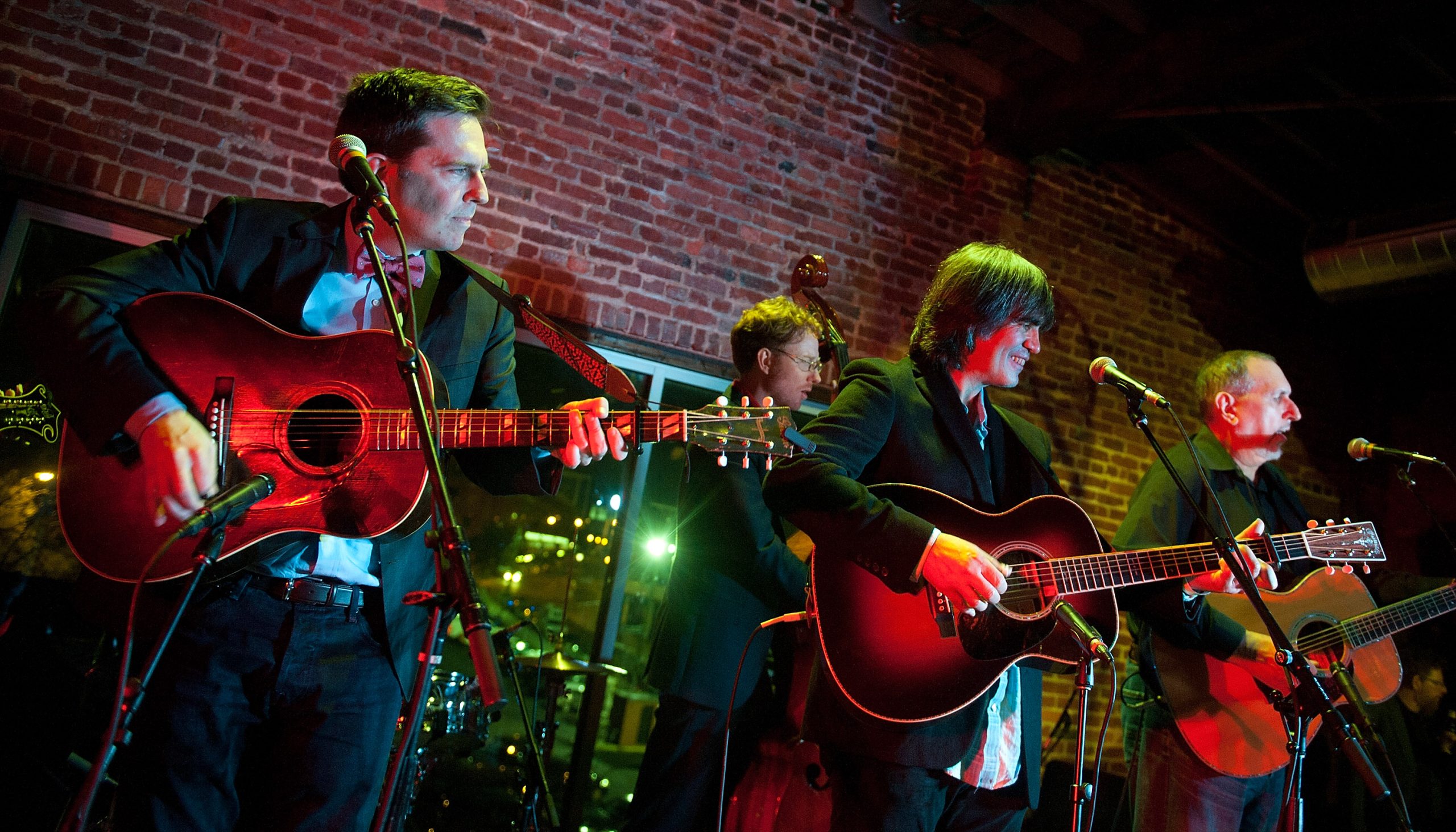
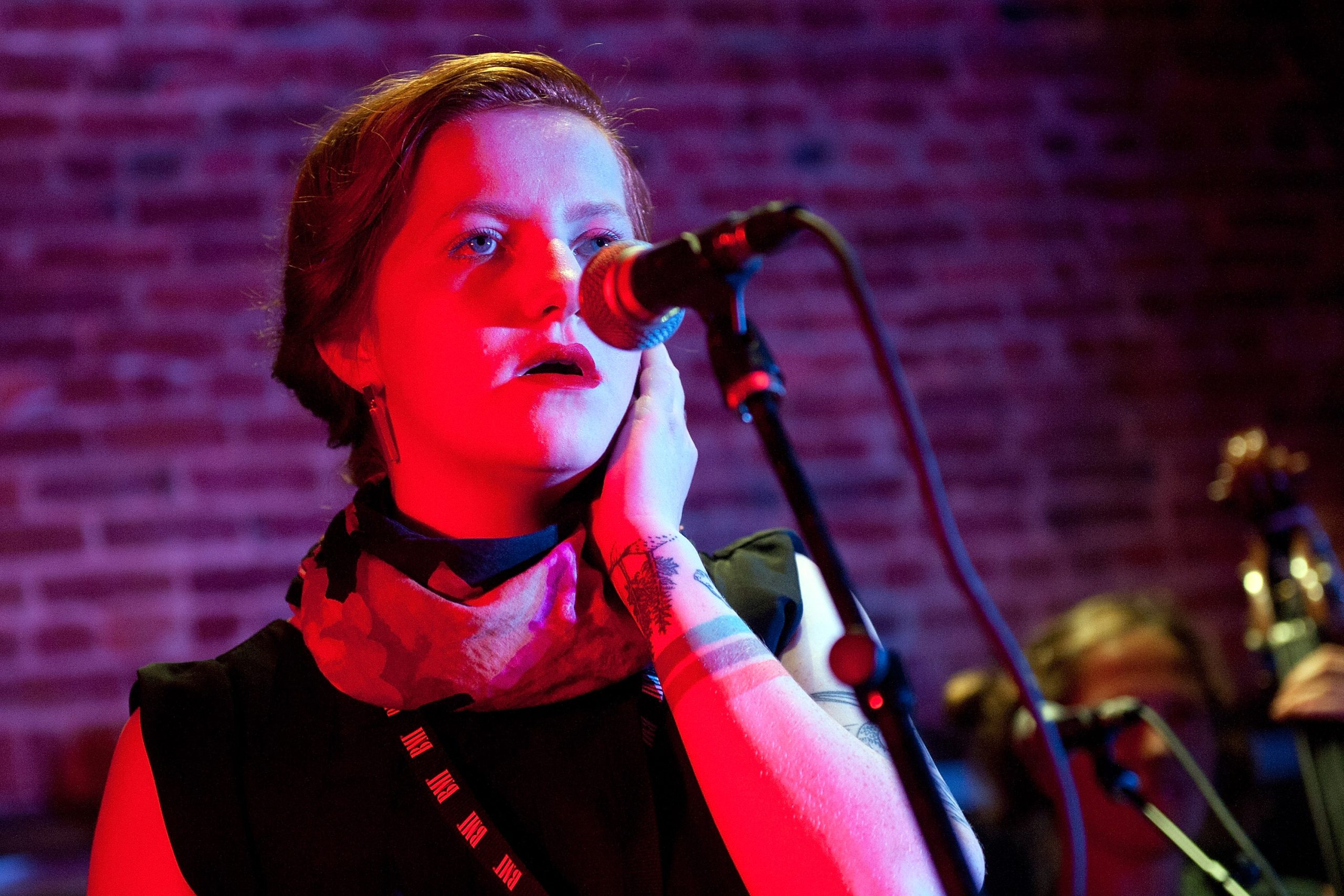
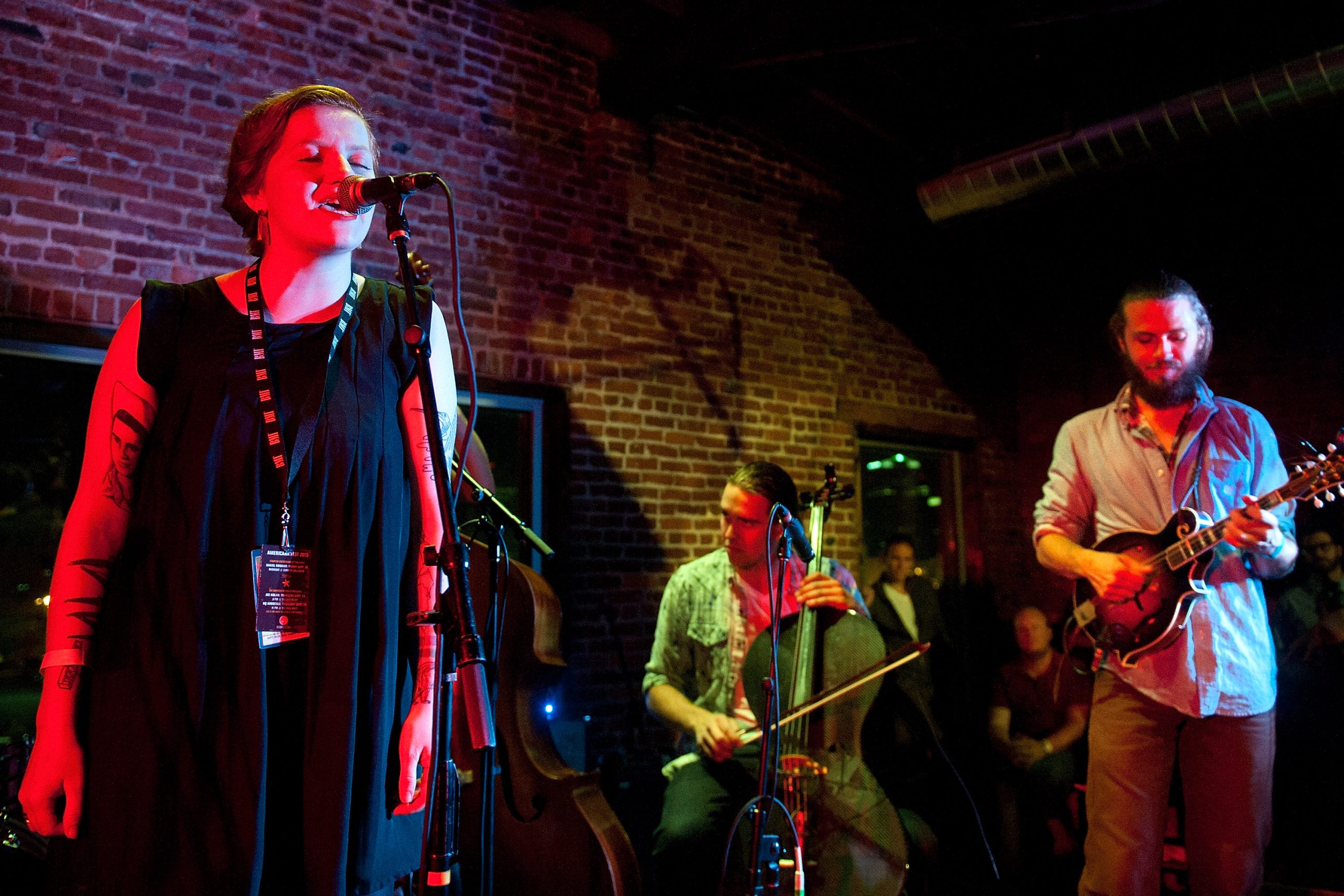
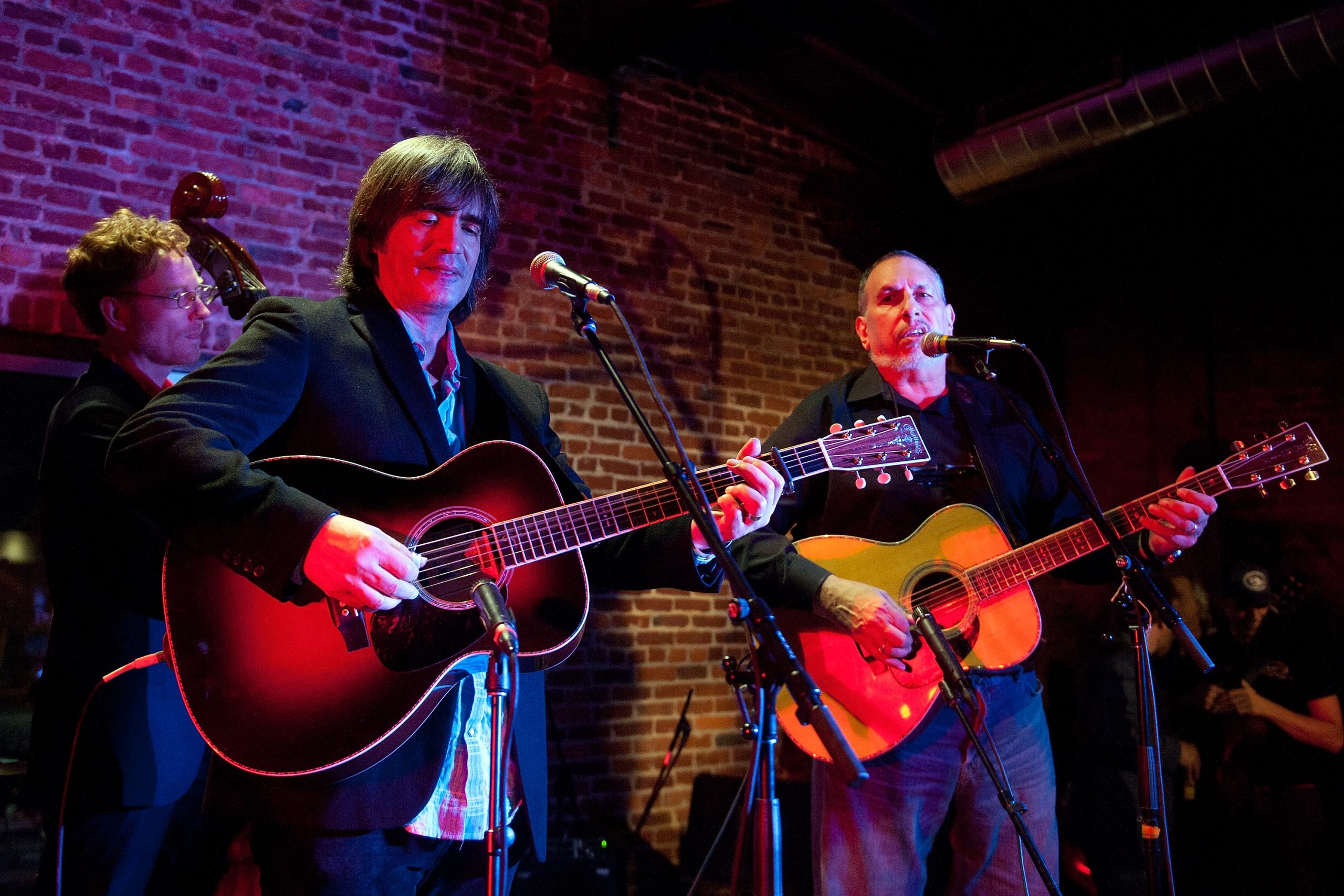
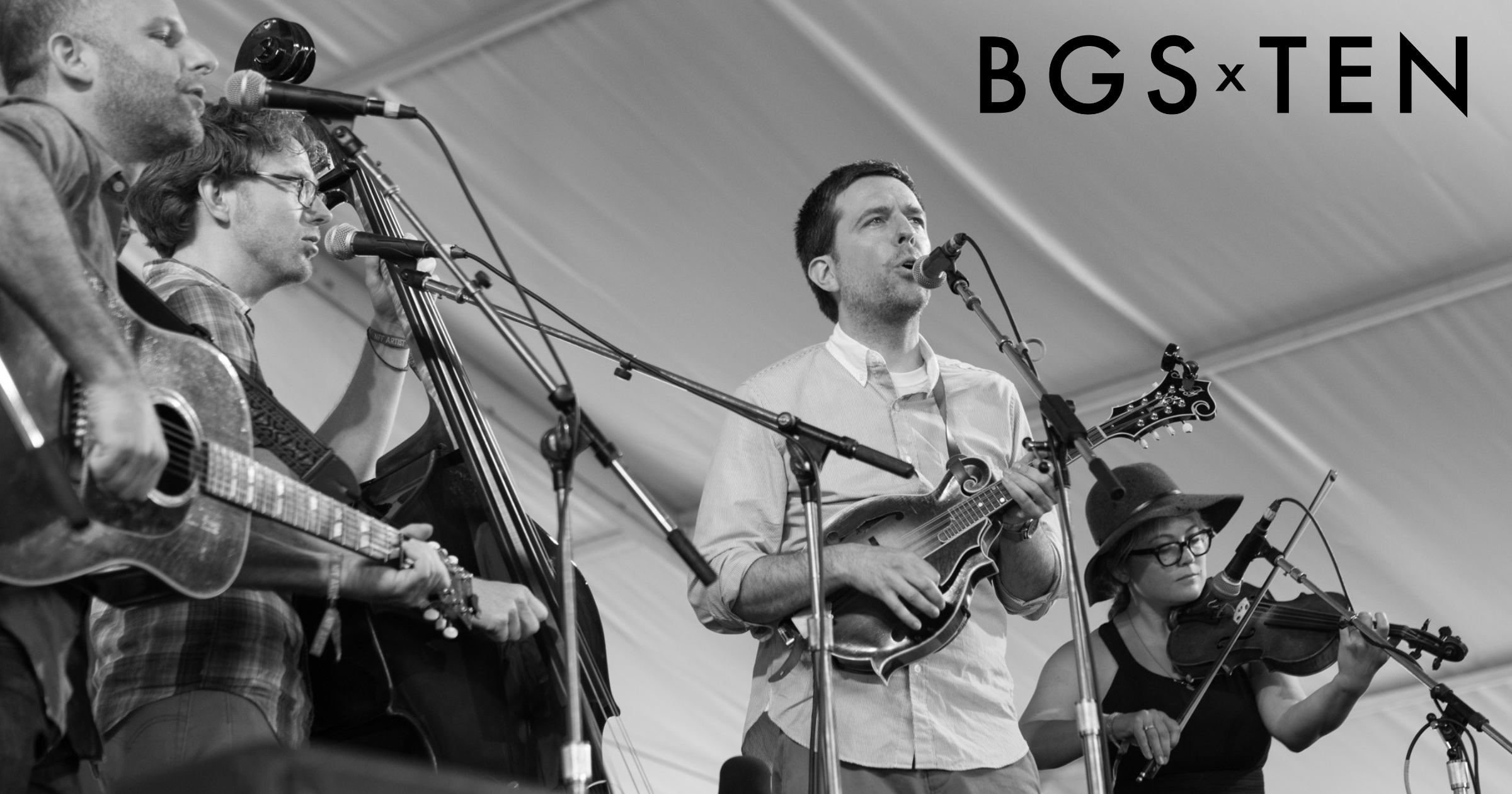
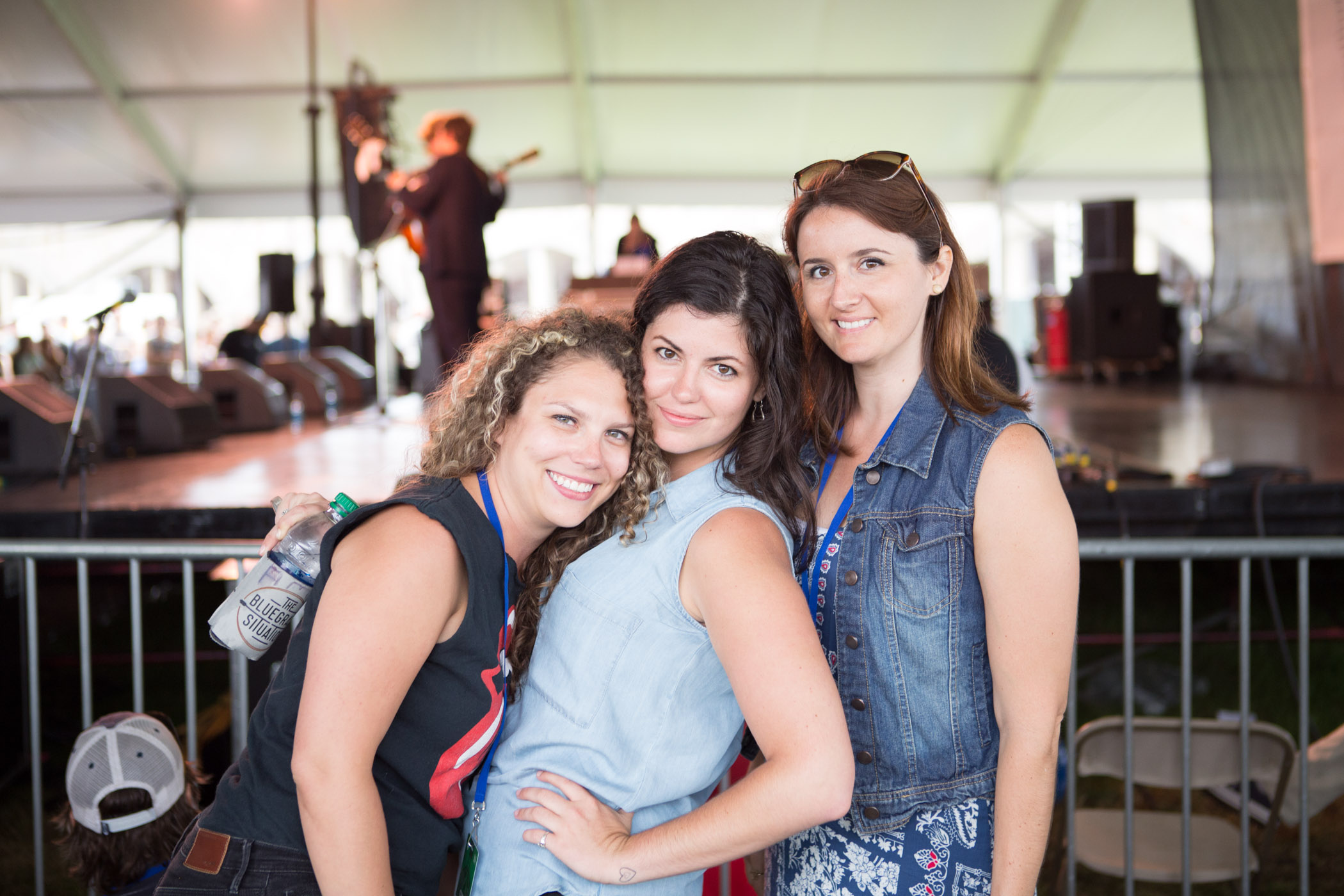
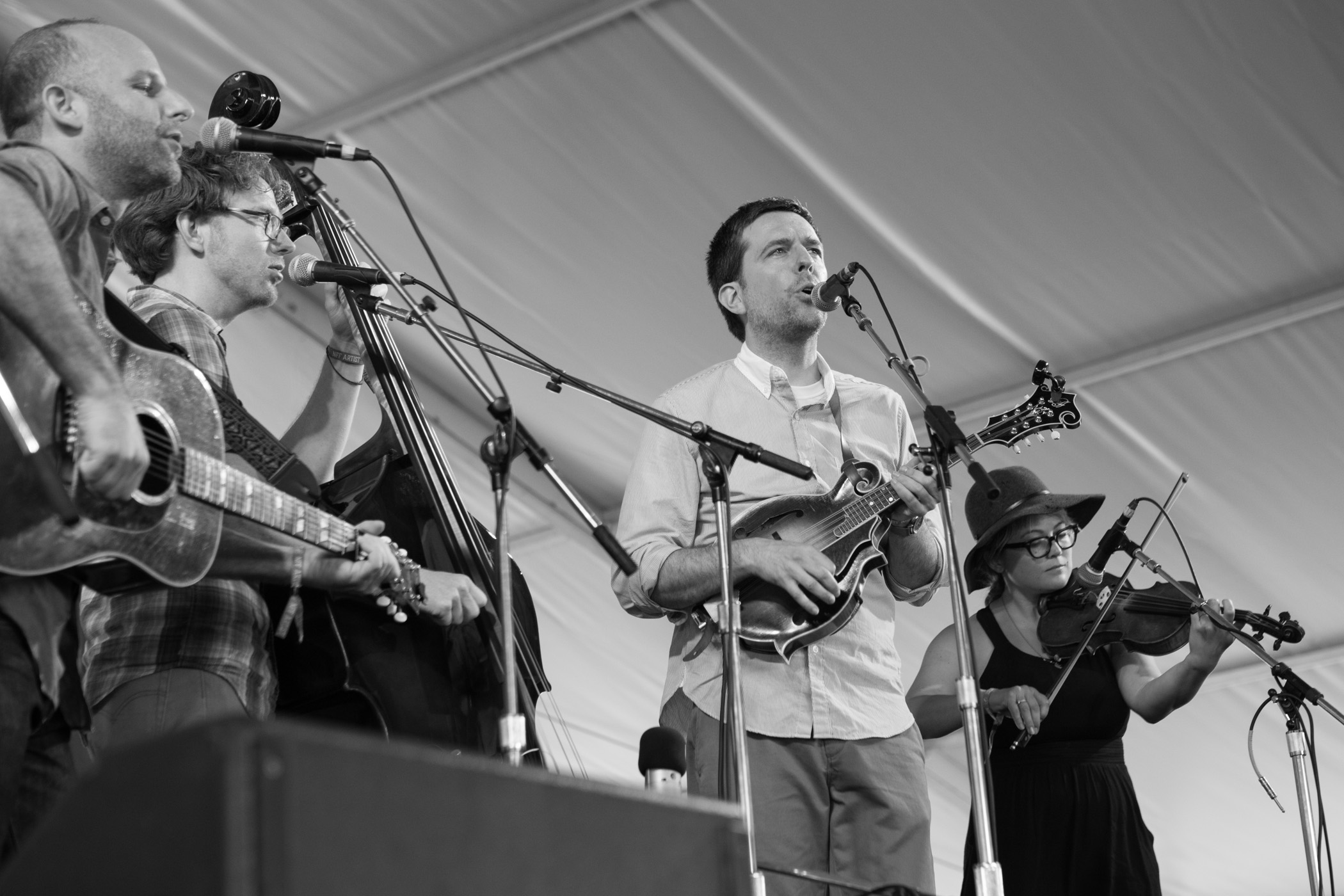
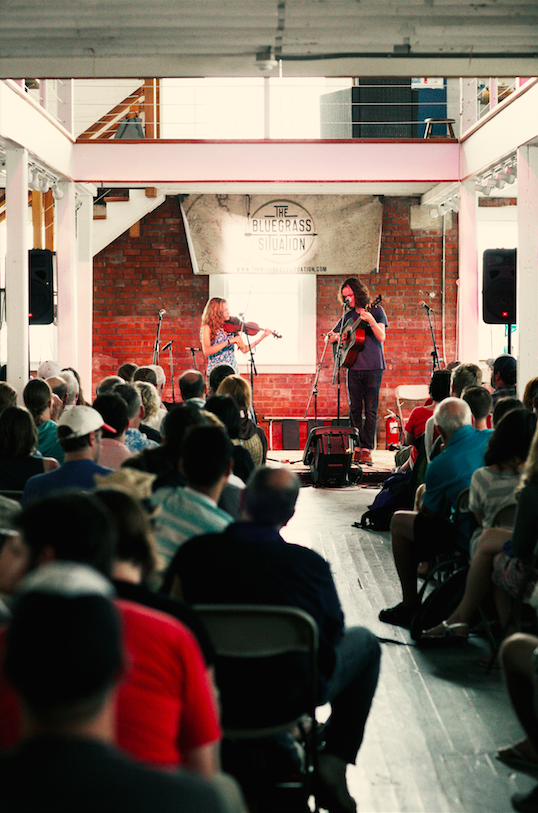
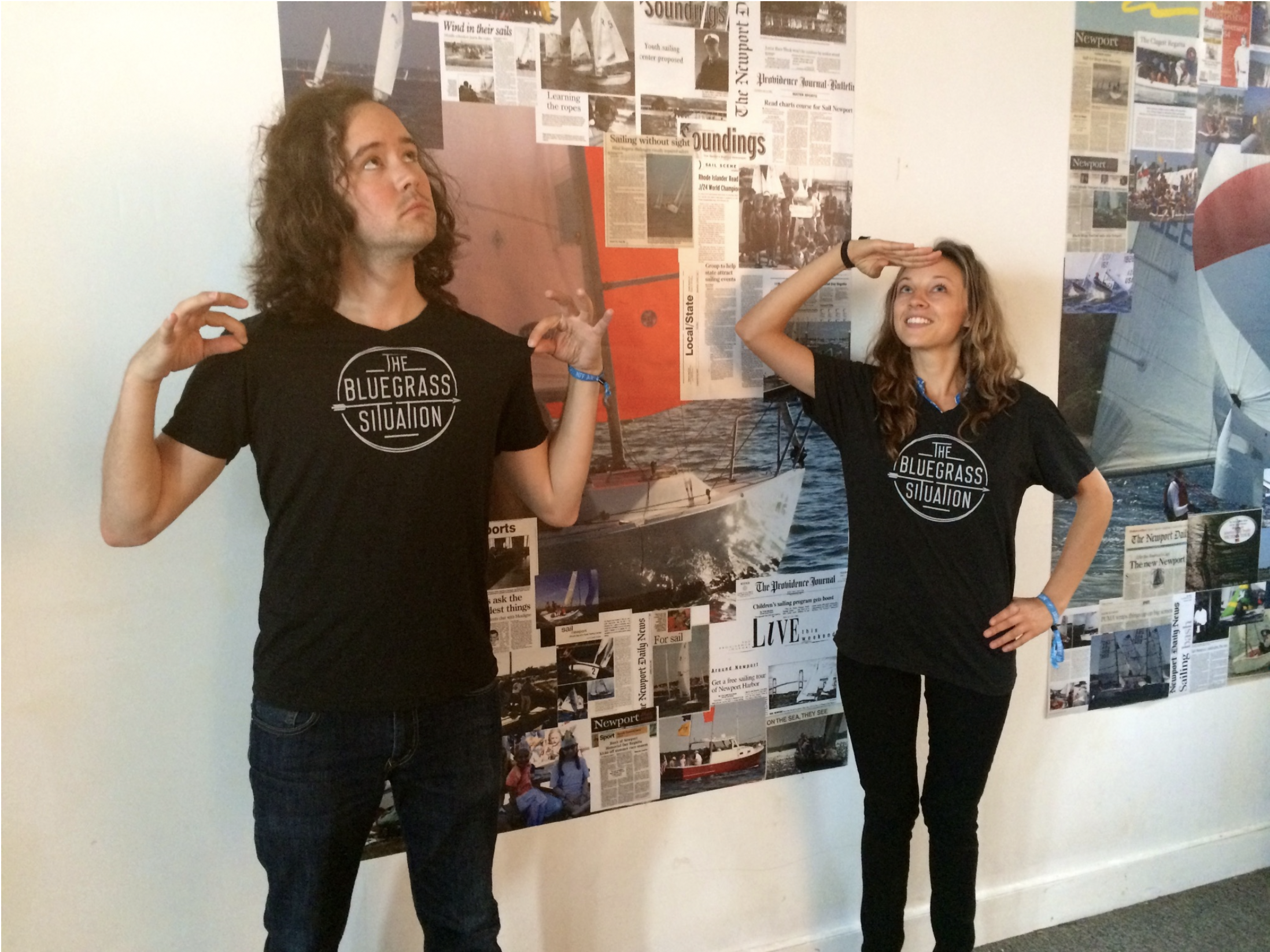
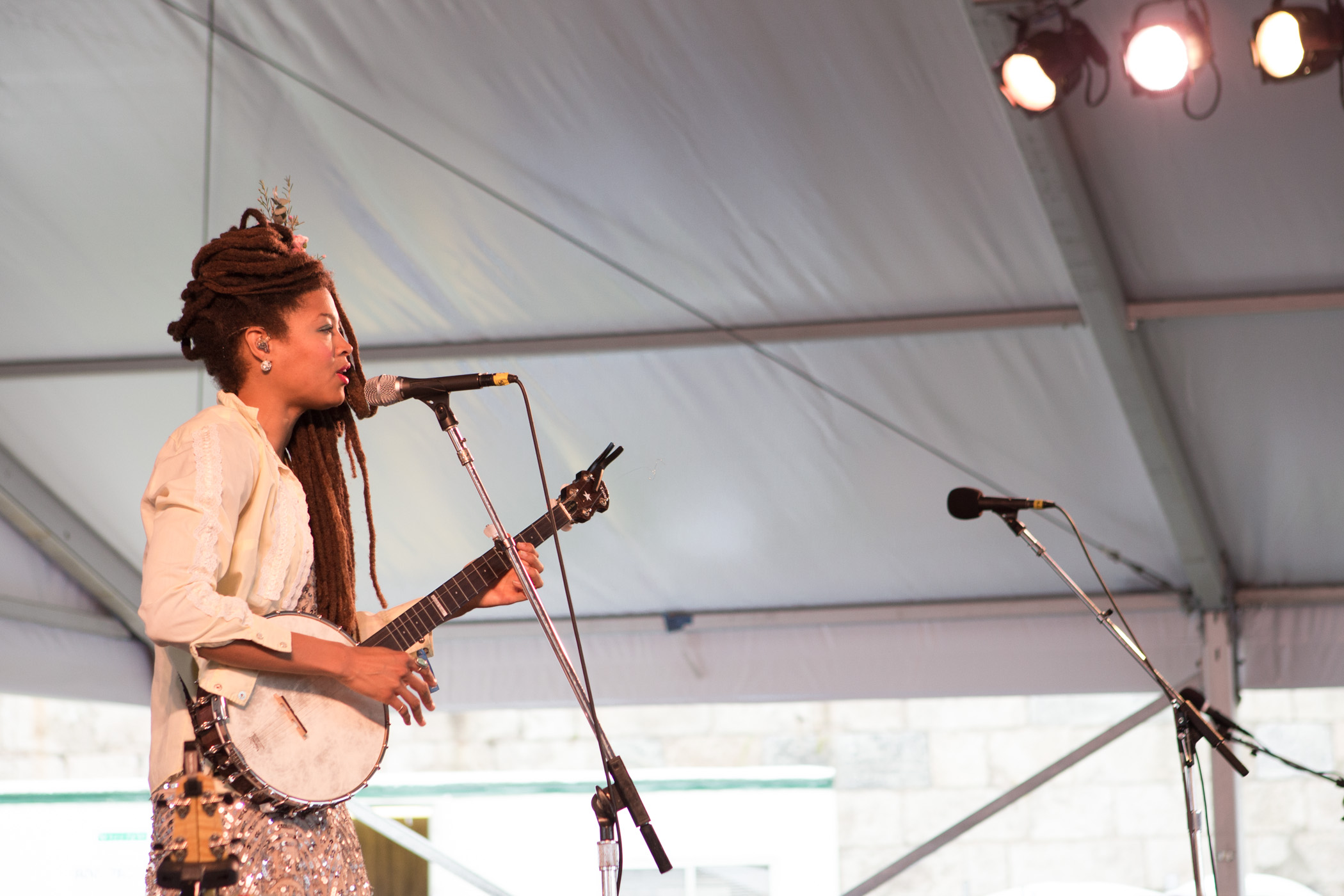
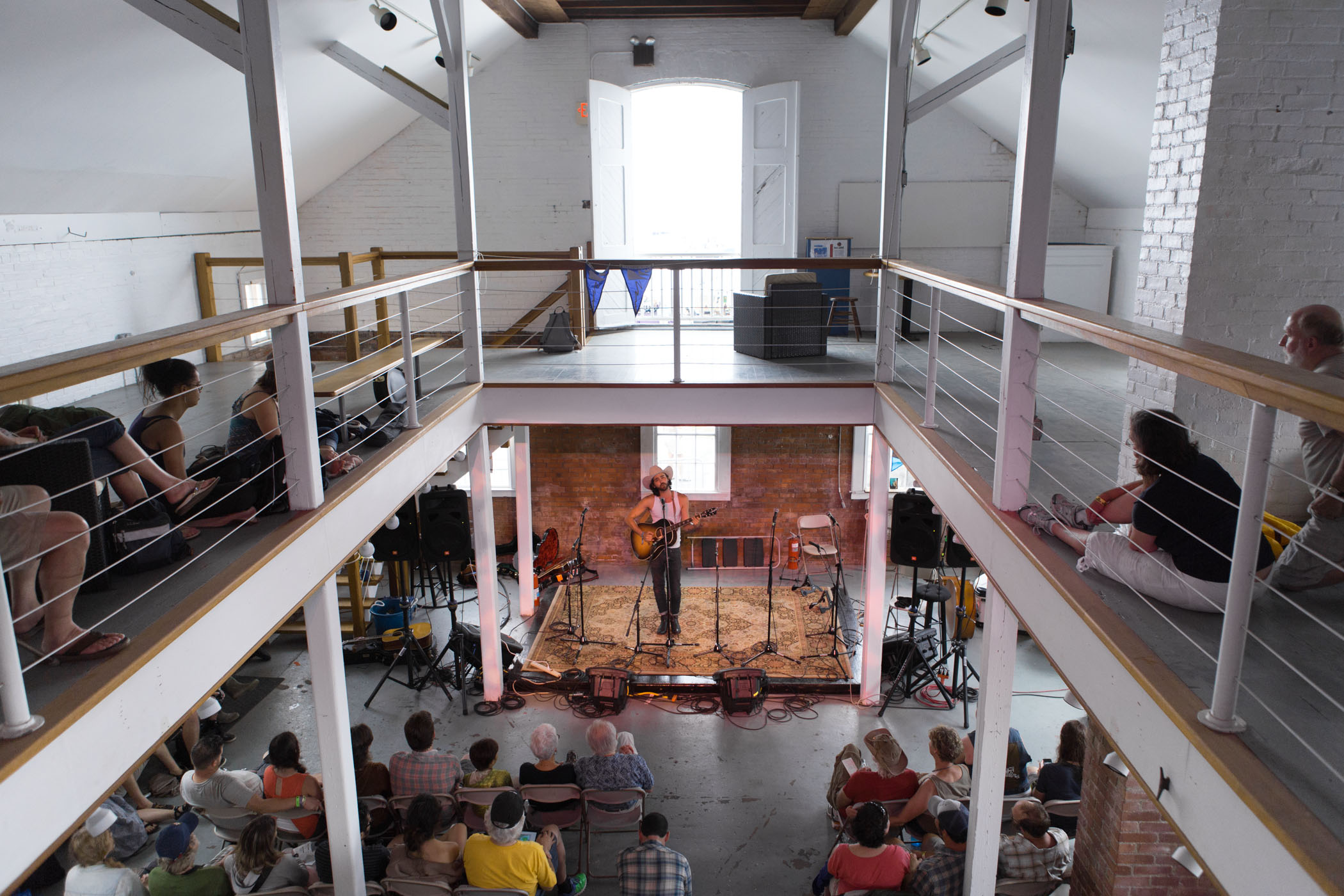
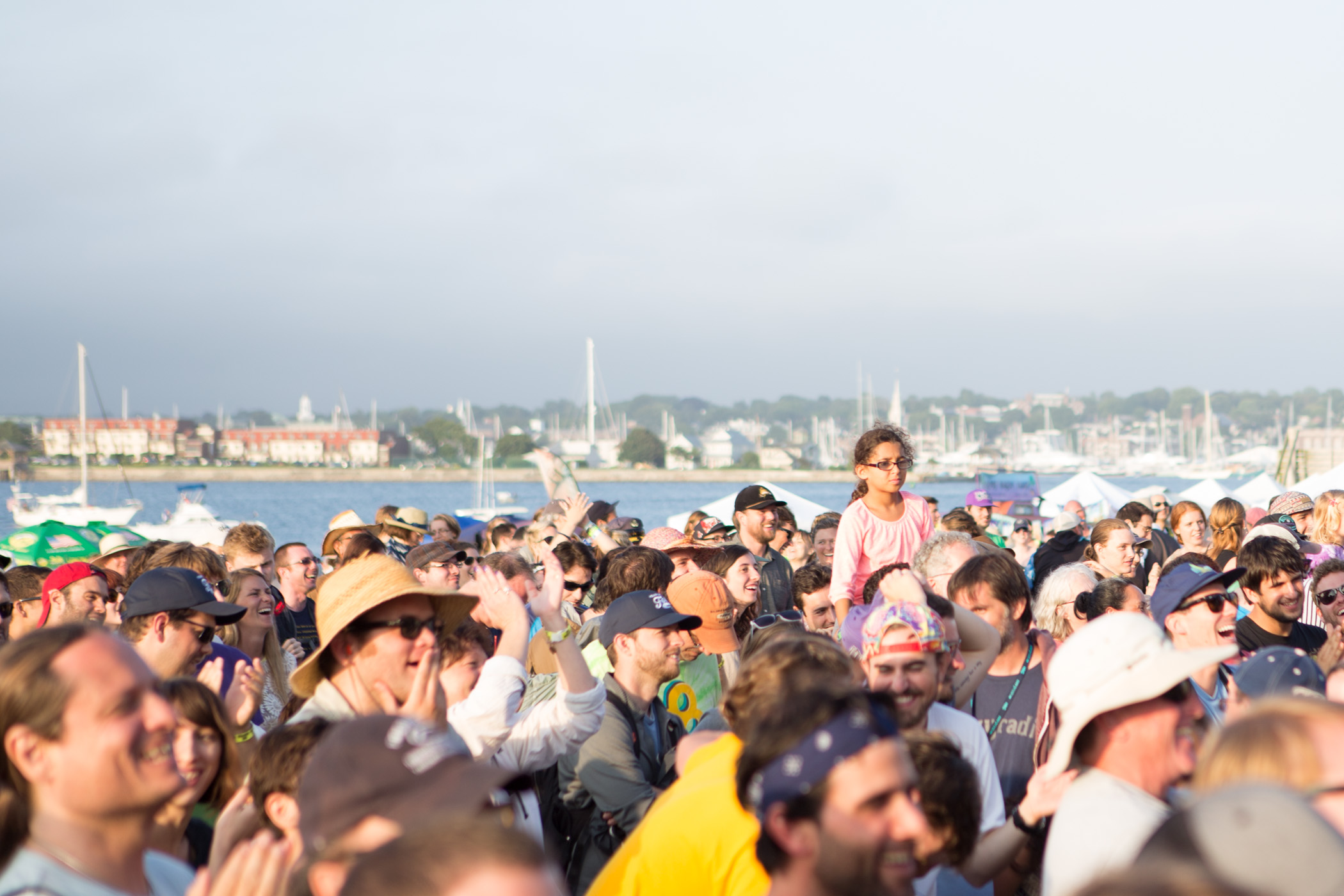
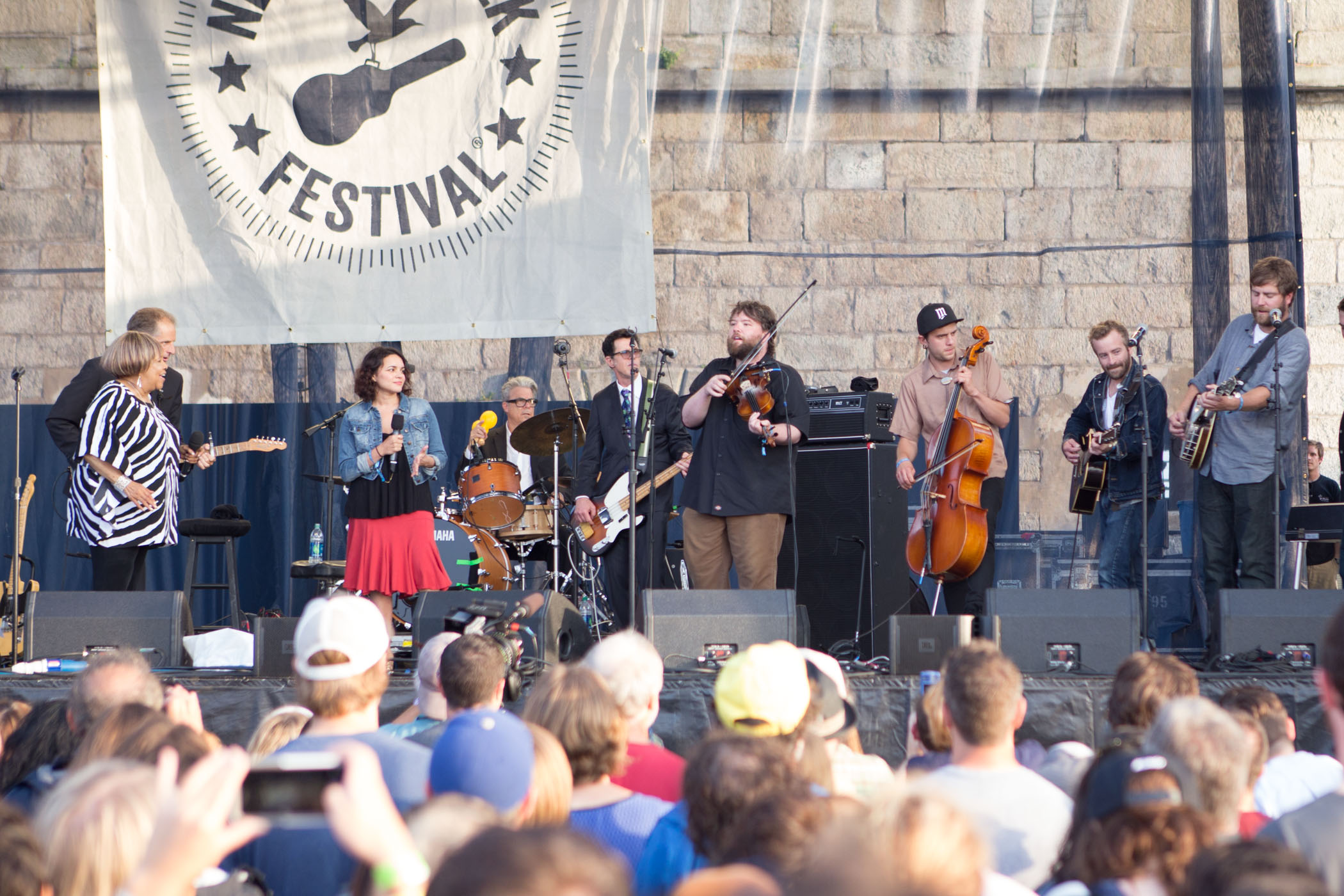
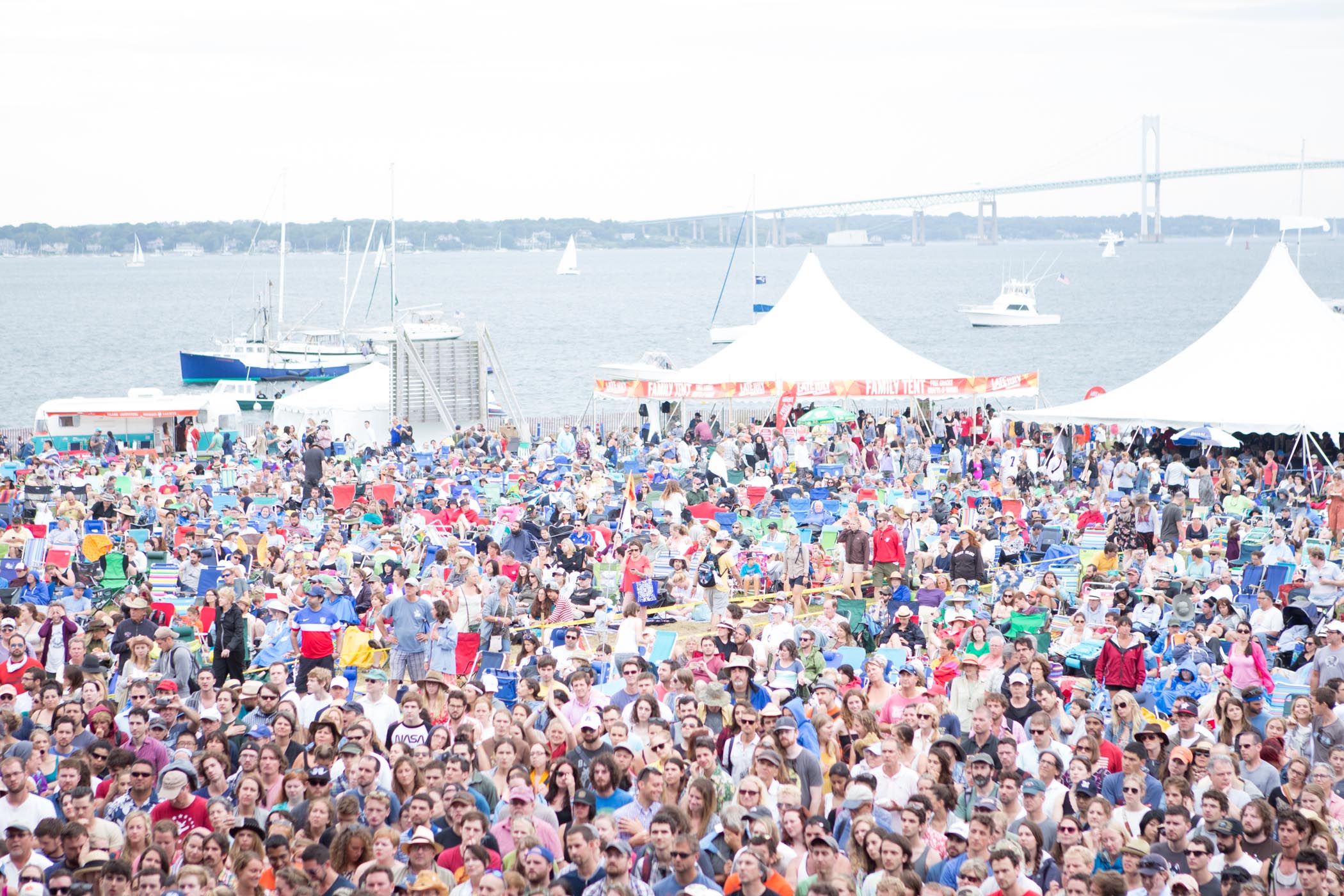
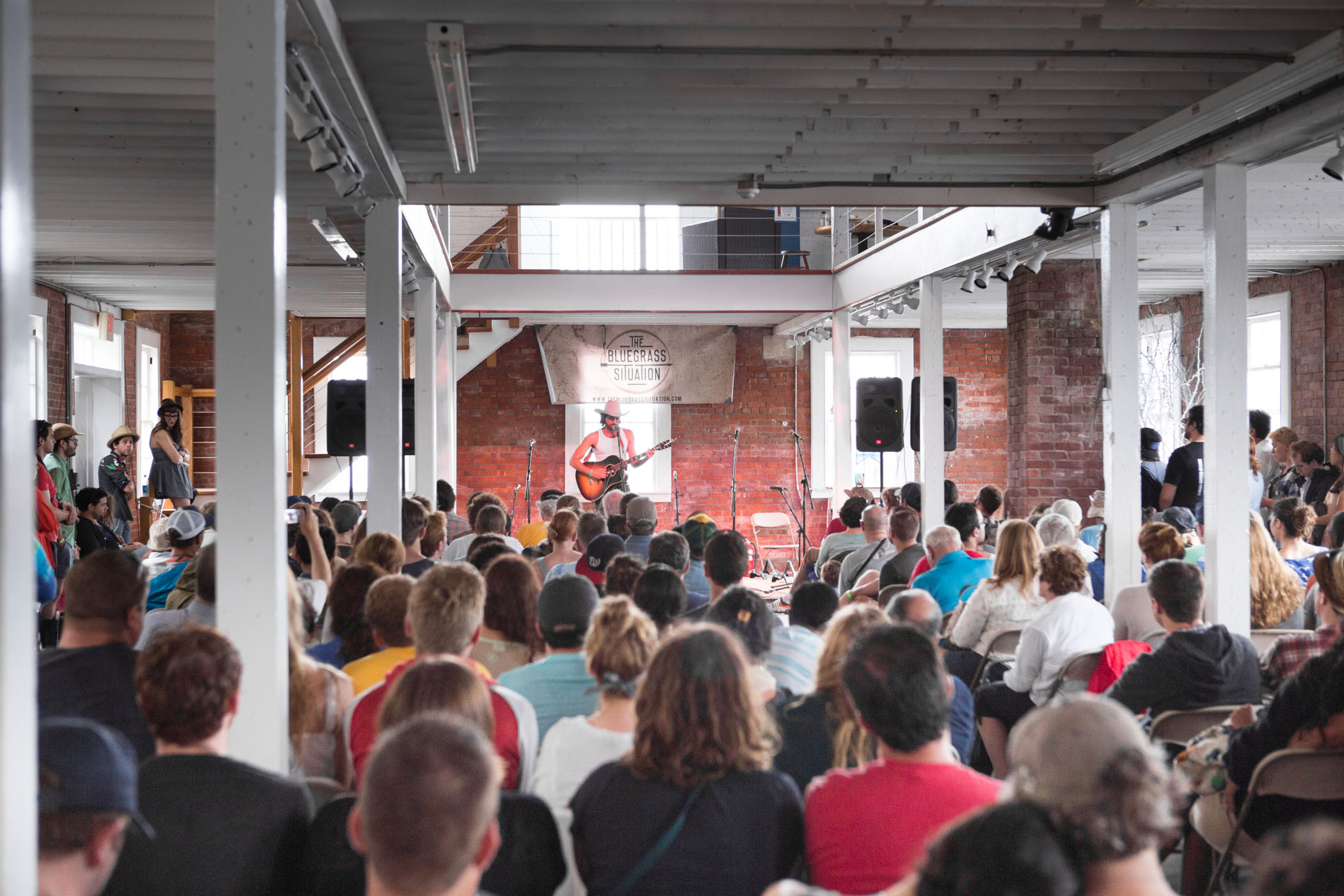
Dylan going electric in 1965. Lomax making his historic archive recordings in 1966. Joni taking the stage after 50-something years in 2022. Newport Folk is a festival full of milestone moments and lots of surprises. And for a brief moment in time in 2014, BGS was a small part of Newport Folk Fest’s long and storied history too, when we presented our Bluegrass Situation Workshop Stage inside the intimate Whaling Museum building on Sunday at the Fort.

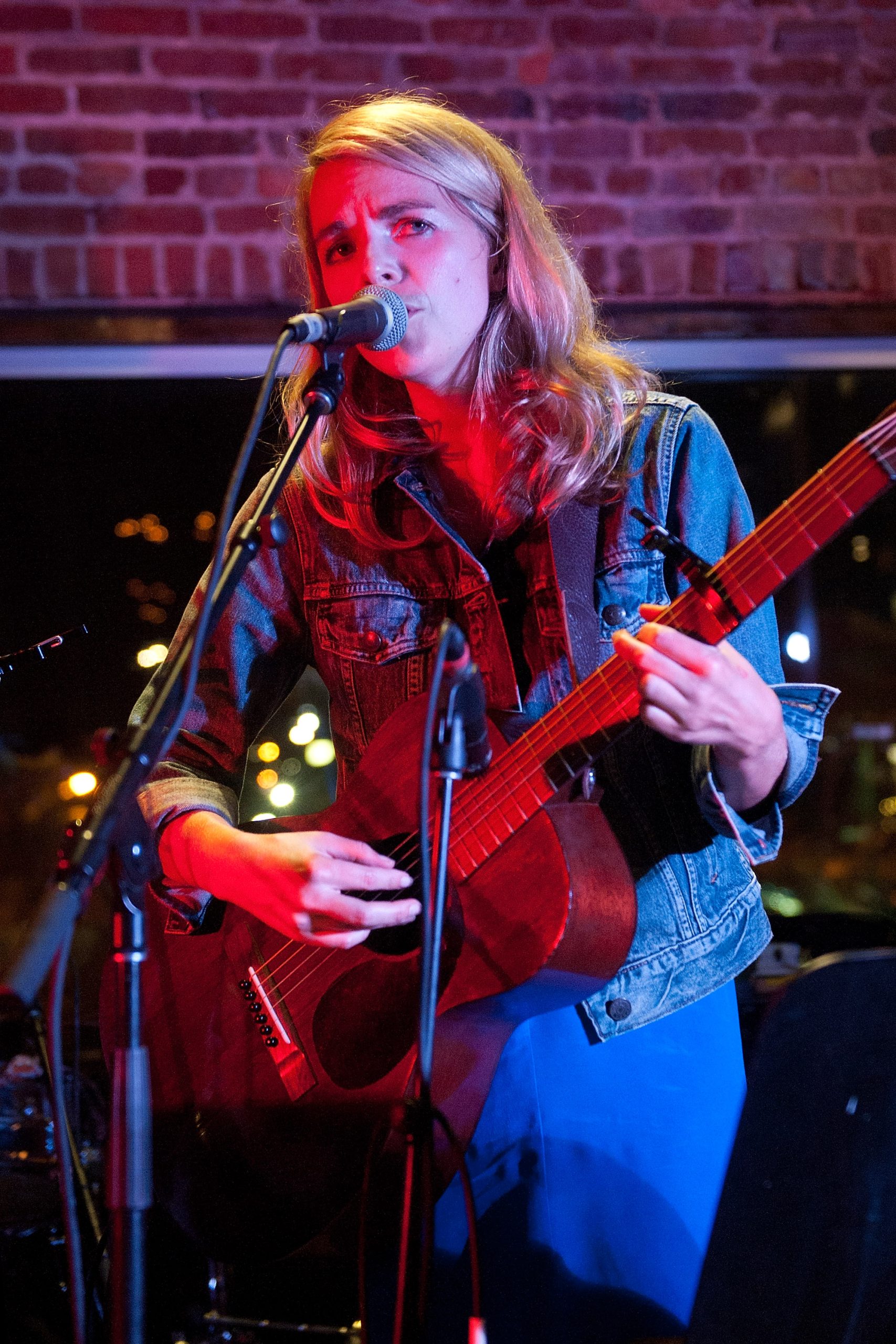
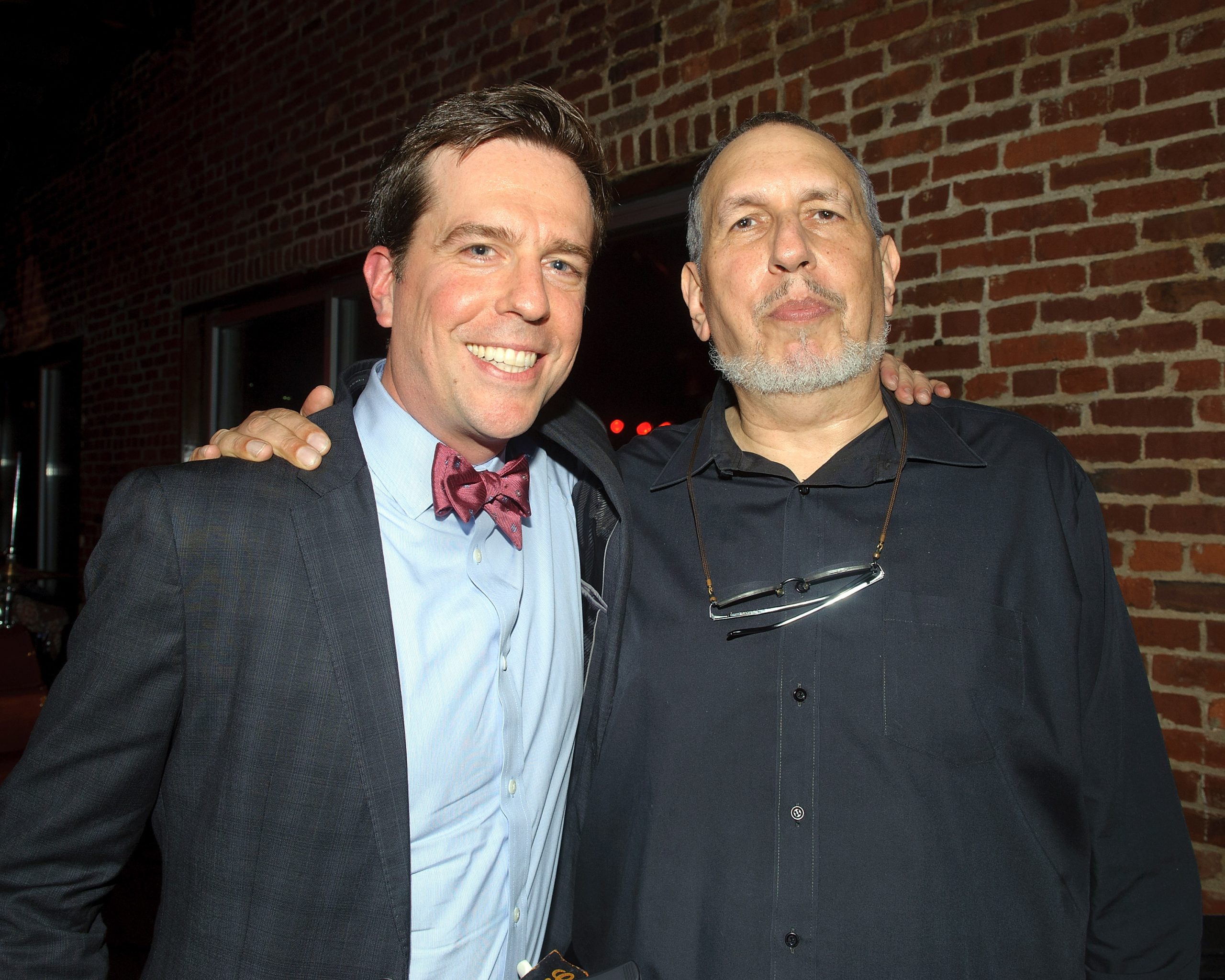
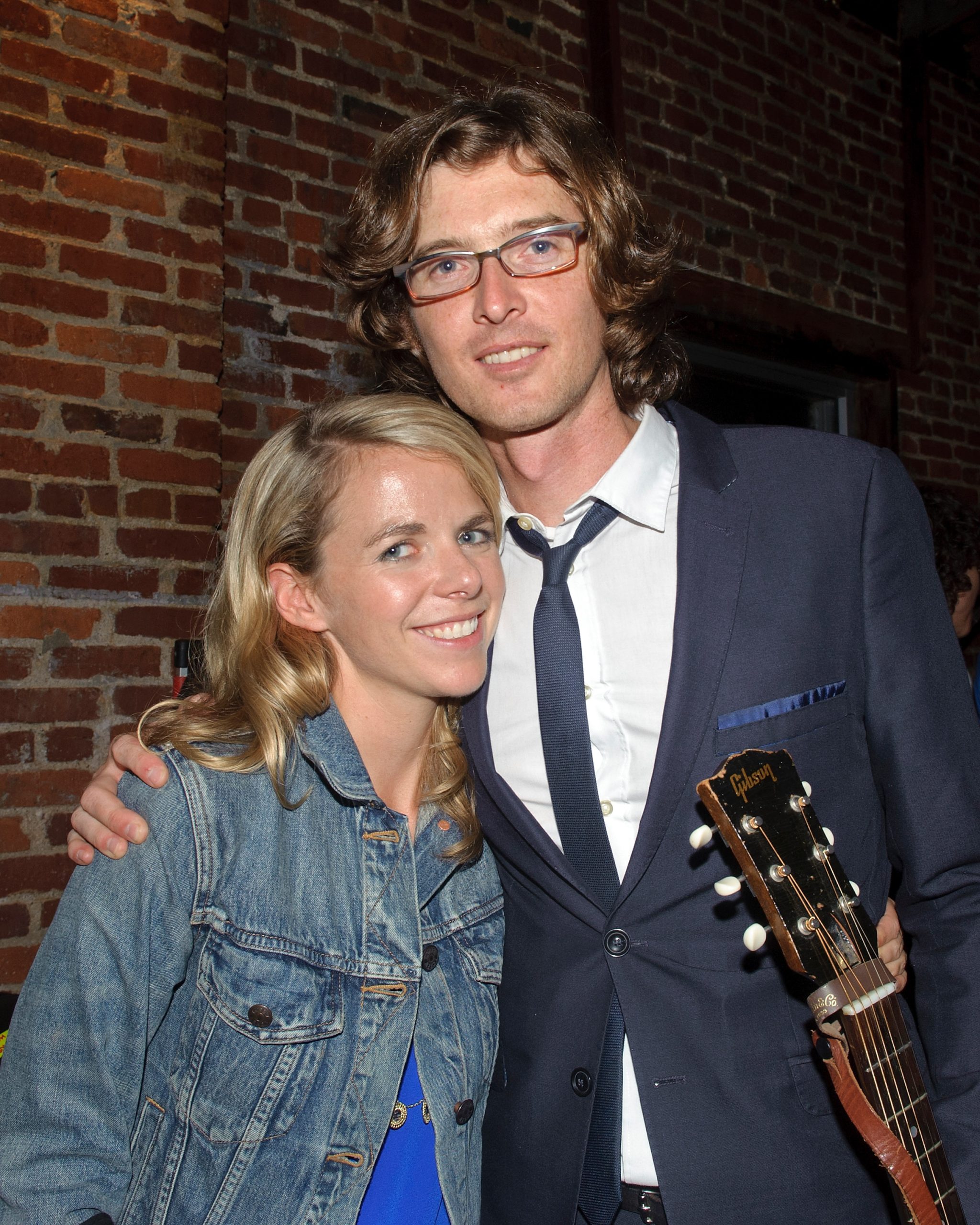
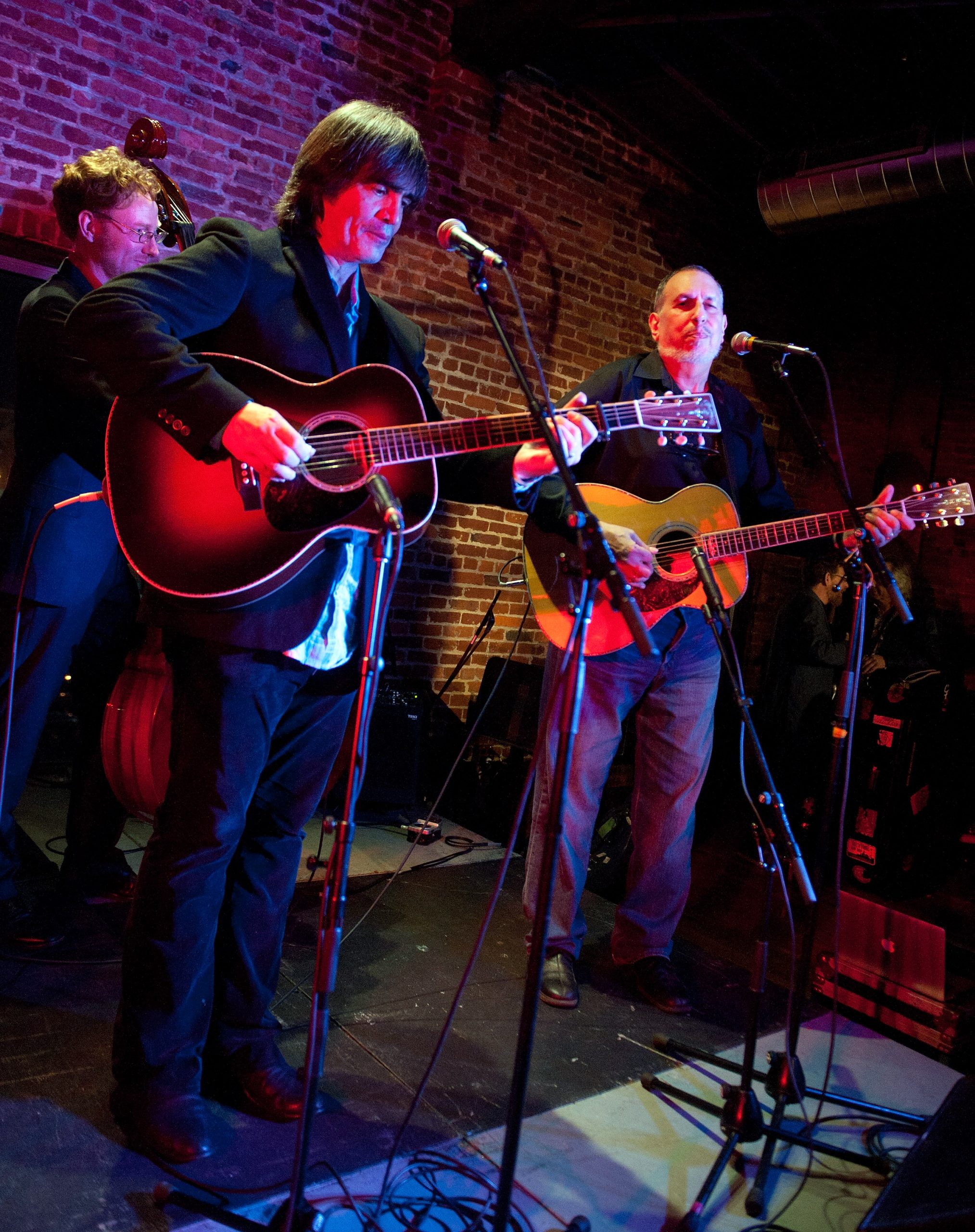
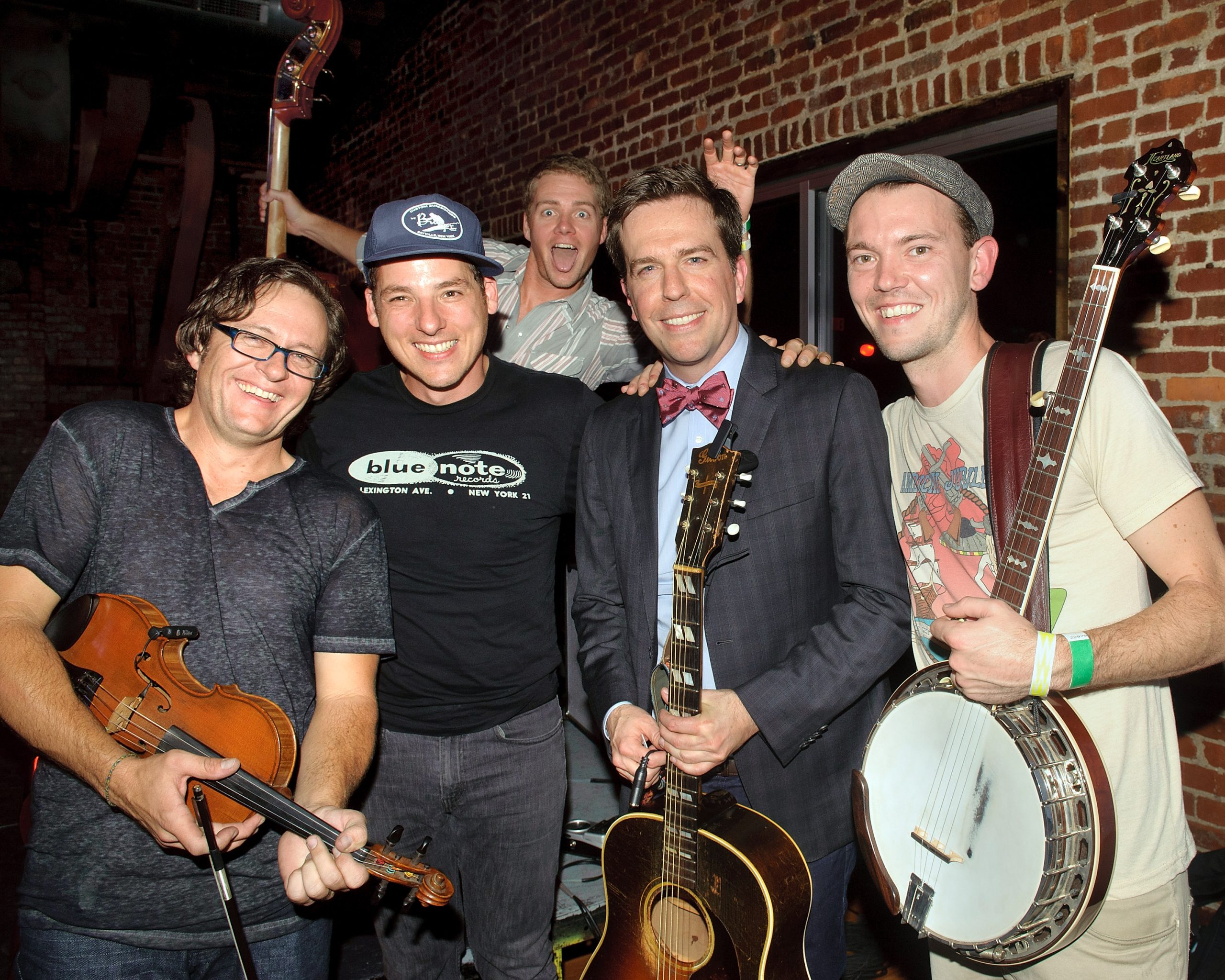
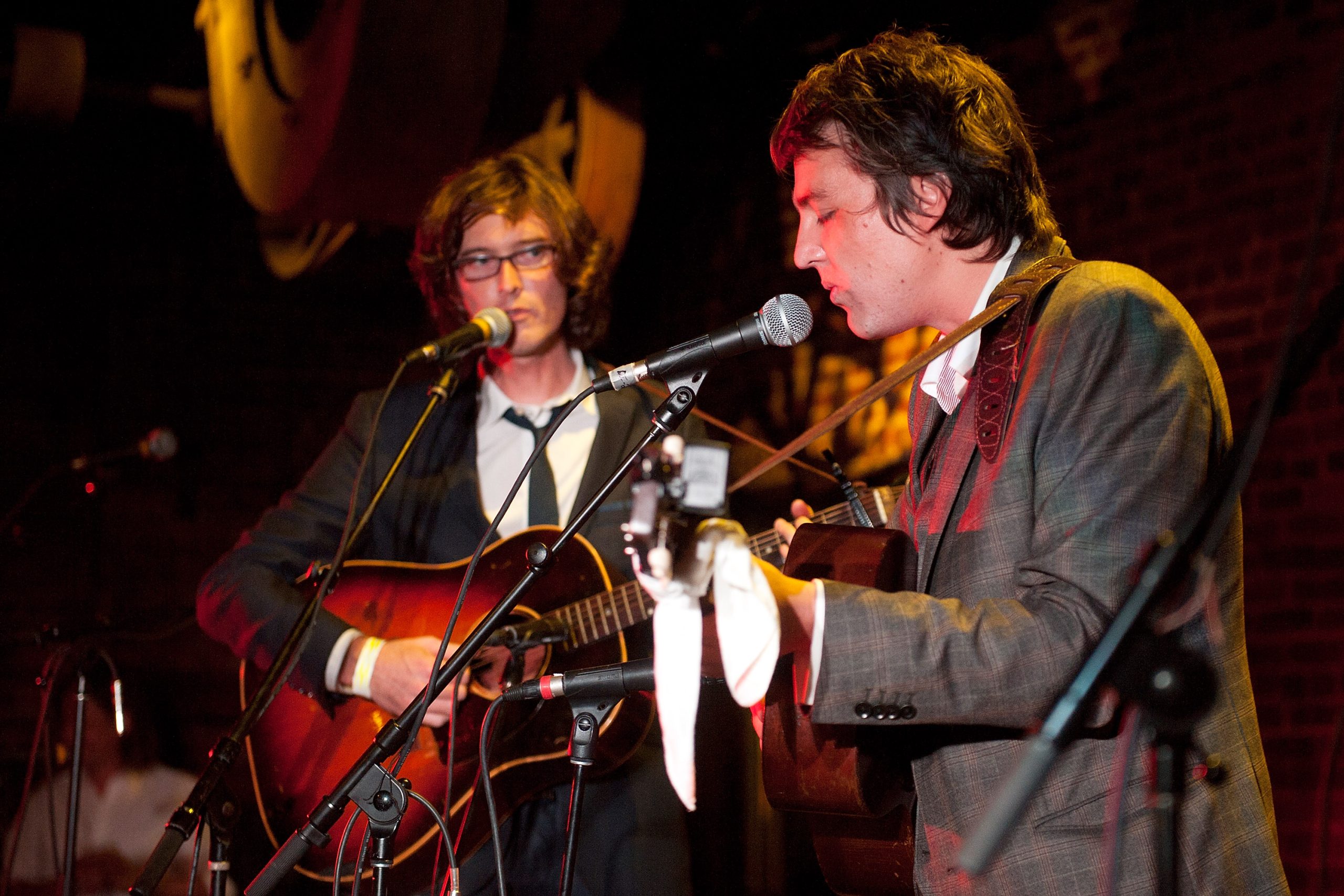
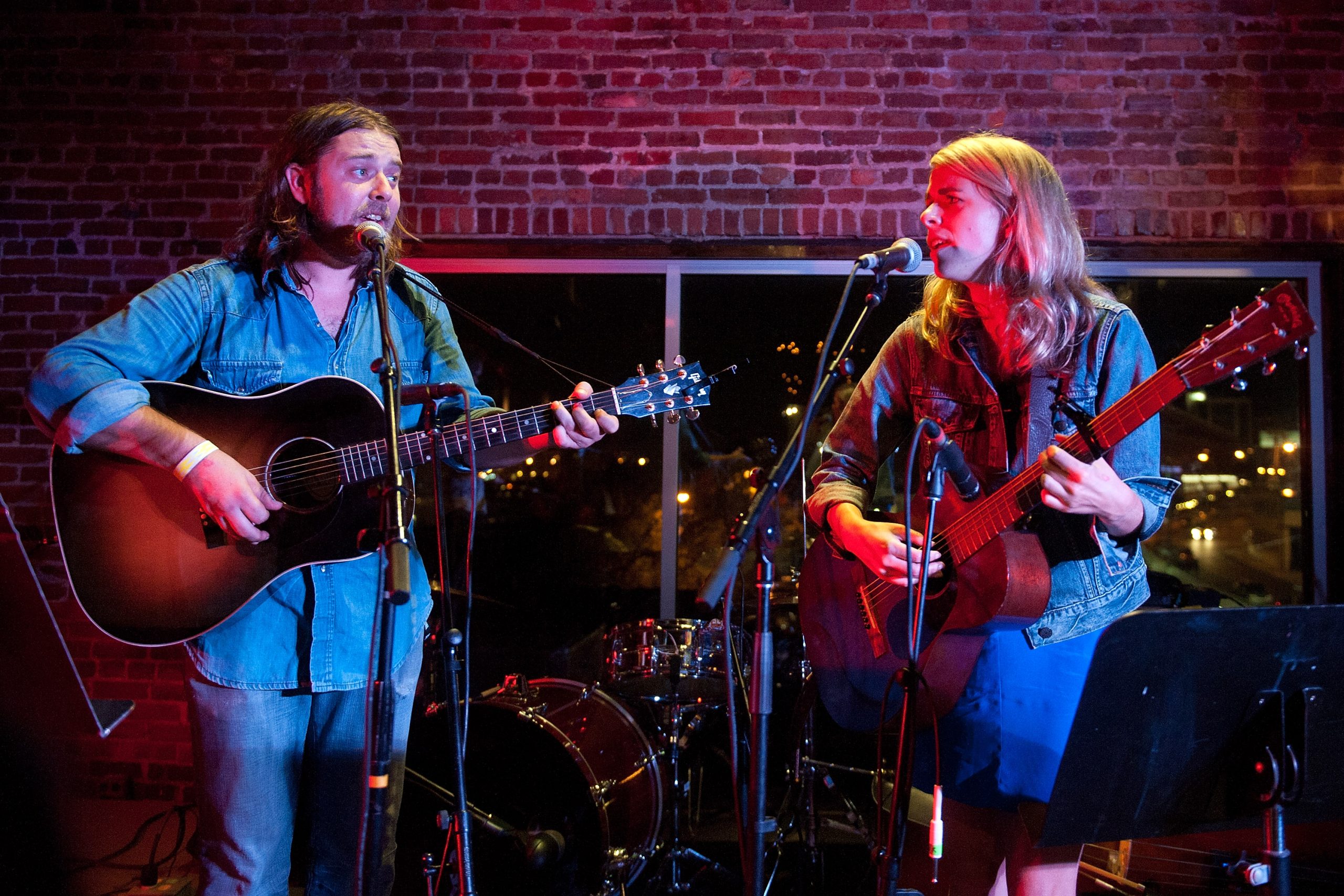
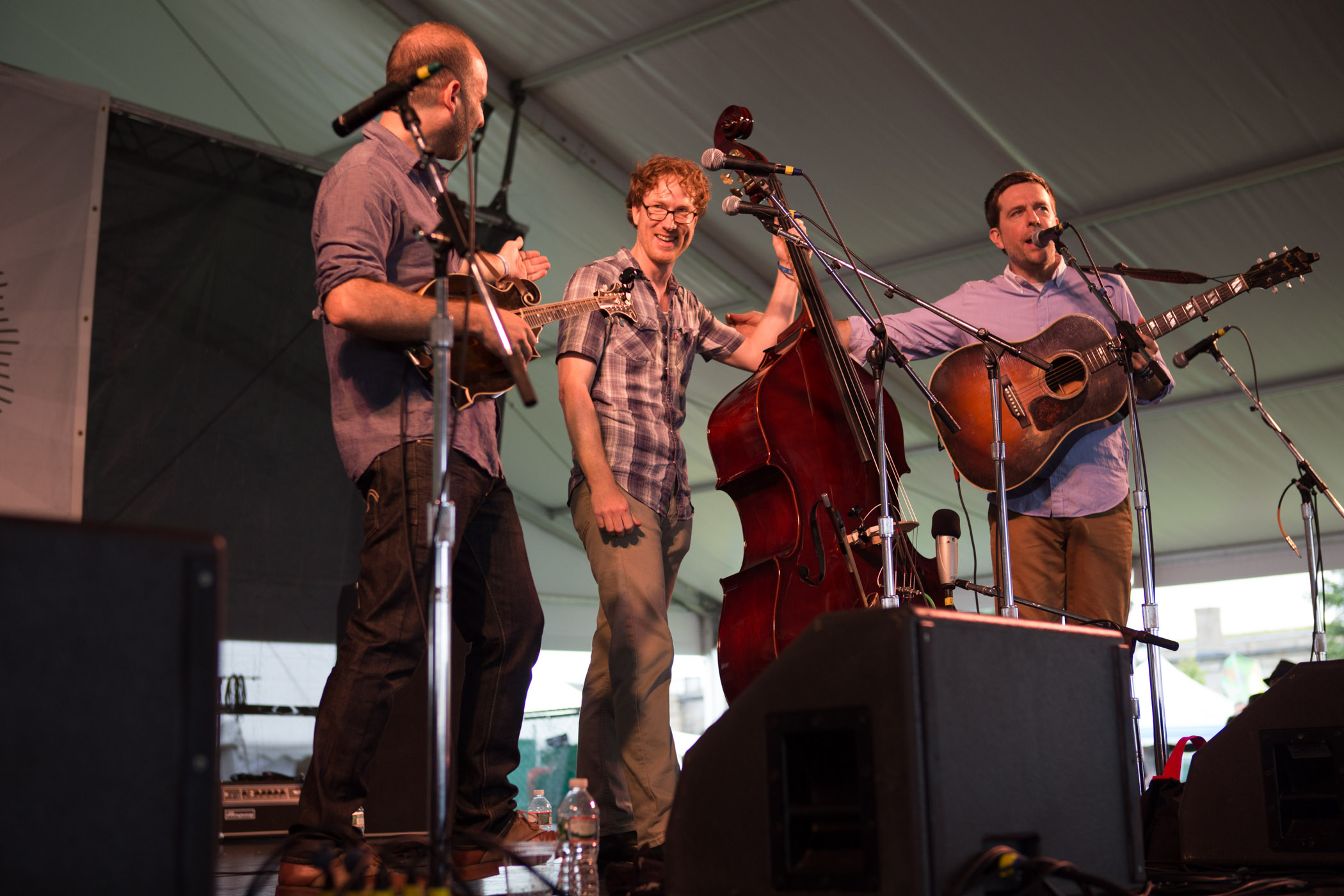
Amidst a festival lineup that included such stalwarts as Nickel Creek, Trampled by Turtles, Dawes, Valerie June, Hozier, Jack White, and Mavis Staples, the BGS crew – helmed by co-founder Ed Helms and his Lonesome Trio bandmates Ian Riggs and Jake Tilove – hosted a few “up and coming” acts we were very excited about, singing songs about significant “firsts” in their lives. Some of those young whippersnappers you might have heard of, like Shakey Graves (joined by Chris Funk of the Decemberists and Langhorne Slim), Aoife O’Donovan, Wilie Watson (with special guest Sean Watkins), and Watchhouse (who were still going by Mandolin Orange at the time), which marked Andrew and Emily’s very first – but certainly not last – appearance at Newport.

That big “first” for us was significant – to be welcomed into the “Folk” Family and made to feel like we were all part of something big and wonderful. And it’s that feeling that’s brought us back to the Fort year after year ever since.


Photos by Samara Vise

Folk Alliance Returns, In-Person and Online

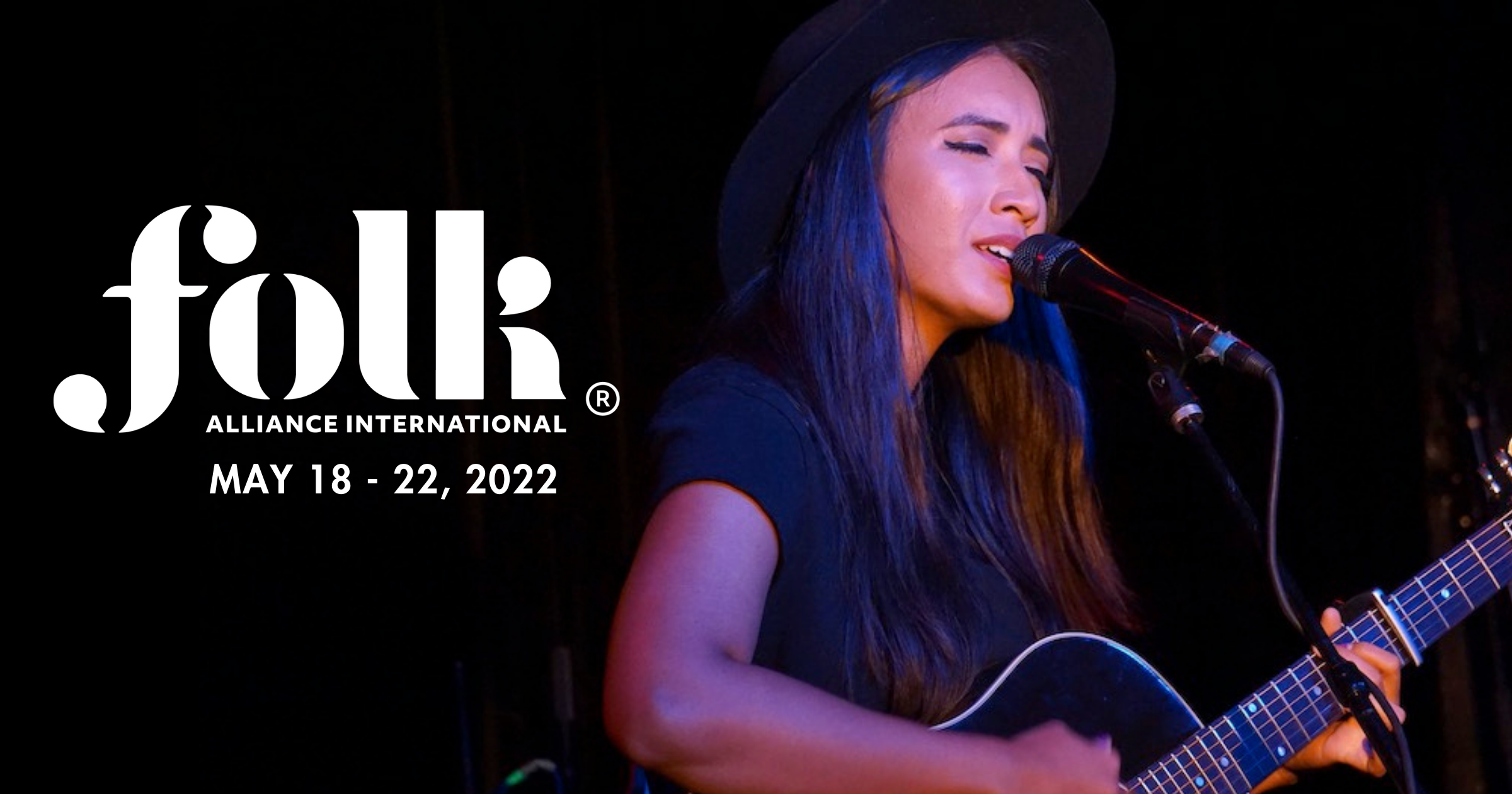
Beginning Wednesday, May 18, the Folk Alliance’s first in-person conference since January 2020 kicks off in Kansas City. Whether tuning in from the comfort of your home via the virtual option, or connecting in person in the hallways of the Kansas City Westin, one thing is certain: it sure feels good to be back with all our folk friends.

SPOTLIGHTS
Spotlight Week is a virtual presentation of talented acts from around the world in one-hour pre-recorded showcases as part of the virtual programming for the 2022 Folk Alliance International Conference.

From May 9-11, eight partners from the UK, Australia, New Zealand, Colombia, Canada, and the USA presented 52 acts total from a wide range of genres. Artist highlights include Aoife O’Donovan, Peggy Seeger, John McCutcheon, and Michaela Anne. All performances are available for repeat viewing within the conference platform for the rest of May. Discover the full Spotlight schedule here.

OFFICIAL SHOWCASES
One of the biggest highlights of every Folk Alliance conference is the promise of discovering something you’ve never heard before.

We’re particularly looking forward to The Bluegrass Situation’s official showcase night on Friday, May 20, from 4:15-9pm CT in the Century C Ballroom, featuring Laura Cortese & the Dance Cards, JigJam, Dan Navarro, and Ensemble Iberica.

Stop by and say hello to our editor Craig Shelburne as he emcees the stage for the evening!

PANELS & PROGRAMMING
FAI is always a meeting point for some of the most prominent names in the roots music industry to connect and share updates on the state of the folk and folk-adjacent music world.

This year brings us remarks from keynote speakers Shirley Collins and Madeleine Peyroux, plus the International Folk Music Awards, Peer Sessions for artists, agents, labels, and festivals, artist mentorship meetings, and even Affinity Group sessions for communities like BIPOC, LGBTQIA+, Women, Folks 55+, and Folks with Disabilities. Plus the world premiere of a new work from Saskia Tompkins, FAI’s 2022 Artist in Residence.

You can discover a guide to all the daytime programming and panels here.

Even if you can’t be at this year’s conference in person, it’s not too late to register for the virtual conference. Virtual access is available via a pay-what-you’re-able model allowing you to access official showcase performances within 24 hours of their live set, plus exclusive online-only content like the daily Black Opry Hour. You can discover more here, and the full program for the week’s events is available here.

What are you most looking forward to at this year’s Folk Alliance International conference? What are some of your favorite memories and discoveries from past conferences? Let us know in the comments!


Photo: Raye Zaragoza via Folk Alliance International

Songs of Joy and Celebration Aboard Cayamo

Editor’s Note: We’re headed back out to sea for the 15th edition of Cayamo: A Journey Through Song! There are still cabins available if you’d like to join in the fun.


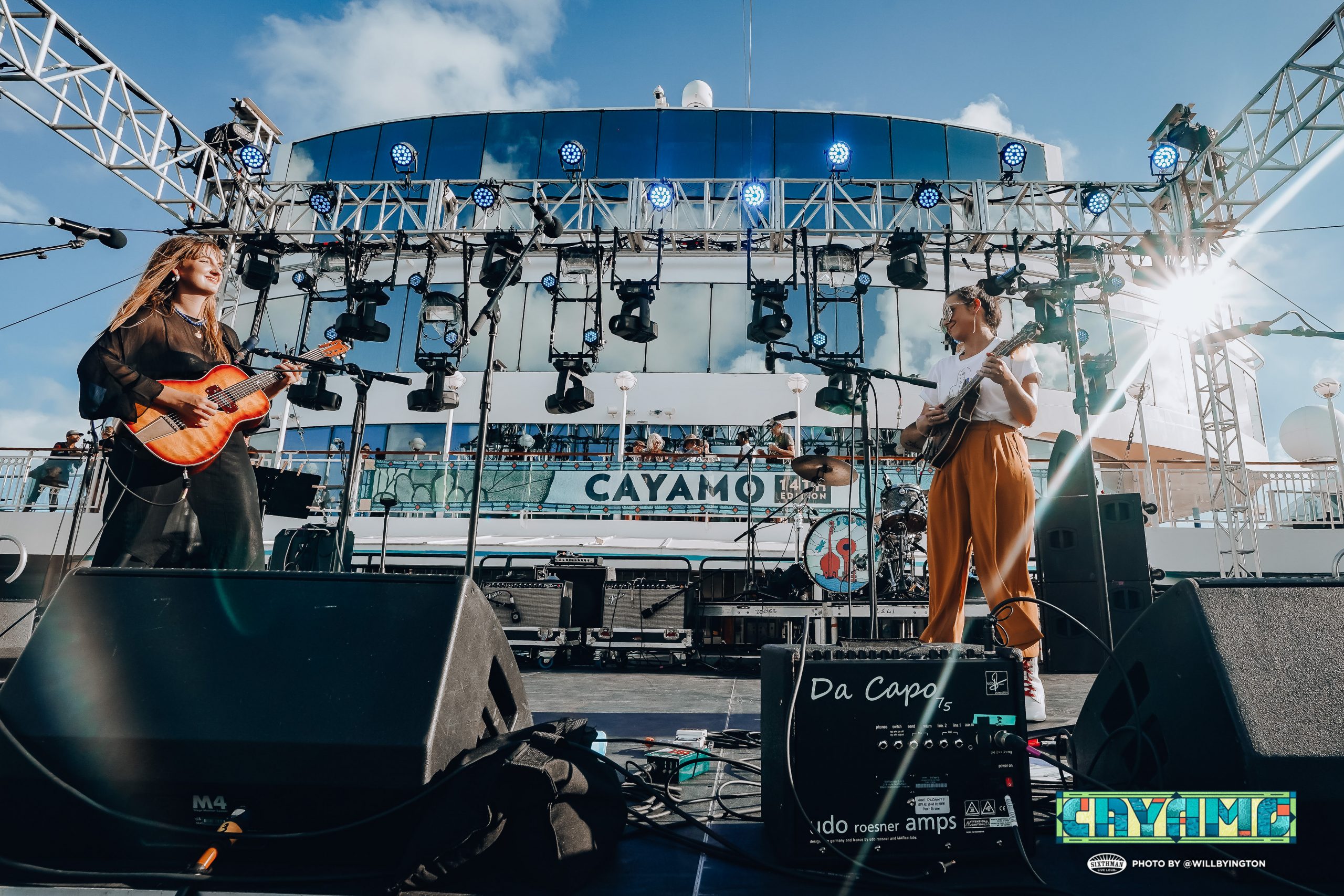
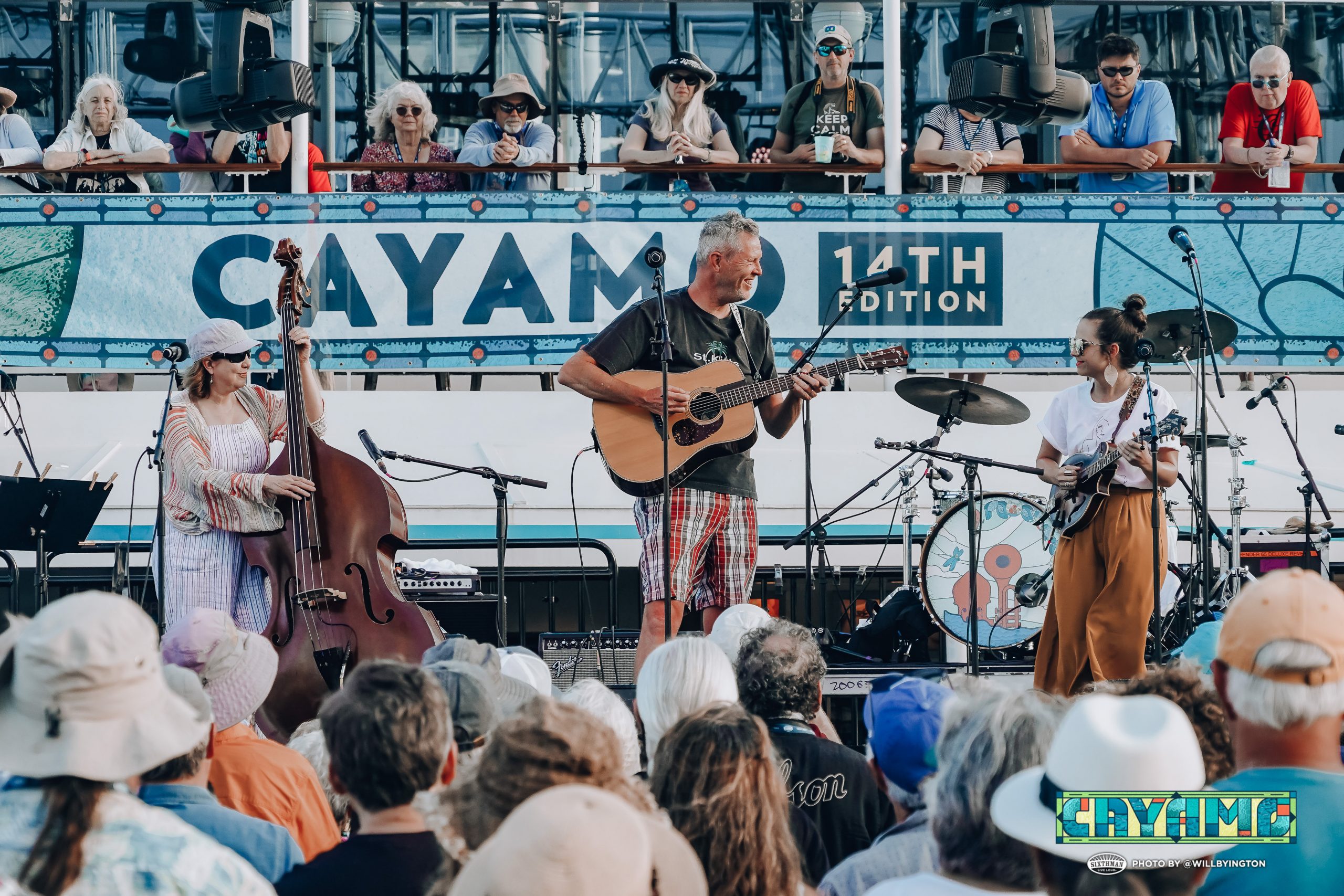
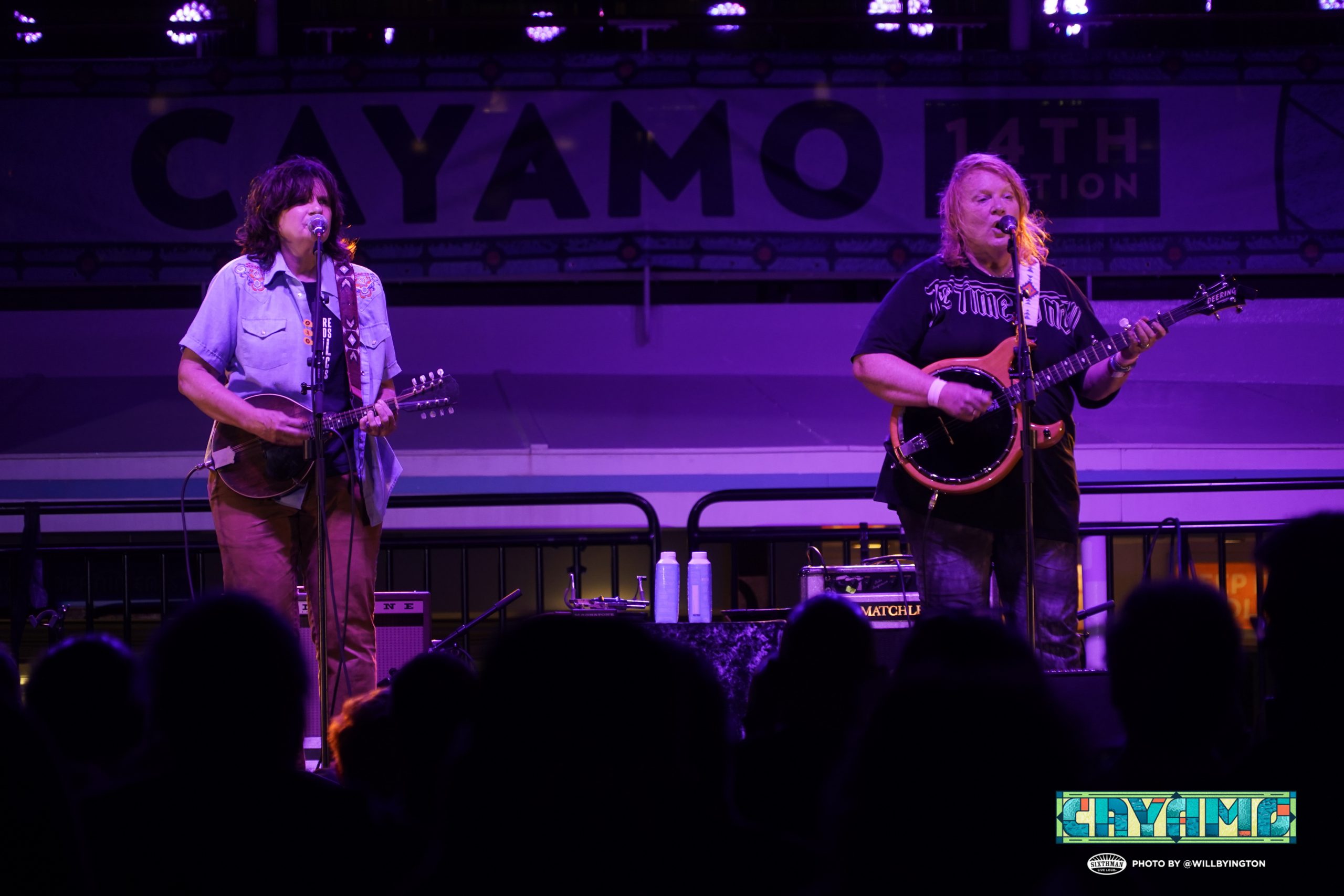
The BGS team is currently working on getting our land legs back after a week at sea with the Sixthman team, as we made our music-filled journey from Miami to St. Thomas and St. Kitts aboard the 14th edition of Cayamo – and what a week it was!

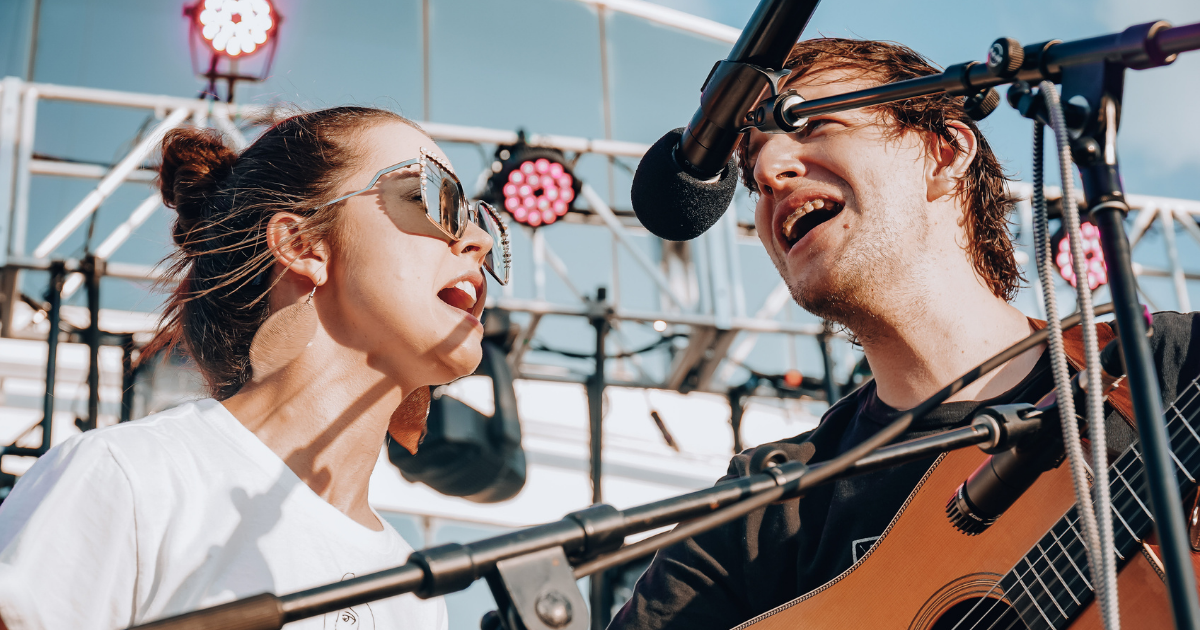
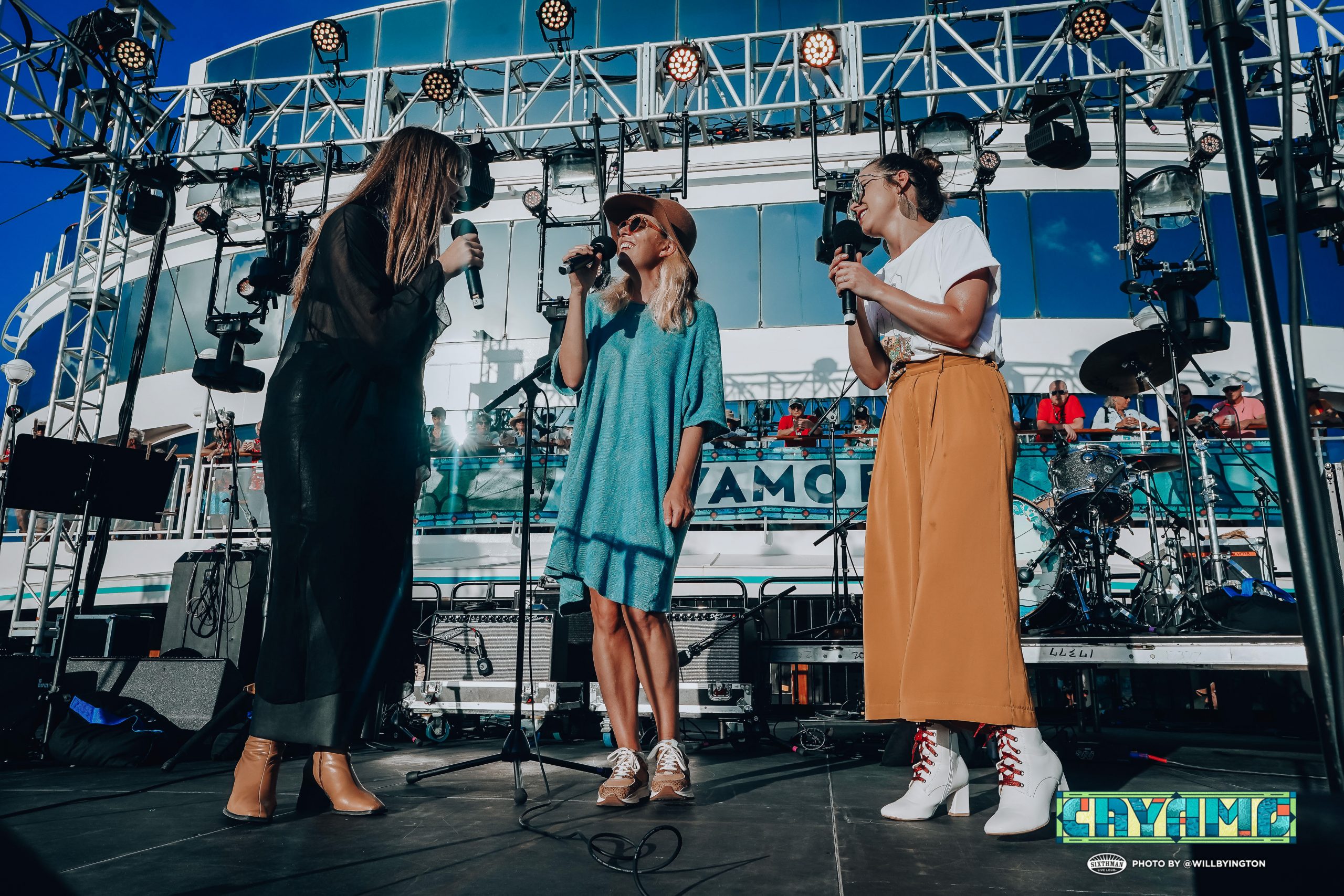
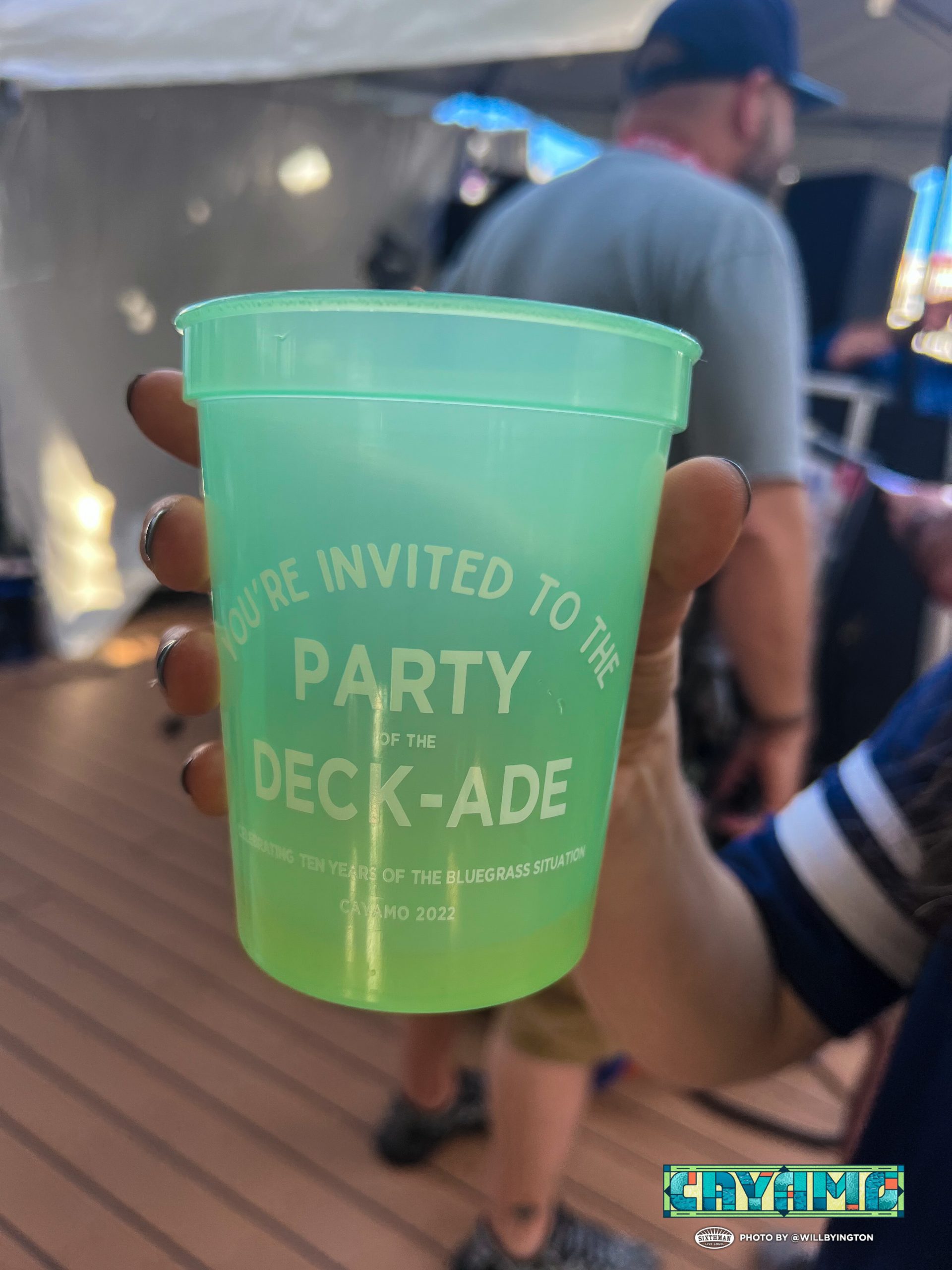
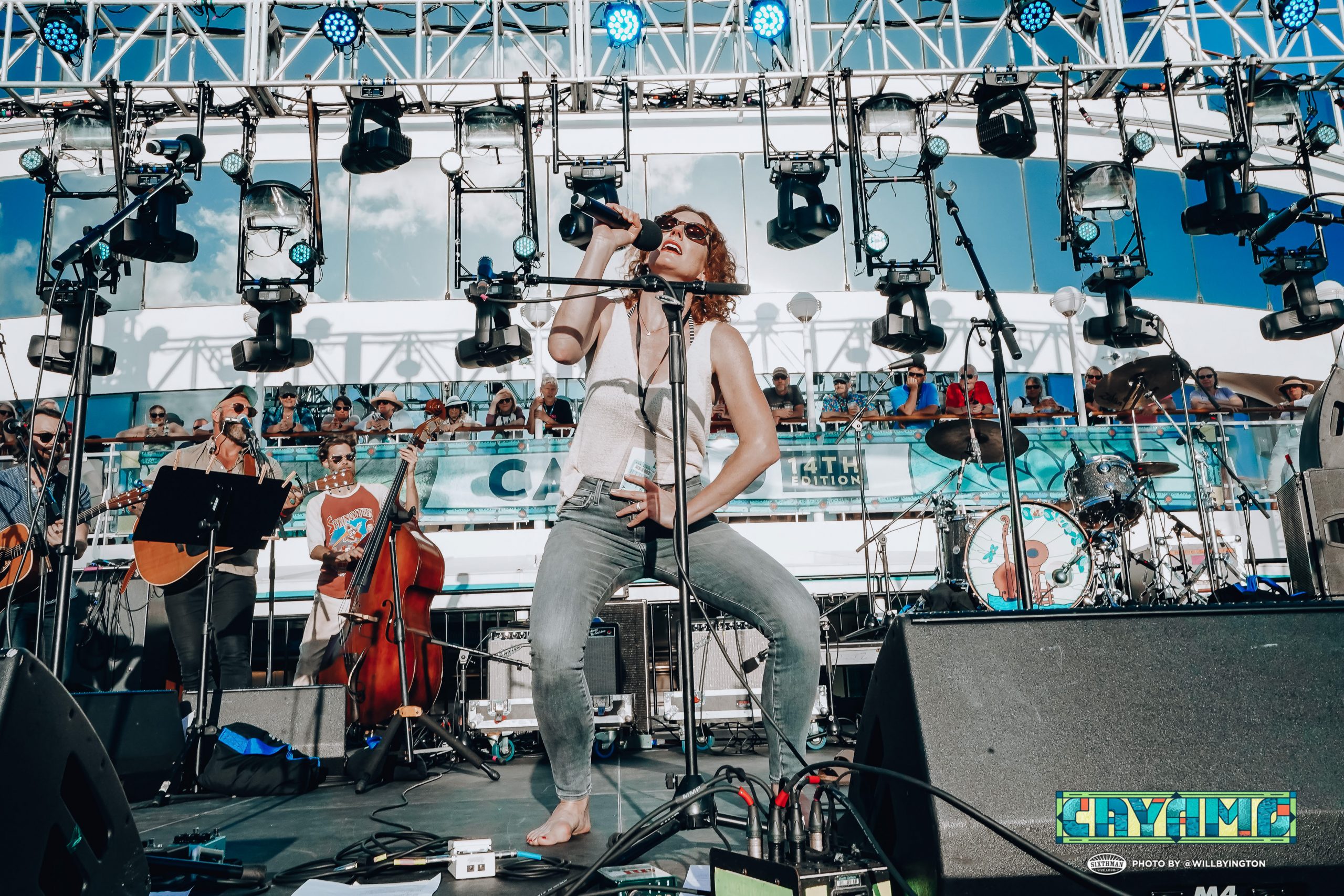
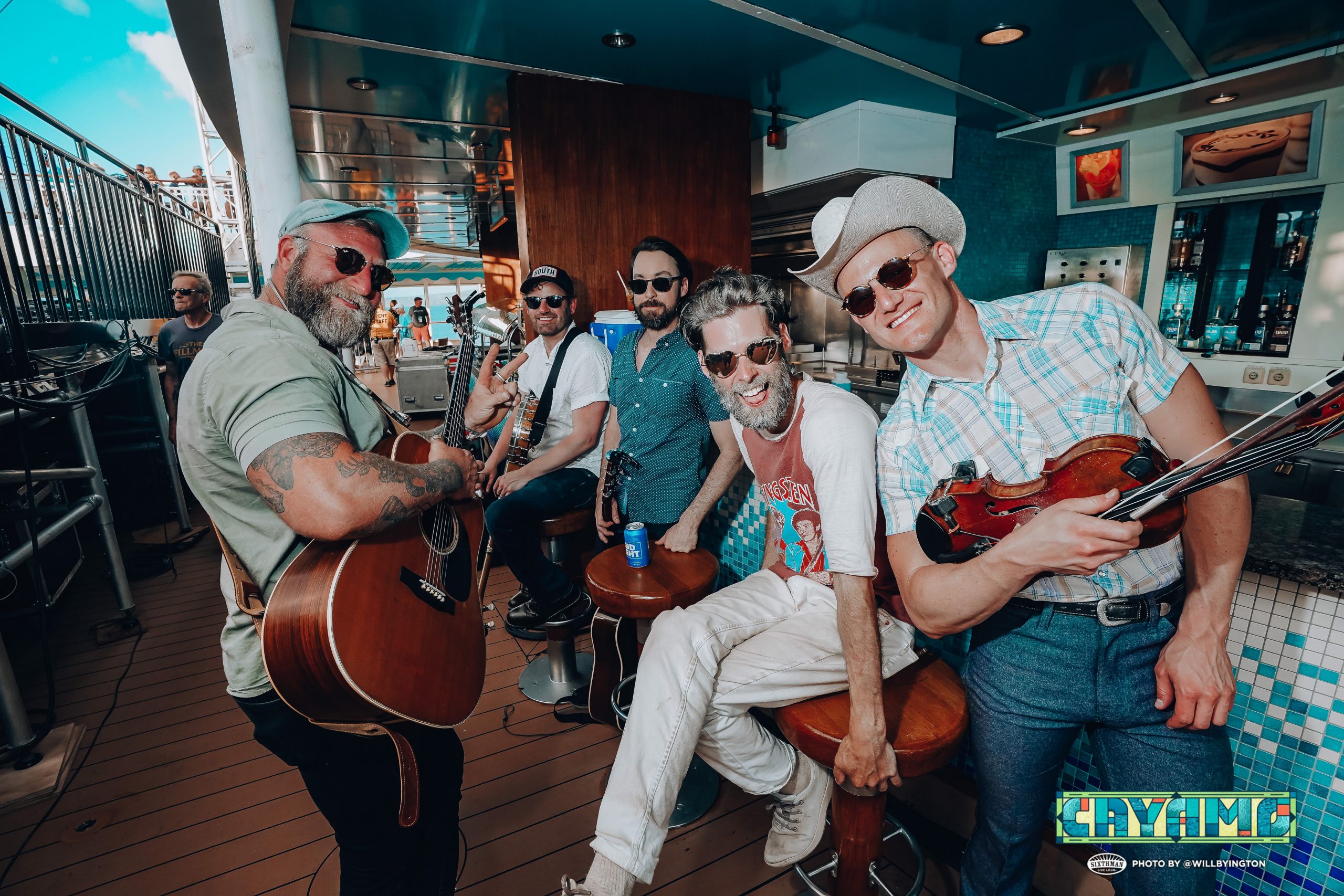
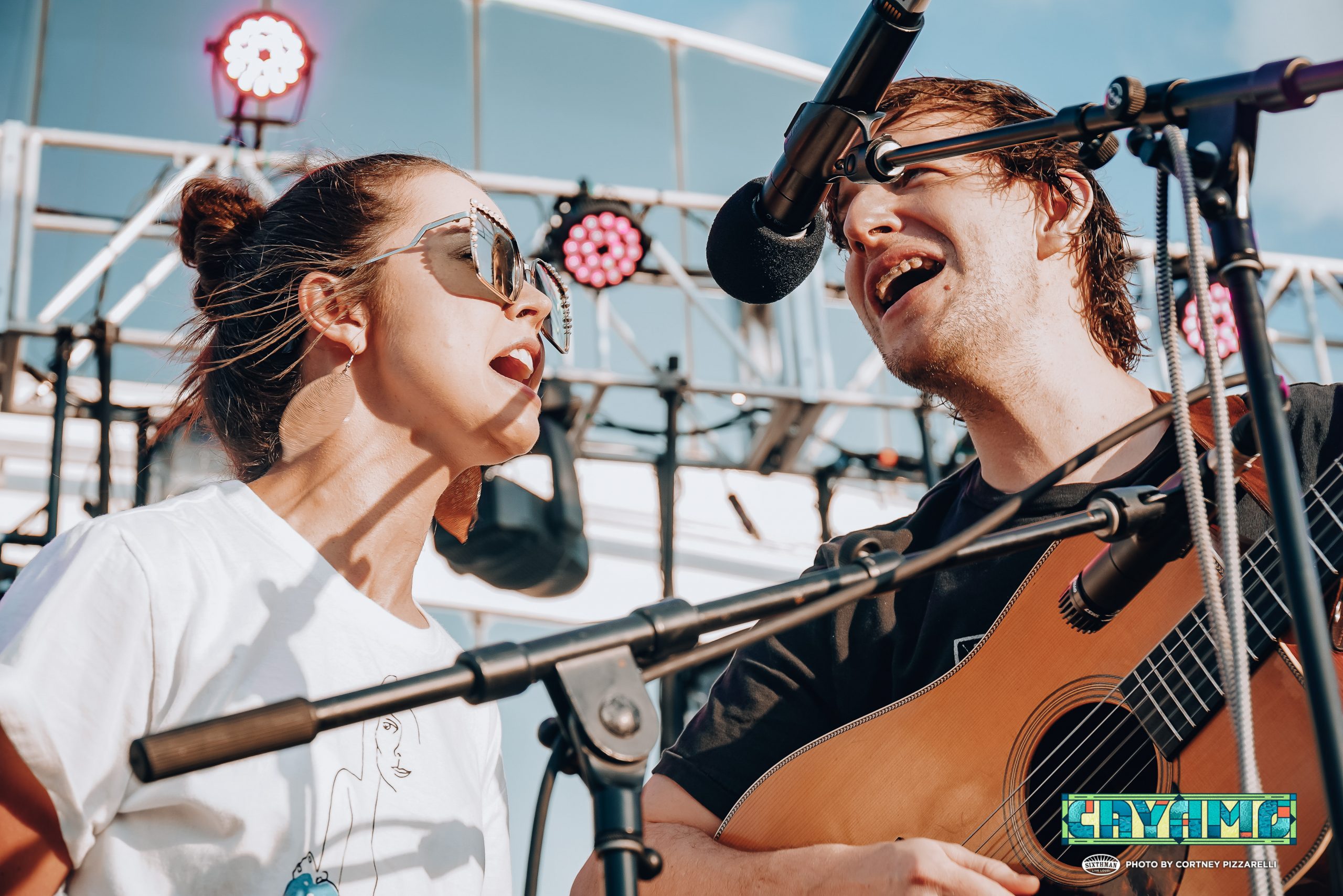
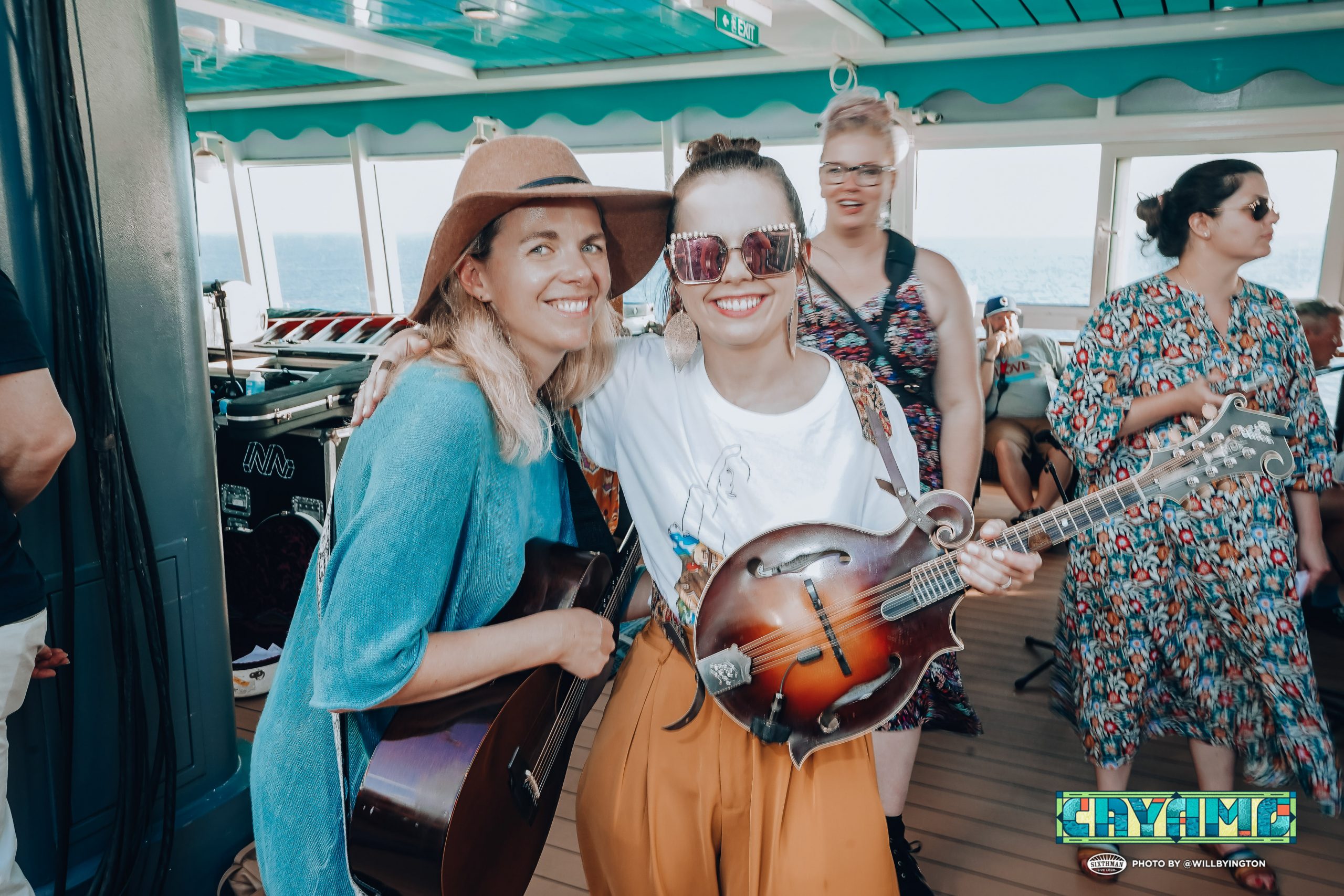
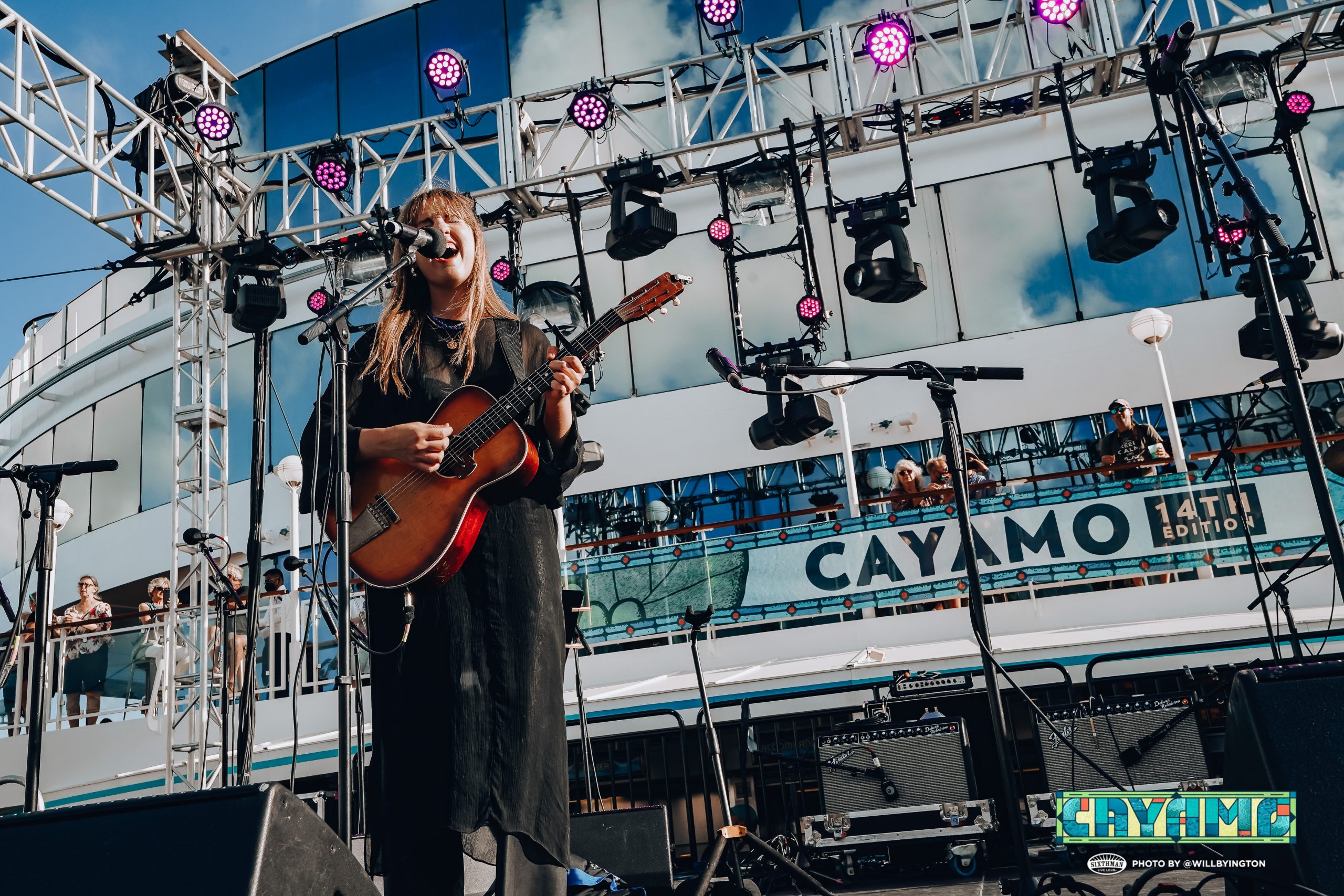
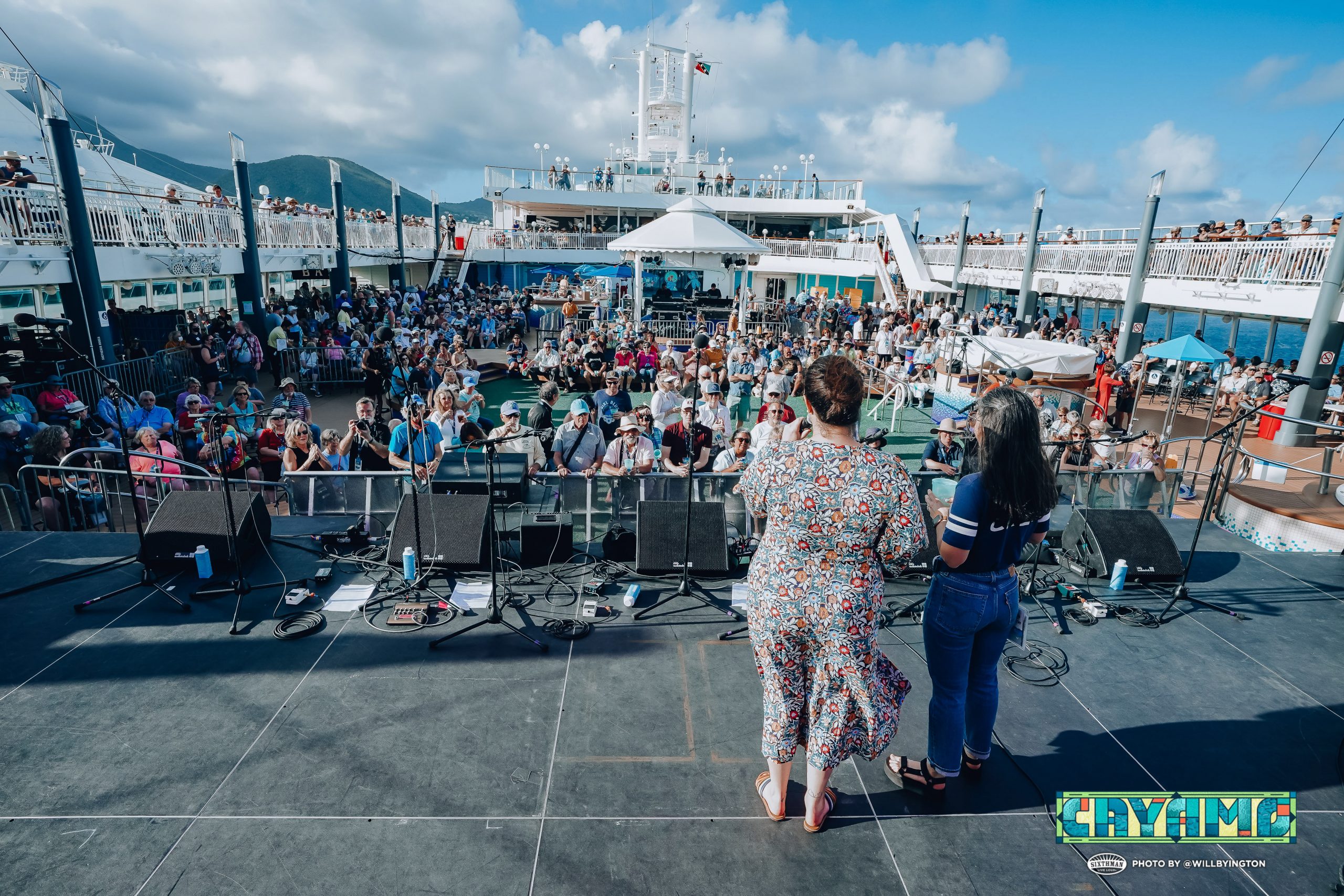
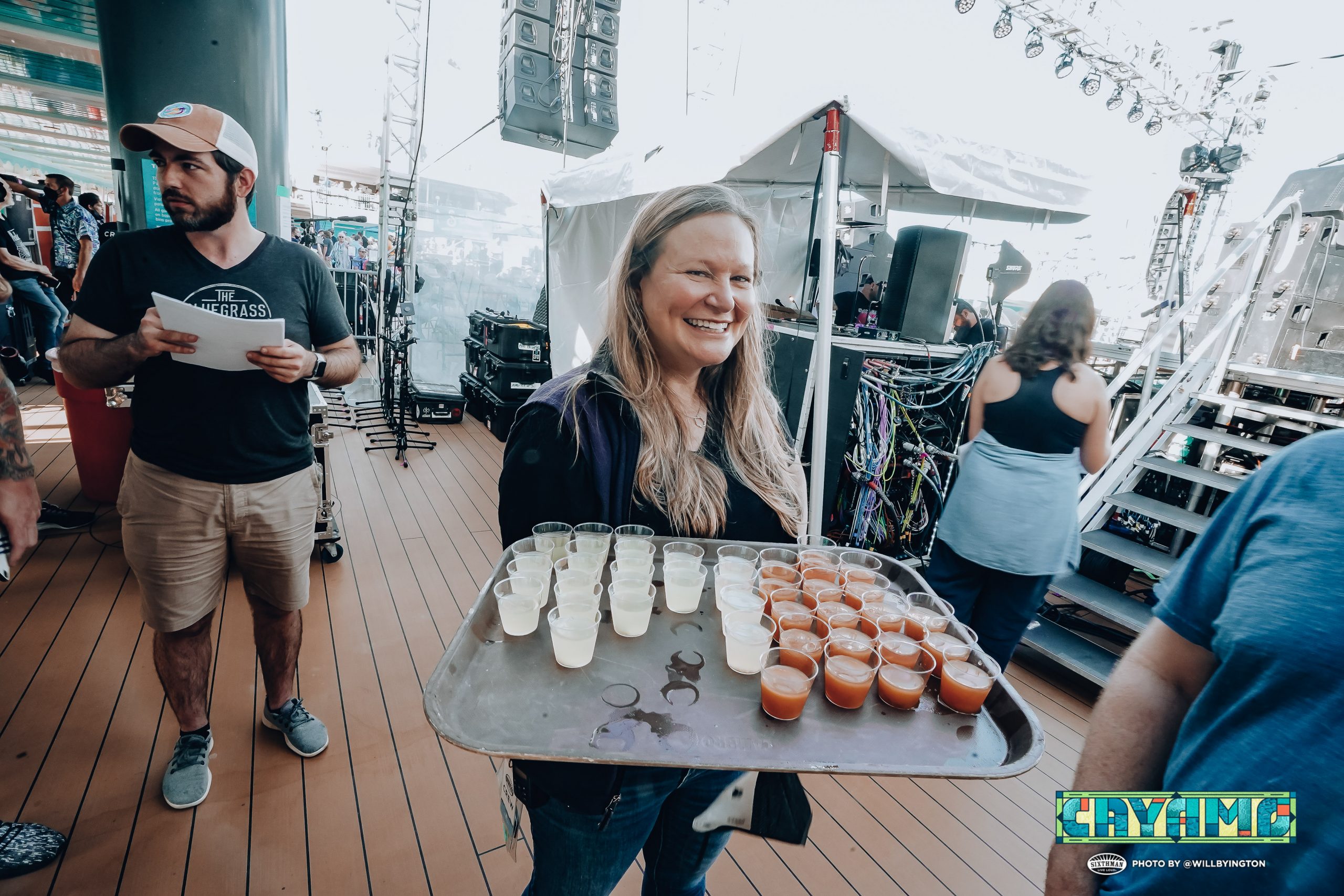
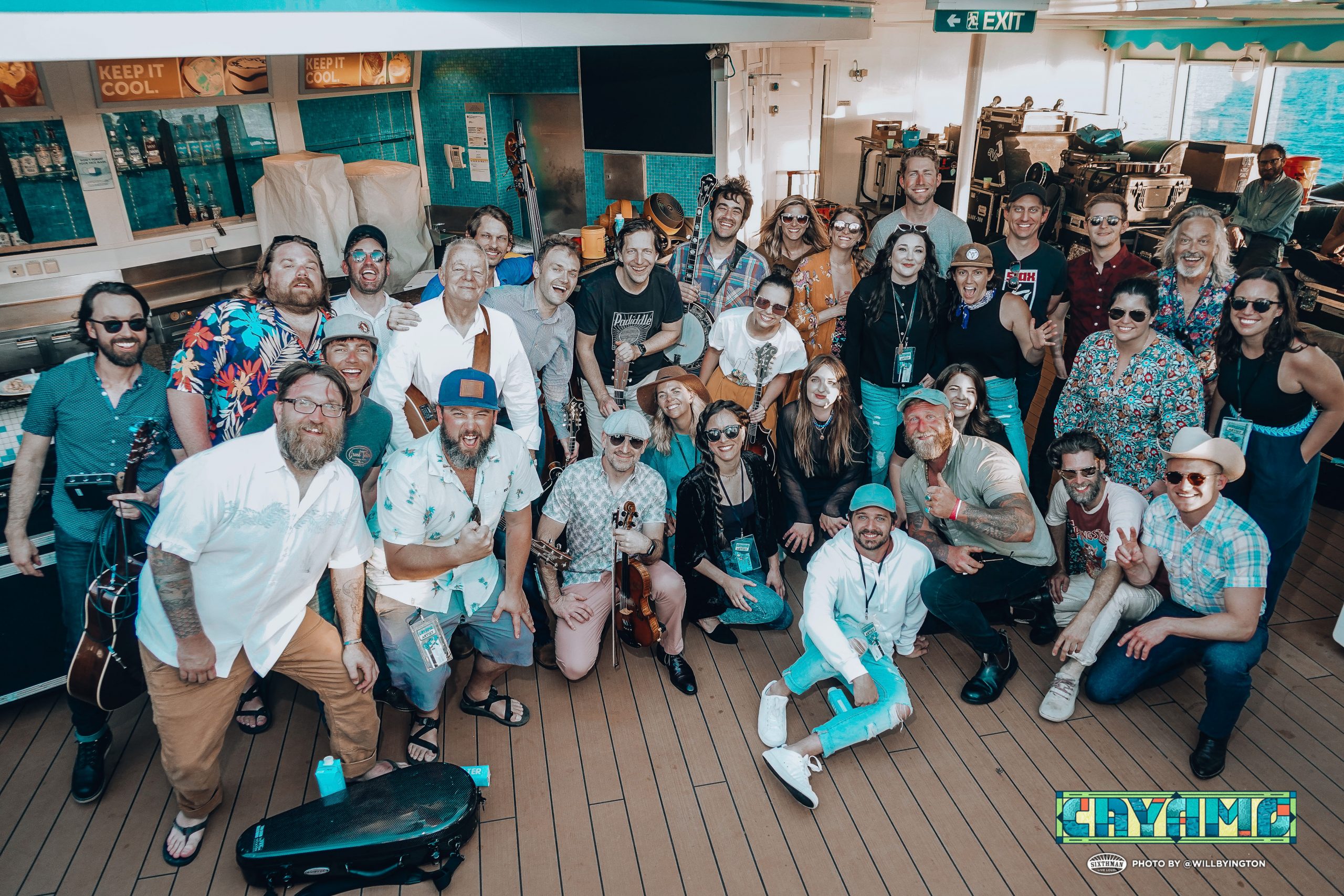
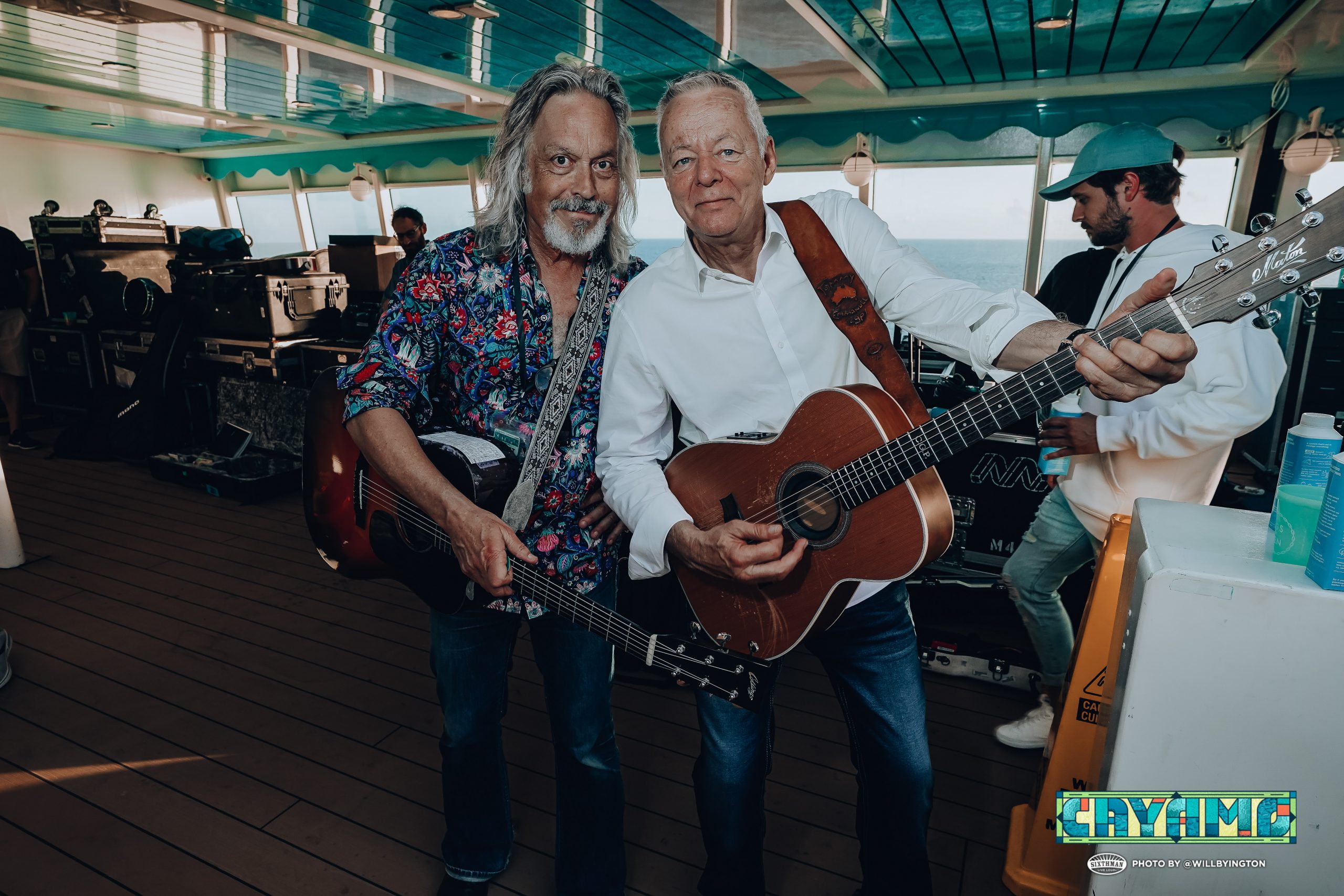
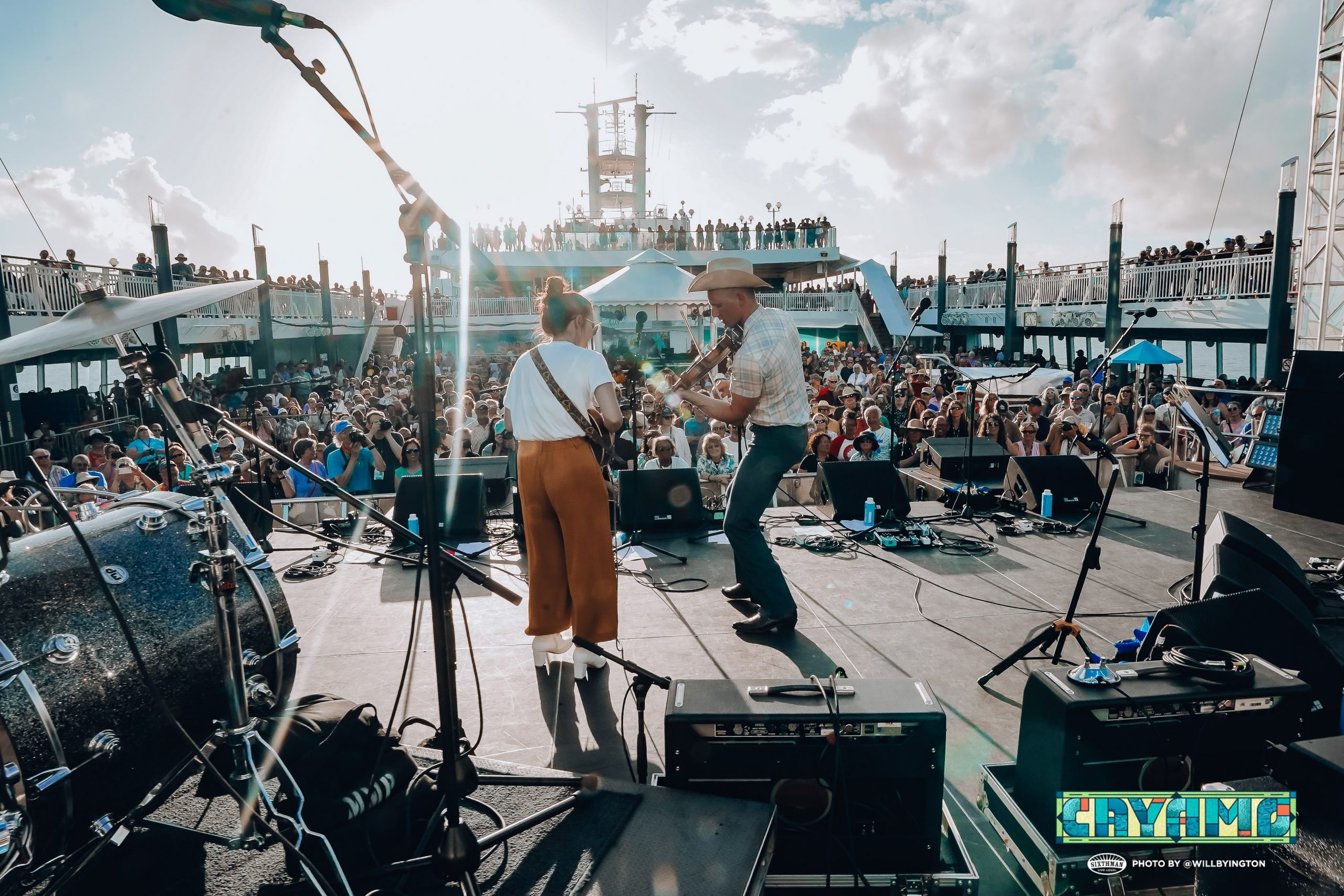
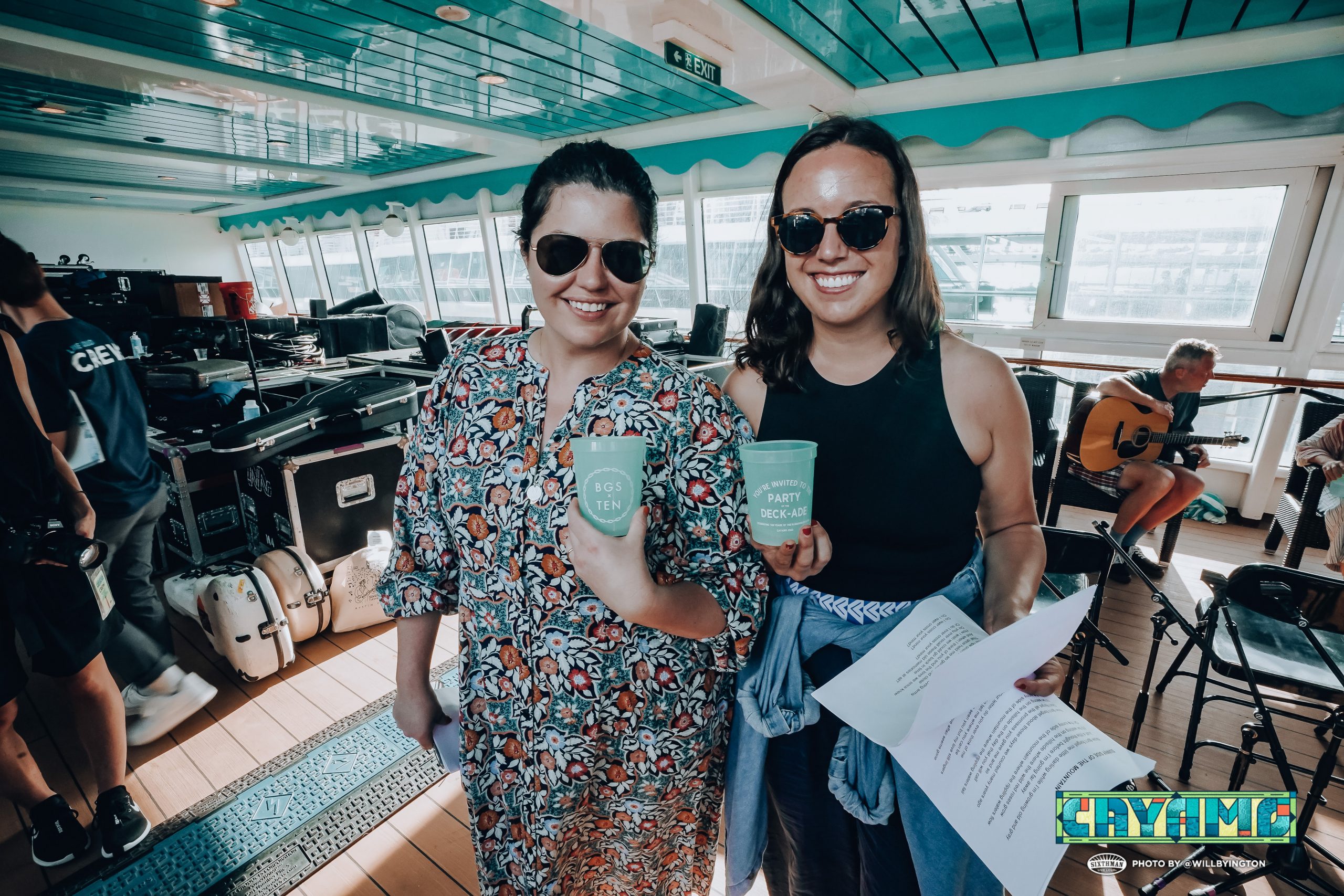
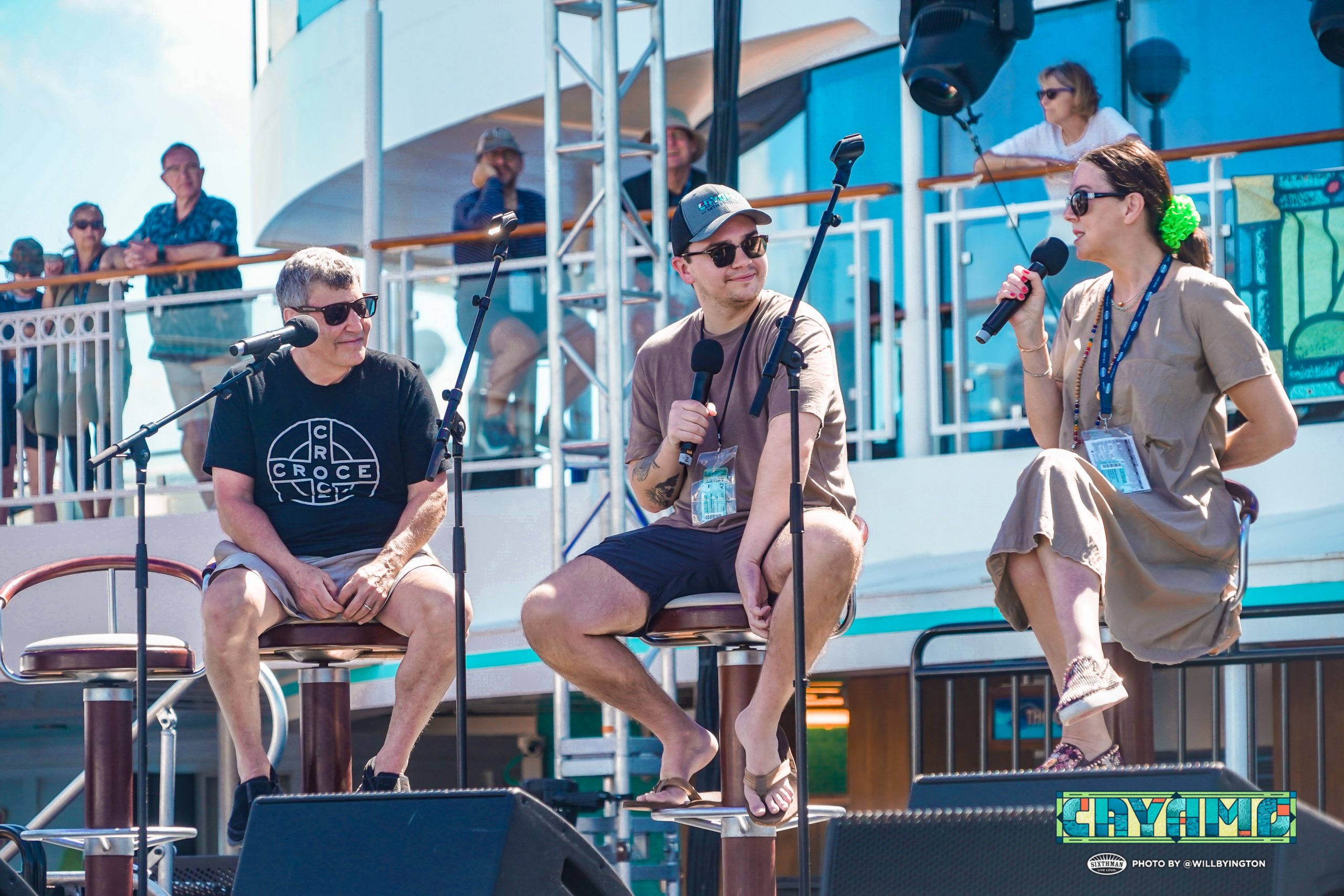
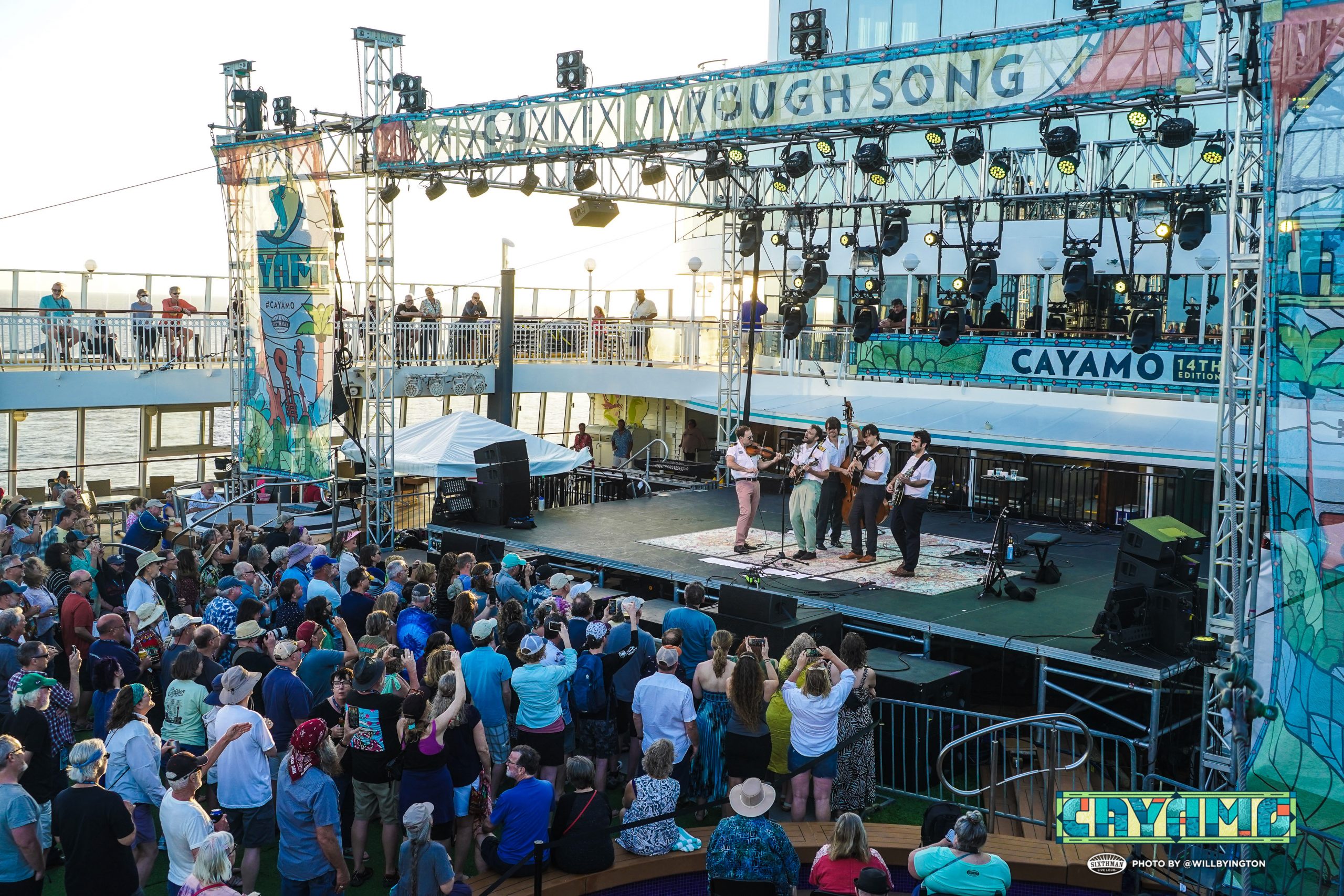
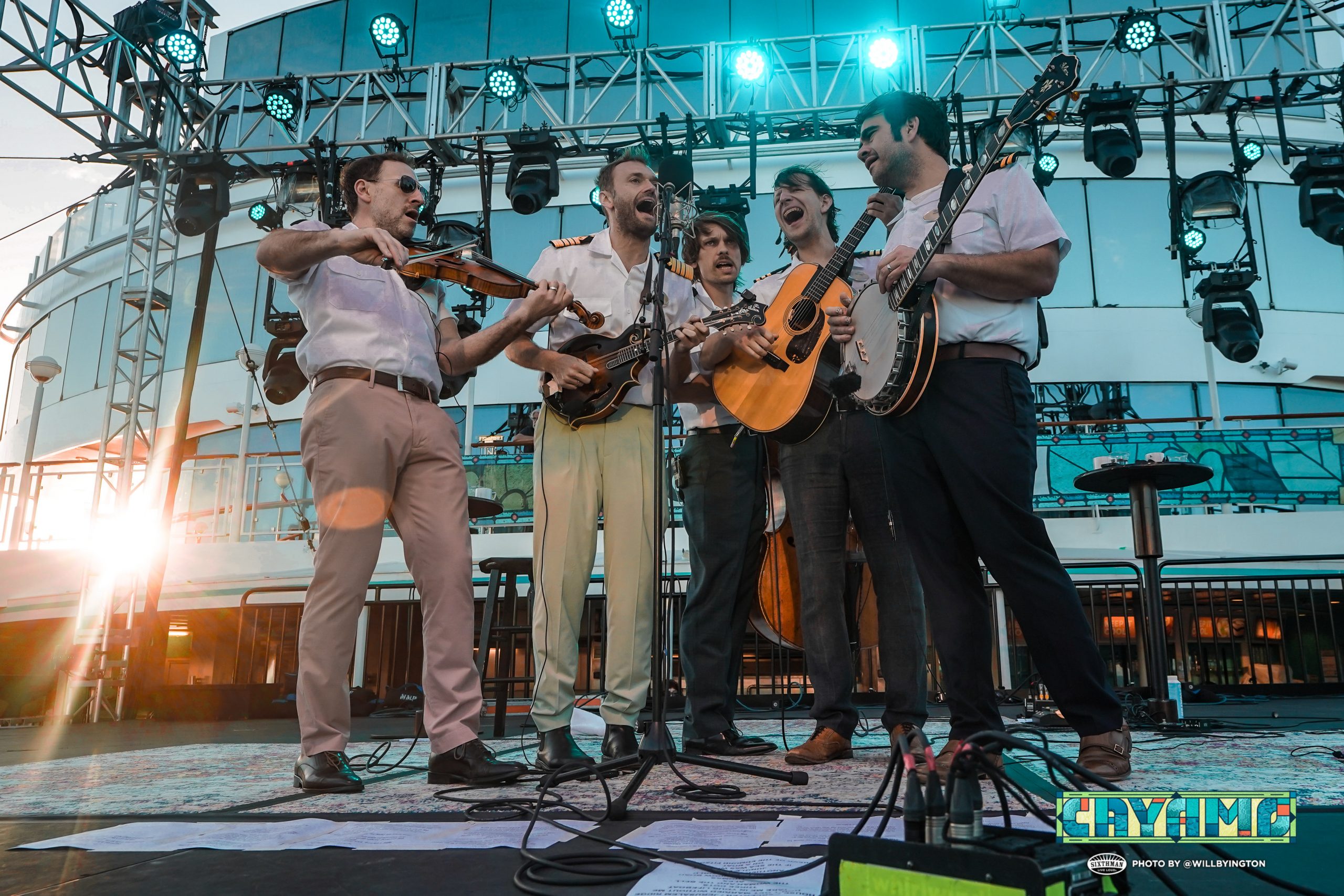
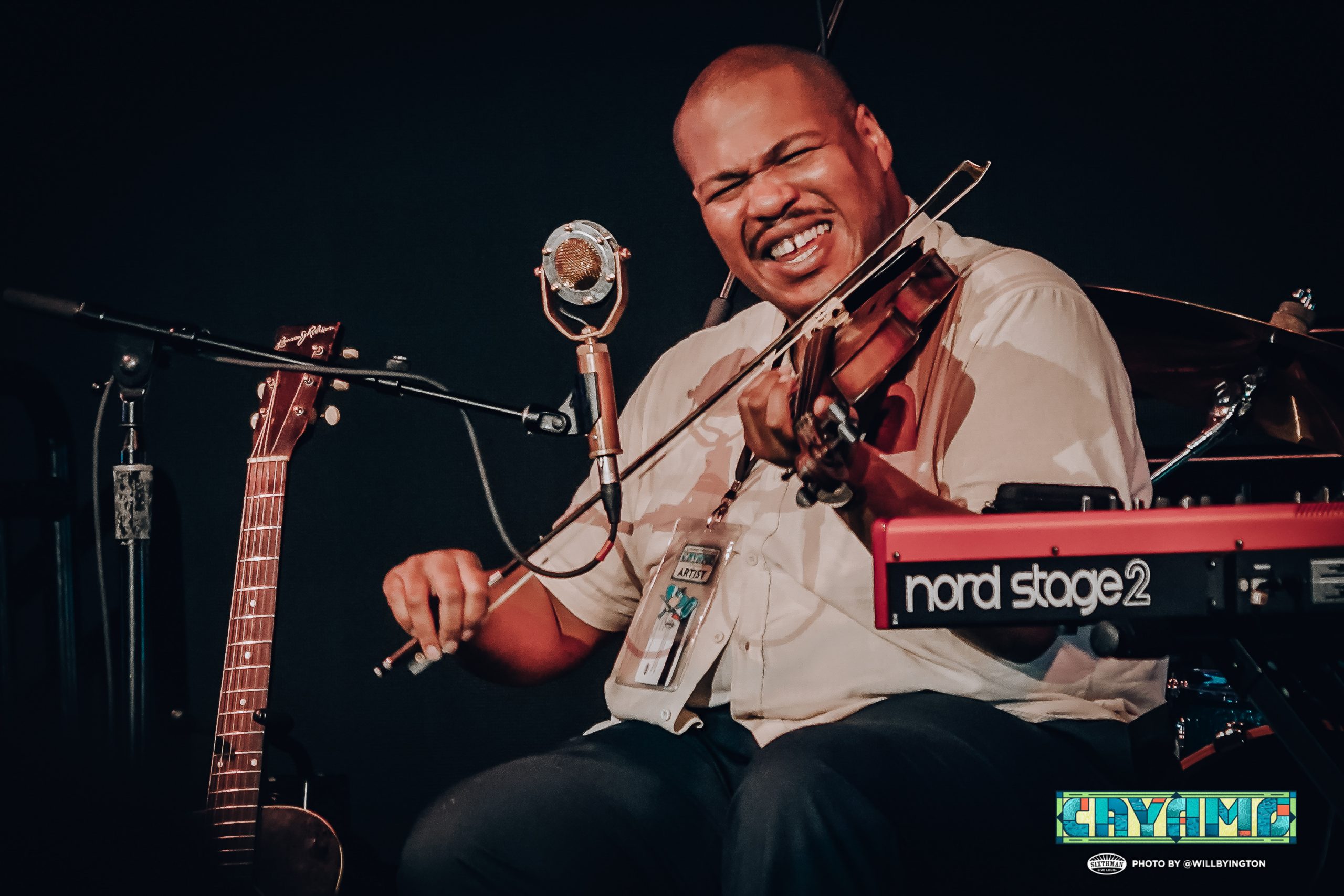
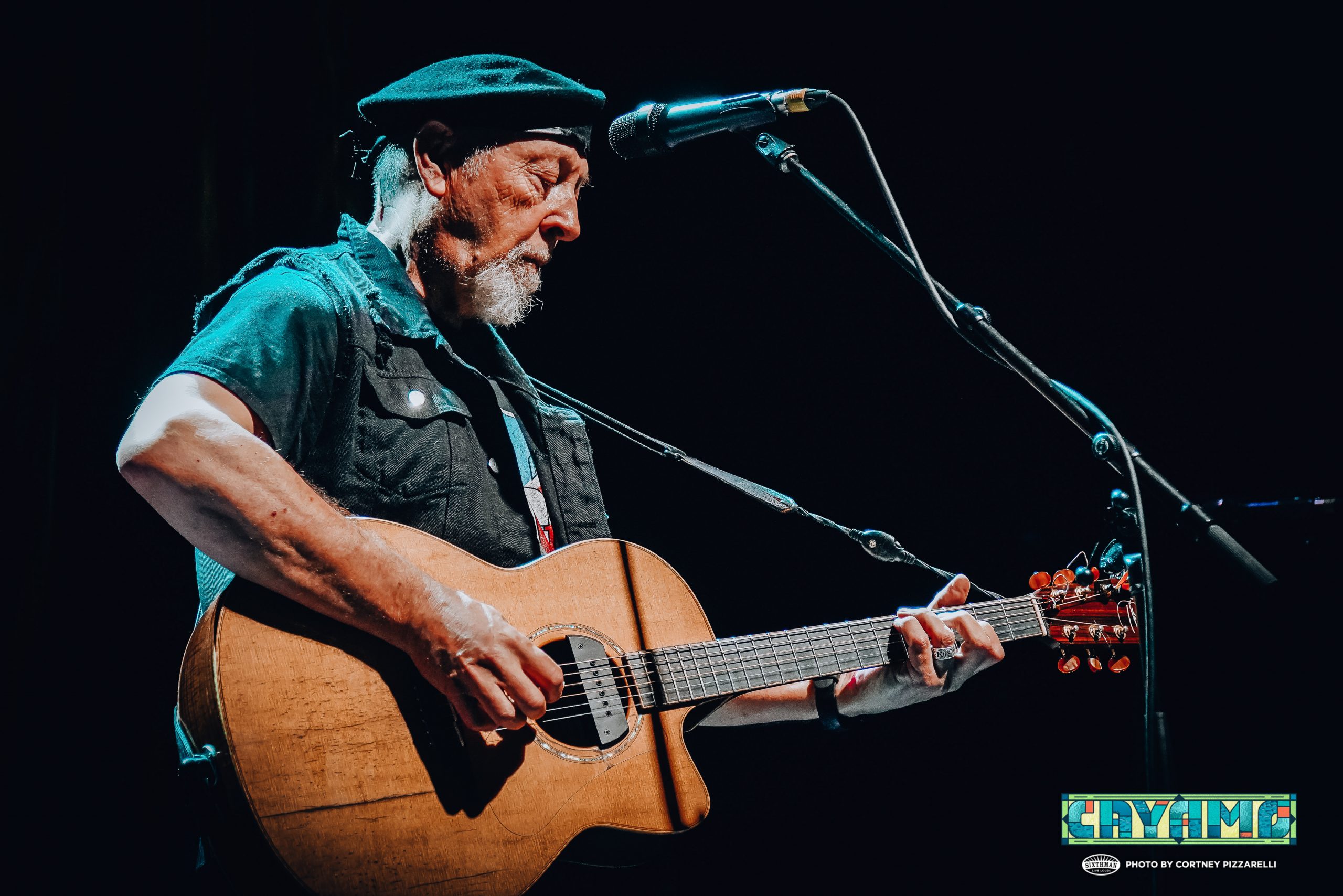
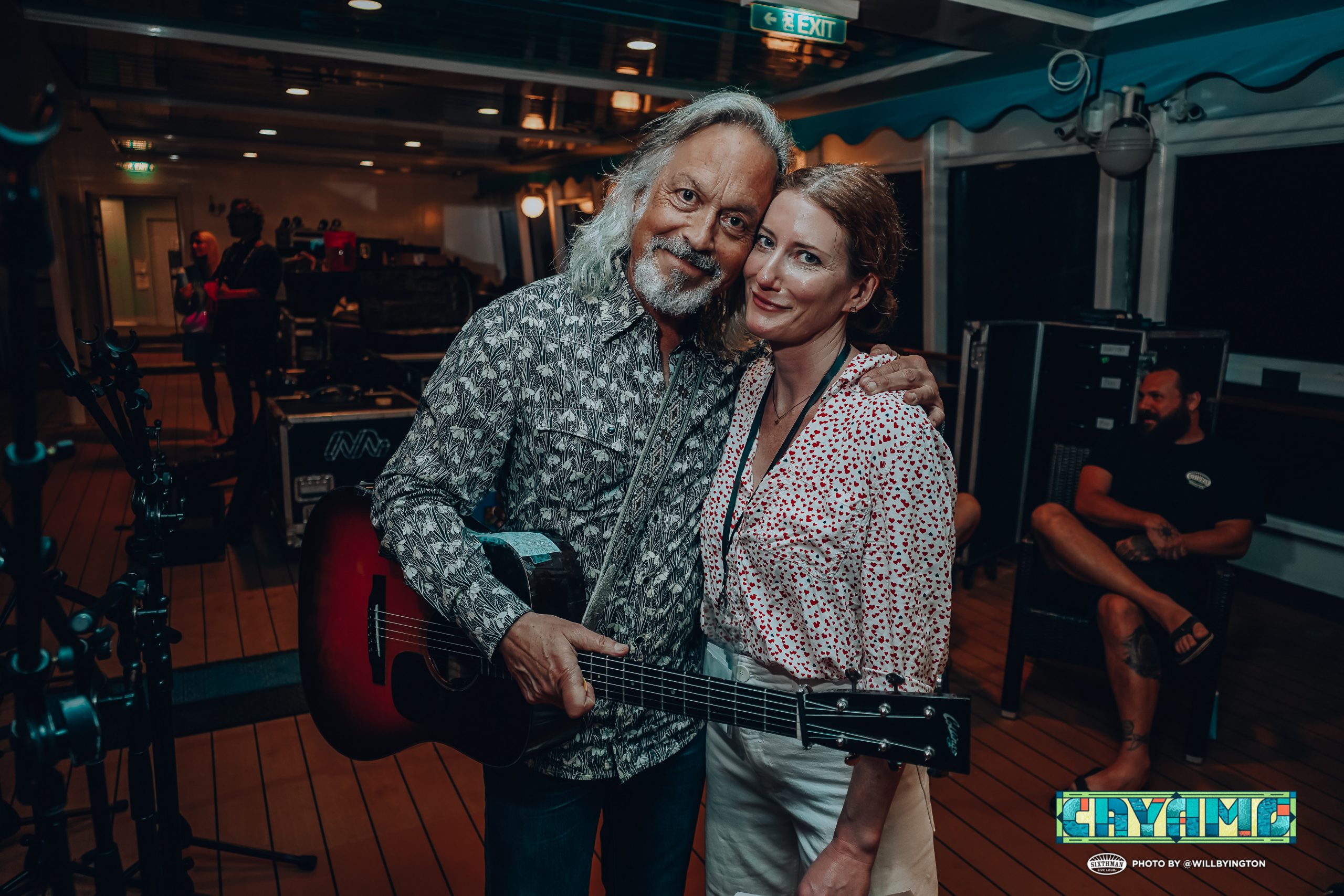
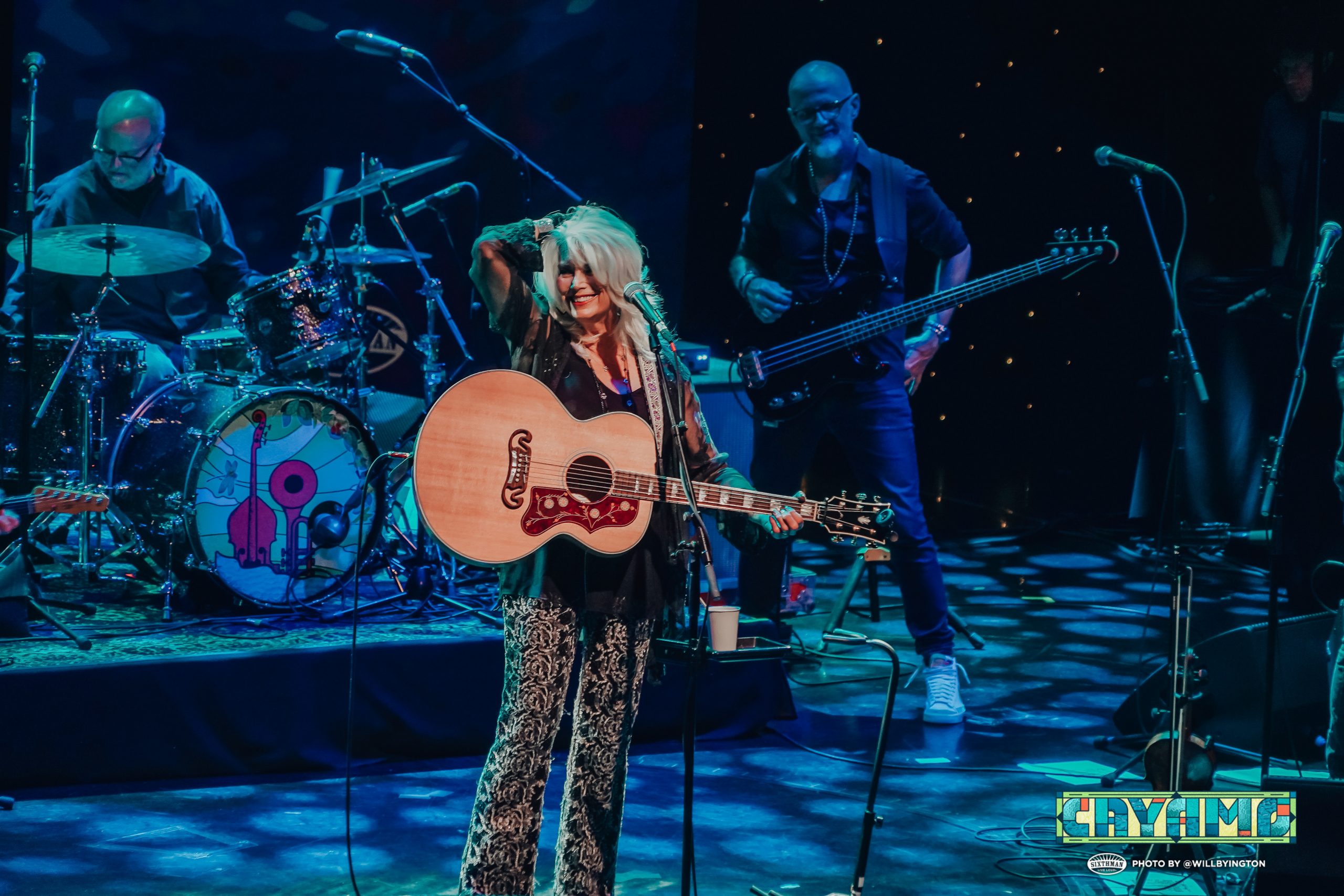
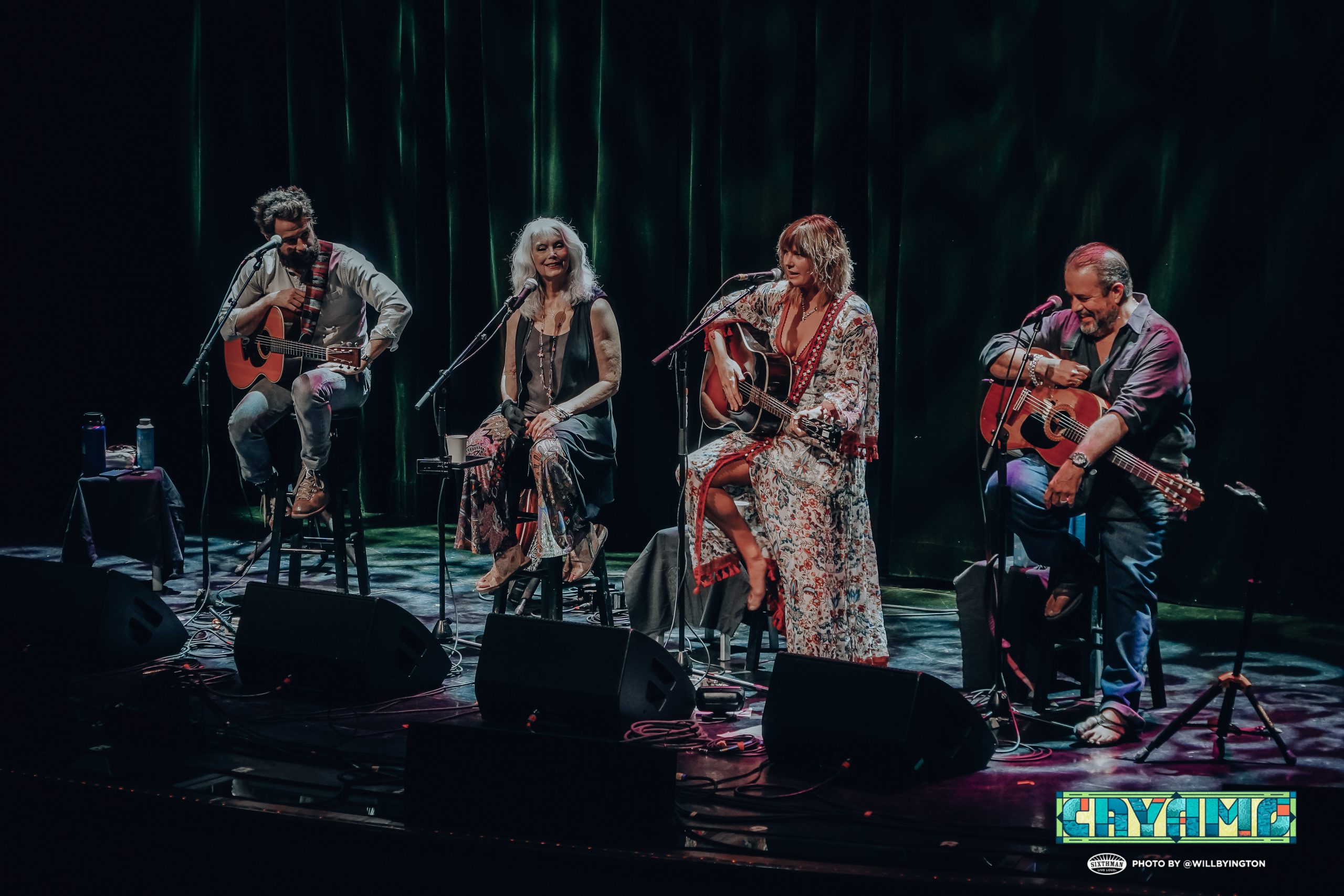
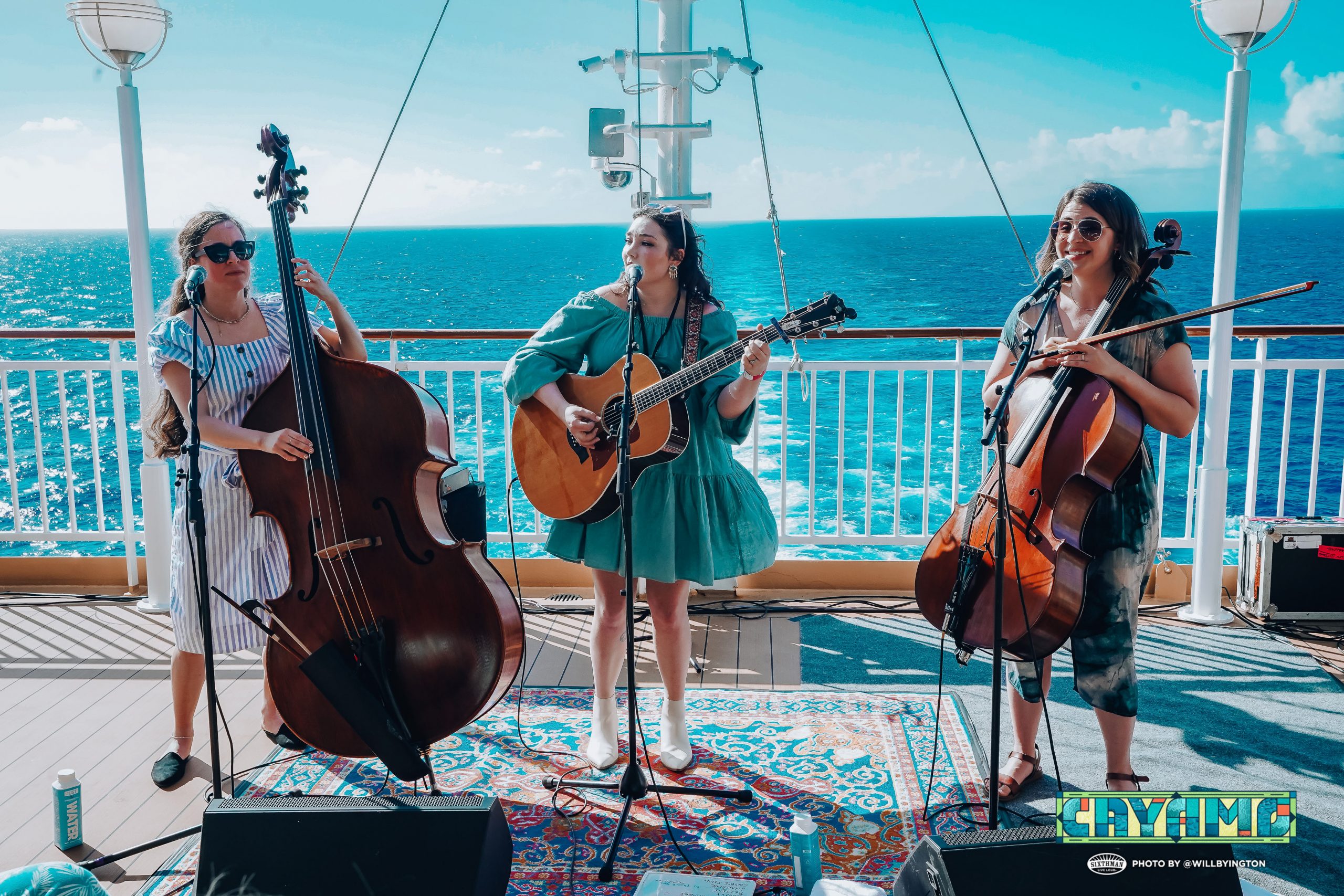
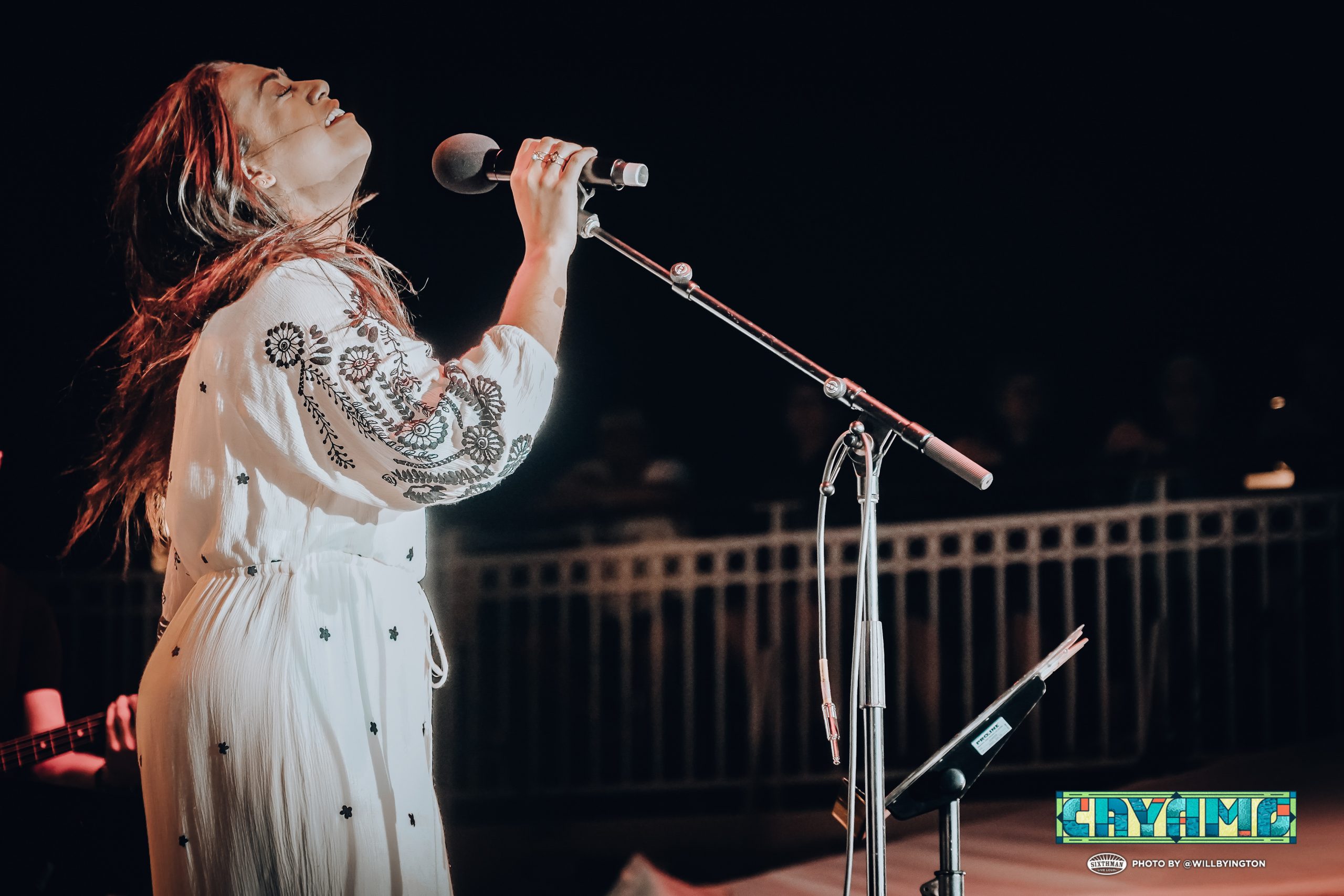
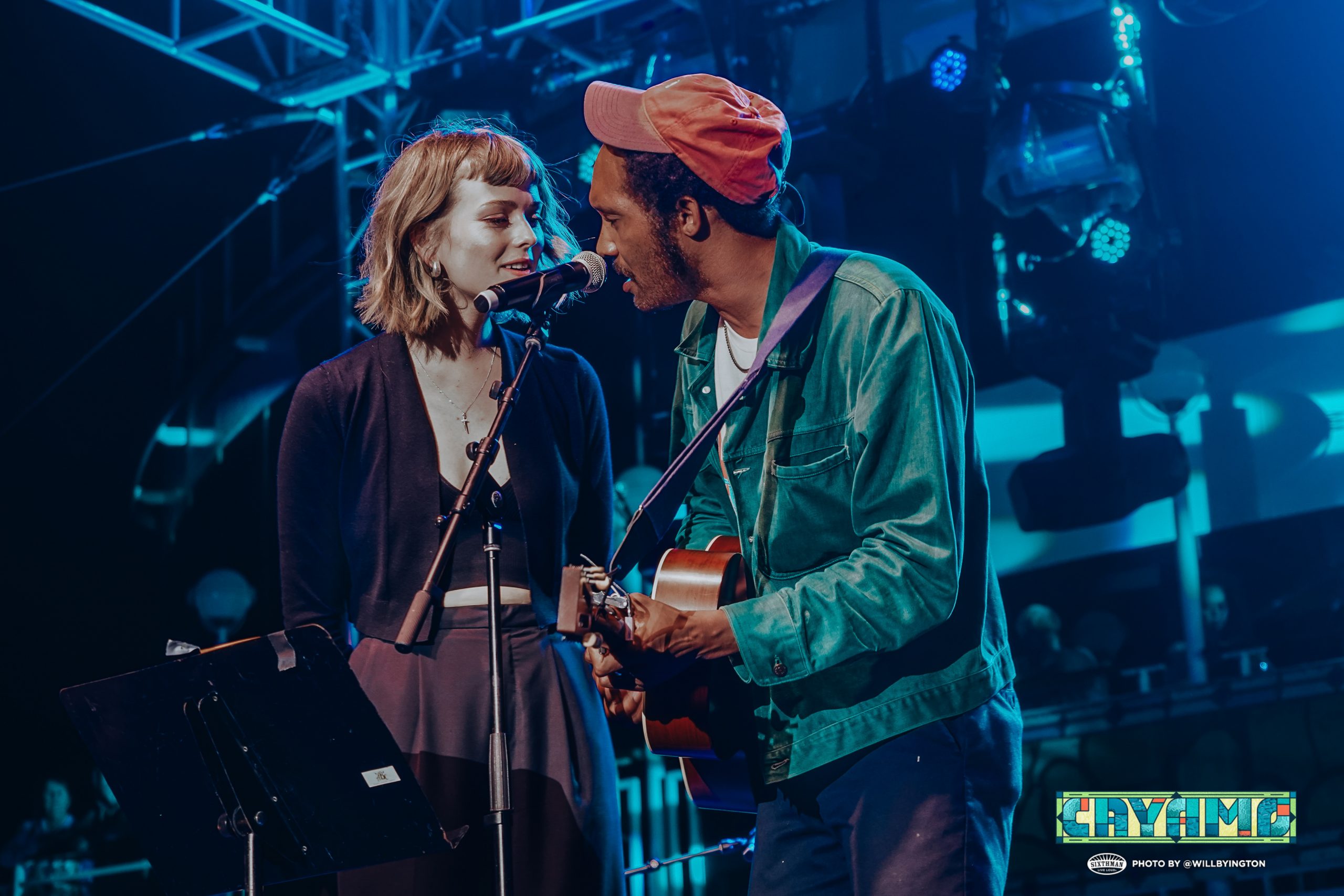
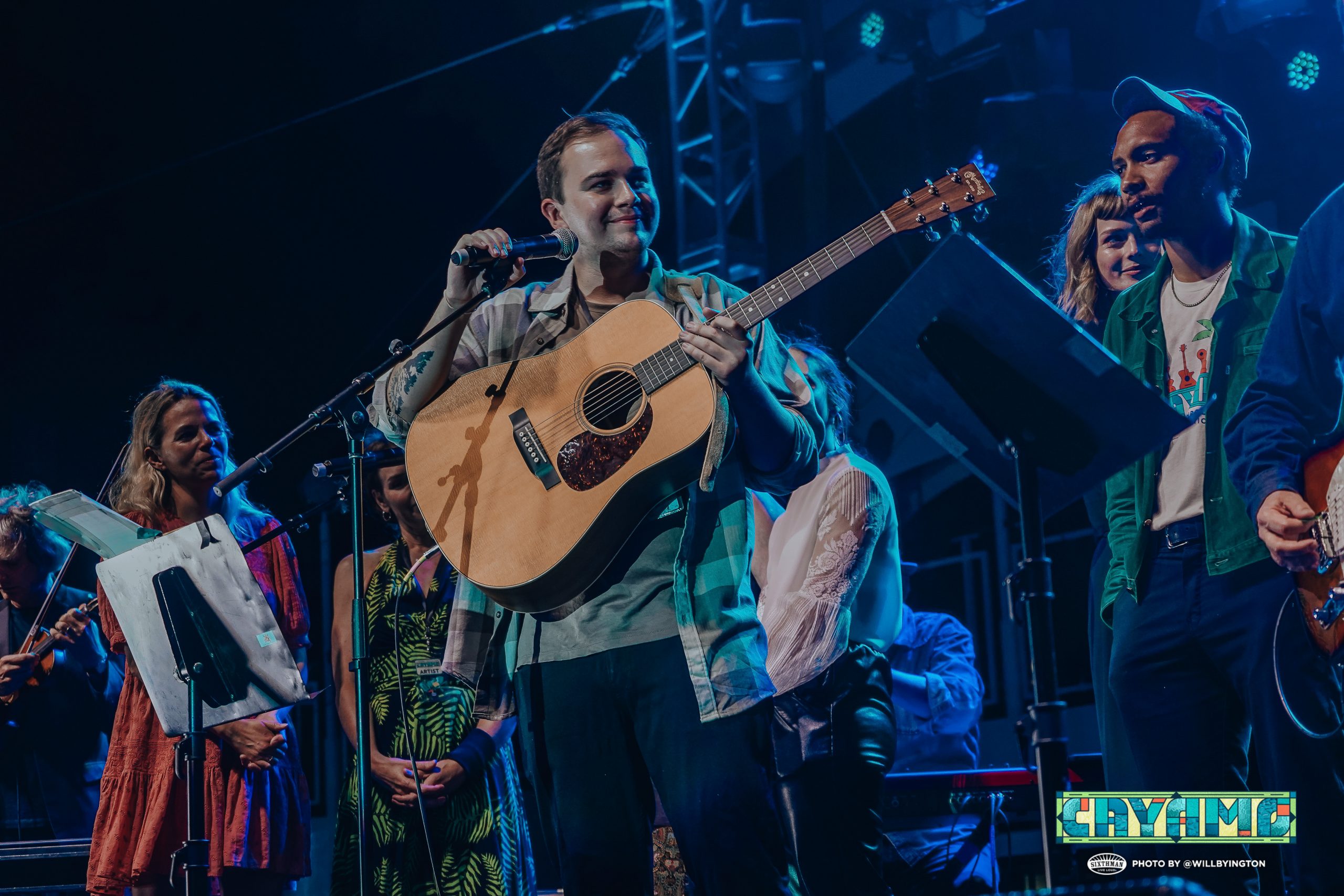
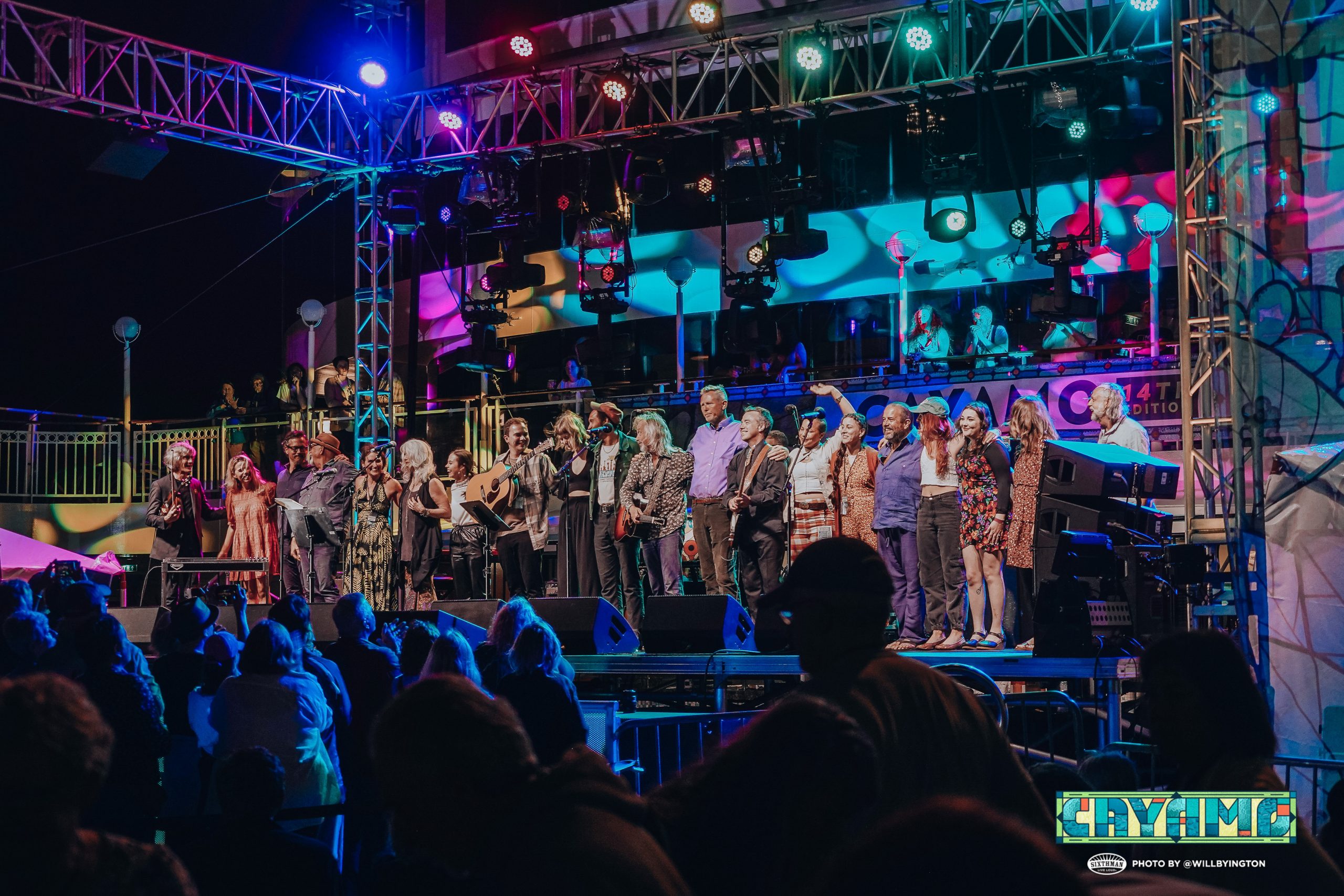
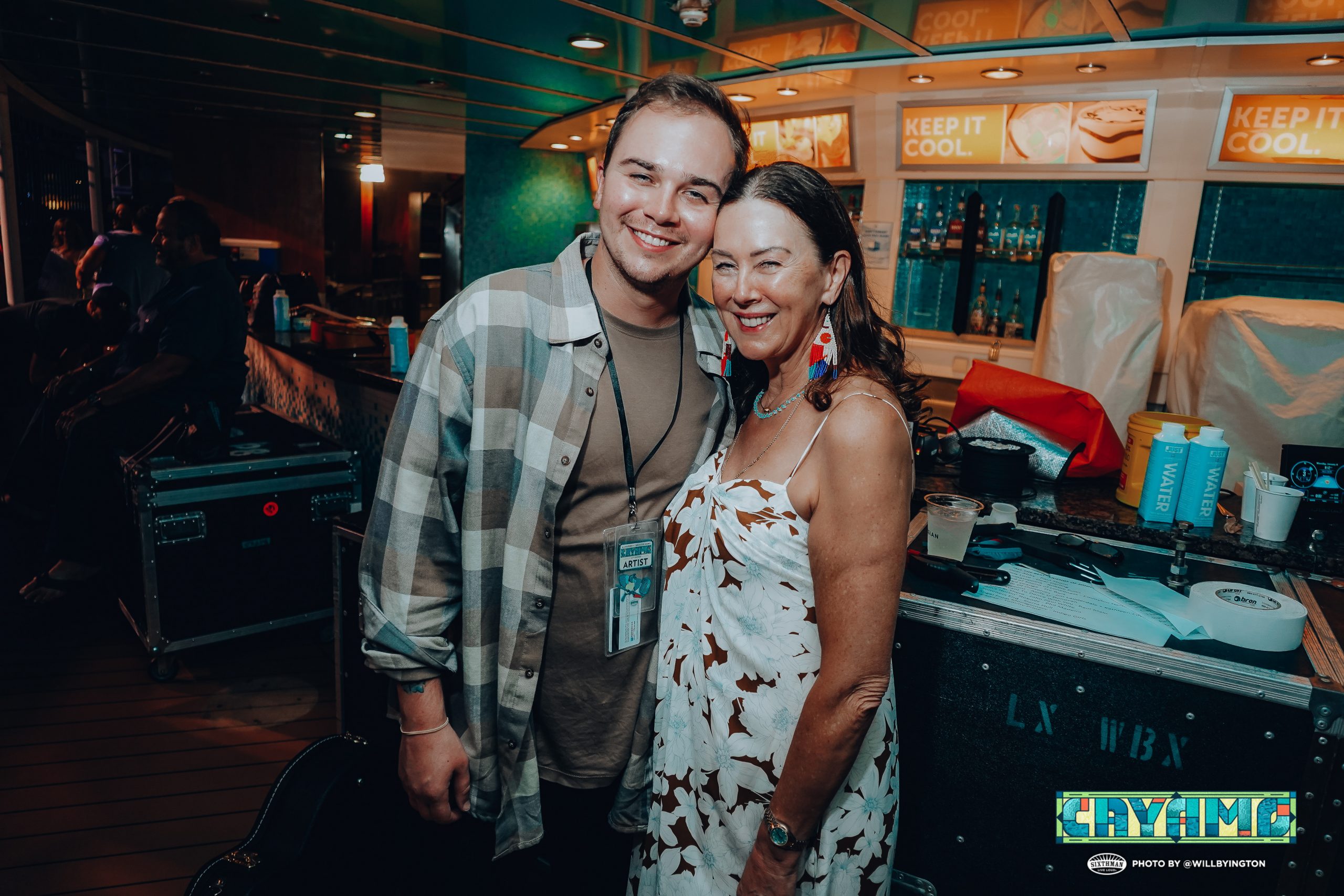
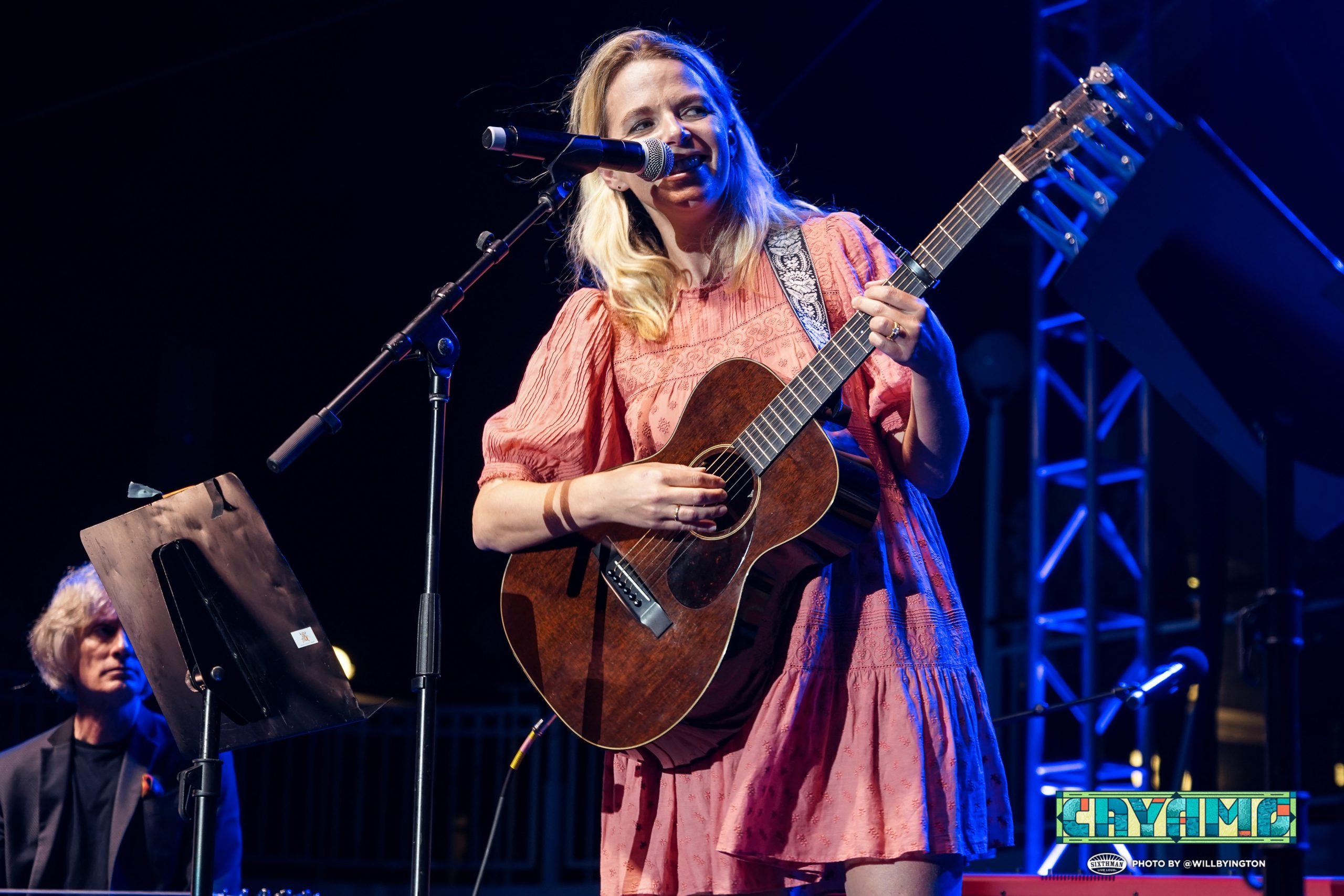
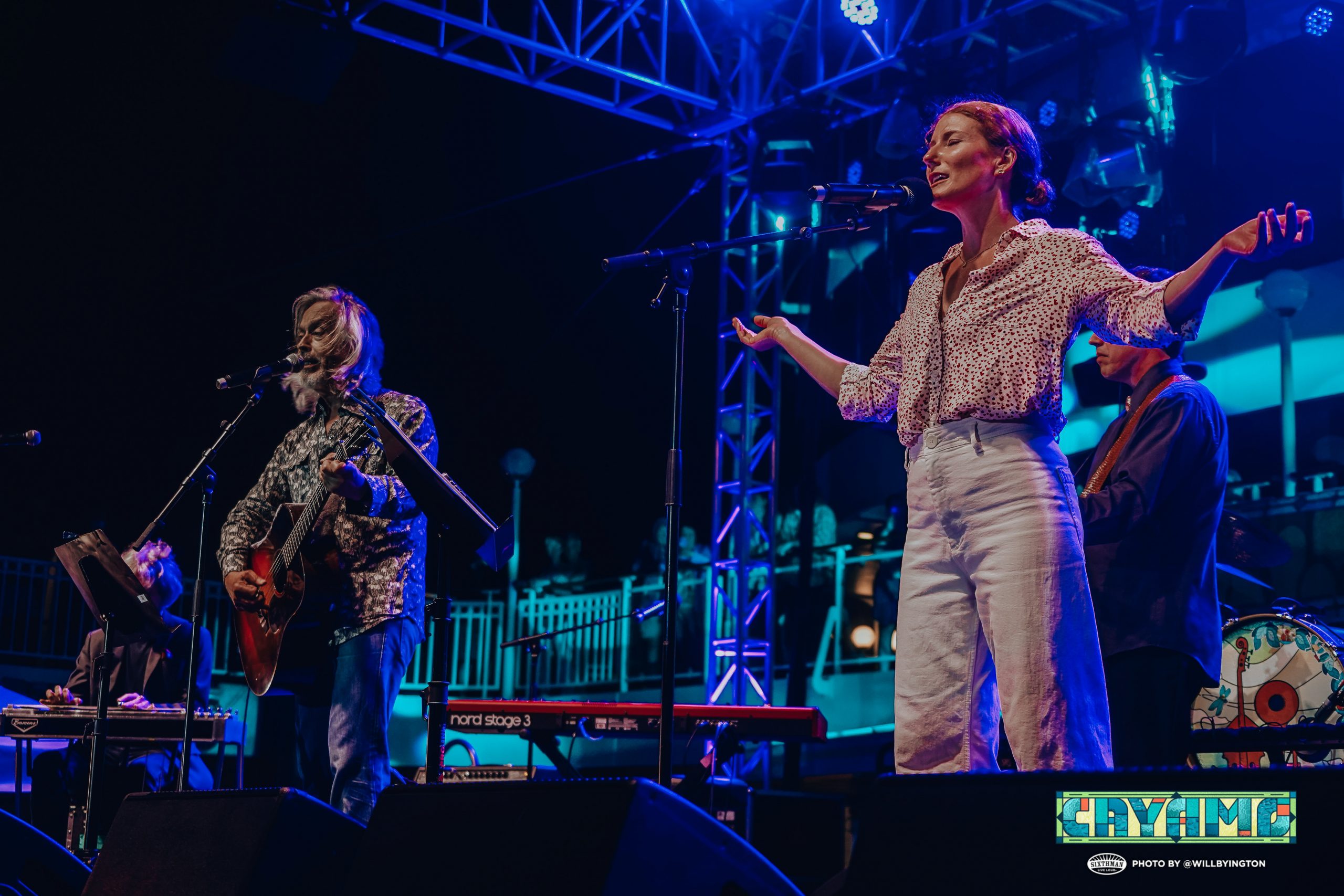
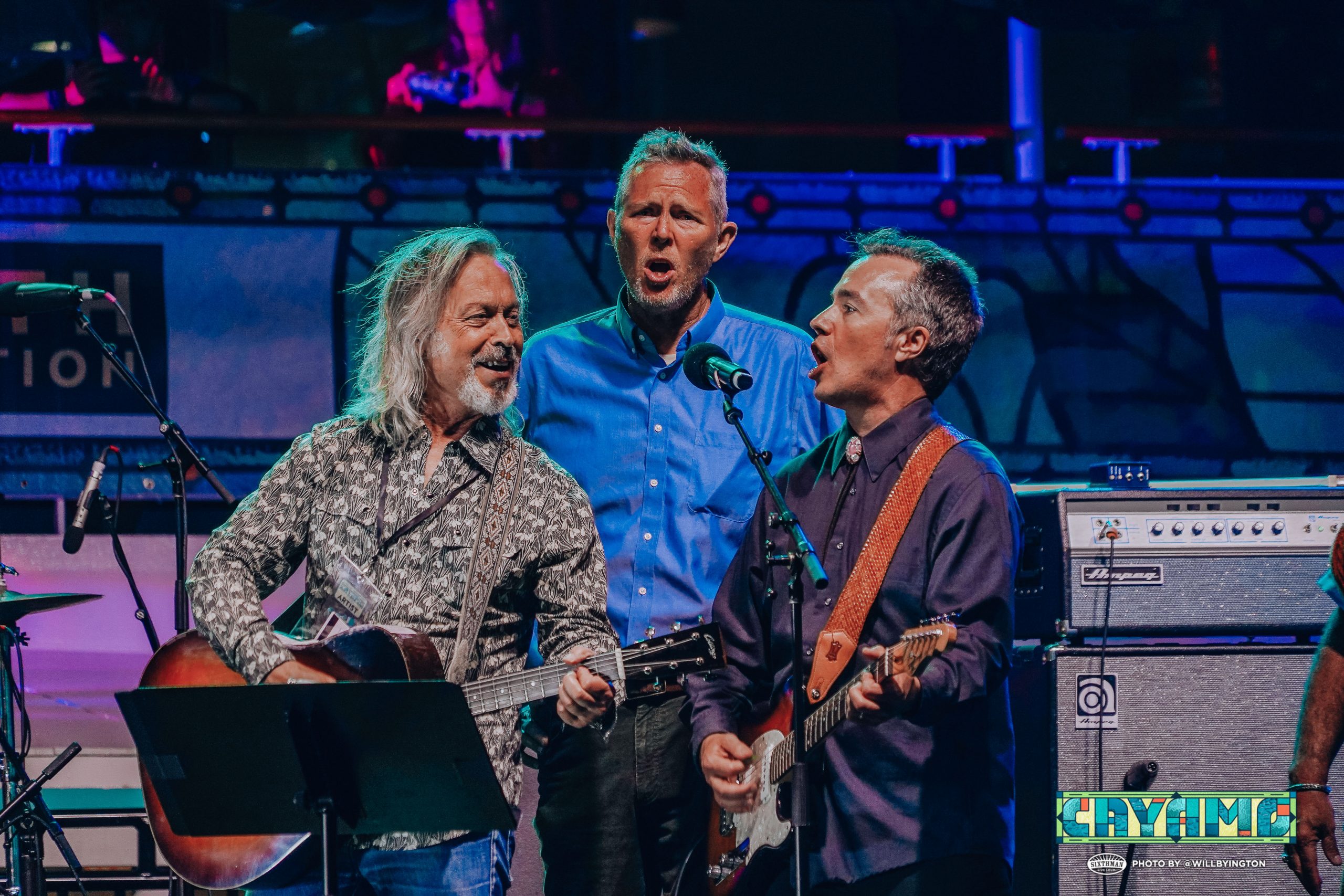
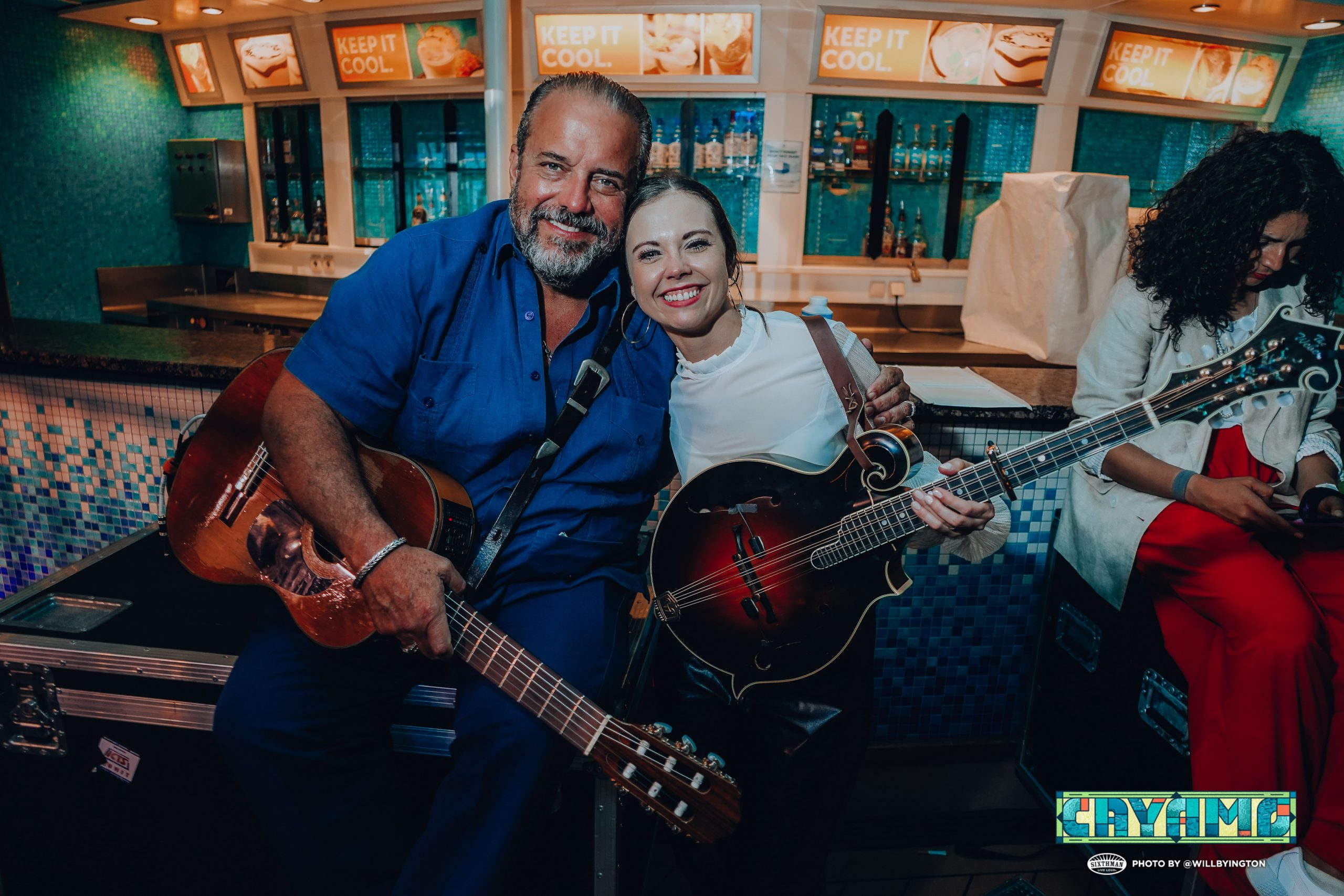
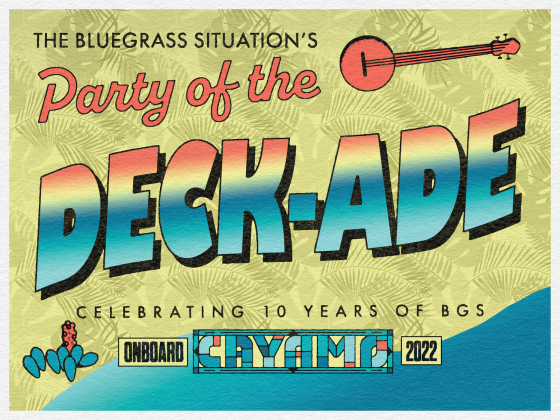
After two long years away from much of our roots music community (in person, at least) Cayamo felt like a reunion – and we were so happy to celebrate BGS’ 10th birthday with a huge jam set with so many of our friends. Sierra Hull and Madison Cunningham hosted The Bluegrass Situation’s Party of the Deck-ade, a set that took place on the pool deck as we pulled away from St. Kitts, featuring songs of joy and celebration via collaborations amongst the likes of Aoife O’Donovan, the Punch Brothers, Kathleen Edwards, Brittney Spencer, Robbie Fulks, Jim Lauderdale, Tommy Emmanuel, Missy Raines, Rainbow Girls, Dear Darling, Laney Lou and the Bird Dogs, and Hogslop String Band as our trusty house band.

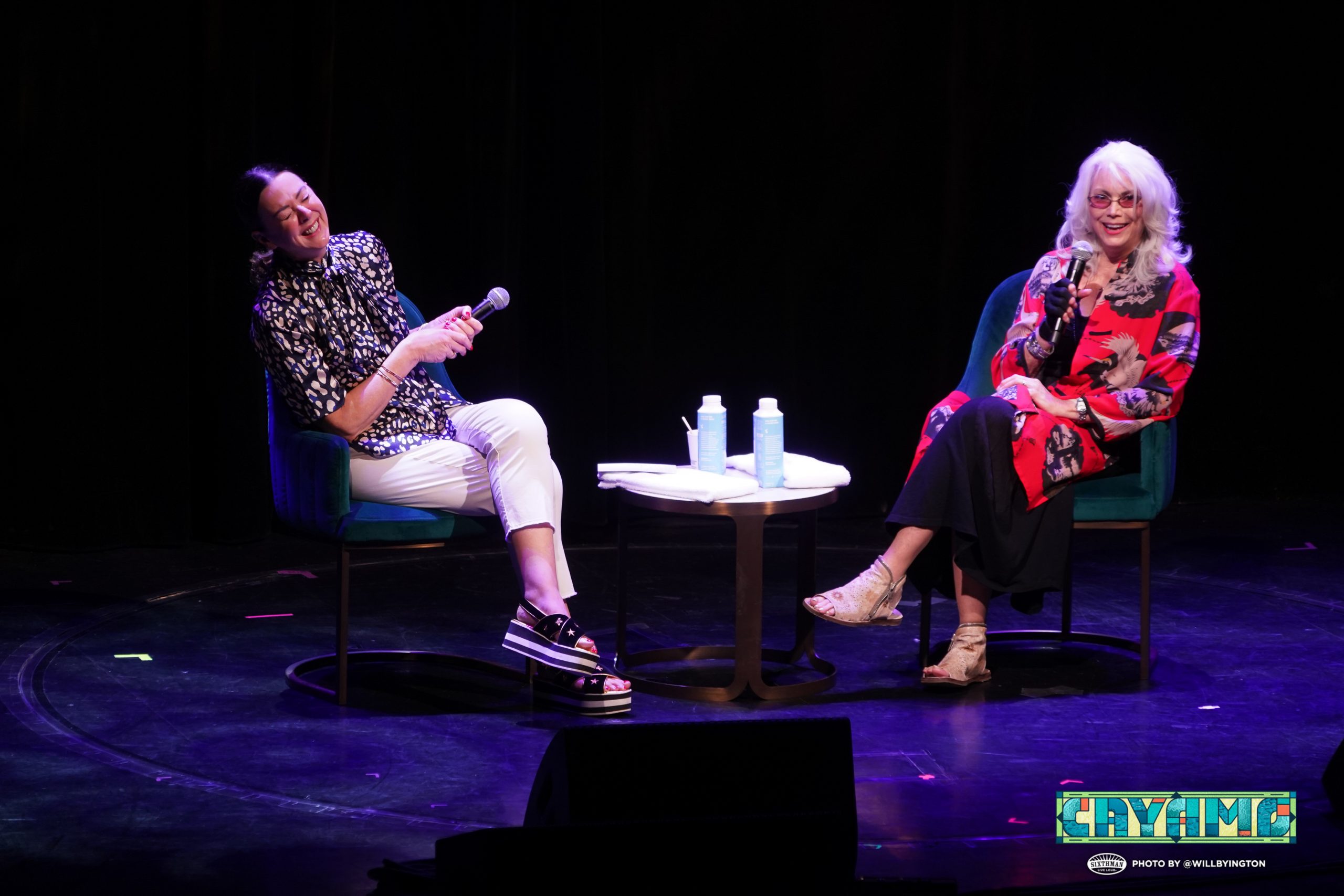
On top of all this music, we were also grateful for the chance to simply sit and talk – and Fiona Prine took advantage of this time with her Let’s Sit and Talk series, having in-depth conversations with Emmylou Harris, as well as members of John Prine’s band. (Be on the lookout – these conversations are coming to BGS in podcast form soon!)

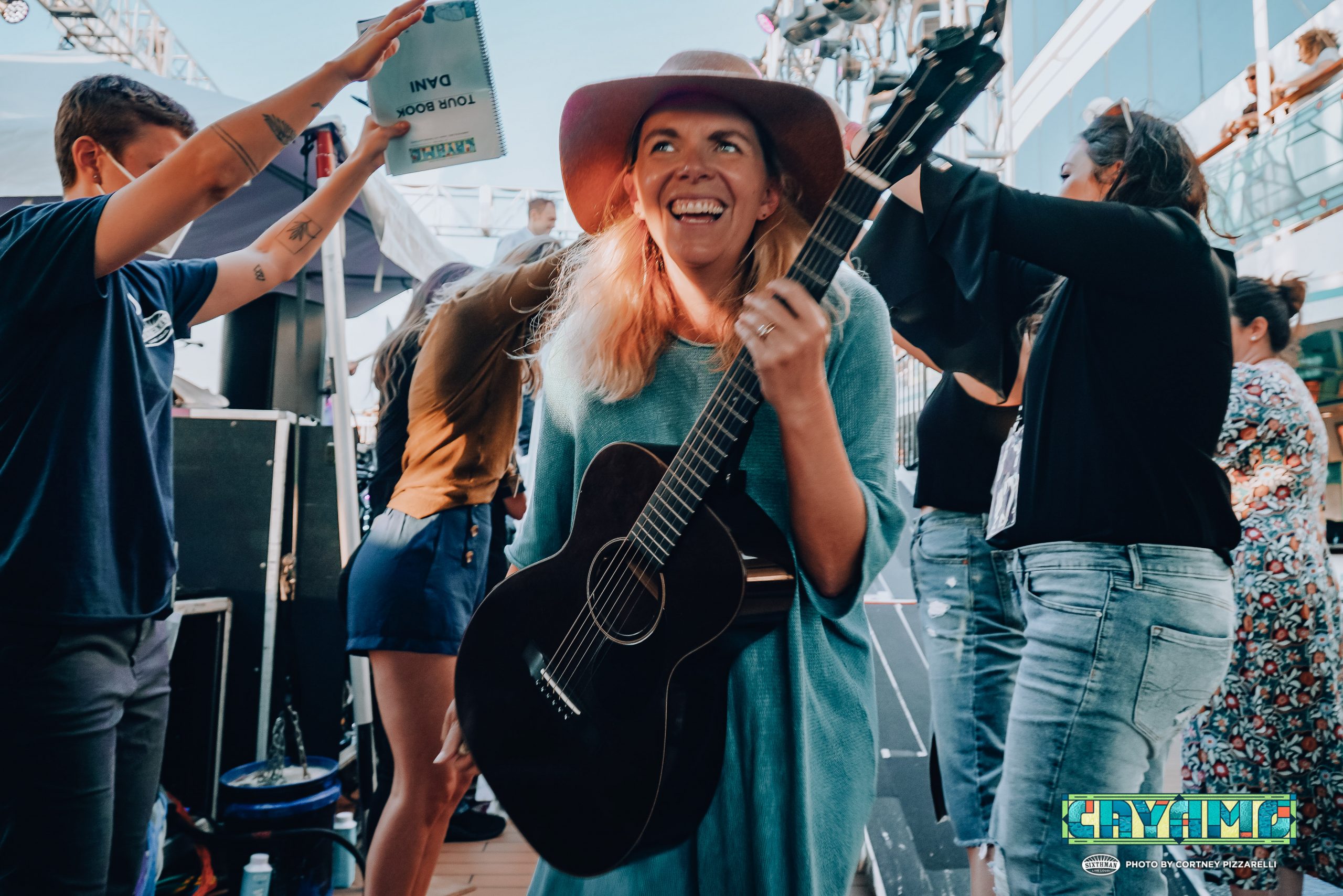
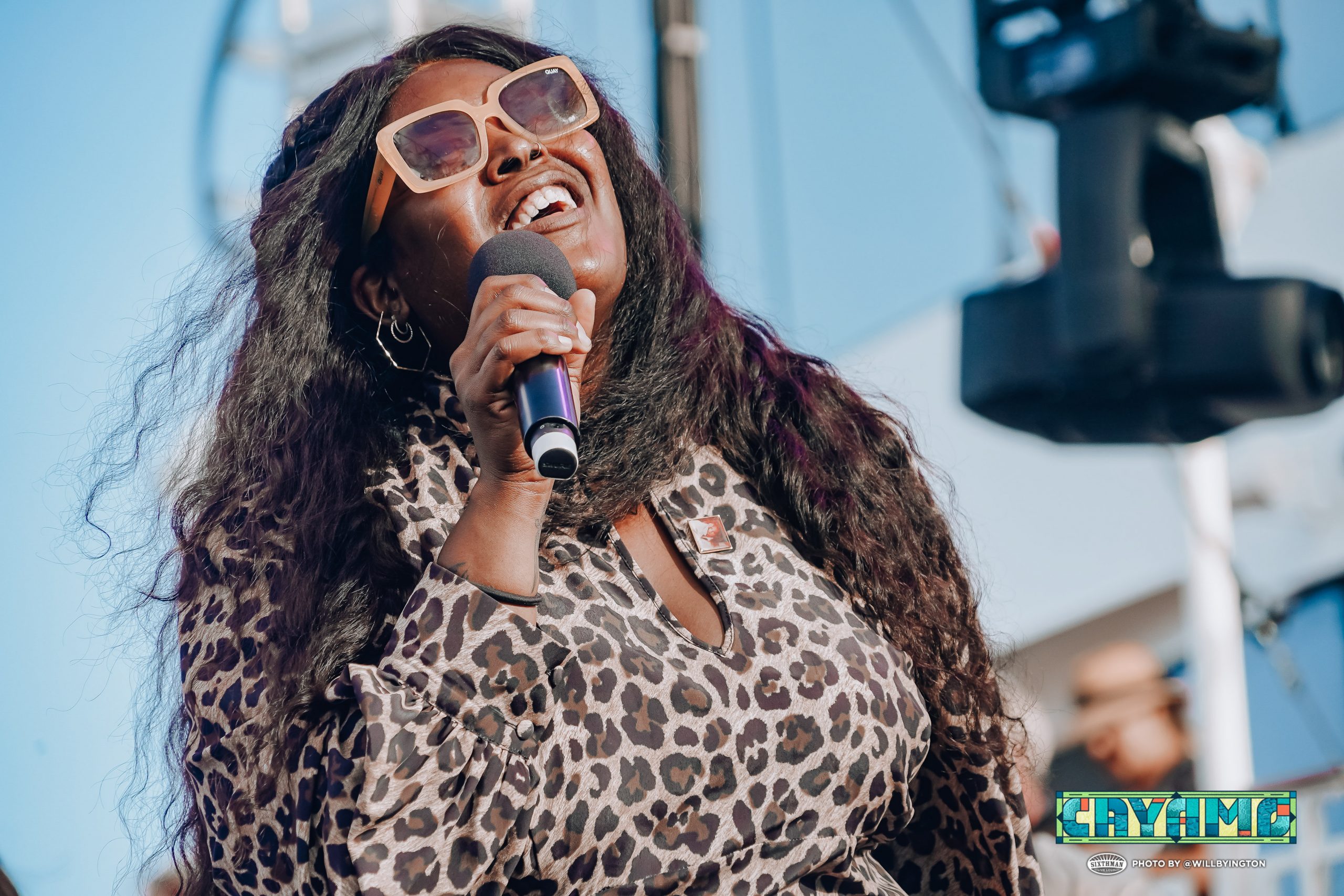
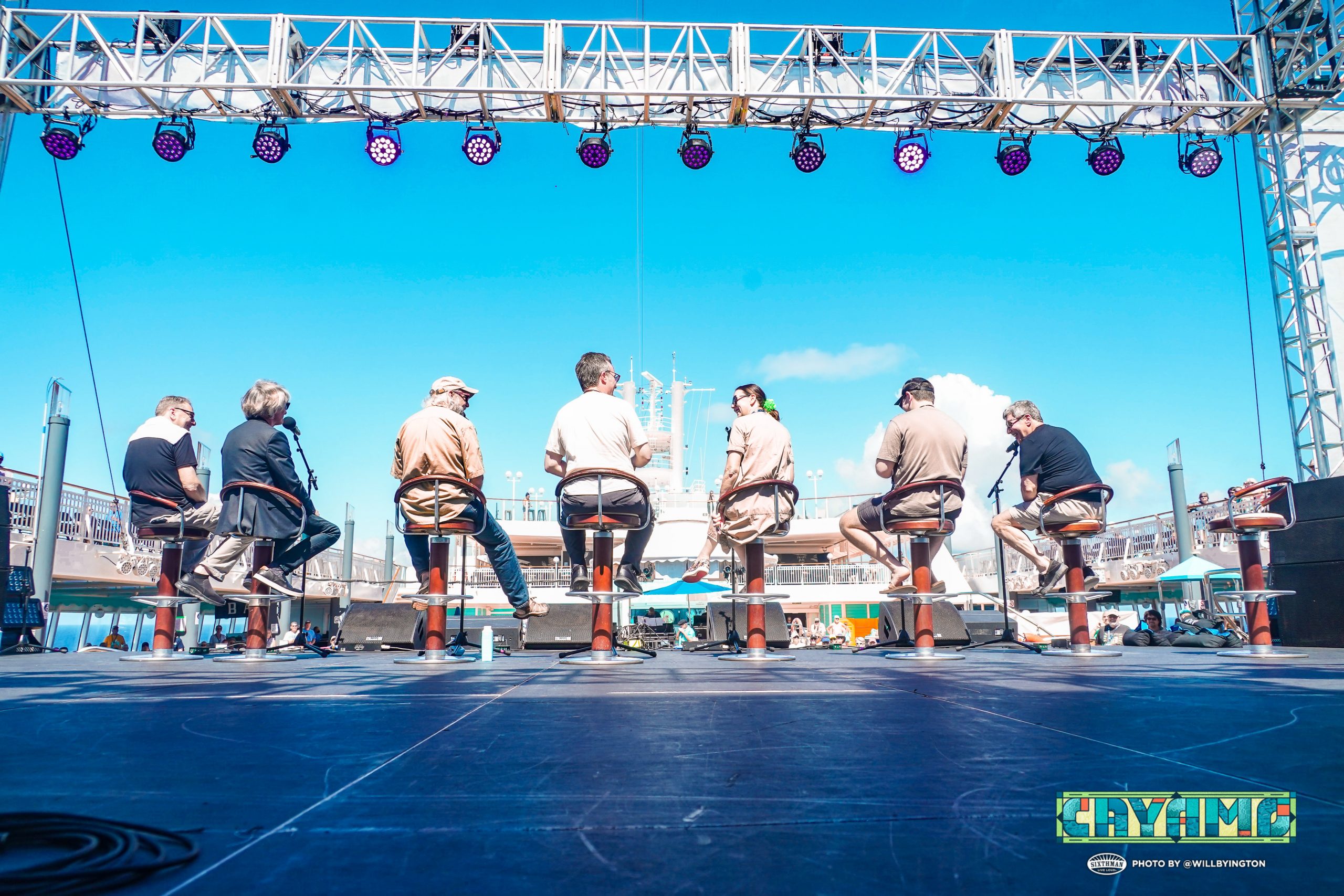
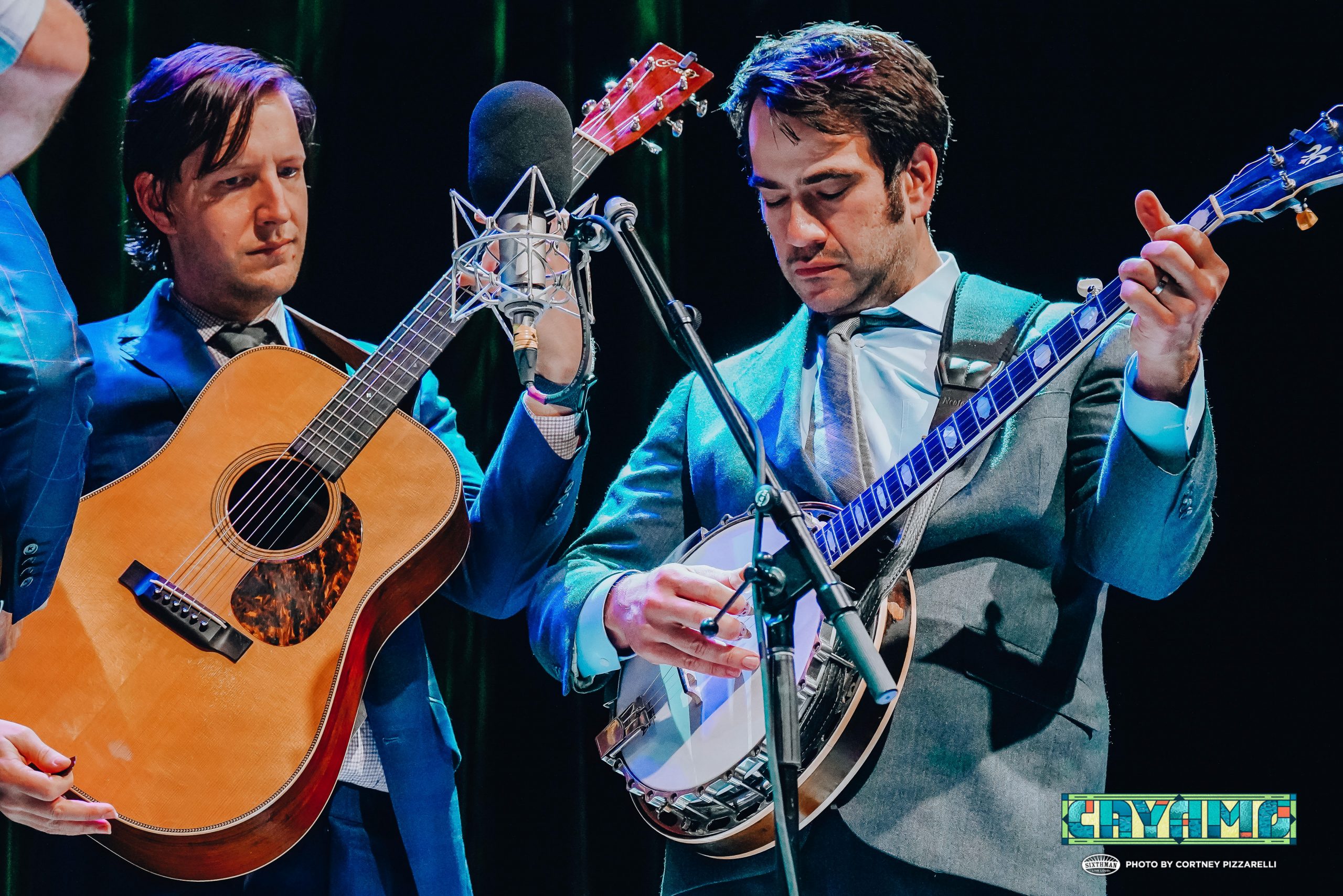
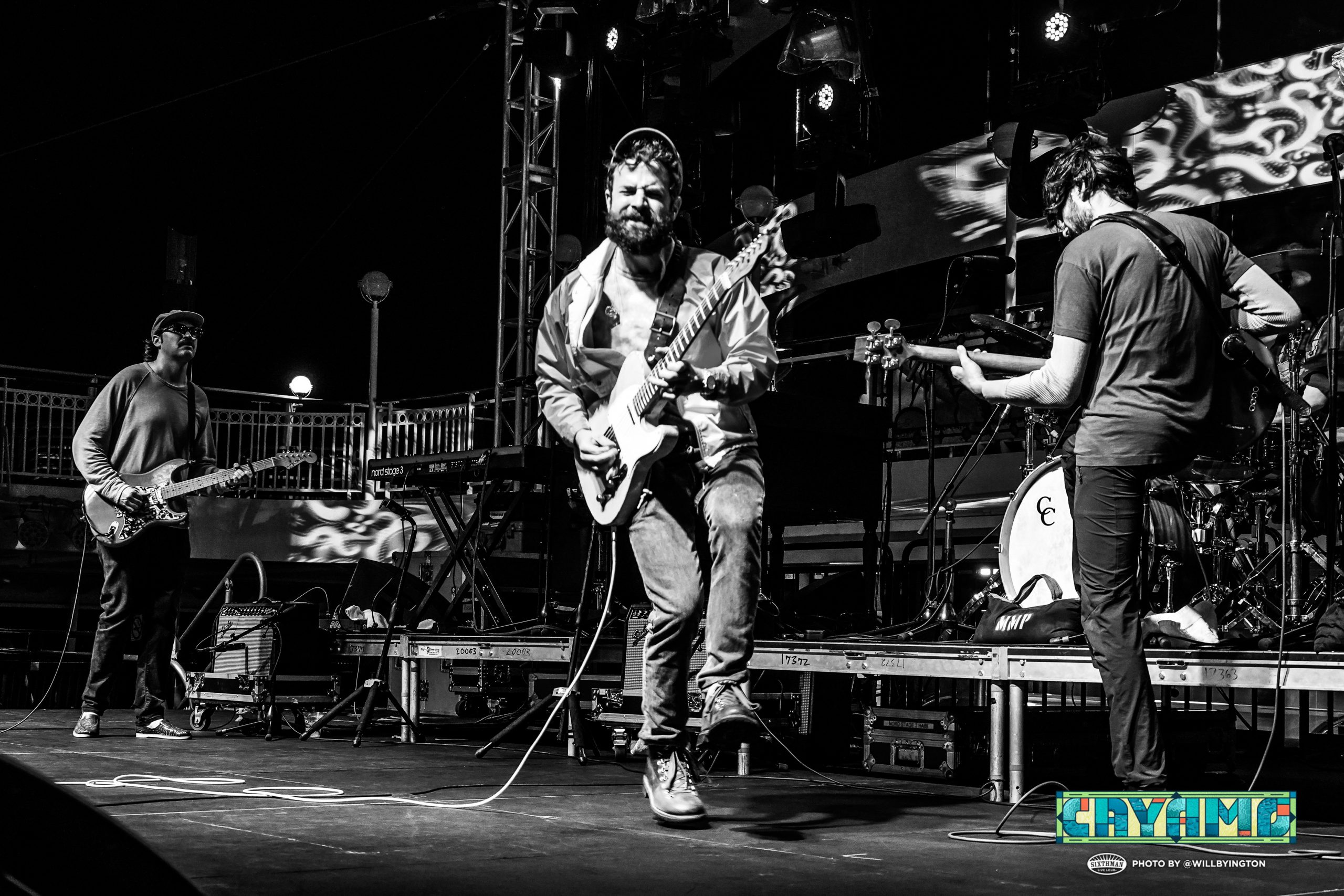
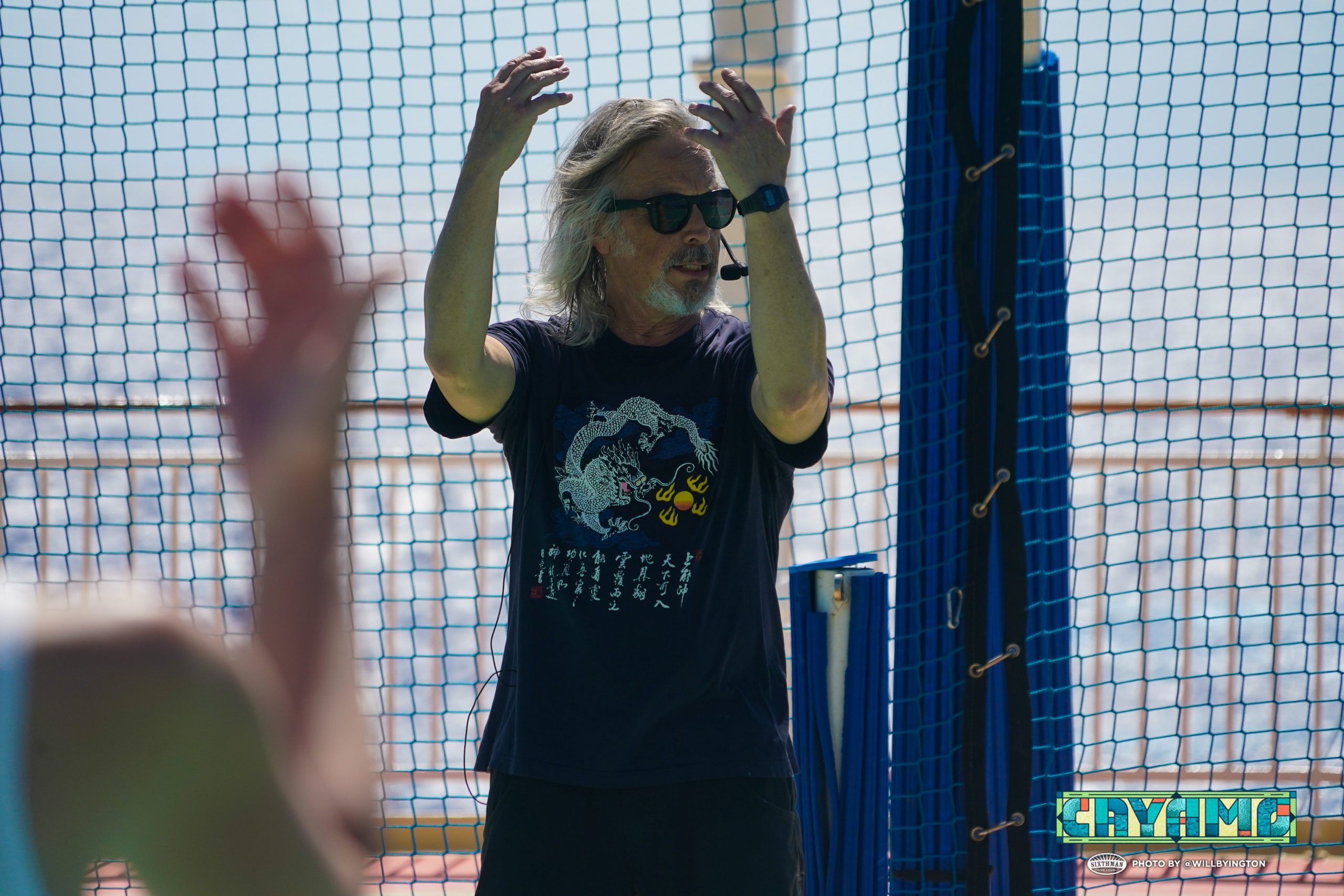
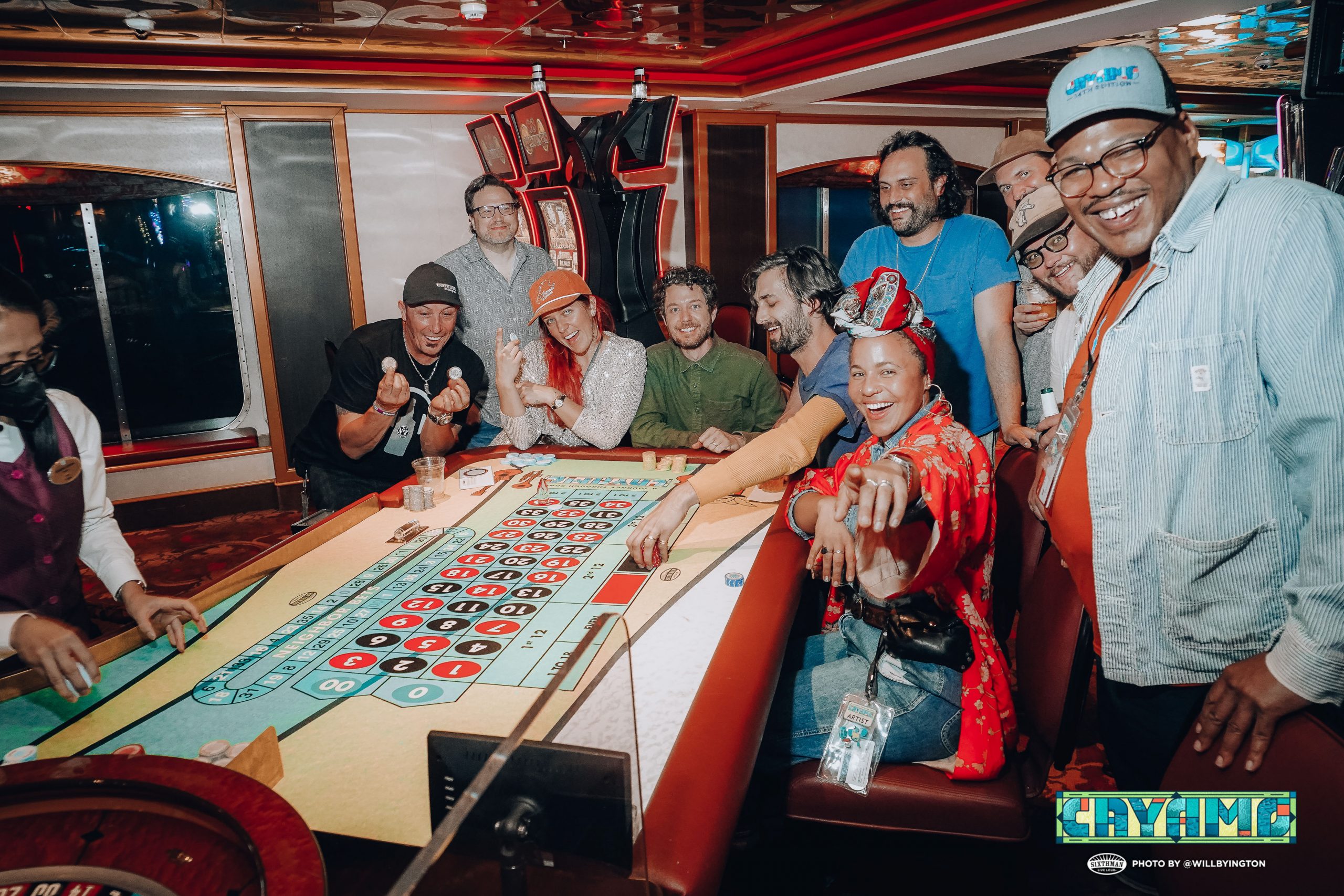
Cayamo was a week of non-stop music, unforgettable collaborations, and moments of joy, from a nautical set by the Punch Brothers, to mid-set stage dives – into a literal pool – from Hogslop String Band, to many opportunities to honor the memory and music of John Prine and those we’ve lost in the past few years – just to name a few. Below, take a look at some of our favorite moments from the Party of the Deck-ade and the entire Cayamo trip, as captured by Will Byington and Cortney Pizzarelli:


Cover Image: Cortney Pizzarelli
All photos by Will Byington and Cortney Pizzarelli

Cayamo: Setting Sail on a Journey Through Song

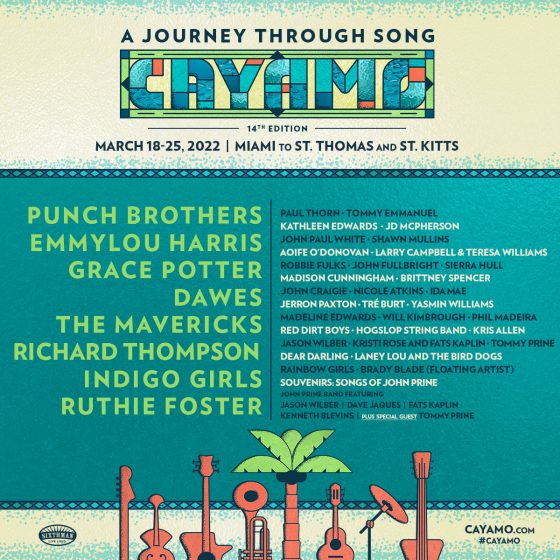
The BGS team is gearing up to board the Norwegian Pearl and join the Sixthman team – along with the likes of Emmylou Harris, the Punch Brothers, Aoife O’Donovan, Dawes, the Mavericks… (we could go on and on and on about this lineup) – as we set sail for a journey through song in Cayamo. The cruise has been a fun-filled gathering of roots music artists and fans for fourteen years now, and we can’t wait to be a part of this reunion after a year away. The week at sea promises full days of live music and community set against the crystal blue waters of the Caribbean, and it all sounds like a dream.

And as we’re celebrating BGS’ 10th anniversary all year long, we had to take this epic vacation, and reunion of our roots music community, as an opportunity to go all out: we’re throwing a good old-fashioned birthday party onboard! Our Party of the Deck-ade Super Jam, co-hosted by Sierra Hull and Madison Cunningham, will be the ultimate celebration of everything we’re grateful for at this moment: ten years of roots music and memories here at BGS, the sustaining power of music, and the joy of being reunited with friends to share in that musical experience after so long apart. Artists from across the Cayamo lineup will join us on the pool deck and share songs that make them feel joy – songs that celebrate life. With a special cocktail menu, toasts all around, and even a birthday cake, it’s sure to be a party we won’t soon forget.

On top of all the festivities, we’ll be taking some time to Sit & Talk, as Fiona Prine hosts intimate conversations with esteemed artists, and her friends, Emmylou Harris and the members of John Prine’s band. She’ll dive in deep in these casual, but meaningful, conversations with the artists, taking us behind the scenes on songs, stories, travels, friendships and life on and off the road.

This year’s ship may be full as of now (though there’s still time to cross your fingers and join the waiting list if you’re the last-minute type), but no need to fret – we’ll be capturing exciting moments onboard so you can experience the fun from dry land. Stay tuned!

On ‘Age of Apathy,’ Aoife O’Donovan Explores the Emotions of Her Past

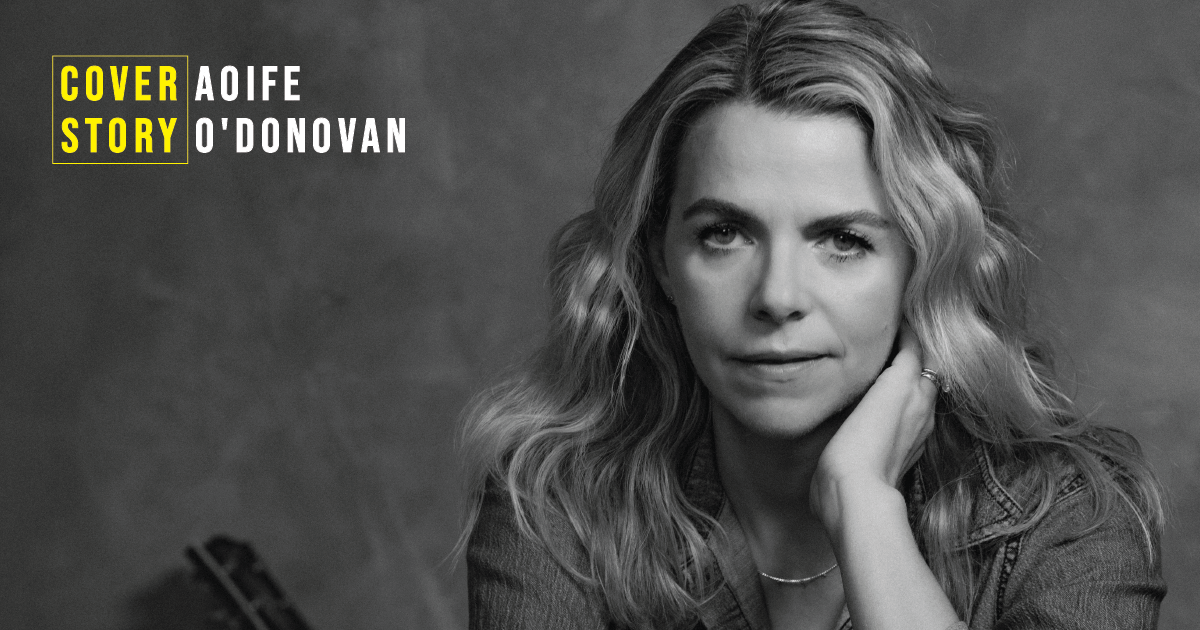
If there’s one aspect of Aoife O’Donovan’s career that has endured through the years, it’s a sense of community. Tinkering with different combinations of creative chemistry across multiple albums for groups of varying styles, it was no surprise to find O’Donovan working with others in pursuit of her third solo album, Age of Apathy. Still, even with the release calling up collaborators in front of and behind the mic, what makes this record stand out isn’t just a matter of having new cast members.

Age of Apathy’s development, both logistical and creative, was discerned and executed during the height of complications ushered in by the pandemic. This element of disconnection makes O’Donovan’s third solo record one built from a place of unique separation. In the same way a person can be surrounded by a crowd but be alone with their own thoughts, much of O’Donovan’s creative process for this record remained tethered to a sense of singularity.

Whether it was realizing more of her own potential as a composer when asked to write music to poetry that would become the song “Town of Mercy,” or nurturing ideas in her new home in Florida amid the responsibility of parenthood, O’Donovan found herself gradually surrounded by more and more people with creative energy to burn, while uncovering more of her own uncharted creative territory.

The presence of new voices in Allison Russell and Madison Cunningham, sonic perspectives from producer Joe Henry and engineer Darren Schneider, conceptual contributions from Joe Henry’s son Levon and mandolinist Tim O’Brien, as well as the intrigued curiosity of students from Full Sail University, all clearly reveal the album’s embrace of community. Yet ultimately, O’Donovan needed to figure out how to reinvigorate and sustain her own creative spirit to bring Age of Apathy to fruition.

It’s this dynamic of dualities – the communal and the singular, the stationary and the restless, the uncertain and the confident — that pivot Age of Apathy’s focus back to O’Donovan’s resilience and growth as a musician, performer, and songwriter. The result is an album that, despite its familiar elements, re-contextualizes the meaning of community and shows just how her artistry is still evolving, with or without anyone else beside her in the room.

BGS: You’re no stranger to working, writing, and performing with other people and Age of Apathy seems to keep in that spirit. Knowing this dynamic is a staple of your musical history, what would you say makes a community?

O’Donovan: Community is such a broad word, but for me, throughout my career the community has been the people I play with and I see. Not just musicians but people that you see at festivals, fans, audiences, the people you might see on stage or backstage, your manager, your agents, their friends, families, your own family and friends – it’s a really special thing. I think with [Age of Apathy], what was kind of different was that I made this record in the absence of that community. You know, I was physically alone yet there’s so much community on the record. And a lot of new community in there, it’s less of the people that I’ve made music with in my life and more of the people who I haven’t gotten to play with live that often, but do look forward to a day when I will.

How, if at all, has your definition of community changed, especially given that you moved away from your long-established community of Brooklyn?

My Brooklyn community, while it’s unbelievably dear to my heart and all my friends there are lifelong friends, [being] a touring musician, it’s not like that was necessarily the bedrock for my creative life. I will say that moving to Florida has led me to find and to make new community — to sort of dig in here and find those friends. I feel like we have such a rich group of friends here, as well as we did in New York. One of the beautiful things about being a musician is that you have friends in so many different places. And from touring and from being on the road, you can call upon your community in many different ways.

What was your vision in terms of how you wanted to tell the stories you included in Age of Apathy? And how did that affect who or what you turned to in order to shape the album’s sonic character?

I had very low creative period leading up to writing for this record, because it was the six months in the beginning of the pandemic and lockdown. It wasn’t until six months in that I was sort of like, “Okay, I have to figure out a way to get creative again and to sort of find the muse.” Once I did that, I feel like I did get the vision of thinking about the last 20 years and thinking about [and] reacting to a lot of dormant emotions. In a lot of ways, [the music] is more me than ever before — like, playing more guitar parts and playing a lot of piano and a lot of keys in a way that I had never really done to that extent on previous records.

Did you ever try to start picturing what you were going to hear in the recordings, taking into consideration everyone who collaborated on the record? Or did you just go into it with open expectations?

I definitely started picturing what I was going hear. We sent the first three songs to Jay Bellerose and I remember being so excited to get them back, thinking I had an idea of what it would sound like. But then it sounded nothing like what I thought it was going to sound like, which was so cool. It was just like, “Holy sh-t, this sounds completely different than I thought it was going to be,” and then being so happy with that. It was just wild, totally wild.

Having the students of Full Sail University watch your sessions added an educational layer to the familiar act of playing in front of others. How did that extra layer shape your expectations for yourself and the sessions? Did you feel a degree of responsibility, different from when you play a recreational concert?

I wasn’t as aware as much — in a good way. I knew people were watching but it was more just, “All right, this is how we’re doing it.” I really appreciated the fact that that I was able to give [the students] that opportunity, but also that they were able to give me the opportunity of being able to work in such an incredible space, at a time when it was really difficult to be doing anything outside of your own home. It was just great to have access to a studio and have access to Darren Schneider, who was an unbelievable engineer. The whole thing worked out really well.

A lot of the distant past comes through on this album, as on the title track’s reflection on September 11, 2001. Yet, it also reflects a new version of yourself as a songwriter, found in part through reflection on that same past. How is your personal retrospection and hindsight for this album different from other records you’ve made?

I think my sense of hindsight on this record just feels much more measured. I was looking back on a specific chunk of time and trying to draw the lines between these events and between these feelings. And really connect the dots between these emotions in this arc of time, this age of apathy specifically, not to put too fine a point on it. Really trying to go back there and say, “How did I feel? What were those big feelings that I felt when I was younger?”

At any point, you can look back at your life and you feel things in a different way. When you’re a toddler, the fact that your paper folded in the wrong place causes you to have a great big emotion. Obviously when you’re older, you don’t have that same emotional response to it. I think it’s the same with matters of the heart. When you’re younger and you’re experiencing these things for the first time – like love or heartbreak or whatever, you’re going to react to it differently than you will when you’re, you know, almost 40.

Just looking back at these emotions and looking back at the things that I cared about [20 years ago,] it’s funny. The memory of September 11th and what that was like for me, living in Boston, it didn’t really personally affect me or anybody I knew, other than that it was this huge world event and I knew that nothing would ever be the same after that. So, it affected me without actually affecting me. I remember sort of being mad at the fact that it happened because I didn’t want it to affect me. I wanted my problems to be as big as my boyfriend at the time, or the paper I was turning in that I was late on, or whatever. I think that’s sort of a natural response when you’re younger — or not even. Your own problems always seem bigger than the problems in the world.

I think that in the 20 years that have passed since then, as I became an adult and entered into this new phase of adulthood that I have now, it is a chance to reflect on that time and think, “Why is apathy the feeling that I’m left with so often, when I’m greeted with so much bad news and so much intensity?” Is it because all I want is to have that feeling, that indescribable feeling, that you get the first time you read The Unbearable Lightness of Being? It’s hard to explain. I think it’s just the want to have those big feelings again but have them be yours, and not on a global scale.

It just seems like a matter of sheer overload. If a person were to be in touch with what was happening around us right now, to the fullest extent, all the time, they’d blow apart.

I guess I just think about music, and the power of making music, and making art. For me, as somebody who loves listening to music, I just want to crawl into a song and listen to it over and over and over again. I can just lose myself in it. And it doesn’t matter if it isn’t about what I think it’s about. You just have to find your own story in a song and then it can really carry you to the next phase of your emotional journey. I just think it’s really important. I think music is so important.

Editor’s Note: Aoife O’Donovan will be live at the Troubadour in Los Angeles on April 14. Grab your tickets here.


Photo Credit: Omar Cruz

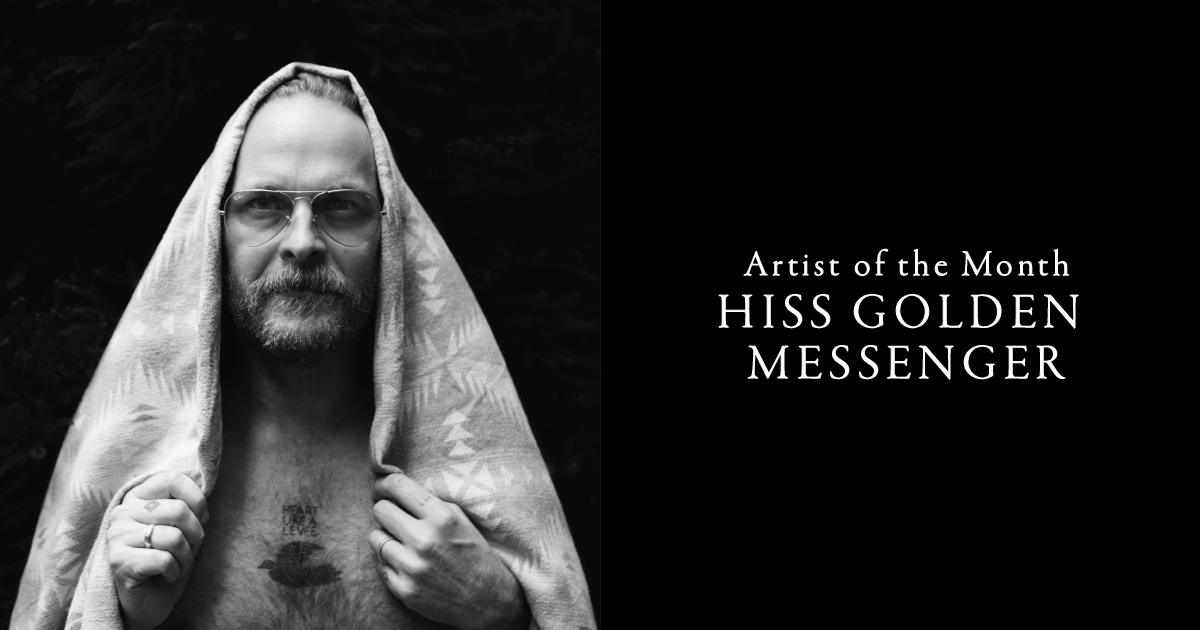
Artist of the Month: Hiss Golden Messenger

Hiss Golden Messenger is wrapping up the year with an unexpected delight: O Come All Ye Faithful. Along with the familiar title track, the set gathers a few other hymns (“Joy to the World,” “Silent Night”) and three new songs written by Hiss Golden Messenger’s MC Taylor. The lead track, “Hung Fire,” echoes the feeling of the artist’s album from earlier this year, Quietly Blowing It. Meanwhile, it winds down with a warm cover of Creedence Clearwater Revival’s “As Long as I Can See the Light.”

As for that album cover? It’s an homage to Emmylou Harris’ classic Christmas collection, Light of the Stable. Indeed, both projects provide a subtle (and often lovely) interpretation of seasonal music. On O Come All Ye Faithful, Taylor puts a different spin on “Shine a Light” by Spiritualized as well as “Hanukkah Dance” by Woody Guthrie. He also wrote three new songs for the album.

“Big, brash holiday music — the type that we hear in big-box stores in the middle of December — has never resonated with me, and this past year it felt absolutely dissonant. I wanted to make a seasonal record that felt more in step with the way that I, and so many others, experience this time of year: quiet, contemplative, searching and bittersweet,” Taylor says. “The intention was to make a seasonal record with vibe.”

Special guests on O Come All Ye Faithful include Erin Rae and Buddy Miller, along with members of Hiss Golden Messenger’s extended family. For example, speaking about one of the album’s new tracks, Taylor states, “‘Grace’ is about keeping a light for those that are struggling or lost or confused or grieving: the gone ones, our children, poets, teachers. My friends Nathaniel Rateliff, Aoife O’Donovan and Sonyia Turner help me on the choruses.”

At BGS, we’ve been a fan of Hiss Golden Messenger from the start, so we’ll be sharing some of our archived content on our site and socials, like this interview from June 2021. And in the coming weeks, we will present an exclusive interview with MC Taylor — along with plenty of other holiday content.

As we begin to say goodbye to the year, we’re grateful for the music we’ve received in 2021 and we look forward to more. Season’s greetings to all, and please enjoy this BGS Essentials playlist for Hiss Golden Messenger below.


Photo Credit: Chris Frasina

The BGS Radio Hour – Episode 216

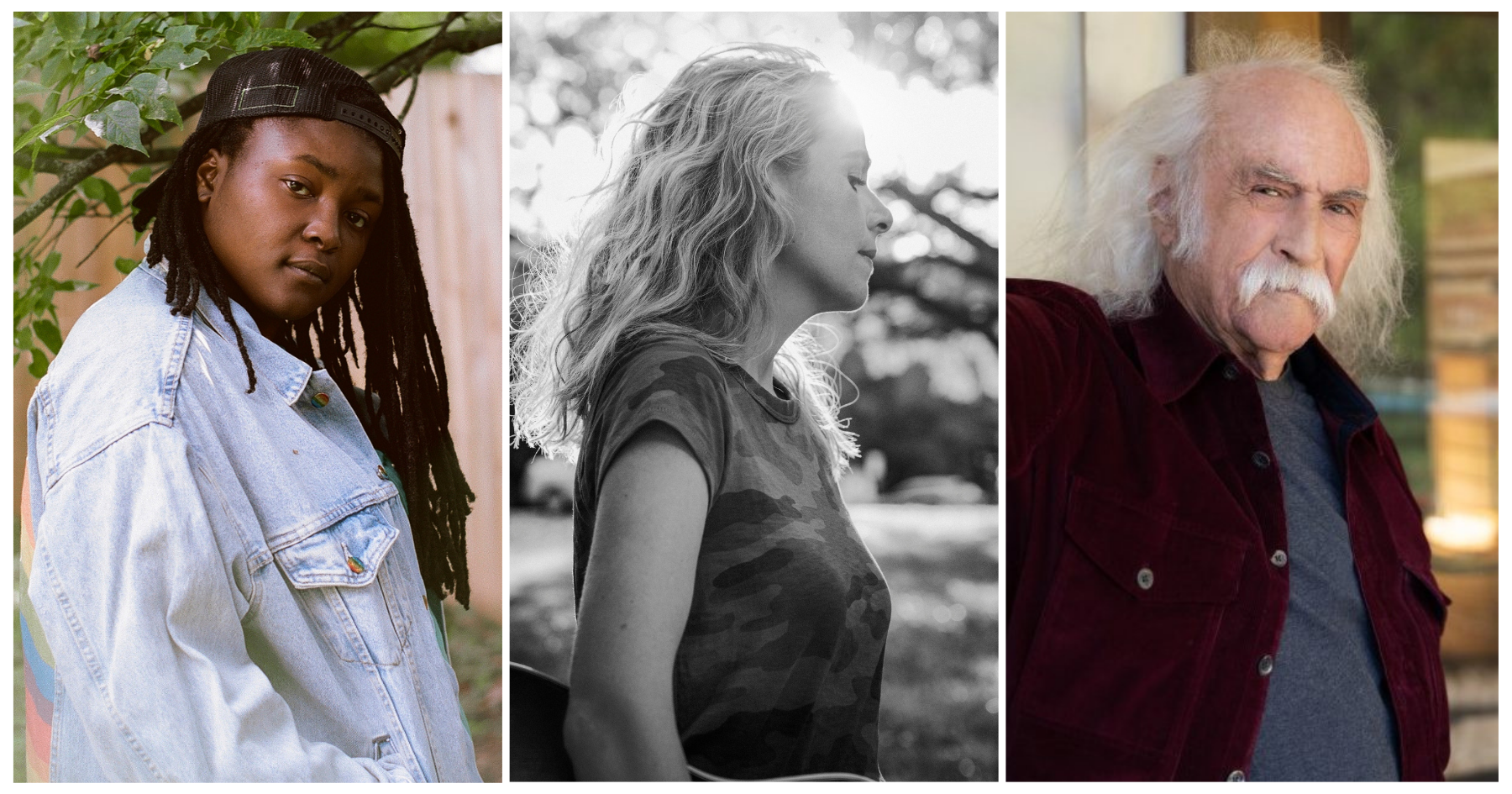
Welcome to the BGS Radio Hour! Since 2017, this weekly radio show and podcast has been a recap of all the great music, new and old, featured on the digital pages of BGS. This week, David Crosby and Sarah Jarosz join up for a Joni Mitchell number, husband-and-wife duo Darin and Brooke Aldridge bring us some beautiful bluegrass harmonies, LA’s own Los Lobos share their rendition of a favorite Jackson Browne tune, and much more.

APPLE PODCASTS, SPOTIFY

The Wallflowers – “Maybe Your Heart’s Not In It Anymore”

25 years after their breakout hit and almost a decade after their most recent release, The Wallflowers are back with a new album, Exit Wounds. In our interview with Jakob Dylan we talk about the project, singing with Shelby Lynne, the documentary Dylan executive produced, Echo in the Canyon, and more.

Ric Robertson – “Carolina Child”

We spoke with Ric Robertson about playing a popcorn kernel in a musical as a kid, his kite surfing aspirations, his new album Carolina Child, and more in a recent edition of 5+5.

Amy Ray Band – “Chuck Will’s Widow”

Amy Ray of The Indigo Girls finds herself often haunted by the song of the nocturnal songbird, the Chuck-will’s-widow: “I find that I witness the most profound moments in the midst of their songs, when everyone else is asleep. While I am often in need of rest, the respite I find in being awake under a miraculous and melodic night sky is too tempting for me to sleep. It’s a conundrum that inspires me, but also leaves me bleary-eyed.”

Darin and Brooke Aldridge – “Once In A While”

Bluegrass husband-and-wife duo Darin & Brooke Aldridge hope that every aspect of their music makes you smile — even more than “Once in a While!”

Matt the Electrician – “Home Again”

Folk singer-songwriter Matt The Electrician will return with a new album called We Imagined an Ending in November. A new track, “Home Again,” takes inspiration from the point of view of his teenage daughter. “The conundrum of parenthood, that as you finally start to figure some things out, and try to pass along some of that hard won wisdom, you’re greeted with your own teenage face staring balefully back at you.”

Tobacco City – “AA Blues”

Says Chris Coleslaw of Tobacco City’s latest single, “The character in the song is trapped between working in a brewery and staring at beers all day and trying to walk a sober line. I think regardless of your sobriety status we can all relate to those kind of blues.”

Jesse Daniel – “Clayton Was A Cowboy”

Jesse Daniel spoke with us about his new album, Beyond These Walls, about growing up catching crawdads and fishing, the chills-inducing feeling when a crowd sings along with his lyrics, and more in a recent 5+5.

Joy Oladokun – “Judas”

Joy Oladokun is able to do more with just an acoustic guitar and her voice than many artists can in an entire discography of work. And going from Arizona to L.A. then across country to Nashville with a new outlook and perspective, her music stands on a plane with a unique vantage point.

Luke LeBlanc – “Same Blues”

A new video for Luke LeBlanc’s co-written tune with Roy August, “Same Blues,” attempts to capture what the song is about: the tug of war between the status quo and what you’re currently doing versus that thing you really want to do.

Midnight North – “Silent Lonely Drifter”

“Silent Lonely Drifter” is an original folk melody reminiscent of timeless Appalachian string band music. Each verse references a different full moon, speaking to the natural balance that exists in the universe.

Los Lobos – “Jamaica Say You Will”

The Jackson Browne tune “Jamaica Say You Will” always resonated for the fellas of Los Lobos and the narrative and storytelling were attractive, too. So, they recorded their own rendition of the track on their latest project, Native Sons.

Aoife O’Donovan ft. Milk Carton Kids – “More Than We Know”

New music from Aoife O’Donovan is here and we’re loving it! Hear tracks created with Joe Henry and the Milk Carton Kids — one inspired by the modern classic re-telling of Peter Pan, the movie Hook.

John R. Miller – “Shenandoah Shakedown”

Depreciated, the new Rounder Records release from singer-songwriter John R. Miller, combines many of his string band and bluegrass influences with a satisfyingly melancholy and dark mood — plus plenty of fiddle.

David Crosby ft. Sarah Jarosz – “For Free”

Legendary singer, guitar picker, and songwriter David Crosby keeps his love for collaboration alive on his new album, For Free, which features guests and co-writers such as Sarah Jarosz, Michael McDonald, his son James Raymond, and more.


Photos: (L to R) Joy Oladokun by Nolan Knight; Aoife O’Donovan courtesy of Shorefire Media; David Crosby by Anna Webber

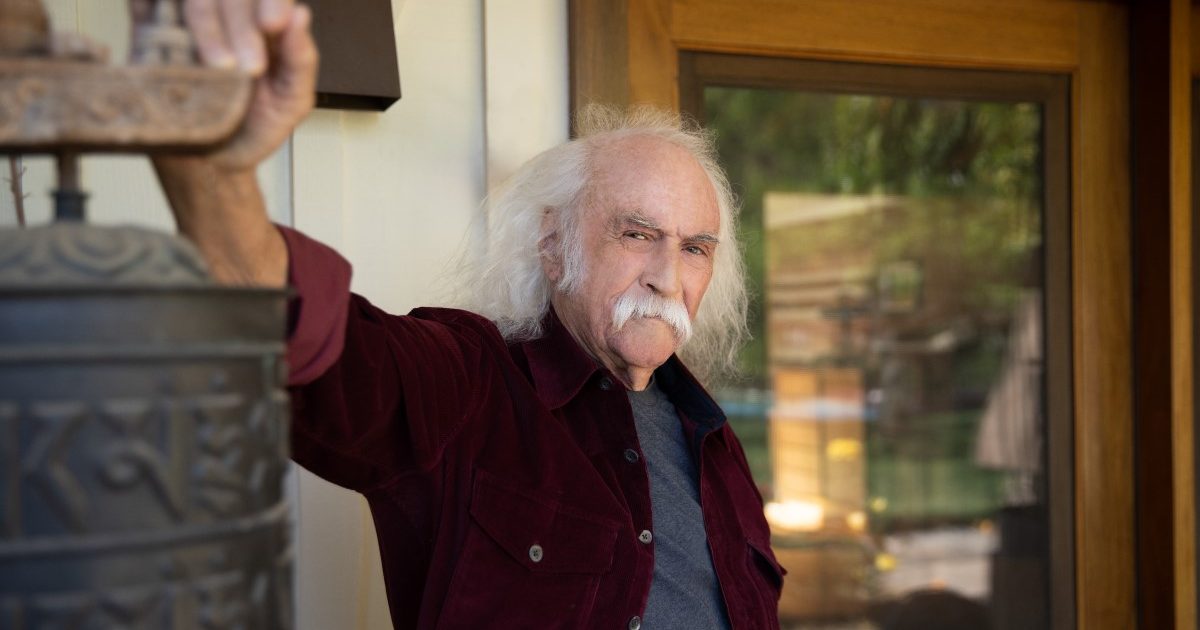
With His Son and Special Guests, David Crosby Finds His Way on ‘For Free’

“I think I found my way.”

When a guy about to turn 80 sings that line, you take note. When that guy is David Crosby, who in fact turns that age on August 14… well…

“I don’t know if I would have sung it at any other time in my life,” Crosby says in a Zoom chat from his home north of Santa Barbara, California, where he lives with Jan Dance, his wife of 34 years.

But sing it he does, in the song “I Think I,” a highlight of his new album, For Free. With this, his fifth album in seven years (after just three solo albums in the earlier part of his career), he comes to his 80th in a remarkable creative run. It’s a strong collection featuring the fruits of several creative collaborations, mostly with his son, James Raymond. Among the guests are Michael McDonald on the shining opener “River Rise,” Steely Dan’s Donald Fagen on the jazzy, dark “Rodriguez For a Night” and Sarah Jarosz, with whom he duets on a gorgeously spare version of the Joni Mitchell song that gives the album its title.

It’s that line from “I Think I,” though, that speaks most profoundly to the state of his life. If you know much about that life, you understand. And you might greet those words with a sigh of relief. He certainly does.

“I do feel happy now,” he says. “The thing I love about the song the most is that it’s up. It’s, you know, happy sounding. Normally I record tortured ballads that go on for days. ‘The dog died’ or ‘my truck broke down.’ This is up and happy and positive and it just captures that mood that’s around. That’s a blessing for me. That’s a great thing.”

The life leading to this moment has been well-documented and much discussed. Most significantly, Crosby created some of the most bracing, beloved, and enduring American music of the past 60 years, first as a founding member of folk-rock pioneers the Byrds and then in the various partnerships with Stephen Stills, Graham Nash and/or Neil Young. Along with the essential, indelible songs CSN(&Y) gave us, there was much discord and discontent and it finally blew up, apparently for good, in 2014, sparked in part by some unfortunate remarks Crosby made regarding Young’s personal life. And Crosby’s history is marked by his years of drug addiction and a consequent prison term and liver transplant — and, thankfully, recovery. This was all covered in Remember My Name, the unflinching 2019 documentary that brought him to some painfully heartfelt reckonings.

For better or worse, Crosby’s legacy is tangled up with groups and partnerships. Asked to untangle it, he turns thoughtful.

“A lot of the musical complexity and strangeness comes from me loving jazz and world music,” he says. “I mean, I like a lot of different kinds of music, man. I like bluegrass. I like blues. I like classical music. And that has influenced me very strongly. Particularly jazz, and particularly jazz keyboard players, McCoy Tyner, Bill Evans, people like that. They have had a very strong influence because they played those real dense, big tone, cluster kinds of chords. And I couldn’t do them in regular tuning on the guitar. That’s what made me start re-tuning the guitar into other shapes so that I could get those kind of chords. So the jazz thing really did stack me up differently.”

That influence has been a constant facet, all the way back to the Byrds (“Everybody’s Been Burned” is almost a template for the folk-jazz explorations Tim Buckley would make) and CSN (“Guinnevere,” with its floating harmonics, was covered by both Miles Davis and jazz flute player Herbie Mann).

These days Crosby is not focused on the past, although with last year’s 50th anniversary of the CSN&Y album Déjà Vu and the expanded deluxe reissue, he’s had to do more of that than he’d like.

“I always prefer when it comes to talking about me, I like it to be somebody else doing the talking,” he says.

He’s not focused on the future, either. He says that he likely won’t tour again and with tendonitis in both hands, he expects he won’t be able to play guitar anymore within a year — a great shame as his guitar playing, with its intricate jazz voicings and inventive tunings, is as stunning as his singing, if not as widely recognized.

He’s certainly not looking forward to his birthday.

“No, no, no, no, no, no, no!” he insists. “Birthdays are not happy when you get old. No, no, no, no, no, no! We don’t celebrate. We mourn those.”

Yet he’s utterly bubbly celebrating the new album, as well as the four leading up to it, by far his most prolific stretch in terms of making and releasing his own music. It’s not often that we can say that about someone’s 70s, let alone someone with such a vaunted career packed with songs and albums cherished dearly by millions.

“Isn’t that weird?” he says. “It’s just completely bass-ackwards. But there you go.”

To what does he attribute this?

“I got out of CSN,” he says, never one to mince words. “It was, obviously, a wonderful band and we did a lot of really great stuff. But when it when sour, it went really sour. And it went sour very fast.”

It was rough, but the silver lining shines brightly.

“I don’t make anywhere near as much money,” he says. “But I’m making good music. And that’s kind of what they put me here to do, I think.”

Cue the title song, Mitchell’s loving portrait of a street musician playing for the pure joy of it. This is the third straight Crosby album to include a Mitchell song, following “Amelia” on 2017’s Sky Trails and “Woodstock” closing 2018’s Here If You Listen. Crosby, who was an early champion (and romantic partner) of Mitchell’s, producing her debut album, Song to a Seagull, sang “For Free” on the Byrds’ 1973 reunion album. Now, though, it has a deeper resonance, reconnecting to the essence of music-making. Rather than an observer, he’s the guy in the song.

“Yep,” he says. “There I am standing on the corner. It’s squarely, smack dab in the middle of who I wanted to be, as me. I love what it says. Putting it on as the title track is also taking a little dig at the streamers. Because it is for free, man. They don’t pay us.”

Crosby had become a fan of Sarah Jarosz via I’m With Her, the group in which she’s teamed with Aoife O’Donovan and Sara Watkins. And he loved Jarosz’s 2020 album, World on the Ground.

“I called her up and said, ‘Listen, Sarah. Can we do something together?’” he says. “And she said, ‘Sure! What do you want to do?’ And I said, ‘I don’t know. I just want to sing with you.’ And she said, ‘Oh, you sweetheart.’”

Crosby quickly suggested “For Free.”

“I’ve sung it a bunch, and I’m confident with it,” he told her. “She said, ‘Oh, I love that song.’ So I sent her a tape of it that I went in to the studio and cut. James made this incredible piano track for it. Just beautiful. Sarah sent it back with her vocal on it, and it completely blew my mind out of my ear. It was unbelievably good.”

Clearly, Crosby still craves collaboration. A sense of joyful purpose is unmistakable in his voice and in the voices and playing of those who helped him make the album. Foremost is James Raymond, the producer-composer-keyboardist who has been at Crosby’s musical side regularly since 1997, five years after learning that Crosby was his biological father. His talents have been showcased not only in his father’s solo projects, but also for years with CSN as a full-time member of the touring band, and in the jazzy group Crosby and Raymond fronted off and on with bassist Jeff Pevar, cheekily branded CPR. On For Free, Raymond wrote or co-wrote seven of its 10 songs, including “I Think I” and the somberly beautiful closer, “I Won’t Stay for Long,” inspired by Marcel Camus’ haunting 1959 film Black Orpheus.

“It’s wild to watch,” Crosby beamed. “He’s gotten to be as good a writer as I am, or better. ‘I Won’t Stay for Long’ is the best song on the record. It makes me cry. It just freaks me out.”

Guitarist Dean Parks adds color to “Rodriguez” and “Shot at Me,” the latter a powerful ballad which he co-wrote from Crosby’s words inspired by an encounter with an Afghanistan war veteran, who told him of the most human costs of war. It’s a strong addition to Crosby’s deep catalog of incisive, biting topical songs.

“I seem to run into those guys and talk to them,” Crosby says. “I ran into this guy at the airport and was drinking in the bar and he looked really bummed, really sad. So sure, I talked to him.”

As for not being able to tour anymore, Crosby is sad but sanguine.

“Singing live is the great joy of my life,” he says. “My family and singing live. That’s the top of my world, you know?”

Even if the shows stop, the music won’t, right?

“I don’t know,” he says. “I can still sing. That’s why we’re doing the records, because we love making music. Right? They obviously don’t pay us for them, so that’s the only reason there could be. We’re not trying to win the ratings war or something. We’re just singing exactly the music that really rings our bell and makes our heart sing. And there you go. And if people like it, great. And if they don’t like it, great, we don’t care.”


Photo credit: Anna Webber.
Album cover painting by Joan Baez.
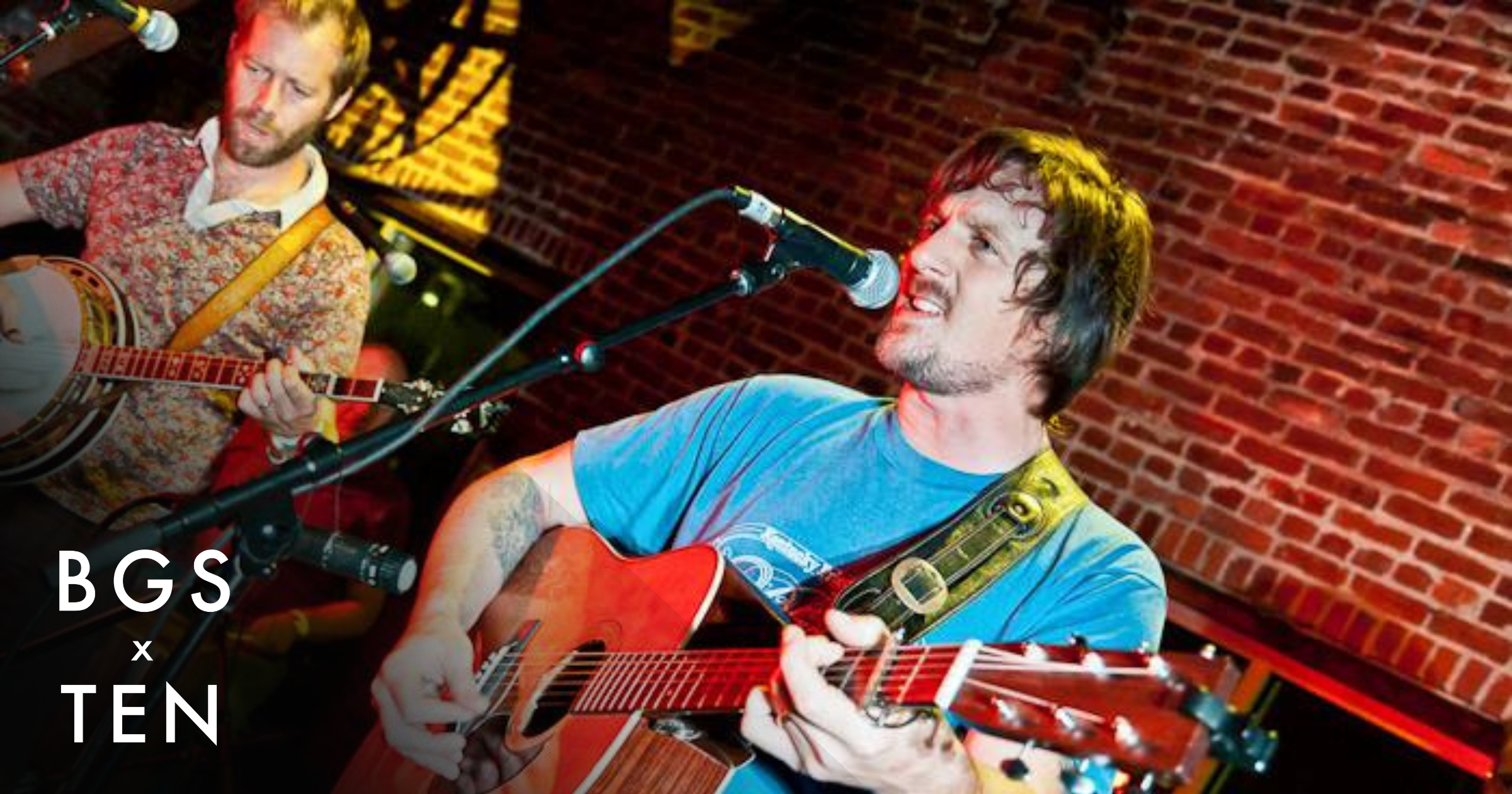
LISTEN: Aoife O’Donovan, “More Than We Know” & “Captain’s Clock”

Artist: Aoife O’Donovan
Hometown: Newton, Massachusetts
Songs: “More Than We Know” (featuring The Milk Carton Kids) & “Captain’s Clock”
Release Date: July 19, 2021

In Their Words: “In January of 2021, I reached out to my friend Joe Henry about some new music I was writing. What transpired from that first conversation was a lot of new music… a lot a lot. I’m so excited to share two songs from those sessions! ‘More Than We Know,’ a new song written with Joe, features the crystalline vocals of Joey and Kenneth (The Milk Carton Kids). The second tune ‘Captain’s Clock’ (yes, it’s a Hook reference) features insanely beautiful woodwinds by Levon Henry. My parts were recorded at Full Sail with Darren Schneider.” — Aoife O’Donovan
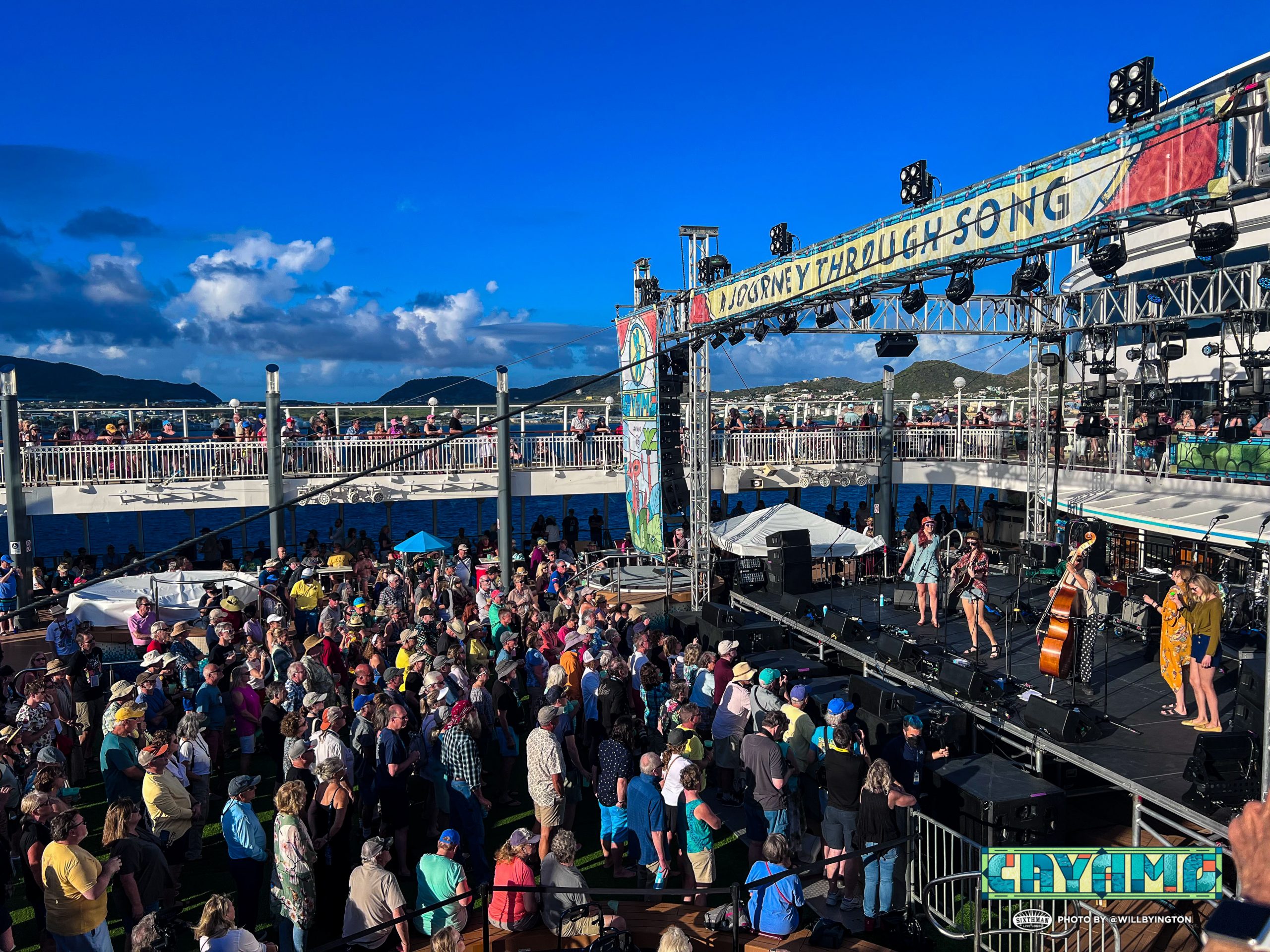

Photo courtesy of Shorefire Media