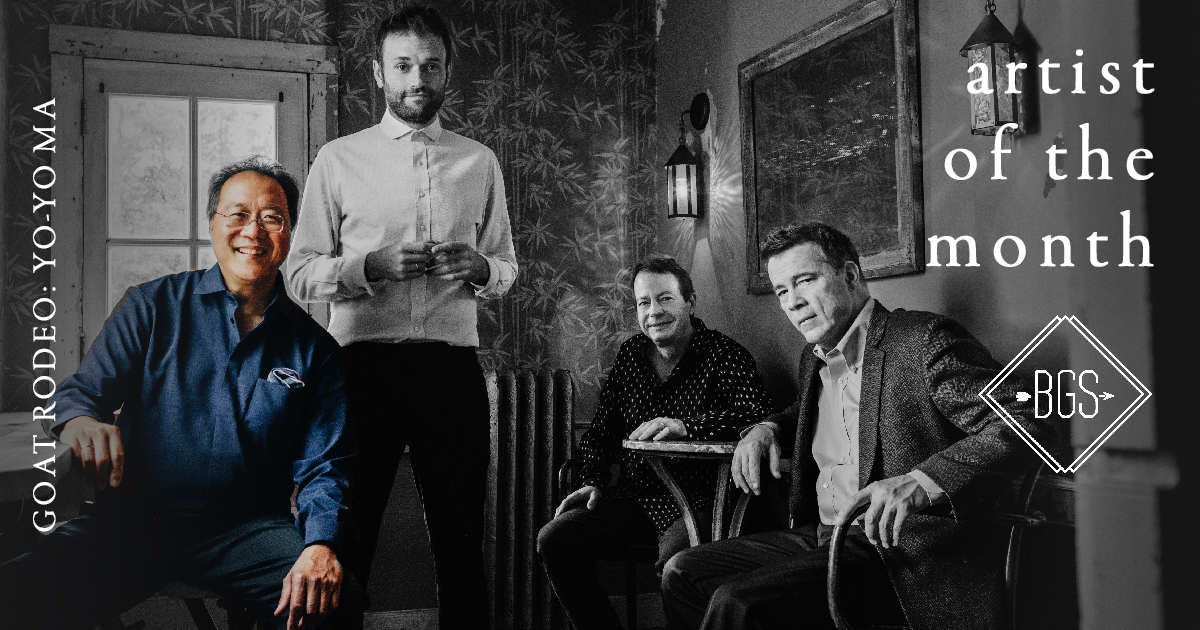
MIXTAPE: The Foreign Landers’ Transatlantic Story

Each of us having grown up on either side of the Atlantic, our common interests and musical influences could not have been more similar. All of these tracks hold sweet memories in our years of being a couple, and each artist has definitely influenced our sound as The Foreign Landers. David and I thought we’d share some of our transatlantic story together through a few of our favorite songs. — Tabitha Benedict, The Foreign Landers

Paul Brady – “The Lakes of Pontchartrain”

This is one of our favorite tracks of all time. This version of the popular ballad is from Paul’s album Nobody Knows: The Best of Paul Brady rereleased in 2002. With Paul’s flawless storytelling ability and tasteful guitar playing, it makes it a joy to come back for a re-listen.

Crooked Still – “It’ll End Too Soon”

David and I have been big Crooked Still fans for a long time and they will often be our first choice of car music on any long journeys. Here’s a beautiful song written by banjoist Greg Liszt for Aoife O’Donovan that is just so sweet to the ears. This was one of the last songs they recorded before the band stopped touring in 2012 and it appears on their EP Friends of Fall.

Tatiana Hargreaves – “Foreign Lander”

This is where the inspiration for our band name “The Foreign Landers” was drawn from. Aside from having more of a story behind our name than just that, we both love this old song and especially love this version from Tatiana Hargreaves debut album Started to Ramble released back in 2009.

Alison Brown – “Fair Weather”

This title track of Alison Brown’s album Fair Weather released back in 2000 is a common favorite of ours. Vince Gill features on lead vocals and guitar, Alison on banjo, Stuart Duncan on fiddle, mandolin, and vocals and Gene Libbea on Bass and vocals.

Ron Block – “Ivy”

Well, we knew we had to involve some of Ron’s writing and performing in this mixtape. We love this track, “Ivy,” off his album Walking Song. This is a perfect album for all year round, with guest appearances from a host of our favorite players.

The Weepies – “I Was Made for Sunny Days”

I first was introduced to The Weepies through hearing them on the radio back in Northern Ireland many years ago. My family instantly fell in love with their songs and sound, so I was so delighted to introduce David to their catalog when we were dating. Another favorite for long drives and singing along in the car. Here’s a real feel good song of theirs called “I Was Made for Sunny Days” from their album Be My Thrill released back in 2010.

The Boxcars – “You Took All the Ramblin’ Out of Me”

We just had to stick some good bluegrass in this mix of songs, and we’re so glad we chose this one. When David and I started dating, we would sing this to each other, and it has to be one of our favorites from the Boxcars album It’s Just a Road released in 2013.

Hot Rize – “You Were on My Mind This Morning”

At one of our first-ever performances about three years ago at the well-loved Cantab Lounge in Cambridge, Massachussetts, David sang lead vocals on this track written by Hot Rize. They recorded this on their 2014 release When I’m Free.

Dori Freeman – “If I Could Make You My Own”

We are big fans of Virginia-based singer-songwriter Dori Freeman, and especially love this track of hers from her 2017 release Letters Never Read. We recorded a cover of this song on our honeymoon on the Isle of Skye about two years ago now, so it holds a sweet spot in our relationship!

John Reischman – “Little Pine Siskin”

One of our favorite tunes off John’s album Walk Along John! John had been touring with the wonderful Greg Blake in Ireland back in January/February 2018, right when David took his first visit to Northern Ireland, and right when we started dating. We went to see them at a wonderful show at the Red Room in Cookstown. It was just a couple of days prior to making things “official.” I remember David playing this tune on that visit and it brings back happy memories!

The Foreign Landers – “I’m Not Sayin’”

We discovered this Gordon Lightfoot song from the late great Tony Rice on his album Tony Rice Sings Gordon Lightfoot. We have both loved this song for many years, and knew that when he would start a duo we would definitely be covering this one. We recorded this version on our EP Put All Your Troubles Away that we released in May 2021. We’re so thankful we did and hope you enjoy it!

David Benedict – “Colonna & Smalls”

David released this tune on his solo project The Golden Angle in 2018, named after the specialty coffee shop in Bath, England, back when we were dating. He has the amazing David Grier and Mike Barnett playing on this track with him.

Cup O’Joe – “Till I Met You”

David and I also tour and record with my two brothers in Cup O’Joe, our band based out of Northern Ireland. I wrote this song back in 2018, and recorded it on Cup O’Joe’s most recent album, In the Parting. I wrote this one with David in mind, not thinking that he would be playing mandolin on it a few months later!


Photo courtesy of The Foreign Landers

BGS 5+5: Donovan Woods

Artist: Donovan Woods
Hometown: Sarnia, Ontario, Canada
Latest Album: Without People (Deluxe)

What other art forms — literature, film, dance, painting, etc. — inform your music?

I read a lot of fiction and journalism and I’m always writing down little passages in hopes of merging their feeling into lyrics in some way. I’d like to think that painting informs me, because I love it so much. I’m entranced by it, but I can’t think of any songs of mine which are directly influenced by paintings. Maybe I’ll try. I’ll try!

What’s your favorite memory from being on stage?

We played in London, UK a few years ago, we’d never had a real ticketed show there and we surprisingly sold it out. Brits are just better at being in crowds. Everyone sang, yelled and made us feel really great. So lovely to have that many people really present and enjoying the songs that far from home.

What was the first moment that you knew you wanted to be a musician?

I think when I started to write songs that people liked. I would send them to friends and they would say, “I would actually listen to this!” and I was very encouraged. I was already in my 20s. It took me a long time to figure it out. It’s never particularly easy to me. I think this notion of “god being in the room” or whatever is really compelling but he doesn’t seem to come into the room for me. It’s just me and my brain trying to figure it out. The closest I come to “god in the room” is I get to write with Lori McKenna sometimes.

Which elements of nature do you spend the most time with and how do those impact your work?

Swimming. I think swimming in bodies of water is the actual meaning of life. I walk a lot while listening to mixes. I feel like that’s the only way I can tell if it’s actually good. My wife likes to go camping. I don’t much like it.

If you had to write a mission statement for your career, what would it be?

I do what I want. It’s bratty, but that’s really it.


Photo credit: Briony Douglas

The BGS Radio Hour – Episode 203

Welcome to the BGS Radio Hour! Since 2017, the Radio Hour has been our weekly recap of all the great music, new and old, featured on the pages of BGS. This week, we’ve got music from CeeLo Green to Loretta Lynn! Remember to check back every week for a new episode.

APPLE PODCASTS, SPOTIFY

Loretta Lynn feat. Margo Price – “One’s On The Way”

Loretta Lynn’s original cut of this song made it to No. 1 on the charts in 1971. When Margo Price teamed up with Lynn to celebrate the latter’s 50th anniversary of “Coal Miner’s Daughter,” Price chose this song specifically, suggesting how legendary it was for Lynn to have sung about women’s rights and birth control in the country music of the ’70s. It’s still legendary today.

Todd Snider – “Turn Me Loose (I’ll Never Be the Same)”

“Turn me loose, I’ll never be the same!” is a phrase that rodeo cowboys used to yell when they were ready – something Snider first heard from Jerry Jeff Walker, but fitting himself perfectly. He asked the cosmos to provide a rock to put is foot on, and so the story goes, the new album from Todd Snider: First Agnostic Church of Hope and Wonder. 

DL Rossi – “Tumbling”

From Grand Rapids, Michigan, DL Rossi brings us a song from his upcoming album, Lonesome Kind. It’s a kind of youthful innocence, warming up to the harsher realities of life. And while we can’t opt out of our hurtful experiences, as Rossi suggests, we can share them to encourage one another.

Aaron Burdett – “Arlo”

North Carolina-based singer and songwriter Aaron Burdett compiled this song by noting quotes that his friend Arlo would say, collecting them for over 10 years. Arlo isn’t necessarily the character in the song, Burdett says, but character, someone who always has a bold thing to say.

CeeLo Green – “Slow Down”

CeeLo Green brings us a video for “Slow Down” from his latest album, CeeLo Green is… Thomas Calloway. From the writing of the song, to the recording and then making of the video, it was a completely expressive process for Green, who called it an “out of body experience.” Ironically titled, the song pulls the listener even closer into the climactic height of the record.

Natalie D-Napoleon – “Gasoline & Liquor”

Driving through the rural Mojave, D-Napoleon passed a sign that read “Gasoline and Liquor.” While she knew it would be a song, she thought it sounded like a man’s song, one written via passing lines back and forth with her husband. The video reflects the landscape of the “Wild Wests” of both the American desert and Western Australia, the places between which this artist splits her time.

Danny Paisley and the Southern Grass – “Date With an Angel”

Danny Paisley is the current reigning prince of Baltimore-D.C.-area bluegrass, a scene with rich history dating back to the 1950s. This week, Paisley and his band the Southern Grass bring us a song from their upcoming release, Bluegrass Troubadour. 

Aoife O’Donovan feat. Kris Drever – “Transatlantic”

Aoife O’Donovan is no stranger here at BGS, or anywhere in the roots community for that matter! Her work with artists like Crooked Still, I’m With Her, and the Goat Rodeo Sessions proves why that is. This week on BGS, she teams up with Scottish artist Kris Drever to bring us a message that we’ll all be together again.

Brigitte DeMeyer – “Salt of the Earth”

BGS caught up with Brigitte DeMeyer from San Francisco this week on a 5+5 – that is, 5 questions, 5 songs. We talked musical inspirations, songwriting techniques, and her mission statement: being herself.

Will Orchard – “Rita”

For Boston-based Will Orchard, this song is about trusting impulses, and the constant questioning of whether or not those feelings are valid. Written on tour in two parts separated by almost year, Orchard was able to combine them with the perspective of time, earning a place on his newly released album, I Reached My Hand Out. 

Helena Rose – “What’s Killing You is Killing Me”

Helena Rose wrote this song while struggling to tell a loved one how she felt about their addiction. Rose offers this song to others who have loved ones battling addiction, giving hope to the struggle, and showing that there is a light at the end of the tunnel.

Valerie June – “Smile”

As March has slipped away and we welcome April, we bid farewell to our March Artist of the Month, Valerie June. This song comes from her latest album, The Moon and the Stars: Prescriptions for Dreamers.

The Bones of J.R. Jones – “Bad Moves”

In celebration of his latest album, A Celebration, we caught up with the Bones of J.R. Jones for a 5+5, talking about performance memories, art forms, and songwriting techniques. Jones’ curated playlist brings us everything from Nina Simone to Bruce Springsteen to the White Stripes.

John Smith – “Friends”

The pandemic was hard on us all, no doubt, but for Wales-based John Smith, it just kept bringing the punches. Trying to make sense of it all, Smith brings us The Fray, his latest album in a 15-year career, teaming up with artists and friends like Sarah Jarosz and Bill Frisell.


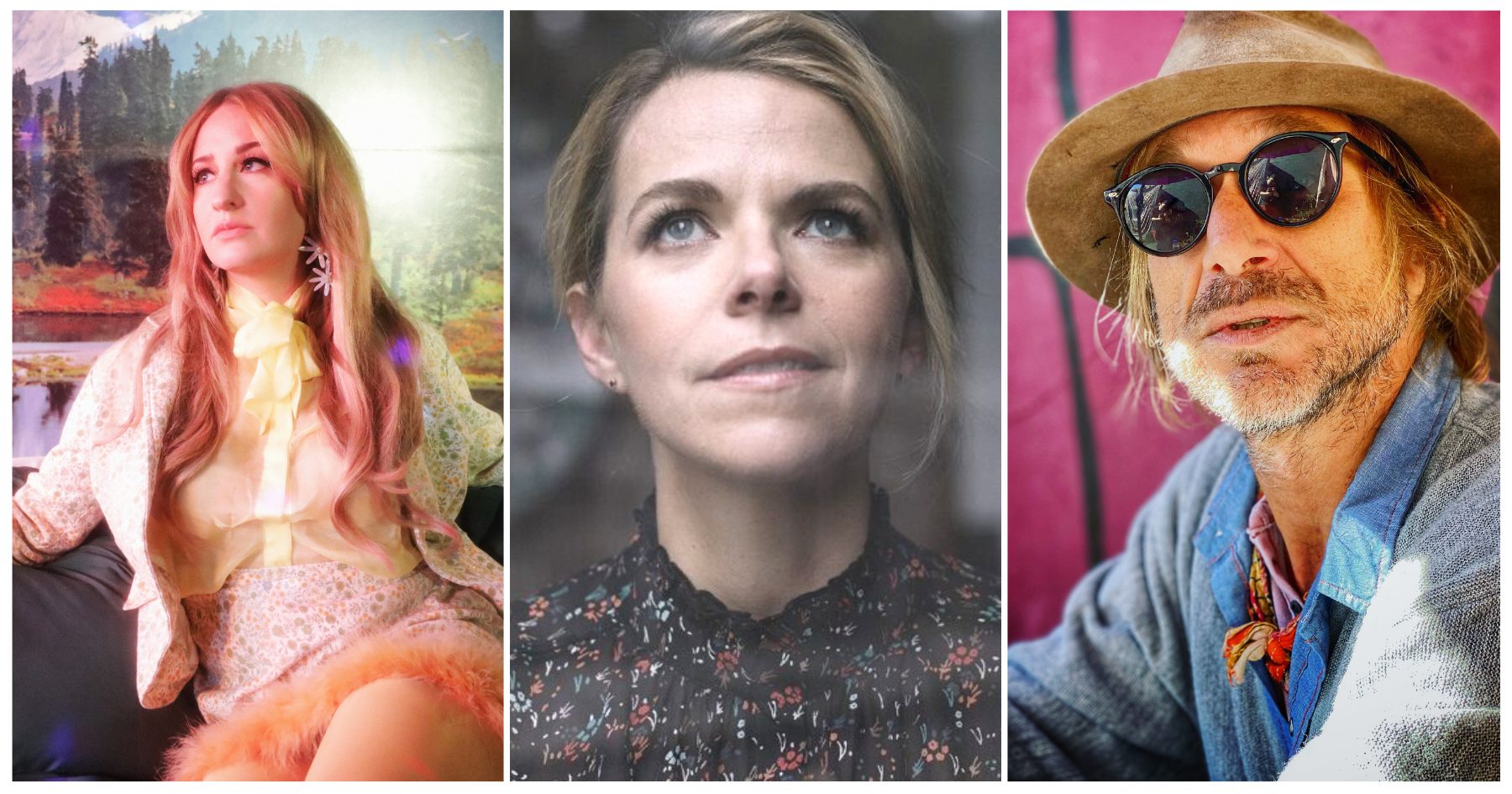
Photos: (L to R) Margo Price by Bobbi Rich; Aoife O’Donovan by Rich Gilligan; Todd Snider by Stacie Huckeba

WATCH: Aoife O’Donovan, “Transatlantic” (Feat. Kris Drever)

Artist: Aoife O’Donovan (featuring Kris Drever)
Hometown: Newton, Massachusetts
Single: “Transatlantic”
Release Date: March 17, 2021
Label: Yep Roc Records

In Their Words: “I started writing ‘Transatlantic’ many years ago after one of my frequent trips across the pond. The lyric started as a classic love song, but when I dusted it off to complete it for this project with the Irish Arts Center, it became something different. I felt strangely moved by the nostalgia and longing for camaraderie, innocently described by my pre-pandemic self. As I finished the tune in January of this year — feeling certain of nothing but the uncertainty of these times — I immediately began to hear the voice of Kris Drever, a friend based in Glasgow. Kris enlisted his trio mates Euan Burton and Louis Abbott to be the rhythm section, and layered the recording with the inimitable strings of Jeremy Kittel. The refrain references the old classic ‘Loch Lomond,’ a ‘song from another time.’ Raise a glass. We will be together again.” — Aoife O’Donovan


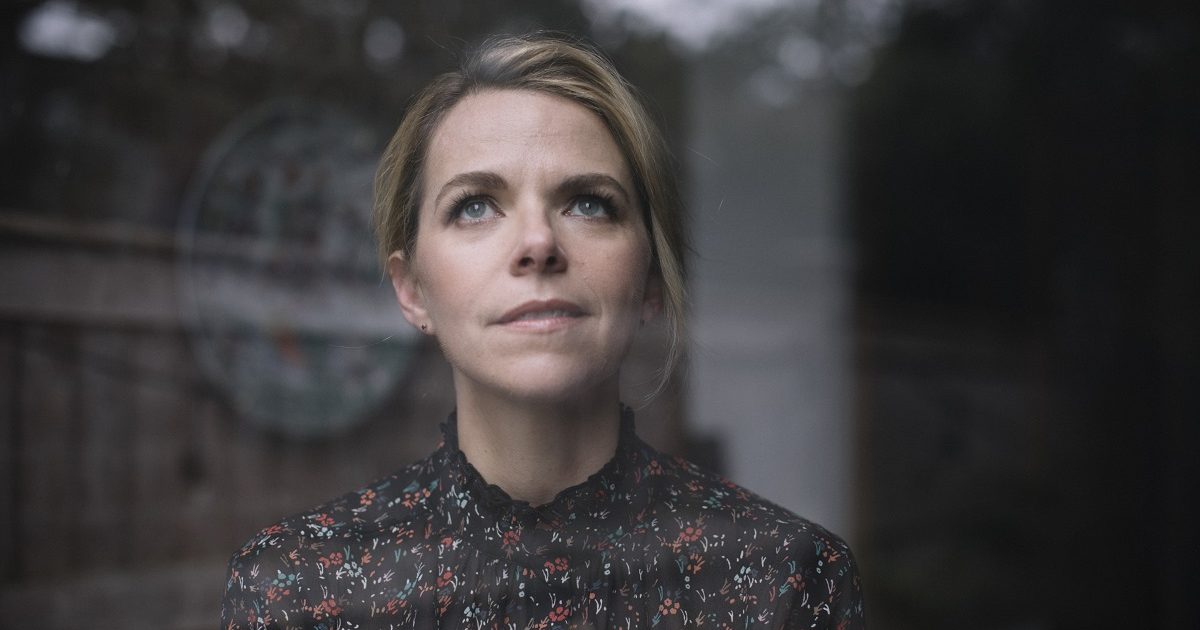
Photo credit: Rich Gilligan

MIXTAPE: Music to Drive Your Kids Around (Without Driving Yourself Crazy)

Among the many writer’s hats I wear is one of children’s music reviewer. When my daughter was in grade school, it was fun playing various kids CDs for her. She’s in college now, so those days are gone. I did keep her in mind, however, when putting together this playlist, thinking about songs that she would tolerate listening to now.

A lot of people associate children’s music merely with those simple, preschool music-time tunes about numbers, letters, and other lessons for toddlers. And there certainly a lot of those songs. But, as in any genre, there is a lot of interesting children’s music being made too.

This mixtape is a “mix” in a several ways. It mixes together songs by “adult” musicians who have ventured nicely into the family music world as well as children’s musicians with what some might call “crossover potential.” There are originals and covers. Fast songs and slow ones. And hopefully it’s a mix that Bluegrass Situation families can enjoy on an hour-long drive, whether it’s a fast drive or a slow one.

To create some parameters, I chose recordings released since 2000, only recordings made for children, and, yes, only recordings found on Spotify (I couldn’t find Jessie Baylin’s Strawberry Wind or I Love: Tom T. Hall’s Songs of Fox Hollow or else they might have been represented here). Also, I also stayed away from songs that seem to appear on every fourth children’s album (sorry, “Rainbow Connection”). — Michael Berick

The Okee Dokee Brothers – “Hope Machine”

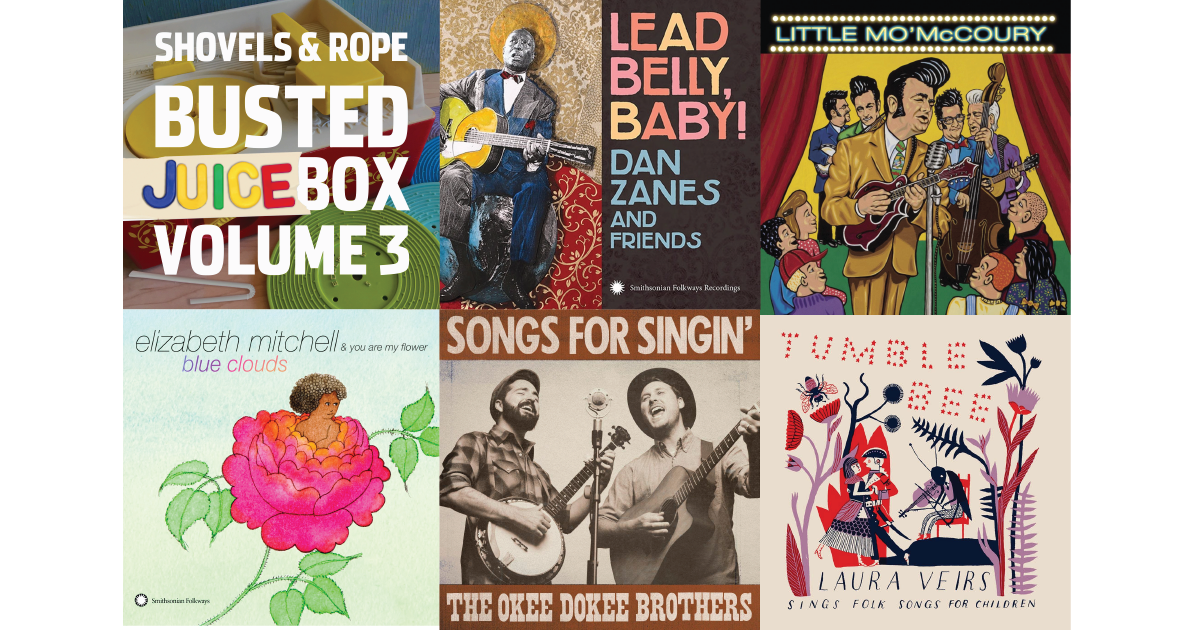
These “brothers,” Joe Mailander and Justin Lansing, have put out a handful of excellent, old-school, folk-inspired albums that mix originals with traditional tunes. You can hear the Woody Guthrie influence in this cheery, gently philosophical original from their 2020 album, Songs for Singing. Here, as in all their music, there’s a wonderful, easy-going approach that doesn’t dumb down to kids.

Elizabeth Mitchell – “Blue Sky (Little Martha Intro)”

This Elizabeth Mitchell isn’t the actress from Lost, but the singer/guitarist from ’80s indie rockers Ida. Over the past 20 years, she has also made many terrific children’s albums, mainly for Smithsonian Folkways. Featuring nifty guitar playing from her husband and longtime collaborator Daniel Littlefield, Mitchell’s acoustic cover of this Allman Brothers classic hails from her Blue Clouds album, where she also reconceives Bowie, Hendrix, and Van Morrison songs.

Randy Kaplan – “In a Timeout Now”

On his album Mr. Diddie Wah Diddie, Randy Kaplan has great fun taking “poetic license” with old blues tunes and, in this case, the Jimmie Rodgers hit “In the Jailhouse Now.” Kids will love the comical lyrics and parents will appreciate Kaplan’s inventive, child-friendly renovations on roots music nuggets.

Laura Veirs – “Soldier’s Joy”

I read somewhere that “Soldier’s Joy” is one of the most played fiddle tunes of all time — and that it was a slang term for morphine during the Civil War. Veirs, who hails from the Northwest indie rock scene, keeps her version on the toe-tapping PG side. This duet with The Decemberists’ Colin Meloy comes from her highly recommendable, and only, children’s album, Tumble Bee.

Wee Hairy Beasties – “Animal Crackers”

This kooky side project by alt-country all-stars features Jon Langford (Waco Brothers/The Mekons), Sally Timms (The Mekons), Kelly Hogan, and Devil in the Woodpile. Pun lovers of all ages will revel in the wild wordplay running through the title track to this decidedly goofy 2006 album.

Little Mo’ McCoury – “The Fox”

Little Mo’ McCoury arguably stands as the most authentic bluegrass album for children, at least in the 21st century. Ronnie McCoury leads his family band through a set of old-timey tunes plus “You’ve Got A Friend” and “Man Gave Name to All the Animals.” While there are some overly familiar choices (“This Old Man,” “I’ve Been Working on the Railroad), “The Fox” provides a frisky workout of this bluegrass standard.

Meat Purveyors – “The Crawdad Song”

“The Crawdad Song,” along with “Froggie Went A-Courting/King Kong Kitchie Kitchie Ki-Me-O” must rank as the traditional tunes most frequently recorded for children. I included “Crawdad” here because it is the one ingrained more in my brain. And I picked this version because of the Meat Purveyors’ speedy bluegrass-y rendition. You’ll find it on Bloodshot Records’ irreverent kids’ compilation, The Bottle Let Me Down (although parents might want to listen to it before sharing with their little ones).

Red Yarn – “Rabbit in a Log”

Red Yarn (the nom de plume for Oregon-based musician Andy Furgeson) makes rootsy music that appeals to all ages. He frequently travels an early rock and roll route but he follows a more acoustic road on this hopped-up banjo-powered take of the old folk tune that appears on his Born in the Deep Woods album.

Johnette Downing – “J’ai Vu Le Loup, Le Renard Et La Belette”

Louisiana music is a popular Americana style in children’s music, probably because it so easily gets kids dancing. On her album Swamp Rock, the New Orleans musician Johnette Downing does a marvelous job presenting, and explaining, a variety of Louisiana-bred music and culture. This bilingual animal tale (“I Saw the Wolf, the Fox and the Weasel”) showcases two Cajun greats: fiddler Joel Savoy and accordionist Roddie Romero.

Kare Strong & Josh Goforth – “To The Country We Will Go”

Slowing down the tempo a bit, “To the Country We Will Go” offers a leisurely family trip. This song, as with most Kare Strong’s music, contains elements of English folk ballads. Providing the banjo, fiddle and other musical accompaniment is Josh Goforth, a bluegrass vet who has played with David Holt, Appalachian Trail, and Carolina Road.

Francis England – “Blue Canoe”

Sticking in the traveling mode, “Blue Canoe” is a charming little outing from Francis England, who makes consistently excellent music for families. This tune appears on her debut, Fascinating Creatures, an album where I would recommend “Charlie Parker” and “The Books I Like to Read” too.

Dan Zanes featuring Valerie June – “Take This Hammer”

While Zanes is right at the top of the best-known kids musicians today, I couldn’t resist including something by him. He has a whole bunch of fine tunes to choose from and I wound up landing on this one, which he sings with Valerie June, from his 2017 tribute album, Lead Belly, Baby!

Sarah Lee Guthrie – “Go Waggaloo”

I couldn’t exclude the name “Guthrie” from this mixtape. For this title track to her family music album, Sarah Lee (Woody’s granddaughter and Arlo’s daughter) wrote a song using unpublished lyrics her grandfather had written. Starting off like a silly sing along, the tune quickly goes deeper becoming a somewhat autobiographical look at Woody’s life.

Josh Lovelace with Spirit Family Reunion – “Going to Knoxville”

Lovelace took a break from his day job as keyboardist in rock band Needtobreathe to make a kids album. A standout track on Young Folks, “Going to Knoxville” is joy-filled, driving-in-a-car love song, with Spirit Family Reunion’s Nick Panken and Maggie Carson contributing some singing and banjo playing.

Beth Nielsen Chapman with Kid Pan Alley – “Little Drop of Water”

Kid Pan Alley, a Virginia-based nonprofit, sends songwriters into schools to collaborate with students. Chapman wrote this song with a third-grade class. Besides its strong message about water conservation, it’s pretty darn catchy too. My family still remembers it over a dozen years after the disc was last in our car’s CD player.

Justin Roberts – “Rolling Down the Hill”

One of the most skillful songwriters in the children’s music scene, Roberts usually operates in the pop/rock field, so this is a rare tune of his with a fiddle. Roberts injects just enough details into this playful ditty to make it resonate with both parents and kids — without slowing down the momentum.

Shovels & Rope with The Secret Sisters – “Mother Earth Father Time”

The just-released third volume in Shovels & Rope’s Busted Jukebox series is a set of family-oriented covers entitled Busted Juicebox. The husband-wife duo Michael Trent and Cary Ann Hearst partnered with The Secret Sisters for a sweetly sung rendition of this tune from the 1973 animated film version of Charlotte’s Web.

Sarah Sample and Edie Carey – “If I Needed You”

These two singer-songwriters teamed up back in 2014 to make ‘Til the Morning, a lullaby album that shouldn’t just be restricted to nap time. This Townes Van Zandt gem was a particularly inspired choice and their tender interpretation is quite moving.

Alastair Moock with Aoife O’Donovan – “Home When I Hold You”

Moock is a Massachusetts singer-songwriter whose family albums often tackle themes like inclusivity or social action. This track comes from Singing Our Way Through, an inspiring, powerful work he made for families dealing with pediatric cancer. His duet with Aoife O’Donovan conveys a simple yet poignant message of love from parents to a child.

Sara Watkins – “Pure Imagination”

Watkins’ first family album, Under the Pepper Tree, arrives on March 26, and its first single offers an appetizing hint of what’s to come. Watkins’ heavenly, soaring vocals highlight her gorgeous rendering of this Charlie and the Chocolate Factory tune. And celebrating the magic of creativity and the freedom of possibilities seems like a sweet note to leave families with.
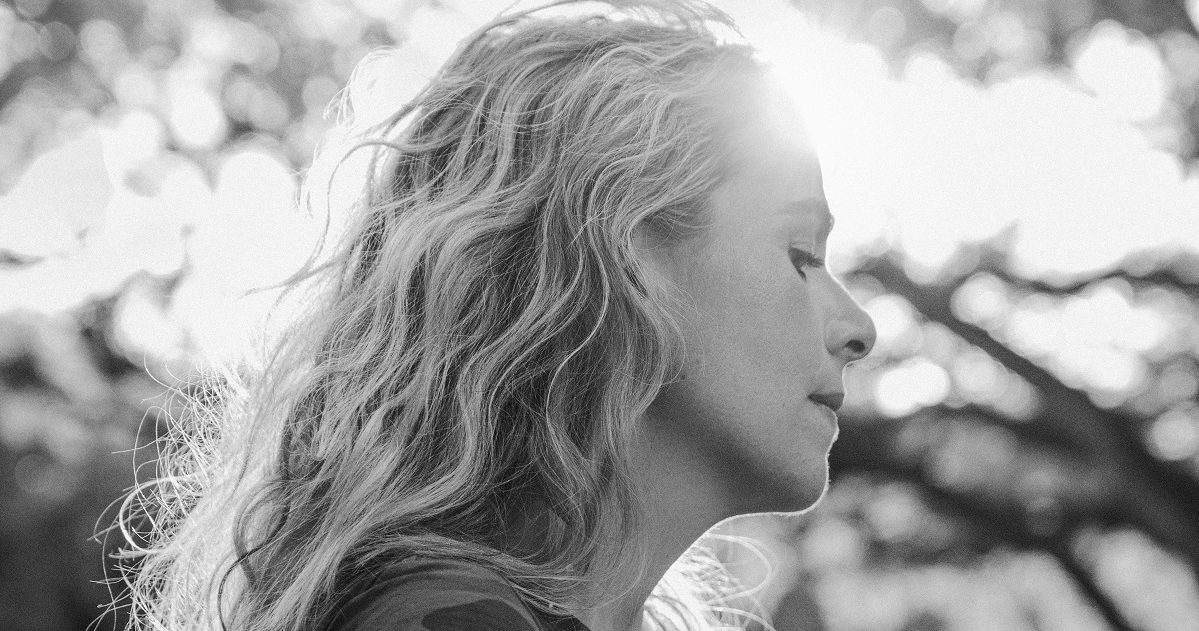


 

WATCH: Goat Rodeo Returns for a Tiny Desk (Home) Concert

The Goat Rodeo was back in town in 2020, and while their stay was short, they left behind a new record for us to enjoy until their next visit. The all-star string quartet (no, not literally a rodeo) released their second album Not Our First Goat Rodeo in June, and much like the passing of a comet, audiences everywhere took it in with wonder and awe. The four visionaries that constitute the Goat Rodeo have each accomplished many incredible, out-of-this world feats, but when Yo-Yo Ma, Edgar Meyer, Chris Thile, and Stuart Duncan join forces, the music made feels less like an album and more like a rare phenomenon you’re lucky to see even once in a lifetime.

This fall, NPR’s Tiny Desk (Home) concert series shared music from their sophomore release. Chris Thile acts as an emcee sharing backgrounds and insights between the three songs featured, all of which can be found on Not Our First Goat Rodeo. As in the 2011 release, the rodeo’s second coming features the beautiful vocal presence of Aoife O’Donovan on the song “The Trappings” (as well as on two other tracks not performed for NPR). Despite their brief reunion, Not Our First Goat Rodeo will surely be considered as one of the highlights of 2020. Watch the Tiny Desk performance here – and read our BGS Artist of the Month interviews with Stuart Duncan, Edgar Meyer, Chris Thile, and Yo-Yo Ma.


Photo credit: Josh Goleman

The BGS Radio Hour – Episode 190

We are so excited to bring to you the BGS Radio Hour podcast! Since 2017 the BGS Radio Hour has been a weekly recap of the wonderful music, new and old, that we’ve covered here on BGS broadcast over the airwaves in Murfreesboro, TN, southern California, and around the country. Now you can check back in every Monday to kick your week off with the best of BGS in podcast form, via the BGS Radio Hour.

APPLE PODCASTS, SPOTIFY

Mipso — “Hourglass”

Our North Carolina-based friends Mipso bring us another track this week from their fifth, self-titled album. They are just one of so many excellent North Carolina artists we’re featuring throughout November for #NCMusicMonth.

Josh Merritt — “Tonya Jo”

Kentucky-based singer-songwriter Josh Merritt brings us a song about his mother, highlighting maybe not the best time in her life, but focusing on both the ups and the downs — and, at the same time, using it as a coming of age story.

Front Country — “How Can You Sing?”

The formerly Bay Area-based, now Nashville residing Front Country are back with another fantastic release: Impossible World. They took the chance to curate a Mixtape to talk about the inspirations behind this album, their departure from 2017’s Other Love Songs, and how it all came to be.

Dave Alvin — “Man Walks Among Us”

California’s Dave Alvin’s new album of rare and unreleased recordings features this Marty Robbins classic, an ode to the desert and the Southwest.

Darin & Brooke Aldridge — “When You Love Someone”

More music from North Carolina! Darin & Brooke Aldridge, one of the most recognized modern duets in bluegrass, bring us this song from their recent release, Inner Journey. 

Aoife O’Donovan — “Red and White and Blue and Gold”

Aoife O’Donovan was featured on the site this week in celebration of her birthday! We pulled a video from the April Whiskey Sour Happy Hour performance archives, in which she is joined by Eric Jacobsen on cello and Colin Jacobsen on violin.

Shemekia Copeland — “Walk Until I Ride”

November 2020 Artist of the Month (and all around modern blues hero) Shemekia Copeland brings us this track from her new album, Uncivil War.  If you’re following along with us, you’ll see more exclusive content from Copeland all month long!

The Sharp Flatpickers — “Red Haired Boy”

“Florida and beyond!” based bluegrass outfit The Sharp Flatpickers bring us a once-Irish, now bluegrass classic this week, courtesy of Mountain Fever Records.

Amanda Anne Platt & the Honeycutters — “Desert Flowers”

From Asheville, NC, Amanda Anne Platt & the Honeycutters’ 5+5 interview details their pre-show/pre-studio rituals, their dream meal with a musician, and their songwriting techniques.

The Wild Feathers — “My Truth”

“My Truth” comes from Nashville’s The Wild Feathers via Medium Rarities — an album made up of all the songs they love which fell through the cracks in the making of their previous records.

Becky Buller — “More Heart, Less Attack”

10-time IBMA award winner Becky Buller has released a new album, Distance and Time. We sat down with Buller to talk about fiddling, songwriting, and the inspiration behind all of her impressive collaborations.

Ida Mae — “Break the Shadows”

Ida Mae’s “Break the Shadows” was shaped (but not hindered) by the early COVID lockdown, and inspired by Stephen Foster’s famous “Hard Times.”

The Suitcase Junket — “Last Man on the Moon”

Originally sci-fi, now turned to a lost love song, The Suitcase Junket’s “Last Man on the Moon” was released on November 20 on a new album, The End is New.


Photo credit: (L to R) Becky Buller by Jason Myers; Front Country by Michael Weintrob; Aoife O’Donovan by Rich Gilligan.

Kronos Quartet and Friends Salute Pete Seeger With ‘Long Time Passing’

“There’s no place like home,” says David Harrington, co-founder and leader of the venerable Kronos Quartet, with a little chuckle.

It’s not just because of the smoke from California fires or the pandemic lockdown at his San Francisco home. With the new album Long Time Passing — Kronos Quartet and Friends Celebrate Pete Seeger, Kronos, after more than 47 years of redefining the very nature of a string quartet through explorations of music traditions and contemporary composers from around the world and, to many ears, exotic, is having something of an Oz moment.

Seeger, of course, was one of the key figures of American folk music, from the early 1950s until his death in 2014 at age 94. The album includes interpretations and adaptations of some of the most beloved songs of the folk canon, among them “Where Have All the Flowers Gone” (which gave the album its title), “Turn, Turn, Turn,” “Kisses Sweeter Than Wine,” “If I Had a Hammer,” and “We Shall Overcome,” which Seeger helped bring to national prominence during the Civil Rights movement of the 1960s. All are transformed through the Kronos prism, which has made magic with everything from Thelonious Monk tunes to Bollywood soundtrack songs to young Iranian and Afghani composers and, spanning decades, an ongoing relationship with American avant-garde composer Terry Riley.

Among the friends on board are young American folk singers Aoife O’Donovan, Brian Carpenter, Lee Knight and Sam Amidon, Spain’s Maria Arnal and Ethiopian-born Meklit. Amidon is making a repeat appearance, having been one of four singers along with Rhiannon Giddens, Natalie Merchant and Olivia Chaney, who joined Kronos for 2017’s Folk Songs album. That collection of American and English-rooted songs is something of a precursor to this new one.

Harrington resists the notion that this is somehow a break from what Kronos has done in the past. “I think all of our work is related,” he says. “For me, Pete Seeger’s work is an extension or a variation of [composer George Crumb’s] ‘Black Angels’” — a keystone in the Kronos repertoire and the work that inspired the group’s formation in the first place — “and Bartók and Beethoven and all kinds of music.”

Making that point emphatically is the piece that is arguably the core of the album: “Storyteller,” a 16-minute sonic collage combining Kronos’ playing with audio of Seeger from interviews and on-stage talk throughout the years, all composed and assembled inventively by Jacob Garchik, a regular Kronos collaborator. The ambitious work made its concert debut last year at Kronos’ San Francisco festival.

“He has been part of our work for probably 15 years,” Harrington says. “It’s so wonderful to see him flower as a musician. Jacob and I have had innumerable conversations about all aspects of music from traditional cantorial music to pygmy songs. It seemed really natural that Jacob would be part of Long Time Passing and that he would make a piece that would bring Seeger to life.”

As well, there is no lack of global cultural reach here. There are songs in Spanish, German, and a South African dialect, plus the instrumental “Raghupati Raghav Raja Ram,” associated with Mahatma Gandhi’s 1930 Salt March protest, which Seeger learned on the instrument bhajan on a trip to India and made a regular feature of his concerts. In one “Storyteller” passage, Seeger himself is heard singing “Where Have All the Flowers Gone?” in German. Arnal sings two songs, recorded in Barcelona last year, one being the Spanish Civil War ballad “Jarama Valley,” a bloody tale of fighting the fascists, written to the tune we know as “Red River Valley.”

And then there is “Mbube,” the South African tune that transformed into the international staple, “Wimoweh/The Lion Sleeps Tonight.” This serves as tribute to Seeger’s lifelong dedication to finding and sharing songs from other cultures, following in the footsteps of his father Charles, a musicologist, folklorist, and composer.

“Alan Lomax [the famed folk archivist and producer] gave him a pile of LPs that they were going to throw out at the Library of Congress,” Harrington said. “Lomax said, ‘I’ve got these LPs from Africa. Would you like to listen to them?’ Seeger comes over and in the middle of the pile somewhere is that song. I mean, what a story! The Weavers [the ‘50s group Seeger was in that launched the folk boom] started singing it. Then the Tokens had the big hit. And then Disney picked it up for The Lion King. I mean, that’s culture. That’s the way it works. But what an ear Seeger had!”

Meklit’s performance is not in Ethiopian. Rather, the Bay Area-based artist was asked to do the elegiac “The President Sang Amazing Grace,” a relatively new song by songwriter Zoe Mulford, inspired by President Barack Obama singing the hymn at the pulpit of the Mother Emanuel American Methodist Episcopal Church in Charleston, South Carolina, shortly after the 2015 mass shooting there.

“I have always been a fan of Pete Seeger and his empathetic yet passionate advocacy for the people,” says Meklit. “This is a song about how music carries us when the limits of language can’t meet our deepest grief, anger, and heartbreak. It’s about a President who understood that and offered us empathy made of melody. It’s about how the violence of racism and white supremacy continue tear at us and cost people their lives. Ultimately I hope the song provides the smallest bit of catharsis in our ongoing season of reckoning with America’s ghosts.”

Having an East African-born singer do this song honoring Obama, with his Kenyan ancestry, brings a lot together, and while it’s the only song on the album that was not part of the Seeger canon, coming after he died, it fits perfectly in his sensibilities.

“There are all sorts of connections,” Harrington says. “They just happen. It’s part of the texture of our society.”

The real magic of the album is finding the new, the current, in the old material, of bringing into vivid life Seeger as an artist, an organizer, an explorer. It’s there from the opening song, “Which Side Are You On?” a question that as much in Kronos’ hands, with Knight almost channeling Seeger, demands a definitive answer. And it’s there in “Garbage,” again with Knight and a child’s chorus, linking today’s concerns with climate change to the environmental concerns Seeger championed through his life, from well before it was a “movement.”

“In terms of the moment in which we live now, obviously Pete’s music and his sensibilities and his spirit came from troubled times,” he says. “He grew up privileged and he knew it. And he paid it back. He was able to adapt throughout his life and address the struggles and issues that were coming in. He saw a real continuity of it. Now we’re talking about civil rights. Not we’re talking about the environment. Now we’re talking about racial divisiveness. It felt like it was all one thread, the same thing. You can see [today’s issues] through that lens, and you can see it through the continuity of what Pete was through his life and what he experienced.”

Harrington stresses that while the album itself seems like something different for Kronos, he can connect it to the very first work written specifically for the quartet back in 1973, “Traveling Music” by composer Ken Benshoof which quoted “Kisses Sweeter Than Wine.” And that is by no means the only thing on this album with which Kronos has history. He notes that his kids and more recently his grandkids have been raised on Seeger recordings, and that a few years ago the group played “We Shall Overcome” for a third-grade class taught by his daughter. But the song has been in their world for much longer than that.

“The idea of doing ‘We Shall Overcome’ is something that we tried out in New York in the early 1980s,” he says. “At that point we did not have the right arranger. I didn’t know how to do it. We tried it, but it didn’t work. But the flame was always there.”

They finally had success with it a few years ago, in a concert that included a piece featuring tapes the voices of gospel great Mahalia Jackson and Chicago writer, labor activist and radio host Studs Terkel, on whose show Kronos had played a few times. Also in that concert was a piece incorporating recordings of Clarence Jones, Martin Luther King Jr.’s lawyer, telling the story of the “I Have a Dream” speech.

“The only thing we could imagine doing as an encore was ‘We Shall Overcome,’” Harrington says.

So yes, Long Time Passing is, for the Kronos Quartet, an act of coming home.


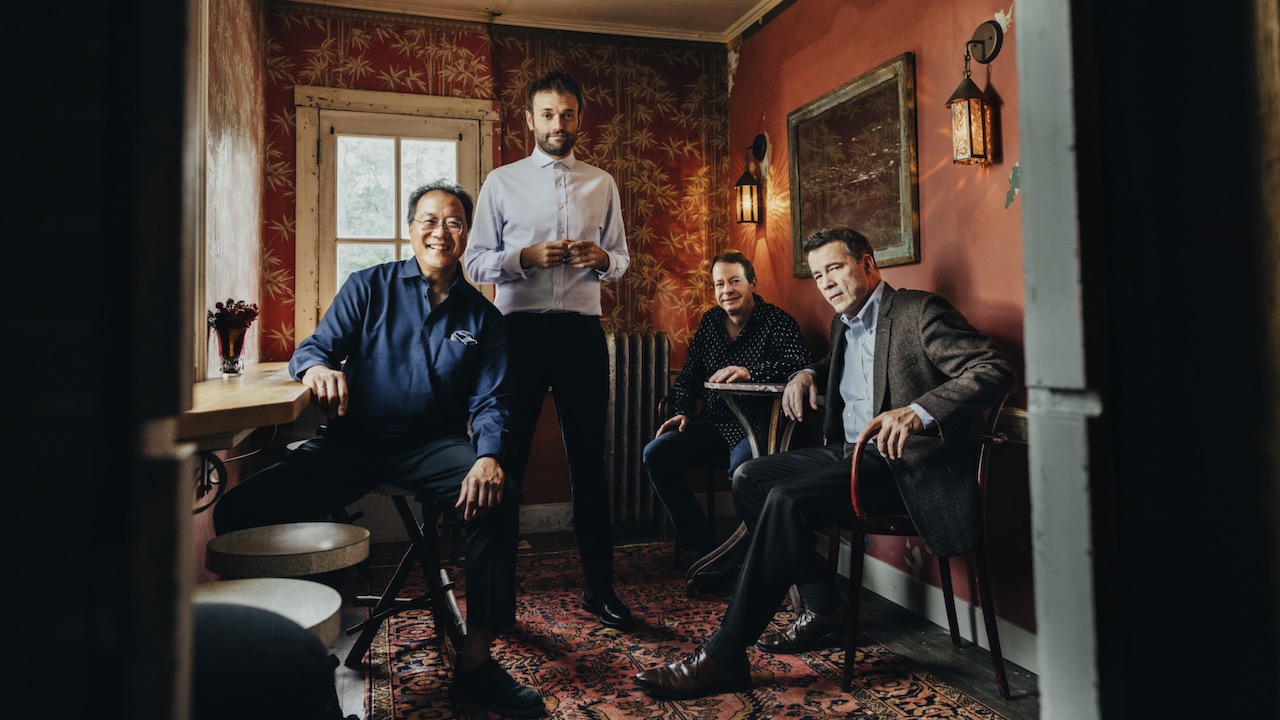
Photo credit: Jay Blakesburg

From Goat Rodeo to Songs of Comfort, Yo-Yo Ma Believes Music Builds Bridges

The world’s most famous cellist Yo-Yo Ma is spending the pandemic at home in Cambridge, Massachusetts, with his family. It has been a situation that he describes, rather humorously, as being an adjustment for everyone. “Two-thirds of my marriage has been on the road. Forty-two years and suddenly my wife sees me home every night, and every day and every morning.”

Yet he says the experience has been a real blessing, too. “All the tensions of being home and preparing to leave, or coming back home to recuperate and then leave again, are all gone,” he explains by phone, before adding “replaced by, of course, the incredible fractures and ruptures in our society.”

Besides pondering a “tsunami of crises,” Ma talks about the joys of getting the band back together — a lineup informally known as Goat Rodeo, which also encompasses Stuart Duncan, Edgar Meyer, Chris Thile, and special guest Aoife O’Donovan. This Artist of the Month interview is the fourth of four installments as BGS salutes the incredible and iconic musicians behind the ensemble’s second project, Not Our First Goat Rodeo.

BGS: Like the first album, Not Our First Goat Rodeo was recorded at James Taylor’s studio in the Berkshires. Was there a comfort level about returning there?

Totally. The studio is aesthetically beautiful. It is right there in the middle of the Berkshires, the middle of the woods, and it’s a barn that has been built for that reason. We work hard. We play hard. And going back to it is fabulous because everybody in the band is so busy. So, just to get the time from their busy lives to get together is a feat, but when we get together, it feels like we never left. So, add to the great acoustics and the set-up of the barn, another added feeling of “the band is getting back together again.”

Since it was in August, was there a summer vacation vibe?

It was like camp except we weren’t 12 years old. [Laughs] Adult camp! We spend all day together. We have meals together. But it was also work. I have to say that Edgar, Chris, and Stuart worked like dogs, way into the night. Working on scores, working on correcting things. They worked really, really, really hard, but we also had a really good time.

Although the four of you don’t play together often, it seems that a high level of trust exists within the group and with the audience.

That’s such a good question, because you are talking about both the external and internal relationship of building trust. It starts with the trust we have in one another, interpersonally. Between Chris and Edgar. Between Chris and Stuart. Stuart and Edgar. Edgar and me. If you were to draw a networking line between all of us, and Aoife included, it’s trust on every level. Trust and respect. I think the two go together. In that, if someone has a deep opinion about something, there’s going to be deep respect for that. We might try it and it might evolve into something else. There’s never an argument…

The trust also comes from the philosophy: it’s not “It’s my way, your way or the highway.” It’s more like “I know certain things and you know certain things and I love what you know and you like what I know and respect what I know.” So we are just working it out all of the time.

So that allows for the freedom of creativity, to follow a musical idea and see where it takes you?

You know, that other thing about that is where you place your ego. We live in a world where some people think their ego walks in front of them. And [with Goat Rodeo], every one of us has a pretty strong ego because otherwise we can’t go and perform. But the egos never lead. We actually make fun of our own egos or each other’s.

Another thing is, we all have strengths and vulnerabilities, [but] we never, ever pounce on anybody’s vulnerability. I’m the oldest guy there. I’m full of warts. You can probably make fun of me until the cows come home but I think they treat me nice. There’s respect but they never step on someone’s vulnerability. It’s like a great relationship — a great domestic relationship. We didn’t get into pushing buttons. We’re so clear about the work that needs to be done. That’s how you build trust. You accept the whole person, and you treasure the parts that they excel in. You don’t tramp on weaknesses. But while we have a lot of fun!

What is one recording that ranks as a G.O.A.T. (greatest of all time) for you?

When you ask a question like that, I can’t help but think about different time periods. If the well-lived life is the life that has been explored, then obviously at all times in your life you will have had different influences that have sparked new interests.

I will give you a musical example of recent vintage. There’s this 23-year-old musician named Jacob Collier from England. He’s almost self-taught. He sings. He plays dozens of instruments. He goes and creates. I find more and more as I get older and older, I am just stupefied by young talent in a way I never was. So someone like Jacob Collier comes along and he does harmonies in ways that are so astounding. I think he studied with Herbie Hancock and his level of inventiveness is so astounding. I feel like Salieri hearing Mozart for the first time. This guy just appears and he can spin and juggle 36 balls in the air while he’s talking to you. I just can’t take this! It’s just so amazing!

Chris is someone like that. Chris has that kind of mind. And I think working with Edgar gives me that sense of him. Because here’s this mind who is a perfectionist mind, in that he works things out in the perfectionist mentality where the abstract is really close to the reality. Usually I have an image of something and I’m going to translate that into a feeling, into a sound, and here it is. Edgar likes manipulating things in the abstract. That’s hard to do, because most of us like to work in the visible world, [which is a] tiny part of the spectrum in the universe.

So the invisible world, whether it is the larger universe or the micro universe, is something that most of us can’t experience… To go to trusting the abstract world, which we can’t see, and say that it’s real is very difficult. And so the question is, What is our faith in the invisible? That’s a big question. For me it is not a political question. It is a human question. As in, who do you trust and on what subjects? That’s very difficult because the world has become so complex.

And the world is so immediate and immense, and you are inundated from so many sides.

So, I grew up in three cultures, and each culture said, “We are the best!” I grew up as a 7-year-old — that is when I came to the States — saying, “Are you all crazy? You can’t all be right because you are claiming you’re the most right and that’s not logical!” So I had to figure out what that means. Just like, is bluegrass music the best? Is classical music the best? Is jazz the best? Is R&B the best? Is hip-hop the best?

I decline to think that way because that just gets me in trouble. Just because it doesn’t make sense. It doesn’t make sense logically. It doesn’t make sense to me sociologically. It doesn’t make sense to me as an American citizen because I take pride in all of the inventions we have made to the expressive world. And every new invention we have is a combination of a number of worlds.

You posted some music performances to your pandemic-inspired project, Songs of Comfort, to bring a little solace to people. How gratifying is it that it’s taken on a life of its own, with people around the world uploading videos?

One of the things that I have found out in this first trimester of the pandemic is how deeply people need one another. How deeply they need community. After lockdown, we see the beaches fill up, the bars fill up, and some people say that the economy must move. It’s totally understandable that we have that drive to be together. My way of thinking about it is to say, let’s be a community given the means we have.

In music, in service, it is always asking the question, “How can we help?” So it came from that impulse. That is a very natural impulse, which so many people have added to, or responded to, because we are all going through different versions of the same thing. We’re losing people. We’re stressed. We can’t find food. We can’t earn our living. We can’t plan. We can’t move around. We can’t be with one another.

But guess what? Music travels lightly. This is where the ephemeral is an advantage. It’s not something that needs to be moved by FedEx or a delivery person, but something we can transfer anywhere we want. It goes through walls. That’s why I say, in culture, music builds bridges because the bridges are not physical. Music doesn’t build walls; it builds bridges, because I can send you a link and there you have it.

I relished not only doing Songs of Comfort, but being able to Zoom into hospitals or getting to play for one patient. To send some music to one specific person to say, “I hear this is what you are going through. I’m so sympathetic. I’d like to send you this piece of music. Here it is. I recorded it on my phone.” And then send it to someone. That’s pretty personal. That to me is the essence of the aesthetic experience.

(Editor’s note: Read the remaining installments of our Artist of the Month interview series here.)


Photo credit: Josh Goleman

Chris Thile Keeps His Goat Rodeo Bandmates From Falling Out of Trees

For more than a quarter of a century, Chris Thile has been constant force in the American music scene — and he’s still shy of 40. The musical polymath always seems to have some project going on: whether as a duo (pairing most prominently with both Michael Daves and Edgar Meyer), a trio (Nickel Creek), quartet (Goat Rodeo), and quintet (Punch Brothers). And he has won Grammys in all of those groupings.

Last summer, Thile rendezvoused with his Goat Rodeo brethren — fiddler Stuart Duncan, cellist Yo-Yo Ma, and bassist (and fellow MacArthur “Genius Grant” honoree) Edgar Meyer — to record their long-anticipated sophomore effort, Not Our First Goat Rodeo, which came out in June. What Thile finds is so special about this collaboration is that it features musicians who are, he says, “excited by, and invigorated by, discomfort. Like a good stretch. I think this project is defined by the willingness of its participants to stretch outside of their perceived comfort zones.”

This Artist of the Month interview is the third of four installments as BGS salutes the incredible and iconic musicians of Not Our First Goat Rodeo.

In a BGS interview a couple years back, you said, “I think any album worth listening to is a concept record.” Was there a concept or an overarching theme behind the new album?

Thile: I don’t know if I would, at this point in my life, back myself up on that no worthwhile album has been made without a concept. If indeed I said that I would walk that back just a touch. But the vast majority of records that have made a serious impact on me have had some sort of perceptible topics of conversations, governing principles, or thematic glue. With instrumental records, the themes start to become the play of contrasts and similarities between the individual participants, and the characteristics they assume in concert with one another.

The two actual lyrical vocal songs [on Not Our First Goat Rodeo] — there’s one other vocal song that has no lyrics — are both meditations on work/life balance. They both zoom the lenses in on the less-written-about parts of the relationships. We tend to write songs about the beginnings and ends of relationships, but we don’t necessarily write songs about the middle. Because the beginnings and ends can be so explosive. Hopefully, if your relationship is successful, your relationship will be in the middle until one of you dies.

Certainly the five of us together often talk about work/life balance. How our families are. How we are doing in context of our families, and how our families are doing in the context of our various endeavors. Lyrically that was something that Aoife and I talked about writing in the midst of those kinds of discussions and thoughts. Instrumentally, the themes are more abstract, but no less present. This project has a built-in [structure] of Stuart, Yo-Yo, Edgar, and me bouncing off of each other. Like, what’s it going to sound like when you smear those four people together? And when you get Aoife into the mix, it becomes a whole other thing.

Is writing lyrical songs for Goat Rodeo different compositionally than in other songwriting situations?

It is different. Since the project is so instrumentally focused, it’s ultimately an instrumental project that happens to have a couple of vocal moments in there. We came up with the music together, then Aoife [O’Donovan] and I went off, having discussed the various things we wanted to write about. But when we are writing that music, it is still kind of like instrumental music that happens to have some vocals on it. “The Trappings” being slightly more like you might expect a vocal song to be. “We Were Animals” came right in sort of the middle.

“Every Note a Pearl” was very much an instrumental, then we wanted some more instruments that could slide around. Also, we wanted some more stuff [happening] while Edgar was pizzicato and Stuart playing tenor banjo and me on the mandolin. We wanted Yo-Yo to have some friends in Sustaining Instrument-land. So, we felt, “OK, Aoife and I can help with that.” But we were never tempted to add words to that one. Because the project is driven by instrumentalizing, the vocals are more balanced in terms of where the interest is coming from. Often, if there are vocals in a piece of music, we are focusing on the vocals, and in this music we are not necessarily playing to those expectations.

The voices then are like fellow instruments?

Yes, absolutely. And they’re not given a place of greater prominence than any one instrumentalist is.

Can you talk about Aoife’s unique contributions to Goat Rodeo projects?

When we first did the project, it was an all-instrumental project. And then, I think it was Yo-Yo’s idea. During our practice, he said, “Chris, you sing. Why don’t you sing a little bit?” And I said, “OK.” It was pretty organic. It was like, “Wouldn’t it be lovely to have another singer on these ‘singing songs’?” Aoife and I had never done anything officially together. It had always been at music festivals. Late-night jam sessions. Those type of things. I think both of us had so much fun singing together that I instantly thought of Aoife and I sent everybody recordings of her. Everyone was into it and off we went. It was still with the full knowing that it was an instrumental record.

That fits in with the group’s general philosophy of not conforming to any genre or expectations — to include anything into the music that makes it work.

That’s absolutely right. Nothing’s off limits. If one of us is interested in something, then it’s like, “Hell yeah!” I love that this record can go from something like “Every Note a Pearl” to “Not for Lack of Trying,” and the idea we’re going to be playing around with sliding slowly from one diatonic chord that is well within diatonic harmony to another — but we’re going to pass through all the points along the way, just very slowly. As if the music is melting/spontaneously generating.

And that’s a thing we’re going to pursue — we’re going to see what happens when we chase a thought. More so [on this album] than the first one, actually. This time through the composition process, more was on the table. We had already pursued our first instincts. It was time to really open up to what the possibilities were — having a foundation to begin with in the form of the first record.

Goat Rodeo features four exceptional musicians and it feels like you all try to bring out more in each other.

I love the ways in which it challenges me. I think it challenges each one of us. Maybe the defining characteristic of this ensemble is that what might stretch one of its members might be the absolute comfort zone of another. What might stretch Stuart as far as he’s ever been in one direction is a walk in the park for Yo-Yo. And vice versa. What might be absolutely stretching Yo-Yo to the point the farthest reaches of his exploration is like falling off a log for Stuart.

I love that aspect of this project. Something that’s super easy for me would be hard for Edgar. And something that’s super easy for Edgar would be hard for me. It runs through the whole ensemble like that. So you always have a guide. One of us can always teach the rest of the class about stretching ourselves as musicians.

Even within a piece.

Oh absolutely. Who’s the master of a given concept can switch throughout the course of a piece. And the learner can instantly become the master. And the master can become the learner, with the idea that we all get better at it as we go along. I love hearing the sound of when one of us is out on the limb right now but one of us totally has it. Don’t worry, that person is going to make sure you don’t fall out of the tree. Because you know that they will return the favor.

What is one recording that ranks as a G.O.A.T. (greatest of all time) for you?

My world was totally blown open by Kendrick Lamar by How to Pimp a Butterfly. I think that is an extraordinary work. Talk about an album hanging together structurally. I think that is just a master class in developing one theme. I still have so much to learn from that record. That’s on the list. That’s definitely up there with the greatest records ever. It’s still opening my ears. The way I understood it when I first heard it is completely different from how I understand it now. One of the big differences is that I understand how little I understand about it. I think the best records do that. They open up your worldview — not just your musical view.

(Editor’s note: Read the remaining installments of our Artist of the Month interview series here.)


Photo credit: Josh Goleman