The Man That Made All of Us Play the Banjo

(Editor’s Note: For Earl Scruggs’s birthday, Thomas Goldsmith revisits a star-studded bluegrass festival tribute to the banjo legend from 1971 in Camp Springs, North Carolina. The 102nd anniversary of Scruggs’s 1924 birth in Flint Hill, North Carolina, is January 6, 2026.)

Like speakers at a testimonial dinner, each musician strode to the microphone in turn.

But instead of heaping on words of praise, a stage full of well-known pickers and up-and-comers used banjos to pay a lively tribute to Earl Scruggs.

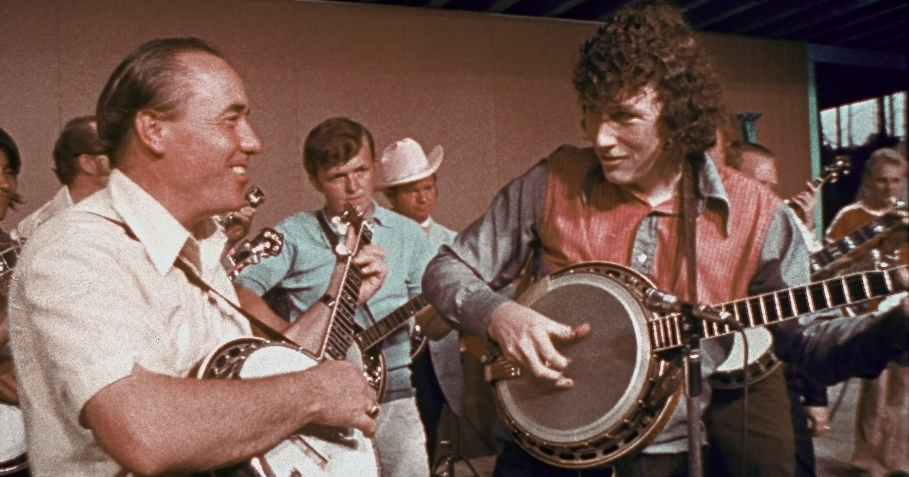
The scene was the 1971 Labor Day weekend bluegrass festival in Camp Springs, North Carolina, at a performance where some of the best banjo players around joined Scruggs on stage. Led by the five-string king himself, banjoists including Sonny Osborne, J.D. Crowe, Bill Emerson, and Alan Munde jointly played Scruggs’s signature tune “Foggy Mountain Breakdown,” some 22 years after its first recording.

The performance is a highlight of the 1972 documentary Bluegrass Country Soul, which enjoyed a 50-year deluxe re-release five years ago. Watch the clip here.
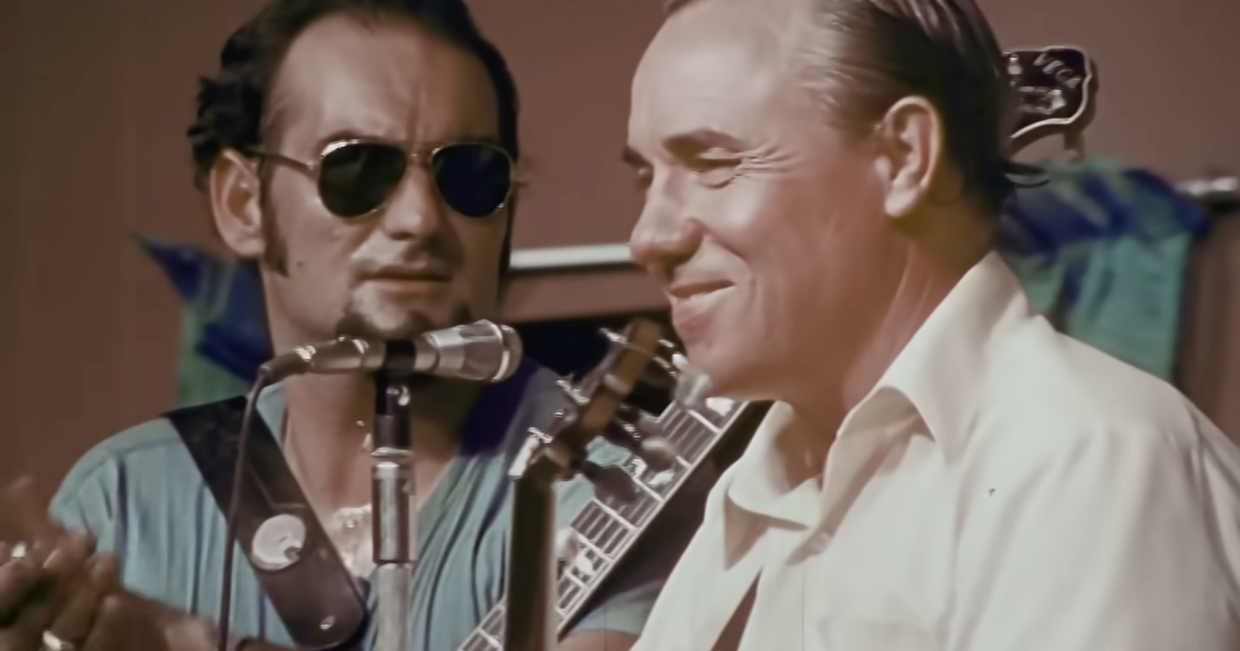
 

Sonny Osborne (left) gets emotional onstage after introducing Earl Scruggs (right). Screenshot from clip courtesy of Bluegrass Country Soul, Inc.

Promoter Carlton Haney invited more than a dozen banjo players on the festival schedule to play along with Scruggs, who was then 47. (A second group performance, of “Dear Old Dixie,” doesn’t appear in the film. And a couple of the “Foggy Mountain Breakdown” performers didn’t make it to the screen.)

Millions of viewers have seen the clip as part of the movie or on YouTube, with Osborne bringing Scruggs on with an introduction that sounds starstruck.

“(It’d) be only right to call out probably the man that has made all of us guys up here play the banjo, or either has been a great influence, as he has in my complete life,” Osborne said. “In my whole banjo-playing ability … I could probably credit to this one man.

“Let’s all give a tremendous welcome to probably the best in the world, Earl Scruggs!”

Scruggs seemed overwhelmed by the audience’s ovation. The cheering feels as though it lasts forever, but took only a minute and a few seconds.

“That really fills my heart with joy,” Scruggs said after Osborne introduced him. “I did want to say one thing: Thank you, and guys like this is what keeps me going, my boys who works with me and you people who keep preaching music.

“I just don’t know what to say, except I’m picking with some guys that plays a tremendous amount of banjo. Don’t underestimate anybody up here. Man, they’re great.”

Earl at a Crossroads

In 1971, Scruggs had only broken up with his longtime duet partner Lester Flatt less than two years earlier. Not even a month before Camp Springs he had recorded along with other greats for Nitty Gritty Dirt Band’s country-roots-popularizing Will the Circle Be Unbroken set. He was venturing into a country-rock sound with his band the Earl Scruggs Revue, along with his sons Randy, Gary, and Steve.

However, Scruggs’s work as a musical innovator remained – and remains – fundamental to the way a large share of bluegrass banjo players address the instrument. That’s true despite the introduction of a single-note style most associated with Don Reno and a chromatic or melodic approach heard in the playing of Bill Keith and Bobby Thompson.

Most of the pickers in the 1971 “Foggy Mountain Breakdown” performance used the three-finger picking style Scruggs introduced in a band with Bill Monroe and Flatt on the Grand Ole Opry in 1945. The exception among the Camp Springs pickers, Rick Riman of the New Deal String Band, caused something of a stir with his chromatic rendition of the tune, not to mention his long hair, full beard, and striped shirt and pants.

How did Riman, who had also studied Scruggs style closely, decide to use the flowing melodic style for “Foggy Mountain Breakdown”?

“I just thought, “OK, let’s see if I can make this work,’” Riman, 83, said on the phone from Denver, Colorado, speaking to BGS in January 2026. “Because I had not prepared anything, and I didn’t even know what was on the program. They just said they want all the banjo players up there to pay tribute to Earl. And I said, ‘OK, I’ll get up there and do it.’”

And what has the reaction been?

“Mostly negative,” he said, with a touch of humor.

“One person said they were really glad to see somebody step out of the standardized [method], and that felt very, very good. Somebody else said, ‘You won’t believe how many people thought that you shouldn’t have been on stage at all.’

“And I get that a lot. That’s mostly the reaction I get, that I shouldn’t have been on stage. I shouldn’t have even been in the parking lot, like the least talented person on the stage and probably the least talented person in the whole park.”

The chromatic style remains one effective tool in the hands of players such as Béla Fleck and Noam Pikelny, but Riman, 28 that day in 1971, has gotten a load of grief over his choice to add some variety to the line of Scruggs-style players. “I would say, over the years, it’s pretty much been like 50-plus years of derision,” he said.

Riman has had one regret. “I should have practiced more,” he said. “I should have been better, but I had no idea.”

Although at Camp Springs he performed in the more recently created melodic and chromatic styles, like everyone on the stage that day in North Carolina, Riman was schooled in the style of the man honored beside them.

“I was really fascinated by Earl and anybody else who played his style pretty well,” he said.
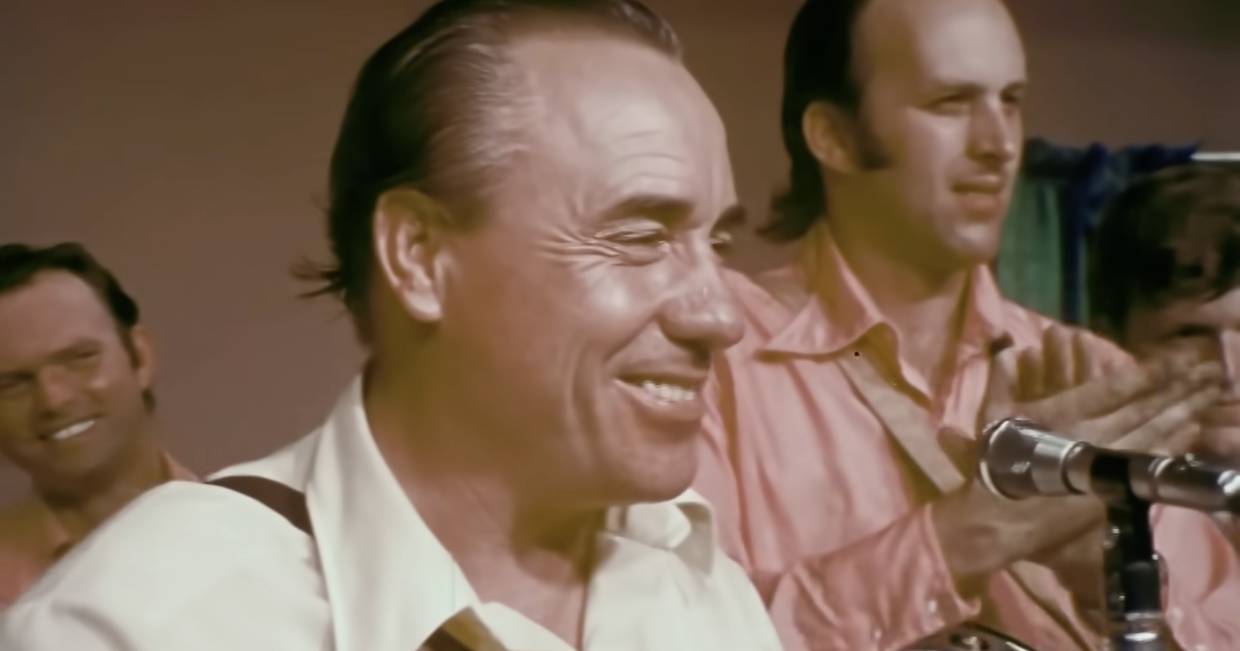
 

Earl Scruggs reacts to his introduction and audience ovation and applause onstage in 1971 in Camp Springs, NC. Screenshot from clip courtesy of Bluegrass Country Soul, Inc.


“Everybody Headed for the Stage”

We were fortunate to reach three of the banjo warriors who performed that day. Sadly, most of the players heard then have since died. Eddie Hoyle, then 14, the youngest of the Camp Springs lineup, is among the survivors and is still actively performing. He talked to BGS on the phone in December from his home in Georgia.

“I was up there playing with Curtis Blackwell and the Dixie Bluegrass Boys and I just remember them telling me that Carlton wanted all the banjo players to come down on the stage and play a tune with Earl,” said Hoyle, now 68. “So I got my banjo out, and everybody headed for the stage.

“I didn’t know if I’d get to take a break or not, but somebody got me in the line that was walking up to the mic. So it was pretty cool. And I remember I was not nervous; OK, probably didn’t know enough to be nervous.”

Most of the players that day stuck fairly close to Scruggs’s own licks on “Foggy Mountain Breakdown,” but Hoyle and others ventured a bit from the classic performance.

“I always tried to learn the right way, as Dad told us to do, but then I would try to put my own twist on it,” Hoyle said.

Nearly half the banjo players that day have been inducted into the Bluegrass Music Hall of Fame. They include Scruggs himself, of course, as well as J.D. Crowe, Bill Emerson, Alan Munde, Sonny Osborne, and Don Stover. Another banjo picker, Saburo Watanabe Inoue, founder of the pioneering Japanese band Bluegrass 45, won the IBMA’s Distinguished Achievement award along with his brother Toshio, in 1995.
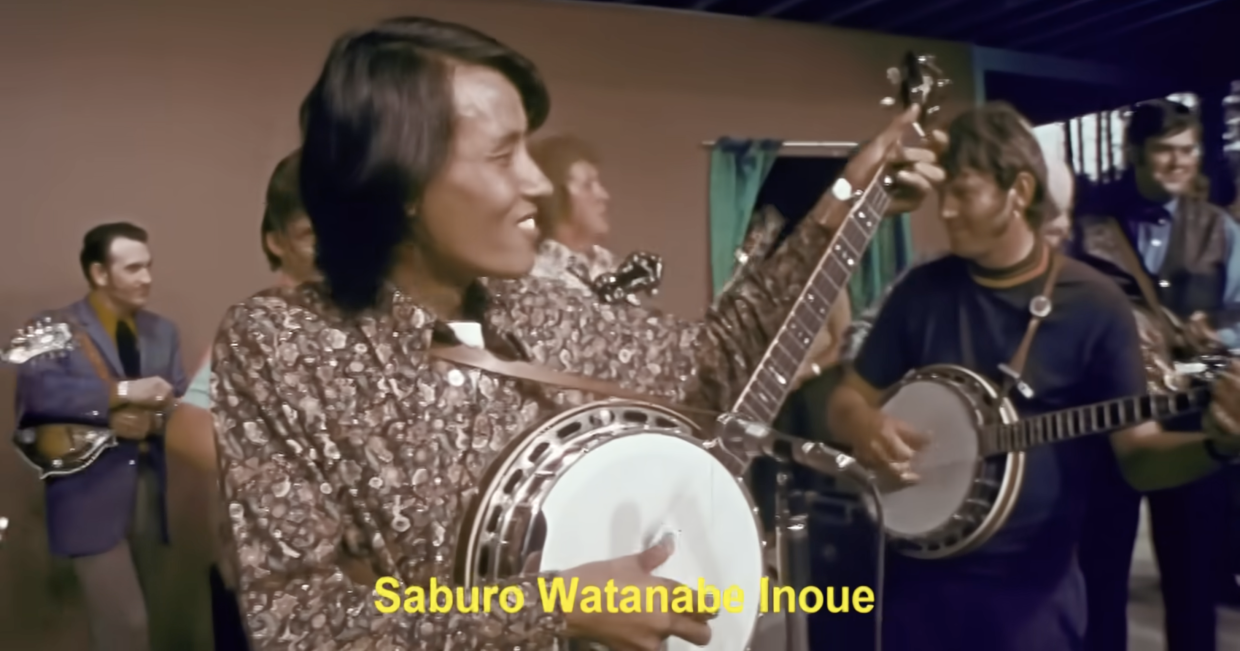
 

Sab Watanabe (who passed away in 2019) of the legendary Japanese band, Bluegrass 45, takes his turn at the mic. Screenshot from clip courtesy of Bluegrass Country Soul, Inc.


Alan Munde Remembers it Well

Munde, 79, still a player and teacher, also spoke to BGS about the experience from his home in Springfield, Missouri. He recalled that he was playing with Jimmy Martin and the Sunny Mountain Boys at the festival and took part in the group performance because Martin wanted him to.

“Thinking back on it and also remembering at the time, I didn’t really want to be a part of it, just because, then and now, I thought I would be so unworthy,” Munde said. “But I think Jimmy wanted me to do it, and you notice he’s there [in the film.] He thought I needed to be there, so I did it.”

Munde remembers the day as a landmark for him, the only time he heard Scruggs play live. Given all the great banjoists and backing musicians including Martin and Charlie Waller, it was an enchanting moment from the sound of Scruggs’s first lick.

“The thing that I remember so much about it is … we’re all standing there and Earl’s talking, and then he’s going to start to play,” he said. “And he, I always call this his ‘chang,’ where he just plays the first, third, and fifth string together and starts into the tune.

“As soon as he did that, I thought, ‘Oh my God, there’s that sound.’ It just was immediately apparent that he was the one.”
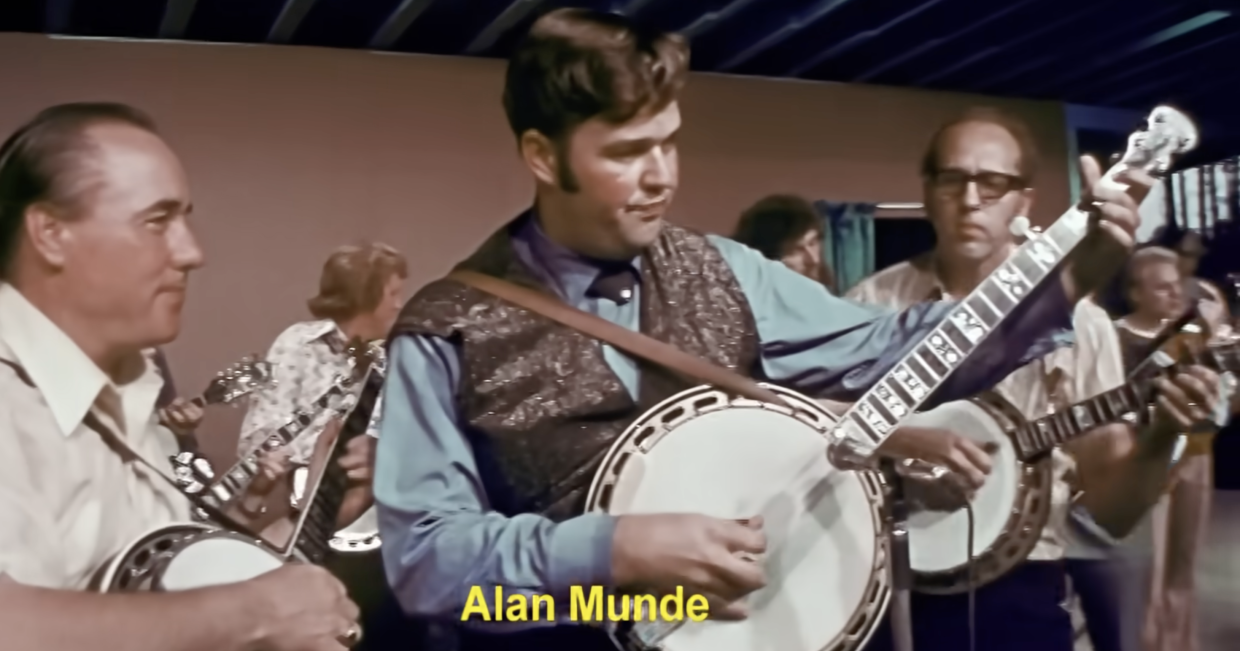
 

Alan Munde (right) is flanked by Earl Scruggs during the all-banjos jam of “Foggy Mountain Breakdown.” Screenshot from clip courtesy of Bluegrass Country Soul, Inc.

Like the first players to tune into Scruggs’s playing in 1945 and like players from Béla Fleck on, Munde appreciates Scruggs’s sound in a way that seems almost mystical. Scruggs produced something that no other banjo player could.

Jimmy Martin, Munde’s boss at the time, used to tell a story involving the great banjo man Vic Jordan to illustrate the way Scruggs’s beautifully nuanced playing and full tone stood above the crowd of his followers.

“Jimmy was kind of down on Vic Jordan a little bit,” Munde said. “And he would tell this story to show that Vic didn’t know the right way. He said when Vic met Earl, he asked him what kind of microphone he used.

“And Earl said, ‘Sometimes I use those little bitty ones, and sometimes I use those real big ones.’

“And Jimmy’s point was that, in his mind, Vic was asking because he thought it was the microphone. But it didn’t matter. It all sounded like Earl every time.”

And hearing Scruggs’s sound that day at Camp Springs, not through a mic, not on a record, but right there next to him on stage, made Munde think the whole exercise was somehow wrong.

“When he did that pinch, I thought, ‘Oh, God, I don’t want to be a part of this.’ What we should have done is just stood back and listened to him, and then said, ‘Do it again.’”

Despite his misgivings at the time, Munde has wound up glad that he took part in the Earl-fest that day.

“Looking back on it, it’s been nothing but good for me, that I got to be there,” he said. “Here it is, 50 years later, people still bring it up. It’s helped get me a little legacy recognition, that I was there, so that’s been real good.”

A Star-Studded Lineup

The career of Sonny Osborne has been well documented, but Bluegrass Country Soul makes clear his admiration and friendship with Scruggs. During the tumult of applause following his introduction, Scruggs asked if he could say something, and Osborne appears to grin and say, “Not yet.” And Osborne cracks up when Scruggs uses his up-the-neck solo from “Foggy Mountain Breakdown” during the last time around for the tune.

Bill Emerson, whose long career included membership in the Country Gentlemen and much more, was interviewed at the time of the re-release of Bluegrass Country Soul. He talked about the pantheon of great banjo players.

“Don Reno, he had his style on the banjo; Earl Scruggs, he had his style on the banjo; Ralph Stanley, he had a style on the banjo,” Emerson said in the set’s booklet. “And on the radio, I could listen to any of them, just the first few notes of an intro, and tell you who was playing. Just by the style that they were playing, the tone that they had, and the timbre. Most people, when they started out playing the banjo back then, they got a bunch of Earl Scruggs’s records and sat down and tried to learn to play like Earl. But it’s mighty hard to sound like Earl, I can tell you. I was never able to do that, so I just tried to sound like Bill Emerson.”
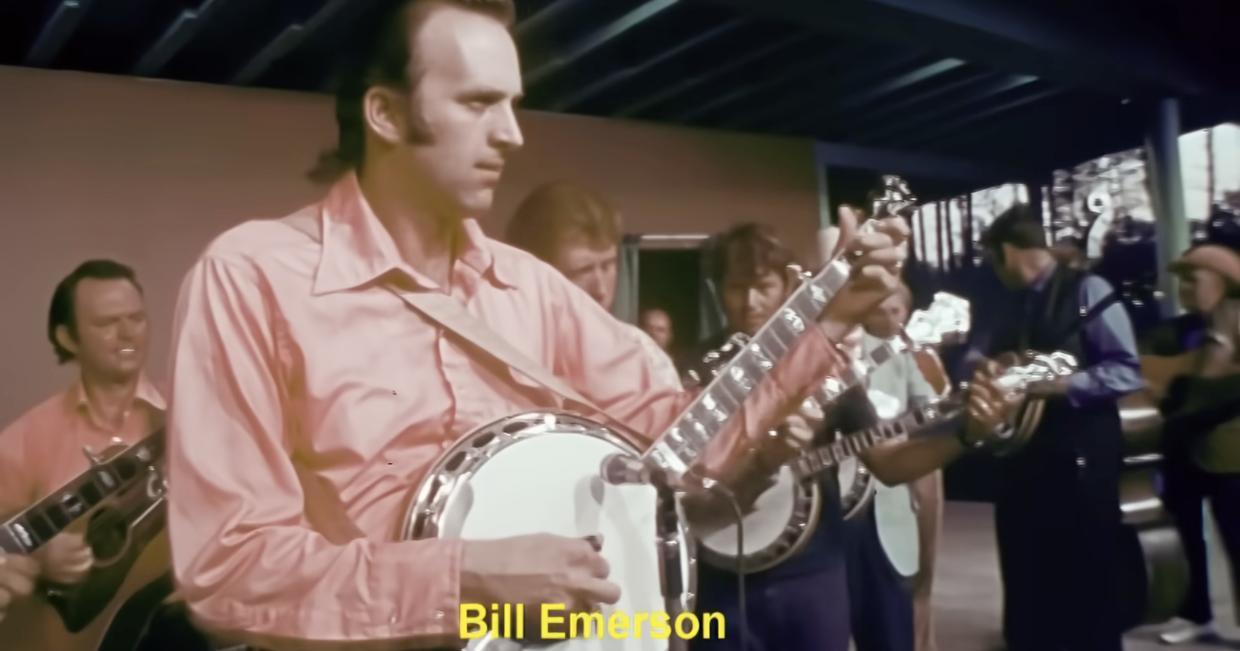
 

Bill Emerson takes his turn playing a solo on “Foggy Mountain Breakdown.” Screenshot from clip courtesy of Bluegrass Country Soul, Inc.

Also on the show was multi-instrumentalist Jimmy Arnold (1952-1992), whose career was one of a kind, including excursions into Southern rock and solo albums on guitar and banjo as well as stints with Cliff Waldron, Charlie Moore, and the New Tradition, according to a 1983 Bluegrass Unlimited story. The article, by Chris Wathen, quoted Arnold on Scruggs: “When you learn all of what you think is hard stuff and then go back and try to play one of his tunes, you find out what the hard stuff really is. It’s his stuff. To play with that much power and volume, you’ve really got to be on top of things.”

Another of the clip’s well-known pickers, Don Stover (1928-1996), had been an early convert to Scruggs style, learning it not long after Scruggs’s first performances with Monroe, according to the Bluegrass Music Hall of Fame.

Stover was known for his work with brothers Bea and Everett Lilly during many years of performances in Boston. He played and recorded as a member of Bill Monroe’s Blue Grass Boys in 1957, even contributing harmony vocals to “In Despair.”

Earl’s son Randy, who appears playing an archtop banjo just before the end of the clip, went on to a distinguished career as a musician, songwriter, and producer.

Doing Their Times

The 55th anniversary of this notable moment in bluegrass will arrive in September. Looking back, the picking ranges from respectable to spectacular, but doesn’t maintain the dead-even tempo that’s supposed to prevail in bluegrass music. Fans remember the story that Earl and brother Horace Scruggs, as boys, used to start playing a tune, then separate to walk around their Flint Hill house in opposite directions. The idea was to check if they were still in time with each other after being out of earshot.

The dozen players on the Camp Springs group number would not have passed this test, based on a stopwatch run-through. While Scruggs’s December 1949 original recording had consistent solos of right at 11 seconds, he started the round robin at about 12.69 seconds and tempos wavered from there.

By the start of Riman’s melodic solo, near the end, the time was more than half a second slower. Randy and Earl Scruggs wrapped things up at roughly the same tempo.

But that’s just a quibble.
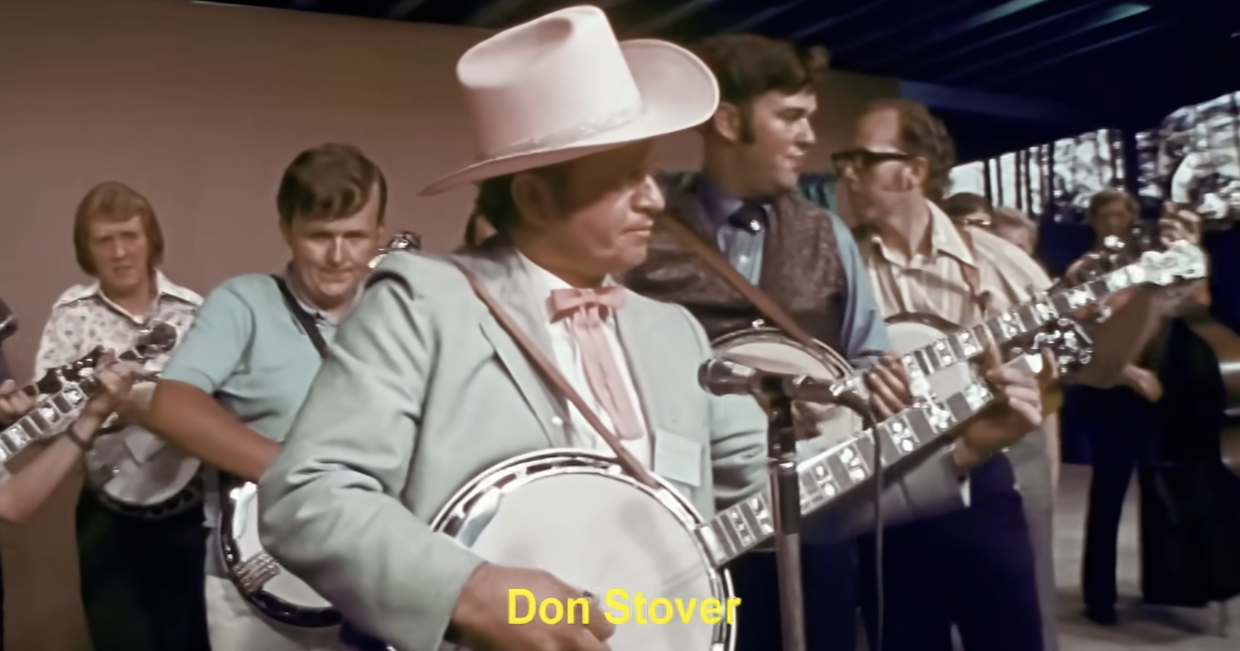
 

A contemporary of Earl Scruggs, Don Stover also performed a rendition of “Foggy Mountain Breakdown” during the jam. Screenshot from clip courtesy of Bluegrass Country Soul, Inc.


Remembering Earl

Bluegrass Country Soul director Albert Ihde did bluegrass lovers a real service by capturing these moments and others at the Camp Springs festival. And promoter Haney had another brainstorm resembling the story, pronounced “stoah-ry,” that he recreated of Bill Monroe and former band members six years earlier at Fincastle, Virginia.

Viewers will keep calling up the video for its closeups of Earl, smiling and even bobbing up and down for his breaks, and for the scenes of several of his outstanding followers, appreciating their moments on stage as they rolled their way through “Foggy Mountain Breakdown.”

Many videos of Flatt & Scruggs can be found on the web that illustrate Earl Scruggs’s unmatched musicianship. In the Bluegrass Country Soul segment viewers can also see a strong memorial to Earl Eugene Scruggs the person, his warmth, humor, and unselfishness as well as his brilliance as a musician.


Thomas Goldsmith is an award-winning journalist based in Tennessee and North Carolina. In addition to producing many hundreds of articles for newspapers and magazines, he edited The Bluegrass Reader and authored Earl Scruggs and Foggy Mountain Breakdown: The Making of an American Classic, both books for the University of Illinois Press.

Learn more about Bluegrass Country Soul and purchase a Golden Anniversary Legacy Edition box set of the film here. Read more about the box set and the making of the film here.

All photos courtesy of Albert Ihde, Ellen Pasternack, and Bluegrass Country Soul, Inc. Lead image: Earl Scruggs (left) and son, Randy Scruggs (right), perform “Foggy Mountain Breakdown” flanked by bluegrass banjo stars of 1971.

Artist of the Month: Opry 100

This month, BGS is celebrating 100 years of the Grand Ole Opry! It would be hard to overstate the influence of the Opry on American roots music – hell, on music in general – over the past century.

From Earl Scruggs joining Bill Monroe to create the sound of bluegrass; to DeFord Bailey becoming the first Black Opry star and the first Black musician to break into the commercial music scene in Nashville; to the legendary meeting of Johnny Cash and June Carter; the Opry has been a catalyst for so many iconic moments. Below, we kick off our “Artist of the Month” celebration with our Opry 100 Essentials Playlist, which includes some of our favorite live recordings from the Opry, songs famously debuted on that legendary stage, and some of our favorite roots songs written about the Opry and its lore, too.

Did you know that Dolly Parton made her first Grand Ole Opry appearance in 1959 at the age of 13 and received three encores? To get a sense of how young Dolly might have sounded on that stage, we’ve included one of her very first singles, “Girl Left Alone,” (the B-side of the now well-known “Puppy Love”), recorded when she was just 11 years old and released the same year as her Opry debut.

Elvis famously made his Opry debut in 1954 at the age of 19, singing “Blue Moon of Kentucky” in a style that was so poorly received a manager told him to “go back to driving a truck,” or something of that nature. You can hear his rockabilly version on our playlist.

In 1969, Linda Martell was the first solo Black woman to perform on the Opry, singing “Color Him Father” for her debut. Although she faced rampant racism throughout her career, her first performance on the Opry was met with two standing ovations and she went on to perform there 12 times over the years.

The Opry has also been fodder for songwriting, inspiring many tracks over the years. Early Opry star David “Stringbean” Akeman met Bill Monroe while playing semi-professional baseball and went on to play clawhammer-style banjo in his band from 1943 to 1945. After parting ways with Monroe’s band, Stringbean became an Opry star in his own right and penned the song “Opry Time in Tennessee.”

Stringbean and his wife were tragically murdered in 1973 by thieves who had heard of him storing cash in his home. In 2009, Sam Bush released his song, “The Ballad of Stringbean and Estelle,” co-written with Guy Clark and Verlon Thompson. “The thieves laid in wait for hours/ But things didn’t go their way/ But he wouldn’t let go of his Opry pay,” sings Bush on his album, Circles Around Me.


@cmt #SabrinaCarpenter makes her #grandoleopry debut 💋✨🎙️ #opry100 #slimpickins #mansbesfriend ♬ original sound – CMT

Shortly before the Opry was moved from downtown Nashville’s Ryman Auditorium to the newly built Opry House in 1974, John Hartford released “Tear Down the Grand Ole Opry,” a scathing commentary on the commercialization of country music. “Right across from the wax museum/ They used to line up around the block/ From east Tennessee and back down home again … Broad Street will never be the same,” Hartford sings nostalgically on his legendary Aereo-Plain album.

While the Opry is known as a country music gold standard, over its 100 years as a live-broadcast radio show it has held clout across the genres and in popular culture – not just in country. This year, as part of the celebration of its 100th anniversary, the Opry has been featuring 100 Opry debuts and first-time performances. These special appearances have showcased the broad impact of the Opry, hosting the likes of pop star Sabrina Carpenter who said, “My mom raised me on the artists who have stood up here.”

Whether in country, bluegrass, Americana, or beyond, the Grand Ole Opry continues to be a musical powerhouse, 100 years after its barn dance birth. While we look ahead to the next century of Opry magic, we’re beyond excited to join the Grand Ole Opry family in celebrating Opry 100 for the entire month of November. Enjoy our Opry 100 Essentials Playlist below and relive the Opry 100: A Live Celebration television special on NBC from earlier this year here, too. You can read our primary feature on Opry 100 right here. Plus, stay tuned all month as we have brand new and archive articles, interviews, and features we’ll be sharing here and on socials all spotlighting the incredibly legacy and community of our beloved Grand Ole Opry as we countdown to November 28, 2025 – the Opry’s official 100th birthday!


Lead Image: Opening of the Grand Ole Opry House in 1974, courtesy of Ryman Hospitality Properties.

13 Online Tributes to Earl Scruggs for His 100th Birthday

On January 6, bluegrass luminaries gathered at the Mother Church itself – the Ryman Auditorium in Nashville – to celebrate what would’ve been the 100th birthday of a man whose name is synonymous with the genre. On that day just over a week ago, banjo legend Earl Scruggs would have celebrated his centennial, and bluegrass celebs like Sam Bush, Béla Fleck, Sierra Hull, Bronwyn Keith-Hynes and many more gave a tribute concert streamed live on Veeps. While the live show might have come to an end, many are sharing pics and memories of Scruggs, keeping his special celebration going.

We’ll be highlighting the pioneer’s 100th all year long, so we’re also collecting some of the best social posts – in no particular order – that you might have missed.

Ryman Auditorium

With such a star-studded tribute concert, of course we should kick our list off with the Mother Church’s post about their live concert celebrating Scruggs – which benefitted the Earl Scruggs Center in Earl’s hometown of Shelby, North Carolina. The Ryman itself is located in the heart of downtown Music City, a fitting venue for this show.


Béla Fleck

Béla Fleck is just one of many modern banjo pickers inspired by Scruggs’ iconic three-finger style. We recently featured a single from his upcoming album in our #BGSClassof2024 playlist. His Facebook post recalling memories of working with his banjo hero is a touching accompaniment.

“Rhapsody in Blue(grass),” from Fleck’s upcoming album Rhapsody in Blue, is a perfect commemoration of the 100th birthday of Scruggs. Fleck is joined by his My Bluegrass Heart band, picking alongside Michael Cleveland, Sierra Hull, Justin Moses, Mark Schatz and Bryan Sutton.


Sam Bush

It’s hard to imagine historic movements and bands like New Grass Revival existing without the ability to build on the foundation that Earl Scruggs and others laid for the generations that followed. It’s no surprise, then, that Sam Bush paid tribute to Earl in a Facebook post following the Ryman show.


Gena Britt

IBMA Award winner and Grammy-nominated Sister Sadie banjo player Gena Britt has posted several photos and reels on her Facebook page from the Scruggs bash, where she was just one of many banjo players in attendance.


Tony Trischka

Tony Trischka’s upcoming album, Earl Jam, is a tribute to his musical mentor and inspiration, Scruggs, and will be released later this spring by Down the Road Records. Trischka just released the official music video for “Brown’s Ferry Blues,” featuring Billy Strings, right after Scruggs’ birthday.

Earl Jam will be a special collection of Trischka playing Scruggs transcriptions note-for-note that he gleaned from jam session recordings taken by John Hartford at Earl’s house in the ’80s and ’90s.


Earl Scruggs Music Festival

To mark their namesake’s birthday, the Earl Scruggs Music Festival posted one of the most iconic photos of the banjo player in music history. If you haven’t made it to this North Carolina event yet, check out our coverage from last year’s festival. We’re very much looking forward to Earl Scruggs Music Festival 2024!


John McEuen

For his own tribute, John McEuen – a founding member of the Nitty Gritty Dirt Band – shared some incredible footage of the first time he met Earl Scruggs back in October of 1970.

“This meeting right here is what led to the Will The Circle Be Unbroken album,” he shared.


Jerry Douglas

Jerry Douglas, iconic Dobro player and member of the Earls of Leicester, posted a wonderful collection of photos from the Ryman show!


Kyle Tuttle

Kyle Tuttle, member of Molly Tuttle’s Golden Highway band, posted a clip of his own three-finger work inspired by Scruggs.

“Who knows where the banjo would be had this man not come along and shown us how it works,” Tuttle mused.


International Bluegrass Music Association

The IBMA marked Scruggs’ centennial by posting an abbreviated history of his life and career.

“From his home state of North Carolina, Earl took the sound of the banjo and revolutionized it across the world,” the post reads. “Not only did he pioneer the three-finger banjo, but he played it to standards of taste and technique unmatched by thousands of disciples over seven decades.”


Alison Brown


View this post on Instagram


A post shared by Alison Brown (@alisononbanjo)

Alison Brown, co-founder of Compass Records and multi Grammy award-winning banjo player, posted a touching tribute to Scruggs on Instagram.


Mark O’Connor

In a lengthy tribute post with multiple photos fiddler and composer Mark O’Connor remembered Scruggs on his Facebook page.


Andy Thorn


View this post on Instagram


A post shared by Andy Thorn (@_thornpipe_)

Thorn, banjoist for Leftover Salmon, posted a clip of himself on Instagram playing what is perhaps the most iconic banjo tune of all time, making it a fitting end to our list of social media tributes. Check out Thorn’s take on “Foggy Mountain Breakdown!”

We’ll continue to celebrate Earl Scruggs’ 100th all year long, so keep checking back for more on BGS!


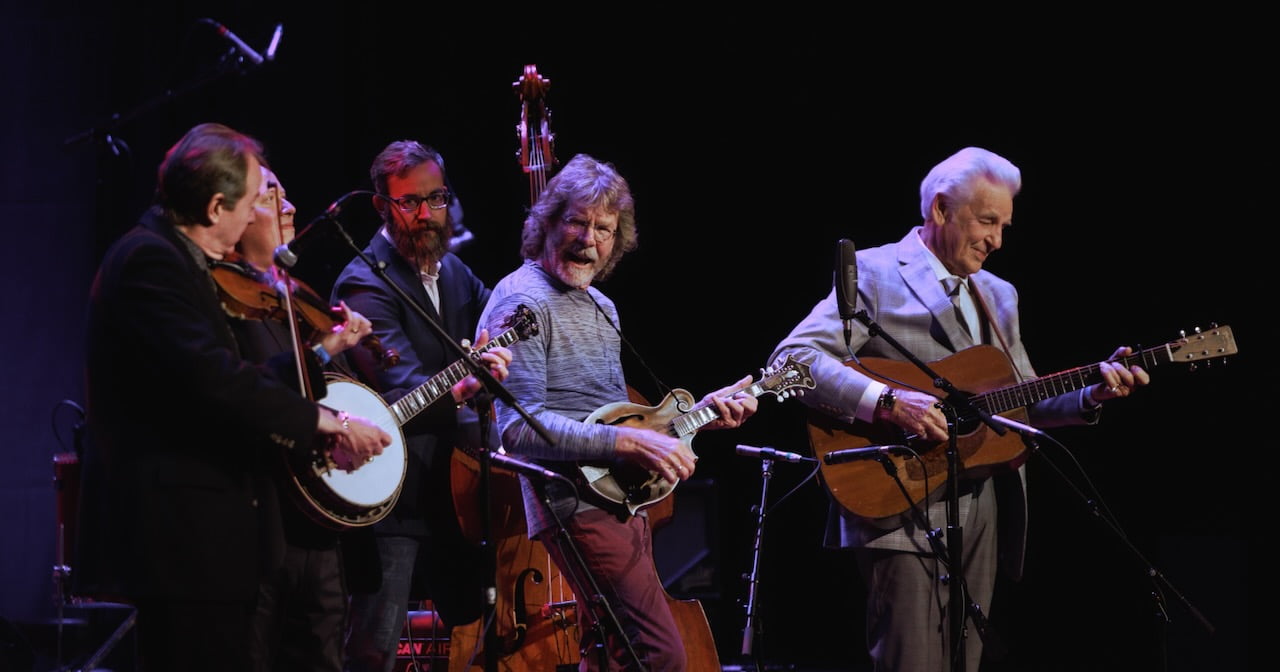
Lead photo by Eric Ahlgrim courtesy of the Ryman Auditorium. Pictured: Stuart Duncan, Jim Mills, Alan Bartram, Sam Bush, and Del McCoury perform for Earl Scruggs’ 100th Birthday Celebration at the Ryman on January 6, 2024. 

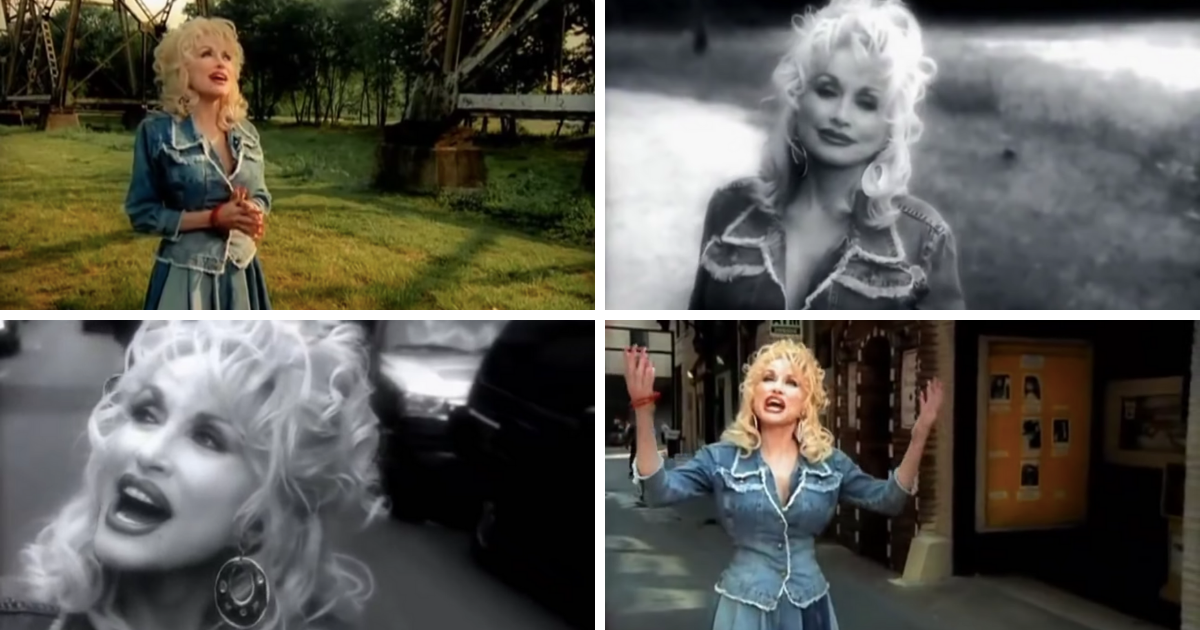
Remember When Dolly Parton Took a Bluegrass “Shine” to This Rock Anthem?

The queen of country music is celebrating a milestone birthday on January 19. Her majesty, Dolly Parton, turns 75 this year, and to celebrate the music that has won awards and our hearts alike, we’re deep-diving back to the distant year of 2001. Like Dolly herself, “Shine” comes from a record that was born in mid-January — one that features a little bit of everything, from original compositions and old traditionals to cleverly reimagined cover tunes like this one. That diverse album, Little Sparrow, earned a pair of Grammy nominations and a win for her vocal performance on “Shine.”

Although this 1993 rock radio staple was originally recorded by Collective Soul and written by its lead singer Ed Roland, Dolly and the all-star backing band in the video give the song a fresh breath of bluegrass energy and acoustic attitude. It’s a seemingly unlikely cover, yet Parton pulls a unique bluegrass diamond out of what seems like a through-and-through rock and roll song. Upon Little Sparrow’s release in 2001, Parton stated, “I’ve been trying to think of how I can sing it without all the rock stuff; it sounds spiritual and all that, and the melody lent itself well to some bluegrass harmonies. I figured we’d kick it around and if it didn’t work, we wouldn’t put it on. But it worked out great.”

As unbelievable as it may be, here is the TL;DR: Dolly won a Grammy for a cover of a Collective Soul hit. Watch the music video below and enjoy our Essential Dolly Parton Playlist in honor of her 75th birthday!


BGS Long Reads of the Week // April 17

We’ve so enjoyed looking back into the BGS archives with you every week for some of our favorite reporting, videos, interviews, and more. If you haven’t yet, follow our #longreadoftheday series on social media [on FacebookTwitter, and Instagram] and as always, we’ll put all of our picks together right here at the end of each week.

Our long reads this week are pioneering, longsuffering, triumphant, innovative, and so much more.

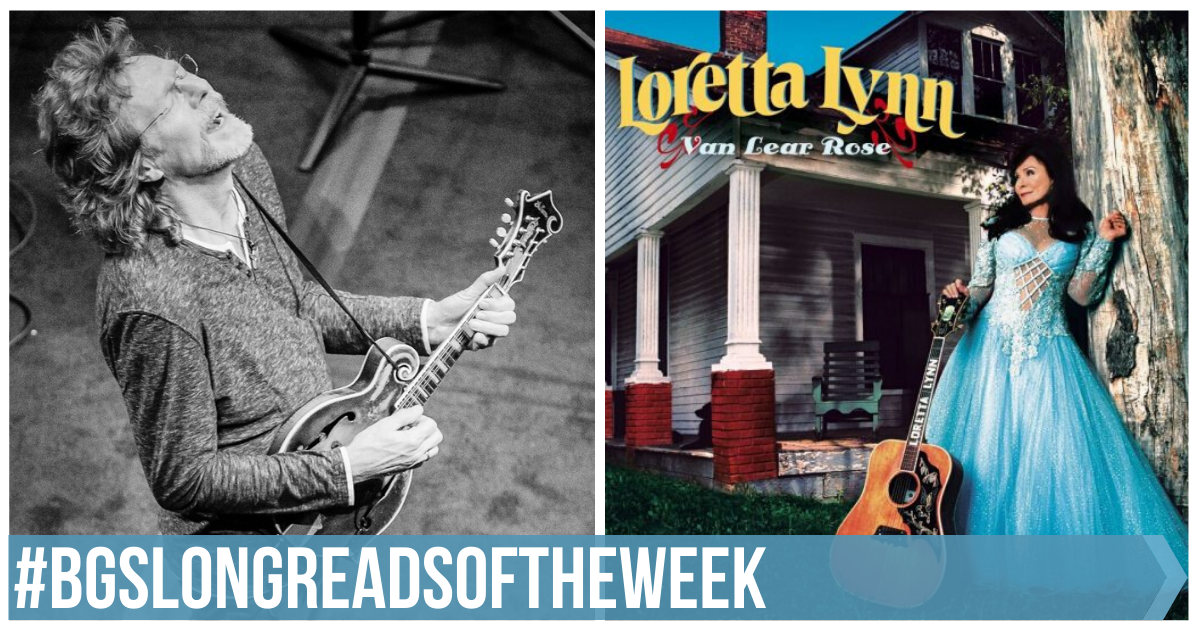
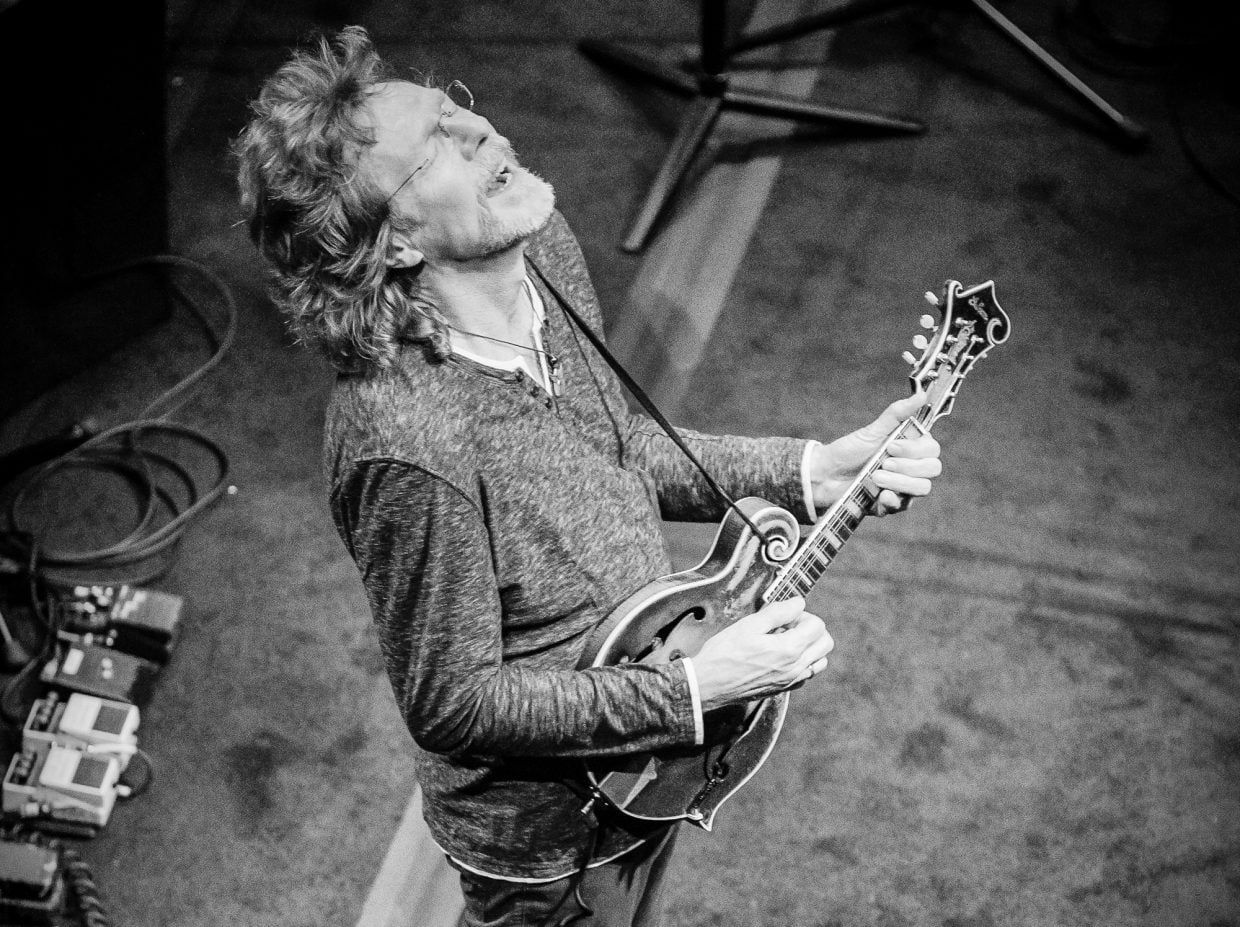
Old, New, Borrowed, and Blue: A Conversation with Sam Bush

April 13 just so happens to be the birthday of this bluegrass pioneer, a man who has had an incredible impact on the genre over the course of his lifelong career. So of course we started off the week in long reads with this 2016 interview with Sam Bush, written by Mipso guitarist and vocalist, Joseph Terrell. Sam talks New Grass Revival, Bluegrass Alliance, the future of mandolin, and so much more. It’s worth a read, birthday or not! Happy Birthday, Sam! [Read more]


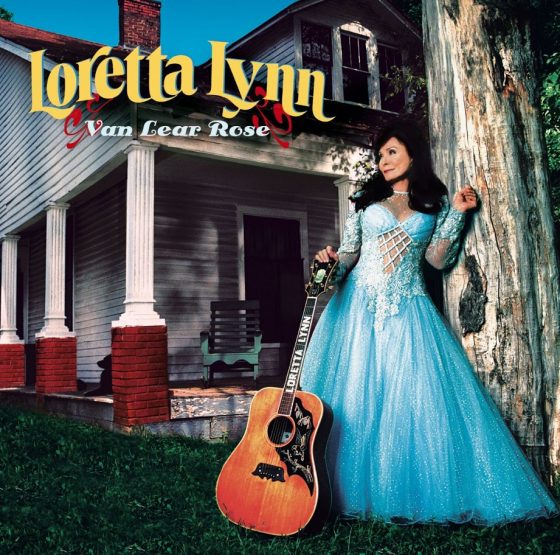
Canon Fodder: Loretta Lynn, Van Lear Rose

It just so happens, we’re featuring two birthday long reads in a row! On Tuesday this week we wished country legend Loretta Lynn a very happy birthday with a revisit to an archived edition of Canon Fodder on Van Lear Rose, her 2004 critically-acclaimed collaborative album made with Jack White. Lynn has changed and innovated upon country music in many more ways than one, and she continues to do so as her career goes on! Just like with Van Lear Rose. [Read more about the album]


Eric Gibson’s Family Shares Autism Story in New Film

We love a two-fer. With this look back into the archives, you get a film choice for tonight or this weekend, too. The Madness & the Mandolin is a documentary following the many challenges and breakthroughs of Kelley Gibson’s (son of The Gibson Brothers’ Eric Gibson) journey and evolution with autism. The film explores methods like exercise, meditation, reading, and music as tools that, combined, can often be the most powerful treatment. We spoke to the project’s producer/director Dr. Sean Ackerman last year. 

The Madness & the Mandolin is available to rent on Amazon Prime. [Read the interview]


Like Father, Like Sons: Del McCoury & the Travelin’ McCourys

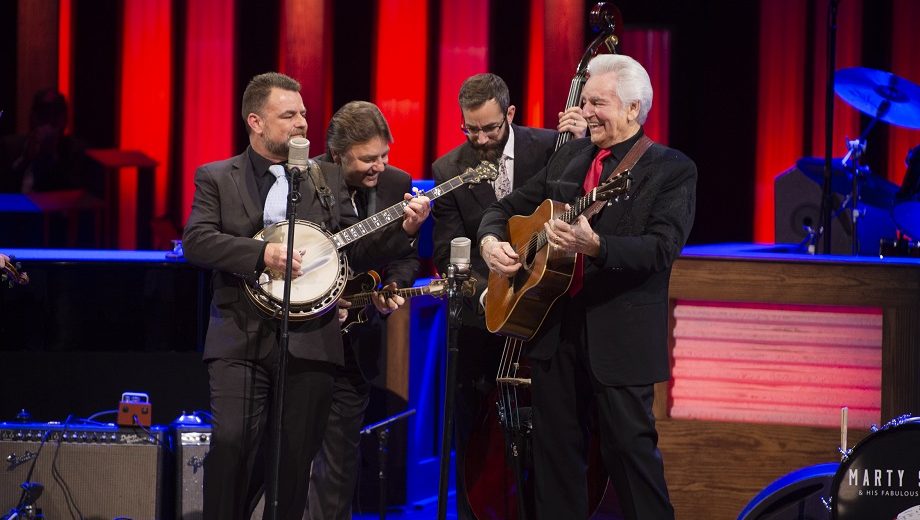
2019 was a banner year for The Del McCoury Band and The Travelin’ McCourys, Del celebrated his 80th birthday, his Opry anniversary, and DelFest conquered the mid-Atlantic once again. While 2020 is certainly off to a rockier start, the entire bluegrass world — and roots music altogether, too — are so glad to still have this legend of bluegrass making music, laughing a lot, and killing the hair game. At BGS, we’re grateful we got a chance to chat with Del backstage at the Opry last year. [Read more]


Rose Maddox: The Remarkable Hillbilly Singer Who Made Bluegrass History

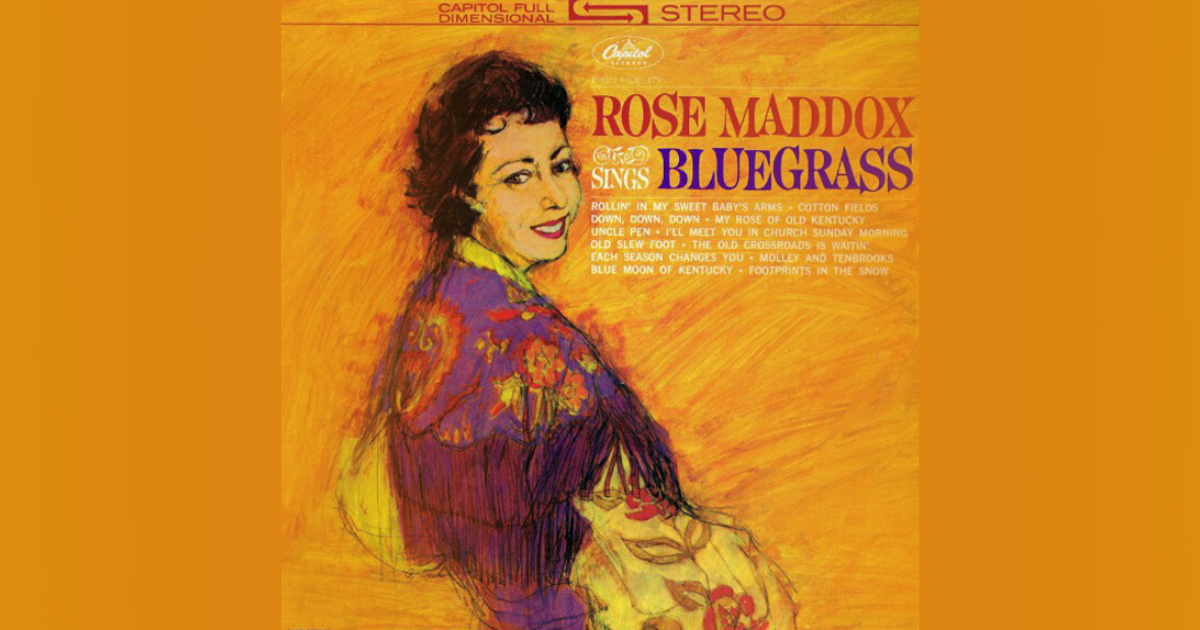
She’s not in the Country Music Hall of Fame or the Bluegrass Hall of Fame, and Hollywood has never adapted her story for any sized screen. She’s certainly more than deserving of the former — regarding the latter, you’ll just have to read our feature to see why Rose Maddox deserves to be canonized and then some for her myriad contributions to country, bluegrass, and every other genre in between. [Read about this musical pioneer]