Punch Brothers’ Paul Kowert: Musically Driven

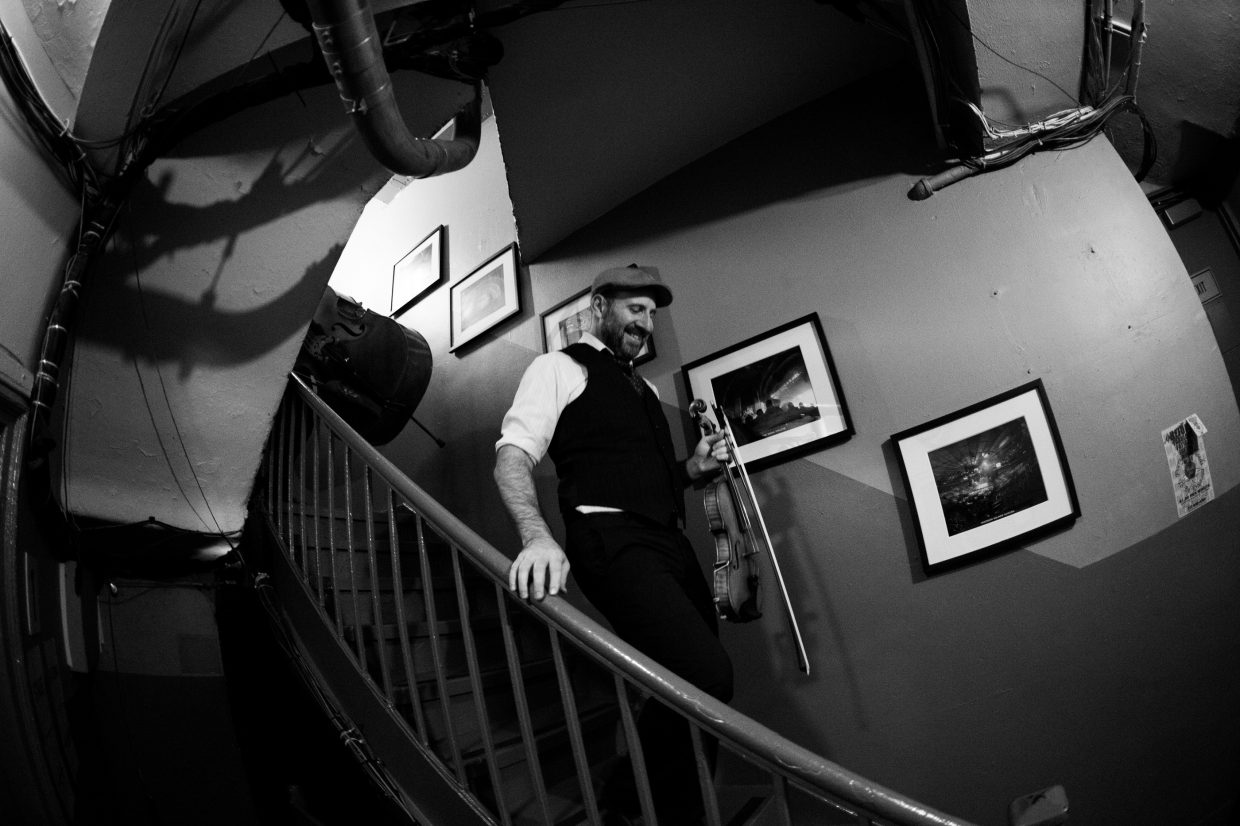
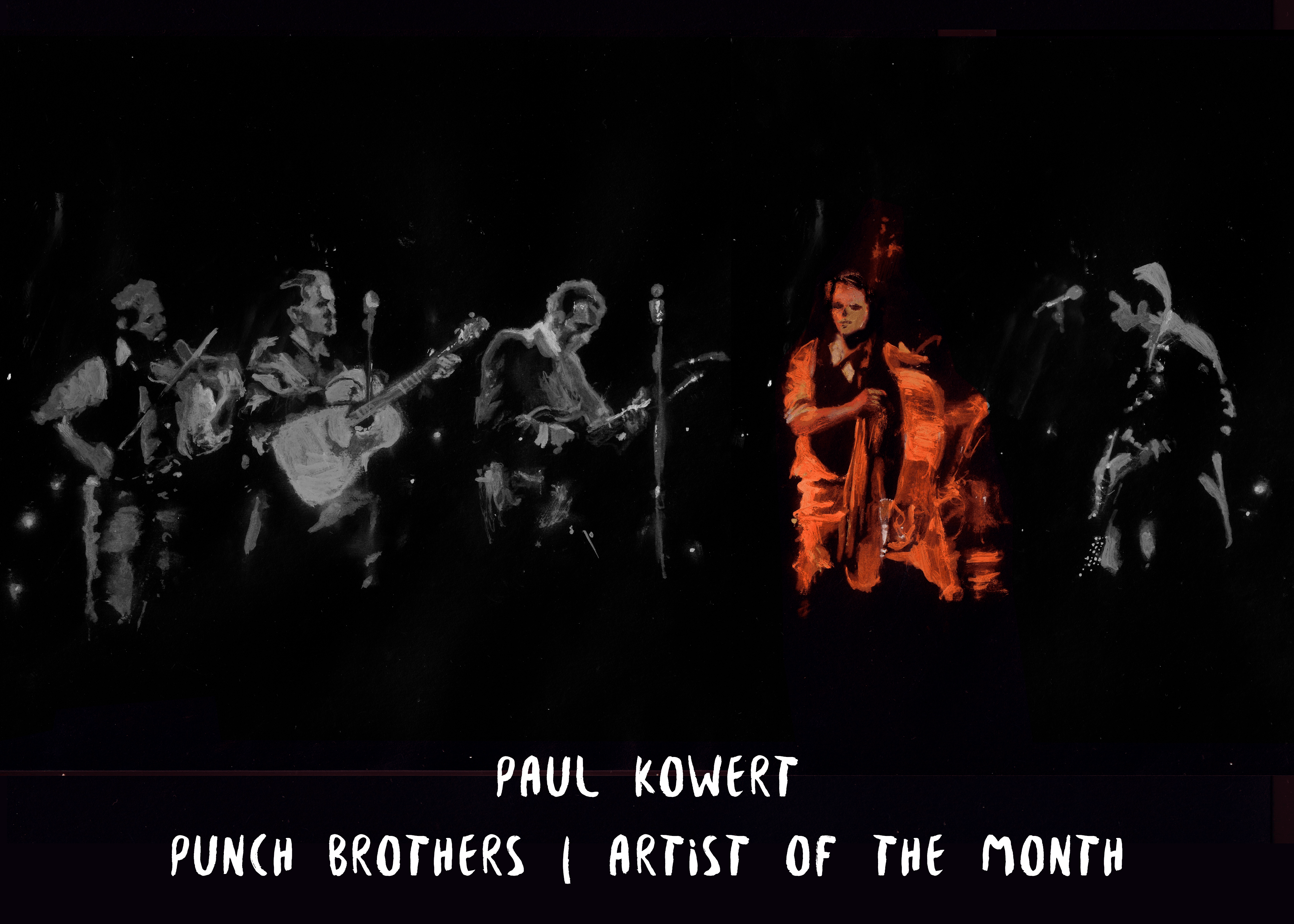
Paul Kowert came on board as bassist for the Punch Brother about 10 years ago, stepping into a band of musicians he knew casually but admired greatly. In the following decade, he’s gained even more visibility in the world of acoustic music through his band Hawktail and a gig as bassist for David Rawlings Machine. His versatility is reflected in the list of bassists he cites as influences: Edgar Meyer, Mark Schatz, and Roy Milton “Junior” Huskey. He’s quick to admit that he’s not a lyricist, yet his musical contributions definitely shape the undercurrent of Punch Brothers’ newest album, All Ashore.

This interview is the second of five installments as the Bluegrass Situation salutes the Artist of the Month: Punch Brothers.

I really like the bass line of “Just Look at This Mess.” What do you think that song is about? Tell me what you were hoping to capture in that song.

Well, I might as well cut to the chase here and say that I don’t really engage a whole lot with the lyrics, personally. I listen to them and everything, but in terms of my interaction with the music, I get most of what I need from just getting inside my bandmates’ musical expression. I attach to a feeling that comes with the way that they’re playing and they’re singing. That’s pretty much the extent of it. The songs have a trajectory that can be strictly musical. That’s how I interact with the songs.

That’s interesting, so you’re listening for the feeling. To me, that song seems ominous and disturbing. What kind of feelings did you hear in that song?

That song is divided into three segments that are really contrasting, but at the beginning, I think it’s simple enough to say that I can feel how Thile wants the song to feel, just by the way he’s playing the mandolin and the way he’s manipulating his voice. And you know, the sound of the words is as important as the feeling. And it’s all really the same thing. Like the sibilance and how long he holds on to an “s,” and where he places a hard consonant in the beat. That’s as expressive as anything to me. I latch onto those kinds of things.

If I had to put it into words – which I never have – I wanted it to sit there, like a … well, like a mess on the floor, you know? I mean, that’s not necessarily the meaning, per se, of the storyline necessarily. But he’s saying, “Just look at this mess.” And where he’s placing the mandolin, and the way that melody sounds, and the way he’s singing it…. For me as a bass player, I wanted the bass and the mandolin to kind of combine, to make something that didn’t really have any forward drive. It sits there. So, that’s my response.

I saw you at the Ryman, and I couldn’t help but notice how often you were brought up to the front, in comparison to some bands I see where the bass is always hovering in the back. And I wondered just how much time and thought goes into the staging — you know, where everybody’s going to stand during the songs?

It’s all musically driven. It has to do with how you monitor on stage, which means how you hear your band members and yourself. And the sound coming out of the speakers. That’s what I mean by monitoring. So, putting me in the middle makes the bass sonically accessible to everyone on stage somewhat. But also, it puts me in a position where I can get into the vocal mic. ‘Cause I sing harmony sometimes. And it puts me in a place where I can lock with my two most consistent rhythm counterparts, which are the mandolin and the guitar.

I can always hear Gabe on the fiddle, because he kinda occupies his own sonic space. And the banjo, I just put into my in-ear monitor so I can hear Noam. And sometimes I walk over there to hear him. Like I said, it’s all musically driven. It’s so we can hear each other and play together. And just play the best music that we can play.

You mentioned singing harmony. A lot of people talk about the musicianship, which is excellent, but do you think that vocal blend is also important to the Punch Brothers’ sound and vibe?

It’s something that we focus a lot on because we’re better players than we are singers. During soundcheck, we spend a lot of our time focusing on getting the vocals sounding better, because we need to. That’s just where we need to spend our time. It demands the most of our attention. But that’s because the playing is easier for us. In terms of whether it’s an important part of the sound, yeah, anything with vocals, the vocals suck up a lot of your attention, right?

But also, the way our music is written, the performance of the vocals, the precision, and blend of the vocals is an important factor. …. When you hear multiple voices come together singing, it’s a powerful thing. It’s just the way that across the board. It’s not just the Punch Brothers, it’s everybody who does that. Voices coming together in harmony – that’s a powerful thing.
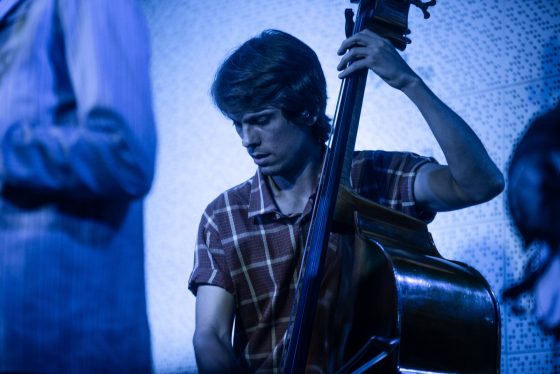

How did you become interested in playing bass? What drew you to that instrument?

I was in violin, then when I was nine, I wanted to start playing another instrument to participate in the strings program [at] my elementary school. My friends were all starting an instrument for the first time, so I wanted to do that, too. So, I started playing the bass as well as the violin. I was just having more fun playing the bass, so I just stuck with the bass and I put the fiddle down for a while. In recent years, I picked it back up, and I play fiddle music on it now.

Plus, you know, as a young person it was fun for me to play the bass, because I could play in a rock ‘n’ roll band. I could play Paul Simon music or The Beatles on electric bass. And upright bass in a jazz combo, with a trumpet, drum set, and a guitar player or a keyboard player. And that was a social thing, that was fun, and it was musically expressive. I enjoyed playing bass for the collaborative reasons as much as anything.

I know you’ve got Hawktail still, and you’re touring David Rawlings Machine. I can imagine it’s a challenge to balance three different things. Is that hard for you or does it come pretty naturally?

Oh no, it’s hard. But it would be harder for me not to do it. To put it simply, Hawktail affords me a chance to pursue sounds that I really hear. I do more writing for that group myself. It’s instrumental music and I’m primarily an instrumentalist. It gives a chance to really let my instrument be the voice. Simply put, that’s the differentiation.

And playing with Dave and Gillian, these are just people I admire. I really love their music. And it’s a different angle, sort of, on a similar instrumentation. It’s a somewhat similar well of influences in the grand scheme of thing, maybe. You know, they wanted a bass and I’m not going to turn that down!


Illustration: Zachary Johnson
Photo: Courtesy of Red Light Management
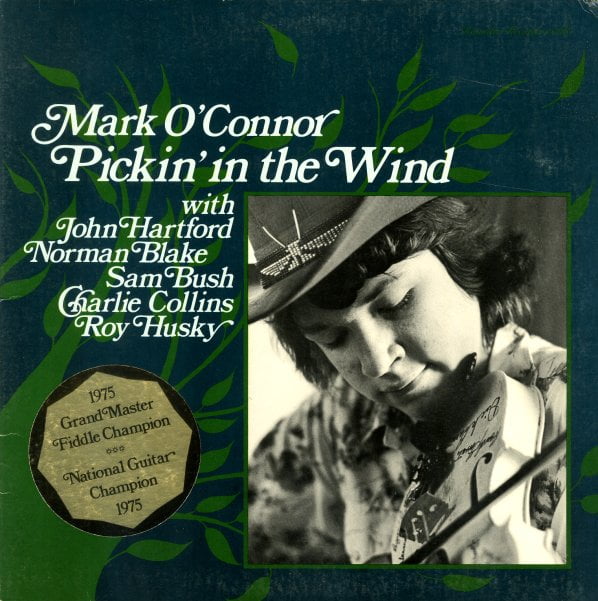
Mark O’Connor, ‘Pickin’ In The Wind’

Mark O’Connor comes about as close to being a household name as any musician in bluegrass (and its adjacent genres). Because bluegrass is predicated upon instrumental skill, the origin point of O’Connor’s recognition will always be his virtuosity, his musical expertise, and his command of his instrument. He’s a true master of bluegrass fiddle and contest fiddle forms, he’s a trailblazer in fiddle-flavored classical compositions of all manners and sorts, his musical code-switching extends to jazz, gypsy jazz, and swing, and he is pervasive on recordings and sessions from his years spent in Nashville. He even has his own violin and fiddle curriculum, The O’Connor Method, which pedagogically capitalizes on and celebrates American music, rather than Western European music, as usual.

Yet, no matter the level to which he transcends any/all musical barriers or the ubiquity of his name and brand, many folks don’t know he’s a maddeningly adept guitar player as well. In his youth, as he racked up wins at fiddle contests far and wide, he was also taking home flatpicking trophies with the same bravado. On his iconic 1976 album, Pickin’ In The Wind, the title track and the first tune on the record opts not to showcase his signature fiddling, but rather his guitar picking — backed up by a band that is no less than jaw-dropping: John Hartford on banjo, Sam Bush on mandolin, Norman Blake on dobro, Roy Huskey Jr. on bass, and Charlie Collins on the rhythm guitar. The tune listens down as straight-ahead bluegrass, but with a chord progression and arrangement that never strays into the simplistic, thanks in part to O’Connor’s compositional taste and the supreme talent of his fellow musicians. It’s an O’Connor staple that doesn’t require a single bowstroke.

So, in celebration of O’Connor’s birthday (August 5), it seems appropriate that we shine a light on the guitar stylings and the unbelievable ensemble of “Pickin’ In The Wind.”

Punch Brothers’ Gabe Witcher: Finding Narratives

Gabe Witcher, the fiddle player – and some might say secret weapon – in Punch Brothers, has been a performer for nearly his whole life. As a kid, he toured the Southwest playing bluegrass with his family’s band; that’s how he met Chris Thile, forming a musical friendship that has spanned more than three decades. Though his stage presence is low-key, his musicianship is undeniable, playing as joyously or mournfully as a song requires. This is also true on Punch Brothers’ newest album, All Ashore.

In this interview, Witcher kicks off a five-part series as the Bluegrass Situation salutes the Artist of the Month: Punch Brothers.

I love the fiddle part you play on “Three Dots and a Dash.” I was wondering, how much of your music is arranged when you go in to record, or how much of it unfolds by feel when you’re in the studio?

Yeah, this record is a lot different than our previous records. We really had the bare minimum amount of time to get it done. Historically, there is a good deal of improvising on all, throughout our music, and so that’s always spontaneous every time we play – in the studio, out of the studio, whatever. But there is a good deal of highly-arranged stuff as well and historically that stuff would have been written and rehearsed for months leading up to getting into the studio … and we just didn’t have that luxury this time. So, while there’s a good deal of arranged things on the record, it all kind of came together in the studio anyway.

“Three Dots” is a good example where we had the form, we had the melodies, we knew “this is how the arrangement is going to unfold, this is who plays when, this is what the song’s going to do” when we got into the studio and played it a few times – and didn’t like it. So, we put the brakes on recording and went and huddled up in one of the corners of the studio for three or four hours and completely reworked the entire middle section of the song. From post-middle-solo until when the melody returns at the end.

It’s just one of those things: “This isn’t good enough yet, so let’s make it good enough.” When we did, when we finally got something we liked and went back in and recorded it, a lot of that section, I’d say it’s about 50/50 arranged and improvised. Solos are improvised, but we got something that we absolutely loved and that all happened in the moment in the studio. That is a new thing. That has never happened to us before because we had always historically gone in super prepared with, “This is the music, this is what it’s going to be.”

One of the things I love about this record is that what you’re hearing on the record is the first time any of these songs were performed to our satisfaction. You’re getting the excitement of us discovering this music and playing it for the first time. That’s always an exciting thing to hear.

Yeah. So you said bare minimum. What was the timeframe for this?

Oh, let’s see. I think we wrote the record in about four weeks. Not all together. We had three days in October, we had eight days in December and then two weeks in February to get it all situated. Then we recorded it over the course of three weeks in March. And then mixed in April.

The Phosphorescent Blues took almost three years to write. We had the luxury of writing it over the course of three years not work every day, of course. We might have worked twelve weeks total on it, but we had the chance to sit with things and revise, and change, and live with it. This one was more of a “Let’s just get it out.” And I think it worked to our benefit because everything feels super fresh on the record.

I read that you played on the score for Brokeback Mountain and Babel – and they both won the Oscar for best original score. Do you think there’s a cinematic component to Punch Brothers’ arrangements as well?

Yeah, absolutely there is. That’s a comment we get quite frequently. It’s not intentional, but I think everyone is in love with trying to find narratives that can happen instrumentally along with a lyrical narrative. We’re always trying to find textures and new ways to approach presenting musical ideas and finding interesting ways of getting you from point A to point B. I think there’s a definite classical music influence in that regard. Not only is the music supporting the lyrics in a vocal as it would in folk-based or pop music, but the music itself is also helping to create the narratives.

You in particular have a bluegrass background, from playing in your family’s band. How did that prepare you for this experience of touring with Punch Brothers?

Surprisingly enough, doing that is how Chris and I met. We met at a festival called Follows Camp Bluegrass Festival that happened in Southern California. My family would always go up and camp and play and my dad would emcee a lot of the time at that festival. There was a contest and our family band got booked to play it. I think it was the second year or the second time it happened. A 5-year-old Chris Thile just happened to be there that time. As he tells it, he saw me playing onstage with my dad and was like, “Oh my God, that’s so cool. Another kid plays!”

After we got done, we were introduced and immediately became friends. I think we played baseball in the road that ran along the campground, then spent the rest of the time playing tunes with each other. Doing that led directly, a couple decades later, to this band becoming a thing. Of course, you can’t discount the years and years and years spent learning the craft of playing, and playing in an ensemble, and performing. I didn’t know it at the time, but it’s a unique way to grow up.

The good news is, I got all the … well, not all, but a good portion of the dues-paying out of the way before I even knew I was paying any dues, so by the time I was out of high school I had a level of proficiency as a professional that most people don’t have the luxury of gaining until they are well into their 20s. I was able to hit the ground running. I went to college as well, for music, but I’ve got to say: music was there all along. The only thing that changed was that I finished school. So that went away but the music continued.

You were able to play with Bill Monroe as a kid, too, right?

Yeah, when I was 6, we were at the Strawberry Music Festival. This is the thing that launched the family band. My folks decided that we were going to go up to the Strawberry Music Festival, which at that time happened in Yosemite, California. I had been playing for almost a year at that point. We just went to camp and hang out and check it out. One of the days my dad and I were jamming at the campground, and people wandered around the campground, so people were coming in to listen. Then they’d wander off.

Monroe was playing that night at the festival. He was headlining the show that night and they had gotten him to do a workshop during the day, a mandolin workshop. My dad took me over to that. I didn’t know who that guy was. He was just some old guy up there playing. There were a couple hundred people at this workshop listening to Monroe, and right towards the end, and my dad would probably remember better than I do, but somehow, someone pointed me out and said, “Have you heard this guy play? You should pick a tune with him, Monroe.” And so Monroe got me onstage and he and I played a tune called “Gold Rush.” It’s actually one Byron Berline wrote when he was in Monroe’s band.

So Monroe and I played that tune and I got a pretty cool picture with Monroe afterwards. Then, later that day, probably because of that, the Strawberry folks asked if my dad and I would do what they call a ‘tweener set, where you go up and play two or three songs in between the main stage bands. So, Hot Rize was playing and then New Grass Revival was going to play after that. I think this was the day after Monroe played. So my dad was like, “Yeah, sure! Yeah, we’ll work up three songs.” So he grabbed a bass player and a guitar player and also asked Byron if he would sit in on the solo. And so we got up and played three songs, and Byron came out, and we played “Gold Rush” together. And it was so much fun, my dad said, “Hey, do you want to do this more?” And I said, “Sure!”


Illustration: Zachary Johnson
Photo: Courtesy of Red Light Management
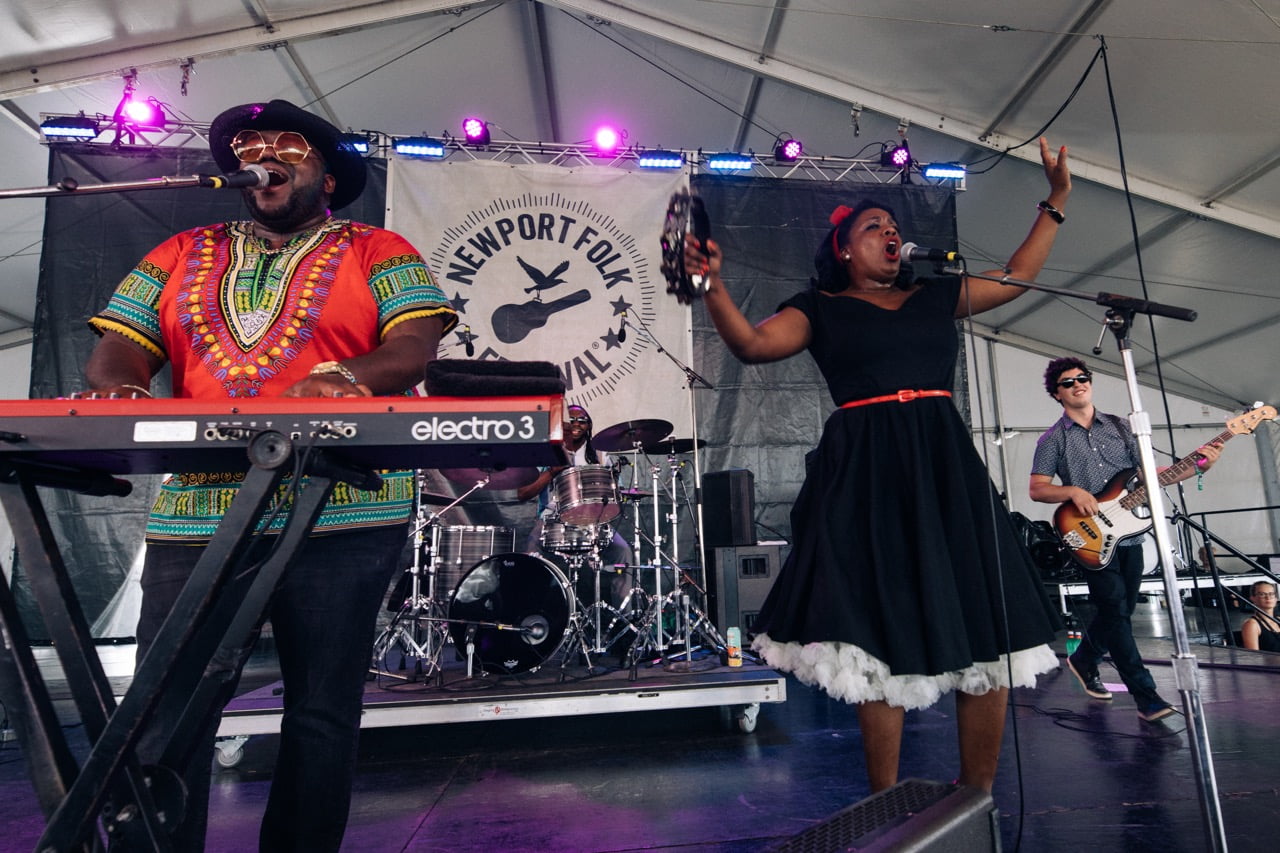
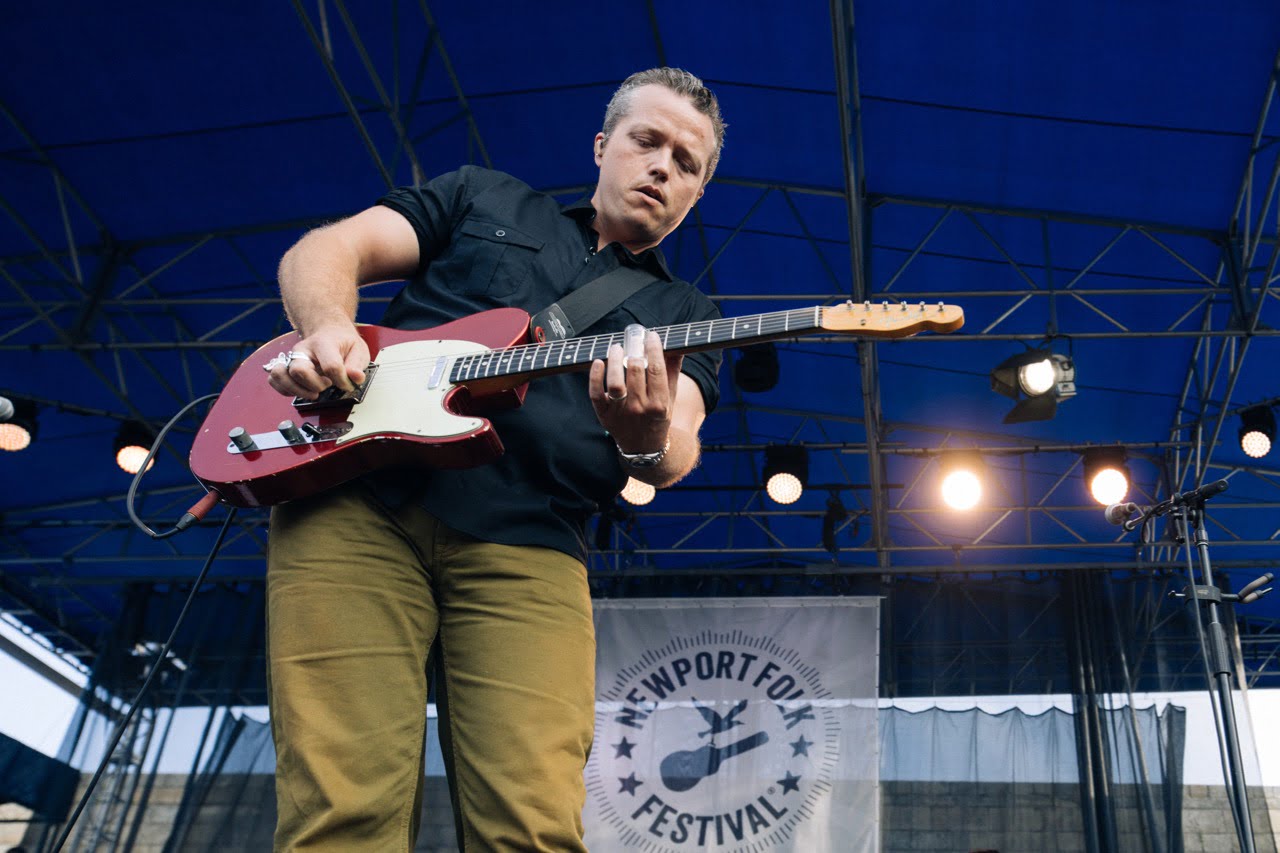
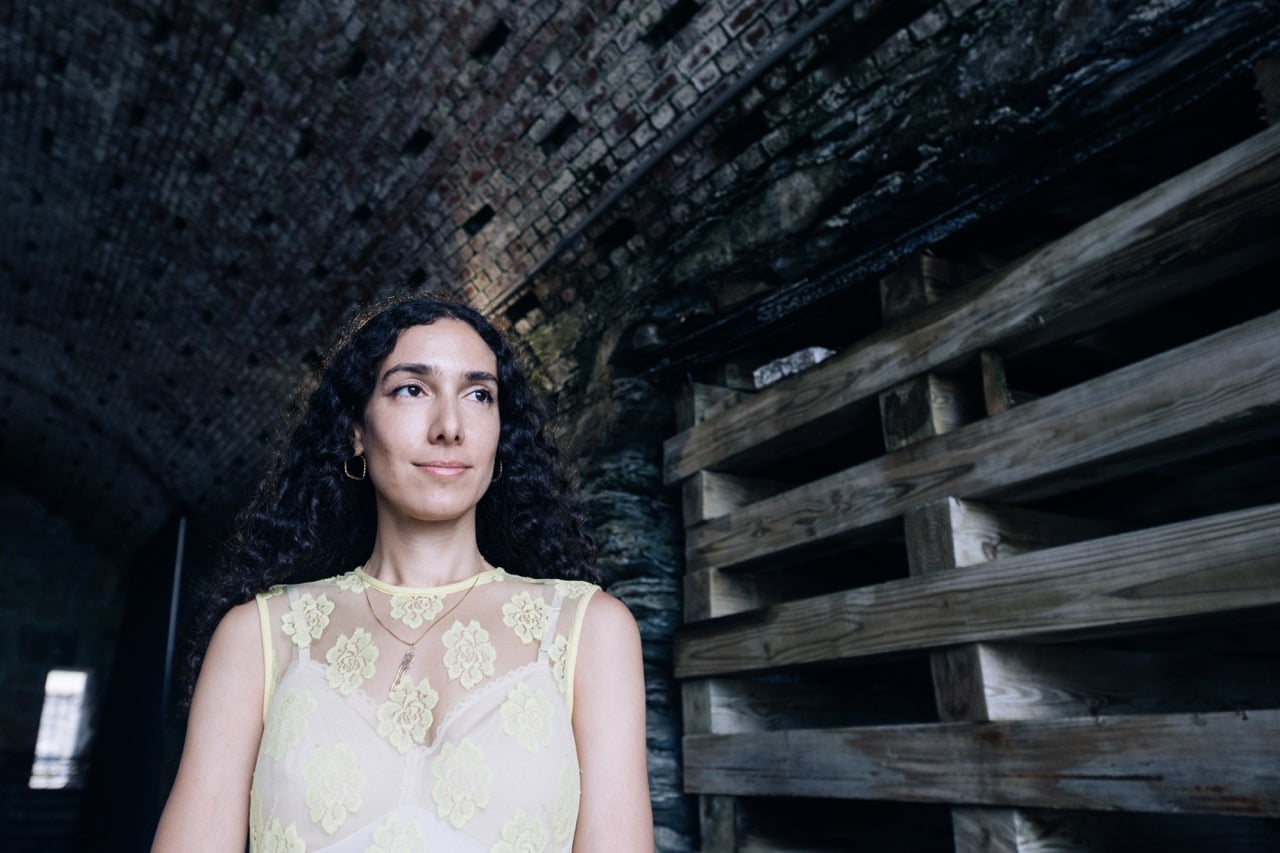
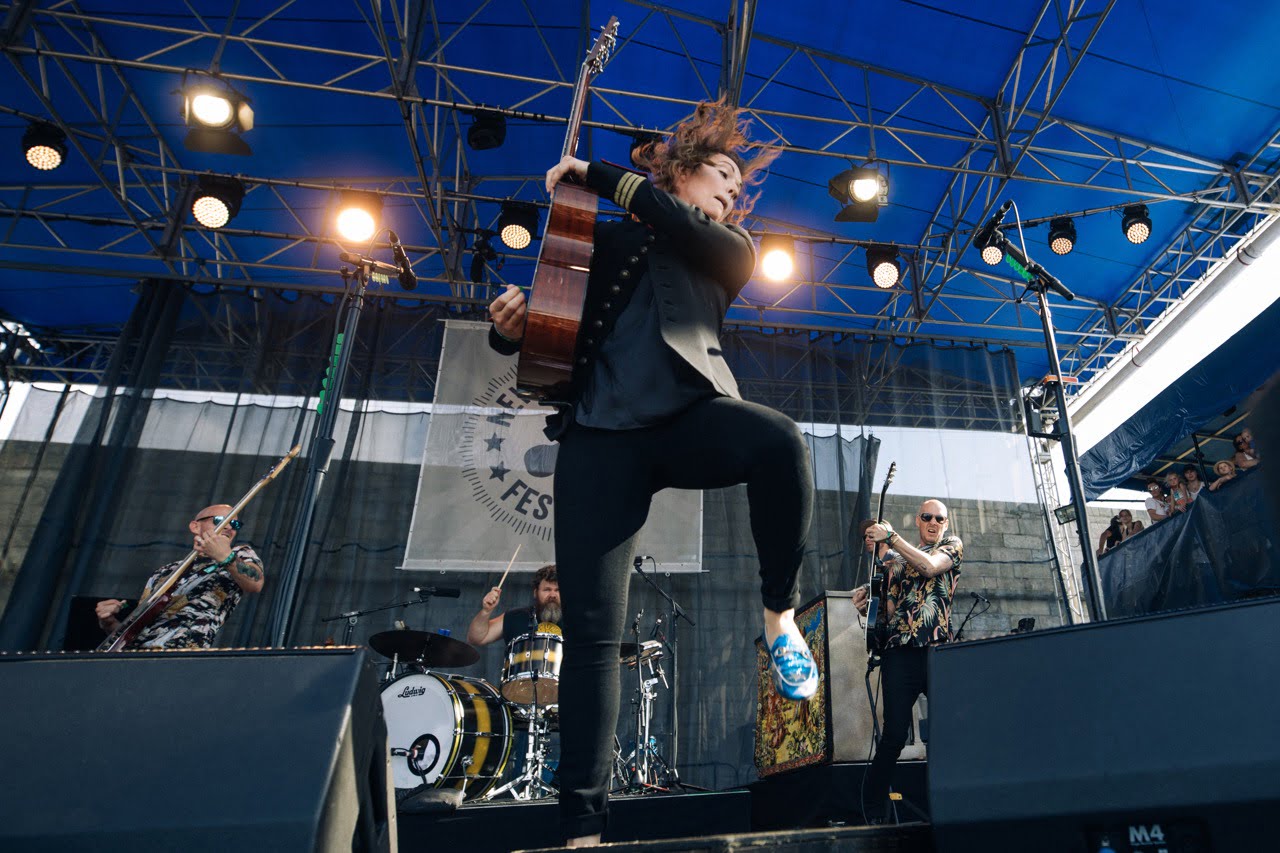
Palpable Joy: Newport Folk Fest 2018 in Photographs

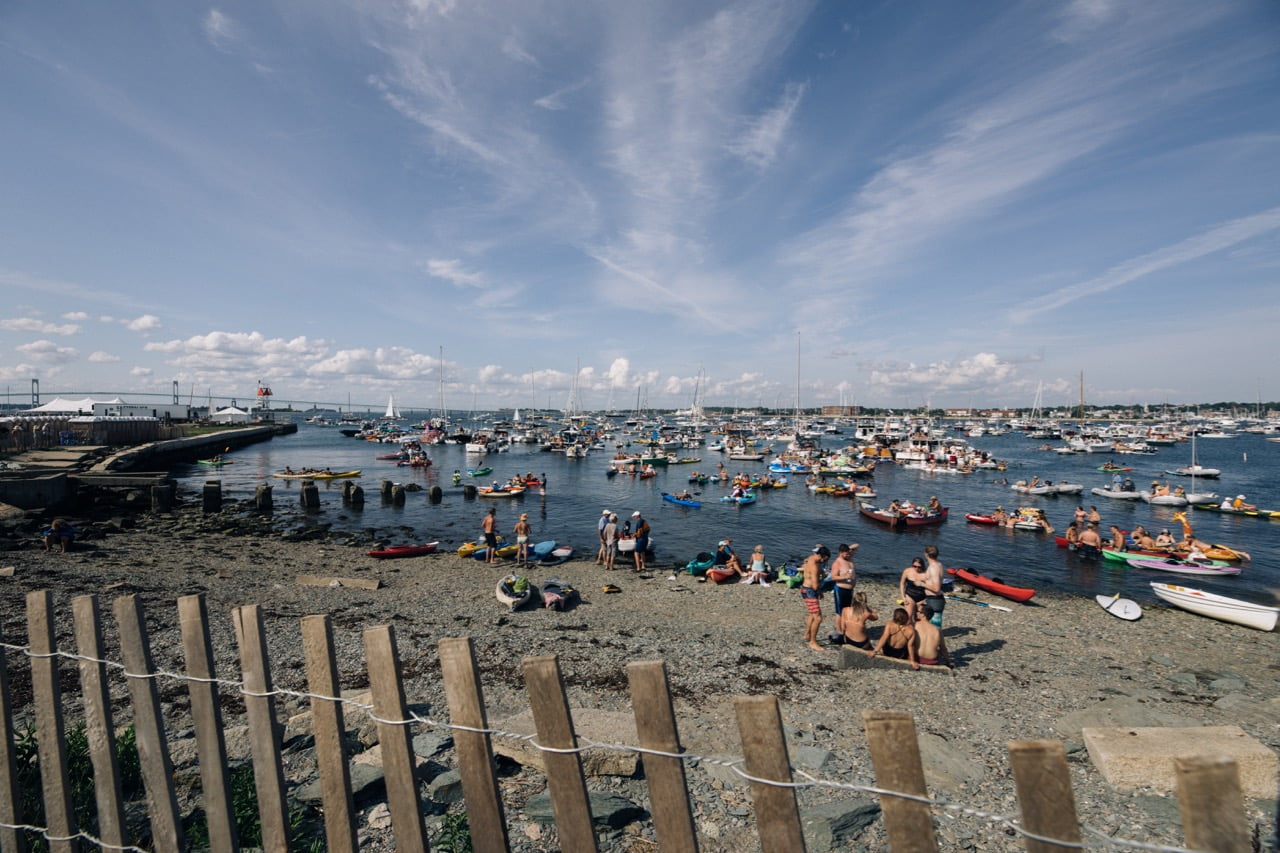
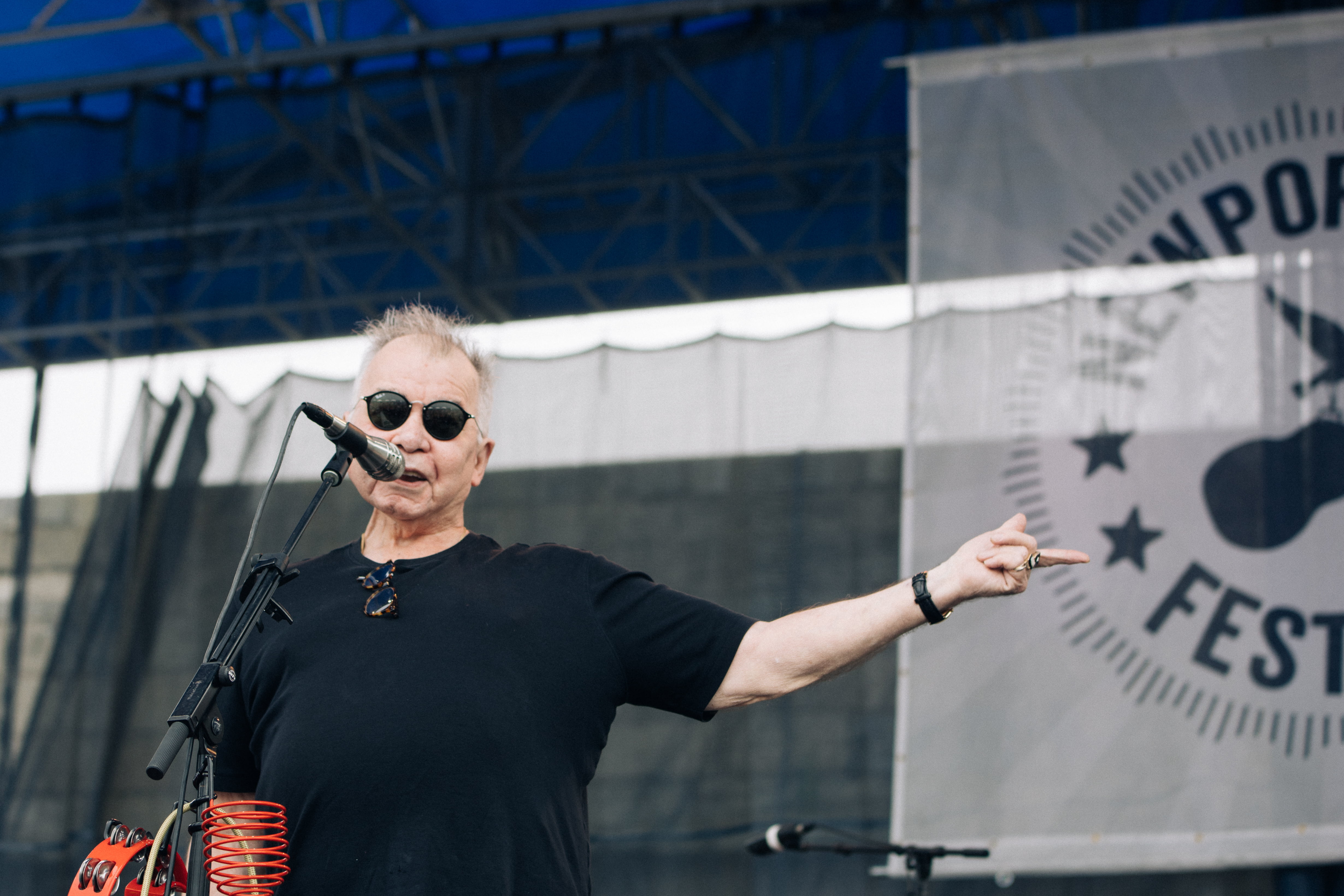
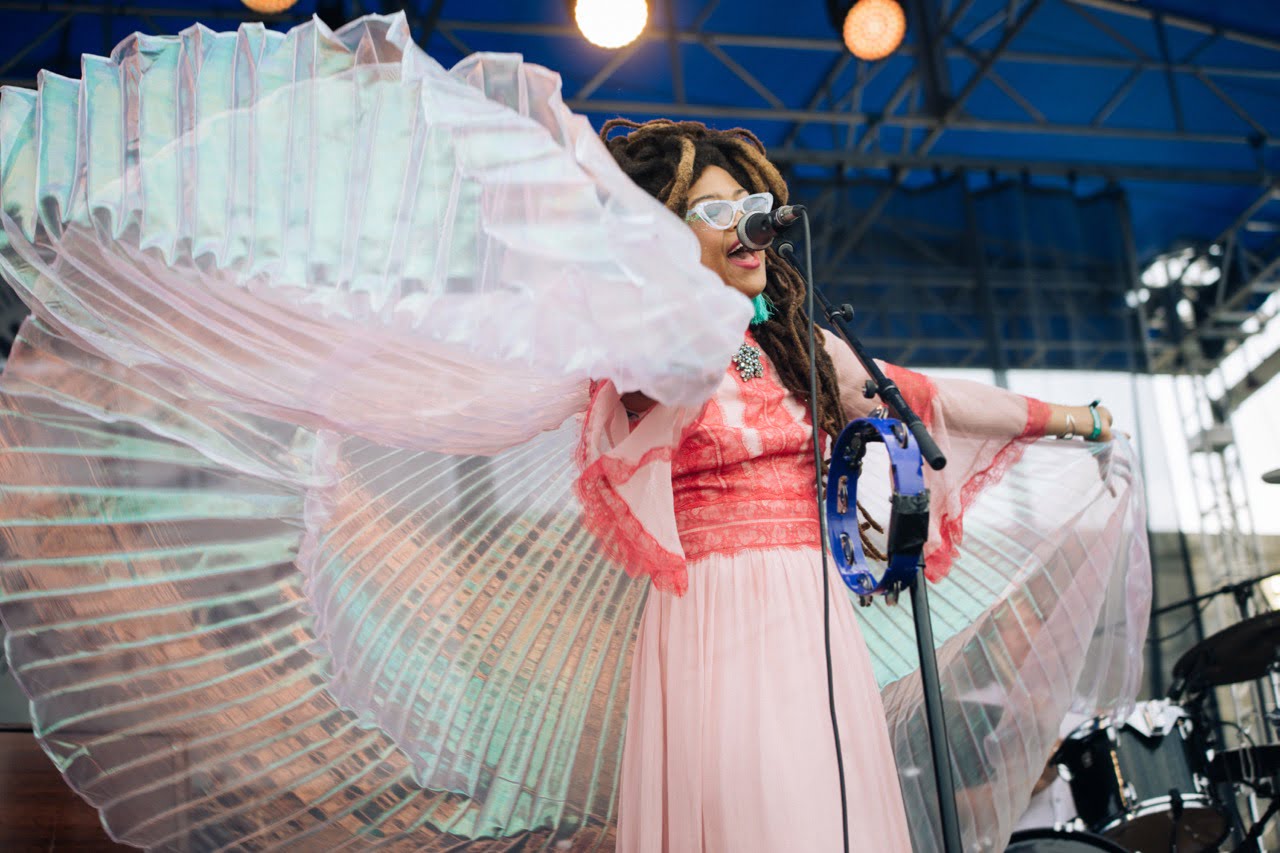
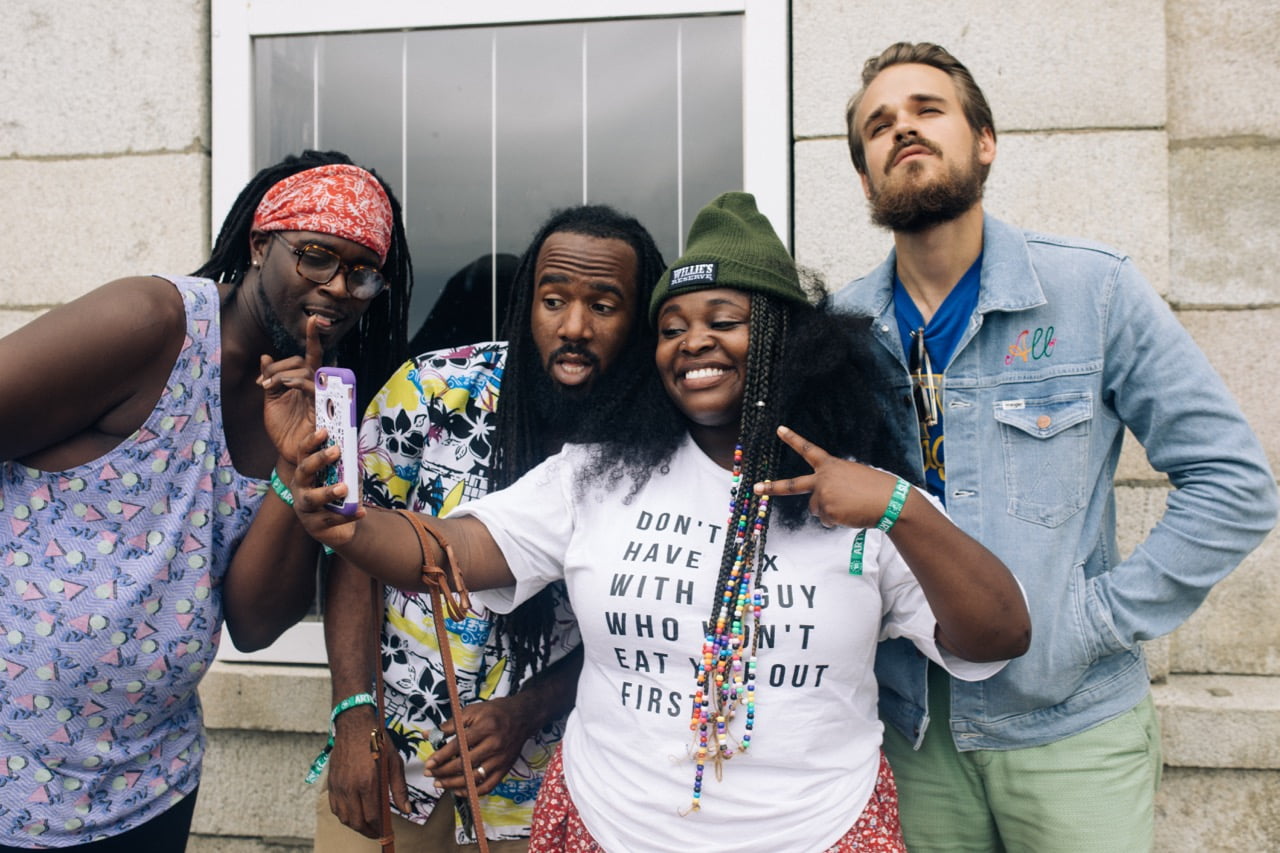
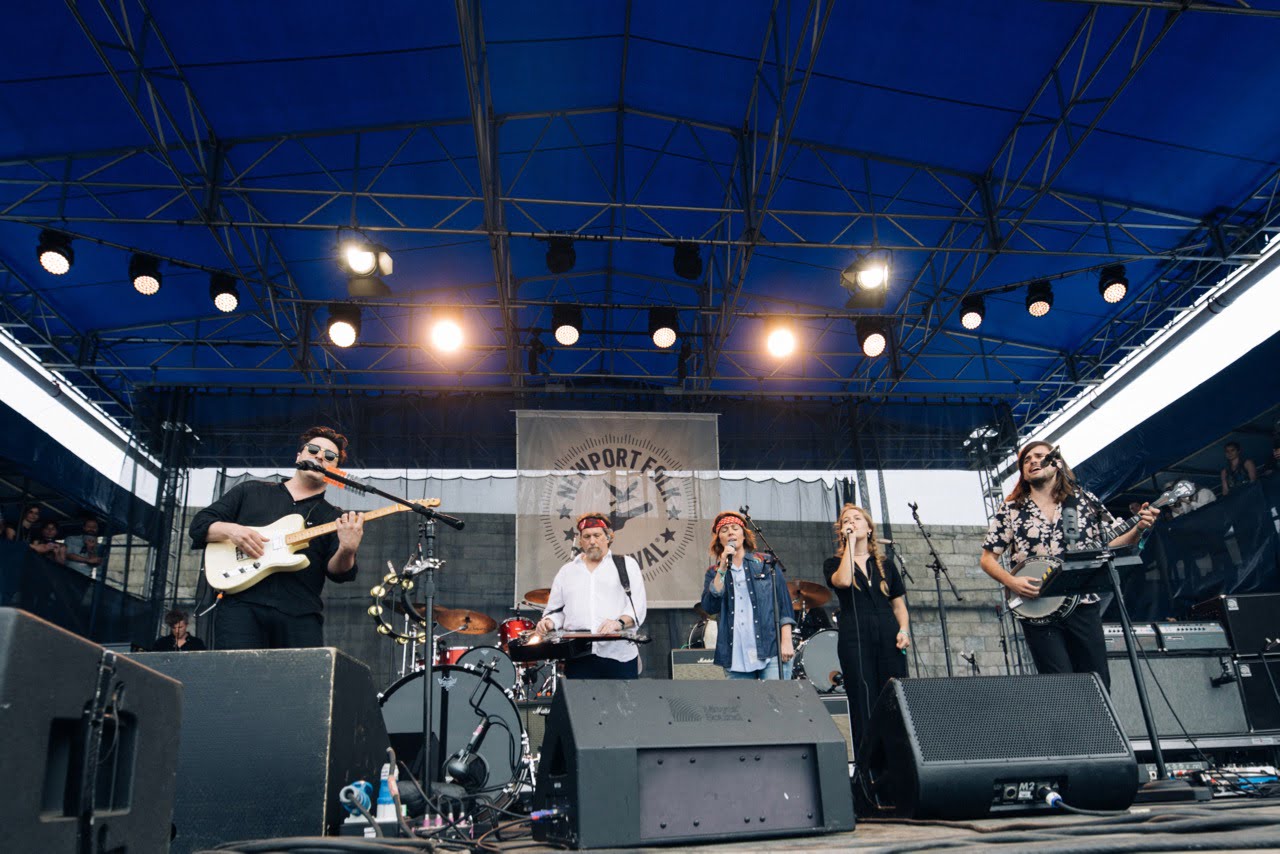
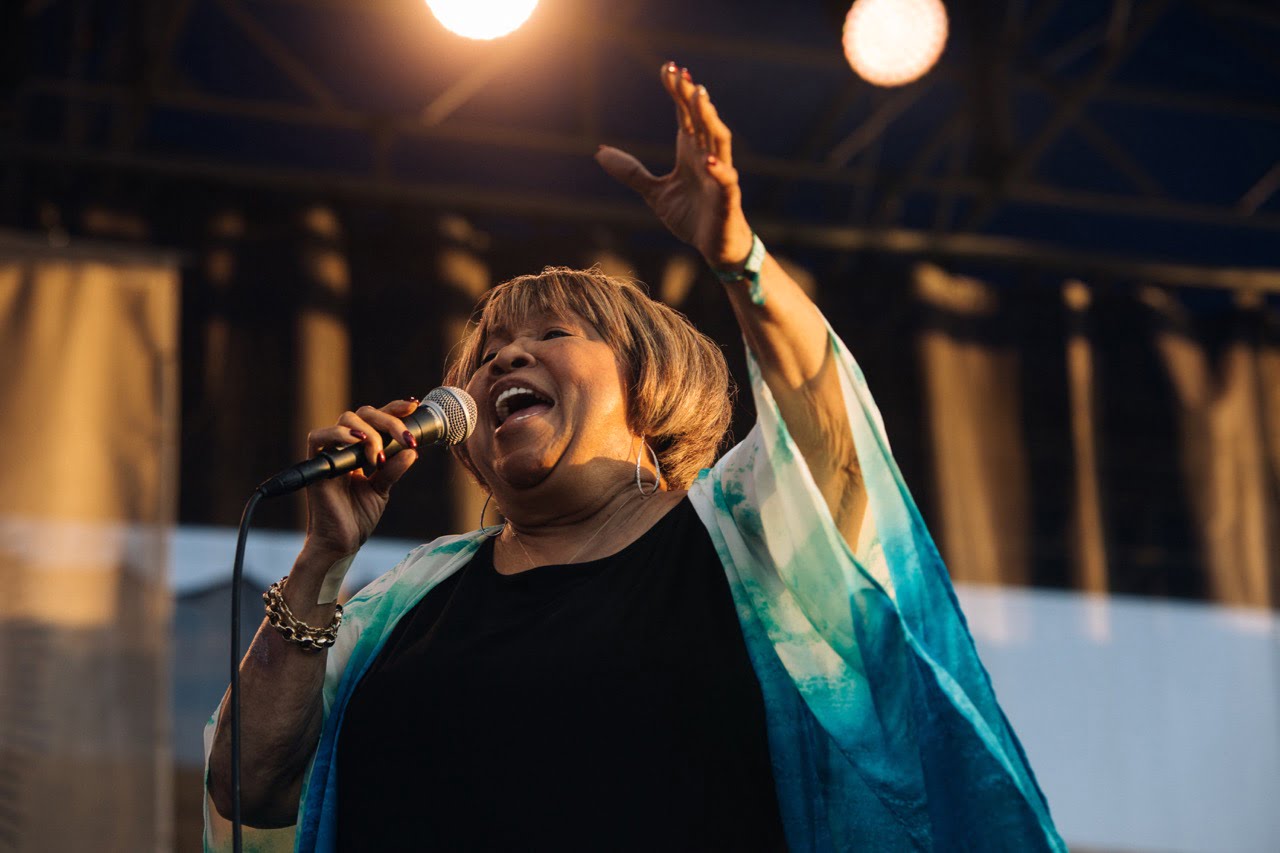
It seemed that this year’s unanimous refrain from Newport Folk Festival, from veteran attendees and newcomers alike, was a resounding, “I THINK I LOVE THIS FESTIVAL.” We think we do too. Based on these gorgeous images from NFF, we’d say each and every human being on site — on stage, in the crowd, or rocking on the waves — loves it, too. And that overwhelming love translates into palpable joy, from Mavis Staples’ first smile to Brandi Carlile’s final headbang, and in every strum, lick, and beat in between. 


Photos by Daniel Jackson

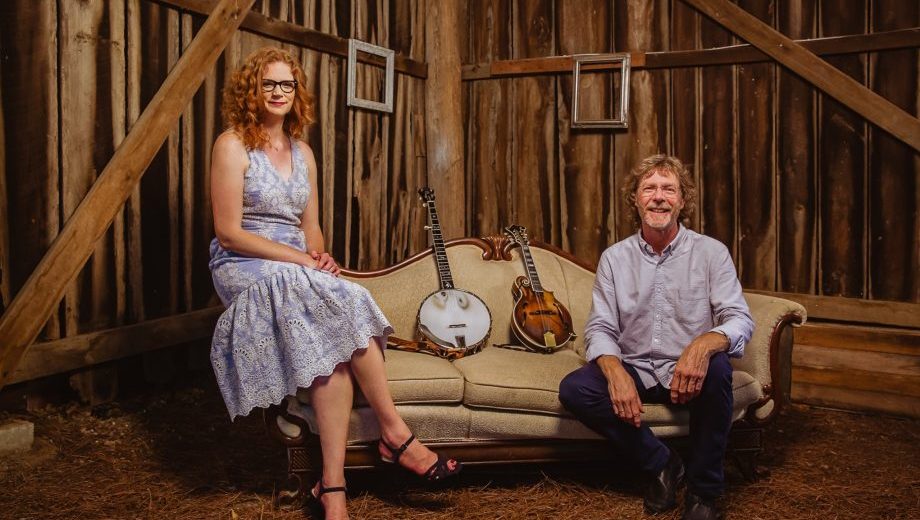
WATCH: Becky Buller & Sam Bush, ‘The Rebel and the Rose’

Artist: Becky Buller
Hometown: St. James, Minnesota
Song: “The Rebel and the Rose”
Album: Crêpe Paper Heart
Label: Dark Shadow Recording

In Their Words: “’The Rebel and the Rose’ is a period piece, with its reference to a soldier and his love navigating love and loss amid the turmoil of civil war. It is also, however, a classic story about choices, desperation and hope … and the redemptive power of love. The tender message within is quite fitting for contemporary life; a commentary on things that tear us apart and things that bring us together … and how quite often, the tearing apart or joining together is a choice of the heart, separate from any issue. This song is special to me on so many levels, from writing it with my dear friend, Tony Rackley, to recording it with my hero, Sam Bush. The message of hope in this song is timeless; not one of us is so broken that love can’t mend us.” — Becky Buller


Photo credit: Shelly Swanger

A Radical Woman: A Conversation With Lindsay Lou

Lindsay Lou had some reservations about the cover of her new album, Southland, her first not to bear the name of her backing band the Flatbellys. That much is understandable, as the photo depicts the singer/songwriter/guitarist perched on a rock in the woods, nude except for a hat and her long hair.

“We woke up at 3 a.m. and snuck into Cummins Falls State Park, just outside of Nashville,” she explains. “There’s this beautiful waterfall that draws people from all over the area, people from different political backgrounds and religious backgrounds, all sharing in this common, unifying experience of submerging into nature, cooling down in the river. Everybody takes their clothes off to swim—not to the degree that I did, but what’s the difference?”

The photo stuck with her—partly because she liked how it conveyed both strength and vulnerability, or perhaps strength through vulnerability. “The thing I love about that image is the light of the sunrise coming over the waterfall and lighting up the mist. I like seeing myself as part of that beauty, as part of something much larger than myself.” But there is still a stigma attached to the nude female body, despite it being 2018 and all. So she called up her grandmother and asked her advice. “She said, if you’re not being radical, it’s a wasted life. Don’t shy away from it, because that’s what the world needs. Love is radical.”

Nancy Timbrook ought to know. Lindsay Lou says, “In 1969, after dropping out of high school to get married, she decided she wanted to be a teacher. She got her GED and went to college, all while raising eight children.” Taking a job at a school in Detroit, she heard her students routinely dropping the f-bomb, but rather than scold them, she turned it into a lesson, even writing FUCK in big letters on the chalkboard. She spent the night in jail; later, she was the subject of a Time magazine article called “Obscenity: The English Lesson.” Grandma Timbrook remains one of Lindsay Lou’s greatest influences, musical or otherwise.

“She’s a radical woman.”

That’s what Lindsay Lou aspires to on Southland: radical in every sense of the term. The album chronicles a period of great change in her life, not just the move from Michigan to Nashville and all the mixed emotions of leaving home, but an even more remarkable change in her music. Building off the bluegrass-stained acoustic pop of 2015’s Ionia, Southland is her boldest album, her most daring, with clever interpolations of pensive folk, spry rock, twangy country, high-flying jazz, old-school R&B, swampy southern soul, even a little bit of punk. Her confident synthesis of so many different styles and sounds may be the most radical aspect of Southland.

Lindsay Lou spoke with the Bluegrass Situation from her front porch in Nashville, where she occasionally jams with her neighbors (which is all the more fun when Billy Strings live across the street). “It’s elevating to be surrounded by so many people you admire and just to be part of what’s happening in the scene. Moving here felt like coming home even though we had never lived her before.”

You’re home again after a long tour of Europe and Australia.

We did a month in the UK, and then we did our first tour of Australia for another month. That was nice. I got to spend my birthday on the northern beaches in Sydney. What I found was that they’re really happy you’re there and really eager to hear you play, and I think the kind of music we play demands a certain degree of listening. We played this outdoor festival in Dorset, in southern England, and we played to this huge crowd of mostly young people. I was really floored by how everyone was engaged and listening to us, even though they were all drinking and partying. Once we started playing, they were all really engaged. And that is encouraging.

Was that the first time you’ve played some of these songs, or did you have a chance to work these songs out before recording the new album?

Even though we just released it, this album will be two years old in November. We made it and then we thought, “Let’s hang on to this and see if we can put together a proper team to release it.” I don’t know if I’ll ever do that again. The way the music industry works now, I think it’s best to release things right after you make them, when they’re fresh and they’re still real to you. So we played these songs for a year onstage before we ever released the record. But now I’ve already got a new batch of songs.

You could pull a Kanye and create the album cover on the way to the release party.

That’s basically how we did Ionia. We recorded it in October 2014 and we had it in hand for a Germany tour by November. It was a crazy feat, but it pays homage to that moment and to the realness of the music you’ve created. That’s the way to do it. But talk to me when we start the next one and maybe I’ll have a different opinion.

Southland seems to map out a period of great change. Does that protracted release schedule change your perspective on these songs?

Totally. My relationship with my songs is always changing. I find myself singing songs that I wrote years ago and feeling like, Man, this was such a truth to me at the time and now it means something completely different. But a record is a record of time. I love that when you listen to a song that you’ve been listening to since you were 10 years old, and all of a sudden you hear the lyrics for the first time. Whatever is happening in your life, your experiences—everything gives those lyrics a new context and a new meaning. I think of a song as a baby. When I write a song, it’s like, Oh, I have a new baby. And then I get to see that baby grow up and take in influence from all of the people who were part of its upbringing. It’s exciting to see a song take for from other people who aren’t me.

The title track on the new album, “Southland,” for example. We made the record in eight days in Maine with Sam Kassirer, but we felt like it needed one more track. I sent a handful of new songs to Sam, and we whittled it down to that one, “Southland.” I went back to Maine by myself and I recorded that song. I played electric bass, acoustic guitar, electric guitar, and sang lead and all of the harmonies. That track is just a bunch of me on top of myself, like those early Joni Mitchell recordings where she’s singing all her own harmonies. But I can’t do it live. The band breathed their own life into the song, so it takes a new form.

And the band continues to change, which means the songs continue to evolve.

The band has been evolving since the beginning. What happened was, the Flatbellys was this cool, traditional bluegrass band of young college kids that I met and ended up marrying one of them. Josh [Rilko], who I married, is the only original Flatbelly left in the band. When we made that first record, it made sense to tour as Lindsay Lou and the Flatbellys, since we thought people already knew who they were. So when we were getting ready to put Southland out, we didn’t feel like that name was reflecting us anymore. We were going through another lineup shift and going out into some new territory. We couldn’t think of a better name, so we just dropped Flatbellys.

It’s not a complete change, and I’m not sure it was the right time to make that change. It might have ended up causing confusion for people, because people were coming up to me asking if I’d hired a new band. Josh got a haircut and PJ doesn’t have his beard anymore, so I guess it looked like I was with a whole new group of people. And we’ve added a drummer to our live performances, which is a huge change. But the music is what it is no matter what you call it.

But the music on Southland sounds very different from anything else you’ve done. Especially with music that might be described as traditional or acoustic, is there a risk in branching out that way? Is there a chance you might alienate a portion of your audience?

I think there definitely is. But as an artist you have to do what feels like your own truth. If it doesn’t feel like honesty, if it doesn’t feel like the art that you want to create for yourself, then it’s not going to have the elements of truth that art has to have. If you’re making it only to keep certain people in your audience, then it’s going to have a certain sense of falsity to it. But I’ve been on the other side that. I listened to a lot of punk rock when I was a kid, and I always hated when a band would start to sound more polished. It’s like they’re selling out because I love what they were and I don’t love what they’re becoming. But I’ve discovered as an artist, I have to put that aside. I have to do what feels right to me.

I was just talking to Andy Falco from the Infamous Stringdusters, and he was going on about how all of us are just trying to create art that we’re proud of. That’s what we’re all working toward. I find myself listening to a lot of my peers, like the Wood Brothers and Greensky Bluegrass and Billy Strings and the Stray Birds. When I listen to their music, I feel like I’m listening to right now. I’m listening to the world through their eyes. And that’s what I’m trying to do—create something that sounds like the world I’m living in.

I don’t think you could find a more compelling or complex subject than that, especially at this particular moment in history.

I don’t want to shy away from the ugliness. It’s a part of the truth, we’re all experiencing it, so there’s desperation and there is sadness and loss and it’s all in there right alongside the beauty and the positivity. I think on this record more than any other record I’ve embraced that sadness and instead of running away from it. In my youth I wanted to sugarcoat everything. I wanted to put a positive spin on everything. It felt like that was how you make it through a tough time: You just have to be super positive about it. But as I’ve come into myself as an adult, I’ve found that you can’t run away from it.

That reminds me of the line in “Go There Alone,” the one that goes, “All we are is blind, but if we can hear the music, we’ll be alright.”

That was a cool songwriting experience writing that song. It carries a lot of weight for me as an artist. I wrote half of it, and when I got together with the guys for a musical retreat—which we do periodically—I played them as much of that song as I had. I told them that when I stop, just say the first things that come to your mind. They did that, giving me some good words and phrases to play with. When everybody else went to bed, I stayed up all night putting it all together. That was where that line came from. And I believe that’s true. Music is a way of moving forward, but also a ways of creating beauty in the face of all the roadblocks we run into. It illuminates our blind spots. Creating beauty is a radical exercise.

Don’t miss Lindsay Lou on the Bluegrass Situation Stage at Bourbon & Beyond, held Sept. 22-23 in Louisville, Kentucky.


Photo credit: Scott Simontacchi

Kittel & Co., ‘Chrysalis’

It’s hard to say if humankind will ever know exactly how a caterpillar goes about shedding its skin, digesting itself, turning into a primordial soup, and then transforming its own goo into a resplendent butterfly or moth, but the entirety of this process happens in one of two places: inside a cocoon or a chrysalis.

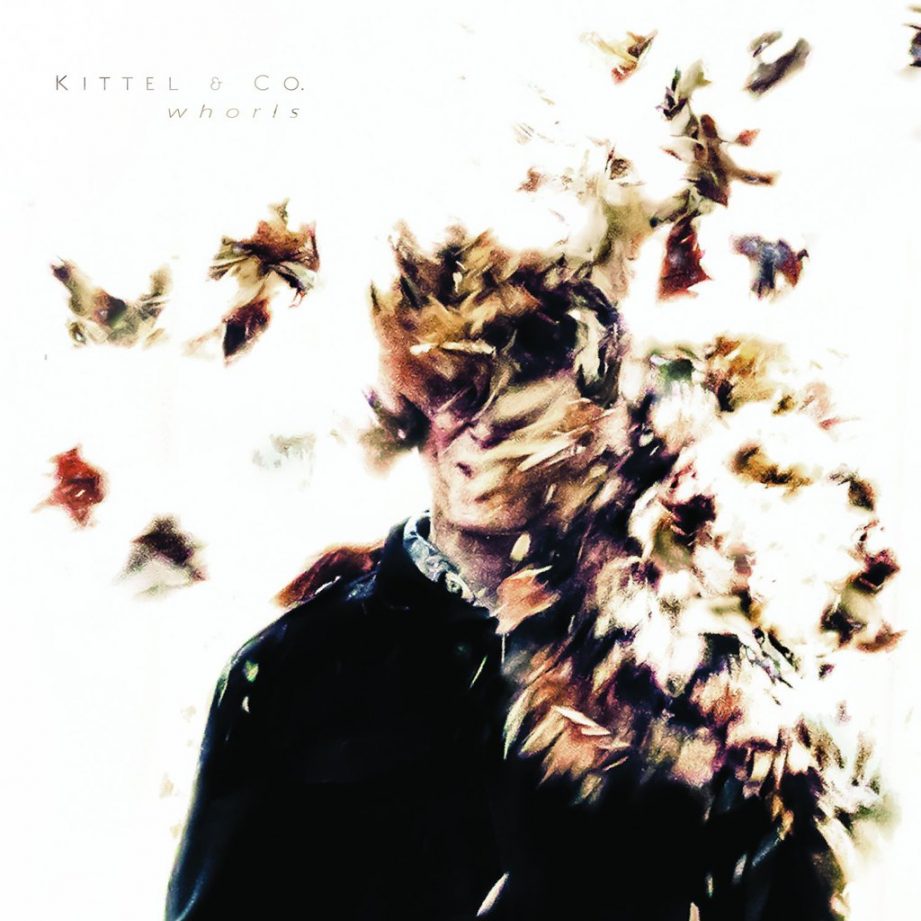
Whorls, an eleven-tune elemental soup of its own, invites listeners to envelop themselves in the cozy, metamorphic trappings that Kittel & Co. explored as they fashioned a new identity from their harlequin musical backgrounds and experiences. Led by fiddler, composer, and virtuoso Jeremy Kittel, the outfit has accomplished a feat of new acoustic, string band-rooted chamber music that isn’t simply as mind-boggling and intangible as the inner workings of a butterfly’s transfiguration; it’s as whimsical, alluring, and magnificent, too. “Chrysalis” begins with Simon Chrisman’s bounding hammered dulcimer, contemplative and exciting, while the ensemble chimes in one by one, in dialogue, building and deconstructing the silky hook together, ever dipping back into the melodic soup to transform the song into newer, grander, wilder, softer, shimmering versions of itself.

It becomes abundantly clear, as “Chrysalis” ebbs and flows, wriggling to life, that from top to bottom, Whorls is as if innumerable chrysalises were arranged like nesting dolls, with each subsequent transformation revealing a more surprising, captivating conversion building up to and succeeding each magical metamorphosis it contains.

WATCH: Lonesome River Band, “Wreck of My Heart”

Artist: Lonesome River Band
Hometown: Floyd, Virginia
Song: “Wreck Of My Heart”
Label: Mountain Home Music Company

In Their Words: “It’s a great song with one of the coolest, catchiest melodies I’ve heard in a while. It’s just so different than anything we’ve done in a while, and those songs are hard to find. We shot the video in Bristol, Tennessee/Virginia at a few locations: The Birthplace of Country Music Museum and the Paramount Center for the Arts. We’ve played both those venues before. It was kind of neat to go back there and do something like that. The song is about a woman leaving, so we just kept singing to a woman who kept getting up and going. We all had fun and it shows at the end and when we’re on stage. We’re all just cutting up.” — Brandon Rickman


Photo Credit: Anthony Ladd

Taking the Wheel: A Visit With Rhonda Vincent

In no small part because of her bubbly personality, Rhonda Vincent has befriended some of the biggest names in bluegrass and country music. Dolly Parton asked her to sing harmony for an upcoming film soundtrack. Bernie Taupin gave her free reign to reimagine “Please” on an Elton John tribute album. Bluegrass heroes Bobby and Sonny Osborne set aside a 10-year break of performing together to appear on her newest album and DVD, Live at the Ryman. And she’s a frequent guest on the cable series Larry’s Country Diner, where she displays her talent for singing classic country among a roster of stars from the golden era.

Yet, beyond her upbeat demeanor, the real reason these legendary artists are reaching out is simple: Vincent is in top form with her musicianship and singing ability. In concert she glides to the high notes without straining, occasionally boosted by a little jump. She easily trades off between mandolin and fiddle, although she’s just as likely to let a band member from The Rage take the spotlight.

Off stage, Vincent maintains the tireless work ethic that’s carried her from being a child prodigy in Missouri to a Grammy-winning artist. (She picked up the 2017 Grammy for Best Bluegrass Album for a live album, All the Rage: Volume 1.) She leads her business with longtime husband, Herb Sandker, and keeps her hands on all facets of the industry – and now that means the steering wheel of the bus, too.

A few days after performing at her family’s Sally Mountain Bluegrass Festival in Queen City, Missouri, Vincent invited the Bluegrass Situation into her home studio in Nashville.

On stage, you appear to be so comfortable when you talk to the crowd. Why is that important for you to do?

I love that first of all. It’s something fun for me. It’s not something fun for everyone, I realize. But that is such a part of what we do. I love meeting the people. I think my first trip to Europe was to Finland in ’92-’94 or something like that with my family. And I’m thinking, That’s going to be such a different experience. I’m thinking I’m going to Mars or something. The terrain’s going to be different and the people are going to look a different way or something, I don’t know. I got there and it’s like “This looks like Missouri.”

But I found out the people were so special. The places may look the same, but the people are what can really make it special. And I like making it an experience. People are shocked because we meet and greet after every show, and they’re like “Oh my gosh, I actually get to talk to you?” Or they come and they can’t believe it and then they don’t say anything.

And then beyond that it’s not just a show, it’s not just a meet and greet, but now with Facebook and social media I get to stay in touch with them. Not that I can answer everyone, but I have set aside a little bit of time. Usually right before I go to sleep I have about 30 minutes and I try to answer messages or respond to people.

There’s a blind girl that lives in Portland, Oregon, and she sent me a message asking how to tune her mandolin. So I took my phone and made a YouTube video and [mock playing] ding, ding, ding, ding. I said “Cody, here’s E…” And I went through that and posted that and sent that to her. And from that, she flew all the way from Oregon to my family’s festival and she performed on stage with us at Sally Mountain last week. So it’s about relationships and loving these people because they love you so much and they love the music.


What is the audition process like to be in your band? How do you pick your musicians?

Mostly I guess I would see them. Like Hunter Berry, I saw him with Melvin Goins. What struck me about him, once again, he made himself accessible. He was backstage at the festival in Eminence, Missouri, and I would see him there every year, jamming for hours before they ever went on stage. Then he was with Doyle Lawson, the same thing. Then when I had an opening on fiddle, I called him up.

First of all their style has to fit the music and Hunter has that Benny Martin feel. He has that grit, and I loved that about his fiddle style. Mike Cleveland was in the band before Hunter, very similar styles, so the style had to fit. But just always being aware. I love to get out at SPBGMA or IBMA, wherever we are at festivals, and hear young talent because you just never know. …

It’s nice that you can be the one to make those decisions. You don’t have to say, “All right let me get back to my lawyer and my label.” This is kind of a family business for you.

It is, yeah. It’s what you see is what you get. The Live at the Ryman CDs came in recently. I went by myself and loaded up 6,000 CDs and loaded them in my car to bring them to the warehouse. The guy’s like, “Don’t you have somebody to do that?” And it’s like, “Yeah I do, but this is a good workout program.” And there’s a satisfaction going, “Wow! Look how nice I stacked those, and look how nice this is.” And you know what, I’m in charge of inventory.

Back to your question about musicians… it wasn’t always so easy to find musicians. When you’re starting out and you don’t have a lot of dates, I couldn’t seem to keep the band members. And it used to be where the agency would call and they’d go “Band of the week, band of the week.” So I heard this over and over. And also there’s being a female. I had a guy that I called to audition once. We set up an audition; he called back an hour later and he goes, “My wife’s not going to let me travel with you.” I mean, I’ve been married it’ll be 35 years on Christmas Eve, so I know where I stand. You know, we have fun, but there’s a line, and we’re not going to cross that line, no one is. If you do, you wouldn’t be here.

Early on, I’d be like, “Oh my goodness, I want to keep these musicians.” Or if there was an issue, I was really learning how to deal with that. Now as I have gotten more experience, I’ve been in the business longer and my tolerance level is gone. If you’re drinking now before the show, you’re fired. But you don’t have that at first. There’s a timeline for that. It’s like trying to get musicians, then trying to keep musicians, and I’ve been through all of that.

Another thing, I had done two mainstream country albums [in the ‘90s] and for the longest time, it’s like, “Are you country or are you bluegrass?” I was clearly playing bluegrass, but I was coming from that, and so I took a mentality of always proving yourself. I felt like I had to prove that yes I am bluegrass. Or [hearing] “Well you’re not going to stick with this.” One time my whole band quit, and people were like “Oh I guess you’ll give up.” It’s like “No, that’s when I call better musicians.” Thanks to my father always saying, “Don’t let anyone say you can’t do something. You just figure out how to do it.”

Did all the band quit within a week’s time?

On the same night.

Wow.

It was right after we won [IBMA] Entertainer of the Year. I think that was 2001, maybe, yeah. Then there’s the rumors: “Oh she’s hard to deal with, she’s impossible, she did this” So this is the best one I heard and I heard it a lot: That I threw an ashtray at Mike Cleveland, who is blind. That doesn’t even make any sense. Number one, there’s no smoking on the bus so we don’t have an ashtray – or if it was a beer or whatever, I don’t know. I’ve heard that a lot. I mean, it was sort of ridiculous, it’s like “OK, it’s untrue, but whatever you think.”

I’ve worked with so many different things, and different attitudes. It was like, “Oh my gosh, what is the problem this week?” When that changed, I regrouped and for the longest time I would sit there and go, “There’s no issues, there’s no problems. What’s going to happen?” It took a long time to finally relax and go “Great people, great musicians, and how awesome not to have some sort of a meltdown every week about something.” So yeah I am not immune to that and I have been around that, but the more that you progress – now don’t try that with me. Because I’m not going to forget it. There’s not going to be a tolerance for it.

I think leadership comes from the top down, and if you’re out there working really hard and meeting those expectations too, other people will rise to the occasion.

That’s true. And that comes with the fact that I don’t ask anyone to do something that I’m not willing to do myself. In fact I’m even working on getting my CDL’s for the bus.

Is that the driving license?

Yep. Yeah, I never in my life thought I would do that, but we have the electronic logs now, and we have a driver first of all, and then Mickey [Harris, the bass player] is the second driver. But when we went to Connecticut, and they have the timelines of how long they can drive, we nearly ran out of hours. I asked the rest of the guys and nobody was interested. And then I thought, “If I’m willing to ask them, I need to be able to do that myself.” I’ve been in driver training.

Really!

I have my permit and everything. I’m excited, I am so excited! It’s so empowering, it’s like, “If I want to go somewhere on my own bus, I’m going to be able to do that!”


Photo courtesy of Rhonda Vincent

ANNOUNCING: 2018 IBMA Award Nominations

Nominees for the 2018 International Bluegrass Music Awards were announced today at a press conference in Nashville, Tennessee; Becky Buller leads the field with seven nominations, followed by Molly Tuttle, who garnered six. Close behind, with five nominations each are Special Consensus, and The Del McCoury Band and The Travelin’ McCourys, with strong showings by Rhonda Vincent, The Earls of Leicester, Balsam Range, and Doyle Lawson & Quicksilver. Voting results will be revealed at the International Bluegrass Music Awards on Thursday, September 27, at the Duke Energy Performing Arts Center in Raleigh, North Carolina.

Entertainer of the Year
Balsam Range
Del McCoury Band
Doyle Lawson & Quicksilver
The Earls of Leicester
Gibson Brothers

Vocal Group of the Year
Balsam Range
Flatt Lonesome
Doyle Lawson & Quicksilver
Gibson Brothers
I’m With Her

Instrumental Group of the Year
Michael Cleveland & Flamekeeper
Sam Bush Band
The Travelin’ McCourys
Ricky Skaggs & Kentucky Thunder
Punch Brothers

Emerging Artist of the Year (Tie)
Mile Twelve
Molly Tuttle
Po’ Ramblin’ Boys
Billy Strings
Jeff Scroggins & Colorado
Sister Sadie

Song of the Year
Calamity Jane – Becky Buller (artist), Becky Buller/Tim Stafford (writers)
If I’d Have Wrote That Song – Joe Mullins & the Radio Ramblers (artist), Larry Cordle/Larry Shell/James Silvers (writers)
Swept Away – Missy Raines (artist), Laurie Lewis (writer)
Way Down the River Road – Special Consensus (artist), John Hartford (writer)
You Didn’t Call My Name – Molly Tuttle (artist), Molly Tuttle (writer)

Album of the Year
Life Is a Story – Doyle Lawson & Quicksilver (artist), Doyle Lawson (producer), Mountain Home Music Company (label)
Mayhayley’s House – Lonesome River Band (artist), Lonesome River Band (producers), Mountain Home Music Company (label)
Rise – Molly Tuttle (artist), Kai Welch (producer), Compass Records (label)
Rivers & Roads – Special Consensus (artist), Alison Brown (producer), Compass Records (label)
The Story We Tell – Joe Mullins & the Radio Ramblers (artist), Joe Mullins (producer), Rebel Records (label)

Gospel Recorded Performance of the Year
I’m Going Under – Darin & Brooke Aldridge (artist), Karen Taylor-Good/Bill Whyte (writers), single release, Mountain Home Music Company (label)
Little Girl – Doyle Lawson & Quicksilver (artist), Harley Lee Allen (writer), Life Is a Story (album), Doyle Lawson (producer), Mountain Home Music Company (label)
Speakin’ to That Mountain – Becky Buller (artist), Becky Buller/Jeff Hyde (writers), Crepe Paper Heart (album), Stephen Mougin (producer), Dark Shadow Recording (label)
Travelin’ Shoes – Special Consensus (artist), Traditional arranged by Special Consensus (writer), Rivers & Roads (album), Alison Brown (producer), Compass Records (label)
When God’s in It – Joe Mullins & the Radio Ramblers (artist), Ronnie Bowman/Jerry Salley (writers), The Story We Tell (album), Joe Mullins (producer), Rebel Records (label)

Instrumental Recorded Performance of the Year
Lynchburg Chicken Run – The Grascals (artist), Danny Roberts/Adam Haynes (writers), Before Breakfast (album), The Grascals (producer), Mountain Home Music Company (label)
Medley: Sally in the Garden/Big Country/Molly Put the Kettle On – Bela Fleck & Abigail Washburn (artists), Sally in the Garden and Molly Put the Kettle On – Traditional arranged by Bela Fleck & Abigail Washburn, Big Country – Bela Fleck (writers), Echo in the Valley (album), Bela Fleck (producer), Rounder Records (label)
Sirens – Infamous Stringdusters (artist), Infamous Stringdusters (writers), Laws of Gravity (album), Infamous Stringdusters, Billy Hume (producers), Compass Records (label)
Squirrel Hunters – Special Consensus with John Hartford, Rachel Baiman & Christian Sedelmyer (10 String Symphony), & Alison Brown (artists), Traditional arranged by Alison Brown/Special Consensus (writers), Rivers & Roads (album), Alison Brown (producer), Compass Records (label)
Wickwire – Mile Twelve (artist), Mile Twelve (writers), Onwards (album), Stephen Mougin (producer), Delores the Taurus Records (label)

Recorded Event of the Year
Calamity Jane – Becky Buller with Rhonda Vincent (artists), Crepe Paper Heart (album), Stephen Mougin (producer), Dark Shadow Recording (label)
I’ll Just Go Away – Dale Ann Bradley & Vince Gill (artists), Dale Ann Bradley (album), Dale Ann Bradley (producer), Pinecastle Records (label)
The Rebel and the Rose – Becky Buller with Sam Bush (artists), Crepe Paper Heart (album), Stephen Mougin (producer), Dark Shadow Recording (label)
She Took the Tennessee River – Special Consensus with Bobby Osborne (artists), Rivers & Roads (album), Alison Brown (producer), Compass Records (label)
Swept Away – Missy Raines with Alison Brown, Becky Buller, Sierra Hull, and Molly Tuttle (artists), single release, Alison Brown (producer), Compass Records (label)

Male Vocalist of the Year
Shawn Camp
Buddy Melton
Del McCoury
Russell Moore
Tim O’Brien

Female Vocalist of the Year
Brooke Aldridge
Dale Ann Bradley
Becky Buller
Molly Tuttle
Rhonda Vincent

Banjo Player of the Year
Kristin Scott Benson
Gina Clowes
Ned Luberecki
Noam Pikelny
Sammy Shelor

Bass Player of the Year
Barry Bales
Mike Bub
Missy Raines
Mark Schatz
Tim Surrett

Fiddle Player of the Year
Hunter Berry
Becky Buller
Jason Carter
Michael Cleveland
Stuart Duncan

Dobro Player of the Year
Jerry Douglas
Andy Hall
Rob Ickes
Phil Leadbetter
Justin Moses

Guitar Player of the Year
Kenny Smith
Billy Strings
Bryan Sutton
Molly Tuttle
Josh Williams

Mandolin Player of the Year
Sam Bush
Jesse Brock
Sierra Hull
Ronnie McCoury
Frank Solivan


Additionally, the IBMA is proud to announce new inductees into the 
International Bluegrass Music Association Hall of Fame: Ricky Skaggs, Paul Williams, and Tom T. and Dixie Hall. They will be inducted during the IBMA Awards show. 

This round of inductions is in addition to a special round of posthumous inductions — of Vassar Clements, Mike Seeger, Allen Shelton, Jake Tullock, and Joe Val — announced earlier this year in celebration of the new Bluegrass Music Hall of Fame and Museum in Owensboro, Kentucky. A special induction ceremony will be held at the new museum’s grand opening in October 2018. 


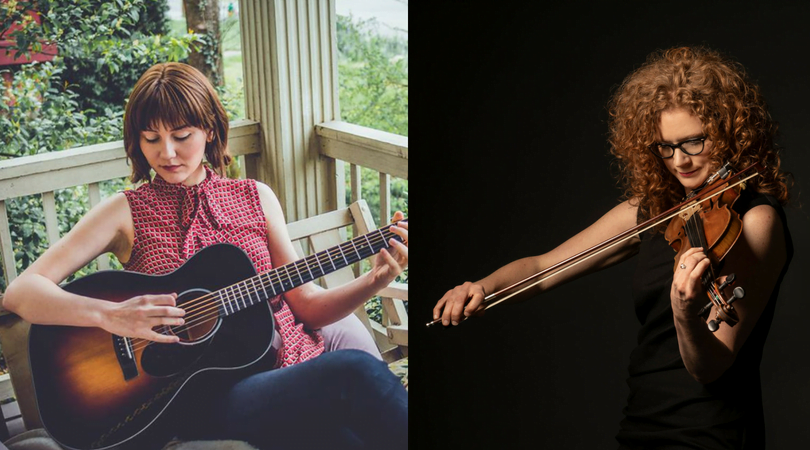
Photo of Molly Tuttle by Kaitlyn Raitz; photo of Becky Buller courtesy Becky Buller Band.