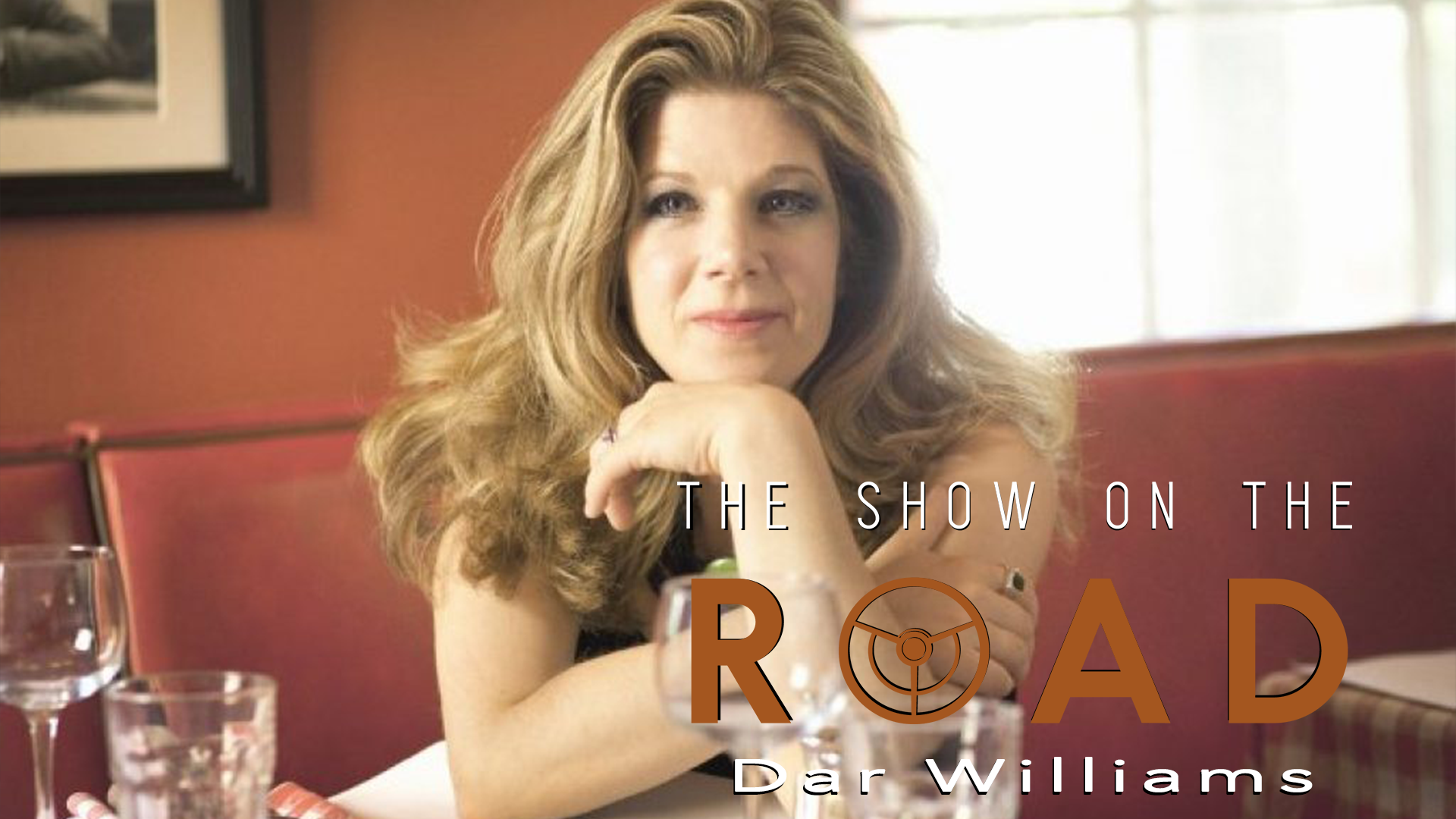
The Show On The Road – Dar Williams

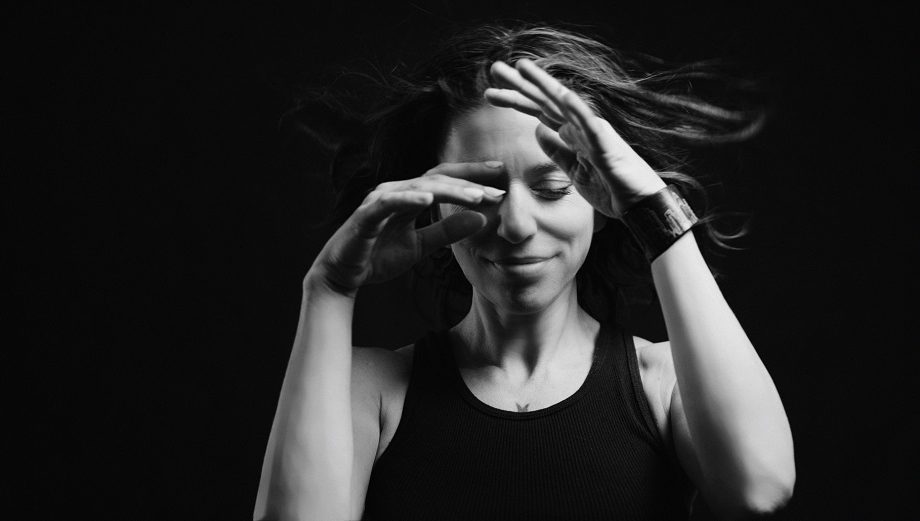
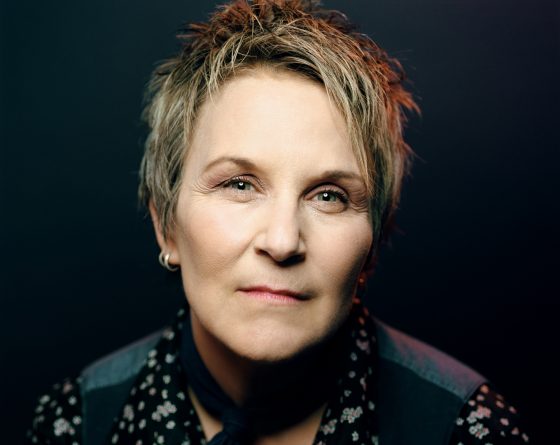
This week, Z. Lupetin’s conversation with revered singing songstress and deeply wise wordsmith, Dar Williams.

LISTEN: APPLE PODCASTSMP3

Coming out of the Hudson Valley outside New York City, Williams has released over thirteen albums across a quarter century as one of America’s touchstone folk poets, first bursting out of the famed Lilith Fair folk rock scene in the mid 1990s with contemporaries like Ani Difranco and the Indigo Girls and gaining a devoted following. She has toured with luminaries like Joan Baez and Patty Griffin, written a book about what makes communities resilient, she runs her own songwriting retreats, and has inspired generations of women to fearlessly embrace their creativity and exercise their limitless potential. Z. was able to catch up with Williams in the green room at the historic McCabe’s Guitar Shop before her second show of a sold out weekend in Los Angeles. A new album is on the way.

Six of the Best: Protest Songs

It’s hard to pick my favorite protest songs. The Woody, the Dylan, the ’60s counterculture pop hits, the singularly chilling “Strange Fruit” — I love them all. The original “This Land Is Your Land” is an anarchist hymn, Dylan’s “Masters of War” is as scathing and righteous today as it was then, “Ohio” by CSNY was so poignant and cathartic in its time, and Billie Holiday laid bare the terrorism of whiteness, breaking the silence for a new generation to sing and speak their truth.

But I’ve opted to go toward the personal: the formative songs that revealed to me just how powerful songwriting could be in conveying a message. The ones that viscerally grabbed me, shook me and changed me; that still send a chill down my spine when they twist the knife. The songs that made me look up from the pages of my diary and want to write songs about the world and the way it could be.

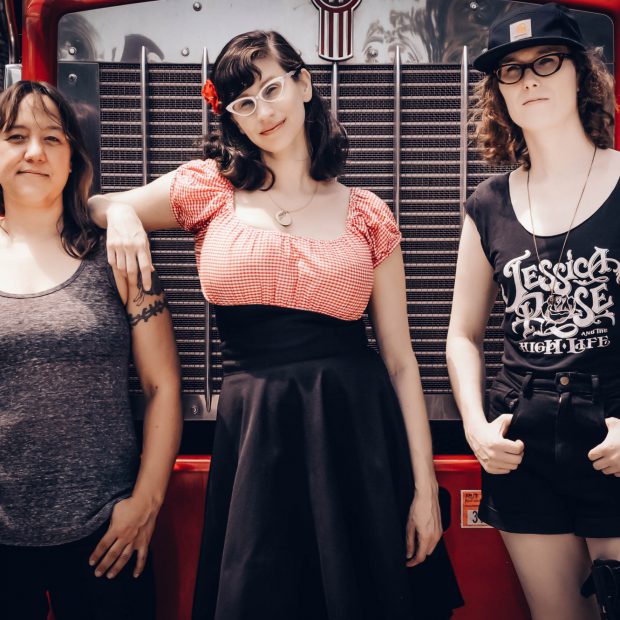
In the past three years I have ramped up my commitment to learning to write this kind of song, and I have had plenty of inspiration. So much so that Front Country’s next record is almost entirely protest songs of one kind or another. Songs of meaning and truth and change. Here are six of the songs that made me the hopelessly idealistic and sanctimonious songwriter I am today. — Melody Walker, of the band Front Country.


“The Wagoner’s Lad” – Traditional

The old ballads are not known for being feminist anthems — far from it — but this one has to be my favorite. The first verse is one of the most honestly brutal accounts of what life was (and still is) like for women in most of the world living under Abrahamic religious rule: “Oh, hard is the fortune of all womankind / They’re always controlled, they’re always confined / Controlled by their parents until they are wives / Then slaves to their husbands the rest of their lives.” As well as the first known field recording sung by Buell Kazee, I recommend Joan Baez’s version because I love her interpretation of the lyrics, and my favorite modern version is by The Duhks. Interestingly, Doc Watson recorded it with a declawed first line “The heart is the fortune of all womankind,” as did several others after him, and I’d be ever so curious to know the story behind that change.


“Killing in the Name” – Rage Against the Machine

You know how parents in the latter half of the 20th century were convinced that music was radicalizing and warping the minds of their children? Well, I can safely say that Rage Against the Machine was my gateway drug into politics and protest, and I’ve never looked back. The raw angst and explosive energy drew me in, and the messages made me stay. Fox News themselves couldn’t write a more cliché tale of my descent into liberal madness: I went to my first RATM show at age 13 in Oakland, California, got a million pamphlets outside the show, read them all, and was immediately indoctrinated into progressive politics. Rare in the realm of protest music, this song, the performance, and the production still sound as fresh today as they did all the way back in 1991. This song was released in the wake of the Rodney King protests and it’s famous refrain sadly still rings true in America: “Some of those that work forces, are the same that burn crosses.”


“One Tin Soldier” – written by Dennis Lambert and Brian Potter

Cheesy as all get out, preachy as hell, but one of the most hard-hitting story songs with a pacifist moral out there. The one time I got to go to sleep-away summer camp at 10 years old, our cabin counselor would sing us to sleep with her favorite folk songs, and when she sang this one I was pretty sure it was the best songwriting I had ever heard in my life. What can I say? It never fails to turn me into a blubbering mess by the end. Truly great songs can stand up to any style or instrumentation, so take your pick of the original ’70s AM gold, punk rock, and pop reggae versions — or this legendary clip of the Bluegrass Alliance from the documentary Bluegrass Country Soul featuring baby Sam Bush and Tony Rice!


“Bury My Heart at Wounded Knee” – Buffy Sainte-Marie

I first heard this song on a live Indigo Girls album and it turned me on to Canadian-American First Nations singer-songwriter Buffy Sainte-Marie. Though she has had a long and successful career as a writer and performer since the early ’60s, including co-writing the inspirational “Up Where We Belong,” this song is from her ’90s comeback album and it pulls absolutely no punches in its accounting of ongoing terrorism against indigenous people in North America. One listen to this song is an invitation to learn more about the activists of the American Indian Movement and how corporations still collude with governments every day to displace and destroy native cultures around the world.


“My IQ” – Ani DiFranco

No one artist embodies the 3rd Wave Feminism of the 90s more than prolific and perpetually independent songwriter Ani DiFranco. Every song is a stream-of-consciousness integration of the personal and the political, redefining and queering the protest song in a polarizing performance style you either love or hate. She paved the way as a completely DIY artist with her own independent record label from the beginning, sending a message not just through her music, but also her entire business model. Each song is a subversive blend of breakup song, political manifesto, slam poetry piece and almost jazz-like playful vocal exploration, unwilling to be pinned-down as a singular statement. I finally settled on one that ends with my favorite of her famous zingers: “Every tool is a weapon… if you hold it right.” I love this well-worn, reimagined live version from 2002.


“If I Had A Hammer” – Pete Seeger & Lee Hays

Speaking of tools, it’s easy to see why this menacingly titled early hit of the “folk scare” put the fear of revolution in the hearts of the powerful. While it was debuted in 1949 by writers Pete Seeger and Lee Hays at a meeting of the Communist party, it became as mainstream as apple pie by the time Peter, Paul & Mary had a hit with it in 1962. Perhaps considered a children’s song today, it has a subversively empowering message in its simplicity. The night Trump got elected, Front Country had just flown to Seattle to start a tour, and there was a palpable sense of grief in the air at those West Coast shows. We closed every show of that run acoustic, on the floor, with a singalong of this song. It seemed to provide a much needed collective catharsis for ourselves and our fans. When one feels helpless, this song reminds the singer that we each have our own unique tools to bring to the work of dismantling systems of oppression and creating the world we want to see. There are a mind-bending number of recording of this song, so here are a few lovely ones.


Photo of Ani DiFranco: GMDThree

Kacey Musgraves is Country’s Queer Icon, but These Roots Artists are Actually Queer

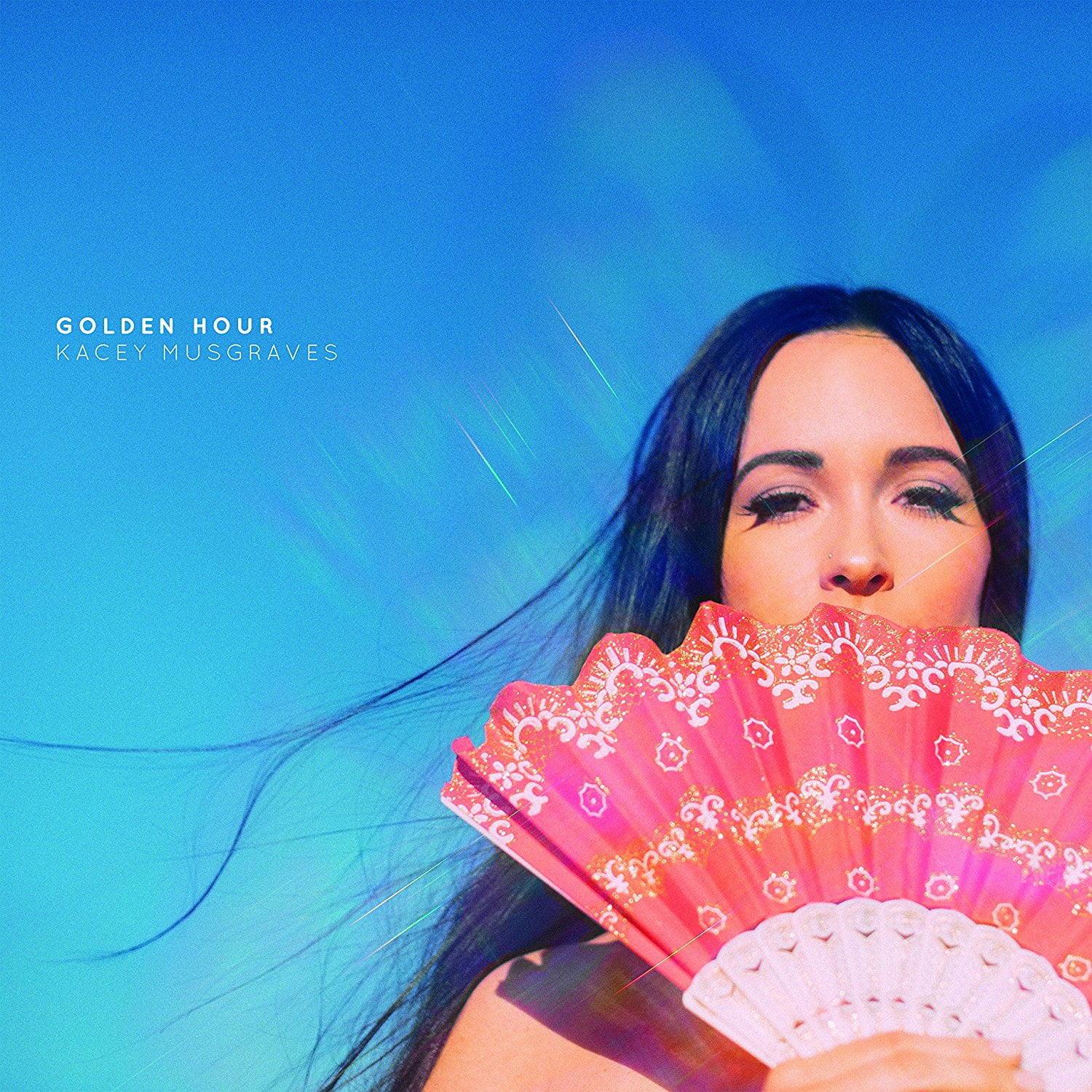
Kacey Musgraves’ dominance during Sunday’s 61st Annual Grammy Awards has certainly solidified her place as country music’s newest queer icon. She offered simply stunning, near-perfect performances during the primetime broadcast and took home four trophies: Best Country Solo Performance, Best Country Song, Best Country Album, and one of the most prestigious awards of the night, Album of the Year. So-called “Gay Twitter” devolved into a tizzy as the show unfolded through the afternoon and evening with Musgraves decidedly at the top.

Said Album of the Year, Golden Hour, saw a critical mass of LGBTQ+ fans embracing Musgraves’ music, but her relationship to the broader gay community has been percolating since her debut album, especially given its overt “Follow Your Arrow” message. All combined, her eye for gratuitous-yet-effortless glamour, her acid-steeped, anime-meets-California-meets-trailer park aesthetics, and her singular, pop-influenced countrypolitan sounds are gay country manna from heaven. And it’s not just in the music. This year, she made an appearance as a guest judge on VH1’s RuPaul’s Drag Race All Stars and she routinely advocates for LGBTQ+ fans and their causes on her social media feeds.

To be sure, Musgraves fits the diva-idolized-by-gays criteria impeccably, but there’s a certain passive erasure that can occur when fans consciously or subconsciously become myopic in their praise of and infatuation with straight, cisgendered, female artists. It’s true that Musgraves has played an important role in expanding country music’s borders — musically, socially, and otherwise — but at the same time a burgeoning community of LGBTQ+ writers, artists, musicians, and creators are carving out their own space within country, Americana, folk, and even bluegrass and old-time.

This writer would never go so far as to suggest that one ought not squeal with delight at Musgraves’ fierce-as-fuck costumes, her tear-jerking solo performance of “Rainbow,” or her impossibly long and flowy Cher-callback, bump-it wig. Rather, if you love Kacey Musgraves and Golden Hour — because queer identities can be seen and reflected within her work, because she opens the door to the idea that country isn’t a forbidding place for these identities, and/or because she’s unabashed and unapologetic in her pursuit of these goals — you’re going to love these eleven badass, talented, inspirational, openly queer roots musicians, too.

Time to get stanning:

Brandi Carlile

After last night’s show this name should no longer need mentioning or introduction, as Carlile and her twin collaborators, Tim and Phil Hanseroth, absolutely brought down the Staples Center with one of the most moving performances of the night, the soaring, galvanizing, overtly queer, and now Grammy-winning masterpiece, “The Joke.” Carlile is openly gay, married, a mother of two daughters, and a tireless voice for representation and progress in Americana and its offshoot genres. If “The Joke” resonates with you (i.e. if it makes you sob uncontrollably, as it does this writer), check out “That Wasn’t Me,” “Hurricane,” and, of course, “The Story.”


Mary Gauthier

Gauthier’s latest, Rifles & Rosary Beads, was nominated for Best Folk Album this year and though it didn’t take home the prize, the album has received universal acclaim for its message of hope, empathy, and visibility for members of our armed services and the struggles they face during and after their service. Gauthier collaborated with veterans of the military in writing all of the record’s heart wrenching, honest, raw songs — which might seem counterintuitive given gays’ historically tenuous relationship with the military writ large. But Gauthier’s own life story, and the trials she’s faced, make her the perfect writer to prioritize empathy above all else in these songs.

Don’t sleep on the rest of her discography, though. The simple profundity of her writing is consistently awe-inspiring. Check out “Mercy Now” after you’ve given Rifles & Rosary Beads a listen.


Karen & the Sorrows

Jewish New York City native Karen Pittelman may seem like an unlikely frontwoman of a country band, especially when you factor in her past punk and queercore experiences, but it turns out she grew up bathed in the country compilation albums her father produced and sold for a living. Her voice recalls country mavens of bygone eras — it’s delicate yet powerful, with a pin-up girl quality that’s as subversive as it is natural. Also check out “Take Me for a Ride,” a Pittelman original that plays like a trad-country, queer version of Sam Hunt’s smash hit, “Body Like a Back Road,” but without the cheese.


Little Bandit

All of the hollerin’, barn-burning, hell-raising country soul of your favorite outlaw country rockers, but with lacy gay edges, Little Bandit (AKA Alex Caress, et. al.) is as honky-tonk as it gets. It’s a beautiful balancing act, presenting as an impossibly big-voiced, piano-smashing, charismatic frontman while singing male pronouns without hesitation. He leans into a beautifully paradoxical queerness that equally embraces diamonds, Waffle House allusions, platform shoes, and plain ol drinkin’. If you like it — and you will — check out “Diamonds,” too.


Sarah Shook & the Disarmers

Outspoken outlaws in a crop of alt-country artists who align with that eponymous country movement of the 70s, Sarah Shook & the Disarmers are a road-dogging band that would seemingly fit that mold, excepting Shook’s deliberate efforts to challenge the inherent heteronormativity of country music at every turn. For Shook it’s not necessarily about having a political message, as she put it in a 2018 interview with BGS, “I feel like doing what I’m doing — touring relentlessly, putting out records, and being unapologetically myself — is a very powerful and political maneuver as well… I’ve never been concerned about that because I feel it’s important to be honest and forthright as a human being, and as an artist and certainly lyrically as well.”


Indigo Girls

Both Amy Ray and Emily Saliers — the two halves that make up the absolutely iconic Indigo Girls — have released solo albums in the past year, both of which draw heavily on folk, Americana, and country influences. This should be no surprise to even the most casual IG fans. Banjos, mandolins, ukuleles, and so many other hallmarks of roots music have been integral to the Indigo Girls’ sound all along. But the songwriting, devastating and personal and oh so very real, is the real takeaway from both projects.


kd lang

This list might as well not exist if it excluded kd lang. Before her crossover to more mainstream genre designations, kd pretty much originated the role of badass queer making unimpeachably trad country music that refused to shy away from its queer touchpoints. Just take a look at this video! “Honky Tonk Angels,” sung with Loretta Lynn, Brenda Lee, Kitty Wells, and finally, kd in all of her butch, gender-bending, binary-eschewing glory — complete with a Minnie Pearl cameo! Country has always been (more than) a little queer, y’all.


Lavender Country

A man well, well ahead of his time, Patrick Haggerty (AKA Lavender Country), released his debut, self-titled album in 1973. It was a groundbreaking work, but the world, let alone the country music community and its commercial machine, were not ready for it. A Seattle DJ was fired for playing “Cryin’ These Cocksucking Tears” on the airwaves, only one thousand copies of the album were printed, and the band was relegated to performing exclusively at LGBTQ+ events and programs. But, despite being largely shut out of the industry, Haggerty and Lavender Country never ceased. In 2018, at the age of 74, Haggerty took part in AmericanaFest’s very first queer-focused showcase.


Amythyst Kiah

Amythyst Kiah’s booming, captivating voice, and her haunting, Southern gothic approach to Americana, bluegrass, and old-time set her apart from almost anyone else on the scene at this moment. Her reimagination of Dolly Parton’s magnum opus, “Jolene,” is a perfect example of how she carefully turns tradition on its ear. Based in East Tennessee herself, she draws on the rich musical heritage of the region, adding her own spin, creating space to allow herself to soar. And there’s plenty more soaring in her future, as she has opened shows for artists such as Rhiannon Giddens and Indigo Girls across the country and in Europe, and her collaboration album with Giddens, Allison Russell (Birds of Chicago), and Leyla McCalla, Songs of Our Native Daughters, is set to drop February 22.


Alynda Segarra

Singer/songwriter, activist, and Hurray for the Riff Raff frontwoman Alynda Segarra entrances with The Navigator, a concept project that focuses on the life and times of a fictitious Puerto Rican youth living in New York City. Themes of immigration, identity politics, displacement, disenfranchisement, and capitalistic overreach are threaded throughout the album, which offers its songs as tableaus of this girl’s — Navita’s — reality. It’s a stunning reminder that the intricacies and nuances that define us, and by doing so, separate us, are not so difficult for us to overcome with empathy and understanding. “Pa’lante!” (which translates to “forward!”) is the album’s battle cry, a song that turns utter despondency, grief, and a sore lack of humanity into a glimmer of hope.


Trixie Mattel

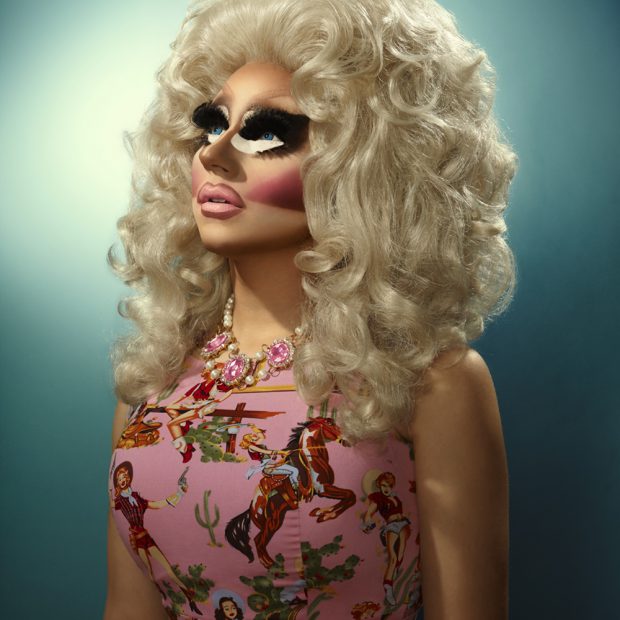
While almost all other drag queens who delve into the music scene release dance tracks, rap albums, or similar club-ready jams, Trixie Mattel (AKA Brian Firkus) draws upon her rural Wisconsin roots on two folk-adjacent, country-ish albums, Two Birds and One Stone. (Get it?) This isn’t just an opportunist attempt to punch up Trixie’s Dolly Parton-esque, country barbie aesthetic, she’s really got the chops. Not only is she a talented humorous-while-poignant songwriter, her technical skills on guitar and autoharp (yes, autoharp) are precisely honed to showcase her original music. This is no gimmick — though the Doves in Flight Gibson guitar and the custom, pink d’Aigle autoharp are jaw-droppingly perfect additions to Trixie’s lookbook.


Curiosity and Persistence: Amy Ray Gets Down to Her Roots on ‘Holler’

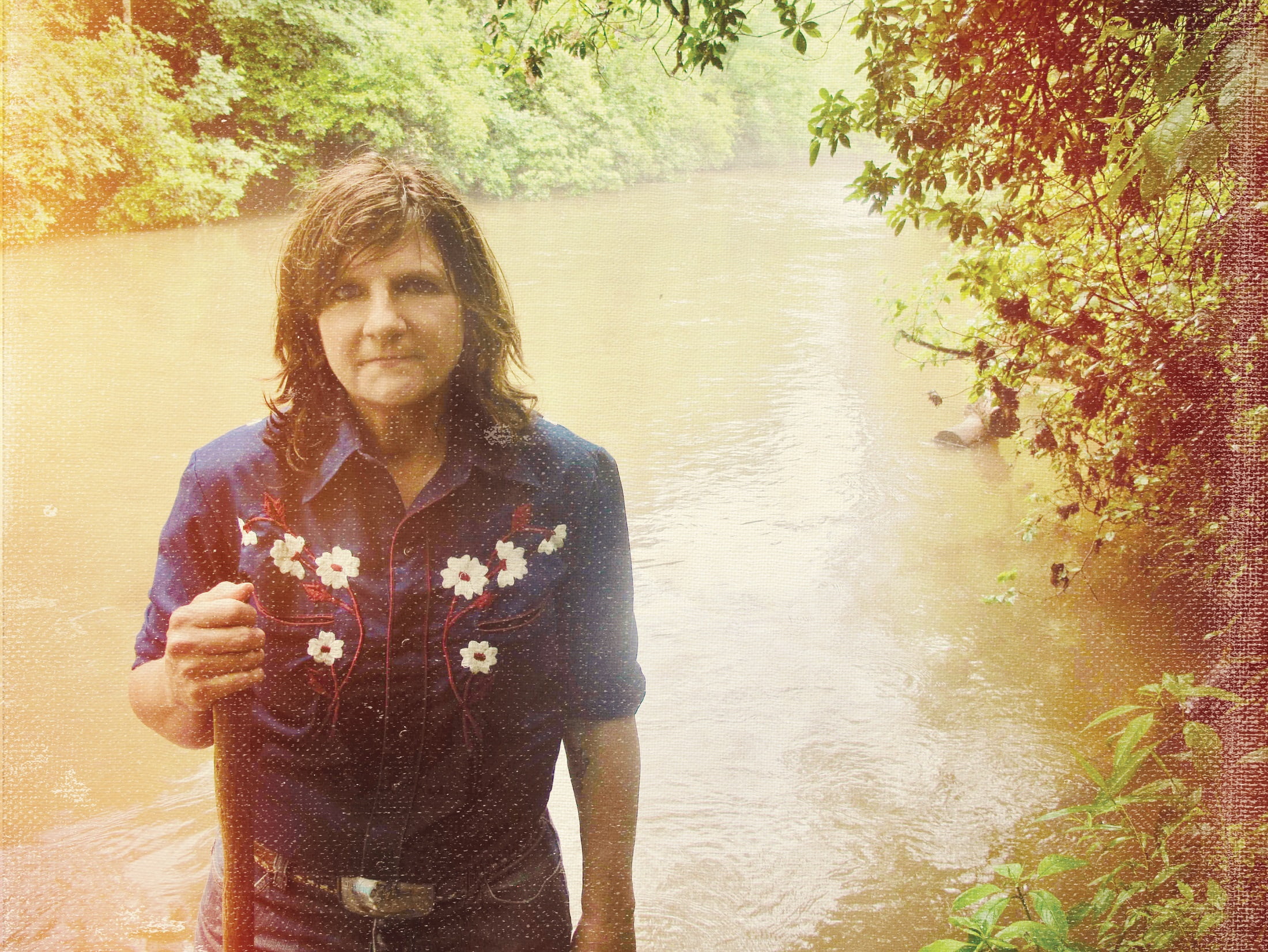
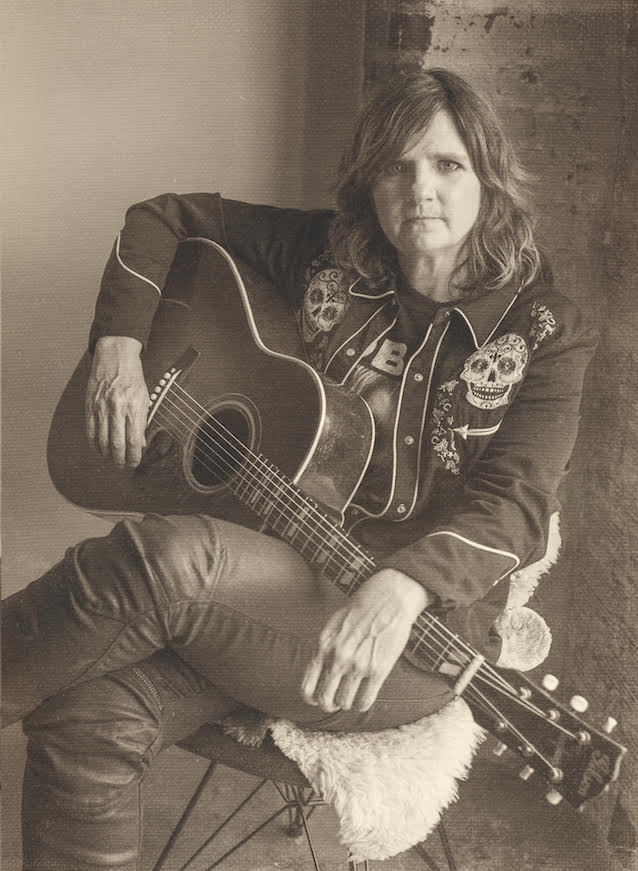
Amy Ray’s new project, Holler, is the closest thing she’s made to a classic country album in a career that stretches across nearly 30 years. As one-half of the Indigo Girls, she’s won a folk Grammy and toured the world, sharing her musical path with Emily Saliers. But on Holler, Ray retreated to Asheville, North Carolina, with a hand-picked band of musicians who knew how to play country music – and she was eager to record the new music to tape using the studio’s vintage machines.

“For this band in particular, there is a real kind of magic quality to knowing that you can’t go back and change a lot of things,” she says. “So it keeps you on your toes the whole time. You have to be well-rehearsed. And at the same time, you just want to go for it.”

Taking a break from signing vinyl copies of Holler a few days before its release, Ray chatted with the Bluegrass Situation about finding happiness on a clawhammer banjo, discovering a commonality with Connie Britton’s character, Rayna Jaymes on ABC/CMT’s Nashville, and staying curious about the world.

How much did you rehearse this new material before going into the studio?

This unit has been playing together for about almost five years, so that’s like been our rehearsal — just touring. For these songs in particular, we did have some rehearsals, but most of the stuff we had rehearsed or worked on arrangements at my house. Or we would have a gig, like we opened for Tedeschi Trucks here and there, and I would use that as an opportunity to practice the day before. We would get together at the hotel and go to the conference room and work on songs – like at the Microtel or whatever – and do arrangements. It bought us a lot of time.

So the band knew the songs well in advance.

Yep, except for “Dadgum Down,” which was a wildcard, which no one knew. We didn’t even know if we were going to do it. I kept saying, “I have this song I wrote on banjo, but I don’t know what I’m going to do with it,” like a broken record over and over and over again. Jeff Fielder, the guitar player, and Alison Brown, who guested on banjo on the track – those two really came up with what became the arrangement for the song. It turned out to be a really fun experience because I put my banjo down and said, “I’m just going to sing.” But everything else, we had really worked on it and spent a lot of time fine-tuning the arrangements.

So the reference in that song about the sting of the bee — is that a reference to drugs?

It’s everything. The stinging [lyric] was another song I was working on, and I was like, “Oh, these are actually about the same thing.” Which is addiction, and relationships. So it’s like, it’s in the nature of the bee to sting. And it’s in the nature of love, and it’s in the nature of drugs. You can’t get mad at that item, because that’s part of their nature, and it’s also what you’re hungry for.

So it’s meant to be more than one dimension because the song is about wrestling with addiction — addiction to a person, and addiction to drugs, and addiction to anything. I’m always fascinated by that because I have an addictive personality, but also I have a lot of friends in recovery. And I don’t drink anymore, so I know how it is to try and beat that.

I want to ask about your musicianship. How did you get interested in the guitar?

It was just a vehicle to sing with probably. I mean, that’s probably why I’m not a better guitar player, too, because I looked at it as, “I want to write songs, and I want to sing, so I gotta learn how to play something.” I was playing piano, but not very successfully. I was in fifth grade and I got a guitar and took lessons at the Y. I learned like five chords and I could play all the Neil Young songs. So I was like, “This is perfect.”

What was the path to learning the other stringed instruments?

Well, mandolin, I just learned. It was like a natural thing for me, I guess. I was interested. I think I learned it because…. I’m trying to remember why I picked up a mandolin. I think I borrowed somebody’s flatiron mandolin and I liked it a lot. I thought this was cool, these chords. And I never really learned how to play properly, which I really want to do one day. But I was learning more from mountain music, like field recording kind of stuff. So I didn’t really learn the bluegrass style, or any of that. And then banjo is just something to knock around on, I don’t really know how to play.

Yeah, but it makes you happy right?

It makes me happy! It doesn’t matter. I try to play clawhammer and it makes me happy. [Laughs]

I’ve followed your career since that first Indigo Girls record, and you always seem to be doing something new and having something coming up. Where did that work ethic from?

Probably my parents, my family, just the way I was raised — workaholic.

Yeah, but you’ve never really rested on your laurels or waited around for it.

I get bored with laurels, and there’s not enough of them to rest on, either. I like the process as much as the prize. I mean, seriously. So for me it’s like I get bored and I really do want to become better at what I do. I think the only way to do that is to keep doing it. And for Emily and I, persistence was our friend forever. I mean, if we hadn’t worked hard and been persistent, and then had a lot of luck, we wouldn’t have made it.

That reminds me of “Tonight I’m Paying the Rent,” which is about putting in the time. Some gigs are not necessarily feeding your spirituality, but you’re still working, doing what you love. What’s the reward for what you’re telling me about – where you’re working, and traveling, and staying busy?

I don’t know, I’m just proud of it. Because when I do a solo tour and get to the end of it, and been able to play all the gigs, and drive all the miles and everything, I feel proud of it. I don’t know why. The process is fun, and I like the people I’m with. I’m just compelled. I think we are compelled by something, and it probably is fear of mortality and all of those deep things too. But it’s also like, well, it beats us sitting around. And it’s fun to try to do something that’s hard to do, and then be able to do it. It feels good.

Is it a calling for you, do you think, to be up there singing?

Who knows? I mean, I have no idea. It’s all I know, though. It’s all I know how to do. So I don’t know if it’s a calling or like a compulsion. I mean, “Tonight I’m Paying the Rent” really also grew out of needing an attitude check. Emily and I were playing a few of these private party kind of things, and I had such a negative attitude about it because they’re soul-sucking. And you’re just doing it for the money, and we stopped doing them because of that.

But then at the same time, I was watching an episode of Nashville where Rayna has to play a private party for a venture capitalist in California. And of course, the guy that hired her is a big fan, but no one else likes her, or likes country. And she’s out there, and she’s smiling, and no one’s listening. And I was like, I’ve totally been there a million times. Then her attitude about it after the show was like, “We all have bills to pay,” or whatever she says.

And that’s the attitude I have. Like, “Tonight I’m paying the rent.” That’s what that song grew out of. It’s like, “Why be so negative about this thing?” Yeah, maybe it’s not fun, but it beats digging a ditch. And look – you’re actually paying bills. That’s hard to do.

To me, “Didn’t Know a Damn Thing” is about history that you haven’t been taught, that you discover it on your own by seeking it out. Where does your own sense of curiosity come from?

I think that’s probably from my family and growing up with role models that were curious. Even my dad, who was super conservative, was also curious about everything. Even though we disagreed about a lot of things, one thing I know about him is that he was curious, and he would always listen to the other side. All the best teachers I ever had in high school and my favorite youth minister at church were curious and they didn’t mind it when I questioned things either.

And I don’t know why I always felt like I needed to question things. … I think part of that was paranoia. It was like the flip side of curiosity, which is paranoia. And I was like, this can’t be all there is, there’s got to be something else going on. It doesn’t feel right. And when you start feeling those feelings, you know you’ve got to look into it.


Photo credit (color): Carrie Schrader
Photo credit (black-and-white): Ian Fisher

BGS Celebrates Pride 2018

It’s June! The most rainbowy time of the year! BGS is proud to celebrate Pride this month while the world marks the anniversary of the riots that began the modern LGBTQ+ rights movement, nearly 50 years ago at The Stonewall Inn in New York City, with parades, parties, protests, and loads of glitter.

Queer voices are an integral part of the roots music communities we all love — and they always have been. Let’s revisit some of our favorite pieces and stories that focus on LGBTQ+ identities, music, and perspectives as we raise up this incredibly strong, vibrant, open, and loving community.


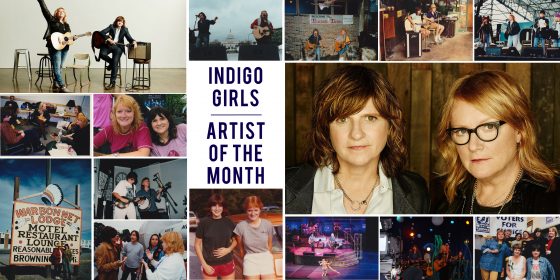
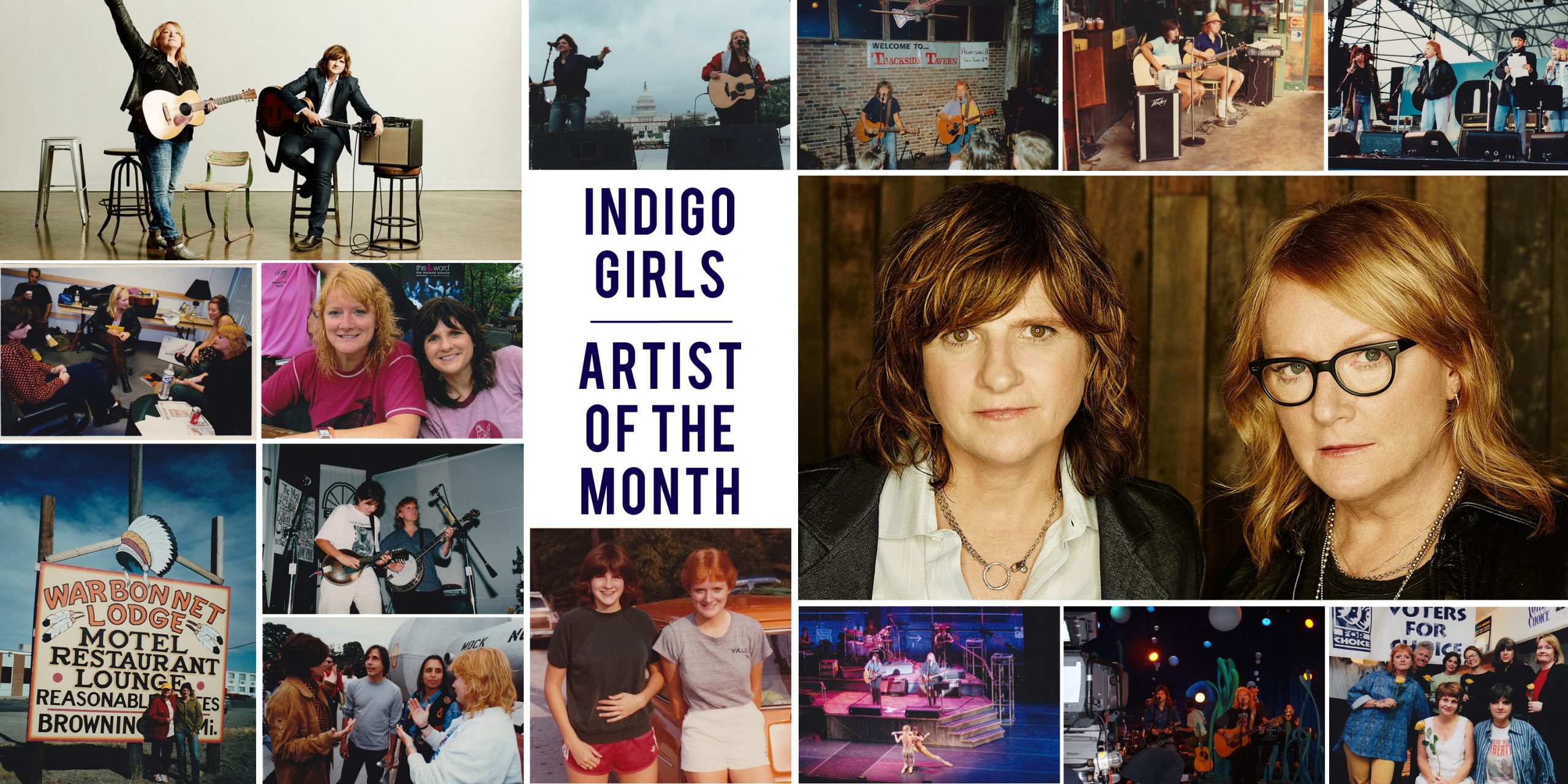
Last year, we celebrated 30 years of queer goddesses The Indigo Girls by naming them our Artists of the Month. Some of our favorite songwriters — like Angaleena Presley and Becky Warren — paid them tribute as well. The Indigo Girls blazed a trail for openly queer folks to make music loud and proud. Their wide-reaching influence cannot be overstated.


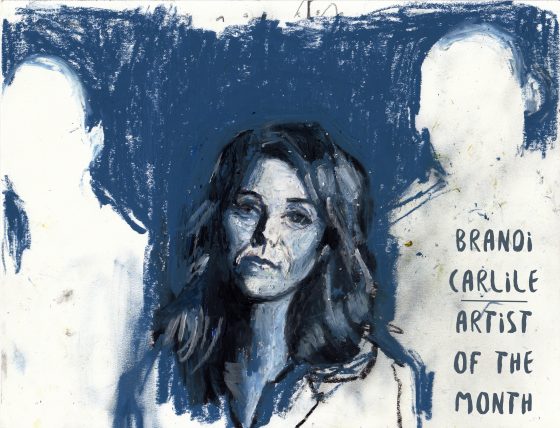
Brandi Carlile gave the remaining 10 months of 2018 an impossibly high standard to live up to when she released her most recent record, By the Way, I Forgive You, in February. One song off of the new project, “The Joke,” is poised to become a queer anthem for our generation — and President Obama himself listed it as one of his favorite songs of 2017. It’s one of our favorites ad infinitum.


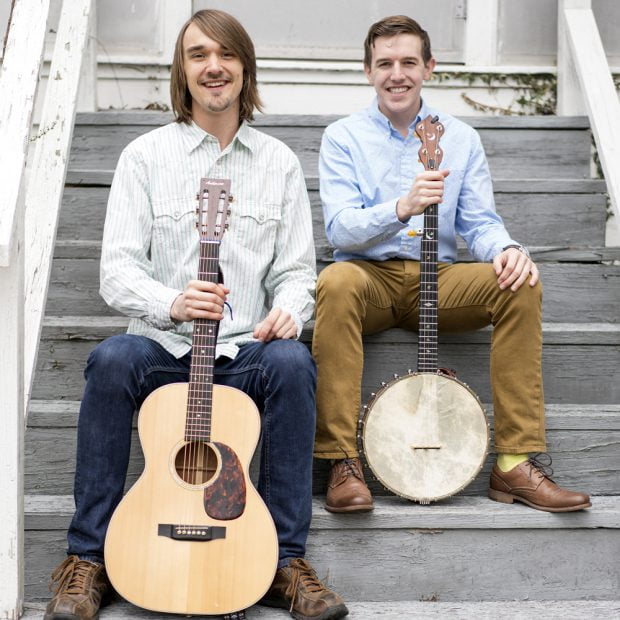
Southwest Virginia natives and old-time, bluegrass, and folk musicians Sam Gleaves & Tyler Hughes are helping to dispel the all too common assumption that rural communities are devoid of LGBTQ+ folks. “When We Love,” a song off of their self-titled, debut duo release made our Class of 2017 list of favorite songs from the year.


We were honored and proud to support the first ever Bluegrass Pride last year, partnering with the California Bluegrass Association on a float in the San Francisco Pride Parade. The float ended up winning Best Overall Contingent and brought live bluegrass music to literally hundreds of thousands of potential fans. The icing on the cake is this bluegrass version of Whitney Houston’s “Dance with Somebody” by Front Country and some fabulous friends.


Singer/songwriter Mary Gauthier demonstrates the incredible power of empathy on her record Rifles & Rosary Beads, a collection of songs written with veterans of the armed services. It’s an important message for this day and age — one that Gauthier delivers with, once again, empathy.


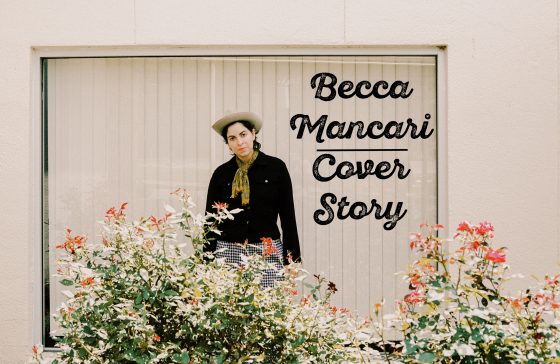
Americana singer/songwriter Becca Mancari may be based in Nashville, but her debut album, Good Woman, released last fall, draws inspiration from well beyond Music City. The critically-acclaimed album can thank its lyric-driven, personality-rich songs for its success — a reminder that living one’s truth and letting that truth shine is always the best plan of action.


Country music is for queers too, damnit! Karen Pittelman of Karen & the Sorrows believes that if we edit our own personalities, perspectives, and identities out of our art, it’s a disservice to everyone. Especially given the fact that queer people have have been making all kinds of art and all kinds of music all along.


She took home the crown from RuPaul’s Drag Race: All Stars Season 3, but last year, before her return to the iconic reality TV show, drag superstar Trixie Mattel (AKA Brian Firkus) released an album of folk-tinged country songs. This year, she released its follow up. We spoke to Trixie after her first album dropped about how a drag queen can fit into roots music communities.


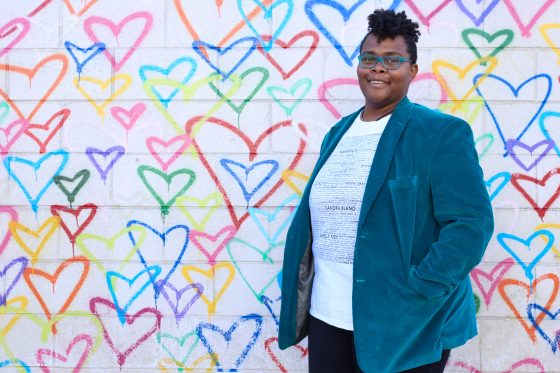
Singer/songwriter and “poster child for intersectionality” Crys Matthews carries on the legacy of Martin Luther King Jr. through her music, writing relevant, hard-hitting, convicting songs that champion social justice and activism.


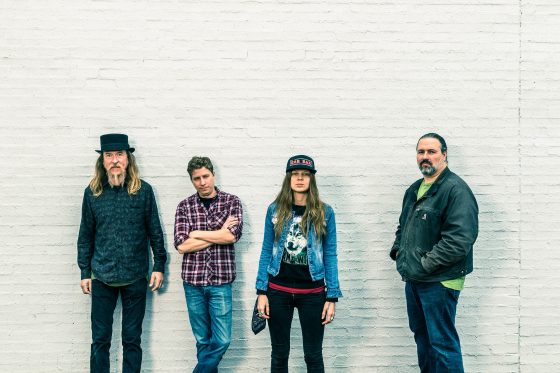
Country artist Sarah Shook is an activist just by being herself, unapologetically. It’s a classic outlaw perspective and a perfect fit for a queer voice in the country realm.


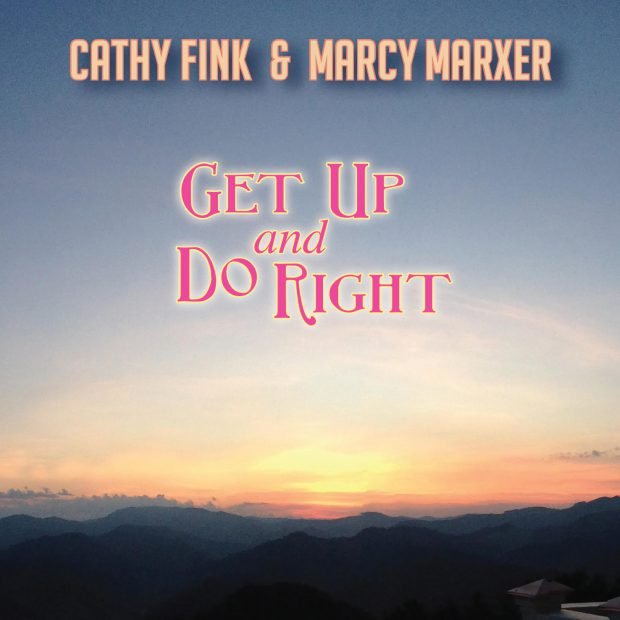
Folk legends, GRAMMY winners, producers, and life partners Cathy Fink & Marcy Marxer released their forty-fifth recording, Get Up and Do Right, early last year. It’s no surprise that it has a social justice bent, given that the pair has spent their entire lives and careers on the front lines of the battle for LGBTQ+ rights and women’s rights.


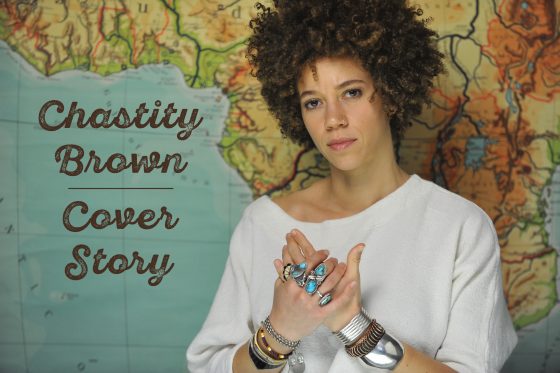
Artist and Americana/soul singer Chastity Brown contemplated heartbreak and healing on her latest album, Silhouette of Sirens, released a little over a year ago. To Brown, the personal is political, “Just by me being a bi-racial, half-black, half-white woman living in America right now is political. Just being a person of color, a queer woman of color, for that matter, is freaking political.”


Of course, we’ve been proud to highlight diverse and underrepresented identities at the International Bluegrass Music Association’s business conference for the past two years – and continuing this year! The inclusion and diversity movement swept IBMA’s events in Raleigh last year, and we took a look at how and why.


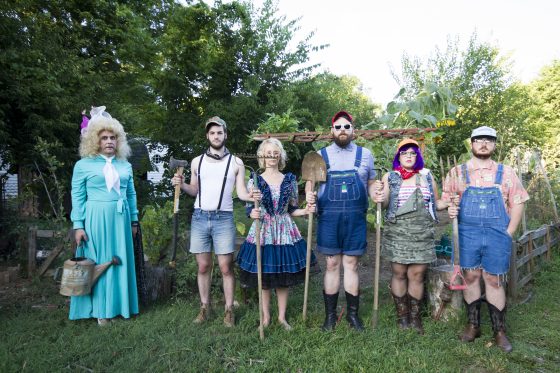
And last but certainly least, how could we celebrate Pride without going back to our conversation with the most busted, washed-up, wannabe country star in the universe, Ms. Marlene Twitty-Fargo? As she would holler from stage, “Happy Pride, biscuits! Though I don’t know why all you queers love Charley Pride so much.”


Lede photo by torbakhopper on Foter.com / CC BY-ND

Cary Morin Picks His Piece

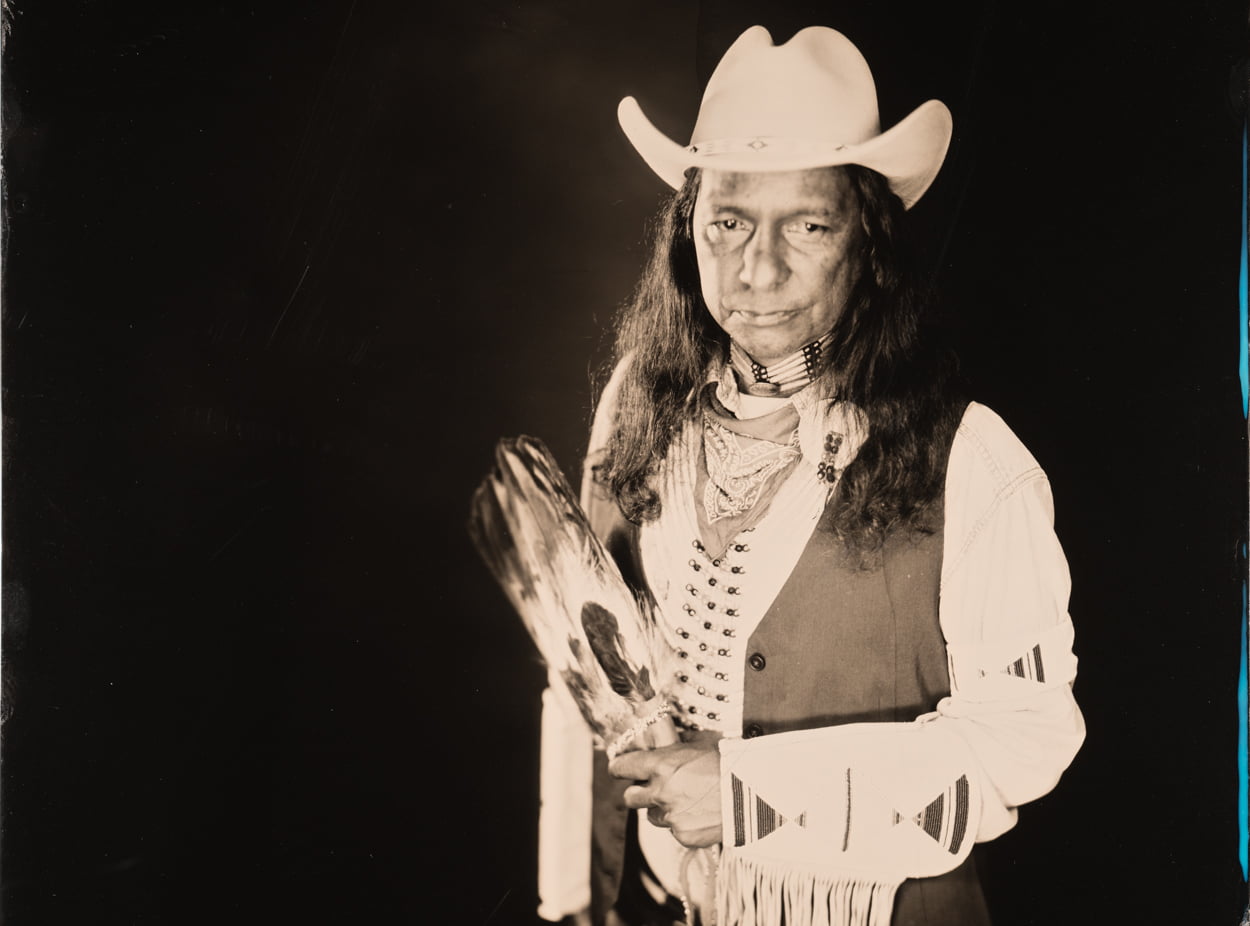
“Let there be no question of who’s wrong and who’s right. There should be no compromise. We all stand up and fight in the dawn’s early light,” Cary Morin sings on “Dawn’s Early Light,” written in support of the Standing Rock Sioux Tribe during last year’s protest of the Dakota Access Pipeline.

“A friend of mine was doing a show [at Standing Rock with the Indigo Girls] and she had asked me, just in passing, if I would write a song for the Standing Rock movement,” Morin explains. “I felt like there were a lot of people writing songs about that, at that time, and I wanted this one to be a little different and stand out a little bit, so it was really more concentrated on the activism, in general, and not so much Standing Rock, but just the whole idea of people coming together to promote clean water.”

“Dawn’s Early Light” is one of the poignant original songs featured on Morin’s latest album, Cradle to the Grave. In order to lend his perspective, Morin tapped into his experience growing up as a Crow tribal member near the Missouri River in Montana.

“When you think about roots music in America, it’s a culmination of so many things. It’s all the stuff blended together, much like the culture in this country is people from all over the world that end up here and create a unique situation,” Morin explains. “With my Native heritage, I could say that I’m really the only finger-style Crow guy on the entire planet. That’s unique. But we all can say that, to some degree. We all have unique things that make us who we are, and I’m really thankful to have grown up in the area that I did, surrounded by the people that I did.”

Morin came to the guitar by way of the piano, which he first began playing around the age of 10. When he picked up a guitar a couple years later, he was enamored. He played by ear, emulating the sounds he loved from his parents’ and brother’s record collection: Chet Atkins, James Taylor, Cat Stevens and Neil Young.

“I grew up in the ‘70s so, at that time, [there was] no Internet, there was very little TV, mostly radio. And the local music scene was really pretty folky and a lot of bluegrass, so I really grew up in the pursuit of flat-picking and [was influenced by] popular bluegrass bands at the time — David Bromberg, Norman Blake, Tony Rice,” says Morin. “I had really fantastic examples of what the music should be, but then I kind of mashed everything up into a combination of bluegrass and finger-style stuff, mostly from Leo Kottke, which turned into this thing that I do now.”

Morin moved to Colorado just out of high school and formed the Atoll, a world-beat band that he toured with for more than 20 years. “I played electric guitar [in the band], but I continued to mess around with the acoustic guitar,” he says. “Once I stopped doing [the band], my focus was really just acoustic guitar and a lot of practicing — just hours and hours of sitting around and playing. To this day, I try to play quite a lot. I’ve been introduced to open-D tuning by a friend of mine, and it took me about a year to get it going and figure out just the basics of it. But then, once I got it going, I just found it to be really fascinating, and I continue to learn new stuff all the time with that tuning. I just love the way it sounds. There’s a fullness and richness to it that I can’t seem to get out of standard tuning.”

Morin’s reconnection with the acoustic guitar led to the release of his most recent string of solo acoustic albums. Cradle to the Grave is the fourth in the series showcasing his adept fingerpicking style and warm, inviting vocals. An amalgamation of bluegrass, country, rock ’n’ roll, and blues, the album features eight original tunes and three cover songs: Willie Brown’s “Mississippi Blues” and, perhaps more surprisingly, Prince’s “Nothing Compares 2 U” and Phish’s “Back on the Train.”

“Phish is one of my favorite bands … I think that Trey’s playing has just really been inspiring and just the whole feel of the band and the approach they take. There’s so much freedom in what they do, and I used that as an example with my band, when I was rolling around playing clubs and festivals,” Morin explains. “A lot of times we’d play five songs without stopping. We’d just roll from tune to tune, and the whole point of that band was really dance music, just to provide an outlet for people to go out and have fun and dance.”

Morin uses the same ethos in his current performances touring behind his solo efforts.

“As a solo player, I can do whatever I want. I can play in whatever key. I can speed things up or slow it down, or just kind of make things up as I go along. And I really dig that freedom to just do whatever I want on stage,” he says. “Sometimes I’ll try stuff and sometimes it works, sometimes it doesn’t. But when it does, it’s a great feeling, and then it’s gone forever.”

While solo spontaneity on stage leads to such ephemeral moments, Morin has a solidified team off-stage that serves as his backbone — and they’re not going anywhere. From recording to promotion, it’s an organic, family affair.

“What I like about these four records [is that] the recordings are all done live in the studio with no headphones. I’ll sit and play these songs, and just play and play and play them, and a friend of mine has recorded all these albums,” Morin explains. “We’ve gotten together, I think, a pretty successful team with Maple Street Music and [my wife] promoting the live shows and the recordings, and Rich [Werdes] recording them, and we have the same person that’s been mastering and mixing the CDs, too. It’s just like the perfect combination of people and I like to think that I promote one guy, one guitar. People still are interested in such a thing … I just really enjoy being able to stand on stage by myself being able to do what I do.”


Photo credit: Timothy Duffy

Becky Warren Thanks the Indigo Girls for 30 Years #IG30

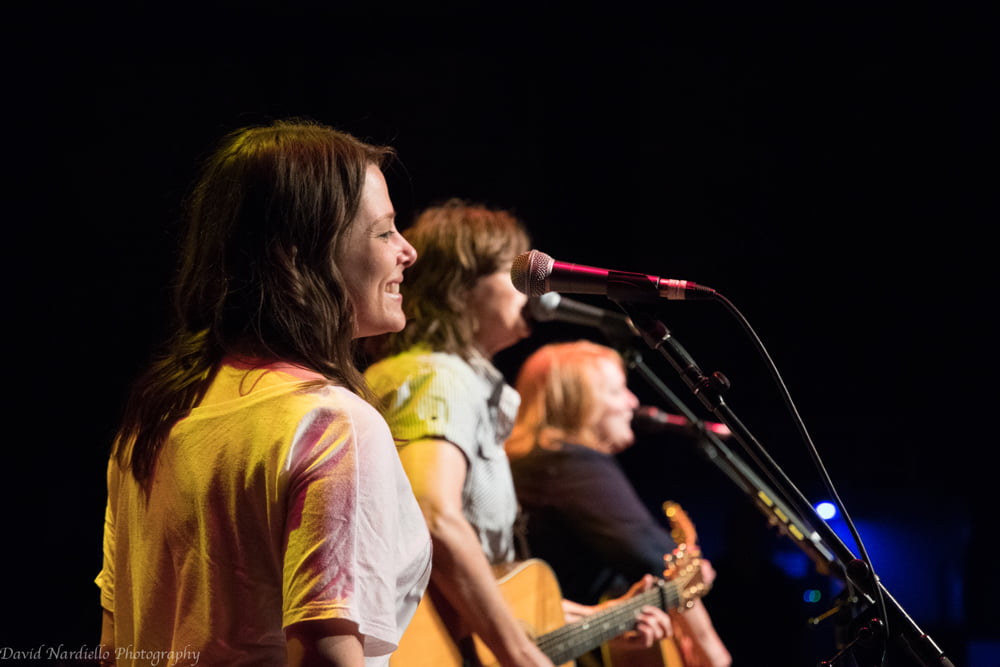
Continuing our month-long tribute in celebration of the Indigo Girls’ 30th anniversary, we asked singer/songwriter Becky Warren how she’d like to thank Amy Ray and Emily Saliers. 

It’s pretty much impossible to overstate the importance of the Indigo Girls in my life. I grew up in Atlanta, so when I first heard them in 1990 or so, they became instant heroes — women who wrote amazing songs, played and sang them on great records, and even lived where I lived. I got a guitar in 1991, and theirs were, of course, the first songs I taught myself to play. I spent a lot of time in school feeling awkward and lonely and weird — the kid who was absolutely obsessed with music that most of the other kids weren’t listening to. The Indigo Girls showed me that there was a place in the future where a music nerd girl from Atlanta could fit in great. And they taught me a hell of a lot about songwriting.

More than a decade later, my band (the Great Unknowns) had just finished recording our first album in a basement in Boston when Amy Ray called our guitar player to say she loved the record and wanted to put it out on her Daemon Records label. We immediately agreed and, in 2005, newly married to a guy who had just deployed to Iraq, I went on my first run of shows opening for the Indigo Girls. Amy and Emily were legends for me, and I was amazed to find they were also incredibly kind, down to earth, and full of passion for playing and listening to music. My then-husband’s return from Iraq with PTSD kept me out of the music world for almost seven years — an eternity in the music business. But when I got back to it, Amy was willing to listen to my songs again, and she gave me feedback that bolstered my confidence in a way I badly needed after so much time.

Late last year, I released my first solo album, War Surplus, which explores the impact of PTSD on veterans and their families. I sent Amy an early copy, and she told me she really thought people should hear it. And so it happened that, almost 12 years after my musical journey was interrupted by the Iraq War and its aftermath, I got to go back on tour opening for the Indigo Girls.

My dear friend Mary Bragg (who sings with me here and is a phenomenal Americana artist in her own right) came along on the tour to lend her vocal talents. To build my music career back up to that point, after such a long break, meant the world to me; but the fact that Amy and Emily still believed in me and my songs meant even more. I’m so proud to be an Indigo Girls superfan, so honored to call them friends, and so grateful for everything they’ve done for me. 


Photo credit: David Nardiello

Cory Chisel and Adriel Denae, ‘Just Pleasing You’

It’s Indigo Girls month at the Bluegrass Situation, and it’s hard to talk about that dynamic duo without addressing one of the most potent components of their magic: harmony. It’s one of music’s most primal things — no instruments needed, just voices ringing together in a mysterious pattern that sounds perfect but takes true mastery to actually perfect. Few do it as well as Amy Ray and Emily Saliers, who meld themselves like two bodies of water intersecting, yet somehow retain their own individual clarity along the way. A good harmony is true wizardry to the ears. It really is.

Cory Chisel and Adriel Denae’s debut duets LP, Tell Me True, is dedicated to the magnetism of those harmonies. Romantic partners in life and craft, they blend their vocals in both natural and unexpected combinations, volleying in a seamless game with lyrics that chart their life, love and struggles together. “Just Pleasing You,” a sparse and strikingly beautiful ode to what we leave behind to follow a romance — the good, the ugly, the staggered parts of ourselves — is built on Chisel and Denae’s ability to lace their words around each other in that magical way, teetering together with just some simple guitar to pull it all along. “Just pleasing you, is the last thing I’ll do,” they sing, the melody moving and the key escalating with each breath. Pleasing each other, but our ears, too … true wizardry, indeed.   

The Power of Two: 30 Years of Indigo Girls

Although the earliest traces of Amy Ray and Emily Saliers joining musical forces date back to 1981 — and their original meeting back to 1974 — the Indigo Girls’ debut album, Strange Fire, was released in 1987. To mark the much-beloved duo’s 30th anniversary, we wanted to say “thank you” to Amy and Emily for everything they have given us over the years … the art and the activism, the influences and the inspirations. To do so, we reached out to artists who have walked the trail they blazed, starting with singer/songwriter Mary Gauthier, who penned this wonderful recollection that speaks for so many. (Keep an eye out all month for more artists paying tribute through stories and songs.)  

Lesbian icons. When I was a kid, the mere thought of such a thing was laughable. I was growing up in Baton Rouge, Louisiana, in the 1970s. There were no iconic gay women. Hell, there were no gay women, period. When I began to wonder if I was gay, I went to the library looking for lesbian authors. My research brought me to one book: Radclyffe Hall’s sad book, The Well of Loneliness. I read it, then landed on its predecessor, the bi-monthly mailed-in-a plain-brown-paper-wrapper-lesbian-newsletter, LC (Lesbian Connection). A nod to Hall’s 1928 book, the polite LC personals were called “The Wishing Well.”

LC introduced me to “womyns” music. I loved the great Canadian folk singer Ferron, but as an angst-filled, queer, ’70s teenager from the Deep South, I did not relate to much of the womyns music scene. I didn’t fit in there, either. I found myself listening more to Southern folk singers like John Prine, and other male songwriters whose words I felt close to.

Imagine my surprise when I moved to Boston in my early 20s and heard the Indigo Girls for the first time on WUMB college radio. There was SOMETHING THERE for me, personally — a brand new, yet deeply familiar sound. It resonated. I FELT it. Though I did not know it consciously, a part of me understood: Those voices were gay women from the South, like me. I parked my black Toyota restaurant truck in the driveway, turned the radio up loud, sat there stunned, and listened as the song played out. The sound infiltrated my soul. What was this, some kind of cosmic lesbian musical sorcery? Who were these people? They fucking rocked. The harmonies peeled back layers of scar tissue at my center, exposing a longing in me that I could not name. The song coming out of the radio was called “Strange Fire.” Hearing it for the first time in my truck that evening literally hurt.

I come to you with strange fire
I make an offering of love

The incense of my soil is burned
By the fire in my blood

Those harmonies landed like a déjà vu — utterly familiar, but not at all known. The sound was pointing me to something vital about myself, but I did not know what it was. The alchemy evoked a buried self I had not yet met, the future songwriter in me, entombed in a personal Pompeii, frozen under layers of active addiction. When the song ended, I turned off the radio, clenched the steering wheel, laid my head down, closed my eyes, and cried. I banged both hands on the wheel … harder, then harder still.

I was drunk, stoned, and tired of feeling alone. I had a hole in me that the call to songwriting had once upon a time tried to answer. But the call wasn’t even a memory anymore. I had put my guitar and musical longing aside, buried them both in a past I did not contemplate, and forgot about them. Women who did not (or could not) abide the compulsory rules of gender — the sexualized female appearance tailored to the male gaze — didn’t stand a chance in the real music business, right? I’d grown up, turned away from music. Made peace with 1 Corinthians 13:11: “When I was a child, I spoke and thought and reasoned as a child. But when I grew up, I put away childish things.”

I was a restaurateur now, a businesswoman, and a CEO. A chef. I established and ran several restaurants. I had what thought I wanted. I was young and successful. But I felt empty. There was money, but it didn’t matter. I’d spent the last decade subconsciously flirting with death. I lived with a gaping hole in the center of my being that I poured booze and dope and romance and success and any other thing I could jam in there to deaden the pain, the sadness of an unlived life. I was lost, careening the wrong way down a one-way street. I did not know how to turn around.

So I worked harder, tried to make more money, and became grandiose. Angry. I demanded that those around me work harder, too. We had to push the limits of what was possible. I was hoping to succeed my way out of the feeling of being lost. Somehow, the sound of that song on the radio saw me and called to me, but I couldn’t understand what it was telling me about myself. I could not make sense of the visceral response it released in my gut, even as the waves of emotion doubled me over.

A few months later, I was arrested for drunk driving. The court sentenced me to mandatory rehab. I got sober. Soon after, I decided to find the source of those magical voices I’d heard on the radio. I called the station, described the song, and the DJ said they called themselves the Indigo Girls. I went to Tower Records and bought the record, Strange Fire.

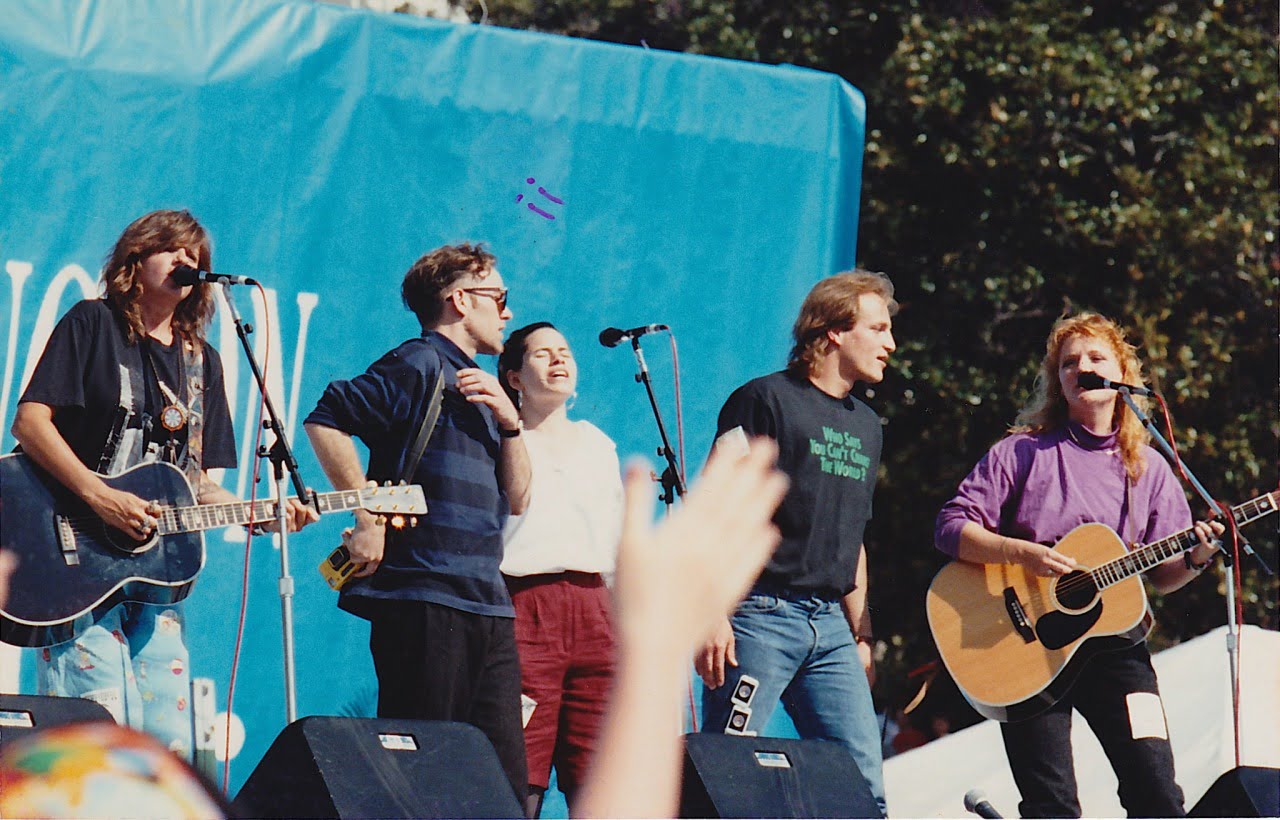
Amy Ray, Michael Stipe, Natalie Merchant, Woody Harrelson, and Emily Saliers perform for Earth Day in Washington, DC in 1990.

Soon after, I went to see them perform at the Paradise, a Boston rock club. It was 1990. I was a few months clean and sober, and what I saw that night made me dizzy, weak, and queasy. The mostly female audience was screaming the singers’ names, while crying and shouting the words to the songs, as the two women on stage sang smiling, delighting in the raucous, carnival-like excitement. In short, the fans were out of their fucking minds. The scene that night was like the black and white footage of girls screaming for the Beatles in 1964. For the first time ever, I saw women jumping up and down and screaming at the top of their voices for women. It was pandemonium. No Well of Loneliness here, this was a grand public display of woman-loving-woman energy, a giant wave of out-ness that rode the waves of the music being played on stage, blasting through the house speakers. It blew my mind.

I’d been out for years, so it wasn’t the queerness that freaked me out; it was something else. I could not name what was happening inside me, but I left early, after going into the bathroom, afraid I would literally be sick. My knees could barely hold me up. I was only a few months sober. I wasn’t even sure I saw what I had just witnessed. I was utterly confused. I loved the music, the passion, and the songs. What the hell was making me so queasy? I had no idea then that the pain of an unlived life was dropping me to my knees in the not-so-clean stall in the women’s room in the Paradise Rock Club.

I went and saw them play again at the 1991 Newport Folk Festival. I’d listened to the Strange Fire record hundreds of times, and had just bought their self-named second record, Indigo Girls. The record had thrown off a smash radio hit, “Closer to Fine.” The Indigo Girls became Newport headliners the summer I celebrated my first year of sobriety. As a gift to myself, I bought a ticket to the festival.

The skies over Newport, Rhode Island, burst open with rain before the Indigo Girls took the stage, but I didn’t care. I found something to hold over my head. Maybe a stranger loaned me an umbrella? I don’t remember. What I do remember was the absolute joy I felt watching them with a full band, brilliantly and confidently take over the entire universe, as the rain came crashing down and rivers of water raced down the hill, magically splitting along both sides of my little island of safety. I had not felt joy like that since … maybe … ever.

Gone was the upset in my gut, the confusing angst, even though the heightened emotions in the women in the audience at Fort Adams State Park was like the Paradise Rock Club times 10,000. I was becoming one of the singing-along-out-loud fans. There were screaming, crying, lyric-shouting women as far as the eye could see and, this time, it made me smile. Song after song, women running up to the stage in tears reaching for them, while security had to push back the surge, while beautiful young girls threw themselves and their passionate, hysterical love at the women on stage. It was amazing. I was witnessing a seismic shift in American culture, and in myself.

The Indigo Girls went on to rule the Newport Folk Festival in the 1990s, appearing as headliners nine times in 10 years. They were stars and bona fide lesbian icons. I had no way of knowing that, a decade later, I’d be standing up on that very same stage myself. I was just beginning to feel the pull to my own music, to the old guitar that had sat in my closet for so long.

What I did know was that a door had opened. Things were different now, and weren’t going to go back to how it was before. The Indigo Girls had shattered the glass ceiling in music, the ceiling that no “lesbian-looking lesbians” had been able to smash through before them. Soon, lesbian artist after lesbian artist made their way through the opening the Indigos created. I become one of them.

I doubt I would have had the audacity to become a songwriter and take the stage without Amy and Emily laying the groundwork for up-and-coming artists. I owe them a huge debt and a heartfelt thank you. The spirit that flows through their music, and through all good music, contains much-needed truths that can help bring lost souls back home.

In their highest form, songs are vibrations from a higher world, which humans have been given the power to channel. Songs are a gift, an offering, and an open exchange between singer and audience. Songs are emotional electricity and know no sexual preference, gender, race, nationality, or age. Some are more than just sweet melodies or sellable entertainment products. The most meaningful ones are powerful medicines that can connect us to ourselves, each other, and to the divine. They carry emotional truths that burn through time and space, touching something eternal.

The songs of the Indigo Girls pointed me home to me, when I needed it most — a date with destiny, a divine decree. By being authentic, Amy and Emily have pointed millions of other people home, as well. Damn near everyone I know (straight and gay) has an Indigo Girls positive impact story. The world is a better, more inclusive place because of their music. So, I say with great joy, happy 30th anniversary to the Indigo Girls and to Strange Fire. You have done much for many, and we are better because of you and your music.

— Mary Gauthier


Photos courtesy of Indigo Girls
ANNOUNCING: Two New Ways to Hang & Sang

Last summer, Team BGS noticed that Facebook was really pushing their Live videos. We also saw that our friends Ann Powers and Jewly Hight were doing some casual sessions on Ann’s porch here in Nashville for NPR Music using that medium. So we decided we should give it a whirl. Ani DiFranco was coming to town, and we asked if she’d be our first. We didn’t have a name for it or much of a plan at all, but Ani said yes and City Winery said we could use their lounge. On June 30, 2016, what would become Hangin’ & Sangin’ was born.

Since then, we’ve had Sam Bush, Lori McKenna, Uncle Earl, Indigo Girls, Chely Wright, Colin Hay, Natalie Hemby, Ruby Amanfu, Special Consensus, the Revivalists, Marc Broussard, the McCrary Sisters, Whiskey Myers, Glen Phillips, Mary Gauthier, and a slew of other fantastic artists on the show.

And we’re just getting started.

In the weeks ahead, we’ll be hangin’ with Johnnyswim, Angaleena Presley, Drew Holcomb, John Paul White, Rodney Crowell, Sunny Sweeney, Keb’ Mo’, Gaby Moreno, and so many more of your favorite artists at Hillbilly Central, right off Music Row, in the heart of Nashville. Join us every Friday at 2:30 pm CT on Facebook Live, catch us every Sunday at 6:30 am and Tuesday at 9 pm on WMOT Roots Radio, or listen to the podcast via iTunes any time you like. We’d love to have you hang with us.


Special thanks to Alison Brown, Garry West, Gordon Hammond, and everyone at Compass Records for lending us their historic studio. Additional thanks to Jessie Scott, Val Hoeppner, John Walker, Craig Havighurst, and the whole team at WMOT Roots Radio for giving us some air time. And an extra shout out to Josephine Wood for helping get this thing off the ground to begin with. We couldn’t be happier to partner with all of you.