Take the Journey: 17 Songs for a Sunny and Warm Summer Vacation

In July we put together a playlist of bluegrass songs for summer vacation and once the inspiration was flowing, it was difficult to stop! We thought we should return to the theme, but slightly zoomed out, to include songs from across the roots music landscape. With the summer still shining, enjoy these 17 folk, Americana, and country songs perfect for your road trip playlist.

“Ride Out in the Country” – Yola

Yola was a 2020 Best New Artist nominee at the Grammys and she’s just returned with a new, full-length album on Easy Eye Sound, Stand For Myself. The entire project is lush and resplendent, like the glory days of orchestral, big-sound country-pop in the ‘60s and ‘70s. For this playlist, though, we return to her prior release, Walk Through Fire, and the perfectly country track, “Ride Out in the Country.” Take the scenic byways and crank the volume!


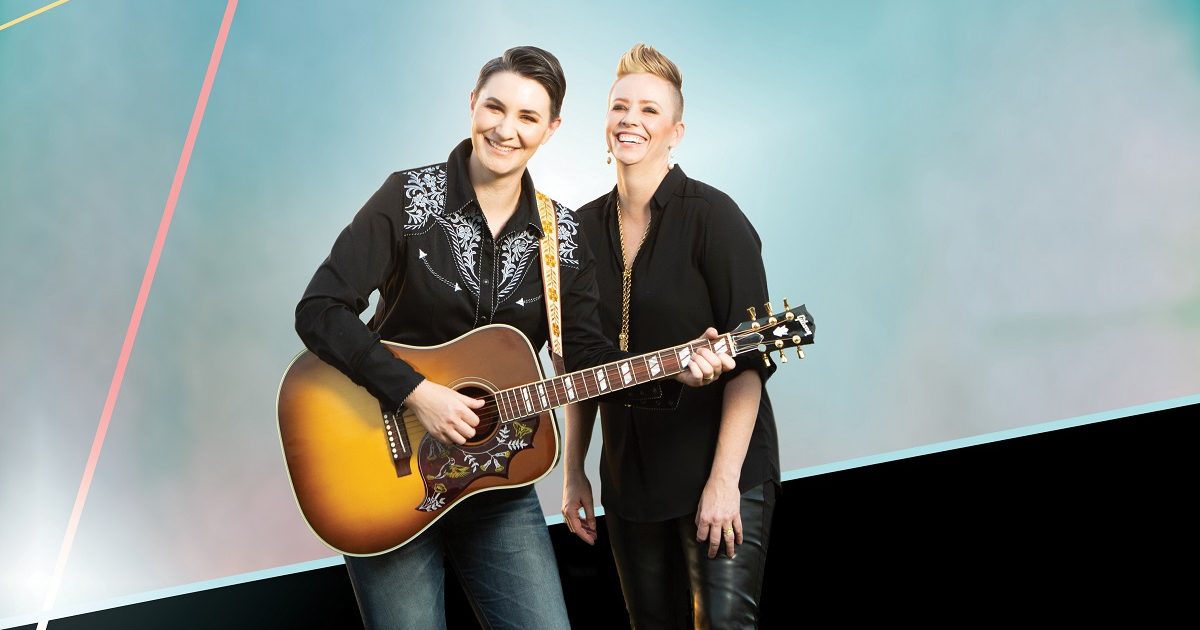
“I Like It When You’re Home” – Della Mae

One of the nicest silver linings of vacation is missing home – and that delicious feeling of returning to your own space and your own bed after being away. And your loved one(s), too! Della Mae captures that sentiment in this jammy, rootsy track from their album, Headlight. Take the day off, drive north, sit by a lake.


“A Little Past Little Rock” – Lee Ann Womack

A truly quintessential driving song. A must-add even if your vacation route comes nowhere near Arkansas. The baritone guitar intro, the shout-along-with-the-lyrics chorus, the whimsically late ‘90s production. A banger. A bop.


“Sunny and Warm” – Keb’ Mo’

Keb’ Mo’ is a master of vibes. His single “Sunny and Warm” showcases the acoustic blues musician in a more traditional R&B light – and the impact and result are simply golden. This track will have you craving your happy place, wherever that warm and sunny locale may be.


“Heavy Traffic Ahead” – Bill Monroe

Look, we’re The Bluegrass Situation! We’ve gotta get our bluegrass kicks in somewhere – bluegrass is roots music, after all. Given that we left this classic by the Big Mon himself off our Bluegrass Songs for Summer Vacation we felt it was worth inclusion here. And worth a mention so that you’ll go check out the entirely bluegrass playlist, too!


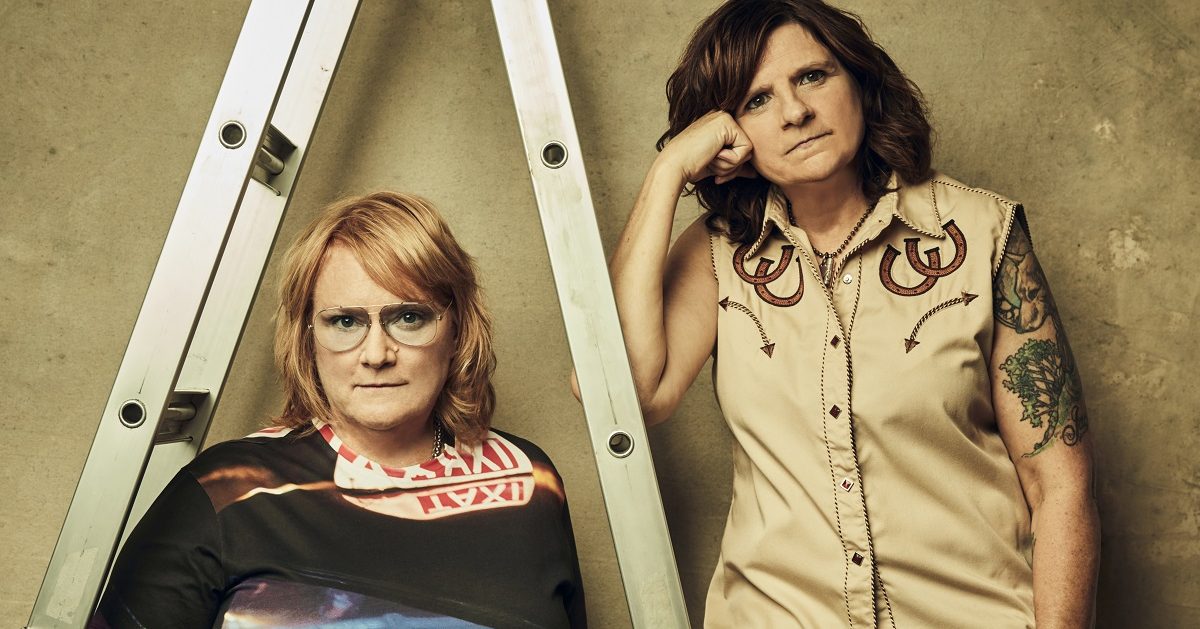
“Country Radio” – Indigo Girls

Finally a country song about country radio – and cruising around aimlessly listening to it – that is enjoyable and free of the guilt associated with the false nostalgia, conservative politics, authenticity signalling, and post-2000s country. Especially the kind most often played on the radio! This Indigo Girls track is testament to all the folks out there who love country music, even if it doesn’t always love them back. Don’t worry, it will. Eventually! (Read the BGS interview.)


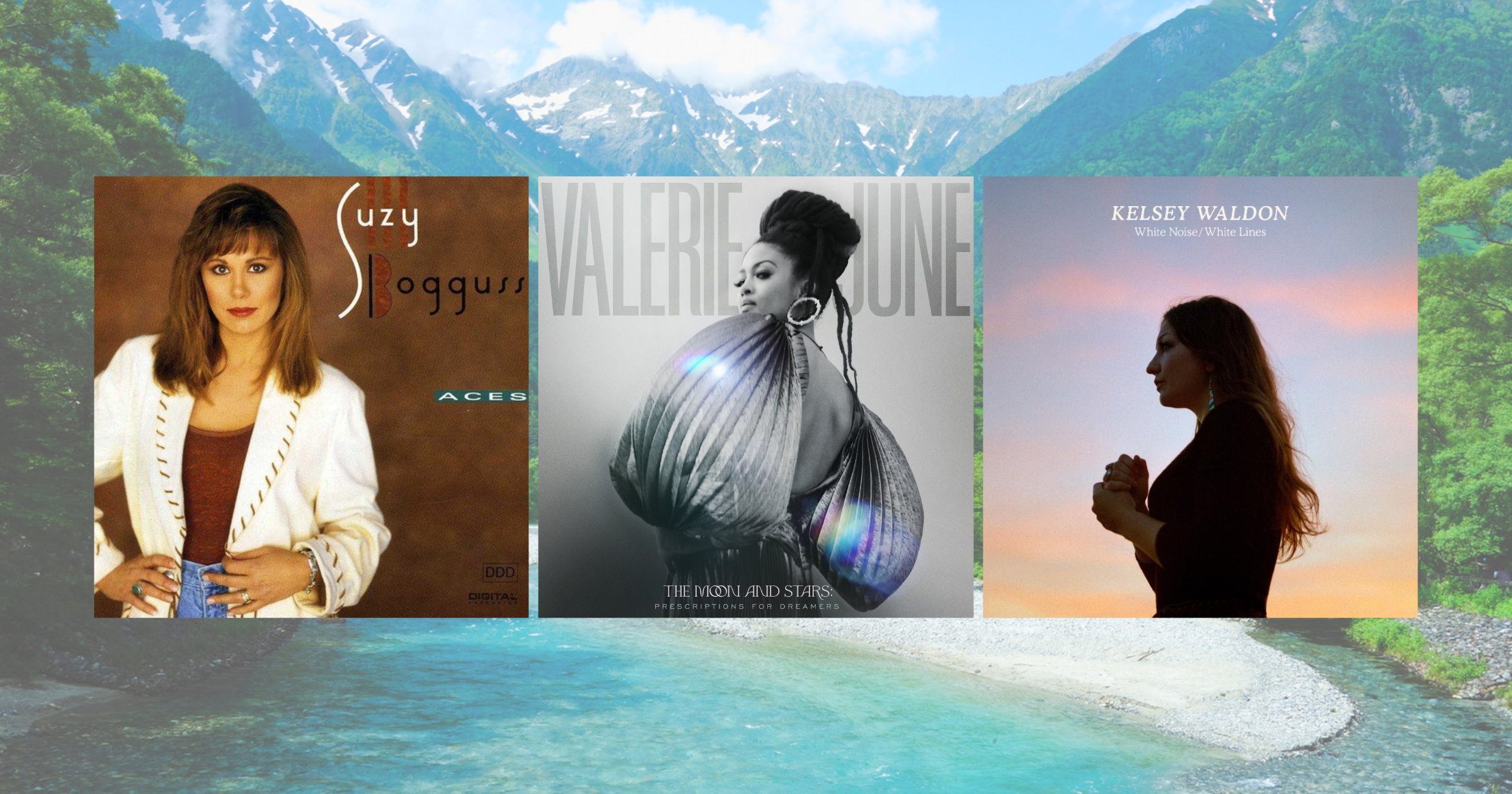
“White Noise, White Lines” – Kelsey Waldon

If you catch yourself daydreaming, in a dissociative or meditative trance as you keep it between the lines, Kentucky-born singer-songwriter Kelsey Waldon has the exact soundtrack for you. “Whie Noise, White Lines,” the title track of her most recent album, speaks to that near-trope-ish phenomenon of losing oneself amid the countless miles traveled while living the life of a traveling musician. Waldon, as in most of her music, accomplishes this motif without stereotypes or clichés, and the result is a song that will be a staple on vacation playlists for decades to come.


“Table For One” – Courtney Marie Andrews

A variation on the same theme, this time from Courtney Marie Andrews, “Table For One” is gauzy and lonesomely trippy. “You don’t wanna be like me / this life ain’t free,” the singer pleads, seeking a sense of reality in a life almost entirely abided within liminal spaces. Find peace in the redwoods, but try to hold on to it. You might lose it twenty miles later.


“Two Roads” – Valerie June

Cosmic and longing, Valerie June distills Kermit the Frog’s “the lovers, the dreamers, and me” into album form with her latest outing, The Moon and Stars: Prescriptions For Dreamers. Whatever bug you’ve been bitten by – rambling, restlessness, cabin fever, listlessness – let this song and this album scratch that itch. And as you let the miles fade behind you, on whichever of the two roads you take, don’t forget to look up… at the moon and stars and beyond.


“Christine” – Lucy Dacus

Whether or not you’ve experienced the beautiful, transcendent, and heart-rending forbidden love of being queer — on the outside looking in on love that society has constructed to which you’ll never have access — Lucy Dacus’ fantastic, alt/indie roots pop universe will give you a crystalline window into this very particular iteration of unrequited love on “Christine.” The song feels almost as though you’ve woken from a warm, sunny, time-halting afternoon nap in the back seat of a car yourself.


“It’s a Great Day to Be Alive” – Darrell Scott

Darrell Scott goes two for two, landing on both our bluegrass summer vacation round-up and our rootsy list, too! “It’s a Great Day to Be Alive” is THE song for the moment you realize you’re out of the office, away from your chores, without a care in the world — whether you have rice cooking in your microwave or not.


“Hometown” – Lula Wiles

For those summers when all you can muster is a trip home. Lula Wiles don’t just trade in nostalgia and hometown praise, though, they take on the subject with a genuine, measured perspective that picks up paradoxes, turns them over, and places them back down for listeners. It’s a subtly charming earworm, too.


“Heavenly Day” – Patty Griffin

“Oh heavenly day / All the clouds blew away / Got no trouble today…” The exact intention to be channeling during vacation! Don’t let your summer getaway be one of those vacations from which you end up needing a vacation. Leave your troubles behind, have a heavenly day.


“Midnight in Harlem” – Tedeschi Trucks Band

Your travels may not bring you even within the same state as Harlem, but this song had still better be on your road trip playlist. There’s almost no song better to put on at midnight, wherever you may be roaming, than Tedeschi Trucks’ “Midnight in Harlem.”


“Outbound Plane” – Suzy Bogguss

Every time I step into an airport my anxiety seems to sing, “I don’t want to be standing here with this ticket for an outbound plane.” It’s always true. This writer has not yet returned to the jetways post-COVID, so we’ll see how that goes. At least there will be the security and comfort of this jam (composed by Nanci Griffith and Tom Russell) from Suzy Bogguss’ heyday.


“455 Rocket” – Kathy Mattea

There are plenty of modern versions of muscle cars available and on the road today, but not a single one is an Oldsmobile 455 Rocket! Kathy Mattea represents the rockabilly/Americana tradition of paeans to automobiles and gearhead culture with this loping tribute to a 455 Rocket, an early cut for Gillian Welch and David Rawlings. If you happen to take your country drives in a muscle car, regardless of brand, this track is for you.


“Take the Journey” – Molly Tuttle

What better way to conclude our playlist than with this always-timely reminder from Molly Tuttle? It might be a cliché, though it really is true: It’s about the journey, not the destination. So take the journey! Enjoy its twists, turns, and be in the moment. And take some clawhammer guitar along with you.

Garrison Starr’s ‘Girl I Used to Be’ Makes Peace With the Woman She Is Now

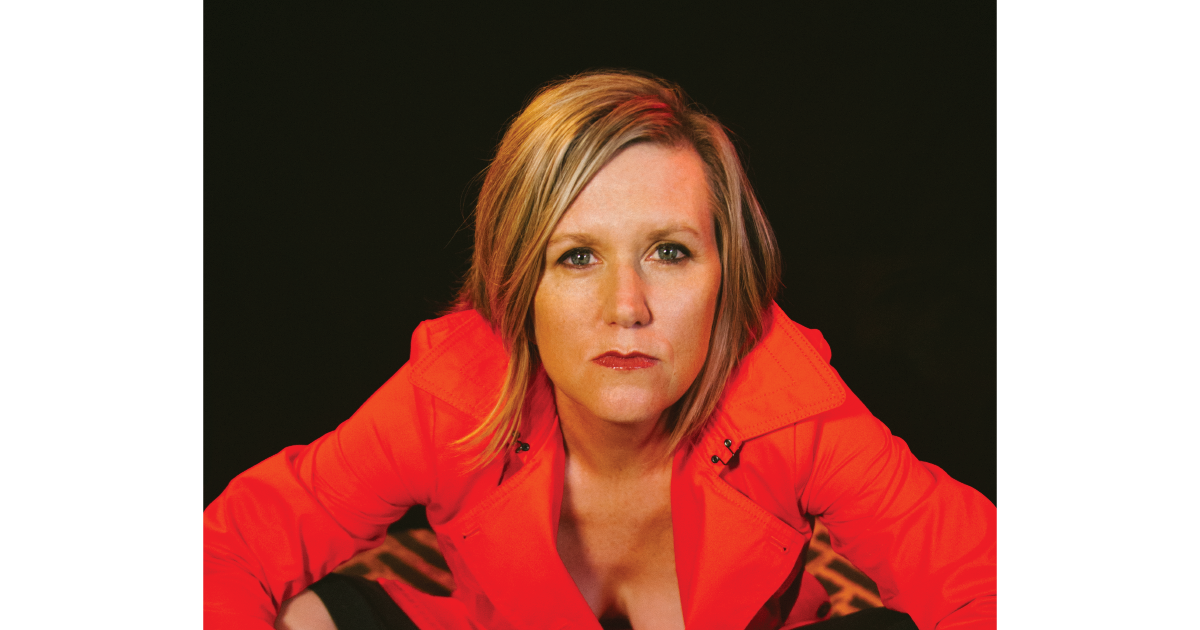
For the last decade, many queer singer-songwriters have doubled down on laconic melancholy, so it’s pleasant to hear Garrison Starr’s new album, Girl I Used to Be, has the ease of Dave Matthews or Sheryl Crow, but Starr is more open about her sexuality on this album than her previous work. At 45, she is older than a cluster of younger generation of performers (some queer, some writing about queerness) who are still working through experiences of gender, sexuality, and religion.

Listening to her new album, one can hear connections to work like Semler’s “Youth Group,” a small, pointed folk song about discovering that you are queer after a youth group lock-in, or Stephanie Lambring’s lacerating attack against homophobia, “Joys of Jesus.” There are also echoes of the joyous call for selfhood in some of Katie Pruitt’s best work. Starr has written with Pruitt, and “The Devil in Me” from Girl I Used to Be was at first intended for her.

“I was sure that would be a song for Katie’s upcoming record,” Starr tells BGS in an email interview. “But she didn’t take to it like I did, and truthfully, I’m happy because I realize how much that song really is a biography of my experience and of my questions as well. I love the curiosity in it and the sense of breaking away from something that doesn’t serve me anymore. I’m not sure where I fit in with Christianity at this point and even if I’m drawn to it, really. The hypocrisy and elitism, at least in the evangelical church, is repulsive to me, and though I think the story of Jesus’ love and redemption is the best thing about any of it, I’m still searching. I believe in a power greater than myself that I choose to call God — that’s all I really know.”

Lyrically there are places where Girl I Used to Be points to the woman she is now, while still drawing on the memories of her childhood in Mississippi, trying to fit in. This merging of past and present give Starr an authority which leads to a commitment to declarative sentences via a voice that is often plainer and clearer than younger queer performers. She is most declarative about issues of sexuality and geography, particularly on her best West Coast songs.

On “Downtown Hollywood,” Starr tells the story of a runaway that gradually shifts from third-person into first-person. She sings about how “they were raising and they were failing” and trying to “cash it all in.” It has a jab against kids with so much privilege that they didn’t need to grow up, and thus, is a grown-up song, almost burnt out, almost jaded about a town Starr still claims to love.

“My only advice to anybody is to find your authenticity, lean into it and never look back,” she says about her adopted hometown. “Los Angeles is a funny place… it’s changed so much and it hasn’t changed at all. The homeless situation here is definitely worse since I came in the late ‘90s. Some of my favorite old haunts aren’t there anymore, but new stuff has popped up in its place. The hustle, the funkiness, the freedom and the hills haven’t changed, and that’s really what made me fall in love with it in the first place.”

Starr grew up in the Deep South, spending some of her undergrad years at Ole Miss, where she was in a sorority. Feeling restricted in that environment, she moved to Los Angeles in the early 1990s. Her major label debut, Eighteen Over Me, was released by Geffen in 1997, and the sudden attention was complex for this queer songwriter. She has mentioned in an interview with Mississippi Today that in her mid-1990s heyday she was told by handlers not to butch it up too much, to avoid the tomboy aesthetic.

Her subsequent career was as an independent touring artist and a successful jobbing musician. She has sung back up for Mary Chapin Carpenter, worked with Josh Joplin, covered the Indigo Girls, and ended up on the soundtrack to multiple television shows, including The Fosters and Grey’s Anatomy. In 2019, her song “Better Day Comin’” was featured in a trailer for the Oscar-nominated Mister Rogers biopic, A Beautiful Day in the Neighborhood. In addition, her production credits include Margaret Cho’s Grammy-nominated comedy album, American Tragedy. “Margaret is one of the most generous and down to earth people on the planet. I am grateful to know her and have had the opportunity to work with her,” Starr says.

Girl I Used to Be builds upon all of this complex history, while at the same time, provides a way into the future.

“I’ve spent a lot more time in my studio, working on production and mixing, and I’ve been able to continue to create content,” she says about the past year. “My business hasn’t been dependent on touring, thank god. I realized a while ago that if I want to make a living in this business, I gotta figure out how to diversify. So, I write a lot of songs with a lot of people, and I make sure some of them make it into TV and film so I can afford to be an artist for a living.”

Like many contemporary singer-songwriters, a paradox exists between the authority she shows in her music and the helplessness she felt about the political situation as she was writing the record. She says that the song “Dam That’s Breaking” is a response to the administration of the 45th president. He was, she says, “empowered and embraced by evangelicals, even though they knew it was wrong. It’s definitely about religious hypocrisy as well as greed and power, cowardice, selfishness and everything else that makes you feel like the walls are closing in on you and you are powerless to stop it.”

What Starr has to say about long-won battles, about landscape, and about power, through the lens of knowing, has something to teach younger queer artists, and can be an example for a young artist striving to write with a strong sense of place, delicate emotion, and a talent for observation. For example, her song “Train That’s Bound for Glory” is inspired by a remark by her late grandfather at his birthday party.

“He loved to goof around and he loved to pick on you,” she says. “They were singing him ‘Happy Birthday,’ and he carried on about not being around for his next birthday and that it was ‘probably gonna be my last birthday. … He ended it with, ‘Yep, I can hear the whistle on the train that’s bound for glory, calling me home.’ I knew of the Guthrie song, but I had honestly never heard it until after I wrote my version.”

As a whole, Girl I Used to Be answers the question of who the girl is now: a queer woman attempting to reconcile her history and her present. She embodies a queer desire to reinvent oneself in another space. You can have a career anywhere these days, and stories of the Midwest and the South have become central to new LGBTQIA stories — and so the exile motif in Starr’s work might be another kind of lived-in quality. Her experience shows that finding home does not mean exile.

One such example is “Make Peace With It,” among the album’s most trenchant moments. Starr says, “Well, the lyric is, ‘If I’m ever gonna live this life, I gotta make peace with it.’ I was thinking in that moment about how much I was struggling to hold onto blame for the rejection I experienced in the church, for the way I felt like my career wasn’t working like I wanted it to, and name whatever else I felt victim to for a long time in my life. I finally got to a place, through what I’m calling grace, and I’ll explain that in a second, where I realized I’d rather be happy than be right. (Thank you, Alanon.).”

She concludes, “What I mean by grace is that there have been so many times in my life where I have been accepted, as I am, by people who truly love me, when I’ve been at my absolute worst. That is what I mean when I say grace. Grace is love, no matter what.”


Photo credit: Heather Holty-Newton

BGS 5+5: Hardened and Tempered

Artist: Hardened and Tempered
Hometown: Austin, Texas
Latest album: Hold the Line
Personal nicknames (or rejected band names): Less of a nickname than a consequence of a band name for a duo that uses the conjunction “and” is that we are often asked, “which one are you?”

Answers provided by Kristin Davidson

Which artist has influenced you the most … and how?

I was 12 when I discovered a mixtape of the Indigo Girls in my older sister’s room. Their songs captured my ears, mind, and heart, and remained constant company for me growing up. I think it was the first time I felt transformed and transported by music. But the pantheon of my musical influences is full of powerful writers, and I can pair just about every childhood memory with songs by Indigo Girls, Mary Chapin Carpenter, Nanci Griffith, Tracy Chapman, Lucinda Williams, Patty Griffin, Emmylou Harris, Dolly Parton, Patti Smith, and Ani DiFranco.

What other art forms — literature, film, dance, painting, etc. — inform your music?

I love street photography and am drawn to the captured moments that expose the illusion of anonymity — that split second of absurdity or loneliness on a crowded street. I enjoy the process of finding words and sounds for the images that evoke emotion.

What rituals do you have, either in the studio or before a show?

We love to laugh and try to bring a joyful lightness to the stage. We are big fans of Maria Bamford. In the second season of her show, Lady Dynamite, Ana Gasteyer’s character keeps shouting a particular line as a rallying cry that we think is hilarious. We usually say that line to each other, giggle, and then walk onto the stage.

If you had to write a mission statement for your career, what would it be?

Hard enough to hold an edge; soft enough not to break. The band name, Hardened and Tempered, sums up the dynamic and delicate balance we try to keep in our lives and our music. Both Carolyn and I have intense personalities, we are drawn to big adventures and hard challenges, and we work with a lot of suffering. Slowly but surely, we are learning the artful balance of easing up a little and looking for light in dark places.

Since food and music go so well together, what is your dream pairing of a meal and a musician?

I have dreamed about finding refuge from a cold, big city night in a basement bar room, only to discover Nina Simone playing an impromptu set on an intimate stage. I order my favorite bourbon, but don’t drink it. How could I?!


Photo credit: Norah Levine Photography

WATCH: On Acoustic Guitar, Katie Pruitt Covers Brandi Carlile’s “Turpentine”

Katie Pruitt may be a new kid on the roots music block, but she is quickly making a name for herself as a gifted writer and gripping vocalist. Her debut record, Expectations, was released on Rounder Records in 2020, and although the year didn’t allow for touring, she remains hard at work sharing her music. Last summer Pruitt began a series of cover videos to pay homage to the gay women whose careers fueled her own hopes and aspirations. Titled the “Out of the Closet Series,” the videos offer Pruitt’s renditions of songs by Tegan and Sara, Indigo Girls, and in this final installment, Brandi Carlile.

About the cover series, Pruitt says, “I picked a collection of songs by gay women in particular who have inspired me to be transparent in my music. I think representation is huge… If it weren’t for people like Indigo Girls, Brandi Carlile, Courtney Barnett, and Tegan and Sara, I don’t think I would have been brave enough to be as honest as I was on Expectations.” Pruitt’s bravery and honesty are exactly what have earned her acclaim from outlets like NPR and Rolling Stone, just to name a couple. If you haven’t yet heard it, treat yourself to Katie Pruitt’s Expectations, and watch this lovely performance of Brandi Carlile’s “Turpentine.”


Photo credit: Alysse Gafkjen

MIXTAPE: Jim and Sam’s Songs That Got Us Through Playing One Show Every Day for a Year

“We discovered these songs right before we left home, while we were on the road, or soon after we got back from our 365-everyday tour. Each song is soaked in nostalgia and transports us right back into the wildest year of our lives. The songs of ours that appear on this Mixtape were born during or inspired by our tour.” — Jim and Sam, from the film After So Many Days

Jim and Sam – “After So Many Days”

On day 360, we were nearing Santa Barbara on our last cross-country trip of the tour. We were both feeling overwhelmed, sad, excited, and confused as we were inching our way back home to Los Angeles. We were listening to songs we had discovered while traveling throughout 14 different countries, when the last song came to an end. The car was quiet, tears were rolling down both of our faces, and we decided to pull over into a strip mall parking lot to take a break. We pulled out the guitar and a notebook, and this song came pouring out. We ended up using the original audio recording of this writing session as the soundtrack to the final moments of the film. When the tour ended, we tucked the song away for a while, and it ended up being the last song we recorded for the album.

Lucinda Williams – “Passionate Kisses”

This song captures so many of the simple things we want out of life and our career. Lucinda’s endless drive as an artist has always inspired us. “Is it too much to demand/ I want a full house and a rock-‘n’-roll band/ Pens that won’t run out of ink/ And cool quiet and time to think…”

Mulligan Brothers – “So Are You”

For 30 days we were on tour in Sweden with the amazing bluegrass band, The Mulligan Brothers. It took us all a few nights to get comfortable with each other, but once we did, the rest of the month felt like summer camp. Whether it was sitting on the stage after a show telling stories all night, late night fast food runs, discovering small Swedish towns together, or just listening to their amazing music night after night — having another road family for a month was a really magical and necessary part of the year.

Katie Melua – “Mary Pickford”

There was a week where we had to keep booking, cancelling, and rebooking our flight because our plans were changing. Every time we called up Norwegian Air, this song was playing in the background. What started out as an earworm became a song that traveled with us throughout the rest of the year and we now love. It’s also a beautiful song about the power of collaboration.

Jim and Sam – “Bloodstream”

The song is about trusting someone enough to let them see (and help you calm) your panic. It’s also about being there for the person you love in their most vulnerable moments. This song was co-written and produced by one of our best friends, Hustle Standard. HS had surprised us along the tour by attending several shows in LA, New York, and Houston. Knowing he had seen firsthand how we were struggling and changing during the tour, we knew we wanted to collaborate with him for the record.

Grateful Dead – “Brokedown Palace”

We got invited to play a birthday party at a farm filled with alpacas and goats in upstate New York, and were asked to play any Grateful Dead song we knew. Not being too familiar with The Dead we asked a Deadhead friend of ours what song we should cover… with no hesitation they texted back, “Brokedown Palace.”

Lauren Ruth Ward – “Did I Offend You”

We met Lauren playing on the same bill at Echo Park Rising in Los Angeles. We were first to go on that day and no one was in the room except for Lauren and LP. We stayed to watch Lauren’s set and were blown away by her power on stage. Even in the quiet moments she took up all of the space in the room. We’ve been a huge fan of hers ever since… This is one of our favorites.

LP – “Lost on You”

We met LP the same night we met Lauren. About a month later we went to watch her at an intimate venue in LA. We heard her sing a song called “Lost on You” (before it became the global hit that it is now). Jim and I turned to each other as we normally do when we both hear a song we love. About a year later, she was touring all over Europe and asked us to join her for a few shows during our year. After so many days of small and strange venues, playing to a sold out room of 3000 people in cities we had never been to was insane.

Rayland Baxter – “Yellow Eyes”

Something about the sound of this song reminds of the lines on the road when we’re leaving a city we just played in.

Jim and Sam – “Cold Cold Blood” (feat. Good Harvest & Rob Lewis)

A good friend of ours, Jono Hart, was putting on shows in churches throughout the UK. We actually met him right before our tour began. He said to us, “Any time you’re in the UK let me know, and if you need a church or a show, give me a call.” He ended up booking us some of our favorite shows on the tour, and he also gave us the key to this gorgeous church in Stoke Newington, London, to record. In the pouring rain, our friend, composer and cellist Rob Lewis, kindly let us borrow his gear and talent and we recorded this version in about 45 minutes before we had to leave. We then asked one of our favorite duos from Sweden, Good Harvest, to contribute their incredible harmonies to the track about 200 days later in another church, this time in Falun, Sweden. Finally, we had Tyler Chester record guitars in a garage in LA and Ryan Lipman mixed the track somewhere in Highland Park.

William Fitzsimmons – “Second Hand Smoke”

A year after our tour we got invited to support William Fitzsimmons throughout North America and Europe in a few venues we had always dreamed of playing. Picking a favorite from William is hard, but even after 40 nights of hearing his set… we’d usually always stand in the wings to listen to this one.

Tom Petty – “Walls”

Tom Petty passed away during the last month of our tour and became the soundtrack of our final month while driving home. We still quote this song everytime we are having a bad day… “some days are diamonds, some days are rocks.”

Chimney – “Paintings Are the Only Place You Never Lied to Me”

Chimney (aka Dan Molad) is a longtime friend of ours and also the producer of our Yeah Whatever Young Forever EP as well as the soundtrack tracks, “Unravel” and “Saturday Night (Low).” Jim wrote this song with Danny about our mutual friend who passed away. A few months before the tour, Danny had Facetimed Jim asking to help expand on an idea he started. One hour later, the song was finished, and 48 hours later Danny had recorded the song for his debut record.

Indigo Girls – “Closer to Fine”

We often roll the windows down and unapologetically sing this song at the top of our lungs like two high school girls getting ready for choir practice.

Jake Hill & Deep Creek – “High & Low”

Jake Hill is one of our oldest friends and remains a songwriter who is constantly inspiring us with whatever he’s creating. During our tour he hosted us for an event called Supper & Song in Plymouth, Massachusetts, where he would prepare an incredible three-course meal for a room full of people in a building from the 1800s…he would then play a few of his amazing songs and introduce another artist to perform. This was easily one of our favorite evenings on the tour and this is one of our favorite Jake Hill songs.

Jim and Sam – “Witch in a Window”

Upon returning home to LA from the tour we felt some whiplash; we had just emerged from feeling so inspired after having such intimate and real connections with strangers all around the world, then all of a sudden were thrown back into a city and industry obsessed with first impressions and fueled by small talk. Everything felt magnified. We began noticing people morphing into different versions of themselves to fit in or get ahead. We love LA; however, “Witch in a Window” is our tribute to the trickery and disguise the city perpetuates and makes us all believe we have to keep up with.

Rob Lewis – “The Sea”

We first heard this song from our friend Rob Lewis as a demo in his car on a rainy night in London. This song and all of Rob’s music is ethereal, calming, surprising and inspiring. Rob played cello on a few songs on our album and also contributed a few stunning score pieces to the film.

Starship – “Nothing’s Gonna Stop Us Now”

Self explanatory.


Photo credit: Mike Zwahlen


BGS Launches Shout & Shine Video Series with Black Harpist & Songwriter Lizzie No

Like many of us, Lizzie No is weary of quarantine. Yet as the New York City musician and harpist joins BGS on the phone to talk about her life in pandemic isolation, her songwriting, her creative processes, and the growing pains intrinsic to all of the above, the joy in her voice cracks through the fatigued outer layers we all wear right now. A Black creator in traditionally white genres, No brings a distinct and important perspective to help guide longtime BGS column Shout & Shine into a new era.

In 2017, Shout & Shine began as an interview series dedicated to exploring identity, advocacy, and marginalization, along with the ways these paradigms filter into music and art, especially of roots varieties. Taking today’s civil unrest and righteous rebellions into account, we’ve purposefully refocused this column’s mission with the hope of giving a platform to Black musicians in roots music specifically, because these spaces too often relegate Black, Brown, Indigenous, and Asian voices to the sidelines.

Now, in addition to interviews and an upcoming podcast, BGS is proud to announce Shout & Shine will be moving to video! Lizzie No is our debut guest for the livestream version of Shout & Shine, which comprises short-form, intimate video performances by underrepresented and marginalized artists in Americana, folk, and bluegrass.

Lizzie No’s Shout & Shine set, presented by Preston Thompson Guitars, will feature a brand new song, “Mourning Dove Waltz,” and will be streamed live on BGS, our YouTube channel, and Facebook page on August 5 at 4pm PT / 7pm ET. In the meantime, read a little more about No’s songwriting, her approach to roots-driven harp, and her thoughts on tokenism — and why white folks perhaps shouldn’t feel free to lead that kind of conversation.

Editor’s Note: You can watch Lizzie No’s Shout & Shine performance in full below:

BGS: I wanted to start — and this is a little selfish — with “Mourning Dove Waltz,” because I’m an avid birdwatcher and in shelter-in-place everyone is watching birds! This song is not only about quarantine, but also the idea of being in an old space, but with new intention. Can you tell us a little bit about that song, through the lens of isolation, and creativity in isolation?

Lizzie No: That’s a brand new song and I think you can tell I wrote it during quarantine. I was never terribly interested in birds before March of this year. My mom always loved and delighted in them and I always thought it was very cute, but they never captured my attention. Right as we were truly locked down here in New York and a lot of people were making the decision to try to go somewhere else, it felt like there weren’t any rules anymore. I decided to stay here in my apartment and I ended up having so many hours, especially first thing in the morning, where I would just sit and try to make the day’s activities stretch out over the longest period of time possible so I wouldn’t go insane. 

That’s when I started to notice a couple of Mourning Doves had nested in my plant boxes on my balcony. It felt miraculous to get to watch them every single day through the balcony door. [They] laid two eggs, we watched them hatch, we posted about them on Instagram, we took name suggestions. It was this unfolding thing I didn’t think I cared about until I had this uninterrupted time where I didn’t need to be doing anything other than staying calm. I was pretty much on these birds’ schedule. I noticed when they took their breaks in the middle of the day and when mom and dad would switch places. Of course, this is so cheesy, but I felt a real loss when the babies grew up and flew away. As a songwriter, it led me to thinking about losing people. About losing a sense of connection. That’s what led to that song. 

The harp is one of my favorite instruments, but through no fault of its own — besides maybe its complexity — it’s not common in roots genres. How did you find it, and how did you infuse it into your songwriting and artistry?

After giving up on violin as a kid [Laughs] I thought harp was one of the biggest and weirdest and coolest-looking instruments. I took lessons for all of elementary, middle, and high schools and then I hit the point in high school where friends were starting bands and I wanted to be part of it. I wanted to be able to sing and play and strum along while singing, but I didn’t play guitar and I didn’t play piano; I played harp. Basically the harp just had to catch up with my evolving interests in the Indigo Girls and Brandi Carlile. That’s where I was at when I was 16. 

I didn’t really see any examples of people who were doing that — though now I know that there are. I think I saw videos of people like Joanna Newsom and Edmar Castañeda, people who weren’t playing the classical music that I was used to. Then I tried to just treat it like a bass, then trying to pick out a few chords. The motto being, “Nothing too fancy.” I wanted to get to a point where I could play and sing at the same time. That’s when I was first starting to write songs, so the skills developed together. 

I can notice that! I notice mainly because I play banjo and songwrite on banjo, and it’s such a different beast than writing on piano or guitar. There are so many similarities in the way you’re writing and backing yourself up. Especially in the way you’re comping on harp, it reminds me so much of banjo rolls — how John Hartford or Ashley Campbell or Béla Fleck, banjoists that might have more “composed” songs, might play. Do you see those similarities? 

That’s a very kind comparison! That’s the kind of music I listen to, but it’s funny because I don’t feel like I really have any harp inspirations to my playing — which is not to say I’m not inspired by great harpists, because of course I am, but that’s not really what influences me when I’m writing songs and figuring out how the harp is going to fit into the songwriting. Someone like Béla Fleck especially, I listen to his playing a lot and those are the types of textures and rhythms that I’m hearing when I’m writing on harp. Rather than something that actually contains a harp. [Laughs]

For the remainder of the year, our Shout & Shine series will be devoted to Black artists and part of that is in response to the current rebellion against racial injustice and police brutality — and also due to the heightened awareness of how Black voices and forebears in country and roots music have been erased for so long. Do you worry about this sudden uptick in enthusiasm and awareness resulting in more tokenization of Black artists? And I have to add a quick aside, because it is intrinsically tokenizing for me to ask that question, right? It’s a hard thing to unpack, so I’d love to hear your perspective on it. 

I really appreciate that and I appreciate you acknowledging that it’s difficult to talk about. Even assuming that it’s OK to have the conversation between a white person or a white journalist or a white audience or a white editor — whomever is doing the asking — and a Black artist is one of the problems. That being said, I’m happy to have it right now because I knew we were going to come into this conversation and talk about a whole bunch of topics. I’m happy to give my two cents: I think if non-Black listeners and fans and enthusiasts of the genre are thinking about [these issues], just know that those of us who deal with this day in and day out are going to be exhausted and aren’t going to be the best people to always go to. That’s a great place to start, knowing it’s so much heavier. It’s not intellectual, for us. It’s a lived reality. 

As far as tokenization goes, I do worry about it and I worry about it because I remember when I was in high school — I went to a really competitive boarding school — college acceptance letters were coming out and everyone was on edge. This is a time when we had Honesty Box on Facebook, where you could send an anonymous message — which, in retrospect, what a horrible way to let people bully each other. I remember getting a message that just said, “Affirmative Action” after I got into Stanford. It was so hurtful to me. Intellectually I knew that Affirmative Action is a wonderful program and it helps deserving people get into schools they deserve to get into. (I also had excellent grades and, you know, I’m smart as shit. So go away!) But it was hurtful to think that my peers didn’t see that in me and what they saw was my skin color. 

That’s such a trite way of putting it, but I think a lot of people maybe subconsciously think about Black artists in Americana, in spaces where Black people are not the standard, as “diversity hires.” They may even be for that. Like, “It’s great that we have these diverse perspectives!” They don’t realize that we are a fundamental part of these spaces and we deserve to be here. Just as much as everybody else. We have roots in these geographical regions and these genres that go just as deep as white artists. We shouldn’t have to rattle off our qualifications. 

There have been so many movements of Black artists who didn’t want to be called “Black artists” for this reason. They didn’t want to be put on the “Black Feminists” bookshelf and be marginalized [further] in that way. I definitely identify with that. I’m Black and I’m proud, in a very 1970s way, so I am proud to have the label of a “Black Americana artist.” I think my Blackness informs my work just as much as my hometown, my feminism, etc. 

I do worry about the swingback of resentment! That anonymous message of, “OK, when are we going to be done giving these people a hand?” Meanwhile, [Black folks] have been working twice as much for all of our careers. If anyone was wondering, we’re not going to stop asking for the door to be opened and we’re not going to stop kicking the door down just because people get tired of the trends. If people are about to get sick of it, well… you can leave. [Laughs] 

Who would you like to see on Shout & Shine? And maybe, beyond that, who are some artists or creators right now that you’re gaining inspiration, or joy, or energy from right now?

Lately I have been listening to mostly rock and I think it has changed how I think about my folk writing, so if I could be allowed to go a little bit outside of the genre…

I have been listening to The Beths a lot. They have a great new album out, [Jump Rope Gazers], and the lyrics are fantastic and their melodies are so fantastic, I’m probably going to try to cover one of their songs. I love catchy melodies — like, I love Carly Rae Jepsen, I listen to her constantly. 

A former bandmate opened my ears to new types, new ways of being a singer/songwriter. I don’t know if you know Bartees Strange but he used to play guitar for me. He does a really good combo of like, doing a really great solo show and he’ll do a full post-punk, indie-rock show. He and all of his collaborators are great. He just invited me and another New York artist, Oceanator, onto a live stream — she’s fantastic. She also plays solo and with a full rock band. Those are New York homies I listen to a ton. 

I love Sunny War’s playing. She’s a friend and she’s the best. Her live shows are the most mesmerizing thing ever. I’ve been loving listening to her as well. 

(Editor’s note: Tune in on August 5, 2020 at 4pm PT / 7pm ET for Lizzie No’s debut performance for Shout & Shine. On BGS, our YouTube channel, and/or Facebook.)


All photos: Gabriel Barreto

Indigo Girls Expand “Country Radio” With Black, Brown and Queer Musicians

Hollywood, the 2020 Netflix series from director-screenwriter Ryan Murphy, is a resplendent show dripping in Art Deco that does not wholly reimagine Los Angeles’ golden era, but rather subtly inserts a quintessential question: “What if?”

What if Hollywood hadn’t been as… ___-ist? (Sexist, racist, misogynist, ageist, etc.) If one happens to be born into a region, a folkway, a culture, an art form that doesn’t include you, or that doesn’t quite love you back, one often doesn’t realize it until it’s too late. And then what? Do we, the rural, country-loving queers, wait around for our Ryan Murphy to reimagine the world to better include us? Not quite.

For Emily Saliers and Amy Ray of Indigo Girls — and, for that matter, almost each and every queer who has ever loved roots music — that “What if?” question is existential, but it also doesn’t matter. What if country music loved LGBTQ+ folks? The lyrics of “Country Radio,” a track off the duo’s sixteenth studio album, Look Long, tell it plainly: “But as far as these songs will take me/ Is as far as I’ll go/ I’m just a gay kid in a small town/ Who loves country radio.”

While curating the following playlist of their favorites from country music airwaves and songs they wish were included there, Saliers and Ray offer a quite simple solution actionable in each present moment: Be who you are, listen to the music that brings you joy, love who you love — and be anti-racist.

Emily Saliers: [I began with the idea:] What are the songs that I listened to that I latched onto, that sort of gave me a feeling of “I can’t get into this song [because of its heteronormativity], but I love this song so much”? One of the first songs that came to mind is “Mama’s Song” by Carrie Underwood. 

I should preface this by saying, I don’t expect that there can’t be heteronormative country songs, or that queer life has to be explicitly represented in songs, it’s not that. It’s the feeling of the way a song moves me emotionally, but then it stops me a little bit short of being able to fully experience it because of the language or the obvious implications of man and woman.

I love Carrie Underwood’s voice and she’s taken more of a harder, pop direction since “Mama’s Song,” but she sings this so beautifully. She’s talking to her mother, “He is good… he treats me like a real man should,” and yet the beauty of her song [is in] her telling her mom that’s she’s going to be okay. 

Amy Ray: For me it’s a little different because I never had the experience of feeling like I wish I could put myself in a song. I think it’s because, gender-wise, I always just related to the male singers. I kinda have that gender dysphoria, you know? [Chuckles] I have these filters that sort of make it my own — probably out of necessity, from growing up loving the Allman Brothers, Pure Prairie League, and Randy Travis so much. [Sings] “Amie, whatcha gonna do?” Pure Prairie League!

It’s very odd — Emily’s perspective on this is something I can understand, and I agree that it’s this weird disconnect with country music. We have to kind of acclimate it to ourselves, in some way, using some kind of trick in our minds. But I’ve always had that internal translator…

ES: Another example is Brett Young’s “In Case You Didn’t Know.” Now this is a song that you can listen to and fit your own queer life into it — as far as I remember it doesn’t have any gender pronouns. Then I watched the video and of course he’s singing to a woman who comes into the audience and he plays to her, alone. It’s a love song to his girlfriend — or wife or partner or whatever — so I could live in that song and think back to relationships and apply it in my own life, but then I watched the video and that door shut a little bit.

AR: I love Angaleena Presley, the Pistol Annies. Presley is such a great writer. “Better Off Red” is one of my favorite songs that she’s written… Honestly, if I hear songs, if I like it, I just put myself in it. I don’t really think about it or worry about it. It’s a survival mechanism from my youth, not that it’s the right thing to do. It’s built inside me.

…I thought you couldn’t be a country singer if you were gay and left-wing and a complete dyke. That made me feel more alienated than the songs themselves, that idea of its inaccessibility. Or, if you went to a show and you were sitting there in that audience, in the early days before it all kind of busted open, you would feel scared. Or judged. Or uncomfortable.

ES: Think about what a splash that song by Little Big Town, “Girl Crush,” had. Just the implication of a lesbian relationship or feelings! That song was a big hit, but it got people talking. [Probably] the majority of the people in this world lean more heteronormative, so they’re representing themselves in these songs. There’s absolutely nothing wrong with that. 

I wouldn’t want to listen to just albums that are for and by queer people, oh my god. No way! But we have to have them as part. I think about what an influence Ferron was, how much Amy and I love Ferron. When her first album came out, it was like, “Oh my gosh this is one of the best songwriters in the country and she’s queer!” I can’t describe how important it was to have an artist like that.

Even Lil Nas X, who had the number one hit forever-ever-ever with Billy Ray Cyrus. It’s awesome to know that he’s queer! And a guy like Young Thug, a rapper out of Atlanta, who’s not gender normative by any stretch, to me. It’s interesting. It’s good to have a mish mosh! It’s not that the majority of songwriters out there can’t be represented in their own songwriting, we just have to have ours, as well.

AR: [We] should add Amythyst Kiah. Amythyst is amazing.

[Racism] is the pivotal struggle of the Americana scene and the roots scene. How do you honor Black and Brown folks who want to be in this scene — and maybe some of them don’t even want to be in this scene because even Americana is rooted in questionable legacy. How much do people of color want to be immersed in that scene when it still feels so racist? Even the best parts of it. It’s a huge question to unwrap and it has to do with such a long history of where country music came from.

We stole the banjo and put it in our hillbilly music in the mountains and called it our own. We forgot all the stuff we learned from “our slaves,” you know? It’s crazy to me, if you think about the racist roots of where a lot of this comes from. Merging this racist legacy with this incredible populist music — music for the people, like Woody Guthrie, like the Carter Family. You get those two things bumping up against each other constantly, how do you entangle that and make this a space where it doesn’t matter what color you are? Where it doesn’t matter what your religious persuasion, or your political party, or your gender, or your sexual preference, or anything.

I think the way we deal with it is by all of us thinking all the time and being mindful of [that racist history]. And including [Black artists] in our playlists and touring with them. Some people are like, “What does it mean if you’re forcing this integration? Is it just going through the motions?” No! No, no, no.

ES: I’ll [echo] the things that Amy said, practically: Tour with Black musicians or Brown musicians or musicians who have not been able to feel that they’re welcome and make everybody welcome. Like Amythyst or Chastity Brown. Those are artists of color who have been discriminated against, who feel other-than in the world of their genres.

I think, first, we all — we white people, we people “of no color,” we “colorless” people — should dig deep, identify our own racism and how far it goes, how much we use it. Break it down, talk about it, identify it in each other. Really start from the core of things and hopefully act outwardly as a result of what we’ve dug through, inwardly. Try to heal and fix, you know? We’ve got to ask artists of color what their experience is like and why it’s like that. I’ve got to assume that there must be some Black artists, who if they hear a song from a white, country, roots singer about the freedom of driving down a dark, country road, they’re not going to feel the same way about the history of Black people down dark country roads. A lot of it is context and, as Amy says, there’s so much to be unraveled. But we are at a tipping point.

AR: Sister Rosetta Tharpe, I feel like there’s a lot of crossover, to me from that and the beginnings of early rock ‘n’ roll. That’s kind of what Elvis Presley was doing and borrowing from. I think about that sometimes, that territory. I like old recordings, like field recordings almost, of all the Alan Lomax type stuff he would collect. Field songs, prison songs. I think a lot of country writers have taken from that stuff, you know? 

I remember an interview with Kathleen Hanna that really resonated with me. She said, when they ask you who your favorite artists are, most of us name all these male artists. That’s who we can think of, because that’s who’s archived the best. Straight men, bands, and writers. If you sit down and really think about who you love and make a list of the women and the queer folks — this is what she was talking about, she wasn’t talking about color at the time or race or the social construct of race — and you take that list to your interviews and rattle off those names, you’ll be more honest, because you’ll be talking about who you really listen to and not just trying to remember [anyone] off the top of your head. 

People are so out of the habit — and so in the habit — of white supremacy that we don’t even know how to do the right things, just in our instincts. We have to learn, write it down, so we remember to do it.


Photo credit: Jeremy Cowart

This interview has been edited and condensed for clarity.

BGS 5+5: Sarah Siskind

Artist: Sarah Siskind
Hometown: Brevard, North Carolina
Latest album: Modern Appalachia

Which artist has influenced you the most … and how?

I would say my biggest overall influence is The Story, which was an alt-folk duo out of Cambridge, Massachusetts in the ‘90s consisting of Jonatha Brooke and Jennifer Kimball. My dad used to bring cassettes home from the library of albums he would read reviews about and pass along ones to me he thought I’d like.

At the time I was way into Indigo Girls and Tracy Chapman (about age 13 or so), so when he first gave me Grace in Gravity by The Story, it unnerved me a little. But, then I woke up one morning and had to listen to it on repeat or I thought I’d die! So I listened to it on repeat. For years. The songs on that album are ingrained in me now. Dissonant harmonies. Bold chord changes. Strong female perspectives.

What’s your favorite memory from being on stage?

My favorite memory on-stage is when Bonnie Raitt asked me to sing “Angel From Montgomery” with her as a duet for the first time… and then after… she handed her guitar to me and said, “Play one of yours.” I’ll never forget that feeling. I felt like I was flying.

What rituals do you have, either in the studio or before a show?

The most effective ritual for me is to straight up pray. I ask God for peace of mind and for blessings over every note that comes out of my mouth. For Him to guide the show and for me to be a vessel. I also do some floor stretches if I can. When I toured with Paul Brady, I had a mix on my phone I would listen to before every show and it was Snatum Kaur, Lauryn Hill, and Mahalia Jackson; I would do stretches as I sang along.

Which elements of nature do you spend the most time with and how do those impact your work?

Water, definitely. The county where I live in North Carolina has the most waterfalls per capita in the country. However, I absolutely love rivers. When I’m really stuck, or having a rough day, I go to either the Davidson or French Broad River in Brevard, North Carolina, and trail run or just sit and pontificate. Watching the movement of water brings me back to center. The sound even more so. It reminds me how ultimately small we are in the big picture and that this vast earth was created through suffering way bigger than mine.

Since food and music go so well together, what is your dream pairing of a meal and a musician?

I love this question. I’m a closet chef. If I could have dinner with any musician, I would have a big southern meal of pulled pork, greens, and pintos with Danny Barnes.


Photo credit: Brian Boskind

LISTEN: Indigo Girls, “Country Radio”

Artist: Indigo Girls
Hometown: Atlanta, Georgia
Song: “Country Radio”
Album: Look Long
Release Date: May 22, 2020
Label: Rounder Records

In Their Words: “I can tell it’s resonating with people. When I get to that line, ‘I’m just a gay kid who loves country radio,’ there’s an audible verbal response from the audience. This song is the way I felt doing those four-hour drives from Nashville to Atlanta, listening to country music radio. I could almost put my own life story in these songs, but I can’t. There are gender divisions and heteronormative realities. There’s a lot of self-homophobia that I’ve had to work on in my own life that plays into this as well.” — Emily Saliers, Indigo Girls


Photo credit: Jeremy Cowart

Alison Brown – Toy Heart: A Podcast About Bluegrass

Banjoist and record label head Alison Brown speaks with host Tom Power from her studio at Compass Records headquarters in Nashville, Tennessee. They begin with her early records made with Stuart Duncan, “finding her people,” and winning the Canadian National Banjo Championship (as an American).

LISTEN: APPLE PODCASTS • MP3

Brown then headed to Harvard, and playing banjo became “something you’d talk about at cocktail parties.” She describes the moment she decided to leave investment banking and commit to music full time, her cocktail napkin dream, and playing with Alison Krauss, Indigo Girls, and Michelle Shocked.

Power and Brown talk women in bluegrass, women in banjo, and the First Ladies of Bluegrass. The story they dive into together is ultimately about figuring out what makes you happy, and pursuing it bravely, against all odds.