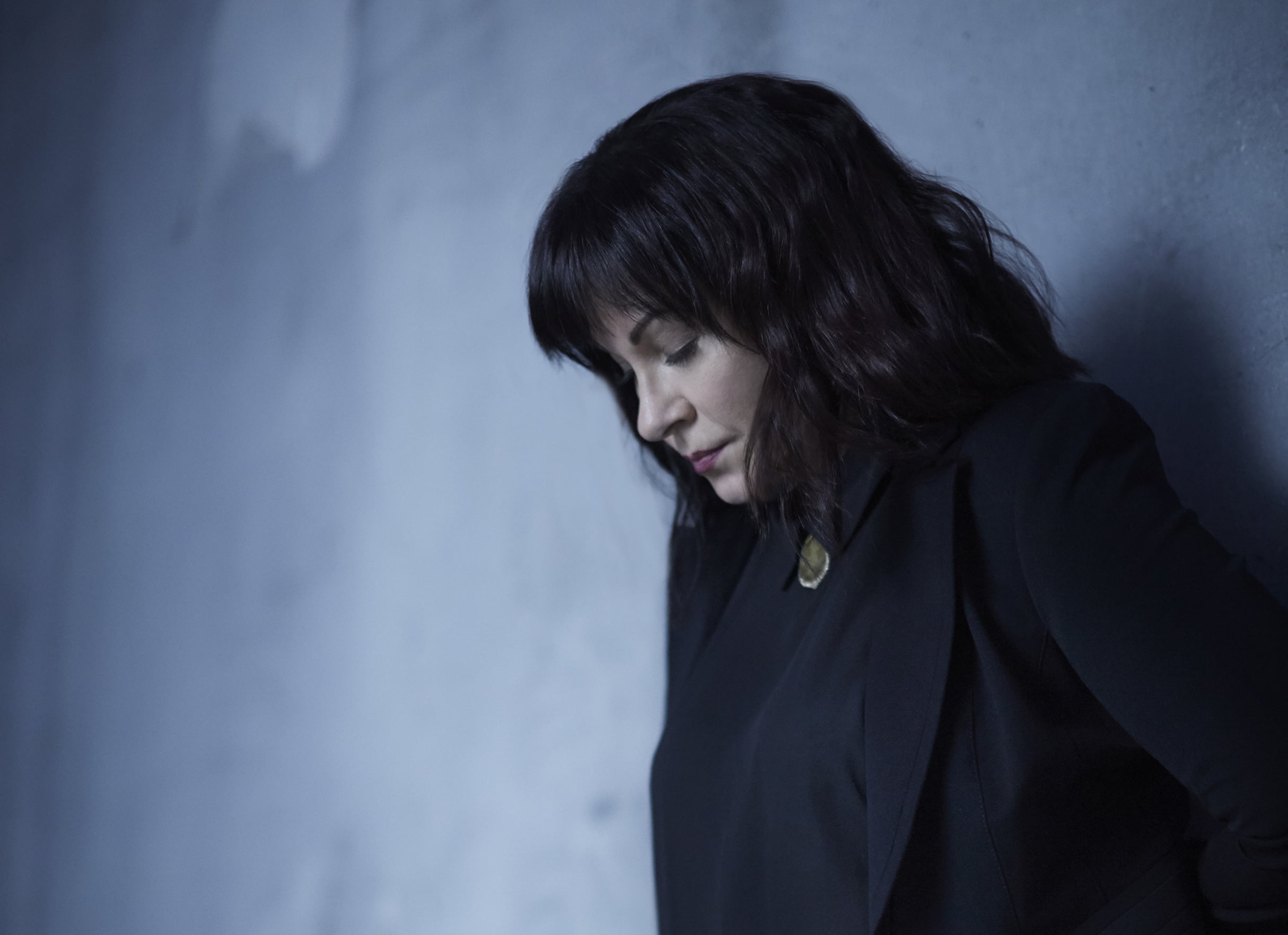
MIXTAPE: Lily Kershaw’s Songs That Made Her Want to Write Music

“I decided to make a mixtape of the songs that inspired me to write music. It is always good to return to the reason you started something, especially if you find yourself lost in the middle or far from the start and you need to anchor back to where you began. It’s like going home to reground, rejuvenate, and revitalize! Luckily music is a portable home on our phones these days so I can always dive back in whenever I need to. I hope you enjoy my Mixtape!” — Lily Kershaw

Simon & Garfunkel – “The Sound of Silence”

I chose this song to begin with because it was the first song I heard that made me want to write music. I remember the first time I heard it the world felt like it stopped and an immediate desire to create a song arose in me.

Joni Mitchell – “Cactus Tree”

I’ve been listening to Joni since I was a kid, and this song of her’s in particular made me want to write. I love that she is talking about a woman who would be deemed as “complicated” just because of her desire to be untethered and free, but Joni made her seem so alive and well and glamorous. I remember wanting to be like the woman she sang of.

“He can think her there beside him
He can miss her just the same”

How brilliant is that lyric?!

Leonard Cohen – “Chelsea Hotel #2”

I have covered this song at the majority of shows I’ve ever played live. Cohen wrote this about Janis Joplin. These particular lyrics break my heart:

“Ah but you got away didn’t you babe
You just turned your back on the crowd
You got away I never once heard you say
I need you, I don’t need you”

Crosby, Stills & Nash – “Helplessly Hoping”

I went through a very dark season in my life and the first thing I would do when I woke up in the morning during that time was listen to this song. It would make me feel better even if only for a fleeting moment. I always hope that the music I write can bring comfort to anyone who needs it.

Bob Dylan – “A Simple Twist of Fate”

People tell me it’s a sin
To know and feel too much within

I deeply relate to these lyrics.

Joan Baez – “Diamonds And Rust”

Joan actually wrote this song about Bob Dylan. The poetry is next level!

“Well you burst on the scene already a legend
the unwashed phenomenon
The original vagabond
You strayed into my arms
And there you stayed temporarily lost at sea
The Madonna was yours for free
Yes the girl on the half shelf could keep you unharmed”

Cat Stevens – “The Wind”

This song always re-grounds me and connects me back to my heart and my goal to write music and tell stories from my heart.

Elliott Smith – “Between the Bars”

This is another song I love to cover live and have done so often. I love and relate to this passage of lyrics in particular:

“People you’ve been before that you don’t want around anymore
That push and shove and won’t bend to your will
I’ll keep them still”

Nico – “These Days”

I love a woman simply speaking about where she is at in that moment of her life. It is honest, poetic, simple, and profound.

“I’ve been out walking
I don’t do too much talking these days
These days
These days I seem to think a lot
about the things I forgot to do”

Sufjan Stevens – “Chicago”

This song brings me life. I feel so many things when I listen to this song. It definitely connects me back to my heart and to the place in me that wants to write music.

Now comes the part of my mixtape that is solely a Simon & Garfunkel appreciation section. Here are some of the lyrics that have most inspired me to write!

Simon & Garfunkel – “The Boxer”

“I am leaving I am leaving
but the fighter still remains”

Simon & Garfunkel – “The Dangling Conversation”

“In the dangling conversation
and the superficial sighs
The borders of our lives

And you read your Emily Dickinson
and I my Robert Frost
and we note our place with book markers
that measure what we’ve lost

Simon & Garfunkel – “The Only Living Boy in New York”

“Half of the time we’re gone
but we don’t know where
And we don’t know where”

Now these next two songs are ones I have written. They show the side of what the inspiration from the songs thus far have lead me to create!

Lily Kershaw – “Now & Then”

This is a simple honest folk song about the complicated nature of love and how it changes over time.

“Remember the rooftop parties
Remember the friends
Remember the way I love you now
and the way that I loved you then”

Lily Kershaw – “Darker Things”

This is another of my more acoustic, stripped songs. In it I worry about someone I love very much and how they are hurting and in return hurting themself.

“And you say you hate the way your
mind makes you feel about
all the darker things in your life
I feel you now
I can feel you”

I hope you have enjoyed my mixtape of the songs that inspired me to write music!


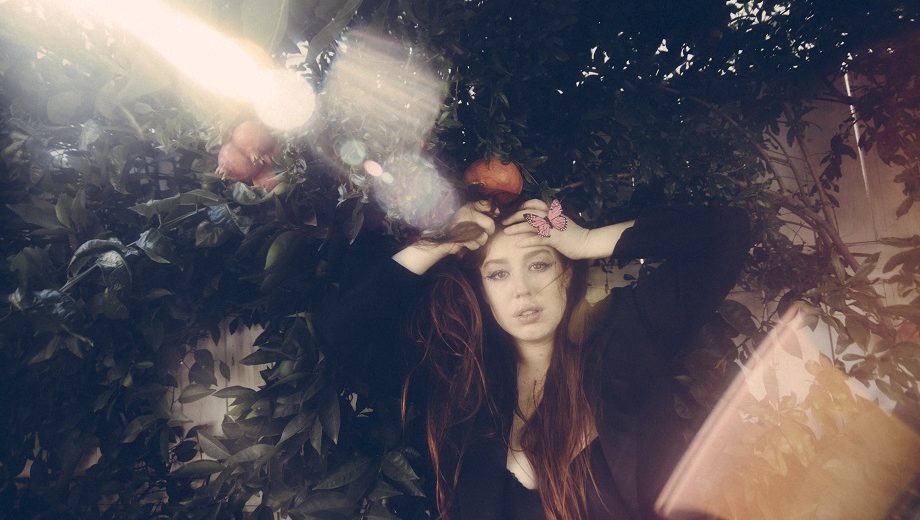
Photo credit: Lindsey Byrnes

Six of the Best: Protest Songs

It’s hard to pick my favorite protest songs. The Woody, the Dylan, the ’60s counterculture pop hits, the singularly chilling “Strange Fruit” — I love them all. The original “This Land Is Your Land” is an anarchist hymn, Dylan’s “Masters of War” is as scathing and righteous today as it was then, “Ohio” by CSNY was so poignant and cathartic in its time, and Billie Holiday laid bare the terrorism of whiteness, breaking the silence for a new generation to sing and speak their truth.

But I’ve opted to go toward the personal: the formative songs that revealed to me just how powerful songwriting could be in conveying a message. The ones that viscerally grabbed me, shook me and changed me; that still send a chill down my spine when they twist the knife. The songs that made me look up from the pages of my diary and want to write songs about the world and the way it could be.

In the past three years I have ramped up my commitment to learning to write this kind of song, and I have had plenty of inspiration. So much so that Front Country’s next record is almost entirely protest songs of one kind or another. Songs of meaning and truth and change. Here are six of the songs that made me the hopelessly idealistic and sanctimonious songwriter I am today. — Melody Walker, of the band Front Country.


“The Wagoner’s Lad” – Traditional

The old ballads are not known for being feminist anthems — far from it — but this one has to be my favorite. The first verse is one of the most honestly brutal accounts of what life was (and still is) like for women in most of the world living under Abrahamic religious rule: “Oh, hard is the fortune of all womankind / They’re always controlled, they’re always confined / Controlled by their parents until they are wives / Then slaves to their husbands the rest of their lives.” As well as the first known field recording sung by Buell Kazee, I recommend Joan Baez’s version because I love her interpretation of the lyrics, and my favorite modern version is by The Duhks. Interestingly, Doc Watson recorded it with a declawed first line “The heart is the fortune of all womankind,” as did several others after him, and I’d be ever so curious to know the story behind that change.


“Killing in the Name” – Rage Against the Machine

You know how parents in the latter half of the 20th century were convinced that music was radicalizing and warping the minds of their children? Well, I can safely say that Rage Against the Machine was my gateway drug into politics and protest, and I’ve never looked back. The raw angst and explosive energy drew me in, and the messages made me stay. Fox News themselves couldn’t write a more cliché tale of my descent into liberal madness: I went to my first RATM show at age 13 in Oakland, California, got a million pamphlets outside the show, read them all, and was immediately indoctrinated into progressive politics. Rare in the realm of protest music, this song, the performance, and the production still sound as fresh today as they did all the way back in 1991. This song was released in the wake of the Rodney King protests and it’s famous refrain sadly still rings true in America: “Some of those that work forces, are the same that burn crosses.”


“One Tin Soldier” – written by Dennis Lambert and Brian Potter

Cheesy as all get out, preachy as hell, but one of the most hard-hitting story songs with a pacifist moral out there. The one time I got to go to sleep-away summer camp at 10 years old, our cabin counselor would sing us to sleep with her favorite folk songs, and when she sang this one I was pretty sure it was the best songwriting I had ever heard in my life. What can I say? It never fails to turn me into a blubbering mess by the end. Truly great songs can stand up to any style or instrumentation, so take your pick of the original ’70s AM gold, punk rock, and pop reggae versions — or this legendary clip of the Bluegrass Alliance from the documentary Bluegrass Country Soul featuring baby Sam Bush and Tony Rice!


“Bury My Heart at Wounded Knee” – Buffy Sainte-Marie

I first heard this song on a live Indigo Girls album and it turned me on to Canadian-American First Nations singer-songwriter Buffy Sainte-Marie. Though she has had a long and successful career as a writer and performer since the early ’60s, including co-writing the inspirational “Up Where We Belong,” this song is from her ’90s comeback album and it pulls absolutely no punches in its accounting of ongoing terrorism against indigenous people in North America. One listen to this song is an invitation to learn more about the activists of the American Indian Movement and how corporations still collude with governments every day to displace and destroy native cultures around the world.


“My IQ” – Ani DiFranco

No one artist embodies the 3rd Wave Feminism of the 90s more than prolific and perpetually independent songwriter Ani DiFranco. Every song is a stream-of-consciousness integration of the personal and the political, redefining and queering the protest song in a polarizing performance style you either love or hate. She paved the way as a completely DIY artist with her own independent record label from the beginning, sending a message not just through her music, but also her entire business model. Each song is a subversive blend of breakup song, political manifesto, slam poetry piece and almost jazz-like playful vocal exploration, unwilling to be pinned-down as a singular statement. I finally settled on one that ends with my favorite of her famous zingers: “Every tool is a weapon… if you hold it right.” I love this well-worn, reimagined live version from 2002.


“If I Had A Hammer” – Pete Seeger & Lee Hays

Speaking of tools, it’s easy to see why this menacingly titled early hit of the “folk scare” put the fear of revolution in the hearts of the powerful. While it was debuted in 1949 by writers Pete Seeger and Lee Hays at a meeting of the Communist party, it became as mainstream as apple pie by the time Peter, Paul & Mary had a hit with it in 1962. Perhaps considered a children’s song today, it has a subversively empowering message in its simplicity. The night Trump got elected, Front Country had just flown to Seattle to start a tour, and there was a palpable sense of grief in the air at those West Coast shows. We closed every show of that run acoustic, on the floor, with a singalong of this song. It seemed to provide a much needed collective catharsis for ourselves and our fans. When one feels helpless, this song reminds the singer that we each have our own unique tools to bring to the work of dismantling systems of oppression and creating the world we want to see. There are a mind-bending number of recording of this song, so here are a few lovely ones.


Photo of Ani DiFranco: GMDThree

Pete Seeger: Listening from the Rafters (Part 1 of 2)

Pete Seeger would have turned 100 this month, but he fit well over a century’s worth of impact into the ninety-four years he had. His accomplishments as an activist, musician, folklorist, and organizer have long been numerous enough to fill an anthology—and this month, Smithsonian Folkways has finally released one, complete with six CDs, a 200-page book, and twenty previously unreleased recordings.

The release, Pete Seeger: The Smithsonian Folkways Collection, is just one way to celebrate his centennial. Fans and admirers have also marked the occasion with “Spirit of Seeger” concerts nationwide, and a special set at this summer’s Newport Folk Festival, an event where Seeger’s impact is perhaps most evident.

But Pete’s legacy is about more than a single release or celebration. Jay Sweet, executive producer at Newport Folk and a friend to Seeger, says the late folk music icon wouldn’t want any fanfare for his birthday—he’d rather see a new generation put that energy towards helping others. Here, in the first of a two-part interview, Sweet recalls conversations and memories with Seeger and discusses the way Pete’s egalitarian spirit and fiery pursuit of truth continues to propel the Newport Folk Festival forward.

BGS: You met Pete for the first time after he was a well-established icon in the American folk scene. What was that like for you?

Sweet: They say to be careful when you meet your heroes. For me, with Pete, it was the exact opposite, and it was mostly because he wasn’t Mister Positive. When I met him in his late eighties, he was a bit of a curmudgeon. I actually really liked that. He was feisty, he was disgruntled with the state of everything that was happening in the world, and he was questioning why the younger generations weren’t doing more. I think he kind of considered them soft, and I liked that he was calling it like it was.

Did that attitude reveal itself more as you grew closer over the years?

A story that I love happened few years after I met him, at Newport the first time I brought the Decemberists there. I was really excited to see them—they were going to do a funny reenactment of Dylan Goes Electric, including Pete with an axe. (I’d even told them it’d have to be kind of tongue-in-cheek, because, y’know, uh, Pete’s here.) But during the set, I get this security guard running up to me: “We’ve lost Pete. You told us to keep an eye on Mr. Seeger. We don’t know where he is.” Then, immediately, there’s another security guard running up to me. “There’s somebody in the scaffolding up on stage left, thirty-five feet up in the air. We’ve asked him to come down, but the music has started and we don’t want to interrupt the band on stage. What do we do?”

So I go, and I look, and lo and behold—in his Wranglers and a purple-pink button-down work shirt, with his little hat—was Pete Seeger at ninety-plus, thirty-five feet up in the air, looking down at the Decemberists. I remember being terrified, thinking, Well, the best thing to do is to not scare him, to wait til he comes down. There were no stairs or anything, he had just climbed.

So when he got down, I was like, Pete… what?! And he said, “I was so sick of people asking me to take pictures with them and sign autographs. You told me that this band had a lot of good stuff—that their music was based in old-time sea shanties, had all these metaphors, took from these old tales. And I was fascinated. I had to see it. And they’re fantastic!” And I just remember thinking, I know Newport is onto something when Pete Seeger is climbing the scaffolding to be left alone, just to see good music.

I’ve heard that it was actually Pete’s idea, decades ago, to pay all of the performers the same fee to play—$50. And I know that’s not how it works now, but—

It’s pretty close! [Laughs]

What elements of that spirit are still around?

Well, we perhaps overpay up-and-coming artists — those who need it, really, in order to be able to take the dog-crap offers they get all over the place and still survive. If we don’t overpay them, we give them the opportunity to collaborate with somebody that is gonna help their star shine a little brighter, give them a platform to succeed. With anybody bigger than that, we basically ask to take a zero, or even more than a zero, away from their normal asking fee. And then we make a donation in their name to something that they believe in.

And the reason that works is because there’s an understanding. You can look at, say, the Avett Brothers, who I booked three or four times before they ever headlined. Hozier — his very first, basically, gig, in the United States? It was Newport. Courtney Barnett and Leon Bridges and Margo Price, all these amazing people that came to Newport before they became the names that you might recognize. We need to support the hell out of them, and not just for altruistic reasons. Bands like the Avett Brothers and Wilco and Hozier and the Alabama Shakes and My Morning Jacket, you don’t get those bands to come back year after year if you didn’t support them when nobody else did.

And I think that is all about that $50 model, and a general understanding of it. Fleet Foxes’ Robin [Pecknold] said it really well on a PBS special: He said, when we first came here, they didn’t pay us much, but we hadn’t proven ourselves. Then I think they paid us the exact same amount when we came back to Newport to headline. The interviewer was confounded by that, he asked — why? And [Robin] essentially said, “Because now there’s another band that Jay needs to book. They’re the Fleet Foxes from ten years ago, and they need that help. Me playing it, it’s a giving back.”

And that? It’s very rare. But it comes from the spirit of Pete saying that regardless of whether you’re Bob Dylan at the height of his popularity or church singers from Appalachia, you’re getting fifty bucks. That we’re-all-in-this-together mentality comes from that fifty dollars. And if during my tenure, if the whole thing is as close as I can get to the ideal of Pete Seeger, the better off the festival will be.

What were some of your last interactions with Pete, and how do they affect the way you move forward with Newport?

My last conversations with Pete were much more interesting than my first ones, in some respects. One is that he said to me, “Jay, if you’re not upsetting someone, you’re doing it wrong.” That’s a mantra I keep with me — a what-would-Pete-say kind of thing. That’s what makes Newport, this festival that Pete basically co-founded with George Wein, iconic in American music and around the world, even though it’s so small—why its name gets continuously mentioned in the same breath as the Glastonberrys and Bonnaroos and Coachellas. I remember him saying, “You’ve gotta keep challenging the ears of our audience. Unless you’re upsetting a certain faction, you’re doing it wrong. Take the opportunity.”

About four months before he died, he asked me, “How are you going to keep booking people that speak truth to power, speak on the human condition? Who is doing that now?” I said, “Well, at this point Pete, it’s hip-hop.” I sent him some lyrics—just lyrics at first, no music—and he wrote back and said, “These are fascinating. Does any of this stuff get radio play?” And I was like “Actually, no. It’s somewhat like when you started the festival.” Because when people like Pete and Joan Baez and others had lyrical messages that, due to the lingering effects of McCarthyism, were not “fit for radio,” Newport was created out of that blacklisting.

Pete figured, if I can’t get my message to the masses via these mediums, I’m just gonna do it in person, all over the country and all over the world. I’ll take it to union halls and VFWs and town assemblies, and whatever it is—gymnasiums at public schools. The festival was basically just a massive culmination of the grassroots effort to play for the island of misfits. So I think there was a lot of connection there, for him, with hip-hop—Kendrick Lamar, Chance the Rapper. It was fascinating to me. But white Pete was alive, we could never bring that to fruition for him. Bring somebody to Newport in a free rhyme, just a beat and somebody freestyling. I think he actually would have climbed that scaffolding again: “Leave me alone—I want to go see this truth.”


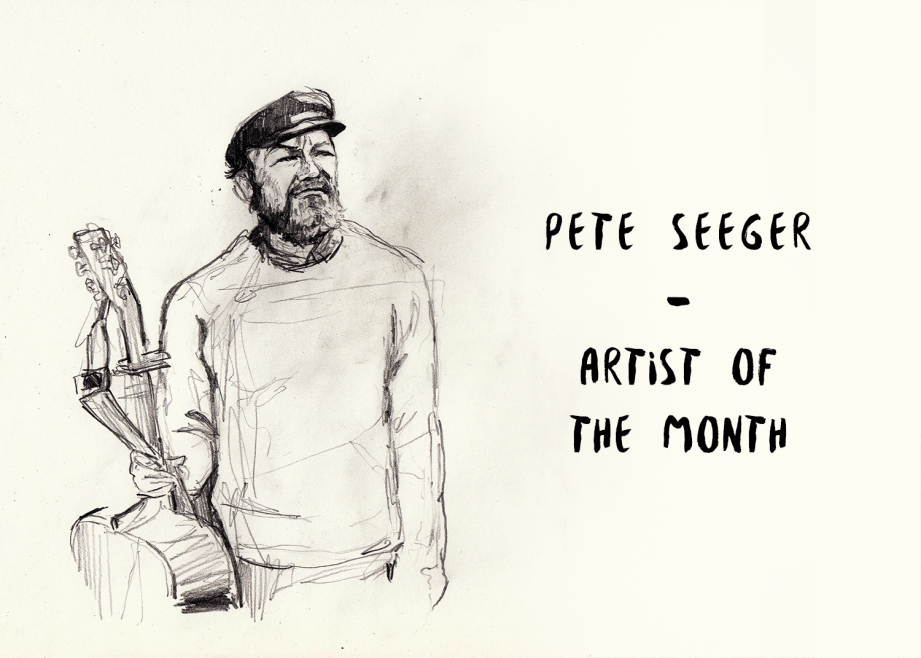
Illustration: Zachary Johnson
Editor’s Note: Read the second part of our interview with Jay Sweet.

For Mandolinist Andy Statman, Music Is the Great Unifier

Mandolinist Andy Statman is quick to deny that his identity — he’s a devout modern Orthodox Jew — has anything to do with his music. “To tell you the truth,” he says, “it never entered the picture. I was just into the music…”

However, his latest album, Monroe Bus — an exploration of traditional mandolin techniques utilized in contexts as familiar as Bill Monroe standards and as far-reaching as klezmer and jazz-infused originals — belies that denial. And, as we converse about his history in music and the harlequin nature of the album it becomes obvious that his work isn’t devoid of his identity at all. In fact, the opposite is demonstrable.

Statman’s music is, of course, archetypically and idiosyncratically his own. He, as much or more so than any other mandolinist on the scene today, is truly original. He’s reached this destination not through purposeful attempts in his music to express his identity — religious, cultural, and otherwise. Instead he simply focuses on playing the most meaningful music he can, while remaining in the moment and establishing human connection with his fellow musicians. The rest, his whole identity, shines through his art organically and effortlessly as a result. Statman is a testament to roots music’s ability — whether consciously or subconsciously, overtly or covertly — to allow its purveyors’ souls to be the keystones on which entire albums, catalogs, and genres are built.

BGS: Your record strikes me as “melting pot” music. Whether you’re playing more jazzy music or bluegrass or klezmer, you’ve always considered your music to be quintessentially American. Why is that?

Statman: First of all, I’m an American, so the culture I grew up in was an American culture. I heard things through an American ear, I saw things from an American eye, and while there might be certain regional differences, all in all it’s all pretty much the same. I grew up right after World War II, my father was a veteran. I was born in 1950, so I grew up in the early 1950s in an area in Queens, New York called Jackson Heights. It was a diverse neighborhood. Everyone got along. Everyone grew up together. The other kids were just other kids, and it didn’t matter what their background was. The music played at this time was classical music, or jazz, or square dance music, or other stuff. As a kid we used to have square dances every week in public school. I remember every year we used to have a Lebanese American come and play songs for us. At that era you were able to sort of culturally imbue almost all of the last one hundred years of American culture. It was all there to be touched and heard and seen and lived. It was there, in the air, but it was America so it was live and let live.

What was your entry point to bluegrass, then?

My brother is about eight years older than me. He went to college in the ‘60s — 1960 I guess was his first year. He got very involved in listening to like the Kingston Trio, the Limeliters, the beginning of the folk revival. Then he started bringing home records of Dave Van Ronk, Bob Dylan, and Joan Baez. That wasn’t really so much for me, but then he started bringing home some New Lost City Ramblers records and this other record that Mike Seeger was involved in, Mountain Music Bluegrass Style, which basically was recordings of the incredible bluegrass scene in Baltimore, Maryand, and Washington D.C. in the late ‘50s and early ‘60s — people like Earl Taylor and Smiley Hobbs, just an amazing collection. I really gravitated to that. I remember for my birthday he got me Foggy Mountain Jamboree, a compilation of the early, classic Flatt & Scruggs Columbia 45s. He was also involved in what they used to call jug and skiffle bands and they used to rehearse at the house. He played guitar and sang and there was a banjo player in the band who played some bluegrass and I was just very excited by that whole thing. That just did it for me. All I wanted to do was play bluegrass.

What was it about the music that grabbed your ear?

On a very simple level, emotionally, I was excited and moved by the music. It really spoke to me. The singing, the harmonies, the instrumental playing. There was an excitement to it that I really liked. I was very moved by the slower, ballad types of things, also. I started listening on the AM radio to WWVA out of Wheeling, West Virginia, which was a bastion of country music back at that time. We had a guitar in the house, my brother’s guitar, so I started learning the Doc Williams guitar method, I learned some chords, but I really wanted to learn banjo. I finally was able to get a banjo and started taking lessons.

On Sundays back then in Washington Square Park people would go down and play outside in different groups. There’d be a group playing bluegrass, a group doing topical songs, a group doing blues, so I started meeting people doing bluegrass. On these records that I liked I was getting more and more moved by the mandolin playing — it was really exciting me. Earl Taylor’s playing and I think on the Scruggs records it was Everett Lilly playing one or two solos that were just like, wow. I was getting chills from hearing this stuff. I decided I would make the switch and become a mandolinist. I had already been playing banjo and guitar for a few years. I was still in my early teens, so when I stepped into the mandolin role I already had some muscles developed and some understanding of the music.

The record, Monroe Bus, really clearly illustrates the value and the beauty that comes from allowing our musical art forms to reflect our identities. How do you think we can help foster the idea that any background or identity is valid and can be showcased through these art forms?

You know, I don’t think that way. Forgive me. I’m just into playing music, playing the best music that I can, and I’ve been fortunate that I’ve been able to study with a lot of musicians of different cultures and different backgrounds, both playing American music and music that maybe isn’t played here so much. To me, it’s all about the music. When I’m playing, I’m just playing. Identity or background is really meaningless to me. It was always like that, but at this point in my life even more so. When I’m playing I’m just looking to play the most meaningful music I can play. Those are my only real concerns.


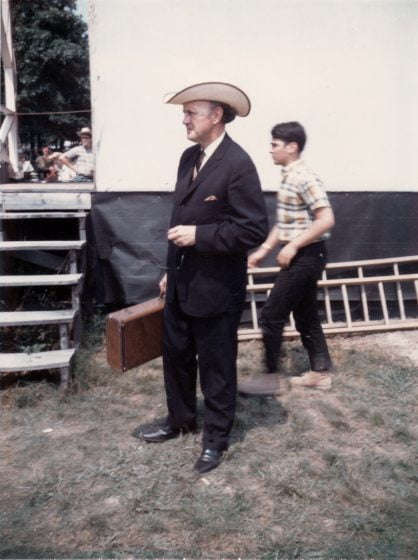
Bill Monroe (foreground) and Andy Statman at Fincastle Bluegrass 1966. Photo by Fred Robbins

You are always blending different musical forms in these crazy, unexpected ways. How do you respond to folks that are worried that that dilutes bluegrass or that it will kill the genre in the long run? What’s your response to the typical, “That ain’t bluegrass” kind of gripe? Do you have one?

First of all, this is not a bluegrass record, obviously.

But there are undeniable bluegrass threads throughout.

Of course, but I’m not presenting myself as [pure bluegrass.] I spent a lot of time studying bluegrass, and there are always new insights and things to learn, but for me, the original blossoming of bluegrass is where it’s at, where it reached its fullest expression. If I’m going to listen to bluegrass, I’m probably going to listen to bluegrass from before 1970. Not to say that what came after is bad, this is just my preference. The feelings and creativity of that particular period, to me, are really unsurpassed. And while the technical level might have gotten better, this doesn’t necessarily make for a more meaningful, deeper music, it just makes for a more athletic music. [Laughs]

Listen, people have to be who they are. It’s just music. There are always going to be people who hear things differently, who want to add or subtract things, and if you don’t like it, then you don’t like it. I can see that there’s a strong core of people who are really interested in playing music in the mode of what was played in the ‘40s, ‘50s, and ‘60s. I think there isn’t any danger of that not continuing.

I do believe, though, that it’s important for musicians to really try and master a traditional style. Because, if you’re going to try to build on something, you really need to understand where it’s coming from, to be able to relate to that music on its own terms. Which is getting back to the roots of all this music and being able to speak that language naturally, in your own way and find your own voice in it. You’ll understand phrasing, variation, improvisation, how to play melodies, how to bring out what’s in the melody, how to play rhythm. Without that firm grounding in a particular style, particularly when we’re talking about folk music, it won’t click.

It’s interesting that you say that, because I think that a song that perfectly illustrates what you’re talking about on the record is “Raw Ride,” a sort of version of Bill Monroe’s “Rawhide.” I love this version because the song is so iconic, but you’re still turning it on its ear. You’re demonstrating that foundation that you’re talking about, but you’re finding your own voice in it. How did you come up with this arrangement?

Well, I’ve been playing the tune for years. “Rawhide” is one of those tunes that, if played in the traditional Monroe manner, requires a lot of energy. It’s always a question of is it worth the energy for the payoff? [Laughs] It usually is. There’s obvious extensions of the melody or the chords that you hear if you’ve been involved in playing other types of music. So I just sort of followed those. As with all of these things, it reflects who I am, my musical experiences, and my studies.

…When you’re writing music and playing music it really just reflects who you are and what your experiences are and how you live. It’s a reflection of that. That’s what Bill Monroe did. His music was a synthesis, an ongoing synthesis, and he developed a certain kind of aesthetic.

When I came out of the closet and was going through that process of coming to terms with my identity as a gay man, I had a moment where I doubted my place in bluegrass. I thought maybe bluegrass wasn’t the place for me, it wasn’t a place where I could belong. Did you ever feel like your Jewishness made you question your place in bluegrass?

Not really, no. To me, it was all about the music. All the musicians I know are wonderful, thoughtful, and kind people — in the bluegrass scene and in others as well. We’re all in this together and we all have a common passion for the music. It’s a uniting force. It has a real life of its own, and we’re just sort of passing through it, so to speak. If you’re worried about the thoughts or beliefs of the people you’re playing music with, then you can’t really be playing music. Music, in its essence, is the great unifier. It can unify people in terms of ideas and feelings and speak to the commonality of everyone. At that point, all of these other things melt away.

It really has to do with heart. It’s a spiritual thing. In Hasidic teachings they say that music, particularly instrumental music, can go higher than anything. A song without words isn’t even bound by the concepts of those words. In certain ways, it’s a universal heartbeat. You can see the tremendous life force that music carries. To me it’s something that’s very sacred.


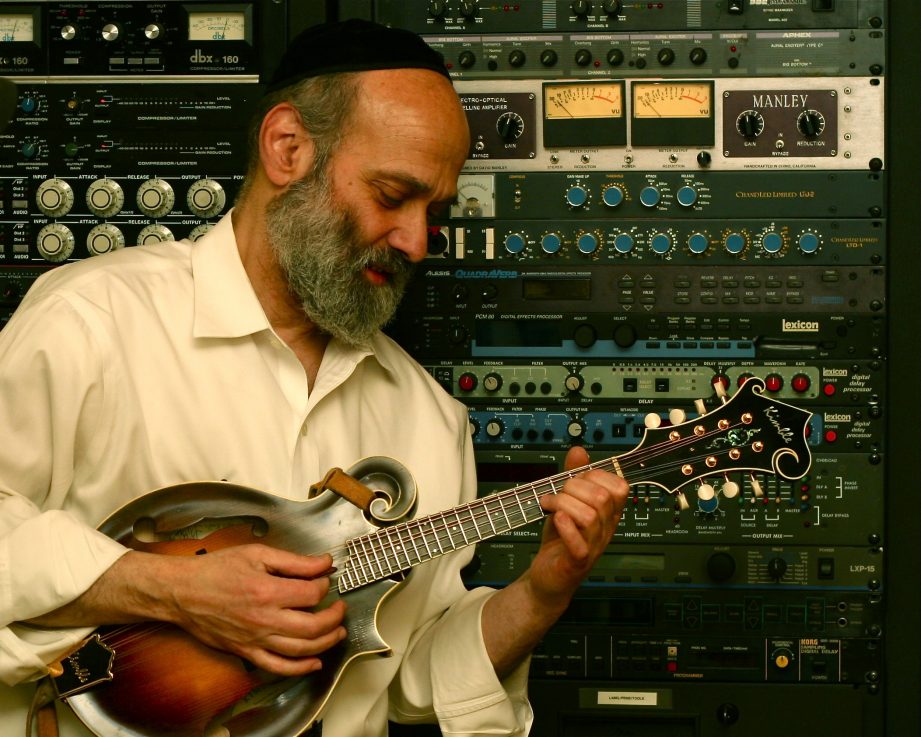
Photo credit:Bradley Klein 

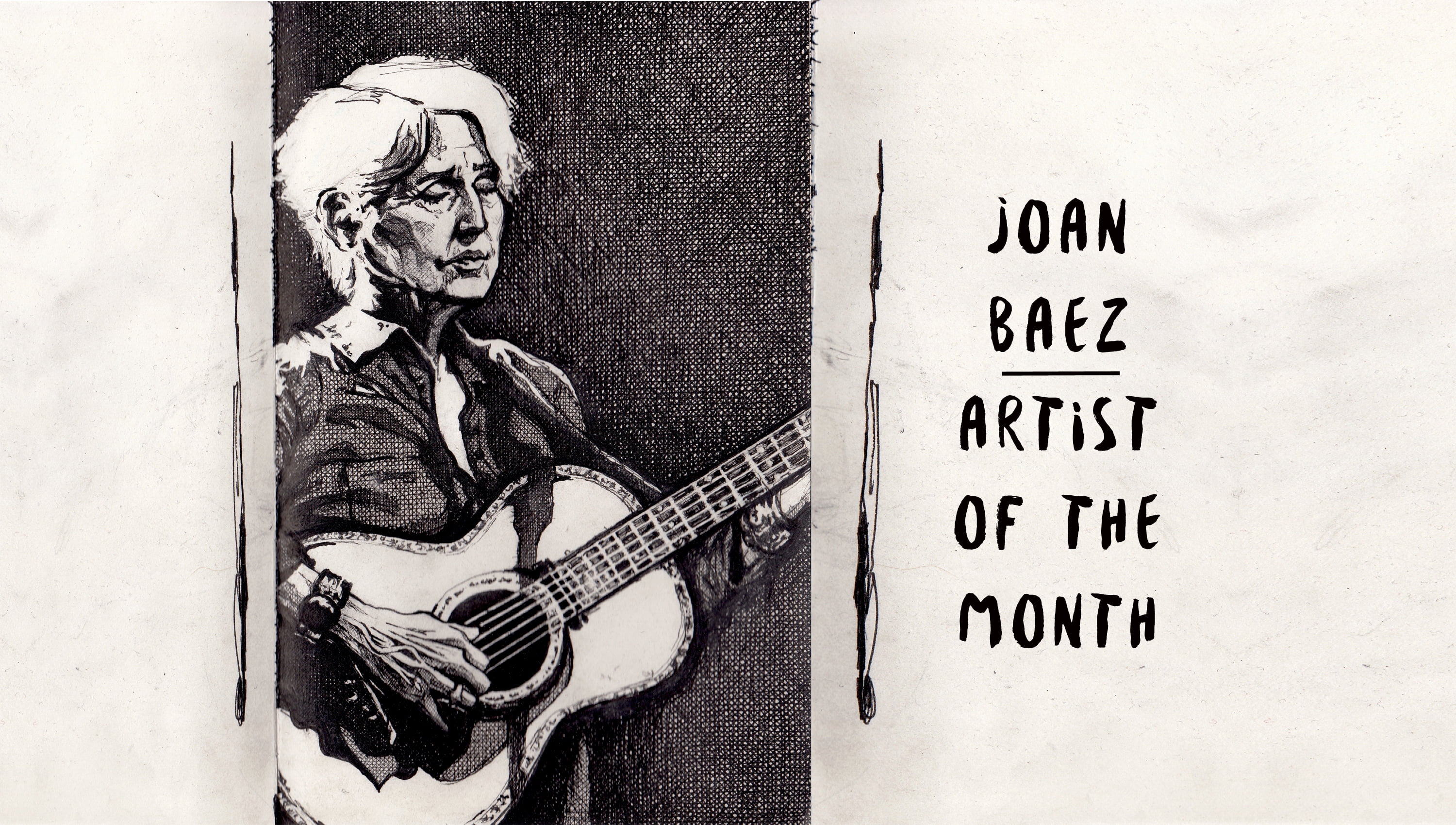
Joan Baez: Turning the Glass Upside Down

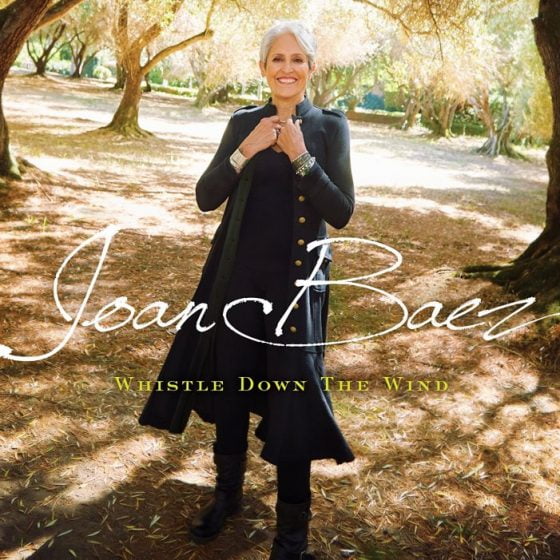
Joan Baez admits there’s a gaffe in “Civil War,” a harrowing song of uprisings, both personal and public, on her new album, Whistle Down the Wind. “There are a couple of words that come out funny,” she says, “and there’s one where I sound like I have a big lisp.” It’s hard to catch that particular mispronunciation, especially as the lyrics are littered with sibilant S’s (“… this civil war”) that might blur her words together, and those mistakes may not be apparent to a casual listener or even an obsessive fan. But Baez hears them every time.

Partly, those blemishes are the byproduct of the recording process, which was loose, casual, and largely unrehearsed. Baez made the trip from her home in the Bay Area down to producer Joe Henry’s studio in Los Angeles, where she worked with a band of session musicians who have become regulars on the albums he has helmed for Solomon Burke, Lizz Wright, Bettye LaVette, and Over the Rhine. She would play a song a few times for them, enough to give them a sense of the piece and the ideas she wanted to convey. “I didn’t stop to say, ‘Listen, we’re going to hold this note for this long and do this thing here,’” says Baez. “I just didn’t know any of that. We just pieced everything together.” As a result, “We’ve got mistakes all over the place, and we didn’t bother to fix them, because the feeling was right. We didn’t want to sacrifice that feeling in the song for some technicality.”

Henry agrees, arguing that a mistake isn’t a mistake, if it actually strengthens the song: “To me, it’s only a mistake if it breaks the story and takes you out of the trance. I don’t hear that happening anywhere on the album, because people are playing together. They’re in a real-time conversation, musically speaking. They’re in a moment of discovery together, in real time. Nobody is playing anything by rote.”

Least of all Baez. Sixty years into a storied career, she is still searching, still discovering. Whistle Down the Wind is her first album in 10 years, and she has intimated that it may be her last. If so, it will be a remarkable swan song: a collection that gauges the tenor of 2018 just as intuitively and authoritatively as her self-titled debut did in 1960 or Diamonds & Rust did in 1975.

Baez speaks through the songs of other writers, bending them to the present moment or finding new implications buried in the lyrics and melodies. There are two Tom Waits character studies, odes to personal stubbornness, whose melodies and sentiments fit so well with Baez’s delivery that you’d think he wrote them specifically for her. She covers Zoe Mulford’s “The President Sang ‘Amazing Grace,’” about President Obama’s impromptu performance of an old Sacred Harp hymn at the funeral of Rev. Clementa Pinckney. Josh Ritter’s “Silver Blade” sounds like a response to the traditional ballad “Silver Dagger,” which has haunted Baez’s set lists for half-a-century.

Whistle Down the Wind is not interested in replaying old glories or indulging any nostalgia for the heyday of folk music. And that’s why those technical mistakes matter so much. Even if you don’t hear them, they nevertheless act on your subconscious. They increase the intimacy of the recording, making these songs sound more direct, more forthright, more urgent. Moreover, they speak to the messiness of what has become Baez’s truest subject: the times. Certain ideas and issues — whether it’s civil rights in the 1960s or gun control in the 2010s — are much more complicated and unwieldy than the means by which we choose to address them. It is less the fault of the song than the singer. As well intentioned and as righteous as an artist may be, the implication is that she or he remains an imperfect vessel for the song and the ideas contained within. Leaving that lisp in “Civil War” is Baez’s way of acknowledging that fact.

The miracle of her long career is that she still believes mightily that such songs are still worth singing, that they can speak to their historical moment, that music still has a function in the everyday life of a community or a nation or a planet. “It’s community building,” Baez says. “It’s empathy building.”

In the 1960s, that belief placed her at the epicenter of the folk revival, when she played demonstrations as routinely as she booked concerts. Like Woody Guthrie and Pete Seeger, she was armed with a guitar, an encyclopedic history of folk music, and a strident sense of mission. Unlike those two influences, she had a high-flying voice, one that swooped playfully around her upper register. In recent years, age has robbed her voice of its former agility, but on Whistle Down the Wind, it has grown deeper, taking on a slightly rougher texture, yet retaining its original authority and compassion.

Her peers might have taken determined steps away from the responsibilities of protest music, but Baez simply expanded her scope and subject matter. Especially in the 1970s, she found new ways to mix the personal and the political. Never a confessional singer/songwriter — at least not in the way the West Coast folkies were — she still put a lot of herself in her songs, whether they were about her own personal relationships or those between communities. “I don’t know how I would have done that stuff back then without the music,” she says. “That was such a big part of it.”

Few folk musicians of her generation managed to keep the audience rooted in the foreground of her music. Her songs speak to “you,” but in most cases that “you” is plural. On her cover of “Another World,” by Anohni, who previously performed as Antony & the Johnsons, Baez bangs softly on the frets of her guitar, creating a gently frenzied pulse for lyrics about leaving this world and finding a new one. Her version is an ecological warning, a life-size take on a planet-size woe.

“I’m gonna miss the snow,” Baez sings. “I’m gonna miss the bees.” As the song continues, that guitar thrum becomes a timer counting down the end of a life or possibly the end of all life. “The song is as dark as it is beautiful and as beautiful as it is dark,” says Baez. “It’s spellbinding. [Anohni] turns the glass upside down. It’s not half-full or half-empty, but upside down.”

Baez changes the song in one crucial way. In her original, Anohni sings, “I’m gonna miss you all.” Baez adds a new word: “I’m gonna miss you all, everyone.” It’s a small change that doesn’t disrupt that melody or change the song in any dramatic way, but it does give an idea of the audience Baez (and Anohni) imagines for herself. She is addressing that “everyone.” “Joan understands very well that music is about community,” says Henry. “It’s about gathering people in real time to a pointed moment. It’s always and only about community for her.”

That idea is ingrained in her vast catalog, although it grows more poignant now that her career appears to be winding down. “When I go tootling around the world, I’m seeing so many different audiences,” Baez says. “I’ve played a lot of festivals in Germany and adopted France as a second country. I do five songs in French for them. I have a song for each country, or sometimes it’s just a line. It means so much to people, if you sing something to them in their own language. It’s hard work, but it’s a way to thank people for showing up.”

It’s also a way of speaking to them more clearly. In 2009, she recorded a simple YouTube clip of herself, presumably seated in her kitchen, singing a version of the old spiritual “We Shall Overcome.” It’s a song she’d sung countless times, but this version was both in English and Farsi, and she dedicated it to the people of Iran, who were protesting the contested election of President Mahmoud Ahmadinejad. “The lyrics were written out phonetically. I couldn’t possibly remember them. And they don’t have the same scales, which meant I couldn’t get the notes right. They just didn’t exist in my vocabulary of notes.”

For Baez, music not only speaks to these communities; it binds them together and can, in some ways, define them. Every movement demands a soundtrack, and Baez is under no illusion she can provide one for March for Our Lives or Black Lives Matter or #MeToo. “We need a brilliant anthem so people have something to sing, so they don’t have to shout so much. I wish I could write that kind of thing. But it’s so hard. Still, I think it will come.”


Illustration by Zachary Johnson

MIXTAPE: Janiva Magness’s Folk Is a Four-Letter Word

I have long known that I am, at times, a highly emotional creature. I’m good with that and ever grateful I have the music to help sooth me through it. Folk music has always been a part of that balm and always had a quiet place in me. Although, over time, the definition of what folk music is has changed, depending in part on its popularity. For me, this is a beginning of some of my always and all-time favorite folk music. These tunes contain both comfort and melancholy — for me, two of the “absolute musts” to great folk songs by great artists. — Janiva Magness

Bob Dylan — “If You See Her, Say Hello”

How is it possible to not love this track? Besides, there is no one who can turn a phrase like Mr. Zimmerman. No one!

Blackie and the Rodeo Kings — “Brave”

Steven Fearing of B.A.R.K. has such a soulful voice and tone, then add Holly Cole’s vocal with him, and I find it a haunting tale of deep and abiding love born of infidelity. It is both comforting and stunning.

Joni Mitchell — “Both Sides Now”

An epic song written by a then very fresh Joni Mitchell with so much wisdom, it seemed impossible to come from such a young woman.

Joan Baez — “Diamonds and Rust”

This classic — and at the time controversial — track about Joan and one other very famous folk singer and their love affair remembered.

Gillian Welch — “Look at Miss Ohio”

Just love this song and, though it’s not one of Gillian’s most played tracks, I have worn this out at home, in the car, and everywhere. I love it because it’s about a beauty queen being herself behind the scenes, and doing wrong — grinnin’ all the while.

Taj Mahal — “Corinna”

I have loved this track since first laying my ears on it in the ’70s. Simple folk blues. It don’t get any better than Taj.

Ry Cooder — “That’s the Way Love Turned Out for Me”

A haunting song originally recorded by James Carr, I believe, and then adapted by Ry Cooder. I just love this version because of its fractured vulnerability.

Bonnie Raitt — “Love Has No Pride”

A song penned by Libby Titus and portrayed by Bonnie. Her early ’70s material is incomparable for me really. This tune is a heart broken in two and laying on the floor right in front of you.

Zachary Richard — “No French, No More”

A haunting and, as I understand it, true tale written by Zachary Richard about his upbringing as a young Acadian boy in the swamps and woods of Louisiana, where his native language was French but, once placed in public school, the children were forced to abandon their language and culture for English.

Bobbie Gentry — “Ode to Billie Joe”

A captivating tale of love gone wrong with two teenagers in the rural South. Bobbie Gentry’s painful and almost detached vocal track make it all the more mysterious

Jackson Browne — “My Opening Farewell”

One of the most beautiful and lonesome songs of all time to me. Love and grief. Nuff said.

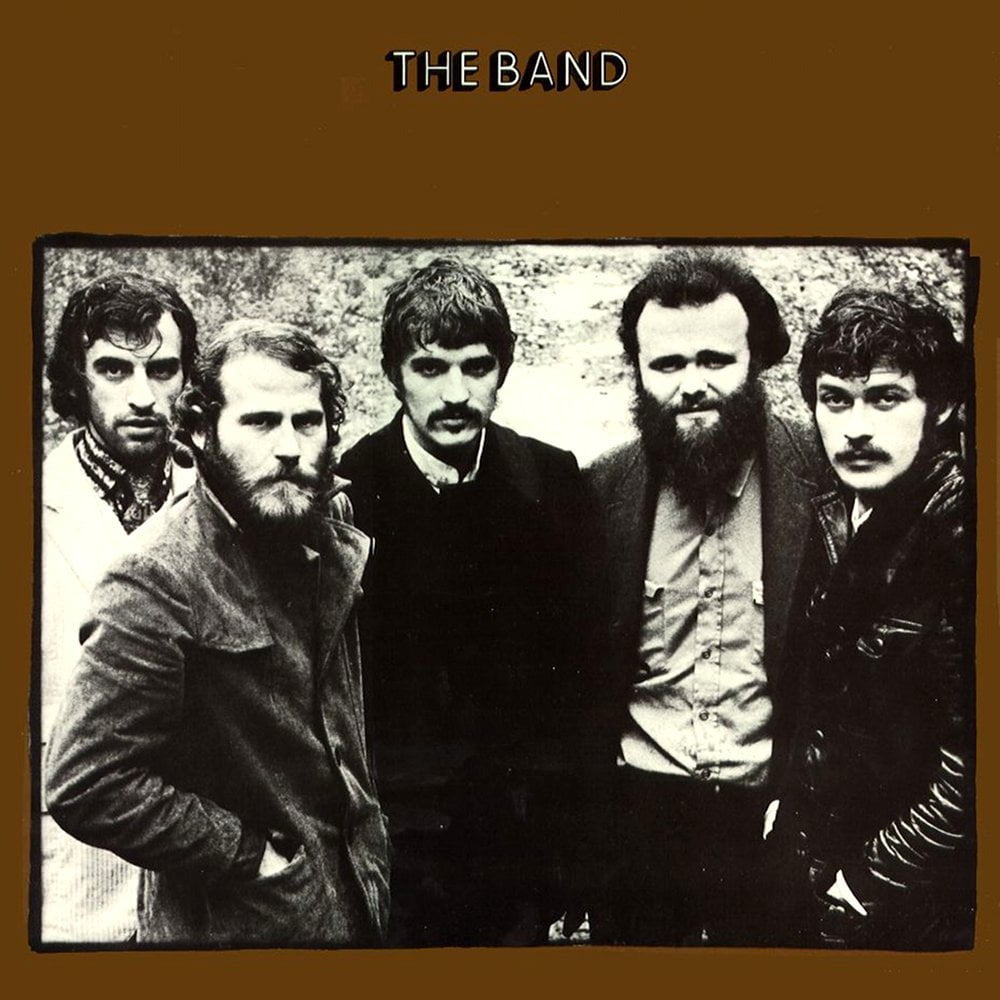
Canon Fodder: The Band, ‘The Band’

For decades, “The Night They Drove Old Dixie Down,” the third song on the Band’s second album, has been among their most popular and beloved songs. It has appeared on every official live album and greatest hits compilation they’ve released — most notably on The Last Waltz with a horn chart by Allen Toussaint. It’s been covered countless times: Johnny Cash, John Denver, the Allman Brothers Band, the Black Crowes, the Zac Brown Band, Tanya Tucker, and even Roger Waters have recorded their own versions. The original was not a hit for the Band, but Joan Baez’s cover went to number five in 1971. More recently, it scored a pivotal scene in Three Billboards Outside Ebbing, Missouri.

Robbie Robertson, a Canadian, wrote the lyrics to “The Night They Drove Old Dixie Down.” Every member of the Band contributed to the arrangement. Levon Helm, the only American in the group — and a Southerner, to boot — sang lead. Together, they all tell the story of Virgil Caine, a farmer in Virginia bearing witness to the cataclysmic end of the Civil War. Every element comments on his story: The wheeze of Garth Hudson’s organ evokes his spiritual fatigue, while the insistent tap of Helm’s snare drums jumps a beat when he sings the line about his dead brothers. And the four singers — Robertson and Helm joined by Rick Danko and Richard Manuel — harmonize beautifully, when Caine seems to have run out of words and can only express himself with a chorus of na na na nas.

Robertson gets the details just right to evoke this dark iteration of America: He introduces himself by saying he “served on the Danville train,” referring to the Danville & Richmond Railroad that was a crucial transportation for the Confederate Army. And when he declares, “I don’t care if my money’s no good,” he’s referring to the Confederate dollar, called a “greyback,” which was worthless after the war. His literary and Biblical references — to Dante’s Divine Comedy, to the Book of Genesis — suggest that this is not the actual South, but a mythological one. Is Virgil Caine our guide through the Purgatory of Reconstruction? Is this a retelling of Cain and Abel on a national scale? (And, if so, why is the South Cain instead of Abel?)

As Ralph J. Gleason wrote in his Rolling Stone album review in 1969, “Nothing that I have read … has brought home to me the overwhelming human sense of history that this song does … It is a remarkable song. The rhythmic structure, the voice of Levon, and the bass line with the drum accents and then the heavy close harmony of Levon, Rick, and Richard Manuel in the theme, make it seem impossible that this isn’t some oral tradition material handed down from father to son straight from that winter of ’65 to today. It has the ring of truth and the whole aura of authenticity.”

That could be said of every song on The Band. A self-schooled student of North American history, Robertson was writing about the past, setting the Band’s song deep in what Greil Marcus, writing about The Basement Tapes they recorded with Bob Dylan, called “the old, weird America.” This was not necessarily a new tack, as folk musicians had been not only reviving songs from previous centuries, but had occasionally written a few themselves. But the Band weren’t folk musicians — at least not strictly. They were a rock band. Rock in 1969 was still considered new: The Beatles and the Who proved it could be serious, heady high art; the San Francisco bands proved it could be political discourse; and the psych bands proved rock could serve as a narcotic/existential inquiry. The Band proved rock could be old, as well as new, the lens through which we view the past, either how it actually was or how we might want it to be.

Not every song is quite as specific in its historical setting as “The Night They Drove Old Dixie Down.” “King Harvest (Has Surely Come)” explores the hard life of subsistence farmers, who faced innumerable tribulations and catastrophes. The narrator might even be Virgil Caine himself, turning from the lamentations of the Civil War to the horrors of survival in rural America. Other songs are much more elusive, like the fleet “Look Out Cleveland” (about Texas, not Ohio) and the randy, country-funk number “Up on Cripple Creek.” The latter is one of several songs on here about sex. Perhaps it was a response to the sexual liberation of the 1960s (as opposed to the 1860s) or perhaps the Band were merely addressing rock ‘n’ roll’s favorite topic through the filter of history. “Jemima surrender, I’m gonna give it to you,” they sing on “Jemima Surrender.” “Ain’t no pretender, gonna ride in my canoe.”

In the half-century since the Band recorded their second album, the Americana scene has pushed forward not with their openness about sex, but with the historically based songwriting. It’s nearly impossible to gauge their impact on the contemporary country and roots scene, but it’s safe to say that, whenever you hear an artist sing about something that happened decades ago, you’re hearing the Band’s influence. Last year, Colter Wall ended his breakthrough album with “Bald Butte,” a lengthy gunslinger story-song that is somehow bloodier than “The Night They Drove Old Dixie Down.” The year before that, Shovels & Rope recounted the Battle of Chattanooga on “Missionary Ridge,” imagining the ghosts of the Civil War dead still haunting those hills.

Almost every singer/songwriter resorts to historical re-enactment at some point. Steve Earle wrote “Ben McCulloch” about the disgraced Civil War brigadier general. Johnny Cash recorded a song called “God Bless Robert E. Lee” for his 1983 album Johnny 99, praising the general’s decision to surrender at Appomattox. There are many, many others, too bountiful to count, some dealing with the Civil War and even more dealing with other historical events. (A favorite: “Saskatchewan” by the Toronto band the Rheostatics, which describes a sailor’s death in a sinking ship.)

These songs all reflect shifting attitudes toward (North) American history, new ideas, and new opinions, but our thinking about history continues to change no matter how many times we play these songs. As a result, these historical songs become pieces of history themselves, reflecting outdated attitudes and concerns. In 2018, at a moment when the Confederate flag has become a lightning-rod controversy and Civil War monuments are being defaced or removed, “The Night They Drove Old Dixie Down” takes on a very different meaning than it had in 1969. The melancholy of those na na nas has curdled into something ugly and regrettable — not something to be celebrated, but something to be commiserated.

In their 2014 book — The Long Reconstruction: The Post-Civil War South in History, Film, and Memory — Frank J. Wetta and Martin A. Novelli call “The Night They Drove Old Dixie Down” “the theme song of the Lost Cause ideology.” It is a song about the defeated, about the thwarted righteousness of the Southern cause. But it’s that righteousness that has become so disgusting in 2018, when the most spurious political groups have adopted the symbols and syntax of the Confederacy. Let’s not mince words: The Lost Cause excuses the enslavement of an entire race of people and rationalized it with misinterpreted Bible verses and twisted moral logic.

So, what do we do with a song like “The Night They Drove Old Dixie Down”? It remains a compelling document of its time — 1969, not 1865 — and it is still a tremendous piece of music, inventive and innovative and finally, extremely influential. In that regard, it is exactly like every other song on The Band and on their 1968 debut, Music from Big Pink. Unlike a public monument, it cannot simply be removed from public space. Music doesn’t work that way. It is not stationary. It moves about, impossible to contain. We might strike it from future greatest hits albums, yet we would then have only a limited understanding of the Band’s story or their moment in time.

What do we do with disagreeable art? That’s one of the most important questions facing us in the final years of the 2010s. And here we come back to Three Billboards Outside Ebbing, Missouri. That film has been accused of being racially tone deaf and, sure enough, Baez’s version of “The Night They Drove Old Dixie Down,” which does nothing to interrogate Virgil Caine’s sympathies, plays during a scene in which a character with a history of racially motivated violence redeems himself by trying to solve the rape and murder of a white girl. If it were ironic, it might be a powerful moment dissecting Southern masculinity, but I doubt director Martin McDonagh had as much in mind. It’s just a song, just a signifier of Southernness. And that’s definitely not how it should play in 2018.

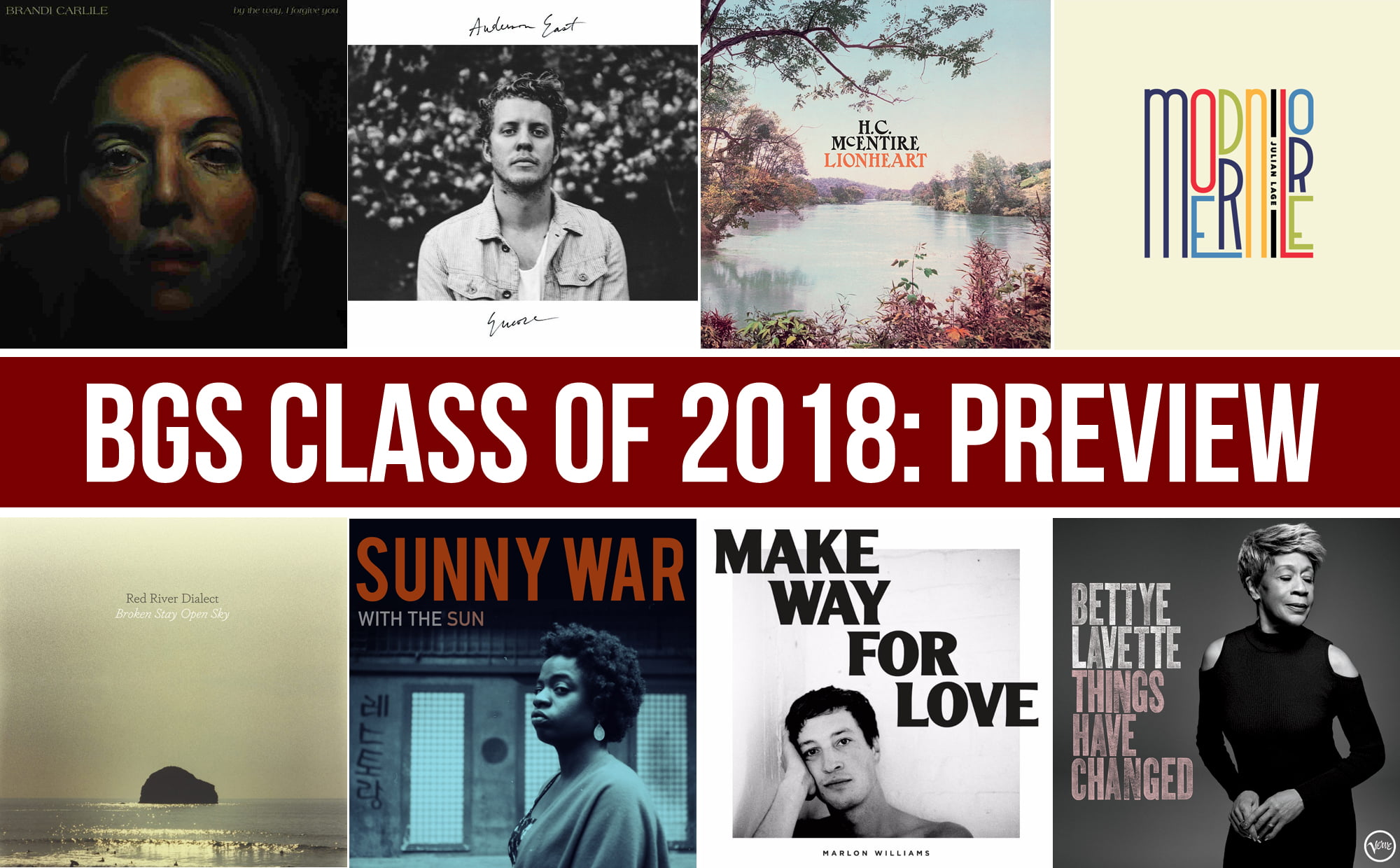
BGS Class of 2018: Preview

At only 11 days old, this year already looks to be a stellar one for roots music. From Marlon Williams to John Prine, Sunny War to Bettye LaVette, artists young and old are making some of the best records of their careers, and it is a thrilling thing to behold. Here are some of the releases that our writers are most excited about you hearing.

Brandi Carlile: By the Way, I Forgive You

Marlon Williams: Make Way for Love

Anderson East: Encore

HC McEntire: Lionheart

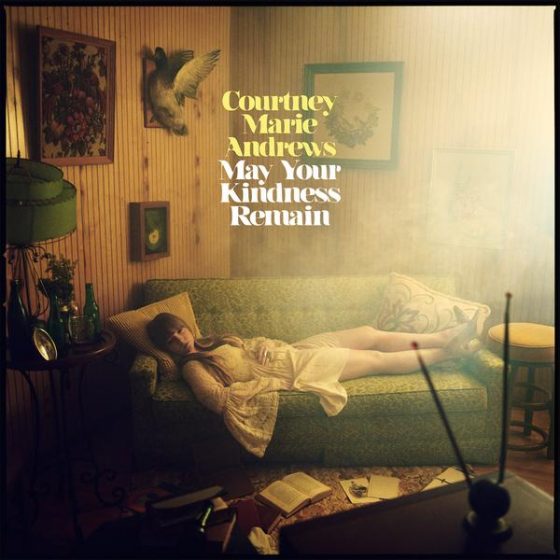
Courtney Marie Andrews: May Your Kindness Remain

John Prine: TBD

Gretchen Peters: Dancing with the Beast

Sunny War: With the Sun

Lindi Ortega: Liberty

— Kelly McCartney

* * * * *

Stick in the Wheel: Follow Them True

Belle Adair: Tuscumbia

Julian Lage: Modern Lore

Red River Dialect: Broken Stay Open Sky 

Jerry David DeCicca: Time the Teacher 

Ed Romanoff: The Orphan King

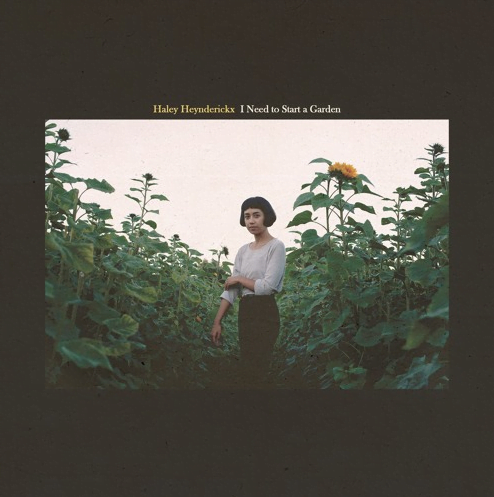
Haley Heynderickx: I Need to Start a Garden

Various: The Ballad of Shirley Collins OST

Bettye Lavette: Things Have Changed

— Stephen Deusner

* * * * *

Brandi Carlile: By the Way, I Forgive You

First Aid Kit: Ruins

Lucy Dacus: Historian

Anderson East: Encore

Kacey Musgraves: Golden Hour

Jack White: Boarding House Reach

Darlingside: Extralife

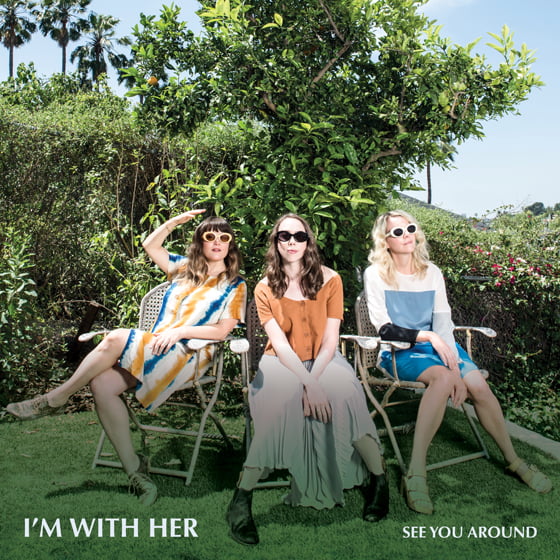
I’m With Her: See You Around

Calexico: The Thread That Keeps Us

Sunflower Bean: TBD

— Desiré Moses

* * * * *

Anderson East: Encore

Marlon Williams: Make Way for Love

First Aid Kit: Ruins

Loma: Loma

Femi Kuti: One People One World

Joan Baez: Whistle Down the Wind

S. Carey: Hundred Acres

They Might Be Giants: I Like Fun

— Amanda Wicks

* * * * *

Jack White: Boarding House Reach

Brandi Carlile: By the Way, I Forgive You

Ashley McBryde: TBD

Brothers Osborne: TBD

Joshua Hedley: TBD

Traveller: TBD

Bruce Springsteen: TBD

Courtney Marie Andrews: May Your Kindness Remain

John Prine: TBD

Kacey Musgraves: Golden Hour

— Marissa Moss

* * * * *

High Fidelity: TBD

I’m With Her: See You Around

Ms. Adventure: TBD

Hawktail: TBD

Missy Raines: TBD

Jeff Scroggins & Colorado: TBD

— Justin Hiltner

* * * * *

Sunny War: With the Sun

I’m With Her: See You Around

David Byrne: American Utopia

Hawktail: TBD

Jamie Drake: TBD

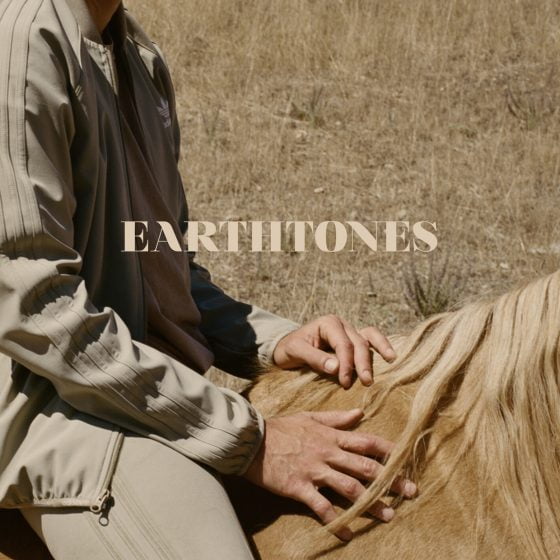
Bahamas: Earthtones

Fruition: Watching It All Fall Apart

Darlingside: Extralife

— Amy Reitnouer

The Urgency of History: A Conversation with Rhiannon Giddens

Every now and then, a voice comes along that is so thoroughly in tune with the times that it can’t — and shouldn’t — be ignored. This year, that voice belongs to Rhiannon Giddens. Her latest album, Freedom Highway , takes its cues from the warriors of justice who came before her … Joan Baez, Odetta, the Staples Singers, and others. And it takes its stories from the victims of injustice that suffer throughout history … slaves, children, Black men, and more.

Of course, Giddens couldn’t have known that, in the middle of her album cycle, Nazis would march and Confederate statues would fall. But march and fall they have, all while she uses her voice to speak truth to the powers that be and the masses that care. And, in case anyone dare challenge her assertions, the ever-curious student of history brings all the proverbial receipts to back up her truth.

The more this year rolls along, the more important and potent your record and voice become. How’s it feel, at this moment in time, to hold up a mirror of the racial injustices upon which this country is founded?

Somebody said, at the show yesterday, “Your album is more timely every day!” I was like, “Yeah. Isn’t that depressing?”

Isn’t it?

Isn’t that freaking depressing? I wrote and recorded this record last year, and I remember thinking, before the election, “I don’t even know how urgent this is going to feel to people.” [Laughs] Little did I know. Holy moly! I mean, it’s always urgent to me, because I see it there. It’s always there, but for it to be so on the surface …

The thing is, the record’s always going to be timely because we’re talking about things that are part of the fabric of America — completely systemic issues here. It’s just, now, it’s really on the surface. Now it’s really exposed whereas, if the election had gone differently, these issues would still be here; they would just be covered up, underground a little bit more.

So, on the one hand, I’m like, “Oh, God. I can’t believe this is going on.” On the other, it’s, “Yeah.” But it’s great that people can see it. There’s a population of us that have known this stuff was there, and now everybody else can see it. I have to stay positive. We’re in the middle of what people are going to look back on, like in the ’60s. That’s what we’re in, right now. It’s a little freaky.

It is weird to be discussing the cause of the Civil War in 2017. And having to argue about what the cause was …

Oh my God. I know! The book I’m in right now is Negroes in Colonial South Carolina from 16whatever through the Stono Rebellion and, when you get into the beginning of the country — like the very beginning, the settlements in South Carolina and Virginia and New England — African-Americans are completely intertwined with how the country came into being. Culture-wise, music-wise, economics … for the numbers, the impact was enormous. And when you also look at the primary sources and how the European-Americans, soon to be called “white,” talk about African-Americans, it’s a pretty negative, horrible thing.

To have that be the basis of a country … to have the genocide of natives be the basis of a country … to have racial discrimination be how the country has operated for however long … I mean, sure, of course it’s still an issue, of course this is deep-seated stuff. We’ve had a lot of surface progress and we have had some deep progress. I witness the number of white folks that are like, “Whoa! What?! This is wrong!” And that’s progress to me because, when you look at the numbers for how long it took Abolitionists to get a stronghold, how long it took the religious movement to get a stronghold … when you look at the overall thing, that’s a really positive development to me. And that’s what gives me hope, that there has been a lot of change in people. It’s just the system and the people in power are operating from this old thing. Of course! Why wouldn’t they? They benefit from it!

And they were taught — and continue to teach — a false narrative about how the country was founded.

Yes. Exactly! That’s a problem. When people with an open mind learn the actual history, they are horrified. But, if that’s not what you’re taught … My empathy only goes so far, though, because there’s an Internet and there are lots of books. There are just people who don’t want to dig. I get it: There’s a lot of stuff to watch on TV or whatever.

But there are books out there. There’s all this amazing, scrupulously researched documentation that’s coming out. I just got a book a couple weeks ago. It’s called The Other Slavery and it’s all about the slavery of Native Americans. It just came out last year and it’s thick and it’s footnoted to within an inch of its life. It’s all primary-sourced material that he’s gathered and is writing about. You start reading and it’s like, “Oh my God!” But it’s out there in the book store. Pick it up.

I don’t know. I’m in between, sometimes. I understand if you think the narrative is this, but that only goes so far because you hit human decency. Even if your knowledge of American history is flawed, there’s still, “Don’t be a Nazi.” You know what I mean? I can go only so far with sympathy. It’s like, “Cool. Yeah. You have a swastika? I’m done.” It’s a weird place to be.

As an artist of color and a woman, do you feel any internal or external pressure to meet certain expectations with this stuff … because you don’t have the luxury of mediocrity, like so many white guys with guitars have?

[Laughs] Oh, boy! You don’t hear that very often! Right?

[Laughs] But it’s true. It’s not fair, but it’s true.

It is true. But it can swing the other way a little bit. I’ll be honest: Chocolate Drops, when we started, we weren’t very good. I mean, we were very enthusiastic. [Laughs] There was a novelty aspect that brought some people to the show, but what we had was a connection to tradition. And that is what got us over the beginning of not being that great.

But what you’re saying is … there are two different ways to look at it: There are systemic issues that affect everybody, and then there are issues that anybody has. Right? Everybody has a particular set of obstacles to overcome in their life and then there are these systemic things. So I try to approach my professional life by trying to look at it as this specific set of obstacles that I’ve been given as a human being and not looking at it from the systemic point of view because I think, especially when it comes to me, I have a lot of advantages: I’m light-skinned and all of that kind of stuff.

I remember having a conversation with Sharon Jones, when we were on the set of The Great Debaters. We were part of a music scene in the movie for a split-second. I had never met her before and listening to her talk about how hard her life had been primarily because of her skin color and going, “Wow. I had no idea how bad it could be.” I just shut up and listened to her talk because this was a woman a generation older than me and she had a lot of shit she needed to say, and I needed to hear it. Having that experience, I took that into myself and felt like, “I’m going to use my advantages and I’m going to not really think about what may not be happening for me because of who I am.” I have to stay focused on that because I do have advantages and I do have privileges. And I’m going to use that to try to tell these stories.

I’ve been very, very blessed. The Chocolate Drops were blessed. We stayed focused on Joe [Thompson] and the mission. I think that overcame lots of things. Yeah, we had our share of stupid remarks and what not. But, come on: I read the autobiographies of Black musicians who were out in the ’20s and ’30s and it was nothing, nothing, NOTHING, not even a fraction of what they went through. So I considered us blessed and I used that to try to tell these stories of people who are less fortunate.

You’re in a unique position to bridge a few different gaps, particularly doing the keynote at the IBMA Awards this year. How do you address a crowd that is, notably, not diverse? Some of them may well be allies, some may not. So how do you frame your message to a crowd like that for the biggest impact?

This is where growing up mixed comes in handy. You just walk the line and be unapologetic about it: “Look, man, this is where I’m coming from.” We’ve been shunned by white family members. We’ve been treated not great, so I know that experience. But you can’t hate people. Because I’ve also seen the progress that the white side of my family has made. My grandmother became a bastion of love. She treated us the same as all her other grandchildren. She led that charge so the immediate family could see, over the years, how that love warmed things. So I’ve seen how people can change.

That’s why I get frustrated when people on the Left talk about “those rednecks” and are really dismissive of people I’m related to. You have to give people an opportunity to change. My grandmother’s a great example: She was poor, white, Southern, always looking out for survival, just very simple, straight-ahead, North Carolina, out in the country … her husband built their house, that kind of thing. Her first-born son goes to the big city metropolis of Greensboro and finds a Black woman and becomes a hippie. She had two choices. She was not like, “Oh, that’s great! Bring the Black woman home!” because that wasn’t her experience. In her life, they were the “other.” When my sister was born, she was like, “That’s my grandchild.” She was worried and wasn’t sure what they were going to do, but, then my sister was born, and she was like, “I don’t really care. I’m going to love this child.” She was always really nice to my mom. There were others who weren’t, but she stood fast. That, to me, is so inspiring. That’s where true change happens — when people fall in love and they bring people in. I come from that place.

It takes the “other” out of the equation because the “other” is now part of your family and are no longer an “other.” Like you said, you have to get on board or step all the way off, I guess.

That’s it. That’s absolutely it. It’s interesting. I come prepared knowing the history, so there’s a calmness. I know what happened.

You have truth on your side.

Yeah. You can say whatever you want, but …

Is it tiring or rejuvenating to sing these songs night after night? Is your next project going to be light-hearted kids’ songs or are you going to keep tugging this thread?

[Laughs] Good question!

I hope you keep tugging the thread until the whole thing unravels, but if you need a break, you do your self-care, Gids.

I go back and forth. I’m figuring out ways of not depleting myself. I emailed Joan Baez and asked, “How do you do this? You’ve been doing this for 50 years!” She had some really smart things to say. You have to figure out a way to tap into it without going all the way. You can’t go all the way every night. You’re supposed to be a channel, not provide all of it. So I’m getting better at it.

Every time I think, “Oh, yeah, I’m going to do a love album next,” I keep reading and I’m like, “No way!” [Laughs] There are too many things to say, too many things to write about.

Tug, tug.

Yeah.

Is there anything you feel that’s gotten lost in the conversation around this record that you want to make sure to point out? Or are people really getting it in the right way?

I gotta say, people are getting it. They’re getting the record and they’re getting the show. I’m just kind of stunned, sometimes, when I read the responses and what people have to say. It’s really great. I feel really good about it. It’s been pretty amazing.


Photo credit: John Peets
MIXTAPE: Newport Folk Festival’s History of Memories

To celebrate the release of his book, I Got A Song: A History of the Newport Folk Festival, and this year’s upcoming event, Rick Massimo rifled through his memory (and notes) and put together a list of some of Newport’s most memorable mainstays from across its 58-year history. 

Pete Seeger — “Bells of Rhymney” (at the Newport Folk Festival, 1959) 

Because you can’t start with anyone else. Pete Seeger wasn’t always an official organizer of the Newport Folk Festival, but he was the guiding light, the conscience, from the beginning, and in many ways, even though he’s no longer with us, he still is. “America’s tuning fork” is what Studs Terkel called him in the introduction to this performance, and who’s gonna argue with that?

Bob Gibson with Joan Baez — “Virgin Mary Had One Son” 

Also from the first festival, this was Joan Baez’s major-venue debut. She was 18 years old and wasn’t on the bill, and she knocked the crowd unconscious. “I didn’t faint; I sang, and that was the beginning of a very long career,” she said years later. Gibson was later credited with discovering her — he scoffed and said that was like being credited with discovering the Grand Canyon.

The Freedom Singers; Theo Bikel; Pete Seeger; Joan Baez; Bob Dylan; Peter, Paul and Mary — “We Shall Overcome”

Coming at the height of the Civil Rights Movement, this was one of the defining moments of the early days of the Newport Folk Festival. “We felt we were speaking to the aspirations of our country to be a moral nation,” Peter Yarrow told me, remembering the moment. “And, for that reason, it was a very precious experience.”

Bob Dylan — “Like a Rolling Stone”

If someone only knows one thing about the Newport Folk Festival, it’s probably about Bob Dylan going electric for the first time there in 1965. Did some people boo? Did some people love it? Did Pete Seeger say he wanted to cut the PA cables with an ax? Did he deny saying that? The answer to all of these questions is “yes,” and the chapter I wrote about this night is structured like a narrator-less documentary: It didn’t take me long to realize that the thousands of refractions of this performance, through the thousands of eyes who saw it, was in fact the real story … much realer than any one interpretation.

Arlo Guthrie — “Alice’s Restaurant Massacree”

After Dylan’s electric performance, he was done with Newport. And as he moved into rock, the folk movement that sustained Newport’s early days deflated. The festival disbanded from 1970 to 1985. That’s not to say there wasn’t some great music made at the late-‘60s festivals, and Guthrie debuted his signature song at Newport. It went over so well, they brought him back to do it twice more that weekend, in front of steadily larger crowds.

Judy Collins — “Both Sides, Now”

Written by Joni Mitchell, who played at the last of the “original” Newport Folk Festivals in 1969 along with a passel of future legends including Van Morrison and James Taylor. Collins was a long-time Newport board member and one of the headliners when the festival was revived in 1985 as something of a statement by a generation of singers and songwriters who had seen the pop landscape pass them by but still had plenty left in the tank, in terms of both creativity and popularity.

Indigo Girls — “Closer to Fine”

They dominated the Newport Folk Festival in the 1990s, playing nine times in 10 years and packing Fort Adams each time. They loved Newport as much as the festival loved them: They once took a year off live playing with the exception of the festival, and Amy Ray told me that her favorite memories of Newport involve not playing but soaking up the music, the friendships, and the traditions.

The Avett Brothers — “Talk on Indolence”

The 2009 Newport Folk Festival ended with Jimmy Buffett — yeah, I know — and as the Parrotheads took over Fort Adams, other fans left in droves. The Avett Brothers were playing on the stage set up right by the exit, and gobs of people got introduced to their power, speed, and sense. I was recently asked which Newport performances were my most memorable, and I could only answer that what sticks out most is seeing an artist go from the smallest stage to the biggest over the course of a few years. That’s true of the Avetts, Old Crow Medicine Show (who looked about 12 the first time I saw them), and of course …

Low Anthem — “Ticket Taker”

This Rhode Island-based group’s first Newport experience wasn’t a show — it was rambling through Fort Adams bagging up the recyclables for Clean Water Action. But they gave out demos by the handful while they were doing it. The next year, they were on the smallest stage, and it wasn’t long before they were on the main stage, mystifying and captivating as ever. I still recall Ben Knox Miller and Jeff Prystowsky tossing a baseball around Fort Adams long after their first festival as performers was over. They clearly didn’t want it to end.

Deer Tick — “Christ Jesus”

Also from Rhode Island, Deer Tick and John McCauley may be a little louder than the typical image of a folk festival, but they’re Newport to the bone, including reviving the tradition of late-night shows at several nightclubs downtown after the festival is through for the day at the Fort. Informal and spontaneous collaborations are the rule at the nighttime shows, and a kind of community feeling reigns.

New Multitudes — “My Revolutionary Mind” 

Jim James is a new Newport mainstay, and few people have more respect for the traditions of the folk festival. “For me, [Newport] is the festival that you go to for two or three days, and you get lost in the world of it,” he told me. “… you’re playing looking at the water, looking at all the boats. It’s like everything’s drawn in pastels or something.”

Dawes — “When My Time Comes”

Dawes has opened for and backed Jackson Browne (including at Newport). Jackson Browne was part of the Laurel Canyon scene in the 1960s and 1970s. So was Joni Mitchell, who played at Newport in 1969, in the singer/songwriter wake of Bob Dylan, who played at Newport in 1965. See how this works?


Staples Singers photo by Ken Franckling. Other photos by Diana Davies, Ralph Rinzler Folklife Archives and Collections, Smithsonian Institution.