MIXTAPE: Jill Andrews’ Soundtrack for the Making of ‘Modern Age’

I wrote the songs for Modern Age over a period of a few years. It was a time of reflection. I was looking back on my past, because I had recently gone back to my hometown to sing at a childhood friend’s memorial service. I’m normally a present and future thinker, but this gave me the opportunity to sit with my past for a bit and spend time remembering. I walked around my old neighborhood and drove by my high school. I sat in my car at the park that my friends and I used to go to after school to talk and hang out. The songs that came were a mixture of simple, joyful childhood memories juxtaposed with the beauty and heaviness of adulthood. I listened to quite a bit of music over this period of time. Most of the songs that I was drawn to had beautiful melodies, lush production, and very descriptive lyrics. Here are a few of my favorites. – Jill Andrews

“Beauty Into Cliches” – Madison Cunningham

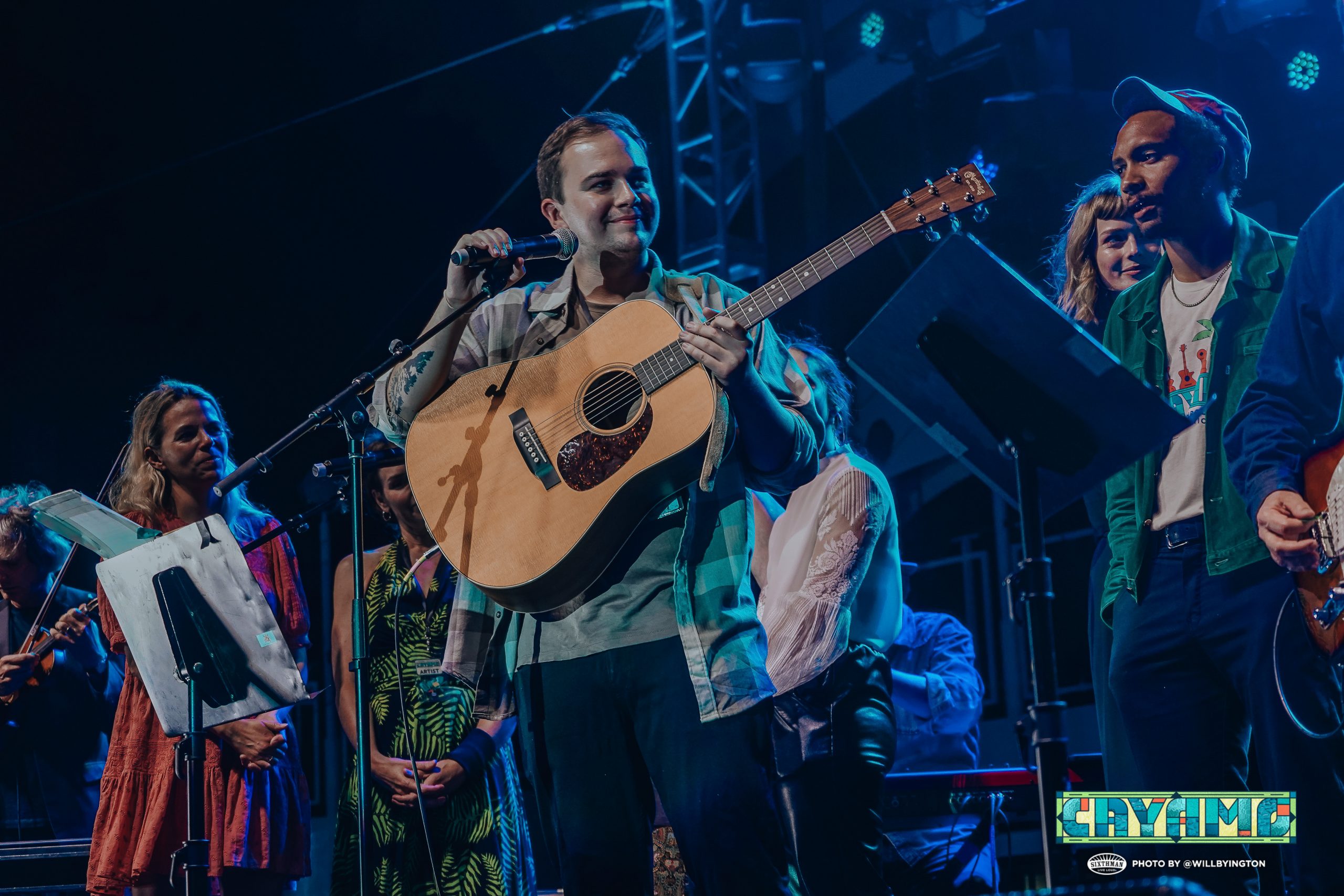
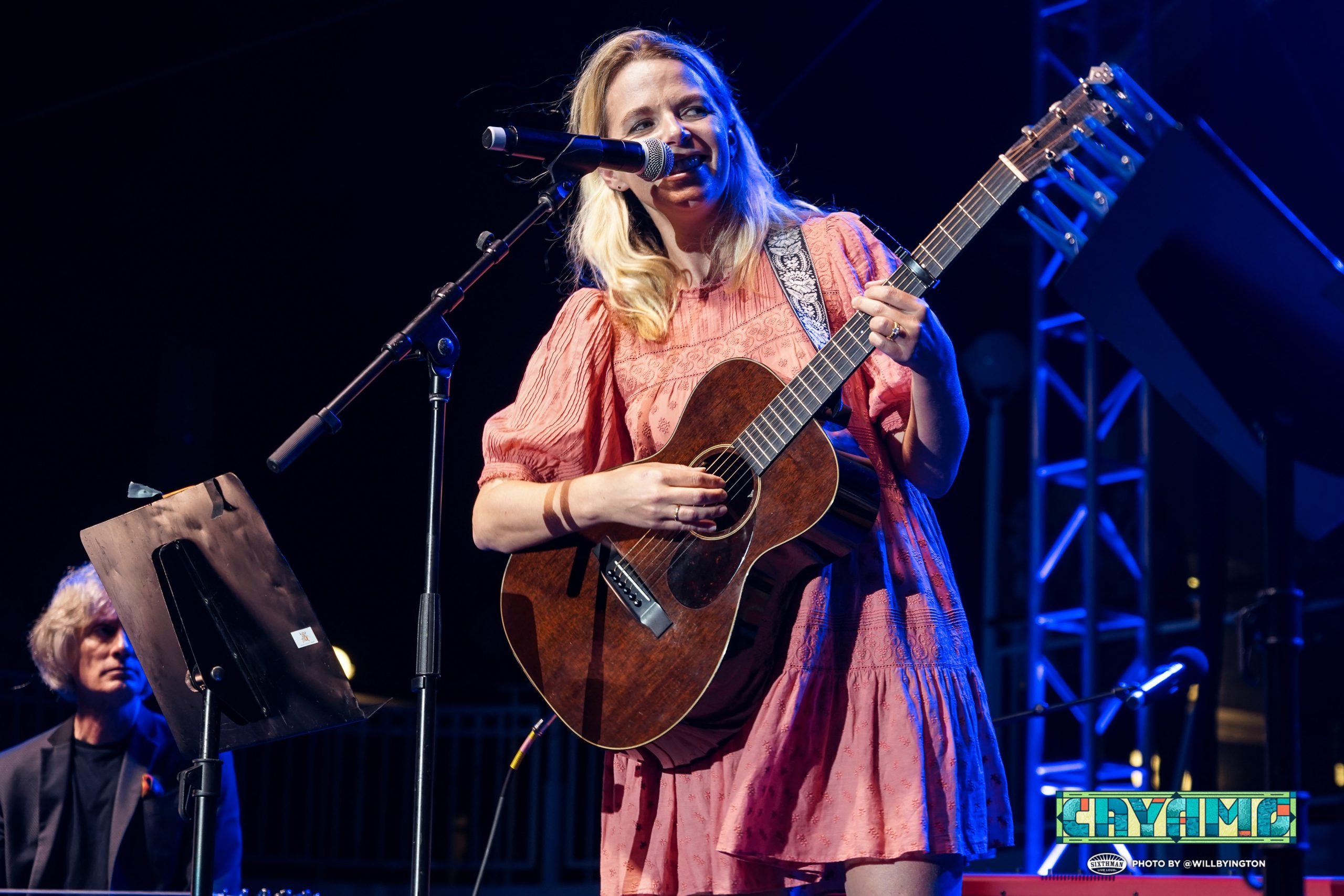
I first heard this song on the Cayamo cruise, which is a music cruise that sails through the Caribbean. I was a featured artist on the ship, as was Madison. I love the way Madison calls out the beauty standards of our society in this song. As a female artist, this feels especially poignant. There are extra pressures to look and act certain ways in the music industry. Madison’s lyrics are creating space for everyone. Not only is it a positive message, the melody is lovely and the rhythm is so vibey.

“Nightflyer” – Allison Russell

Allison and I run in some of the same circles in Nashville, so when I heard she was putting out an album I immediately checked it out. I was drawn to this song for the obvious reasons, the melody and overall vibe are gorgeous and, in addition, the descriptive nature of her lyrics really made me feel like I was in the same room with her. She uses all of her senses to let the listener in. It’s so descriptive and sings like a poem. “I’m the melody and the space between. Every note the swallow sings. I’m 14 vultures circling. I’m that crawling, dying thing…”

“Pressure Machine” – The Killers

The desperation of this song gets me every time. It describes hard living in a small town in such a visceral way. “A mattress on a hardwood floor. Who could ever ask for more? I’ll get up and cut the grass. Ain’t nothing wrong with working class.” I have listened to this song over and over. It always hits me in a new way. The melody is so delicate and gorgeous.

“First Time” – Becca Mancari

“I remember the first time my Dad didn’t hug me back. Under the porch light with my sister’s old cigarettes. With your hands hanging to your side and my face to your chest.” I love Becca’s description of this moment. It’s so sad and so beautiful. After I heard this song, I messaged Becca and asked her if she would sing on Modern Age. We had met a few years prior, but didn’t know each other well. She ended up singing on three of the songs: “80’s Baby,” “Kids,” and “Better Life.” She is such a talent.

“Teenage Drug” – Ethan Gruska

The production of this song is really cool. It feels very alive, the way that it moves and breathes. I love how the melody follows the instrumentation in the chorus. I first heard this song on a playlist when I was jogging. I kept coming back to it over and over.

“Chemicals” – Gregory Alan Isakov

I played a show that Greg was on a few years back with Hush Kids. When I saw him live, I fell in love with his music. I have listened to his album, Evening Machines, hundreds of times since then. “Chemicals” is my favorite song on that album. I love the lines, “You saw her bathing in the creek. Are you jealous of the water?”

“The Night We Met” – Lord Huron

I first heard Lord Huron play this song at Forecastle Festival in Louisville, Kentucky, a few years ago. I had just gotten done performing and I wandered to the nearest stage to see who was playing. Seeing it live got me hooked. This song feels like a dream. I think it’s a mixture of the heavy tremolo on the electric guitar and the vast reverb on his vocals that capture this dream-state so perfectly. The lyrical theme of wanting to go back in time sits so nicely in this vibe.

“Slow Burn” – Kacey Musgraves

I love the vast soundscape on this song. The album Golden Hour is such a good example of music blurring the genre lines in whatever way feels natural to the artist. These songs could have been produced in a traditional country format, but instead she and producers, (and buddies of mine!) Daniel Tashian and Ian Fitchuk, decided to take it a totally different, interesting way. This was incredibly inspiring and helped guide my way of thinking during the making of Modern Age.


Photo Credit: Fairlight Hubbard

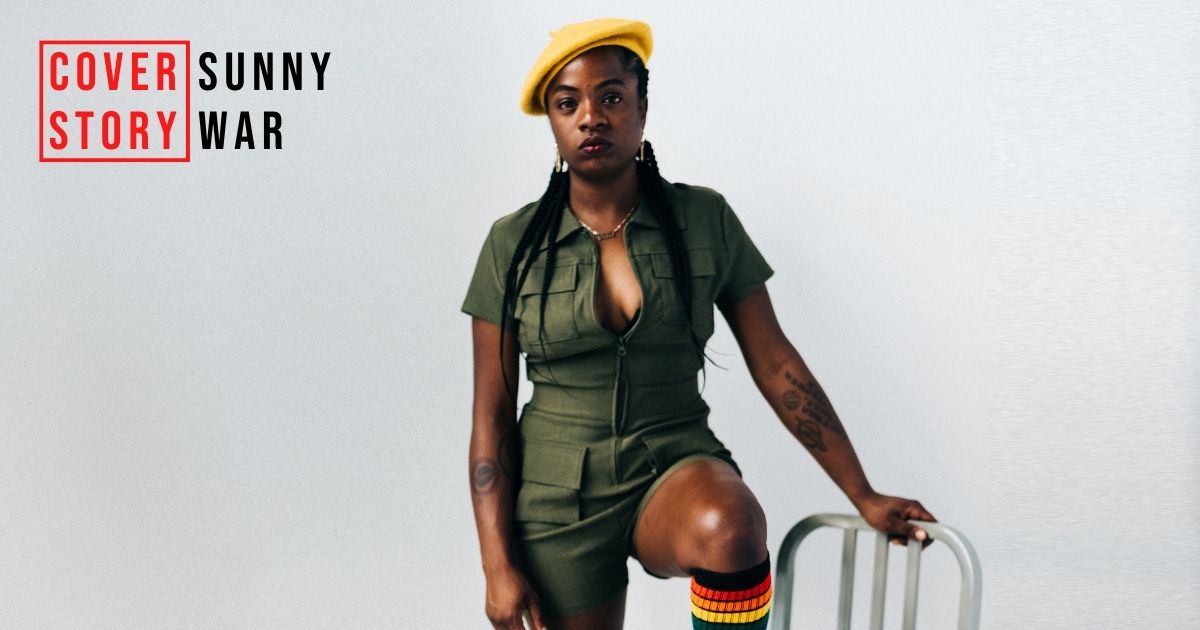
The ‘Anarchist Gospel,’ According to Sunny War

Sunny War’s stunning new album, Anarchist Gospel, is never preachy, because it doesn’t need to be. War’s evocation of both anarchy and gospel in this context is strikingly grounded, blossoming from everyday understandings and interactions with each concept. And deeper still, in these sweeping, grand arrangements built on sturdy bones of fingerstyle, folk-informed right-hand guitar techniques, she indicates actions really do speak louder than words. 

These songs are active. Bold, resplendent, and broad with dense, fully-realized production leading to tender, contemplative, and microscopic moments, War draws from her lived experiences, her days and years navigating poverty, living unhoused, sheltering in abandoned buildings, relying on and offering mutual aid, to direct messages of hope, resilience, resistance, and joy, not just to us, her listeners, but also to herself. 

Perhaps that’s why, in this collection of songs born out of a harrowing and challenging emotional, spiritual, and mental period of Sunny War’s more recent past, there is so much hope in hopelessness, a constant – though sometimes minute – light shimmering at the end of the tunnel. Anarchist Gospel isn’t preaching at us, because she is compassionately, kindly, and tenderly talking to herself. And we all, as listeners, audience members, and fans, are just so fortunate enough to be brought into this internal dialogue, from which we can learn and challenge ourselves, and each other, to make a better world for everyone right now. 

It’s a record whose underpinning moral-to-the-story is never burdensome or heavy, but rather uplifting and soaring, exactly as an Anarchist Gospel ought to be. We began our Cover Story interview connecting with Sunny War at home in Chattanooga over the phone, discussing how anarchy is not simply an academic concept, but a real, everyday practice.

I know that in your life, anarchy isn’t just a concept, it has a very real, concrete application in your day-to-day. I think first of your work with Food Not Bombs and the mutual aid work you’ve done in Los Angeles – and wherever you’ve lived. A lot of people right now, especially in younger generations, have frames of reference for anarchy and collectivism and mutual aid work, but usually in the abstract. As if these concepts can only be for some imagined future. So why is anarchy something you wanted to represent in the album and its title, and what does the concept of anarchy mean in your life?

Sunny War: The album title isn’t really political, to me. I felt like the big choruses [on the album] felt gospel in a way, but it wasn’t religious so I felt like it was Anarchist Gospel. It was really because of the one song, “Whole,” where I just felt like the message of the song was kind of about anarchy, in a way that most people could understand. I guess I’m more of a socialist now, but it’s the same sentiment. I just want people to have what they need. That’s more what anarchy means to me. It seems like it’s government that’s in the way of people getting what they need. 

For me, it’s more personal. When I was homeless, a lot of times we would be living in abandoned buildings and we’d get arrested for that. Anarchy, to me, means, “Why can’t we be here? Nobody else is going to be in here. Why are you keeping us from this?” It feels weird that we don’t get to claim where we live, but other people do. Why do they have more rights to the same places? I don’t know if that’s anarchy, so much as I just think people have a right to everything. 

It feels like there’s this agnosticism to the album, this come-togetherness, as something we can all feel and inhabit without necessarily being called to by a higher power. We really can all realize, whatever our starting points, that all we have is each other.

I’m not against people that need God, or whatever. I’ve been in places where I’ve felt like I wanted to believe in that before, so I can relate to where that comes from. But then, I don’t know… [Laughs] Whether it’s religious or spiritual, I don’t know. 

This sounds like a record where we’re all supposed to be singing along. Part of that is the gospel tones, the title but also in the genre and production style, but part of it is also the messages here. Uplifting people from darkness, hope in hopelessness – so to me, so many moments on this album feel like church! 

I love church! I grew up in church – well, I don’t love church, but I love gospel. I still listen to gospel and I guess I’m being nostalgic, but also it just slaps. That’s just good music. If you like original R&B, it’s the basis of so much of American music. I wish it was a little more, I dunno… I guess I wish it wasn’t religious. [Laughs] Then I’d really be into it. But it’s cool how it is. 

In the moments in this record that feel like they’re at the lowest point, I still hear so much hope. I hear surrender in this album, not the kind that’s giving up, but the kind that feels generative and hopeful – especially in “I Got No Fight” and “Hopeless” and “Higher.”

This record was a lot of me talking to myself. It’s definitely the loneliest I’ve ever been writing something. Every other album I’ve ever made, I was in a relationship. This was different. After me and my ex broke up, I wasn’t even really socializing with my friends, because we had the same friends and I was embarrassed about our break up. I was so bitter, I didn’t want to be around anyone. I felt like I couldn’t be around anyone. I was barely leaving the house, I was isolating myself and got really morbid. I wasn’t turning lights on. [Laughs] I would sit in the dark a lot, I was lighting candles – [Laughing] I don’t really know what was going on, but it was mostly bad, I would drink a lot, and then I’d be like, “I’m drinking too much, I gotta get sober.” It would just repeat over and over again. But I was desperately trying to finish the album, because I was broke. I had the deal with New West, but I still had to produce the album before anything could get rolling. It was just what I had to do, but I was also going insane at the same time, and really angry. 

Do you feel like making the record brought closure to any of that for you? I feel like I can hear a release of tension in this album, but I wonder where that comes from, because so many of the songs, individually, have these big, emotional releases. How does it feel to be at this point, looking back with the clarity you have now?

The second I wrote “I Got No Fight” I remember immediately feeling better. I made the demo, and afterwards it made me feel like I was just having a tantrum. But it was like I had to make the song to really understand what I was going through. After making the demo, I realized, “I am just freaking out, I think I’m having a panic attack.” After hearing this song, it helped me understand like, “This is not real, this is just a temporary feeling.” But I couldn’t really feel anything else until after that. 

I have spent so much time over the past couple years trying to teach myself that the point of feelings is to feel them.

Yeah, but they suck most of the time. [Laughs] I don’t want most of them. 

The line in that song, “Sometimes the end is the only light I see,” might be my favorite line on the record. There’s nihilism and existentialism in it, but it doesn’t feel hopeless or despairing. It’s kind of a cheerful, “Oh right! Nothing matters!” Where did that line come from for you? 

That gets me through the day, a lot. Sometimes I think of life as just a jail sentence and I always think like, “Well, I probably am only going to live fifty more years at the most.” Sometimes that helps me get through the day. [Laughs] I know that that sounds negative, but that can really be uplifting if you chose for it to be!

It feels a lot lighter, to me at least, once you realize that nothing matters. Suddenly you can laugh a little bit more, improvise more – like lately, I’ve been trying to accept that I have no idea what I’m doing. I’m trying to get comfortable with it. In my twenties, I felt like I was trying to make plans all the time, planning so far into the future and just getting disappointed with stuff. It’s better to [recognize] – which is almost like religious people – you’re just powerless. Just try to eat something, drink some water. [Laughs] 

Let’s talk about your guitar playing. I love your right hand so much. I think what’s entrancing about your guitar on this album is that it’s holding these songs together, but not as much as a rhythmic instrument or comping instrument, like in your past records. It’s more textural, to add depth and complexity, but your playing is still so hooky, melodically. Your personality comes through the guitar on top of all of these tracks. How did you accomplish that balance, having the guitar front and center and immediate, but it’s also not necessarily the centerpiece of these songs?

I think it’s because this is the first record where I knew how to use Logic, so my demos were almost full tracks already. I was adding keyboard and bass and programming drums to things before even going into the studio. A lot of the songs are all based on riffs that I’ve had for a while, that I couldn’t figure out how to use. Before, a lot of my other stuff, I was just writing a song. Now, I just collect guitar parts and I try to make them work in something, but I don’t really have a [plan for them, initially.] I’m basing it more off the guitar parts now. 

How do you like the banjo? Is this the first time you had banjo on a record? 

Yeah!

What do you think writing on the banjo leads you to that a guitar or keys or writing on another instrument wouldn’t lead you to?

Anything that’s tuned differently makes me have to think differently about stuff. I still don’t really “get” the banjo, it’s weird because I have had a banjo for over 10 years now, but it still seems like something I’m trying to learn about. I just recently got okay with being like, “I’m just going to make sounds with it.” I’m not going to try to “learn” it. [Laughs] I definitely want to make more songs with the banjo – and maybe even without a guitar, and see what that’s like. Some of my favorite buskers I’ve ever seen are just a singer with a banjo. I think it makes people sing different. I gotta get my banjos out now… 

Guitar culture – guitar shop culture, guitar show culture – it’s such a toxically masculine scene, and it’s so competitive and punishing, that I kind of have realized over the past few years that the people helping me realize I still love the guitar and guitar culture are all women and femmes. Like, Jackie Venson, Molly Tuttle, folks like Celisse and Madison Cunningham, or like Kaki King and Megan McCormick and Joy Clark – I can think of so many guitarists who aren’t just really good, but they’re also pushing the envelope, they’re innovating, and they have really strong perspectives and voices on the instrument, like yourself. So I wanted to ask you about your own relationship with guitar culture and the guitar scene, because as a queer banjo player who loves music, I kinda hate people who love guitar. But I’ve been so grateful that all these women are reminding me I can love guitar and it’s not just a patriarchal, toxically masculine instrument and scene.

I just try to stay out of it. Sometimes at shows, guitar guys talk to me and I just tell them, “I don’t know. I don’t know.” [Laughs] Because I don’t want to get into any discussion about it. I know a lot of people who can really play, but [guitar guys] make it so you have to be kinda crazy, kinda obsessive. And it’s so competitive. That doesn’t sound fun to me. I don’t get how that’s fun anymore. It’s not art, at that point. It’s almost like a sport. Which you can, go ahead and practice scales all day so you can play the fastest, but then a lot of times people can be really technically good, but there’s no soul in it. They’re just trying to cram as many riffs into something as possible. They take all the art out of it, they’re technically playing perfectly, but I don’t feel anything. 

I would much rather be listening to my favorite guitar player, who is Yasmin Williams. It’s not just because of technical ability, but because it’s progressive. I’m like, “That’s outta the box, I don’t know where that’s going.” That’s what I like about it. 


Photo credit: Joshua Black Wilkins
After 100 Shows, Madison Cunningham Broke Through Barrier of Stage Fright

Madison Cunningham isn’t afraid to open up. Her latest album, Revealer, finds the singer-songwriter, well, revealing glimpses into her innermost thoughts, whether she’s musing on the push-pull of big dreams and life on the road in “All I’ve Ever Known” or grappling with mistakes on acclaimed single “Hospital.”

“What’s fun about writing is when you get to the place where you can make yourself laugh, or you’re excited about what’s happening,” she says. Lately, there’s a lot to be excited about. Revealer has earned the 26-year-old California native two Grammy nominations: one under Best Roots Performance for album track “Life According to Raechel,” and one for Best Folk Album. And while she’s long been a regular presence on big stages (BGS fans may recognize her from appearances on Chris Thile’s Live from Here as early as 2017), Cunningham continues to reach new audiences with wide-spanning tour dates and late-night appearances on shows like The Late Late Show, Jimmy Kimmel Live, and The Tonight Show With Jimmy Fallon.

Even when she’s bearing vulnerable parts of herself with deeply confessional lyrics, Cunningham seems like a natural on the stage. But despite a nearly lifelong devotion to songwriting and guitar, sharing her work with the world hasn’t always come easy.

“A lot of my life I felt like, as a performer, I wasn’t fully representing myself because of my nerves,” she admits. Stage fright kept her from performing for much of her adolescence, and the confident singer we see today had to work hard to overcome her own reservations. “I am proud of the live music element to what we accomplished in the last year,” she adds. “I mean, that’s most of what I did in 2022—playing shows. My band and I put a lot of time and effort into making these songs translate to a live setting.”

After playing an even one hundred shows in 2022, Cunningham unlocked a new kind of conviction on stage—one that makes the future for this young talent all the more exciting. “I worked on things that I felt like I got better at—stage presence and engaging with an audience—and my voice sounded comfortable,” she says. “I’ve always been very hard on myself for those things, and this time I felt like I broke through some barriers.”

BGS caught up with Cunningham, our BGS Artist of the Month for January, about her musical upbringing, her broad definition of folk music, and the careful balance between believing in yourself and inviting others on your creative journey—both in the studio and on the stage.

BGS: What are your first memories with music?

Cunningham: Apparently, as a kid I really wanted to play guitar at around 4 years old. I didn’t actually start playing until I was 7 and that’s when I can remember falling in love with the guitar. My dad would teach me all the chords that he knew at the pace that I was able to keep up. And then, it grew. I started taking piano lessons but I just kept getting drawn back to guitar. Those are probably my earliest memories, my dad playing and me wanting to be able to join in with him.

How did that evolve into a career as a performer?

It took a long time because I was really shy. I had a terrible case of stage fright, starting when I was a kid. Even though there was a love for it that was brewing behind the scenes, I never pictured myself doing it in front of people. So, that took a really, really long time for me to get over. I was probably 12 when I started really singing from the stage, but there was a whole new phase when I started playing my own music; I was deathly afraid to play it in front of people. I was 17 or 18 when I started to work through that and get over it. All I really knew is I loved writing songs.

You’ve been writing songs for a long time, but you’ve also found new fans through the covers you released during the height of the pandemic. What value did you find in recording music from other artists and songwriters?

It broke down certain barriers that I had for myself as a songwriter. That’s what’s so important about keeping your mind and your heart open to music that challenges you and inspires you. It opens up new ways for you to express yourself and new ways of playing and thinking about music. That’s what those covers were for me: They were linchpin artists who taught me about what it was that I loved about music. Being able to actually step inside of those songs and play them for myself taught me more about what I loved about songwriting in general, and how I wanted my songs to live on beyond myself and the moment in which they were created.

“All I’ve Ever Known” is the first song on the album, and you’ve said it was the first one you wrote for the album. How did the production come together?

That’s the one song on the album where I played everything. But initially the concept of the record was to do that for every song. Things changed; I didn’t want to be stuck in my own echo chamber of ideas and I wanted someone else to bring their unexpected artistry to this. But for whatever reason, with that song, I kept trying to redo it and invite some of my favorite musicians on it, but it just kept pulling the song in a direction that was not how it started and not where it was supposed to end. I think things should always be able to be redirected, and I’m a huge fan of course-correcting, but it felt like the spirit of the song lived in this version that was created by me. So, I left it. I added the production elements that I felt would elevate it. I’d let it sit for a little bit. At one point, I’d added too much and had to go back and turn some things off. [Laughs] But the production of that song was really just an element of me following my curiosity and having the most fun doing it.

You’re nominated for Best Roots Performance for “Life According to Raechel.” But you’ve said that you were actually deeply afraid to record that song. Why?

I was afraid that I was going to complicate it—not be brave enough to let it be the simplistic song that it was. I had recorded a version of it at home that was very much a demo, and we were going to enhance the quality and redo it and add strings. To find the balance between sincerity and theater can be really difficult, but I felt like the song needed both. Tyler Chester, who produced that song, never let me try to get too impressive with it. He kind of slapped my hand if I wanted to add something that was too frivolous or add anything that took away or pulled against the narrative of the song. A song like that is so personal. I was afraid that I would saturate it with sappiness. It was kind of on this tightrope.

The song is about losing your grandmother. Is there anything you wish she could witness about your journey since you wrote it?

I think everybody’s biggest fear, when you think about death and when you think about leaving, is feeling like nobody’s going to care, or that people will soon forget, or that everything that you worked for in your life is a loss. I would love her to see that a story about her in a song has seemingly helped other people through their own versions of grief. I think that would’ve been an impactful thing for her to see—maybe even a bit of closure. Who knows? I don’t know where she is now. Does she even need closure in any way? I don’t know. These are all questions that none of us could ever have the real answers to. But I find it fascinating that death is such a universal reality, but still it’s this massive mystery.

Revealer is nominated for Best Folk Album, but it’s clear that your music is influenced by so much more than just one genre. What elements of folk do you feel have most influenced your music?

Folk music is at the heart of the way we view songwriting today. Folk, to me, is almost just another word for singer-songwriter. The great mothers and fathers of folk like Joni Mitchell, Bob Dylan… all of those people brought to the table some real lyrical awakening. They put so much of themselves into the songs. The veil between their emotions and their lyrics was completely translucent. The melody component in folk, too, is incredibly inspiring to me. But folk is just a small word for a very, very large genre packed with so many different ideas. And people have taken it in so many different directions. I’ve been excited about a lot of it.

You struggled with stage fright in the beginning. If you could go back and tell yourself one thing, what would it be?

Probably to not worry so much about the rules around music, or the rules that people set in place. But sometimes, I would like her to come and give me advice, because there was so much less that I was thinking about back then. So much comes into play as you get older, as you’re more aware of the way that life works. I feel like the sort of oblivion, the ignorance that I got to live in at that time was so good for art.


Photo Credit: Claire Marie Vogel

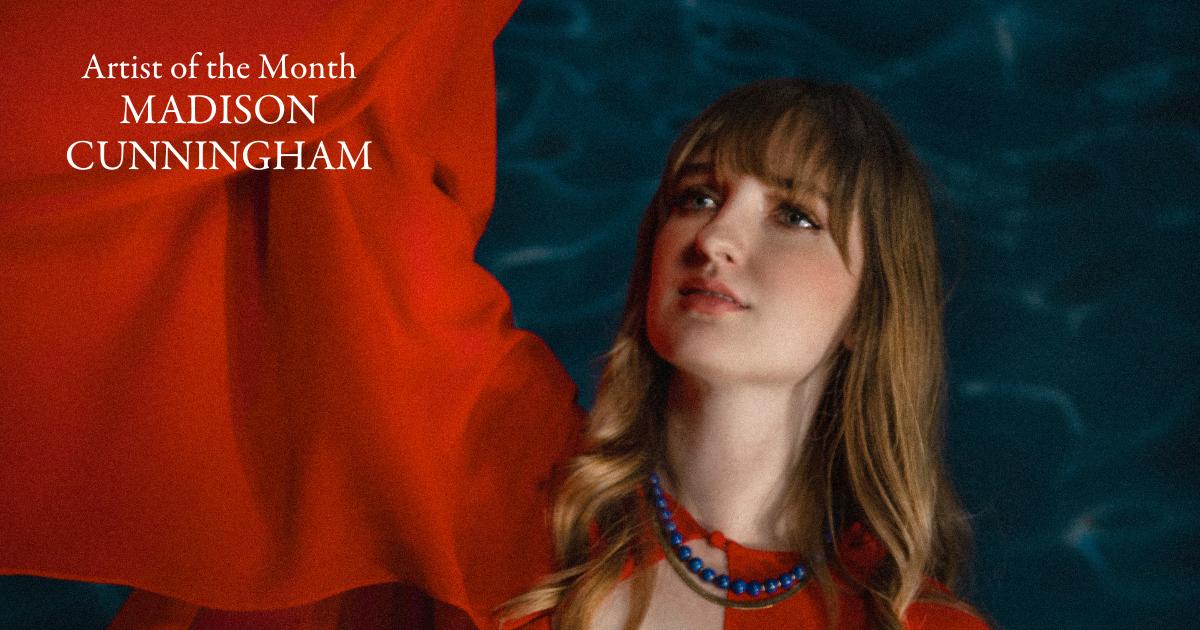
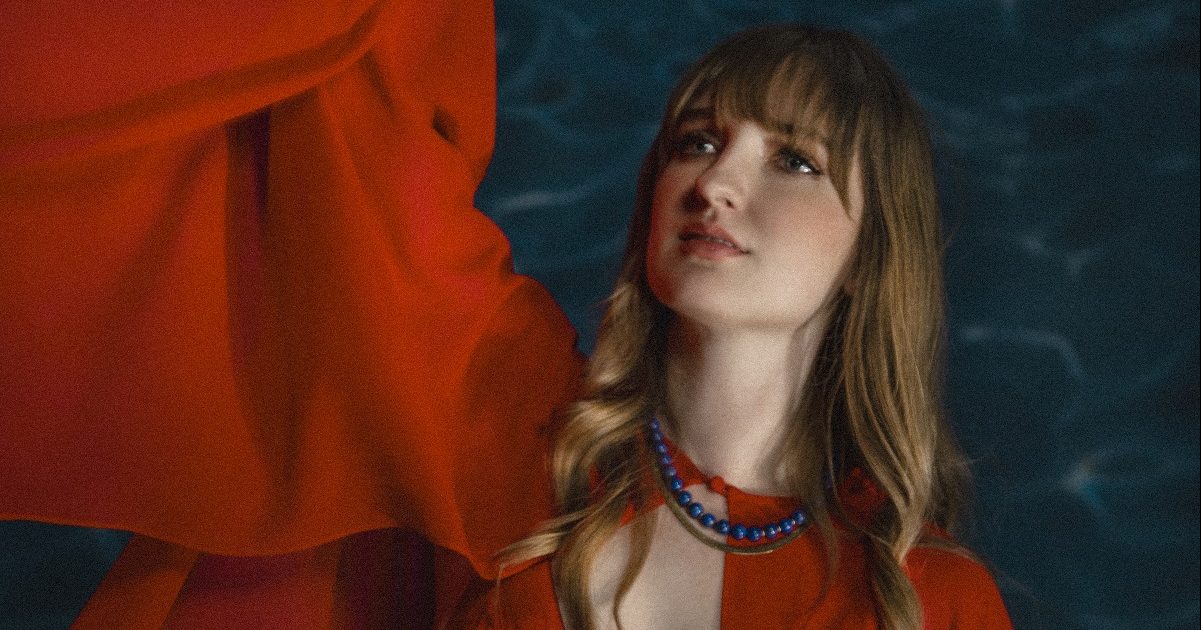
Artist of the Month: Madison Cunningham

Madison Cunningham has packed a career’s worth of highlights into just a few short years. Four Grammy nominations over three years, frequent television appearances, epic collaborations, even opening for Harry Styles. Plus the Anaheim, California, native just wrapped an expansive European tour supporting her latest album, Revealer.

An ambitious guitarist who isn’t afraid of defying conventions, Cunningham is more than just a singer-songwriter, more than folk, and more than rock. That said, she is exceptional in all three fields. Last year, NPR Music’s Stephen Thompson wrote, “She is such a subtly kickass guitarist, and this record contains one of the most beautiful, tear-jerking ballads I’ve heard in a really, really long time called ‘Life According to Raechel.’”
Cunningham wrote the song during a rough patch in her life, complicated by the sudden loss of her grandmother. She explains, “You’ve got this wound that’s never really going to heal, because you’re going to feel the absence of that person for the rest of your life. It’s never going to be resolved. When I realized that, I turned a corner I knew I wouldn’t come back from. When I was able to finally be honest about what it felt like to grieve her, I was able to properly grieve the state of the world and the other things I had lost. Like earning your first gray hair. You could pluck it, but it would just keep growing back.”

Next month at the Grammy Awards, “Life According to Raechel” will compete for Best American Roots Recording, while Revealer (produced by Tyler Chester, Mike Elizondo and Tucker Martine) is up for Best Folk Album. That one-word title, of course, carries a deeper meaning for the artist. “There’s a sense of conflict about revealing anything about yourself—not just what to reveal, but whether you should reveal anything at all,” she says. “When you have to vouch for yourself and present a true picture of who you are, that can get confusing very quickly. This record is a product of me trying to find myself and my interests again. I felt like somewhere along the way I had lost the big picture of my own life.”

At 26 years old, that big picture is certainly not yet fully painted. With masterful guitar playing and solid musical instincts, who knows what the future will reveal? A breathtaking orchestral reimagining of “Life According to Raechel” recorded with Nu Deco Ensemble shows that the possibilities are endless. Don’t miss our exclusive interview with our first BGS Artist of the Month of 2023 later this month. Meanwhile, you can dive into her impressive catalog with our BGS Essentials playlist below.


Photo Credit: Claire Marie Vogel

Madison Cunningham Channels Her Imagined Conversations in “Anywhere”
On the heels of her success and recognition over the last few years, Madison Cunningham has kept the pedal to the metal. Her newest single “Anywhere” is an interesting intersection of Americana songwriting and intricate pop production methods. Almost avant-garde, the accompanying music video mirrors the song well. True and earnest, Cunningham’s sound is magnetic, wielding a sort of ‘can’t put my finger on it’ familiarity. As she explains, “‘Anywhere’ is a song about the inner dialogue you have with a person when they’re not there, saying all the things you would say if you could. And the combusting madness that comes with letting people’s opinion of you hold too much weight.”
Based in Los Angeles, the 25-year-old singer-songwriter has shared the stage with some heavy hitters following her breakthrough 2019 album, Who Are You Now. In 2021, Cunningham opened for the pop magnate Harry Styles at his Madison Square Garden shows. In 2020, her EP Wednesday was heralded as a tasteful follow-up to Who Are You Now, which earned a Grammy nomination for Best Americana Album. Then in July 2021, Wednesday was rereleased with additional music, filling out a full-length record titled Wednesday (Extended Edition) that ultimately received a Grammy nomination for Best Folk Album. Clearly, Cunningham is hitting a powerful stride right now, with new music out right now and a long tour on the books for summer and early fall. Check out her evocative video for “Anywhere” below.


Photo Credit: Claire Marie Vogel

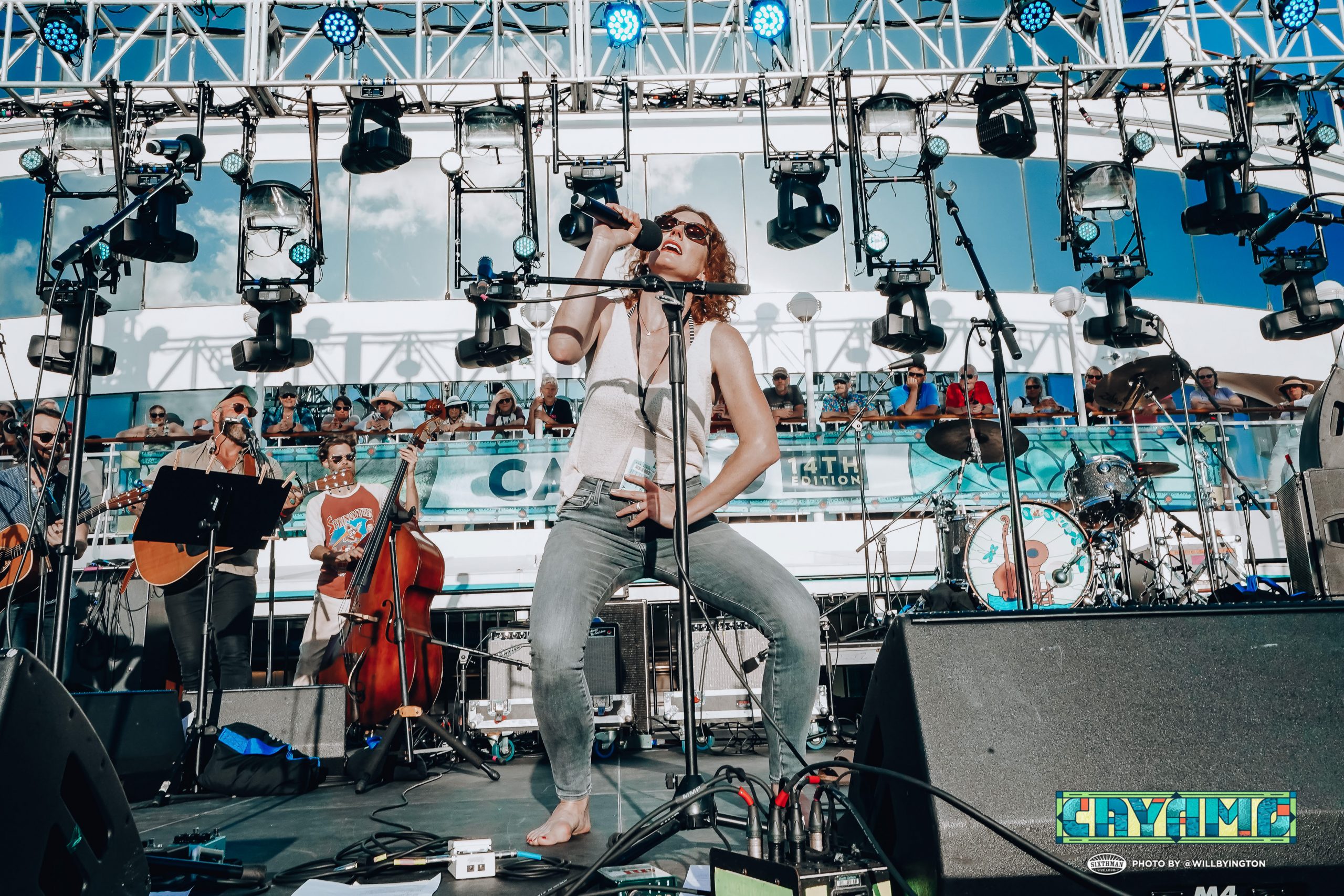
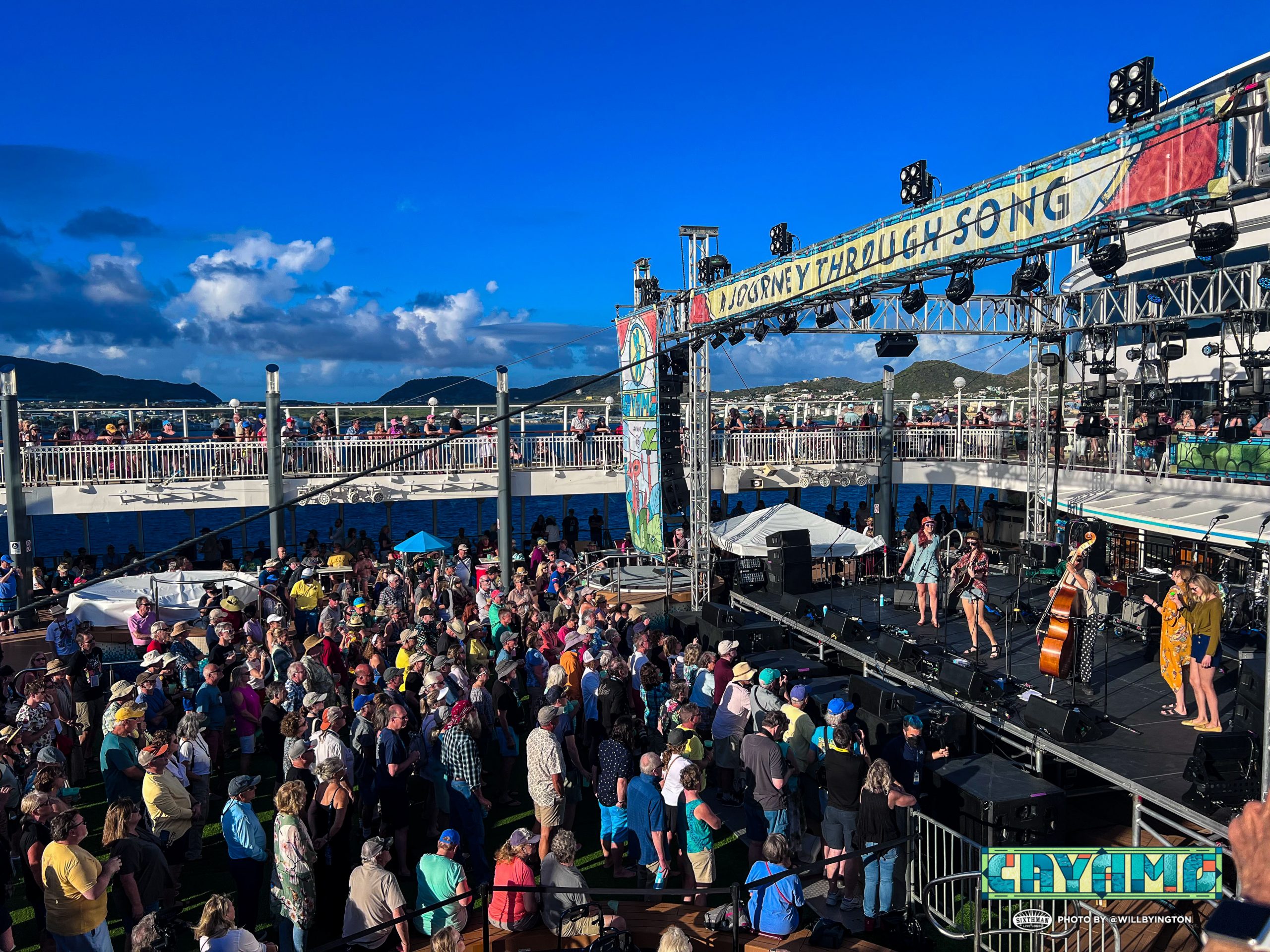
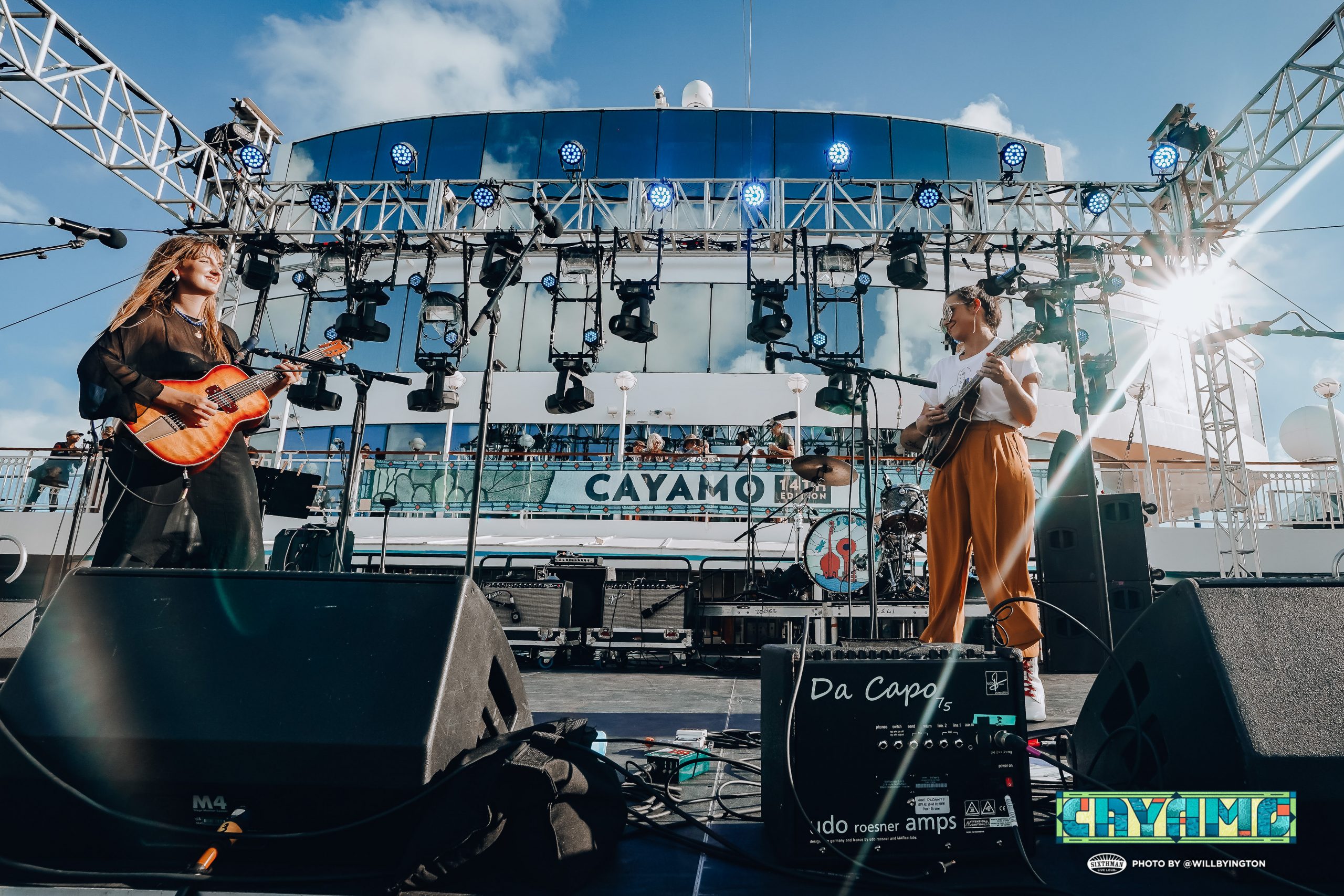
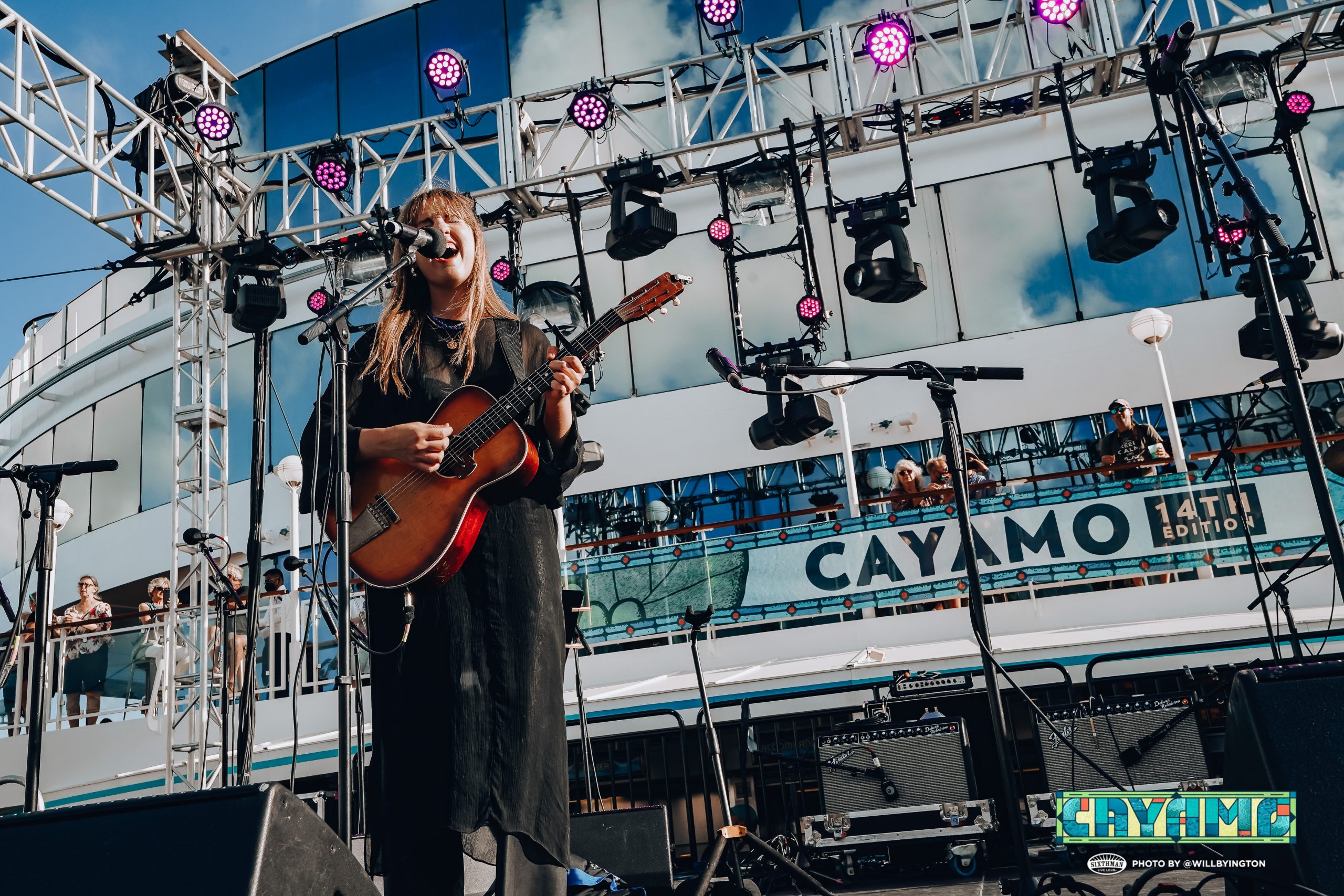
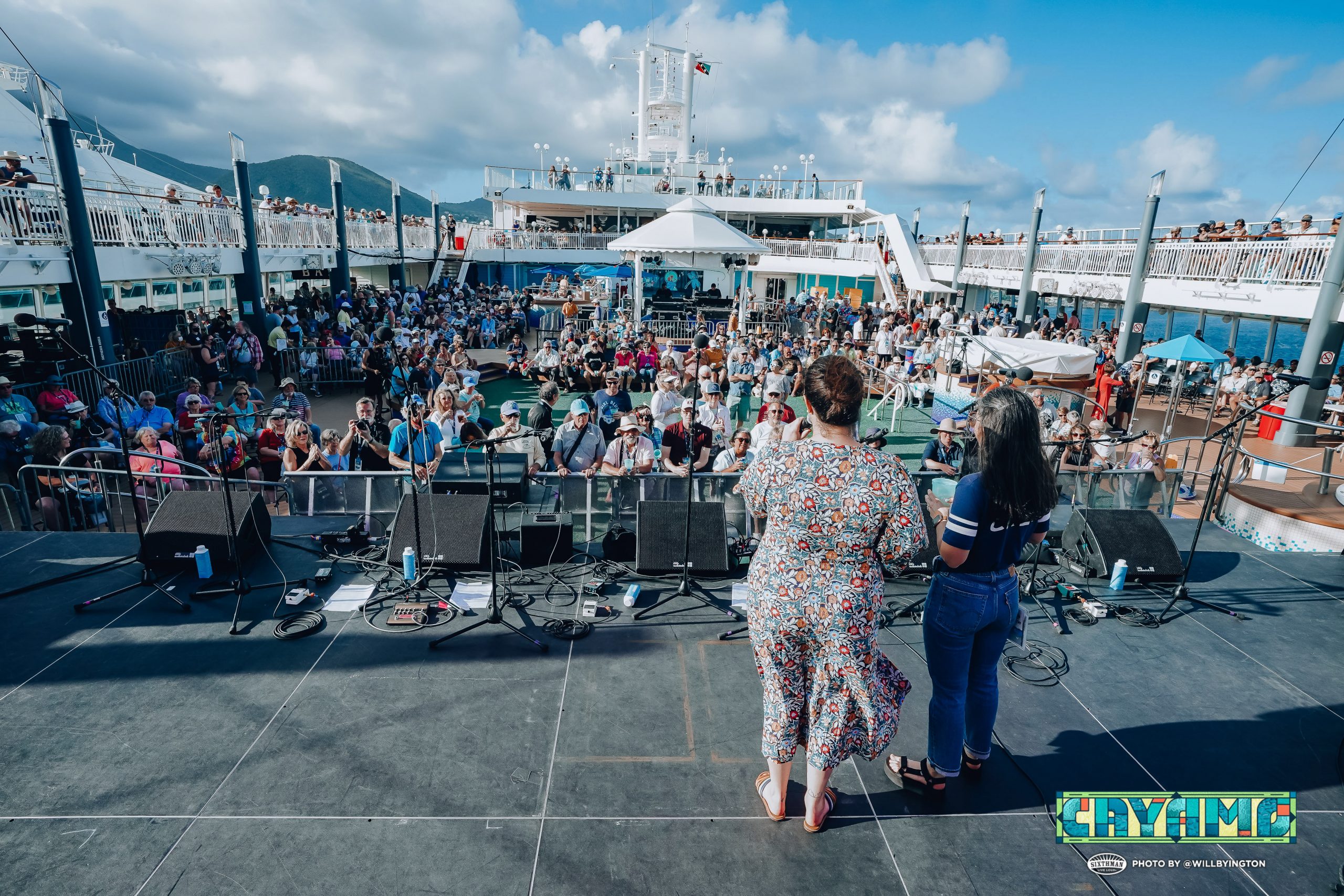
Songs of Joy and Celebration Aboard Cayamo

Editor’s Note: We’re headed back out to sea for the 15th edition of Cayamo: A Journey Through Song! There are still cabins available if you’d like to join in the fun.


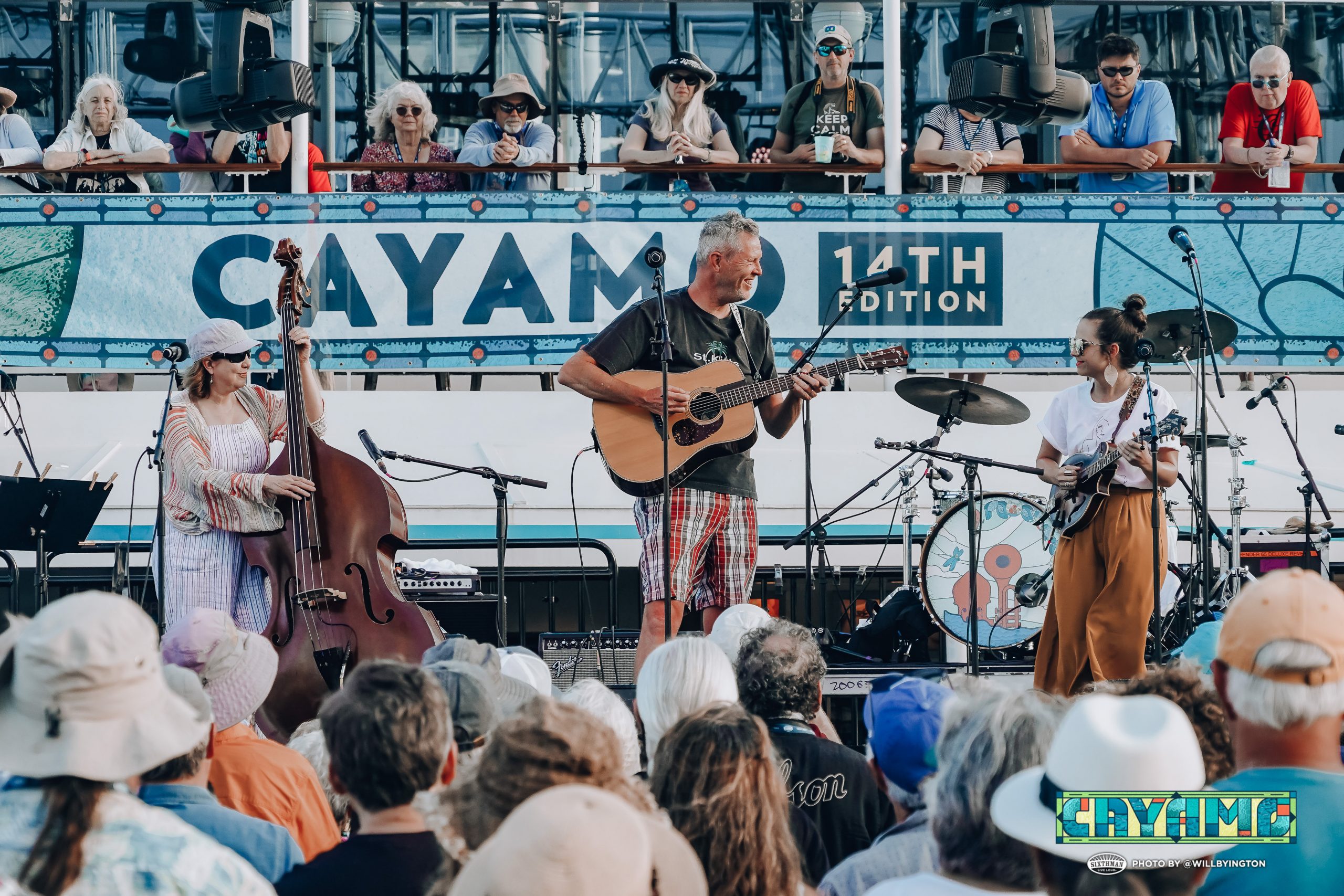
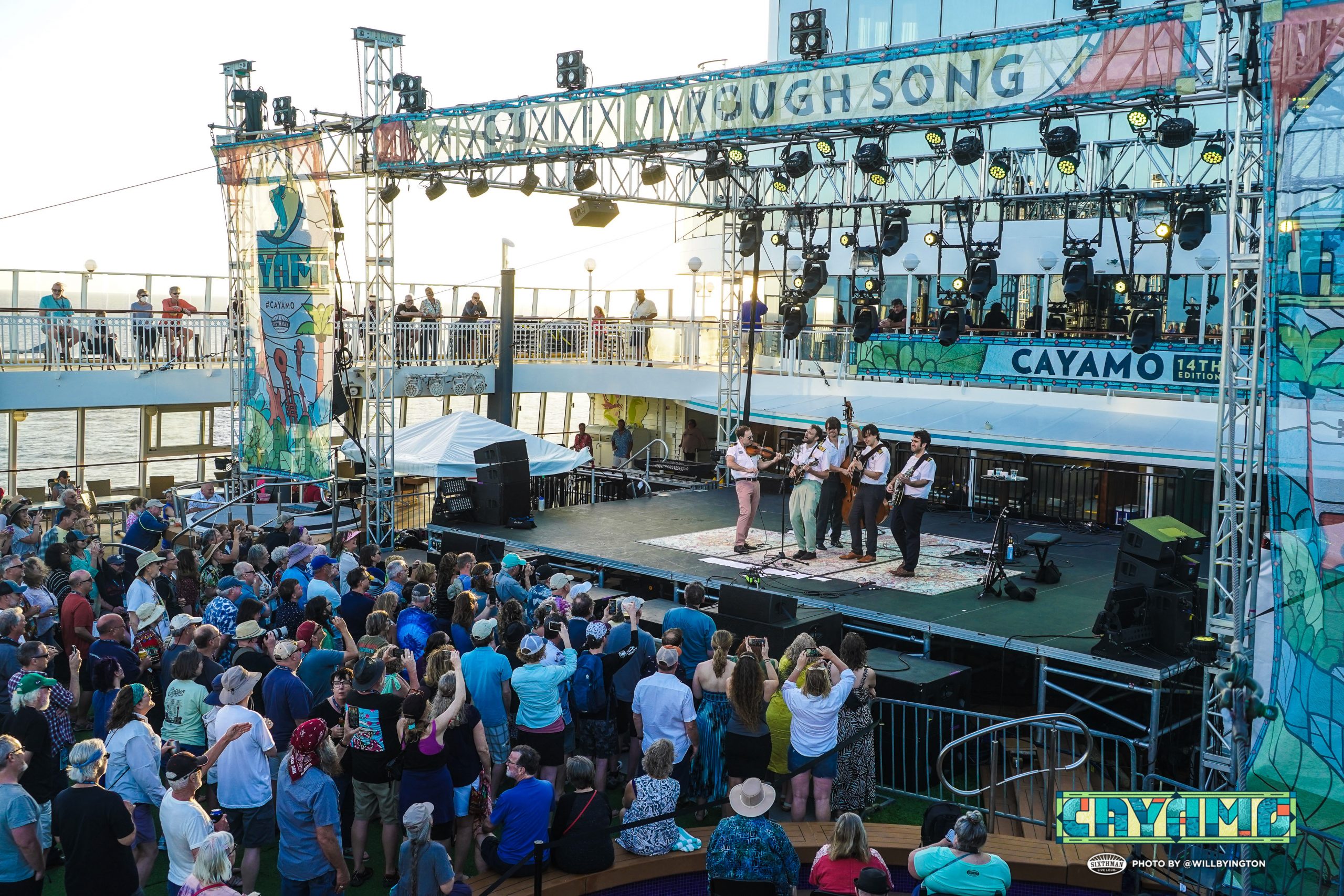
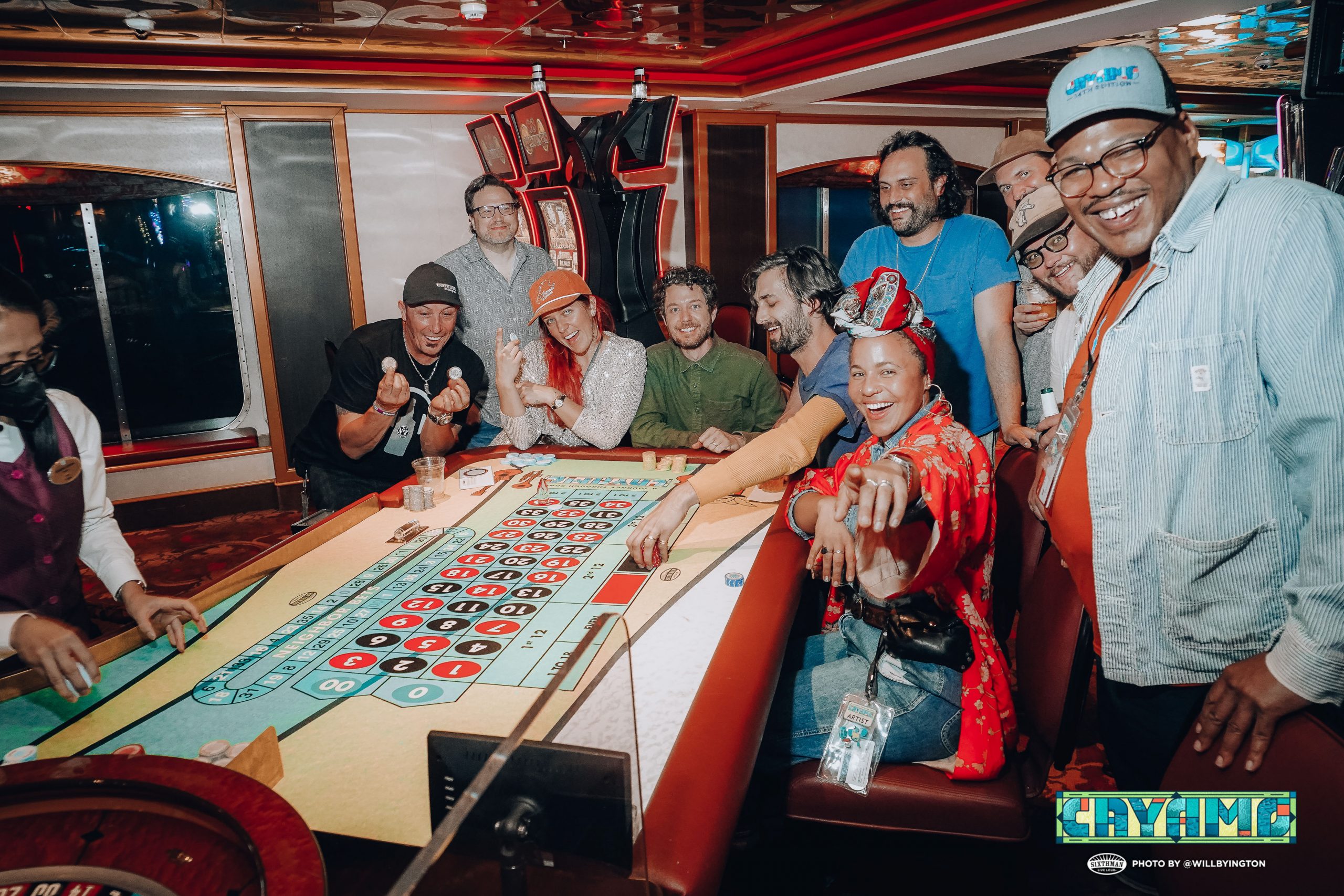
The BGS team is currently working on getting our land legs back after a week at sea with the Sixthman team, as we made our music-filled journey from Miami to St. Thomas and St. Kitts aboard the 14th edition of Cayamo – and what a week it was!

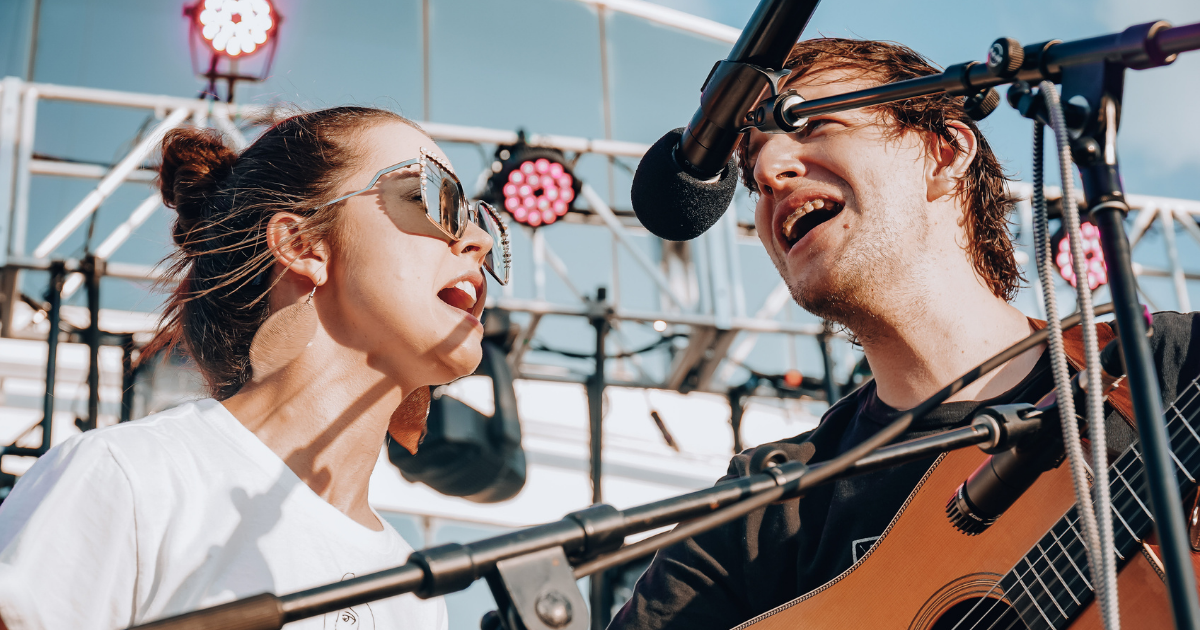
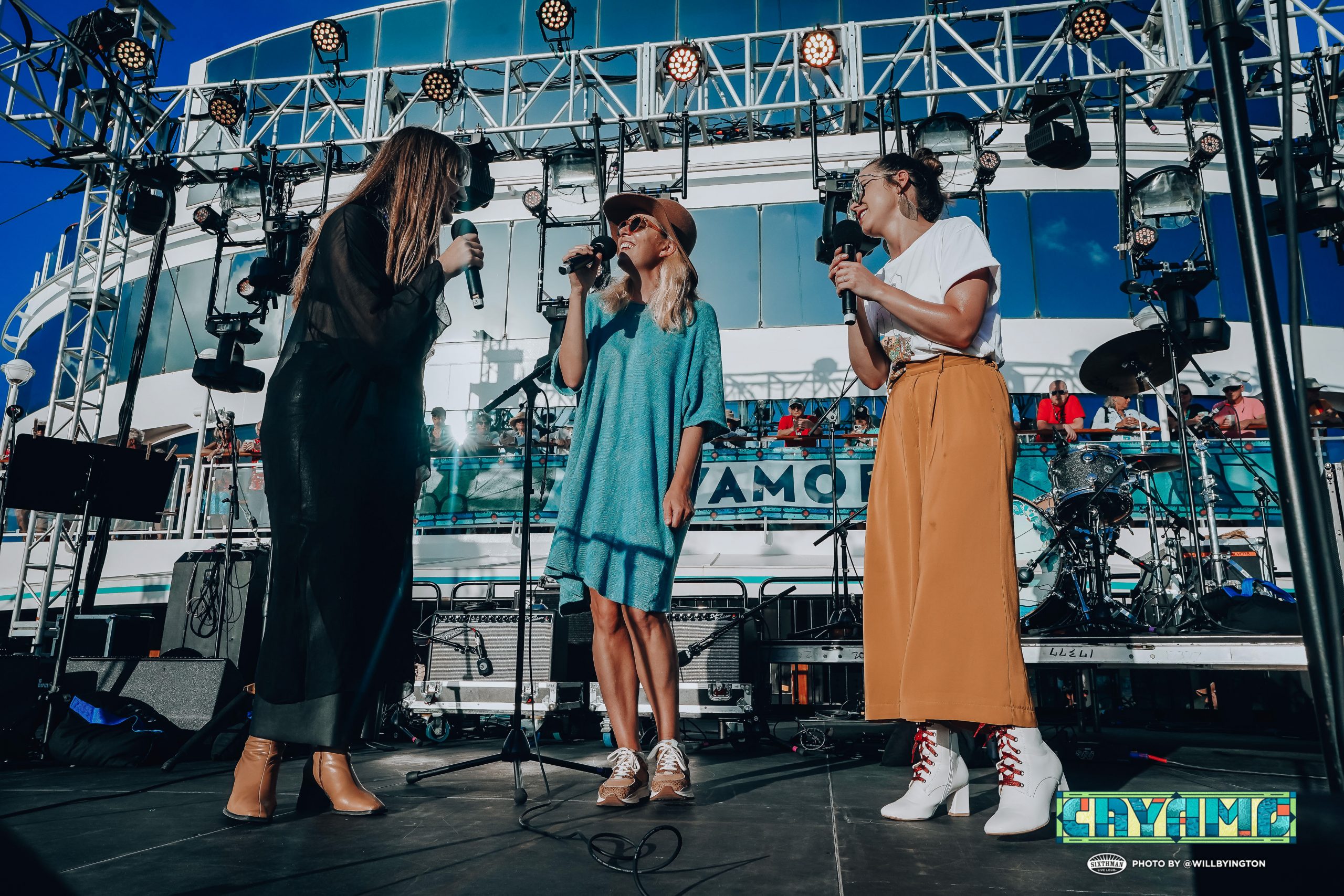
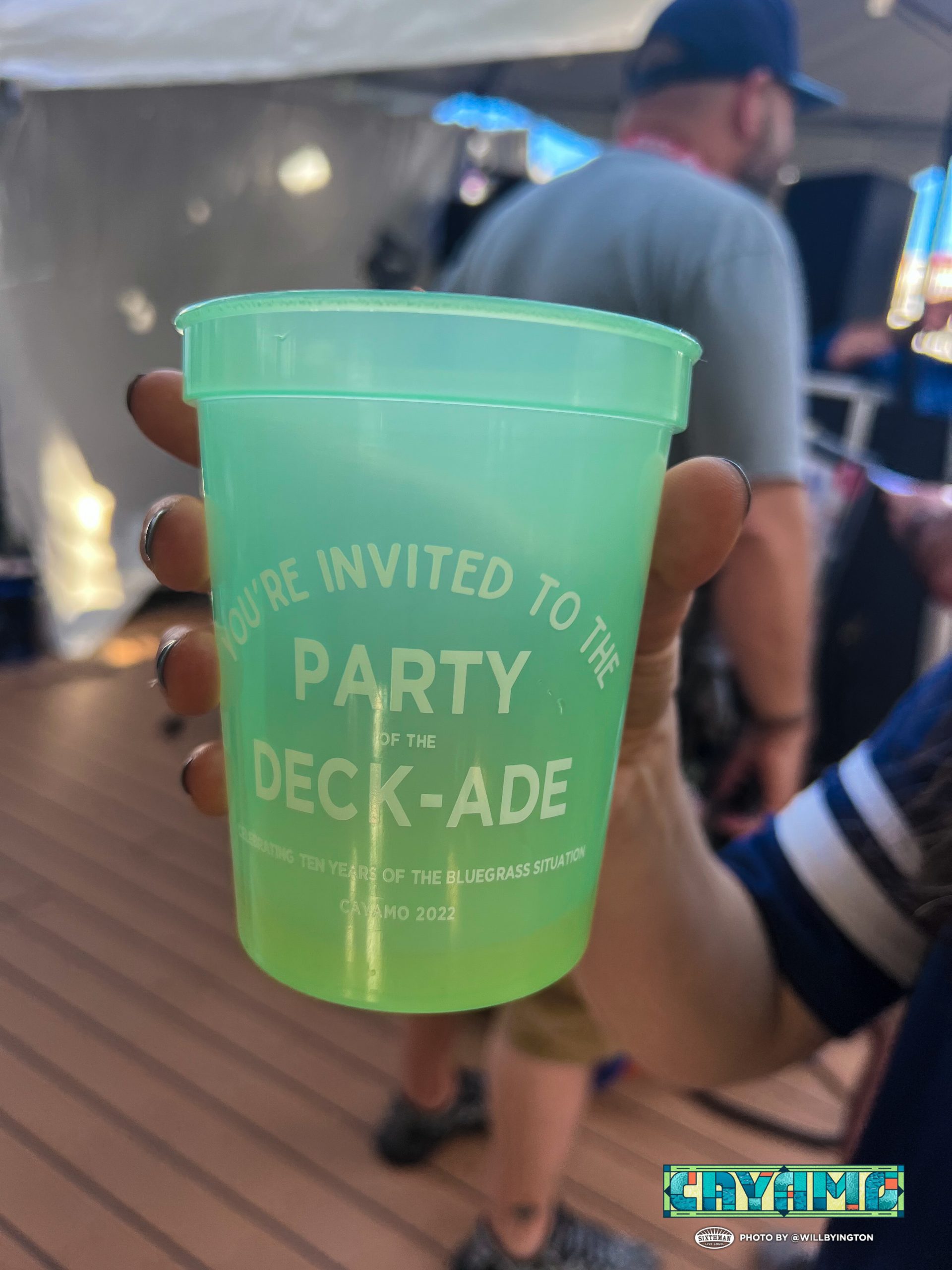
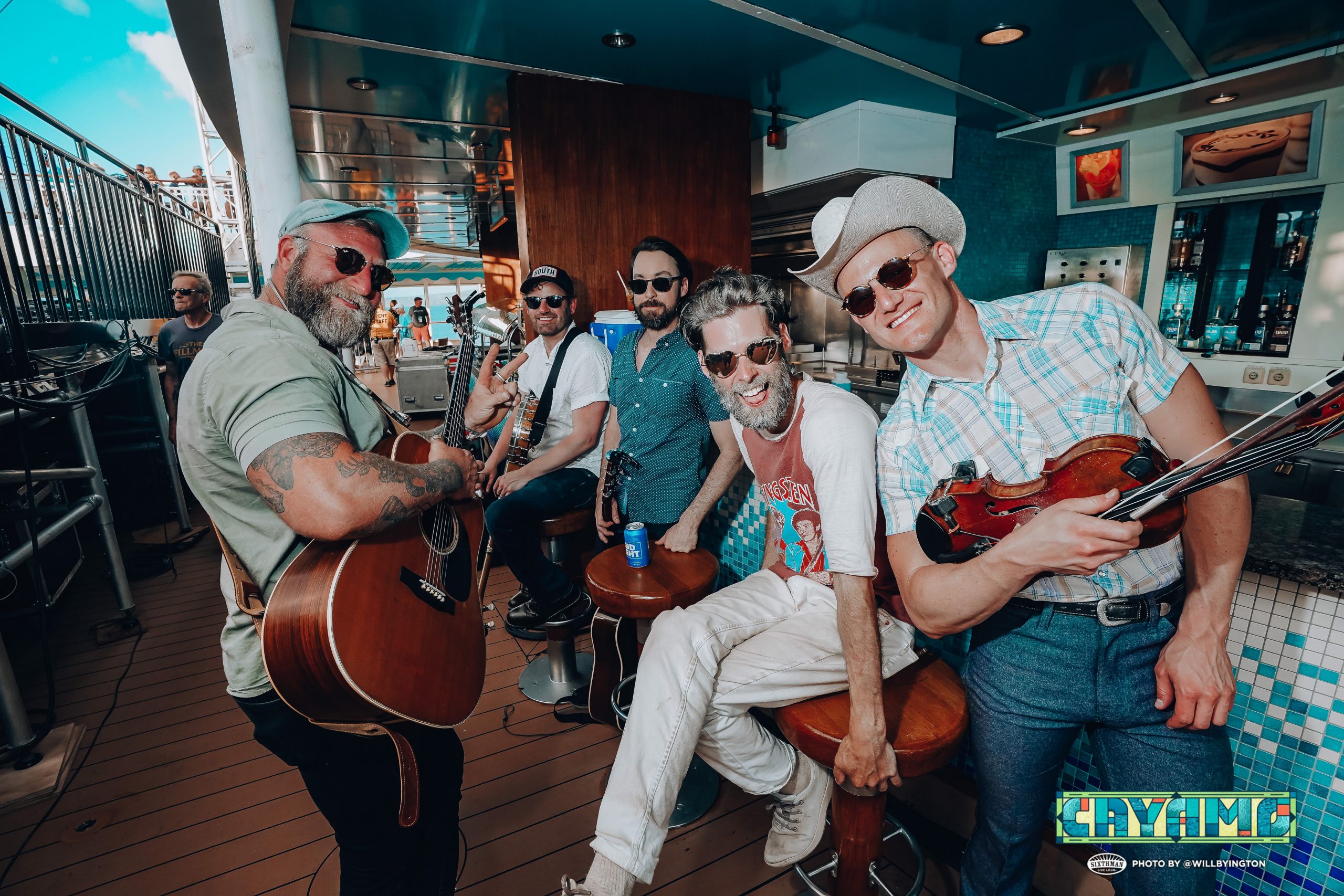
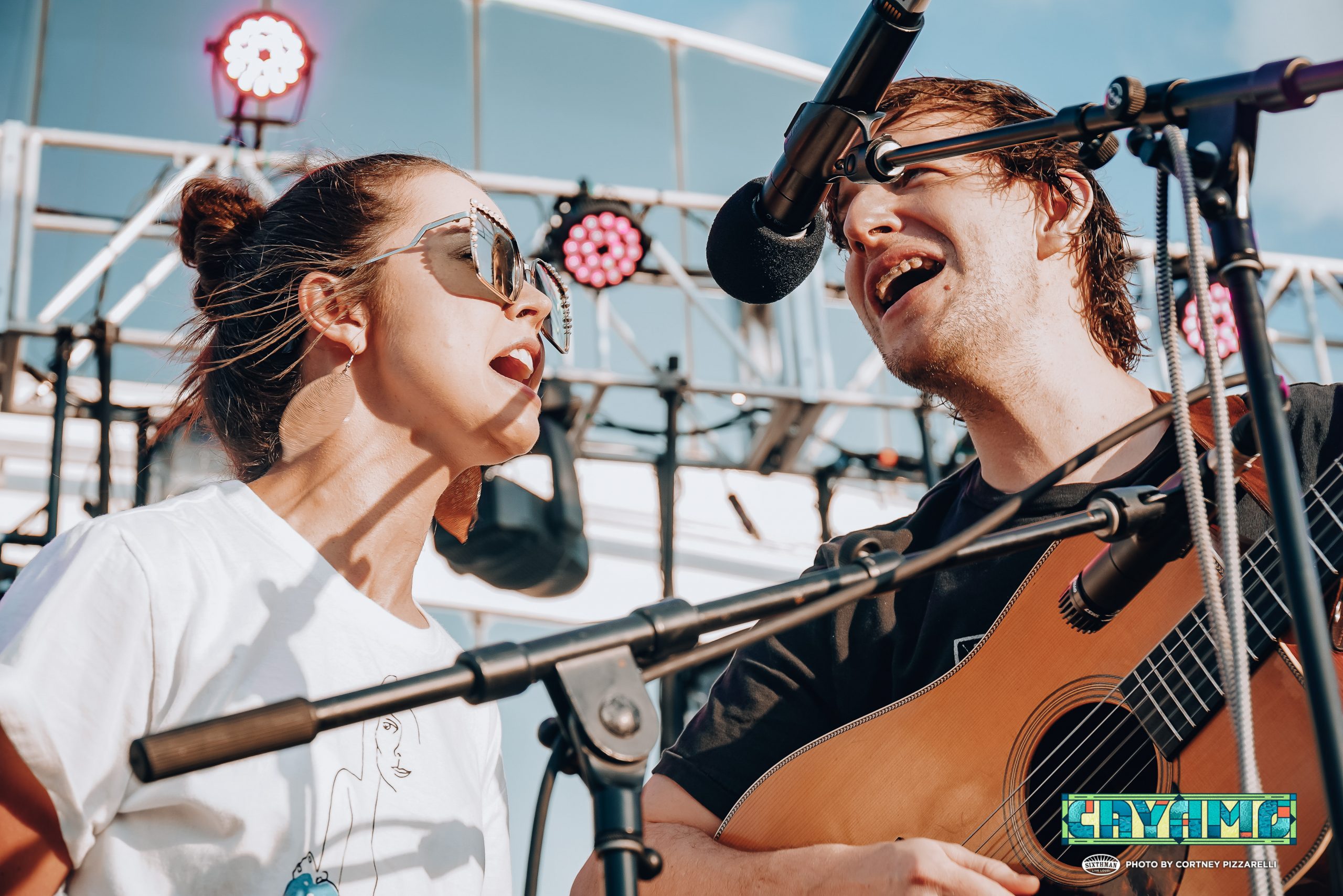
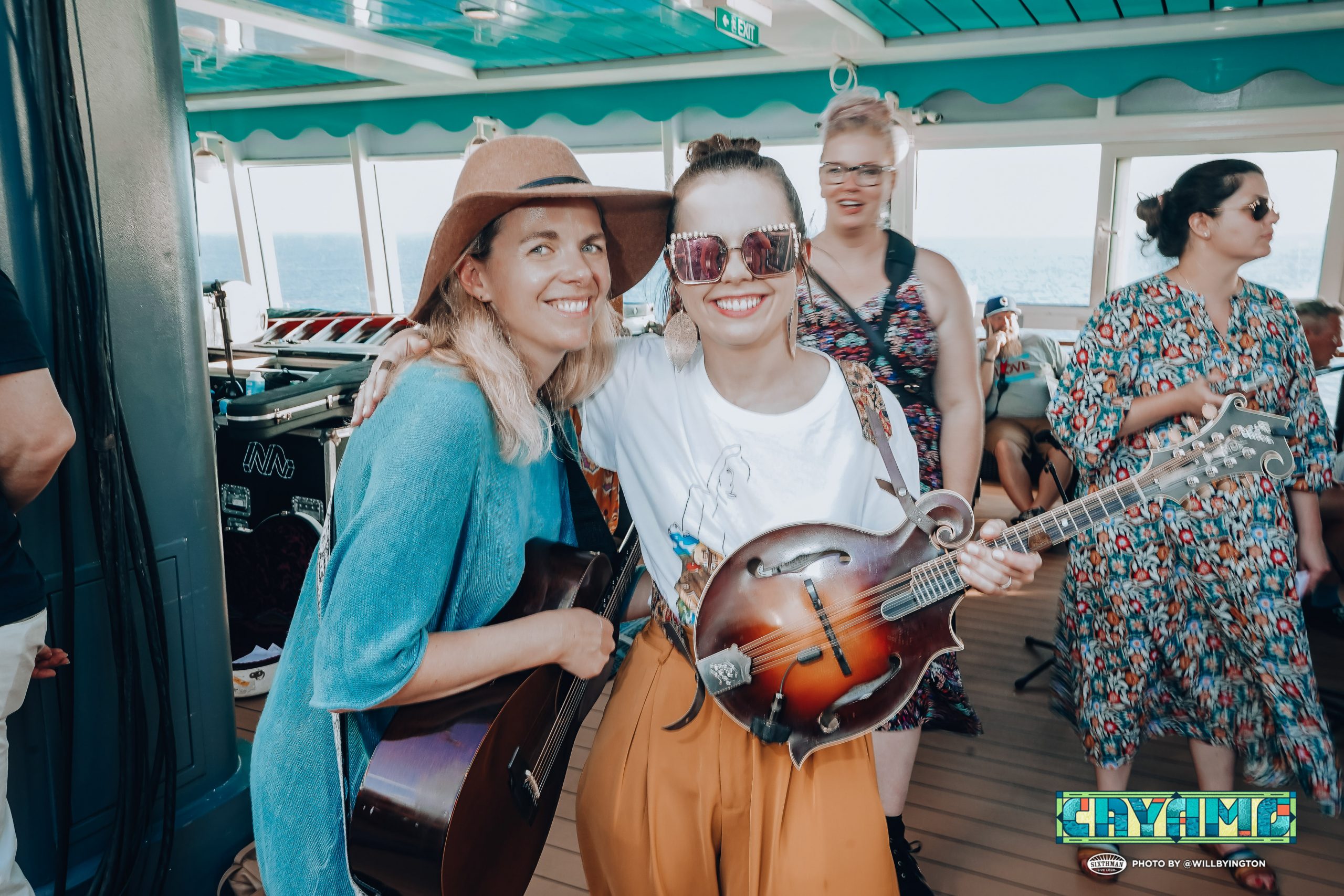
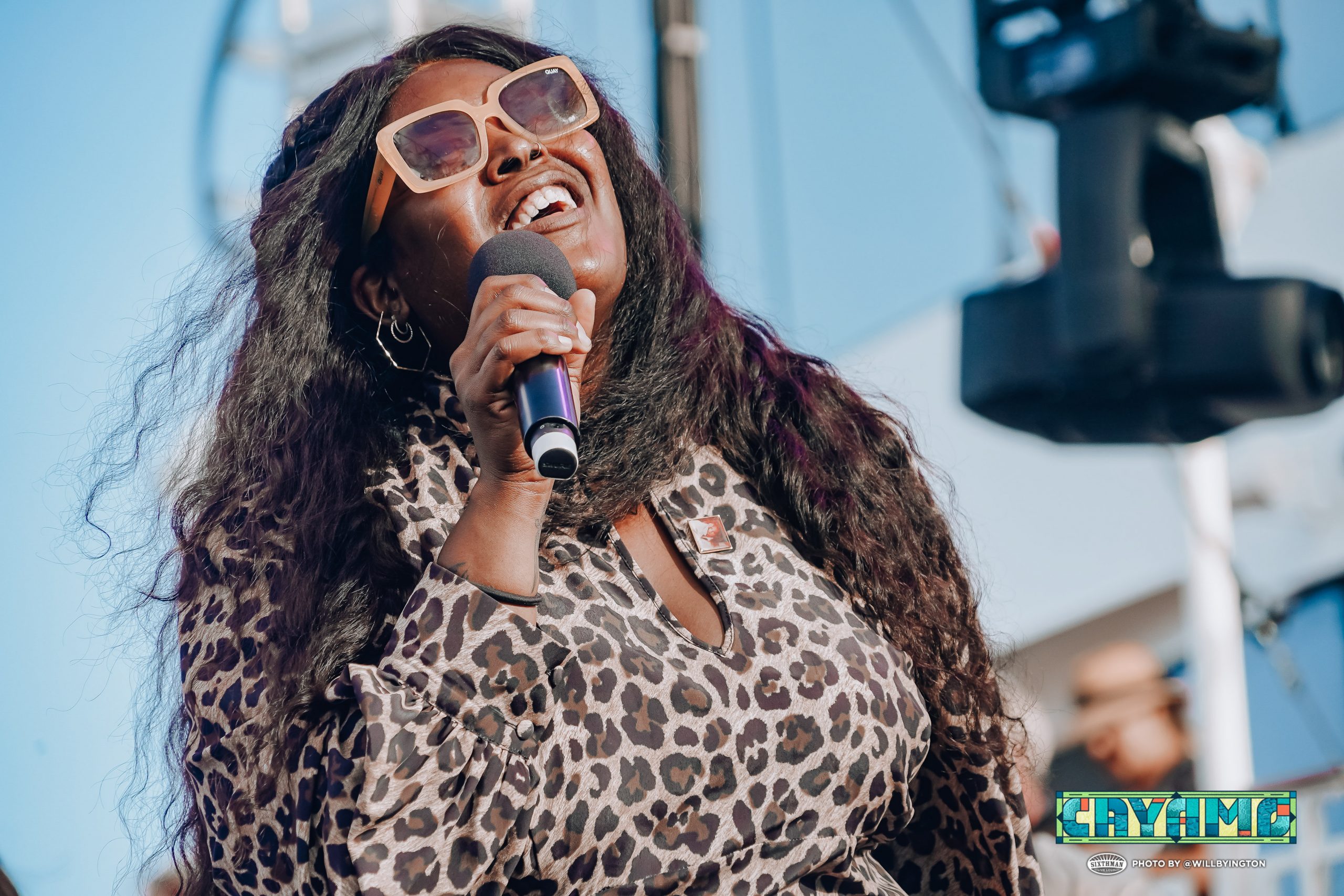
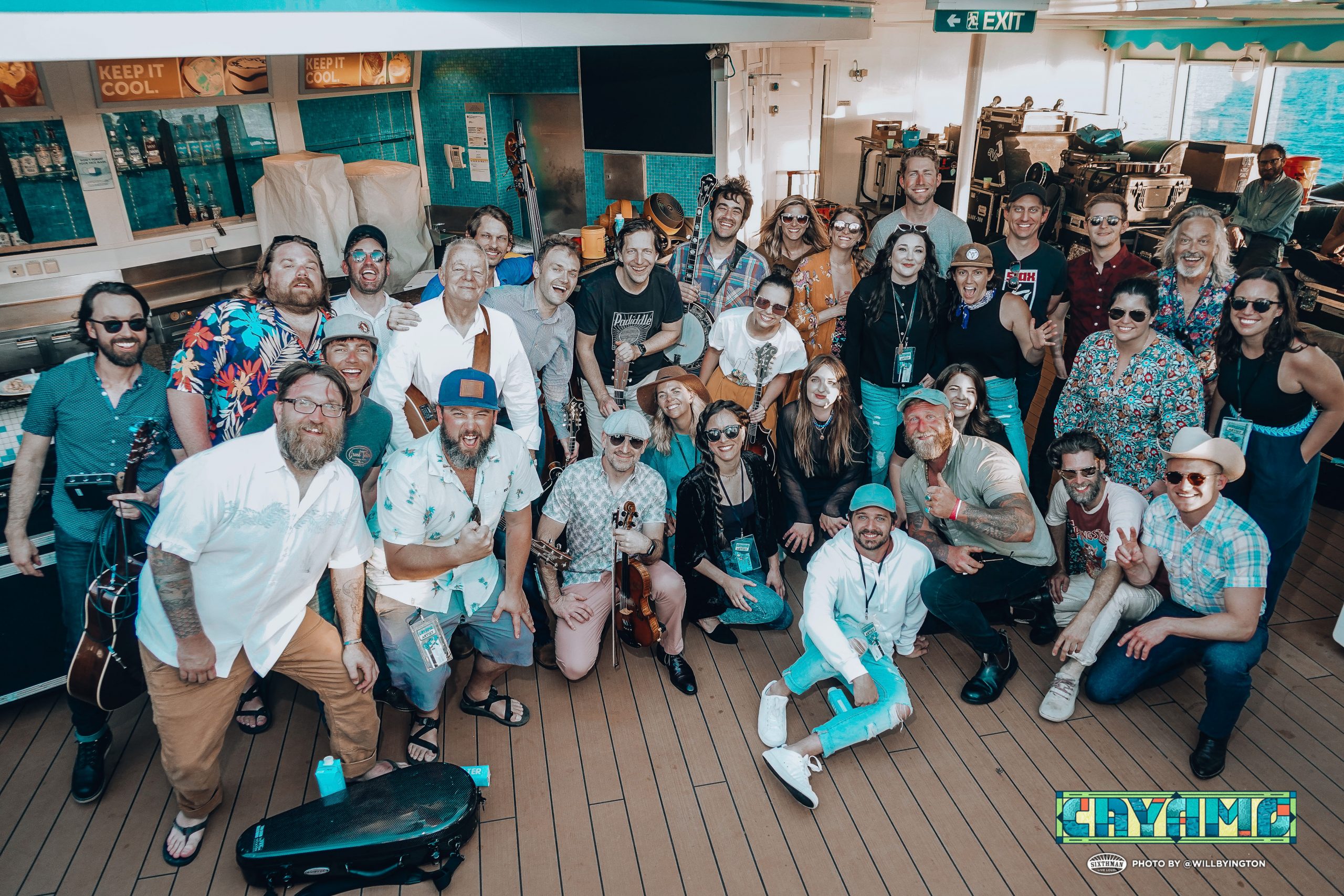
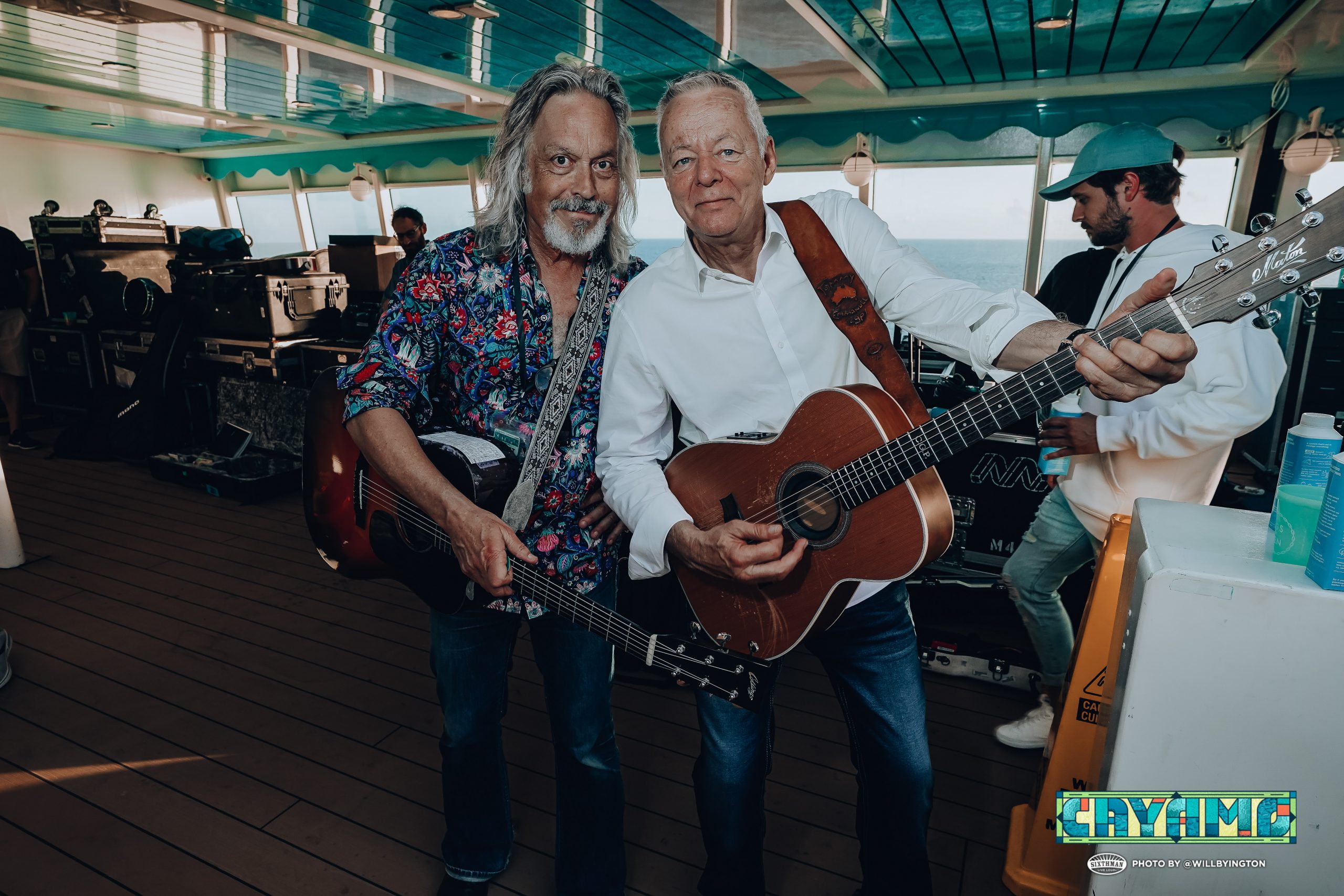
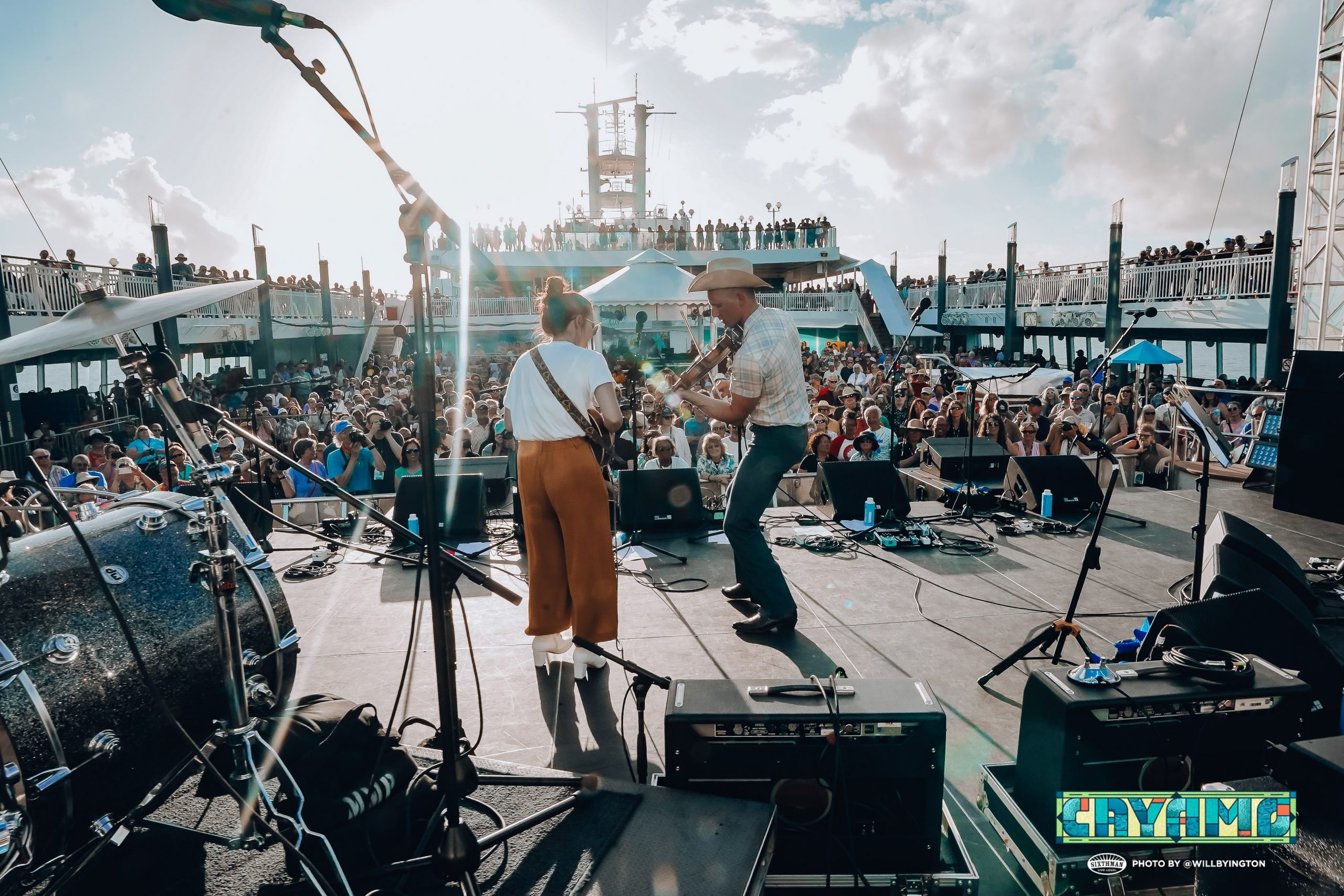
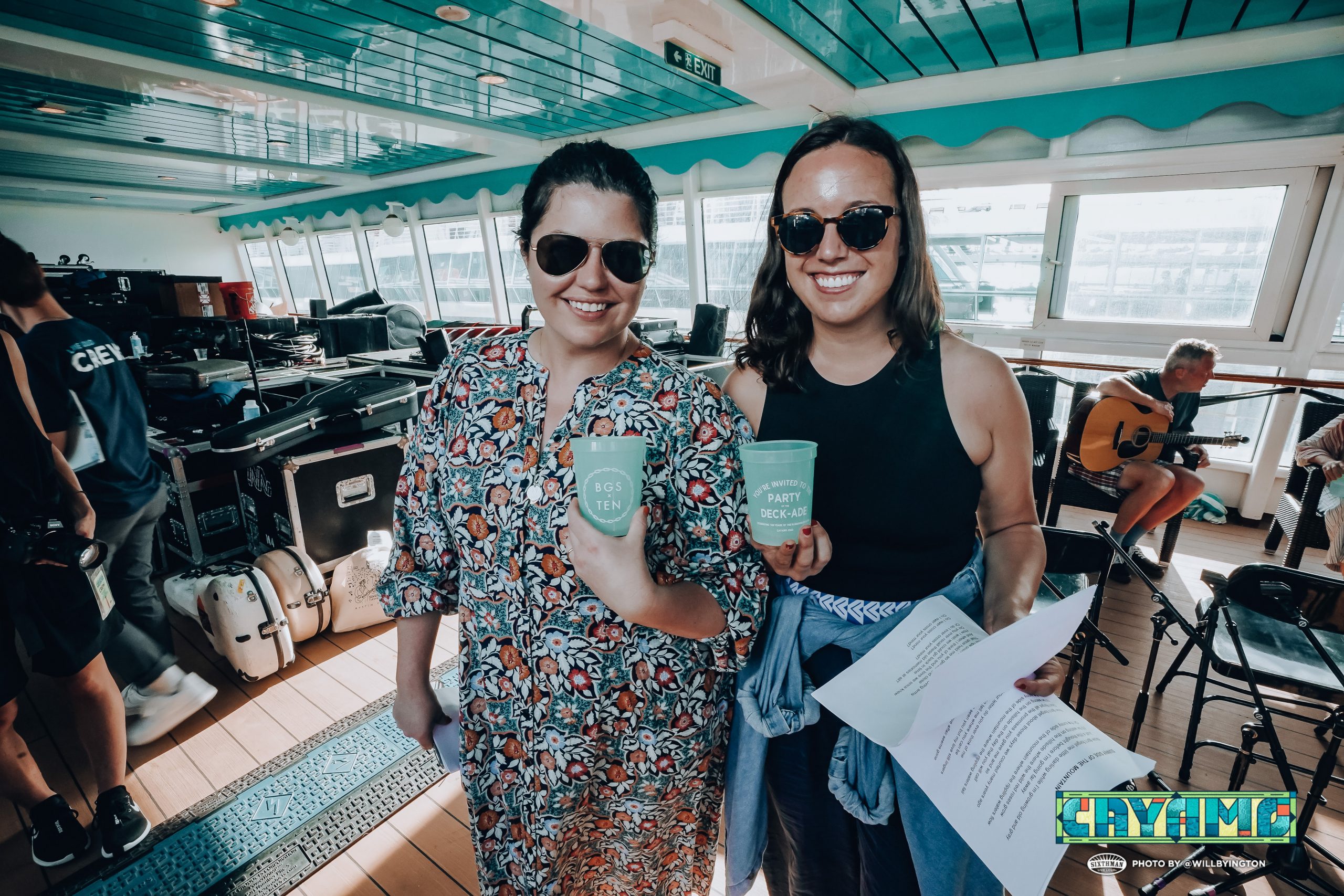
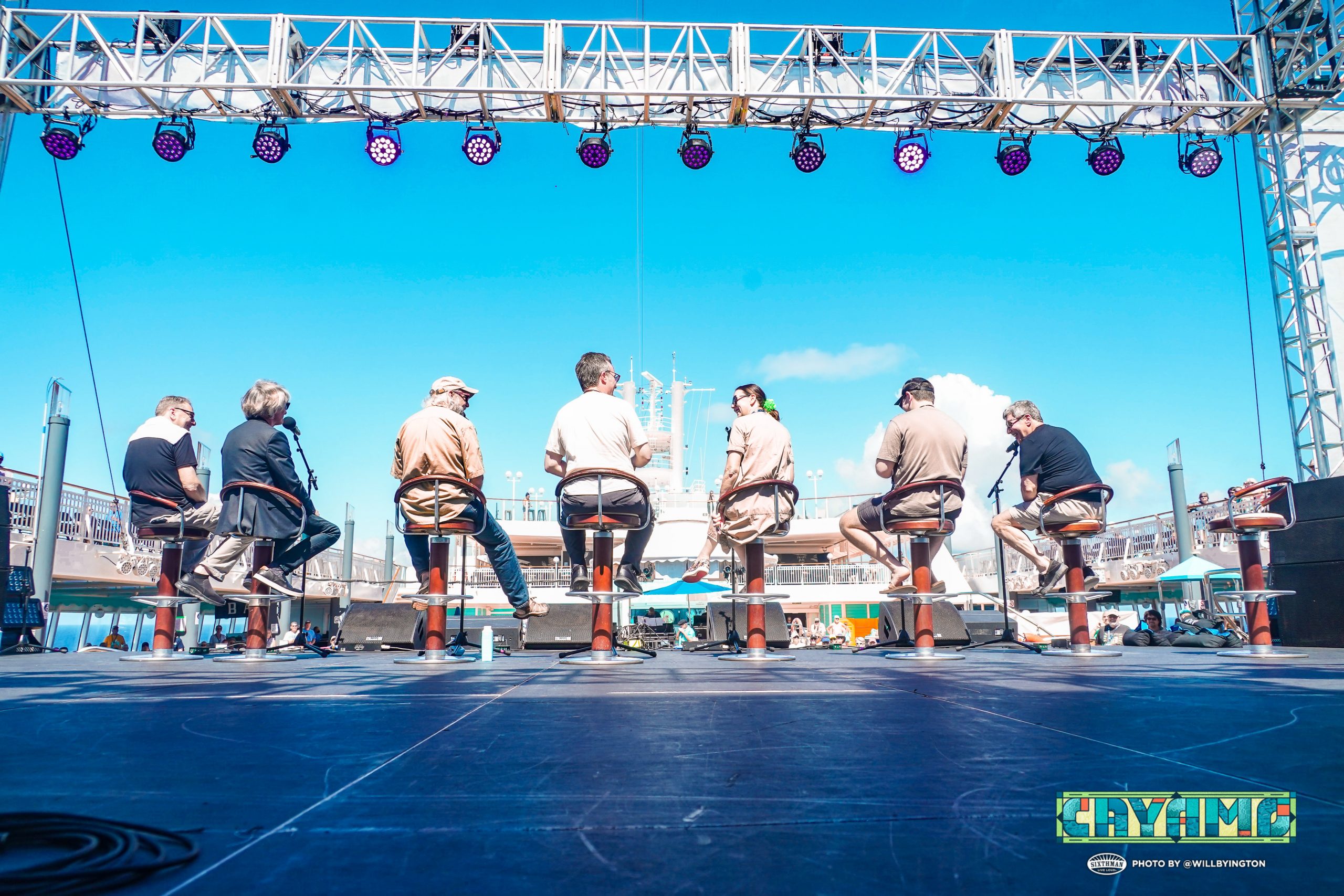
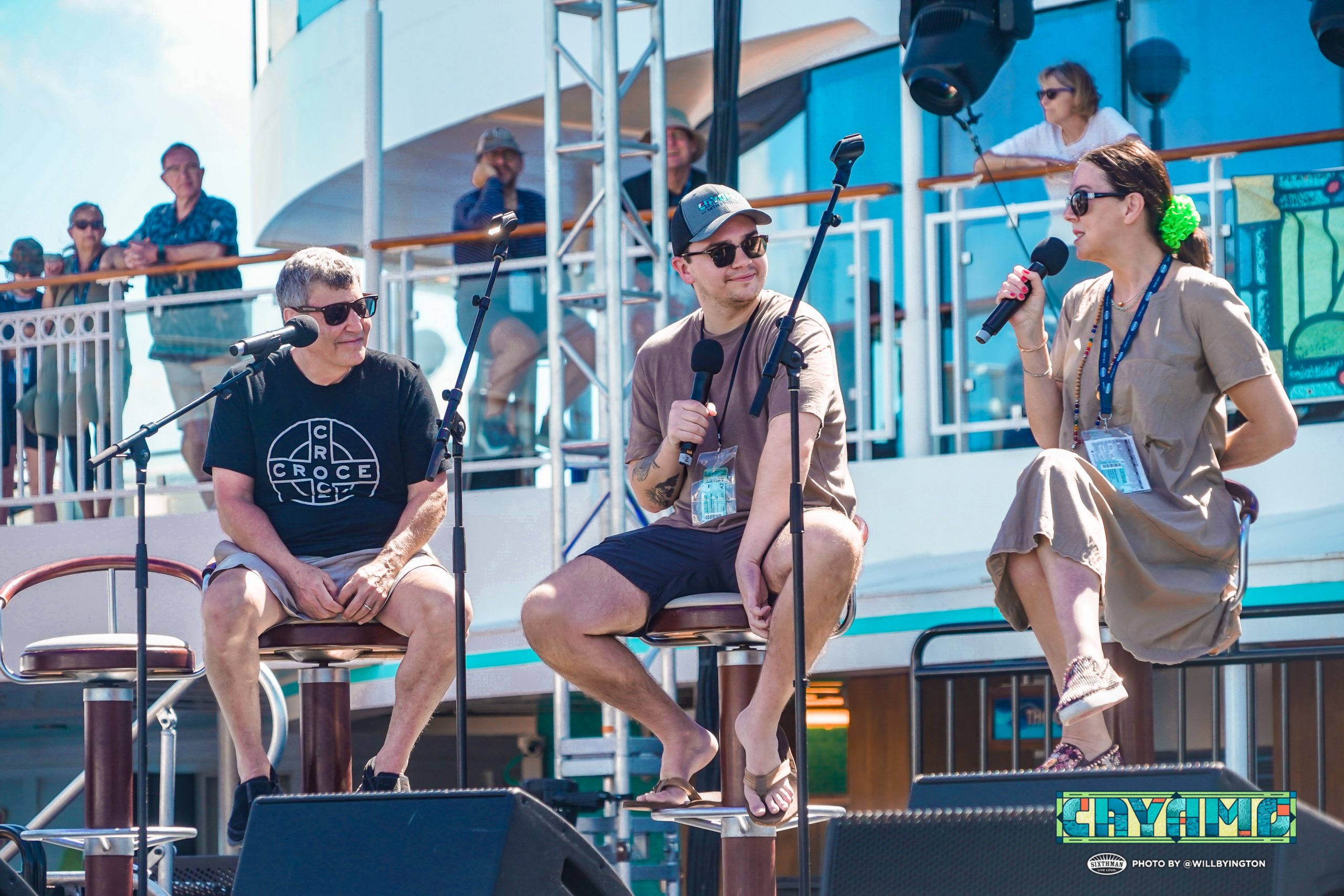
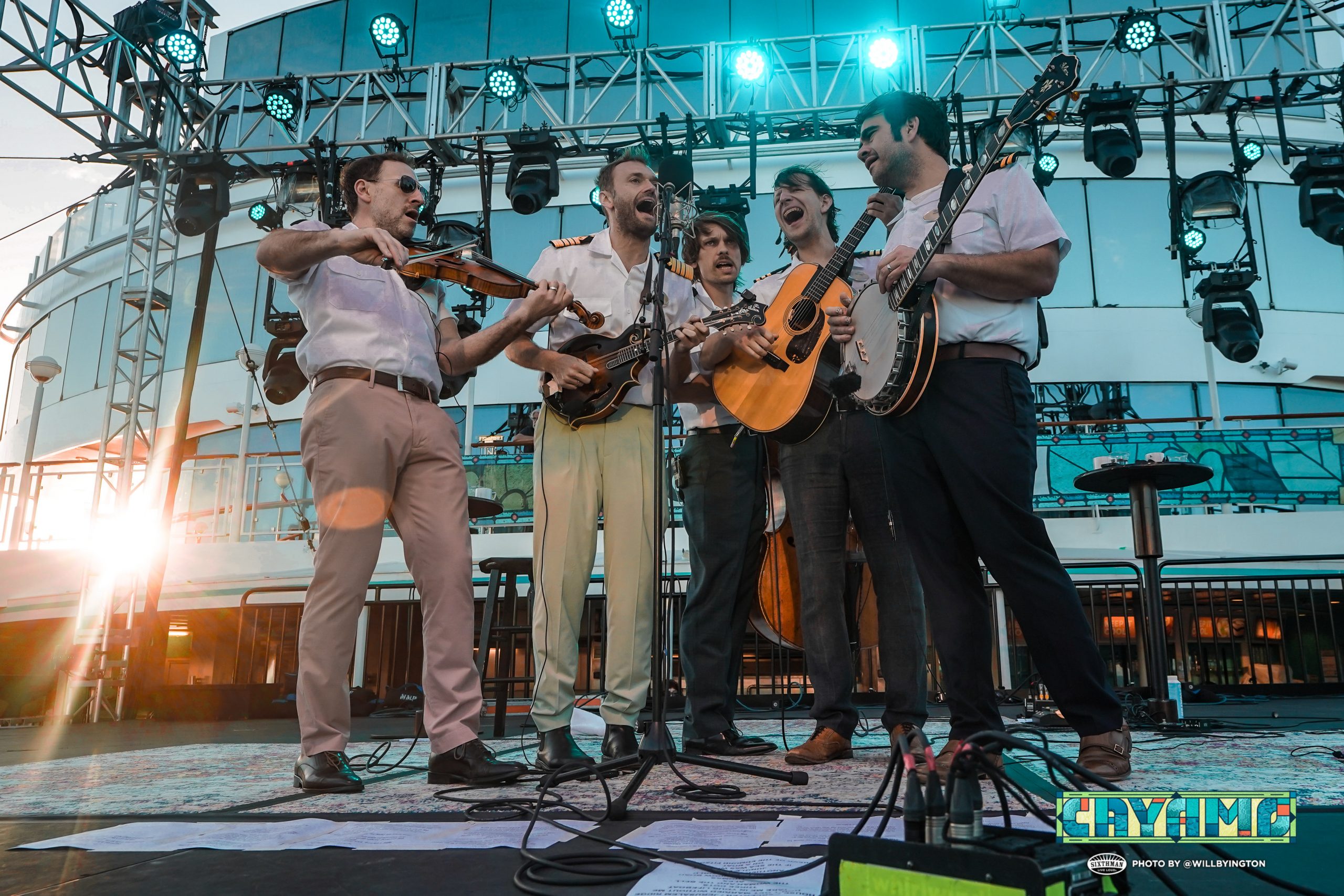
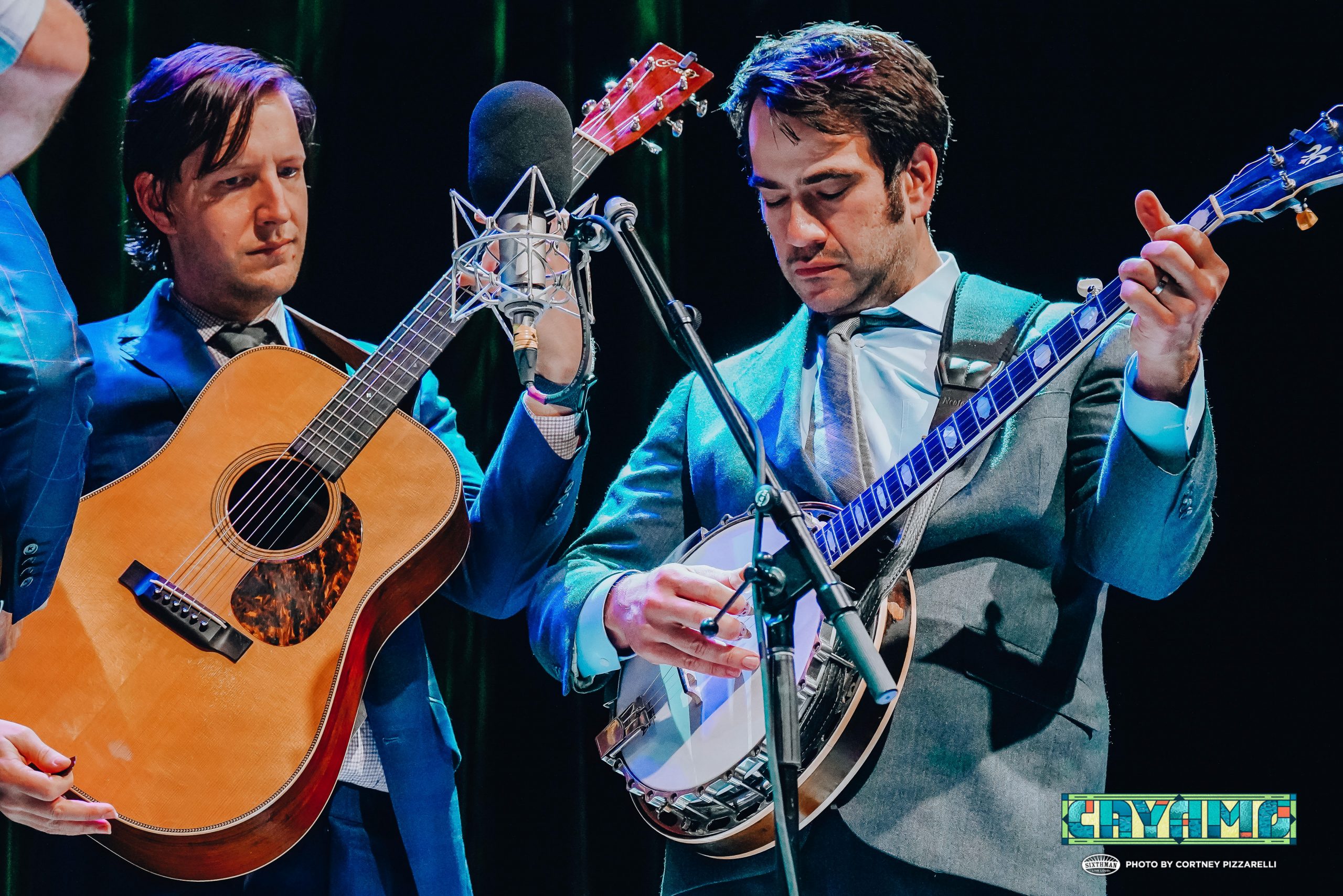
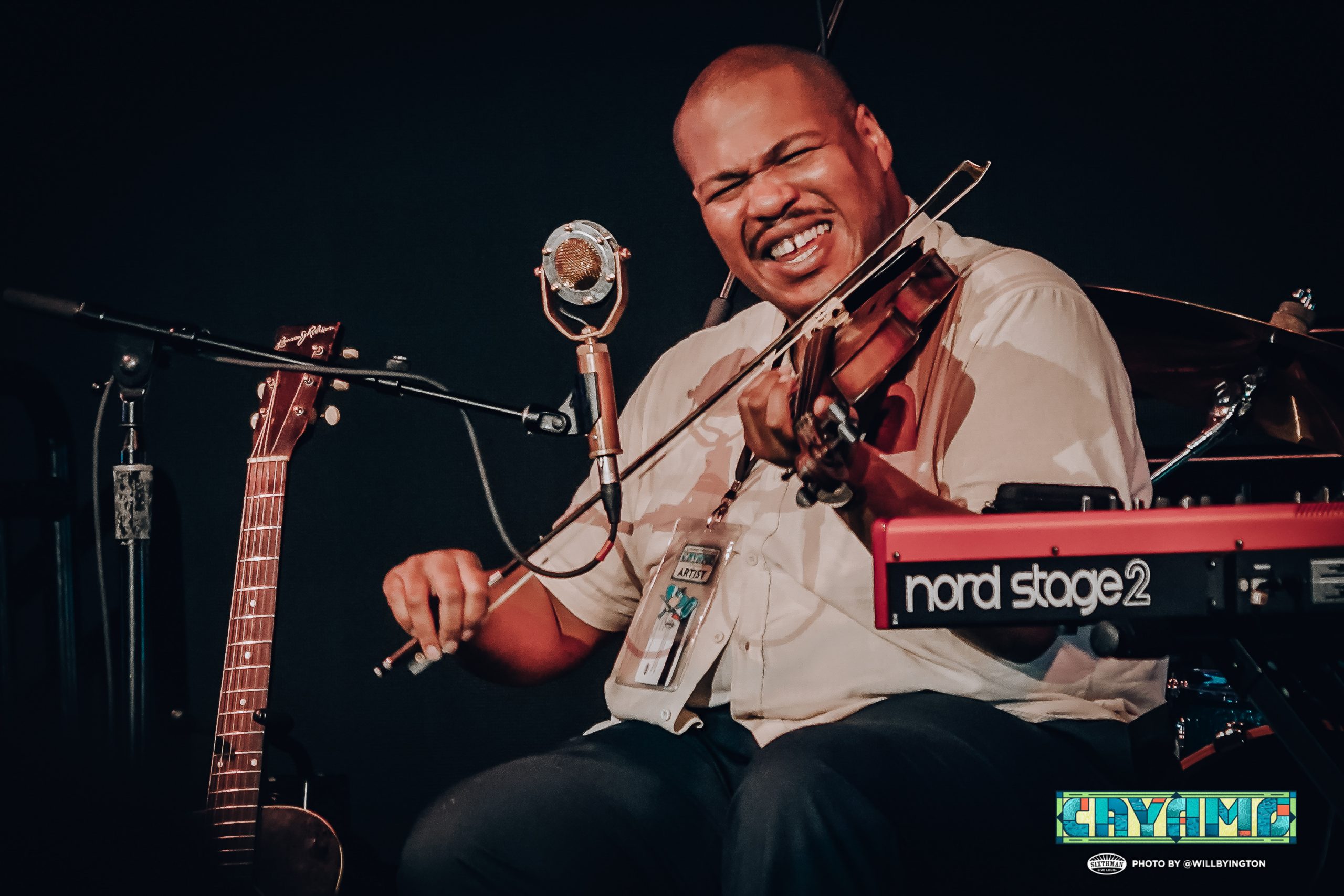
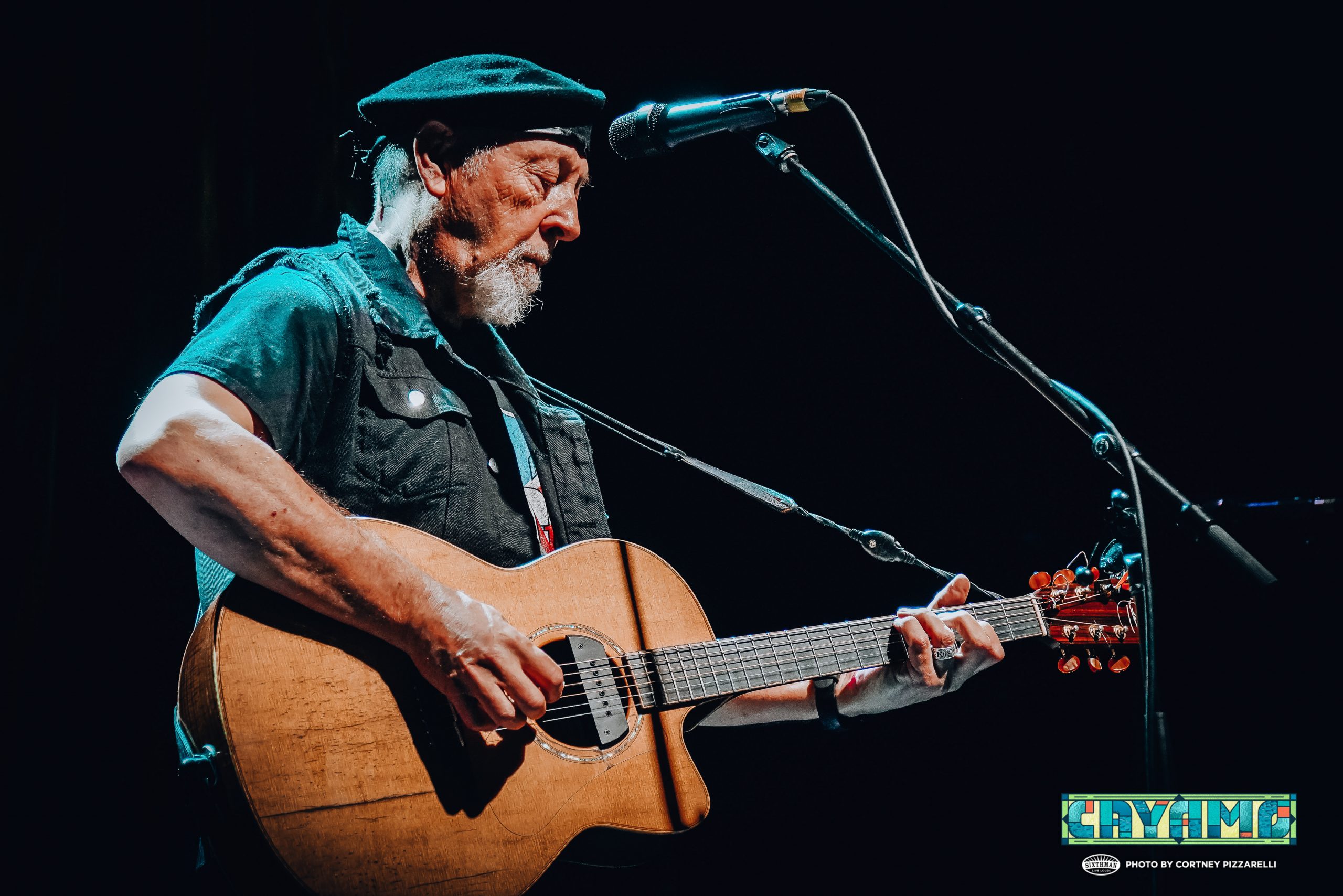
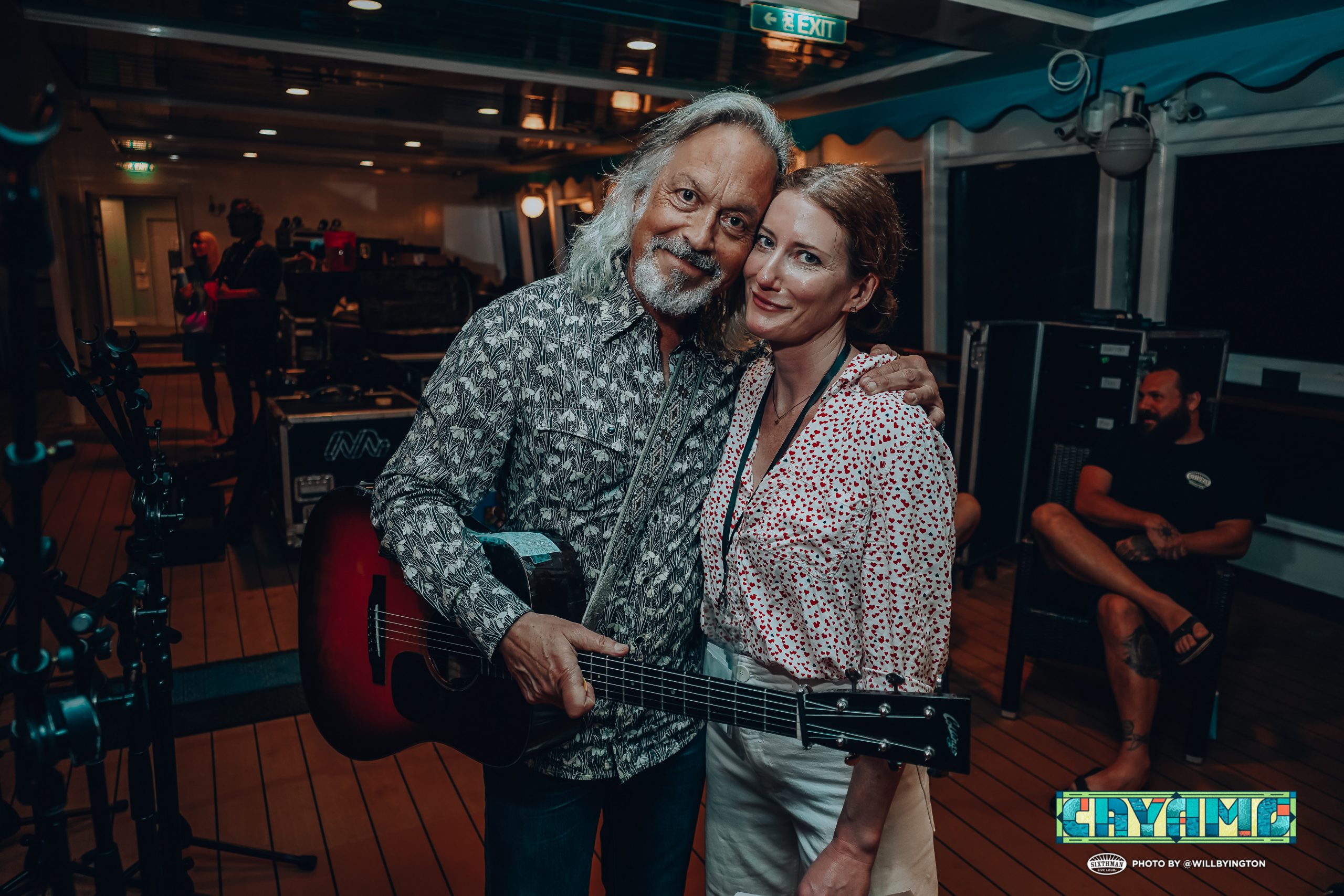
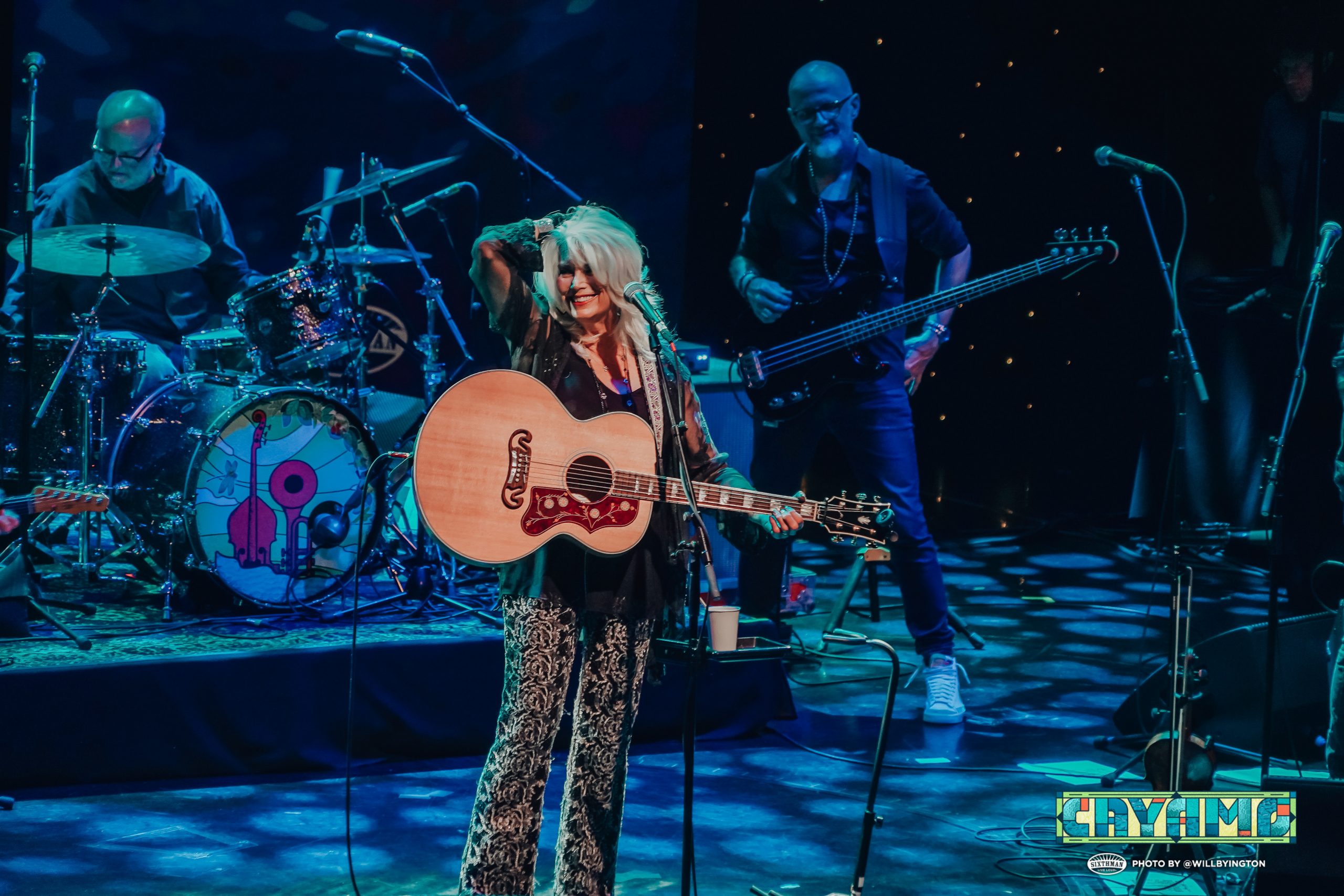
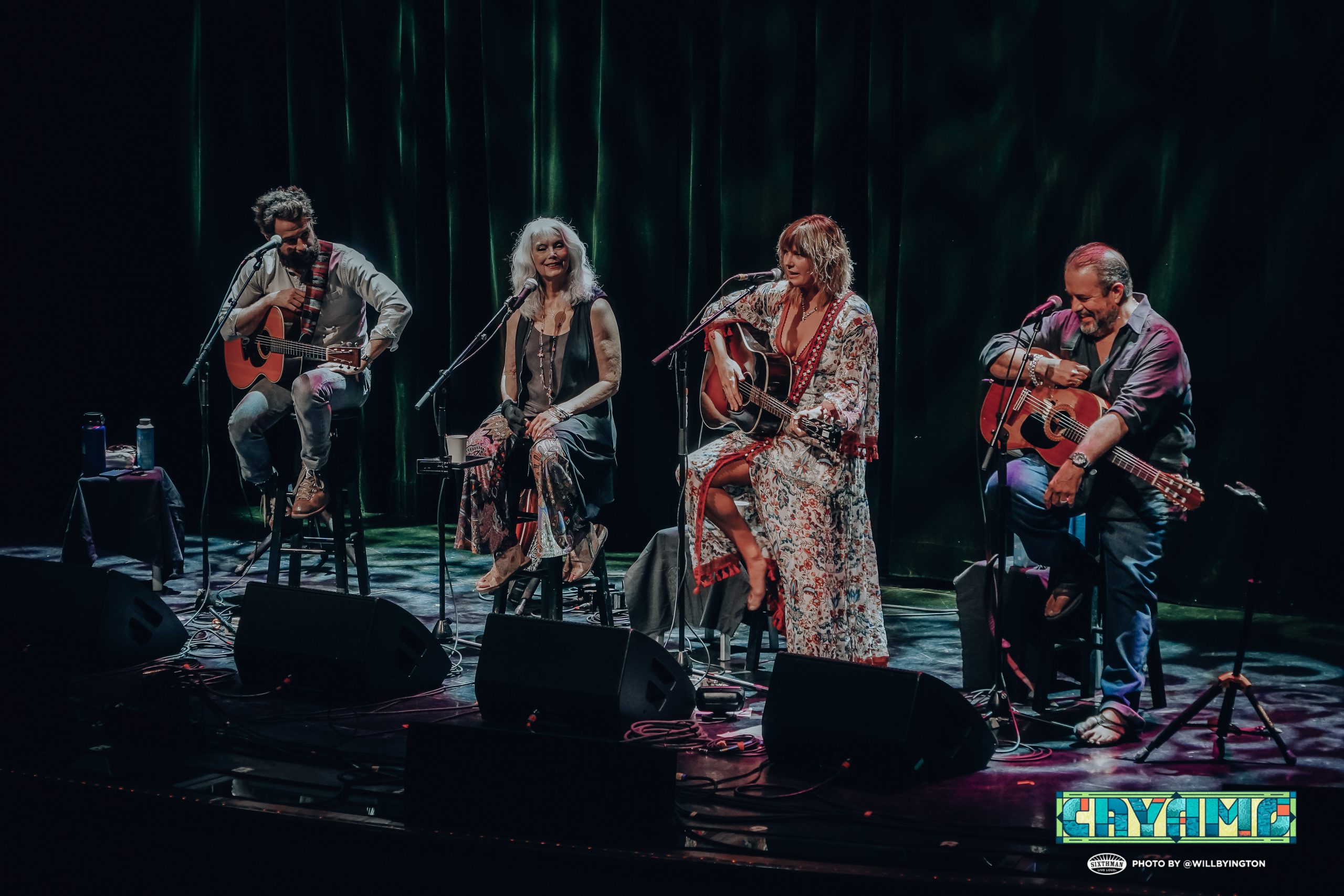
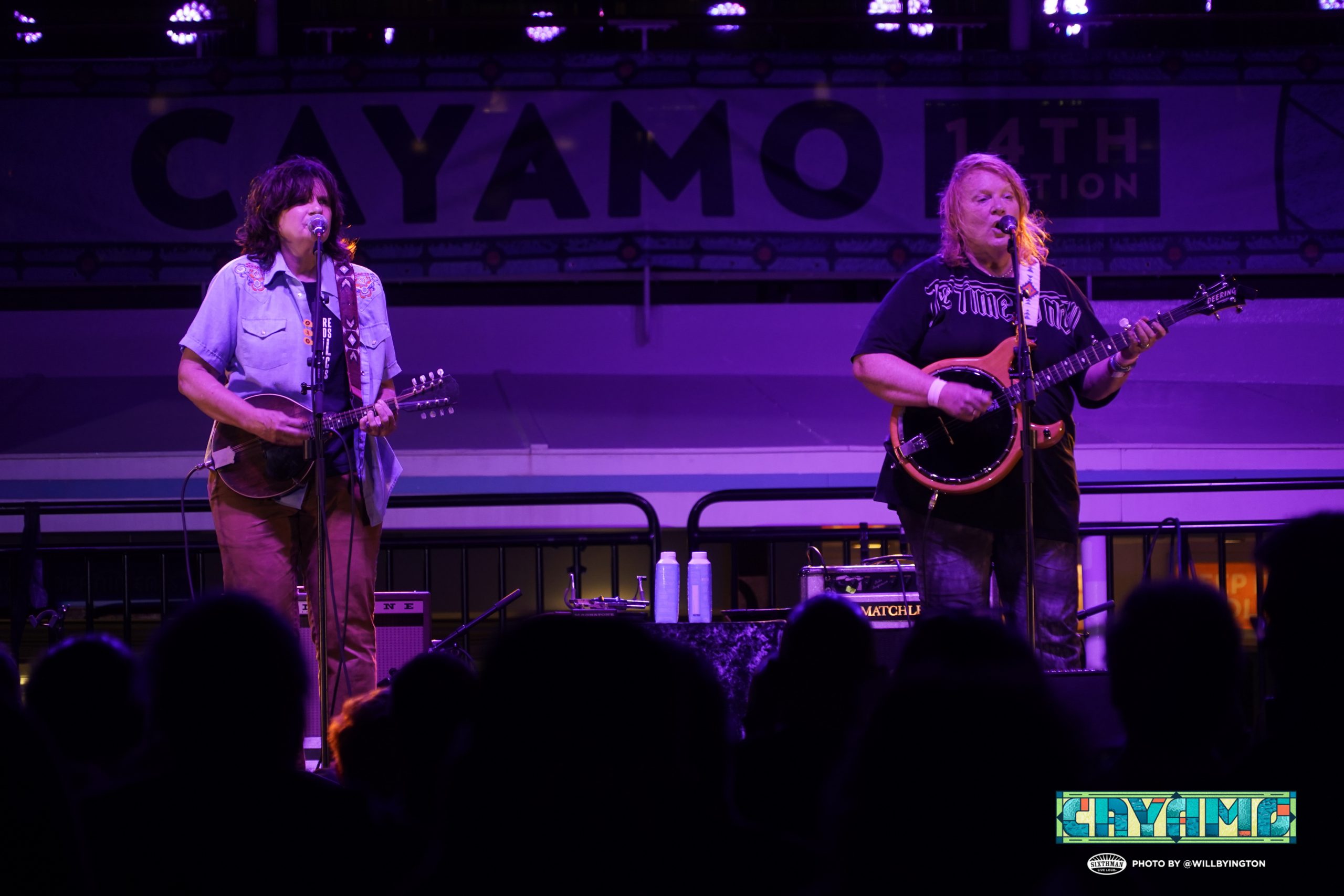
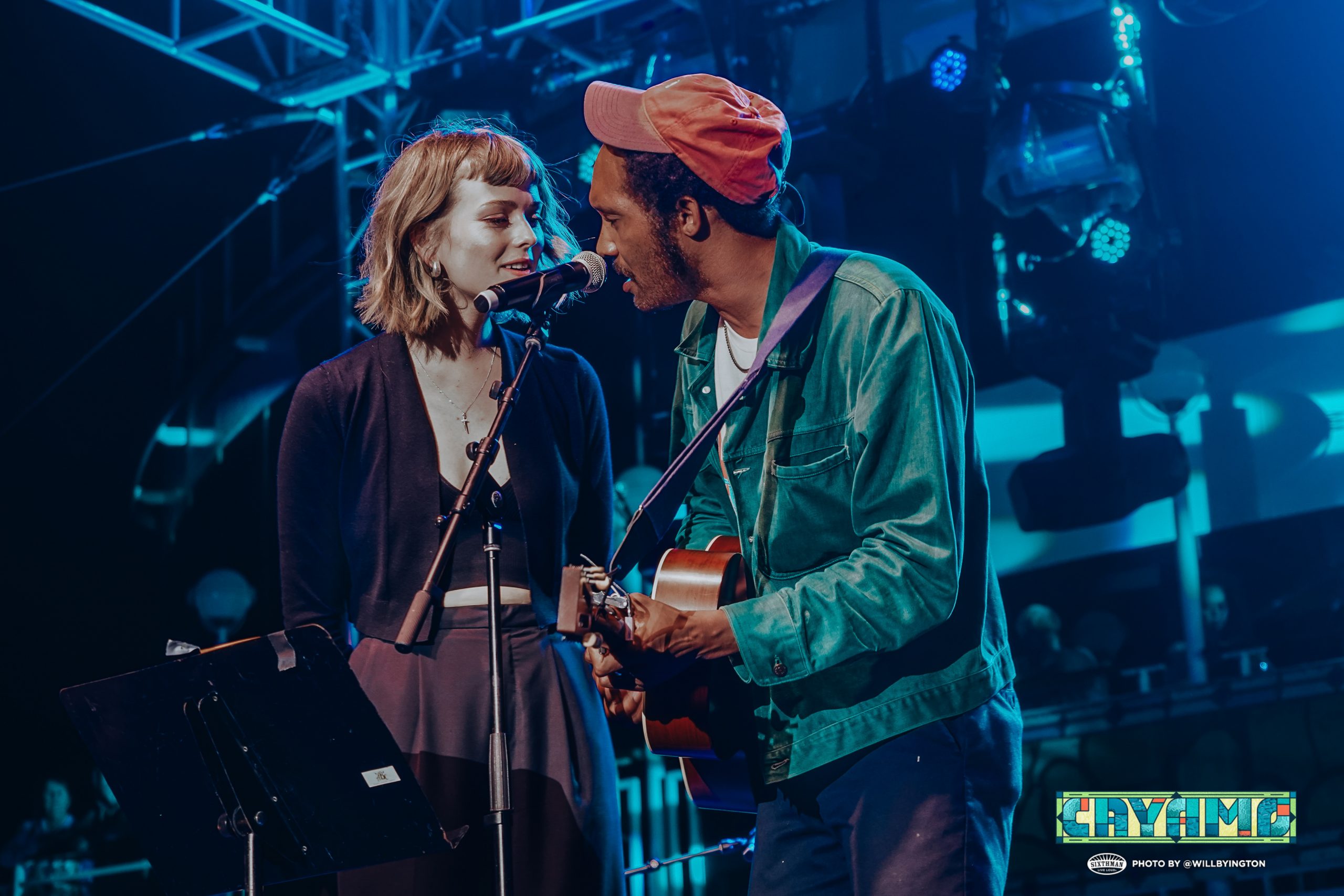
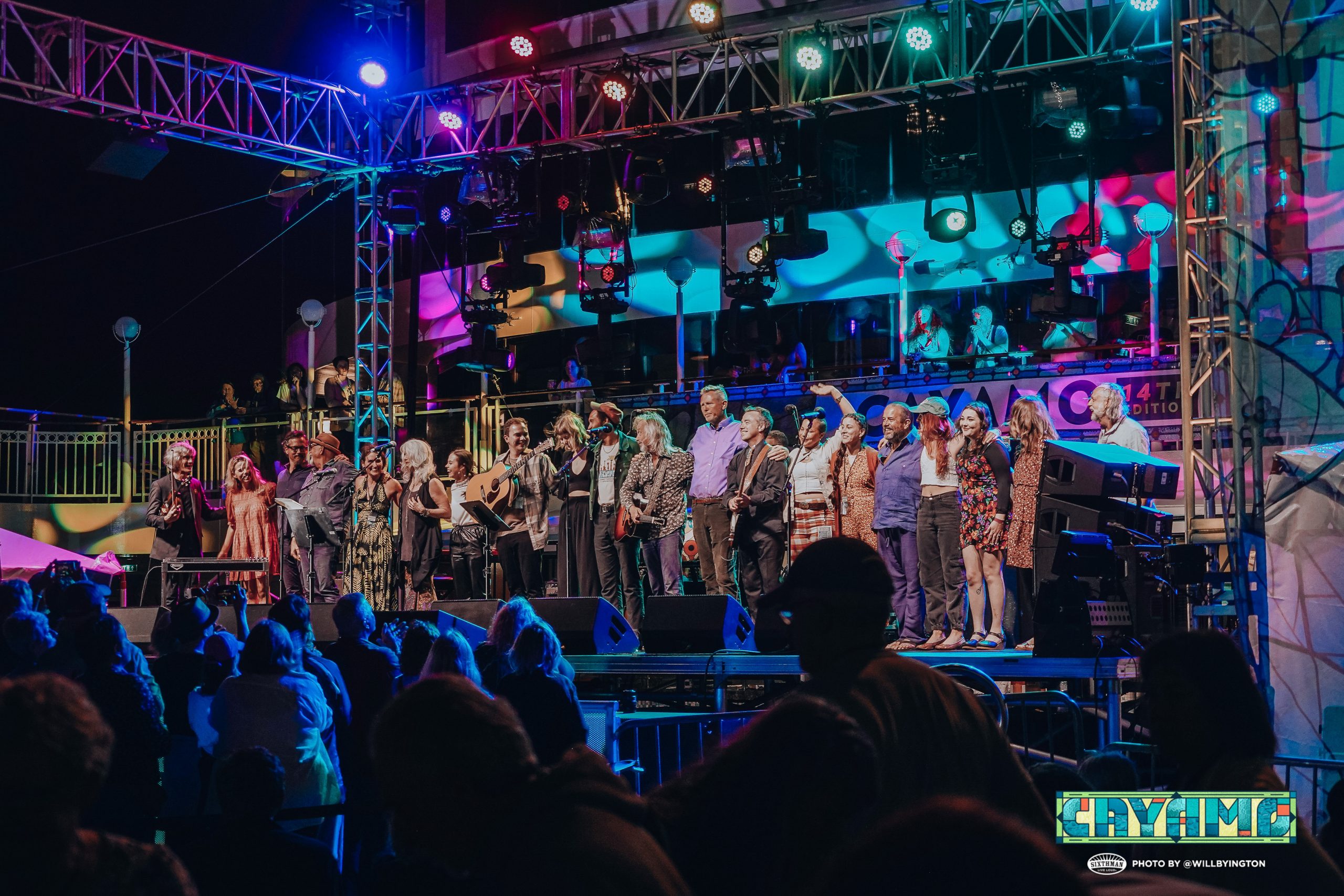
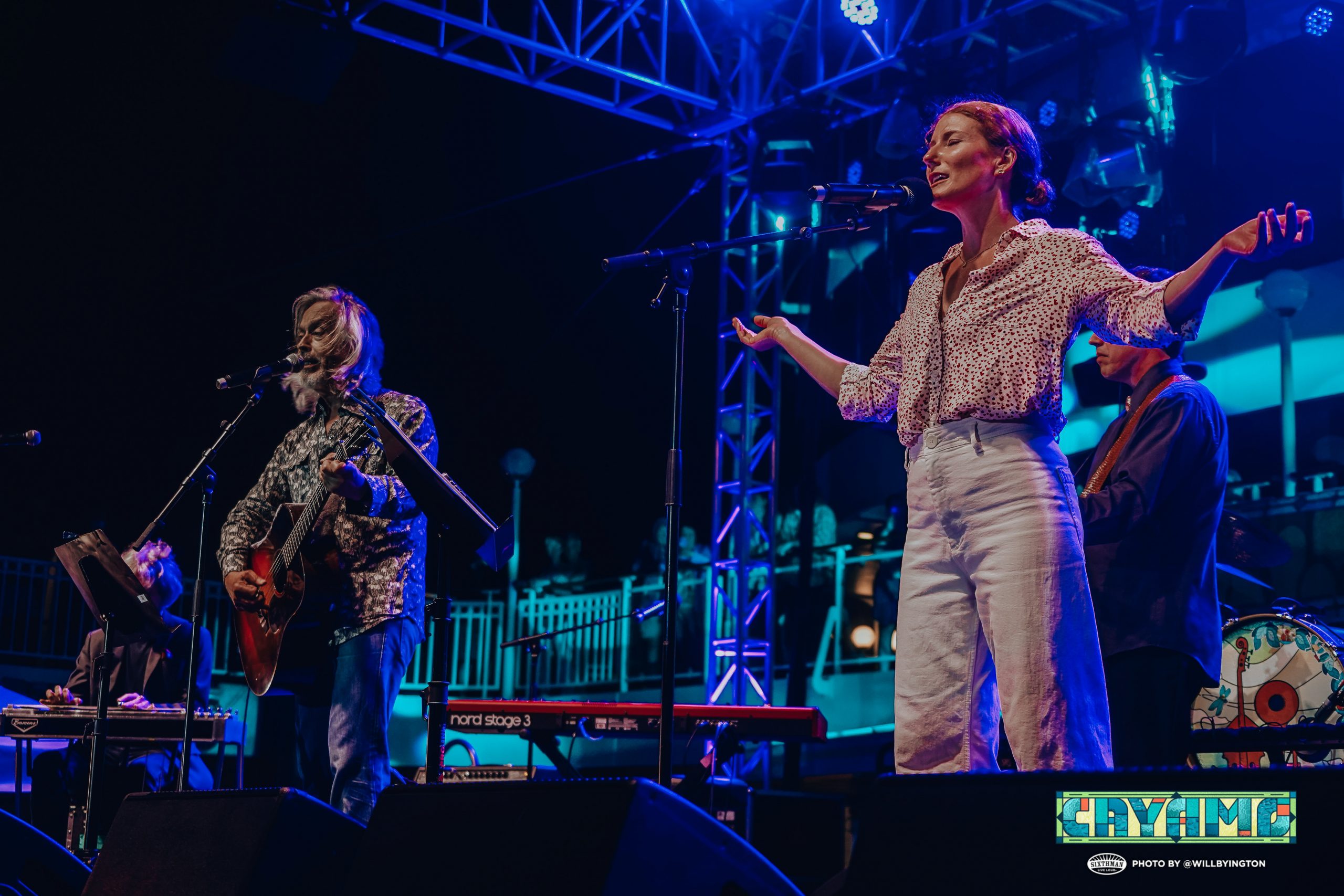
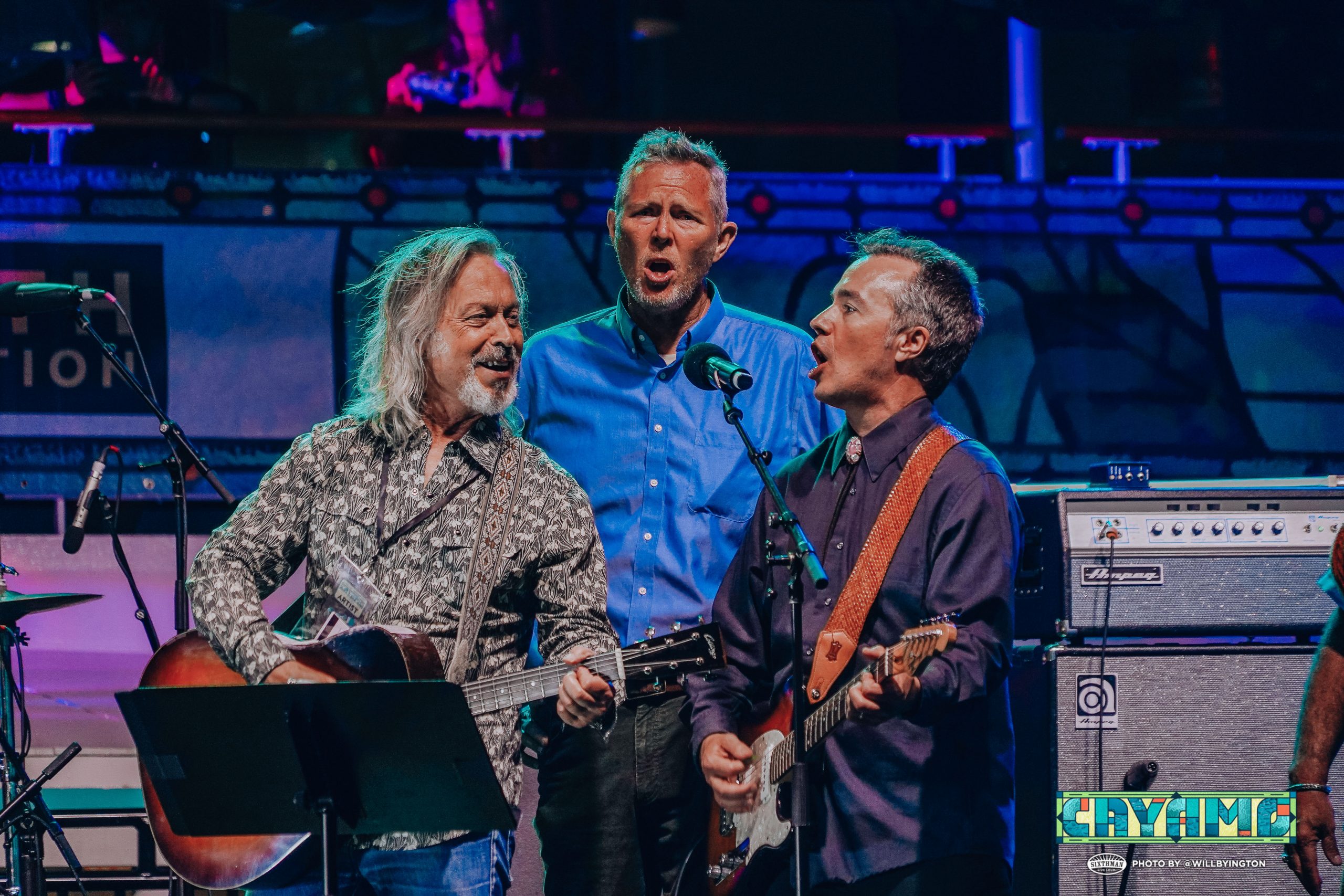
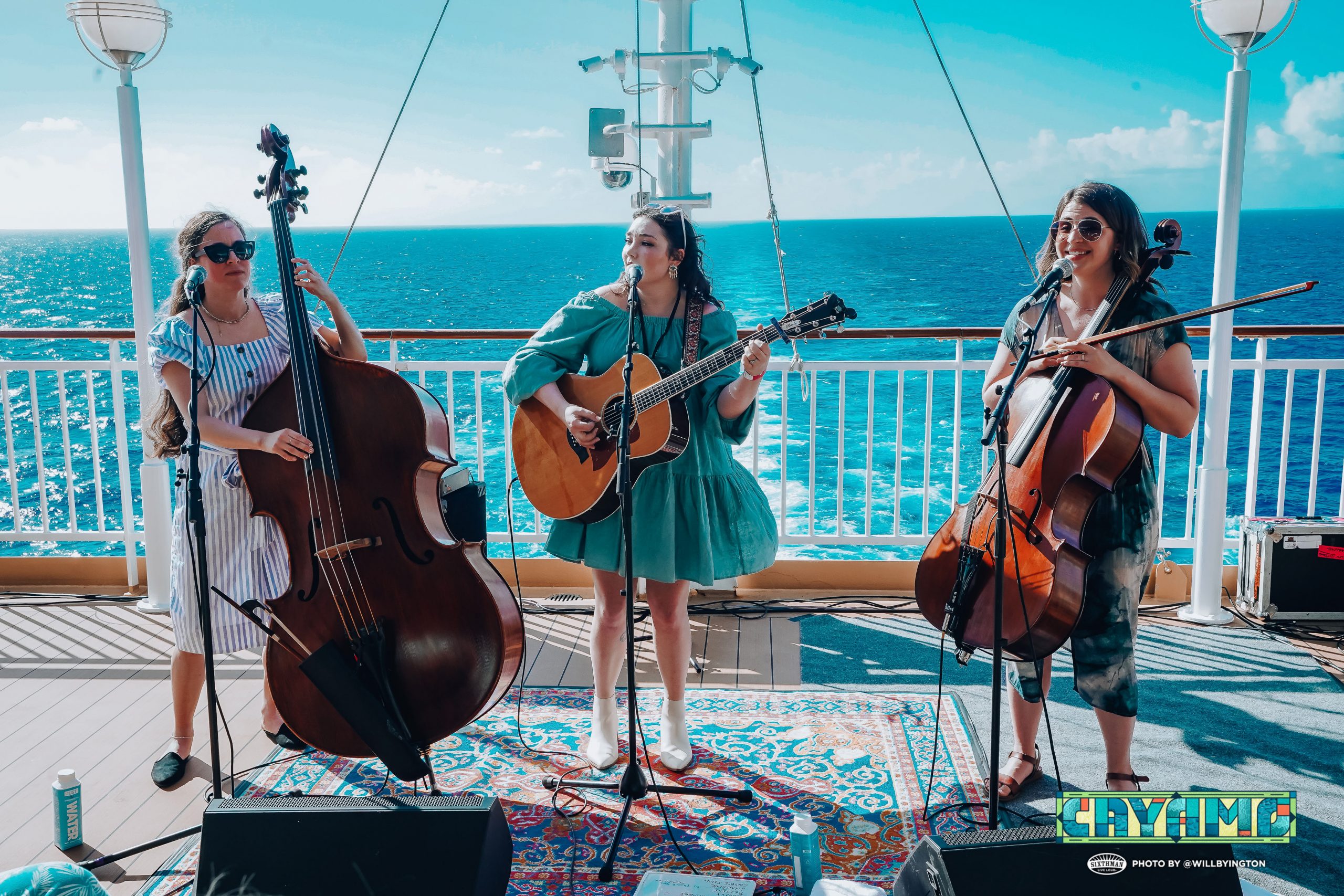
After two long years away from much of our roots music community (in person, at least) Cayamo felt like a reunion – and we were so happy to celebrate BGS’ 10th birthday with a huge jam set with so many of our friends. Sierra Hull and Madison Cunningham hosted The Bluegrass Situation’s Party of the Deck-ade, a set that took place on the pool deck as we pulled away from St. Kitts, featuring songs of joy and celebration via collaborations amongst the likes of Aoife O’Donovan, the Punch Brothers, Kathleen Edwards, Brittney Spencer, Robbie Fulks, Jim Lauderdale, Tommy Emmanuel, Missy Raines, Rainbow Girls, Dear Darling, Laney Lou and the Bird Dogs, and Hogslop String Band as our trusty house band.

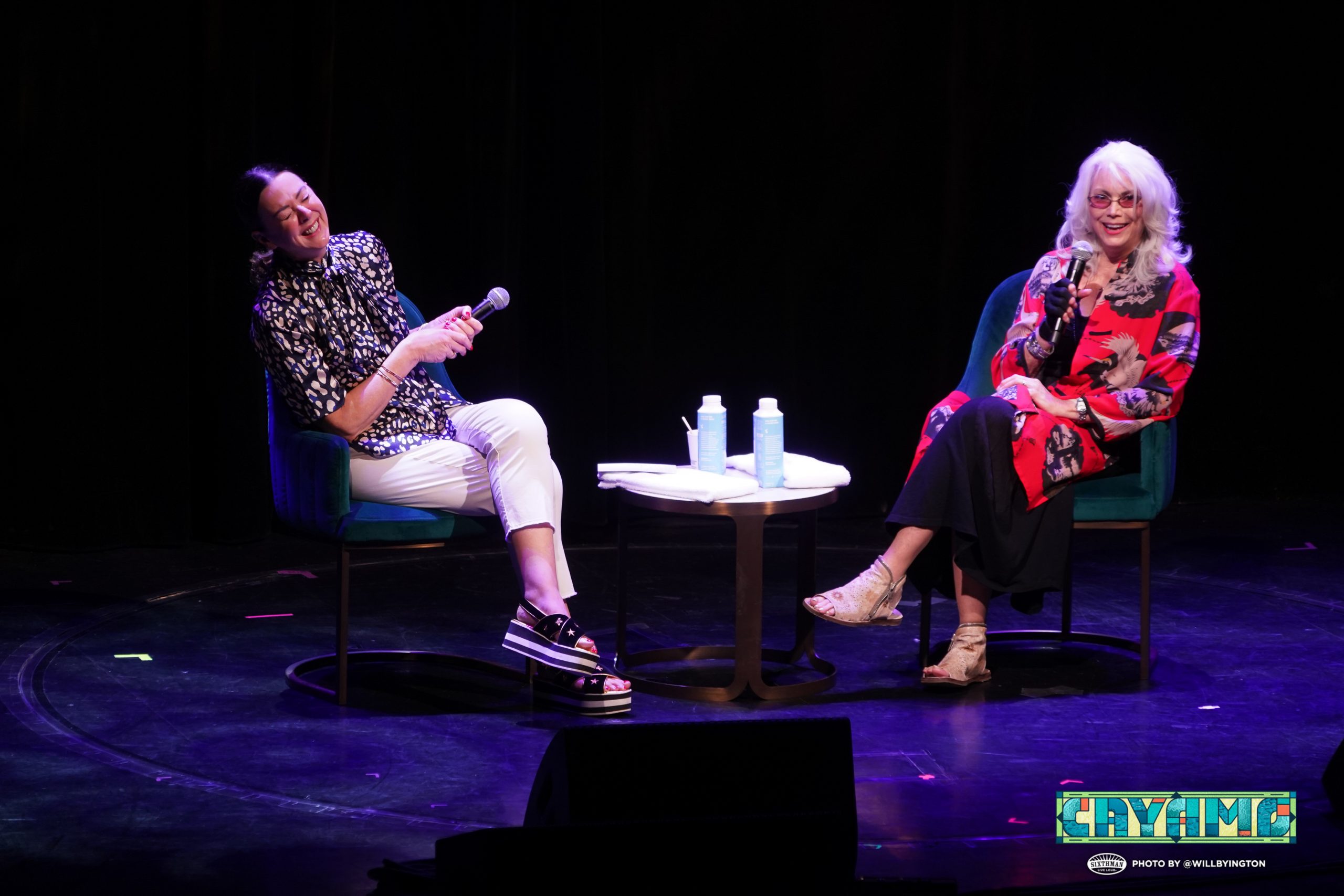
On top of all this music, we were also grateful for the chance to simply sit and talk – and Fiona Prine took advantage of this time with her Let’s Sit and Talk series, having in-depth conversations with Emmylou Harris, as well as members of John Prine’s band. (Be on the lookout – these conversations are coming to BGS in podcast form soon!)

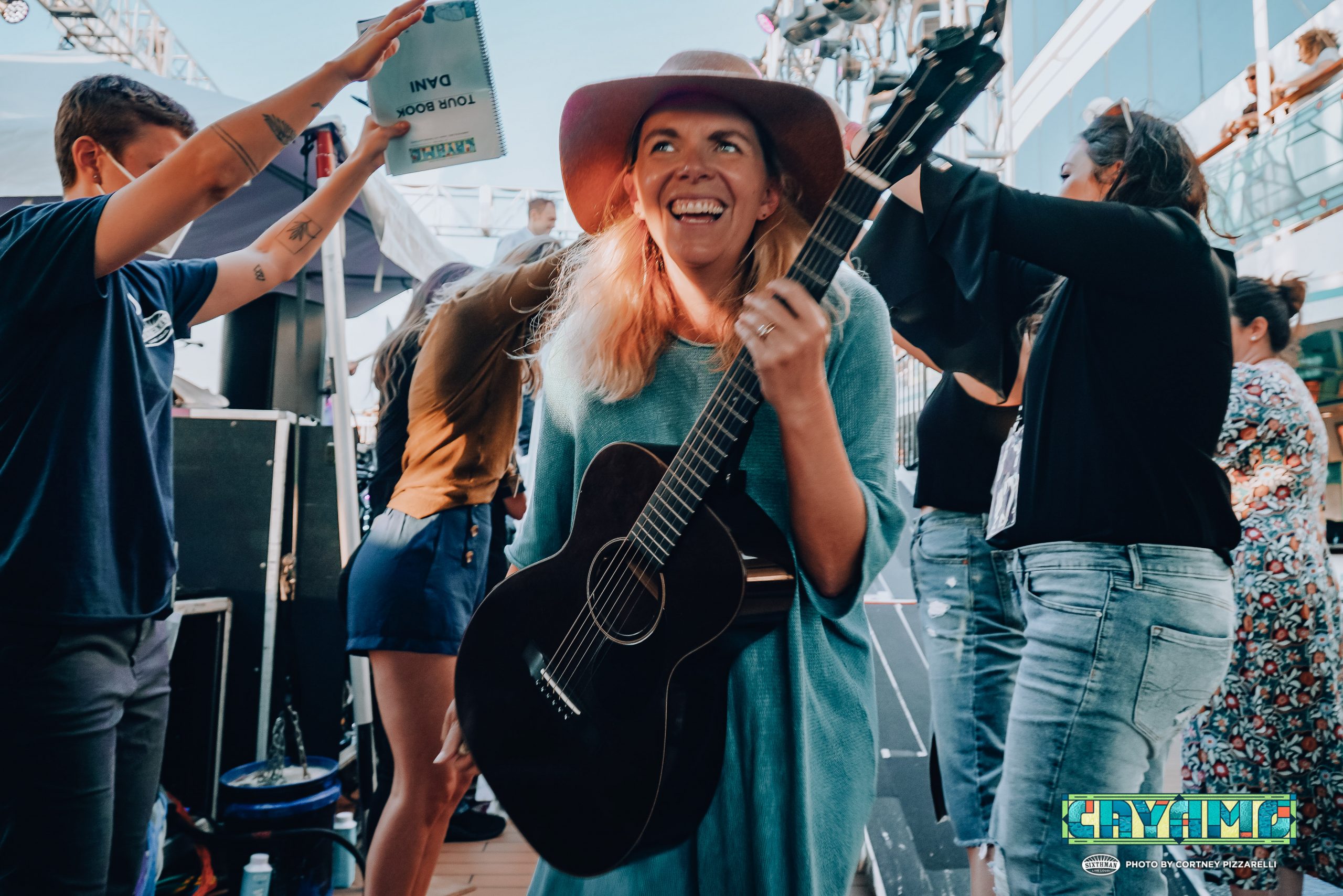
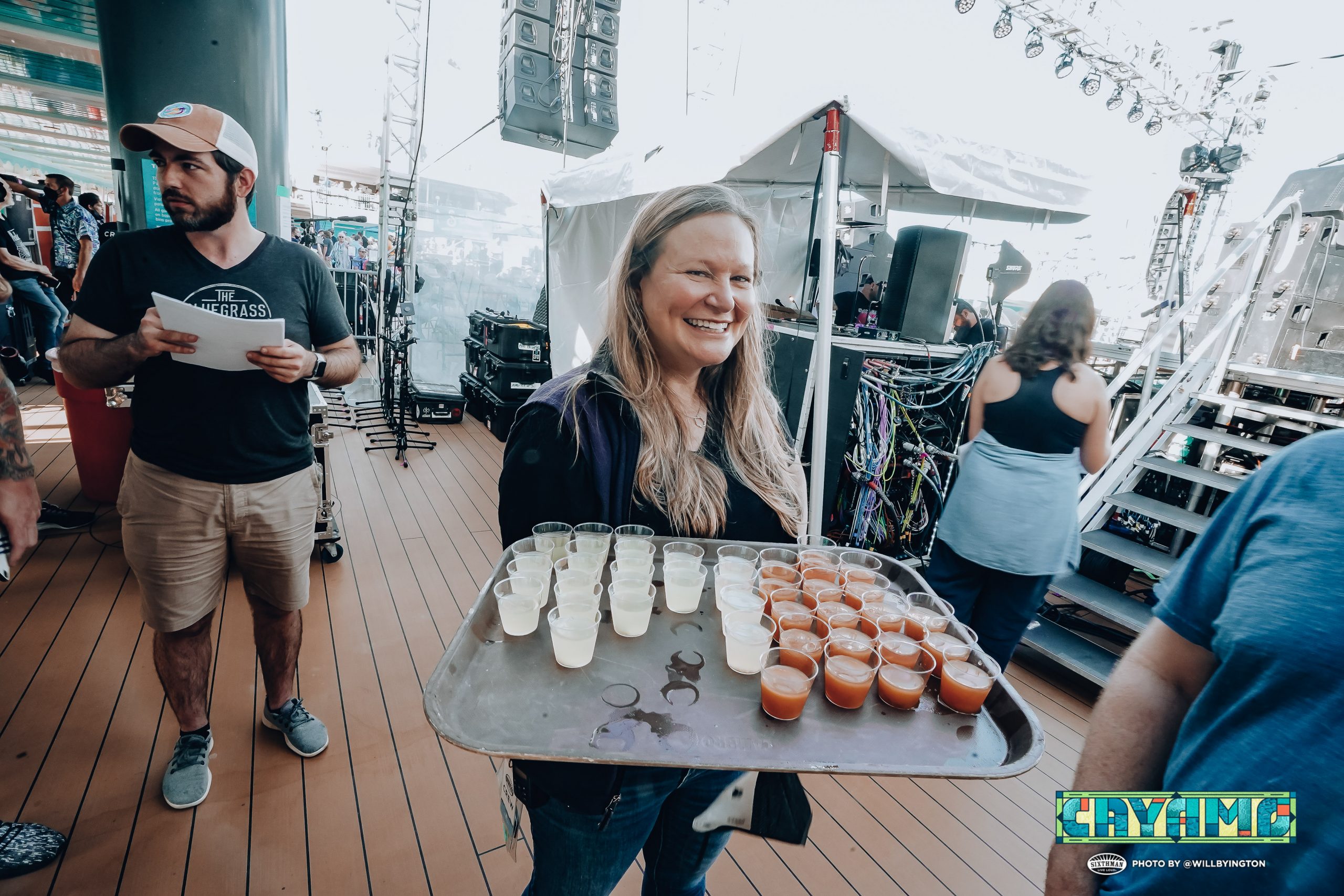
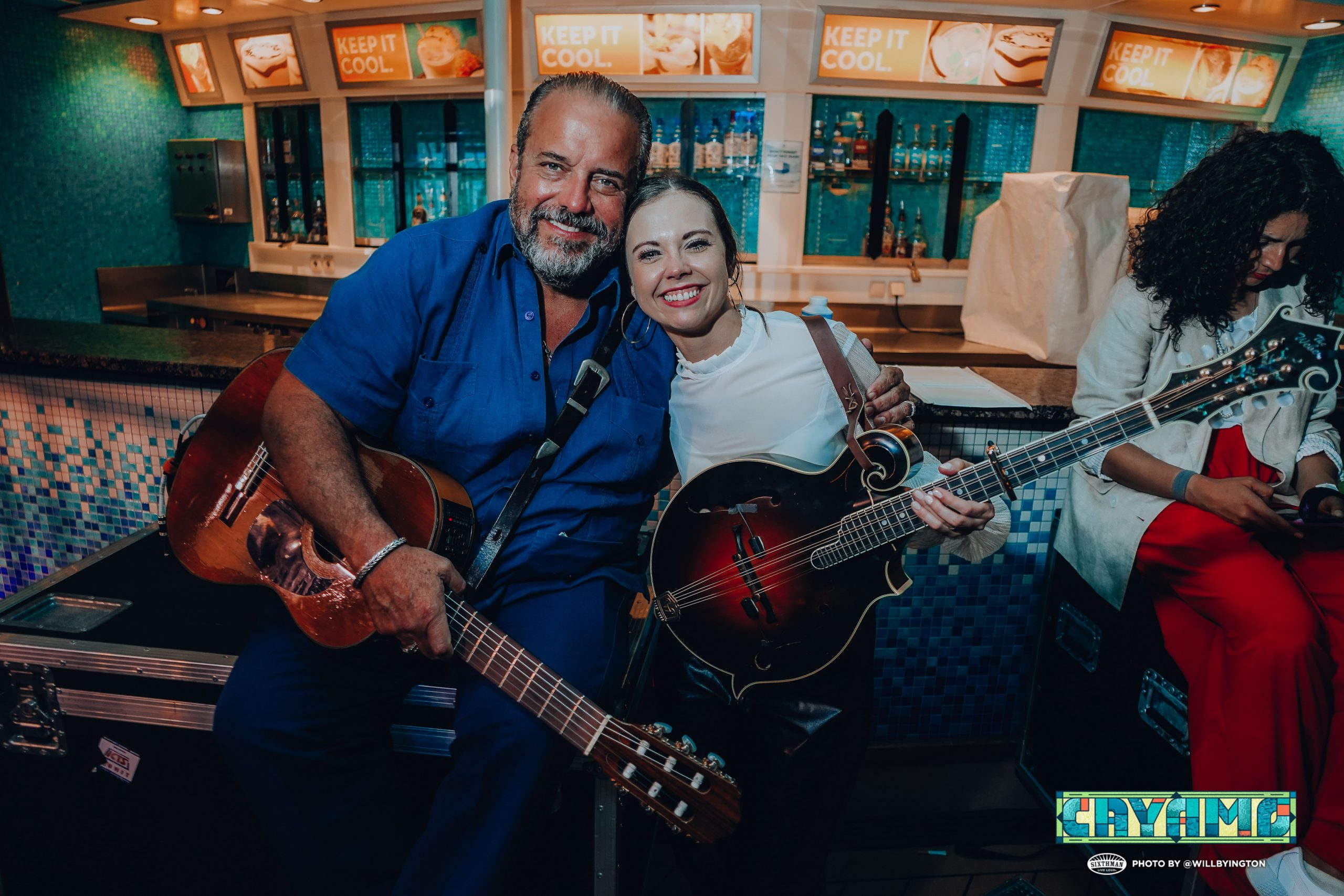
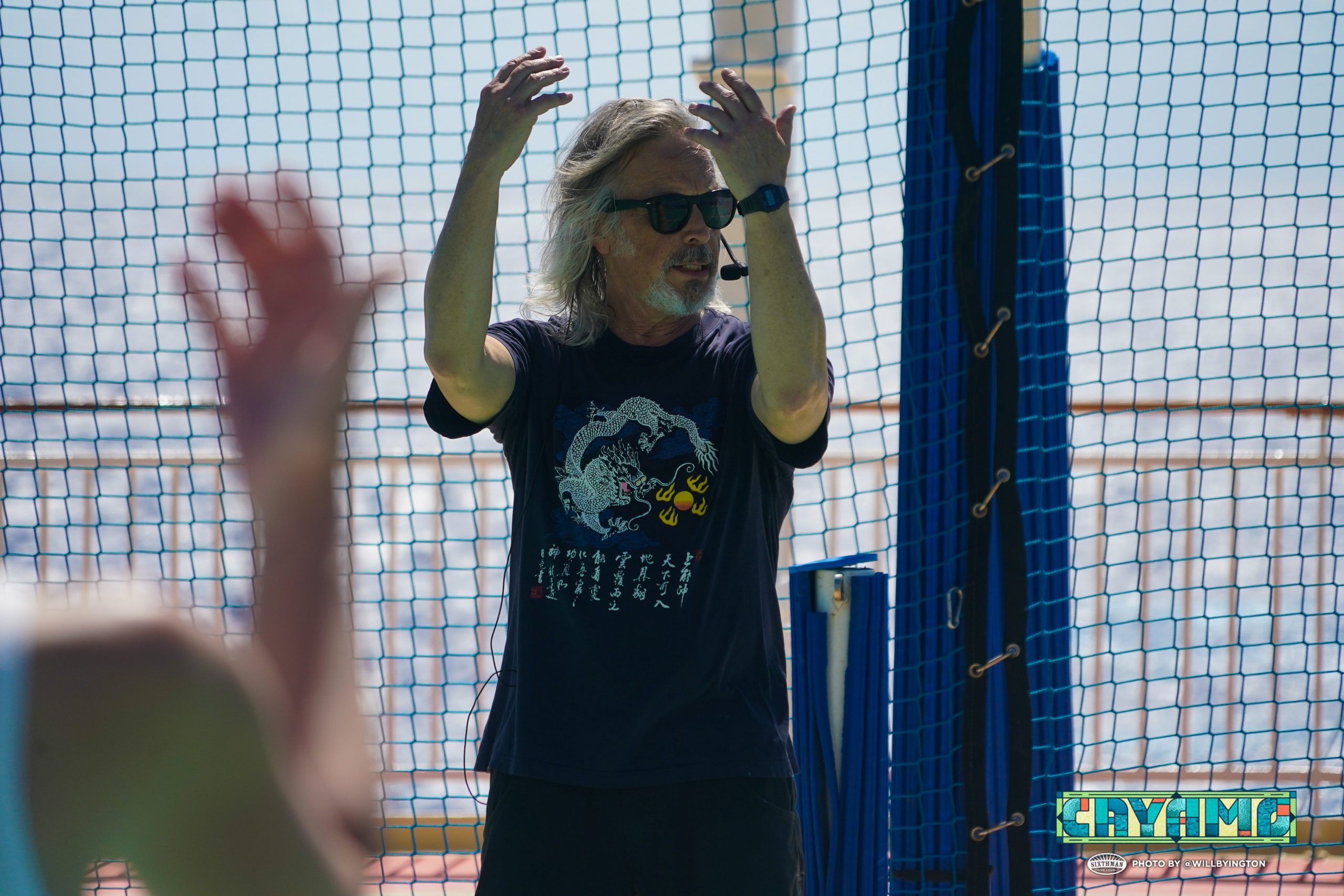
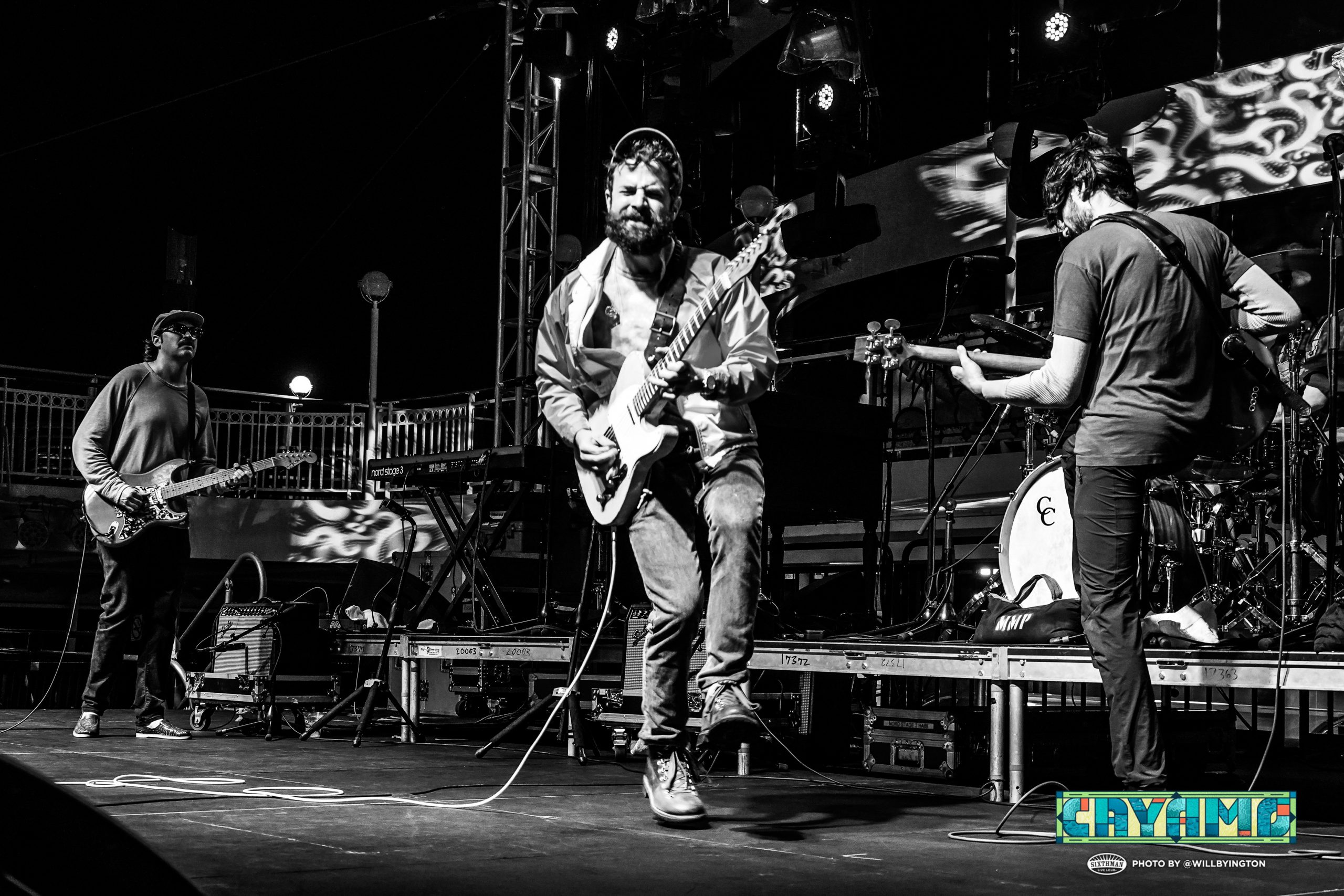
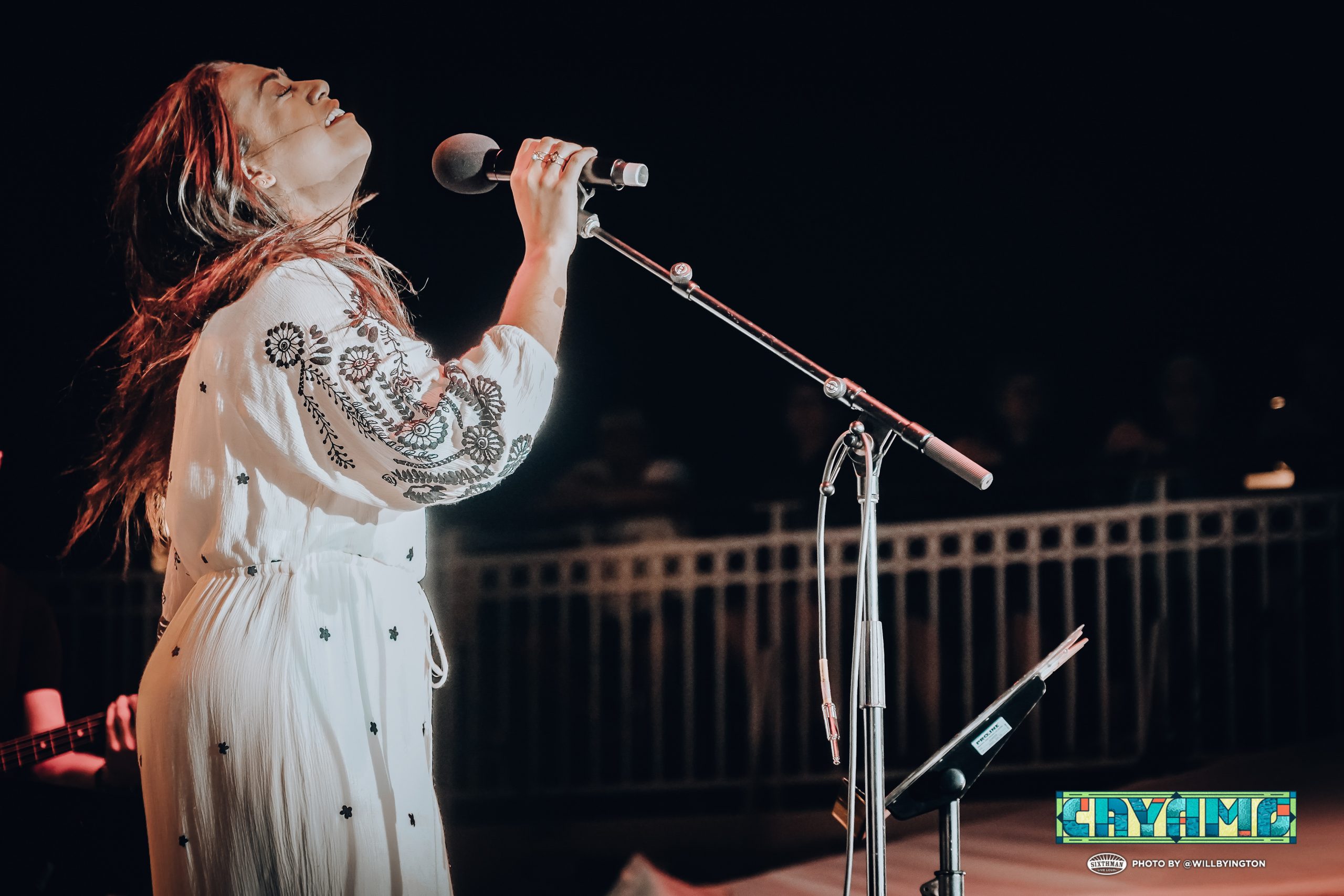
Cayamo was a week of non-stop music, unforgettable collaborations, and moments of joy, from a nautical set by the Punch Brothers, to mid-set stage dives – into a literal pool – from Hogslop String Band, to many opportunities to honor the memory and music of John Prine and those we’ve lost in the past few years – just to name a few. Below, take a look at some of our favorite moments from the Party of the Deck-ade and the entire Cayamo trip, as captured by Will Byington and Cortney Pizzarelli:


Cover Image: Cortney Pizzarelli
All photos by Will Byington and Cortney Pizzarelli

Cayamo: Setting Sail on a Journey Through Song

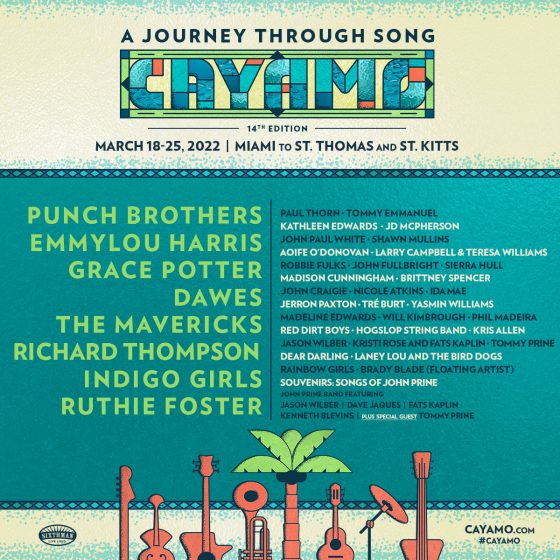
The BGS team is gearing up to board the Norwegian Pearl and join the Sixthman team – along with the likes of Emmylou Harris, the Punch Brothers, Aoife O’Donovan, Dawes, the Mavericks… (we could go on and on and on about this lineup) – as we set sail for a journey through song in Cayamo. The cruise has been a fun-filled gathering of roots music artists and fans for fourteen years now, and we can’t wait to be a part of this reunion after a year away. The week at sea promises full days of live music and community set against the crystal blue waters of the Caribbean, and it all sounds like a dream.

And as we’re celebrating BGS’ 10th anniversary all year long, we had to take this epic vacation, and reunion of our roots music community, as an opportunity to go all out: we’re throwing a good old-fashioned birthday party onboard! Our Party of the Deck-ade Super Jam, co-hosted by Sierra Hull and Madison Cunningham, will be the ultimate celebration of everything we’re grateful for at this moment: ten years of roots music and memories here at BGS, the sustaining power of music, and the joy of being reunited with friends to share in that musical experience after so long apart. Artists from across the Cayamo lineup will join us on the pool deck and share songs that make them feel joy – songs that celebrate life. With a special cocktail menu, toasts all around, and even a birthday cake, it’s sure to be a party we won’t soon forget.

On top of all the festivities, we’ll be taking some time to Sit & Talk, as Fiona Prine hosts intimate conversations with esteemed artists, and her friends, Emmylou Harris and the members of John Prine’s band. She’ll dive in deep in these casual, but meaningful, conversations with the artists, taking us behind the scenes on songs, stories, travels, friendships and life on and off the road.

This year’s ship may be full as of now (though there’s still time to cross your fingers and join the waiting list if you’re the last-minute type), but no need to fret – we’ll be capturing exciting moments onboard so you can experience the fun from dry land. Stay tuned!

BGS Top 50 Moments: BGS On Deck – Our First Music Cruise

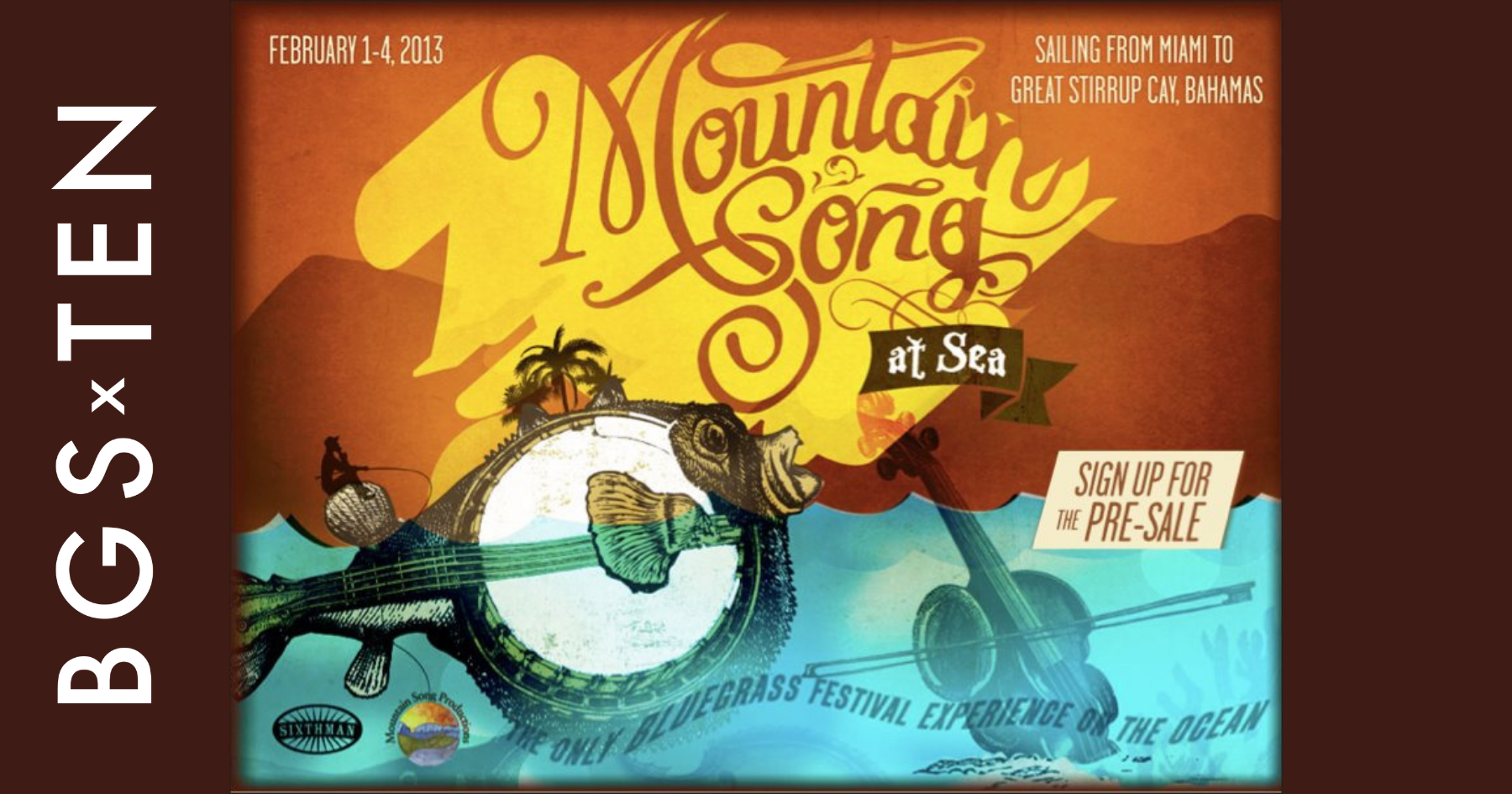
It’s been over nine years since we first boarded the Norwegian Pearl to set sail with some musical friends. Back in 2013, BGS joined the team at Sixthman as well as host band, the Steep Canyon Rangers, on the first Mountain Song at Sea cruise, sailing from Miami to the Bahamas alongside the Punch Brothers, David Grisman, the Del McCoury Band, Tim O’Brien, Della Mae, Bryan Sutton, and Peter Rowan.

You can get a glimpse of the riotous fun that was had onboard that first cruise here.

This month, BGS returns to the high seas on board Sixthman’s Cayamo cruise. While onboard, we’ll be hosting the Party of the Deck-Ade, our kickoff birthday event celebrating ten years of BGS. The jam will be hosted by Sierra Hull and Madison Cunningham, and backed by our house musicians Hogslop String Band.

Get your sunscreen ready, and we hope to see some of you in Miami very soon!

Grammy Nominations 2022: See the American Roots Music Nominees

The Grammy Awards have revealed their nominees, and the American Roots Music ballot is especially diverse this year. Take a look at nominations for the 2022 show, which will air January 31 from Los Angeles on CBS. (See the full list.)

Best American Roots Performance

Jon Batiste – “Cry”
Billy Strings – “Love and Regret”
The Blind Boys of Alabama and Béla Fleck – “I Wish I Knew How It Would Feel to be Free”
Brandy Clark Featuring Brandi Carlile – “Same Devil”
Allison Russell – “Nightflyer”

Best American Roots Song

Rhiannon Giddens, Francesco Turrisi – “Avalon”
Valerie June Featuring Carla Thomas – “Call Me a Fool”
Jon Batiste – “Cry”
Yola – “Diamond Studded Shoes”
Allison Russell – Nightflyer

Best Americana Album

Jackson Browne – Downhill From Everywhere
John Hiatt with the Jerry Douglas Band – Leftover Feelings
Los Lobos – Native Sons
Allison Russell – Outside Child
Yola – Stand for Myself

Best Bluegrass Album

Billy Strings – Renewal
Béla Fleck – My Bluegrass Heart
The Infamous Stringdusters – A Tribute to Bill Monroe
Sturgill Simpson – Cuttin’ Grass Vol. 1 (Butcher Shoppe Sessions)
Rhonda Vincent – Music Is What I See

Best Traditional Blues Album

Elvin Bishop and Charlie Musselwhite – 100 Years of Blues
Blues Traveler – Traveler’s Blues
Cedric Burnside – I Be Trying
Guy Davis – Be Ready When I Call You
Kim Wilson – Take Me Back

Best Contemporary Blues Album

The Black Keys Featuring Eric Deaton and Kenny Brown – Delta Kream
Joe Bonamassa – Royal Tea
Shemekia Copeland – Uncivil War
Steve Cropper – Fire It Up
Christone “Kingfish” Ingram – 662

Best Folk Album

Mary Chapin Carpenter – One Night Lonely (Live)
Tyler Childers – Long Violent History
Madison Cunningham – Wednesday (Extended Edition)
Rhiannon Giddens with Francesco Turrisi – They’re Calling Me Home
Sarah Jarosz – Blue Heron Suite

Best Regional Roots Music Album

Sean Ardoin and Kreole Rock and Soul – Live in New Orleans!
Big Chief Monk Boudreaux – Bloodstains and Teardrops
Cha Wa – My People
Corey Ledet Zydaco – Corey Ledet Zydaco
Kalani Pe’a – Kau Ka Pe’a


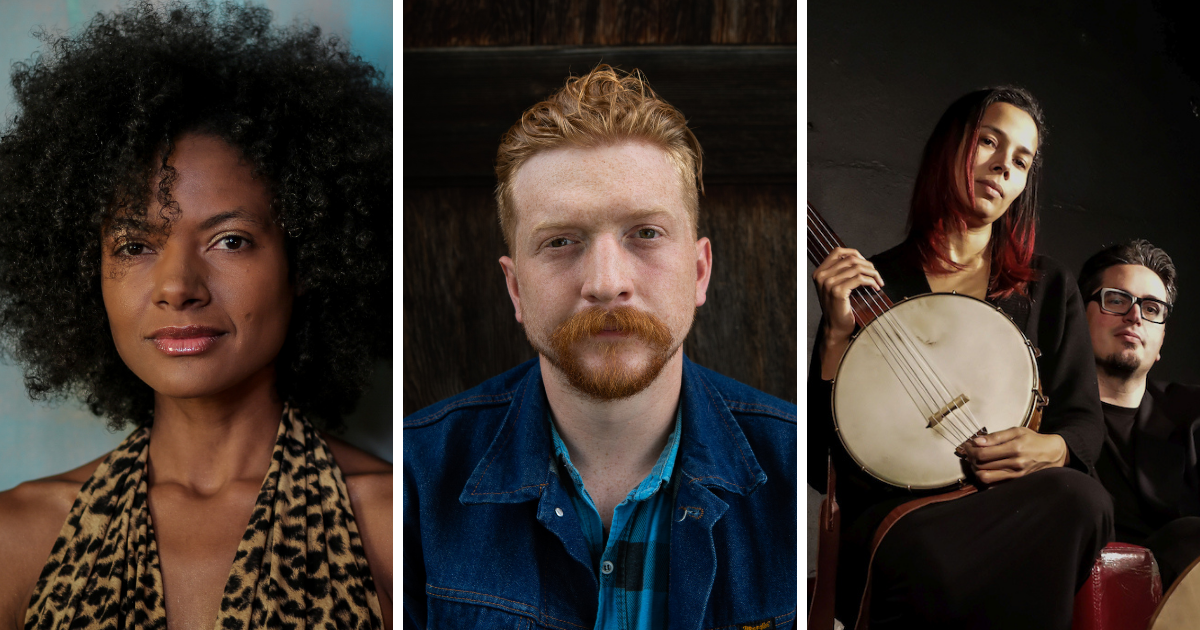
Photo of Allison Russell: Marc Baptiste
Photo of Tyler Childers: David McClister
Photo of Rhiannon Giddens and Francesco Turrisi: Karen Cox

The BGS Radio Hour – Episode 207

Welcome to the BGS Radio Hour! Since 2017, this weekly radio show and podcast has been a recap of all the great music, new and old, featured on the digital pages of BGS. This week, we bring you new music from our Artist of the Month, Allison Russell, an exclusive live performance by Madison Cunningham from BGS’ Whiskey Sour Happy Hour, and much more. Remember to check back every week for a new episode of the BGS Radio Hour.

APPLE PODCASTS, SPOTIFY

Sunny War – “Losing Hand”

Coming out of COVID isolation with fingers crossed and masks on, many artists are releasing new and exciting music. We’re particularly thrilled about Sunny War’s latest release, Simple Syrup. We caught up with the LA-based guitarist and singer for an edition of 5+5 and talked everything — from Elizabeth Cotten’s guitar playing to eating black-eyed peas with Nina Simone.

Ted Russell Kamp – “Lightning Strikes Twice”

Singer-songwriter Ted Russell Kamp originally wrote “Lightning Strikes Twice” in the style of Billy Joe Shaver, as a honky tonk number. But, for his upcoming album Solitaire, he decided to rework the track, bluegrass style.

No-No Boy – “Gimme Chills”

A student of singer-songwriter, multimedia artist, and scholar No-No Boy (AKA Julian Saporiti) once called his song “Gimme Chills” a “fucked up love letter to the Philippines.” No-No Boy agreed. The track is part history lesson and part tribute.

Yola – “Diamond Studded Shoes”

Yola’s roots-pop outing “Diamond Studded Shoes” is a song that explores the divides created to distract us from those few who are in charge of the majority of the world’s wealth. It calls on all of us to unite and turn our focus to those with a stranglehold on humanity.

Dale Ann Bradley – “Yellow Creek”

BGS recently caught up with Kentucky’s own Dale Ann Bradley, discussing her recent album, Things She Couldn’t Get Over — her first release since departing group Sister Sadie. Each of the songs on the project deal with hard times, and finding the courage that gets us through. “Yellow Creek,” a song about the forced removal of Native Americans from their land, finds Bradley giving us a reminder to walk with empathy.

Josephine Johnson – “Where I Belong”

“Where I Belong” by singer-songwriter Josephine Johnson was inspired by characters from British Navy novels set during the Napoleonic wars. Love and high seas adventure, to be sure!

The Wandering Hearts – “Gold”

Inspired by their song “Gold,” The Wandering Hearts created a Mixtape for BGS, entitled The Golden Tonic, it’s a selection of songs that have helped them through tough situations, inspired them, and take them back to specific moments in time. They hope that the Golden Tonic will work its magic on the listener after this heavy and hard year.

Eli West – “Brick in the Road”

In a recent 5+5, multi-instrumentalist and singer-songwriter Eli West discusses the influence of Paul Brady and Irish folk music, understated chaos in visual art, and drunk BBQ with Sting and Mark Knopfler.

Allison Russell – “Nightflyer”

Our Artist of the Month Allison Russell has already made a mark on the modern roots scene through various powerhouse groups, like Birds of Chicago and supergroup Our Native Daughters. Now, she’s stepping out with her first solo record, Outside Child. Stick around all month long for exclusive content from Russell.

Bhi Bhiman – “Magic Carpet Ride”

Bhi Bhiman reimagines iconic rock song “Magic Carpet Ride” in the style of old country blues players – artists like Mississippi John Hurt, Lightnin’ Hopkins, and others who’ve played a huge role in Bhiman’s evolution as a guitarist.

Parker Millsap – “Vulnerable”

Parker Millsap, one of our recent guests on The Show On The Road, is a gifted singer-songwriter who grew up in a Pentecostal church and creates a fiery gospel backdrop for his tender (then window-rattling) rock ‘n’ roll voice.

Madison Cunningham – “L.A. (Looking Alive)”

Last spring, on our debut episode of Whiskey Sour Happy Hour, Los Angeles-based, Grammy-nominated guitarist and singer-songwriter Madison Cunningham kicked off the entire series with an acoustic rendition of “L.A. (Looking Alive).”

Stash Wyslouch – “Lord Protect My Soul”

From bluegrass mad scientist Stash Wyslouch, formerly of progressive string band the Deadly Gentlemen, here’s a traditional number turned upside down, taking a Bill Monroe tune and contrasting it with polytonal backup. Wyslouch told BGS that while he gravitates towards gospel standards in the bluegrass world, his own style drifts to the absurd and unexpected. Like a bluegrass Frank Zappa!

Bob Malone – “The River Gives”

Singer-songwriter and pianist Bob Malone wrote “The River Gives” after the devastating 2016 flooding in West Virginia, but he never had a chance to produce the track like he wanted to – until now!

Marty Stuart – “One In A Row”

Marty Stuart’s new project, Songs I Sing In The Dark, is a collection of twenty songs that he curated that helped him through the tough times that we all saw in 2020. Stuart says this Willie Nelson song has followed him around since he first heard it over twenty years ago. “I think of it as an old friend, same as Willie. It’s a friend for the ages, and an excellent song to sing in the dark.


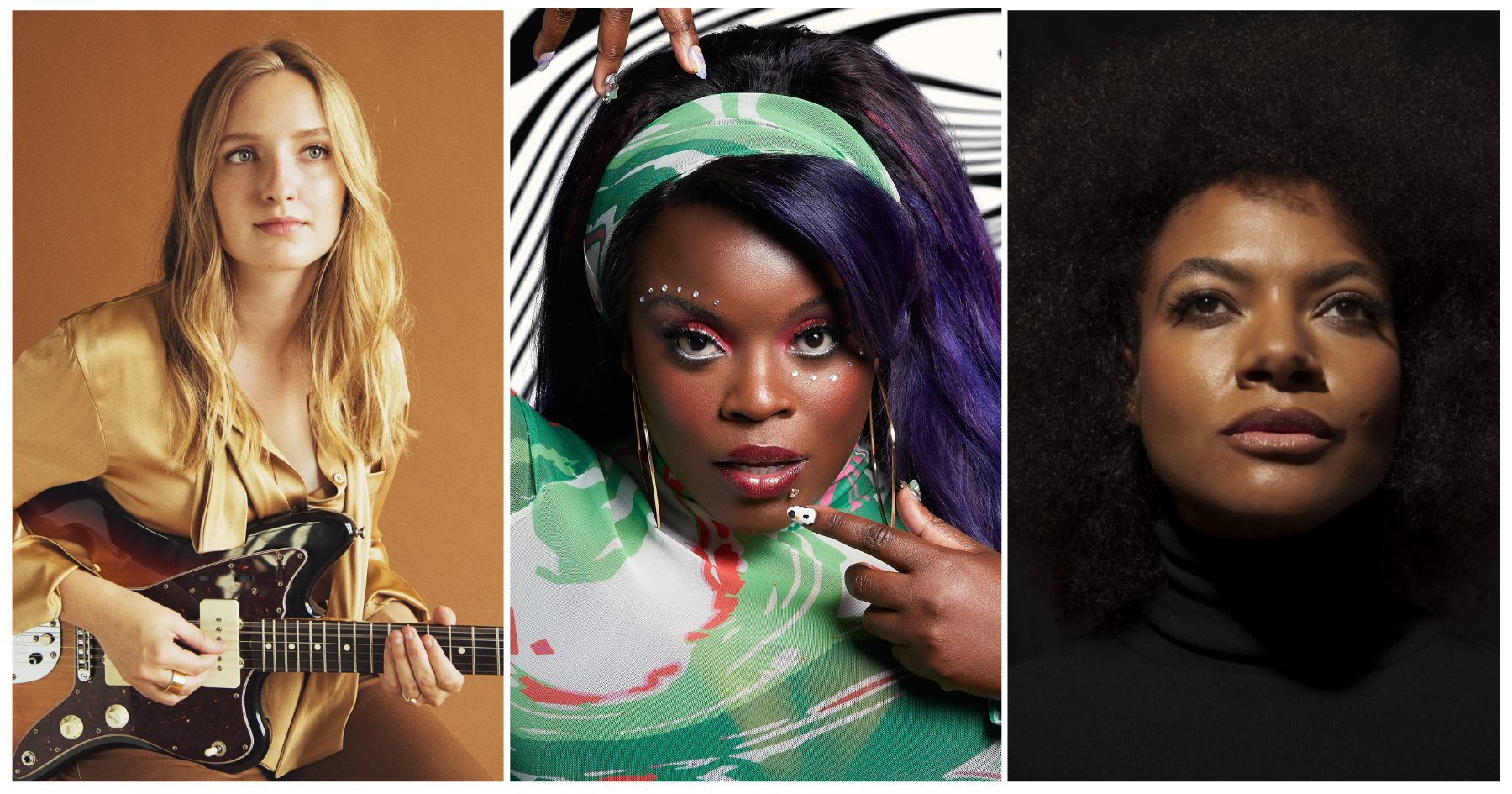
Photos: (L to R) Madison Cunningham by Claire Marie Vogel; Yola by Joseph Ross Smith; Allison Russell by Marc Baptiste