WATCH: Margo Price’s “Letting Me Down” Won’t Let You Down

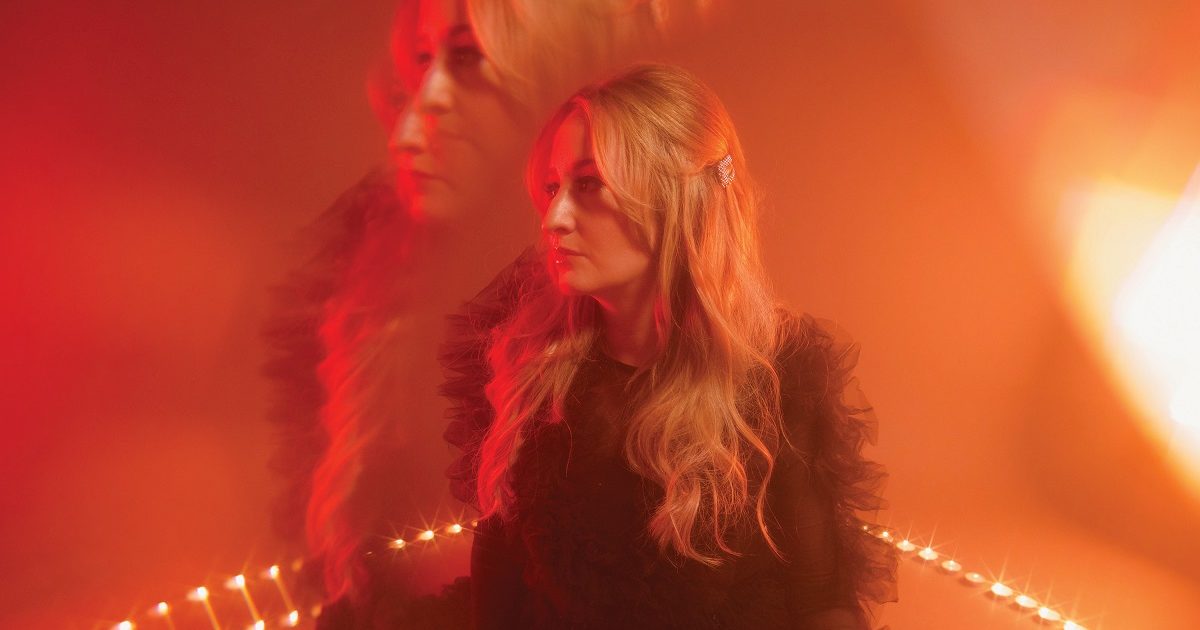
Soulful songbird Margo Price is making the most of her quarantine with an inventive music video for “Letting Me Down” from her latest album, That’s How Rumors Get Started. It’s the singer-songwriter’s debut project for Loma Vista Recordings and first collection of new music since 2017’s All American Made.

On “Letting Me Down,” Price harnesses her inner badass with the cutting hook, “You have a way of letting me down.” That’s How Rumors Get Started is an encapsulation of Price’s energetic live show, which is wrought with the same high-flying spirit and tenacity seen in this artfully-captured music video. Already respected as a country singer, this project from exudes rock ‘n’ roll and firmly places Price in a category with other country rockers.

The video’s director Kimberly Stuckwisch drove an RV from Los Angeles to Nashville to film in Margo’s home and an abandoned hospital. She recalls, “We bought a cheap ’80s travel trailer with a bathroom, kitchen, and a propane-powered refrigerator, so we wouldn’t have to go inside anywhere for food or bathrooms. We were able to abide by the six-feet social distance CDC recommendation as we set up a remote head for the camera that we operated from a closet outside of the room. We wore masks the entire time and Margo supplied us with multiple bottles of hand sanitizer and spiked seltzers. We parked our RV in her driveway and worked solely out of there and the room we were filming in. We wanted to speak to what was going on at that moment, to a world that was/is shut down, to the fear we all feel, and to the hope of breaking free.”

Watch “Letting Me Down” and check out Price’s “Runaway Horses with Margo Price” live stream, too.


Photo credit: Bobbi Rich

Stay On Your Ass: BGS Picks for Your Social Distancing

In the past, we’ve been pretty much adamant in our command to GET. OFF. YOUR. ASS. Supporting musicians, writers, and creators means going out to shows, buying drinks at venues, volunteering at festivals, and so much more — except… not right now.

So here’s what you can do to help the music business — and all of your favorite hard-working, paycheck-to-paycheck artists. Just stay on your ass! Each week, we’ll round up a few of our favorite events, livestreams, and COVID-19 coping resources that we’ve scrolled by on our feeds or found in our inboxes.

What music are you spending your time with, now that you’re staying on your ass, too? Let us know in the comments.

Margo Price Plays a Tiny Desk (Home) Concert


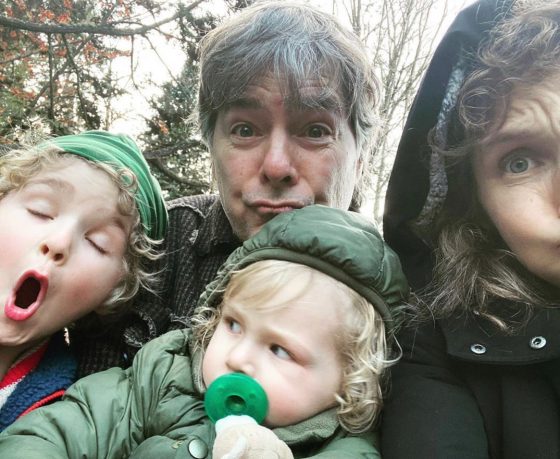
Thirteen days into self-quarantining with their two children, dog, and cat, husband and wife Margo Price and Jeremy Ivey play three songs — including an unreleased original, “Someone Else’s Problem” — for a recently retooled version of the ever-popular (and BGS favorite) Tiny Desk Concert series.

A List Of Live Virtual Concerts To Watch During The Coronavirus Shutdown

NPR Music has compiled, and continually updates, this gargantuan list of online concerts and livestreams, sorted by genre. There’s a little bit of something for everyone. Artists and performers: you can submit your show for inclusion here.


Béla Fleck & Abigail Washburn’s Banjo House Lockdown Livestream Series


Everyone’s favorite banjo power couple has been making the most of their isolation time, broadcasting on Facebook Live on Friday nights at 7:00 pm EDT (upcoming shows on March 27, April 3, and April 10). Whether you’re a banjo nerd or not, Fleck and Washburn are delightful entertainers, with innovative double banjo arrangements, traditional step dance, and the most adorable cameos made by their two cherubic children. It’s worth a tune-in.

Fleck’s expanded boxed set, Throw Down Your Heart – The Complete Africa Sessions, releases on March 27 and Washburn’s duo album with guzheng virtuoso Wu Fei drops April 3.


IBMA’s Bluegrass Community Resources for COVID-19

The International Bluegrass Music Association is curating a resources page specifically geared toward the bluegrass community and its working professionals, who, due to the grassroots, DIY nature of the genre, are set to be disproportionately impacted by this crisis. While IBMA is careful to point out this is not a complete list, it’s an excellent starting point for any performer who may feel like the proverbial “rug” has just been pulled out from underneath their feet.

MusiCares COVID-19 Relief Fund

A philanthropic arm of the Recording Academy / GRAMMY Awards, MusiCares has been supporting professionals in music industries with financial support for decades, providing a safety net of critical assistance in times of need. Artists and industry professionals can apply for assistance, but those who are able can donate as well — a rare opportunity for direct action! Find more information here, and apply for assistance here.

Jerry Douglas Performs LIVE to Raise Money for MusiCares

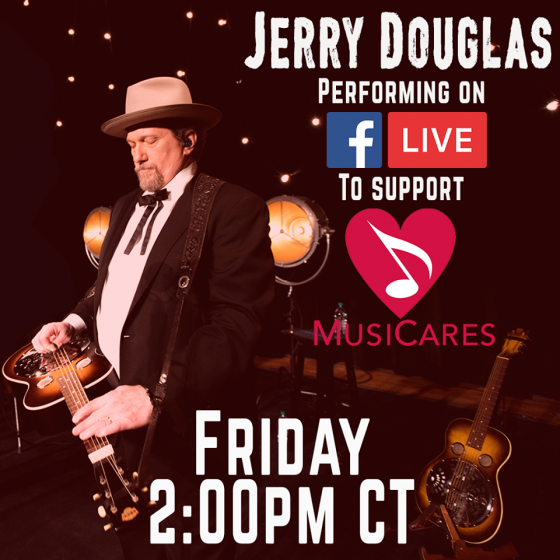
Speaking of MusiCares, the king of the resonator guitar himself, Jerry Douglas, will be going live on his Facebook page tomorrow, March 27, at 2:oopm CDT. So, if you’d like your donation with a side of the tastiest Dobro in the land, here’s your best bet!


WinterWonderGrass TV

Our friends at WinterWonderGrass, who’ve unfortunately had to postpone both remaining WWG events in 2020, remain undaunted! Starting tomorrow, March 27, at 8:00 pm EDT, they’ll release a series of hour-long livestream “episodes” featuring music and performances from artists on WWG’s cream-of-the-crop lineups and sneak peeks at events and highlights of the wintry, ski-centered festivals that make them so special. You can tune in on Facebook, either on WWG’s page, or with your old pals, BGS, too. Two more episodes will follow, on April 3 and 10.


‘There’s Nothing Set Up for Any of Us.’ — TIME Reports on the Music Industry Fallout

Banjoist, ethnomusicologist, and artist Jake Blount was interviewed by TIME regarding the financial repercussions of so many canceled events and shows so quickly. The report details how Blount was on his way to the airport to fly to Norway for a festival when he got word it was canceled. Blount’s upcoming album, Spider Tales, is set for release May 29.

Also, You Should Register to Vote

This is real, folks. Voting is the best way to ensure that this pandemic and its effects — economic, social, mental, spiritual, and so on — are actually addressed in a way that centers workers and those most at risk, including freelance and gig economy workers who make all of our jobs, our music, and our art possible. You can register to vote or volunteer here, and get more info on voter registration here.


Photo of Fleck/Washburn courtesy of the artist.


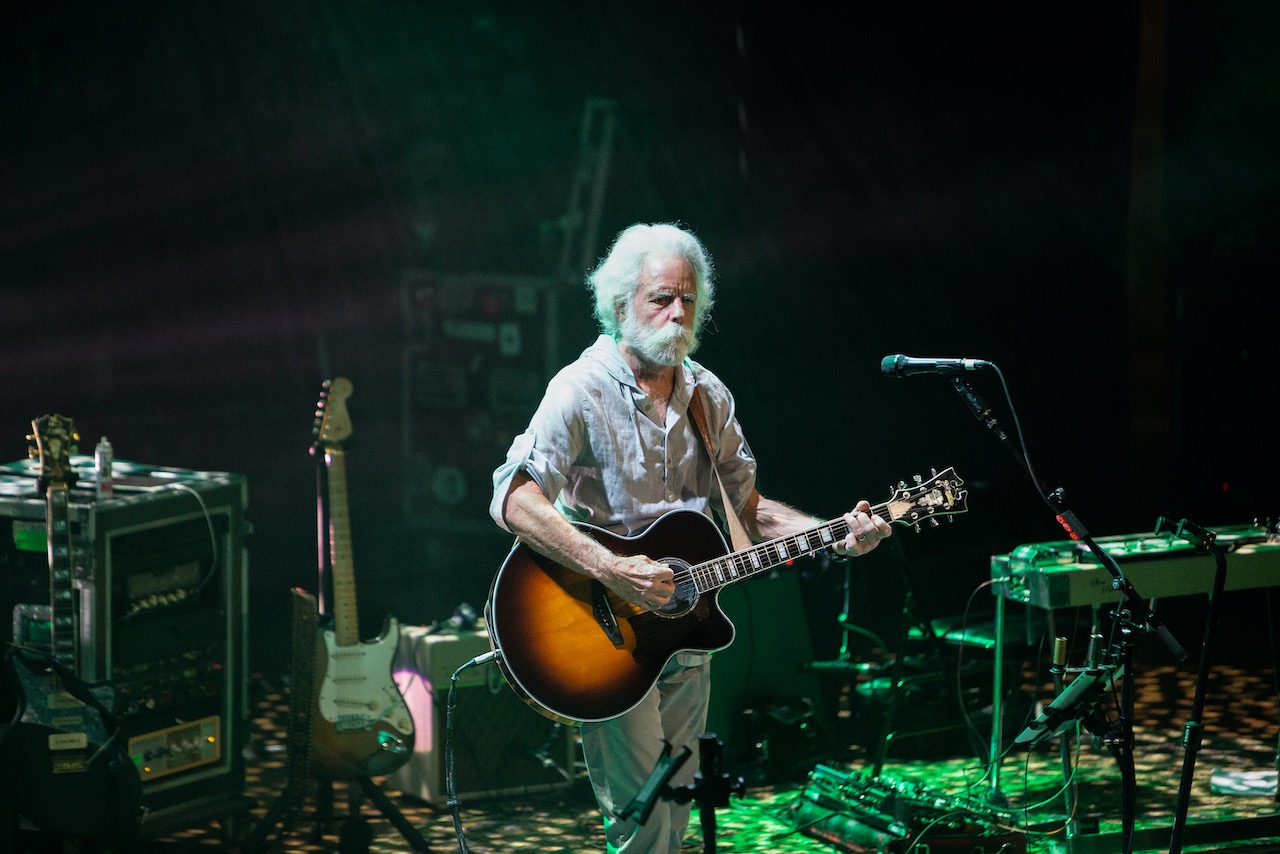
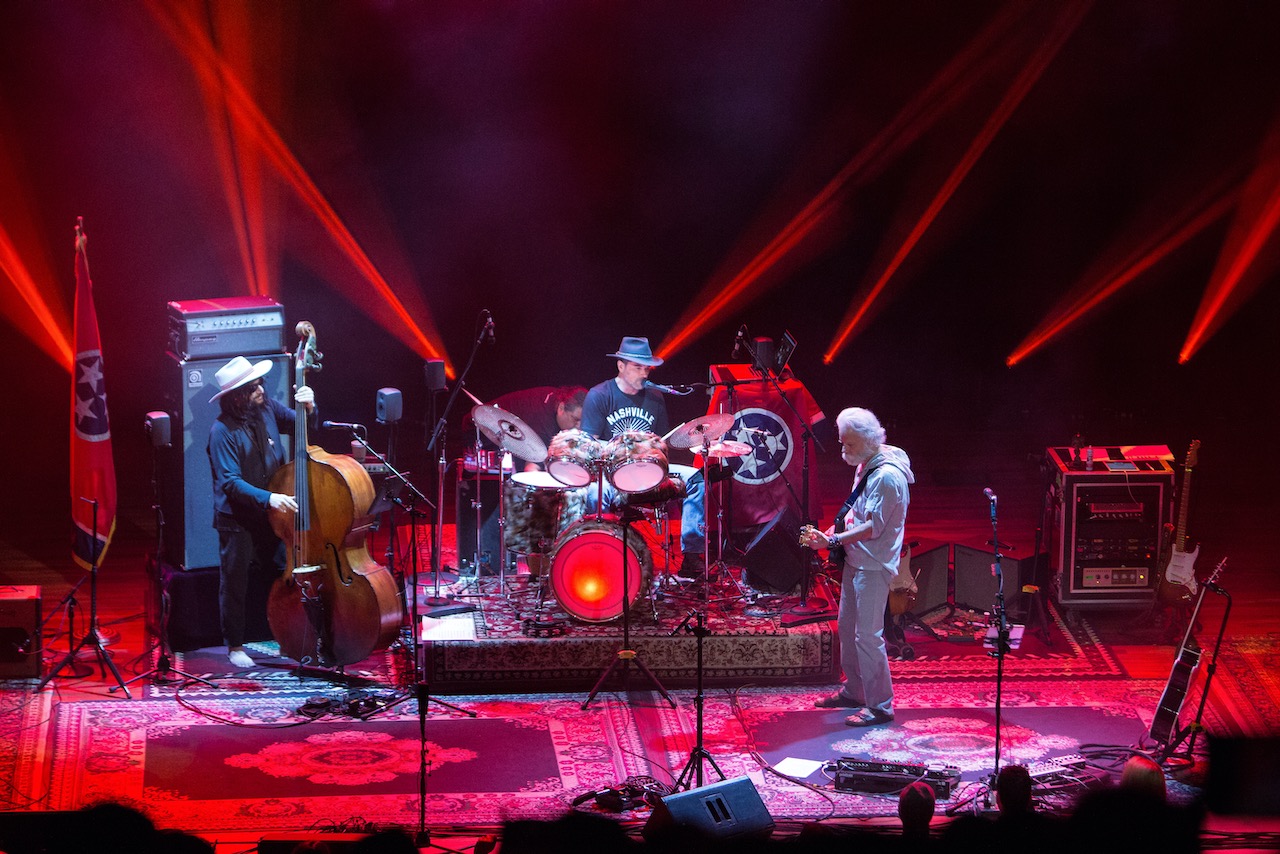
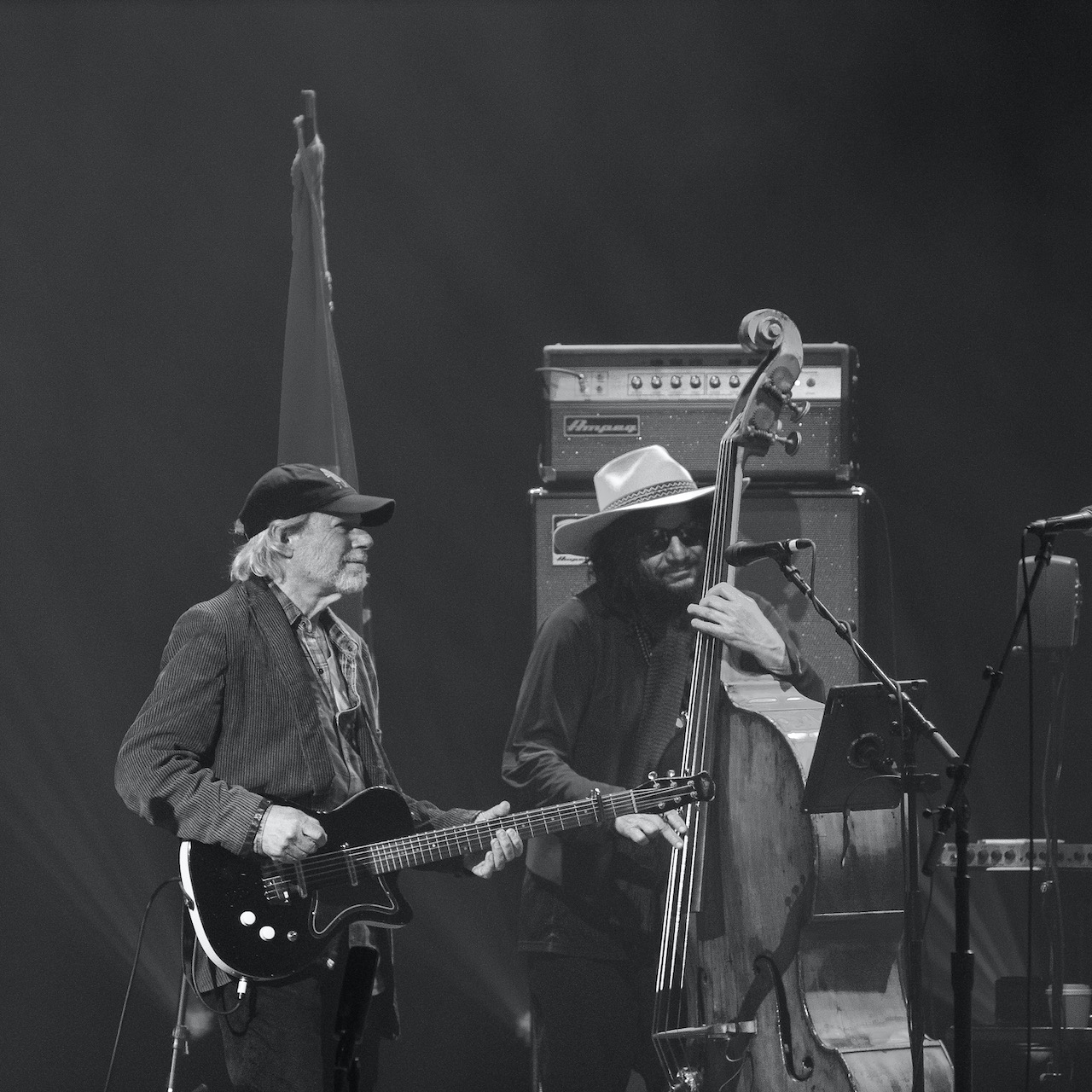
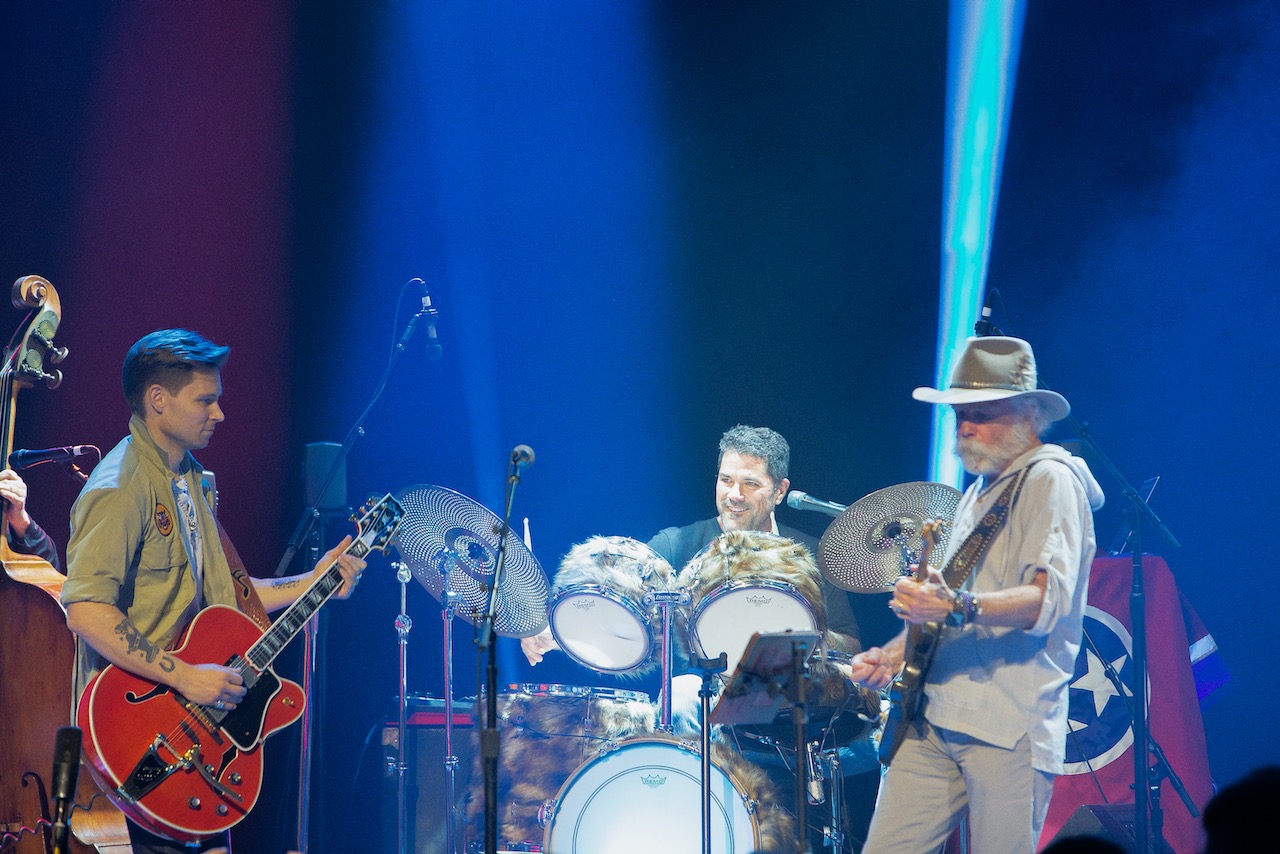
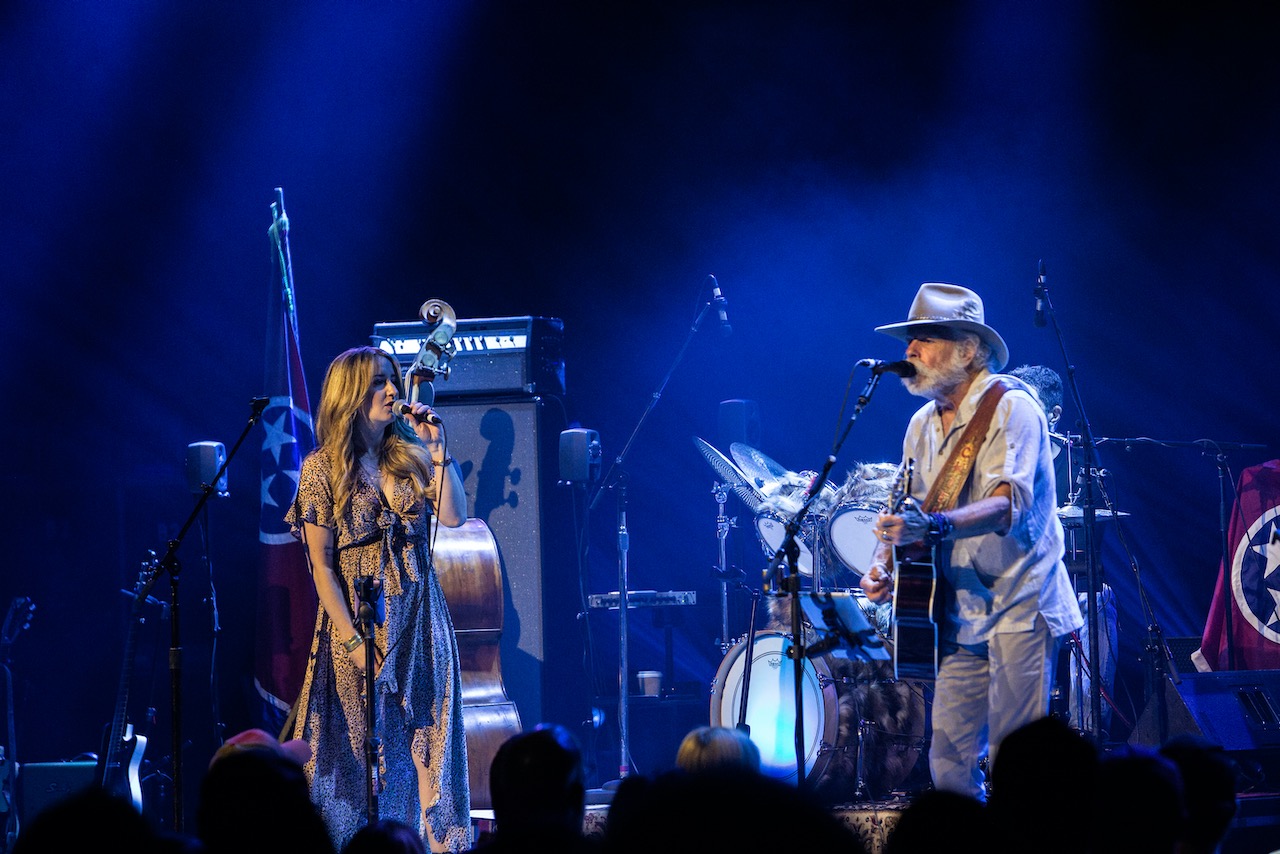
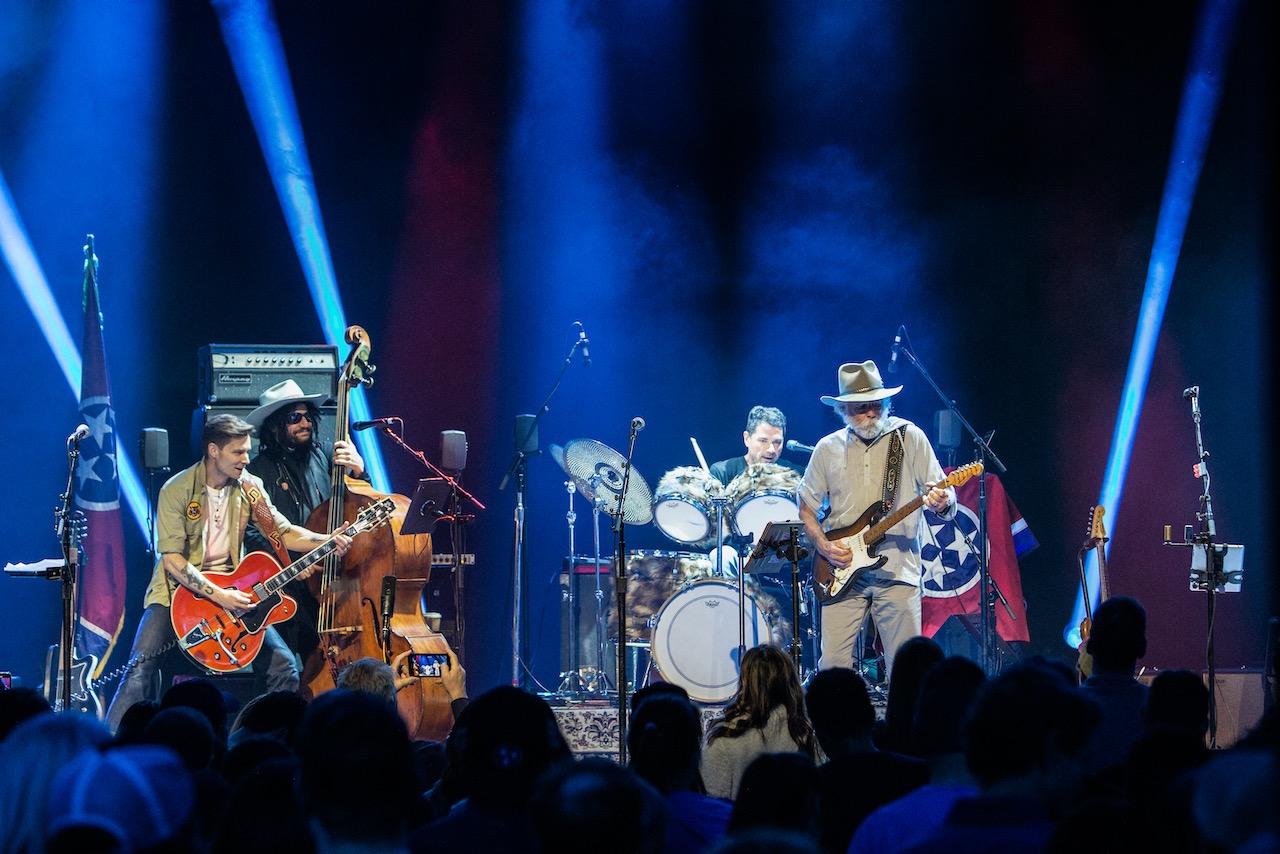
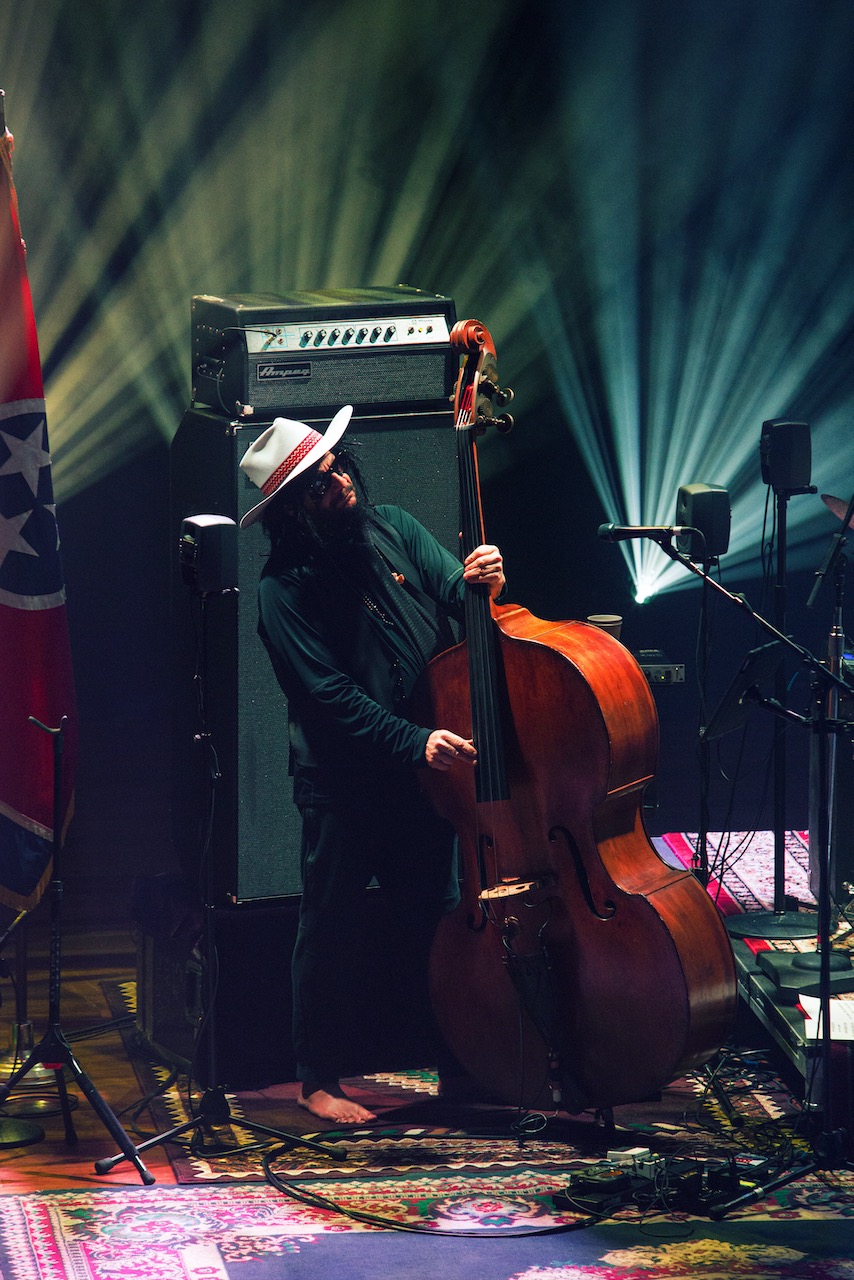
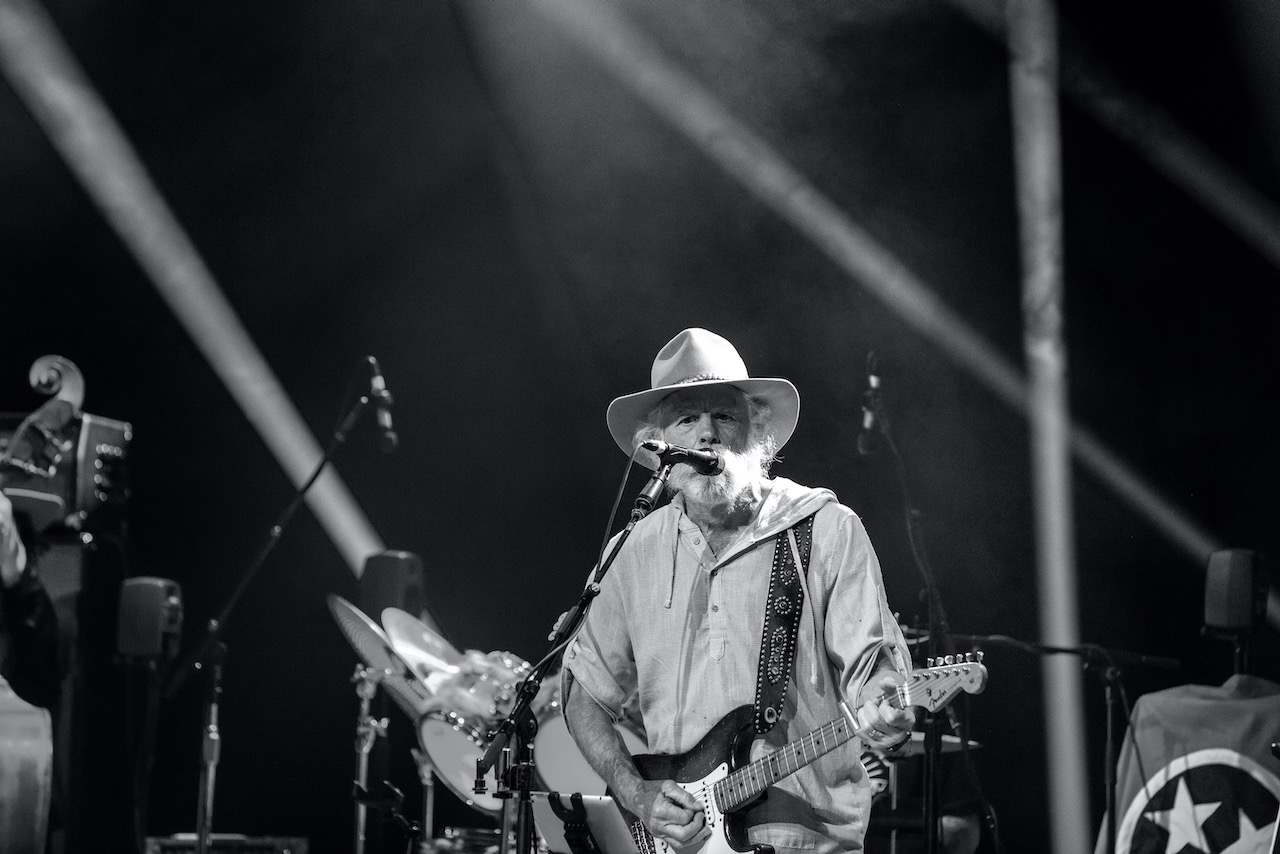
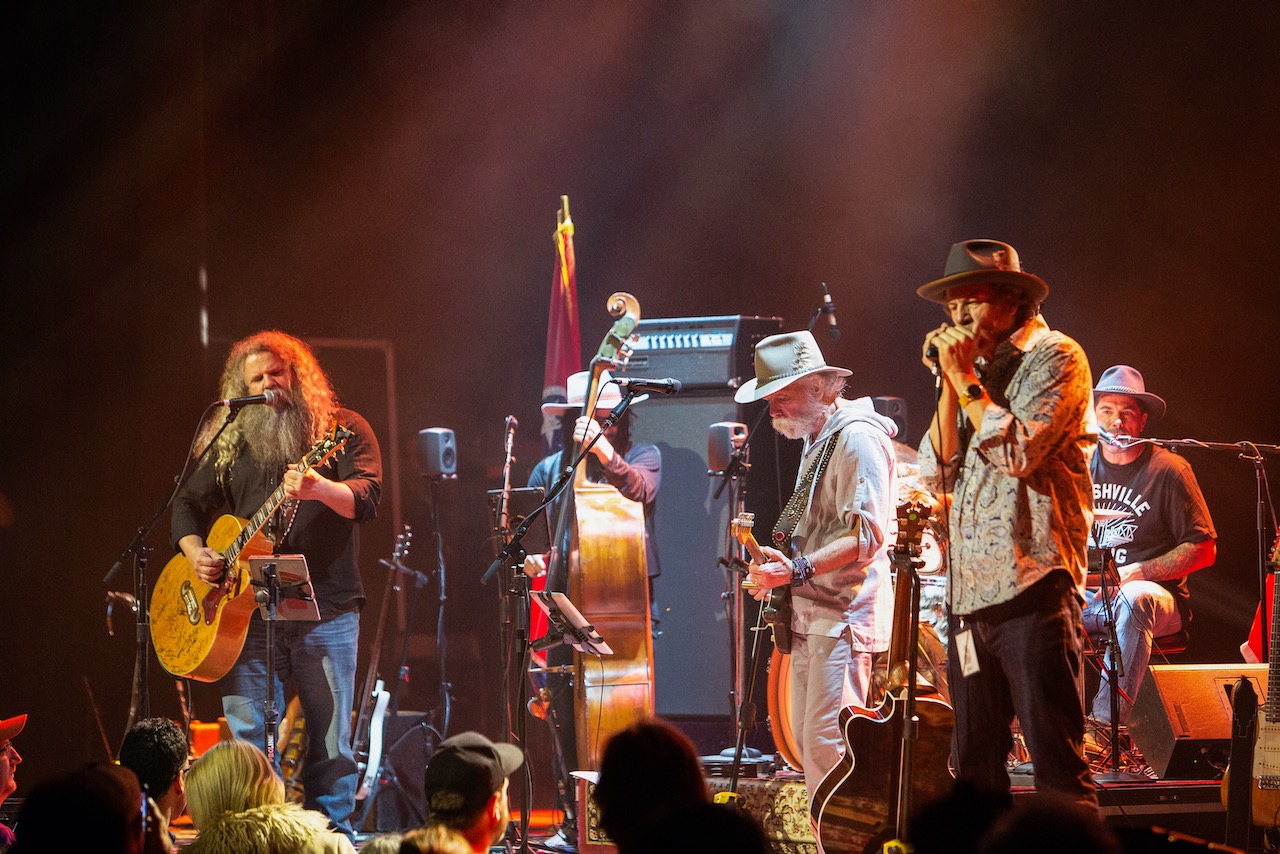
Photos: Bob Weir and Wolf Brothers Lead Tornado Relief Benefit at Ryman

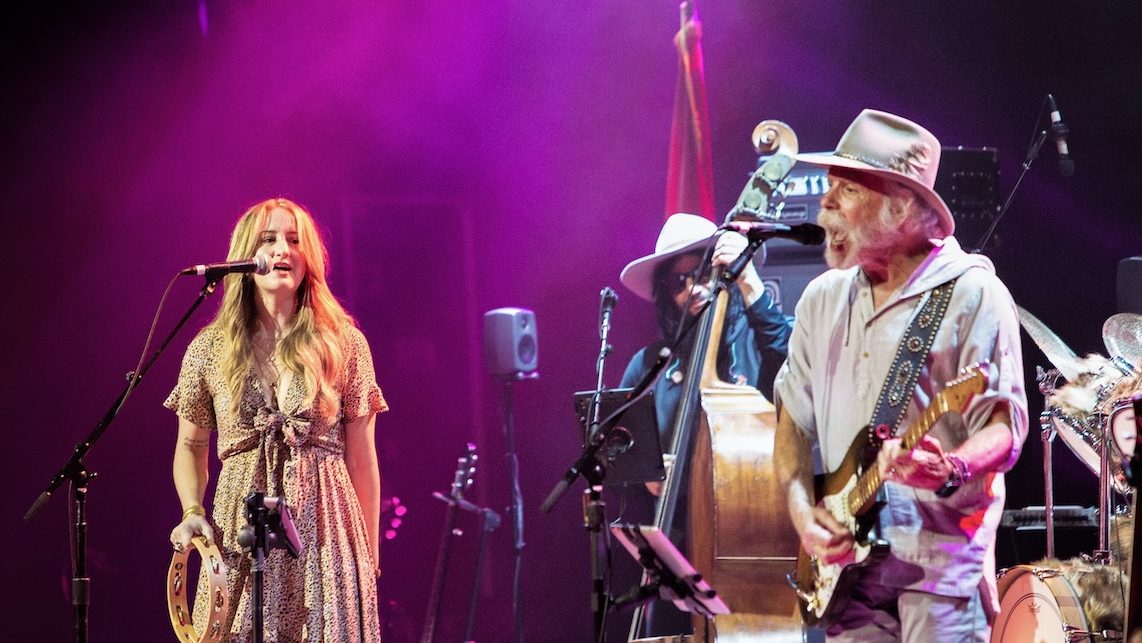
Bob Weir and Wolf Brothers turned their Nashville gig into a tornado relief concert and, yes, we are grateful for it. On Saturday night, Weir welcomed many special guests to the Ryman Auditorium stage, including Frankie Ballard, Jamey Johnson, Buddy Miller, Margo Price, and Mickey Raphael.

The primary charity partner for the event is The Middle Tennessee Emergency Response Fund of The Community Foundation. The organization collected a percentage of proceeds from ticket sales and providing a text-to-donate option for all patrons. Donate now.


All photos: Chad Crawford Photography

WATCH: Margo Price, “Stone Me” (From ‘Full Frontal’ on TBS)

Artist: Margo Price
Hometown: Nashville, Tennessee
Song: “Stone Me” (From Full Frontal With Samantha Bee)
Label: Loma Vista Recordings

In Their Words: “After what feels like an eternity, I’m releasing a new song into the wild today. It’s been hard to keep everything I’ve been working on for the last year to myself and I’m so excited to share it.” — Margo Price


Photo Credit: Bobbi Rich

GIVEAWAY: Win Tickets to WinterWonderGrass (Steamboat Springs, CO) Feb 21-23

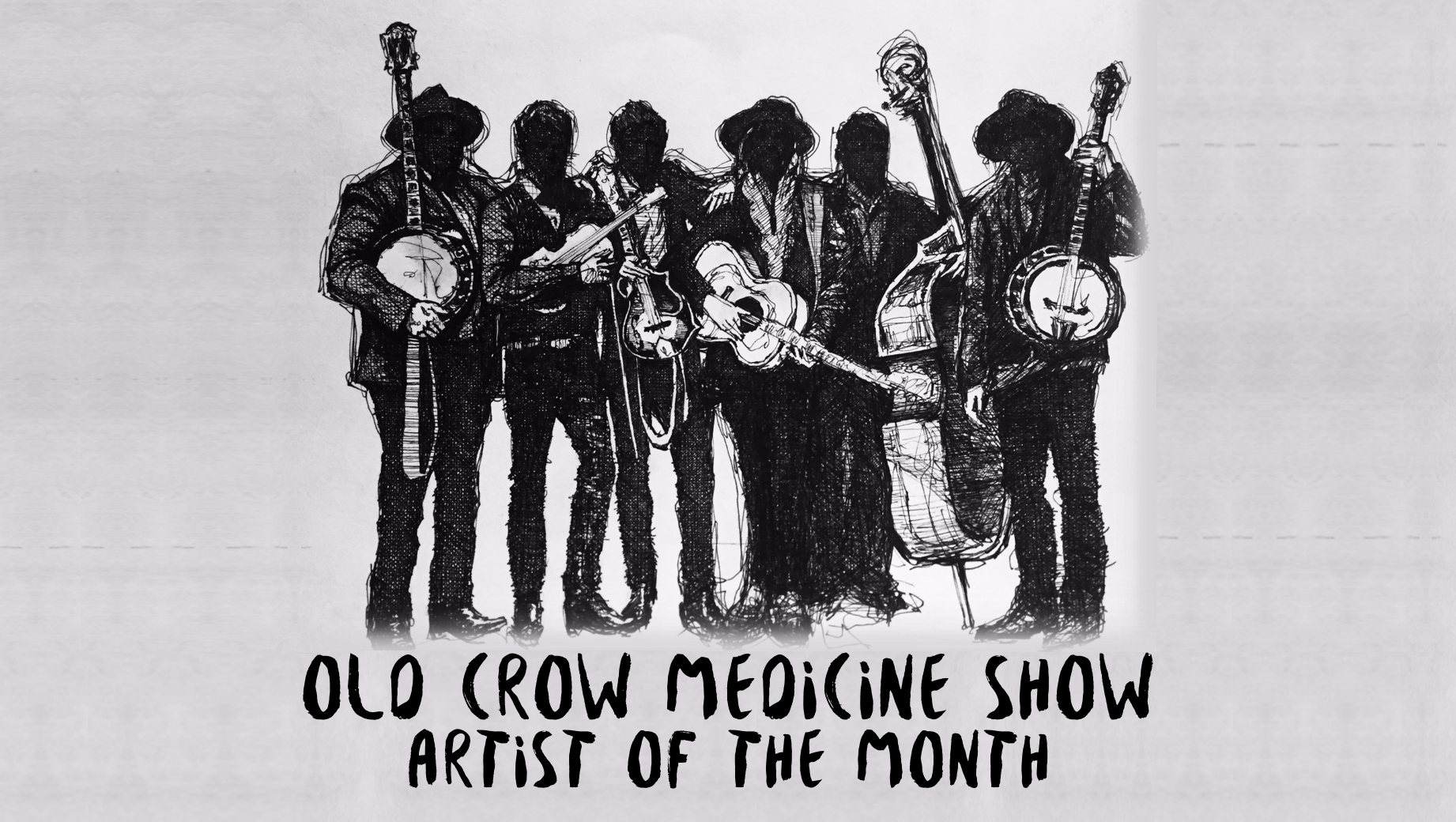
Old Crow Medicine Show: “Time to Start Doing Exactly What We Feel Like Doing” (Part 1 of 2)

I can still remember the first time I saw Old Crow Medicine Show live. It was a sweltering summer night in Nashville around 2008 (back before the bachelorettes and Bird scooters) and they played from a massive barge moored at Riverfront Park. The thing was huge — far too big for six skinny street musicians to budge — but I swear it moved while they stomped and hollered, the Cumberland rolling by lazily behind them.

I was familiar with the band and already loved the unapologetic mix of tradition and edgy intensity, but that live show was revelatory. It gave me a new appreciation for the sense of community Old Crow was trying to forge, so it’s always surprised me that they didn’t record live albums. That has finally changed with this month’s release of Live at the Ryman.

Backstage at the Grand Ole Opry House on another hot summer night, front man Ketch Secor spoke with BGS about the project, why Old Crow is just now getting around to a live album, and what their style of music needs most right now.

BGS: Part of the idea of this album is that Old Crow has played the Ryman over 40 times. For a band that started out busking in the Northeast, how does it feel wrap your head around that?

Ketch Secor: Actually, I wish I had a real count because Lord knows I’ve played there more than 40 times. I think that’s how many times we’ve headlined, but if you add them all up I bet it’s a triple-digit number. We’ve been openers there for Dolly Parton back in 2002 for, like, a daytime show. We’ve done a lot of film and television there, all kinds of awards shows. It always felt like the place to shoot for — it’s the moon, the Ryman Auditorium, and we were always a shoot-for-the-moon kind of band because we figured “Well, we’re not supposed to be here anyway, so we might as well try and go as far with it as we can.”

You self-released one live album in 2001, and then nothing else until now. Why did it take 18 years to do another, since the live show has always been the foundation of what you guys do?

Oh, I think because we’ve always tried to put out a new studio record every couple of years, and here at the 21-year mark it’s probably time to start doing exactly what we feel like doing.

You haven’t been doing that the whole time?

Nah, not with those studio records. There’s a lot of stuff you’ve gotta do. Yeah, we always did it “our way” in the fact that we always played our own music. But just being in the music business means doing it everybody else’s way.

So you had to make a few compromises here and there?

Oh yeah, there was a lot of playing the game in ways that never seemed to pan out, but it never stopped us. That was just the way it was, and we were impressionable, so that’s what we did. We did it the way we were advised to do it.

Can you elaborate a little?

Like playing Napster. Doing shows for radio programmers in L.A. who never played us. Trying to make videos for CMT that were never in rotation, ever. …Opening up for Carrie Underwood at [Country Radio Seminar], it’s like, “What were we doing there?” Those guys, they might have liked it, but they were never gonna play it. And I don’t care if they like it, I want them to fucking play it, or I don’t want to play that show.

So now that you feel freed up to do it your way, what’s that look like?

Live at the Ryman. Here we are singing a Merle Travis song! Here we are singing our songs or selling popcorn and tickets and people brought their buck-dance shoes! I mean, we’ve set beer records at the Ryman. I’d rather sell beer at the Ryman than sell records! …I’d rather sell beer at the Ryman than digital streams! What’s the fun in that?

“Tell it to Me,” “Methamphetamine,” those are interesting songs to present because rural America has a new drug problem going on with opioids. Why is it important for you guys to sing songs like that, especially at the Ryman?

Well, “Tell It to Me” was recorded in Johnson City in 1928 I think. The band that brought that song to the studio had been an original backing band for Jimmie Rodgers… Anyway, I’m just saying this because if you like country music, you should probably know that drug songs have been part of the canon since recording studios first illuminated a red light bulb and said, “You’re on.”

I don’t think people do know that. We’re just now starting to get radio songs with pot references that people don’t flip out over.

Yeah, I mean it was blow in the ‘20s and now it’s pot in the 2010s. And then “Meth” is a really different kind of song because it’s more topical. We recorded it a long time ago but it seemed important to bring it back and revamp it, make it more intense, and Charlie Worsham plays some really great electric guitar on it. It just feels like it’s knocking on your door, like a hurricane.

Tell me about doing “Louisiana Woman, Mississippi Man” with Margo Price.

We were down in Oxford, Mississippi, doing a show with Margo. She was opening up for us down there near Ole Miss, and we were looking for a song that seemed to fit, so we tried that one. Our duo thing felt really good, and I feel like I’m a little bit in the Conway range — and she’s definitely in the Loretta range — so it worked out pretty good. We heard the playback we thought it sounded great so we wanted to put it out. I saw her at the grocery store the other day and she said she loved it.

Why did you include a song like “C.C. Rider,” which has Lee Oskar playing harmonica?

I really love his band War. We did “Lowrider” onstage at the Ryman, too, maybe that will come out on Volume 2. But what I really loved about that moment on the Ryman recording is that it has twin harps. You know the old guys don’t have their pictures up here [gestures at photos of Opry stars on the dressing room wall]. …But the story of the twin harp playing of the Crook Brothers — Herman and Louis Crook — lives a long time, because Herman and Louis lived, like, into their 90s. What they were great at was two harmonicas playing in unison.

That’s interesting. In your music you’re often looking to the past for inspiration, but what do you think is the future of string bean …. er, string band music, Americana?

You just answered it, man. We need a new Stringbean. Nobody’s acting like that and that’s what’s missing. Who’s gonna be the clown? What happened to the kind of entertainment that’s self-effacing? Everybody on this wall loves the clowns, but none of them are. They’re “the vocalists” and we’re supposed to take them seriously. I’d love to see this genre — whether it’s country or Americana or whatever — just not take itself so damn seriously. Let’s just have a grand ole time. Let’s poke some fun at each other, and especially at ourselves. I’d love to see that.

Editor’s Note: Read part 2 of our interview with Old Crow Medicine Show’s Ketch Secor.


Illustration: Zachary Johnson

ANNOUNCING: WinterWonderGrass Returns to Colorado, California, and Vermont in 2020

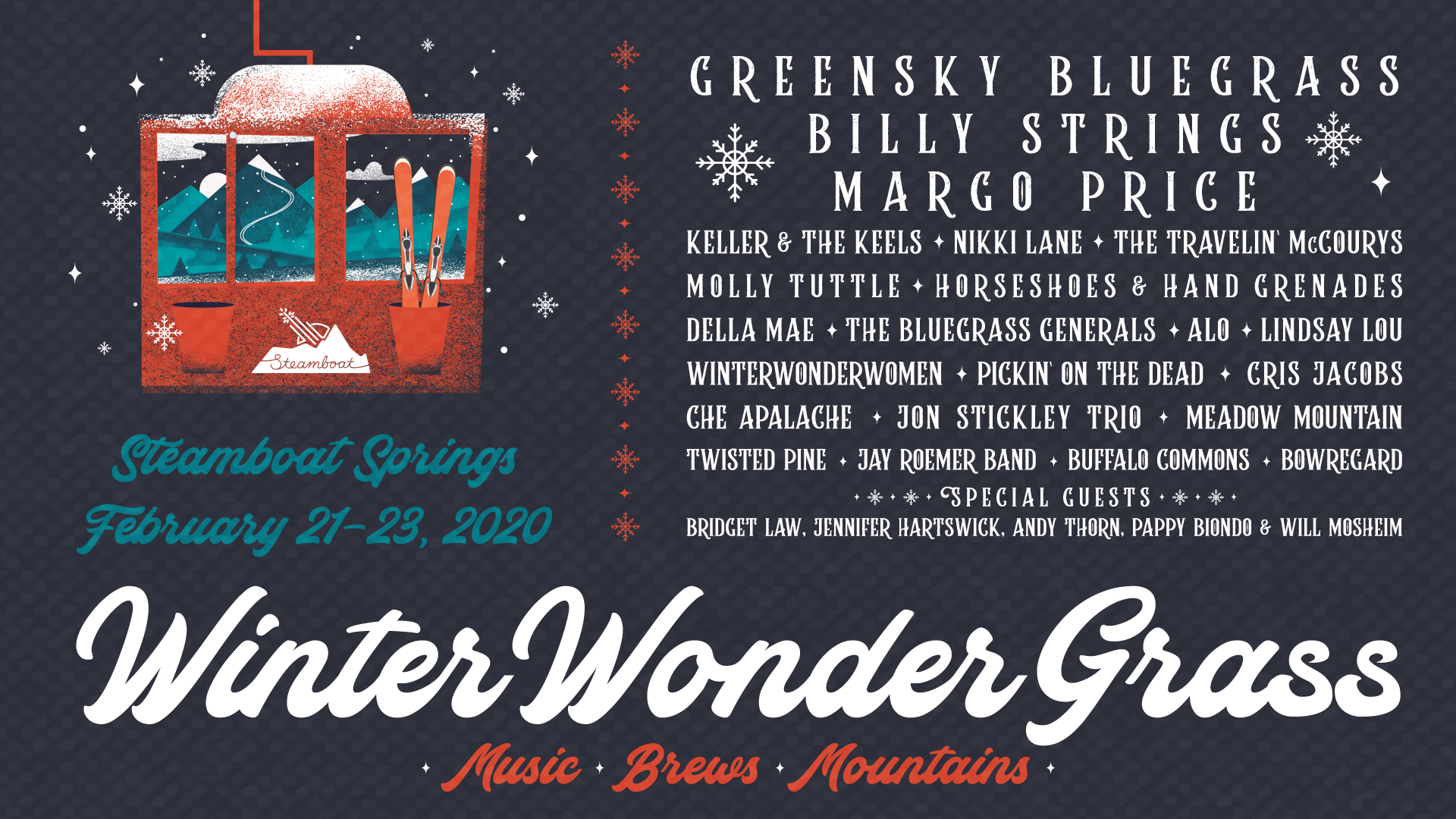
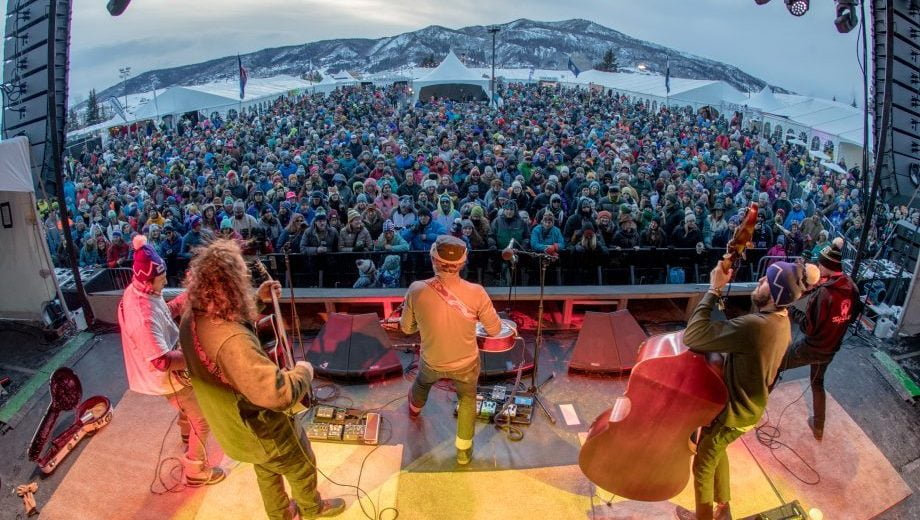
Today, the WinterWonderGrass Music & Brew Festival shares the 2020 lineup across all three of their flagship events. Taking place in Colorado from February 21-23, California from March 27-29, and Vermont from April 10-11, the traveling music festival will welcome performances from some of the hottest names currently thriving in today’s bluegrass and Americana scenes.

“It’s with a mountain of intention, huge hearts, humility, and a commitment to delivering the hottest and sweetest artists that we present to you the 2020 WinterWonderGrass landscape,” says festival founder Scotty Stoughton in a press release. “Each year, the hardest thing to do is not heed our desire to return to each and every band — and by virtue of that, friends to WWG — year in and year out. It is our sincere desire you’ll find new lifetime favorites on this lineup, have the chance to be reunited with old loves and step out of your comfort zone with open arms to new experiences.”

“WinterWonderGrass has become a home for artists, fans, staff, locals, businesses, skiers, riders, their families and all of the like,” adds festival Director of Marketing & Ticketing, Ariel Rosemberg. “We pride ourselves on creating a sustainable, safe and receptive environment, bound by the marriage of the best in bluegrass, folk and Americana, and the undefeated nature of American ski culture.”

BGS has partnered with WWG for the past two years and we are excited to once again join forces with WinterWonderGrass to create and share unforgettable experiences and world-class music across our communities and across the country.

Returning to Colorado for its eighth consecutive year, and its fourth year located in the pristine ski town of Steamboat Springs, Colorado, WinterWonderGrass presents headlining performances from Greensky Bluegrass, Billy Strings, and Margo Price over its three days this coming February.

Additional artists on the bill include: Keller & the Keels, Della Mae, Travelin’ McCourys, Nikki Lane, Molly Tuttle, Horseshoes & Hand Grenades, Bluegrass Generals (Chris Pandolfi & Andy Hall of The Infamous Stringdusters), ALO, Lindsay Lou, a collaborative set from the WinterWonderWomen, Pickin’ on the Dead, Che Apalache, Cris Jacobs, Twisted Pine, Jon Stickley Trio, Meadow Mountain, Jay Roemer Band, Buffalo Commons, and Bowregard, as well as special guests Andy Thorn, Jennifer Hartswick, Bridget Law, Pappy Biondo, and Will Mosheim.

Over March 27-29, WinterWonderGrass makes its way to the Tahoe region of California for its sixth consecutive year presenting three days of music at the base of Squaw Valley Ski Resort. Headliners for this festival stop include The Devil Makes Three, The Infamous Stringdusters, and two sets by Billy Strings.

Also joining the bill: Peter Rowan, Fruition, Keller and the Keels, The War and Treaty, The Lil Smokies, Brothers Comatose, Della Mae, Larry Keel Experience, Kitchen Dwellers, Andy Falco & Travis Book Perform Jerry Garcia, Cris Jacobs, Trout Steak Revival, Midnight North, Town Mountain, Pickin’ on the Dead, Pixie and the Partygrass Boys, Old Salt Union, TK & the Holy Know-Nothings, Rapidgrass, and Twisted Pine. As well as special guests Lindsay Lou, Bridget Law, Will Mosheim and a collaborative WinterWonderWomen set.

A Mountaintop Dinner with Keller Williams, co-presented by BGS, will kick off the festivities in both locations on Thursday, February 20, and Thursday, March 26, respectively. These events will include a ride up the gondola in Steamboat and the Tram at Squaw, a multi-course meal complete with locally-sourced ingredients from each respective region, wine and beer samplings, plus two sets by Williams during each event.

The Vermont stop of the festival takes place over April 10 and 11 at Stratton Mountain Resort in Stratton, Vermont. Previously held in December, this year’s festival stop in Vermont was scheduled to coincide with the ski resort’s closing weekend. Headliners for this iteration of the festival, billed as WonderGrass Presents: Sugar & Strings, include The Infamous Stringdusters, Cabinet, Della Mae, and Molly Tuttle.

Additional artists on the two-day lineup include: Kitchen Dwellers, Andy Falco & Travis Book Perform Jerry Garcia, Twisted Pine, Che Apalache, a special WinterWonderWomen collaboration, Saints and Liars, Dead Winter Carpenters and Damn Tall Buildings, as well as special guests Jennifer Hartswick, Bridget Law, Pappy Biondo, Will Mosheim and more.

Additionally, the Grass After Dark Series will return for post-festival programming with more details coming soon.

Tickets for all three festivals are on sale now: Colorado | California | Vermont.

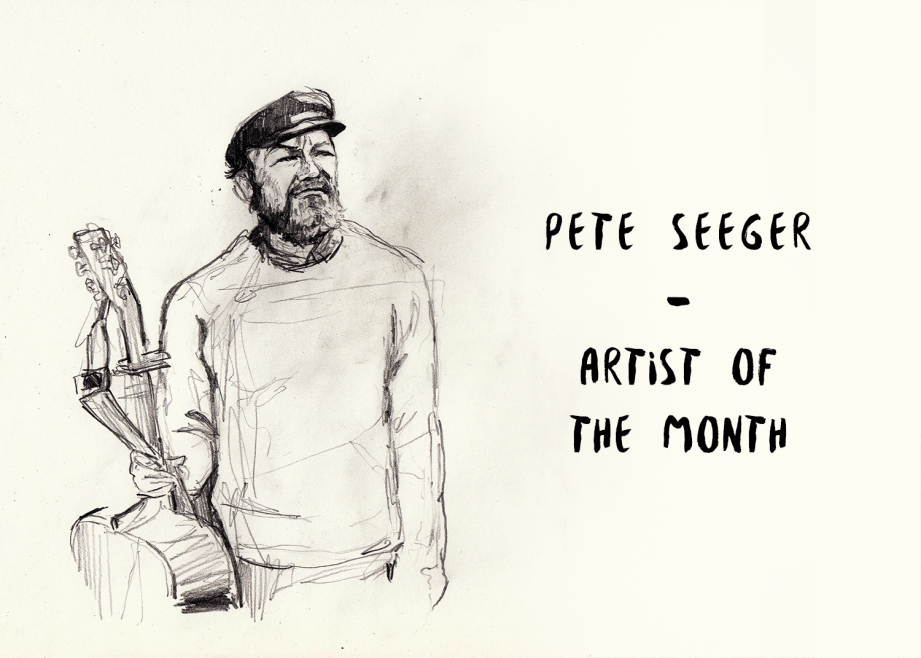
Pete Seeger: Listening from the Rafters (Part 1 of 2)

Pete Seeger would have turned 100 this month, but he fit well over a century’s worth of impact into the ninety-four years he had. His accomplishments as an activist, musician, folklorist, and organizer have long been numerous enough to fill an anthology—and this month, Smithsonian Folkways has finally released one, complete with six CDs, a 200-page book, and twenty previously unreleased recordings.

The release, Pete Seeger: The Smithsonian Folkways Collection, is just one way to celebrate his centennial. Fans and admirers have also marked the occasion with “Spirit of Seeger” concerts nationwide, and a special set at this summer’s Newport Folk Festival, an event where Seeger’s impact is perhaps most evident.

But Pete’s legacy is about more than a single release or celebration. Jay Sweet, executive producer at Newport Folk and a friend to Seeger, says the late folk music icon wouldn’t want any fanfare for his birthday—he’d rather see a new generation put that energy towards helping others. Here, in the first of a two-part interview, Sweet recalls conversations and memories with Seeger and discusses the way Pete’s egalitarian spirit and fiery pursuit of truth continues to propel the Newport Folk Festival forward.

BGS: You met Pete for the first time after he was a well-established icon in the American folk scene. What was that like for you?

Sweet: They say to be careful when you meet your heroes. For me, with Pete, it was the exact opposite, and it was mostly because he wasn’t Mister Positive. When I met him in his late eighties, he was a bit of a curmudgeon. I actually really liked that. He was feisty, he was disgruntled with the state of everything that was happening in the world, and he was questioning why the younger generations weren’t doing more. I think he kind of considered them soft, and I liked that he was calling it like it was.

Did that attitude reveal itself more as you grew closer over the years?

A story that I love happened few years after I met him, at Newport the first time I brought the Decemberists there. I was really excited to see them—they were going to do a funny reenactment of Dylan Goes Electric, including Pete with an axe. (I’d even told them it’d have to be kind of tongue-in-cheek, because, y’know, uh, Pete’s here.) But during the set, I get this security guard running up to me: “We’ve lost Pete. You told us to keep an eye on Mr. Seeger. We don’t know where he is.” Then, immediately, there’s another security guard running up to me. “There’s somebody in the scaffolding up on stage left, thirty-five feet up in the air. We’ve asked him to come down, but the music has started and we don’t want to interrupt the band on stage. What do we do?”

So I go, and I look, and lo and behold—in his Wranglers and a purple-pink button-down work shirt, with his little hat—was Pete Seeger at ninety-plus, thirty-five feet up in the air, looking down at the Decemberists. I remember being terrified, thinking, Well, the best thing to do is to not scare him, to wait til he comes down. There were no stairs or anything, he had just climbed.

So when he got down, I was like, Pete… what?! And he said, “I was so sick of people asking me to take pictures with them and sign autographs. You told me that this band had a lot of good stuff—that their music was based in old-time sea shanties, had all these metaphors, took from these old tales. And I was fascinated. I had to see it. And they’re fantastic!” And I just remember thinking, I know Newport is onto something when Pete Seeger is climbing the scaffolding to be left alone, just to see good music.

I’ve heard that it was actually Pete’s idea, decades ago, to pay all of the performers the same fee to play—$50. And I know that’s not how it works now, but—

It’s pretty close! [Laughs]

What elements of that spirit are still around?

Well, we perhaps overpay up-and-coming artists — those who need it, really, in order to be able to take the dog-crap offers they get all over the place and still survive. If we don’t overpay them, we give them the opportunity to collaborate with somebody that is gonna help their star shine a little brighter, give them a platform to succeed. With anybody bigger than that, we basically ask to take a zero, or even more than a zero, away from their normal asking fee. And then we make a donation in their name to something that they believe in.

And the reason that works is because there’s an understanding. You can look at, say, the Avett Brothers, who I booked three or four times before they ever headlined. Hozier — his very first, basically, gig, in the United States? It was Newport. Courtney Barnett and Leon Bridges and Margo Price, all these amazing people that came to Newport before they became the names that you might recognize. We need to support the hell out of them, and not just for altruistic reasons. Bands like the Avett Brothers and Wilco and Hozier and the Alabama Shakes and My Morning Jacket, you don’t get those bands to come back year after year if you didn’t support them when nobody else did.

And I think that is all about that $50 model, and a general understanding of it. Fleet Foxes’ Robin [Pecknold] said it really well on a PBS special: He said, when we first came here, they didn’t pay us much, but we hadn’t proven ourselves. Then I think they paid us the exact same amount when we came back to Newport to headline. The interviewer was confounded by that, he asked — why? And [Robin] essentially said, “Because now there’s another band that Jay needs to book. They’re the Fleet Foxes from ten years ago, and they need that help. Me playing it, it’s a giving back.”

And that? It’s very rare. But it comes from the spirit of Pete saying that regardless of whether you’re Bob Dylan at the height of his popularity or church singers from Appalachia, you’re getting fifty bucks. That we’re-all-in-this-together mentality comes from that fifty dollars. And if during my tenure, if the whole thing is as close as I can get to the ideal of Pete Seeger, the better off the festival will be.

What were some of your last interactions with Pete, and how do they affect the way you move forward with Newport?

My last conversations with Pete were much more interesting than my first ones, in some respects. One is that he said to me, “Jay, if you’re not upsetting someone, you’re doing it wrong.” That’s a mantra I keep with me — a what-would-Pete-say kind of thing. That’s what makes Newport, this festival that Pete basically co-founded with George Wein, iconic in American music and around the world, even though it’s so small—why its name gets continuously mentioned in the same breath as the Glastonberrys and Bonnaroos and Coachellas. I remember him saying, “You’ve gotta keep challenging the ears of our audience. Unless you’re upsetting a certain faction, you’re doing it wrong. Take the opportunity.”

About four months before he died, he asked me, “How are you going to keep booking people that speak truth to power, speak on the human condition? Who is doing that now?” I said, “Well, at this point Pete, it’s hip-hop.” I sent him some lyrics—just lyrics at first, no music—and he wrote back and said, “These are fascinating. Does any of this stuff get radio play?” And I was like “Actually, no. It’s somewhat like when you started the festival.” Because when people like Pete and Joan Baez and others had lyrical messages that, due to the lingering effects of McCarthyism, were not “fit for radio,” Newport was created out of that blacklisting.

Pete figured, if I can’t get my message to the masses via these mediums, I’m just gonna do it in person, all over the country and all over the world. I’ll take it to union halls and VFWs and town assemblies, and whatever it is—gymnasiums at public schools. The festival was basically just a massive culmination of the grassroots effort to play for the island of misfits. So I think there was a lot of connection there, for him, with hip-hop—Kendrick Lamar, Chance the Rapper. It was fascinating to me. But white Pete was alive, we could never bring that to fruition for him. Bring somebody to Newport in a free rhyme, just a beat and somebody freestyling. I think he actually would have climbed that scaffolding again: “Leave me alone—I want to go see this truth.”


Illustration: Zachary Johnson
Editor’s Note: Read the second part of our interview with Jay Sweet.

Bourbon and Beyond Music Lineup Revealed

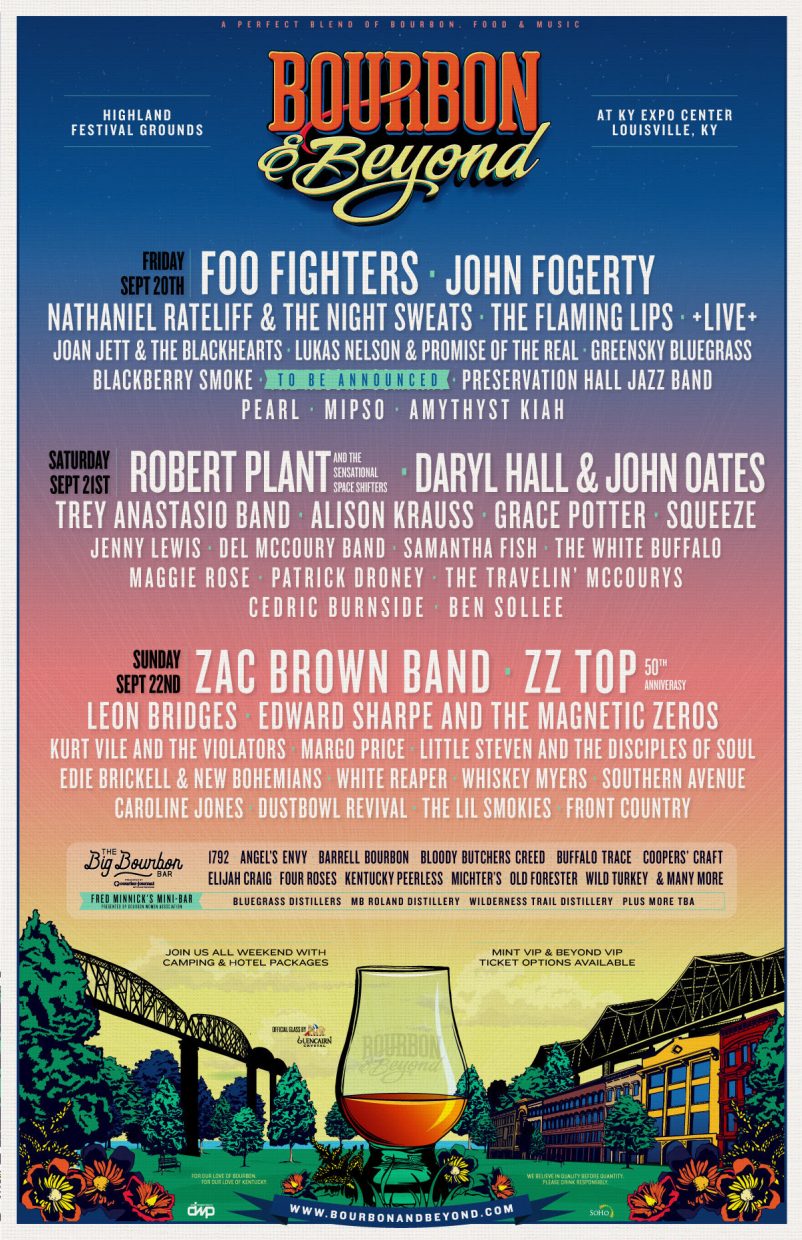
Bourbon & Beyond, the world’s largest bourbon festival, will return to Louisville, Kentucky, on September 20-22, expanding to three days full of incredible music, unique culinary events, and unmatched experiences from the region’s best distilleries at the new Highland Festival Grounds At Kentucky Expo Center.

In total, more than 45 artists will play on three stages, including Alison Krauss, Del McCoury Band, Lukas Nelson & Promise Of The Real, and Margo Price. The bluegrass stage will be curated by the genre’s leading authority, The Bluegrass Situation. The BGS lineup includes Greensky Bluegrass, Mipso, Amythyst Kiah, The Travelin’ McCourys, Cedric Burnside, Ben Sollee, Dustbowl Revival, Lil Smokies, Front Country, with more to be announced.

The event will be headlined by Foo Fighters, Robert Plant And The Sensational Space Shifters (returning after originally being scheduled to appear in 2018) and the Zac Brown Band. Additional acts include John Fogerty, Daryl Hall & John Oates, and many others.

Bourbon & Beyond exclusive VIP packages, General Admission tickets, camping and hotel packages, as well as special event tickets, go on sale Friday, March 15 at 12:00 PM EDT.

The current music lineup for Bourbon & Beyond is as follows (subject to change):

Friday, September 20:
Foo Fighters, John Fogerty, Nathaniel Rateliff & The Night Sweats, The Flaming Lips, +LIVE+, Joan Jett & The Blackhearts, Lukas Nelson & Promise Of The Real, Greensky Bluegrass, Blackberry Smoke, Preservation Hall Jazz Band, Pearl, Mipso, Amythyst Kiah

Saturday, September 21:
Robert Plant And The Sensational Space Shifters, Daryl Hall & John Oates, Trey Anastasio Band, Alison Krauss, Grace Potter, Squeeze, Jenny Lewis, Del McCoury Band, Samantha Fish, The White Buffalo, Maggie Rose, Patrick Droney, The Travelin’ McCourys, Cedric Burnside, Ben Sollee

Sunday, September 22:
Zac Brown Band, ZZ Top, Leon Bridges, Edward Sharpe And The Magnetic Zeros, Kurt Vile And The Violators, Margo Price, Little Steven And The Disciples Of Soul, Edie Brickell & New Bohemians, White Reaper, Whiskey Myers, Southern Avenue, Caroline Jones, Dustbowl Revival, The Lil Smokies, Front Country

LISTEN: Leo Rondeau, “On And Off Again”

Artist: Leo Rondeau
Hometown: Dunseith, North Dakota
Song: “On And Off Again”
Album: Right on Time
Release Date: March 8, 2019

In Their Words: “I came up with the idea several years ago after watching a friend break up and get back together with his partner multiple times. After going through something similar, I came back to it and was able to finish it fairly quickly. While we were recording it wasn’t clear to me what kind of background vocals we were going to do when Alexis (Saski) and Margo (Price) showed up, but apparently everyone else was on the same page because from the first take they were dialed in and I thought, ‘Damn.’ Combine that with Gary Newcomb’s steel solo, which gives me pause every time I hear it, then you’re hit with the death blow if you were still hanging on.” –Leo Rondeau


Photo credit: William Aubrey Reynolds