The Likely Culprits Issue an Arresting Debut

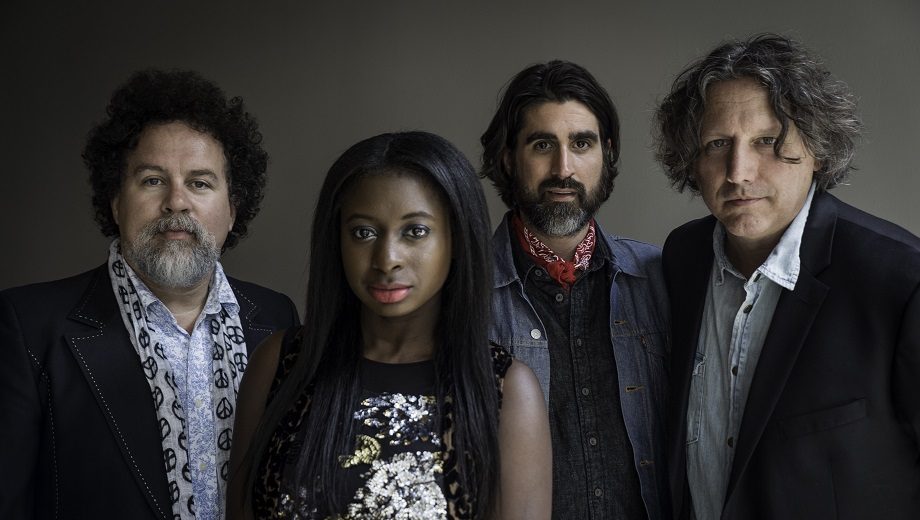
Most likely to succeed? That’s of no interest to the Likely Culprits, an easygoing group of bluegrass cut-ups who just released one of the most entertaining albums out of Nashville this year.

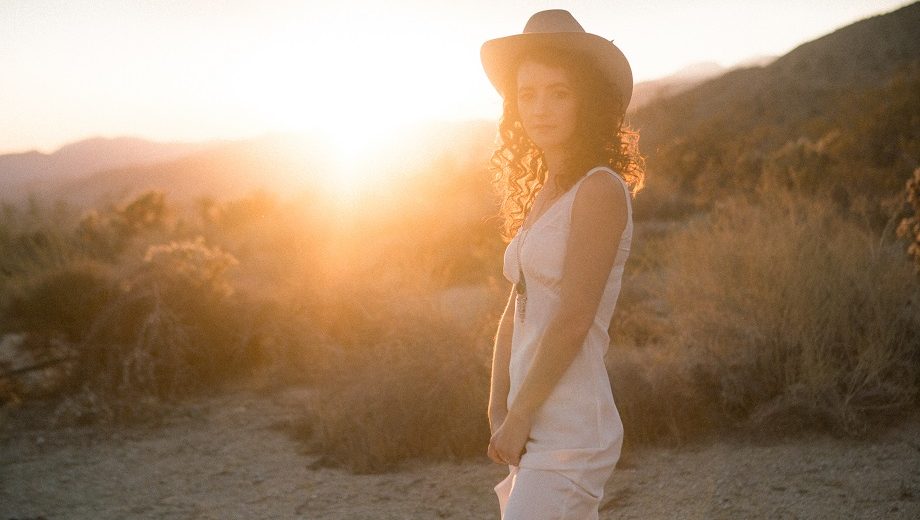
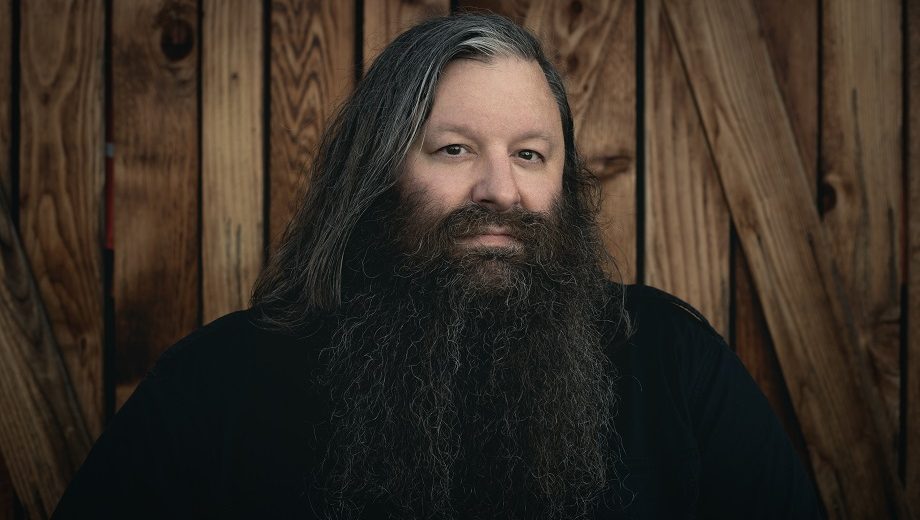
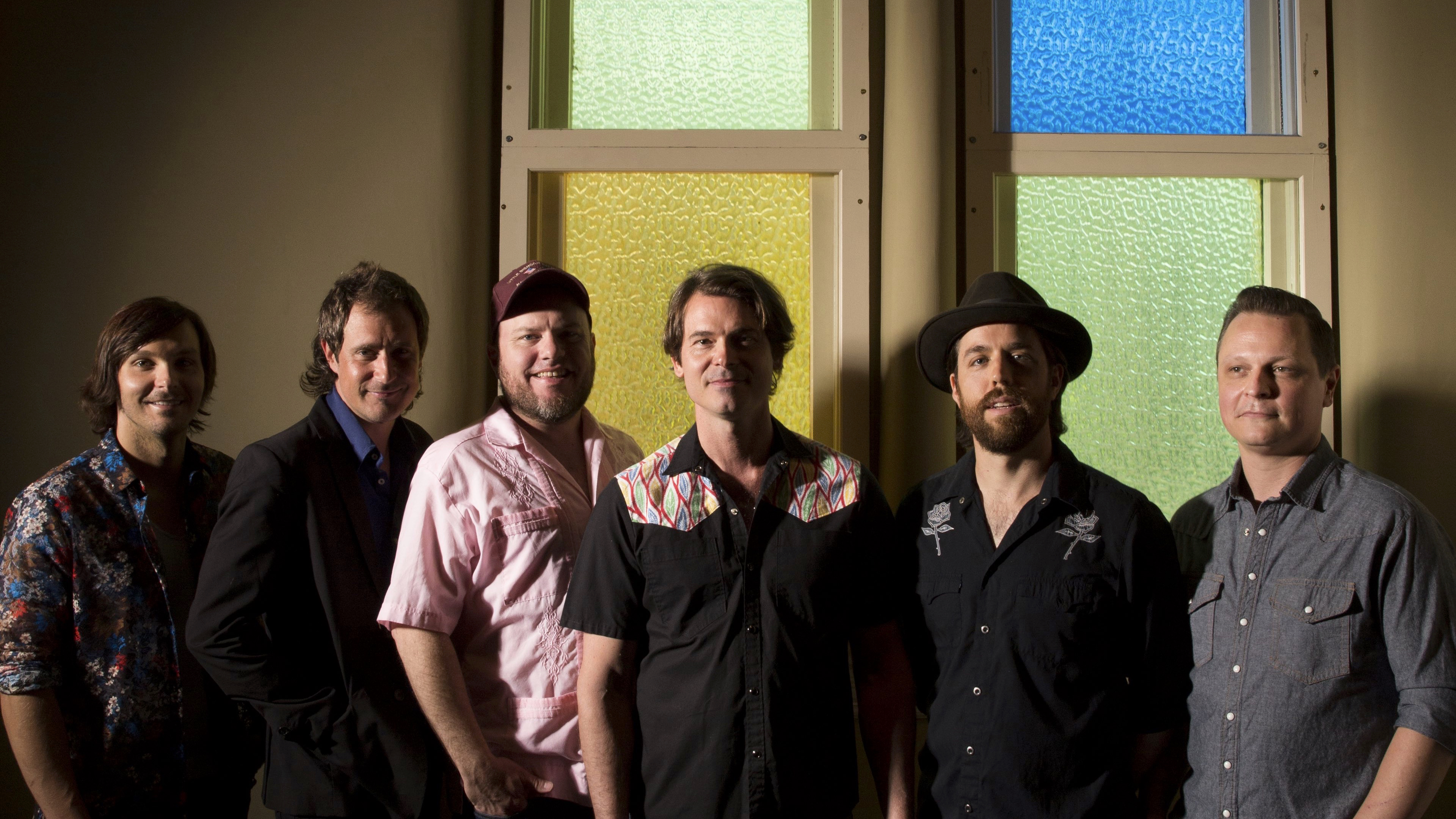
With four of the band’s members bantering inside a forgotten conference room at IBMA, they readily confess that their name derives from an ongoing conversation within the band: Who’s the most likely to end up behind bars? It’s currently a seven-way tie between Brandon Bostic, Ronnie and Garnet Bowman, Melonie Cannon, Ashby Frank, Deanie Richardson, and Austin Ward. The informal happy hour vibe of this conversation lends itself to proceed on a first-name basis.

“We’re all pretty rowdy,” Deanie says. “We’re all a bunch of hillbilly rebels and we were like, ‘Well, one of us probably get arrested eventually.’ And it was just, which one of us was going to go to jail, and who’s the likely culprit?”

Turns out, that unpredictability is the album’s greatest strength. When pulling together its dozen tracks, they wanted to ensure that all five of the band’s vocalists had a chance to sing, and that nobody’s favorite song was left out. The result is something like listening to a stereo with a seven-disc changer, but with a throughline of excellent musicianship and a high caliber of songwriting.

For example, Melonie unearthed album cuts from Bonnie Raitt, Lucinda Williams, Brandy Clark, and Matraca Berg, while Ashby reconfigured pop star Gavin DeGraw’s melodious “Where You Are.” After years of singing it at the band’s Station Inn shows, Garnet finally recorded “Tennessee Blues,” a deep cut from Keith Whitley. That tearjerker is immediately followed on the album by Brandon’s version of Dave Matthews Band’s “Gravedigger.” Listening to the self-titled album as a complete body of work, it somehow fits.

There might be a shorter version of how the Likely Culprits all met, but here’s one way to tell the story: Deanie and Melonie have been friends since childhood, and when Melonie married Deanie’s brother, they’d host guitar pulls with their mutual friends. Garnet would come to those parties, forging a bond among all three women that’s lasted 25 years. In the years ahead, she would marry Ronnie, who cultivated his bluegrass reputation in the ‘90s with the Lonesome River Band and as a solo artist. He also produced Melonie’s solo albums with her father, Buddy Cannon.

Meanwhile, Ashby met Garnet and Melonie when he was playing in Ronnie’s band. Later on, when Deanie and Ashby crossed paths a party, they recognized that they’d found kindred spirits in each other. Then, as happens in Nashville, they had an idea to form a band, admittedly with no real intentions of taking it on the road. Instead, the priority would be simply making good music. So, together they rounded up Melonie and Garnet, while Ashby recruited two of his friends, Brandon and Austin. And just as the band was hitting its stride, Ashby took a temporary job as a musician on a cruise ship.

“We were having so much fun, it was like, man, we don’t want to stop,’” Garnet recalls. That’s when Deanie asked Ronnie to take Ashby’s spot, not sure if he’d even want to.

Ronnie explains, “Not that I don’t enjoy being in the band now, but I enjoyed not being in the band back then, because I could actually go to a place where I wasn’t expected to play, and I could see these guys play. I mean, I loved them. And by the time Ashby left, I knew all the songs.”

“I knew he was having fun coming and hanging out, drinking a few beers without the pressure of getting up there,” Deanie says. “But he said he would do it and then it just felt amazing. It felt like it should. He’s one of my heroes and I love him to pieces. Just to get him on stage with us was a big dream of ours. So I’m honored he agreed to do it. Ashby eventually came back from the boat and we thought, ‘Well, let’s throw everybody in there.’ And we did. We played a few shows and said, ‘Let’s do a record, why not?’ So here we are with the record.”

So, what makes the Lonely Culprits click anyway? To borrow a title from the album, “Everybody’s Got Something They’re Good At.” Deanie is an exceptional fiddler, while Melonie and Garnet possess warm, instantly identifiable voices. Ronnie sings and plays guitar, and also serves as co-producer (with Buddy Cannon). Brandon provides vocal, acoustic guitar, and electric guitar, and Ashby sings and plays mandolin. Austin keeps the Likely Culprits moving along on upright bass.

Though it sounds like a long-lost Harlan Howard composition, “Everybody’s Got Something They’re Good At” happens to be a Ronnie Bowman/Dale Dodson original, with Garnet singing lead. (Lee Ann Womack recorded it first but her version never came out. Alison Krauss plays fiddle on this version.)

Just after that throwback country tune, Ronnie sings another of his compositions, “Won’t Do That No More,” with such poignancy that it’s no surprise at all that he’s won multiple IBMA male vocalist awards. He’s also an accomplished songwriter who has placed major hits with Brooks & Dunn, Kenny Chesney, and Chris Stapleton.

It’s worth mentioning, too, that Deanie earned an IBMA award this year as a member of Sister Sadie. She’s also toured, along with Brandon, in Patty Loveless’ band. Asked what it feels like to have a lead vocal that keeps changing, she immediately replies, “Oh my gosh, I love it because with Sister Sadie it’s bluegrass. With Patty Loveless, it’s country. But with these guys, it’s all of it.”

That bond has only strengthened since the band’s first show at Station Inn in 2012. It remains a special spot for the band, who listened to the album in its entirety for the first time over the club’s sound system. (Yes, they rang the bell.) They’ll also play an album release show there on November 15.

Thinking back to those days, Brandon recalls, “I moved to town and I didn’t know a single person. I took a job playing in a bluegrass band and moved up on a whim. I thought, ‘I’ve got to get out of the house, I’ve got to meet some people.’ So I started hanging out at the Station Inn and I found a group of people that are my family now. We’re all pretty much on the same page and we’re like-minded with music and what we like and what we don’t like. Playing with them, it’s like coming home all the time.”

One of the band’s biggest champions is Jamey Johnson, the country singer-songwriter who made it his mission to get the Likely Culprits’ new album into the world. He’s also invited them to open a series of shows this week in the Southeast, part of his ongoing effort to support female artists in country music.

While Jamey’s fans are devoted to his singular approach to songwriting, it’s just as likely that they’ll appreciate the perspective from these seven musicians, too. Because Melonie is already a familiar presence at his shows as a harmony vocalist – and because Jamey comes to all the band’s shows — there’s a certain comfort zone already in place for the Likely Culprits, one that doesn’t involve prison guards or enforced curfew.

“This is us sitting in a living room with somebody saying, ‘Ronnie, pick a song,” Deanie says. “Ronnie might pick one, and Garnet might pick ‘Tennessee Blues,’ and Brandon might pick ‘Gravedigger.’ It’s what we do, man. It’s great. I love these guys. I’d go all over the world with them.”

“I would too,” says Brandon, says as Ronnie chimes in with a “Yeah.”

“Same here,” Garnet concludes. “We all feel the same way.”


Photo courtesy of the artist
LISTEN: Bradford Loomis, “Take a Swing”

Artist: Bradford Loomis
Hometown: Nashville, Tennessee
Song: “Take a Swing”
Album: Where the Light Ends
Release Date: October 11, 2019

In Their Words: “How do we navigate through our differences? I feel like we live in a day and age where this question is becoming harder to answer. We live in a declaration culture; there are so many tools at our fingertips that allow us to plant flags on any given subject, proclaiming our values or opinions for all to see and respond in kind. I think it’s human nature to crave connection and to feel understood by others. We have access to too much information about people, yet we still don’t really know them. It’s easier than ever to dehumanize or disqualify others because of our perceived differences. There is so much more power in being vulnerable, and, through that vulnerability, the opportunity to deeply connect becomes possible. Being vulnerable can be time-consuming and even scary, but the payoff can be incredible.” — Bradford Loomis


Photo credit: Tony Hammons

WATCH: Anna Vaus Is Driven to Succeed in This “Day Job”

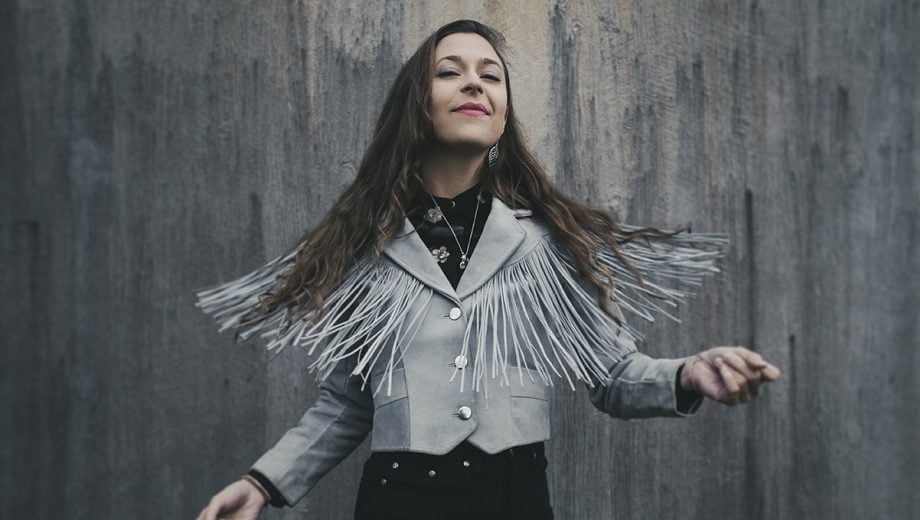
Nashville’s reputation as a breeding ground for great songs and songwriters is built on people like this. California native Anna Vaus has made waves as a writer in her short time in Nashville, from being named the first recipient of the Miranda Lambert Women Creators scholarship to signing a publishing deal with Black River Entertainment, to releasing her original music on her debut EP almost one year ago. Wit, charm, authenticity, and transparency abound on The California Kid, and if you haven’t heard her music yet, take this chance to get familiar, because we’ll be hearing a lot more from this up-and-coming artist.

Steve Wariner’s Signature Hit? That’s Tricky

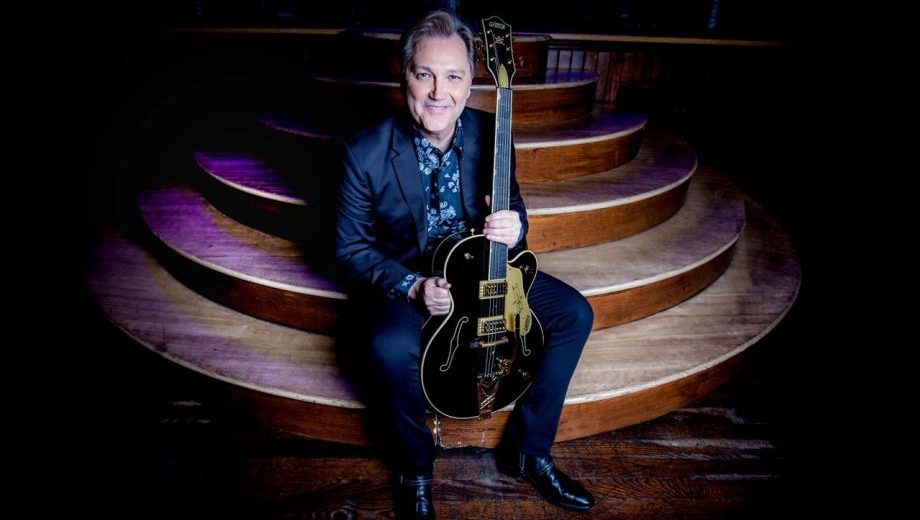
One of Nashville’s good guys, Steve Wariner will be inducted into the Musician’s Hall of Fame in Nashville this month, recognizing his versatility as a lead guitarist and as a hired hand for legends like Chet Atkins, Bob Luman, and Dottie West. He’s also been a Grand Ole Opry member since 1996, although the Indiana native’s been performing there long before receiving that honor, both as a solo artist and a sideman.

From drinking songs like “Longneck Bottle” (recorded by Garth Brooks) to weepers like “The Weekend,” Wariner’s chameleon-like ability certainly has something to do with his long career in country music. With four decades of charting singles starting in the 1970s, he has plenty of material to pull from on his Back on Life’s Highway Tour, which makes five stops in Texas within the next few weeks.

A gracious host whose collection of vintage guitars and studio gear is constantly growing, Wariner invited BGS to his home studio near Franklin, Tennessee, to reflect on a satisfying and eclectic career.

BGS: I was curious to ask you, do you think you have a signature hit?

SW: I would probably say “Holes in the Floor of Heaven,” if there was such a thing for me. I get asked about that one the most — probably that or “The Weekend.” I don’t know, I may not have a signature song, you know? A lot of artists do, they have that one. My problem is, I hopped around so much. I’d do something where somebody would cry, and then the next time I’m doing a guitar thing. Then I’d turn around and do a real country thing. And then I would do pop, like “I Got Dreams.” I never could settle on something. I always told people that would be a curse for me.

…Therefore, I don’t know if I do have a signature. With “Holes in the Floor of Heaven,” I’ve never had a song that had that impact for me, just immediately. I couldn’t even count how many letters and emails… if I could count how many times I’ve listened to people’s stories and their loss… and I don’t mind it. “The Weekend” is one that people ask about all the time, too. At shows, I cannot get away without doing “The Weekend” or “Some Fools Never Learn.”

Do you think there’s a common thread that runs through what you have recorded?

Probably not, other than I’ve tried to keep a real level of integrity, you know? I was taught early on to pick great songs if you can and try to let it always be about the song, always, and let the song always win. I was told once years ago, “Don’t cut a song unless you absolutely love it.” Because if you’re lucky enough that it could be a hit, you’ll be singing that thing the rest of your life.

This plays into the Musician’s Hall of Fame, and maybe my guitar might be the common thread. Because throughout it all, except the very early records, I didn’t play on some of those records on my own guitar. I would sit and watch other players play, and I’m thinking, “I want to be playing on my own record,” the solos anyway.

And I’ll give credit to my friend, [studio guitarist] Paul Yandell, who brought me to Chet. He went to [Wariner’s second producer] Tom Collins, and in his defense, Tom just knew me as a singer. And I wrote a little bit, too, but he didn’t know that I was a guitar player, too. Paul went to him and said, “You ought to get Steve to play on this solo.” And I think it was on “Kansas City Lights.” I always loved that about Paul, because that’s something that probably cost him a lot of work, by him saying that. Because all of a sudden I was playing on my own records from then on.

What do you remember about writing “Baby I’m Yours” with Guy Clark?

Guy Clark was amazing. I loved hanging with him. And I got to know him at that point, I got to know him really well, and then we hung out some. … We bonded and were very close after that. The main thing I remember about that day is, there was a restaurant down on Division and we went there and ate. I remember sitting there thinking, “Damn, I’m writing with Guy Clark, this is awesome.” I tried not to let him see that, but he was kind, and really open, very open.

I remember that song being more R&B, more funky, more Guy Clark. And then by the time it got to the studio… I don’t mean this in a negative way, but by the time I got with [producer Jimmy] Bowen, and all the other players in the studio, it turned into what the record is, which I’m not arguing – it’s a No. 1 record, or I think it was, or whatever it turned out to be. But it totally doesn’t sound like a Guy Clark record.

I mean if you heard the demo… which I don’t have a copy. Damn it, I wish I did. A lot of my songs I do have the work tape and it’s hilarious to go, “That’s that song? Wow.” “Longneck Bottle” is that way. If you heard my demo, you’d go, “This don’t even sound like it,” and that’s the way with “Baby I’m Yours.” The way we did it originally really sounds like a Texas thing, a Guy Clark kind of thing, and more of an R&B songwriter thing.

We talked about the span of your career, but when people look back on the ’80s and ’90s in country music, what do you hope that they remember about you, and the music that you made?

That’s a great question. I hear it a lot, “He’s a nice guy.” When I see Vince Gill, he would come up and go, “I’m the nicest guy.” And I’d go, “Dammit, no, I’m the nicest guy.” We’d get in a fistfight over it. But I don’t know, I’d like to be known as a … it makes me smile when people mention a triple threat – that I’m a guitar player, writer, and a singer. I think musicianship always means a lot for me, and I want to be taken seriously as a writer.

So I don’t know, probably those things. That stuff, I’m leaving it up to whatever somebody thinks, that’s up to them. But I guess you just want to be respected more than anything. … I always fall back to Chet. People probably get tired of hearing me talking about Chet Atkins, but he was such an important figure in my life and my career. But I watched him, and it was just his integrity. Everything he did was impeccable, and he had such great taste. And it was really respect.

The first time I recorded with him in Studio A, my first record — I love this — he had a suit and tie on, and it was like the old days: a black suit with a little white shirt and black tie. It was like going to the office, you know? When he walked into Studio A with charts in his hand, all the players got up from their posts and followed him like the pied piper over to the piano. And they all knelt down and got around him, and Chet stood in the middle. That’s not even thought of in a session these days. That’s not even close to that. I know times move on, but I’m so glad I was in the middle of that for a little bit anyway.

I guess where I was going was, I watched the way people revered Chet, and the way he was so respected. They hung on every word he was saying and his vision of, “Here’s what we’re going to do, we’re going to make this record,” and I love that. It was so good watching that. And I think respect is the main thing, just respect for what you do. Hopefully people would say that I made really good records, you know?


Photo provided by Adkins Publicity

Artist of the Month: Old Crow Medicine Show

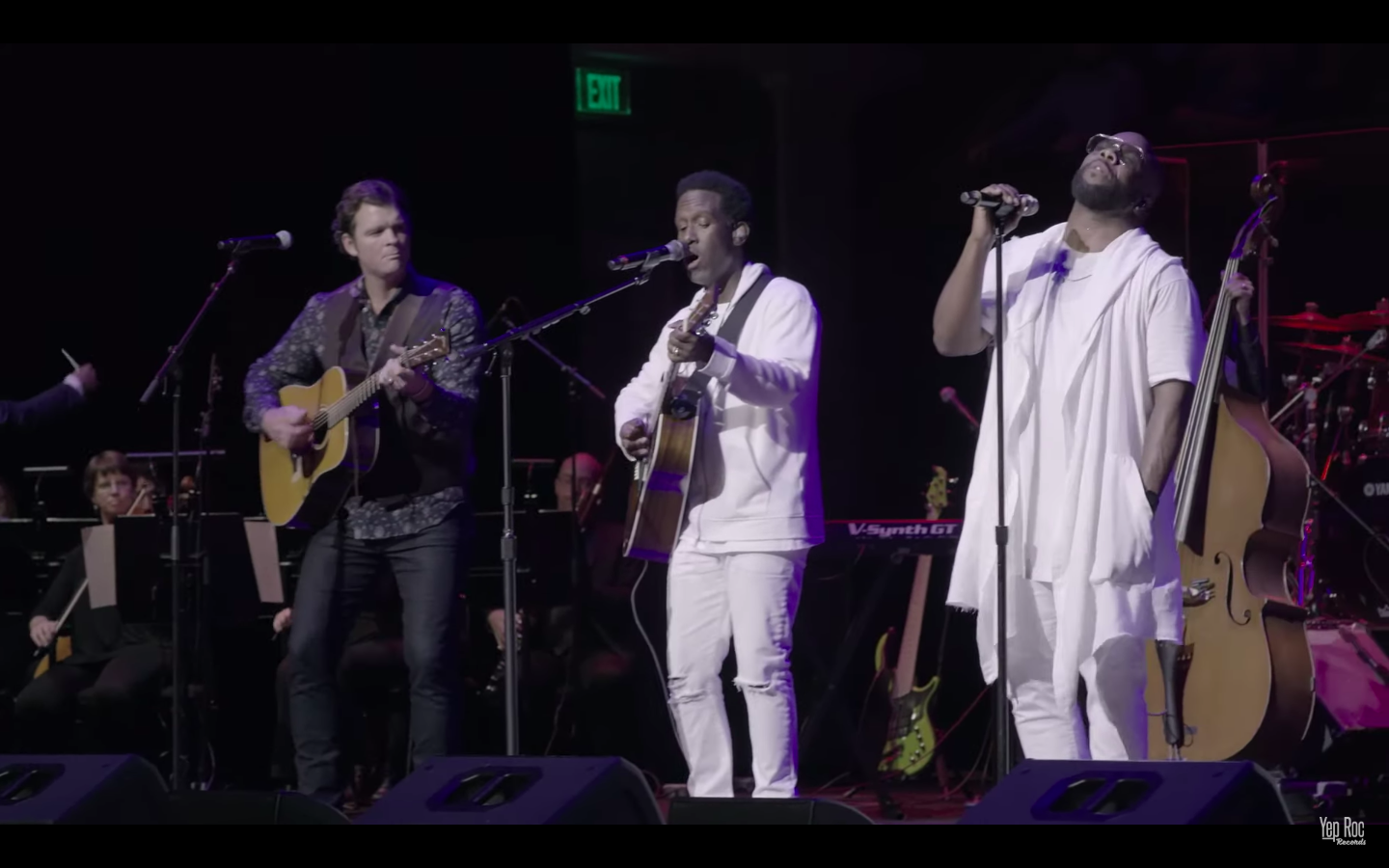
From their earliest days of busking and playing to capacity crowds at the Station Inn, Old Crow Medicine Show has shown they know how to pull in a crowd. Now they’ve captured that raucous, captivating energy in their newest release, Live From the Ryman, recorded during the group’s numerous headlining performances at the landmark Nashville venue.

The band has seen its share of setbacks and lineup changes over the years, but their catalog is surprisingly limber. In other words, the songs from Eutaw and O.C.M.S. blend seamlessly with tracks from newer releases like Remedy and Volunteer.

It’s a testament to the vision of band founder Ketch Secor, who tells BGS, “If they had tried to stop us a long time ago, they probably would have been able to, but they never tried. We were never curtailed. We were asked to be quiet and to clean up, but nobody ever said ‘no’ enough times for us to pay attention.”

Look for a two-part interview with Old Crow Medicine Show coming up on BGS this month, and enjoy our Essentials playlist.

Photo credit: Crackerfarm; (L-R): Charlie Worsham, Cory Younts, Critter Fuqua, Ketch Secor, Joe Andrews, Morgan Jahnig

LISTEN: Trigger Hippy, “Full Circle & Then Some”

Artist: Trigger Hippy
Hometown: Nashville, Tennessee
Song: “Full Circle & Then Some”
Album: Full Circle & Then Some
Release Date: October 11, 2019
Label: Turkey Grass Records/Thirty Tigers

In Their Words: “‘Full Circle & Then Some’ was one of the the first tunes we had for the album. Nick [Govrik, bassist/vocalist] brought it in, and we all thought of it as a great rock ‘n’ roll tune about a relationship that’s been around the bend but managed to survive. But as the album came into shape and focus, the song took on a meaning about Trigger Hippy as well. Nick and I have been chasing this idea for over a decade, through and awful lot of starts and stops. The completed album felt like a new beginning to a long standing vision, and the song seemed to perfectly encapsulate all of that. I’m generally opposed to naming an album after a particular track, but in this case, it made perfect sense. But far more important that any of that, the song just rocks and rolls and makes me feel good.” — Steve Gorman


Photo credit: Scott Wills

WATCH: Lindsay Lou, “On Your Side” (OurVinyl Sessions)

Lindsay Lou has teamed up with OurVinyl for her newest release, “On Your Side,” a thoughtful and introspective number featuring her mesmerizing singing style. She has established herself in the roots music world as an exemplary writer and performer by maintaining a busy touring schedule and refining her sound meticulously over time. If you haven’t yet had the pleasure of hearing a Lindsay Lou song, watch this live performance of “On Your Side.”


Photo credit: Scott Simontacchi

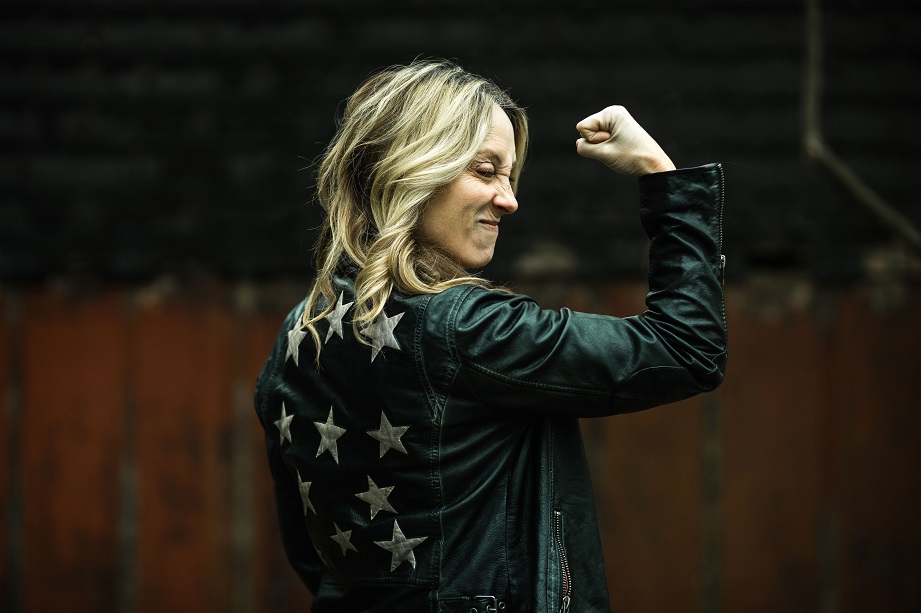
BGS 5+5: Amy Speace

Artist: Amy Speace
Hometown: originally from Baltimore, Maryland. Currently lives in Nashville, Tennessee.
Latest album: Me and the Ghost of Charlemagne

What was the first moment that you knew you wanted to be a musician?

I remember from way back, because I started playing piano at age 3 (or so the story goes) and started formal lessons at 5, that I could disappear into my own world at the piano, inside the sound. I didn’t understand it but inside music was always this safe space for me.

So it’s hard to pinpoint when I wanted “to be” a musician because my earliest memories are that I was a musician. I just understood music from the start. Not that I didn’t have to work and practice, but it just made sense to me. So I’d chase that feeling back to being too short for my feet to hit the pedals practicing scales on my grandmother’s black upright piano.

What other art forms — literature, film, dance, painting, etc — inform your music?

Definitely all forms of storytelling. I didn’t write a song until I was about 28 but all through my childhood, I wrote poetry and stories and plays. I drew and painted. I read everything I could get my hands on. In college, I was a dual major in English and Theater and got obsessed with Shakespeare, Performance Art and Avant Garde Theater and Improv Comedy.

Then I went to NYC after college to study classical acting at The National Shakespeare Conservatory for two years and for the first time in my life started going to art museums and got lost in the big physical paintings of Pollock and Rothko. I lived in the Lower East Side and in Greenwich Village and really really loved living in that kind of Bohemia in my 20s.

I worked three jobs, one of which was as Lainie Kazan’s assistant on Broadway and in her cabaret shows, where I got the chance to meet so many legends of the theater. I hung out with dancers and clowns and actors and musicians and poets and we were all broke and idealistic and scrappy and I went to every show, every concert, every happening I could talk my way into.

I mean, there’s not really an art form out there that hasn’t moved me to tears and to want to create something of my own in response, from seeing Sondheim on Broadway to a poetry slam in the Lower East Side to my friend dancing burlesque. It all kind of informs whatever soup is all up there in my head, processing the pictures and the emotions and the memories. But when it gets down to pen on paper and crafting a song, I think that’s when film is really my guide: I think like a director/screenwriter/playwright. What’s the entry point in the story? What do you see out there? What’s the landscape like.

What’s the toughest time you ever had writing a song?

Easy. That will be the next one I write after I finish this one I’m working on. Because it’s always like starting over at the beginning and I go through all the fears that I’ll never write another good song again and I’ll just sink into the ocean of bad cliches and stolen melodies.

What’s your favorite memory from being on stage?

Probably the earliest, honestly. I was in 8th grade, Curtin Middle School in Williamsport, Pennsylvania. I was a very awkward, permed hair, 14-year-old. Bookworm, nerd, and not really that cool. I had joined chorus for the first time (I didn’t think I was a good singer) because my best friend Laura was a good singer and convinced me to join.

The end of the year the choir did a musical theater revue. I was kind of a class ham, very theatrical, did all the accents, and the choir director gave me a solo doing “Adelaide’s Lament” from Guys and Dolls because I could fake a good thick Bronx accent. I will honestly never forget how I felt when I stepped out onstage and the lights were on me and I disappeared into this character. It felt like the crowd roared and I got a standing ovation and the next day was like a freaking Christmas parade…

I went from being the new kid at school to everyone looking at me as if for the first time. The choir director took me aside and really encouraged me to study voice. She said, “I hear something in there…I think that you have a gift.” And literally, from that moment on, I knew I wanted to be onstage singing. I literally felt like I’d found myself that night.

I’ve had incredible stage moments, like being onstage at Town Hall in NYC opening for Nanci Griffith to a sold-out crowd — and you could hear a pin drop. To playing Gruene Hall with Guy Clark a few years before he died. To the first festival stage I was on at Glastonbury a few years back. Even to some incredible house concerts and small clubs. But that first time, it’s still so present to me, that I think that’s my favorite memory because it was when I first felt that I knew something true about myself.

How often do you hide behind a character in a song or use “you” when it’s actually “me”

Fascinating question. I don’t hide. I bring me into all the he’s and she’s and they’s and you’s in my song. If I don’t understand the characters’ passion, their desire, I can’t write it. So there’s got to be some autobiography in there, even if it’s masked by someone else’s story, even if it just creeps through two words in a bridge.

If I only wrote about my life and what was going on with me, literally, well, I’d have a short catalogue of songs because my life isn’t that interesting to sustain a career of writing about it. I don’t have time to hike the Himalayas or to be the captain of a ship. I’ve got a 16-month-old and an album coming out and I’ve got to get posters out and keep up with FaceTwittInstaHell. I’m tired. All the time.

Plus I have songs that need to get out and I have literally only the 30 minutes when my son may be napping to get a chorus idea down. So I have to find stories in newspapers or thieve parts of conversations I overhear or steal what you say that rhymes that you don’t even hear the rhyme. I’m always listening for ‘language of lyric’ to show up in my life and then, if I’m lucky and I can catch it, I keep it in a notebook for those naptime writing sessions.

So I may not let on that the “you” is actually “me” but it’s always a little bit of me.


Photo credit: Neilson Hubbard

LISTEN: JP Harris, “Early Morning Rain” (Feat. Erin Rae)

Artist: JP Harris
Hometown: Nashville, Tennessee
Song: “Early Morning Rain” (feat. Erin Rae)
Album: Why Don’t We Duet In The Road (Again)
Release Date: September 13, 2019
Label: Demolition & Removal

In Their Words: “This one was really interesting to record. Erin and I have been close friends for a good while now, and sang this years ago at a residency together at her suggestion. It has a very different production style than anything I’ve recorded before and forced me to vocally explore a gentler approach and range. Erin has this ethereal, soft-yet-commanding air about her singing, and is a generally calming person to be around, so it was really just playing ‘follow the leader’ to sing alongside her. She’s definitely going to be known as one of the greatest folk singers of our generation one day and it’s a huge honor to release a song with her.” — JP Harris

“I was so excited JP asked me to be part of Why Don’t We Duet In the Road (Again). I’ve listened repeatedly to him and Kristina Murray’s version of ‘Golden Ring’ and Kelsey Waldon’s version of ‘If I Were a Carpenter’ so much in the last year. JP has also just been such a good friend and supporter of me over the years, and I love getting to match my lil’ voice with his. I grew up on the Ian & Sylvia version of this song and love the Gordon Lightfoot spin on it, too. Love how it turned out.” — Erin Rae


Photo credit: Giles Clement

LISTEN: Rob Ickes & Trey Hensley, “Born With The Blues”

Artist: Rob Ickes & Trey Hensley
Hometown: Nashville, Tennessee
Song: “Born With The Blues”
Album: World Full of Blues
Release Date: October 4, 2019
Label: Compass Records

In Their Words: “This was a song that we wrote with a good friend of ours, Bobby Starnes, a few years ago and from the moment we finished it we just knew we had to record it on our next album. It always reminds me of a Clint Eastwood Western movie or something … and the percussion and horn section solidify that. This song has been a high point in our set list for a year or so now, as it always gives us some room to improvise and stretch out musically. That’s exactly how we recorded it also … totally live and totally ‘in the moment.’ We thought this was the perfect song to kick off our new album and we hope you all dig it!” — Rob & Trey


Photo credit: Stacie Huckeba