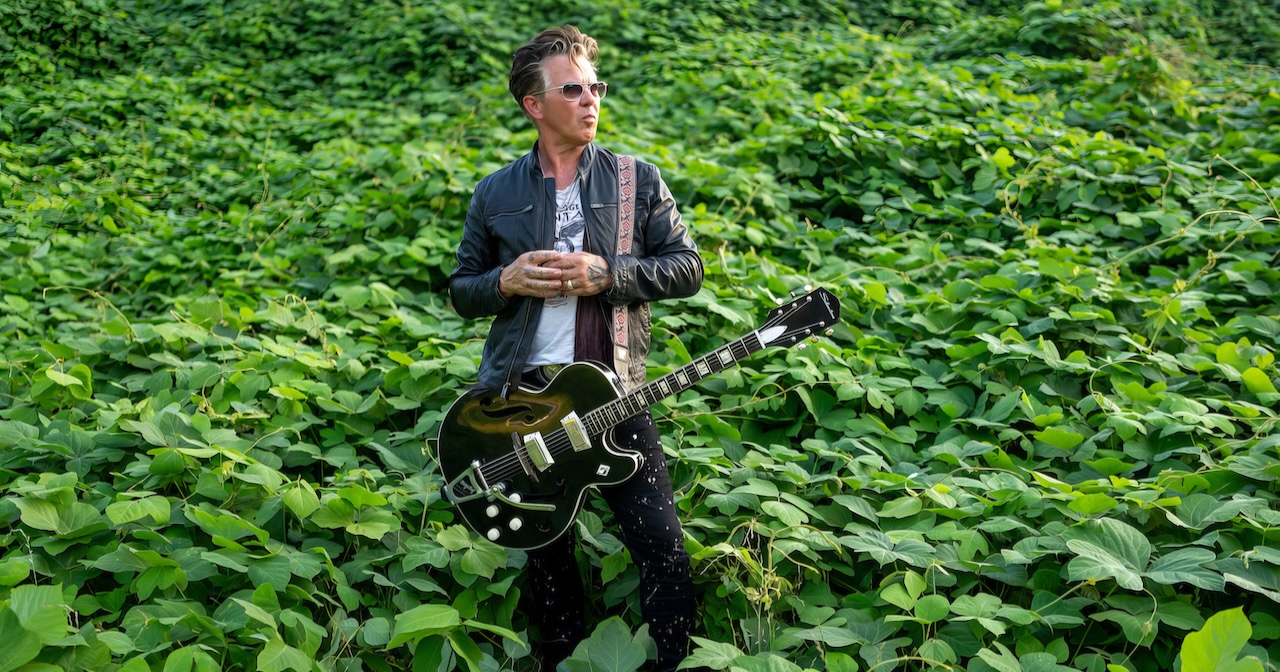
MIXTAPE: Michigan Rattlers’ Rebirth of Spring Playlist

Spring is a transformation. A reawakening. A rebirth.

Time marches on and no matter how cold the winter may be, the spring arrives and reminds us that we can start again. These songs represent that sound and spirit.

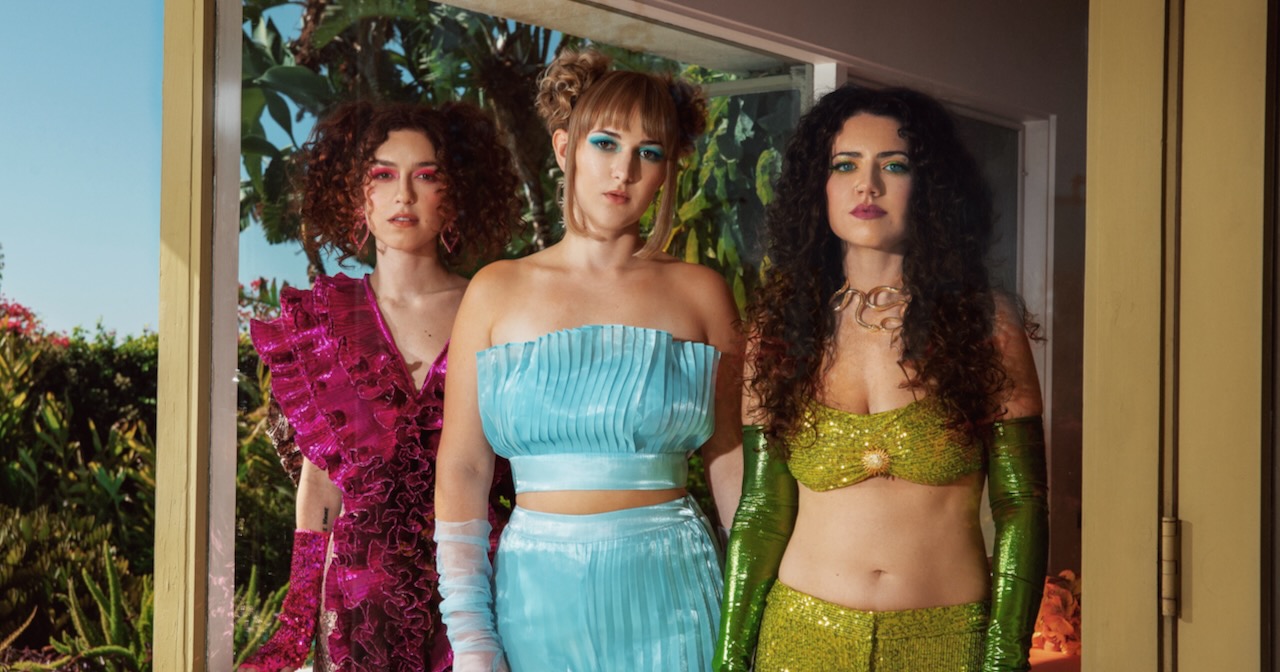
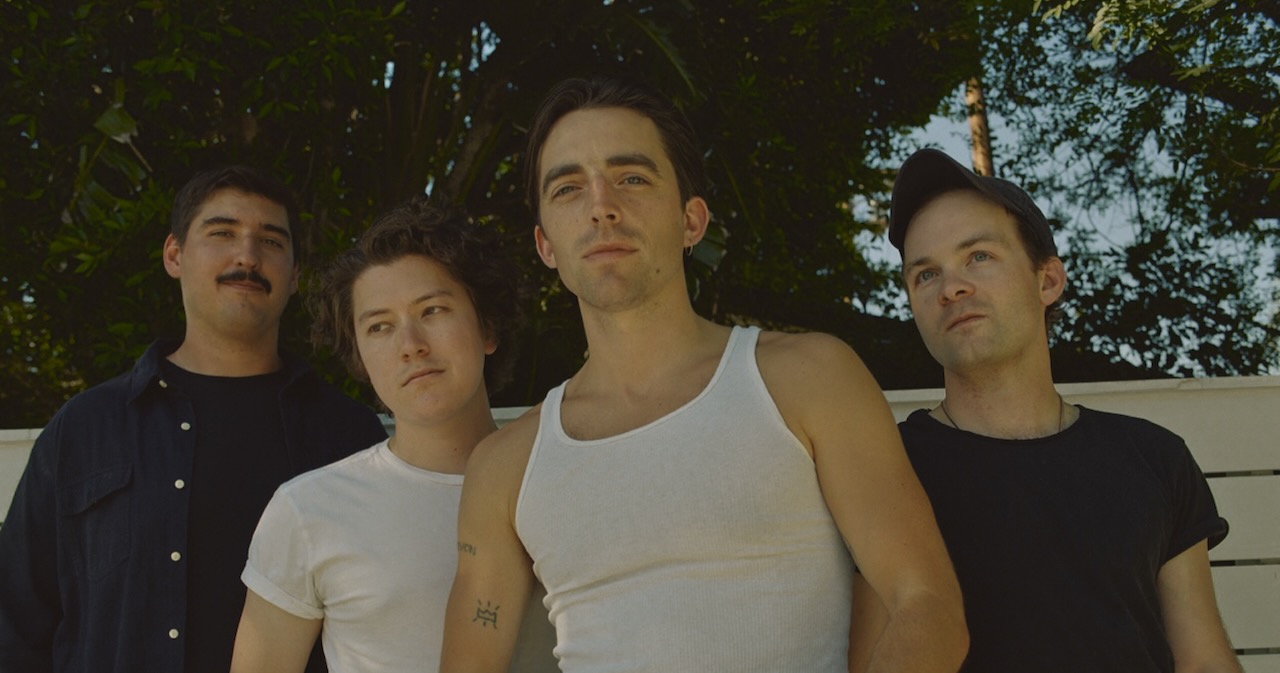
The past three years have felt like a long spring for our band. From writing and recording our album, Waving From A Sea, to now playing those songs every night on tour, we have found the warmth and growth within ourselves. – Michigan Rattlers

“You Must Believe In Spring” – Bill Evans

Bill Evans’ music sounds like the 30 minutes before sunrise or after sunset. It’s like wet soil for me as an artist – refreshing and fertile. – Graham Young

“Everything Is Peaceful Love” – Bon Iver

I’ve heard Justin Vernon talk about this record as finding what he loved again about making music, it’s a rebirth of sorts for him. Even the GOAT loses the muse sometimes; an inspiration for us all to keep trying. – GY

“Inconsolable” – Katie Gavin

I found a shaky fan video of this months before it ever went live and haven’t stopped listening since. To me, this song is about nurture versus nature and choosing to defy patterns and spring a new path for yourself. – GY

“Geranium Day” – Michigan Rattlers

This is a song from our new album, Waving From A Sea, that is about those moments that bring your life into focus. Times that make you feel the ground beneath your feet. It’s about making it through the transformation of spring into summer and soaking up every bit of the day that you can. – GY

“Joy Spring” – Clifford Brown, Max Roach Quintet

I love the melody in this song, it reminds me of spring. The standard’s title is the pet name Clifford Brown gave to his wife. You can’t go wrong putting Clifford and Max together. – Tony Audia

“Spangled” – Fust

Fust’s latest album, Big Ugly, has been in my heavy rotation this spring. The song “Spangled” features moments of frustration and doubt. I get the sense that many Americans are feeling the same way this spring. – TA

“Countdown” – Phoenix

The line in the song, “We’re sick for the big sun,” sums it up. You’ve gotta have a Phoenix song if you’re talking about the rebirth of spring. – TA

“The Birthday Party” – The 1975

This song feels like waking up to me. The muted instruments and the intimacy and fragility of the vocal all feel like thawing out after a long winter. Both outside and in. – Christian Wilder

“Tinseltown is in the Rain” – The Blue Nile

I fell in love with The Blue Nile about a year ago. I’m perpetually obsessed with how they make this song switch feels and sway using pretty much all synthesized and gridded out sounds. This song is for standing outside pub at 2 a.m., rain coming down, it’s April fools day. – CW

“Bright Future in Sales” – Fountains of Wayne

Every spring carries with it an inherent sense of optimism. This is gonna be the big year, this is the year it all happens, this is the year I get my shit together. Almost never pans out the way you think, but it’s fun to pretend. I got a “Bright Future in Sales,” baby. – CW

“Under a Stormy Sky” – Daniel Lanois

This song feels like spring up north. The weather is chaotic and awful, yet you notice the birds returning and there is reason to celebrate change. Also, those lines about feeling pulled toward the city resonate with me. Winter where we’re from is pretty isolating, and I associate this time of year with anticipation for summer festivals and baseball games and just being among people again. – Adam Reed

“Light of a Clear Blue Morning” – Dolly Parton

This is a springtime song if I’ve ever heard one. It’s practically perfect, I don’t think I need to explain it. – AR

“To-Do List” – The Felice Brothers

For me, spring always brings an aspirational feeling, more daylight, more possibilities. This song gets right at that manic but euphoric headspace that comes right after thinking, “What the hell was I doing all winter?” – AR


Photos courtesy of Michigan Rattlers.

MIXTAPE: Will Holshouser on the Accordion in Country, Bluegrass, and Roots Music

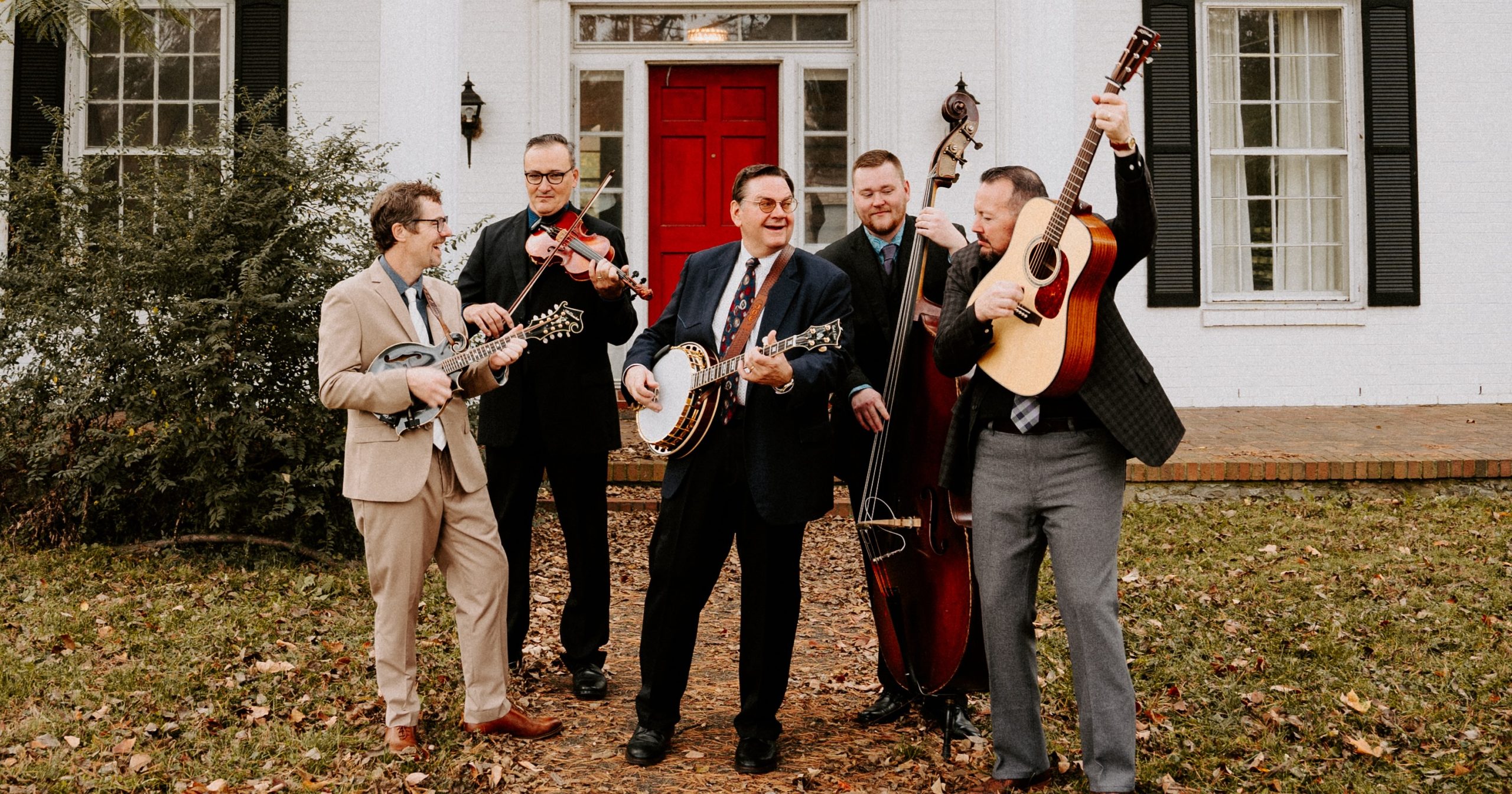
The accordion is like a cousin you don’t see very often, but who is an integral, colorful member of the family. In country, folk, bluegrass and related roots music from the U.S., the accordion has always been there, more of a presence than you might think. It’s central to styles such as zydeco, Cajun, and conjunto music, but also many foundational bluegrass and country artists – such as Bill Monroe and the Carter Family – used accordion in their music at times. The accordion was in the environment, part of the sound world of mid-20th-century popular music, adding a special touch to bands of all kinds. Although it did not continue to flourish as a central bluegrass or country instrument, there’s no musical reason for that absence: it fits right into the sound. Whether playing rhythm or lead, it can be versatile, punchy, and expressive.

If country music is our unifying theme here, the accordion makes a great lens for viewing the vast diversity of the genre and its extensive family tree: Tejano-conjunto accordion playing, with its polka and Spanish origins and its two-beat and waltz rhythms, is a natural fit with country; zydeco and Cajun music overlap with it seamlessly; Western Swing bands, which merged jazz and country, often included accordionists from the Midwest with Central or Eastern European backgrounds. Of course, the impact of African American blues, swing, and jazz is so strong in all these styles that it’s more than just an “influence” – really a foundation. Jewish klezmer music is also a branch of the “roots music” tree; it came from Europe and developed in the U.S., absorbing many of the same influences as the other genres while making great use of the accordion. – Will Holshouser

“Together Again” – Steve Jordan

The incredible Esteban “Steve” Jordan grew up playing conjunto music in Texas and expanded his repertoire to include country, Latin music, rock, zydeco and more. He was known as “El Parche” for the patch he wore over his blind eye and also as the “Jimi Hendrix of the accordion,” since he played through an effects pedal (flanger or phaser). On his version of this Buck Owens tune, he plays many roles brilliantly: lead vocals, accordion solo, fills and accompaniment.

“J’ai Eté-Z-Au Bal” – Steve Riley & the Mamou Playboys

Steve Riley is one of the finest Cajun accordionists working today; this blistering version of a classic Cajun tune (“I Went to the Dance”) shows his virtuosity, the Cajun (diatonic) accordion in a lead role, and his band’s deep groove.

“Tennessee Waltz” – Pee Wee King & His Golden West Cowboys

Pee Wee King was born Julius Frank Anthony Kuczynski to a Polish-American family in Wisconsin. He learned accordion from his father, who played in a polka band, and went on to become a famous Western Swing bandleader and write the music for this country classic. His beautiful, single-reed accordion fills and moving thirds sound totally country, while revealing a Slavic touch.

“Blues de Basile” – Amédé Ardoin

Amédé Ardoin made some of the very first accordion records in Louisiana and is a common musical ancestor of all zydeco and Cajun accordion playing. His innovative, rhythmic, virtuosic accordion style and haunting vocals won him a great reputation both inside and outside his Afro-Creole community. He often played dances and made records with his close musical partner, Cajun fiddler Dennis McGee, including “Blues de Basile” in 1930. His life ended tragically when he was beaten by white vigilantes.

“Hard to Love Someone” – Clifton Chenier

Known as the King of the Bayous, Chenier brought together southwestern Louisiana zydeco rhythms and Delta blues. On this slow blues tune recorded in 1970, his fluid improvising and support of his own singing is nothing short of glorious. His brother Cleveland Chenier plays the rubboard.

“Bluegrass Special” – Bill Monroe (with Sally Ann Forrester)

Most people know that Bill Monroe defined the classic bluegrass sound. Some may not know that an early version of his band, The Blue Grass Boys, included a Blue Grass Girl, Wilene “Sally Ann” Forrester, on accordion. Her solid rhythm playing and all-too-short accordion break add warmth to this early instrumental, a 12-bar blues. If things had worked out just a little differently, maybe every bluegrass band today would include an accordion! (Hey, it’s not too late, folks.)

“Root, Hog or Die” – Mother Maybelle & The Carter Sisters (with Helen Carter)

Later in her life, Mother Maybelle Carter of the iconic Carter Family had a long performing career with her daughters. The group featured Helen Carter playing great accordion and often Chet Atkins on guitar. Here, too, the influence of swing and blues is readily apparent. “Root, hog, or die” is an old expression that means “you’re on your own.”

“Alon Kouri Laba” – Corey Ledet Zydeco

Corey Ledet, one of today’s most exciting zydeco accordionists, plays beautifully and sings in Louisiana Creole on this high-energy tune from his album Médikamen (2023).

“American Without Tears” – Elvis Costello (with Jo-El Sonnier)

Accordionist Jo-El Sonnier brings his sensitive touch and gorgeous Cajun waltz style to this song from Elvis Costello’s album King of America. (Rock producers and engineers, please take note: this is where an accordion should be in the mix – loud enough that it can breathe dynamically and find its place among the other instruments.)

“Shouting Song” – Will Holshouser

Here’s a tune from my new album, The Lone Wild Bird. I wrote “Shouting Song” with the sound of shape note singing in mind. This is a choral tradition in the rural U.S., mostly in the South, with a unique sound: shape note composers ignored (or just didn’t know about) many European harmonic rules which disallowed features like parallel fifths and chords with only two notes. Along with influences from various folk traditions and camp meeting spirituals, that stark approach to harmony gives the style its sound, which I use here as a point of departure.

“Un Mojado Sin Licensia” – Flaco Jimenez

The creative genius of the great Flaco Jimenez is on full display in this conjunto song about the hardships faced by a Mexican immigrant in Texas. His rhythmic drive, melodic inventiveness, and roller-coaster chromatic runs are thrilling to the ears.

“Streets of Bakersfield” – Dwight Yoakam (with Flaco Jimenez)

Here’s Flaco again, on a recording that went to the top of the country charts in 1988. This song was written by Homer Joy, first recorded by Buck Owens in 1972, and re-done here by Dwight Yoakam with both Buck and Flaco as guest stars.

“Spadella” – Spade Cooley (with Pedro DePaul)

Accordionist and arranger Larry “Pedro” DePaul grew up in Cleveland, Ohio, where he studied music at the Hungarian Conservatory. Spade Cooley, originally from Oklahoma, was a popular Western Swing bandleader in the LA area. There’s a grisly tale behind this tune: Cooley wrote it for his wife Ella, who he was convicted of murdering in 1961.

“Second Avenue Square Dance” – Dave Tarras with the Abe Ellstein Orchestra

Any discussion of the accordion in American roots music should include klezmer, Eastern European Jewish music that came to the U.S. and absorbed influences such as the drum kit, certain jazz band formats, etc. On this tune the great clarinetist Dave Tarras plays the lead, but the anonymous accordionist is heard prominently, playing beautiful fills and rhythm, harmonizing with the melody, and using rich chords to blend with the horns. Second Avenue in Manhattan was the epicenter of the Yiddish theater scene, which had a huge impact on Broadway. The title could be just a lark, or a nod to the musical kinship between klezmer and country music!

“Atlantic City” – The Band (with Garth Hudson)

Garth Hudson’s adventurous playing with The Band carved out a role for the accordion in that kind of rock music. (He also played the horizontal keyboards: organ, etc.) I had the thrill of meeting him when we both played on Martha Wainwright’s live Edith Piaf tribute album (Sans Fusils, Ni Souliers à Paris). Unfortunately, the producers had us playing on different tunes, not at the same time! On this cover of a Bruce Springsteen song, recorded in 1993, Garth creates a fantasy using multi-tracked layers of accordion and organ.


Photo Credit: Erika Kapin

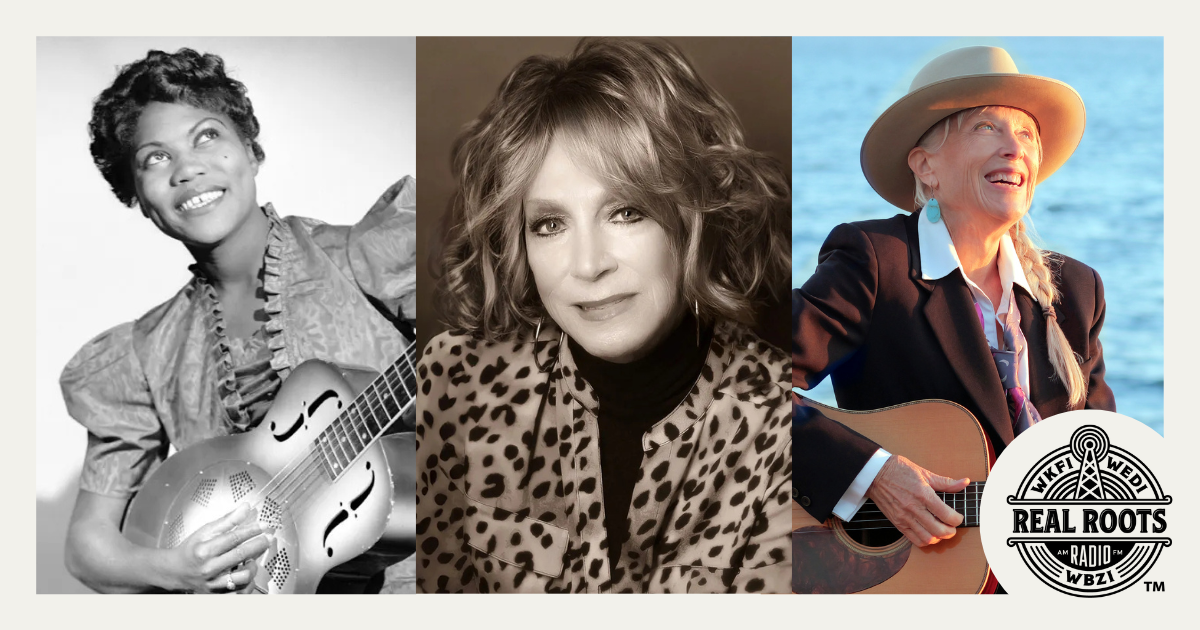
Celebrating Women’s History Month: Sister Rosetta Tharpe, Laurie Lewis, and More

Our partnership with our friends at Real Roots Radio in Southwestern Ohio concludes as we wind down our weekly celebration of Women’s History Month. We’re proud to have brought you four collections of a variety of powerful women in bluegrass, country, Americana, folk, and elsewhere who have been featured on Real Roots Radio’s airwaves each weekday in March, highlighting the outsized impact women have on American roots music. You can listen to Real Roots Radio online 24/7 or via their FREE app for smartphones or tablets. If you’re based in Ohio, tune in via 100.3 (Xenia, Dayton, Springfield), 106.7 (Wilmington), or 105.5 (Eaton).

American roots music, historically and currently, has often been regarded as a male-dominated space. It’s certainly true of the music industry in general and these more down-home musics are no exception. Thankfully, American roots music and its many offshoots, branches, and associated folkways include hundreds and thousands of women who have greatly impacted these art forms, altering the courses of roots music history. Some are relatively unknown – or underappreciated or unsung – and others are global phenomena or household names.

Over the last few weeks, radio host Daniel Mullins, who together with BGS and Good Country staff has curated the series, has brought you just a few examples of women in roots music from all levels of notoriety and stature. Week one featured Dottie West, Gail Davies, and more. Week two shone a spotlight on Big Mama Thornton, Crystal Gayle, Rose Maddox, and more. Week three, paid tribute to Emmylou Harris, Wild Rose, Mother Maybelle, and more. This final installment of the series celebrates Laurie Lewis, the Coon Creek Girls, Amanda Smith, Sister Rosetta Tharpe, Petticoat Junction, and Jeannie Seely.

Plus, you can find two playlists below – one centered on bluegrass, the other on country – with dozens of songs from countless women artists, performers, songwriters, and instrumentalists who effortlessly demonstrate how none of these roots genres would exist without women.

Laurie Lewis (b. 1950)

A GRAMMY-winning singer, songwriter, and fiddler, Laurie Lewis is a California native who has been blazing trails in bluegrass for over four decades. She became enamored with folk music after attending the Berkeley Folk Festival in her youth – she has since made an indelible mark on American roots music with her work in bluegrass and beyond!

Whether leading her band, Laurie Lewis & The Right Hands, performing solo, or collaborating with her pal Kathy Kallick – with whom she helped found the Good Ol’ Persons in 1970s, pushing norms in the process – Laurie’s soulful vocals and skilled fiddle work have made her a standout in bluegrass for a lifetime. Her songwriting paints vivid pictures of love, loss, and the land, while her honest voice pulls at the heartstrings, earning her two IBMA Female Vocalist of the Year awards.

Her recording of “Who Will Watch the Home Place” was named IBMA’s Song of the Year in 1994 and has touched hearts for generations. It’s a certified bluegrass classic and is still a staple on bluegrass radio programs. Another beloved composition, “Love Chooses You,” has been recorded by Laurie, Jeannie Kendall, Kathy Mattea, and more.

Laurie Lewis isn’t just a performer – she’s a mentor, a producer, and a keeper of the bluegrass flame, not only by encouraging the next generation of bluegrass music makers, but also by shining a light on significant voices of the past like Vern & Ray and Hazel & Alice. This West Coast bluegrass leader was honored by the IBMA with their Distinguished Achievement Award in 2024.

Suggested Listening:
Love Chooses You
The Bear Song
I’m Gonna Be the Wind

The Coon Creek Girls (active 1937 – 1957)

We’re heading back to the 1930s with an all-female string band that made history, the one and only Coon Creek Girls! It was 1937 when talent scout and radio pioneer John Lair formed the Coon Creek Girls for the Renfro Valley Barn Dance radio show on the airwaves of Cincinnati’s WLW. Led by the talented Lily May Ledford on banjo alongside her sister Rosie, Esther Koehler, and Evelyn Lange, these ladies brought high-energy mountain music to the masses.

Their popularity on radio brought opportunities to tour around the Midwest and even record in Chicago. They didn’t just play, they broke barriers! In 1939, First Lady Eleanor Roosevelt selected the Coon Creek Girls to perform at the White House for President Franklin D. Roosevelt and the King and Queen of England. A hillbilly band of women? Unheard of at the time! But they proved talent knows no boundaries.

The Coon Creek Girls would be an influence on folks like Cathy Fink, Suzanne Edmondson (of The Hot Mud Family and Dry Branch Fire Squad), and even Pete Seeger. While the historic group would disband in the 1950s, John Lair would revive their legacy decades later by helping pull together another all-female bluegrass band to again perform at the Renfro Valley Barn Dance (which had relocated to Mount Vernon, Kentucky, becoming a popular country music tourist destination for decades). With the blessing of Lily May Ledford, this new act was called The New Coon Creek Girls and would make music consistently for nearly twenty years, helping springboard the careers of Pam Perry and Pamela Gadd (of Wild Rose), Wanda Barnett, Vicki Simmons, Deanie Richardson, Dale Ann Bradley, and more.

The Coon Creek Girls inspired generations, proving women belonged in country and bluegrass. Their legacy lives on in every banjo-pickin’ girl who follows in their footsteps!

Suggested Listening:
Flowers Blooming In The Wildwood
Banjo Pickin’ Girl

Amanda Smith (b. 1975)

Amanda Smith’s voice soars like the mountains of West Virginia from which she comes. She has been a force in the bluegrass world for years. Amanda met her husband Kenny in the mid ’90s at a Lonesome River Band concert (he was playing guitar with LRB at the time). Not only did Kenny fall in love with Amanda, but he fell in love with her voice as well.

Kenny would leave LRB at the turn-of-the-century and he and Amanda would form the renowned Kenny & Amanda Smith Band, a duo celebrated for their tight harmonies and masterful musicianship. They were named Emerging Artist of the Year by the IBMA in 2003 and they haven’t slowed down since. With a sound built on Amanda’s gripping vocals and Kenny’s exquisite guitar work, they have been a staple of the bluegrass world for nearly twenty-five years, racking up many #1 hits on bluegrass radio and frequently seen on stages across the country – both as a duo and with the Kenny & Amanda Smith Band.

Their band has also introduced bluegrass audiences to some of the top pickers of today’s generation, including Jason Davis, Zachary McLamb, Cory Piatt, and Alan Bartram (Amanda’s brother-in-law). Whether delivering beautiful ballads or bluegrass barnburners, Amanda’s voice is one of the most beloved in the genre today, leading to multiple awards, including the IBMA Female Vocalist of the Year honor in 2014. From festival stages to radio waves, Amanda Smith continues to leave a lasting mark on bluegrass.

Suggested Listening:
Feeling of Falling
Mountain Top

Sister Rosetta Tharpe (1915 – 1973)

The Godmother of Rock ‘n’ Roll, Sister Rosetta Tharpe was one of the most influential artists of the 20th century. Born in 1915, Tharpe was shredding on an electric guitar before rock even had a name! With a gospel heart and a rock and roll soul, she fused spirituals with electrifying riffs, paving the way for Chuck Berry, Elvis, and even Jimi Hendrix. Her hit, “Strange Things Happening Every Day,” was one of the first gospel songs to cross over to mainstream charts and is pointed to by many as the first rock and roll record, proving that faith and fiery licks could share the stage.

The juxtaposition of performing her powerful gospel songs in smoky barrooms is the stuff of legend. Her gospel hits like “This Train,” “Down by the Riverside,” “Up Above My Head,” and “The Lonesome Road” are still revered and helped shape the musical identity of artists as diverse as Johnny Cash, Elvis Presley, Tina Turner, Jerry Lee Lewis, Rhiannon Giddens, and more. Despite being a woman in a male-dominated industry, she didn’t just break barriers – she smashed them! Sister Rosetta Tharpe was posthumously inducted into the Rock and Roll Hall of Fame in 2018.

Suggested Listening:
This Train
Up Above My Head

Petticoat Junction (active 1988 – 1998)

A bluegrass festival mainstay of the ’80s and ’90s, Petticoat Junction was a popular all-female traditional bluegrass band that helped open doors for some of today’s “girl groups” like Della Mae and Sister Sadie. In fact, there are several direct connections between Sister Sadie and Petticoat Junction. Not only was Sadie banjoist Gena Britt a member of Petticoat Junction (primarily playing bass), but reigning IBMA Female Vocalist of the Year Jaelee Roberts has followed in her mother’s footsteps. Andrea Mullins Roberts was an anchor of Petticoat Junction’s sound with her rich, traditional voice and strong guitar playing before becoming a respected booking agent, manager, and behind-the-scenes businessperson in today’s bluegrass industry.

One of the most celebrated lineups of Petticoat Junction featured Robin Roller (banjo) and Gail Rudisill-Johnson (fiddle) alongside the aforementioned Andrea and Gena. This particular four-piece ensemble released a pair of great albums for Pinecastle Records in the early ’90s, in addition to touring heavily at festivals from coast-to-coast. Deriving their name from the popular ’60s sitcom (whose theme song would be a hit for Flatt & Scruggs), their heartfelt vocals and instrumental prowess shone brightly, whether on original songs or on material from the likes of Jimmy Martin, Reno & Smiley, Flatt & Scruggs, and more.

In addition to continuing to open avenues for other all-women bands, Petticoat Junction’s influence is still being felt in the 21st century as they’ve influenced acts like Flatt Lonesome and Starlett & Big John.

Suggested Listening:
I’d Miss You
Lift Your Eyes To Jesus

Jeannie Seely (b. 1940)

From the bright lights of the Grand Ole Opry to the heart of country music, today we’re tipping our hats to “Miss Country Soul,”  Jeannie Seely! Born in Pennsylvania, but a Nashville star through and through, Jeannie Seely made history in 1966 with her Grammy-winning hit “Don’t Touch Me,” an envelope-pushing and controversial song due to its featuring a woman expressing sexual desires. With her bold style, unmistakable voice, and trailblazing spirit, she became a beloved icon in country music.

Seely shattered barriers, becoming the first performer to wear a miniskirt on the Opry stage (among other fashion trends she helped bring to country music), being the first woman to host an Opry segment, and fiercely advocating for women in country. Jeannie’s also a respected country music songwriter, writing hits like “Leavin’ and Sayin’ Goodbye” (Faron Young), “He’s All I Need” (Dottie West), “Enough to Lie” (Ray Price), and more; folks like Merle Haggard, Rhonda Vincent, Connie Smith, Ernest Tubb, and Little Jimmy Dickens have recorded her songs over the years.

More than 50 years later, Jeannie is still gracing the Grand Ole Opry stage, holding the record for the most Opry performances ever – 5,200+ appearances and counting! Just as Dottie West encouraged her when she was a young country artist, Jeannie is constantly investing in the future of country as a dear friend and mentor to her Opry sisters, like Carly Pearce and Rhonda Vincent, and even to the young bluegrass band, Cutter & Cash and The Kentucky Grass. She proves that true country never fades. So here’s to Jeannie Seely – an icon, a trailblazer, and a country legend who continues to shine!

Suggested Listening:
Can I Sleep In Your Arms
So Far, So Good” (featuring The Whites)


Photo Credit: Sister Rosetta Tharpe from the Michael Ochs Archives; Jeannie Seely by Cyndi Hornsby; Laurie Lewis by Irene Young.

MIXTAPE: Shoals Gold with Mike Farris

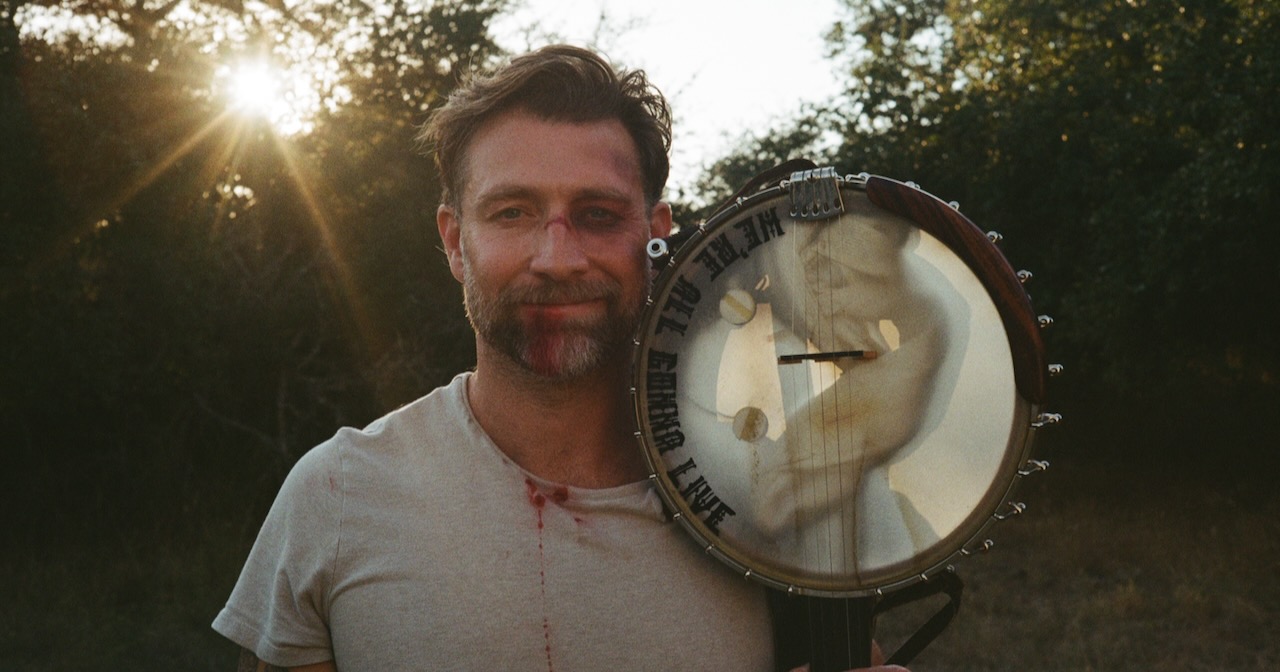
Playlists are the new Mixtape – and who doesn’t love a good Mixtape? With the release of my brand new album, The Sound of Muscle Shoals, recorded at legendary FAME Studios in Muscle Shoals, Alabama, I thought it would be cool to highlight not only a few of the most important – albeit ubiquitous – classic songs, but more importantly some of the rare gems from the legendary Muscle Shoals canon. For a nerd like me, to be able to have personal access to reach out to guys like Norbert Putnam and David Hood and ask, “Where was this recorded?” is a surreal and cherished thing. I had no idea that Leon Russell’s “Stranger in a Stranger Land” was recorded down there– just amazing.

For this list, I didn’t want to put just the usual suspects on it, but how could you do a Muscle Shoals playlist and not include the song that launched Aretha’s career, “I Never Loved a Man”? For me, everybody on this list is owed some more attention, but the big three that jump out to me that should be way more well known, in my opinion, are Candi Staton, George Jackson, and Arthur Conley. Enjoy! – Mike Farris

“You Left the Water Running” – Otis Redding

Written by the great Dan Penn along with Rick Hall and Oscar Franks. I believe this may be the only record the Big O recorded at FAME – Rick Hall had merely asked Otis to sing the demo for an upcoming Wilson Pickett session – as this predates Otis’ ascension the King of Soul. This is one of the many great songs Dan Penn had a hand in, by the way.

“I Never Loved a Man (The Way I Love You)” – Aretha Franklin

A must for any Shoals playlist. The song that launched the Queen of Soul!

“Stranger in a Strange Land” – Leon Russell

I actually had no idea “Stranger” was recorded with the Swamper crew. There was a lot of confusion online about this one, but in the sometimes surreal nature of the music business, I realized that I could just text the great David Hood and simply ask him about it, which is nice. And he did, in fact, confirm it was recorded at Muscle Shoals Sound.

“Mustang Sally” – Wilson Pickett

Another must-have. I always imagined being in the studio watching everyone’s expressions on their faces while WP sang. It had to have been unreal. Also, this groove is DEEEP!

“Ease On” – Mike Farris

I tried to demo this song a few times, but it never came close to what I was hearing. From the moment we stepped out on the floor with all the FAME guys in FAME Studios’ legendary Studio A, I knew this song was being delivered to the right guys. It’s everything I imagined it to be and then some…

“You Better Move On” – Arthur Alexander

Arthur Alexander gave Rick Hall and FAME Studios their first hit record with “You Better Move On” and he was just getting started.

“Heart on a String” – Candi Staton 

Candi is one of the greatest R&B singers, period. I could literally fill this playlist with all of the great Candi Staton songs.

“You Got a Lot to Like” – George Jackson

George Jackson was one of the most prolific and important writers in the Southern R&B and rock and roll world, make no mistake, but he was also a great artist in my opinion. This one highlights his great vocal ability.

“I’m Your Puppet” – James & Bobby Purify

A great song by the great Dan Penn and Spooner Oldham. In addition to being an all-around damn fine composition, “I’m Your Puppet” has to be one of the hardest hittin’ mid-tempo grooves of all time.

“When a Man Loves a Woman” – Percy Sledge

I once asked Spooner Oldham and the late Jimmie Johnson why they chose to use a Farfisa instead of a Hammond organ on “When a Man Loves a Woman.” I would actually throw these questions out knowing full well that it would spark a long, meandering, completely engaging conversation with them that could and would take you all over town and back before finally coming back around to what would typically be a simple answer. This question was no different. The answer, given by Jimmie and agreed upon by Spooner was, “We used the Farfisa because that was all we had.”

“I’ll Take You There” – The Staples Singers

Produced by Al Bell, possibly the biggest hit by The Staples features an iconic shoutout by Mavis to the legendary “Swamper,” David Hood, on bass. Jimbo Hart pays homage to his hero, David, on “Learning to Love,” from my new album, The Sound Of Muscle Shoals, which I am forever grateful for.

“Loves Me Like a Rock” – Paul Simon

One of my favorite songs growing up. I clearly remember hearing this song play over WCDT 1510-AM radio station in my hometown as a kid and being completely taken with the backing vocals of the great gospel group, The Dixie Hummingbirds.

“Sweet Soul Music” – Arthur Conley

Classic soul swing-dance groove with one of the most explosive and iconic horn intros of all time! Soon as they heard that intro in the control room, you just know that they knew they had a hit on their hands.

“I Worship the Ground You Walk On” – Jimmy Hughes

Jimmy Hughes at his best with a very underrated classic

“This Love of Mine” – Arthur Conley

Incredible number with an amazing arrangement by the one of the greatest soul singers of all time, Arthur Conley.

“Before There Was You & I” – Mike Farris

I had the verses and chorus when I showed up at FAME. What I didn’t have was the B section for the solo break and the outro, which the great Will McFarlane came up with. It made the song

“Lovin’ the Easy Way” – Candi Staton

This has to be one of the steamiest, sexiest songs ever.


Photo Credit: Ed Rodes

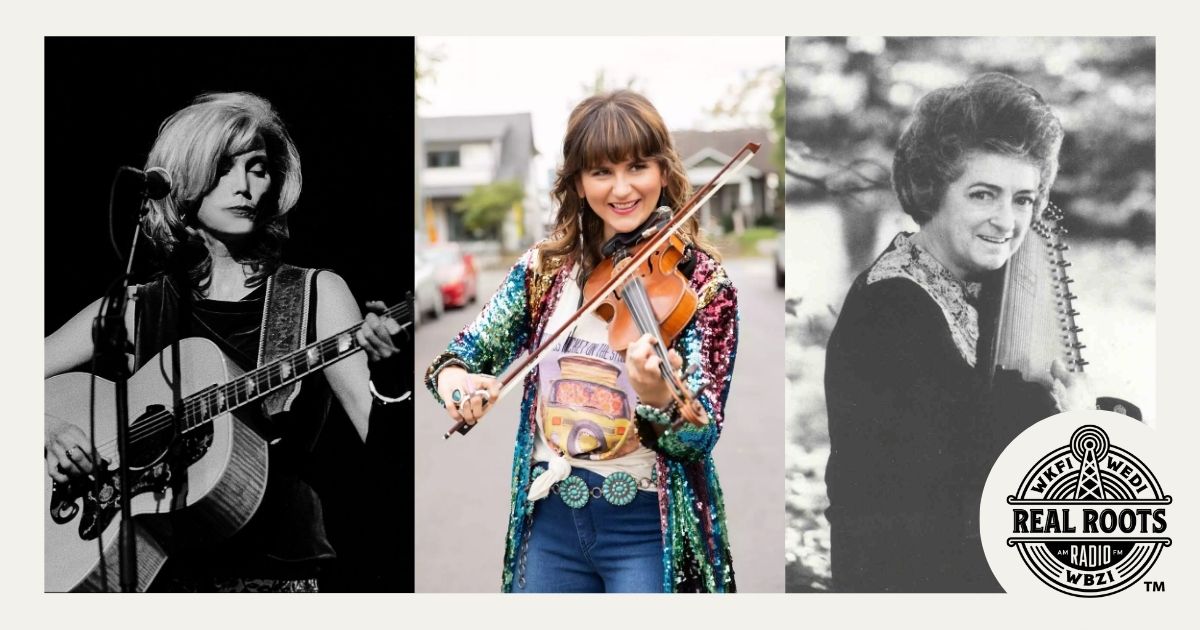
Celebrating Women’s History Month: Emmylou Harris, Mother Maybelle, and More

Our partnership with our friends at Real Roots Radio in Southwestern Ohio continues as we celebrate Women’s History Month. We’re proud to bring you weekly collections of a variety of powerful women in bluegrass, country, Americana, folk, and elsewhere who have been featured on Real Roots Radio’s airwaves each weekday in March, highlighting the outsized impact women have on American roots music. You can listen to Real Roots Radio online 24/7 or via their FREE app for smartphones or tablets. If you’re based in Ohio, tune in via 100.3 (Xenia, Dayton, Springfield), 106.7 (Wilmington), or 105.5 (Eaton).

American roots music, historically and currently, has often been regarded as a male-dominated space. It’s certainly true of the music industry in general and these more down-home musics are no exception. Thankfully, American roots music and its many offshoots, branches, and associated folkways include hundreds and thousands of women who have greatly impacted these art forms, altering the courses of roots music history. Some are relatively unknown – or under-appreciated or undersung – and others are global phenomena or household names.

Over the last few weeks, radio host Daniel Mullins, who together with BGS and Good Country staff has curated the series, has brought you just a few examples of women in roots music from all levels of notoriety and stature. Week one featured Dottie West, Gail Davies, and more. Week two shone a spotlight on Big Mama Thornton, Crystal Gayle, Rose Maddox, and more. This week, we’ll pay tribute to Emmylou Harris, Wild Rose, Goldie Hill, Jenee Fleenor, and Mother Maybelle Carter. We’ll return next week for the final installment of the series – with even more examples of women who blazed a trail in roots music.

Plus, you can find two playlists below – one centered on bluegrass, the other on country – with dozens of songs from countless women artists, performers, songwriters, and instrumentalists who effortlessly demonstrate how none of these roots genres would exist without women.

Emmylou Harris (b. 1947)

Let’s spotlight a true legend of American music: Emmylou Harris. Born on April 2, 1947, in Birmingham, Alabama, Emmylou Harris grew up in a military family, moving frequently across the South. A straight-A student and class valedictorian, she initially pursued drama at the University of North Carolina. However, her passion for music led her to the vibrant folk scene of Greenwich Village in the late 1960s.

Her big break came when she collaborated with Gram Parsons, contributing to the birth of country rock as a genre. After Parsons’ untimely death, Harris embarked on a solo career, releasing her acclaimed album Pieces of the Sky in 1975. Over the next four decades, Harris became a musical chameleon, effortlessly blending folk, country, and rock. Her collaborations read like a who’s-who of music legends, including Rodney Crowell, Mark Knopfler, Ricky Skaggs, and as one third of “Trio” alongside Dolly Parton and Linda Ronstadt.

In 1992, Harris recorded an acoustic album at the Mother Church of Country Music. The historic building had been practically abandoned and nearly condemned, but the success of Emmylou’s live project At The Ryman is largely viewed as responsible for saving the historic landmark. Her 1995 album, Wrecking Ball, is also significant for Emmylou, as she leaned into more of an alt-country space, creating a landmark record for what is now referred to as Americana.

With over 25 albums and 14 GRAMMY Awards to her name, Emmylou Harris was inducted into the Country Music Hall of Fame in 2008 and received a GRAMMY Lifetime Achievement Award in 2018, cementing her legacy as one of the most influential artists in contemporary music. ​Her distinctive voice and heartfelt songwriting continue to inspire artists and captivate audiences worldwide. Whether revisiting traditional tunes or exploring new sonic landscapes, Emmylou Harris remains a beacon of authenticity and artistry in the music world.​

Suggested Listening:
Roses In The Snow
Guitar Town” [Live At the Ryman]
All My Tears

Wild Rose (active 1988 – 1991)

A groundbreaking band in country history, do you remember Wild Rose? Founded by several veteran musicians in 1988, Wild Rose proved that a band with girl power can bring some serious fire power, too.

The group featured Pam Gadd (banjo/guitar) and Pam Perry (mandolin), who had cut their teeth in bluegrass as members of the New Coon Creek Girls, plus Wanda Vick (guitar/fiddle) and Nancy Given (drums) who had worked on the road with Porter Wagoner, and Kathy Mac (bass). Originally known as Miss Behavin’, they would change their name to Wild Rose. Combining country-rock, bluegrass, and more, they were full of energy and sass.

The title track of their debut album, Breaking New Ground, was written by Carl Jackson and Jerry Salley and would be a Top 15 Country Hit in 1989 (and a kickin’ music video as well). Their first album would also include the Top 40 Texas-flavored follow-up single “Go Down Swingin’” and the GRAMMY-nominated instrumental track, “Wild Rose.” With their tight harmonies and hot pickin’, Wild Rose was nominated for Top New Vocal Group or Duet at the 1990 ACM Awards. Their lively stage presence would earn them television appearances on Hee Haw, Nashville Now, and more. The band would release two more albums, Straight and Narrow and Listen to Your Heart, before disbanding in 1991. Many of the gals would continue to work in traditional music as session musicians, songwriters, and more. Although their time together was short-lived, their country-grass sound made waves and made history during country’s new traditionalist era.

Suggested Listening:
If Hearts Could Talk
Go Down Swingin’
Wild Rose

Goldie Hill (1933 – 2005)

Goldie Hill is one of country’s unsung legends. Born in 1933, Goldie was a trailblazer and a shining star in the early days of Nashville. She wasn’t just a pretty face–she was a powerhouse vocalist with a heart full of soul.

Goldie’s breakout hit, “I Let the Stars Get in My Eyes,” soared to the top of the charts in 1953. It was an answer song to “Don’t Let the Stars Get in Your Eyes,” so popular in 1952 that Perry Como, Sketch McDonald, and Ray Price all had separate hit renditions. “I Let the Stars Get in My Eyes” made her only the second female country artist to have a Number One hit song.

Goldie Hill would entertain audiences on radio airwaves through the Grand Ole Opry and the Louisiana Hayride and on television screens through the Ozark Jubilee. With a voice that blended sweetness and grit, she became a favorite of fans and fellow musicians alike. She would go on to have several hit duet recordings with Red Sovine and Justin Tubb. She married fellow country star Carl Smith in the late ’50s, releasing some albums under the name Goldie Hill Smith in the ’60s. Goldie largely retired from the music business by the end of that decade. She and Carl Smith were married for 47 years before Goldie’s passing in 2005. Along with her peers such as Kitty Wells and Jean Shepard, Goldie Hill helped open doors for women in country.

Suggested Listening:
Looking Back To See” with Justin Tubb
Blue Lonely Winter

Jenee Fleenor

When you think of today’s great country fiddlers, one name has to be a part of the conversation – Jenee Fleenor! Born and raised in Arkansas, Jenee picked up the fiddle as a kid after she heard Bob Wills’ “Faded Love” and never looked back. She dropped out of college when she landed her first professional gig playing bluegrass music with Larry Cordle & Lonesome Standard Time.

Since then, she has toured with some of the biggest names in country, including Blake Shelton, Terri Clark, Martina McBride, and George Strait, while also doing session work in Nashville, playing fiddle, mandolin, and guitar on all sorts of hit records – such as Jon Pardi’s fiddle-laden “Heartache Medication.” She’s the first-ever female to be named a CMA Musician of the Year – taking home the honors a whopping four years in a row.

Not only is Fleenor a top-tier musician, but she’s also a talented songwriter, penning hits for artists like Miranda Lambert, Blake Shelton, Darin & Brooke Aldridge, Del McCoury, Adam McIntosh, Rebecca Lynn Howard, Kathy Mattea, and more. Recently, she helped form the hit bluegrass and roots band, Wood Box Heroes, where she lends her talents as a picker, songwriter, and vocalist — a true triple threat! Her skills are shaping the sound of modern country and roots music.

Suggested Listening:
This Train” with Wood Box Heroes
Fiddle and Steel

Mother Maybelle Carter (1909 – 1978)

Referred to as the “Mother of Country Music,” there was only one Maybelle Carter. Born in 1909 in the hills of Virginia, Maybelle Carter didn’t just play the guitar – she changed the way it was played. With her signature “Carter Scratch,” she made the guitar a lead instrument, blending melody and rhythm like nobody had before.

Maybelle, Sara, and A.P. Carter formed the original Carter Family. Maybelle was eight months pregnant in August 1927 when the trio made the trek to Bristol, Tennessee/Virginia, to audition for RCA Victor’s Ralph Peer, part of what we now refer to as the “Big Bang of Country Music.” Peer immediately knew the Carter Family were stars.

The Carter Family’s music captured the heart of America – from “Keep on the Sunny Side” to “Wildwood Flower.” Epitomizing the “Sunday morning” aspect of country’s Saturday night/Sunday morning dichotomy, their songs of hearth and home told stories of love, loss, and life in the Appalachian mountains and became part of the bedrock of country, folk, and even rock and roll.

After Maybelle’s cousin Sara Carter divorced A.P. Carter, the original Carter Family went their separate ways by 1944, with Maybelle taking on a matriarchal role – literally! With her daughters Anita, June, and Helen, “The Carter Sisters and Mother Maybelle” began making waves on radio throughout the southeast, even hiring a young guitarist by the name of Chet Atkins as a part of their show in 1949 and bringing him with them to Nashville when they were made members of the Grand Ole Opry in 1950.

By the latter half of the 20th century, Mother Maybelle was a revered figure in American roots music. She would be a special guest of Flatt & Scruggs on their 1961 salute to the Carter Family. Maybelle and her daughters would frequently tour and collaborate with her future son-in-law Johnny Cash, and would find an enthusiastic new generation of fans thanks to the Folk Revival. In 1972, she would appear alongside other musical pioneers as featured guests on the Nitty Gritty Dirt Band’s platinum-selling Will the Circle Be Unbroken, shortly before her passing in 1978. Mother Maybelle’s influence still echoes today in every twang, every strum, and every song that dares to tell a story.

Suggested Listening:
Keep On The Sunny Side” the Carter Family with Johnny Cash
The Storms Are On The Ocean” with Flatt & Scruggs
Will The Circle Be Unbroken” with the Nitty Gritty Dirt Band


Photo Credit: Emmylou Harris by Paul Natkin/Getty Images; Jenee Fleenor by Katie Kauss; Mother Maybelle Carter via the Southern Folklife Collection at UNC.

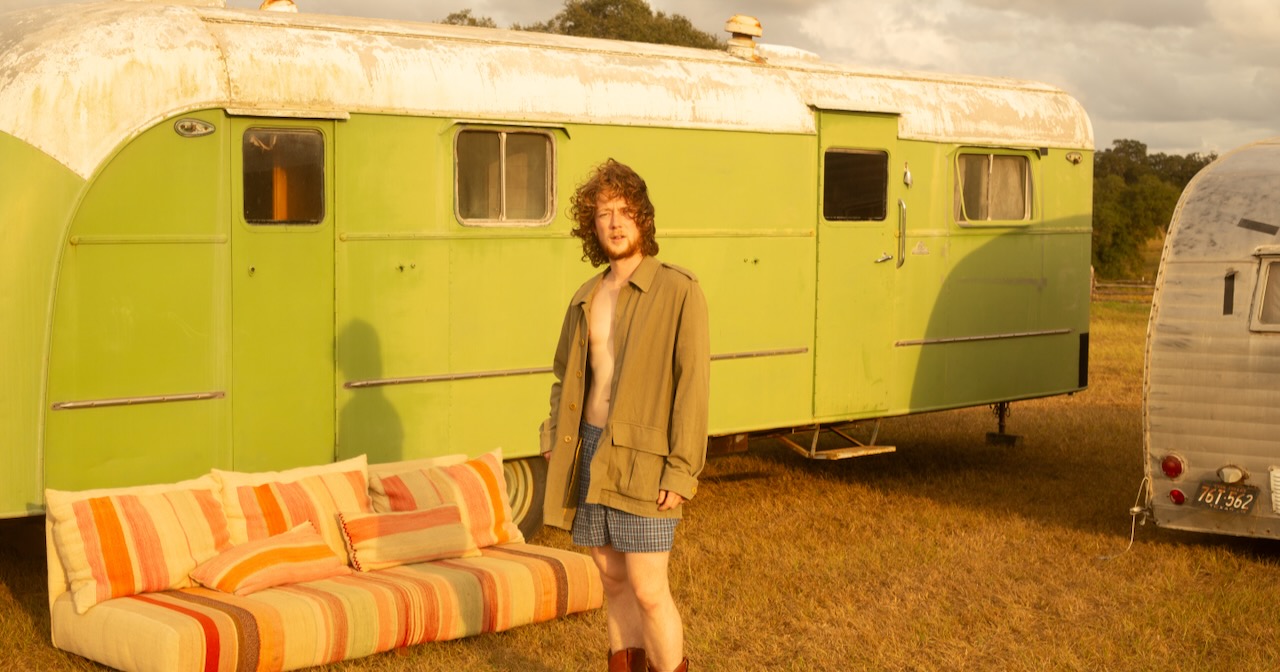
MIXTAPE: What’s In a Name? Thin Lear’s Moniker Mixtape

Upon relaying my artistic moniker to people, I’m usually met with one of two reactions: 1. “Oh, weird…that’s interesting” or 2. “Oh, weird… I don’t get it.” (I guess a third option would be, “Well, that’s stupid.”)

My process of finding a moniker came out of a desire for artistic freedom in my writing, as I felt constrained performing under my government name, the far less interesting sounding “Matt Longo.” Within a moniker, my writing (in my mind) could be uninhibited despite me being, you know, the same human.

Originally, I was thinking I’d go by “Tin Ear,” as I simply liked the sound of the way the words sat together, but I quickly discovered that was already a glam band from the ’70s. Then, around the time of my name hunt, I had a very strange dream wherein I sat on a subway car across from a gaunt, regal-looking king. I awoke with the words “Thin Lear” in my head, no doubt the result of my brain privately re-working “Tin Ear” and conveniently giving me a dream origin story to go along with it.

What a journey, I know. So, to celebrate the release of my new EP, A Shadow Waltzed Itself, I’ve put together a Mixtape of some of my favorite solo artist monikers, for various reasons, all paired with choice tracks. Enjoy. – Thin Lear

“Maybe I’m the Only One for Me” – Purple Mountains

A sad and beautiful song from a modern master, David Berman. The moniker is pitch perfect; it conveys majestic sadness, like so much of his art.

“Golden Wake” – Mutual Benefit

An underrated moniker for an underrated artist, Jordan Lee. It’s off Love’s Crushing Diamond, which is really one of the finest complete albums of the 2010s, with its homespun warmth.

“Come Down in Time” – Bedouine

The thoughtful moniker of Azniv Korkejian, whose music is equally as carefully considered. Her take on Elton John’s track from the classic Tumbleweed Connection really rivals the original and wraps the melody in an achingly delicate arrangement.

“Beauty of the Shifting Tide” – Thin Lear

Oh, hey, would you look at that? It’s me. How’d that get in there?

This tune is the closing song off the new EP, A Shadow Waltzed Itself, and also the most personal, unfortunately. I had been walking along the beach in a bad mood for seemingly no reason one day, so removed from my surroundings, watching my partner and daughter enjoy themselves ahead of me. I began to envision myself as this sullen entity that was just kind of trudging behind joy – and the uselessness of that role in a family. This isn’t a place I find myself in all the time, but it happens; I wrote the song later that night as I was so disgusted with my default settings. In the song, my narrator acknowledges his envy of the tide, how it can change on a dime with all its might and that his own will “breaks in half the time.”

It sums up my greatest fears in a few minutes and is my least favorite song I’ve ever written, as I depict myself in such harsh lighting, but it felt like I needed to put it out for that very reason.

“Tyrant Destroyed” – Twin Shadow

A cool, catchy moniker for an artist who makes cool, catchy music. And what an opening track this is off his debut album, Forget. It’s such a sure-footed, fully-realized artistic mission statement to kick off a career.

“Noon” – Twain

I really can’t express why the moniker of Mat Davidson is so perfect. Maybe it’s because the arrangements and vocals in his music are so careful and delicate that the whole thing feels like it could split in two at any moment.

“Honey” – Drugdealer & Weyes Blood

Two excellent monikers for the price of one. Michael Collins & Natalie Mering doing a pitch perfect ’70s pastiche.

“Hood” – Perfume Genius

Maybe the most brilliant moniker on the list, achieving a level of poeticism we can only all aspire to with our monikers. “Hood” is one of the best songs ever written that clocks in at under two minutes, delivering a devastating gut punch in no time at all.

“The Mermaid Parade” – Phosphorescent

Matthew Houck’s music does indeed sound like a radiant glow in the dark. A killer breakup song from 2010’s Here’s to Taking It Easy.

“Only Son of the Ladiesman” – Father John Misty

Well, you knew this one was coming. Truly a perfect moniker for Josh Tillman, as it conveys a mystical sleaze and it’s funny, mysterious, and inviting.


Photo Credit: Shervin Lainez

Celebrating Women’s History Month: Crystal Gayle, Rose Maddox, and More

Our partnership with our friends at Real Roots Radio in Southwestern Ohio continues as we move from Black History Month to Women’s History Month! This time, we’ll bring you weekly collections of a variety of powerful women in bluegrass, country, Americana, folk, and elsewhere who have been featured on Real Roots Radio’s airwaves each weekday in March, highlighting the outsized impact women have on American roots music. You can listen to Real Roots Radio online 24/7 or via their FREE app for smartphones or tablets. If you’re based in Ohio, tune in via 100.3 (Xenia, Dayton, Springfield), 106.7 (Wilmington), or 105.5 (Eaton).

American roots music, historically and currently, has often been regarded as a male-dominated space. It’s certainly true of the music industry in general and these more down-home musics are no exception. Thankfully, American roots music and its many offshoots, branches, and associated folkways include hundreds and thousands of women who have greatly impacted these art forms, altering the courses of roots music history. Some are relatively unknown – or under-appreciated or undersung – and others are global phenomena or household names.

Over the next couple weeks, we and RRR will do our best to bring you more examples of women in roots music from all levels of notoriety and stature. Radio host Daniel Mullins, who together with BGS and Good Country staff has curated the series, kicked us off last week with Dottie West, Gail Davies, and more. This week, we’re shining a spotlight on Kristin Scott Benson, Crystal Gayle, Big Mama Thornton, Reba McEntire, and Rose Maddox. We’ll return next week and each Friday through the end of the month with even more examples of women who blazed a trail in roots music.

Plus, you can find two playlists below – one centered on bluegrass, the other on country – with dozens of songs from countless women artists, performers, songwriters, and instrumentalists who effortlessly demonstrate how none of these roots genres would exist without women.

Crystal Gayle (b. 1951)

She’s a country music icon with signature floor-length hair and a voice as smooth as silk – Crystal Gayle!

Born Brenda Gail Webb in Paintsville, Kentucky, Crystal Gayle stepped out of the shadow of her legendary sister, Loretta Lynn, to carve her own path in country and pop music. She scored her first Top Ten hit in 1975 with “Wrong Road Again.” However, her major breakthrough came in 1977 with the GRAMMY Award-winning “Don’t It Make My Brown Eyes Blue,” a crossover hit that topped the country charts and even made waves on the pop scene. It peaked at Number Two on the overall Hot 100, setting Gayle up to be one of the premiere crossover artists of the era.

With 18 Number One hits, Crystal Gayle has the fourth most chart-topping songs for a female in country music history, even more than her older sister. She became a defining voice of the late ’70s and ’80s, blending country with soft pop for her signature sound. Who could forget those long, flowing locks – almost as famous as her music! A member of the Grand Ole Opry and the Kentucky Music Hall of Fame, she even has a star on the Hollywood Walk of Fame in addition to scores of other awards, honors, and accolades. Crystal Gayle is still shining today, proving that true talent – and great hair – never go out of style!

Suggested Listening:
Wrong Road Again
The Sound of Goodbye

Big Mama Thornton (1926 – 1984)

Before Elvis shook his hips and Janis wailed the blues, there was Big Mama Thornton. Born Willie Mae Thornton in 1926, this powerhouse of a woman changed music forever.

Thornton’s deep, growling voice and raw emotion made her a legend in blues and rock and roll. She recorded “Hound Dog,” which was written specifically for her, in 1952 – years before Elvis made it even more famous. It sold over half a million copies and reached the Top Ten on the Billboard R&B charts. Her recording of “Hound Dog” is regarded as a pivotal recording in the birth of rock and roll, and truthfully, her female perspective makes the song make a lot more sense.

Like many Black artists of her time, she never saw the wealth or credit she deserved. Big Mama wasn’t just a singer – she played drums, harmonica, and wrote music, influencing generations of artists. Janis Joplin’s hit “Ball and Chain” was written by Big Mama.

As a blues icon, she toured the United States and Europe, worked at many prestigious folk, blues, and jazz festivals, and even recorded an album with Muddy Waters. Sadly, her life was cut short after years of alcohol abuse, passing away at the age of 57 in an LA boarding house; Big Mama was buried in a potter’s field.

Big Mama Thornton paved the way for rock and roll, blues, and soul, and was posthumously inducted into the Rock & Roll Hall of Fame in 2024.

Suggested Listening:
Ball and Chain
Wade in the Water

Kristin Scott Benson (b. 1976)

A South Carolina native, Kristin Scott Benson is a six-time IBMA Banjo Player of the Year and an absolute force on the five-string. She was a mandolin player as a youngster, but caught the banjo bug at nine years old when she saw Doyle Lawson & Quicksilver in the 1980s with their exciting brand of bluegrass – and a young Scott Vestal on banjo. She joined the all-female bluegrass band Petticoat Junction when she was just a senior in high school, moving to Nashville in 1994 to attend Belmont University.

Unknowingly, she made history during her sophomore year in college when she was hired by The Larry Stephenson Band. She is viewed by many as having “broke the glass ceiling” in bluegrass, by playing in a male-dominated professional bluegrass band, without being married to, dating, or being related to any of the other members – she was simply a powerful picker. Kristin worked two different stints with The Larry Stephenson Band, in addition to working with Larry Cordle & Lonesome Standard Time. She joined The Grascals in 2008, where she has remained for over fifteen years.

Pointing to Sonny Osborne as her banjo mentor, she has fit The Grascals’ sound like a glove with their heavy Osborne Brothers influence. (It was actually Sonny who recommended her to The Grascals for their banjo job.) In addition to kicking tail on stage and in the studio with The Grascals, in recent years Kristin has formed a recording duo with her husband, mandolin master Wayne Benson of Russell Moore & IIIrd Tyme Out. Together they are simply known as Benson.

Kristin Scott Benson received the Steve Martin Prize for Excellence in Banjo & Bluegrass in 2018, and was inducted into the American Banjo Hall of Fame in 2024.

Suggested Listening:
Up This Hill and Down” – The Grascals
Conway” – Benson

Rose Maddox (1925 – 1998)

She was bold, she was brash, and she helped shape country as we know it! Rose Maddox wasn’t just another singer, she was a trailblazer.

Born in Alabama and raised in Modesto, California, Rose and her brothers – The Maddox Brothers and Rose – became pioneers of the “hillbilly boogie” sound. Performing on radio as teenagers, their career really took off when Rose’s brothers returned from World War II, anchored by her powerhouse vocals. One of the first hillbilly bands to come from California, The Maddox Brothers & Rose cut a wide swathe, touring across the country, performing on the Louisiana Hayride, and making smash records.

With wild outfits, high energy, and Rose’s infectious laugh, they were country music’s first real rock stars, known as America’s most colorful hillbilly band. In the 1950s, The Maddox Brothers & Rose parted ways and Rose pursued a solo career. She broke barriers as a female country star, scoring over a dozen Top 30 hits like “Sing a Little Song of Heartache” and inspiring legends like Dolly Parton and Emmylou Harris. She also recorded several popular country duets with another legend with ties to southern California – Buck Owens. In 1962, she released the first bluegrass album by a female artist, Rose Maddox Sings Bluegrass, joined by Bill Monroe, Don Reno, Red Smiley, Donna Stoneman, and more.

She would continue to tour and record, even recording an album with Merle Haggard & The Strangers as her backing band. The Hag always pointed to The Maddox Brothers & Rose as one of his influences. Maddox also performed on stage and in studio with California bluegrasser Vern Williams, and even received a bluegrass GRAMMY nomination for her Byron Berline-produced album $35 & A Dream, shortly before her passing in 1998 at the age of 72.

Honky-tonk, bluegrass, rockabilly – Rose did it all and she did it first! So next time you hear a fiery female country singer, tip your hat to Rose Maddox, the original queen of country sass.

Suggested Listening:
Honky Tonkin’” – The Maddox Brothers & Rose
Sing A Little Song of Heartache

Reba McEntire (b. 1955)

From the heart of Oklahoma, one voice has echoed through the decades, captivating fans with her powerhouse vocals and undeniable charm. Reba McEntire, one of the true Queens of Country Music, has been breaking barriers since she first stepped onto the scene in the 1970s.

Her big break came in 1974 when country & western singer Red Steagall saw Reba perform the National Anthem at a rodeo event in Oklahoma. He then helped her land her first record deal. But she was hardly an immediate success, working to find her footing in the music industry and after four years, she scored her first Top Ten hit, “(You Lift Me) Up To Heaven.” After that, she hasn’t looked back!

Reba topped the Billboard country singles chart for the first time in 1983 with “Can’t Even Get The Blues,” the first of her many Number One hits. With over 40 chart toppers and a career spanning more than four decades, she’s done it all. From mega hits to her legendary TV show, Reba, she’s not just a country icon, she’s a cultural force. However, Reba’s most iconic hit only reached #8, from her classic 1990 album, Rumor Has It. A song she learned from Bobbie Gentry, that has been a signature song of Reba’s ever since, it has been certified double-platinum, selling over 2 million copies: everyone loves “Fancy.”

Known for her fierce spirit and down-to-earth personality, Reba’s music continues to inspire generations of fans. Whether she’s singing about love, heartbreak, or resilience, one thing’s for sure – Reba’s voice is timeless. Reba McEntire, a true legend and a voice like no other.

Suggested Listening:
Fancy
Swing All Night Long With You


Want more Good Country? Sign up on Substack for our monthly email newsletter full of everything country.

Listen to Real Roots Radio online 24/7 or via their FREE app for smartphones or tablets.

Photo Credit: Rose Maddox courtesy of Discogs.com; Crystal Gayle courtesy of the artist; Big Mama Thornton from Ball N’ Chain.

MIXTAPE: Strengeplukk’s Intro to Scandigrass

Since Strengeplukk (translation: “string plucking”) formed in Stavanger, Norway, in 2015, we have established ourselves as one of our country’s most dedicated bluegrass bands. For the last ten years, we’ve played hundreds of concerts spanning the entire latitude of our homeland, as well as several festivals around Europe. Known for combining differing bluegrass traditions with Norwegian lyrics in our diverse and distinct dialects, Strengeplukk consists of Andreas Barsnes Onarheim (mandolin), Jakob Folke Ossum (guitar), Mikael Jonassen (banjo), Nikolai Storevik (fiddle) and Vidar Starheimseter (bass). We are now based in Oslo, but Andreas still resides in Stavanger.

As an introduction to Scandinavian bluegrass, we have collectively gathered a playlist of Norwegian and Scandinavian bluegrass-adjacent music. The list is populated with some favourite music from our friends and colleagues on the scene, as well as some historic cuts from Norwegian bluegrass history. It also features some brand-new tracks from our newest album, Neste steg, which released on March 7! – Strengeplukk

“Aust-Vågøy” – Strengeplukk

This is one of the more progressive Strengeplukk tunes, featuring lyrics from a war poem written by Inger Hagerup in 1941. Musically, it’s a song that pays tribute to many of the present day bluegrass musicians and bands that influence us. It was composed by Andreas as a homage to his grandfather who fought in the resistance during WWII.

“Kjekt å ha” – Øystein Sunde

Inspired by the ’60s folk revival, Øystein Sunde was part of the first generation of bluegrass musicians in Norway – and started Norway’s first bluegrass band, Christiana Fusel & Blaagress in the late ’60s. For the ’80s song “Kjekt å ha,” well-known by all Norwegians, he went to Nashville to record with the best of the best session musicians at the time, including Béla Fleck, Mark O’Connor, and Jerry Douglas.

“Springar” – Earlybird Stringband

An early example of Norwegian folk music and bluegrass fusion, pioneered by our friends in the Earlybird Stringband.

“Havly” – Strengeplukk

For our fiddle player Nikolai’s graduation fiddle concert, we arranged his tunes inspired by a mix of Norwegian folk music traditions and bluegrass. The resulting arrangements turned into half of our 2020 album, Nyslått Gras. This song is based on one of the oldest forms of folk music in Norway, the folk music from Setesdalen.

“Gone With the Wind” – Dunderhead

Dunderhead is one of neighbouring Sweden’s best known bluegrass bands. This one is a real banger, sung by Angelina Lundh.

“Father’s Presence” – Lars Endrerud

Lars is mostly seen playing bass with various bands and artists, but also picks guitar, mandolin, and more like a pro. This beautiful instrumental is from his solo album, Mandouche, and features him playing his Norwegian-built Rian mandolin. Rune Thoen, who joins Lars, plays various other string instruments.

“Et hundredels sekund” – Strengeplukk

This one is about getting lost in your hobby. An amateur photographer wants to take a photo of him and his girlfriend, but he spends too long fumbling with the gear and the girl disappears.

“Oriental Hoedown” – Gammalgrass

Norway’s foremost multi-instrumentalist Stian Carstensen – known for his work with artists eclectically ranging from Jacob Collier and Michael Brecker to Mike Patton – spearheads the band Gammalgrass together with award-winning jazz fiddle player Ola Kvernberg.

“Creedence på kassett” – Ila Auto

With a four-figure number of concerts played and several Spellemannprisen (Norwegian GRAMMY) wins and nominations behind them, Ila Auto has for the past 20 years been the face of bluegrass bands featuring original songs with Norwegian lyrics. This is one of their hits.

“Legg han i bløyt” – Strengeplukk

On this uptempo song, we wanted to recreate a fast and fierce sound inspired by bands like Kentucky Thunder. The lyrics are about an angry housewife who grows tired of raising both her kids and her husband and ends up taking matters in her own hands.

“Fast Forward” – The Bluegrass Playboys

This band consists of present and former members of Øystein Sunde’s lineup. The tune is written by Dobro player Knut Hem.

“Bode’s Reel” – Open String Department

More good friends on the list. These guys are on the A-list of virtuosos in both bluegrass and jazz. Open String Department combines these genres in a smooth and tasty way. Their compositions are both complex and catchy, and their improvisations are creative and inspiring. They’ve always been someone to look up to.

“Caravelle” – Strengeplukk

Strengeplukk spent our early days touring the western parts of Norway in an old, red Volkswagen Caravelle. This song is about those days, those memories, and the fact that even though you’re on the road doing what you love, there’s no place like home.

“Annie on My Mind” – Happy Heartaches

Some of our best jamming has been together with these lovely Swedes, who we’ve run into at numerous bluegrass festivals over the years. Last year they released their debut album, A Place to Land, on CD only, but it will be available on streaming later this spring.

“Dry River” – Twang

The Danish trio Twang are kings of tasteful arrangements and their take on swing-inspired folk with a bluegrass-inspired instrumentation and beautiful vocal sounds.


Photo Credit: Nikolai Grasaasen

Celebrating Women’s History Month: Dottie West, Gail Davies, and More

Our partnership with our friends at Real Roots Radio in Southwestern Ohio continues as we move from Black History Month to Women’s History Month! This time, we’ll bring you weekly collections of a variety of powerful women in bluegrass, country, Americana, folk, and elsewhere who have been featured on Real Roots Radio’s airwaves each weekday in March, highlighting the outsized impact women have on American roots music.

You can listen to Real Roots Radio online 24/7 or via their FREE app for smartphones or tablets. If you’re based in Ohio, tune in via 100.3 (Xenia, Dayton, Springfield), 106.7 (Wilmington), or 105.5 (Eaton).

American roots music, historically and currently, has often been regarded as a male-dominated space. It’s certainly true of the music industry in general and these more down-home musics are no exception. Thankfully, American roots music and its many offshoots, branches, and associated folkways include hundreds and thousands of women who have greatly impacted these art forms, altering the courses of roots music history. Some are relatively unknown – or under-appreciated or undersung – and others are global phenomena or household names.

Over the next few weeks, we and RRR will do our best to bring you examples of women in roots music from all levels of notoriety and stature. Radio host Daniel Mullins, who together with BGS and Good Country staff has curated the series, kicks off March featuring Dottie West, Girls of the Golden West, Donna Ulisse, Gail Davies, and Cousin Emmy. We’ll return next week and each Friday through the end of the month with even more examples of women who blazed a trail in roots music.

Plus, you can find two playlists below – one centered on bluegrass, the other on country – with dozens of songs from countless women artists, performers, songwriters, and instrumentalists who effortlessly demonstrate how none of these roots genres would exist without women.

Dottie West (1932 – 1991)

She was a trailblazer, a storyteller, and a country music legend. Dottie West – born Dorothy Marsh in the small town of Frog Pond, Tennessee – rose to fame with her rich voice and heartfelt songs. Her childhood was heartbreaking, due to physical and sexual abuse at the hands of her alcoholic father. As a teenager, she testified against her father, aiding in his conviction and sentencing on charges resulting from his continued sexual abuse of her and her siblings.

After high school, Dottie received a music scholarship to pursue her passion. It was her songwriting that really helped build in-roads for her in the music business, particularly after Jim Reeves had a top three hit with Dottie’s song, “Is This Me.” In 1965, she made history as the first female country artist to win a GRAMMY with her original composition, “Here Comes My Baby.” Its smash success also led to her becoming a member of the Grand Ole Opry.

From then on, Dottie became a force in Nashville, penning hits and performing alongside legends like Jim Reeves, Don Gibson, Jimmy Dean, and Kenny Rogers. Her duets with Kenny melted hearts, but her solo career soared, too, scoring twenty-five Top 40 country hits as a solo artist spanning three different decades. Songs like “A Lesson in Leavin’” proved she was unstoppable.

Part of Dottie’s legacy is that of friend and mentor. Pointing to Patsy Cline’s encouragement of her own career, Dottie West would help build up aspiring performers like Jeannie Seely, Steve Wariner, and more. She also helped transform the image of the female country star, with a sexy wardrobe full of flash and glamour. Dottie would be one of the first country artists to find success in writing commercial jingles as well, most notably, Coca-Cola’s use of “Country Sunshine.” But tragedy struck in 1991 when a car accident on the way to the Grand Ole Opry cut her life short at the age of 58.

Though gone too soon, Dottie West’s voice still echoes through country music. She was posthumously inducted into the Country Music Hall of Fame in 2018.

Suggested Listening:
A Lesson In Leavin’
Here Comes My Baby

Girls of The Golden West (active 1930s to 1960s)

Before there was Dolly or Patsy, there were the Girls of the Golden West! Sisters Mildred and Dorothy Good burst onto the country music scene in the 1930s, blending sweet harmonies and cowboy spirit into radio gold on Chicago’s WLS, home of the National Barn Dance. Alongside early radio stars like Gene Autry, Patsy Montana, and Bradley Kincaid, Girls of the Golden West were one of the most popular country acts of their era.

Taking their name from a popular opera, these Illinois farm girls also developed a compelling backstory for audiences – telling radio listeners they were from Muleshoe, Texas. Embodying the “western” in “country & western,” their cowgirl stage clothes helped add some girl power to the infatuation with cowboys and the Wild West at that time. Their signature song, “Will There Be Any Yodeling in Heaven?,” showcased their angelic voices and signature yodeling style, making them fan favorites on The National Barn Dance.

By the late ’40s, they would relocate from Chicago’s WLS to Cincinnati’s WLW, where they would be part of such iconic programs as the Renfro Valley Barn Dance and the Boone Country Jamboree. Unlike many country acts of the time, these trailblazing women wrote much of their own music, proving that female artists belonged in the spotlight. Their songs, filled with adventure, heartache, and the open range, paved the way for generations of country music legends, including Kitty Wells, Jean Shepard, and The Davis Sisters. Though their fame faded after World War II, their influence never did. So next time you hear a classic country duet, remember – Mildred and Dorothy Good were there first. The Girls of the Golden West were true pioneers of country music.

Suggested Listening:
Lonely Cowgirl
Round-Up Time In Texas

Donna Ulisse (active 1991 to present)

Donna Ulisse is a powerhouse singer, songwriter, and storyteller whose music blends traditional bluegrass with heartfelt country roots. Originally from Hampton, Virginia, she made her mark in Nashville as a country artist before fully embracing her love for bluegrass.

Donna arrived in Nashville in the early ’80s, working as a harmony vocalist. Her first recording session when she hit town was on a Jerry Reed album. By 1990, she was signed to Atlantic Records, where she released her debut album, Trouble at the Door. This great country album yielded two charting singles for Donna and landed her guest spots on Hee Haw, Nashville Now, and more. But Donna had a knack for mountain melodies – heck, Ralph Stanley & The Clinch Mountain Boys played at her wedding (her husband, Rick, is a Stanley after all).

Donna began gaining traction as a songwriter and released her first album of original bluegrass in 2007. Since then, she hasn’t looked back. With a voice as rich as the Appalachian hills and lyrics that paint vivid pictures of life, love, and faith, Donna has penned songs for top artists like Del McCoury, The Grascals, Darin & Brooke Aldridge, and more. Her song, “I Am a Drifter” was recorded by Volume Five and was named Song of the Year by the International Bluegrass Music Association in 2017. Donna has multiple Bluegrass Songwriter of the Year honors under her belt, as well.

But it’s her own albums – filled with soul-stirring melodies and award-winning songwriting – that truly showcase her artistry. Hits like “Back Home Feelin’ Again,” “Come to Jesus Moment,” “When I Go All Bluegrass on You,” and “Livin’ Large in a Little Town” have made her a beloved mainstay on bluegrass radio and at bluegrass festivals nationwide. Whether she’s performing on stage, writing timeless tunes, or inspiring the next generation of songwriters, Donna Ulisse is a true gem in bluegrass music.

Suggested Listening:
Trouble At The Door
When I Go All Bluegrass On You

Gail Davies (b. 1948)

She wasn’t just another voice on the radio, she was the first female record producer in country music history. Let’s tip our hats to a native of Broken Bow, Oklahoma and a trailblazer in country music: Gail Davies!

Originally a session singer, Davies sang on records by Glen Campbell, Hoyt Axton, Neil Young, and more. Through this experience she befriended Joni Mitchell, whose producer taught her about record production. In the mid-’70s she worked alongside Roger Miller and started her songwriting journey. Her song, “Bucket to the South,” would be covered by Lynn Anderson, Ava Barber, Wilma Lee Cooper, and later recorded by Gail herself.

In the late ’70s and ’80s, Davies broke barriers. She released her self-titled debut album in 1978. Though successful, she was dissatisfied with the production, changing labels in order to produce her own records – much like Willie Nelson and Waylon Jennings had done earlier in the decade. This made Gail Davies country’s first female record producer. The result was stellar, yielding her first top ten hit, “Blue Heartache.”

Gail crafted a unique sound that blended traditional country with fresh, innovative production. Hits like “Grandma’s Song” and “I’ll Be There (If You Ever Want Me)” put her on the map, proving she had the talent and the vision to shape her own career. But Gail wasn’t just making music – she was making history, paving the way for women in Nashville to take creative control of their work, inspiring hitmakers who would follow in her wake like Suzy Bogguss, Kathy Mattea, Mary Chapin Carpenter, and Pam Tillis.

Davies would also produce albums for others as well, being hired as the first female Music City staff record producer in 1990. Over the years she would record with Emmylou Harris, The Whites, Ricky Skaggs, Dolly Parton, and even Ralph Stanley. With over a dozen albums and a career spanning decades, her impact still echoes through country music today. So here’s to Gail Davies – a pioneer, a hitmaker, and a legend.

Suggested Listening:
Grandma’s Song
I’ll Be There (If You Ever Want Me)

Cousin Emmy (1903 – 1980)

Have you ever heard of Cousin Emmy? If you haven’t, you’re missing out on a true legend of the Appalachian music scene. Born Cynthia May Carver in the heart of Kentucky, Cousin Emmy was the daughter of sharecroppers and a pioneering force in old-time radio and country music.

In the 1930s, her voice rang out across the airwaves captivating listeners with her mountain spirit and stunning talent. She became the first female to win the National Oldtime Fiddlers’ Contest in 1935 and fronted her own band and radio show by the end of the decade. A true trailblazer for women in bluegrass, she didn’t just play – she performed. Known for her skillful banjo playing and unforgettable voice, Cousin Emmy brought Appalachian culture to the masses on major radio stations in Wheeling, Knoxville, St. Louis, and Chicago, leading her to be signed to Decca Records.

Cousin Emmy was featured in Time magazine in 1943, informing its readers that her popular St. Louis radio program drew an average of 2.5 million listeners every Sunday morning. From live shows to classic radio broadcasts, she influenced generations of musicians, including Grandpa Jones (whom she purportedly taught how to play old-time banjo) and Bobby Osborne, who heard her recording of “Ruby” on jukeboxes when he was a youngster. It would later become the debut single for The Osborne Brothers, and remained one of their signature songs, solidifying its status as a bluegrass standard.

Emmy would eventually move to L.A., where she would raise the children she adopted while continuing to perform locally. As the Folk Revival emerged in the early ’60s, the New Lost City Ramblers heard Cousin Emmy performing at Disneyland and encouraged her to join them on record. That session introduced her to a new generation of fans and led to appearances on the folk circuit, including the infamous 1965 Newport Folk Festival. She passed away in southern California in 1980, at the age of 77. Remember the name: Cousin Emmy — a powerful personality and hillbilly star.

Suggested Listening:
Ruby, Are You Mad At Your Man?
I Wish I Was A Single Girl Again


Want more Good Country? Sign up on Substack for our monthly email newsletter full of everything country.

Listen to Real Roots Radio online 24/7 or via their FREE app for smartphones or tablets.

Photo Credit: Dottie West courtesy Country Music Hall of Fame & Museum; Gail Davies courtesy of the artist; Donna Ulisse courtesy of Turnberry Records.

Artist of the Month: Rose Cousins

Rose Cousins is nothing if not intentional. With her new album Conditions of Love – Vol 1 (out March 14), Cousins demonstrates a controlled discipline as she considers the most unruly of our emotions. The JUNO award-winning artist is a student of love, from the sweet certainty of “One Love” from her 2016 album If You Were For Me to the entirety of her 2017 masterpiece Natural Conclusion to “The Agreement,” a consideration of the liberties and drawbacks of a long-distance open relationship from her most recent prior full-length project, Bravado.

Over the years, Cousins has honed her approach to her craft as carefully as her music, even taking a five-year break between albums to recover from burn out and focus on songwriting over performance. That commitment to her art is just one small part of what has earned Cousins the recognition of being named BGS’ Artist of the Month.

Conditions kicks off with “To Be Born,” an instrumental channeling of the rural Prince Edward Island where Cousins grew up. Buzzing wonderment introduces us to a song cycle of love in all its forms: romantic, platonic, a sense of one-ness with the universe – and what causes them to grow and die. At the beginning of it all, Cousins tells us, is that sense of wondrous possibility.

“I Believe in Love (and it’s very hard)” harbors a desire that Cousins hinted in a 2012 interview with No Depression – a fascination with songs that are upbeat and poppy, but communicate something serious. The song is a catchy thesis statement for this album: that as much we depend on our bonds with others to survive, we crave our individual freedoms and yearn for balance.

I know in love it’s hard to be
Everything that someone else could ever need
While holding onto “wild and free”

Wild and free
Wild and free
Wild and free
Wild and free

But there are certain types of love that require obligation. “Needed You” weaves bitterness and compassion together with the opening salvo,

Yeah I turned out fine
It’s what we do
I spent my time looking for clues
So I became a wishing well
And I don’t need water
Is what I tell myself

In this moving piano ballad, Cousins considers both the person she’s become and the inner child who needed nurturing. While the song seeks to find reconciliation between that vulnerable inner core and the people in our past who make us lock that core away, the song also invites us to empathize with the legacies of intergenerational trauma that can lead to a family’s failure to meet a child’s emotional needs. It’s an astonishing track, one that efficiently wraps years of therapy into four minutes.

“Denouement” is even more precise – an airy collection of word associations that invite us to fill in the blanks in the arc of a relationship.

Happenstance
Vast expanse
Circumstance
Second glance
Take a chance
New romance
Take my hand
Can I have this dance

Cousins’ abstraction is delightful, a wry acknowledgment of how cliche love can be, even as we revel in its glorious highs (and pray that the lows stay away as long as possible – forever, ideally.) But the cycle eventually starts again – after all, we’re only human – and the dance can feel as familiar as it does wondrous.

That feeling extends to another shade of love: gratitude. “Borrowed Light” asks us to reflect on the ways we connect with everything around us, and to appreciate the all-too-brief length of time we have to experience it.

I am borrowing light
From the moon, who is borrowing light
From the sun who comes back every time
Every time

“Borrowed Light” is anchored by a questing piano line, an instrument that Cousins feels is her first love. As the instrument – a 1967 Baldwin grand that Cousins and long-time collaborator/producer Joshua Van Tassel fell in love with immediately – traverses the cosmos, Cousins is buttressed by a backing chorus momentarily, sublimely, at the song’s apex.

Conditions of Love – Vol 1 doesn’t offer many answers and, of course, the title hints at further dives into the topic. However, Cousins does offer one example of how to live, a waltz dedicated to her late friend and colleague, Koady Chaisson, “K’s Waltz.”

Your heart
It did not give out or give in
It gave everything
It gave everything
It gave everything
It gave everything

As hard as it is, Cousins begs us to be as open as possible, to feel all of it – love and joy, yes, but also grief at partings that are inevitable, no matter what. It’s only when we push through our defenses to embrace radical openness, when we “give everything,” that we can say we have lived well.

We are so very excited to name Rose Cousins our March 2025 Artist of the Month. Dive into our exclusive interview with Rose all about the new album here, listen to Rose in conversation with her longtime friend Edie Carey on Basic Folk here, explore our Essential Rose Cousins Playlist below, and follow along on social media all month long as we go back into the BGS archives for anything and everything Rose Cousins.


Photo Credit: Lindsay Duncan