Honky-Tonkin’ Country with a Bluegrass Approach

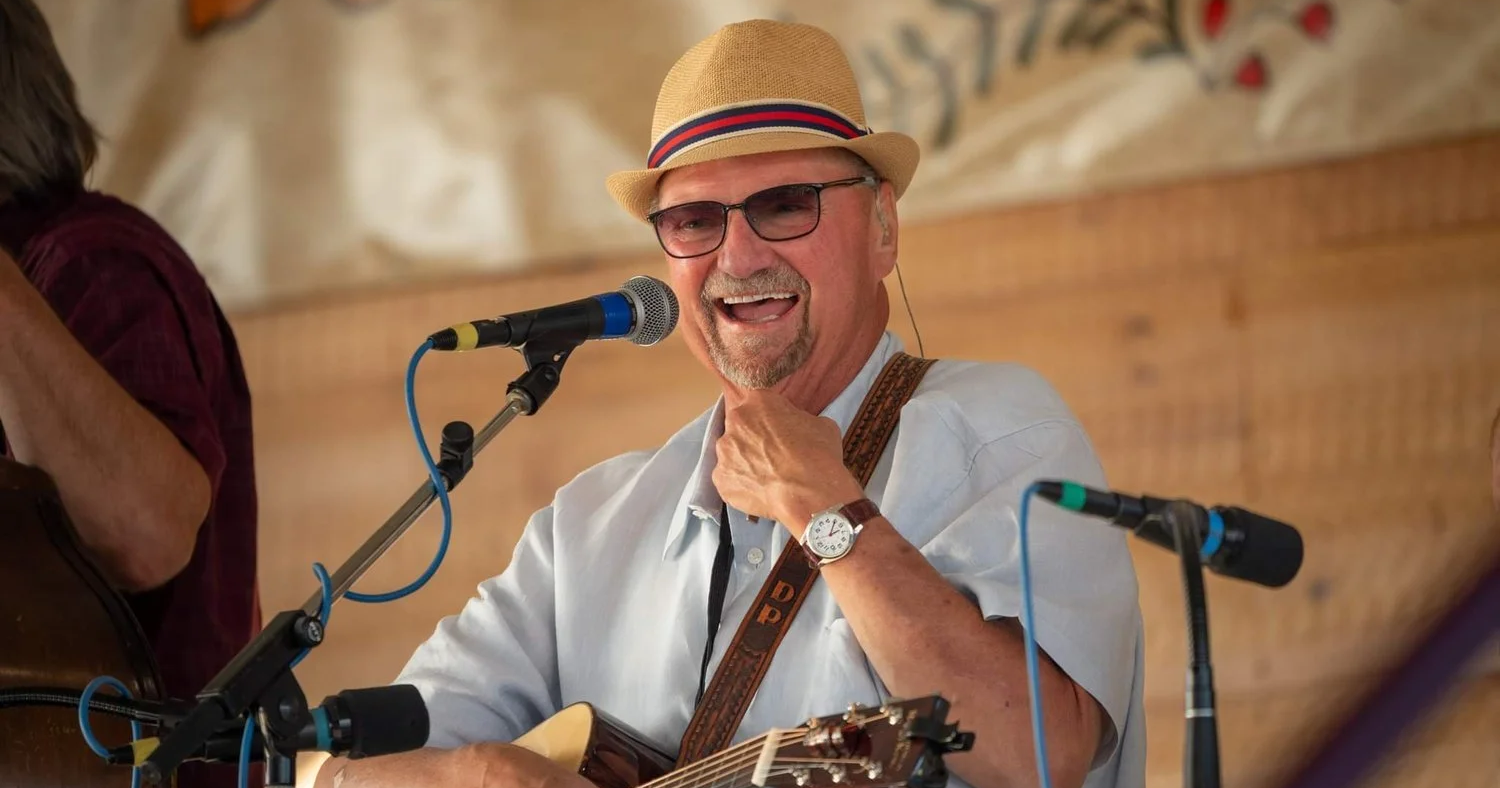
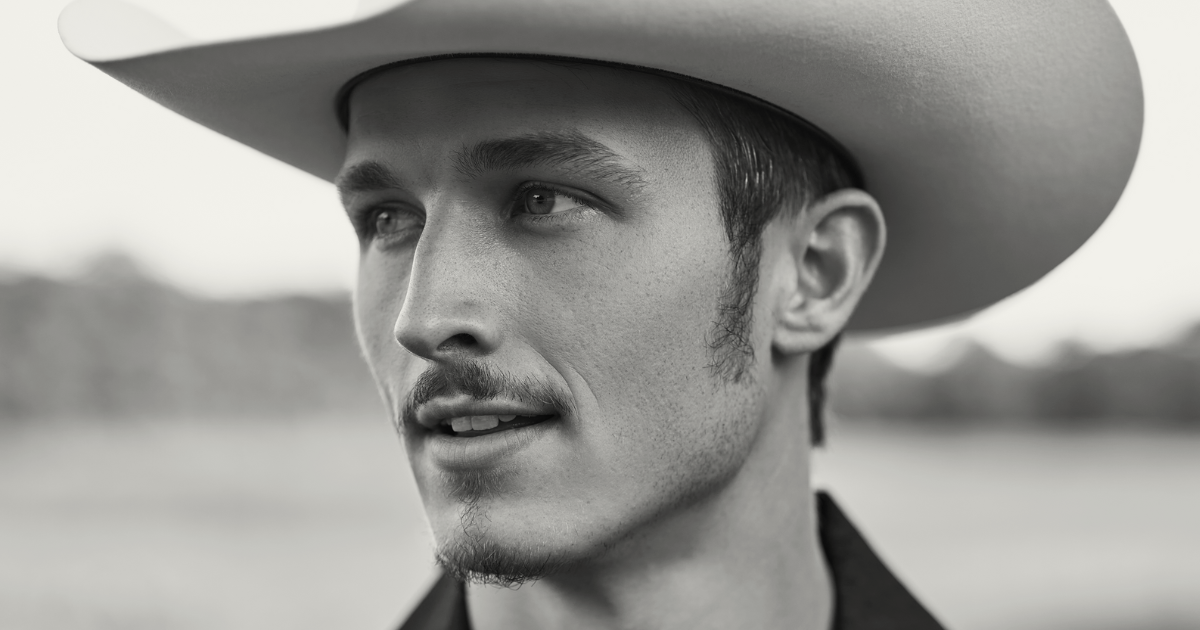
For anyone cheering on the mainstream country return of classic roots musicianship, Spencer Hatcher is a name to remember. Joining the likes of Zach Top and even Billy Strings, he’s a new country artist with some decidedly old-school tendencies and a deep foundation in bluegrass.

Having dropped his debut EP, Honky Tonk Hideaway, in November 2025, the Virginia native planted his flag for two-stepping rhythms and hot-blooded twang. Hatcher got his start in a family bluegrass band; over six tracks, his rich Shenandoah Valley vocal stands center stage, flanked by boundless barn-dance energy and timeless emotional heft. But with a thriving TikTok fanbase and a steamy, slow-dancing debut at country radio (“When She Calls Me Cowboy”), his style goes beyond nostalgia. It marks a shift in possibility, with room for roots artists in the commercial country space.

Speaking with Good Country a few weeks into his first promotional radio tour, Hatcher filled us in on his bluegrass beginnings and why they will always be his baseline. Plus, he opens up about the mainstream return of roots country, TikTok-ing back when it was “a dancing app,” and where he sees his music evolving.

Lately it seems like the foundational stuff from bluegrass and classic country is making a mainstream comeback, and you’re part of that. Do you have any sense of what is driving it?

Spencer Hatcher: I think that it’s like anything, I do believe in a full-circle moment – everything comes back into style. In this case, I’m overjoyed that the traditional sound is coming back. I’ve always called that “real country music,” and that’s just the stuff that all my heroes played. Growing up, I didn’t even know what modern country music was. I thought George Jones was modern. I thought that Johnny Cash and Waylon Jennings were modern, and then I found out that stuff was 30 years old 20 years ago.

You grew up on a farm in Virginia, right? Shenandoah Valley?

Yes, sir.

How did you get your country education?

A lot of it was just literally how I was raised. It’s what I lived by. I don’t know if everybody lives by what they sing, but I certainly do. I remember at a very early age, probably 6 or 7 years old, I learned how to drive a tractor and I’d be out in the fields every day working with my dad and running cows, and we had some goats. That’s just been my lifestyle. It’s what I love, still today. Growing up on a farm in the Shenandoah Valley right there at the Blue Ridge Mountains, and coming from a small town, that’s what home is to me. I had a lot of bluegrass around me, of course, in the Blue Ridge Mountains, and a lot of old-style country music. So that’s what we listened to, and sang, and jammed to on Friday nights.

You had a family bluegrass band. What drew you all into that music? I mean, this would’ve been in the 2000s. It wasn’t really in fashion.

It’s a fair statement to say that, in the 2000s, bluegrass was probably at an all-time low as far as popularity goes. But in my hometown, you wouldn’t really know that. There were jams, and what attracted me to it was definitely my dad. I can remember my dad sitting there watching me and my brothers play, and he’d be either playing the guitar or playing the banjo and singing. Growing up, I wanted to be like my dad, and so I picked up the banjo at 12 years old and started playing that, and I was just absorbed in it. That was the moment that music really took me over.

I just wanted to play the banjo, and so that’s what I did for three years straight. Friday night wasn’t spent with my friends at football games. It was at the local jam session where the average age was probably 75 years old. … Then my younger brother Connor decided to pick up the bass fiddle and that was history. From there, we started a band and we started playing everywhere we could.

@spencerhatcher Burnt It! #foryou #foryoupage #country #bluegrass #music #brother @connor_hatcher00 ♬ original sound – Spencer

Early on, you and Connor made bluegrass and country life seem fun on TikTok and you ended up with a pretty big following. What made you want to start posting?

I’d seen some friends do it in college and I admired their confidence. I was never into social media. I had it, but I didn’t post. It wasn’t an interest I had. But after I graduated college in 2019, I decided to move back home in March as COVID had hit, and I said, “I’m going to go back home and see about just playing country music.” I didn’t really know what I was going to do. I had a business degree. I was maybe going to be a financial advisor or something, but music was what I wanted to do. It’s what I did all through college, too. I was in four bands in college, and I just had this infatuation with becoming a country performer. I wanted to add that into my bluegrass shows.

So, I did the only thing I thought I could, and I decided to turn on a camera and sing a song. It took about six weeks for me to work up the courage to finally post that video. … And the fifth one is the one that went viral. It only took five videos and it was insane.

Wow, that’s pretty fast. And I think it’s cool that something so modern as TikTok can have so much fiddle playing and traditional lifestyle on there.

Back then in 2020, TikTok was still a dancing app, and I hadn’t seen any [country lifestyle] stuff on there yet. I was like, “Well, I’m going to show people how we live around here and just be myself.” I would oftentimes just turn the camera on and just let it roll.

Let’s talk about where you’re at now. You’ve got this country career going and it’s a little different from the bluegrass stuff, right? I mean, do you see a difference?

Yes, sir. There definitely is. But I guess you could say [I take] a very bluegrass, old-fashioned approach. I play as many shows as I can, just like the guys in bluegrass do and always have. … Of course, yes, the music is different, but I do believe that you can hear some bluegrass influence in my country music. It’s real country music. What we do in the studio, we can directly replicate on stage, and that’s how it is in bluegrass music. That’s how I wanted my country music to be.

I’ve got a fiddle, I’ve got a pedal steel, I’ve got guitars. Every single show I still play bluegrass. And maybe the difference between country music and bluegrass is that country is a little bit more polished, a little bit more produced. But I don’t like a tremendous amount of production. I don’t have anything faking my songs like bass loops or autotune or anything like that. If you come to a show, you get what you hear online.

Honky Tonk Hideaway is your debut EP. What did you want it to be like?

There was definitely a lot of thought and planning that went into the EP. And the song itself, “Honky Tonk Hideaway,” was a very exciting song. I’ve been calling it a barn burner. It’s one that makes you want to get up and dance, and that’s one thing that I hold pretty highly at my shows. I want people to just have fun and dance and have a good time. They did back in the day – you watch Urban Cowboy and everybody’s dancing, everybody’s cutting up and having fun. I don’t know if that’s been lost over the years, but I know that at my shows, a lot of people feel like they can get up and be themselves.

Did you have much of a hand in the songwriting, or are these outside cuts that you fell in love with?

All of these songs right now have been outside cuts, because basically I came to [Nashville in] July of 2024 and it was immediately like, “We need to get to the studio, let’s start getting some music.” There have been songs floating around Nashville for 30 years and they’re just stacked up – things people wrote years and years ago. There’s a song that I’ve not released yet, but it was written in 2009, so for 16 years it’s just been laying in a folder and nobody’s cut it until I came to town. And I’m like, “Man, I love this. This is country music.”

That’s a lot of what these first couple songs that people are getting to hear are. But since I’ve been in town, I’ve been doing a lot of writing and we’re very excited about the songs that I’ve gotten to write. I think we’re going to see a lot more Spencer Hatcher songs coming in the future.

There’s a lot of gold out there that’s still yet to be mined, I suppose.

Yeah, I mean, it was amazing. My producers would reach out to some of the really big companies and say, “Hey, we’ve got a new artist in town that’s looking for songs like George Strait would cut, or Joe Diffie or Keith Whitley or Merle Haggard, so send us what you got.” And we would get these folders of 50 songs and you just go through it and listen and listen.

Tell me about the single, “When She Calls Me Cowboy.” It’s got some of that Keith Whitley thing going on, in my opinion. Why did you want that to be the first single at country radio?

To me, that’s a very special song. … If anything, I compare it to maybe a Conway Twitty song, because it’s pretty intimate, but it certainly isn’t a Conway Twitty song. … It’s very country, very traditional. I love the melody, I love the words, and it’s relatable. I would say a lot of people can relate to a song like that.

I was thinking the same about “Cold Beer and Common Sense.” I feel like everybody has been saying they wish for more of that these days. What’s the sentiment behind the song?

Man, that message is just so powerful and it’s one I wish the entire world could listen to and live by – and not necessarily the cold beer part. As far as common sense and everybody getting along, regardless of what side of the fence you stand on, regardless of your political party, that’s one thing a lot of people want – to make it about politics. It’s like, “This is not a political song.” You’ve got to listen to the words. It’s about no matter what your beliefs are, everybody should be able to sit at a table and laugh and have fun and get along. I’ve always believed that there needs to be so much more of that in the world. And that’s honestly why I’m in music, is because music spreads joy. It spreads smiles.


Want more Good Country? Sign up to receive our monthly email newsletter – and much more music! – direct to your inbox.

Photo Credit: Riker Brothers

Southern Avenue: Music for Peace, Empowerment, and a GRAMMY Nomination

Through joy and sorrow – and they’ve known both in their ten years as a band – Southern Avenue do what they do best: make music. Lead vocalist/songwriter Tierinii Jackson, her husband, guitarist/songwriter Ori Naftaly, and her sisters, drummer/vocalist/songwriter Tikyra “T.K.” Jackson and percussionist/violinist/vocalist Ava Jackson, all reach into their spiritual and emotional wells to tell their stories through song.

It’s there on Family (released in April on Alligator Records), their latest and fourth album. True to its title, it’s a musical journey tracing the band’s personal and professional history. Family was recorded at Royal Studios in Southern Avenue’s home city, Memphis. GRAMMY winners John Burk and Boo Mitchell produced and mixed, respectively.

Southern Avenue write, record, and play with one goal in mind: “We’ve always been a band that speaks about peace and empowerment,” says Tierinii Jackson. “Our music is a place where we can leave the ails of the world outside. We can come together, be equal, and heal.” It’s a noble mission that comes from lived experience and presents in a unique blend of blues, funk, soul, gospel, country, and a healthy serving of guitars.

The rhythmic foundation upon which Southern Avenue is built stems in part from the guitar-and-drums pocket that Naftaly and Tykira Jackson create. “With Ori coming up with really juicy stuff and playing slide, it’s super easy for me to be inspired,” says Jackson. “I feel like what’s actually happening is we all allow ourselves to be creative and truthful to our stories, and we are connected to our ancestors, to our roots, to something much bigger than us. Within that, you get the pocket, because we are locked in.”

Naftaly seconds: “At the end of the day, nothing replaces two people that want to do right by the music, no matter what, and have almost a decade of doing it.”

First interviewed on BGS for Good Country in May 2025, the musicians reunited with BGS just weeks after learning of Family’s GRAMMY nomination for Best Contemporary Blues Album. As requested in their GC 5+5, there were no questions about “how [they] met and how the band started.” You can learn more about that here.

Congratulations on your second GRAMMY nomination. What does this mean to you, musically and personally?

Ori Naftaly: We’re very proud of ourselves, for sure. We felt that this album was special when we were writing and recording it, not just because it’s good music, [but also] because it’s coming from who we are as people. This is the most transparent we ever were. We felt that it is going to resonate. The circumstances for the album are special, and the story behind it. The [nomination] makes us proud because we’ve been so true to ourselves. It confirms our belief that you can create real music, without gimmicks, and it gets appreciated.

Tikyra Jackson: The first time we were nominated [for second album Keep On in 2019], just finding out, in that moment it does something to you that you wouldn’t expect, especially growing up watching the GRAMMYs every year. Five years later, to be nominated a second time, it feels like the first time all over again, because we work so hard.

A lot of times, when you’re the artist, you don’t take time to look at the work you’ve done. You just keep going. With this project being so personal to us, and representative also of our culture and those that came before us, it represents a lot. The GRAMMYs recognizing us also recognizes Memphis in a lot of ways. It gives us hope for the future, that we are becoming the world we live in and not just participants in it; that the world looks like us.

Tierinii Jackson: It makes me feel great. The first time we were nominated, I felt like we had something to prove. We were putting our best foot forward, trying to make everybody happy. But with this project in particular, we really wanted to embrace our roots. It had nothing to do with what people expected of us. It had nothing to do with trying to prove ourselves. It was our time to embrace our lineage, to embrace each other. This nomination is special because it came at a time where we finally found our identity in our journey of self-love. We’re being rewarded for something that’s very, very close to us. We proved we could do it while staying true to ourselves.

Ava Jackson: The previous GRAMMY nomination, I wasn’t [as] involved in the band. I would come in and record background vocals. So the nomination hit, but not as much as it does now. When we found out, my hands were shaking. I had way more involvement in this album as far as contributing to the harmonies, percussion, and fiddle. Having so much of myself involved and getting rewarded with a nomination is something I’m very grateful for. The album is so layered in who we are as individuals and as a family. It’s a triumphant thing to be rewarded and know that you did it wholeheartedly, you put yourself out there, it was authentic. There was so much effort put in even before we stepped into the studio. It’s such a privilege to get a nomination. I’m very appreciative of the process and how everyone has been receiving the album.

In an interview with Rolling Stone, you referred to yourselves as “the spirit of Memphis.” Memphis has a rich musical history … and also a “history.” In those contexts, what is “the spirit of Memphis”?

Tierinii Jackson: The music of Memphis has always reflected the story of Memphis – the struggles, the conflicts, the triumph of being resilient, all the challenges. That’s what we are as a group. We face challenges not only in Memphis, but also in the music business. As young Black women, and for Ori, as a foreigner, we face these challenges, but we turn it into something beautiful.

Our music is uplifting. Our music is positive. No matter what you hear about Memphis and the struggles the city goes through, when you walk into a store, somebody’s smiling at you. You still get that Southern hospitality. It still feels good here. That’s who we are. We are the spirit of Memphis. It doesn’t matter what we’re facing. We come through with this glorious, triumphant spirit. You dance and shout through all those troubles. We have fun. Our crowds – we make sure they’re clapping their hands, and we make it our intention to lift the spirits around us. That’s how you survive in Memphis – by being intentional with your words and how you communicate with your community. That’s how we reflect the spirit of Memphis.

The word “organic” is dreadfully overused, but it’s a bit inevitable with this album. Could you give us some insight into what happens when you create together? Maybe select one track and walk us through the process?

Tierinii Jackson: I would like to start with “Found A Friend In You.” We ladies were raised in church and that was all we knew for years. My father is from Senatobia, Mississippi, and he’s a guitar player. At some point, I wanted to know what the music was like where my father’s from, because I was looking to understand our identity in the blues genre. When I realized that the grooves we grew up playing in church was the sound of North Mississippi blues, we decided to dive in, because that came most natural to us.

“Found A Friend In You” is a Hill Country Blues groove, but it’s also a gospel groove, because blues and gospel are one and the same. That’s what we grew up playing in the church. So, foot-stomping, hand-clapping. It was the easiest to write. The lyrics flowed. The stops you hear right before the choruses – that’s organic. That’s second nature to us. When you hear that “dreadful” word “organic,” [all laugh] it means that when we’re our happiest, that’s the sound you hear, because that’s what comes from inside. That was put in us through generations of rhythms. It’s in our blood.

Tikyra Jackson: Getting into the studio, [there] came organic ideas and things. The tambourines on that song, you’ve got me playing on my hip, and Ava playing as well, and this energy of us being in a setting and worshiping in a way. We’re celebrating. You pull from your environment, and in the environment we grew up in, it was always extra instruments laying around. You just picked up something. In the studio, we came prepared, but a lot was inspired in the moment. When we talk about “organic,” we are so true to the sound and the music that we didn’t have the answers all the time throughout this process, and we trusted that we would find them along the way.

Ava Jackson: We recorded just about everything live and together. We did separate takes of our vocals with separate mics, takes with all three of us on one mic in a booth, and then we doubled all of that. It gives a very dense presence with the harmony. With this song, and in church, we’re hitting tambourines and it’s coming from the Holy Ghost, the spirit, and so you’re hitting it passionately.

What provides the drive in the song is us continuously playing that tambourine rhythm all the way throughout. Sometimes you add rhythmic ad-libs. With the harmonies, it’s like in church – you break out in song and everybody falls into place. I’ll be in the higher range, Tierinii in the mid-range, and TK in the lower range. We break out into that and it continues throughout the song, that reiteration of togetherness and the reflection of how we organically express what we’re singing.

The word “organic”– this style of music is innate for us. You weren’t taught how to do it. You were born into it. The fiddle adds another layer to the harmony and it also feels jovial. So towards the end it’s like you find your way. You’re triumphant. “Found A Friend In You” is like a foot-stomping, hand-clapping, praise type of song, and people receive it that way as well.

Ori, could you address the question from the perspective of guitars within Southern Avenue’s music?

Ori Naftaly: “Found A Friend In You” tells the story of me, Tierinii, and TK meeting and how it felt when we started playing together and finding peace. Past albums were different attempts at “What is the Southern Avenue sound?” When Ava joined full-time, I realized, “We have three singers. This is a family. This isn’t fabricated. This is who we are.” That’s the “organic” we talked about.

We doubled down on what makes us special and that also meant doubling down on guitars. I’ve been listening to Memphis music since I was 6 and I’ve been playing the blues since I can remember. The spirit of Memphis that we talked about earlier also comes from God putting me with Tony Pearson, a Black guitar player from Birmingham, Alabama, for a decade [in Israel], teaching me what it means to play the blues. Many blues purists will tell me that I am not a “blues guitar player,” but the blues is in everything I do; I can’t get away from it. It’s a feeling, not a formula. We play the blues all the time, but we don’t play traditional blues. We play original new music that ends up being blues. So the guitars are a reflection of my existence within the group.

Tierinii Jackson: For years, Ori was the blues guy and me and TK were trying to push the band to be more funk and contemporary. What we’re embracing today, Ori saw years ago. It took us a journey to get to this point where we said, “It’s time for us to embrace our roots and this sound.” We grew up very sheltered, so we were in our rebellious era. We wanted to be rock stars, funk stars, pop stars. We didn’t know who we were. We didn’t know what was special about us. Our fans saw us before we saw ourselves. When we harmonized, they heard the soul, the church, the blues. It took us a while to grow up and ask ourselves, “Who are we?”

When the pandemic set us down and we didn’t have the stage, the crew, the co-writes, and the producers, it was, “Who are we to our core and what can we do?” This is what we came up with. All the tours and festivals that we’ve been through, we haven’t heard anybody do the three-part harmony over the Hill Country grooves. Ori has always been the blues guy. He’s always been trying to get us to see what was special about ourselves. But he also respects us enough to allow us to have this journey.

Given your origin stories, the state of the world, and what you are trying to accomplish – in addition to the stressors of touring, the industry, parenthood, and life in general – how does music help protect your mental health?

Tierinii Jackson: It’s the only tool I’ve had since I was young. I grew up with six siblings. My house was chaos, and I never developed a relationship with my mother where I could talk to her about things and she could give me guiding advice. Music has always been my peace within the chaos. It was always my closest companion. Growing up, I had “friends” at school, but I never had close relationships where I could speak about things. So music has always been my only safe space. When I need to express myself, it’s music that I express myself into. When I need to be hugged, it’s music that will show up in the universe and hit me in the heart. It’s like God’s sign, letting me know I’m not alone. Music is my gift. It’s everything to do with my mental health. It’s the only thing that’s holding me.

Ori Naftaly: All of our albums, we write for our mental health. But there’s two aspects: keeping yourself sane [and] growing spiritually. We do both. We grow spiritually, and we use music as a barrier. We all used music as a gateway when we were kids and as we grew up. We do the same here. We choose to have lyrics that uplift people. If we wrote songs that don’t have messages in them, maybe we wouldn’t touch people the same way.

Ava Jackson: Being raised around music and church, it’s always been a communal thing. There’s always been people jamming and the enjoyment of making music. I think that does provide a certain amount of healing. Music provides release or relief. You hear a song, or you’re singing a song, you’re singing from your heart and soul, and what comes from the heart reaches the heart. Music is where people find true healing and where they can express whatever they’ve been holding in. Music enables you to release all of those emotions or tears. Mentally, I feel a lot better when I’m playing music. If I don’t practice my violin, or if I don’t play for a long time, I start to feel more of a depressive state. But when I do play, I feel that dopamine. I feel the rise in energy and I feel a lot more sharp. To have that at your fingertips is a privilege, and that’s something I know I’ll have forever.

Tikyra Jackson: For me, growing up, music was like drinking water. It was always there. I didn’t know how valuable it was. It was just something I could do. It was music and cinema. We watched so many movies growing up that showed me what the world could look like outside of going to church every day, because that’s really all we did. But in going to church, what did I love about it? The music. Our family was the musicians of the church. My mom was the organist. My dad was a guitar player. My big brother and me — drummers. Then you have the choir. All the girls are in the choir.

Today, music has given me experiences that let me know that as people, it doesn’t matter where you are. We’re all the same. We all want to be understood, we all want to be heard, and we all want to be loved. Music allows me to understand people without having, necessarily, a literal conversation, but a spiritual conversation. Each time you open yourself up in this manner, you evolve, you grow, you expand. Every time you play music, you create new neurological pathways. Within that, I agree with Ava. I have to do this. Music can reach you and touch you in ways that the natural world cannot. It reminds you of what’s important.


Photo Credit: Rory Doyle

50 Years of the Paisley Family Business

Danny Paisley is a quintessential bluegrass tradesman. He began playing music around the age of 10 and soon after was sneaking into bars and clubs with his dad Bob Paisley, Ted Lundy, and their band, the Southern Grass. Danny was already gigging and touring at the age of 13, and now, five decades later, he’s enjoyed 21 years at the helm of the Southern Grass – with the next generation of Lundys, T.J. and Bobby, and the next generation of Paisleys, his son Ryan, in tow.

Danny learned the bluegrass ropes from his father, crafting and carrying on a traditional sound that draws directly from Bob’s musical foundation but also sounds distinct and personal. When Bob passed away in 2004, Danny had already taken over some of the leadership roles in the band while the elder Paisley had been battling cancer. Danny was determined to continue the group’s legacy, and over the last two decades he’s honored that legacy while consciously expanding it. Along the way, he’s earned four IBMA Awards for Male Vocalist of the Year, while he and the Southern Grass were awarded Song of the Year in 2009 for “Don’t Throw Mama’s Flowers Away.”

His 2025 album, released in May on Pinecastle Records, finds Paisley continuing that expansion, looking for new challenges and focusing in on a fresh sonic sparkle. Bluegrass State of Mind would sound like a straight-ahead traditional bluegrass album to a layperson, but to devoted fans of the Southern Grass, it’s a much more Americana-steeped and forward-looking endeavor. The usual five-piece lineup is augmented by Dobro, snare drum (gasp!), and a healthy dose of “what if we tried… this?” all across the project.

The result is charming, engaging, and downright excellent – it’s one of the finest bluegrass albums of the year, to be sure – showcasing how Paisley’s longevity is built upon a keystone of innovation and looking to the future, rather than being entrenched in the past. For someone who sounds entirely dyed in the wool and is held up by chair-snapping traditionalists as well as jamgrassy rebels, any level of “coloring outside the lines” of the genre would be remarkable. But Paisley isn’t stopping at new challenges and fresh sparkles; he wants to take his Bluegrass State of Mind to as many brand new audiences as he can find.

Fifty years into his career, Paisley is not resting on the assumption that he can keep performing and plying his trade by doing the same ol’ same ol’. No, Danny Paisley & the Southern Grass are still committed to bringing the bluegrass they love and hold dear to anyone and everyone who may enjoy it, by showing folks this kind of music can be for everyone. All the while, he’ll be turning over plenty of new leaves and passing along the family business in real time, too.

We caught up with Paisley at the Industrial Strength Bluegrass Festival in Wilmington, Ohio, between sets, when he and his son Ryan sat down with BGS to chat about his most recent album, what he wants to accomplish next, and the absolute unforgivable sacrilege of including drums on Bluegrass State of Mind.

Right on the album cover for your latest project it says, “Celebrating 50 years of bluegrass music.” To me, you’re a bluegrass tradesman. It’s very clearly your trade, it’s what you’ve done your whole life, and it runs in the family. It began with your father, Bob, and is continuing in the next generation with your son, Ryan. Can you talk a little bit about the meaning that you’re holding right now at 50 years, as you put together this record and were thinking about that anniversary, and that longevity?

Danny Paisley: I didn’t want to do a record rehashing old favorites. I kept hearing different songs and I kept saying, “I want to try this,” just for me to try this new approach. A “new challenge.” We recorded it and some of ’em were not standard Danny Paisley-type songs, but I felt they were awful good songs and I wanted to try it.

So Ryan and I worked it out, and he come up with a different approach for some of the tenor lines I would’ve sang previously. Now Ryan is singing them, so that added a different flavor. We just tried to sparkle the music, just to tweak it.

We added a Dobro for the first time, only ’cause I kept hearing it through so many of the songs. I’m more of a fan of the newer approach to Dobro than the older school. Mike Auldridge was the one that turned me [onto it], the way he was getting tones out of a Dobro.

You’re 50 years into doing this and have such an established sound as your own frontman, your own bandleader. People see you as so solidly traditional, but for you, five decades in, it’s clearly still important for you to turn over new leaves, to find that sparkle you’re describing.

Because I was feeling… maybe I was [feeling] stale, and after my health issues, I felt I really need to do this – for maybe a couple years, now. I regret that I didn’t try it [sooner]. So I tried it and I loved it. Had a great time, had a great producer [Greg Cole] and great help with Ryan and his influence and I think it’s a great CD. Different approach.

You’re still looking for new challenges and you’re looking forward. Obviously, with this record, with the way that you operate as a musician and a creative, you aren’t just somebody that’s like a lot of bluegrass people, with one foot in the past, one foot in the future.

Right.

Looking ahead – ’cause it seems like you’re looking ahead right now – what are the goals you haven’t done yet? Or the bucket list items you haven’t checked off yet?

I want to take our band – and this is a real goal – to reach other audiences. I think there’s a real audience and a real needing, almost, at some of the more jammy festivals. And we’ve done ’em and I’ve realized it really works well, presenting a straight-out, hardcore bluegrass band. We pick out songs that sort of go to that crowd, but we just play ’em in our style and we try to keep it upbeat, just to draw people in for a new audience.

I know the music has gotta move on. I’m a firm believer of it. We revere the past, but we look to the future – and I’m in that category. I look to the future, but I love the past. I don’t want to dishonor it, ’cause it’s the music I love and feel. It’s what’s inside of me. That’s the music I love.

So that’s my goal. I want to bring it out [to new audiences], and I really feel in today’s world, you’ll have to adapt things, but I really wanna make it traditional bluegrass. There’s a real audience for sincere, true bluegrass.

It makes me think of how we have Molly Tuttle, Billy Strings, and Sierra Ferrell–

Exactly.

All who are, at their core, traditionalists. So they’re shining a light on the folks who sound like you. I definitely think there’s space for a band like you in that constellation.

And Billy loves hardcore bluegrass! But he made it an event. People will pay money for an event. He puts it right down in their faces with some straight-out bluegrass, and it’s great.

Our mutual friend Jon Weisberger always talks about how one of the most valuable things you can do as a bluegrass band is to be the most traditional bluegrass band in a non-traditional space. The music can stand out for what it really is and doesn’t fade into the grayness of it all being the same.

There’s so many traditionalists who don’t want any variation, which I respect. We all do. I wanna revere that. But we also gotta realize these people, young folks today, are not coming into the music. With all the outside influences and modern day [stuff], Facebook and all the different Instagrams. [Laughs] They’re not coming into the music the same way. We need to respect that and bring it to them and bring them in.

We can’t expect some young person that’s just getting into music, that’s 18 or 19, to be really drawn in by singing another cabin song. We sing cabin songs, but we can’t [only do that]. And we’ve all had heartbroke and there’s a world of songs about heartbroke. Your lover has passed or left you, boohoo! We have to present it in a fresh way. And meet people where they’re at, for sure. That’s the best line, that’s truly it. And I’m a firm believer in that.

I fully believe in the intrinsic charm of bluegrass. I think everybody’s a fan, they just don’t know it yet. So if you can reach them with music that doesn’t show them or tell them that they’re not allowed to like bluegrass, it happens. Bluegrass can feel exclusive. Or it can feel like, “Oh, that’s music for other people, not for me.”

“Not me,” yeah! Or, “I’m afraid.” “I’m not sure that’s good enough, or that I would be accepted.” Or, “I hear it, but I don’t really want people to know I like it.” Because that stereotype has to go! It has to move on. It’s music for everyone. I don’t care what kind of music you’re in, music is for everyone. And you have to accept that or live in your little corner of the world and think everybody else is wrong.

I’ll probably get in trouble for that. [Laughs]

No, no! But speaking of traditionalism and traditionalists… so, bluegrass drums, huh? [Laughs]

Uh huh! [Laughs]

You’ve got bluegrass drums on the album. And what a lot of people don’t know – maybe our audience on BGS will know – but a lot of people don’t know that bluegrass drums are a traditional bluegrass instrument. I hear the “sparkle” and the difference in these songs, but I also still hear you. It sounds like your personality.

What my approach and my thought is, is I want it to still be me. I’ve had some people criticize it and say they didn’t appreciate that drum. Why? ‘Cause it was listed? [Laughs] It’s there to add some rhythm. And it was only there for a little sparkle, a little snap. And a little rhythm. If you didn’t really know it was there and we didn’t tell you, you probably wouldn’t know it. There’s nothing wrong with that, no. Drums are in a lot of bluegrass.

Exactly. We could list the folks who’ve had drums: Bill Monroe, Jimmy Martin, the Osborne Brothers, J.D. Crowe – the list goes on and on and on.

For you, as a traditionalist, straight-down-the-middle bluegrasser, this album is a few clicks towards Americana. But if you played this album for an Americana audience, it would just sound like traditional bluegrass.

It would be traditional bluegrass, yeah. I’m gonna draw those people in. That’s my goal.

The album sounds so warm and live. You know how bluegrass records nowadays, especially the ones made especially for satellite radio, all sound really compressed. They sound canned and sometimes stale. This album feels really warm and live and fresh.

I think ’cause they all want radio airplay. They have a certain– I don’t know the technical way [to describe it], but sometimes you start compressing the music too tightly. You miss guys like Jimmy Martin who threw his voice real up there and really stood out on a certain line. He popped –I call it popping – he’d pop his voice and stuff. It might have been there, but then they compress it with the recording or the engineering. I try to not let that get too overtaken in the music, even in straight bluegrass, ’cause that adds energy and life.

I do wanna talk about some of the songs on the album. I love these three in the middle: “Diagnosis Broken Heart,” “Two Old Church Pews,” and “Cream in My Coffee.” Let’s start with “Diagnosis Broken Heart,” ’cause that one, I think the sparkle and the challenge you’ve been talking about is there.

We had it recorded and I didn’t really like it. I felt it didn’t really work. So we redid it after we had it all done and mastered, we redid it. That’s a different approach for me. I said, “Let that sink in.” And after it sunk into me, I go, “No, I don’t wanna do it that way. I’m gonna go back and just sing it my way.” And that’s what I did. Then that one, we added the snare. I wanted a little pop – and the groove on that one is great. We brought the tempo up and that one worked.

The most challenging song was “Cream in My Coffee.” David Stewart wrote it along with some other gentlemen and David kept saying, “I want you to do this. I hear this.” And I kept saying, “I do too, but I don’t know if I can.” And so there’s your challenge!

So I did it and it wasn’t right. We’re in the studio and David Stewart’s there and he’s telling me how to do it and I’m not doing it the way I hear it. I’m listening to the way he’s singing it and I go, “I can’t really do it that way.” I’m listening back and forth. Finally, David comes in the studio and he says, “Think of a marching band.” We did a take and next thing I know he’s standing in the [control] room while I’m doing the vocal and he’s in there marching. [Laughs]

More people come and say, “I never thought you would record the song like that,” but I love it. I said that was a challenge, but it was a good challenge.

I also wanted to talk about “Two Old Church Pews.” Can you tell me about where that song came from? That line about how a church is wherever you are, that really resonated.

That was the major part of that song that grabbed me! That song was pitched to me by Brink Brinkman and Daryl Mosley. They sent it and I immediately said, “This is beautiful.” I said, “This wraps up basically how I feel.” You can talk to your deity wherever you are. Some people need to go to church. Some people just go out, have a quiet moment, and sit in the yard or a quiet spot in the house. That’s how I believe. And the two old church pews were [the singer’s] church. He took ’em home and he sat there and he would talk to the Lord in that way.

That’s how I feel and it’s a beautiful song. It rings thanks to Ryan and Greg. It come out excellent. And that’s probably the most traditional feeling, one of the new songs on that CD.

I love the text painting of it. It really feels like you’re seeing the imagery.

That’s what I tried with my singing. Tried to present that way. And the wording of it was excellent. That’s a once in a lifetime song.


Photo Credit: Shot by Rob Wasilewski, courtesy of the artist.

GC 5+5: Southern Avenue

Artist: Southern Avenue
Hometown: Memphis, Tennessee
Latest Album: Family
Personal Nicknames (or rejected band names): We don’t remember any rejected band names, but being from Memphis we definitely call everybody “mane.”

Answers have been provided by Tierinii Jackson, Southern Avenue lead vocalist and songwriter.

What was the first moment that you knew you wanted to be a musician?

It wasn’t one moment, it was the absence of one. I never imagined not being a singer and a songwriter. I grew up singing in church with my sisters and family and even when I ran away from all of that, the music stayed with me. Beale Street gave me my second education. That’s where I chose to be a full-time musician, even if the world didn’t choose it for me.

What is a genre, album, artist, musician, or song that you adore that would surprise people?

I love musical theater. It’s drama, it’s storytelling, it’s emotion on 10. I used to want to be on Broadway. Sometimes I still do. The song “Flying” on our new album is just about that. My mom actually turned the plane around mid-air so I wouldn’t fly to New York to make my dream come true. I do believe that it all connects and I have plenty of time to still do something special in that world.

What’s one question you wish interviewers would stop asking you?

People always ask how we met and how the band started. It’s everywhere online already. We just hope to get asked about new things now, go a little deeper. But it’s all good, no hard feelings at all. We love it when we have an interview where the person in front of us already has an understanding of who is in front of them.

What’s your favorite memory from being on stage?

When we toured with Willie Nelson, Bob Dylan, and John Mellencamp, it was already unbelievable. But then we found ourselves on stage at FarmAid, after two weeks on the road with them for the Outlaw Tour. I remember standing there thinking, “Am I dreaming?” It was one of those moments where everything just hits you, how far we’ve come, and how real it all is.

Genre is dead (long live genre!), but how would you describe the genres and styles your music inhabits?

We like to describe our music real simple. It’s Memphis music. That’s what raised us. We’re a mix of where we come from, how we grew up, and everything we dreamed of becoming. It all comes together in the sound.


Photo Credit: Rory Doyle

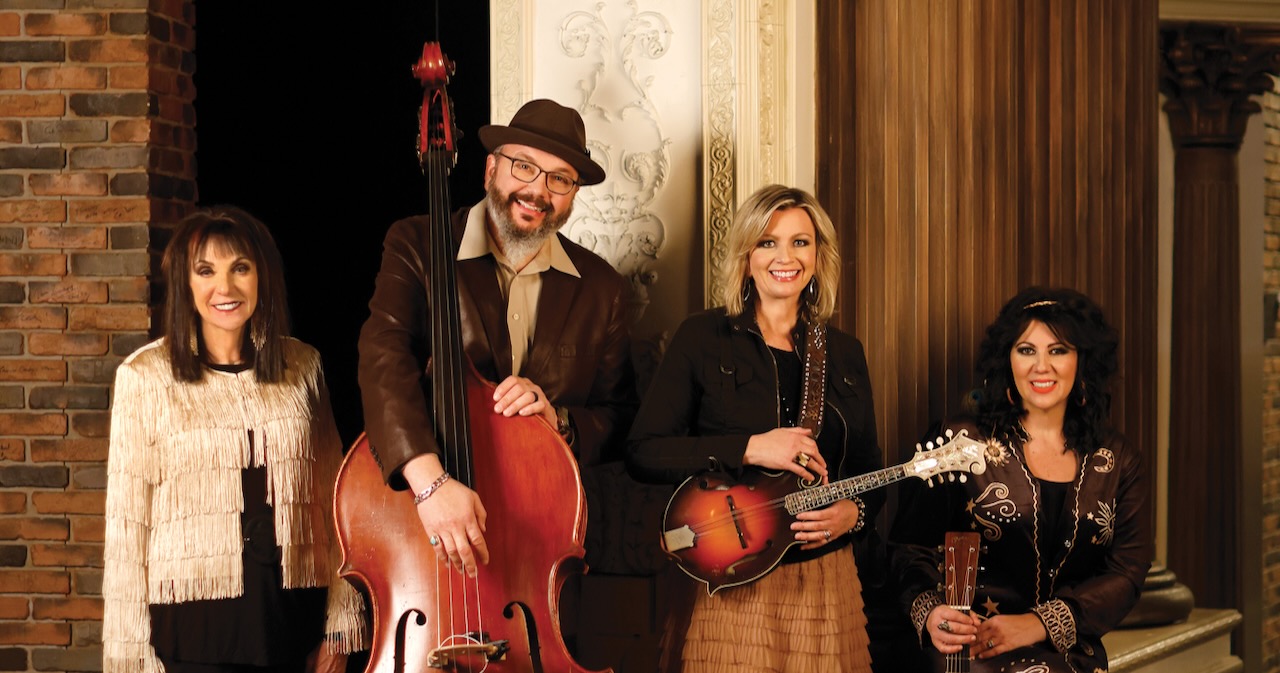
First & Latest: Half a Century of Gospel Dynasty The Isaacs

The Isaacs need no introduction. In gospel, bluegrass, and country circles they are well known for their convicting, heartfelt songs in the sacred tradition, demonstrating ardent faith through familial harmonies and a stunning polished, tight-knit sound.

They’ve been performing and recording as a group for 50 years, with their first commercial albums released now more than 30 years ago. They are veterans of the Grand Ole Opry, churches and bluegrass festivals all across the country, Gaither Homecoming, RFD-TV, and so many more roots music and gospel institutions.

In October of last year, the family – whose band consists of Lily and her children Ben, Sonya, and Becky – released a brand new album, Praise & Worship: More Than A Hollow Hallelujah. And, whether heard by “secular” listeners or listeners of faith, the project is a pitch perfect continuation of the mission and message the Isaacs have brought with them across their entire 50 year career.

The collection, as always, is stirring, resonant, and warm. With crisp and clean stylings of modern worship music intermingled with country and string band touches. In an exclusive interview with BGS, we spoke to Sonya Isaacs via email about More Than A Hollow Hallelujah by comparing and contrasting their latest project with their first – A Labor Of Love, which was released in 1990 and Live in Atlanta, which arrived in 1992.

We spoke about the Isaacs’ longevity, their faith, what sacred music offers to all of us, and how it feels to look back on so many decades of making music together as a family and ministry. Gospel music and roots music have always gone hand-in-hand and the Isaacs demonstrate that connection, intuitively, in all that they do.

Your latest album, Praise & Worship: More Than A Hollow Hallelujah, begins with the track, “Gratitude,” which I feel is a perfect place to start. This project is more than 30 years – nearly 35! – since your first releases. Can you speak a little bit about your longevity and what it means to you, at this point, to look back at such a prolific and productive career? I imagine you must practice a lot of gratitude.

Sonya Isaacs: We have been so so blessed to be doing what we love to do for the majority of our lives now! We are incredibly grateful for the journey that has brought us where we are today. The highs were high and the lows were low, but God has been with us and allowed us to live our dreams. A lot has changed about our sound, style, and even personnel since those humble beginnings, but one thing has remained and that is Christ is the center of everything that we do!

Gospel music and sacred music go hand-in-hand with American roots musics of all types. You all are comfortable in so many genres and styles, from bluegrass and country to contemporary Christian. I wonder what it means to you that gospel is such a big part of so many roots genres and how you see your own music fitting into different formats and styles of music?

When we started out 50 years ago, we never intended or dreamed that our music would cross over into different genres and styles. God has opened doors in different markets for us to get to take His message into. We don’t change who we are, we don’t change why we are there, we just sing and the songs do the work! It’s wonderful that so many different styles encompass the gospel message and we are grateful that we get to stand on different stages all around the world and be who we are. God is always the most important listener at our concerts.

What do you remember about the making of those first albums, A Labor of Love released in 1990 and Live in Atlanta released in 1992? Did you ever think or dream or assume you’d still be putting out records well into the 2020s? Was that always the hope or the plan?

I don’t think any of us were thinking too much about the future when we first started out recording almost 50 years ago. We were so excited to be in the moment and to get to be singing and recording, especially when we got our first major record deal in the late ’80s. Back then we weren’t very experienced as musicians or singers, and in the studio everything felt like a dream! We remember feeling nervous, excited, and grateful during those early years.

When we recorded the Live in Atlanta album and video, some of us were the most nervous we have ever been on stage. But it felt like a game-changing album once we finished the concert. There was a sweet spirit in that room that only God’s presence can bring. The songs we recorded on Live in Atlanta became some of our first to reach the top of the charts.

Now, a song you selected to spotlight from Live in Atlanta is “From the Depths of My Heart.” How did that track come into your repertoire and how does it strike you now, decades later, when you listen back?

“From the Depths of My Heart” was a song Ben and I wrote in a car riding from home in Morrow, Ohio, to our new home in LaFollette, Tennessee in 1992. I had just graduated high school the day before and we were all leaving behind all we’d ever known. The sad goodbyes with friends and loved ones were the inspiration for the song. It was like a gift God gave us to not only help us, but millions of other people who have needed the words over the years. It became our first number one song in gospel music, and remained in the charts for nearly 4 months. Looking back, it’s really the song that catapulted our career. We still get requests for that song all the time!

Obviously, there are so many connections between your music then and your music now, but I wonder what through lines or consistencies you see in your own body of work? What’s changed? What’s stayed the same?

As styles and technology have evolved, so has our sound. When we first started out, there was definitely more of a bluegrass trueness that came from our dad Joe Isaacs’ musical heritage. As the kids got older and began to play instruments and write songs, the style became more contemporary in general, but still was heavily influenced by the traditional bluegrass sound. Over the years we have done different albums with different styles; some country, some Americana, mostly gospel, bluegrass, and others, but the harmonies the Isaacs are known for have remained a constant. The instrumentation of guitar, mandolin, and bass have also remained a staple in our sound. Also, we have always been faithful to stick with lyrics that didn’t compromise the gospel in anyway.

It certainly feels like, from the outside looking in, the conviction you feel and the passion you bring to your music remains steadfast. What keeps you “in it,” making gospel, sacred, and Christian roots music?

We have always looked at our music as a ministry. Sometimes we are singing to the choir and sometimes to those who won’t even step inside a church door. We know that any talent we have comes from God, the Creator, and we love the faith aspect of our music. It is truly why we do what we do and we couldn’t imagine our music without Him being the center of it! He is everything to us, and our mission is to carry His love to the world.

Can you talk about “(More Than A) Hollow Hallelujah,” the title track, and how the song and its message became the cornerstone of this latest album?

When we decided to do an album of praise and worship covers, there was a song that came to my mind that I had started writing years ago. I had the chorus mostly finished and called the other three to come finish it with me just a few days before the session. It seemed like an important song to have on the record because it summed up everything the record was intended to say. Without sincerity, it’s all in vain. Jesus is looking for true worshippers and followers. It’s easy to get caught up in life’s rat race and hurdles, but it’s more important now than ever to show God how much we love, appreciate, and need Him. He responds to praise and that is something we have learned down through the years. The mysteries of God and the miracles we read about are found out in the deep. We shouldn’t be content to splash around on the shore. This song calls us out to the deep.

Looking ahead to the next 35 years, the next 50 years, what do you hope will be the Isaacs’ legacy over the upcoming few decades?

As we are all getting older together, it’s interesting to think about where we will be in 10, 20, 30 (if we’re lucky) years from now. We run so hard on a day-to-day basis that somehow it doesn’t feel like we are as old as we are – with our youngest Becky turning 50 in August this year! What we pray our legacy will be, when it’s all said and done, is a family who loved to sing and pray together, who loved to share the good news of Christ in song, and a family who never stopped striving to be the best they could be at their trade. We hope the songs we have written and recorded will live on in time as those we enjoy today from others who have gone before.

Is there anything else you’re reflecting on or want to add as you consider your First & Latest and your long, full careers?

Looking back, it seems good that you can’t look forward. We have learned that the journey is just as important as the destination, and if we could see some of the twists and turns, some of the disappointments, we would no doubt have chosen different paths. We have been so blessed to have made it to where we are today with God’s grace, but we sure have overcome our share of dark days. Many songs and testimonies have been written out of those dark days that have helped others get through them. By experiencing life’s struggles, we are equipped with the knowledge and experience to help others get through them, too. Don’t begrudge the hard journey – it’s where our faith is built and our wisdom is learned.


Photo Credit: Courtesy of the artist.

Larkin Poe Continue to Bloom

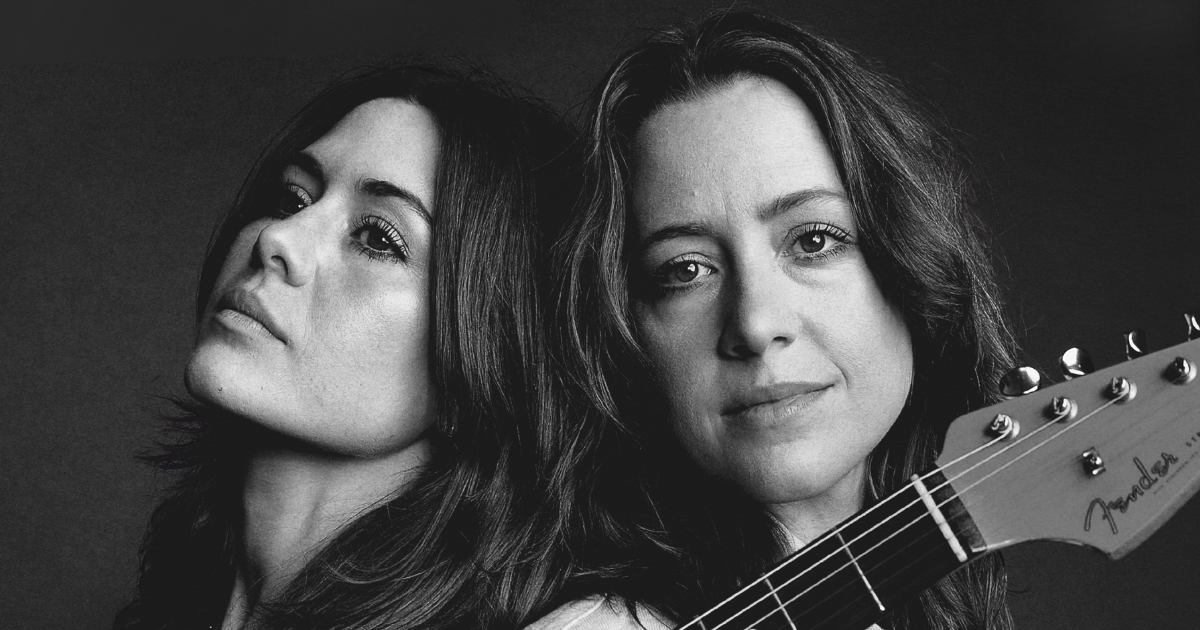
Megan and Rebecca Lovell are Larkin Poe, a band that nestles into a myriad of genres – and the sisters are good with that. Their newest full-length album effort, Bloom, out January 24, comes fresh off the heels of a GRAMMY win for Best Contemporary Blues Album with last year’s Blood Harmony. They also landed Duo of the Year at 2024’s Americana Honors & Awards, proving that by digging into their own stories, collaborating even when it isn’t easy, and filtering it all through what the music will feel like on stage, they carve a sound that knocks down doors into multiple genre territories.

Independent spirit permeates everything the sisters do, from the way they write and produce the music to how they map out the aesthetics of how they present the work. Bloom is no exception, finding the women delving deeply into personal and social themes in a way they say they have not before, the result of getting real with each other and learning how to collaborate through the writing process.

In “You Are the River,” we find them contemplating a common theme throughout the album, that sometimes the best and the worst are married inextricably and tie us to each other.

The sand in the oyster
The pressure on the coal
The sum of the parts is greater than the whole
A chain of reactions
A butterfly’s wing
My hand holding yours to form another link

For our Artist of the Month interview, BGS spoke with Megan and Rebecca via Zoom from their respective homes in Nashville. The Lovells discuss the challenges and joy of writing together, the evolution of their relationship with their fans, and the pressures of public life in the age of social media.

You all have been lauded in multiple genres, from blues to Americana. You are also identified as a rock and roll band and here we are talking on a bluegrass outlet. What do you think about genres in general, and do you consider them at all during creation of the music?

Rebecca Lovell: One of the greatest pieces of advice that we’ve ever received was from Mr. Elvis Costello. Many, many years ago, he advised us to defy the temptation to put ourselves into a genre box. He has lived up to that creed himself, having made bluegrass, gospel, country, punk, rock records, operatic records, and musical records.

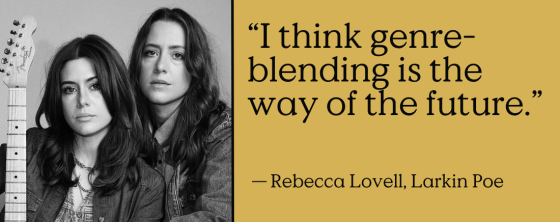
For us, having been able to sample all the different facets of who we are as people and music lovers allows us to connect with the people who are consuming our music. I think increasingly, all of us consume music from a wide range of genres. I do think that that’s one gift of streaming platforms. The very barest of silver lining is that it opens up your mind to the fact that there is great music to be found in every genre, and I think genre-blending is the way of the future.

So we call what we do roots rock and roll, which is intentionally very vague because we get great joy out of letting the many flavors of our musical heritage be represented. That allowed us this past summer to play at a bluegrass festival and then play at a world music festival, play at a pop festival, a rock festival, a country festival, and it keeps it fresh. It keeps it exciting.

You’ve won awards in multiple genres, especially in the past few years. I was curious: are awards ever a motivator for you? Do you ever think about them when you’re creating?

Megan Lovell: Winning awards is a very new thing for us. We’ve always made music with a different focus, because we’ve always felt that the real reward is people being willing to stand in line or travel and buy a ticket and wait at the venue for us to come and play. So that’s always been our focus. Not to say that winning an award isn’t a cool experience, and definitely something we’re super appreciative of, but I don’t think it’s something we consider when we’re writing or recording.

We’re definitely thinking about our live show. We’re really writing intentionally, thinking about how it will feel when we’re touring. Because that’s what we do most of the year is tour.

Tell me about your writing process, both when it’s just you two as sisters, bandmates, and business owners and then also when you bring in other folks to collaborate.

RL: I think Bloom represents a really cool point in our evolution as creative collaborators. Since the ground up, Megan and I have been projecting together since we were little kids. It’s felt like [there was] a lot of foreshadowing in our childhood that we would work together, because we’ve always been so collaborative. But songwriting was one of the last holdouts of our working relationship that there was friction in. I’m sure it has to do with the fact that there is a piece of this sibling rivalry thing. But getting older, being more comfortable with and accepting your flaws, and being able to then have the self-confidence in a writing session to throw out ideas – that inherently, because they are ideas, they’re not fully fledged. They can be misunderstood or sound stupid.

I think we’d had some writing experiences in the past where we had not had the best of times. It just felt like a lot of false starts. We typically had written separately, but something clicked in the last 6 to 8 months leading up to the writing process for Bloom. We made the commitment to and had many conversations about writing the record together, and I really think you can hear the progress that we made as a team in manifesting that true creative collaboration. I think the songs are so much better.

There was a real commitment to being very intentional with everything that we said on this record. Being a songwriter and a performer, there is always this temptation to self-aggrandize, or build a character for yourself, or be the movie theatrical version of who you are and what your life feels like. I specifically have written from that space in the past and listening back, we wanted to do something different this time. That was our consensus. We went through every song, every lyric on this record with a fine-tooth comb, to ensure that real vulnerable authenticity was represented in the lyrics. That took a lot of courage and I am really proud of us for making that commitment, and being able to actually pull it off with this album.

ML: You know, what’s funny is, when we were thinking about bringing in a third collaborator, did we go outside? No, we actually end up working with Rebecca’s husband [Tyler Bryant] a lot. So we have that sibling dynamic and the husband-and-wife dynamic. We really like to complicate things.

RL: There is a certain shorthand that exists when someone knows you really well, when you know someone really well, and especially between Megan and myself – and also Tyler. We all have very closely mirrored musical upbringings and we have a lot of kindred spirit energy in the records that we’re all referencing for the production and the songwriting.

It does create this space, when handled correctly, for being really truthful, being really genuine, and allowing yourself to actually go to those spaces. I was the big crybaby on this record. I was weeping in these co-writes, like inconsolable. But that allows you to really channel some specific, detailed stuff from your own experience. The more specific you’re able to get with yourself, the more likely it is you’re going to be able to connect with other people. And that is our biggest motivator.

That’s so wonderful. Speaking of, what is your relationship with your fans like? And do you see it evolving as you change your process and become more open that way?

ML: We have a lot of musically deep music lovers and they’re really cool, knowledgeable people. I think because we’ve kind of always been a little bit left of center, we’ve attracted a cool audience; people who appreciate the do-it-yourself attitude and people who just really want to support a grassroots effort.

We’ve had people who have been following now for decades, which is strange to be able to say, but they’ve really stuck with it. Of course, those relationships do shift over time. And certainly through the pandemic. That was a huge shift in the way that we related to people, because we were using the internet to connect. We had these pretty spiritual conversations with people that I’m not sure would have happened if we hadn’t been online and talking all of the time. We came out of the pandemic with a lot more intimate fans.

Can you talk about the recording process? Where did you cut this record? How did you decide to bring in your husband as co-producer?

RL: I do think the pandemic played a big role in the shift of Megan and myself bringing Tyler Bryant in as a co-producer because, for the last 10 years, we’ve been self-producing our records. At Megan’s behest as the big sister, she was like, “It’s time. We need to self-produce our records.” That was very scary at first, but we got our feet wet and got our bearings.

Ultimately, we’re so grateful that we made that shift, because it allowed us to hold the reins in the studio and steer the music in the direction that we wanted to go. Through the pandemic, we built a state of the art recording studio in the basement of our home, and we wanted to make records. We didn’t want to hold up our creative process. We were still distancing in our bubble. But it was the group of us, and by necessity we started recording in that home studio; we’re kind of blown away at the sounds we could get. There was an effortless nature of being in a really safe home environment.

When Megan and I tour with our band, we’re a four-piece, so we set up as a four-piece in the studio and went for it. Hopefully, that will allow our records to age gracefully because they are very true and very stripped down to who we are as a band.

ML: But honestly, when we were going to studios, we were experiencing a lot of Keurig machines and we like really nice espresso machines. So we made the decision to stay home.

Let’s talk about the song “Pearls.” It seems to be built around the idea of maintaining a sense of self while you’re navigating the world that’s constantly reflecting you in such a public way. I wanted to know, as family and as bandmates and business partners, how do you navigate the ever-changing and tumultuous world of being in the public eye, especially in the age of social media?

RL: I think it’s one of the hardest things. It is so challenging to exist in a space where you need to have just enough ego to get on stage and perform. But you can’t identify too much with that ego, because then you’re creating a very limited, narrow lane for yourself. But don’t have too big of an ego, because then you’re going to be a bitch and nobody’s gonna like you. So it’s this weird straddling of all these different elements of our identities. And then we’re having to do that together.

With so much shared experience between us, Megan knows the true me. I think that you and I have cultivated a great deal of grace, allowing that true nature to evolve. Who we were when we were 5, is simultaneously the same as who we are now, and also very, very different. Allowing that leeway for ourselves is only something that we’ve started really engaging with in the last 5 years. Right, Megan?

ML: Yeah, we’ve had a lot of conversations over the last couple of years. We are coming to more of an understanding of where the tension was coming from, from who we are as people, and then who we expect ourselves to be on stage. Then also that sort of external pressure that everybody has that we also felt from a very young age from the people around us. There are people in the industry who expect us to be something and then fans who come and meet us. There are a lot of opinions flying around, but you really don’t have to take anything on board that you don’t want to.

Whether it’s that one negative comment on a post that you for some reason have to obsess about, even though there are 99% positive comments. You just can’t get that negative comment out of your head and I don’t even know if I trust that person’s opinion. It’s a good reminder to just steer your own ship.

You mentioned different kinds of festivals, different genres of festivals. When you think about your tour, what kind of stage do you feel the most at home on? Is it a festival? Is it a club or theater? Is it a genre of festival?

ML: 2025 is going to be a big year for touring. Last year we played a lot of festivals. This year we are playing a lot of headline shows and we’re going to start in the U.S. and go through the spring. Then we’re gonna do a big fall European tour. And it’s shaping up to be really, really amazing. We have a really substantial following over in Europe. We have done a lot of work over there. There’s some bucket list venues that we’re gonna play.

I love a headline show. You know, where the place is packed, and there’s that energy in the audience, and everybody knows the lyrics. There’s nothing that beats that vibe and you can find that anywhere. You can find it in a tiny rock club to an arena or a festival. The important thing is that people are engaged from the stage to the audience, and vice versa.

Same for you, Rebecca?

RL: Yeah, I agree. I love a headline date, I think, especially because Megan and I are album people. We like a body of work. I like to sit down and listen to an artist’s album from the beginning to the end to try and get a sense of where they were at when they were writing the record. Megan and I, when we make our records, we obsess about the content, about the story arc, about the sequencing of the record, about the packaging, about the font.

And I think we get that same kind of energy in a headline show because we’re thinking about the colors of lights and which of the songs we are going to include and how much of the old material. We really want to have that space with the music and the emotional content of the music, and you feel that energy, and you feel that resonance. If everything goes right and everyone has their hearts open, you gain access to this portal where I think a lot of transformative change can happen between humans. And that’s what we seek.


Photo courtesy of the artist.

The Cactus Blossoms’ Modern-Classic Sound Blooms on New Album

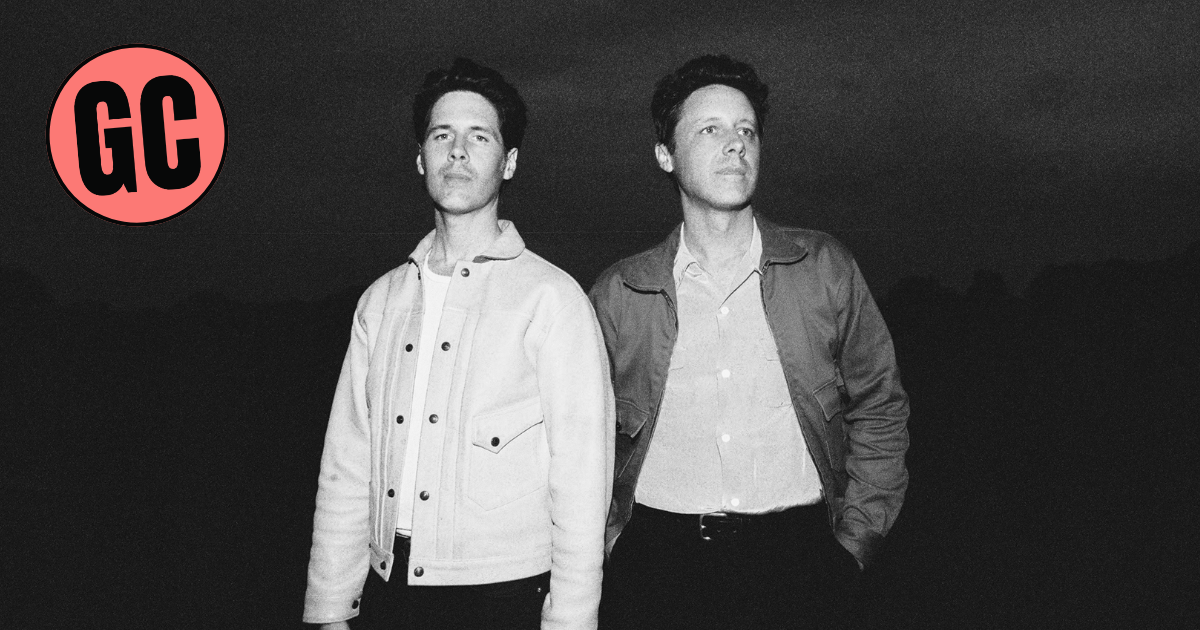
With a sound that’s like rain in the desert for fans of early rock and country, the Cactus Blossoms let their modern-classic vibe bloom on their latest album, Every Time I Think About You. But with pair of big shows to help celebrate the launch, this band is living very much in the present tense.

Made up of Minneapolis-based brothers Jack Torrey and Page Burkum, the duo’s new project arrives August 30 and once again captures the full, timeless magic of spacious melodies, tasteful twang, and tightly-wound harmony. That night, they’ll mark the release with a long-overdue debut at the Grand Ole Opry – where they ought to find a few like-minded fans of keeping music’s traditional cool factors alive – and then head home for a milestone gig in St. Paul.

After a trio of well-received albums and more than 10 years of riveting shows, it’s the perfect setup for a duo who seem totally at ease blurring the American roots timeline – and who promise they couldn’t fake it if they weren’t.

“I don’t think we’re very good at striving,” Torrey says, speaking from the verdant midsummer shores of Lake Superior on a much-needed break from the road. “I do think [this record] has a comfort level, especially since we’ve been able to start touring again, and really hit it. It’s been feeling like we’re a unit and we can kind of read each other’s minds a little bit.”

Speaking with BGS ahead of the release of Every Time I Think About You, Torrey and Burkum filled us in on what that telepathic bond helped create, and where it’s coming from.

A lot of Every Time I Think About You features the “modern-classic” sound you have both made a calling card – like it would sound fresh a few decades ago and today as well. But is that dangerous territory for a band? You don’t want to be pigeonholed as a throwback, right? So how do you walk the tightrope?

Jack Torrey: I think there’s an interesting aspect of that from our perspective. I got super into Bob Dylan and Hank Williams and I was singing songs by both of those guys way back, 18 years ago or whatever. Page was into Jimmie Rodgers and those other super old country things. We start singing together and it’s like if you harmonize on a Hank Williams song, it kind of starts to sound like an Everly Brothers song. You’re kind of accidentally falling into that and getting into territory that people went into 60 years ago – but it’s new for us and I think that has kind of kept happening. We’re not recreating or trying to do anything like listening to records and imitating it. It’s almost like we’re carving our own mini canyon, that resembles some of the other ones from the past.

Page Burkum: I was kind of thinking about this as a way of summing up our style and influences: The Band, The Traveling Wilburys. Those are like my four main food groups or something. I love where all those guys are coming from – a little Roy Orbison, a little Bob Dylan. They balance each other nicely. And I was thinking, when that’s your diet, you’re going to make something that comes out [like Every Time I Think About You]. … But we love other totally different kinds of music outside of that realm too, and I hope a little bit of that gets in there, too.

Where is the title track, “Every Time I Think About You,” coming from? It’s got that lovely, warm-and-fuzzy feel of a mid-century romance ballad to it, but maybe something more, too …

JT: That one is kind of a love song to losing a friend – it’s kind of a heartwarming grief, where you’re almost being consoled by the memory of someone. And that’s where that song came from. The way we wrote it, I just had a couple lines, and then Page jumped in and started singing the beginning of the chorus, and then I sang back the next line, “Every time I think about you …”

PB: Sometimes Jack and I have made fun of biopic movie scenes like in Walk the Line, where it’s like Johnny and June or whoever sit down with a guitar and they’re just writing a song in real time. Like, they sing one line and then pause dramatically, and then sing another line and then it cuts to them playing it for a thousand people or something. But in a funny way, that was kind of the closest to that. [Laughs]

JT: I was like, “I didn’t ask you to jump in and work on my song … but that’s pretty good idea. Let’s do it.”

The album kicks off with “Something’s Got a Hold On Me” – which almost has a Southern rock swagger to it. Where does that come from? Is that your Tom Petty influence showing?

PB: When I first had the idea for that one, the very original idea that set it off was actually a weird little piece of a Jimmie Rodgers song. So, I stole that line and that melody, which is about two notes or something, but it kind of inspired the whole song in a weird way. To me there’s some blend of Lead Belly and The Beatles or something in my mind, but then it ends up just sounding like a country-rock two step. That’s just what happens. It’s fun to roll with stuff. … I threw in another Jimmie Rodgers line, that “T for Texas, T for Tennessee,” to kind of keep that tribute going.

Oh that’s right, I should have known. Why did you end up finishing on “Out of My Mind (On Sunday)”? Is there a reason that seemed to wrap things up?

JT: It wasn’t a big dramatic decision, but it seemed like a nice bookend from “Something’s Got a Hold on Me” to end with being a bit of a crazy person. [Laughs]

PB: To me it actually kind of leaves the door wide open. I don’t know if you want to cap things off with the sweetest, most-concise thing you have, you know? There’s something about it that’s a little bit out there to me.

You’ll make your Grand Ole Opry debut the night this album drops. Then you’re having a big hometown party with show at Fitzgerald Theater in St. Paul [on September 13]. What does that mean to you?

PB: We’ve got one of our favorite local bands, Humbird, joining us for that [St. Paul] show, so that’ll be really cool. We’re trying to get some of our collaborators to be involved too, if we can spice it up with an extra ensemble beyond our regular band. So we’re trying to get a piano on stage or something. I mean, it’s a theater show, so it’s a little different. And it’s our first time playing our own show at this theater. It’s a really beautiful building and I never thought I’d play there when I was a kid.

JT: It’s where [A] Prairie Home Companion used to be back in the day. Page and I actually played there when we were first getting started, which was a special time. So it’s cool, and should be fun. Some people can come that don’t like to stand, since we play a lot of clubs. [Laughs]


Photo Credit: Aaron Rice

WATCH: Williamson Branch, “Which Train”

Artist: Williamson Branch
Hometown: Murfreesboro, Tennessee
Song: “Which Train”
Album: Heritage & Hope
Release Date: March 12, 2021
Label: Pinecastle Records

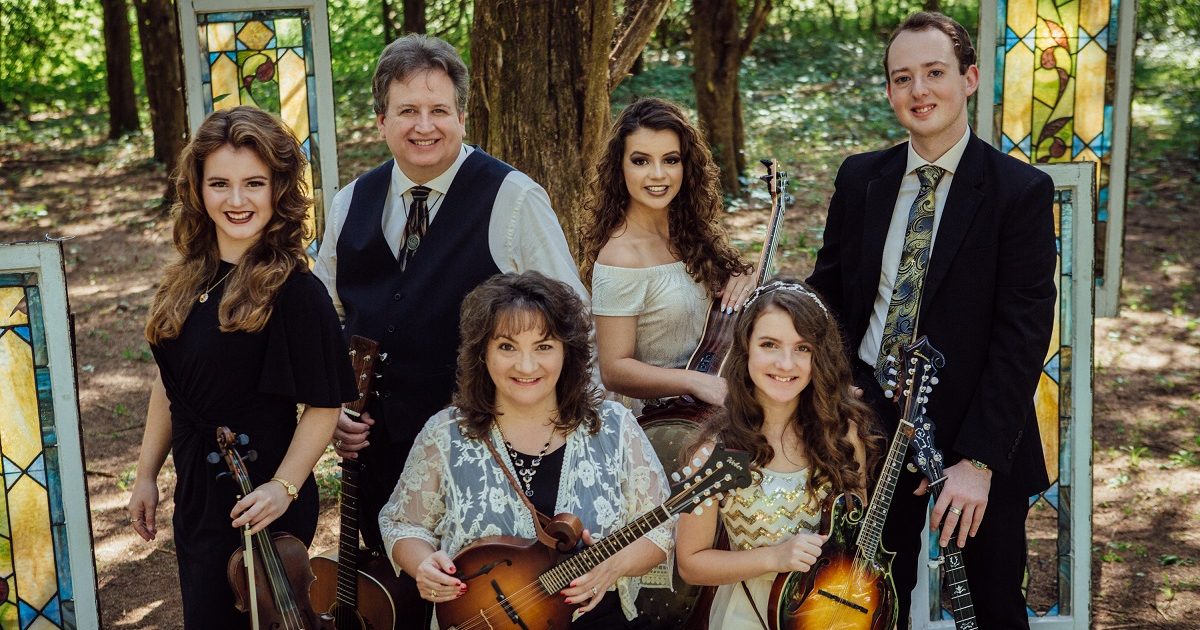
In Their Words: “At our first writing appointment, my co-writer Michelle Canning presented the idea for ‘Which Train’ — and from that moment, I was hooked! The result was a mournful, almost haunting tune. As the rest of the band and I prepared to record Heritage & Hope, this song came to life! The unique blend of all-female harmonies singing the train whistles and a driving rhythm in drop D give ‘Which Train’ a classic bluegrass feel. It reminds each of us that we have an eternal destination to choose. Two trains are pulling into the station: One leads to life, the other to death. ‘Which Train’ are you gonna take?” — Melody Williamson


Photo Courtesy of Williamson Branch