What Amythyst Kiah Is Really Singing About in “Black Myself” (Part 2 of 2)

When Amythyst Kiah was a teenager in the suburbs of Chattanooga, Tennessee, she wanted to be “the guitar-playing version of Tori Amos.” Locked away in her room with her headphones pulled over her ears, poring over liner notes and listening intently for every nuance in her favorite records, she found solace in the way Amos told her darkest secrets in her songs and how she turned that vulnerability into something like a superpower. It made her feel less alone, especially as a young, closeted Black girl in a largely white suburb. Tori Amos helped her survive adolescence.

Kiah didn’t grow up to become any version of her hero. Instead, she simply became herself. Her new solo album, Wary + Strange, ingeniously mixes blues and folk with alternative and indie rock, devising a vivid palette to soundtrack her own songs that tell dark secrets. It’s one of the most bracing albums of the year, grappling with matters both personal (her mother’s suicide) and public (the struggles of Black Americans). “Now, when I’m in my mid-thirties,” says Kiah, “it’s amazing to make a vulnerable record and then have people at my shows tell me that my music helped them heal, helped them get through some hard times. To have someone connect with my music is really powerful.”

Editor’s Note: Read the first half of our BGS Artist of the Month interview with Amythyst Kiah here.

BGS: These songs are rooted in your own life and your own experiences, but they do seem like there is something universally relatable in them. Is that something you were thinking about or striving for?

Kiah: Yeah. To have someone connect with my music is really powerful. But that’s been hard to process that idea, because for the longest time I had so much social anxiety and depression and low self-esteem. I didn’t think that much of myself and couldn’t imagine that anybody really cared about me. It’s all stuff related to mental health. Obviously there are people who cared about me. I just couldn’t see it. Now, I’ve come around and maybe fully grasped my value as a person and what I have to offer the world, and that has been very reaffirming. I have a better sense of who I am and why I’m here. And it feels good to make music that helps people get through hard times.

What is it like to revisit the tough times in these songs night after night?

I’ve spent some time thinking about that, and I don’t really know how I’m doing it, to be perfectly honest. A big part of it is that I spent a really long time repressing my emotions and keeping my feelings to myself. So writing a song about how I’m feeling is a sign that I’ve processed it. Not that I’m moving on or I’m done with it, whatever I might be writing about. But I’ve confronted it. I’ve learned from it. And now I can continue with my life and move forward.

A big part of my life has been living in the past and not being fully present in the moment. In order to be present, you have to be able to process stuff that’s happening to you in that moment. Otherwise, you make decisions based on something that happened before. So, a song is a representation of me processing something and understanding what happened to me. Singing that song night after night, it doesn’t feel like I’m necessarily reliving it every time. Because I’ve already processed it. That’s my working theory right now. It might change.

That’s something I think about a lot, because as a listener I can play a song based on the mood I’m in. But as an artist, you’re locked into these songs. You can’t not play them.

I get what you’re saying. The way people listen to music is really fascinating to me. My partner and I, we approach music very differently. My approach has always been to listen to things that reflect my mood. When I was younger, that meant listening to a lot of really sad, depressing songs. Somehow that made me feel good. I’m a very critical listener of music and I like to listen to all the different intricacies. I’m not someone who has a vast library of music, but I’m obsessed with certain sounds and ideas so I will listen to an album and pick apart every detail.

But my partner listens to music to shut her brain off. Her favorite artists are very different from mine. She loves a lot of pop music, like Taylor Swift. To her it’s feel-good music. You break it out and sing along. But she also listens to a lot of classical music, too. She’s got that ability to go back and forth with her listening vibe. That was surprising to me at first, because I used think, “How can people listen to happy music? Don’t they know what’s happening in the world?” I would deliberately avoid happy music because I was personally insulted by it. But thanks to my partner, I can totally see that perspective where you’re listening to music that doesn’t reflect the mood you’re in because you’re trying to snap out of it.

Did that change how you listened to music?

As I’ve gotten older and my mental health has gotten a lot better, I can appreciate listening to something that is just meant to be fun. It doesn’t have to be a super serious moment. I think I learned how to be a lot less pretentious about what I listened to and why I listened to it, and I learned to be a lot less judgmental about other people’s listening habits.

Some lines in these songs sound very defiant of religion — like in “Black Myself,” when you sing, “Your precious God ain’t gonna bless me.” Can you talk about that aspect of your songwriting?

With “Black Myself,” the idea was that each verse would be from the perspective of a specific type of person. So the first verse with that line is from the perspective of an enslaved person. They’re singing about wanting to jump the fence, wanting to be free, wanting to be with the one they love. If an enslaved person had a relationship or a marriage, it was never legally recognized. There was always a chance that they might get sold to different people and they’d never see each other again. Whatever bonds they had could be broken, like they were just cattle. The line about “Your precious God ain’t gonna bless me,” that’s a direct reference to the way that pro-slavery people used Christianity as a way to justify enslaving people.

There was a Bible specifically written for enslaved people — it was even called the Slave Bible — and the people who edited it made sure to only leave in the verses that talk about being obedient. All the verses that talk about autonomy and freedom were removed. The sole purpose was to get enslaved people to be content being slaves, so they wouldn’t revolt. But they were basically saying, “God wants you to be enslaved. He wants you to serve your master. He wants you to be treated like a subhuman.” That is not a God that I would ever want to believe in or ascribe to. That line is that character saying that’s wrong.

I’ve had one or two instances where someone got upset at that line, because they felt like I was being disrespectful to God without really understanding the context in which it’s being said. But I don’t agree with that. There are people all over the world with different belief systems, and at the end of the day, if what you believe in makes you a better person and makes you have respect for humanity, that’s wonderful. If you believe in humanity, that’s what important to me. But why would God be OK with telling someone they have no freedom? But any time you make art, there’s always going to be people who see one thing but not everything else surrounding it. And they base an opinion on that. Not everybody’s going to understand the whole picture.

I read about your performances in Europe, where the crowd would sing “Black Myself” back to you. It definitely seems to reinforce that idea of having a conversation with the song.

I was at the Cambridge Folk Festival with Rhiannon [Giddens], Yola, and Kaïa Kater. We put together a set where we’re singing our own songs and then singing harmonies for everybody else’s. There had to be 500 or 600 English white people in this tent, and it was the first time I’d really noticed other people singing the song or singing that line, “I’m black myself.” I remember thinking, “What planet are we on?” One of my biggest reservations about that song was that people would hear it and think, “Oh, that’s just for black people.” But to me, when someone’s telling a story, it’s meant for everyone to hear. Systemic racism is something that affects everybody in different ways, so we all need to be part of the conversation if we’re going to make things better and look out for each other.

Did you get any other negative responses to the song?

My big concern was that there would be some backlash from white people who weren’t really listening to the song or thinking about it. I was afraid they’d try to make a point like, “If this was called ‘White Myself,’ you’d be canceled.” And there have actually been some comments like that, which completely disregards the fact that the song is about Blacks. It’s about overcoming adversity despite being Black. So if someone can’t hear the words of the song and actually understand what’s happen, that says more about them than it does about me or the song. So I have no apologies for it.

But there are white people who understand what the song is about and they’re singing in solidarity. They know that it’s about human experience. And just because you didn’t personally experience some of this stuff doesn’t mean you’re not allowed to sing along with it. I had a similar conversation the other day with somebody about the song “Coal Miner’s Daughter” by Loretta Lynn. I’m not a coal miner’s daughter. I didn’t grow up in the coal mines. But I love that song and I love to sing that song. It’s a great song about someone else’s experiences. Empathy is such an important quality in that regard and we need allyship in order for things to get better.

Editor’s Note: Read the first half of our BGS Artist of the Month interview with Amythyst Kiah here.


Photo credit: Sandlin Gaither
WATCH: George Jackson Feat. Wes Corbett, “Mississippi Sawyer”

Artist: George Jackson featuring Wes Corbett
Hometown: Christchurch, New Zealand
Song: “Mississippi Sawyer”
Album: Hair & Hide
Release Date: Single, August 25; Album, October 29
Label: George Jackson Records

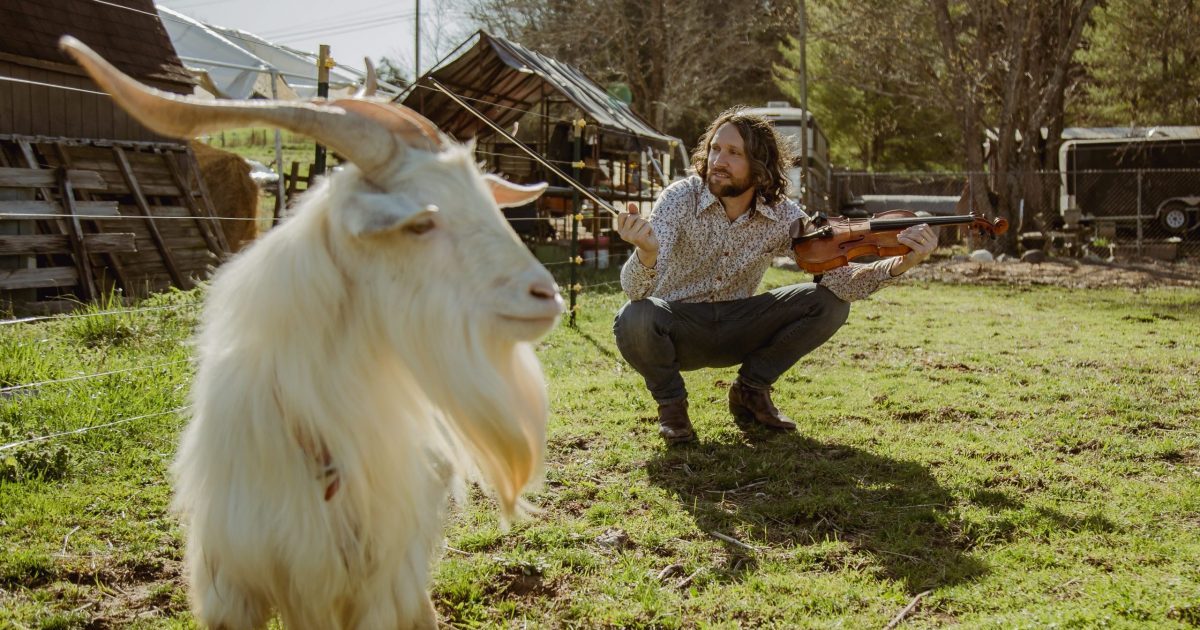
In Their Words: “I live just up the road from the house where the legendary musician John Hartford once lived, on the edge of the Cumberland River in Madison, Tennessee, and for this live video we had the amazing opportunity to record the take in the crow’s nest on top of Hartford’s old riverside home. The current owners were very generous to let us film in that space and they even keep John’s old chair up there, a nod to when he used to sit in that same room overlooking the river and play banjo himself. It was magical to get to play in that room!

“Wes Corbett and I played a version of ‘Mississippi Sawyer’ together while we were warming up together one afternoon by jamming on some fiddle tunes in preparation for arranging some music to record on my banjo and fiddle duets album, Hair & Hide. It was immediately so much fun and had such a great energy to it that I decided then and there that I wanted to record it with Wes for the album. This tune lends itself really well as a way to bring together elements of old-time fiddling that I bring to the table and of virtuosic bluegrass banjo playing from Wes, as well as being a great vehicle to muddle the lines of both genres as we play it together.

“I ended up taking a deep dive on some old recorded versions of ‘Mississippi Sawyer’ from various old-time fiddlers after that initial jam, and came across two really unique versions that I loved from a couple of legendary West Virginia old-time fiddlers, Ernie Carpenter and Edden Hammons. I liked elements of both of their versions so I decided to take inspiration from Ernie’s A part and Edden’s B part to create this really fun and unique take on this great old chestnut fiddle tune that’s endlessly fun to play. Wes is one of our generation’s great picking banjo players and it was so fun to get to work on this tune with him and hear how he improvises around the melody so fluidly. I hope you all enjoy this!” — George Jackson


Photo credit: Natia Cinco

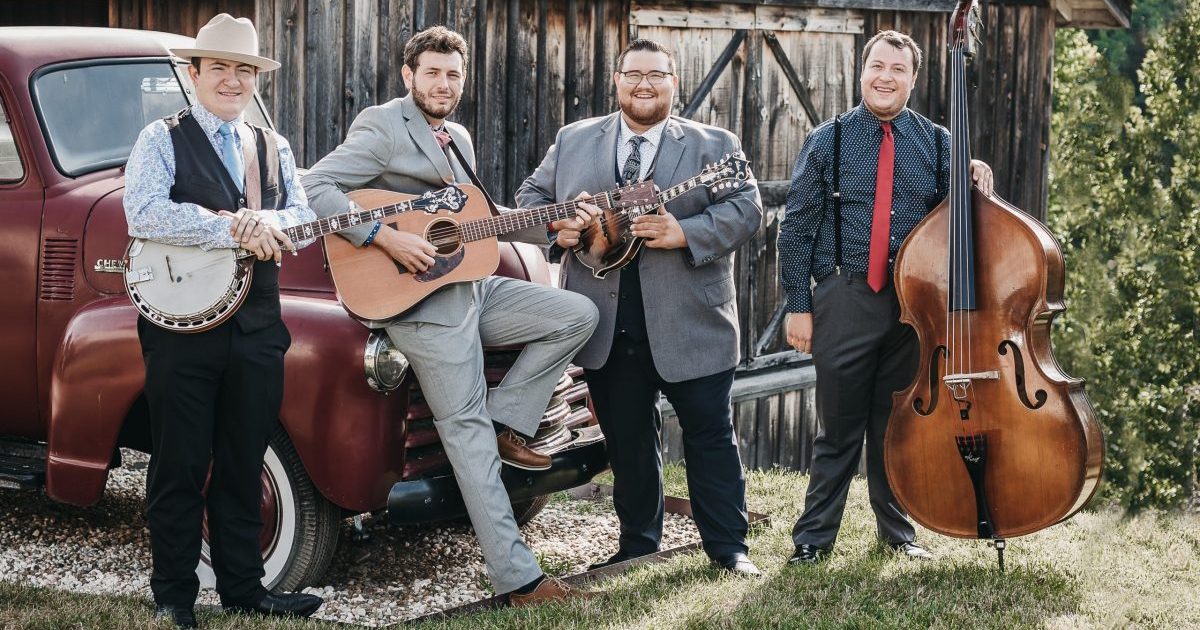
LISTEN: Seth Mulder & Midnight Run, “Carolina Line”

Artist: Seth Mulder & Midnight Run
Hometown: Gatlinburg, Tennessee
Song: “Carolina Line”
Release Date: August 24, 2021
Label: Mountain Fever Records

In Their Words: “We’re so excited for everyone to hear our new single, ‘Carolina Line.’ It features our guitar player Ben Watlington singing lead in a Osborne Brothers-inspired arrangement that we had fun coming up with. Ben really connected with the song vocally and personally and always finds a way to make each song he sings his own. ‘Carolina Line’ was brought to us by our good friend Jerry Salley, and we feel that it represents our various musical influences. We hope everyone enjoys it as much as we enjoyed recording it.” — Seth Mulder


Photo credit: Miranda Goff

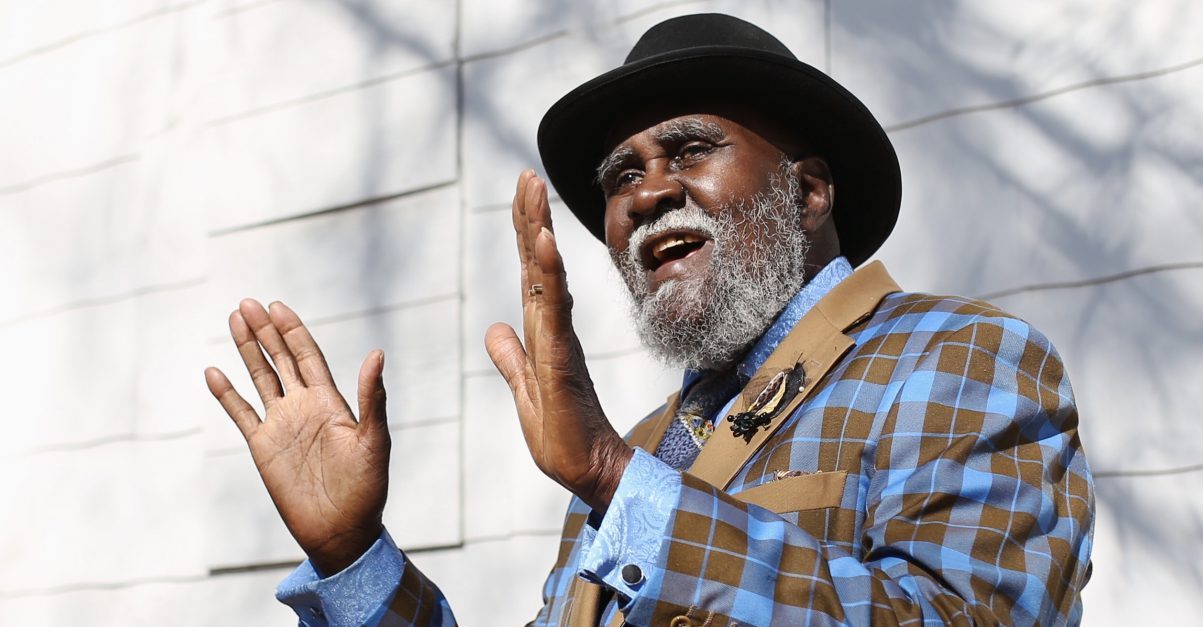
WATCH: Elder Jack Ward, “The Way Is Already Made”

Artist: Elder Jack Ward
Hometown: Itta Bena, Mississippi, and Memphis, Tennessee
Song: “The Way Is Already Made”
Album: Already Made
Release Date: August 20, 2021
Label: Bible & Tire Recording Co.

In Their Words: “I can just about sing anything anyone else sings. I never bragged on myself, but this was a gift from God and the Bible says, ‘A gift comes without repentance.’ In other words, you don’t have to be a Christian to be able to sing. If you’ve got that God-given gift you can do it — your choice if you want to sing rock ‘n’ roll, blues, gospel — but I choose the right side.” — Elder Jack Ward


Photo credit: Matt White

LISTEN: The Isaacs, “Turn! Turn! Turn!”

Artist: The Isaacs
Hometown: Hendersonville, Tennessee
Song: “Turn! Turn! Turn!”
Album: The American Face
Release Date: August 13, 2021
Label: House of Isaacs

In Their Words: “When selecting cover songs for our project, The American Face, one of my first suggestions was the song ‘Turn! Turn! Turn!’ Growing up in New York City in the ’60s, I was a big folk music fan. I had a folk album out on Columbia Records in 1968, so I followed so much of that scene. The song was taken from Ecclesiastes 3:1-8 and seemed like such an appropriate song for nowadays. It was written by Pete Seeger in 1959 and released in 1965 by the Byrds. Once my family and I listened to the song, we just knew we had to record it. We wanted to do the song with The Isaacs feel to it. So, we tried to build the song with harmonies throughout the lyrics. It certainly brought back so many memories to me personally… living through the music era in the ’60s, which was such a turning point in history. An exciting time in many ways.” — Lily Isaacs


Photo credit: Frederick Breedon

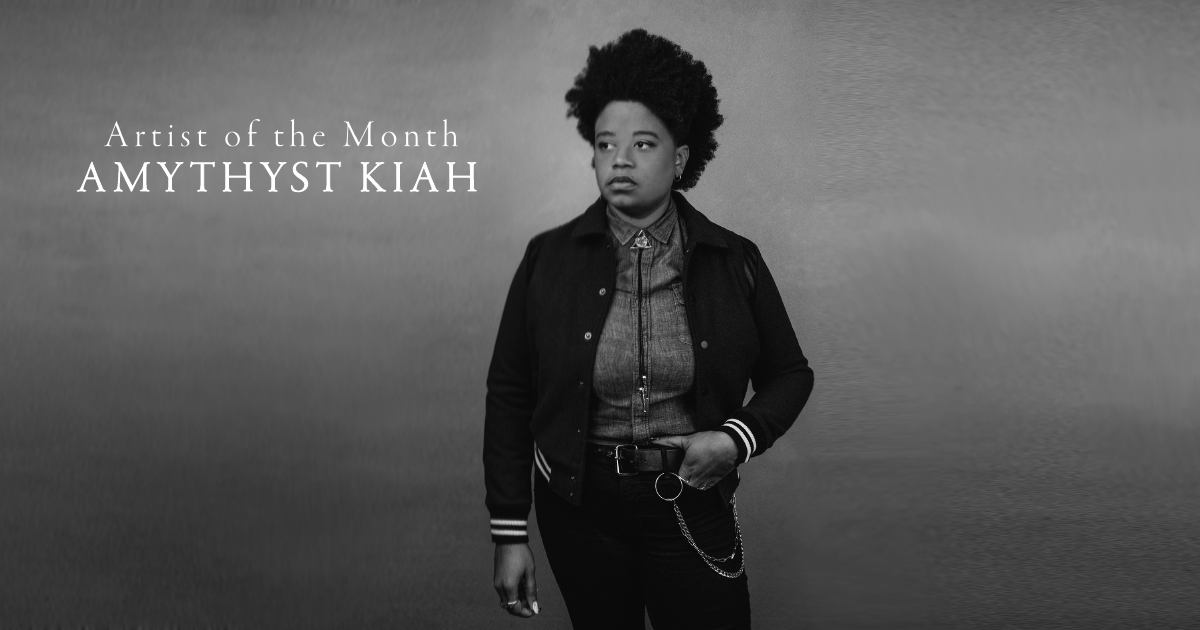
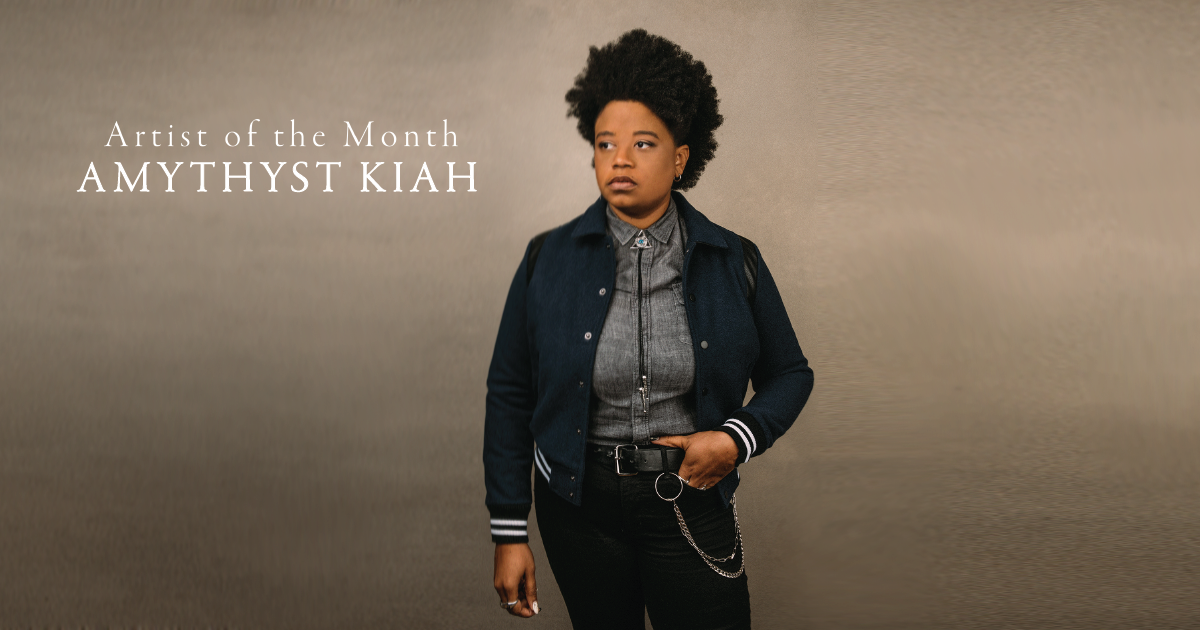
Artist of the Month: Amythyst Kiah

Amythyst Kiah is having a moment with Wary + Strange, an album that positions her among today’s most compelling singer-songwriters. Although she is an East Tennessee native, her personal lyrics somehow feel universal — this isn’t an album about rivers and mountains, but instead touches on identity (“Black Myself”), grief (“Wild Turkey”), and unsolicited advice (“Soapbox”). Written from a place of questioning and reckoning, a gently-played song like “Firewater” would satisfy anyone who enjoys an acoustic aesthetic, as well as those who draw confidence from the music of others.

“A lot of these songs come from a moment in my 20s when I was grappling with trauma while also trying to navigate the experience of being a Black and LGBT woman in a white suburban area in a Bible Belt town,” says Kiah, who moved to Johnson City after growing up in Chattanooga. “I’ve had moments of feeling othered in certain aspects of my life, and it took me a long time to figure out who I wanted to be and how to move through this world.”

With that perspective and a guitar in hand, she’s been sharing her music on stages ranging from the Grand Ole Opry to Newport Folk Festival to Jimmy Kimmel Live, where she performed “Black Myself.”

Upon announcing the record, she noted, “‘Black Myself’ is the first song I’ve written that was confrontational. I’d always made it a point to sing songs that anybody could relate to, but this was something that had been welling up inside me for a long time, and working with three other Black women in Our Native Daughters put me in the position where I finally had the courage to put those words out. The reception of the song so far has given me hope that there are people out there who are ready to confront the shared trauma of racism, to look within ourselves and see how we might be perpetuating racist beliefs, and to do what is needed to create equality for all people.”

Next month, Kiah (pronounced “KEE-uh”) is in the running in multiple categories for the Americana Music Honors & Awards. (As a solo artist, she’ll compete for Emerging Act of the Year, while “Black Myself” is up for Song of the Year. Our Native Daughters is also up for Duo/Group of the Year.) With this incredible career momentum, she’s criss-crossing the country in the months ahead: After a gig with Brandi Carlile and Sheryl Crow at the Gorge in Washington, she’ll be everywhere from Maine to Mexico, with a MerleFest gig in the mix too. Enjoy new music and some crowd favorites in our BGS Essentials Playlist with Amythyst Kiah below. And don’t miss our two-part Artist of the Month interview. Read part one here. Read part two here.


Photo credit: Sandlin Gaither
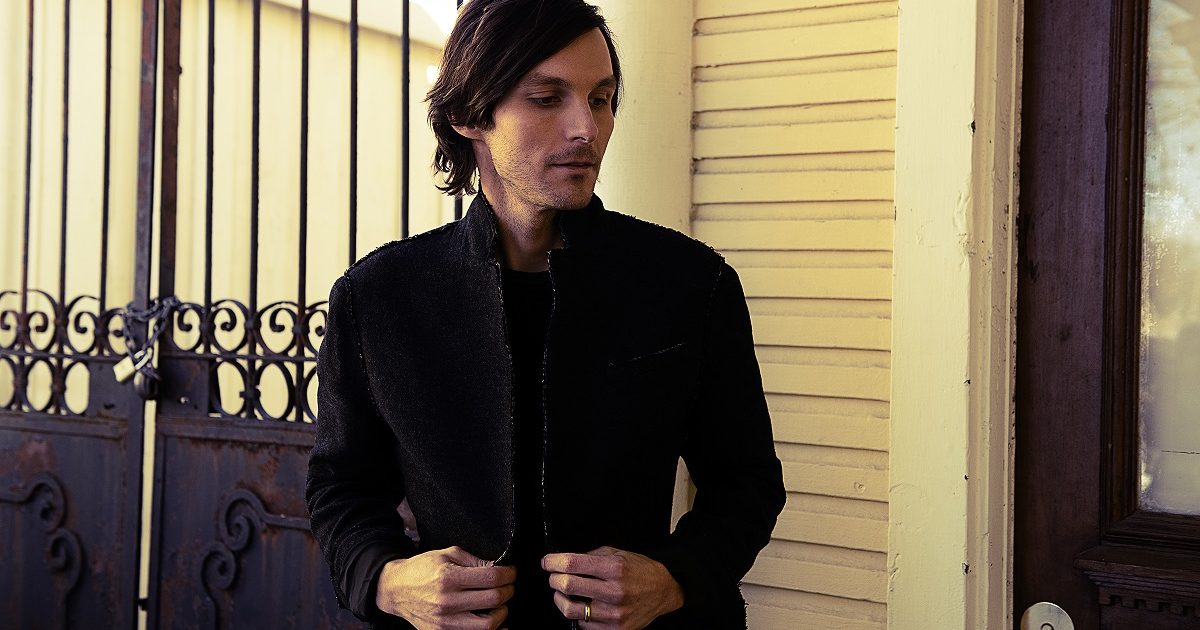
WATCH: Charlie Worsham, “Half Drunk”

Artist: Charlie Worsham
Hometown: Grenada, Mississippi
Song: “Half Drunk”
Album: Sugarcane EP
Release Date: July 16, 2021
Label: Warner Music Nashville

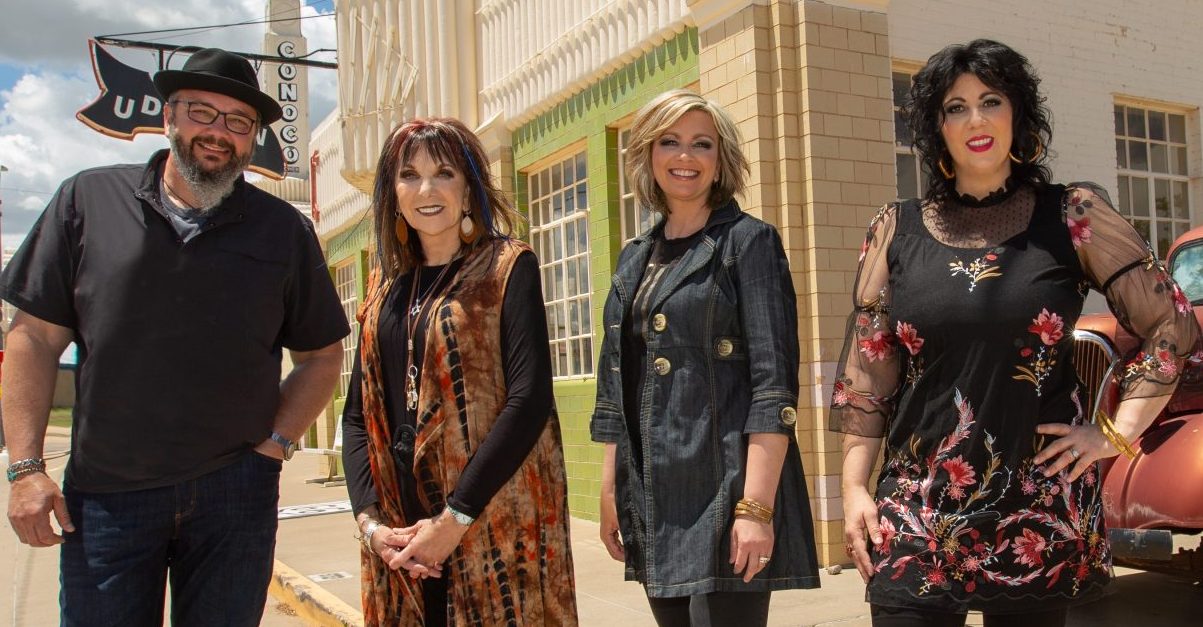
In Their Words: “‘Half Drunk’ tells the story of the first time I told my wife I loved her. I’d just been fired by my publisher and my manager had quit management that week, but I was singing that day in one of my favorite rooms in all the world, the Station Inn. Powered by Yazoo Pale Ale, applause, and a sense that this girl I was crazy about might just be more special and more permanent than the whole music industry thing, I turned to Kristen, said those three magic words, and she said ‘I love you too.’ I hope this song inspires a lot of drunken making out and maybe a few last-time-saying-I-love-you-for-the-first-time moments.” — Charlie Worsham


Photo credit: Jason Myers

Sam Williams Carries His Country Music Legacy to Late Night Debut

On his primetime television debut, Sam Williams makes a powerful statement. Grandson of the legendary Hank Williams and son of Hank Williams Jr., the rising recording artist previewed his debut album, Glasshouse Children with a riveting performance from his grandfather’s old house in Franklin, Tennessee. In an extended one-shot capture, Sam Williams does his name proud with a beautifully-written song called “You Can’t Fool Your Own Blood.” Out of a less-than-usual childhood and recent family tragedy, he has emerged with a style that is both poetic and hard-hitting, pulling no punches in his blend of honesty and vulnerability.

With an undoubtedly heavy burden of expectation, Williams blossoms in this realm of singer-songwriters who are more forlorn than raucous, standing with the likes of artists such as Donovan Woods and Ruston Kelly. Although his television debut was one for the books, perhaps the more exciting news is of the debut full-length record, set for a release later this summer on UMG Nashville. Music from Sam Williams has undoubtedly been a long time in the making, but the good news for us is that it’s almost here. Watch his performance on The Late Show with Stephen Colbert below.


Photo credit: Claire Joyce

LISTEN: Phil Leadbetter, “I Will Always Love You”

Artist: Phil Leadbetter
Hometown: Knoxville, Tennessee
Song: “I Will Always Love You”
Album: Masters of Slide: Spider Sessions (Various Artists)
Release Date: June 25, 2021
Label: Mountain Home Music Company

In Their Words: “I always loved this tune. I remember the first time I heard Dolly sing this live, it just killed me! Not only her voice, but the lyrics to the song were so heart-wrenching. I saw her many times telling the story about how the song came about. The story is a very sad one. I used to drive around and listen to that song from several of Dolly’s compilation albums, and it always had such a great melody that I kept hearing in my head over and over. I started messing with it, and liked the direction it was going. In 2010, I got a brand new Scheerhorn guitar. I was at a friend of mine’s home, and I was curious to see how the guitar sounded. I started noodling around and playing different songs to see how the new guitar sounded. My friend told me that I should seriously think about keeping the track. The track got lost over the years, but one day while looking through a bunch of files, I found it!! Me and my engineer worked on it, and I had thought about using it a few years back. So happy I saved it so it could be part of the Masters of Slide album.” — Phil Leadbetter


Photo courtesy of Phil Leadbetter

LISTEN: Hannah Juanita, “Hard Hearted Woman”

Artist: Hannah Juanita
Hometown: Chattanooga, Tennessee
Song: “Hard Hearted Woman”
Album: Hardliner
Release Date: June 11, 2021

In Their Words: “Well, I’m glad I don’t feel like a ‘Hard Hearted Woman’ anymore! But that is how I felt coming out of my last relationship. Turning 30, moving back to Tennessee, and leaving the life I had built out West behind definitely had me feeling alone… but it was the good kind of alone. I may have felt hardened to love, but I was so ready and excited to do my own thing and make music. I remember well the night I wrote this song. All my friends were out honky-tonkin’ around Nashville, but I felt heavy-hearted and went home because it was time to sit down with my guitar and get this song written. It had been rolling around in my head for too long.” — Hannah Juanita


Photo credit: Jody Domingue