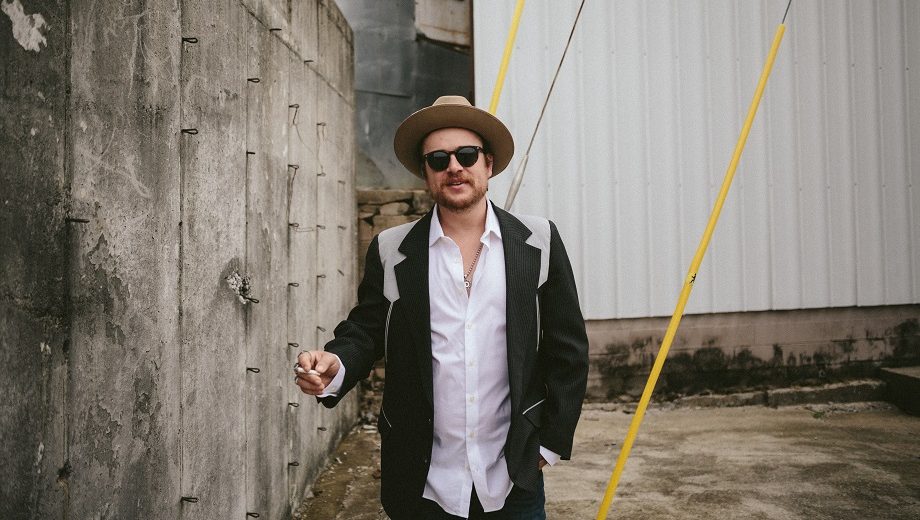
WATCH: Lindsay Lou, “On Your Side” (OurVinyl Sessions)

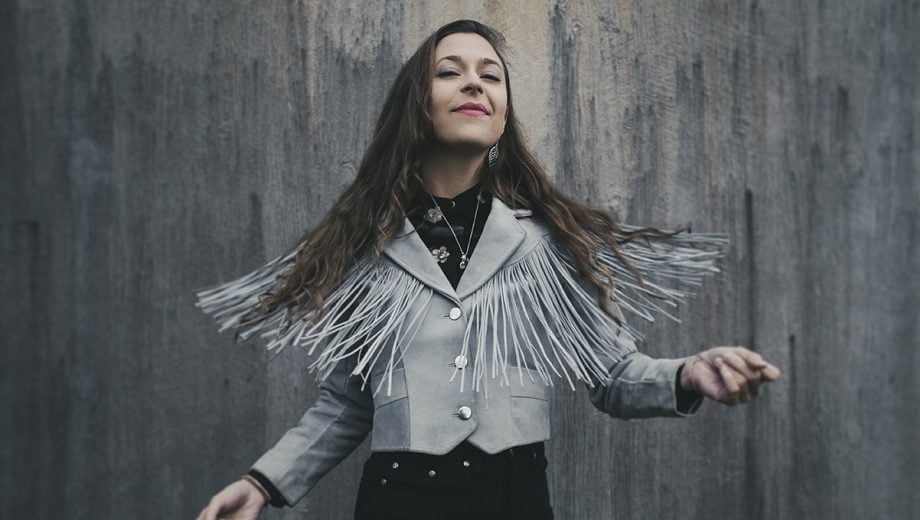
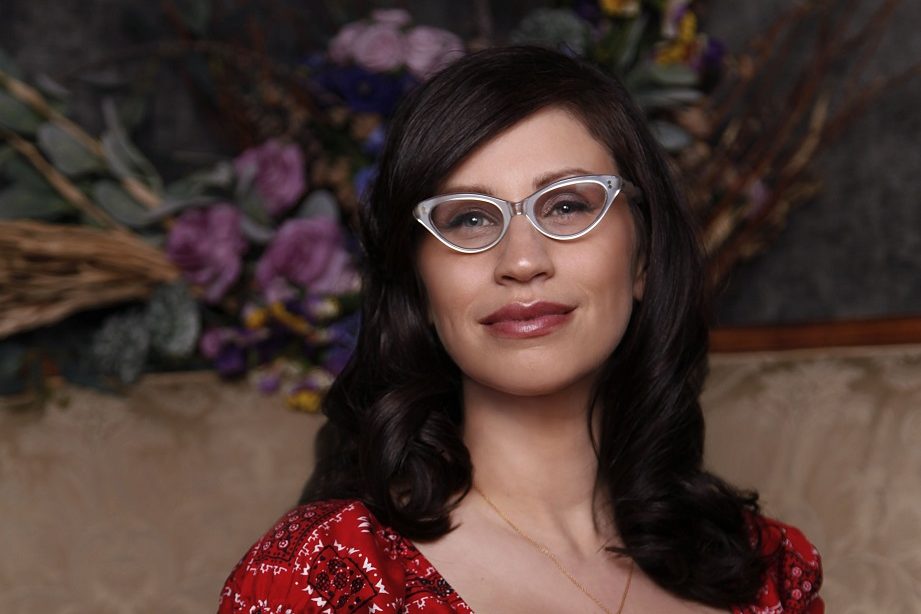
Lindsay Lou has teamed up with OurVinyl for her newest release, “On Your Side,” a thoughtful and introspective number featuring her mesmerizing singing style. She has established herself in the roots music world as an exemplary writer and performer by maintaining a busy touring schedule and refining her sound meticulously over time. If you haven’t yet had the pleasure of hearing a Lindsay Lou song, watch this live performance of “On Your Side.”


Photo credit: Scott Simontacchi

WATCH: Old Crow Medicine Show Unplug for “Methamphetamine”

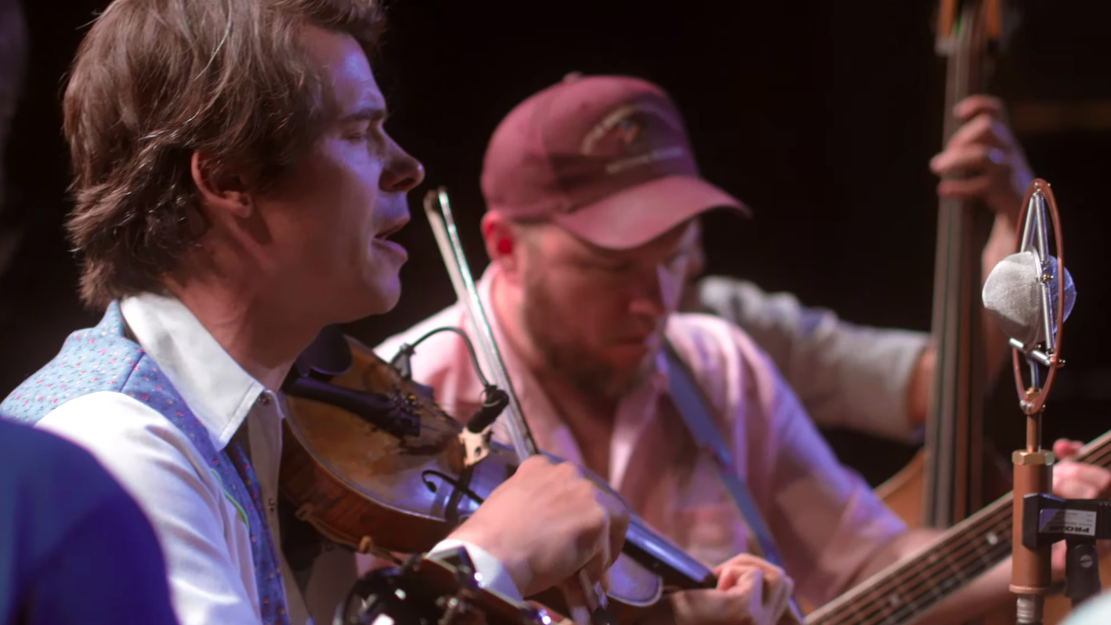
Have you heard? Old Crow Medicine Show has a live album in the works! Scheduled for an October 4th release, Live at the Ryman is designed to feature selections from their many shows at the mother church of country and bluegrass. As a teaser for the project, the band stopped into the Ryman to record this special performance of their 2008 song “Methamphetamine.” Watch it right here, on BGS! 

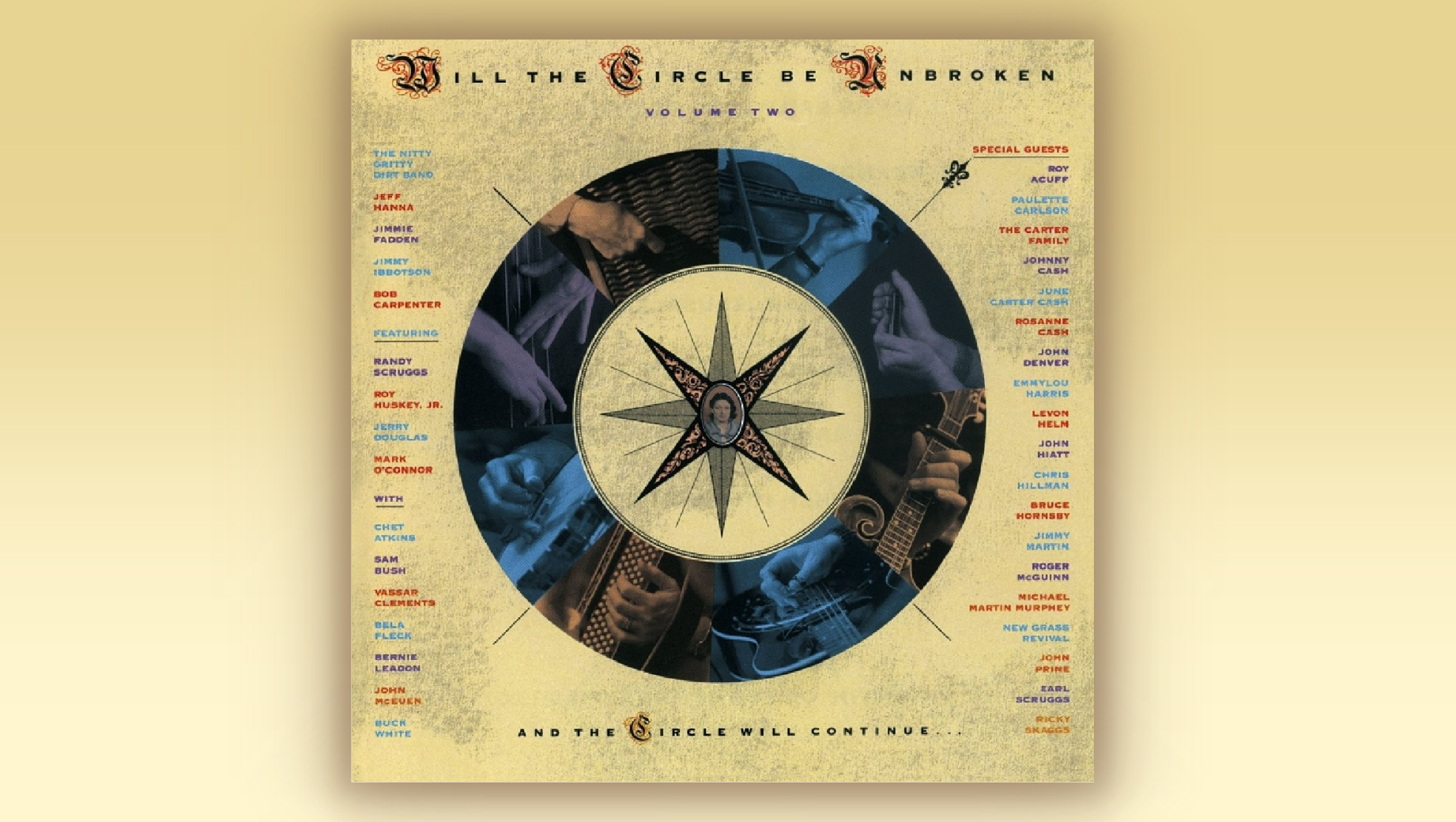
Nitty Gritty Dirt Band’s Jeff Hanna Reflects on ‘Will the Circle Be Unbroken, Volume Two’

Why mess with a classic? That was the original thought from a few members of Nitty Gritty Dirt Band when the idea was presented to record a sequel to their seminal 1972 album, Will the Circle Be Unbroken.

However, with encouragement from one of the group’s biggest fans, the legendary June Carter Cash, the recording sessions for Will the Circle Be Unbroken, Volume Two commenced in the winter of 1988, with a cast of accomplished musicians who are now considered cornerstones of Americana music.

Often referred to simply as Circle 2, the acclaimed project was released in 1989 and went on to win three Grammy Awards and a CMA Award for Album of the Year. To commemorate its 30th anniversary, Jeff Hanna shares its back story with the Bluegrass Situation.

Editor’s Note: Jeff Hanna and guest Sam Bush will participate in a screening of clips from a documentary film, The Making of Will the Circle Be Unbroken, Volume Two, at the Country Music Hall of Fame and Museum in Nashville on Wednesday, September 11 at 11 a.m., during AmericanaFest.

BGS: Can you explain why Circle 2 is such an important album for the band?

Hanna: It’s important in our history because at that point, we were no longer just the kids. We were all in our early 20s when we did the first Circle record, making music with those revered folks. And so we had a different point of view, somewhat. Here we were in the midst of our mainstream country career, and we still revered the first album.

The way we viewed Circle 1 was like something untouchable – just leave it. It is what it is. As time went on and as that project matured, it mattered a lot to a lot of people, including us. So we resisted the concept of doing another Circle record. Especially me, Jimmy Ibbotson, and Jimmie Fadden. Bob Carpenter was like, “I didn’t get to play on the first one! I wasn’t in the band! I want to do it!” He was pretty excited about the concept, and Chuck Morris, our manager at the time, brought it up a bunch. But we waited a while, and by the time it came out, it was 17 years between the releases.

When did you decide to move forward with it?

We were on tour with the Johnny Cash show, which included the Carter Family, and we were in Europe. I think it was in 1988 in Switzerland. June came into our dressing room — and she would visit us a lot. She was really sweet and she loved to talk about Mother Maybelle, and how much she loved us. She called us “them dirty boys.” I love that. And at the end of the conversation, she said, “You know, if you all ever thought about doing another Circle record, John and I would really love to take part in it.”

That was the tipping point. If you have that sort of endorsement from folks we idolized, and who were so important in the history of this music – and music in general — we thought, “Well, there you go.” That’s what we did. The winter of ’88, we started making calls.

How did you come up with the guest list, so to speak, for this one?

Our approach was to delve more into the next generation of folks, like New Grass Revival, and certainly a lot of our singer-songwriter buddies, like Bruce Hornsby, John Hiatt, Rosanne Cash, and John Prine. We had only recorded a little bit with Emmylou Harris and we really wanted to work with her. And we were really excited to do a record with Levon Helm. That was one of the highlights.

I think the collaborative spirit of this album really shines through when Bruce Hornsby is playing “Valley Road” with you guys.

I’d never met Bruce Hornsby but I was a huge fan of his music. I heard “Every Little Kiss” on the radio and it just blew me away. But then I’m reading an article in a magazine, and it was a “desert island disc” thing, talking about the records that you’ve gotta have, and he mentioned Will the Circle Be Unbroken. It was like, WOW! So I somehow got his phone number, I called him up — cold-called him — and he said, “Oh yeah, man, I love that record, I love you guys.” I said, “You’ve seen us play?” He said, “Yeah, my brother and I sneaked in.” We were playing a college show in his hometown, and those guys started carrying amps into the venue. We were unloading the truck and they started carrying gear in, and ended up sort of hiding behind the bleachers, and when the show started, came out and watched the show.

We hit it off right away, so there’s a direct line to Circle 1 right there. And when we were putting together our core band for the sessions, of course we included our buddy Randy Scruggs (who was on the first Circle album), Roy Huskey Jr. (whose dad Junior Huskey played on the first album), Jerry Douglas, Mark O’Connor… It was so much fun walking in and making music with those guys every day. Chet Atkins is on a track and played one of my guitars, which I liked. I know I’m never selling that guitar.

One of the coolest tracks on there is “You Ain’t Goin’ Nowhere.” How did that come about?

We brought in Roger McGuinn and Chris Hillman, because the Byrds and the Flying Burrito Brothers were so important to us. The Byrds had done Dylan’s “You Ain’t Goin’ Nowhere,” but they wouldn’t play it on country radio, so we cut a version of “You Ain’t Goin’ Nowhere” with Roger and Chris, and it became a Top 10 country single, which we thought was cool redemption. We were really excited about being on the track with them. We still play that tune now and again. That’s one of our favorites. We’re really happy to have a good excuse to play it, because for years we played it in sound checks anyway.

It’s been 30 years now, but what do you remember about how Circle 2 was received upon release?

Perhaps because we had the platform of being a hit country band right about then, the label promoted the heck out of the record when it initially came out. And it had hits on it, that’s the other thing. Circle 1 didn’t really have any radio impact, whereas Circle 2 had “You Ain’t Goin’ Nowhere,” and we had a song called “When It’s Gone” that was a Top 10 single.

It’s a significant record and it’s funny, having been there from the get-go with this band, and having that first Circle record so deeply ingrained in my DNA, I sometimes forget how important Circle 2 was to a lot of folks. I’ve had more than one songwriter and musician tell me, “That’s what got me into you guys.”


LISTEN: JP Harris, “Early Morning Rain” (Feat. Erin Rae)

Artist: JP Harris
Hometown: Nashville, Tennessee
Song: “Early Morning Rain” (feat. Erin Rae)
Album: Why Don’t We Duet In The Road (Again)
Release Date: September 13, 2019
Label: Demolition & Removal

In Their Words: “This one was really interesting to record. Erin and I have been close friends for a good while now, and sang this years ago at a residency together at her suggestion. It has a very different production style than anything I’ve recorded before and forced me to vocally explore a gentler approach and range. Erin has this ethereal, soft-yet-commanding air about her singing, and is a generally calming person to be around, so it was really just playing ‘follow the leader’ to sing alongside her. She’s definitely going to be known as one of the greatest folk singers of our generation one day and it’s a huge honor to release a song with her.” — JP Harris

“I was so excited JP asked me to be part of Why Don’t We Duet In the Road (Again). I’ve listened repeatedly to him and Kristina Murray’s version of ‘Golden Ring’ and Kelsey Waldon’s version of ‘If I Were a Carpenter’ so much in the last year. JP has also just been such a good friend and supporter of me over the years, and I love getting to match my lil’ voice with his. I grew up on the Ian & Sylvia version of this song and love the Gordon Lightfoot spin on it, too. Love how it turned out.” — Erin Rae


Photo credit: Giles Clement

LISTEN: Karen & the Sorrows, “It Ain’t Me”

Artist: Karen & The Sorrows
Hometown: New York City
Song: “It Ain’t Me”
Album: Guaranteed Broken Heart
Release Date: October 18, 2019

In Their Words: “I like to say The Sorrows are a full-service heartbreak band. I write songs for all kinds of sad situations! This one is for when your ex first starts seeing someone new, and you can’t stop wondering if they’ll love that new person in all the ways they couldn’t love you.

It also belongs to a genre I often write that I would describe as what-the-country-rock-band-plays-late-at-night-after-everyone-else-left-and-the-bartender-is-mopping-up songs. I’d put a lot of my favorite Tom Petty and the Heartbreakers songs in this imaginary genre too, because to do it right, you need a truly lonesome-sounding Wurlitzer. And nobody does lonesome Wurly like the Heartbreaker’s Benmont Tench! I was definitely hoping to channel a little bit of the Heartbreakers’ twangy, tough despair on this one.” — Karen Pittelman


Photo credit: Leah James

WATCH: Molly Tuttle Plays Clawhammer Guitar on ‘CBS This Morning’

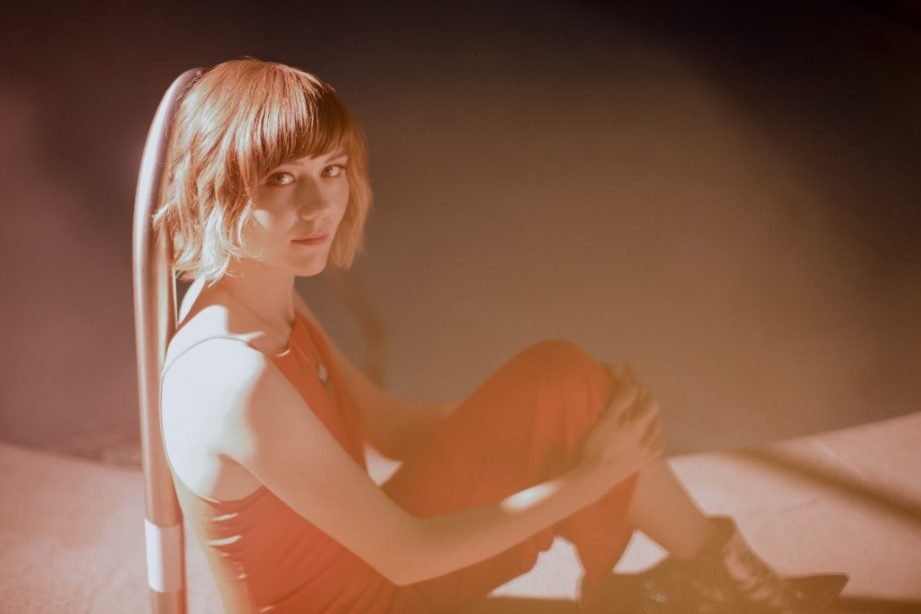
From Newport Folk Festival to network TV, it’s been a huge summer for Molly Tuttle. She’s blazed a trail through modern bluegrass, become one of the most prominent pickers around, and now she’s taking on roots music realms further and further from the string band territory in which she grew up. Feel the rhythm and energy in Tuttle’s national television debut performance  of “Take the Journey,” which showcases her unique frailing, “clawhammer guitar” technique, live from CBS This Morning‘s Saturday Sessions.


Photo credit: Courtesy of CBS

The Show On The Road – Leslie Stevens

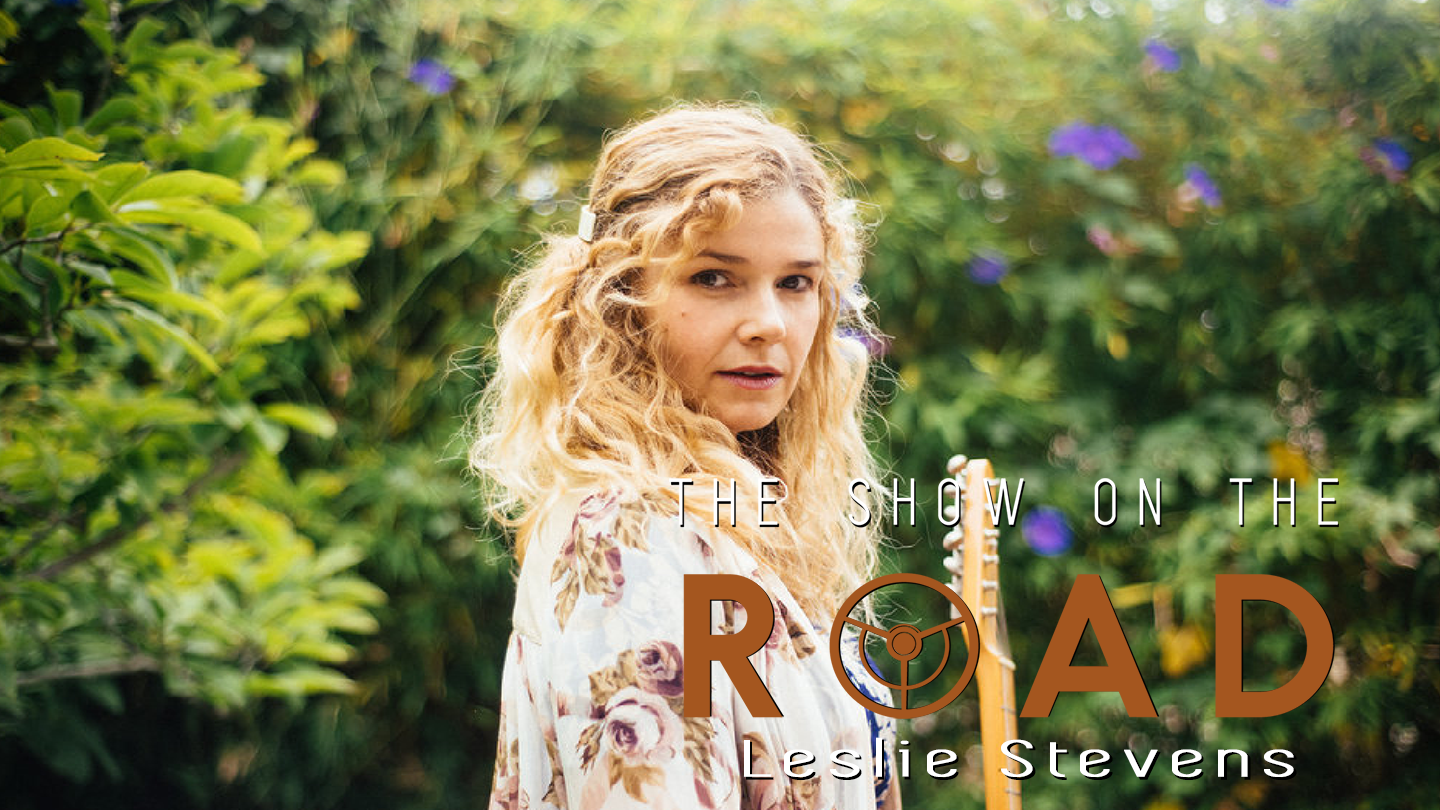
The Show On The Road is back with cosmic California country singer-songwriter, Leslie Stevens.

LISTEN: APPLE PODCASTSMP3

Host Z. Lupetin speaks with the deeply intuitive songwriter and cosmic country singer. On her much-awaited solo album, Sinner, Stevens has been creating viscerally vulnerable songs that, with her shimmering voice, seem to ache right through the speakers.

WATCH: Tanya Tucker, Brandi Carlile & Tenille Townes, “Delta Dawn”

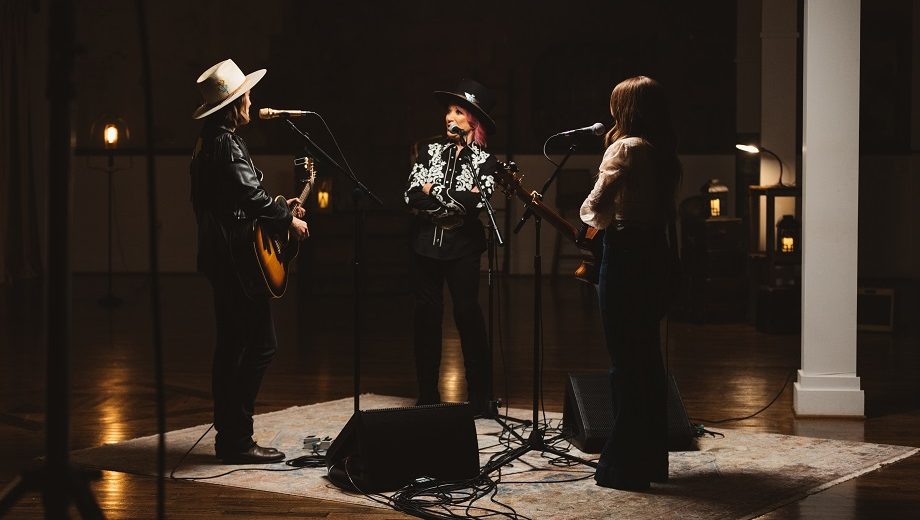
Three generations of country music come together in one performance: Tenille Townes, a newbie on the country block; Brandi Carlile, an established singer-songwriter at the peak of her career; and Tanya Tucker, legendary performer and the Bluegrass Situation’s Artist of the Month. Together, they perform “Delta Dawn,” one of Tucker’s signature songs. Hear this soulful rendition of this country classic.

Read our interview with Tanya Tucker.


Photo courtesy of Cracker Barrel

My Love Will Not Change: Four Versions of a Modern Classic

“My Love Will Not Change” — but my favorite version of this song just might. (And yours might, too!)

The tune, penned by consummate songwriter, bluegrasser, and country stalwart Shawn Camp and his rockabilly collaborator and friend Billy Burnette, has had versions recorded and performed by both writers as well as Bluegrass Hall of Famer Del McCoury. Today, another iteration has hit the airwaves and digital shelves from Americana rocker Aubrie Sellers. The track, which features harmonies from Steve Earle, will appear on Sellers’ sophomore release, Far From Home, set to drop on February 7, 2020.

“I love bluegrass, and I thought it would be fun to bring a song with unmistakable mountain soul like this into my world a little bit,” Sellers relates in a press release. “It’s the only song [on the album] I didn’t write, but it’s something I wish I’d written. I live for straightforward, emotionally-driven writing like this. When I envisioned the sound for the track, I knew there was no one else who could do it like Steve.”

It should come as no surprise that bluegrass influenced this hard-and-heavy, rollicking rendition of the song — and not simply because Camp wrote it and the Del McCoury Band originally recorded and popularized it. In 2015, Sellers appeared on a Stanley Brothers classic, “White Dove,” with her mother Lee Ann Womack and Dr. Ralph Stanley himself on Ralph Stanley and Friends: A Man of Constant Sorrow, which was the final album released by the bluegrass forefather before his death in 2016.

In honor of the newly-minted Sellers and Earle cover, we thought we’d lay out a handful of this modern classic’s cuts and performances, posing the question to you, our BGS readers: Which one is your favorite?

The absolute original. If you’ve never had the pleasure of having your face peeled off by Shawn and company at one of his many Station Inn shows, where he routinely cobbles together just such a mind-blowing bluegrass-meets-trad-country band, you maybe haven’t really ever had a truly “Nashville” experience. Is that bluegrass organ? Let’s call it that. You can hear the influence of Camp and Guthrie Trapp’s chicken-pickin’ shredding in the Sellers cut, too. And you’ll notice, across all cuts of this song, no one tries to emulate Camp’s vocal phrasing, which outright refuses to snap to any semblance of a grid, because it can’t be done.


A more languid, loping style that reads as honky-tonk and rockabilly and “shuffle across them polished-smooth floorboards” all at once. Nashville legend and Fabulous Superlative Kenny Vaughan is on guitar, once again reinforcing the inextricable role of the Telecaster in this song. That is, until we get to its next version…


And suddenly, all of our perceptions about what this song is and what it should be are thrown out the window. Whether it’s “Misty” or “1952 Vincent Black Lightning” or “Nashville Cats,” Del has a way of taking a song and immediately making every listener forget that it ever could’ve had a version that predates him. The definitive cut? Perhaps. The counterintuitive intervals between the harmony vocal and the lead (notice how Ronnie’s tenor sounds eerily similar to his father’s voice), the subtly dissonant melodic hook, and Mike Bub’s relentless rhythm — that doesn’t just reside in the pocket, it’s freakin’ mayor of the city of the pocket — are icing on the cake. Splendid.


It’s remarkable that the Sellers and Earle version doesn’t attempt to reinvent the wheel, while simultaneously covering almost entirely fresh ground. The skeletal structure is still here, with hallmarks from Camp’s, Burnette’s, and McCoury’s versions each, but this take is original. The grungy, harder rock flavors don’t blow out the more subtle touches, either. Sellers gives her own melodic embellishments and her own twists of phrasing as well, with Earle matching, but again referencing the there-are-no-rules feel of the harmonies in the other cuts. For something so seemingly disparate from the others, it is equally charming and unabashed.

Perhaps it doesn’t so much matter which one is preferable over the others? We’ll gladly take them all. Pardon, while I scroll back up to the top and start again.


Photo credit: Scott Siracusano

Dalton Domino Emerges Intact from His Exile

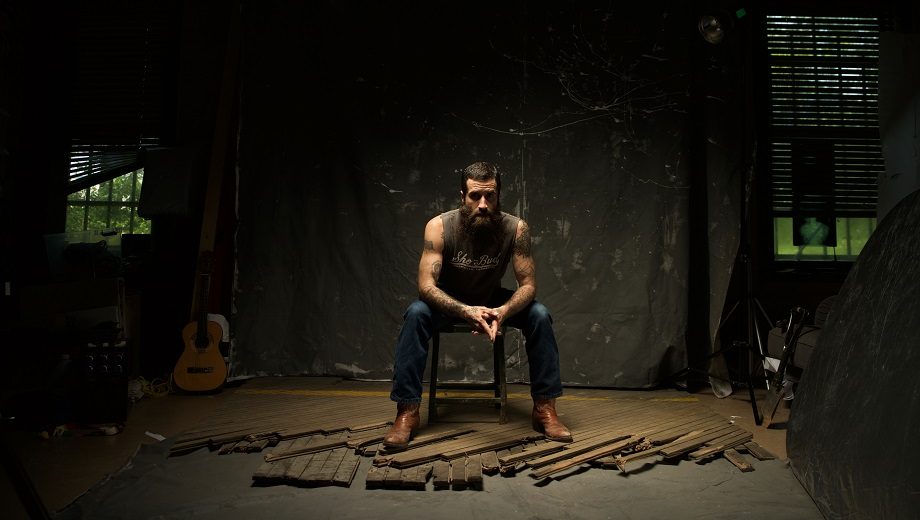
Dalton Domino had pretty much ticked off everybody he knew, prompting one friend to remark, “Looks like you’ve been exiled.” That off-the-cuff comment inspired the title of Texas musician’s rugged new album, Songs from the Exile, which he wrote in a year fueled by anger, addiction, and a desire to figure out exactly why he was making so many bad decisions.

“I have a really good knack of shooting myself in the foot, talking shit when I shouldn’t talk shit. It’s one of my biggest character flaws that I have,” he admits. “I’ve driven off a lot of people because I think that I’m right sometimes. And what that does, some people just stopped answering the phone.”

Disconnected from all but a few friends and striving to sort out his worst demons, Domino resurfaced with the autobiographical material that comprises Songs from the Exile. Surrounded by highly-regarded roots musicians chosen by producer Justin Pollard, Domino placed these hard-won songs against a live, in-the-room arrangement, which stands in stark contrast to the orchestration of his prior album, Corners. Not long after wrapping the sessions at Dauphin Street Sound in Mobile, Alabama, Domino checked himself into rehab — again.

More than once, his sobriety has helped him reconnect with his family, whose strong presence is felt throughout Songs from the Exile, particularly on tracks like “Half Blood” and “Hush Puppy.” His grandmother even kept him company as he drove from Dallas, where he lives, to Memphis, where she stopped off to see her son. Domino then detoured to Huntsville, Alabama, to catch up with his dad before swinging through Nashville for a gig and a chat with BGS.

BGS: There was a whole lot that happened leading up to this record, it sounds like.

DD: It was, man. It was a lot of falling off. I was sober for a little while and hitting meetings, and I just got in this rut. I don’t know what happened. I wasn’t paying attention and started drinking again. I thought I was fine and started drinking a little bit, and started doing some other stuff. It just started snowballing.

I cut this record and I was really confused and I had a lot of questions. And it was knee-deep in self-medication with questions. There were moments of clarity and then moments of, “What the fuck is going on?” I don’t know, it was like a quarter-life crisis. But yeah, it was a weird spot. That week getting away [to Mobile], it was nice to do that. It was nice to clear my head a little bit.

So you were using these songs to sort out what was going on with you?

Yeah, man. I was just angry at stuff. In hindsight, I thought I knew what I was angry about. In the same breath, in hindsight now, the stuff I was mad about wasn’t stuff you should be mad about.

It seemed like there was a breakup that threw you way off.

There was a breakup, then it was like, “Well, looking back in my life, they always leave this way. So what did I do?” And then it led to, “It’s me. I was the problem.” I was the asshole in the situation. Not them. I always place blame on them, then that led to, “Well, why do I act this way?” And then that looped into all these other questions I had about myself. That’s where a lot of the songs came from.

“Half Blood” seems like it was ripped from a page of your life. Is that pretty much how it went, where you were in the driveway going, “This is my fault that this is all falling apart”?

I think that every child of divorce at some point thinks that the reason that their family split up is because of them. I think it’s because that always happens with everybody. But that specific story, I set out wanting to write a song about my sister. We have different moms, that’s my half-blood sister. But I took it into a friend of mine, and she was tinkering around with the idea. She goes, “You know, you guys don’t really have too much to complain about, because your family does love you despite their flaws.”

These songs are very introspective, but it seems like you wrote them with an audience in mind, or at least produced them that way.

Yeah. That’s Pollard. I was trying to work on melody a little bit more, in the actual writing process of it. I know I needed to work on melody a little bit more. So, going into sitting down and writing the songs, I knew that I wanted them to be more melodic. I think that you can say whatever you want to say and you can put a good melody on it. At least for me, whenever I sit down to write a song it’s always to share with other people. It’s never just like, “This is mine. I wrote this for me to get off my chest.”

I wanted to ask about “Hush Puppy.” Is that based on something you overheard as a songwriter?

That’s a true story. That’s about my grandfather. He had this hush puppy recipe and he would never let anybody in the kitchen while he cooked it. And we thought he was always going to be around forever. We never did think to have it. But I made sure after writing that song, I sat down and got my grandmother’s cornbread recipe because I don’t want that want that to go the way of the buffalo. But, yeah, it’s a true story. It’s about how he died. He died alone in a V.A. hospital in Memphis.

What was the response when you played that song for your family?

My grandma liked it. You know, they all liked it. Yeah, they thought it was funny. I always tell a story about him. He was a character of his own, man. He was funny. I wish he was still around. He would enjoy all of this because he loved country music. He would enjoy coming up to Nashville and seeing stuff about Johnny Cash and Hank Williams. When he was alive, I wasn’t into country music. I just kind of ignored it. I loved punk music and I still love it, really hard stuff. My grandfather would love all this.

What was it like to see your dad again?

Dude, it was awesome, man. I hadn’t seen him in about a year and a half, or two years, and it was cool seeing him again. We talk on the phone and stuff but I hadn’t seen him in person in forever. He still is the same. I’ve got to drive back to go sign papers because I bought a car. He’s a car salesman. I asked him about a certain car and he was like, “Well, let me show you one. Why don’t we just go ahead and put you in this one?” And, “You know you’re qualified for a trade-in right?” I was like, “Goddamn it.” He said, “Go to your show, I’ll have the paperwork ready.” So I got to go back down there.

He made a sale.

Yeah, he made a sale, man! He’s the finance guy though. But, man, it’s always good seeing him. I saw my little brother last night, but I’m flying him out for a big show out in Lubbock on the 31st. So he’s going to come out there. The show’s 18 and up, and he just turned 18. So I’m going to show him Lubbock. Lubbock is my stomping grounds. That’s the place where I picked out to move to, so I consider Lubbock home. It’s his first time out there, and his first time at one of our shows.

I’ve not been to Lubbock.

Goddamn, it’s a blast!

So for those who read about what you went through, and they’re curious about how you’re doing now, what would you say about your frame of mind and how things are going?

I feel a lot better than what I did this time last year. This time last year, I was miserable. It was weird when we started this record, a friend of mine passed away. And I had a lot more questions. This time last year it wasn’t okay. It wasn’t good, but I still just kept digging in. And finally, this past year, this January, I asked for help with all those questions that I still had from writing the record, and what I thought about over the past year. I sought treatment and got help. I guess what I’m saying is, if somebody comes across this and hears this story, all I can say is, if you’re going through some shit, it’s OK to ask questions. It’s OK to feel bad, but go get some help. Help is out there. Help works.


Photo credit: Joshua Black Wilkins