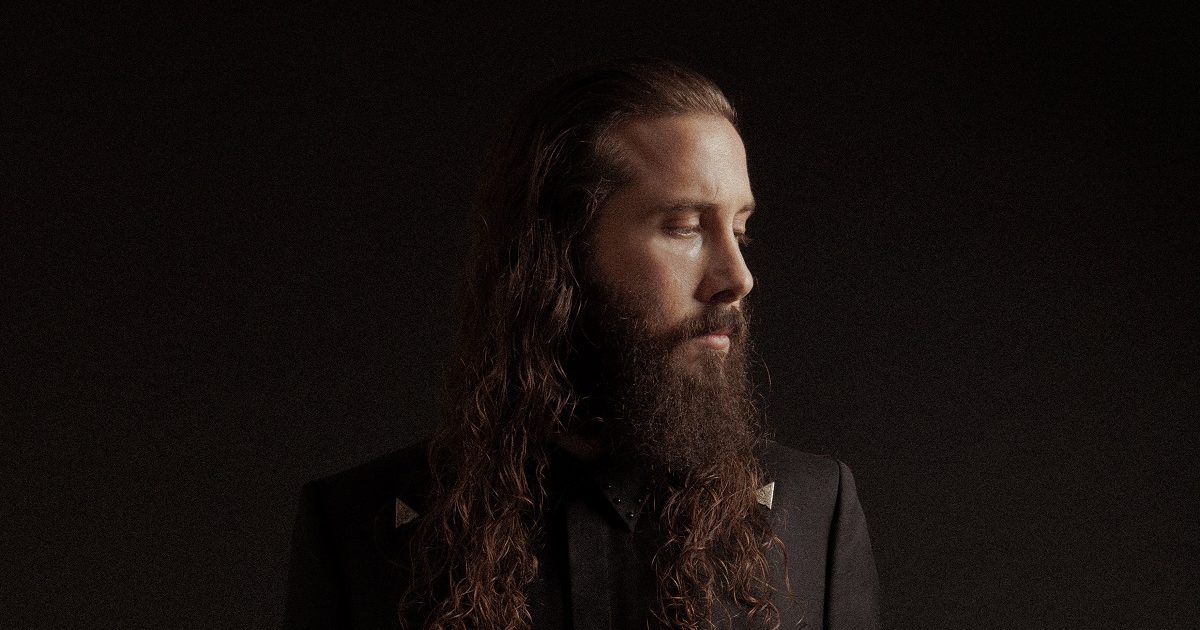
Avi Kaplan Comes Full Circle to Folk Roots on Solo EP, ‘I’ll Get By’

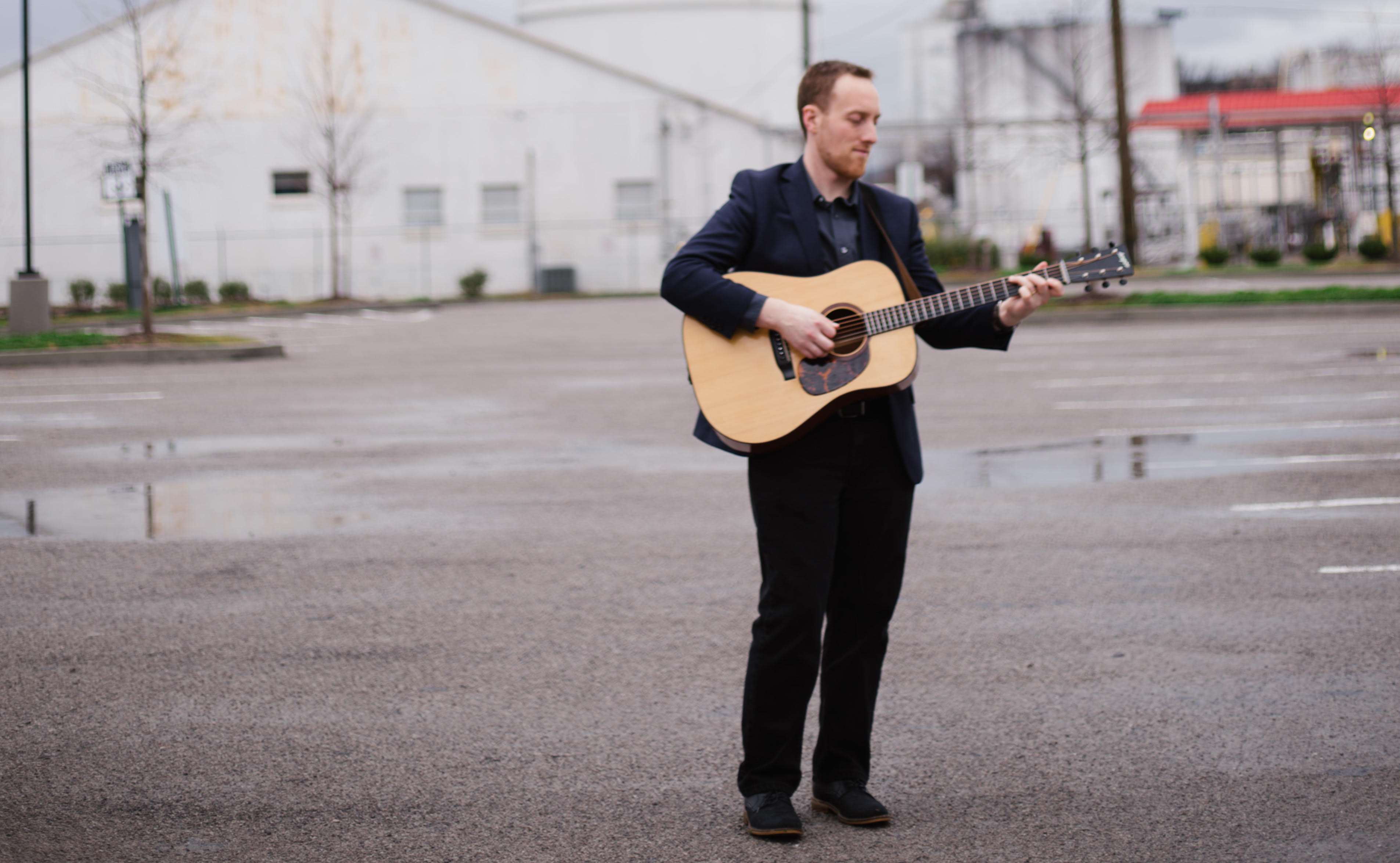
Growing up near the Sequoia forests of Northern California, Avi Kaplan gravitated toward the low-key albums by John Denver, Bill Withers, and Simon & Garfunkel in his parents’ CD collection. But in time, the term “low-key” took on a whole new meaning as his baritone voice dropped dramatically upon starting high school. Suddenly possessing a clear, thundering bass range, Kaplan discovered a newfound confidence and rare vocal ability that ultimately led him away from the dream of becoming a choral director to joining the a cappella group Pentatonix.

After six years as a member of that Grammy Award-winning group, Kaplan parted ways with Pentatonix in 2017 and essentially went off the grid for a year. Now living in a cabin in the woods outside of Nashville, he is ready to reconnect to his roots — as he did on his new album, I’ll Get By. With a speaking voice that’s as resonant as you’d expect, Kaplan caught up with BGS by phone.

BGS: I’ve read that you had an early interest in folk music, so I was curious to know if you’d consider this is a full-circle moment, coming back to the music that you grew up loving?

AK: Oh yeah, absolutely. I grew up listening to it and it’s always the music that I’ve listened to throughout my life. And it’s always the music that I’ve written as well. I had a departure when I went and did the Pentatonix thing, but it definitely is a full-circle thing. It’s really surreal for me.

You released “Change on the Rise” about a year ago and it sent you on the path to this record. Why did you choose that song to usher in this stage of your career?

In the past I’ve written a lot of songs that are softer and maybe on the prettier side. A little fire, a little less power, and more about the soft, serene beauty of folk music. I really wanted to come back with something that just had a little more fire in it, because it was really reflective of where I was in my life. I felt like I really got my fire back. I didn’t want to come back with something people had already heard from me. Even then, people hadn’t heard much from me in general, when it came to a solo voice, or my voice out of its lower register. So I wanted to come back strong.

What was on your mind when you wrote “I’ll Get By”? That seems like an anthem of this record.

Thanks, man. Whenever I write a song, I don’t listen to it for a while. Then I come back and listen to it again so I can hear it on fresh ears, without the critical ear. When you’re in the writing situation, you’re criticizing everything you’re doing, so I had to get myself out of that. And when I listened to it again, I got emotional. It was something that really felt special to me. It felt really strong to me. It felt like it was conveying exactly what I was going through at that time, and hopefully something that would help other people get through the same type of thing.

On another song, “Chains,” there’s a lyrical reference to needing peace, and phrases similar to that. Were you needing peace and quiet to keep on going?

Oh yeah, absolutely. I was living in L.A. for about seven years and I’m just not a city guy in general. But when I wasn’t in L.A., I was touring non-stop. I was always going, so I really feel like I lost myself and I lost touch with the things that I loved the most – hanging out with my family, being in nature, all that stuff. … It was about a year after I left the group that I really started delving into writing. I wanted to do some healing first, but even through that, I was still healing just from a lot of stuff I was going through. So yeah, absolutely I was in that spot.

What did that healing process look like for you? What were you doing that year?

Well, I left the group and I just took some time to do the time to do the things that I’ve been longing to do. So I camped a bunch. I moved out of L.A. and moved into a cabin in Tennessee. But before that, I went back out to the Sequoias, where I’m from, and did a camping trip there. I did a lot of time in the Eastern Sierras and the Mojave Desert, and up in the mountain lakes.

I also went to Holland. I went to Germany and did a bunch of nature stuff. Then I went to Israel and I went hiking out there as well. So, I kind of went all over and just got away from everything as much as I possibly could. I just sought out to heal and find myself again, and just do work on myself. It was really important at that time. It was something that I needed more than I even knew.

Why did Tennessee become the place you ultimately settled?

I knew that I wanted to do music still. And really Nashville is the only music city where you can drive like 15 minutes outside the city and be in the country. And that’s where I wanted to be. That was a huge reason and also my sister lives out here. Also, with the music that I’m doing, I would say it’s more of a hub than I would say L.A. or New York anyway.

So, all signs pointed that way. I never had a doubt in my mind either. It was like, “OK, now it’s time for me to move out to Tennessee. I need to get a cabin out there and be in the forest.” It was all very clear to me what I needed to do. I didn’t exactly know how I was going to get into a place where I was good again, but I knew that’s where I needed to go to do it.

You mentioned earlier that you’re singing in a different part of your range on this record. But not a lot of people can sing as low as you. When did you realize you can do something that very few people can do?

It was my freshman year of high school. I joined the choir when I was in eighth grade but I was a baritone back then. And over that summer between eighth grade and freshman year, my voice changed big time. So I remember coming to the choir room and my choral director was extremely excited to hear my voice because it’s hard to find basses and that’s very much needed in choir. So he was a huge inspiration for me and a huge advocate for me. He helped me realize how different it was and how I could utilize it. I owe a lot to him, definitely.

It sounds like music education in your school is a cornerstone of your development.

That’s huge for me. Now I run a summer camp for high schoolers based around harmony and a cappella, music, songwriting, and all that, because that was such a huge inspiration to me. It changed the course of my whole life. It’s always been something that’s been important for me. Before I joined the group I was on track to be a choral director. I was also studying opera, but being a choral director was the dream, just because it had such an impact on me.

Was country music an influence for you growing up?

I didn’t listen to actual country, like Garth Brooks and that type of thing, but I loved bluegrass. I loved John Denver. Bluegrass is more of what I listened to when I was younger. And the Sons of the Pioneers, old-school country. There was actually a band in my hometown that was very similar to them called that Sons of the San Joaquin that I listened to a lot.

What was your entrance point into bluegrass?

I really started delving into it when I was a bit older. What’s funny is that I got on the Bluegrass Situation’s YouTube channel and I just went down a rabbit hole. I was blown away by some of the newgrass that was going on, and by some of the old-school. I think one of my favorite videos that you did was the one of Tim O’Brien. That blew me away. I love it so much! I would watch it all the time.

Then I started getting into Hot Rize, and an album with Tim O’Brien with Darrell Scott, and then I got into Elephant Revival, then Mandolin Orange, and I kept going down and down and down. I really delved into it and fell in love with it even more because it felt like my roots. I had grown up with that kind of thing, but I had gotten into more of the contemporary modern folk with Iron & Wine and Bon Iver.

I’m a huge fan of bluegrass and I tell people all the time that bluegrass musicians are world-class musicians. They are truly virtuosic. So unbelievably talented. It’s amazing to hear music that I love with such virtuosic musicians. That is something that is always very inspiring to me – a musician’s musician, someone who is really amazing at their craft. And that is definitely what bluegrass is about.

I wanted to ask about auditioning people for your band. What are you looking for when you pick a band?

I’m always looking for vocals. Harmonies. That’s the most important thing to me. Especially with my music, it’s not the toughest stuff to do, instrumentally speaking. With this album, the drums are actually more complex than I thought they were going to be, but at the end of the day, it’s nothing crazy. The harmonies are really where I’m looking for the strength. Yeah, that’s it – harmonies, 100 percent, all the way.


Photo credit: Bree Marie Fish
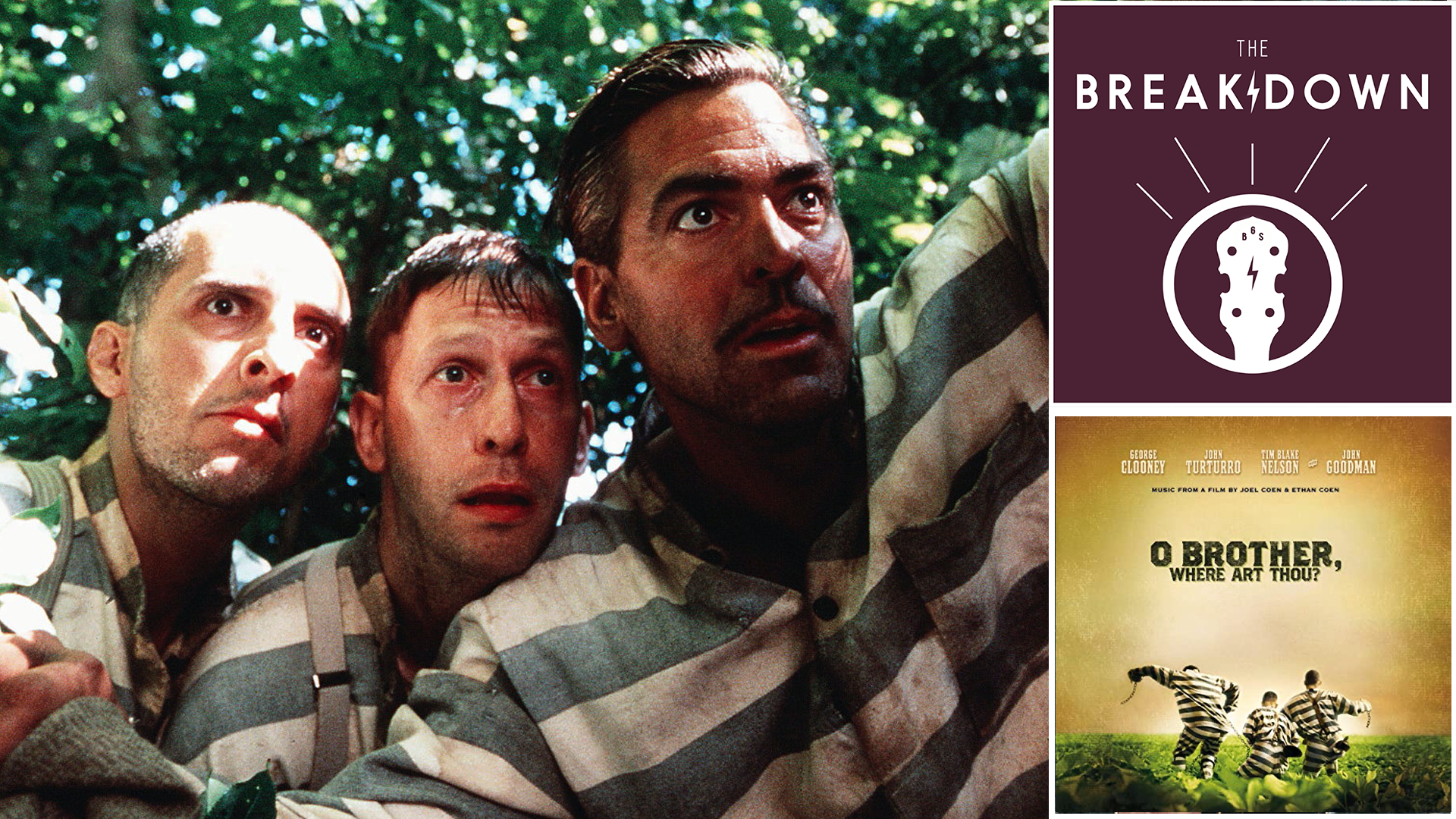
The Breakdown – ‘O Brother, Where Art Thou?’

Advertisement

This week, hosts Patrick M’Gonigle and Emma John dissect the bluegrass-centered soundtrack to the Coen Brothers’ film, O Brother, Where Art Thou?, with a little help from their friends Chris Thomas King and Dan Tyminski.

LISTEN: APPLE PODCASTS • MP3

O Brother, Where Art Thou? was the movie that brought bluegrass to a new generation, and sent dozens of musical careers into the stratosphere. Fake beards not required.

Season 2 of The Breakdown is sponsored by The Soundtrack of America: Made In Tennessee. Visit TNvacation.com to start planning your trip.

Elizabeth Cotten: The Domestic Who Wrote a Folk Classic

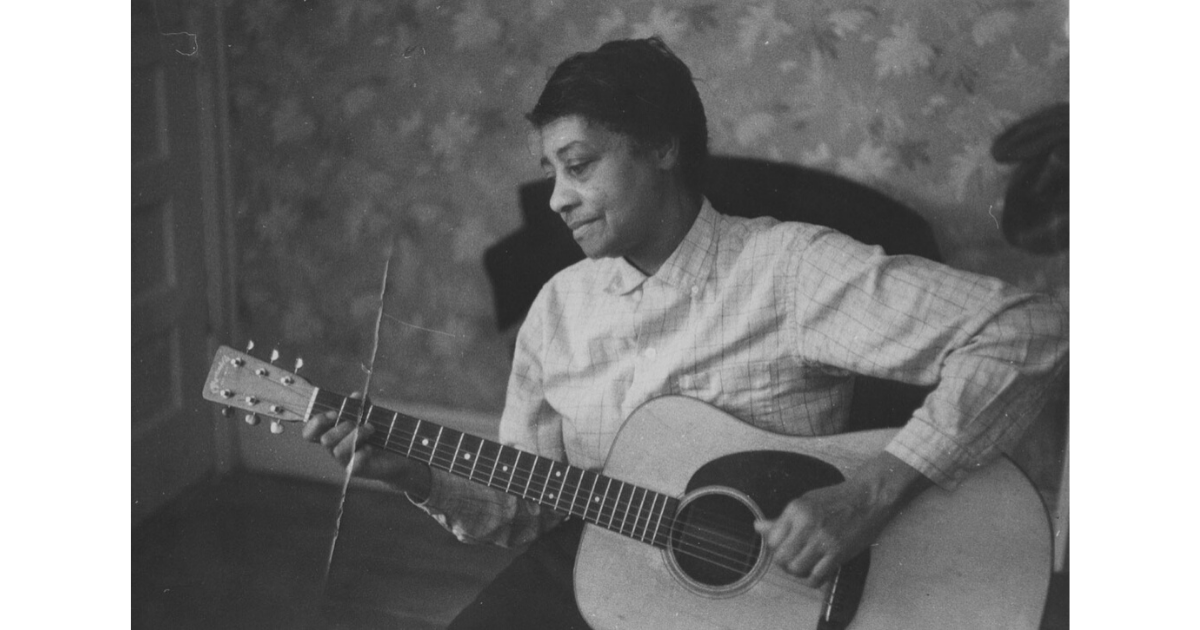
At age 9, in 1904, she quit school to work as a maid. A song she wrote at 11 became a folk classic. She married at 15. She made her first recording at age 62. And she won her Grammy at age 90.

Even the best novelist would be hard-pressed to create a more remarkable heroine than Elizabeth “Libba” Cotten. From the time she sneaked into her older brother’s room and flipped his banjo over so she could play left-handed, Elizabeth broke rules and boundaries.

Her legacy song, “Freight Train,” written at age 11, is among the most loved in folk music. Her left-handed, finger-picking guitar style — an alternating bass with her index finger and melody played with her thumb — is much emulated. She was immensely talented, creative, and wicked funny. For a great example of her humor, listen to Cathy Fink and Marcy Marxer talk about a chance encounter at the Toronto Folk Festival.

While Elizabeth was raising her daughter, she rarely played outside her home — and only at church. But a chance meeting much later in life led her to become one of the most revered names of the folk revival. While working at a department store, she befriended a frightened little girl who had become separated from her mother. The little girl was Peggy Seeger. Peggy’s mom, Ruth Crawford Seeger, almost immediately invited Elizabeth to work for the family as a domestic.

Ruth was a composer and teacher, her husband Charles created the field of ethnomusicology, but it was Peggy who first heard Elizabeth playing one of the family’s guitars. As a family that studied and documented traditional music, they were delighted to hear the music Elizabeth carried from her North Carolina home. Their son, Mike Seeger, a folklorist and musician, began recording her singing and playing. They released her first album in 1958, when she was 62.

Elizabeth became a vitally important figure in the folk revival, performing at the most acclaimed festivals in North America. Her songs and style frequently were covered by others. Artists in the Skiffle movement recorded and claimed credit for “Freight Train,” a big hit in Great Britain (the Quarrymen, John Lennon’s early band, used to perform it). With the Seeger family’s help, Elizabeth got the copyright in her name.

Her songs have been central to bringing rural southern music to commercial audiences, paving the way for bluegrass as well. Performers as varied as the Grateful Dead and Rhiannon Giddens have recorded her songs, and “Freight Train” is in the repertoire of almost every folk, bluegrass, and rock band on this continent.

It is virtually impossible to summarize Libba Cotten as a person, a musician, or an influence on American music. Her honors are countless. As examples, in 1984, the National Endowment for the Arts declared her a National Heritage Fellow. The Smithsonian Institute declared her a “living treasure.”

Elizabeth performed right up to her death at 94 in 1987. And musicians around the world pay tribute to her daily when they sing “Freight Train.”

WATCH: Laurie Lewis, “Troubled Times” (Feat. Leah Wollenberg)

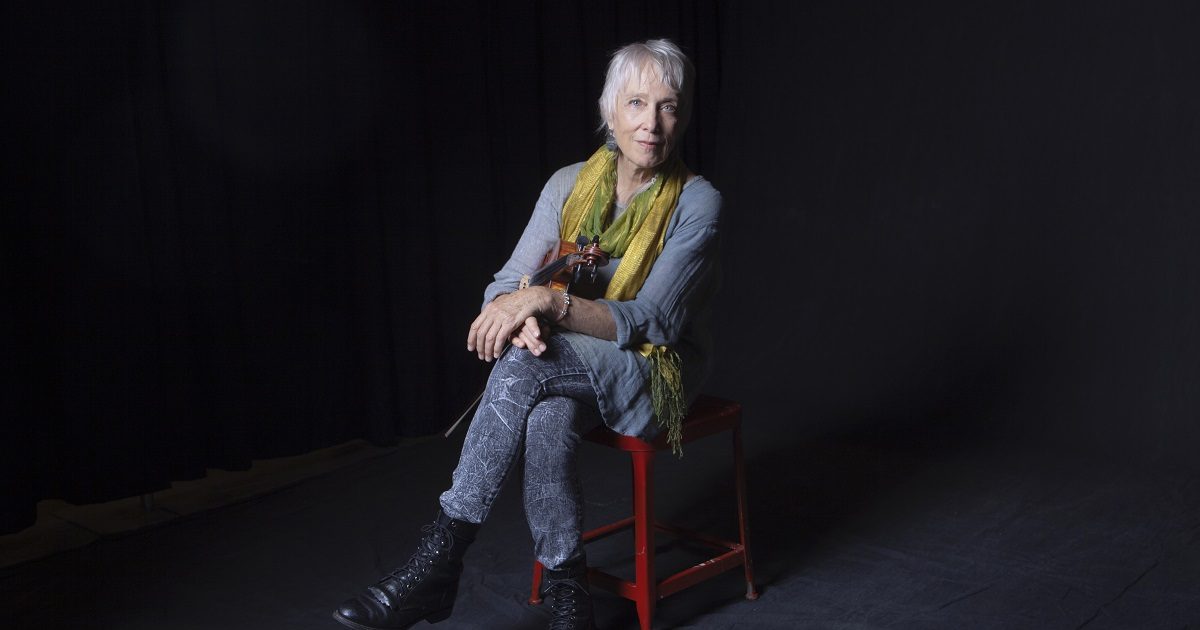
Artist: Laurie Lewis
Hometown: Berkeley, California
Song: “Troubled Times”
Album: and Laurie Lewis
Release Date: March 27, 2020

In Their Words: “I wrote ‘Troubled Times’ about twenty years ago, I think, in other troubled times than we are experiencing now. But I never sang the song out in public more than about three times. I honestly feel like I was waiting for the right ‘voice to sing in harmony,’ and when Leah and I started singing together, I think I found my match. I have been friends with her parents (jazz guitarist Mike Wollenberg and artist Jenny Bloomfield) since before she was born, and have known her since then, watching her grow into a fearless jazz violinist and terrific Irish fiddler. It shouldn’t have come as a surprise, but when I heard her sing a piece of a song sitting around the dinner table one night, my ears really perked up. Maybe it’s because Leah has heard my voice her whole life that she is able to get a positively familial blend. Whatever it is, I’ll take it.” — Laurie Lewis


Photo credit: Jeff Fasano

The Secret Sisters’ Lydia Slagle: Good People With Great Purpose (Part 2 of 2)

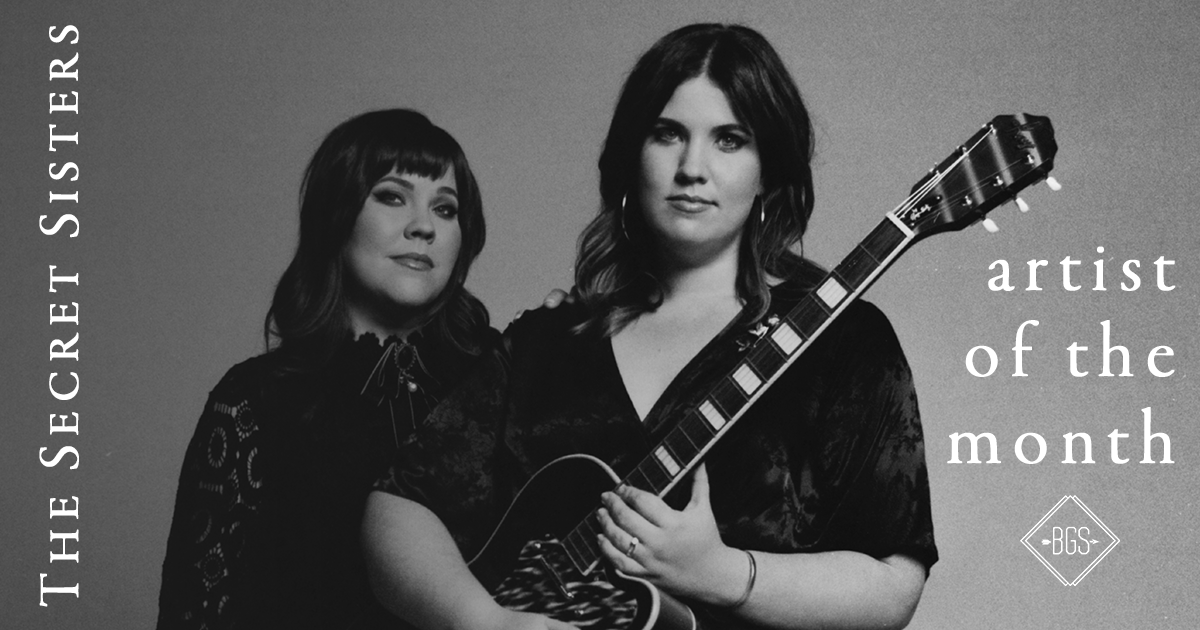
Hearing the Secret Sisters sing captivates you immediately. Known best for their entrancing harmonies, the Alabama-born artists write songs about everyday hardships and headline-grabbing injustices, with a balance of poetry and punch in every lyric. It’s made fast fans of many, including Brandi Carlile, who called sisters Lydia Slagle and Laura Rogers in 2015 and offered to produce their next record, 2017’s You Don’t Own Me Anymore.

On the new Saturn Return, co-produced by Carlile and Phil and Tim Hanseroth, the duo expands beyond their well-known harmonies by exploring the previously untapped power that their voices have solo, recording many segments separately for the first time in their decade-long career. In a nod to that milestone, BGS spoke to each sister individually in advance of the album’s release. Here, Lydia Slagle talks about Carlile’s strength as a producer, finding hope despite hardship, and the distinct pride in being a late bloomer.

Tell me about your upbringing and your first memories with music.

We’re from rural Northwest Alabama. We grew up running through the woods and making forts and playing in the creek. We spent a lot of time outside with our cousins, and it was really family-oriented. Our dad is in a bluegrass band, so we were going to bluegrass festivals every Saturday. We went to church every Sunday, and the church that we grew up in was all congregational. Everybody sang together, so from a very early age, you had to learn to sing harmony.

You were the main writer on “Late Bloomer,” one of my favorite tracks from Saturn Return. Has anything ever made you feel like a late bloomer? How did you reframe that feeling with the positivity we hear in the song?

I’ve always felt a little bit behind. People in my grade, or my age… I always felt like they got there before I did. Part of that is being a Southern woman. I think that we are a little more pressured to have children faster, or get married at an earlier age. Even though I’d been all around the world, I still felt that pressure — I still felt behind. When I wrote “Late Bloomer,” my husband and I had been trying for a baby for almost a year. That particular day, I was just really frustrated with the whole situation. I thought, of course, this happens to me. I’ve been behind in every other aspect of my life, so of course I’m gonna be last for this, too — which sounds dramatic, I know…

No, it sounds… relatable.

Well, it was September, and I was at the piano looking out the window. I had been told that March or April was when I should hang my hummingbird feeders, because that’s when they’d come to the house. And I had not seen a hummingbird all year until the day I wrote this song. It made me start thinking about that aspect differently: they’re late coming to the party, so it’s OK for me to be, too. It’s OK to feel behind. Whatever timeline you set for yourself, it doesn’t matter, because we’re all on our own path. It was a really encouraging way to look at it. I’ve tried to look at it like that ever since.

Brandi Carlile produced your third album, You Don’t Own Me Anymore, and you chose to work with her again on Saturn Return. What made her the right person to produce this album?

We had a lot of fun with our third record. Not that we didn’t with our others, but we were so serious in the beginning, so concerned with being perfect, with having every note be exactly right. With the third record, we were this big family, just playing music together, just jamming. We really wanted to have that same experience again with the fourth record, especially because we had gone through some stuff before this record that was really hard. I was struggling with infertility; I didn’t really understand what was going to happen with our careers. We needed the positivity that Brandi tends to bring to a situation. She always helps us remember that we do this for a reason — and that we’re good at it. It was a really great communal effort, and I would say we were more comrades this time around. It felt like a bunch of friends playing together.

She recommended you and Laura record your vocals separately for the first time ever. What was going through your mind, from the first time you tried it to when you heard it played back?

It felt like an out-of-body experience in so many ways, just because we were so used to singing at the same time, into the same mic. So it was a new, refreshing experience to remember that we are separate people, with our own voices and our own things to say. That’s what Brandi is so good at doing — helping us remember what our talents are. It was a really important part of this recording process itself: finding our own voices and being who we are separately, but still being a band; and learning how to still sing together, even when we have our own perspectives to draw from.

As the album’s closing track, “Healer in the Sky” has a deeply spiritual and peaceful theme — a message of hope. Through the making of this record, what’s something that made you feel hopeful?

Even though we were on separate paths, Laura and I, there was a common thread going through our situations when we were recording. We were kind of settling into adulthood. Our grandmothers had just passed away within a week of each other, and we could see that our parents are getting older and going through health issues. We were both at a time in our lives when we were trying to reconcile things that don’t seem fair, seeing how other people around us have struggled. The reality of adulthood had set in, and you can hear that in a lot of the songs on the record.

But what gives us hope is that we’re people of faith. You do hear it especially on “Healer in the Sky” — we try to remember that we have a bigger hope, and we have a reason for why we do this. It’s easy to get ‘in our heads’ about things that seem hard at the time, but when you look at the grand scheme of things, those things are usually actually pretty petty. So for us, it’s been important to remember our purpose, and to just try to be good people along the way. That’s all that really matters.

Read the first part of our Artist of the Month interview with the Secret Sisters’ Laura Rogers.


Photo credit: Alysse Gafkjen

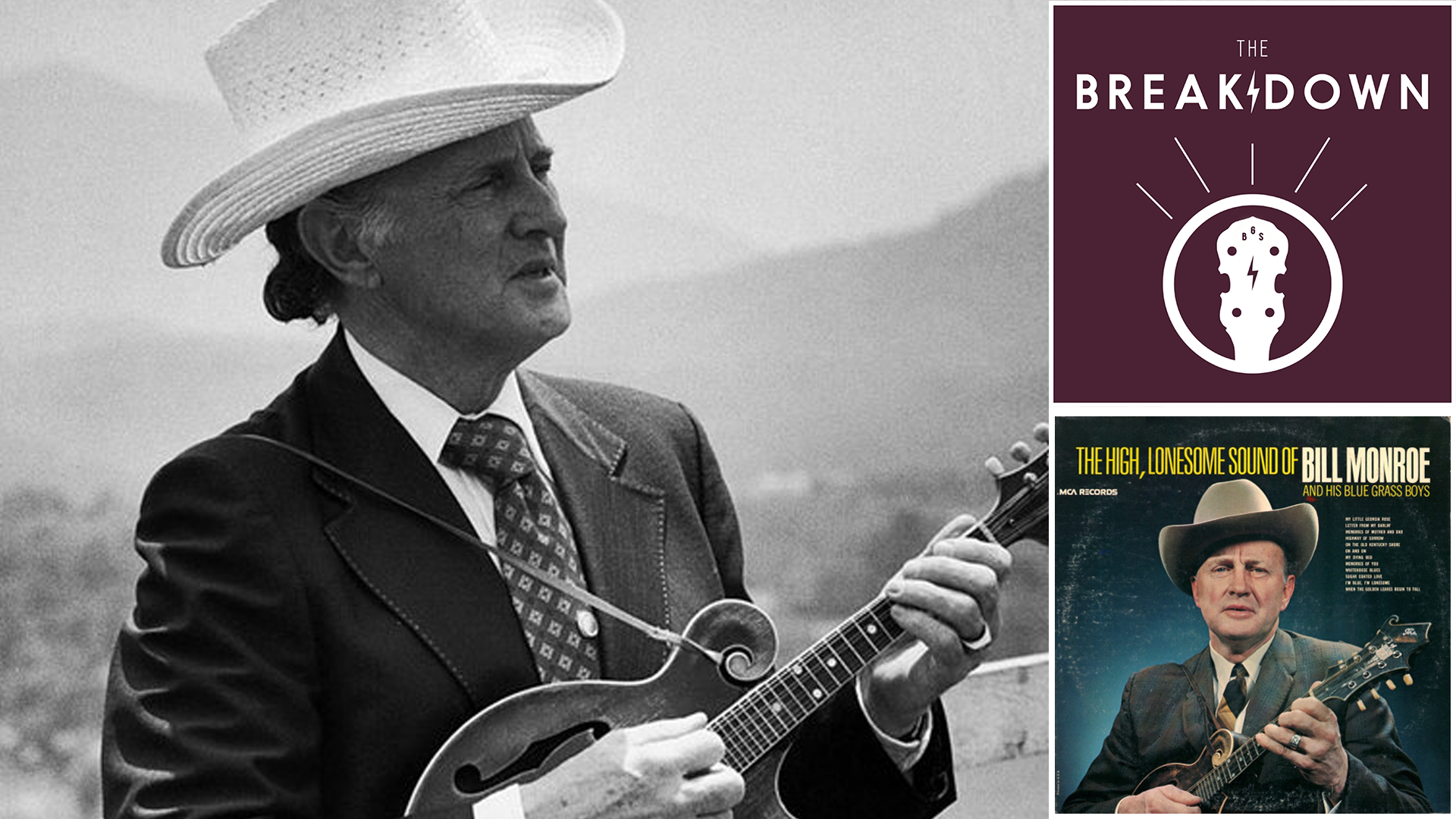
The Breakdown – ‘The High, Lonesome Sound of Bill Monroe’

It’s high, it’s lonesome – it’s The High, Lonesome Sound of Bill Monroe.

LISTEN: APPLE PODCASTSMP3

Unpacking Bill Monroe’s bluegrass legacy through this 1966 compilation of Decca recordings is no small task – so Patrick and Emma have enlisted some high-profile help, including the legendary Sonny Osborne (a 14-year-old debutant on this album) and the wonderfully insightful Laurie Lewis.

Season 2 of The Breakdown is sponsored by The Soundtrack of America: Made In Tennessee. Visit TNvacation.com to start planning your trip.

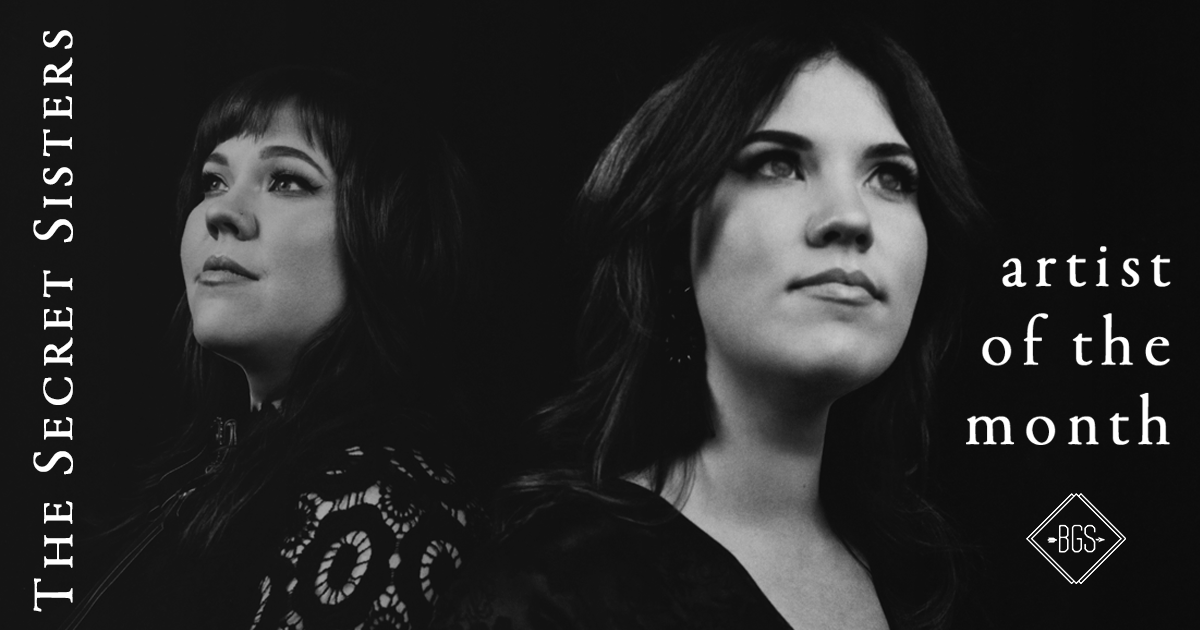
The Secret Sisters’ Laura Rogers: From Separation to ‘Saturn Return’ (Part 1 of 2)

Laura Rogers and Lydia Slagle are best known for doing things together. As sisters, they’ve celebrated birthdays, graduations, and many more of life’s big milestones together. As the Secret Sisters, they’ve made a name for themselves singing together, with intuitive harmonies that lend a honeyed sheen to folk tunes, country anthems, and the occasional murder ballad, too. But for their latest album, Saturn Return, the duo tried things a little differently.

At the suggestion of Brandi Carlile (who co-produced Saturn Return with twins Tim and Phil Hanseroth), Laura and Lydia recorded their vocals separately for the first time, integrating lengthy solo segments in addition to their trademark harmonies. The resulting record reveals two women at the top of their crafts, reveling in their independence while cherishing the inimitable depth of their voices together.

In tribute to their recording individually for the first time, BGS spoke to each sister separately, too. In part one of our Artist of the Month interviews, Laura talks about the influence of her hometown, self-inflicted career pressure, and how Carlile introduced the sisters to new sides of themselves — both individually and as a group.

BGS: You sang separately from your sister on this album for the first time. What did that feel like at first, and how did your feelings about it evolve?

Laura Rogers: I was very uncomfortable about it at first. I play off of Lydia, and I choose my notes based on what Lydia chooses. We read each other so closely when we sing together. Singing without her felt like driving a car for the first time without your parent in there. But when Lydia sang by herself, even though I know she was uncomfortable, I sat there listening to her and thinking, She is so good. She’s so good. I remember thinking about how glad I was that her voice was finally going to get a chance to be heard without mine, because her voice has so much beauty to it.

I thought, It’s time for people to hear what Lydia sounds like without me distracting them. But I was super scared to sing by my self, just because I … Well, I just don’t feel like I sing as well without Lydia. I’m more critical of myself, and I don’t have her to kind of pick up the slack that I need. [Laughs] So in the moment, I remember thinking, I don’t know if this is the right thing. How are we going to pull it off live? But then of course, after the record was done, we would listen back to it, and Brandi’s theory about it was so… right. And so beautiful.

How so?

While we were recording, Lydia and I really were in really separate places for the first time in our lives. I was pregnant and Lydia was trying to get pregnant. We felt this chasm, the two of us. We felt like we were in different places. Brandi could see that, in her bird’s-eye view of our circle. She knew that she needed to capture that moment.

Lo and behold, a few months later, we found out that Lydia was pregnant too, and we were back on another path together. We had been separate for only a moment. So I’m really thankful. I feel like Brandi is a really good photographer who caught the perfect moment with the perfect light and the perfect ambiance — this really special moment that will never come again.

You’ve recorded murder ballads and darker songs, and “Cabin” on this record — which you’ve said grew out of coverage on the Kavanaugh hearings — touches on a crime that was never brought to justice. What are the challenges and nuances you have to consider when broaching topics like those?

That’s a good question. “Cabin” can really be about a pretty broad range of crime. But we were specifically writing about sexual crime: abuse, harassment, and mistreatment of people by those in places of power. We had a message that we wanted to convey, but it felt like we had to tiptoe around some things to try to avoid any sort of heavy political slant.

Lydia and I are not political songwriters. We just aren’t, and don’t want to be. But there are certain elements of that that do come up in our writing that we feel like we have to kind of carefully craft in order to express ourselves, but not isolate. That’s also true with murder ballads. It is a sensitive subject matter, and our protection — up until we wrote “Cabin” — was the fact that those songs that we had written were mostly fiction.

When [our songs] talk about getting your heart broken, or going through bankruptcy, or being done wrong by someone who is supposed to be your friend, those are actually based in truth. We would never specifically mention anyone by name, but if they hear the song, they’ll know that we’re talking to them. If you feel like we’re singing to you, we are.

That’s the way that we view our music — as therapy. The murder ballads have always been about us challenging ourselves to write songs about things that we didn’t experience. On the flip side of that coin, there are a lot of songs that we went through firsthand and had to process through writing.

You sing about the push-pull of success in “Nowhere Baby.” What does that song mean to you, and how do you fight back against the low moments?

I hope that people can find their own story in a song like that. For us, “Nowhere Baby” is about constantly feeling like we’re arm wrestling the music industry; feeling the need to say yes to everything that comes along, because you’re afraid that if you say no you’re going to set yourself back or miss an opportunity; feeling like you need to prove yourself. As artists, creative souls, and women, sometimes we put that on ourselves. We make these ridiculous schedules that we think we have to stick to. “If we don’t go do this show, what’s gonna happen? Are we gonna miss something that could be really important, could get us to the next level?”

We are so hard on ourselves about our careers. We love music, and we love that we’ve gotten to make a lifestyle of playing our songs on the road, but it’s a hard life. You sacrifice more than people on the outside ever realize. You miss the birthday celebrations and the holiday events. Through experience in the ten years that we’ve been on the road, we’ve learned that it’s OK if you need to just be a person for a minute. It’s OK if you want to just sit at home for a few weeks. Nobody’s gonna forget about you, you’re not going to lose your edge.

You’re from just outside of Florence, Alabama, and started singing harmonies with your sister at church. Did your hometown have any impact on the artist you are today?

Oh yes, 100 percent. We grew up pretty close to Muscle Shoals, which is obviously a legendary place for music. But we weren’t exposed to the music of Muscle Shoals as much as you might think. We listened to more folk music, bluegrass, gospel, and country. And where we are geographically had influence on us as musicians — I mean, it’s this weird little place that’s so perfectly located. It’s close to Nashville, so you get the country music influence. It’s close to Memphis, so you get a little bit of the blues. It’s close to the mountains, so you get some Appalachian music. You get gospel music, because we’re in the middle of the Bible Belt. It’s this perfect spot where these little genres of roots music all began.

I think living in a rural place, and growing up where there isn’t a lot to do other than hang out with your family or do sports or play music, is why we are the way that we are, and why we’ve become the musicians that we’ve become. We are so spiritually tied to our hometown. When I leave, I become a different person, and it’s almost like I have to go back to regroup and establish myself again. I come home and I’m like, oh, that’s who I am. [Laughs] I may get to go to all these great places, but when I come back, I’ve still got to scoop up chicken poop off my porch.

Read our interview with Lydia Slagle here.


Photo credit: Alysse Gafkjen

Lynn Morris: The National Banjo Champion Who Couldn’t Get an Audition

If you’re in a jam with women over 50, it’s likely that you’ll hear at least one song learned from a Lynn Morris recording.

Her singing is as pure and sweet as a mountain spring. She brought every song alive and made every story real. And during most of her career, there simply weren’t a lot of women topping the bluegrass charts. So aspiring female singers naturally gravitated to her music – sung in their range and often, from their perspective. Although a stroke halted her career in 2003, her legacy endures through her fans.

Lynn was born in 1948 in Lamesa, Texas, where she rejected piano lessons at an early age, but fell in love with the guitar. At age 21, she had a banjo epiphany when she heard a bluegrass band in Colorado Springs. As she told author Murphy Hicks Henry, she was so taken with the banjo sound that she thought, “I will die if I don’t learn how to do this.”

And learn she did. Within five years, Lynn became the first woman to win the National Banjo Championship — and later became the first person to win it twice. She was slow to gain confidence in her singing, and in her earliest band affiliations she primarily played banjo and guitar, singing harmony and rarely taking vocal leads.

On a trip to her home state, she met Marshall Wilborn, who claims he could barely play the bass at the time. But within months, he joined Lynn in the Pennsylvania band Whetstone Run. They later moved to their present home in Winchester, Virginia.

In the 1980s, bluegrass was still very much a male business. Lynn’s success in banjo competitions were always in blind contests — where the judges couldn’t see the pickers. Apparently, banjo judges weren’t ready to acknowledge women. Similarly, after moving to Virginia, she couldn’t get an audition with any of the bands she wanted to play with.

So, in 1988, she started her own, believing, as she told Murphy, that her career depended on it. Lynn, with Marshall on bass and vocals, attracted stellar sidemen, with whom they recorded five successful Rounder albums. Lynn was IBMA Female Vocalist of the Year three times and won IBMA Song of the Year for her recording of Hazel Dickens’ powerful “Mama’s Hand.” She also was the first female IBMA board member.

Four years after winning her last IBMA award (in 1999), Lynn had a near-fatal stroke following knee surgery. While she recovered to a miraculous extent, some hand weakness and residual speech problems prevent her from performing. She remains active and vigorous. For several years, she handled sound for Bill Emerson’s band. One of her paintings hangs in Winchester’s best breakfast spot. An ardent animal advocate, she dedicates much of her time to roughly a dozen rescue cats.

Lynn Morris’ enthusiasm and gratitude for life are a continuing gift to any who get to meet her.

(Editor’s note: For more details about — and terrific quotes from — Lynn Morris, read Murphy Hicks Henry’s book, Pretty Good for a Girl: Women in Bluegrass.)


Photo credit: Rounder Records

BGS 5+5: Danny Barnes

Artist: Danny Barnes
Hometown: Port Hadlock, Washington
Latest album: Man on Fire
Personal nicknames (or rejected band names): Possum Grunt. Crawfish Ate Your Face. Why Me Lord. The Crumbled Earth. Dirt Is My Witness.

Which artist has influenced you the most … and how?

I’d say Stringbean. I saw him in about 1970 when I was nine. The type of work a man was expected to do where I was from was roofing, something in the farming industry or construction, which were really hard and not fun, and here was this guy traveling around the country making people happy with a banjo, and I thought, “That’s what I’m going to do for the rest of my life,” and that turned out true, at least the traveling and the banjo part.

What other art forms — literature, film, dance, painting, etc — inform your music?

Well I love poetry, especially William Blake, and I read the Bible a lot, and I’ve read lots of classic novels and philosophy. I got the idea from John Hartford and Paul Leary of the Butthole Surfers to make records that were like movies in your head, so I do get quite a few ideas from old movies. I like Westerns and sci-fi, old ones.

If you had to write a mission statement for your career, what would it be?

To uplift people when they are really down, especially when you are of an unmoneyed heritage and things are overwhelming and it seems like the cops, society, the church, your family, God, and everybody has it in for you. And also to show that despite all the conventional wisdom on the subject, if you want to make art you can, especially if you must make it!

Which elements of nature do you spend the most time with and how do those impact your work?

I walk on the beach every day when I’m home. I like the salt water. And I like seeing God’s handiwork in the sky and in the plants and animals.

How often do you hide behind a character in a song or use “you” when it’s actually “me”?

Well, a normal person only has about four songs based on their life, then you run out of life and you have to start making up stuff, or reading an awful lot. So, pretty much never. I write about some horrible characters, ha ha. Though in my defense, it’s not that they are “bad,” they are just trying really hard to figure out a way to lay their burdens down.


Photo credit: Sarah Cass