Dave Simonett Offers Clarity and Community on Solo Debut, ‘Red Tail’

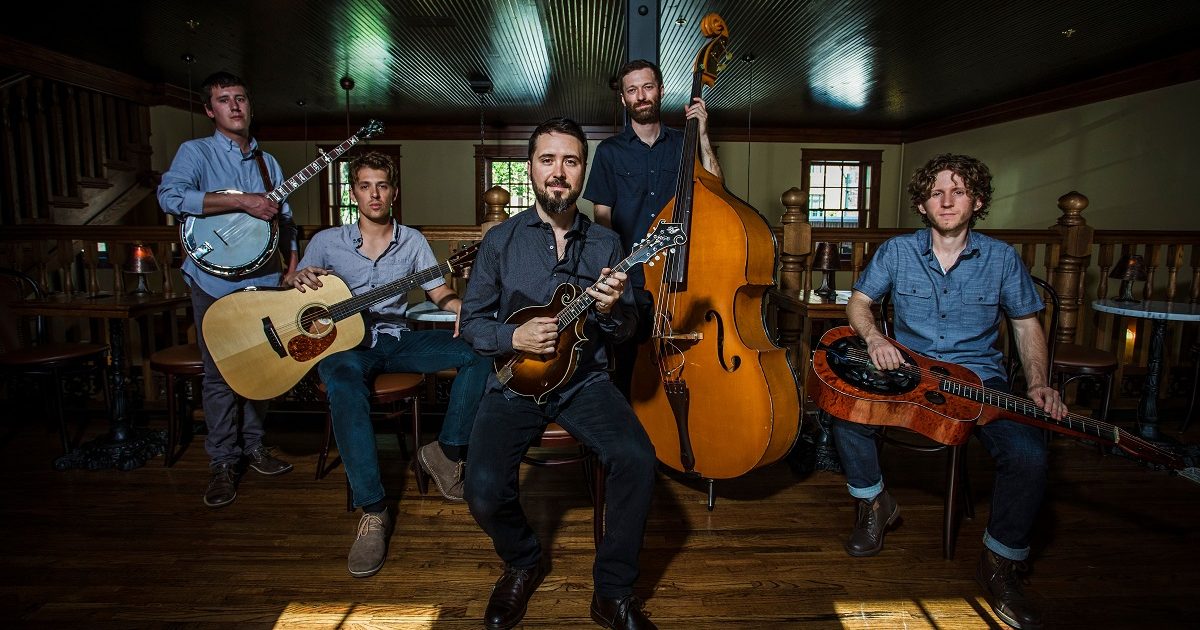
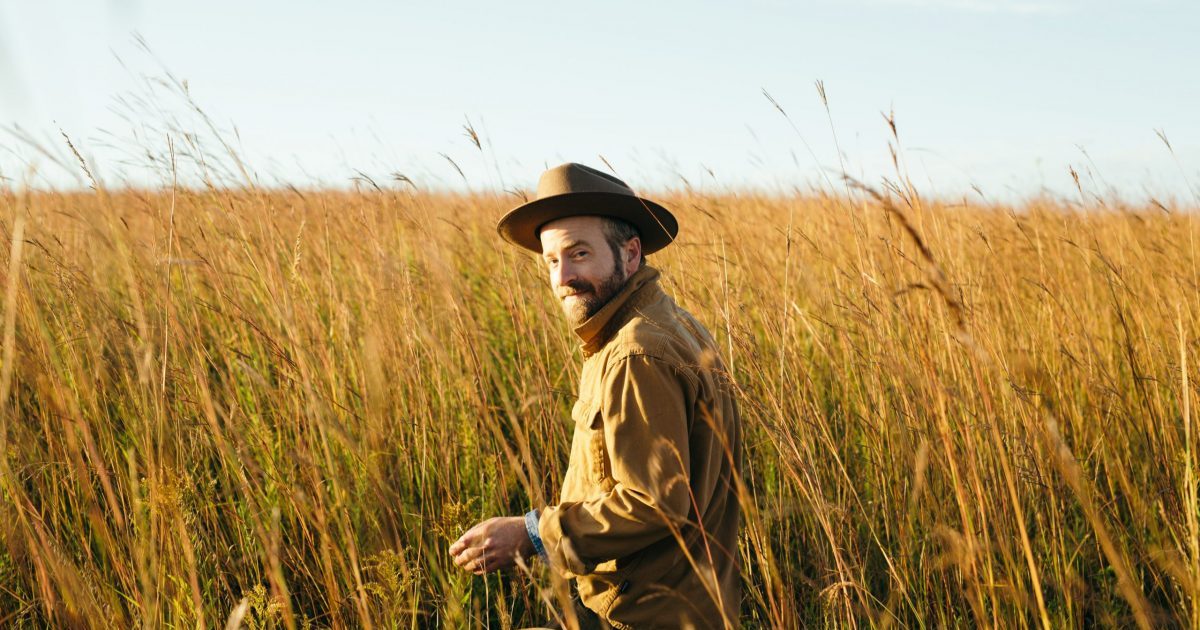
Dave Simonett has proven himself to be a man no genre can hold. Some days the Minnesota-based singer/songwriter is fronting prominent Duluth string band, Trampled by Turtles. Some days he’s playing with a full rock band behind him as Dead Man Winter. Now his latest project comes in the form of his first full-length solo album, Red Tail. In a phone conversation with BGS, he discussed his freedom from expectations, the project’s emotional clarity, his love of musical diversity, and more.

BGS: Tell me about making this album. What’s memorable or special about it for you?

DS: Well, I started out just making it by myself. That was kind of what I had in mind for the whole thing, initially. I have a studio in Minneapolis and I was working there. I recorded pretty much all of the songs that ended up being on the record and thought I was done, but at the end of that process I thought I’d like to expand a few of them with some other players.

So I ended up going down to Pachyderm Studios outside of Minneapolis with a small band and re-recorded about half of it down there. Still used some of the stuff from my studio, some from Pachyderm, and just kind of smashed it together. This happens to me pretty often. I’ll have what I think is a concrete idea of what I want to do at the beginning of a project, and then it evolves from there. I’ve learned over the years to let that process happen.

You mention that Red Tail benefited from a freedom from expectations because you recorded it without really knowing if anyone would ever hear it. How do you think that freedom helped flavor the album?

I do think there’s a freedom to that and I think it’s the first time I’ve ever done that. Normally when I started to record anything there was an end product in mind: “We’re going to go make a Trampled by Turtles record,” or something like that. That carries with it a certain amount of pressure, which this didn’t really have. I just had these songs and I wanted to record them. I didn’t know what it would be, I just wanted to record them. So I had a little bit of time on my own doing it, and then I thought, “Well, let’s see what they sound like with the other people and a little bit of time in the studio.”

The whole time I was thinking, “You know, this could be something or not. Maybe this is just demos for another band.” But as the process went on, it started to fuse together into something that felt like a record to me. It ended up being a really easy and natural feeling, and that came from the thought process at the outset when I thought, “This doesn’t have to be anything.” I didn’t have a deadline. I didn’t have anything like that. It was really open, and in a weird way it took away a lot of stress.

From the point that you realized this album was something that you’d be releasing, did the songs change in any way from an arrangement or textural standpoint?

Yeah, definitely. Both of those. They even changed from a lyrical standpoint, and I think that a lot of times when I’m working on a record it will do that throughout the process. It’s something as simple as adding some different people in there. That in and of itself just changes it so much.

We recorded everything pretty much live, which is how I generally like to work, so there wasn’t a whole lot of forward thinking in that way. It was more like, let’s get these guys in a room and see what happens when they play the song however they feel like it. And then maybe a couple little adjustments, but that was really all of the arranging we did. Just the fact that there were other people contributing stuff from their own creativity was enough to change it quite a bit.

You say that recording this album was the best you’ve ever felt in your personal life while recording. Do you think that helped give you the clarity to better examine some of the darker subject matter on the album?

Yeah, and I generally get the same vibe from other writers that I’ve talked to. I think that maybe depression, or hard times in general, get a little bit romanticized in music. It might be like the whole Townes Van Zandt myth or something like that; that you have to be super messed up to write music. In my life, in periods where I’ve been like that, I can’t make anything. I feel like creativity and the drive to go make something are at their peak when I’m feeling good.

I think that’s a pretty simple equation when you think about it. Sometimes it’s hard to get out of bed, let alone go to a studio and write all day, along with all of the stuff that goes into making a record. I do think that “clarity” is a good way to put it. Everybody has rough patches in their life. Being at a point to look at some of those and examine them, I think the best way to do that is from a different place. For me it is.

A healthy mindset keeps you from being sucked down an emotional rabbit hole that can end up impacting the entire album and recording process.

Yeah, that’s a good point. You can look at it and almost have a sense of humor about it instead of taking it, and yourself, too seriously in that subject matter.

You talk a lot about how special it is when the listener can apply a song to their own life. At the same time, this is your solo album and sort of a vulnerable look into your life. How do you write in a way that’s specific enough for these songs to mean something to you, but also broad enough that any listener can apply it to their own lives?

I have no idea. [Laughs] I don’t think it’s very intentional. I feel like most of the time I’ll just write, and once in a while I’ll see a line and recognize that from some experience in my life. Instead of thinking about an experience and writing towards that, I just write and then I can look back on it and say, “Oh, I know what that was about.” Most of my work has been that way. It starts like that for me. It starts kind of ambiguous.

It all comes from inside. All the stuff that’s jumbled up in my brain comes out as this, so it’s by its own nature personal. I’ve never really been good at writing stories about things that didn’t happen to me. Some other people are really good at that, but I can’t do that. It all comes from me, but very rarely does it get very specific, and I think that’s just my general style. Maybe a comfort level thing.

“There’s a Lifeline Deep in the Night Sky” strikes me as one of the purest representations of the community and fellowship that surrounds roots music. For somebody who may not know anything about this music, what would you want them to know about the community that surrounds it?

I don’t know if I can think of anything that specifically applies to roots music. This might be a roundabout way to say it, but when I started playing music in Duluth with Trampled, and a couple other bands before that, the music community was really tight. It was also really diverse. There wasn’t another string band in that town. The scene was small and creative enough to sort of only allow for one or two bands who sounded similar, and then nobody else would want to start something like that because it’s already being done. So my sense of musical community comes more from the diversity of the scene.

[Trampled by Turtles] didn’t really start out in an Americana scene. We’ve grown in that world since then, but I think community applies to music in general. I think a lot of people divide stuff up into genres a little too harshly. The people who came down and sang with me on “There’s a Lifeline Deep in the Night Sky” were just a gathering of people who happened to be at the studio. These were people, a lot of them musicians and a lot of them not, who were from all over the place musically. It was more like, let’s all get in a room together and sing a song. I feel like you could probably find that in hip-hop, metal, or anywhere. I hope so, anyway.

I felt really lucky to grow up musically in Duluth in the early 2000s. Every show we played would be with two or three bands. It would be us and a punk band, a hip-hop band, a straight-up rock ‘n’ roll band, but we were all friends. It was celebrated that we were all different from each other, and that’s why we were all doing this together. That’s one of my favorite things about local music scenes across the country. Finding that stuff. You’re right, we do have a great roots and Americana scene around here in the Midwest, but there’s great everything. When people get too caught up in one thing it can get a little poisonous. I feel like music itself brings communities together.

Recording a song like “There’s a Lifeline Deep in the Night Sky,” we recorded it with one microphone onto a cassette player. It was about as informal and unrehearsed as it gets. It was just fun. Nowadays, especially with the modern recording process, it’s easy to make a perfect song. You can make the tempo perfect, the pitch perfect, and everything. Still nothing compares to getting a bunch of people in a room and playing a song live. Embracing the little imperfections that happen as part of the uniqueness of the recording.
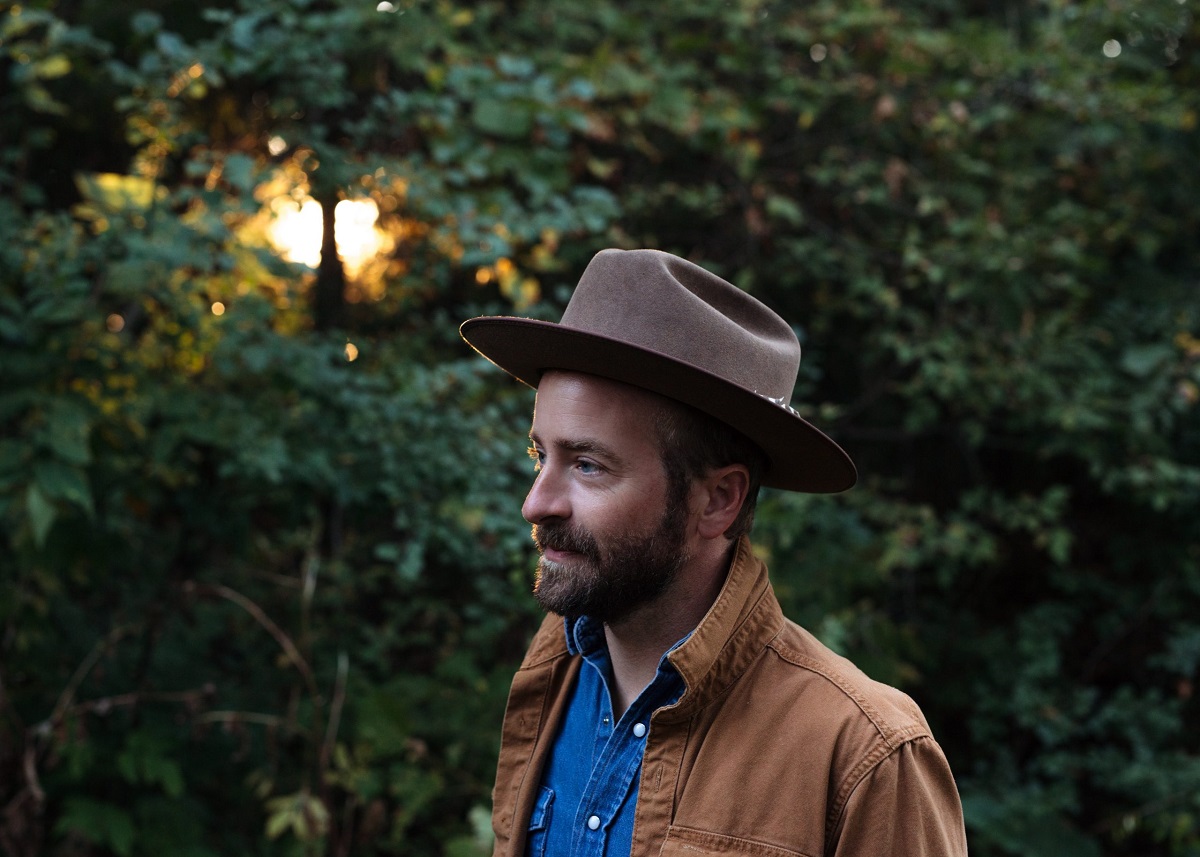
Playing with punk bands and metal bands, how does coming from a place like Duluth impact your scope? Does coming from a scene with so many different types of music open your borders and give you some freedom to explore new ideas?

Absolutely. If nothing else, it helped me get out of my own head. If I wanted to go see some live music I would see so many different kinds of music. It wasn’t like it is in some places, where I could go see a folk act every night. I can’t go see a bluegrass band every night in Duluth. It forced me, and hopefully a lot of other people, to celebrate all these different bands.

To me, the genre doesn’t matter at all. A song could be on a banjo or a laptop, but if the song connects with me then I’m into it. I don’t really give a shit which instruments are played. It’s about the song, or if you can see some kind of art in the performance that you really connect to. To me, that’s the most important part. That’s what I want to celebrate. When I record, this is how I like to do it, but that doesn’t mean I don’t want to go see Atmosphere some time. Just because I can’t play that music myself doesn’t mean I don’t love it.

I try to be honest with myself in the recording process, where if something comes up that I want to try I’ll give it a shot. Sometimes it works and sometimes it doesn’t. But to your question, I really am thankful for that diversity in my music growing up. That’s helped me keep an open mind. I feel like the older people get, and the older I get, it’s even more important to keep your mind open.


Photos: Zoe Prinds
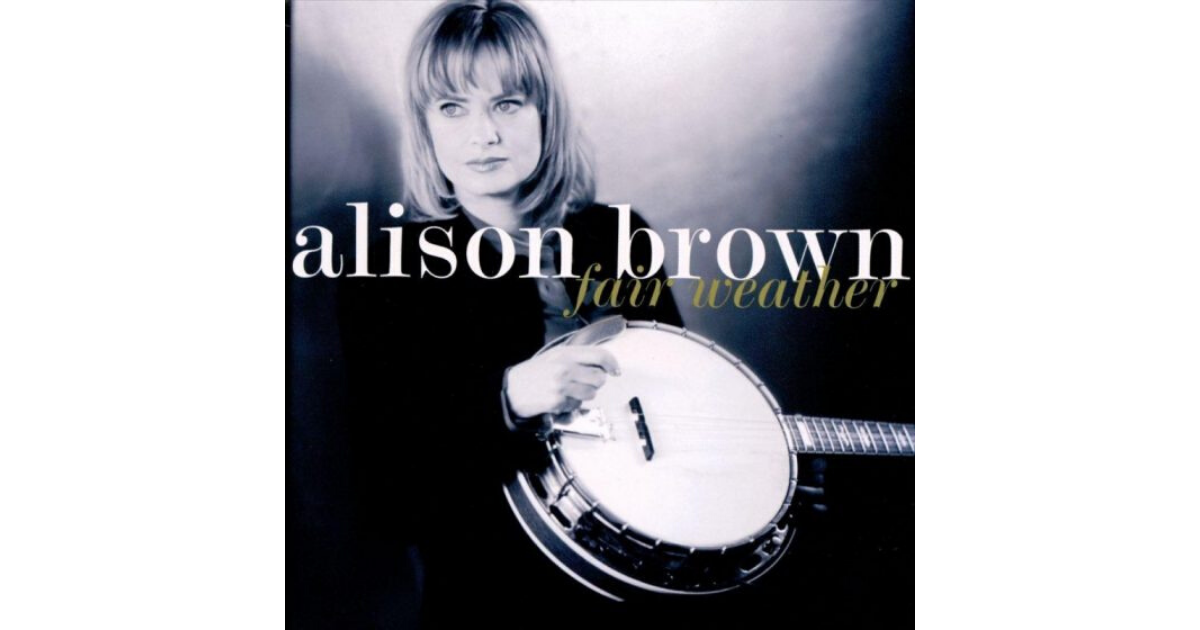
Alison Brown, “Poe’s Pickin’ Party”

Watching the movement for equity and inclusion in roots music grow and expand over the last decade or so, especially in the last few years, has been particularly gratifying in bluegrass. As a community, bluegrass is often stereotyped as backwards, hillbilly, conservative, evangelical, and so on. As the genre becomes more representative, and as musicians, artists, and scholars unpack the factors that have led to this cause gaming steam, it’s essential that we give credit where it’s due. Namely, to women.

Pickers like Alison Brown, truly one of the most adept and creative banjo players alive today — and holder of an MBA from Harvard — and women who went before her carved the paths by which so many other underrepresented or categorically excluded folks have found places for themselves in this music. Women, having much less to lose in bluegrass (by having much less access to gains in bluegrass), could actively advocate for inclusion in ways many men in the same spaces had never considered. Infrastructure and communities fashioned by these women exist still today, providing a point of coalescence around which these more broader, zoomed out missions can gather.

“Poe’s Pickin’ Party,” an instrumental penned by Brown, seems the perfect tune by which to tie together this legacy with Women’s History Month and Tunesday Tuesday. The bouncy, hornpipe-y number is a playful jab at an actual pickin’ party of the same name, which Brown stumbled upon advertised in a now vintage volume of Bluegrass Unlimited. In the ad, women were welcomed to attend Poe’s party, but not participate. It’s a humorous story, when told on stage to introduce the piece, but also a pointed reminder that active, overt exclusion of women in bluegrass happened so very recently (and persists today) and we have plenty of work to do in order to include so many others in this life-altering, enriching genre.

Louisa Branscomb: The Songwriter Still Chasing Sunshine Round the Bend

You may not recognize her voice, but you’ve heard her songs.

Louisa Branscomb wrote “Steel Rails,” the song that helped launch Alison Krauss’ career and inspired a new generation of young women to sing bluegrass. She is a talented singer and instrumentalist, with a dozen albums to her name. Yet it’s as a songwriter that she’s had the most influence, both in the industry and among individuals who benefit from her guidance and unique approach to writing.

In Louisa’s words, “The most powerful tool we have to move people, and bring people together, is music. And songwriting is where music begins. The most important skill a songwriter has is not craft or rhyme — it’s empathy, to connect deeply with one’s own soul and to connect to others. Two verses and a little soul can change lives, and when life is changed, the song keeps on going, crossing frontiers in ways we can only imagine.”

Louisa has been writing poetry and stories since she could first hold a pencil. At age 11, she won a composition contest, gaining her a stage performance with the Birmingham Symphony. By the time she finished college, she had written 400 songs and attracted the attention of country star Mel Tillis. He suggested she move to Nashville to work as a songwriter.

But, she told Bluegrass Today, she hated hairspray and couldn’t see herself fitting in with all that 1970s “big hair” in the country music world. Plus, she was “painfully shy.” So, she chose bluegrass over Nashville. In 1971, she played guitar and sang with Bluegrass Liberation, which Murphy Hicks Henry calls “the first modern all-female bluegrass band.” She was one of the earliest women to lead a mixed gender band after switching to banjo. Her band Boot Hill performed her originals, including “Blue Ridge Memories,” a hit in Japan.

Through 1980, Louisa played up to 250 gigs a year. Then a doctorate in psychology, a farm, a passion to teach and later, a daughter, kept her closer to home. She has since become one of the bluegrass industry’s principal advocates for songwriters, a valued mentor and an important contributor to the bluegrass repertoire, having received countless songwriting awards and nominations.

Louisa is as well-known as a teacher as she is for her own writing. She uses her fascination with psychology and her immense compassion to help others express their experiences in words and music. She has founded a number of teaching programs, including the Woodsong Farm Retreat for songwriters on her Georgia farm. Several programs engage elementary school students and foster children. And she has mentored more than a thousand hopeful songwriters.

“Dear Sister,” co-written with Claire Lynch, won Louisa the 2014 IBMA Song of the Year Award. Some of the biggest names in bluegrass have recorded her music. John Denver sang “Steel Rails” on his final album, earning the song’s second Grammy nomination.

A stunning selection of bluegrass musicians joined Louisa for her 2019 album, Gonna Love Anyway. Nearly 50 years after she wrote her most noted song, she recorded a new version of “Steel Rails” on the album. In a tribute to both the enduring appeal of that song and Louisa’s ongoing creativity, Gonna Love Anyway reached #1 on both the bluegrass and folk charts.


Photo courtesy of louisabranscomb.com

WATCH: Saro Lynch-Thomason & Sam Gleaves, “1920”

Artist: Saro Lynch-Thomason & Sam Gleaves
Hometown: Asheville, North Carolina
Song: “1920”
Album: I Have Known Women
Release Date: May 1, 2020
Label: Strictly Country Records

In Their Words: “This song was written to keep us mindful of the strong herstory of resisting oppression in the U.S. and to celebrate the centennial of the ratification of the 19th amendment. As this song states, ‘So much has changed. So much remains.’ There is much more work to be done before all U.S. residents are welcomed to participate in the democratic process. We hope that this song will serve as a reminder of the many generations of inspiring women who have brought us to this point in time, and inspire those in the present to keep fighting for justice and representation.” — Saro-Lynch Thomason and Sam Gleaves


Photo credit: Ben Bateson

BGS Long Reads of the Week // March 20

If you’ve got the time, we’ve got the reading material! Our brand new #longreadoftheday series looks back into the BGS archives for some of our favorite reporting, videos, interviews, and more — featured every day throughout the week. You can follow along on social media [on Facebook, Twitter, and Instagram] and right here, where we’ll wrap up each week’s stories in one place. 

Check out our long reads of the week:

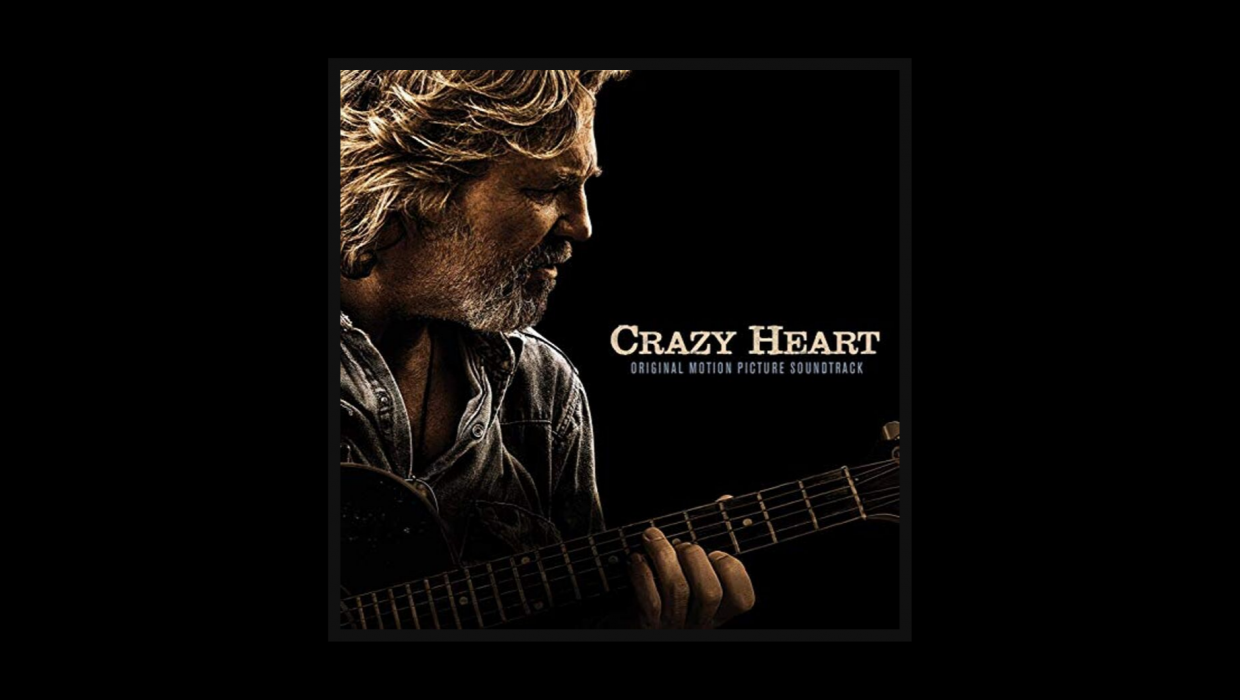
Ten Years After Crazy Heart, Ryan Bingham Comes Around to “The Weary Kind”

For our Roots On Screen series we revisited the 2009 film Crazy Heart and one iconic song from its soundtrack, “The Weary Kind.” We spoke to writer Ryan Bingham in September 2019 about the Oscar Award-winning song and how it took him ten years to find the solace Jeff Bridges’ character Bad Blake finds in the piece. [Read more]


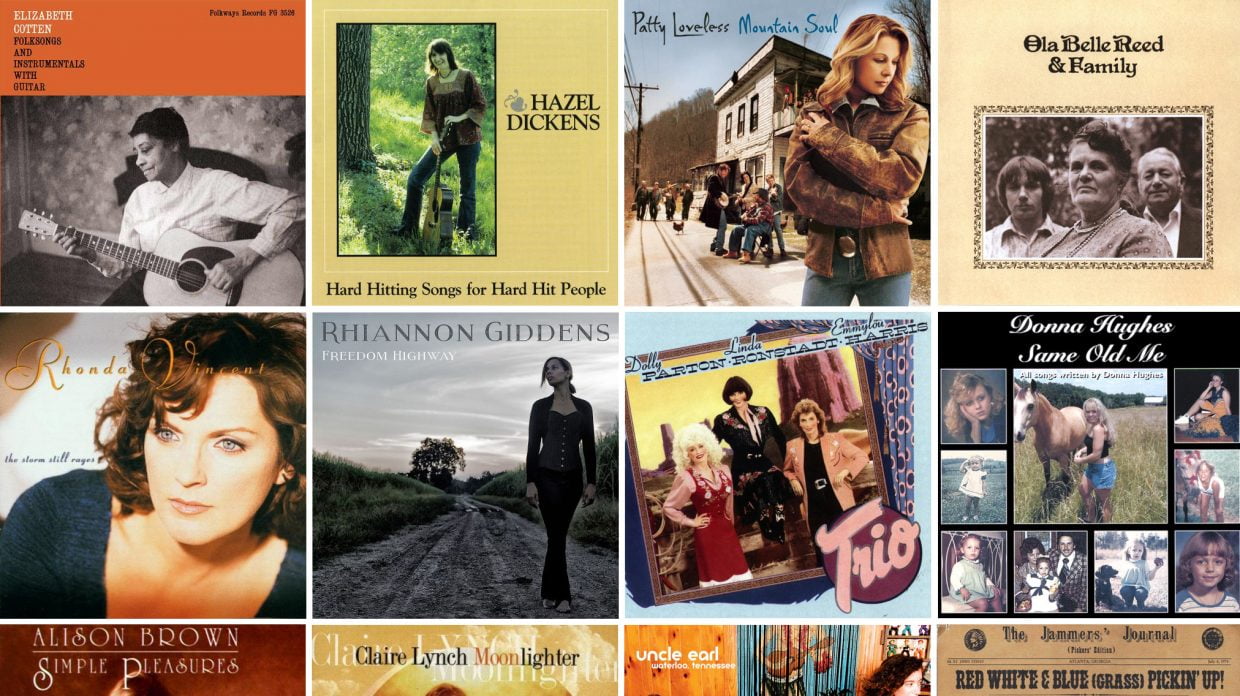
The 50 Greatest Bluegrass Albums Made by Women

Bluegrass Albums Made by Women

It is Women’s History Month, after all, so it’s worth spending some time with this collection of amazing albums made by women in bluegrass. This piece, inspired by NPR Music’s Turning the Tables series, is a list of albums chosen by artists, musicians, and writers simply because they were impactful, incredible, and made by women. [See the list]


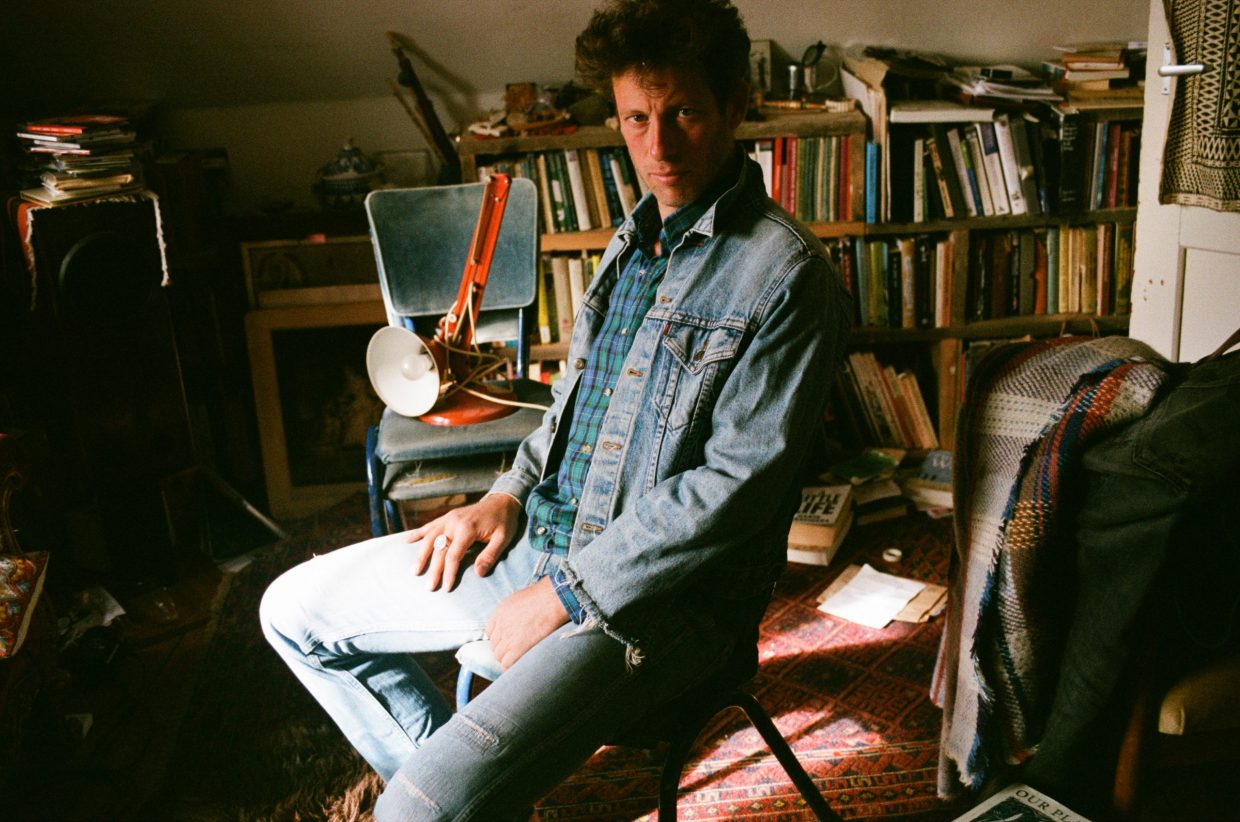
Sam Lee’s Garden Grows Songs and Fights Climate Change

Sam Lee, wearing denim, sits in a cluttered room in front of a bookshelf

An appropriate topic for times such as these, folk singer Sam Lee utilizes re-imagined and rearranged ancient folk songs in modern contexts to advocate for social justice and fight the climate crisis. Beyond that very important mission statement, though, the songs are lush, verdant, and beautifully intuitive to digest and interact with. [Read the interview]


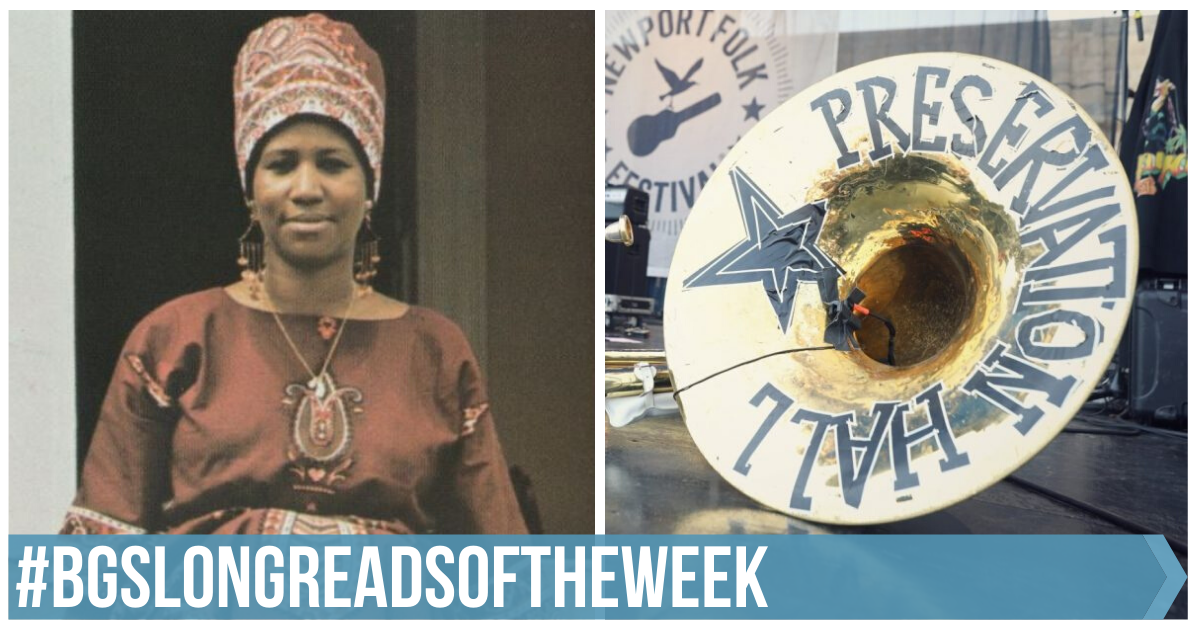
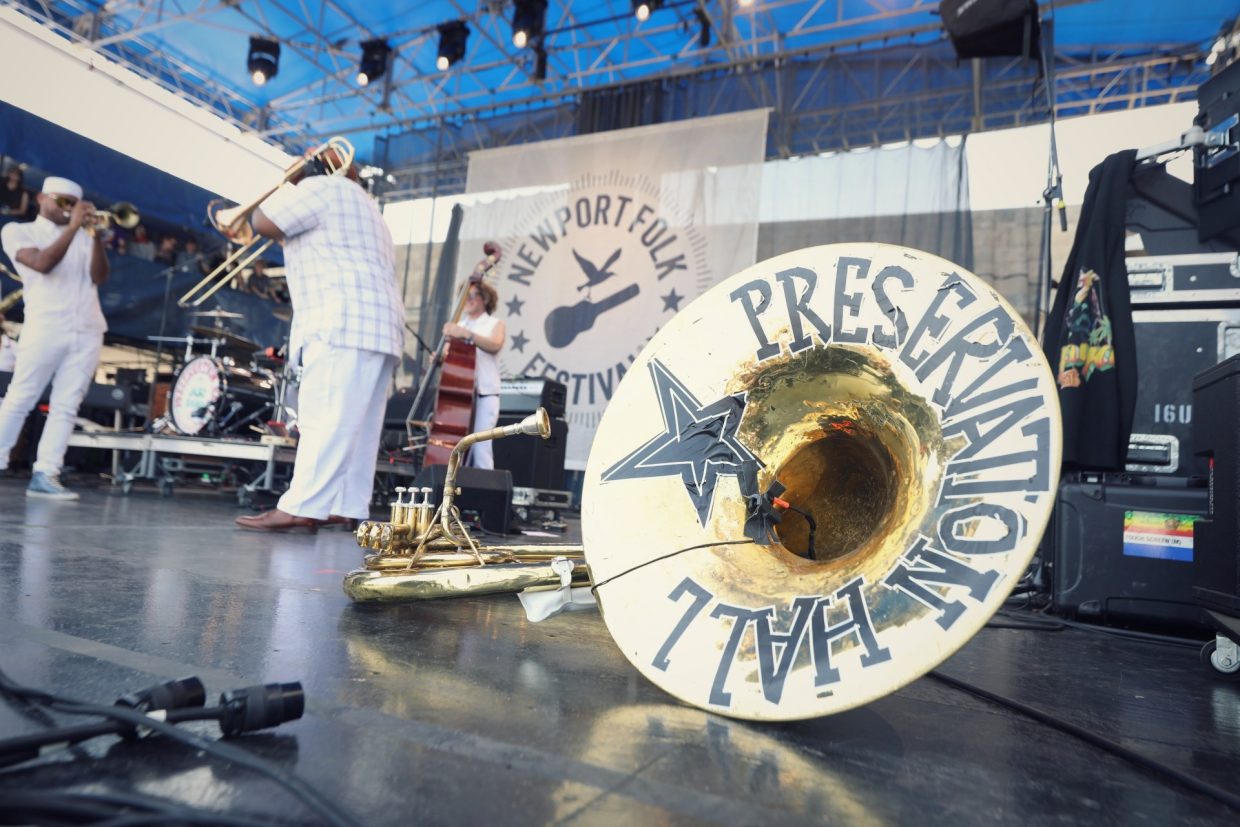
Preservation Hall: Honoring Time’s Tradition

Given that so many of us have had to cancel travel, postpone tours, reschedule vacations and so much more, why don’t we take a long read trip to New Orleans and visit a venerable, undying source of the best in American (roots) musical traditions, Preservation Hall. Since the early 1960s Preservation Hall and the Preservation Hall Jazz Band have cultivated and spread New Orleans brass band jazz around the world — even collaborating with bluegrass greats like the Del McCoury Band. [Read more]


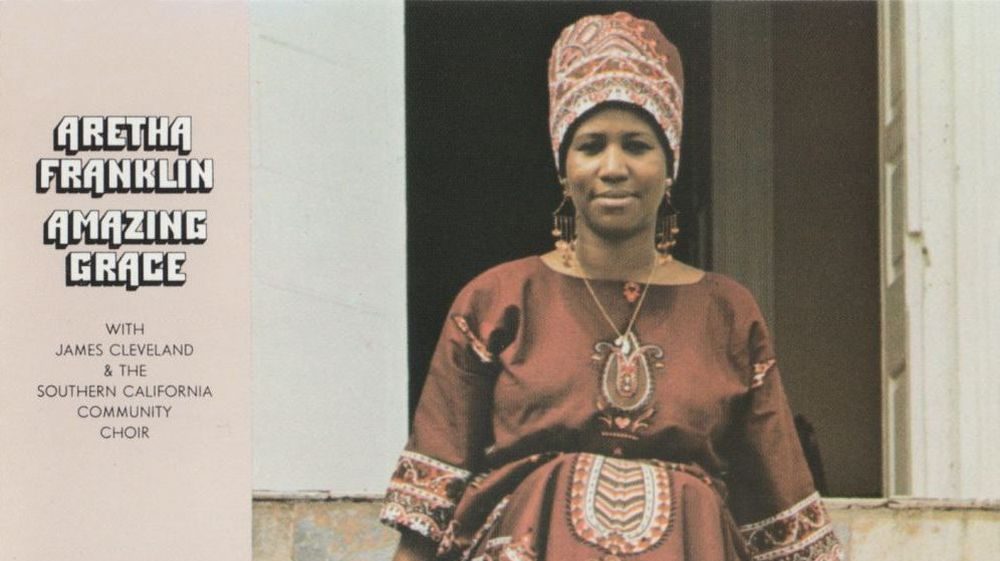
Canon Fodder: Aretha Franklin, ‘Amazing Grace’

We all need more Aretha in our lives — and in our ears! — and we all need a little more grace, too. To wrap up the week, we revisit our Canon Fodder series, which takes iconic records and songs and unspools their intricacies, their idiosyncrasies, and their impacts across decades and generations. Amazing Grace was Franklin’s best-selling album, and the best-selling Black gospel album ever recorded. It certainly deserves the “deep dive” treatment. [Read more]


Sierra Hull Seizes the Moment in ‘25 Trips’

Sierra Hull has a well-established reputation as one of the most talented mandolin players and multi-instrumentalists of her generation, and her gripping new album, 25 Trips, is a look at her life as a musician in her mid-twenties.

The lyrics examine the changes she’s experienced in the past few years, such as getting married or watching loved ones age, as well as the attempt to process these changes in real-time. Meanwhile, she reflects the experimentation of her live show with electric guitar, drums, and synths — instruments not commonly associated with someone who’s won three awards for IBMA Mandolin Player of the Year, which she won consecutively after her most recent prior album, 2016’s Weighted Mind.

“What ultimately ended up being really fun about making this record is that it embraces the things that I like about creating music from multiple angles,” she says of 25 Trips. For the first time Hull enlisted producer Shani Gandhi, who helped shape the album’s diverse production styles — from stripped down tracks with just guitar and vocals, to familiar bluegrass arrangements, to songs with fuller production than those found on her first four albums.

Just before beginning her most recent tour, she spoke to BGS by phone from her home in Tennessee.

BGS: Your albums have often showcased a wide range of influences, but this feels a little different sonically. The electric guitars, drums, and arrangements create a really nice ambience for the material. Was it something you planned from the beginning? Or did those choices reveal themselves over the process of recording?

Hull: I think a little bit of both. Part of my choice to use Shani Gandhi as the engineer and co-producer was that I wanted to have a partner in making this record that would be able to help me achieve some of the things I wanted to do sonically. I knew that I wanted to use the studio a little bit more this time around. My past projects were recorded and presented in a way that I could go out and play the exact same thing live. I didn’t want to worry about that this time around.

I just wanted to make a record and be open to experimenting in the studio more and being able to play multiple instruments myself and layer harmonies and do things like that that, you know, I can’t go out and do live. I can’t play three instruments on a song live. I can’t have four of my voices going. But in the studio, that’s part of the fun. So some of it was planned, in that I thought Shani would be a great person to work with for the kind of experimenting in the studio.

We definitely didn’t go into making this record knowing exactly what it was going to be from the beginning. When we first recorded songs like “Escape,” there were no drums at all. And then we decided to add them at the end and it changed the vibe in a way that I really loved. We did try to be deliberate about things though because adding something like drums can really take something to a different place.

I do feel like we were very cautious about the way in which we presented them alongside the songs that didn’t have drums, because I didn’t want that on everything. We definitely felt like some of the songs could be lifted to a different place that would be really rewarding with that element. But, you know, something like “25 Trips,” adding drums to that, we really went back and forth on like what the vibe of that should be.

Did making this record feel different than your previous records?

Yes, this is the first time with, well, a couple of different things. This was my first time co-producing with a peer, with Shani, you know, someone so close to my own age, but also working alongside a woman. In general, the whole experience felt quite different than the making of my previous albums just based on that. All the people that I’ve worked with on my previous albums have been really wonderful people to work with and have always really respected what I’m trying to say and accomplished as an artist. But in this case, it really felt like there was more room to take the reins in a different way, which is also a little bit scarier.

When you’re working alongside somebody like Béla [Fleck, who produced Weighted Mind] there’s a comfort in knowing, “Cool, Béla likes this, so let’s do that.” There’s a confidence in being able to rely on somebody that you have that kind of respect for. And Shani and I had equal respect for one another. But it also felt like we weren’t leaning on some iconic person to give us the thumbs up, you know what I mean?

There is a certain amount of trusting yourself and trusting your own instincts, which takes a little extra confidence to do. And that’s kind of scary but there was a freedom in that, too. With Shani, I know she’s got amazing ears and I know that we seem to work really great together. So I had to trust my instincts a little more. The whole experience was just really fun and pretty laid-back in a way that I really loved.

How did you end up deciding to work with Shani?

I had been considering a lot of different people but the more I started thinking about it the easier it was to make that decision because it felt like we connected so much from the beginning and she’s such a great personality in addition to just being a great engineer. I knew it would be a fun atmosphere to make a record in and that’s important when you’re trying to take on something that is a lot of work.

Plus, it felt like it would be a different experience to actually work with a young woman who is totally awesome at what she does. There was something really exciting about that. I’ve had wonderful experiences making all of my records but the female hang is just different.

One theme of this record seems to be the idea of time passing. Was that part of the inspiration for the album?

I think most people can relate to the feeling of time passing quickly. When you think, “Wow, this is an amazing moment! I really want to be able to enjoy this.” A song like “25 Trips” is kind of about that and that feeling of, “If I blink, I’m gonna miss this and I don’t want that to happen. I want to be in the moment and be present and really enjoy it.” But a song like “Less” relates more to the feeling during the times where you’re going through a particularly frustrating moment and you’re kind of looking ahead to whatever’s next.

As a mandolin player myself, I was naturally drawn to the great mandolin playing on this record. But I think these songs do a great job of highlighting your talents as an instrumentalist, a vocalist, and a songwriter. Was that balance deliberate or just a natural expression of your musical identity?

I love being an instrumentalist and it’s a huge part of who I am as a musician, but singing and songwriting has really been at the forefront of what I’ve connected to a lot in recent years as an artist. When I think about going in and making my own albums, I’m not really trying to put in a sort of virtuosic musicianship at the forefront of it. I’m just trying to play songs that I feel connected to, and figure out how can we present those in a way that really feels like it’s about embodying all the things that I am as an artist.

Sometimes that might be something really simple like “Ceiling to the Floor” or “Everybody’s Talking.” I think, from a songwriting perspective, because I like to write both instrumental music and lyrics, sometimes those two things collide. A natural balance occurs sometimes. But I don’t think there is a deliberate balance while writing the song. I’m always just trying to honor the song and play what seems appropriate.

However, I wrote a bunch more songs than what we ended up being able to put on this record. So the more deliberate balancing came from taking all the songs I’ve written over the past few years and trying to put together a collection that hopefully shines light on all those different facets of who I am musically.


Photo credit: Gina Binkley

Ricky Skaggs – Toy Heart: A Podcast About Bluegrass

Bluegrass legend and Country Music Hall of Famer Ricky Skaggs talks to TOY HEART host Tom Power about what it was like to grow up as a child prodigy, the real story of how he got pulled on stage by Bill Monroe, how meeting Keith Whitley changed his life forever — and the last time they ever spoke. Plus, a never before told story of how Bill Monroe thought Ricky would make a “fine Blue Grass Boy.”

Listen: APPLE MUSIC • STITCHER • SPOTIFY • MP3

It’s the story of Ricky Skaggs… but the one that you may not expect. Skaggs is a notable entry point to bluegrass for many listeners and fans — like our first guest, Del McCoury is as well. Though his story is familiar: From playing the Grand Ole Opry as a tot, joining Ralph Stanley’s Clinch Mountain Boys, and going on to perform and record with J.D. Crowe and the New South, to his own smashing success in mainstream country and eventual return to his now dynastic bluegrass career. Still, Tom Power displays Skaggs in a fresh light, with stories from and impressions of the icon that even veteran fans will find refreshing and illuminating.

Subscribe to TOY HEART: A Podcast About Bluegrass wherever you get your podcasts. New episodes drop every other Thursday through May.

LISTEN: Fireside Collective, “Bring It on Home”

Artist: Fireside Collective
Hometown: Asheville, North Carolina
Song: “Bring It On Home”
Album: Elements
Release Date: March 20, 2020
Label: Mountain Home Music Company

In Their Words: “We love all genres, especially funk. Getting to show that side of our band is always fun and a nice break from bluegrass, which we also love. Carson and Jesse worked a lot on getting the bass line as groovy as possible and I think they succeeded in making this one extra funky!” — Tommy Maher, dobro

“‘Bring It On Home’ is a great example of what can be done with bluegrass instruments outside of the bluegrass groove. The song begins with a unison riff before branching out into a funky groove with tight harmonies and tasty fills and solos to match. While it doesn’t land in the bluegrass groove, this song is a great example of where the genre is heading.” — Alex Genova, banjo


Photo credit: Heather Hambor

WATCH: High Fidelity, “The South Bound Train”

Artist: High Fidelity
Hometown: Nashville, Tennessee
Song: “The South Bound Train”
Album: Banjo Player’s Blues
Release Date: June 12, 2020
Label: Rebel Records

In Their Words: “Everything about ‘The South Bound Train’ just screamed High Fidelity to me, including the fact that it had been all but forgotten in the bluegrass collective consciousness. Jim & Jesse wrote and recorded it during their classic early ’60s era, but it was never released until the 1990s. It was such a strong song, especially with their arrangement, I thought, ‘We can’t not record this!’ Their version is led predominately by the banjo, and given High Fidelity’s love for the banjo, we wanted to put our spin on the song utilizing twin banjos. We have a history for pushing our own limits in this band, and I love the intensity of Jeremy and Kurt [Stephenson] singing and playing banjo at the same time on such an up-tempo number!” — Corrina Rose Logston, High Fidelity

“We had a blast making the video for this one, too. Corrina and I scouted the locations for the shoot with the help of a CSX employee that we met track-side in Northern Davidson County, Tennessee. He pointed us in the direction of an area with high volume and high speed rail-traffic, and that is where we went, finding the two locations that are seen in the video. It was very interesting being poised to shoot not knowing when a train was coming, but it all worked out great. We hope everyone else enjoys the video and the song as much as we did making it!” — Jeremy Stephens, High Fidelity


Photo credit: Amy Richmond

LISTEN: Carolina Blue, “Grown Cold”

Artist: Carolina Blue
Hometown: Brevard, North Carolina
Song: “Grown Cold”
Album: Take Me Back
Release Date: June 19, 2020
Label: Billy Blue Records

In Their Words: “‘Grown Cold’ is the lead single from our forthcoming album, Take Me Back, on Billy Blue Records. I wrote the song specifically for Tim Jones to sing, and boy, does he deliver! What makes this song ideal, in my opinion, is that it’s different from anything that’s out there today, and that was intentional on my part as the songwriter. It really fits our motto of ‘Original yet Traditional.’ As a band, we want the listeners to be able to identify our music the moment that it comes on the radio, and I think we will be successful, not only with ‘Grown Cold,’ but with every track on the album. Hope you all enjoy it!” — Bobby Powell, Carolina Blue


Photo credit: Corey Johnson Studios