Celebrate Black History Month with These 15 Artists

American roots music wouldn’t exist if not for the voices, stories, and musical traditions of Black Americans. Full stop. Celebrating the Black forebears of Americana, bluegrass, country, and string band music, pointing out their importance and their essential contributions to these genres we all know and love today needs to happen year-round, not just February. 

The BGS editorial team believes strongly in this idea, and though readers will be able to find several Black History Month features and articles in the coming weeks, we encourage you all to also take a dive back into our archives for stories that highlight Black creators and artists from all points across the last year. 

Mavis Staples on Live From Here
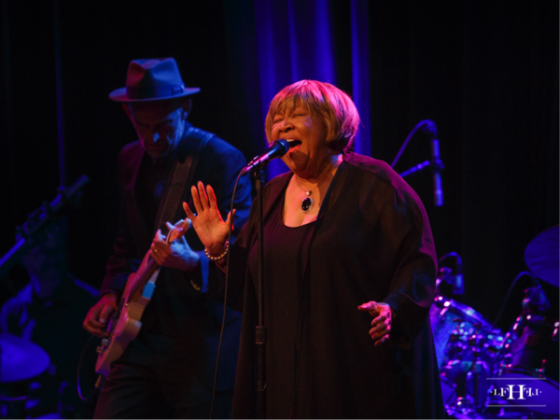
Ceaselessly relevant, Mavis Staples recently gave a keynote presentation at Folk Alliance International in New Orleans where she once again gleefully assured the audience she wouldn’t be done singing ‘til she didn’t have anything else to say. And she has plenty left to say! Watch Mavis Staples on Live From Here with Chris Thile. 


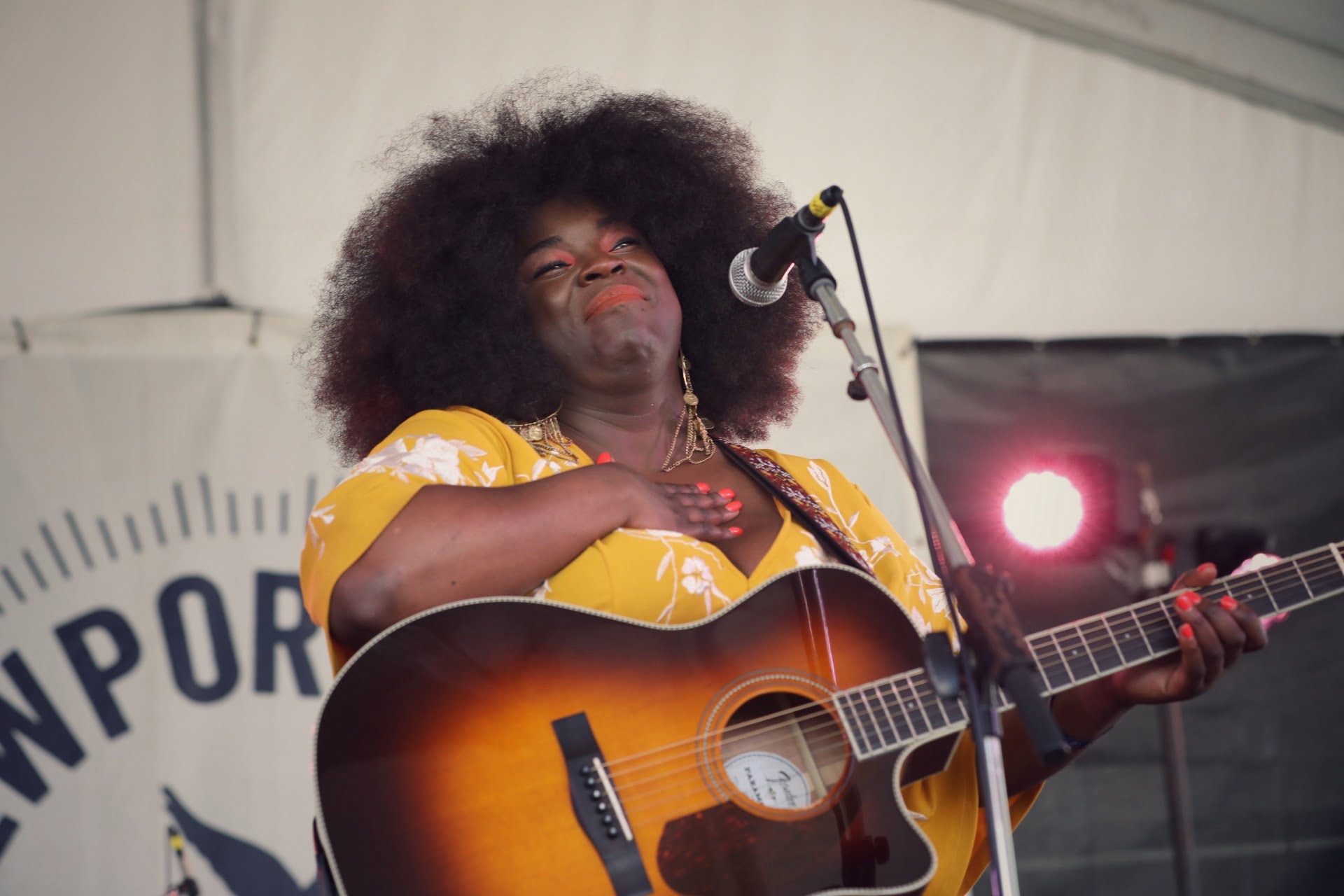
Yola’s Year of Debuts
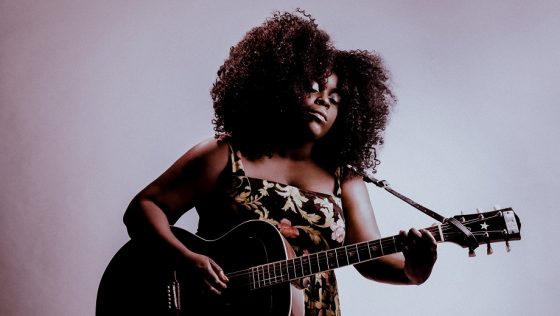
Yola’s debut album, Walk Through Fire, landed on our BGS Class of 2019 lists for Top Albums and Top Songs — and nearly every other year-end list across the industry, too. Naturally she popped up a few times in our pages: In our in-depth interview, when she made her Opry debut, and when she dropped an blazing Elton John cover.


Liz Vice on The Show On The Road

Liz Vice is a Portland born, Brooklyn-based gospel/folk firebrand who is bringing her own vision of social justice and the powerful, playful bounce of soul back to modern religious music. She is following a rich tradition that goes back generations to powerful advocates like Sister Rosetta Tharpe, Sam Cooke, the Staples Singers, the Ward Sisters, Aretha Franklin, and especially Mahalia Jackson, who was the soundtrack to the civil rights movement. Listen to the Liz Vice episode of The Show On The Road.


Brittany Howard, Artist of the Month and More
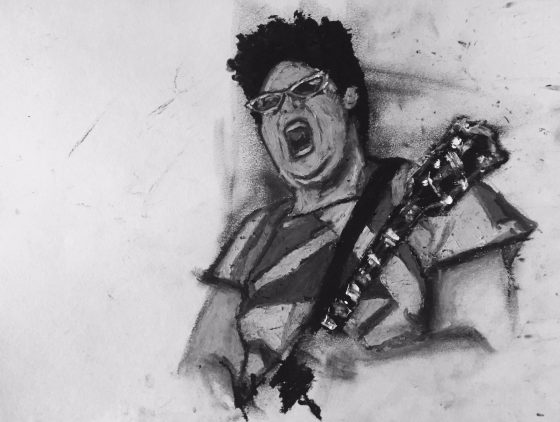
Our November 2019 Artist of the Month stunned in a stripped down duet with Alicia Keys at the Grammy Awards last weekend, her well-earned musical stardom solidified by her debut solo album, Jaime. Our Artist of the Month interview anchored our coverage of Howard’s new music, but her Tiny Desk Concert really captured readers’ attention!


Steep Canyon Rangers with Boyz II Men
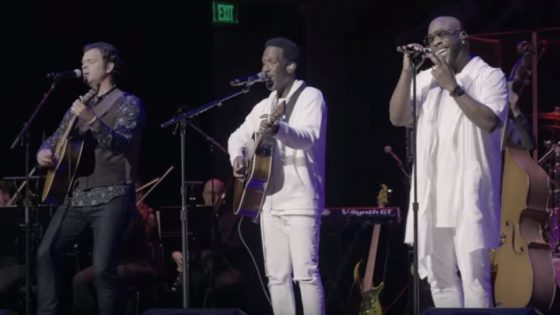
Yes, you read that correctly. A combination none of us knew we needed that now we can never go without. The Asheville Symphony backs up the two groups collaboration on “Be Still Moses,” a moment transcending different musical worlds and genre designations. You can watch that performance here.


Rhiannon Giddens: Booked, Busy, and Blessed
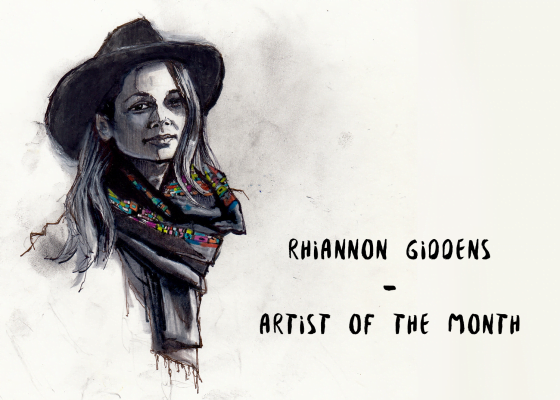
How much can an artist really accomplish in a year? A quick scroll through the BGS halls shows a Grammy-nominated album, being named Artist of the Month, scoring a ballet, playing the Tiny Desk, debuting a supergroup, and oh so much more. We are more than happy trying to keep up with Rhiannon Giddens’ prolificacy.


Ashleigh Shanti on The Shift List
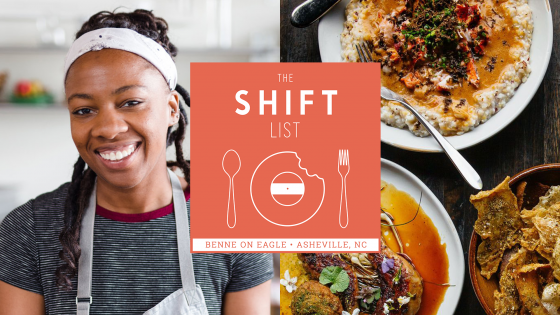
The Shift List is a podcast about chefs, their kitchens, their food, and the music that powers all of it. On an episode from September we interviewed Chef Ashleigh Shanti of Benne on Eagle, an Appalachian soul food restaurant in Asheville, North Carolina. Her Shift List includes Kendrick Lamar, Nina Simone, and more.


Grammy Winners, Ranky Tanky! 
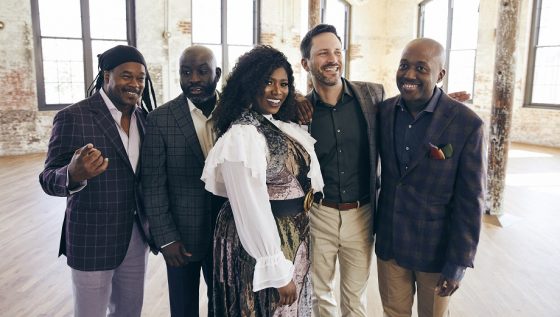
 

We spoke to Ranky Tanky about their album Good Time in August, less than six months before it would win the Grammy for Best Regional Roots Album. If you aren’t familiar with Gullah music, our interview will help you out.


Americana’s Sweethearts, The War and Treaty
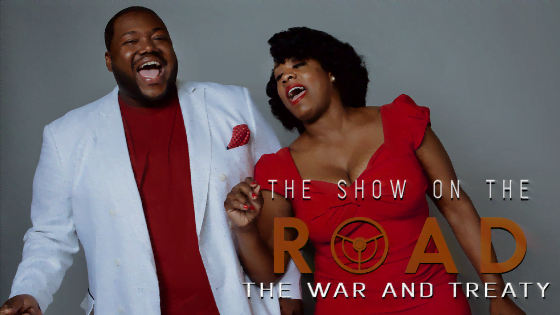
Rapidly-rising folk/soul duo of  husband and wife Michael and Tanya Trotter, The War and Treaty have had a year chocked full of smashing successes. Of course the best way to catch up with them was on the road, so Z. Lupetin set up the mics for an episode of The Show On The Road.


Tui’s Old-time Tunes

Jake Blount, one half of old-time duo Tui with fiddler Libby Weitnauer, is a scholar of Black, Indigenous, and otherwise forgotten, erased, or marginalized American fiddlers in old-time and string band music. His work specifically spotlights the source musicians whenever possible, undoing generations of revisionist history in roots music. Tui’s recording of “Cookhouse Joe” was featured in Tunesday Tuesday.


A Sitch Session with Birds of Chicago
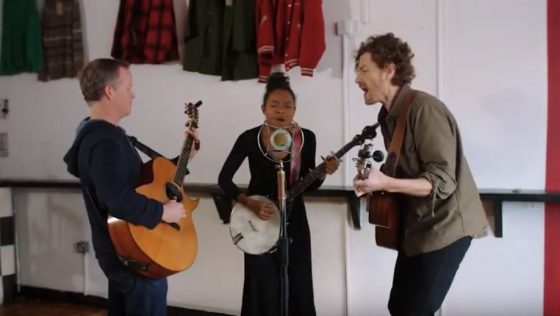
A song with a message well-timed for almost any era, “Try a Little Harder” seems especially perfect for this very moment. Birds of Chicago do an excellent job bringing that message to the world. A suitably stunning Sitch Session.


Dom Flemons Talks Black Cowboys
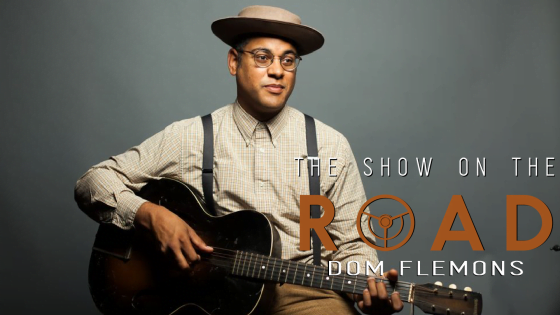
If you haven’t heard Dom Flemons talk about his album, Black Cowboys, and the narratives and traditions that inspired it, this episode of The Show On The Road is essential. The music is captivating on its own, a perfect demonstration of Flemons’ uncanny ability to capture timelessness and raw authenticity, but with his scholarly takes and his depth of knowledge the songs take on even more meaning and power. It’s worth a deep dive — check out our print interview, too.


Gangstagrass Set the Standard
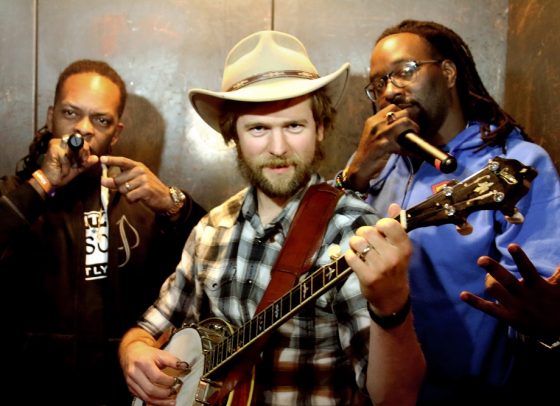
When you read Gangstagrass’s Mixtape of standard setters the parallels that emerge between foundational bluegrass and hip-hop are certainly surprising, but they also make perfect sense. It speaks to the longevity of this boundary-pushing, genre-defying group — that has been setting their own standard as they go.


Jontavious Willis Goes Back to the Country
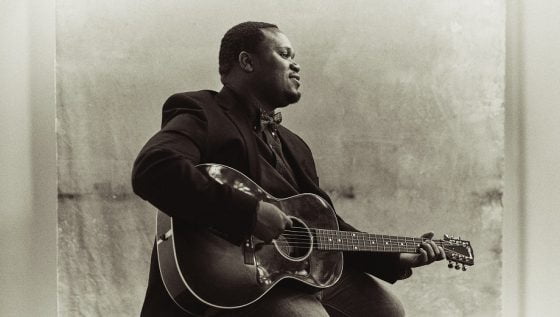
“Take Me to the Country” is Willis’ paean to his homeland: “No matter where I go in the world, I can’t wait to go back to the country,” He told BGS in April of last year. “For me, that special place is a rural southern town in Georgia where I grew up. It’s such a quiet and calm place, and somewhere I crave when I’m far from it.” You can hear that truth woven into the music.


Octogenarian Bluesman, Bobby Rush
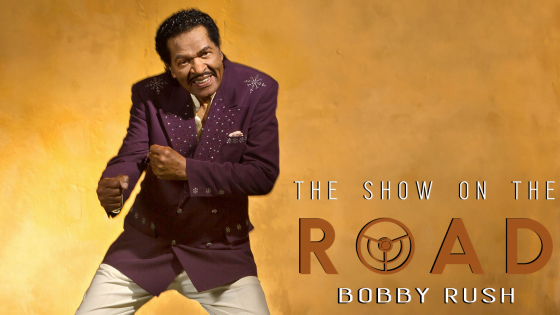
At 85 years old, Bobby Rush has been playing his brand of lovably raunchy, acoustically crunchy, and soulfully rowdy blues for over six decades. After winning his first Grammy at the humble age of 83, he has no plans of slowing down. We caught up with Rush on The Show On The Road.


Photo of Yola: Daniel Jackson 
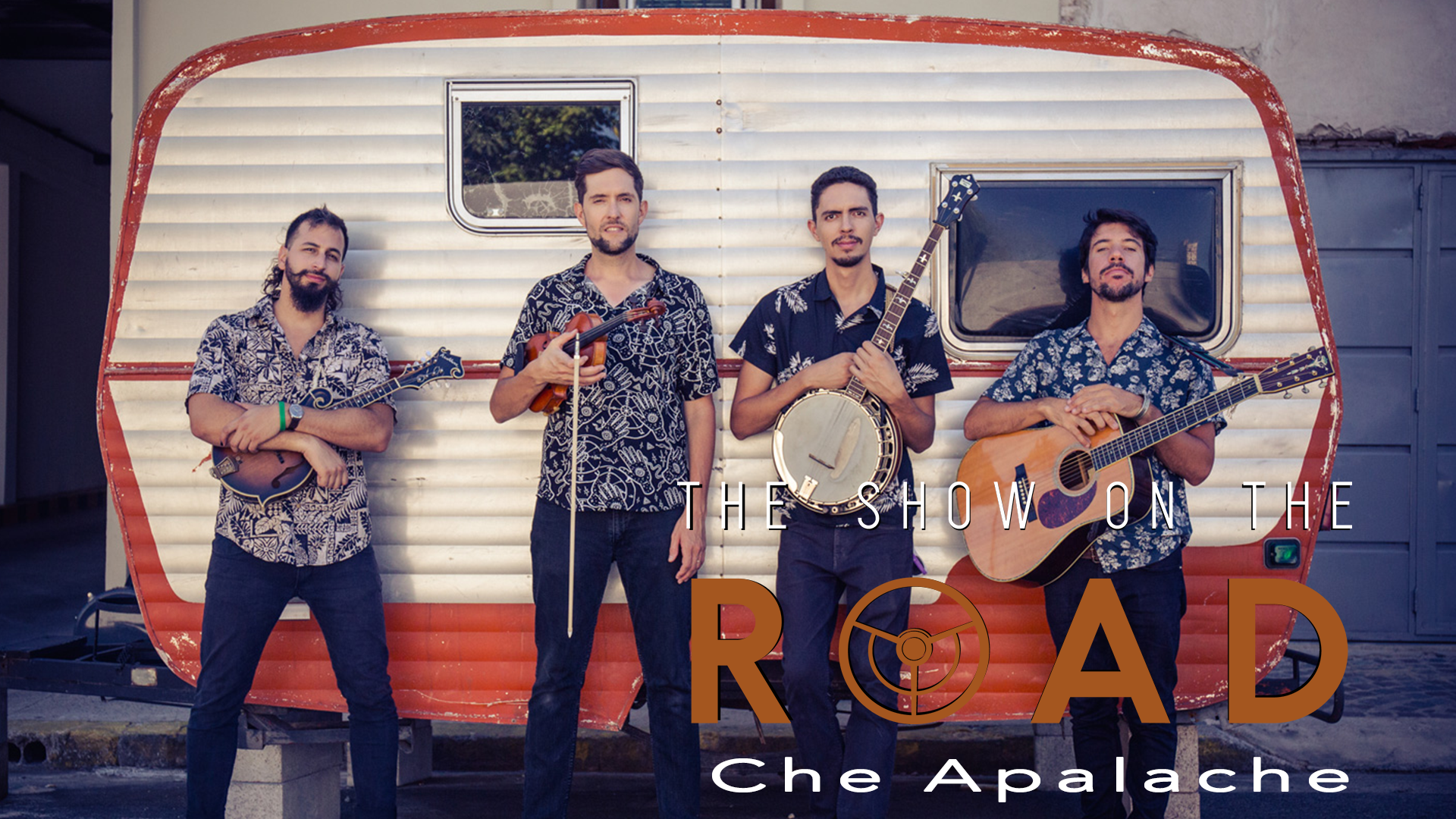
The Show On The Road – Che Apalache

This week we feature a border-breaking bluegrass band who came all the way from Buenos Aires to celebrate their Best Folk Album Grammy nomination. Before Che Apalache hit the red carpet, they stopped by host Z. Lupetin’s LA living room studio to talk about their unlikely founding and how they’ve created their intoxicating brew of traditional North American and often overlooked South American string band sounds.

LISTEN: APPLE PODCASTS • MP3

Lead by a trilingual world traveler, fleet-bowed fiddler, spitfire vocalist, and sonic scholar Joe Troop, Che Apalache formed almost accidentally when Joe began teaching curious local Buenos Aires pickers his own North Carolina folk traditions. Amongst his talented students he found three kindred spirits in Argentinians Franco Martino on guitar and Martin Bobrik on mandolin, and Pau Barjau on banjo, who is originally from Mexico. The result has been one of the most unexpected and have-to-hear-this-to-believe-it stories in modern roots music, culminating in their brilliant second record, Rearrange My Heart, which was produced by fan of the band (and a guy pretty good on the banjo), Béla Fleck. Lucky for all us, Che Apalache play several songs during the episode!

WATCH: Wood Belly, “Can’t Get Behind”

Artist: Wood Belly
Hometown: Denver, Colorado
Song: “Can’t Get Behind”
Album: Man on the Radio
Release Date: January 31, 2020
Label: Belly Up Records

In Their Words: “This is a tune about the basic need for acceptance. We’ve all had a moment questioning ourselves, ‘Is it me? Or is it you?’ I relate with these struggles, which can be taxing on a person’s mind. It’s sometimes challenging to arrive at acceptance before we process with our own coping mechanism. No matter how we get there, we usually come to realize we always had the answer within — but not before a little self-torment.” — Craig Patterson, Wood Belly

“James Armington really made this vision come to life. We all knew and loved James from the bluegrass community and he was a fellow Telluride band competition winner. When it came time to cast our hero, I remembered standing on the main stage at Telluride watching the tarp-run next to James decked out in suit, cape and mustache. We had no idea just how perfect he would be for the role. James had the cast and crew in stitches scene after scene and we can’t thank him enough for the wonderful performance and memories.” — Chris Weist, Wood Belly


Photo credit: Emily Sierra Photography

WATCH: Hawktail’s Wintery Ride, “The Tobogganist”

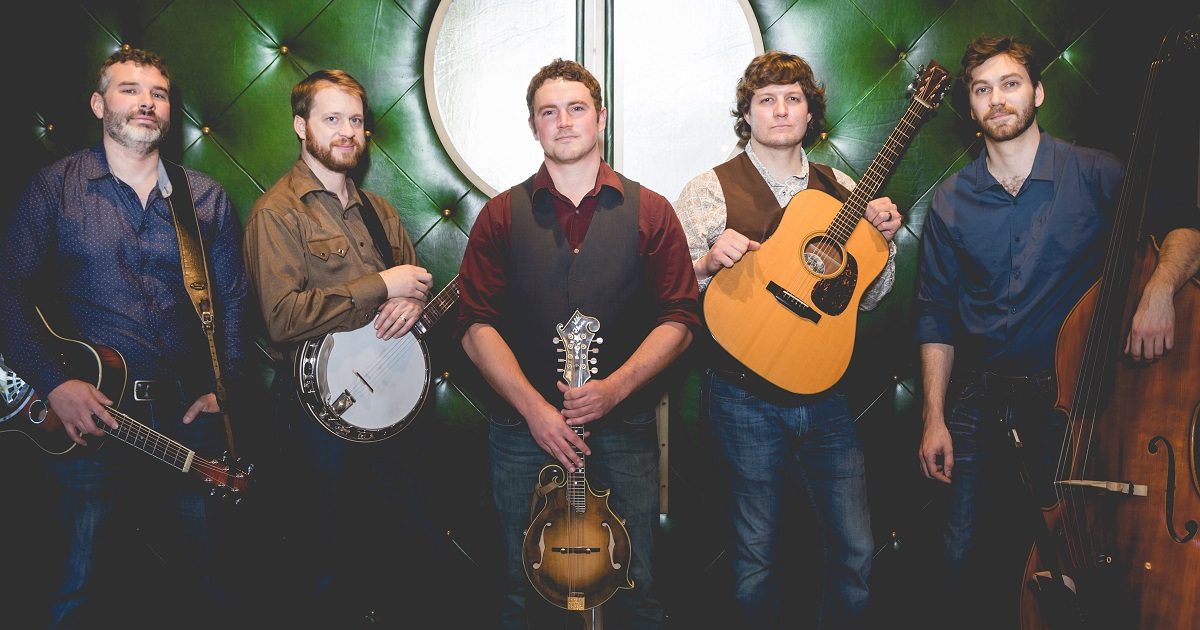
Bluegrass instrumental music is being reimagined by one of the buzziest bands in Nashville. Hawktail is an assemblage of four exquisite instrumentalists with a collective prowess for composition like no other. Brittany Haas, Paul Kowert, Jordan Tice, and Dominick Leslie just released their highly anticipated sophomore album, Formations on Padiddle Records. Co-produced by Chris Eldridge, the record is a gem whose songs transport the listener to another place, one filled with familiar sounds built in unique structures. The Current caught onto the dream that is Hawktail, bringing in the group to capture videos of their new music. Here’s Hawktail performing “The Tobogganist” from their new album Formations.


Photo credit: Dylan Ladds

CBC’s Tom Power and BGS Partner on New Bluegrass Podcast, ‘Toy Heart’

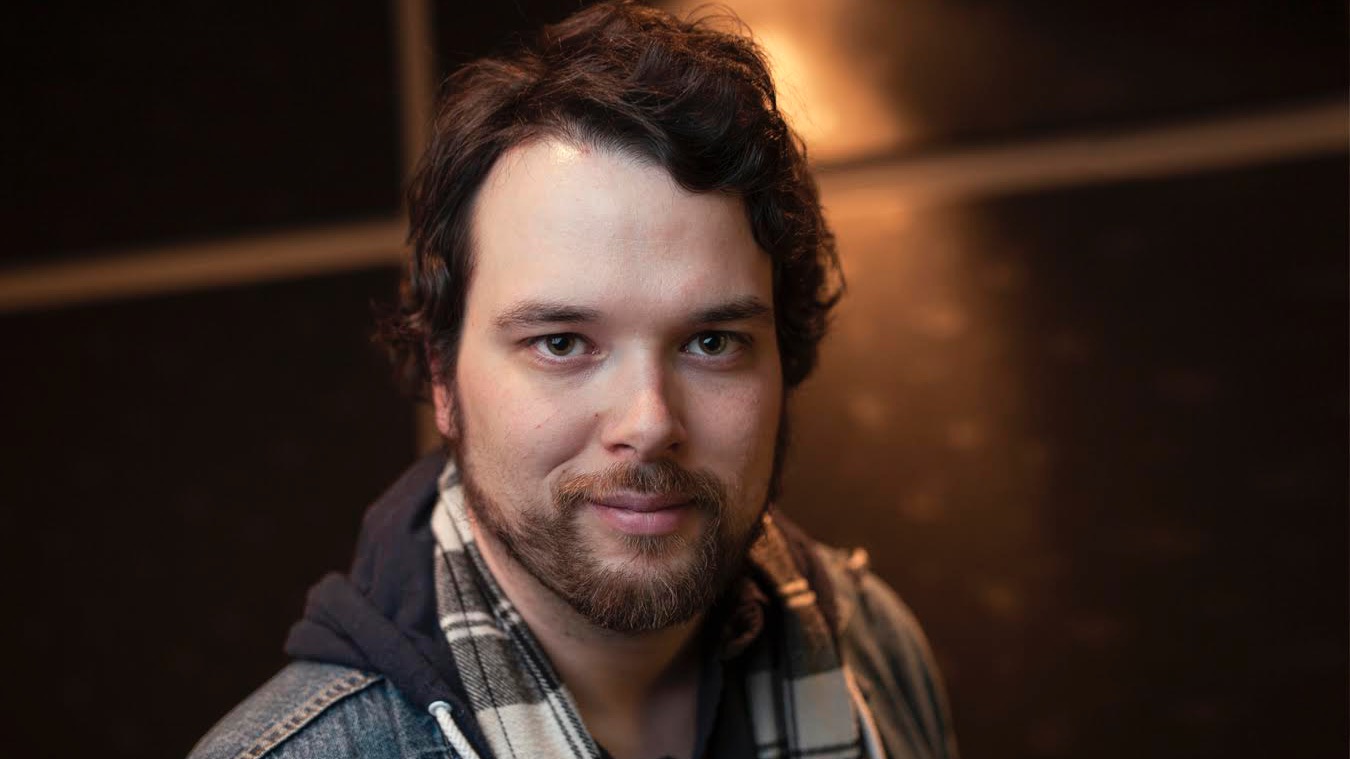
A familiar voice across Canada’s airwaves, Tom Power hosts CBC Radio’s q, an all-encompassing public radio talk show that perhaps best compares to NPR’s Fresh Air or PRI’s Studio 360. Though it does air on some public radio stations in the United States, Power is best known to the north, not only as a radio personality, but as a musician — he’s an accomplished guitarist with remarkable prowess in Irish and traditional Newfoundland musics — and musical scholar.

As it turns out, he’s also a diehard, lifelong fan of bluegrass. As a teenager he picked up the five-string banjo and took lessons (which had a much broader reach than just banjo techniques) from once Blue Grass Boy and now Bluegrass Hall of Famer Neil Rosenberg, who just so happened to live nearby in Power’s native Newfoundland. Though his work as host on q reaches far beyond his home island and his favorite chosen folk musics, his ethnomusicological expertise still centers on bluegrass — and he is a devout and starry-eyed fan.

BGS is proud to partner with Power and his co-producer Stephanie Coleman to present Toy Heart: A Podcast About Bluegrass, a platform for bluegrass storytelling and an examination of the true narratives that gave rise to this singular genre. Over eight episodes in its inaugural season Power will interview Grammy Award-winning, IBMA Award-winning, and truly earth-shattering artists in bluegrass about their lives, their stories, and their songs.

At Folk Alliance International in New Orleans last week BGS and Tom Power unveiled the first five minutes of the first episode of Toy Heart, which features Del McCoury accompanied by his sons Ronnie and Rob. Listen to that trailer right here on BGS, and read our interview, where Power discusses the pros and cons of his status as an “outsider,” the never-before-heard stories he unearthed in his recordings, and much more.

Our BGS audience, being largely American, might not have an understanding of who you are already. Then the audience there in Canada will know who you are as an interviewer and on-air personality, but maybe not that you are a dyed-in-the-wool bluegrass nerd of the best kind.

[Tom laughs]

How does it feel being the person executing these interviews, creating this podcast, and being in the center of that odd Venn diagram between really traditional bluegrass and folks who love it, and your more outward-facing persona on the radio in Canada and, to a lesser degree, here in America?

Tom Power: I am a little apprehensive and a little scared, but I also know that the things that are making me scared about this are making our podcast good. I feel like I have a lot of bona fides in this music, in terms of my knowledge of it. I’ve been obsessed with it since I was about fifteen years old, studied it extensively, did a lot of work on it. When I went down to Nashville and met the community there I started to understand that I was an outsider, that I was not someone who was part of that community. I’m from a very different group, I play very, very different music.

I’m kind of a new member, [everyone has] been very welcoming, but it’s a little intimidating. That being said, I think the perspective I have allows me to ask different questions, or at least think differently about the music than someone who’s in it. In this case I’m on the outside looking in, which allows me to ask different questions, allows me to have different conversations. I wouldn’t know the history of say, Ricky Skaggs and Bill Monroe as well as others. I know the history of how they got together, but I was able to look at Ricky and say, “Hey man, I don’t remember a lot from when I was four years old. Do you actually remember him handing you that mandolin? How is that possible?” Which is a question that maybe someone who was a little more involved in this community may not have thought of. They may have just accepted it as part of the lore.

As you’re describing this apprehension I’m wondering, are you thinking about how to mitigate for folks being like, “What about my favorite Del McCoury song? What about my favorite Ricky Skaggs anecdote?” How much of that are you anticipating and/or how much of this is you specifically turning over stones that haven’t been turned over before?

The format of the podcast is largely autobiographical. Each episode begins with, “Where were you born?” Or, “What was it like growing up?” I try to let the guest [lead]. On the radio show, q, say I have twenty minutes and ten pieces I really need to hit. In this case I have an hour, I have an hour and a half. I’m able to let them guide me where they want to go and I can steer them back around.

One nice thing about my interviewing background, and I think the reason q has been in any way successful in Canada and a bit in the U.S. as well, is because we focus on what the listener might want to know most. When I’m doing an interview I’m always thinking about how it’s coming out in someone’s headphones, how it’s coming out over somebody’s car stereo. What are they shouting at the radio? What are they shouting at their phone? I’m always trying to keep that in mind.

When you imagine that hypothetical listener, the average person you’re trying to target with the podcast, is it a diehard who knows everything about bluegrass, or is it somebody who’s maybe a new initiate? Who do you hope will come into the audience of this podcast?

More than anything what I’m trying to do is trying to get a record of some of this music. I think the podcast format is a great opportunity to get these kind of biographical stories on record. I found myself listening to people like Marc Maron, Howard Stern, and Terry Gross thinking, “Why can’t I do this for the music I love the most? Who’s doing this work?” The music that Del McCoury’s making, the music that Ricky Skaggs is making, or Alice Gerrard or Alison Brown, is as valid to me as something nominated for an Oscar or nominated for the Booker Prize. Who’s treating this music this way? Who’s giving it this attention to detail?

In any kind of music there’s a lot of myth-making and a lot of legend-making. I’m really interested in what the actual story is. Even if it might seem a little boring to them. The eight-hour drive from Nashville to somewhere else, I want to know what they talk about on that bus ride! I want to know the minutiae.

Some of my favorite interviews have been with people who I didn’t know. I’ve turned it on and I’ve gone, “Who is this person? Who is this director? Who is this actor?” And I found myself engrossed in the story. Take Jesse McReynolds, who told me on this podcast about driving around with his brother Jim from schoolhouse to schoolhouse, taking the car battery out of their car, putting it on stage, plugging the PA into it, and seeing if they could just get people to come. Is that not just a beautiful, human story? Bluegrass is the story of the original DIY music, as far as I can tell. These people were living what punks thought they were living for the first time in the 1970s. [Laughs]

I am aware that I’m entering sort of a hallowed ground of music and music aficionados. I really believe that this is just a matter of getting it on the record and using the little bit of training that I’ve had on public radio. Being able to sit down with Del McCoury and go through his entire life, his entire career, and ask, “What was it like when you had to quit music and go work in the logging industry? What was it like working in a sawmill? Tell me about the actual moment. I know the story that you were playing banjo [in your audition] for Bill Monroe and then Bill Keith came in, how’d that happen? Didn’t that hurt? You lost that gig — what was it like playing in a band with a guy you lost a job to?”

You do have these moments with so many of these icons that we know and love. We know their “mythology” intimately, yet you get stories out of them that people like you and I have never heard before, let alone people who don’t think and write about music every day for a living. You mention Del and Jim & Jesse, but is there another story that you’ve uncovered in your recording so far that you were surprised to hear?

I spoke to Del McCoury about the time he [spent] in the military. I said, “So you were in the military, how did that go?” Pretty broad, right? He tells a story about being in the military, about a couple of things that transpired while he was in the military that were hilarious. We laugh about it, and on the way out Ronnie and Rob McCoury stopped me and said, “Tom, we’ve never heard that story before.” These were his sons! Not just sons, but his business partners, his bandmates, and they said they had never heard him tell that story before.

I can tell you, Alice Gerrard told me what it was like to sing at Hazel Dickens’ funeral. I felt so honored that she would even be able to tell me that. I asked Béla Fleck, “Where is Tony Rice?” And what his relationship with Tony is like these days. I asked Jerry Douglas about drug use in bluegrass, something that often gets overlooked. And I should be clear, the goal is not to be in any way sensational. The world I come from in public radio, I find stories about humans way more interesting than stories about legends. What I was able to do is have human conversations while finding out the history of how a bunch of people created this thing that changed my life and it changed the lives of people all around the world. How is that possible? It’s largely by an unglamorous industry, a hard life on the road, touring nonstop, playing small barns, having lean years — the story of what actually happened there is more interesting to me than anything else.

I’ll give you one more. Ricky Skaggs, for the first time ever, tells the story of how Bill Monroe almost hired him to be a Blue Grass Boy. Hearing Ricky’s tone when he told me that story — he says to me, “I haven’t really talked about this before.” I felt so honored that I saw not a bluegrass legend on the Opry, but I saw a kid still being blown away because his hero spoke to him.

I think that’s one of the most beautiful things about bluegrass and even folks with even the most casual relationships to bluegrass understand that the community is just as important a part of the whole thing as the music itself. The legends that you’re describing just so happen to also still be human.

And they have stories they want to tell! And maybe haven’t even had the chance to tell them. I want to hear about it. I want to hear the story of how Béla Fleck heard that Tony Rice was making records without banjo and he thought, “That’s not right, and I gotta be the banjo player.” So he leaves New York! These are the stories of ambition, of love of music, honoring a tradition, and wanting to further things. Of humanity. I find it fascinating.

Ideally, if enough people listen to it, this season will just be one of many. I want to get to everybody! I mean, my white whale is Tony Rice. If you listen to these interviews a lot of them close with, “How do I get in touch with Tony Rice?” [Laughs] Alison Krauss is another I’d love to speak to, because other than Bill Monroe she is maybe the most transformative artist in the music’s history. I want to know what it was like to be a twelve-, thirteen-, fourteen-year-old child prodigy playing this music. I want to know what emails — I know there weren’t Tweets back then — or messages she got when she started adding drums to her music. I’m dying to talk to Larry Sparks! And the Osborne Brothers! These are crucial — I had to limit myself to eight people this time around and it was so challenging.

As someone who got a Bluegrass Unlimited subscription mailed to Newfoundland when he was fifteen, and a Banjo Newsletter subscription mailed to Newfoundland when he was sixteen, I still would not know anything about this if I wasn’t under the tutelage of, in my mind, the greatest mind in the history of bluegrass, Neil Rosenberg. It changed my life forever. When I first took this on the first thing I did was fly back to Newfoundland to see Neil. I told him, “I’m doing this thing, what should we talk about?” And he helped me out. If I can be a pebble onto the beach of the work he has done that would make me very happy.


Photo courtesy of Tom Power

WATCH: I’m With Her Celebrate Dolly Parton, ‘Trio II’ with “Lover’s Return”

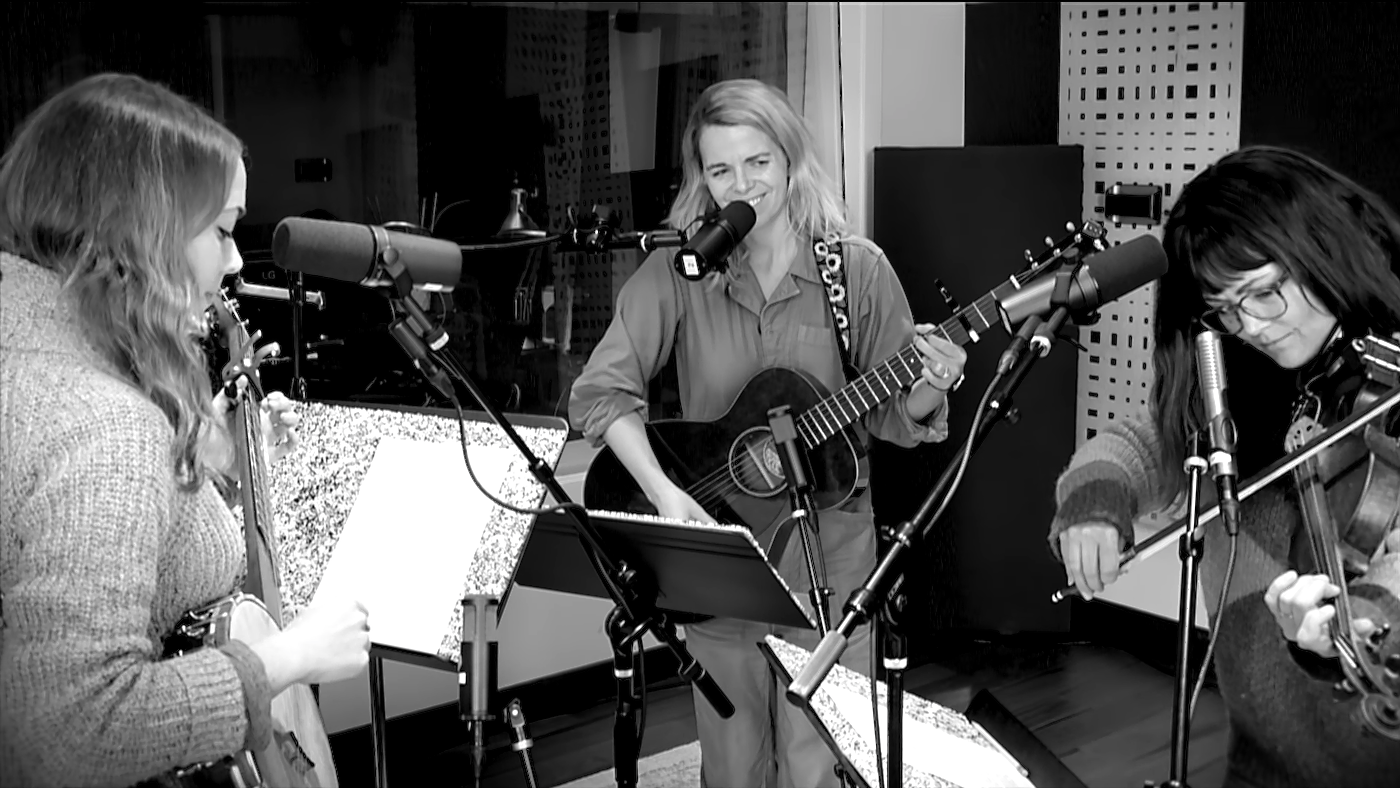
The beautiful voices of I’m With Her paid special tribute to the illustrious icon Dolly Parton in their latest visit to the studio for Live from Here. In an intimate performance, I’m With Her sing “Lover’s Return,” originally a Carter Family song, which Dolly, Emmylou Harris, and Linda Ronstadt revived only a few years before the turn of the century on Trio II. Now as a new decade is settling in, I’m With Her look back and remember, breathing new life into music that inspired so many — including Sarah Jarosz, Aoife O’Donovan, Sara Watkins, and of course, Dolly herself.

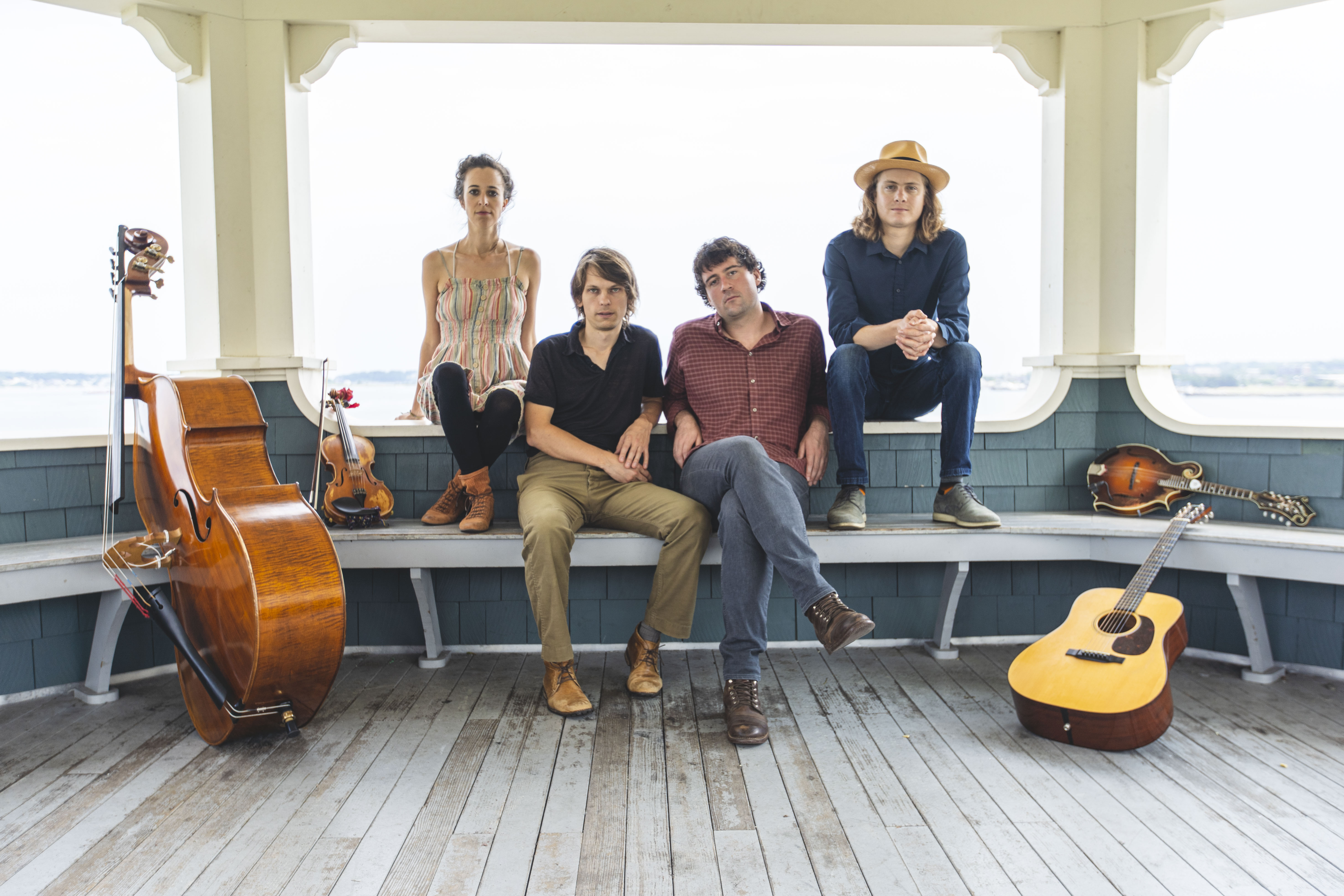
WATCH: Twisted Pine, “Papaya”

Artist: Twisted Pine
Hometown: Boston, Massachusetts
Song: “Papaya”
Release Date: July 10, 2020 (album)
Label: Signature Sounds

In Their Words: “We call this Americana funk. Chris [Sartori, bass & vocals] was playing this groove in NYC one time during a sound check, and then later at a gig in California when the chorus melody came flying out of me. We decided the song would be about a papaya. We figured, ‘Everybody loves a good fruit song, right?’ The song’s about the chase for someone, the wait. The idea that they won’t give into the fact that you two are a natural fit.

“I wasn’t really writing about love. You know how when you’re waiting for an avocado, you just want to eat it right now, but it’s not ready? That annoyed feeling, the fear of someone else getting to it first. Another day and this thing isn’t ready?! By the time it’s ripe, it’s already gone or you have to toss it out. It’s about a fruit relationship and the perfect timing for love. Don’t tell anybody, but I’ve never had a papaya. We’re putting it on the rider. I just hope I’m not allergic.” — Kathleen Parks, fiddle and vocals, Twisted Pine


Photo credit: Joanna Chattman

Della Mae Offer Encouragement and Illumination on ‘Headlight’

Della Mae have shaken up bluegrass and old-time stages for the better part of the last decade, with a mile-long resume that even includes a stint as cultural diplomats with the U.S. State Department. With Headlight, the Boston band’s first full-length album in five years, they’re providing their most powerful statement yet.

Written primarily on retreat at MOXE, a women-owned creative retreat outside of Nashville, the band taps into a more overt kind of activism than we’ve seen from them before, with lyrics that lift up victims of abuse, lend solace to the weary, and offer a single directive in the fight for change: to always keep moving forward.

Produced by Dan Knobler and recorded at Sound Emporium Studios in Nashville, the album features vocal powerhouses like the McCrary Sisters alongside instrumental heavyweights such as keyboardist Jen Gunderman and guitarist Molly Tuttle. Its tracks boast the fast picking and sublime harmonies that Della Mae fans have come to expect. BGS caught up with lead singer and songwriter Celia Woodsmith, discussing the new music and the band’s long record of working for equality in bluegrass and beyond.

BGS: The album opens with “Headlight,” a powerful song about standing up in the face of abuse. What drove you to write it?

Woodsmith: “Headlight” was definitely a hard one to write but it came out really quickly. I had been trying to write a song that could capture this feeling, the #MeToo movement feeling, and nothing was coming out. It really was after Christine Blasey Ford testified in front of Congress that it happened — the song came out in about twenty minutes, a very quick thing. I think I’d finally just had it.

As we [the band] have gotten older and more mature as human beings and as women and as musicians, it’s been easier and easier to not really care what other people think of us. [Laughs] It’s easier to say what we want to say, without fear that we might “ruin our career” or that the backlash will be too hard to handle. Truly, I didn’t write it as a political song, and I didn’t write it as something to divide people. I wrote it as an anthem, an ode to all the women in my life and the women I’ve seen all over the world who have stood up and been brave and been ridiculed for it.

Are there ways that you feel like your fans and your listeners could be “headlights” in their communities?

One of the lyrics is, “No need to be rude, just sit back and listen.” I think right now, especially, we really don’t listen to one another; we don’t want to listen to one another. There are a lot of takeaways that I hope people can grab from this song, but if standing up for women’s rights is beyond them, then I hope that they can just get through the song, just listen to it, just think about it. That’s all I can hope for.

As a listener yourself, what’s something in music in the last year or two that has made you particularly hopeful about what’s to come?

The first thing that comes to mind is the album by The Highwomen — Brandi Carlile, Maren Morris, Amanda Shires, and Natalie Hemby. That album, that project, really made me happy. First of all, that these women were badass enough to stand up and say, ‘This is a problem in country music. You don’t play our songs and you don’t play our albums, and we are absolutely going to stick this in your face.”

You have people constantly, your whole life, telling you that you’re “pretty good for a girl.” Believe me, Della Mae has gotten plenty of that. And it’s so frustrating. But when these high-profile women stand up for the rest of us, it elevates all of our voices. To have an album like The Highwomen do so well, be so well done — and by these four powerhouses — made me so hopeful for the future, hopeful that other young women are going to see this same thing and say, yeah, you know what? You should play our music. We are good enough.

Della Mae has been a presence like that for women all over the world, working with the State Department, performing in countries where women might not always see other women on stage. In your travels, were there times when you encountered a bluegrass community in places where people might not expect to find it?

Yeah, absolutely. We have found really amazing bluegrass musicians in Russia, and we’ve found them in the Czech Republic, and we’ve found them in France. Bluegrass is everywhere. It’s quite amazing to me, actually. We met a really amazing three-finger-style banjo player in Uzbekistan. This woman just learned how to do it from YouTube, and we were the first bluegrass musicians she’d ever jammed with.

Another time, these young Russian bluegrass musicians we sat down to pick with asked us to play [one of our songs] “Sweet Verona,” and they played right along with us. It was truly astonishing. That goes to show how small the world is. If you have an internet connection, you can listen to just about whatever you want, and you can learn. Bluegrass is a global thing, it’s everywhere. But it’s everywhere because it’s folk music, and I think that people can really relate to it.

I’ve seen quotes where Della Mae describe Headlight as the album you’ve always wanted to make. What were you enabled or empowered to do here that you haven’t been able to do in the past?

I think that kind of ties back into the “not-giving-a-crap-anymore” thing. We had always been afraid to have drums on an album, we’d always been afraid to plug in, use effects. [Because] we were in bluegrass, and kind of cornered into that genre, it felt like we couldn’t expand our musicianship, because we didn’t want to anger our fans.

We obviously care a lot about our fans, but [now] we think that we can take our fans with us, take them along for the ride. We’ve been playing for ten years. Our fans know that we can play a fiddle tune, and that we can play bluegrass standards. But we can also plug in and rock out and really perform songs that have meaning behind them, and do it with a lot of flair.

Do you think the pressure to adhere to tradition can be an obstacle for bluegrass musicians today?

I think that’s a problem being faced by bluegrass musicians, I think especially young musicians, but I think it’s getting better. Alison Brown, an absolute legend on the banjo, said it last year in her IBMA keynote speech: Change is coming to bluegrass, whether or not they want it. We have to start opening our arms more to different expressions of bluegrass.

There can be traditional bluegrass — that’s fine — but if someone has drums, or someone plugs in, or someone plays in an untraditional way, that doesn’t mean that we have to eliminate them completely from the genre. If we do that, then bluegrass music will slowly start to die. People won’t want to play it when they can’t play around with it, when they can’t give to it their own expression and their own creativity.

Recently I think there’s more openness to what bluegrass is, as opposed to what it isn’t. People will always say, “Well, that’s not bluegrass, they don’t have a fiddle,” or, “That’s not bluegrass, they don’t have a banjo.” More often lately, though, it’s been more like, “Oh, these musicians can play bluegrass, but they can also play a bunch of other stuff.” It’s better to celebrate that than to distance yourself.

Your new song “The Long Game” tackles the idea of temporary sacrifice for an ultimate goal. What are some of your challenges in playing the long game, and what keeps you looking forward?

We’re very lucky that this is our career, that we can travel around the world, meet people, write songs. But the day-to-day stuff is really hard. You’re kind of coaching yourself — “Just drink another cup of coffee and you’ll be fine.” When you’ve been a band for ten years, a lot of interpersonal stuff comes up. You may lose members over the years. We’ve had members turn over, and each time it’s difficult. It’s always the closing of a chapter, and then moving on a new way of thinking about Della Mae.

I love this band, and I love the women I play with, and I feel so grateful that we’re able to do this together. We’re really a family and a team, so I think that’s part of the long game, too — accepting change and learning to deal with it in a positive way, as opposed to a negative way. You’re always going to have surprises along the road, and you’ve just got to, well, keep playing the long game.


Photo credit: David McLister

STREAM: Alan Barnosky, ‘Lonesome Road’

Artist: Alan Barnosky
Hometown: Durham, North Carolina
Album: Lonesome Road EP
Release Date: January 17, 2020

In Their Words: “I typically have a less-is-more approach when it comes to writing music. My first record from 2017 definitely reflects that, it was a stripped-down songwriter album with all songs performed solo or as a duo. However, when it came to recording again I felt that six of my songs really worked best in more of a full-band arrangement, so I pulled together some of my musical collaborators and good friends and we recorded this EP to showcase those songs specifically. The focus of this record is still very much on the song, but it also features musical aspects that are harder to achieve as a solo or duo, like instrumental solos, some three-part harmonies, and an instrumental tune that highlights the individual players. Although there are more musicians on this record than my last, it is still very simple in terms of production.

“Since the EP compiles a variety of songs that I felt would work best with a band, not all of these songs are new to me. In fact, one, in particular, is pretty old. I wrote ‘Might Be a Call’ over 10 years ago using my mom’s old Gibson Hummingbird guitar that has long since been sold at a garage sale. I sat on the song knowing that it would only sound right if it was on a full-band recording. Other songs were written within months of recording, including the third track ‘Ain’t It a Shame’ and the instrumental ‘Sawtooth Ridge.’ Though the timeline of these songs spans a wide period of my life, the themes are actually pretty consistent. They carry imagery of weary traveling and a search for something better.” — Alan Barnosky


Photo credit: Mick Schulte

Hawktail, “Padiddle”

Impossible combinations. Hawktail makes them seamlessly, time and again, with their effortless-while-labyrinthine brand of instrumental string band music. Their brand new album, Formations, is their first conceived and executed wholly as a four-piece. Mandolinist Dominick Leslie joined the lineup of Paul Kowert on bass, Brittany Haas on fiddle, and Jordan Tice on guitar after Hawktail developed most of Unless, their debut, as a trio. Confidence and ease permeate the new record, along with a palpable sense of intense listening and a feeling of space, openness, and synchronization. With virtuosos such as these it’s hard to imagine that they could possibly grow closer, become tighter, more enmeshed — but it would seem after little more than a year these four certainly have.

 Tice introduces “Padiddle,” Formations’ penultimate track, combining a bouncy, folk-rock inflected melodic hook with a smoldering, bluegrass-born conviction. An all too rare pairing in string band music, these modern, impetuous musical ideas don’t always emulsify with age-old, dyed-in-the-wool techniques. With each of the six originals on the record (and, of course, the Väsen cover, too) Hawktail are, as always, daringly inventive. But on Formations they’re distinctly proud to be catchy as well, flirting playfully with pop while still constantly reinforcing the deep roots of their collective pedigrees in fiddle music, old-time, bluegrass, and plain ol’ pickin’. An overarching impossible combination coloring the entire collection of tunes must be this: That something so timeless is also remarkably contemporary.